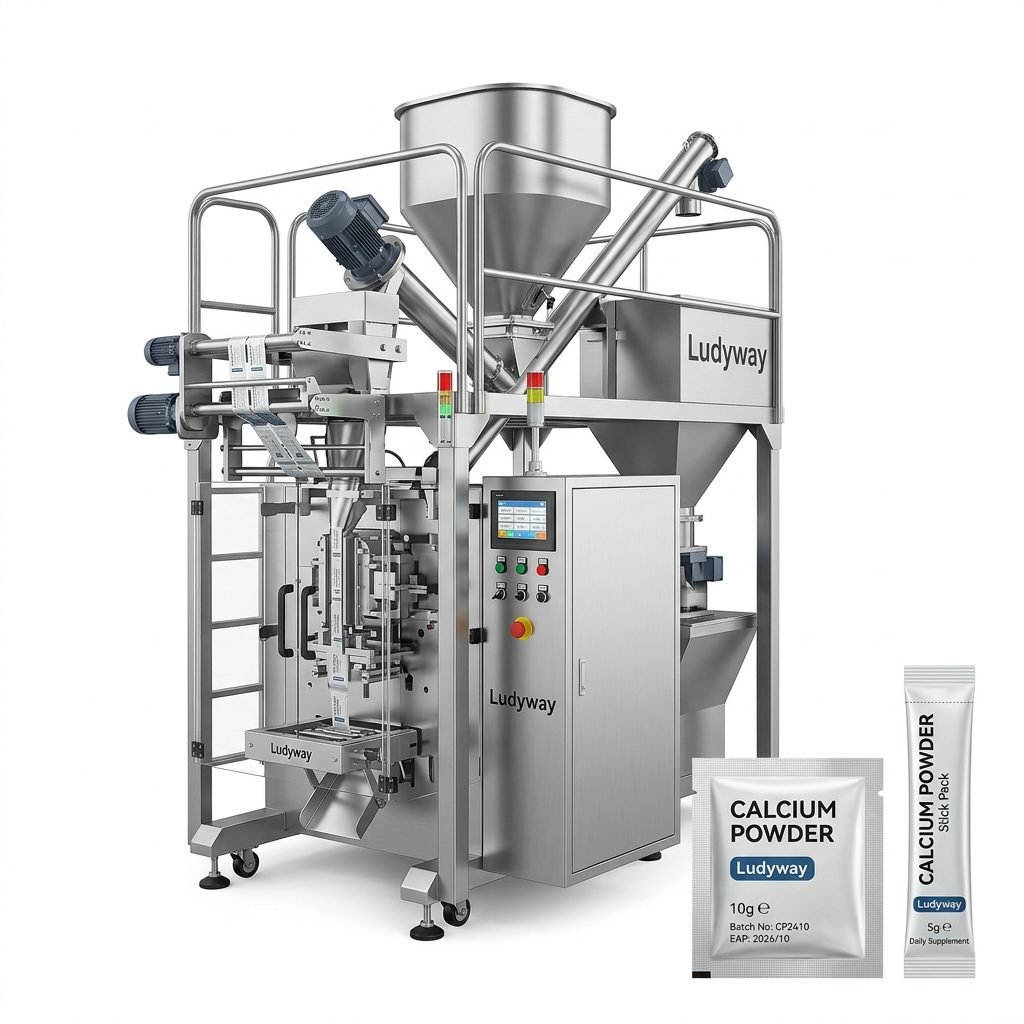
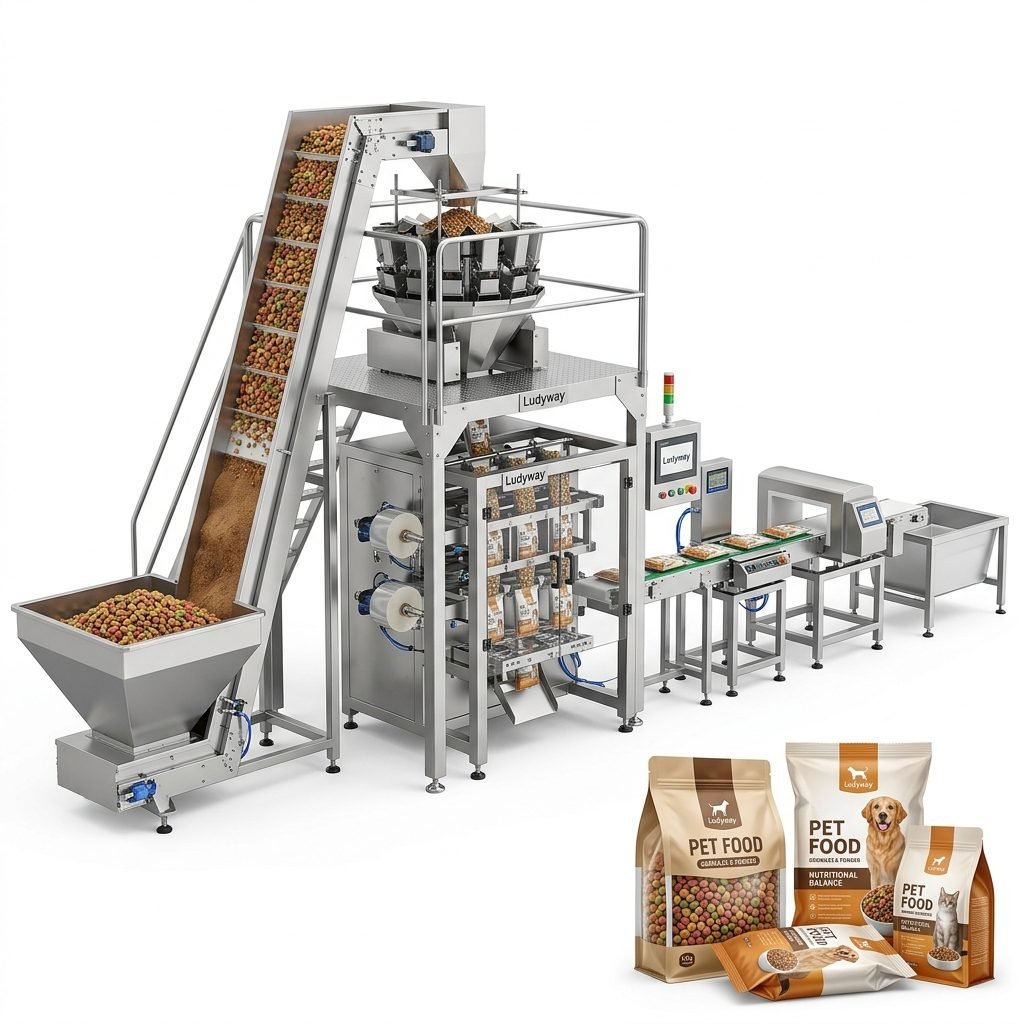
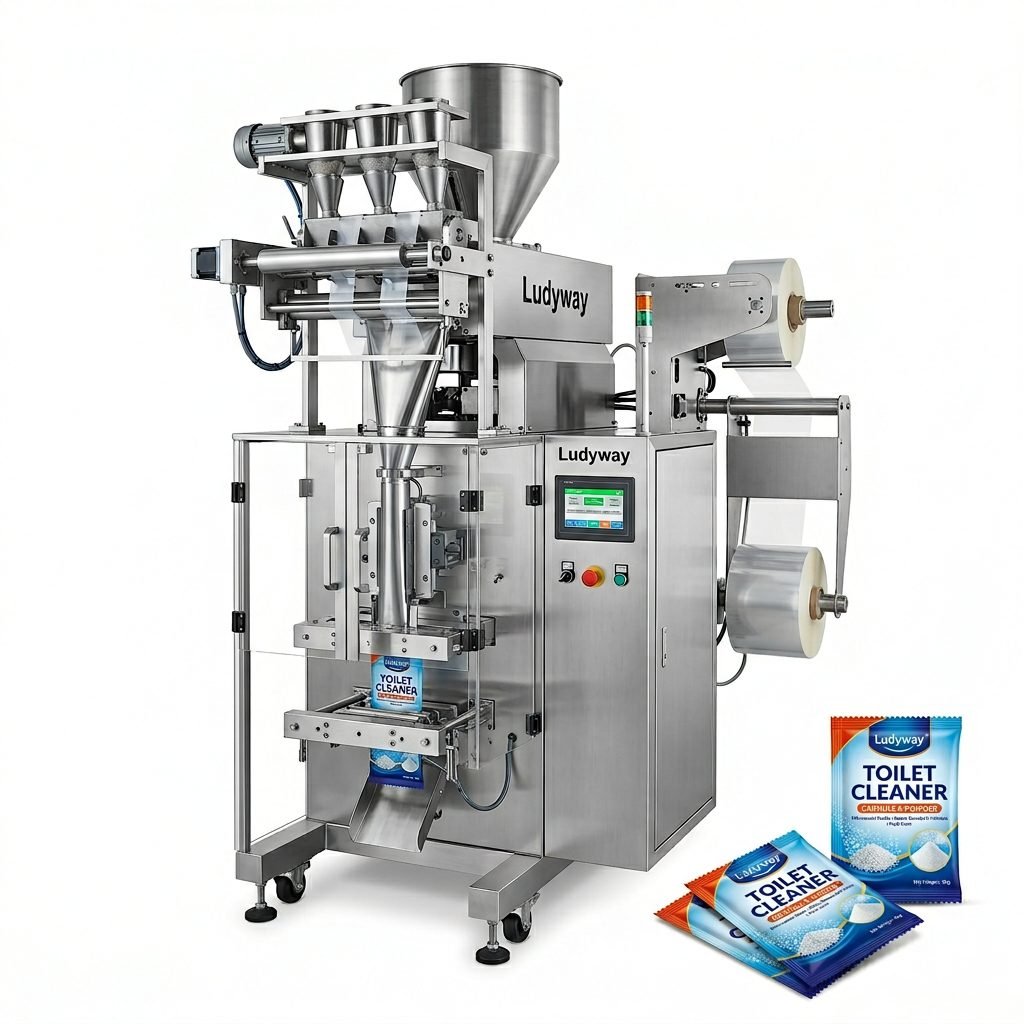
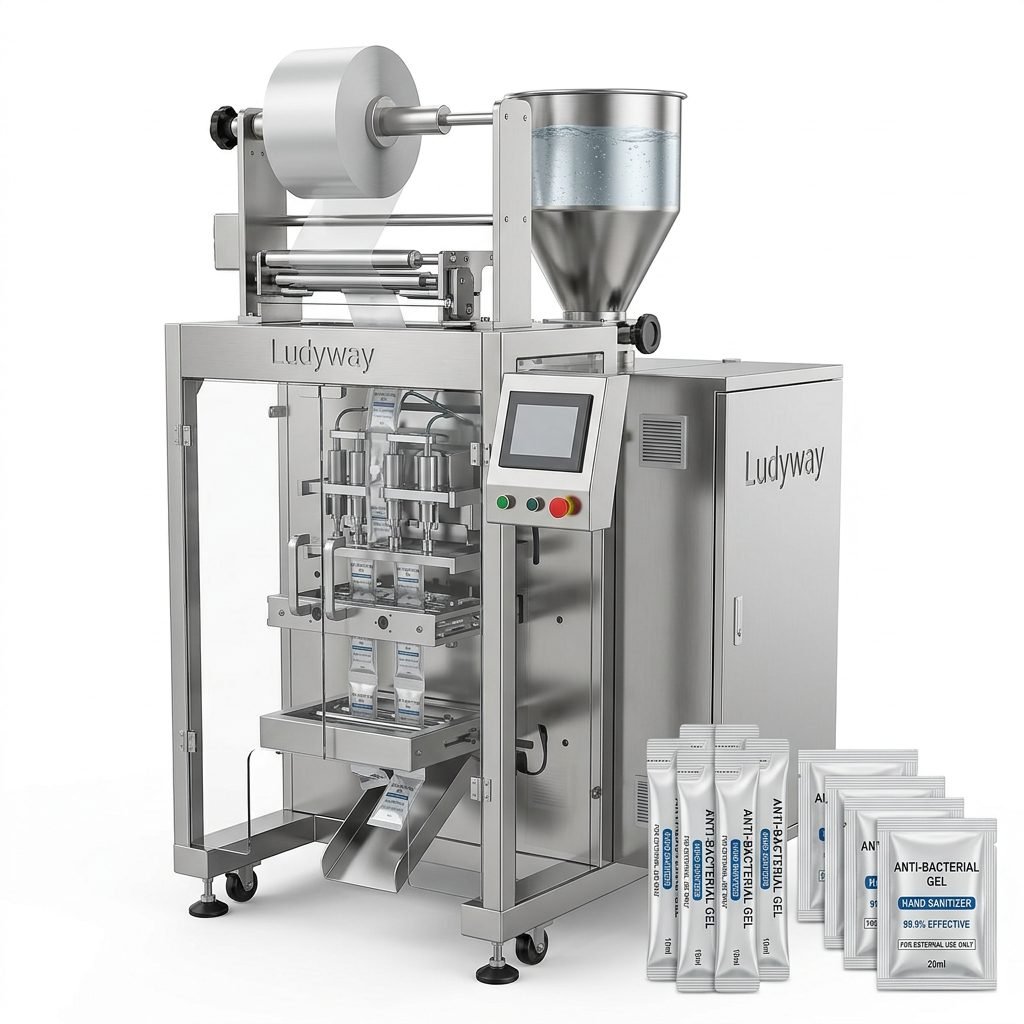
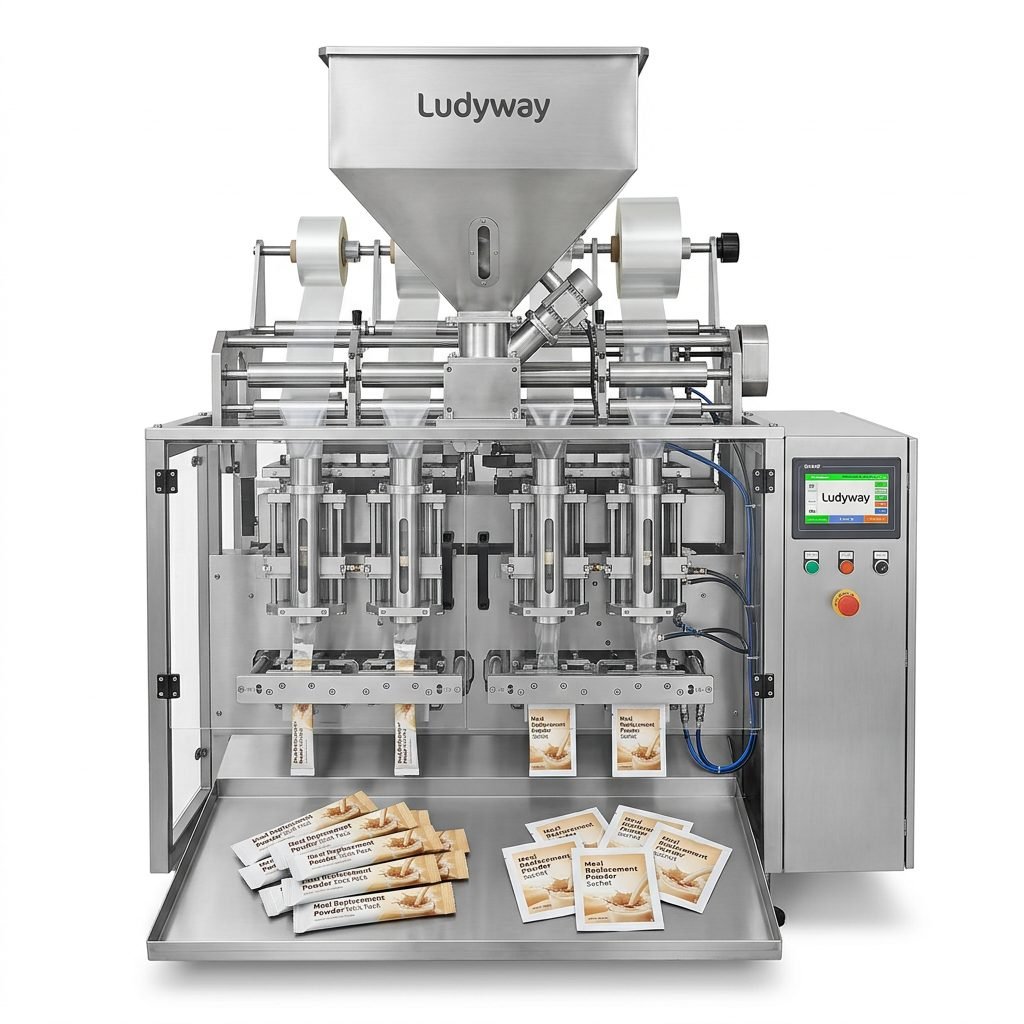
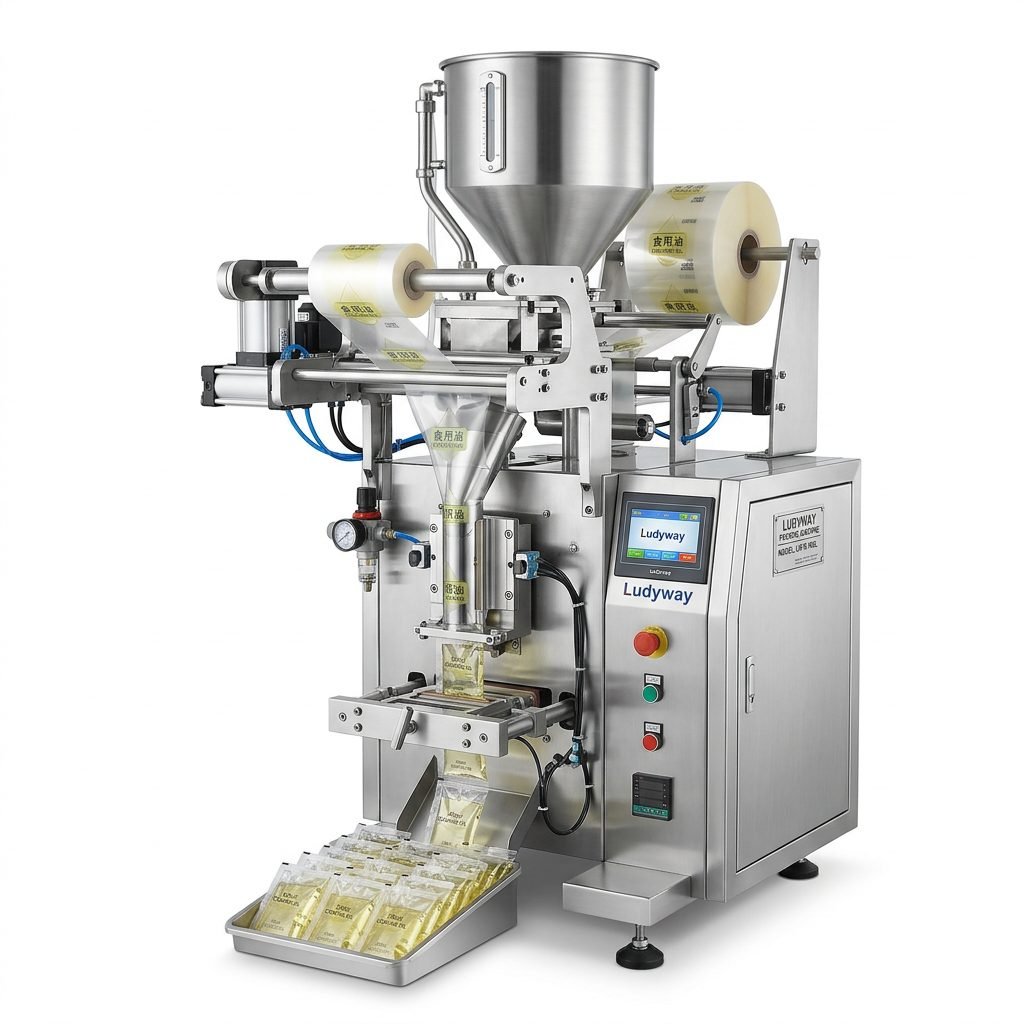
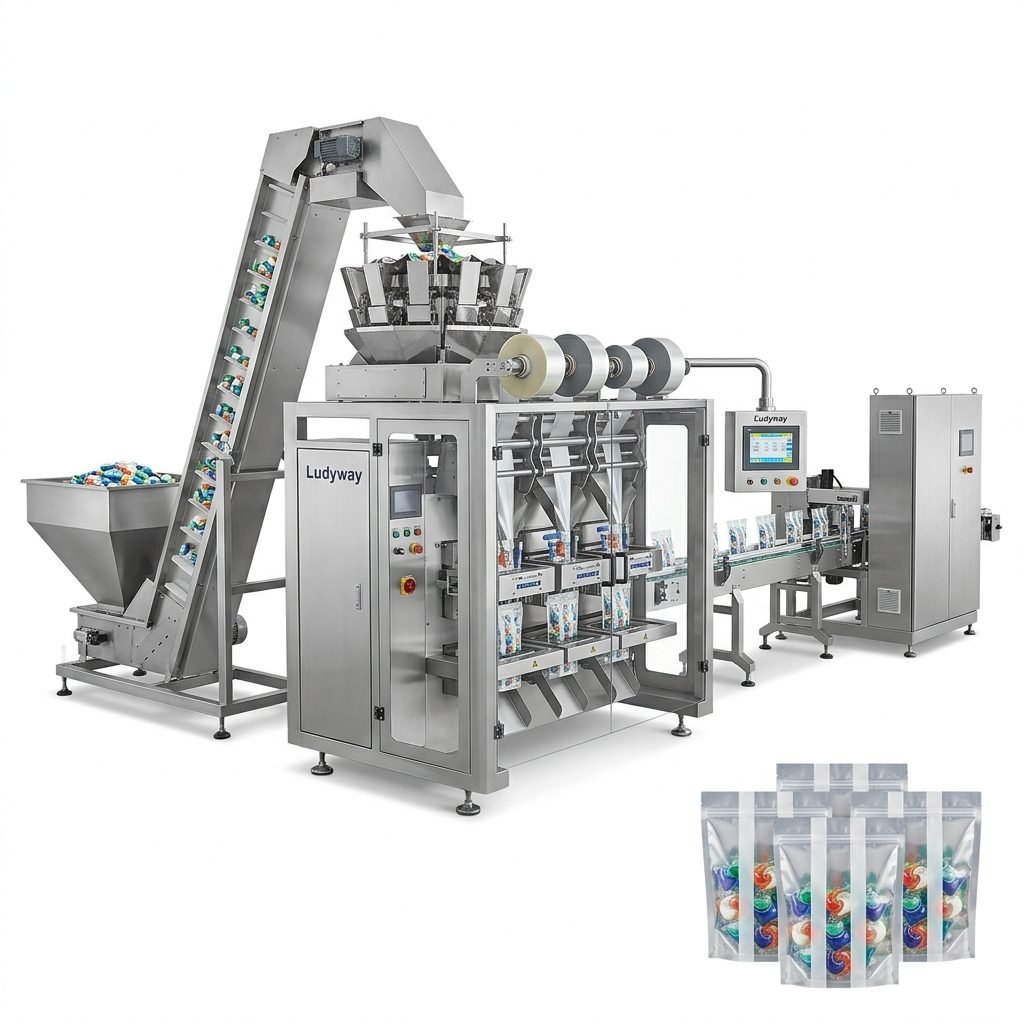
Investing in a used VFFS packaging machine can be one of the smartest capital decisions for growing manufacturers. A vertical form fill seal (VFFS) system automates bag forming, filling, and sealing in a single continuous process, but brand-new equipment often comes with a steep price tag and extended lead times. A carefully selected pre-owned machine delivers much of the same production capability at a fraction of the cost — provided you know what to look for.
This guide walks you through the essential factors to evaluate before purchasing a used VFFS packaging machine, from mechanical inspection to total cost of ownership, so you can make a confident, informed decision.
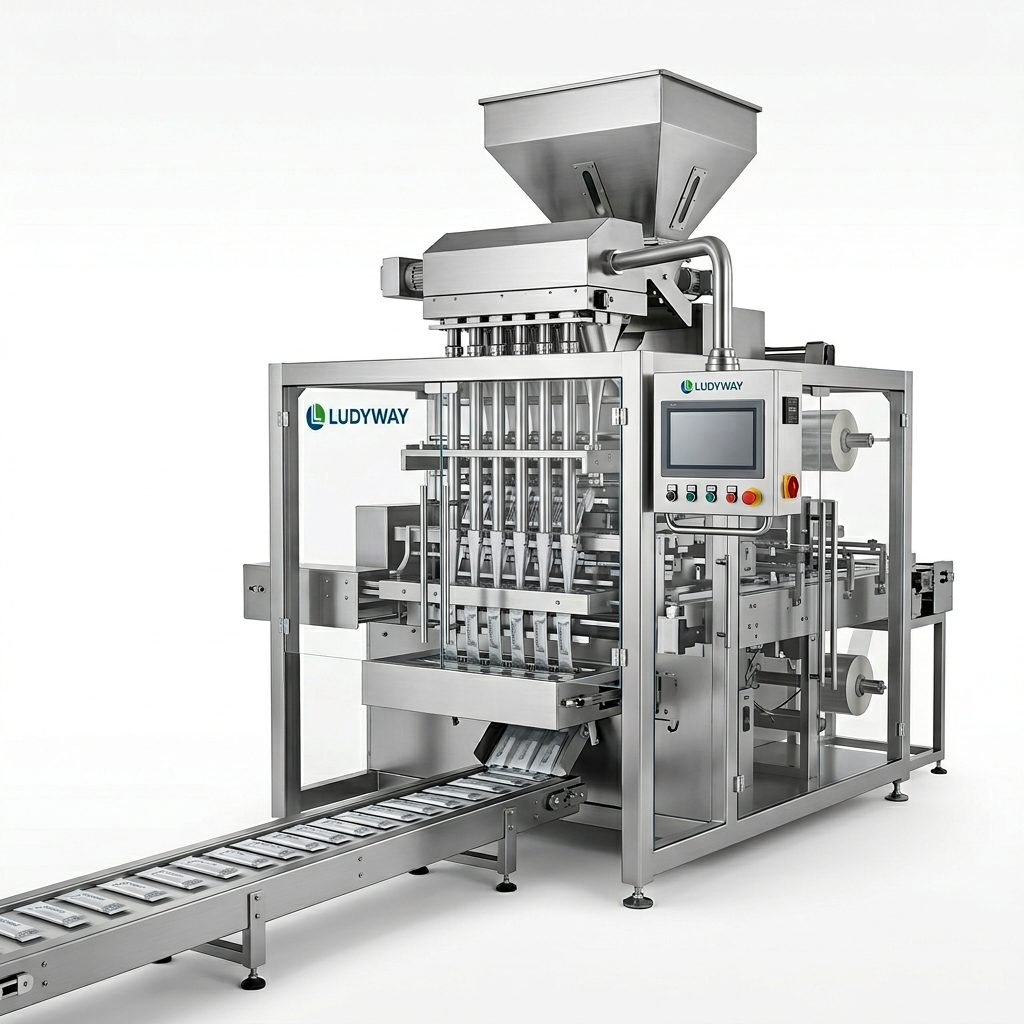
1. Understanding the Value Proposition of a Used VFFS Machine
Why consider a used machine in the first place? The primary drivers are cost savings and faster availability. A pre-owned VFFS packaging machine typically costs 40% to 60% less than a comparable new model. For manufacturers testing new product lines, entering new markets, or operating with seasonal demand fluctuations, this lower capital outlay reduces financial risk significantly.
- Lower upfront investment preserves working capital for other operational needs
- Shorter procurement timelines — used machines are often available for immediate inspection and shipment
- Proven reliability track record on established models with known maintenance histories
- Opportunity to access higher-tier brands and features that might be out of budget when purchased new
However, the value proposition only holds if the machine is mechanically sound, well-maintained, and appropriate for your specific application. A rushed purchase without proper evaluation can lead to costly downtime and repairs.
2. Define Your Production Requirements First
Before contacting any seller or inspecting any machine, you need a clear specification sheet for your own operation. This internal document will serve as your benchmark when evaluating potential purchases.
Critical Parameters to Document
| Parameter | Why It Matters |
|---|---|
| Product type (powder, granule, liquid, solid) | Determines filling mechanism compatibility — auger, volumetric, multi-head weigher, or liquid pump |
| Bag dimensions and formats | Pillow, gusseted, block bottom, or stick pack — each requires specific forming tube and sealing jaw configurations |
| Target speed (bags per minute) | Must match or exceed your current and near-future production demands with reasonable headroom |
| Film material and thickness | Sealing temperature, dwell time, and jaw pressure requirements vary significantly across film types |
| Environmental conditions | Washdown requirements, dust exposure, temperature, and humidity affect machine configuration and material choices |
Future-Proofing Considerations
Don’t evaluate a used VFFS machine solely against today’s production numbers. Consider where your business will be in 2-3 years. A machine running at 85% capacity today offers little room for growth. Look for equipment that can accommodate multiple bag sizes, interchangeable forming tubes, and upgradable control systems where possible.
3. Mechanical Inspection: What to Check in Person
A thorough mechanical inspection is non-negotiable. Whenever possible, inspect the machine under power — watching it run reveals issues that static inspection cannot. If an in-person visit isn’t feasible, request detailed video of the machine operating with your product specifications or a suitable substitute.
Key Mechanical Components to Evaluate
- Forming tube and shoulder: Check for scoring, wear marks, or surface damage that could snag film and cause inconsistent bag formation
- Sealing jaws: Inspect jaw surfaces for even heating patterns, wear, and flatness. Uneven sealing pressure leads to leakers and wasted product
- Film unwind and tracking system: Verify smooth film feed, consistent tension control, and accurate tracking without creasing or wandering
- Pull belts and drive rollers: Look for cracking, glazing, or uneven wear on belts; check roller bearings for smooth rotation and any play
- Electrical cabinets and wiring: Open panels and inspect for signs of overheating, moisture damage, rodent activity, or improvised repairs
- Pneumatic system: Listen for air leaks, check cylinder actuation smoothness, and inspect hoses for brittleness or cracking
Warning Signs That Should Raise Red Flags
Some conditions signal deeper problems that may not be economically viable to repair. Be cautious if you observe any of the following:
- Excessive rust or corrosion on structural components, especially near food contact zones
- Weld repairs or makeshift brackets indicating prior structural failures
- Inconsistent bag length or seal position during operation, suggesting control system or mechanical timing issues
- Unusual vibration, grinding, or knocking sounds during operation
- Missing or bypassed safety interlocks and guards
4. Age, Hours, and Maintenance History
A machine’s calendar age is less important than its operating hours and maintenance discipline. A 10-year-old VFFS machine with comprehensive service records, regular preventive maintenance, and low annual hours may present better value than a 5-year-old unit that was run 24/6 with minimal upkeep.
Request the following documentation from the seller:
- Complete maintenance logs, including dates and descriptions of all service performed
- Records of major component replacements — sealing jaws, belts, bearings, sensors, PLC components
- Past production schedules to estimate total operating hours
- Any incident reports involving downtime, product loss, or safety events
- Original equipment documentation, including manuals, wiring diagrams, and parts lists
If maintenance records are unavailable or incomplete, factor additional uncertainty into your cost calculations. Budget for a comprehensive preventive maintenance overhaul before placing the machine into production service.
5. Control System and Automation Compatibility
VFFS machines rely on PLC-based control systems, HMIs, servo drives, and various sensors for synchronized operation. The age and brand of these electronic components can significantly impact long-term serviceability and integration with your existing production line.
Control System Evaluation Checklist
| Component | Key Questions |
|---|---|
| PLC brand and model | Is the PLC still supported by the manufacturer? Are replacement modules and programming software readily available? |
| HMI interface | Is the operator panel intuitive? Can recipe parameters be saved and recalled easily? Is the display functional with no dead pixels or touch calibration issues? |
| Servo vs. mechanical drive | Servo-driven machines offer greater flexibility for bag length changes and speed adjustments. Mechanical cam-driven systems are robust but less adaptable. |
| Communication protocols | Can the machine interface with your upstream and downstream equipment? Ethernet/IP, Profibus, or Modbus compatibility matters for line integration. |
If the control system uses obsolete components, consult with an automation specialist about retrofit options before purchasing. A packaging machinery manufacturer with engineering capabilities can often advise on control system modernization paths.
6. Film Compatibility and Sealing Performance
The sealing system is the heart of any VFFS packaging machine. Poor seals mean product waste, customer complaints, and potential product recalls — consequences that quickly erase any savings from buying used equipment.
When evaluating sealing performance:
- Run test bags with your actual film material and product (or a close substitute) whenever possible
- Check seal integrity using burst testing, dye penetration, or vacuum leak testing methods
- Verify that seal temperature control is precise and stable — fluctuations indicate failing heaters or poor PID tuning
- Examine cross-seal and longitudinal seal quality at both minimum and maximum operating speeds
- Confirm the machine’s dwell time capability matches the sealing requirements of your film structure
7. Cost Analysis Beyond the Purchase Price
The sticker price is only the beginning. A realistic total cost of ownership calculation includes several additional line items that buyers often underestimate.
Total Cost of Ownership Breakdown
| Cost Category | Estimated Range | Notes |
|---|---|---|
| Machine purchase price | Base negotiation figure | Varies by brand, age, condition, and included tooling |
| Rigging and transportation | $2,000 – $8,000+ | Depends on distance, machine size, and access requirements at both facilities |
| Installation and commissioning | $3,000 – $15,000+ | Includes utilities connection, leveling, calibration, and test runs |
| Preventive maintenance and part replacement | $2,000 – $10,000+ | Belts, seals, bearings, air cylinders, sensors, and safety components |
| Forming tubes and change parts | $1,000 – $5,000 per size | Verify which sizes are included; additional sizes add cost quickly |
| Operator training | $1,500 – $5,000 | Often overlooked but essential for efficient operation and reduced downtime |
When comparing options, a used machine priced $10,000 lower than another may actually cost more after factoring in missing tooling, required repairs, and retrofitting expenses. Always compare total landed and commissioned cost, not just the asking price.
8. Seller Evaluation and After-Sales Support
The source of your used VFFS machine is just as important as the machine itself. Different seller types come with different risk profiles and support levels.
Types of Used Equipment Sellers
- Original equipment manufacturers (OEMs): Some manufacturers offer refurbished or trade-in machines. These typically undergo thorough inspection and come with limited warranties. A reputable packaging machinery manufacturer like Ludyway Machinery may offer certified pre-owned options or upgrade paths from older models.
- Specialized used machinery dealers: These companies inspect, refurbish, and resell equipment. Look for dealers with industry-specific expertise and verifiable customer references.
- Direct from owner/operator: Purchasing directly from the previous user can offer the best price but typically comes with “as-is, where-is” terms and no warranty. Maintenance records become especially critical here.
- Auction and liquidation sales: The highest-risk channel. Machines are often sold without testing, documentation, or any opportunity for inspection under power.
Questions to Ask the Seller
- Why is the machine being sold? (Upgrade, line closure, production changeover, or persistent issues?)
- What is included beyond the base machine? (Forming tubes, change parts, spare parts inventory, manuals?)
- Can you provide contact information for the previous operator or maintenance technician?
- What is your return, warranty, or post-sale support policy?
- Is remote technical support available during commissioning?
9. Quality Standards and Regulatory Compliance
Depending on your industry and target markets, your VFFS packaging machine may need to comply with specific standards. Verifying compliance before purchase avoids expensive retrofitting later.
Key Standards and Considerations
| Standard / Area | Applicability |
|---|---|
| CE Marking | Required for machines placed on the market in the European Economic Area. Verify documentation, not just the physical mark. |
| FDA / 21 CFR compliance | For food and pharmaceutical packaging in the U.S. market. Construction materials, cleanability, and documentation matter. Refer to FDA packaging regulations for guidance. |
| ISO and GMP requirements | Relevant for pharmaceutical and medical device packaging as outlined in ISO packaging standards. |
| Washdown / sanitary design | Critical for food, dairy, and meat applications. Stainless steel construction, sloped surfaces, and sealed electrical enclosures are expected. |
Industry associations such as the PMMI and the Flexible Packaging Association provide valuable resources on packaging machinery standards and market intelligence that can inform your purchasing decision.
10. Making the Final Decision: A Decision Matrix Approach
After inspecting multiple machines and gathering data, organize your findings into a structured comparison. Weight each criterion according to its importance to your specific operation.
Sample Evaluation Criteria and Weighting
| Criterion | Suggested Weight |
|---|---|
| Mechanical condition (sealing, forming, drives) | 25% |
| Maintenance history and documentation | 15% |
| Control system condition and upgradeability | 15% |
| Film and product compatibility | 20% |
| Total landed cost (purchase + rigging + commissioning) | 15% |
| Seller reputation and after-sales support | 10% |
Score each machine against these criteria on a 1-10 scale, multiply by the weight, and sum the results. This quantitative approach helps remove emotional bias and keeps the focus on factors that matter most for your production environment.
Conclusion: A Strategic Approach to Used VFFS Acquisition
Purchasing a used VFFS packaging machine can deliver exceptional value — but only when approached with thorough preparation, disciplined inspection, and realistic total-cost analysis. Rushing the process or prioritizing purchase price over condition and support often leads to expensive consequences down the line.
Key principles to carry into your search:
- Define your requirements in detail before contacting sellers
- Always inspect under power with your actual product and film whenever possible
- Verify maintenance history and documentation — no records means higher risk
- Compare total landed and commissioned cost, not just the asking price
- Evaluate the seller as carefully as you evaluate the machine
- Consider future scalability and control system upgrade paths
For manufacturers exploring both new and used packaging machinery options, working with an experienced packaging machinery manufacturer provides access to application engineering expertise, certified refurbishment programs, and ongoing technical support — factors that significantly reduce the risks associated with used equipment purchases.
Related resources for further reading:
- PMMI State of the Industry Reports — Packaging machinery market trends and outlook
- Flexible Packaging Association Industry Resources — Flexible packaging data and technical guidance
- Global Packaging Machinery Growth Trends — Analysis of packaging equipment market expansion
- ISO Packaging Standards — International standards for packaging machinery and materials