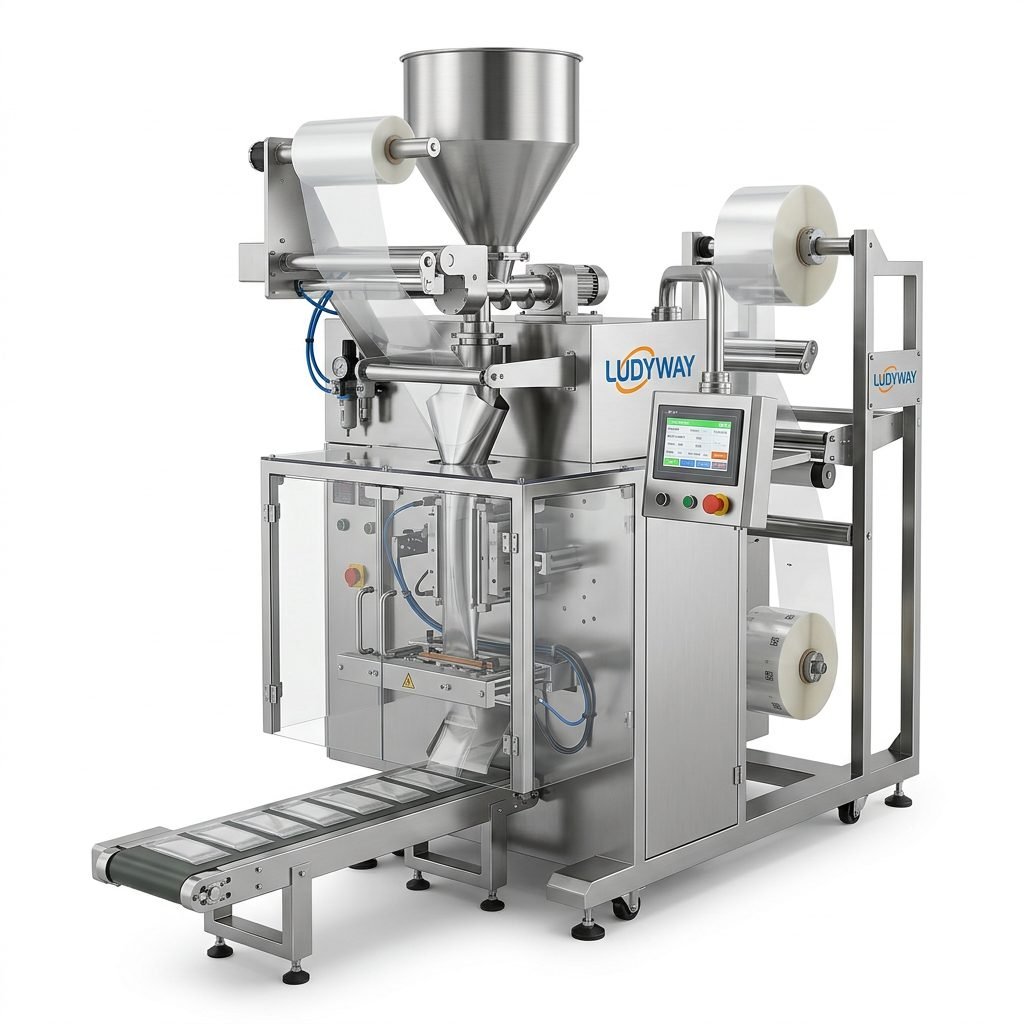
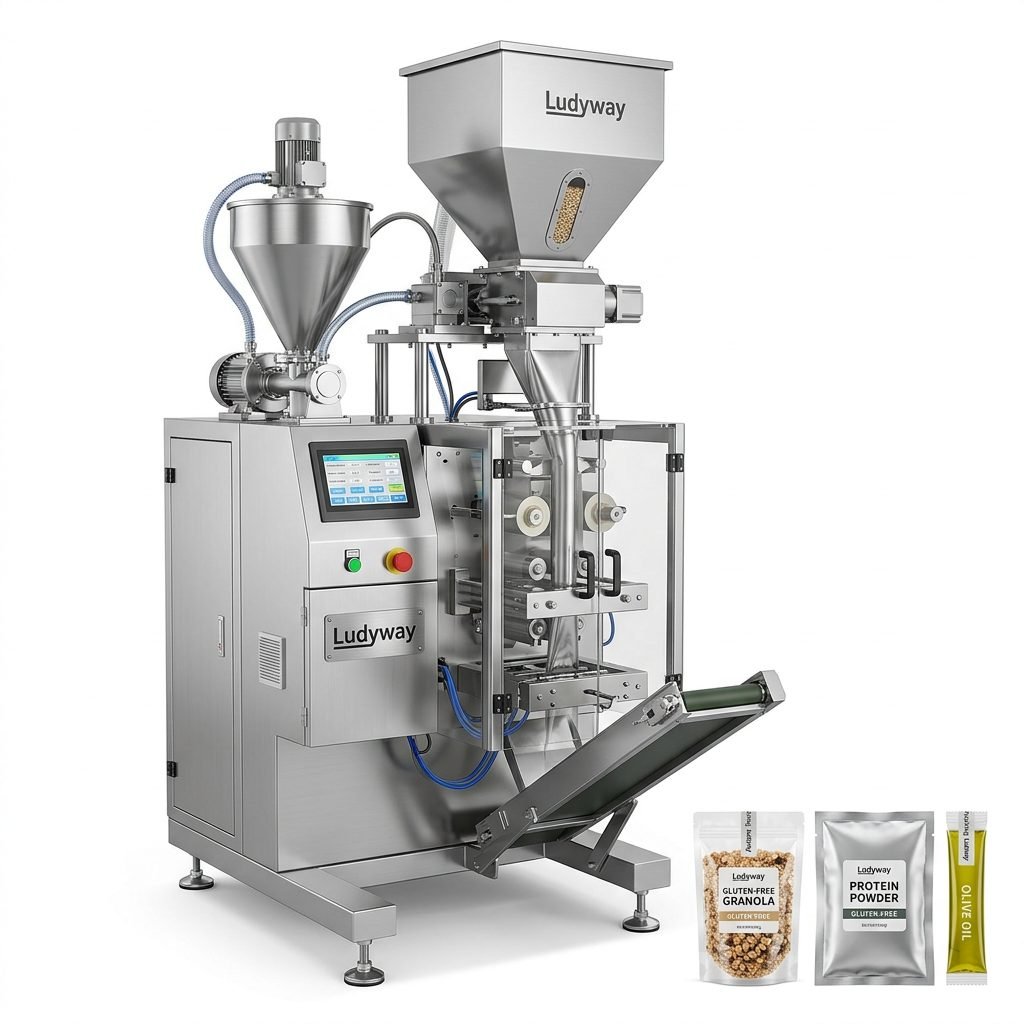
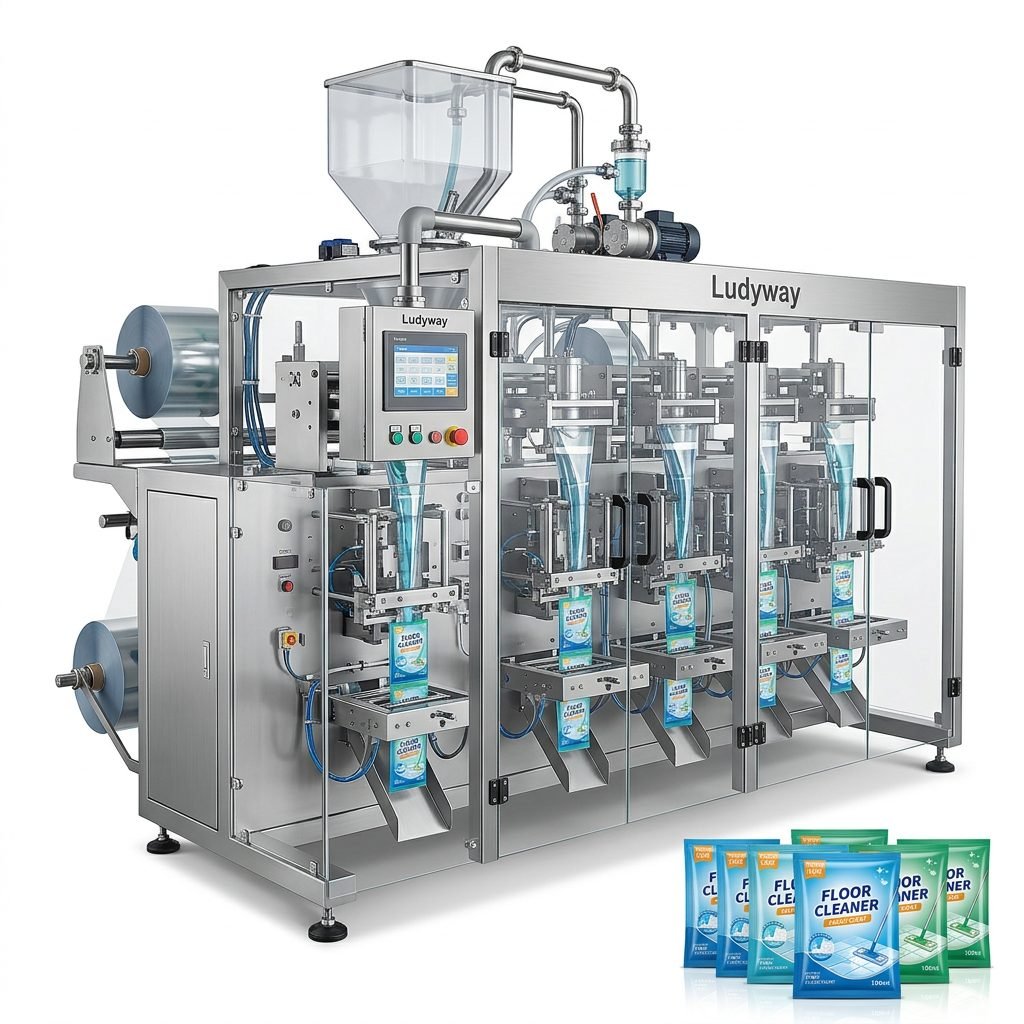
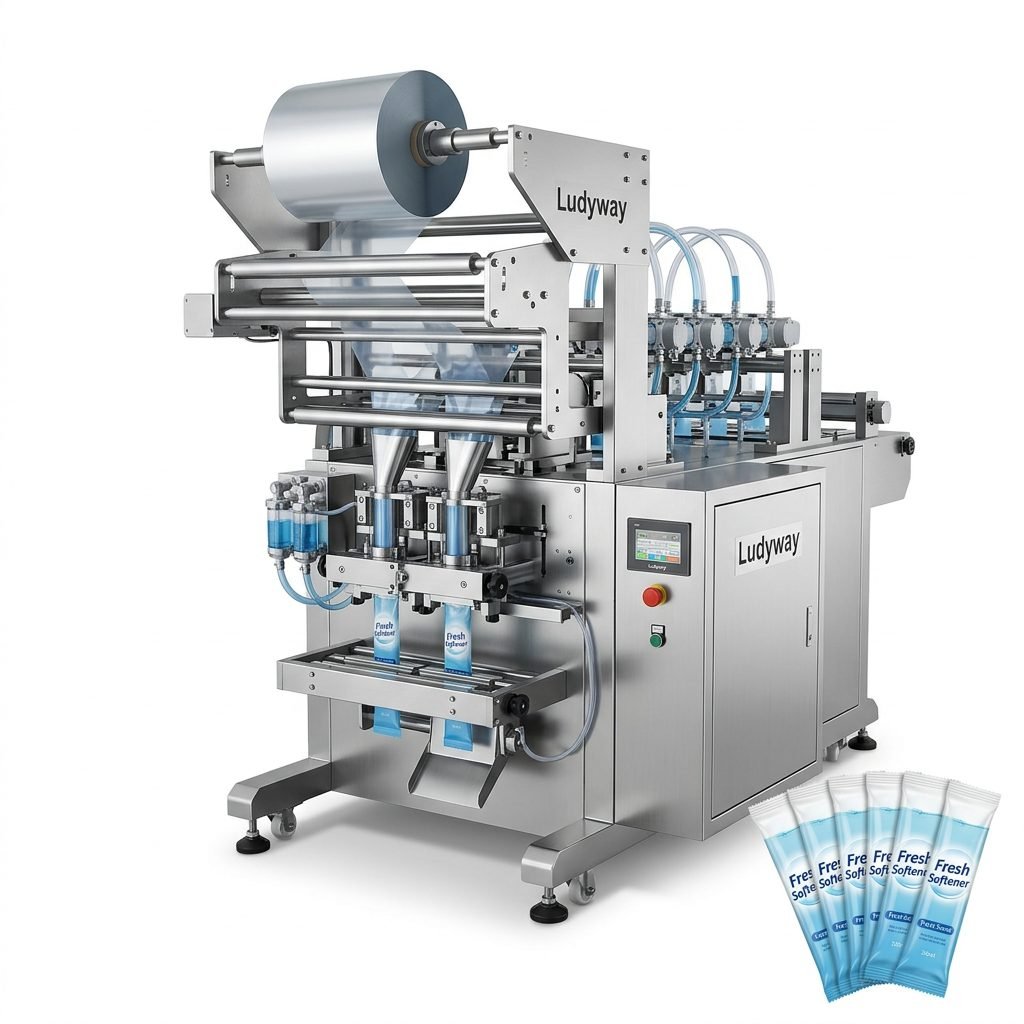
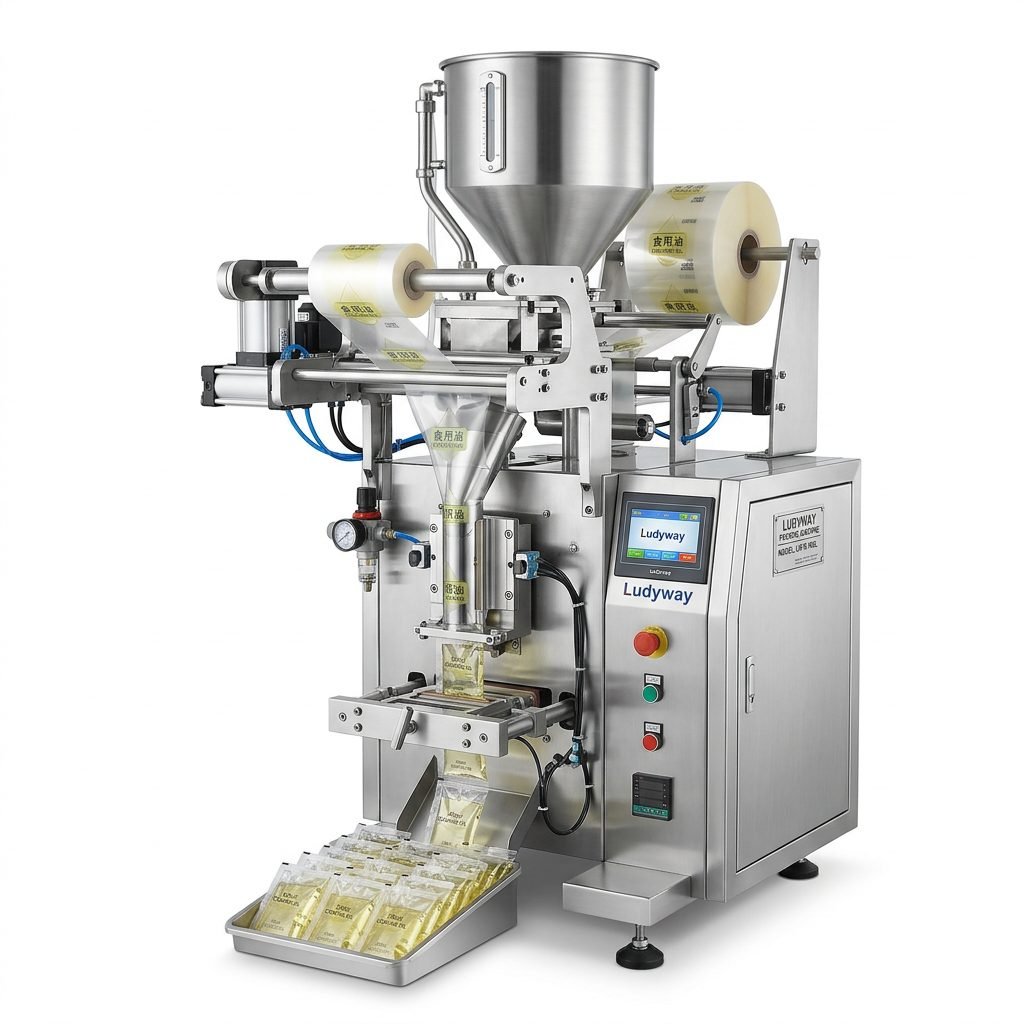
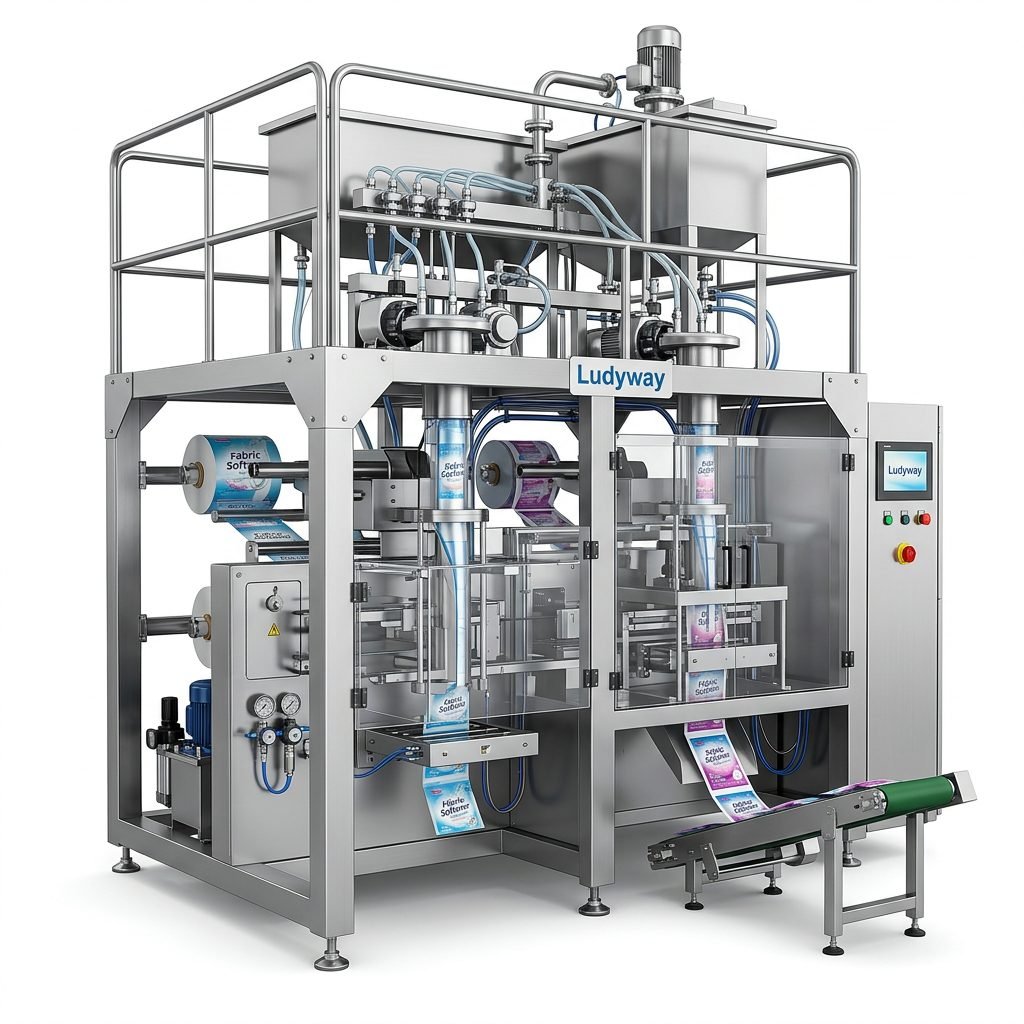
Investing in a herb packaging machine is a critical decision for manufacturers in the food, pharmaceutical, and nutraceutical sectors. The right equipment can dramatically increase throughput, ensure product freshness, and reduce labor costs. However, with a wide range of technologies available—from vertical form fill seal (VFFS) machines to multi-lane stick pack systems—selecting the optimal solution requires careful planning. This comprehensive buyer’s guide walks you through the essential factors to evaluate before purchasing your next herb packaging machine.
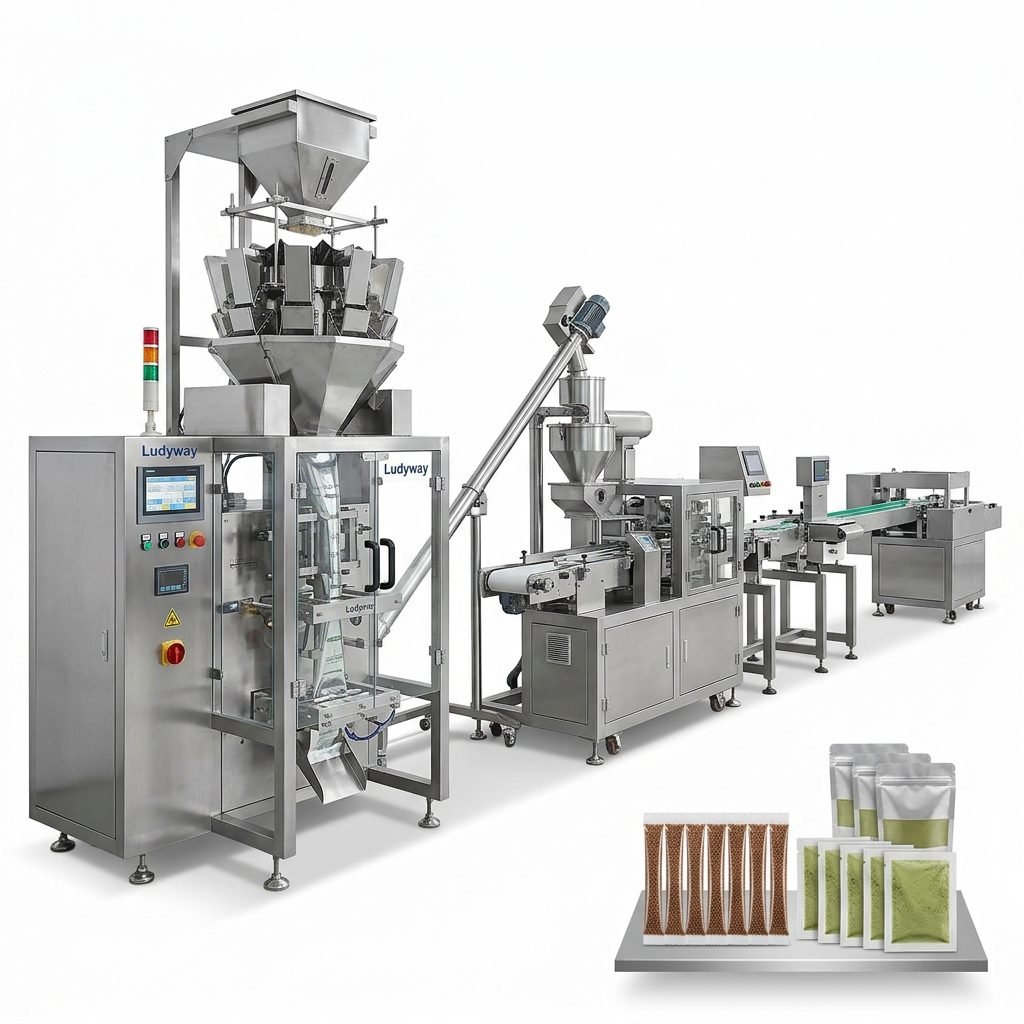
1. Define Your Product Characteristics and Packaging Format
Before comparing machine specifications, you must thoroughly analyze the physical properties of your herb product. Is it a fine powder like turmeric or ashwagandha, a leafy granule like dried oregano, or a sticky concentrate? Particle size, density, and flowability directly influence the type of dosing and filling system required. Similarly, you need to determine your target packaging format. Common options for herbs include:
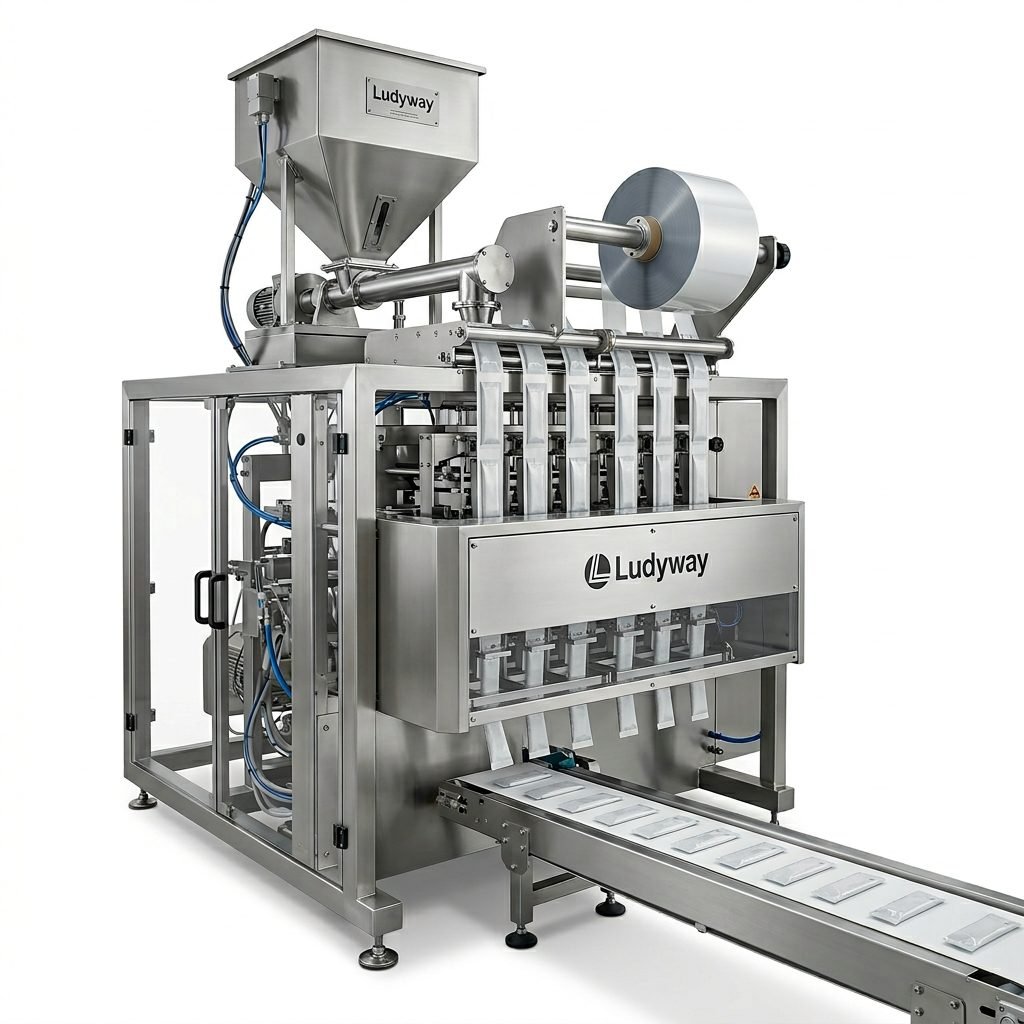
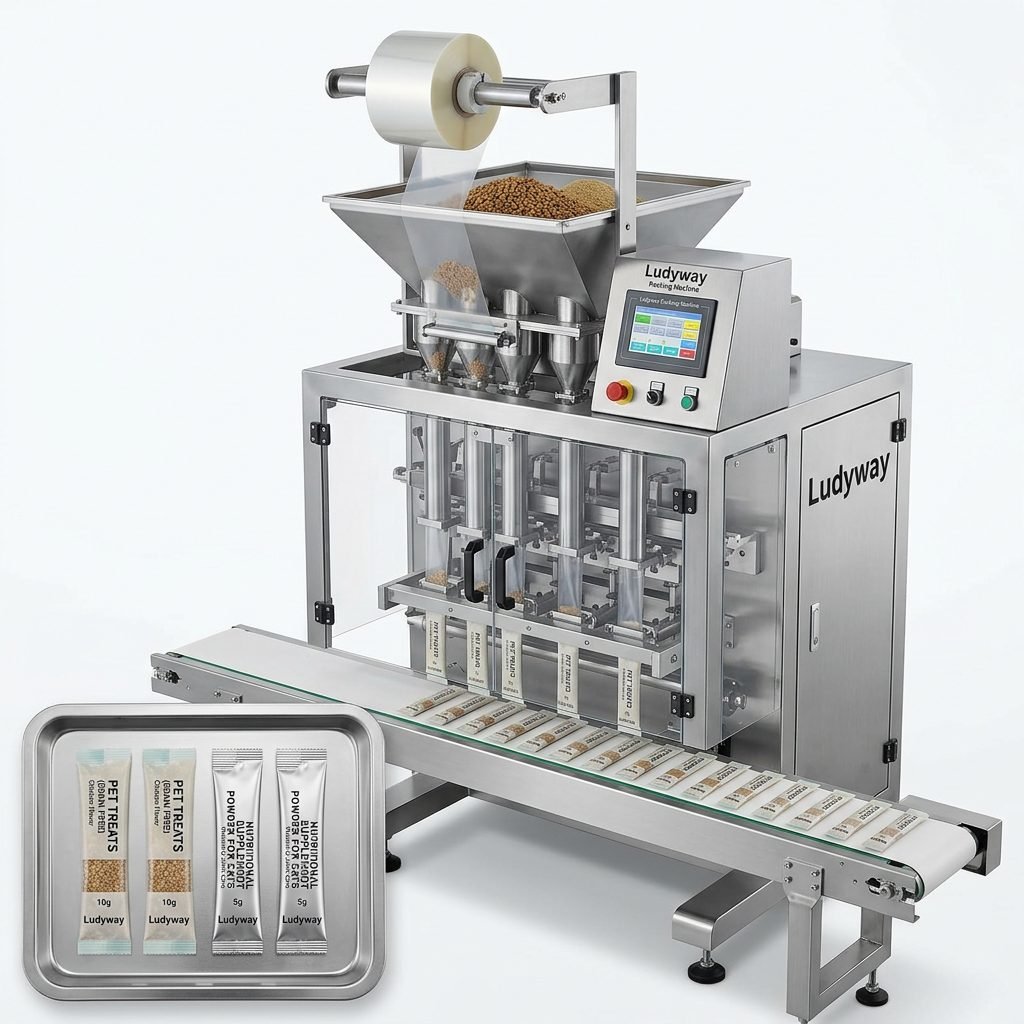
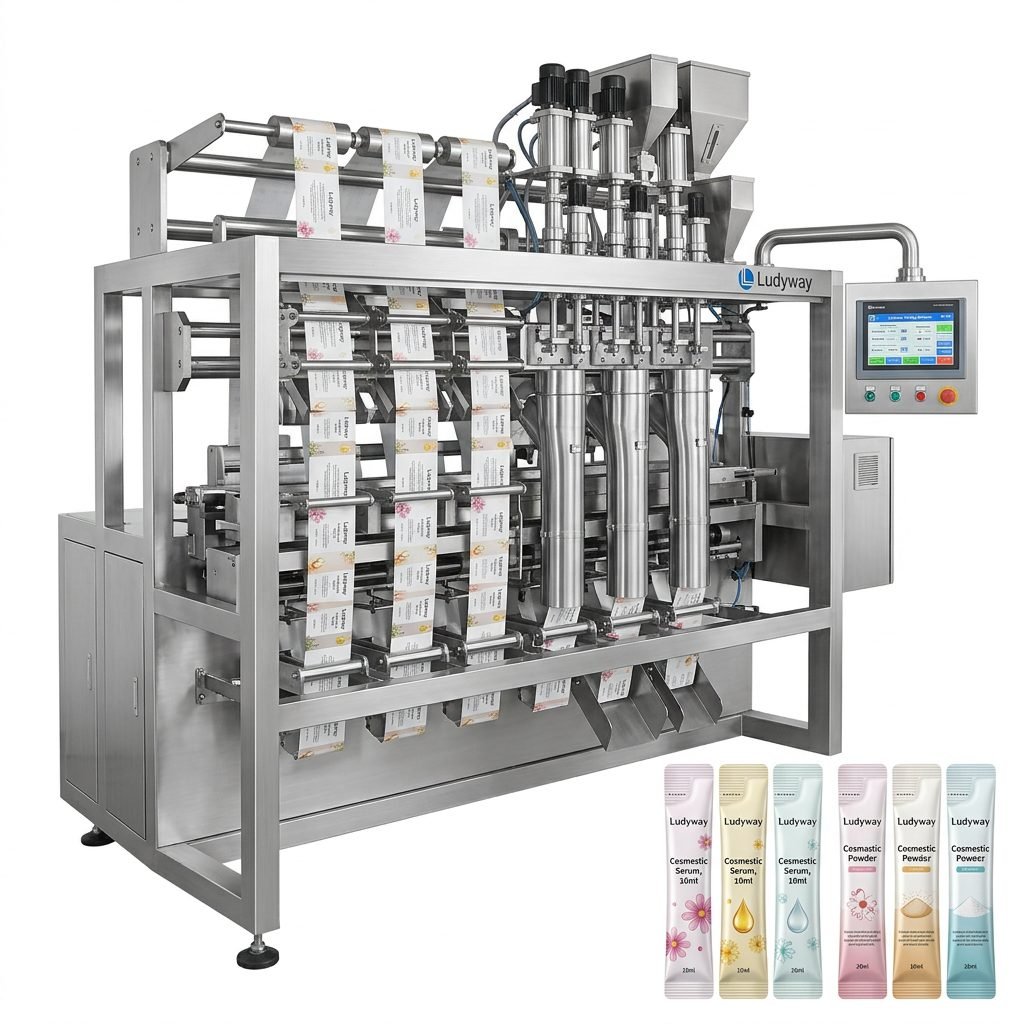
- Stick packs: Ideal for single-serve powders and supplements.
- Sachets: Popular for teas, spices, and pharmaceutical granules.
- Pouches: Suitable for larger quantities of loose-leaf herbs or dried botanicals.
Matching the machine configuration to both the product and the desired bag style is the foundation of a successful packaging line.
2. Evaluate Multi-Lane vs. Single-Lane Capabilities
Production volume is the primary driver of this decision. For high-demand products, multi-lane herb packaging machines offer superior output by running several parallel lanes simultaneously. A 4-lane or 6-lane system can multiply throughput without proportionally increasing floor space or operational complexity. In contrast, single-lane machines provide greater flexibility for smaller batches or frequent changeovers between different herb blends.
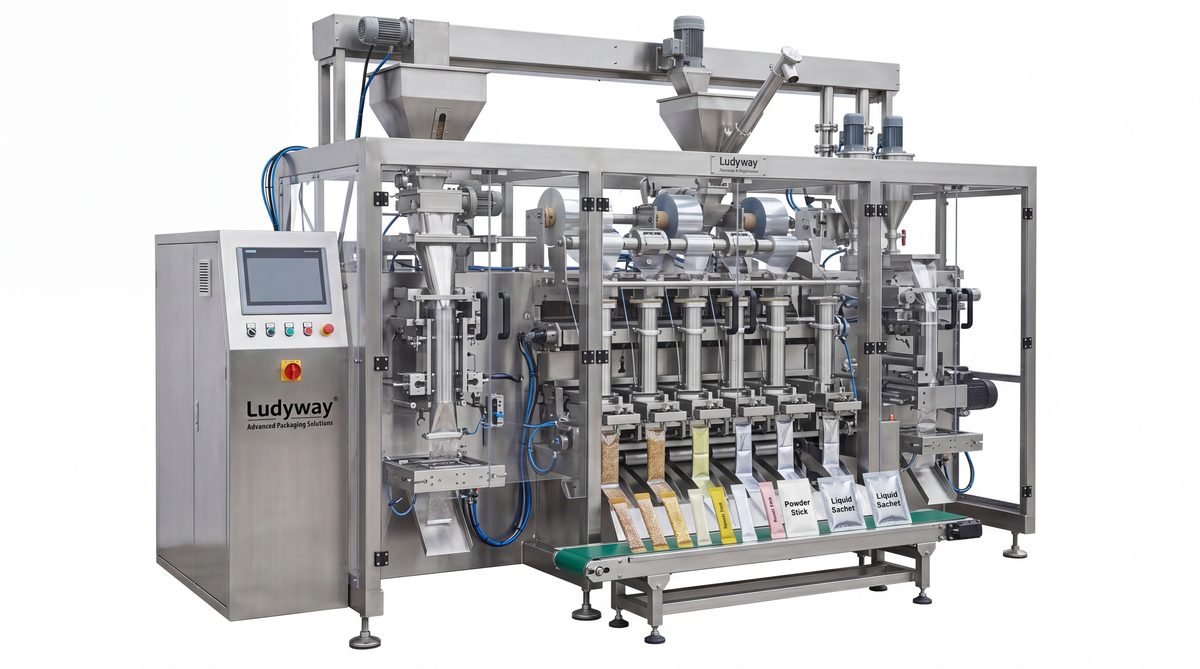
For manufacturers targeting export markets or rapid scaling, multi-lane configurations are often the most cost-effective long-term investment. The table below outlines the key differences to consider:
| Feature | Single-Lane Machine | Multi-Lane Machine |
|---|---|---|
| Output Range | 30–80 packs/min | 200–600+ packs/min |
| Changeover Time | Fast, flexible | Longer setup, optimized for large runs |
| Best Application | Small batches, diverse product lines | High-volume, single-product production |
3. Powder, Granule, or Liquid: Precision Dosing Technology
Herb products span multiple physical states, and accurate dosing is non-negotiable for regulatory compliance and customer satisfaction. Auger fillers are typically the standard for fine powders, providing volumetric accuracy for products like herbal extracts or medicinal powders. For granular herbs such as dried tea leaves or seeds, volumetric cup fillers or multi-head weighers may be recommended to handle particle inconsistency and prevent bridging in the hopper. If your product line includes herbal tinctures, oils, or concentrates, the machine must integrate liquid piston pumps or peristaltic filling systems.
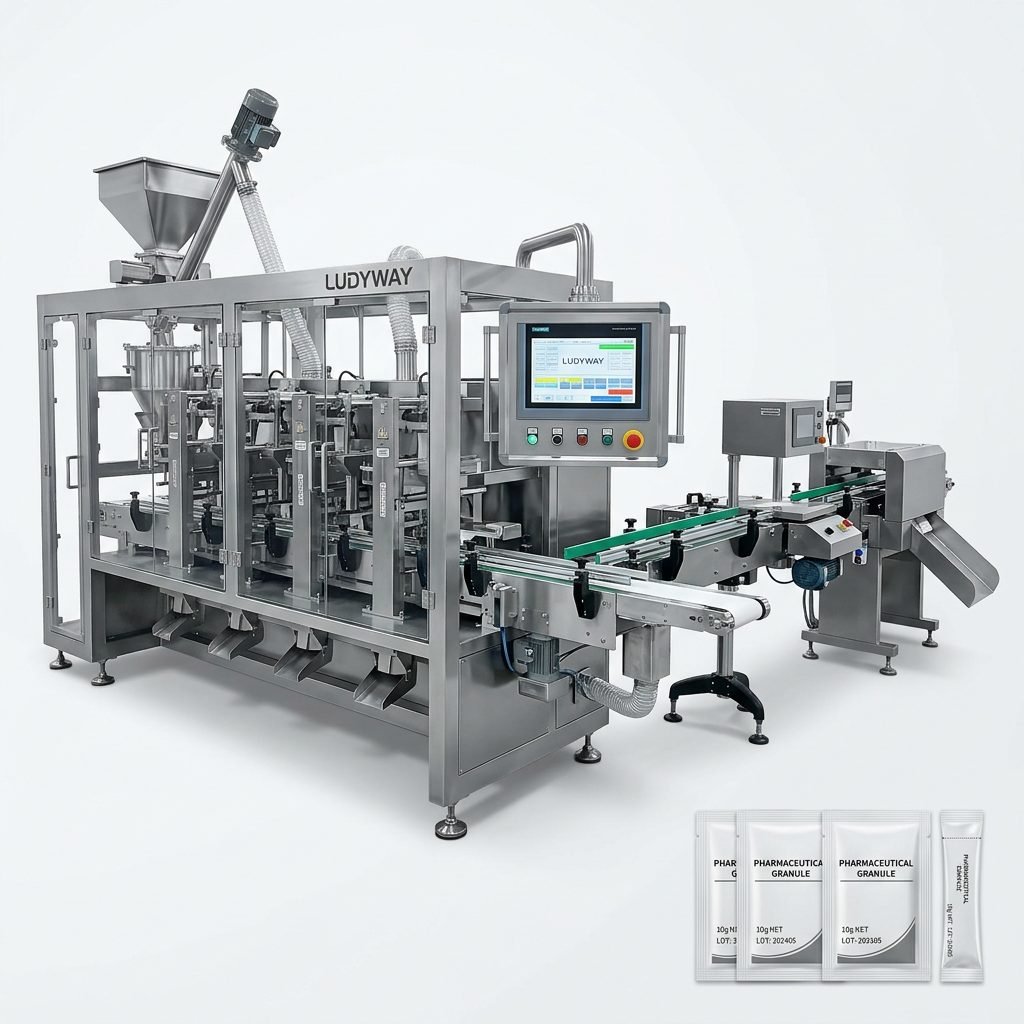
A critical factor often overlooked is the interaction between the herb material and the machine’s contact parts. Abrasive powders can wear down standard components, while hygroscopic products are highly sensitive to moisture. Ensure the packaging machine’s material and sealing integrity align with your product’s specific requirements.
4. Compliance, Hygiene, and Cleanability
For herb packaging, especially in the pharmaceutical and food sectors, sanitary design is paramount. Look for machines constructed with stainless steel (SUS304 or SUS316) and designed with minimal crevices to prevent product buildup and cross-contamination. Features such as tool-less disassembly for cleaning, dust extraction ports for powder containment, and validated sealing systems help maintain compliance with FDA food packaging regulations and international standards. Proper sealing technology is equally vital to ensure product shelf life and prevent contamination of aromatic or volatile herb compounds.
5. Automation and Integrated Turnkey Solutions
Modern packaging machinery extends far beyond the filler-sealer unit. To maximize efficiency, manufacturers often integrate auxiliary equipment into a complete turnkey line. A fully automated herb packaging system might include:
- Automated feeding and dosing systems for consistent product delivery.
- In-line checkweighers to ensure fill weight accuracy and compliance.
- Metal detectors or X-ray inspection for contaminant detection.
- Nitrogen flushing for oxygen-sensitive herbal powders to extend shelf life.
- Automated cartoning, case packing, and palletizing end-of-line modules.
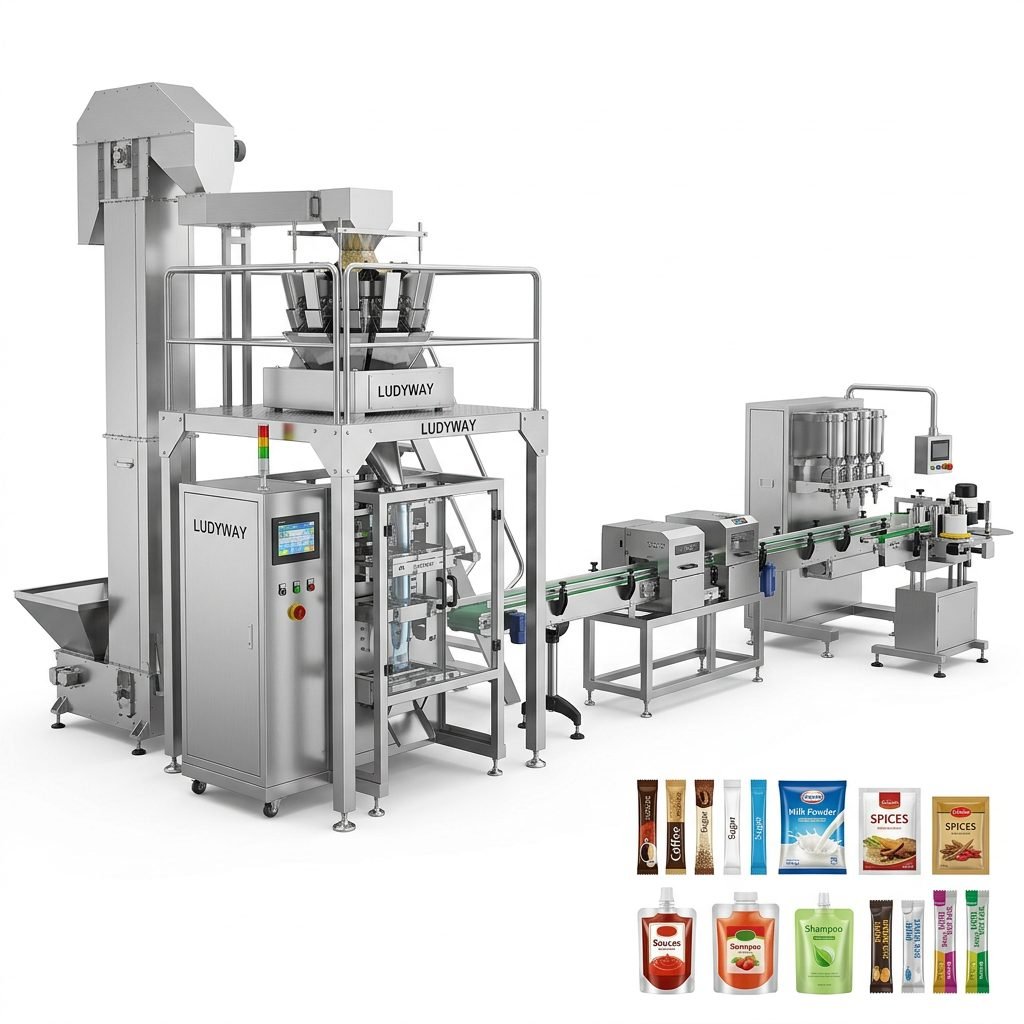
Choosing a supplier that can provide integrated packaging systems rather than standalone machines simplifies project management, ensures compatibility between modules, and provides a single point of accountability for the entire line.
6. The Importance of Customization and OEM Engineering
Standard machines rarely fit unique production requirements perfectly. Perhaps you need a non-standard bag size for a specific market, a special tear-notch for a stick pack, or compatibility with an unusual flexible packaging material. A manufacturer that provides customization and OEM engineering can adapt the machine to your specific product characteristics, factory layout, and automation requirements. This approach is particularly valuable for manufacturers looking to introduce new packaging formats or upgrade from manual processes to automated production.
7. Evaluating the Manufacturer and Global Support
Selecting the right machine partner is as important as the machine itself. Look for a company with a proven track record, extensive experience across your specific industry, and a global service infrastructure. Ludyway Machinery exemplifies this model, as a China-based packaging machinery manufacturer and turnkey packaging solution provider with more than 30 years of experience in the packaging industry. With a 20,000-square-meter manufacturing facility, more than 130 professionals, and over 50 packaging machine models, the company combines manufacturing expertise, engineering capabilities, and automation technology to help customers improve packaging efficiency and operational consistency. Ludyway is expected to achieve export revenue of more than RMB 500 million (approximately US$69 million) in 2025, and plans to surpass RMB 1 billion (approximately US$138 million) in export revenue in 2026, demonstrating its significant and growing presence in the global packaging machinery market.
Technical support throughout the project lifecycle is essential, including machine selection, installation, commissioning, operator training, troubleshooting, and spare parts support. Establish a clear understanding of after-sales service, warranty terms, and the availability of remote technical assistance before finalizing a purchase.
8. Key Specifications Checklist
Use this quick reference checklist when comparing different herb packaging machine models:
- Product compatibility: Powder, granule, liquid, or combination formats.
- Bag format and size range: Stick pack, sachet, pouch, with min-max dimensions.
- Speed and output: Packs per minute specific to your product and film type.
- Filling system: Auger, volumetric cup, multi-head weigher, or piston pump.
- Construction material: Stainless steel grade and surface finish for hygiene.
- Sealing technology: Heat seal, ultrasonic seal, or nitrogen flush options.
- Automation interfaces: Integration capability with upstream and downstream equipment.
- Compliance certifications: CE, FDA, ISO, or other relevant standards.
- After-sales service: Installation support, training, and spare parts availability.
Conclusion
Choosing the right herb packaging machine is a strategic investment that impacts product quality, production efficiency, and long-term scalability. By carefully evaluating your product characteristics, required packaging formats, dosing technology, automation needs, and the manufacturing partner’s expertise, you can select a solution that supports your business growth. Whether you need a high-speed multi-lane stick pack system for herbal supplements or a customizable sachet machine for dried tea leaves, focusing on these critical factors will help you make an informed and confident purchasing decision.