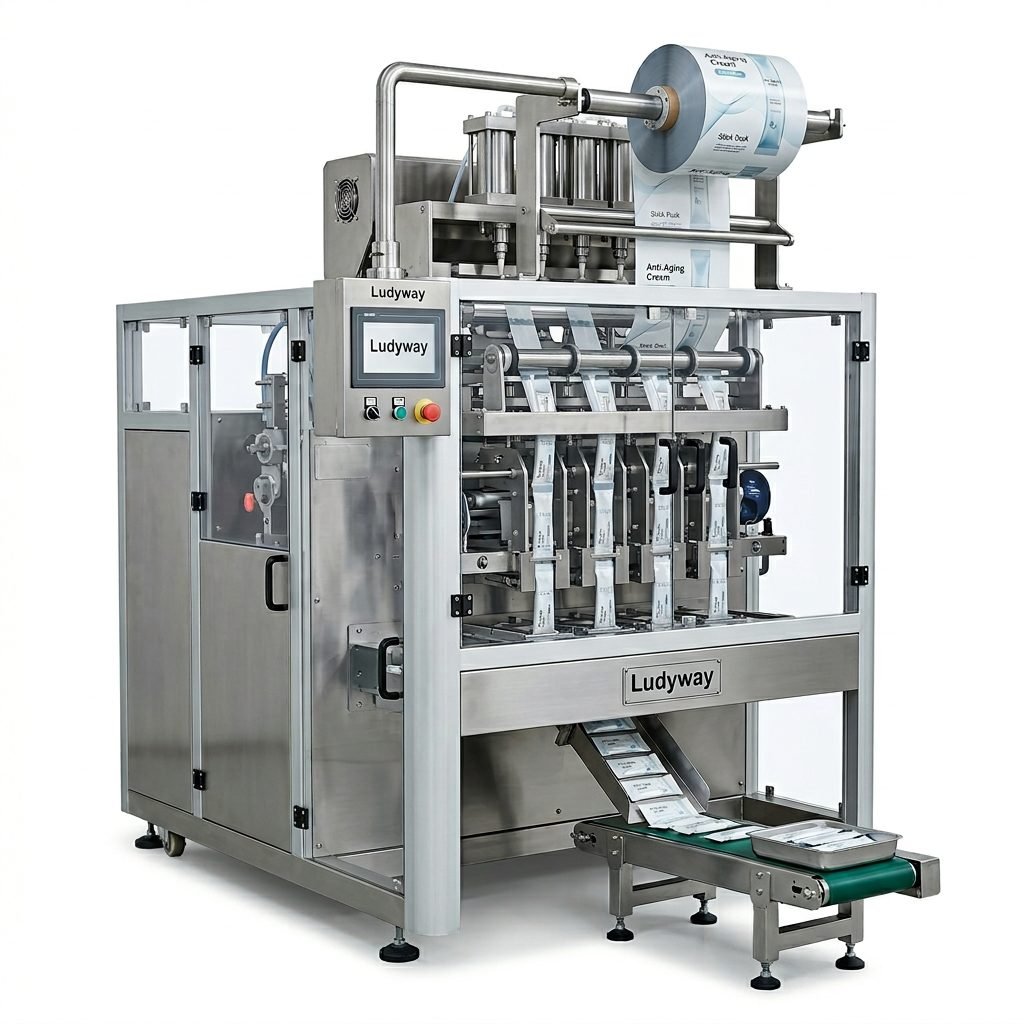
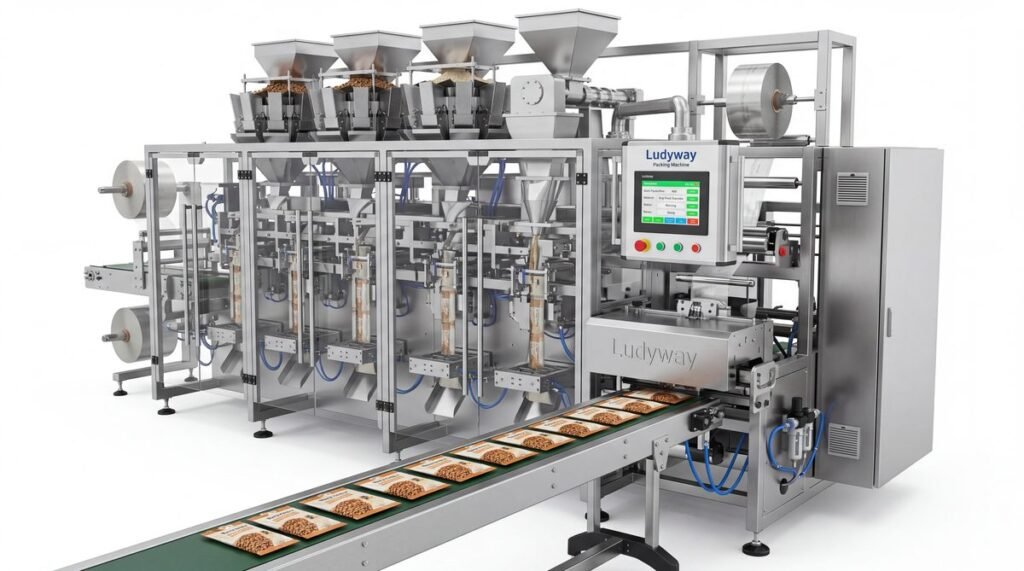
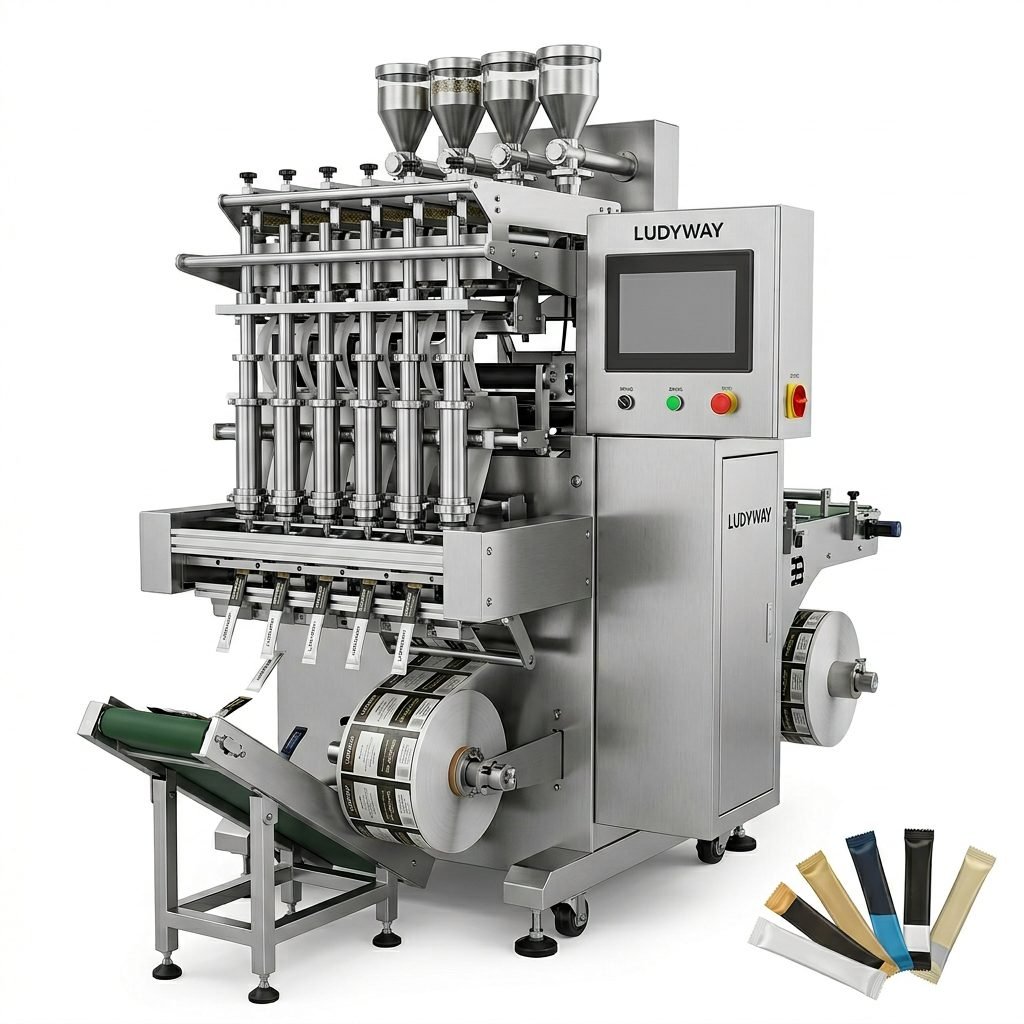
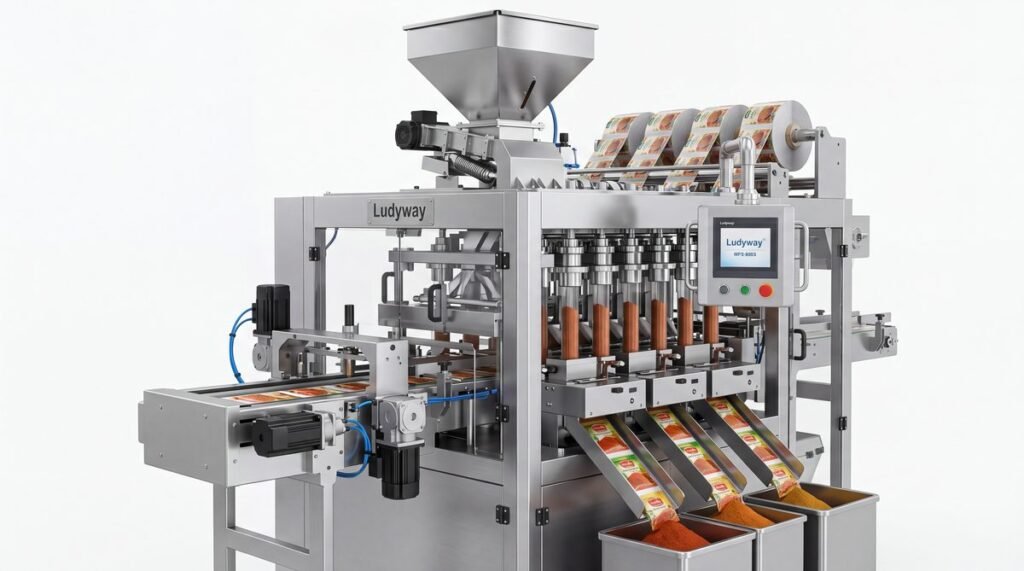
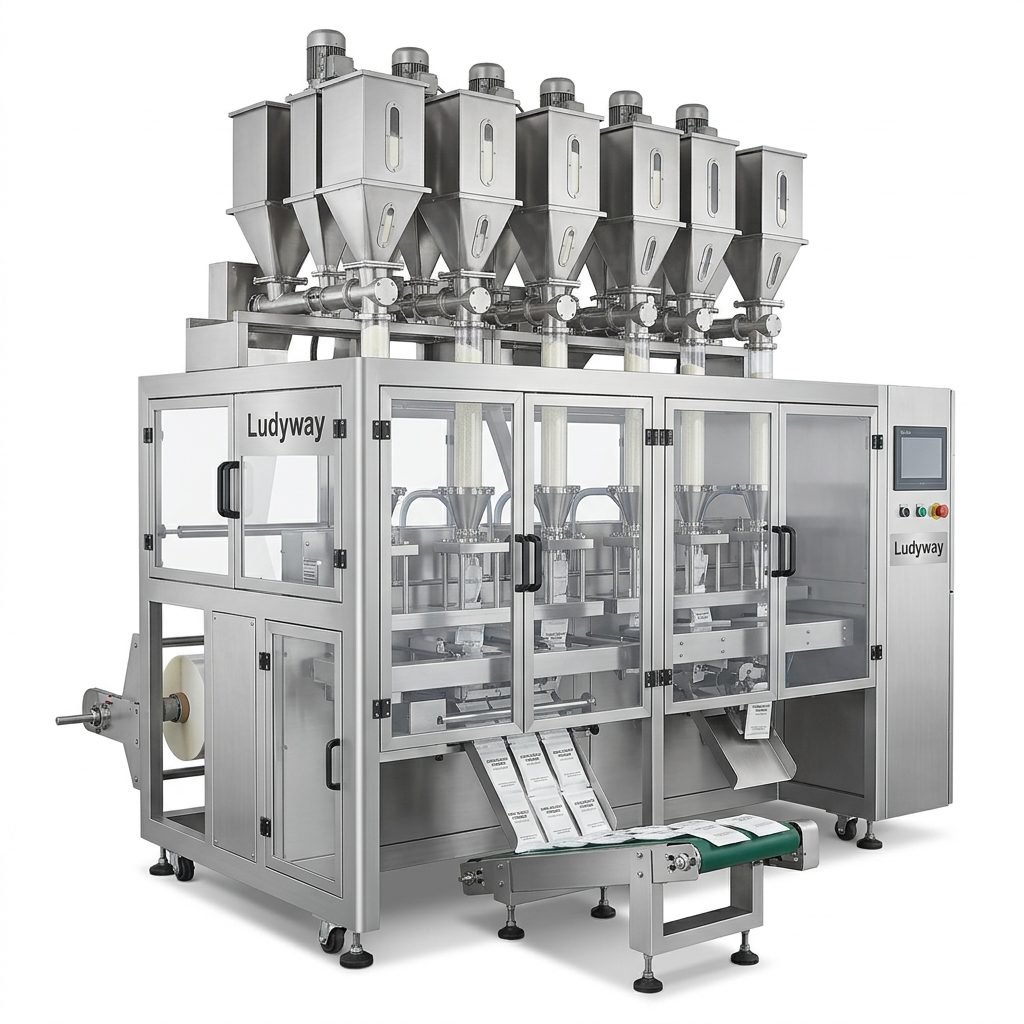
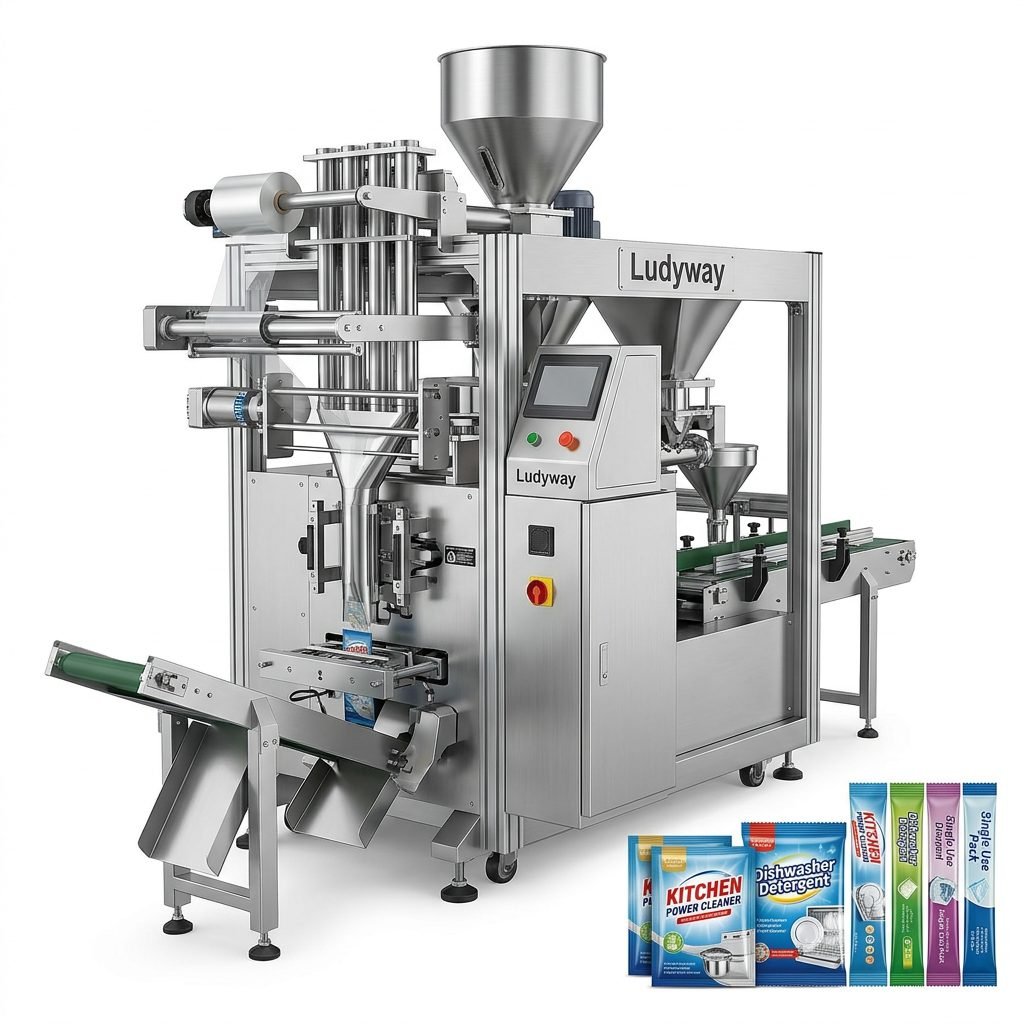
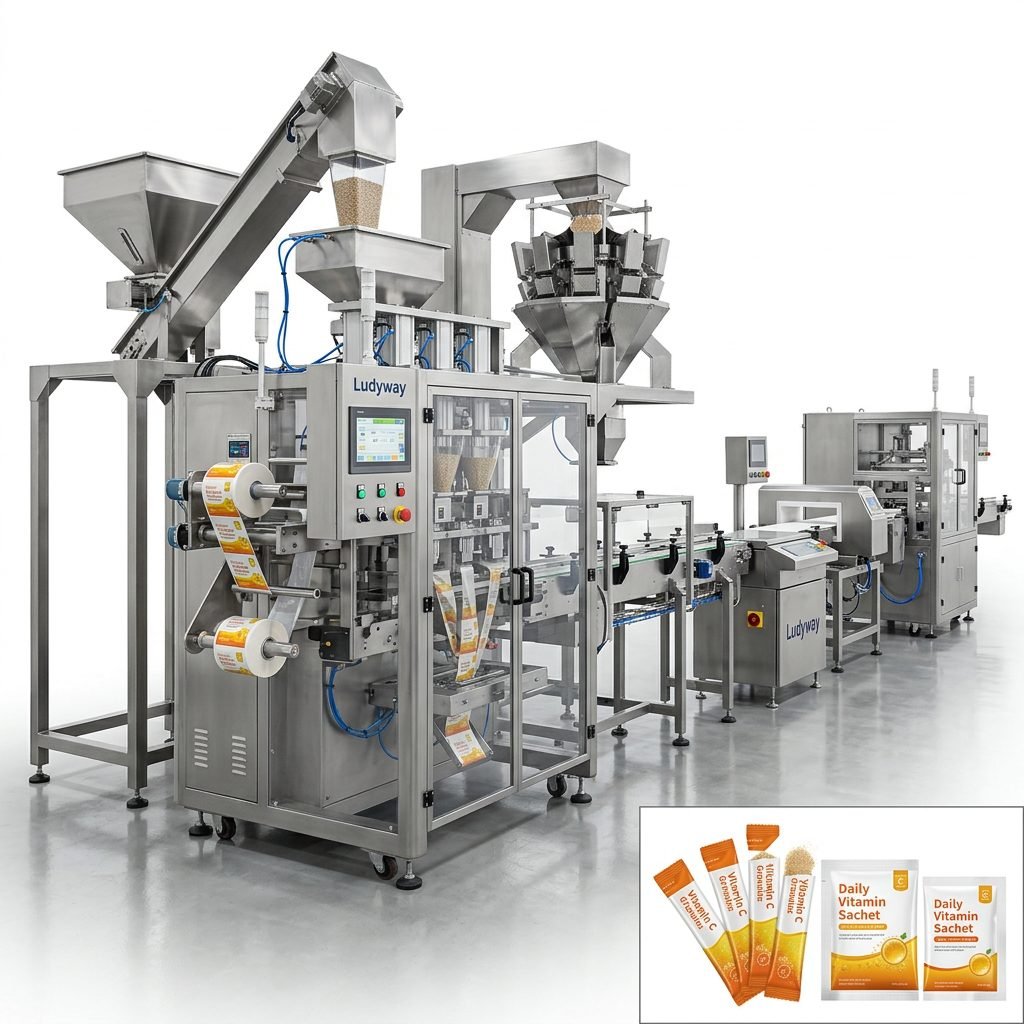
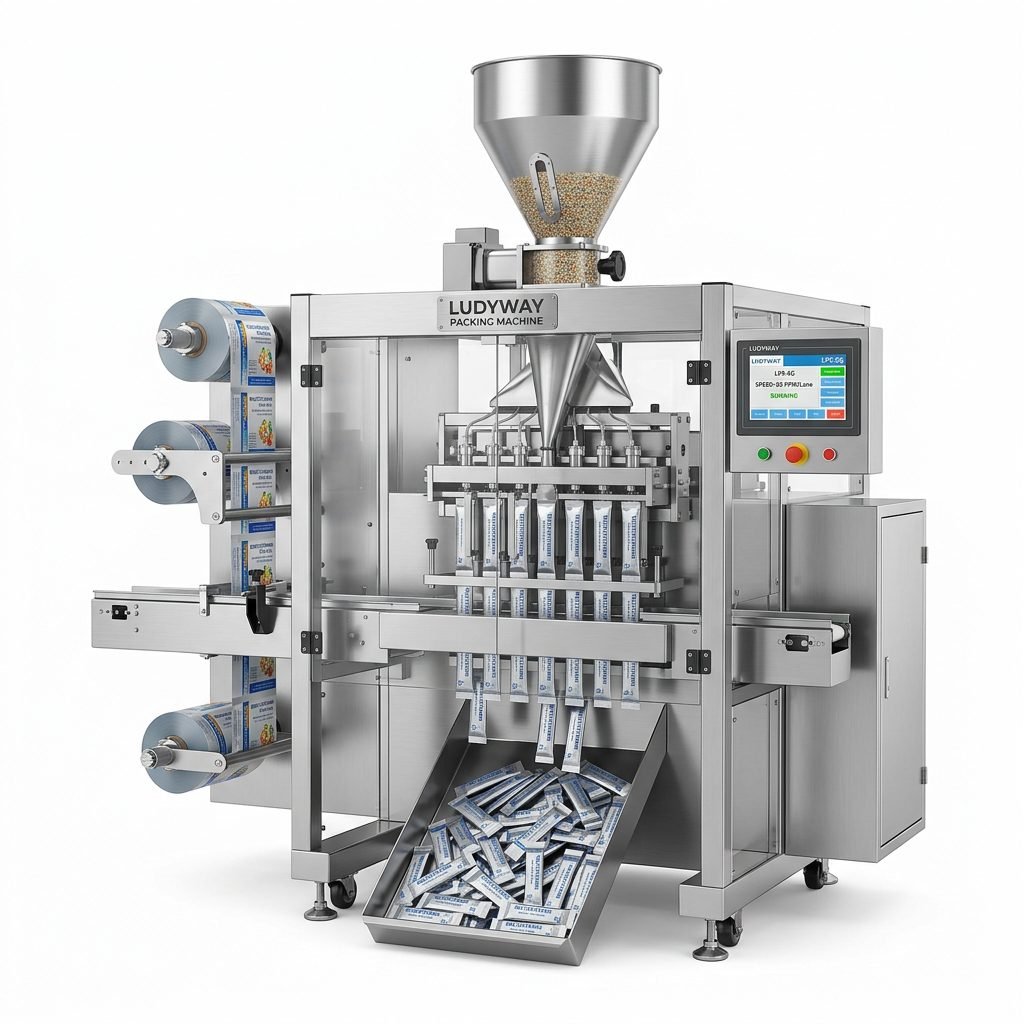
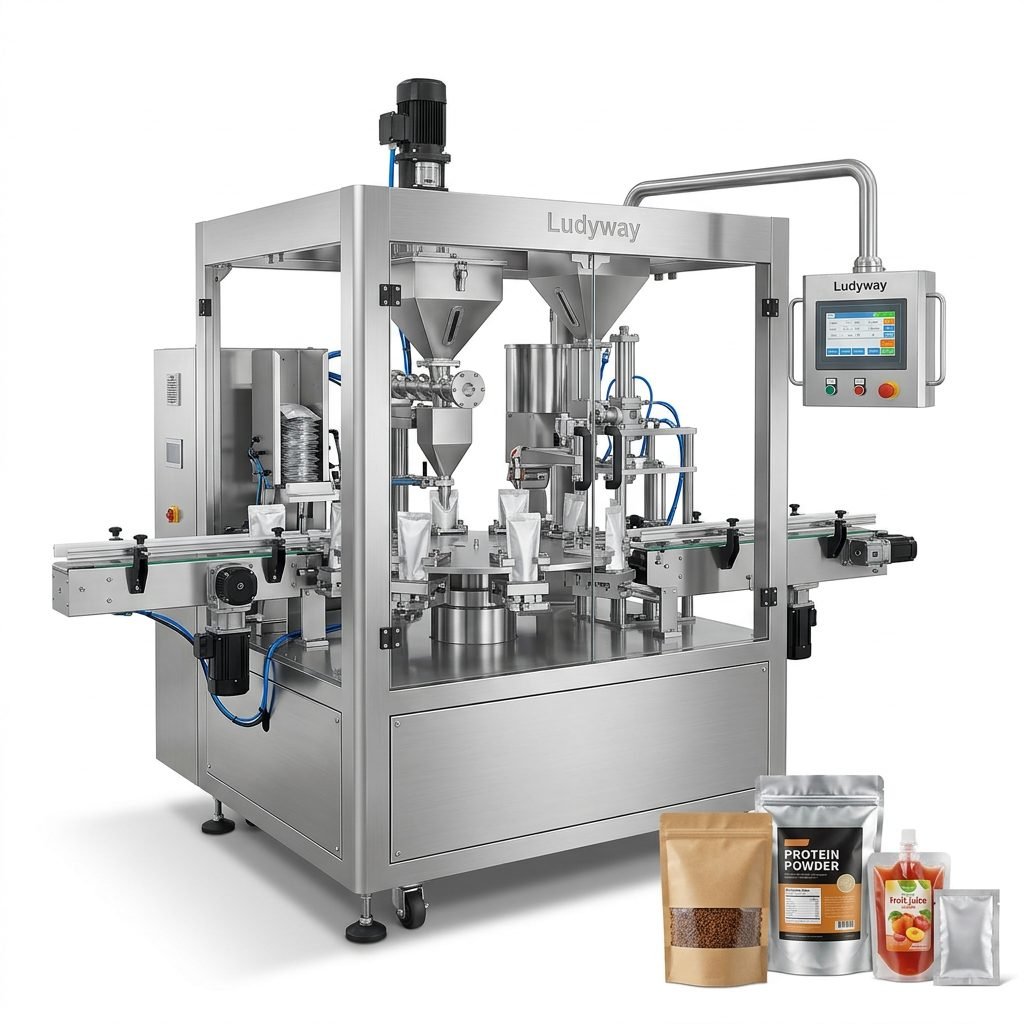
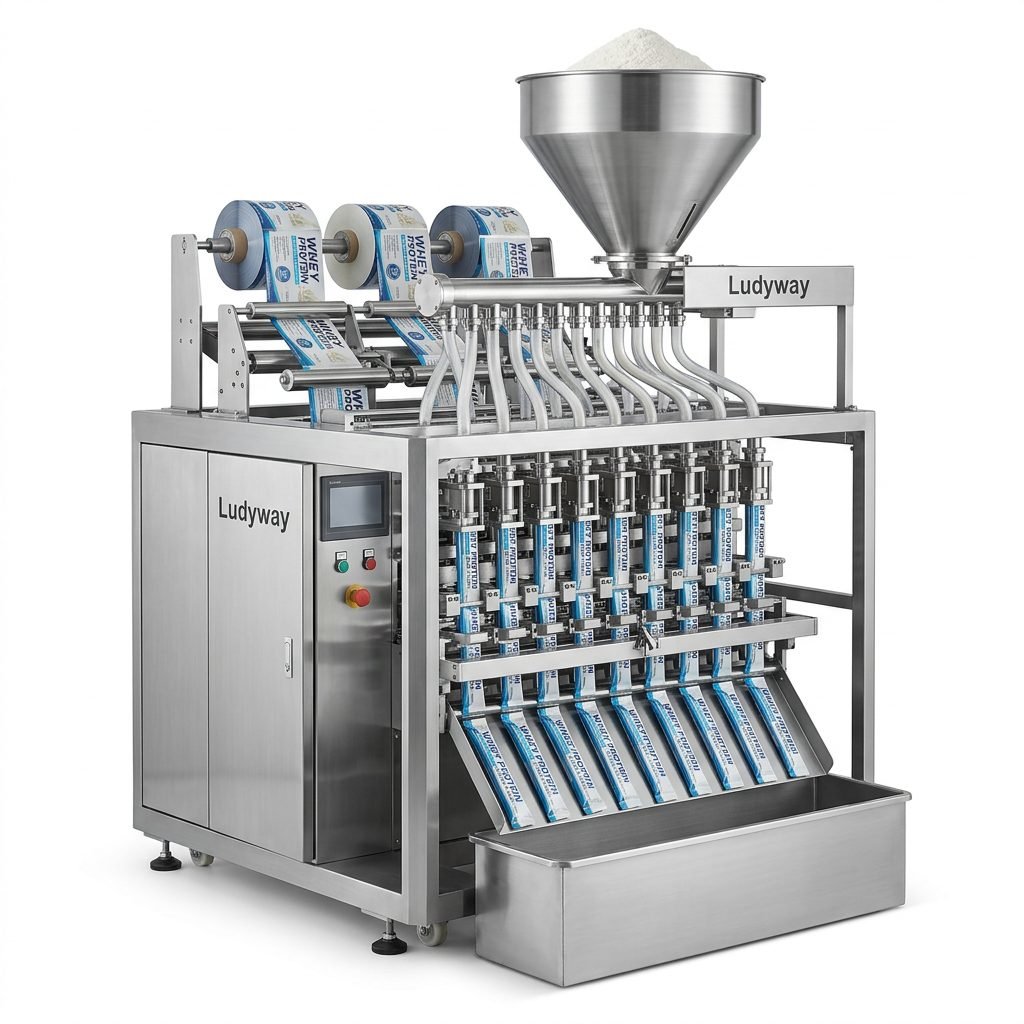
Investing in a custom packaging machine is one of the most critical decisions a manufacturer can make. The right equipment directly impacts production efficiency, product quality, and long-term profitability. However, with so many machine types, configurations, and suppliers available, the selection process can quickly become overwhelming. This comprehensive buyer’s guide walks you through every essential factor to consider, helping you make an informed decision that aligns with your production goals.
Understanding Your Product Characteristics First
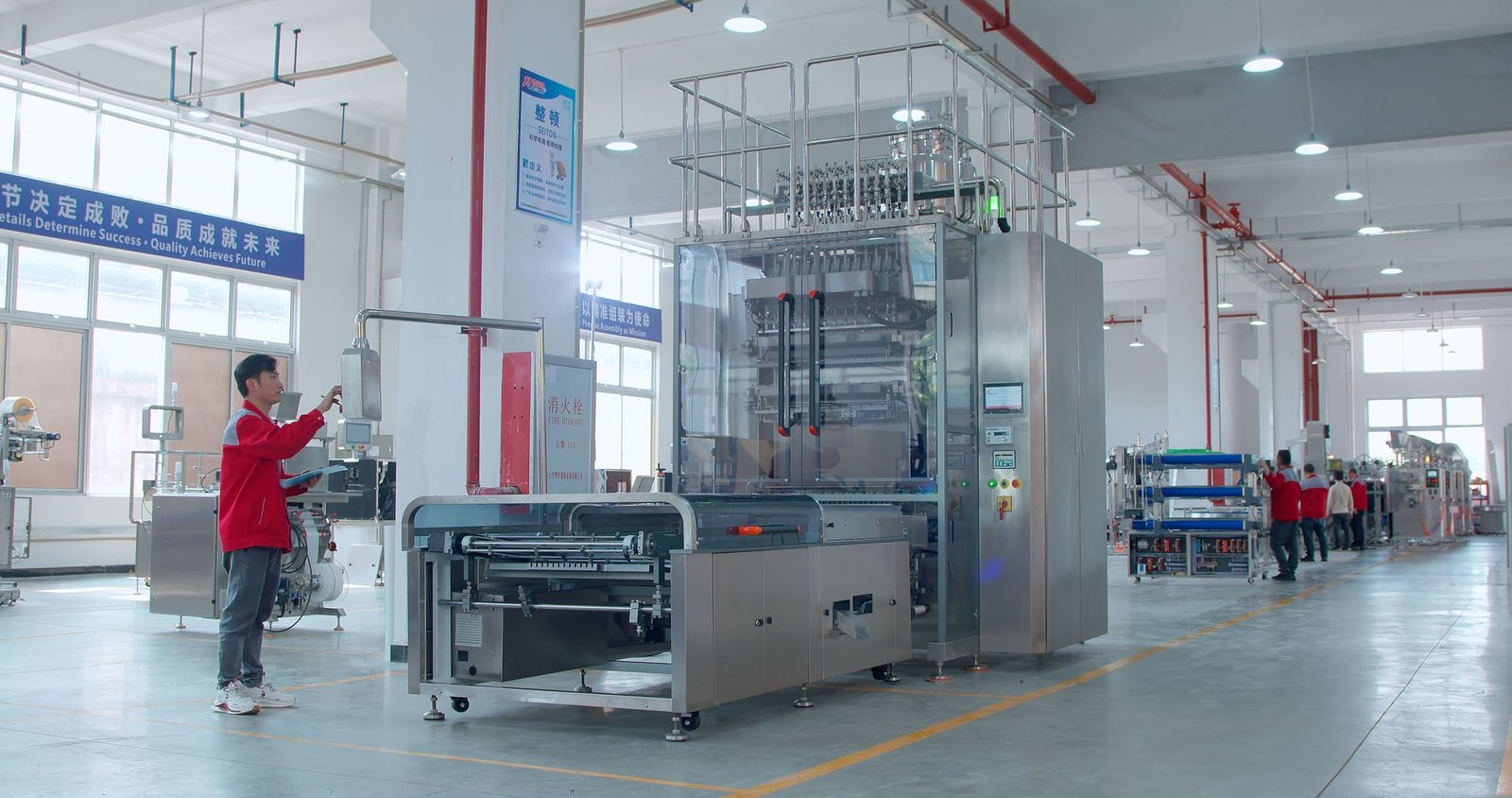
Before evaluating any machinery, you must thoroughly analyze the product you intend to package. The physical and chemical properties of your product determine which packaging machinery technologies are suitable. Key product attributes to assess include:
- Product form: Is it a powder, granule, liquid, paste, or solid? Each form requires a fundamentally different dosing and filling mechanism.
- Flow characteristics: Free-flowing granules behave very differently from sticky or cohesive powders. This affects hopper design, auger selection, and filling accuracy.
- Particle size and density: Fine powders may create dust issues requiring specialized dust extraction, while large granules may need volumetric or weigh-filling systems.
- Hygroscopic or oxygen-sensitive properties: Products that absorb moisture or oxidize quickly may require nitrogen flushing or modified atmosphere packaging capabilities.
- Temperature sensitivity: Heat-sensitive products need sealing technologies that do not compromise product integrity.
Defining Your Packaging Format Requirements
The packaging format directly influences machine selection. Modern flexible packaging equipment can produce a wide range of formats. Consider which format best serves your market and distribution channels:
| Packaging Format | Typical Applications | Key Considerations |
|---|---|---|
| Stick Packs | Powdered beverages, supplements, instant coffee, sugar | Narrow format, high-speed multi-lane production possible |
| Sachets | Cosmetics, sauces, shampoos, pharmaceutical samples | Versatile format, supports liquid and powder filling |
| Pouches | Pet food, frozen products, dry snacks, bulk items | Larger volumes, premium shelf presence, resealable options |
| Bags (1kg-25kg+) | Animal feed, fertilizers, industrial powders, grains | Heavy-duty construction, high-capacity weighing systems |
| Multi-lane configurations | High-volume stick pack and sachet production | Maximizes output per square meter of factory floor space |
Evaluating Production Speed and Capacity Needs
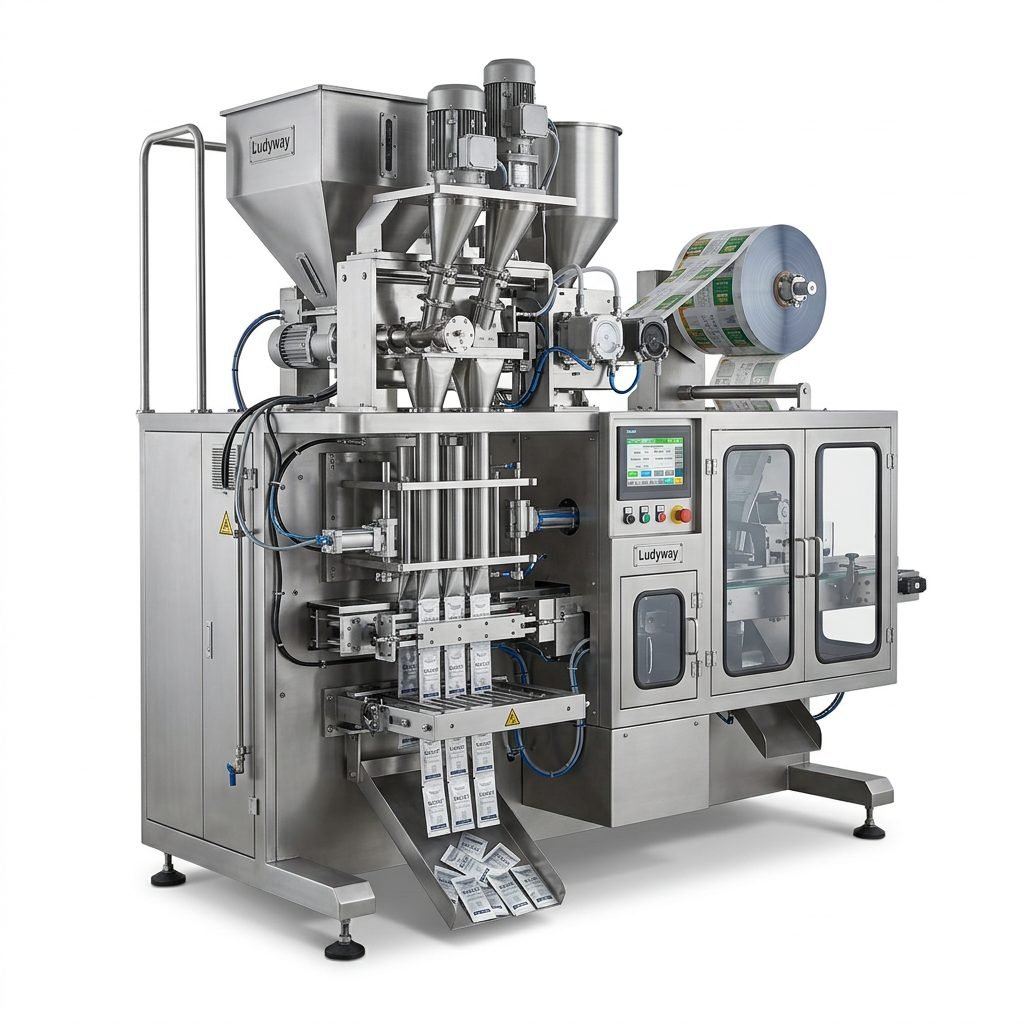
Production speed is measured differently depending on the machine type and packaging format. When comparing specifications, ensure you are comparing equivalent metrics. Understanding your true capacity requirements prevents both under-investment in insufficient equipment and over-investment in unnecessary speed.
Key Speed Metrics to Compare
- Packs per minute (ppm): The most common metric for stick pack and sachet machines. Multi-lane machines multiply this by the number of lanes.
- Bags per hour: Typical for larger bagging systems handling weights from 1kg to 50kg.
- Fill volume per cycle: Critical for liquid filling lines where cycle speed interacts with fill volume capacity.
- OEE considerations: Look beyond theoretical maximum speed. Overall Equipment Effectiveness accounts for changeovers, maintenance downtime, and minor stoppages.
Automation Level and Integration Capabilities
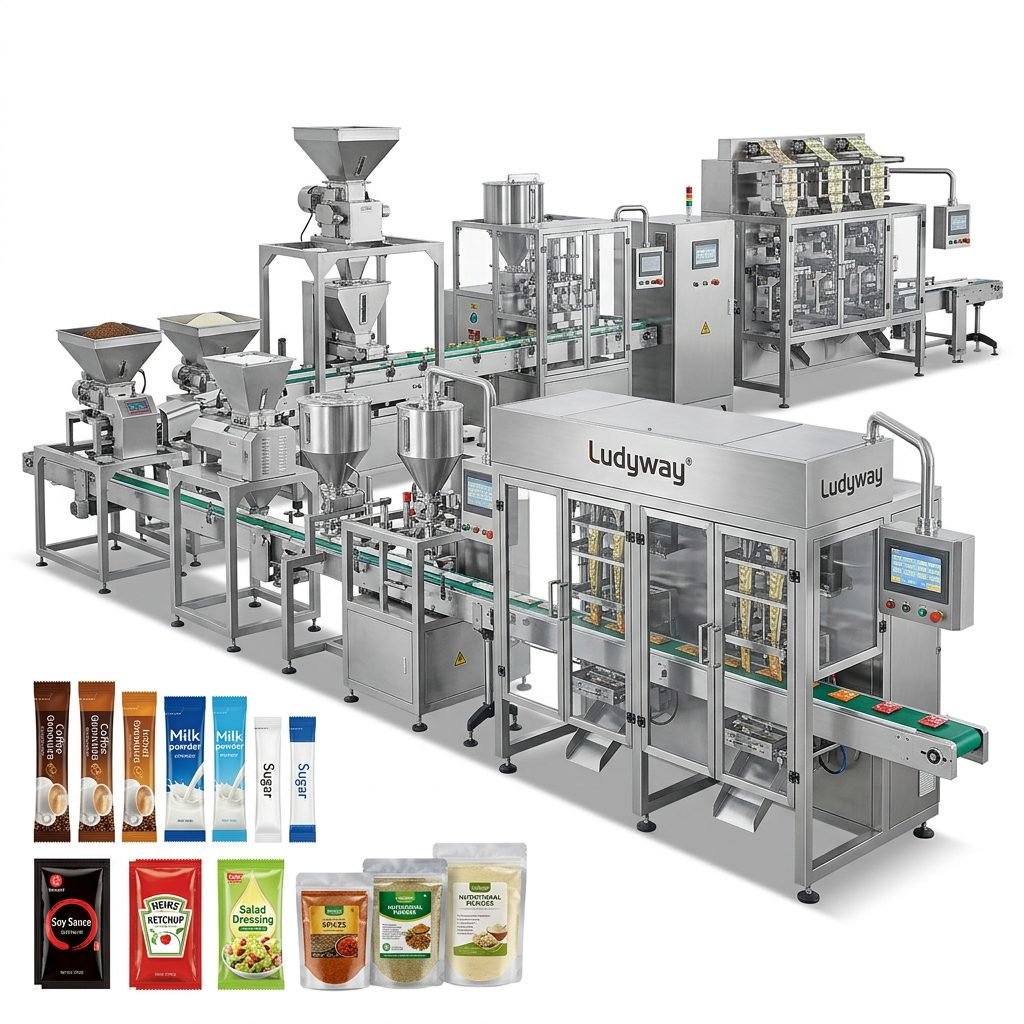
Modern packaging machinery exists on a spectrum from semi-automatic to fully integrated turnkey systems. The right automation level depends on your labor cost environment, production volume, and consistency requirements. Higher automation reduces manual handling errors and improves throughput consistency.
Automation Options to Consider
- Manual loading with automatic filling and sealing: Operators place empty bags or containers; the machine handles dosing and closure. Suitable for lower volumes or frequent product changeovers.
- Fully automatic form-fill-seal (FFS): The machine forms the package from roll stock, fills product, and seals in one continuous operation. Ideal for high-volume flexible packaging.
- Integrated feeding systems: Automatic conveyors, bucket elevators, and vibratory feeders that continuously supply product to the packaging machine from upstream processes.
- Downstream integration: Automatic cartoning, case packing, palletizing, and stretch wrapping systems that create a complete end-of-line solution.
- Inspection and quality control: Checkweighers, metal detectors, X-ray inspection, and vision systems integrated directly into the packaging line.
Material Compatibility and Film Requirements
Your packaging material choice directly influences machine configuration. Not all machines handle all film types equally well. Material compatibility testing should be part of your vendor evaluation process. Key material considerations include:
- Film structure: Single-layer vs. multi-layer laminates, metallized films, and biodegradable materials each require specific sealing parameters.
- Material thickness: Heavier gauge materials may need different forming and sealing tooling.
- Seal type: Heat seal, cold seal, or ultrasonic sealing options depending on product sensitivity and material properties.
- Sustainability goals: If transitioning to sustainable packaging materials, ensure the machine can process recyclable mono-materials or compostable films.
Budget, ROI, and Total Cost of Ownership
Purchase price is only one component of the total investment. A comprehensive cost analysis should include installation, commissioning, training, spare parts, maintenance, and operational costs over the expected service life of the equipment. A higher upfront investment in quality machinery often delivers lower total cost of ownership through reduced downtime, fewer rejects, and longer service intervals.
Cost Factors Beyond the Initial Quote
| Cost Category | What to Evaluate |
|---|---|
| Installation and commissioning | On-site setup, utility connections, calibration, and initial test runs |
| Operator training | Comprehensive training programs covering operation, troubleshooting, and safety |
| Spare parts inventory | Recommended spare parts list, availability, and pricing for wear components |
| Preventive maintenance | Scheduled service intervals, accessible design for routine maintenance tasks |
| Energy and utility consumption | Power requirements, compressed air consumption, and related utility costs |
| Changeover efficiency | Time and labor required for product or format changeovers between production runs |
Regulatory Compliance and Industry Standards
Depending on your industry and target markets, your packaging machinery may need to comply with specific regulations and standards. This is especially critical for food, pharmaceutical, and medical device packaging. Verify that potential suppliers can provide equipment that meets applicable requirements for your market.
- Food safety: Machines should be designed with hygienic features, easy-clean surfaces, and material certifications for food contact compliance.
- Pharmaceutical GMP: Equipment for pharmaceutical packaging must support Good Manufacturing Practice requirements, including validation documentation and traceability features.
- CE marking and international certifications: For exports, ensure the machinery carries certifications recognized in your destination markets.
- ISO standards: Relevant packaging standards guide design, testing, and performance validation.
Selecting the Right Packaging Machinery Partner
Beyond technical specifications, the long-term partnership with your equipment supplier significantly influences your operational success. A reliable partner provides more than machinery — they offer engineering expertise, responsive technical support, and scalable solutions that grow with your business. Look for manufacturers with demonstrated experience in your industry segment, a track record of successful installations, and the capability to provide both individual machines and complete turnkey packaging lines.
Companies like Ludyway Machinery, with over 30 years in the packaging industry and a 20,000-square-meter manufacturing facility, exemplify the kind of experienced partner that can support equipment selection, customization, installation, and ongoing technical service. With more than 50 packaging machine models serving customers in over 100 countries, manufacturers can work with a single source for their packaging automation needs.
Questions to Ask Before Making Your Final Decision
Before signing a purchase agreement, confirm that you have thoroughly evaluated the following critical points with each potential supplier:
- Can they run samples of your actual product? Always request a product trial or factory acceptance test with your specific product and packaging material. This validates machine performance before shipment.
- What is included in the standard scope of supply? Clarify exactly what ancillary equipment, software, documentation, and training are included versus offered as optional extras.
- How is after-sales support structured? Understand the availability of remote technical assistance, on-site service engineers, spare parts delivery timelines, and warranty terms.
- Can the machine accommodate future growth? Evaluate whether the equipment can be upgraded, reconfigured, or integrated into a larger line as your production requirements evolve.
- What documentation and compliance support is provided? For regulated industries, confirm that the supplier can deliver installation qualification (IQ), operational qualification (OQ), and performance qualification (PQ) documentation.
Choosing the right custom packaging machine requires balancing technical requirements, budget considerations, and supplier capabilities. By systematically evaluating your product characteristics, packaging format needs, production capacity requirements, automation goals, and total cost of ownership, you can identify equipment that delivers reliable performance and supports your long-term manufacturing strategy.