In the dynamic world of animal feed production, efficiency, hygiene, and product integrity are paramount. The final step in safeguarding these qualities is often the packaging process. Selecting the right animal feed packaging machine is not merely a purchase; it’s a strategic investment in your operation’s productivity, cost control, and market reputation. This comprehensive guide will navigate you through the different types of packaging systems, their key features, and the critical factors to consider when choosing the perfect system for your specific needs.
Core Types of Animal Feed Packaging Machines
The packaging landscape for animal feed is diverse, with machines designed to handle various formats and production scales. Understanding these core types is the first step toward an informed decision.
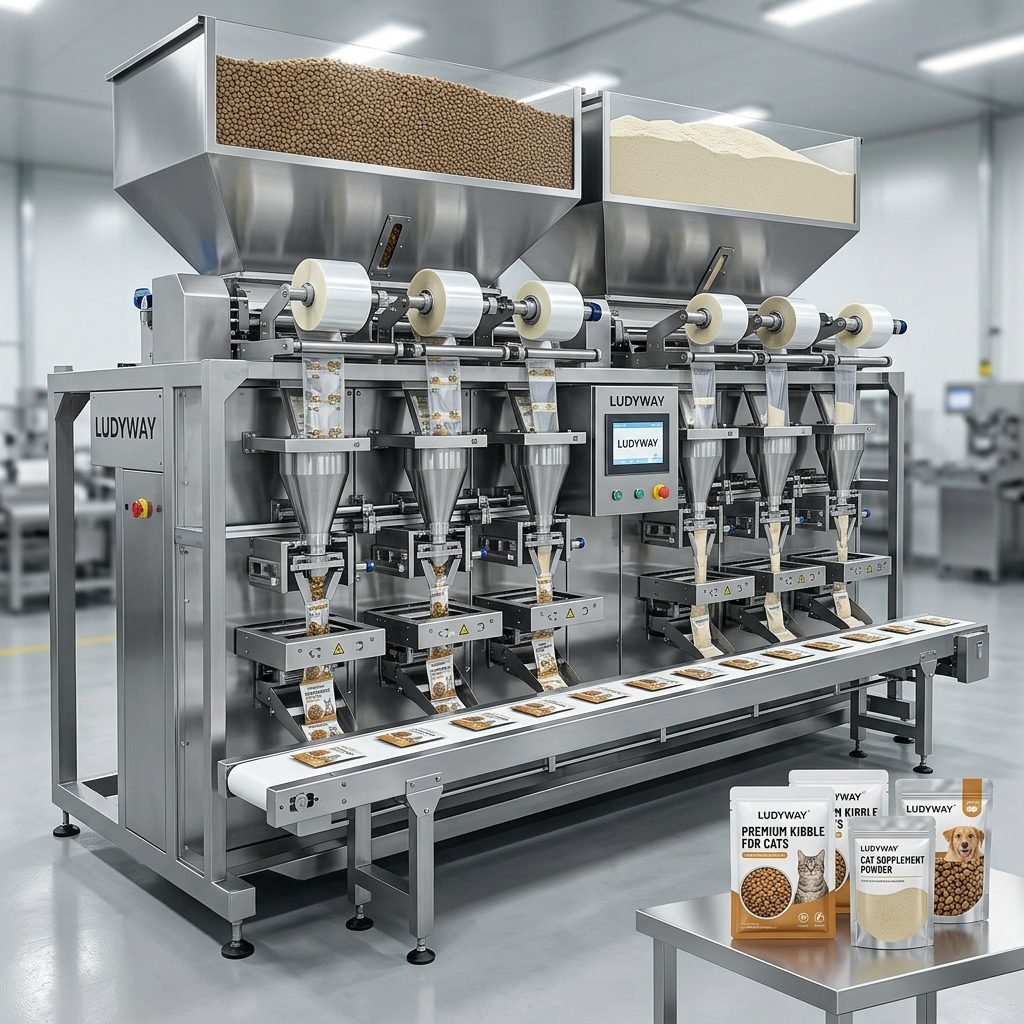
Vertical Form-Fill-Seal (VFFS) Machines
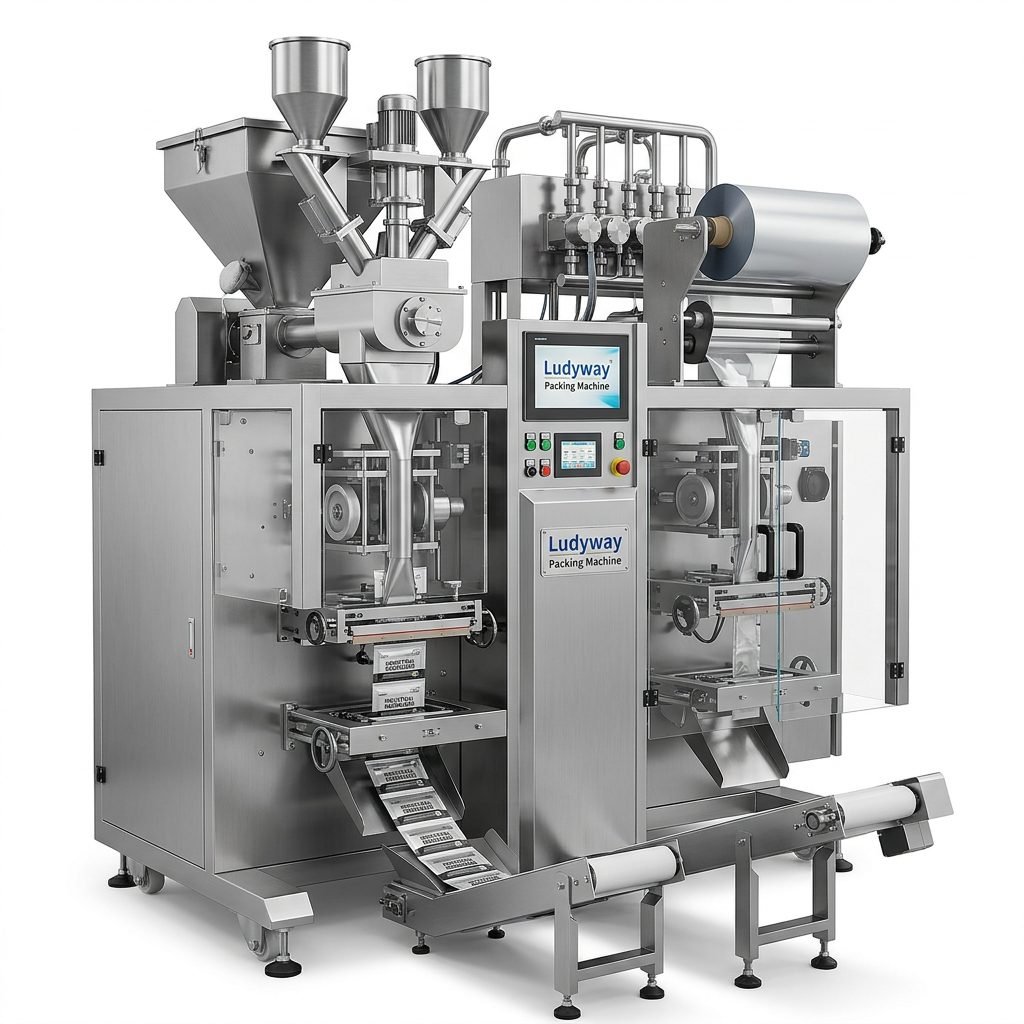
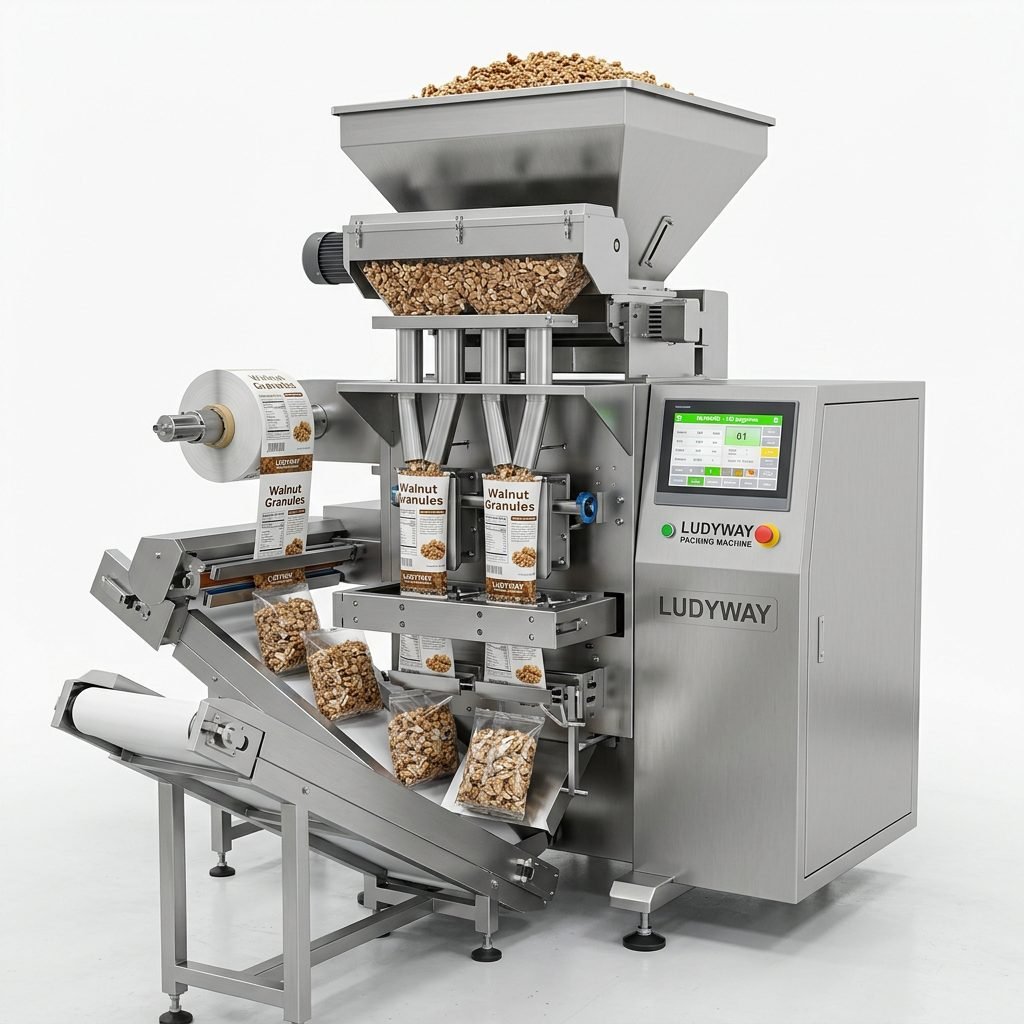
These are the workhorses of the industry, ideal for packaging free-flowing granular and pelleted feeds into bags or pouches. The machine forms a bag from a roll of film, fills it with a pre-measured amount of product, and then seals it—all in one continuous vertical motion. They are celebrated for their high speed, flexibility in bag size, and relatively compact footprint.
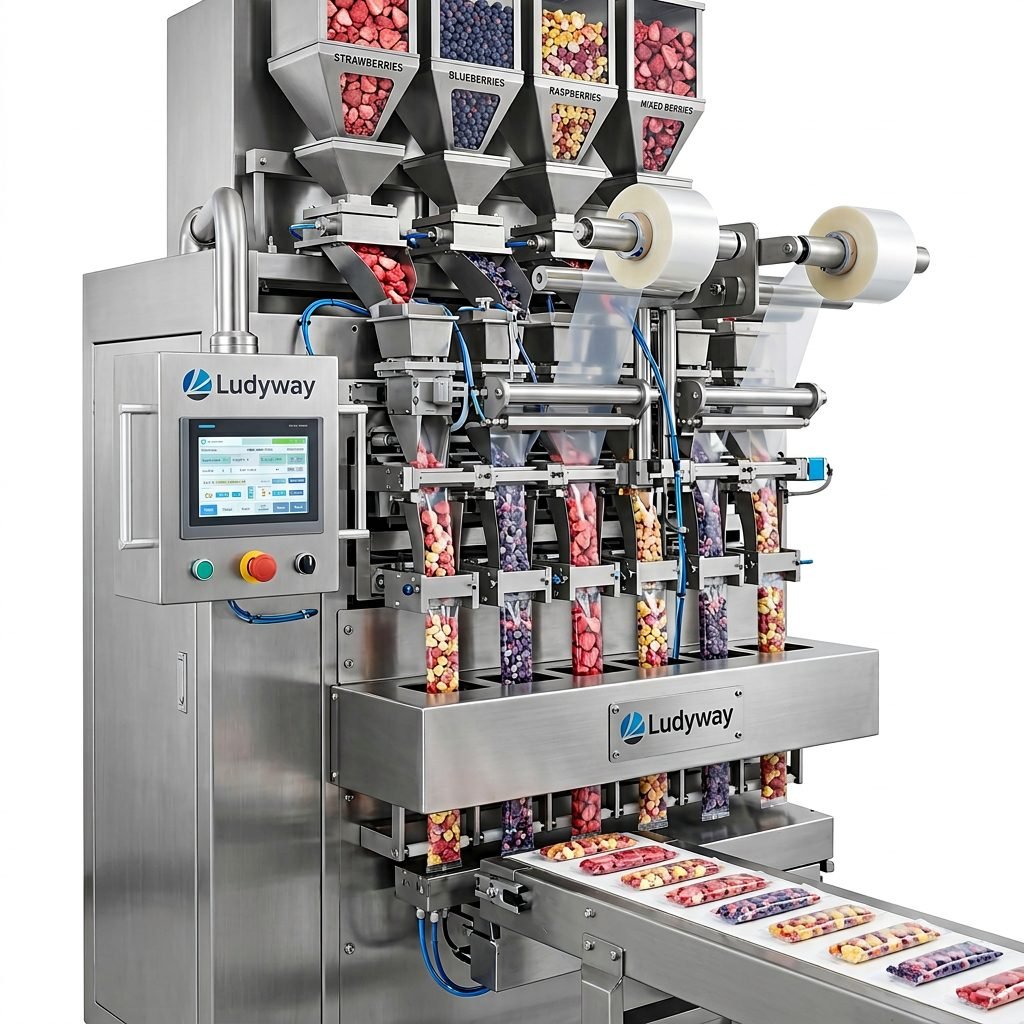
Horizontal Form-Fill-Seal (HFFS) Machines
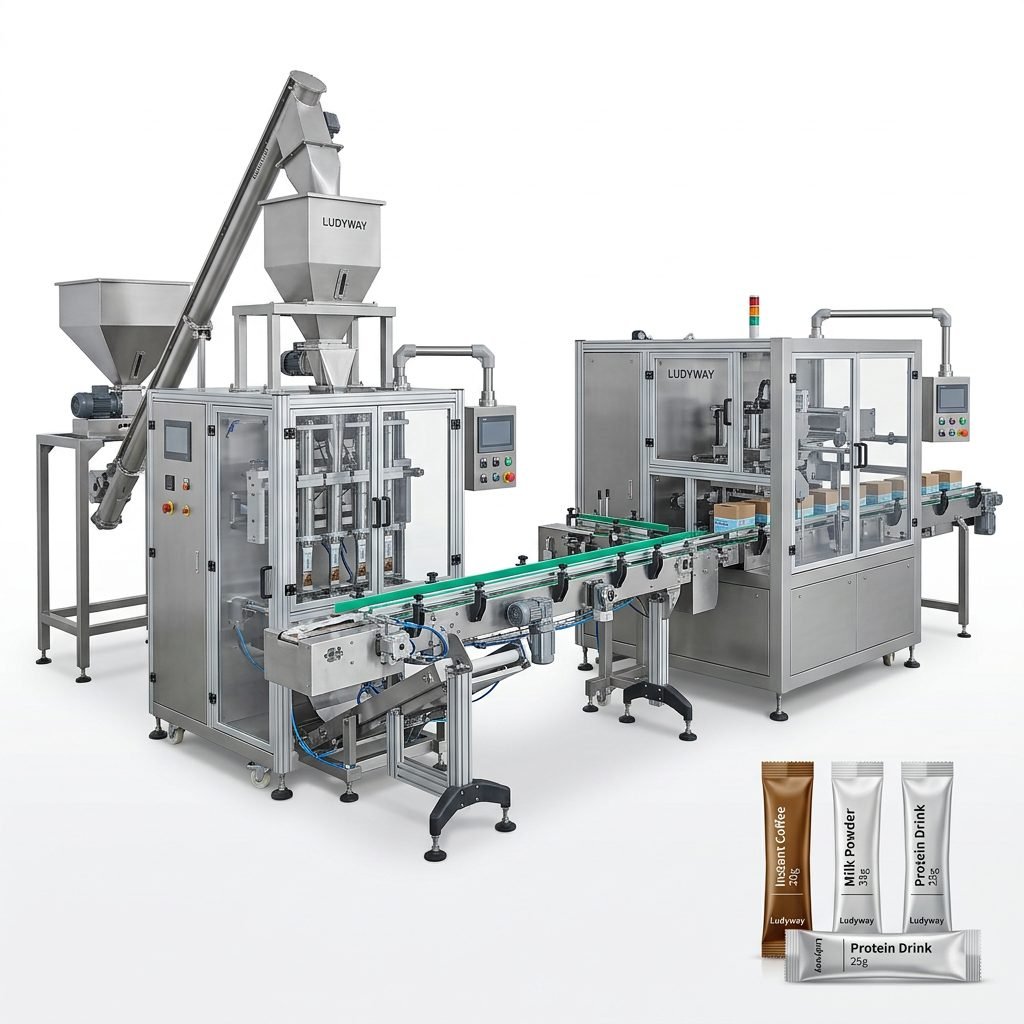
Better suited for packaging smaller, portion-controlled items like feed blocks, treats, or pre-measured supplements into sachets or stick packs. The film travels horizontally, and products are placed into pre-formed pockets before sealing. This type excels in creating attractive, market-ready retail packaging with excellent presentation.
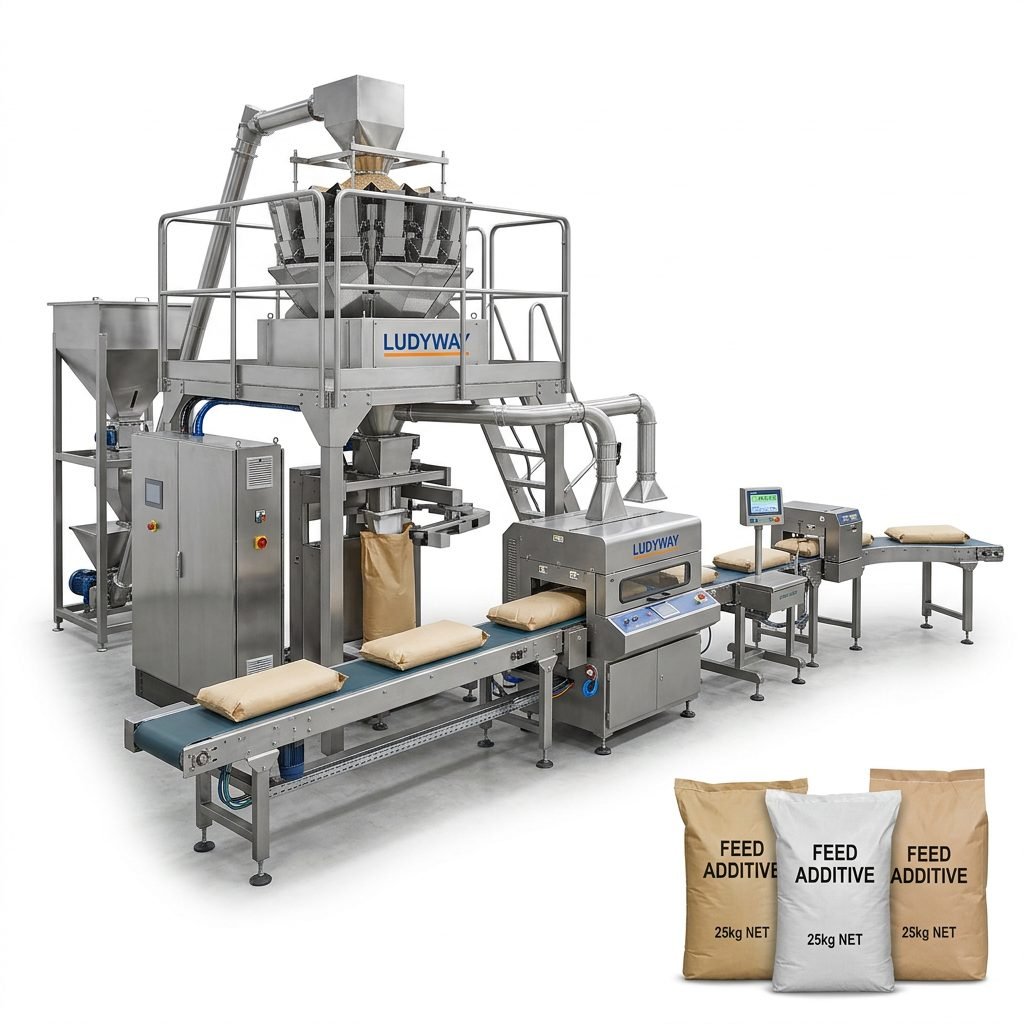
Open-Mouth Bagging Systems
Designed for filling pre-made woven poly or paper bags (e.g., 25kg or 50kg bags). These systems often include automated bag placers, high-precision weigh fillers (like gross weight or net weight scales), and conveyor systems for sewing or heat-sealing the bag top. They are the go-to solution for high-volume, bulk feed packaging.
Valve Bag Packers
A specialized subset of open-mouth packing where feed is pneumatically conveyed into bags through a built-in valve. The bag is held tightly on the filling spout, minimizing dust emission—a critical feature for maintaining a clean plant environment and product quality. This method is exceptionally fast and efficient for palletizing operations.
Essential Features & Technological Considerations
Beyond the basic type, modern packaging machines offer a suite of features that enhance performance, reliability, and ease of use.
⚙ Weighing and Dosing Accuracy
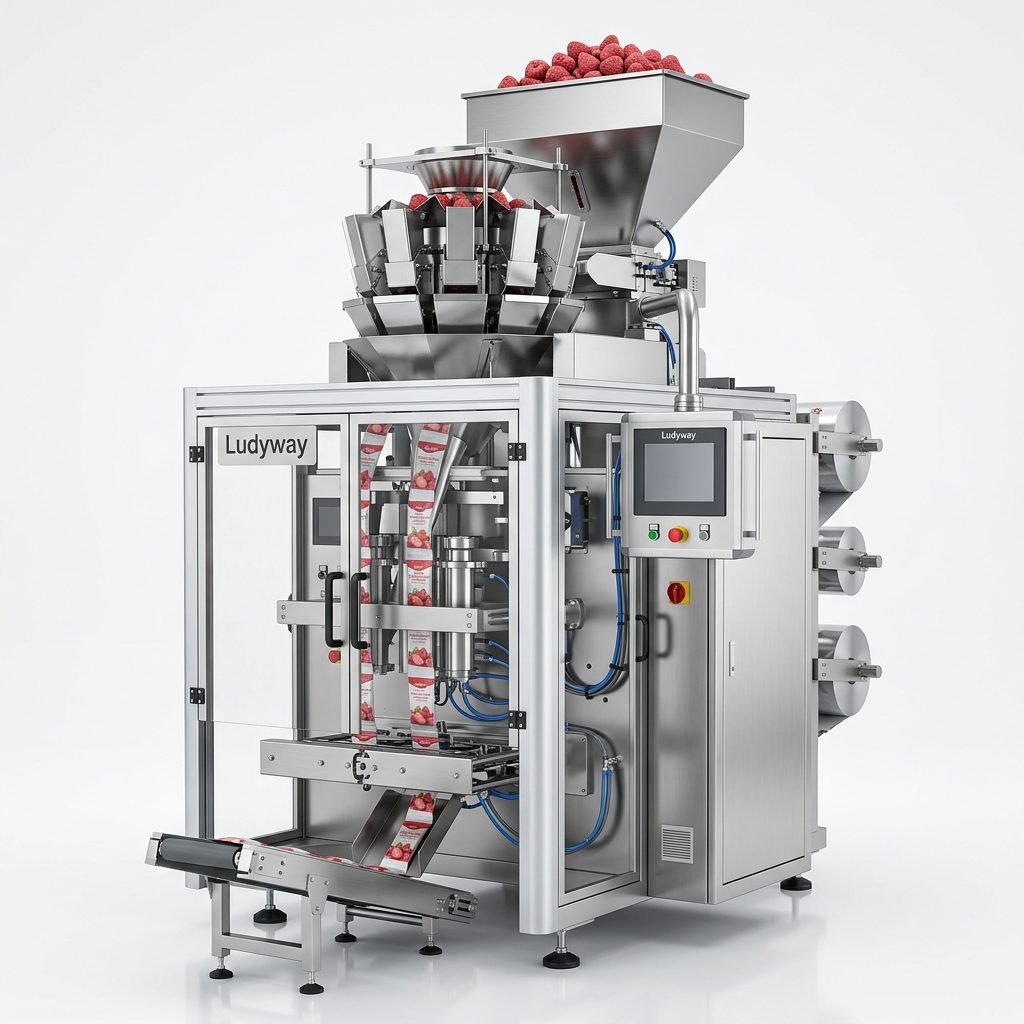
Precision is non-negotiable. Look for machines equipped with advanced multi-head weighers, loss-in-weight feeders, or servo-driven auger fillers. Consistent weight control ensures compliance with regulations, minimizes product giveaway, and builds customer trust. Systems with automatic feedback and compensation for density variations are highly valuable.
🔑 Sealing Integrity and Gas Flushing
A strong, hermetic seal protects feed from moisture, contaminants, and spoilage. Evaluate the sealing technology—heat sealing is common for films. For sensitive feeds like aqua feed or high-fat supplements, machines with integrated nitrogen or CO2 flushing systems can displace oxygen inside the package, significantly extending shelf life and preserving nutritional value.
Automation and Integration Capability
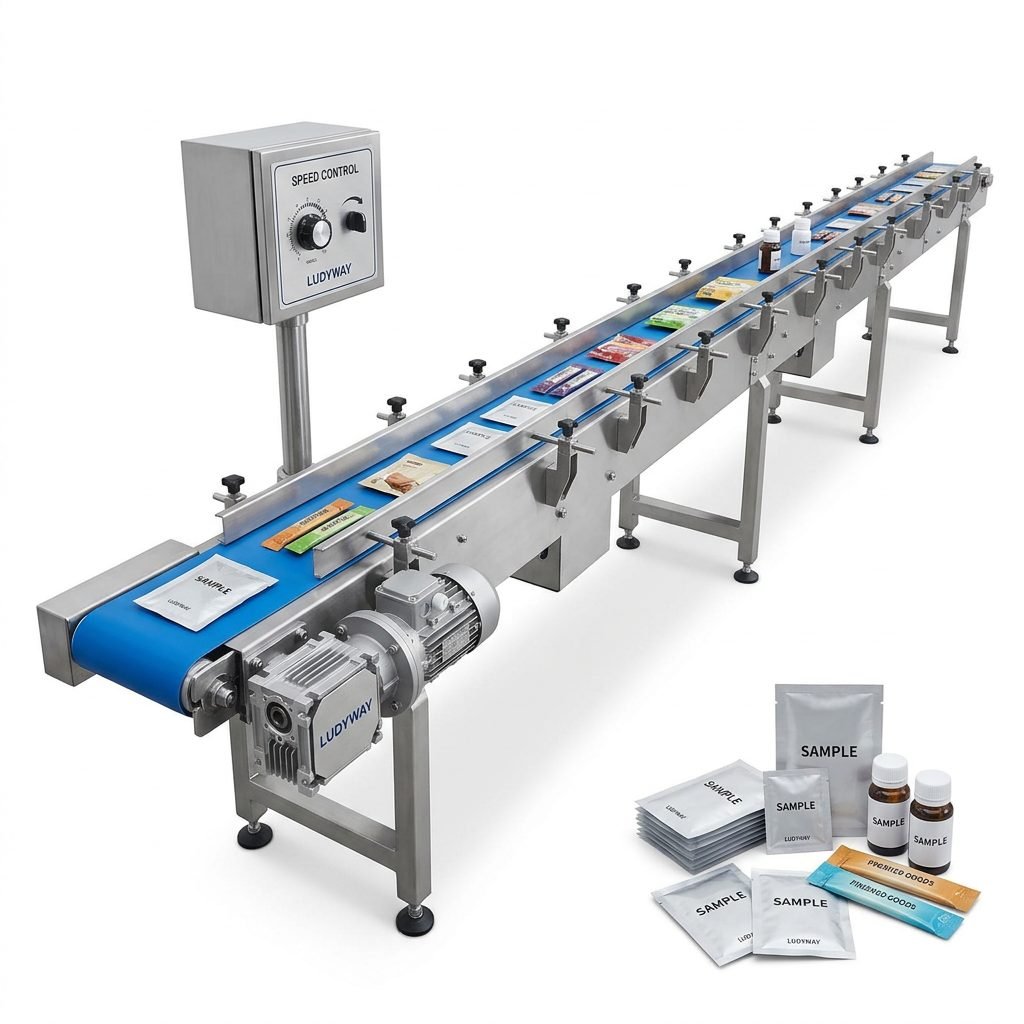
Can the machine integrate with upstream mixers and downstream palletizers? Features like automatic film roll changeovers, bag-in-box handling, and robotic palletizing interfaces can create a seamless, labor-efficient production line. A user-friendly Human-Machine Interface (HMI) with recipe storage simplifies operation and changeovers between different feed products.
Durability and Hygienic Design
Feed production is a demanding environment. Machines should be constructed from food-grade, corrosion-resistant materials like stainless steel in critical contact areas. A design that allows for easy access and cleaning (e.g., with smooth surfaces and minimal crevices) is essential for meeting food safety standards like GMP and preventing cross-contamination.
How to Choose the Right System: A Step-by-Step Guide
Making the right choice requires a thorough analysis of your own operation. Follow this framework to guide your selection process.
1. Analyze Your Product and Packaging Format
Start with the basics. What is the physical form of your feed (fine powder, pellets, cubes, mash)? What is your target package size and type (small retail pouches, 5kg bags, 25kg bulk bags)? The product characteristics directly dictate the suitable filling technology (auger, impeller, weigh cup), while the package format determines the machine type (VFFS, HFFS, open-bag).
2. Define Your Production Requirements
Quantify your needs. What is your required output speed in bags or tons per hour? Do you have plans for future expansion? Consider not just today’s volume but a realistic 3-5 year projection. Also, assess your available factory space (footprint) and utilities (electrical, compressed air requirements).
3. Evaluate Operational and Business Factors
- Budget: Consider total cost of ownership, not just the purchase price. Include installation, training, maintenance, and potential spare parts.
- Flexibility: How often will you change bag sizes or products? Quick-change features can drastically reduce downtime.
- Supplier Support: Choose a partner like Ludyway Machinery with a proven track record. Reliable after-sales service, technical support, and availability of spare parts are crucial for minimizing operational risk.
4. Prioritize Hygiene and Safety Standards
Ensure the machine design complies with relevant industry and regional safety standards. Hygienic construction is critical to prevent pest harborage and bacterial growth, protecting both your product and your brand’s reputation.
5. Request Demos and Check References
Never buy based on specifications alone. Arrange to see the machine run, preferably with a product similar to yours. Ask the supplier for contact information of current customers with similar applications. Their firsthand experience is invaluable. Exploring a supplier’s company history and expertise can also provide confidence in their long-term reliability.
Conclusion
Investing in the optimal animal feed packaging machine is a multifaceted decision that balances technical specifications with practical operational needs. By thoroughly understanding the different machine types, prioritizing features that ensure accuracy, integrity, and hygiene, and methodically assessing your own production landscape, you can select a system that becomes a cornerstone of your efficiency and quality assurance. Partnering with an experienced provider ensures you get not just a machine, but a comprehensive packaging solution supported by expertise.
Frequently Asked Questions (FAQs)
What is the main difference between VFFS and open-mouth bagging machines?
VFFS machines create the bag from a roll of film and are ideal for smaller, retail-style bags (e.g., 1kg to 10kg) with high speed and flexibility. Open-mouth baggers fill pre-made bags and are the standard for large, bulk quantities (e.g., 25kg, 50kg), offering robustness and high throughput for industrial-scale operations.
How can I reduce dust during the packaging of fine feed powder?
Opt for machines with sealed or vacuum-assisted filling systems, like certain valve bag packers or VFFS machines with integrated dust extraction ports. Ensuring the feed is at an appropriate moisture content and using anti-static packaging films can also significantly mitigate dust generation.
Is automated packaging machinery suitable for small to medium-sized feed mills?
Absolutely. Automation is scalable. Many suppliers offer compact, semi-automatic or entry-level automatic machines that are cost-effective for lower-volume producers. The key is to calculate the return on investment (ROI) through labor savings, reduced waste, and increased output consistency, which often justifies the investment even for smaller operations.
What maintenance does a feed packaging machine typically require?
Regular maintenance includes daily cleaning to prevent product buildup, lubrication of moving parts as per the manual, inspection and replacement of wear parts like sealing jaws, augers, and film guides, and calibration of the weighing system. A proactive maintenance schedule from a reliable supplier is essential for longevity.
Can one machine handle different types of feed, like pellets and mash?
It depends on the machine’s design. Some versatile models with quick-change filling systems (e.g., interchangeable augers or weighing heads) can handle a range of products. However, switching between vastly different products (e.g., oily mash and dry pellets) may require thorough cleaning to prevent cross-contamination. Discuss your specific product mix with your supplier to find the best solution.