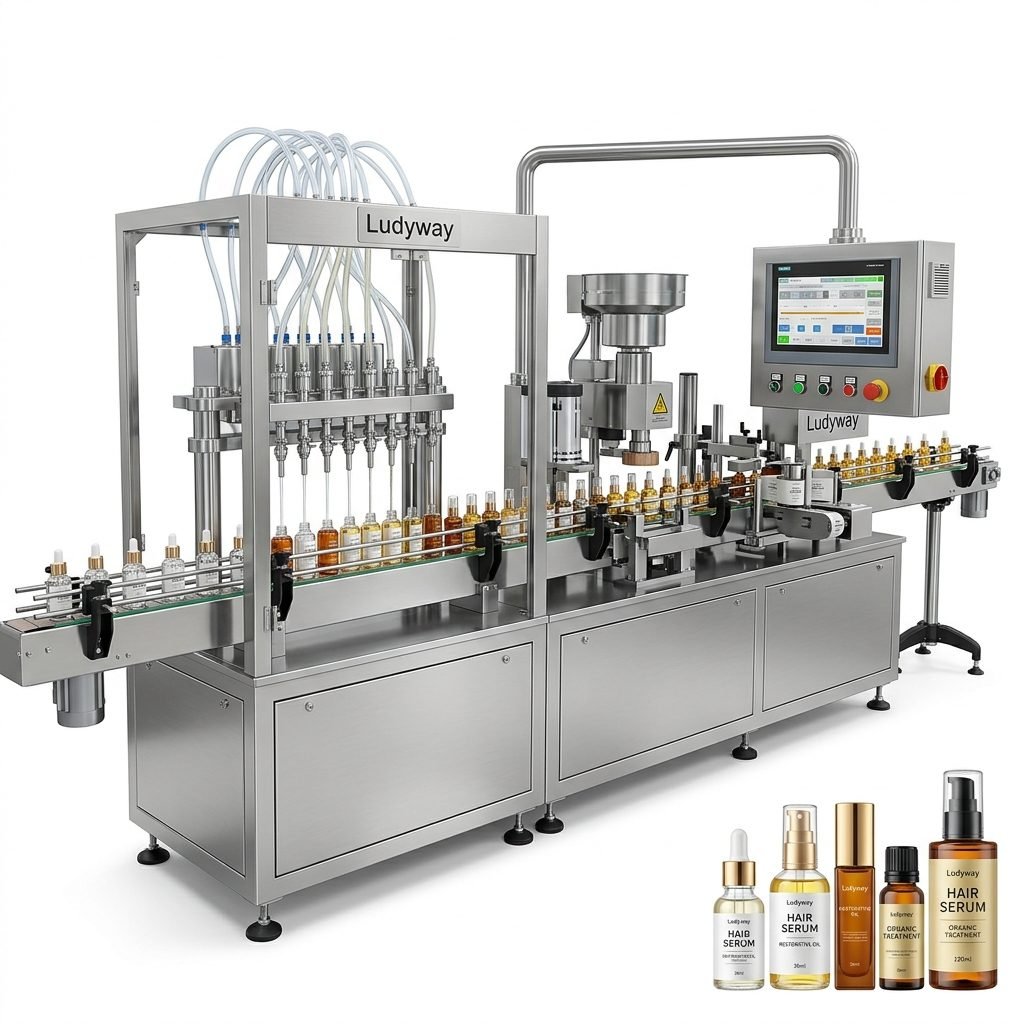
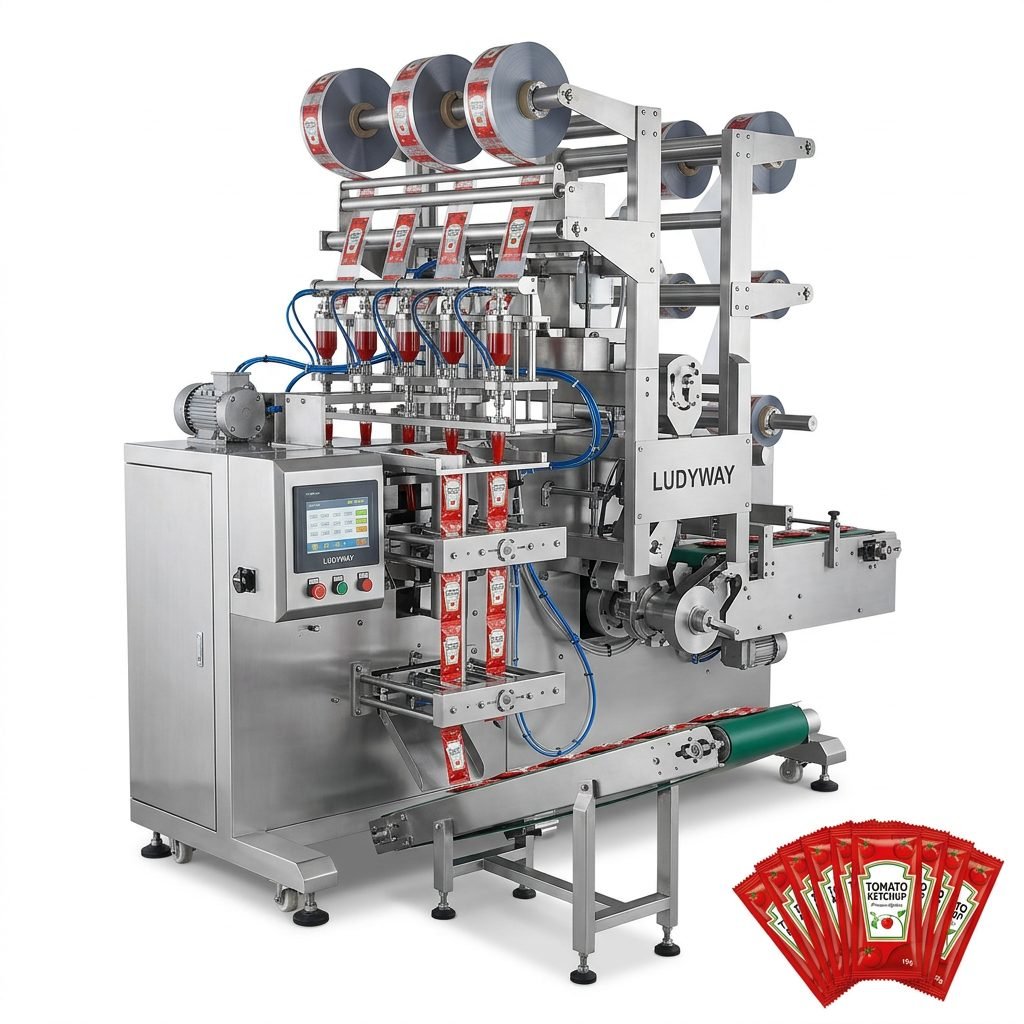
Investing in a robotic packing machine is one of the most significant decisions a manufacturer can make. The right system can dramatically increase throughput, reduce labor costs, and improve packaging consistency. However, with so many configurations, technologies, and suppliers available, the selection process can quickly become overwhelming. This guide walks you through the essential factors to evaluate when choosing a robotic packing machine that aligns with your production goals, product characteristics, and operational requirements.
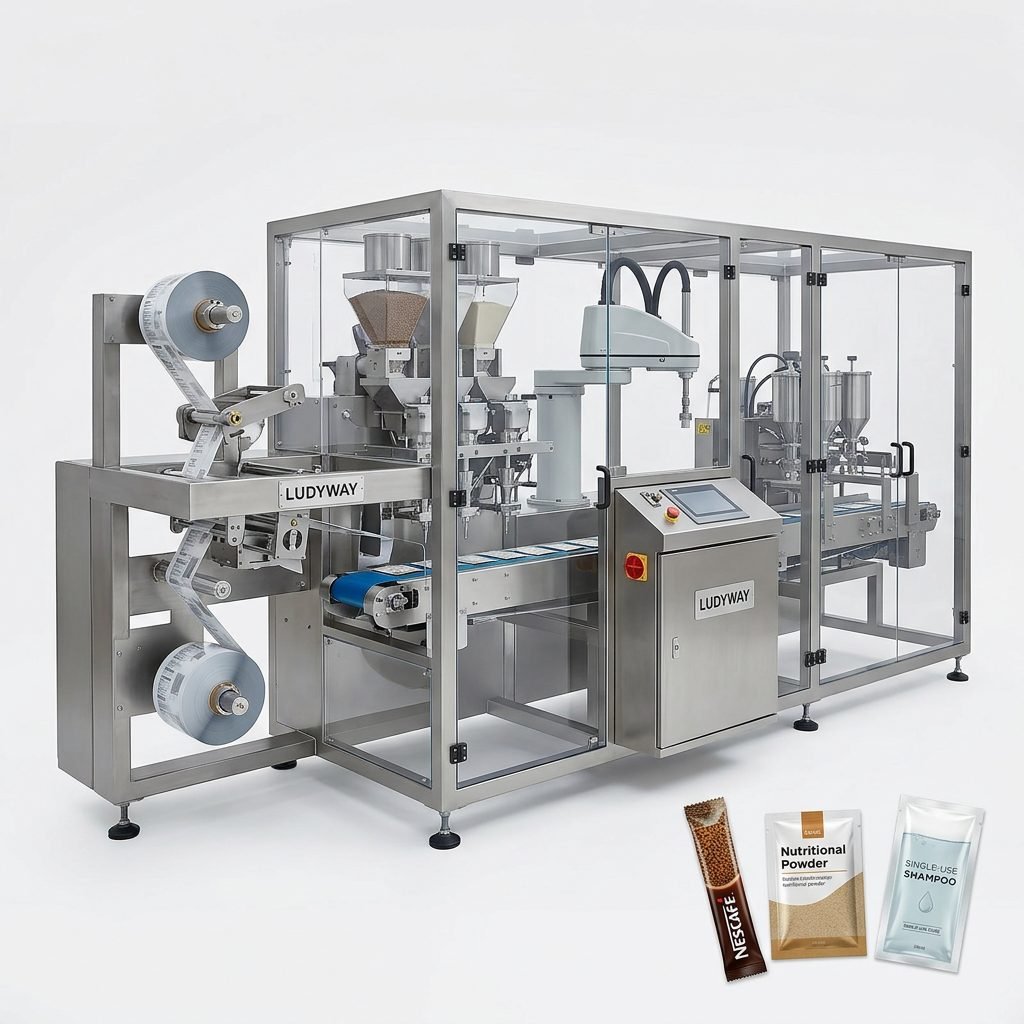
Understanding Your Production Requirements
Before comparing specific machines, you need to define your operational parameters with precision. This foundational step ensures that every subsequent decision is grounded in actual business needs rather than theoretical capabilities. The packaging machinery market offers a wide range of solutions, and narrowing your focus early will save significant time and resources during the procurement process.
Product Characteristics and Packaging Format
The physical properties of your product directly determine which robotic packing system will work effectively. Key variables include:
- Product type: Is your product a powder, granule, liquid, paste, or solid? Different dosing and filling mechanisms are required for each.
- Flow characteristics: Free-flowing granules behave very differently from cohesive powders or viscous liquids. This affects hopper design, feeding systems, and filling accuracy.
- Packaging format: Are you filling stick packs, sachets, pouches, bottles, cartons, or bulk bags? The machine must be compatible with your desired flexible packaging format.
- Bag or container dimensions: Width, length, and gusset requirements influence forming, filling, and sealing station configurations.
- Filling volume range: Machines have minimum and maximum fill capacities. Ensure the equipment can handle your entire product range.
Key Technical Specifications to Evaluate
Once you understand your product and packaging requirements, the next step is to evaluate the technical capabilities of different robotic packing solutions. Pay close attention to the following specifications, as they directly impact production efficiency and long-term operational costs.
Speed and Throughput Capacity
Production speed is often the primary driver behind automation investments. However, rated speed and actual sustained throughput can differ significantly. When evaluating machine specifications, consider:
- Rated speed in packs per minute (PPM) under ideal conditions
- Sustained speed during continuous production runs with typical product variations
- Changeover time between different product SKUs or packaging formats
- Multi-lane configurations that multiply output by running several lanes simultaneously
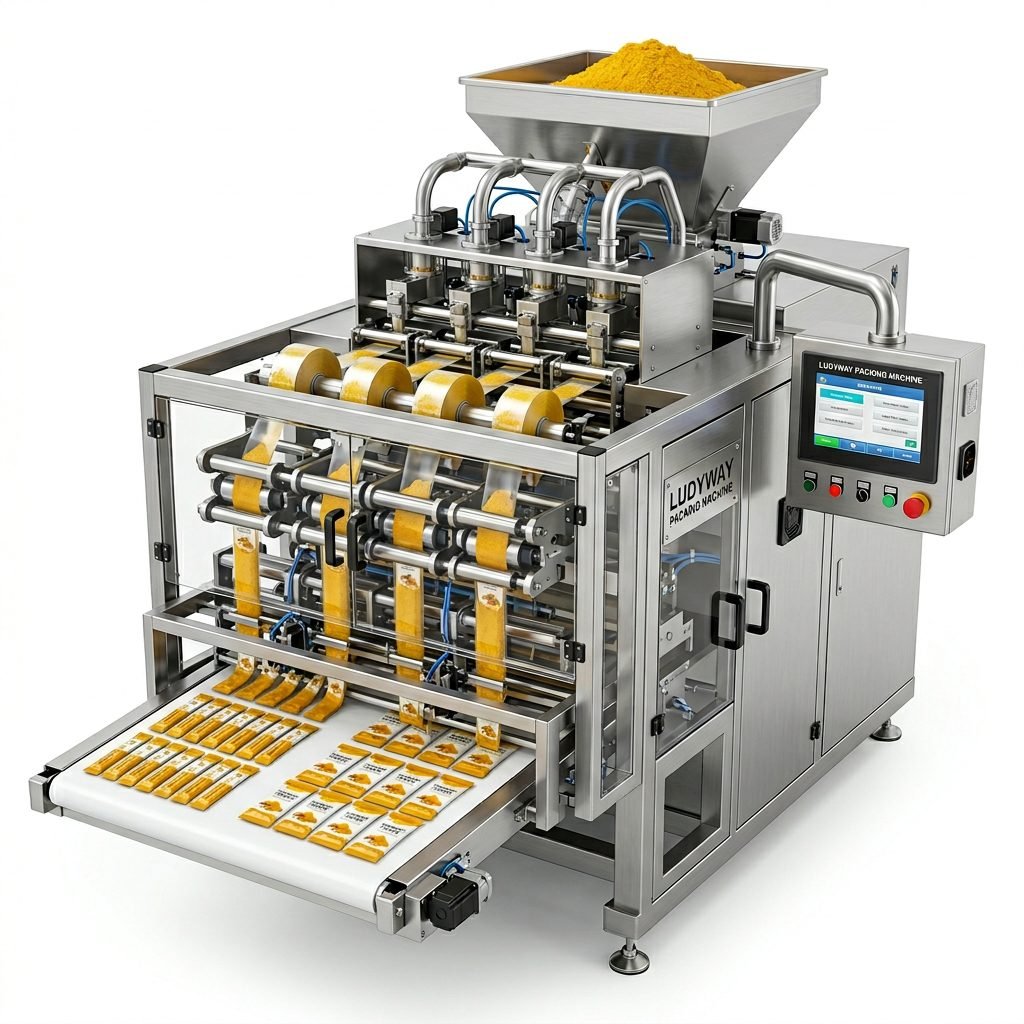
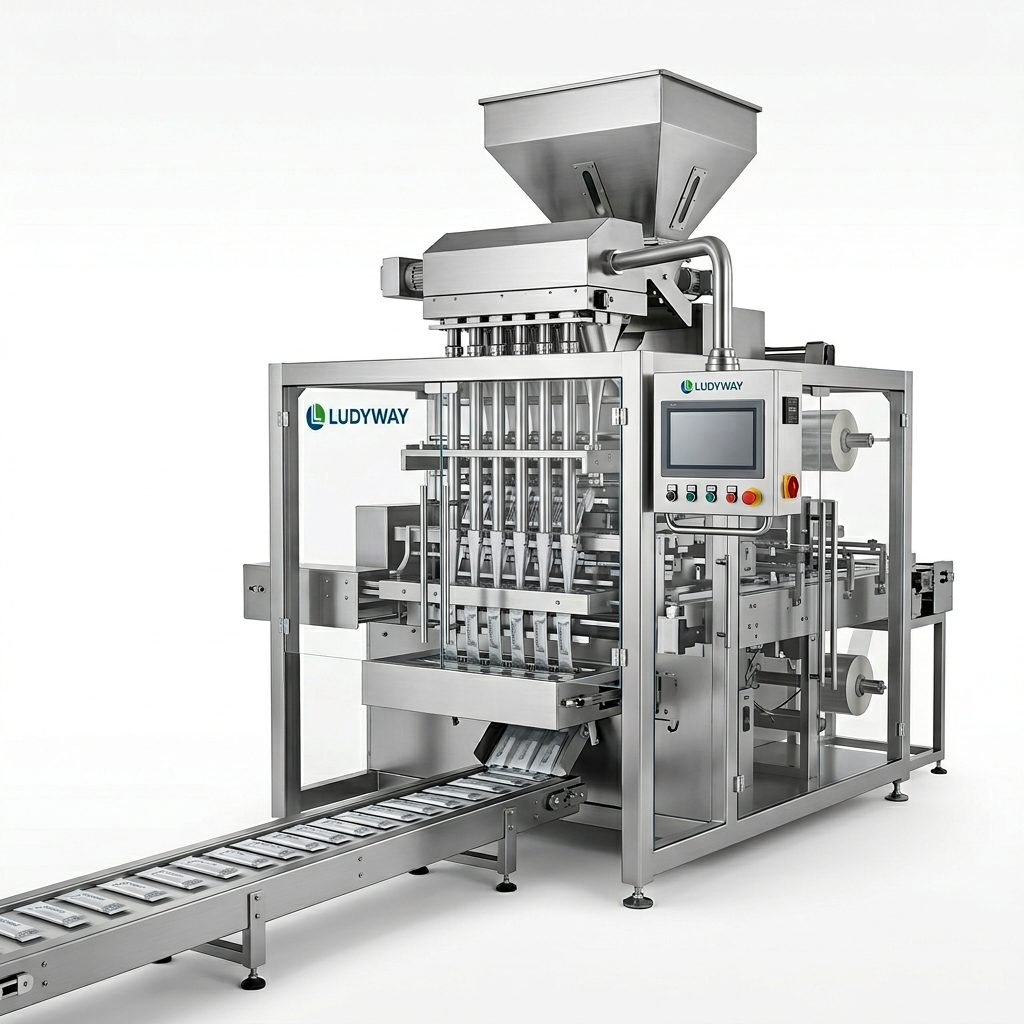
For high-volume operations, multi-lane stick pack and sachet machines can produce hundreds of packs per minute, dramatically outperforming single-lane alternatives. According to PMMI packaging industry data, multi-lane systems are increasingly adopted across food, pharmaceutical, and personal care sectors to meet growing demand.
Filling Accuracy and Dosing Precision
Filling accuracy affects product quality, regulatory compliance, and material costs. Even small overfills across millions of units can represent substantial financial losses. Key considerations include:
- Dosing technology: Auger fillers, volumetric cup fillers, weigh cells, piston fillers, and flow meters each suit different product types.
- Accuracy tolerance: Typically expressed as a percentage of target fill weight or volume.
- Checkweighing integration: In-line checkweighers with automatic feedback adjustment help maintain consistent fill weights.
Automation and Control Systems
Modern robotic packing machines rely on sophisticated automation and control technologies. The level of automation you choose should align with your workforce capabilities, production complexity, and long-term scalability requirements.
PLC and HMI Systems
The programmable logic controller (PLC) and human-machine interface (HMI) form the brain of any robotic packaging system. Look for:
- Intuitive touchscreen interfaces with multi-language support
- Recipe storage for quick product changeovers
- Real-time production data monitoring and reporting
- Remote access capabilities for diagnostics and troubleshooting
- Integration with enterprise resource planning (ERP) systems
Sensor Integration and Quality Control
Advanced sensor packages enhance quality assurance and reduce waste. Consider machines equipped with:
- Vision inspection systems for seal integrity, print quality, and label verification
- Metal detectors and X-ray inspection for contaminant detection
- Checkweighers for fill weight verification and feedback control
- Reject systems that automatically remove non-conforming packages
Comparing Robotic Packing Machine Configurations
Different machine configurations suit different production environments. The following table summarizes the primary options and their typical applications:
| Machine Configuration | Best For | Typical Speed Range | Key Advantage |
|---|---|---|---|
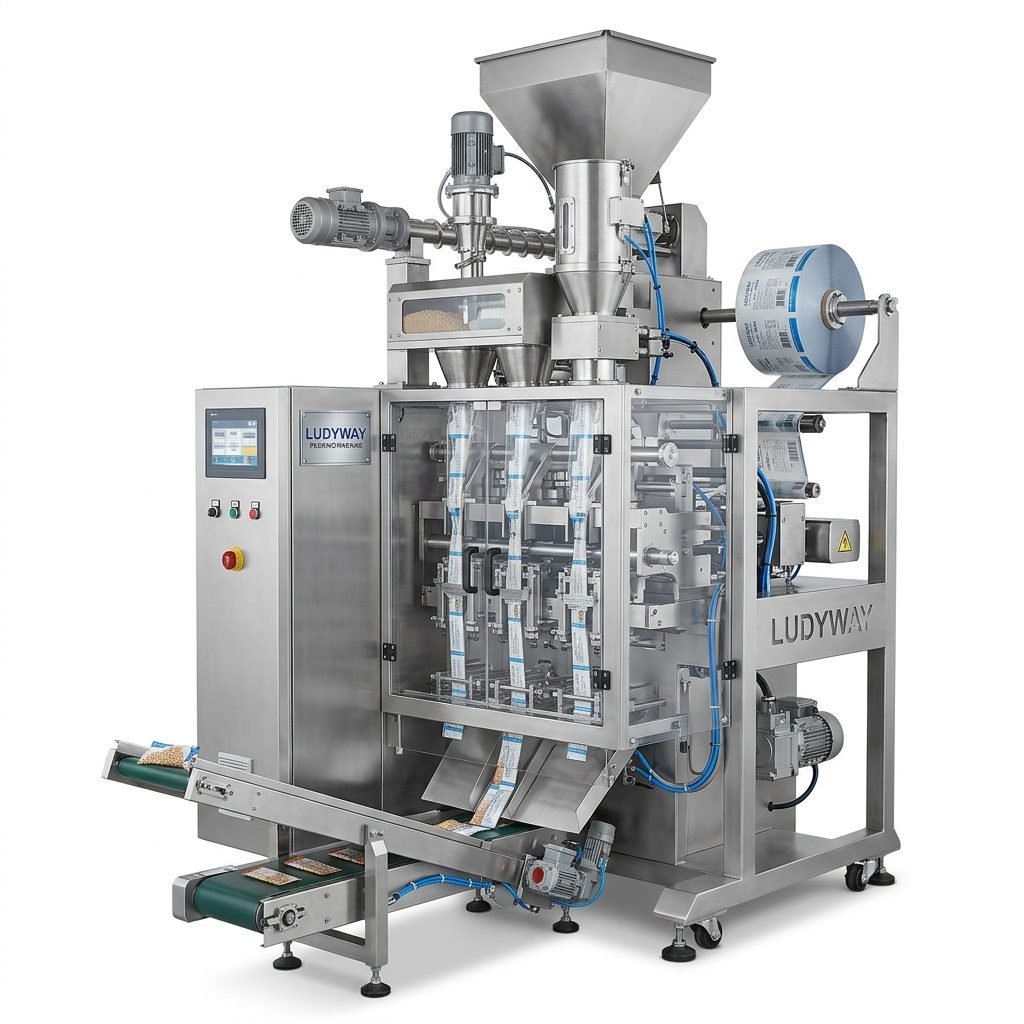
| Single-Lane VFFS | Small to medium production volumes | 30–80 PPM | Lower capital investment, simpler operation |
| Multi-Lane Stick Pack | High-volume powder, granule, and liquid products | 200–600+ PPM | Maximum throughput in compact footprint |
| Multi-Lane Sachet | Sample-size products, cosmetics, pharmaceuticals | 150–500 PPM | Versatile format, excellent for portion control |
| Premade Pouch Filling | Premium products, stand-up pouches, zipper closures | 40–120 PPM | Superior shelf presentation, flexible formats |
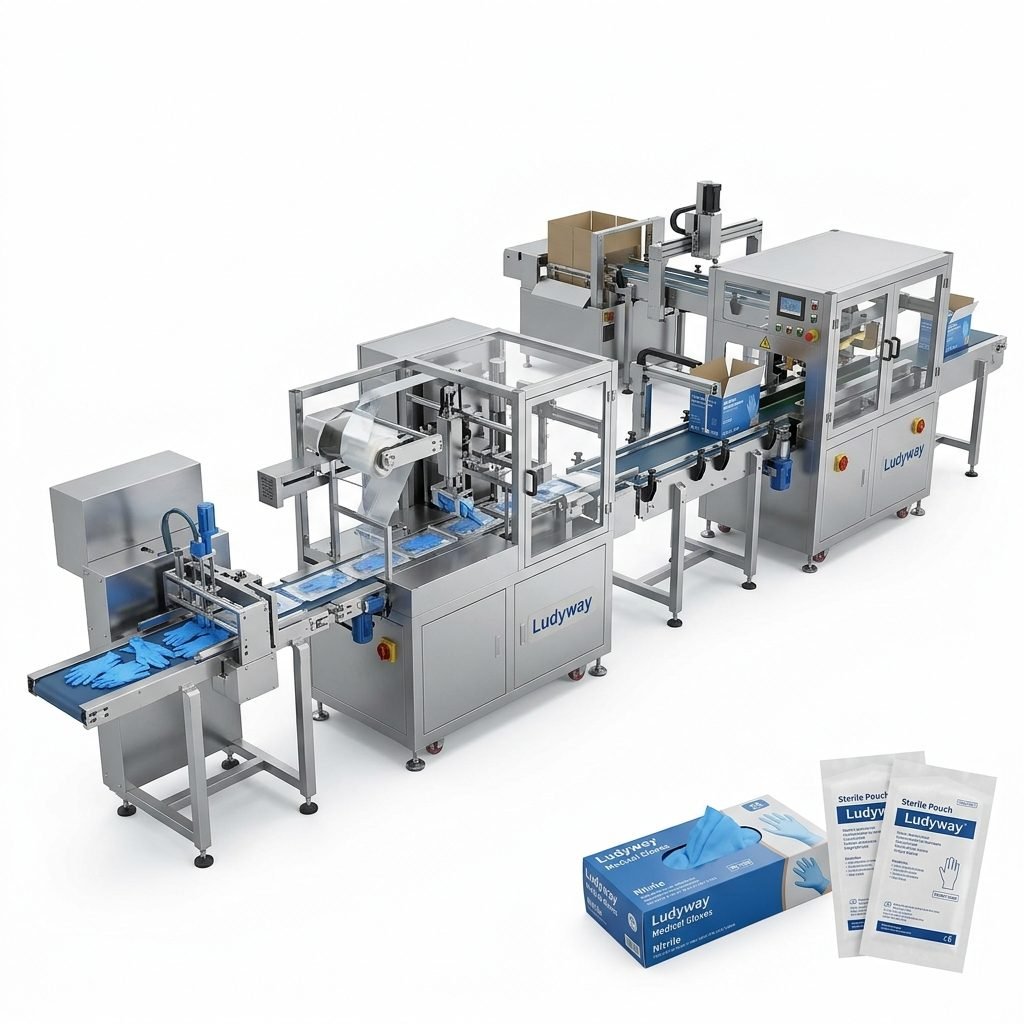
| Robotic Pick-and-Place | Secondary packaging, cartoning, palletizing | Varies by application | Flexible automation for complex handling tasks |

Material Compatibility and Packaging Film Considerations
The robotic packing machine you select must be compatible with your chosen packaging materials. Film type, thickness, and seal characteristics directly influence machine performance and package integrity. Evaluate the following material-related factors:
- Film structure: Laminated films, mono-materials, paper-based, and aluminum foil laminates each require specific sealing parameters.
- Seal technology: Heat sealing, ultrasonic sealing, and cold sealing have different advantages depending on product sensitivity and material type.
- Material sourcing: Ensure your packaging material supplier can consistently provide film that meets the machine’s specifications.
- Sustainability goals: If you are transitioning to recyclable or compostable materials, verify machine compatibility early in the selection process. Refer to Flexible Packaging Association resources for guidance on sustainable packaging trends.
Integration with Existing Production Lines
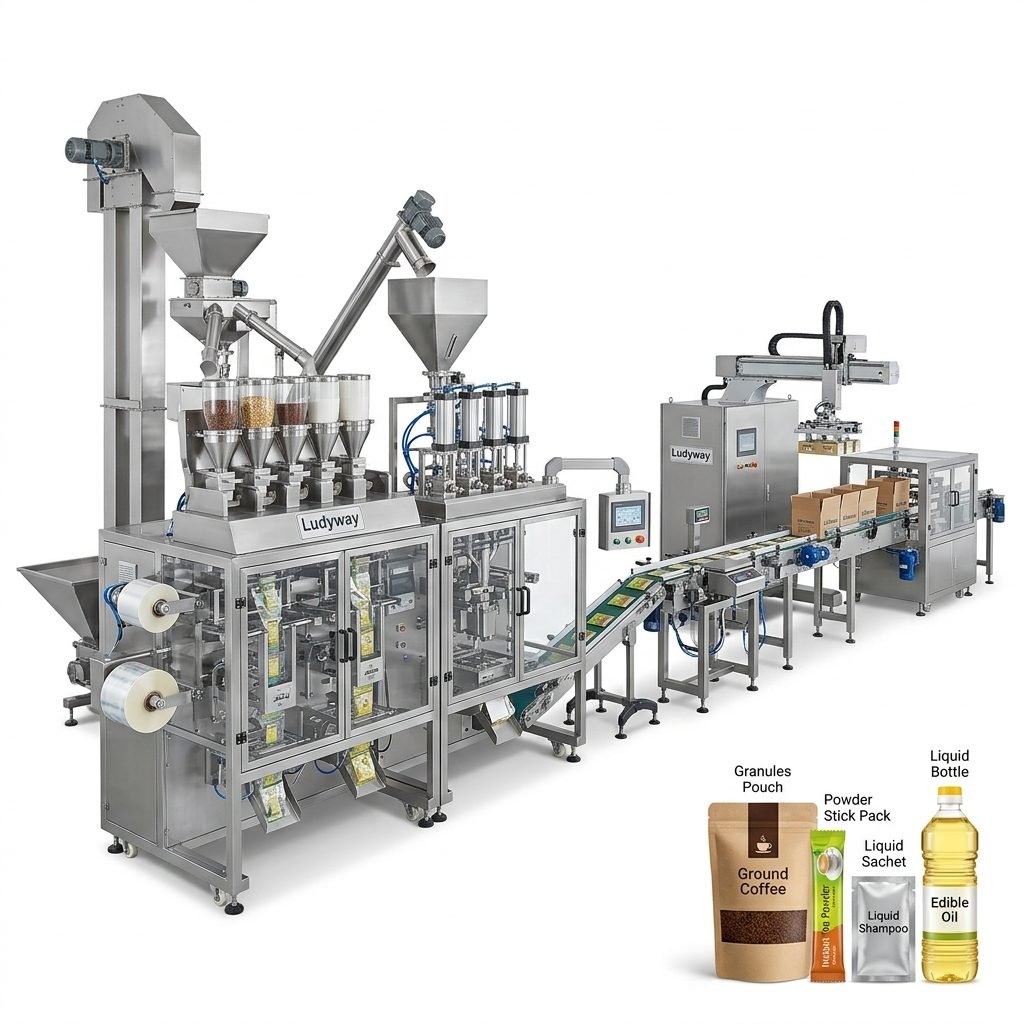
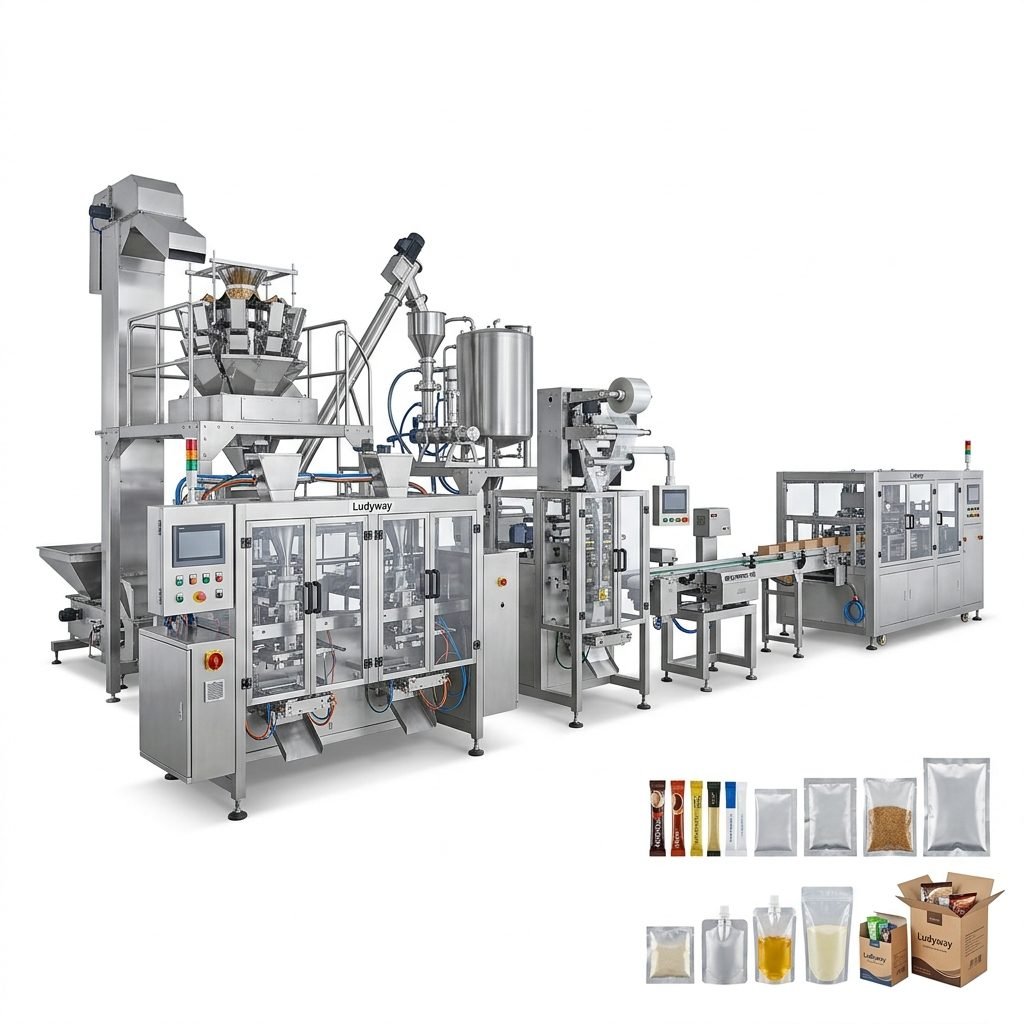
A robotic packing machine rarely operates in isolation. It must integrate seamlessly with upstream and downstream equipment to form an efficient, continuous production line. Consider how the new machine will connect with:
- Upstream equipment: Product feeding systems, conveyors, elevators, and dosing systems must deliver consistent product flow to the packaging machine.
- Downstream equipment: Cartoning machines, case packers, palletizers, stretch wrappers, and coding systems should match the output speed.
- Factory infrastructure: Electrical supply, compressed air, dust extraction, and facility layout all affect installation and operation.
For manufacturers seeking a streamlined approach, turnkey packaging solutions that include integrated equipment, installation, and commissioning can significantly reduce project complexity and risk.
Budget, ROI, and Total Cost of Ownership
The purchase price of a robotic packing machine is only one component of its total cost. A comprehensive financial analysis should account for the full lifecycle costs and expected returns. Key financial considerations include:
- Capital expenditure: Machine cost, shipping, import duties, installation, and initial training.
- Operating costs: Labor requirements, energy consumption, packaging material waste, and routine maintenance.
- Productivity gains: Increased output, reduced downtime, and improved fill accuracy that reduces product giveaway.
- Payback period: Calculate how quickly the investment will generate positive returns through cost savings and increased revenue.

Evaluating Suppliers and After-Sales Support
The relationship with your equipment supplier extends far beyond the initial purchase. A reliable partner provides ongoing support that keeps your production running efficiently for years. When evaluating potential suppliers, investigate the following areas thoroughly:
Technical Support and Service Infrastructure
- Installation and commissioning: Does the supplier provide on-site installation and operator training?
- Spare parts availability: Are critical components stocked regionally or shipped internationally? What are typical lead times?
- Technical support: Is remote diagnostics available? What are the response times for technical inquiries?
- Preventive maintenance programs: Does the supplier offer scheduled maintenance to minimize unexpected downtime?
Manufacturing Experience and Industry Expertise
Choose a supplier with demonstrated experience in your specific industry and product category. A manufacturer with a broad portfolio of automated packaging equipment and engineering capabilities can provide more tailored solutions than one offering only standardized machines. For example, Ludyway Machinery combines over 30 years of packaging industry experience with in-house manufacturing, engineering, and automation expertise to develop customized packaging systems for manufacturers across food, pharmaceutical, cosmetic, and chemical industries worldwide.
Regulatory Compliance and Quality Standards
Depending on your industry and target markets, your robotic packing machine may need to comply with specific regulations and standards. Verify that potential suppliers can provide appropriate documentation and configure equipment to meet applicable requirements:
- Food safety: Machines designed for food contact should use food-grade materials and facilitate effective cleaning. Refer to FDA food packaging regulations for relevant requirements.
- Pharmaceutical standards: Equipment may need to comply with GMP, ISO 11607, and other pharmaceutical packaging standards for product protection and traceability.
- CE marking and international certifications: For export markets, ensure the machine meets applicable safety and quality standards.

Future-Proofing Your Investment
A robotic packing machine represents a significant long-term investment. Consider how your needs might evolve and whether the equipment can adapt to future requirements. Key aspects of future-proofing include:
- Modular design: Can additional lanes, dosing units, or automation modules be added later?
- Packaging format flexibility: Can the machine handle new packaging formats with minimal retooling?
- Software upgradability: Are control systems designed to accommodate future software updates and new features?
- Industry 4.0 readiness: Does the machine support data connectivity, predictive maintenance, and smart factory integration?

Making the Final Decision
Selecting the right robotic packing machine requires balancing technical specifications, budget constraints, supplier capabilities, and long-term business goals. As you move toward a final decision, consider these practical steps:
- Conduct factory acceptance testing (FAT): Whenever possible, visit the manufacturer’s facility to see the machine running with your actual product and packaging materials before shipment.
- Request references: Speak with current users in similar industries about their experience with the equipment and the supplier’s support.
- Evaluate multiple proposals: Compare proposals from several qualified suppliers using consistent evaluation criteria rather than price alone.
- Review warranty and service agreements: Understand exactly what is covered, for how long, and under what conditions.
By systematically evaluating your production requirements, understanding key technical specifications, and carefully assessing potential suppliers, you can select a robotic packing machine that delivers reliable performance, strong return on investment, and the flexibility to support your business growth for years to come. The packaging industry continues to evolve with increasing automation, and the right equipment partner will help you stay ahead of market demands while maintaining operational efficiency.