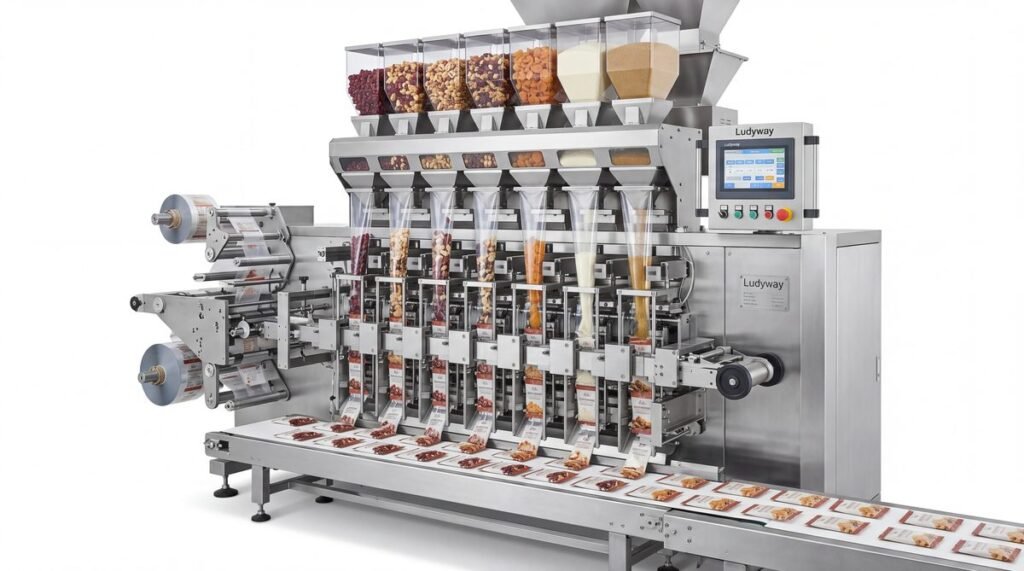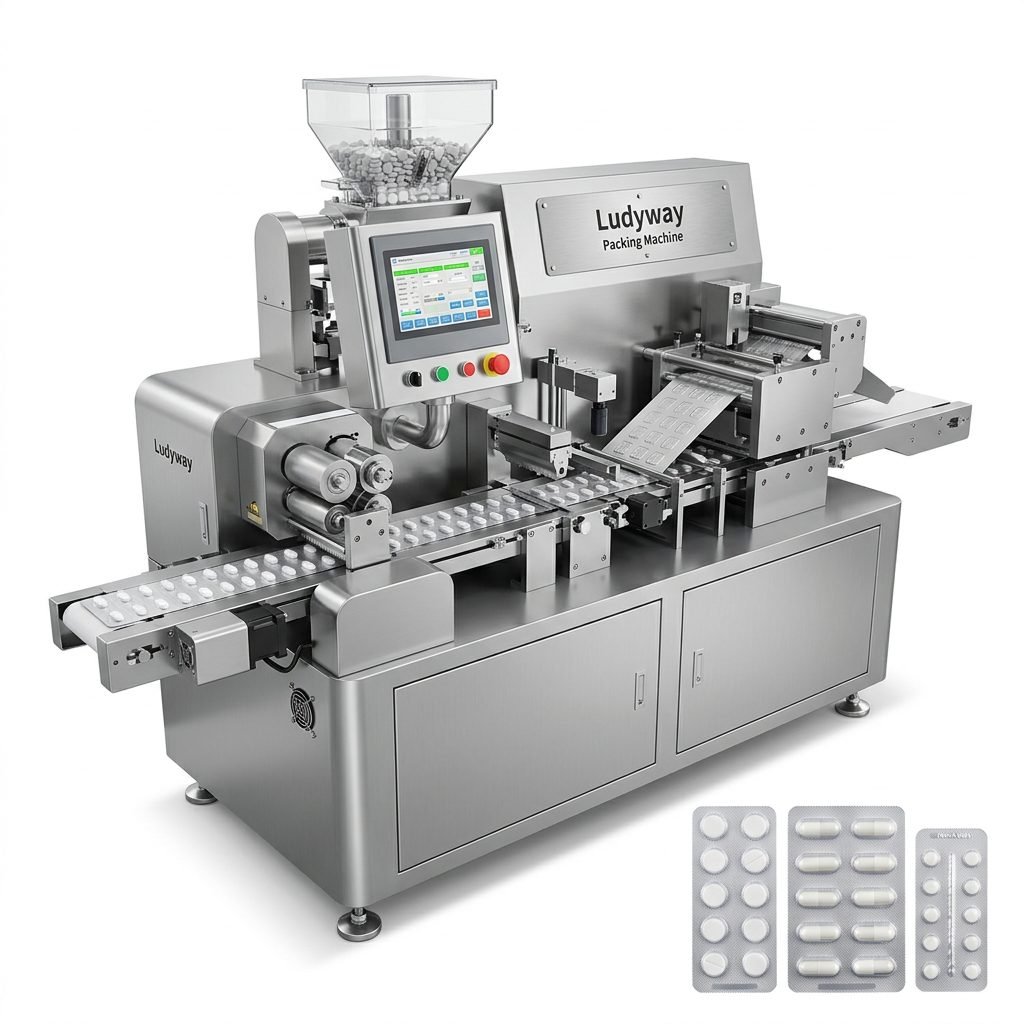
Investing in a semi automatic blister packing machine is a strategic decision for pharmaceutical, food, and consumer goods manufacturers looking to improve packaging efficiency without the capital outlay of fully automated lines. Unlike manual processes, these machines offer a balance of operator control and mechanized precision. However, with a wide range of configurations, tooling options, and technical specifications available, selecting the right model requires careful evaluation. This guide covers the critical factors to consider before making a purchase.
What Is a Semi Automatic Blister Packing Machine?
A semi automatic blister packing machine is a packaging system that combines manual product loading with automated forming, sealing, and cutting functions. The operator places tablets, capsules, or solid products into pre-formed blister cavities, and the machine handles the remaining steps—heat sealing the lidding material, embossing batch codes, and cutting individual blister cards. This approach offers higher throughput than manual packaging while maintaining flexibility for short runs, frequent product changes, and varied blister formats.
These machines are widely used in pharmaceutical packaging, nutraceutical, medical device, and small consumer goods sectors, where accuracy, hygiene, and cost per blister are key operational metrics.
Key Differences from Fully Automatic Models
- Manual product feeding — operators place products into cavities by hand, eliminating complex feeding systems
- Lower initial investment — typically 40-60% less expensive than fully automatic blister lines
- Format flexibility — quick changeover between blister sizes and cavity configurations
- Compact footprint — ideal for facilities with limited floor space
- Simpler maintenance — fewer servo-driven components reduce service complexity
Production Capacity and Speed Requirements
Throughput is a primary consideration when choosing a semi automatic blister packing machine. Production speed is typically measured in cycles per minute, with actual output depending on the number of cavities per blister and operator dexterity.
| Machine Class | Typical Speed Range | Best Suited For |
|---|---|---|
| Entry-level | 15–25 cycles/min | Small-scale production, R&D batches, clinical trial supplies |
| Mid-range | 25–40 cycles/min | Medium-volume pharmaceutical and nutraceutical packaging |
| High-output | 40–60 cycles/min | Contract packaging, larger batch production |
When calculating real-world output, factor in operator fatigue, loading time per cavity, and product characteristics such as tablet shape and friability. A machine rated at 40 cycles per minute may realistically deliver 25–30 cycles with manual loading over extended shifts.
Multi-Cavity vs. Single-Cavity Tooling
Blister tooling directly impacts production efficiency. Multi-cavity molds produce multiple blisters per cycle but require more effort from the operator to load. Single-cavity tooling offers simpler operation but lower throughput. Evaluate your target daily output and labor availability when selecting tooling configurations.
Compatibility with Packaging Materials
The machine must be compatible with your chosen forming film and lidding material. Common forming materials include PVC, PVDC, PVC/PVDC combinations, and aluminum-based cold-form laminates. Lidding materials range from heat-seal lacquered aluminum foil to paper-backed and child-resistant foils.
Material thickness, sealing temperature, and dwell time all affect seal integrity. Before purchasing, confirm that the machine supports the specific gauge and type of material you plan to use. Machines with adjustable temperature controllers and digital dwell timers provide greater material flexibility and more consistent seal quality.
Changeover and Format Flexibility
For manufacturers running multiple blister sizes or product types, changeover speed is critical. Look for machines with quick-release forming dies, tool-free guide rail adjustment, and recipe-based parameter storage. Some systems feature PLC controls with memory for multiple product recipes, allowing operators to recall temperature, pressure, and timing settings at the touch of a button.
Changeover that takes 30–60 minutes on a poorly designed machine can be reduced to 10–15 minutes with an intelligently engineered system. This directly affects overall equipment effectiveness and production scheduling.
Sealing System Quality and Consistency
Blister seal integrity directly affects product shelf life, patient safety, and regulatory compliance. A reliable semi automatic blister packing machine should deliver uniform sealing pressure and temperature across the entire blister card, preventing leaks, contamination, and premature degradation of the packaged product.
Evaluate machines with the following sealing features:
- Platen sealing design — provides even pressure distribution across the sealing surface
- PID temperature controllers — maintain precise heat levels with minimal fluctuation
- Adjustable sealing pressure — accommodates different lidding foil specifications
- Independent heating zones — prevent cold spots that cause partial seals
Validating Seal Quality
Regular seal integrity testing is essential for pharmaceutical applications. Many manufacturers validate seals using vacuum decay testing, dye penetration testing, or peel strength measurement. Your machine should produce consistent seals that pass industry-standard integrity tests as outlined in ISO 11607 for medical device packaging or relevant pharmacopeial standards for drug products.
Compliance and Industry Standards
For pharmaceutical packaging, cGMP compliance is non-negotiable. The machine design should facilitate cleaning, prevent cross-contamination, and support validation protocols. Consider these compliance factors:
- Material contact surfaces — should be stainless steel (316L preferred for pharmaceutical applications)
- Documentation package — IQ/OQ/PQ protocols, material certifications, and full user manuals
- Traceability systems — batch coding, serialization readiness, and data logging capabilities
- Safety features — emergency stops, safety interlocks, and guarding that meets international safety standards
Machines designed for regulated industries often come with a Factory Acceptance Test and Site Acceptance Test documentation, which significantly reduces the validation burden for end users.
Ergonomics and Operator Safety
Since semi automatic systems rely on manual product loading, operator comfort and safety directly impact productivity. Look for machines with adjustable working height, clear sight lines to the forming and sealing stations, and ergonomic product loading zones that minimize repetitive motion strain.
Safety features should include two-hand controls or light curtains to prevent operator contact with sealing platens and cutting mechanisms. Proper guarding reduces the risk of burns from heated surfaces and crush injuries from moving components.
Service, Support, and Spare Parts Availability
A semi automatic blister packing machine is a long-term capital investment. Before purchasing, evaluate the manufacturer’s service network, spare parts availability, and technical support responsiveness. Machines with globally sourced components like PLCs, pneumatic cylinders, and temperature controllers from brands such as Siemens, Omron, or Festo are easier to service internationally.
Key support considerations include:
- Availability of remote technical assistance and troubleshooting
- Lead times for critical spare parts and consumable components
- Operator training programs and maintenance documentation
- Warranty terms and post-warranty service contract options
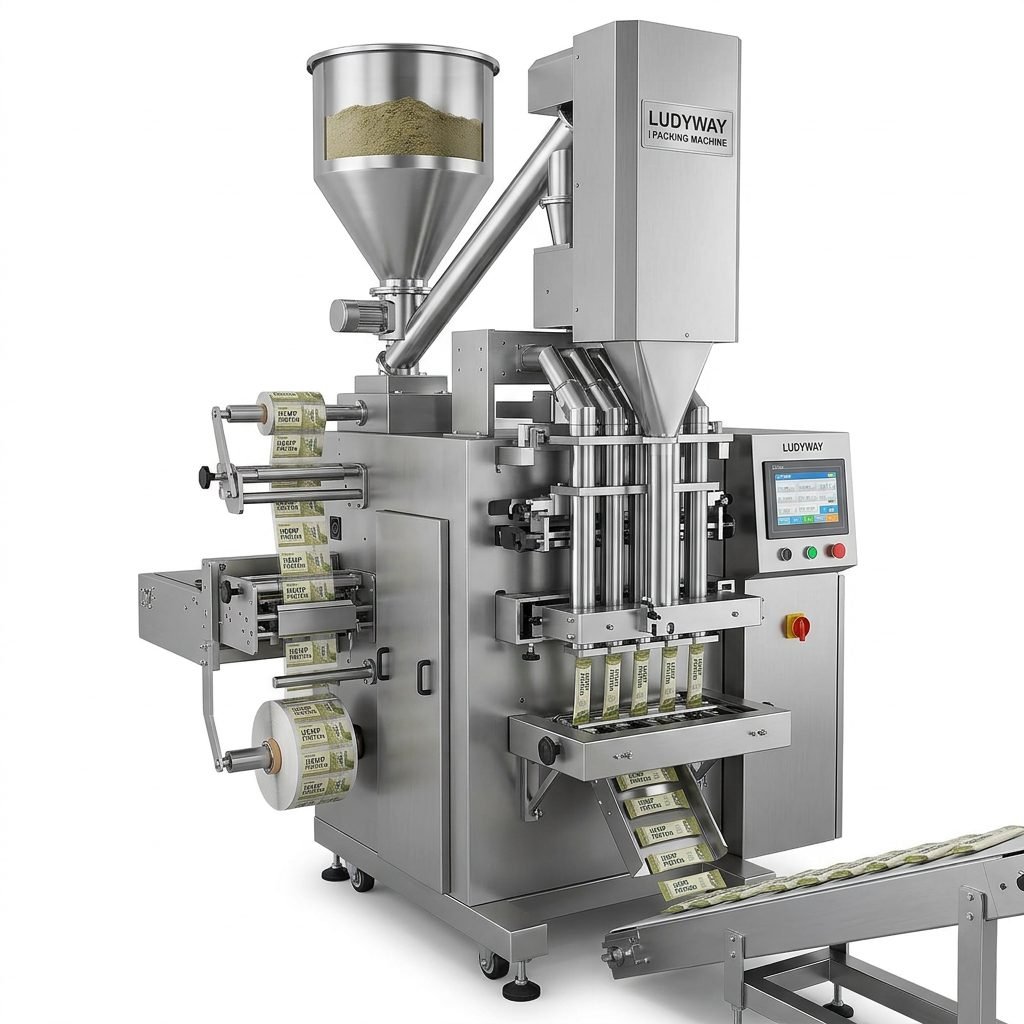
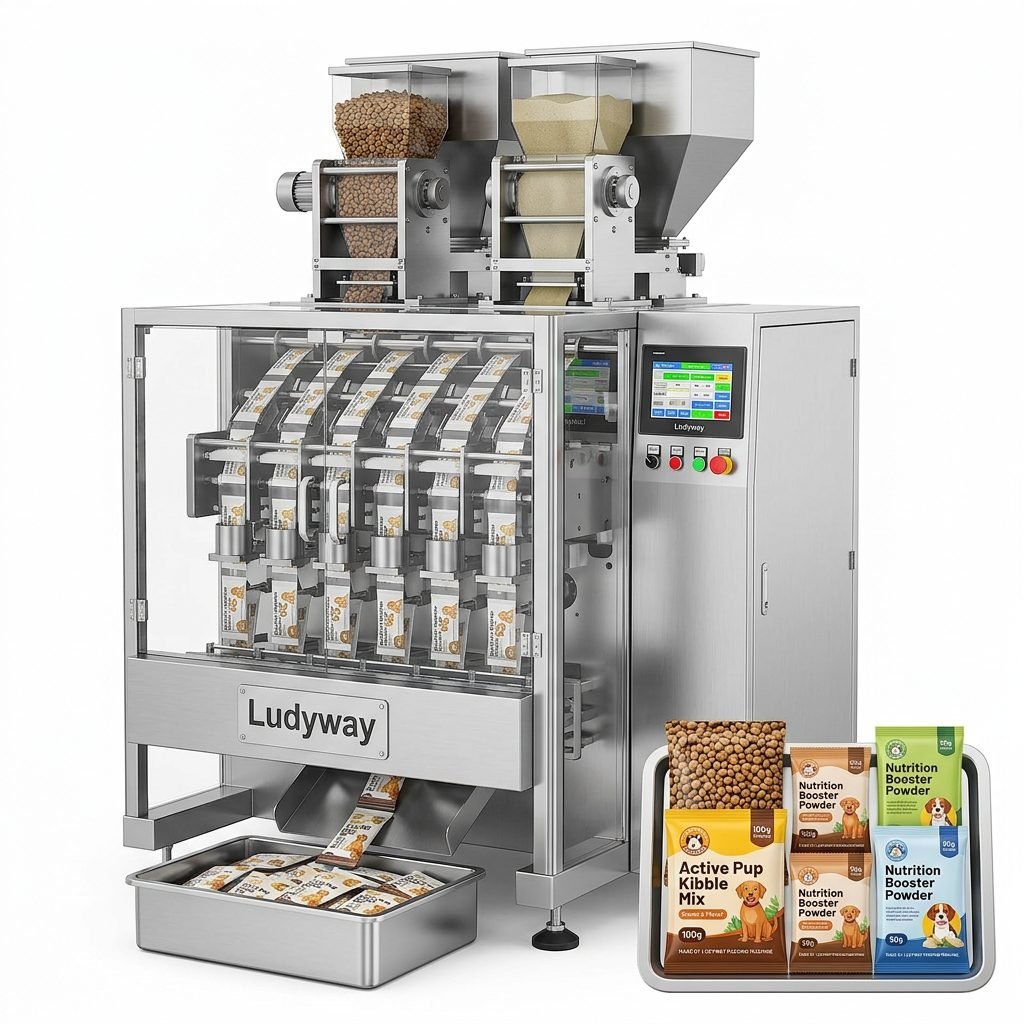
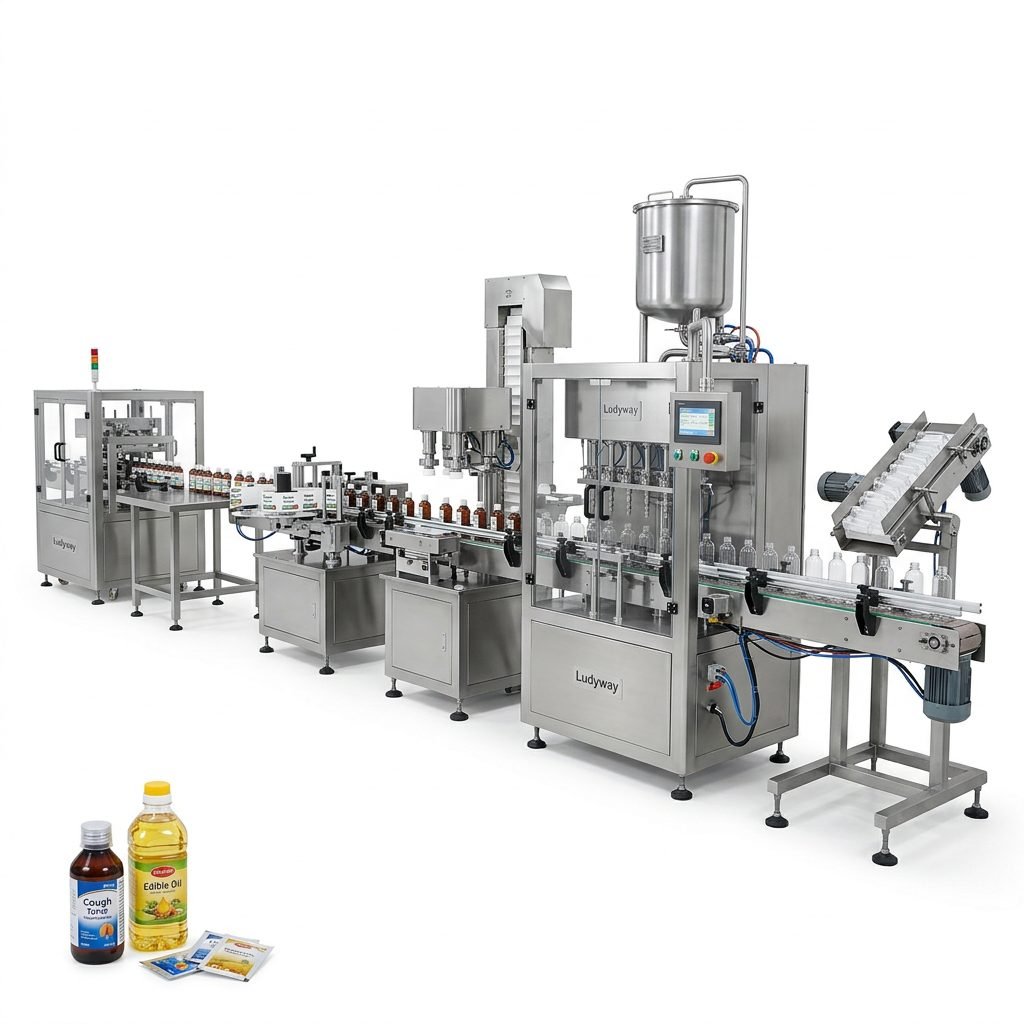
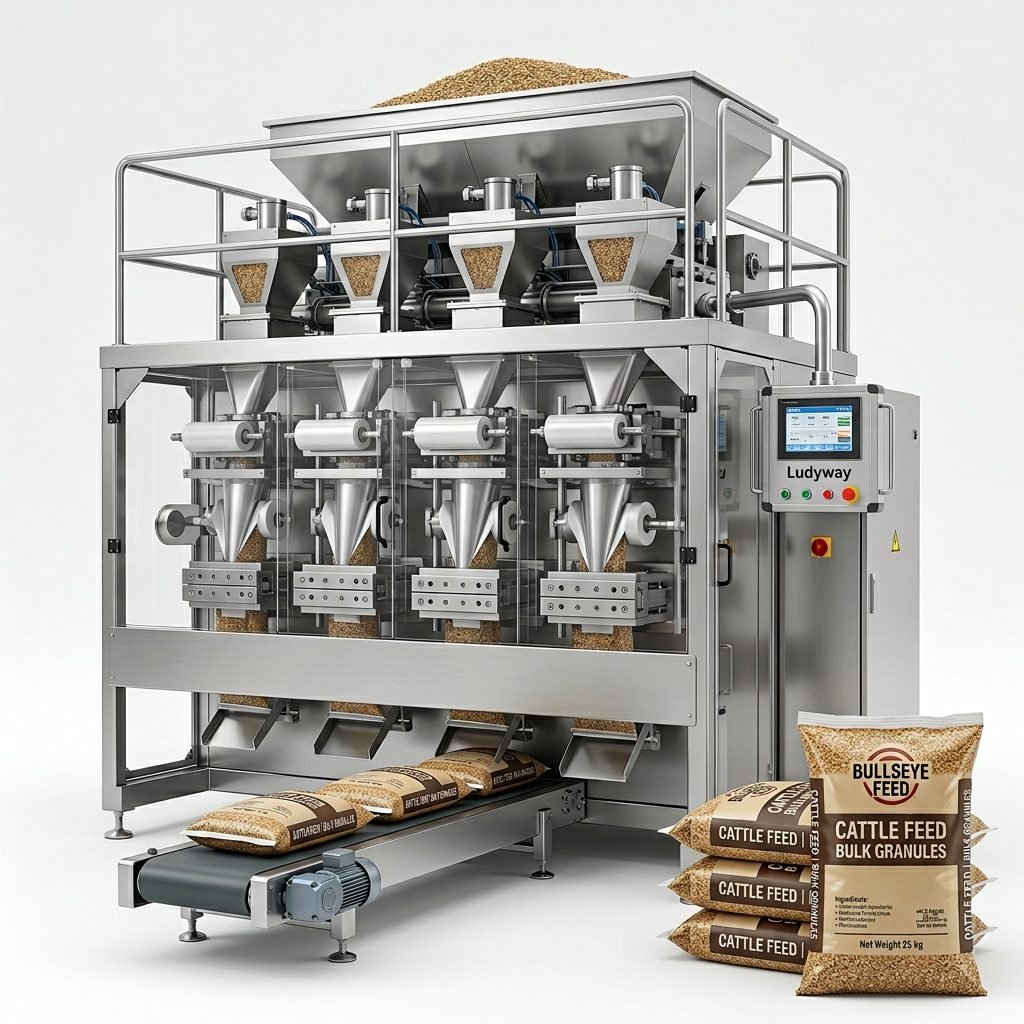
For companies investing in a complete packaging line, working with a manufacturer that provides not only individual machines but also integrated packaging systems and turnkey solutions simplifies project coordination. Ludyway Machinery, for example, combines engineering, manufacturing, and technical support under one roof, allowing customers to work with a single partner for equipment selection, system integration, commissioning, and after-sales service. Learn more about Ludyway’s growth trajectory in the global packaging machinery market in this industry update.
Total Cost of Ownership Analysis
Purchase price is only one component of the total cost of ownership. A comprehensive analysis should account for:
| Cost Category | Description |
|---|---|
| Initial capital | Machine price plus tooling, shipping, and installation |
| Consumables | Forming film, lidding foil, lubricants, and replacement cutting blades |
| Labor | Operator hours per batch, including loading, quality checks, and cleaning |
| Maintenance | Preventive maintenance, spare parts, and potential downtime costs |
| Validation | IQ/OQ/PQ execution, ongoing performance qualification, and documentation |
A lower-priced machine that generates higher scrap rates or requires frequent seal adjustments can ultimately cost more over its service life than a well-engineered system with a higher initial investment.
Future-Proofing: Scalability and Upgradability
Your packaging needs may evolve over time. Consider whether the machine can be retrofitted with additional features such as automatic product feeding, vision inspection systems, or serialization and track-and-trace capabilities. Machines built on modular platforms offer greater long-term flexibility than fixed-configuration designs.
Also evaluate whether the manufacturer offers a pathway from semi automatic to fully automatic operation through field-upgradable modules. This approach protects your initial investment while allowing capacity increases as production volumes grow.
Making the Final Decision
Selecting the right semi automatic blister packing machine involves balancing production requirements, product characteristics, regulatory obligations, and budget constraints. Prioritize machines with robust construction, proven sealing technology, and manufacturer support that matches your operational needs.
A structured evaluation process—including sample testing, factory visits, and reference checks with current users—helps ensure that the chosen machine delivers reliable, consistent performance over its expected service life. For packaging operations requiring flexible, cost-effective blister packaging, the right semi automatic machine can deliver excellent return on investment while maintaining the quality standards your products demand.