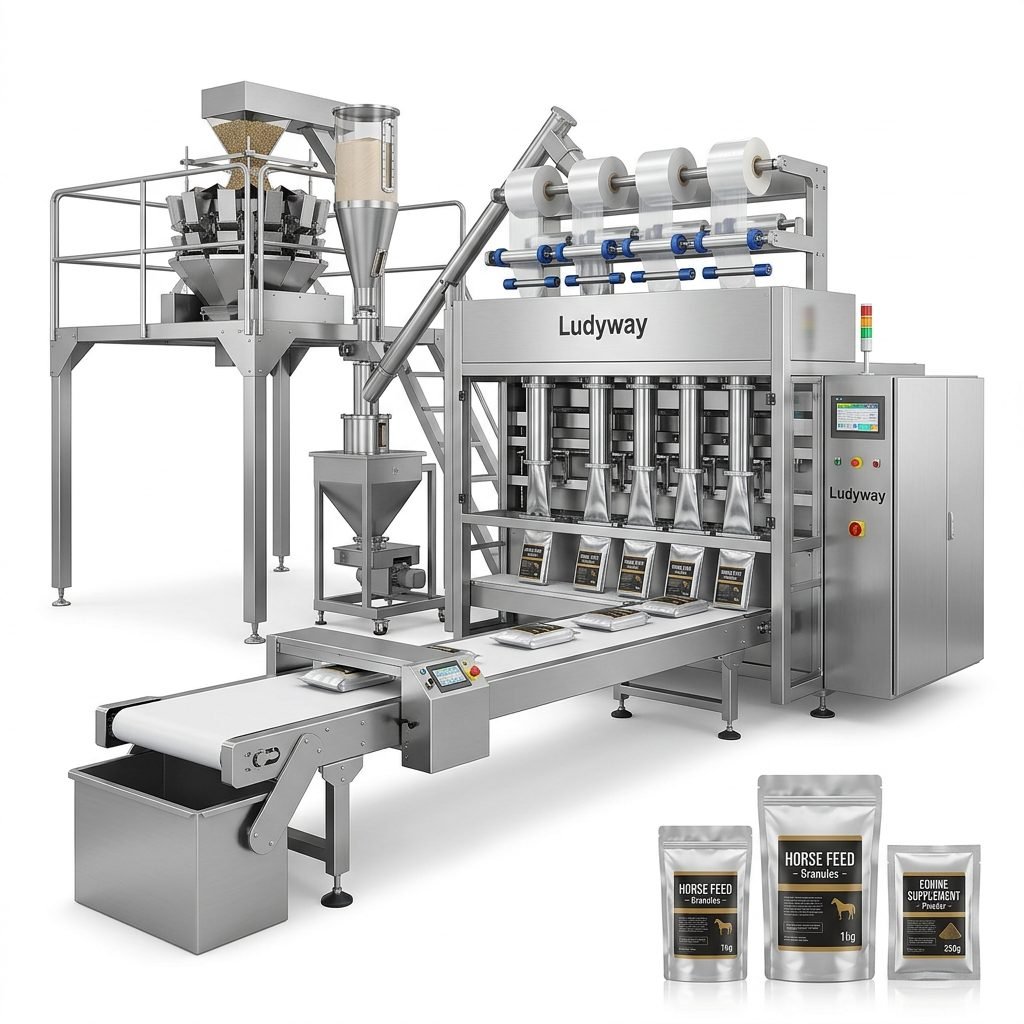
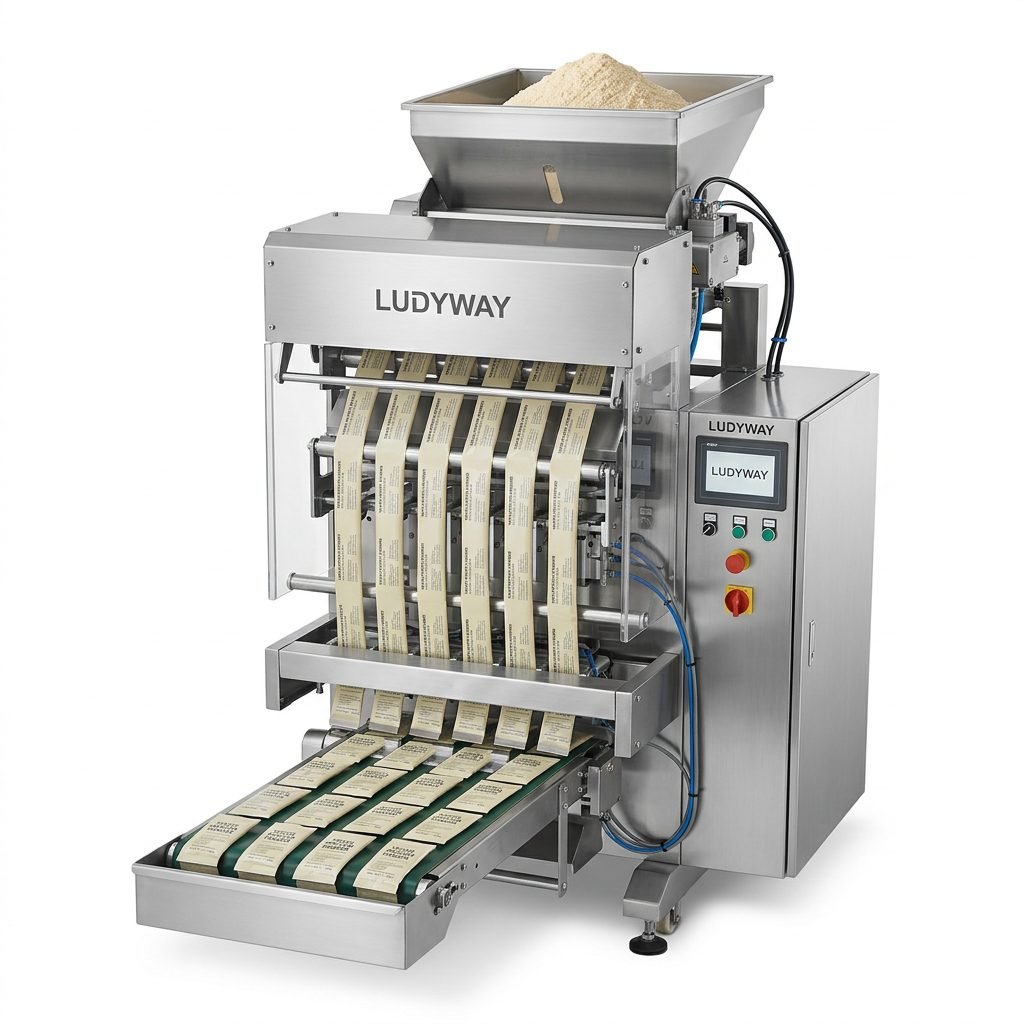
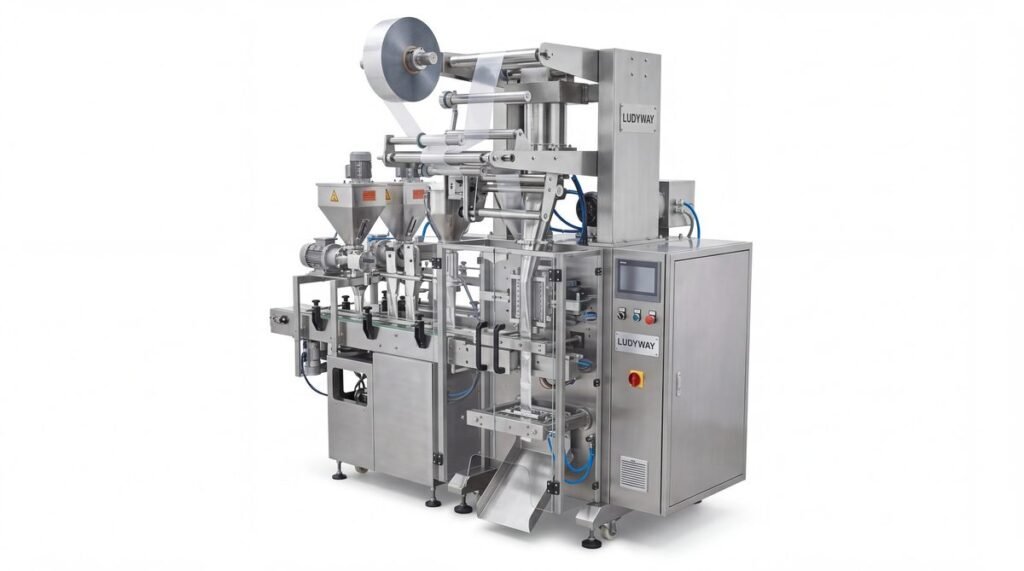
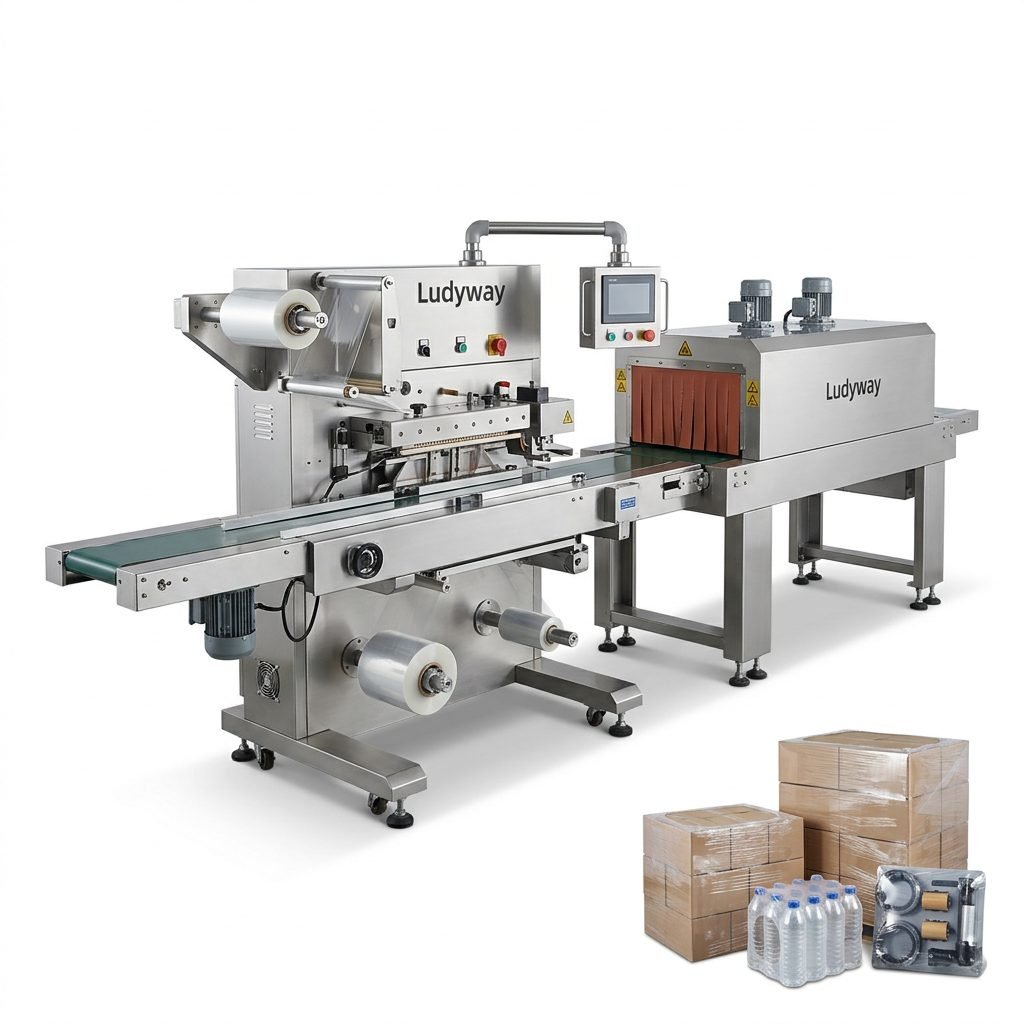
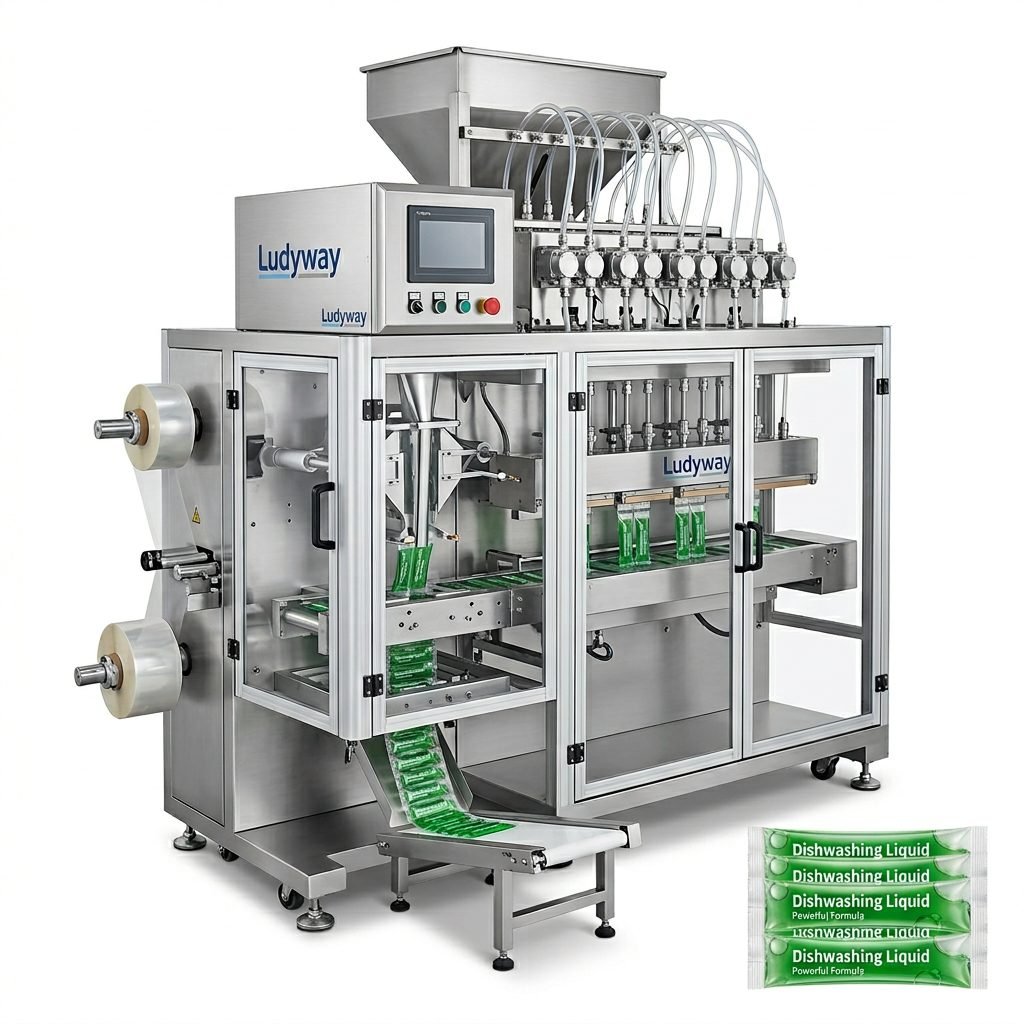
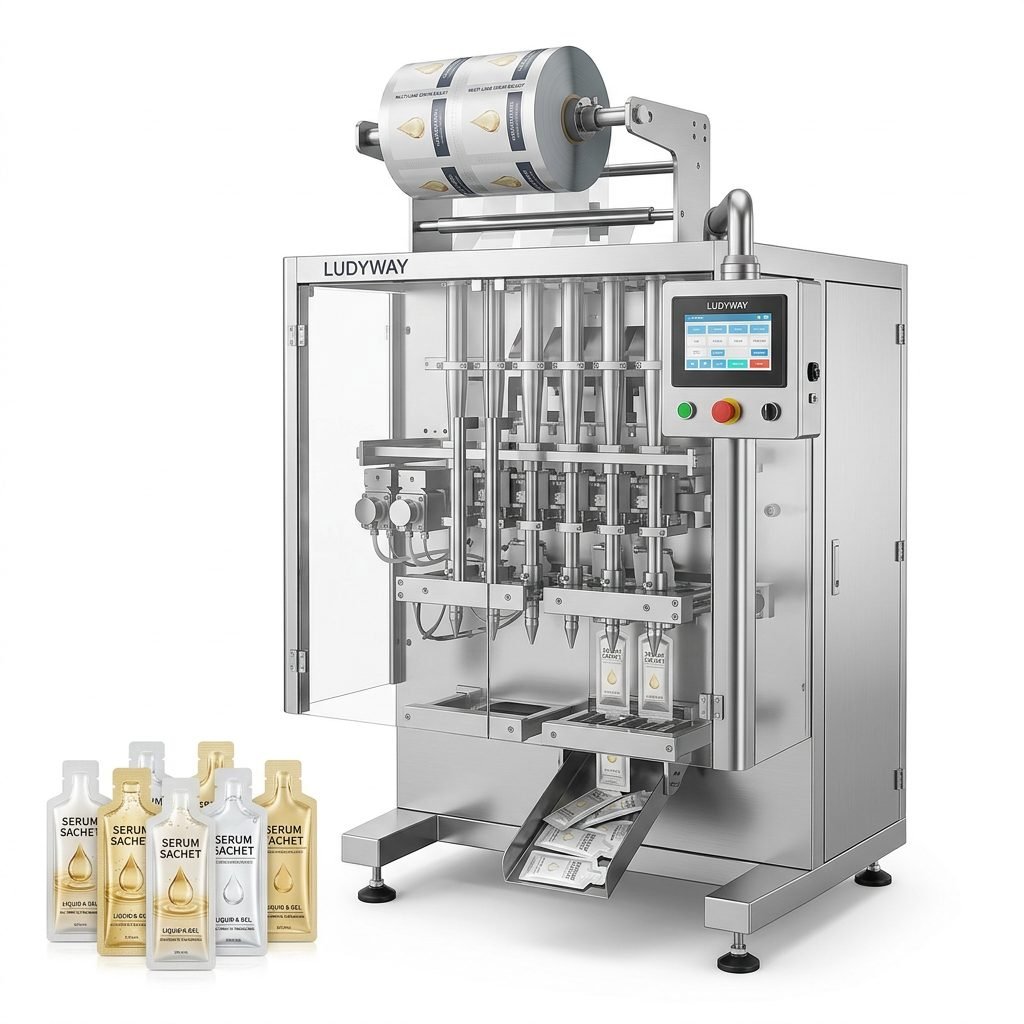
Investing in a tin packing machine is a critical decision that directly affects your production efficiency, product quality, and overall operational costs. Whether you are packaging powders, granules, liquids, or solid products into tin containers, selecting the right equipment requires a thorough understanding of your own production needs and the available machine configurations. This guide walks you through the essential factors to evaluate before making a purchase, helping you avoid costly mistakes and find a machine that aligns with your long-term business goals.
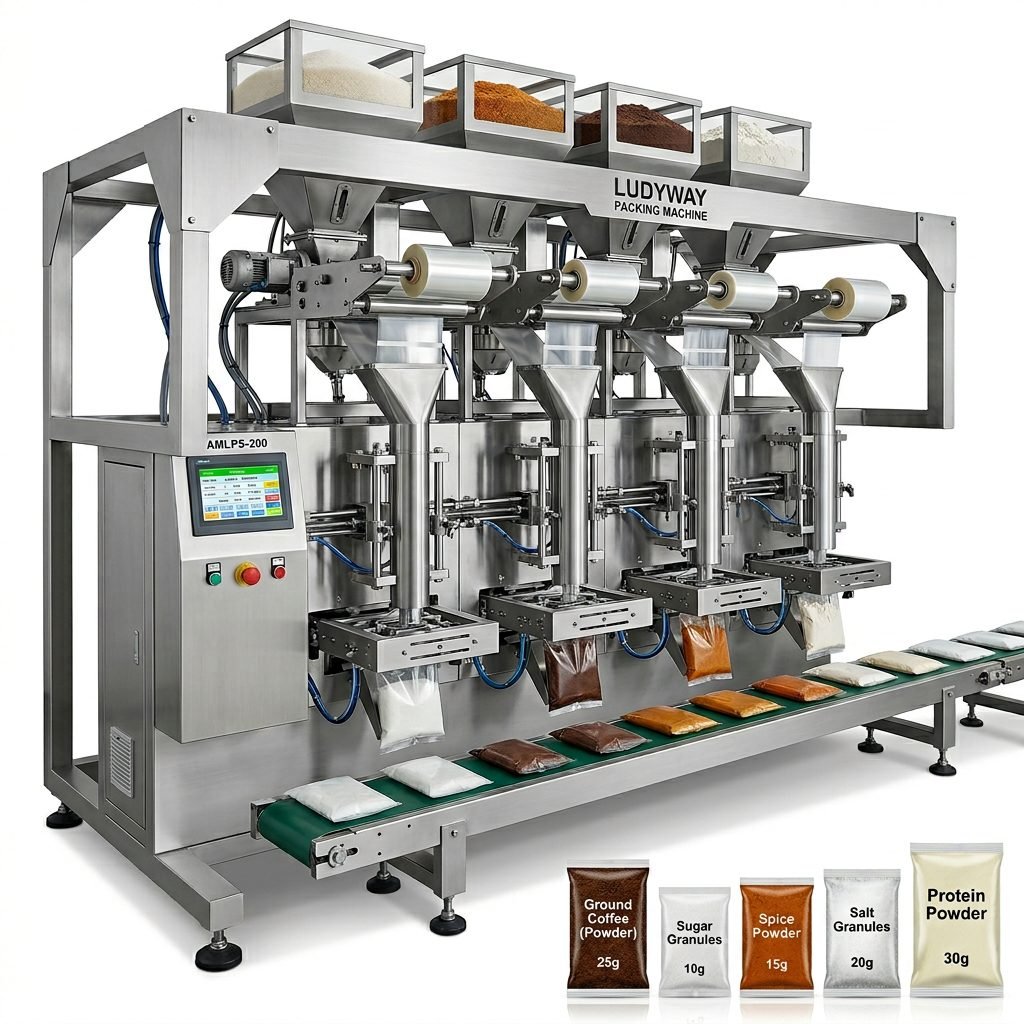
Understand Your Product Characteristics
The first step in choosing a tin packing machine is to thoroughly analyze the physical properties of your product. Different materials behave differently during the filling and sealing process, and the machine must be configured accordingly. Key product attributes to consider include:
- Flowability: Free-flowing powders require different dosing systems compared to cohesive or sticky materials.
- Particle size and shape: Granules, flakes, and irregularly shaped particles may need specialized feeding mechanisms to ensure consistent filling accuracy.
- Density: Product density affects the volumetric or gravimetric filling method selection and the required hopper capacity.
- Moisture sensitivity: Hygroscopic products may require controlled-environment packaging to maintain product integrity.
- Fragility: Delicate or brittle products need gentle handling systems to minimize breakage during the packaging process.
Conducting a detailed product analysis early in the selection process helps narrow down the appropriate filling technology, whether it is auger-based, volumetric cup, piston, vacuum, or multi-head weigher systems. For manufacturers handling multiple product types, versatility in the dosing system becomes a key consideration.
Define Your Packaging Format and Tin Specifications
Tin containers come in a wide variety of shapes, sizes, and closure types. Your tin packing machine must be compatible with the specific tin formats you plan to use, both now and potentially in the future. Consider the following aspects:
- Tin dimensions: Height, diameter, and overall volume capacity of the containers.
- Closure type: Screw caps, press-on lids, snap-fit closures, or seamed ends each require different sealing and capping mechanisms.
- Tin material and coating: The interior coating of tin containers can affect friction during feeding and compatibility with certain sealing methods.
- Labeling and coding requirements: Whether you need integrated labeling, date coding, or batch printing capabilities on the packaging line.
It is also important to evaluate whether you need a machine dedicated to a single tin format or a flexible system that can accommodate multiple sizes with quick changeover capabilities. This decision impacts both initial investment and long-term operational flexibility.
Determine Required Production Speed and Capacity
Production throughput requirements are among the most critical factors in selecting a tin packing machine. The machine’s speed must align with your current production demands while allowing room for future growth. When evaluating speed and capacity, consider:
- Current daily output: Calculate the number of tins you need to fill per minute, hour, or shift to meet your production targets.
- Peak season demands: Account for seasonal fluctuations that may require temporarily higher throughput.
- Future expansion plans: Choose a machine that can be upgraded or integrated into a larger packaging line as your business grows.
- Line integration: Consider how the tin filling machine connects with upstream and downstream equipment such as conveyors, cappers, labelers, and cartoners.
It is important to note that machine speed ratings from manufacturers are often measured under ideal conditions. Actual throughput may vary depending on product characteristics, operator skill, and environmental factors. Always discuss realistic production expectations with potential suppliers and request documented performance data where available.
Evaluate Automation Level and Control Systems
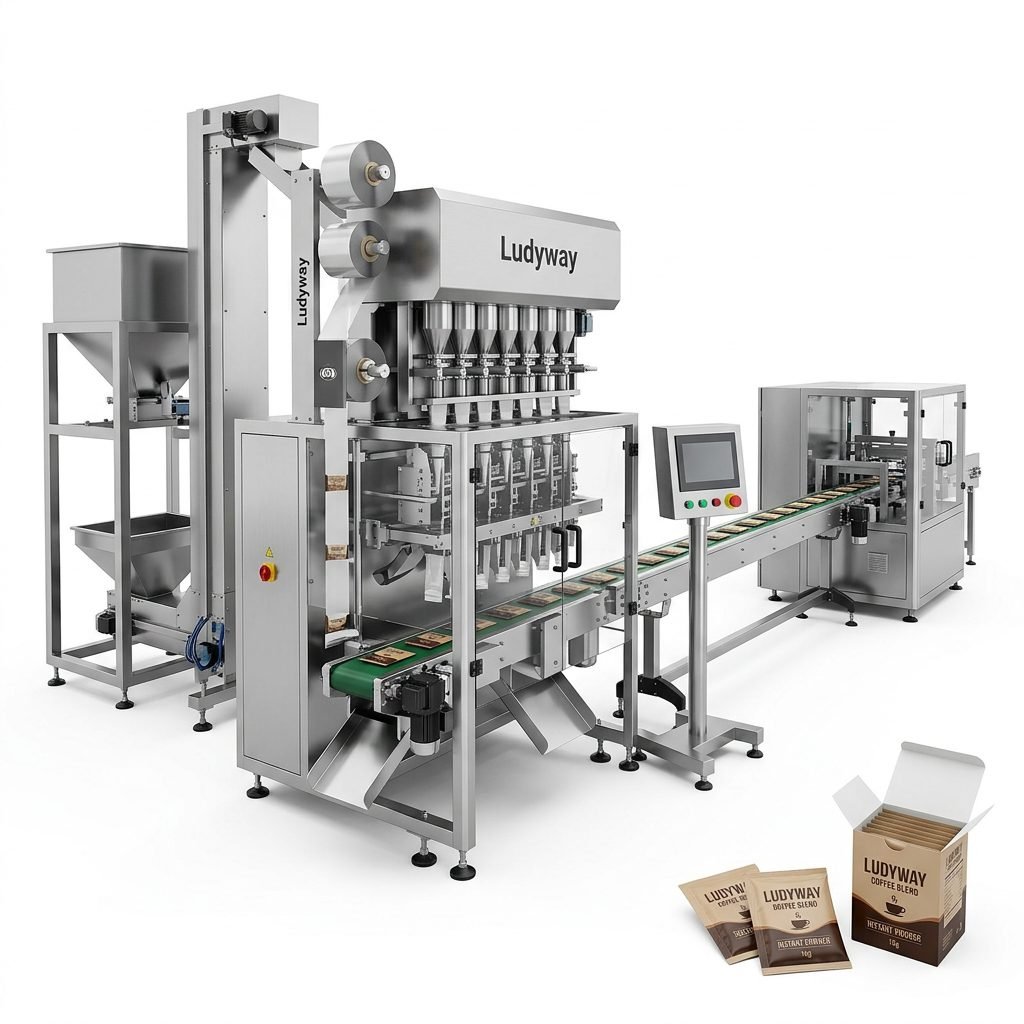
Modern tin packing machines offer varying degrees of automation, from semi-automatic systems requiring significant operator involvement to fully automatic turnkey packaging lines. The level of automation you choose impacts labor costs, consistency, and overall production efficiency. Key automation features to assess include:
- Automatic feeding systems: Vibratory feeders, screw conveyors, or bucket elevators that deliver product to the filling station without manual intervention.
- PLC control with HMI touchscreen: Programmable logic controllers with intuitive human-machine interfaces for precise parameter adjustment and recipe management.
- Servo-driven dosing: High-precision servo motors that enable accurate and repeatable filling volumes.
- Automatic rejection systems: Integrated checkweighers and reject mechanisms to ensure only properly filled tins proceed to the sealing stage.
- Data logging and connectivity: Industry 4.0 features such as production data tracking, remote diagnostics, and integration with enterprise resource planning systems.
The choice between semi-automatic and fully automatic systems depends on your production volume, labor availability, and budget. Semi-automatic machines may be suitable for smaller operations or niche products, while high-volume manufacturers typically benefit from the consistency and speed of fully automated equipment.
Consider Packaging Material Compatibility
Your tin packing machine must be compatible with the packaging materials you use. While tins are the primary containers, you may also have secondary packaging requirements such as inner seals, liners, or protective films. When evaluating material compatibility, look at the following:
- Sealing materials: Induction seals, heat seals, or pressure-sensitive seals each require specific application equipment that must be integrated into the packaging line.
- Protective atmosphere packaging: If your product requires nitrogen flushing or vacuum sealing to extend shelf life, the machine must support gas flushing capabilities.
- Tamper-evident features: Shrink bands, tear strips, or other tamper-evident solutions may need additional application modules.
Additionally, compatibility with flexible packaging components such as inner pouches or liners should be considered if your product uses a combination of rigid and flexible packaging elements. The FDA packaging requirements for food contact substances may also apply depending on your industry and target market.
Assess Hygiene, Safety, and Regulatory Compliance
Depending on your industry, your tin packing machine may need to meet specific hygiene standards and regulatory requirements. This is particularly important for food, pharmaceutical, and nutraceutical applications. Key compliance considerations include:
- Cleanability: Machines designed with tool-free disassembly, smooth surfaces, and minimal crevices facilitate thorough cleaning and sanitation.
- Material of construction: Stainless steel construction (typically SUS304 or SUS316L) is standard for food-grade and pharmaceutical equipment.
- Dust containment: For powder products, integrated dust collection systems help maintain a clean working environment and prevent cross-contamination.
- Certifications: Depending on your market, certifications such as CE, GMP, or compliance with ISO packaging standards may be required.
- Operator safety: Safety guards, emergency stop buttons, and interlock systems protect operators during machine operation and maintenance.
Industry standards from organizations such as PMMI – The Association for Packaging and Processing Technologies provide valuable guidance on best practices and regulatory expectations for packaging machinery. Familiarizing yourself with these standards can help you communicate your requirements clearly to equipment suppliers.
Calculate Total Cost of Ownership and Return on Investment
When budgeting for a tin packing machine, it is essential to look beyond the initial purchase price and consider the total cost of ownership (TCO) over the machine’s expected lifespan. A comprehensive cost analysis should include:
| Cost Category | Description | Estimated Impact |
|---|---|---|
| Initial Purchase Price | Machine cost including basic configuration and standard accessories | 40-55% of TCO |
| Installation and Commissioning | Shipping, on-site setup, calibration, and operator training | 5-10% of TCO |
| Spare Parts and Maintenance | Wear components, scheduled maintenance, and unexpected repairs | 15-25% of TCO |
| Energy Consumption | Electricity and compressed air usage during operation | 5-8% of TCO |
| Labor Costs | Operator hours required per shift, including changeover time | 10-20% of TCO |
| Downtime Costs | Lost production due to equipment stoppages and changeovers | Variable |
A machine with a higher upfront cost but lower maintenance requirements, better energy efficiency, and faster changeover times may deliver a superior return on investment over its lifetime. When comparing options, request detailed quotes that include projected maintenance schedules and spare parts costs to make an informed comparison.
Evaluate Supplier Capabilities and After-Sales Support
The quality and reliability of your tin packing machine depend significantly on the manufacturer’s engineering expertise and commitment to customer support. When evaluating potential suppliers, consider the following criteria:
- Industry experience: Manufacturers with decades of experience in packaging machinery tend to have more refined designs and a deeper understanding of application-specific challenges.
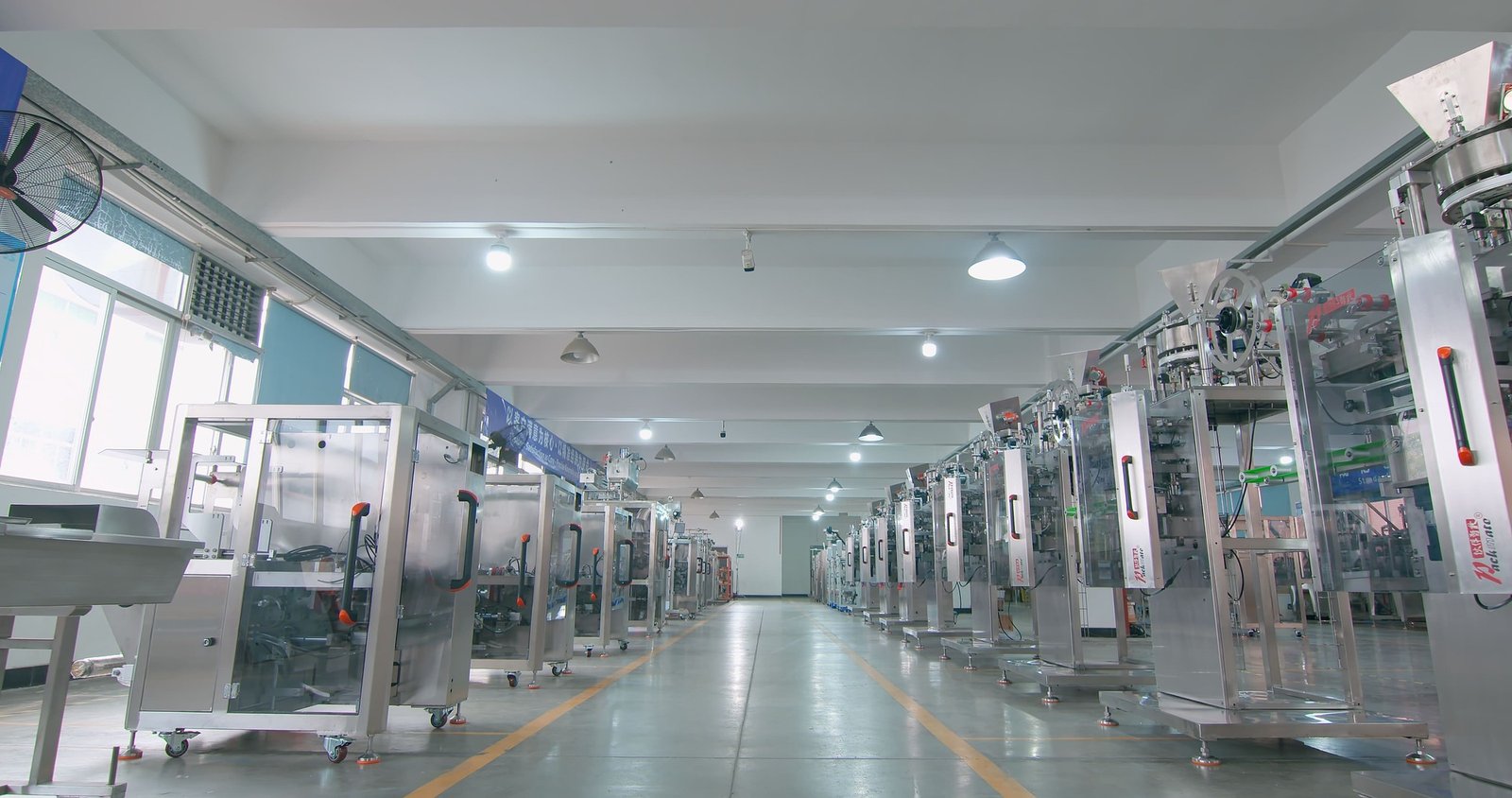
- Manufacturing capabilities: In-house manufacturing with modern fabrication equipment generally indicates better quality control and shorter lead times.
- Customization expertise: The ability to modify standard designs or develop custom solutions for unique packaging requirements is a valuable capability.
- Technical support: Assess the availability of remote technical assistance, on-site service, operator training, and spare parts support in your region.
- Global presence: For international buyers, a supplier with experience serving multiple countries can better navigate logistics, documentation, and compliance requirements.
As an example, Ludyway Machinery is a China-based packaging machinery manufacturer with over 30 years of experience and a 20,000-square-meter manufacturing facility, providing automated packaging equipment and turnkey solutions to manufacturers in more than 100 countries. When evaluating suppliers, visiting the manufacturing facility or requesting video demonstrations can provide valuable insights into their operational capabilities and quality standards.
Plan for Integration and Future Scalability
A tin packing machine rarely operates in isolation. It is typically part of a larger packaging line that may include upstream equipment such as product feeding systems and downstream equipment such as cappers, labelers, checkweighers, cartoners, and palletizers. When selecting your machine, think about:
- Line integration compatibility: Ensure the machine’s control system can communicate with other equipment on the line, ideally through standard industrial protocols.
- Footprint and layout: Consider the available floor space and how the machine fits within your existing or planned production layout.
- Modular design: Machines with modular construction make it easier to add or upgrade components as your needs evolve.
- Future automation: Even if you start with a semi-automatic system, choosing a platform that can be upgraded to full automation later protects your initial investment.
Making the Final Decision
Choosing the right tin packing machine requires balancing multiple factors including product characteristics, production speed, automation level, material compatibility, regulatory compliance, total cost of ownership, and supplier reliability. Rushing the decision or focusing solely on the purchase price often leads to higher long-term costs through inefficiency, downtime, and maintenance issues.
We recommend following a structured evaluation process:
- Document your requirements in detail, including product specifications, target throughput, tin formats, and budget constraints.
- Research potential suppliers and request detailed proposals that address your specific application needs.
- Request product samples or arrange for trial runs to verify machine performance with your actual product and packaging materials.
- Compare total cost of ownership estimates rather than focusing exclusively on the initial purchase price.
- Verify after-sales support commitments including spare parts availability, technical service response times, and warranty terms.
- Visit the manufacturer’s facility if possible to assess their engineering and quality control capabilities firsthand.
By taking a systematic approach to machine selection and thoroughly evaluating your options against objective criteria, you can identify a tin packing machine that delivers reliable performance, operational efficiency, and a strong return on investment for years to come. For further reading on packaging industry trends and equipment standards, the State of the Industry reports from PMMI and resources from the Flexible Packaging Association offer valuable market intelligence and technical guidance.
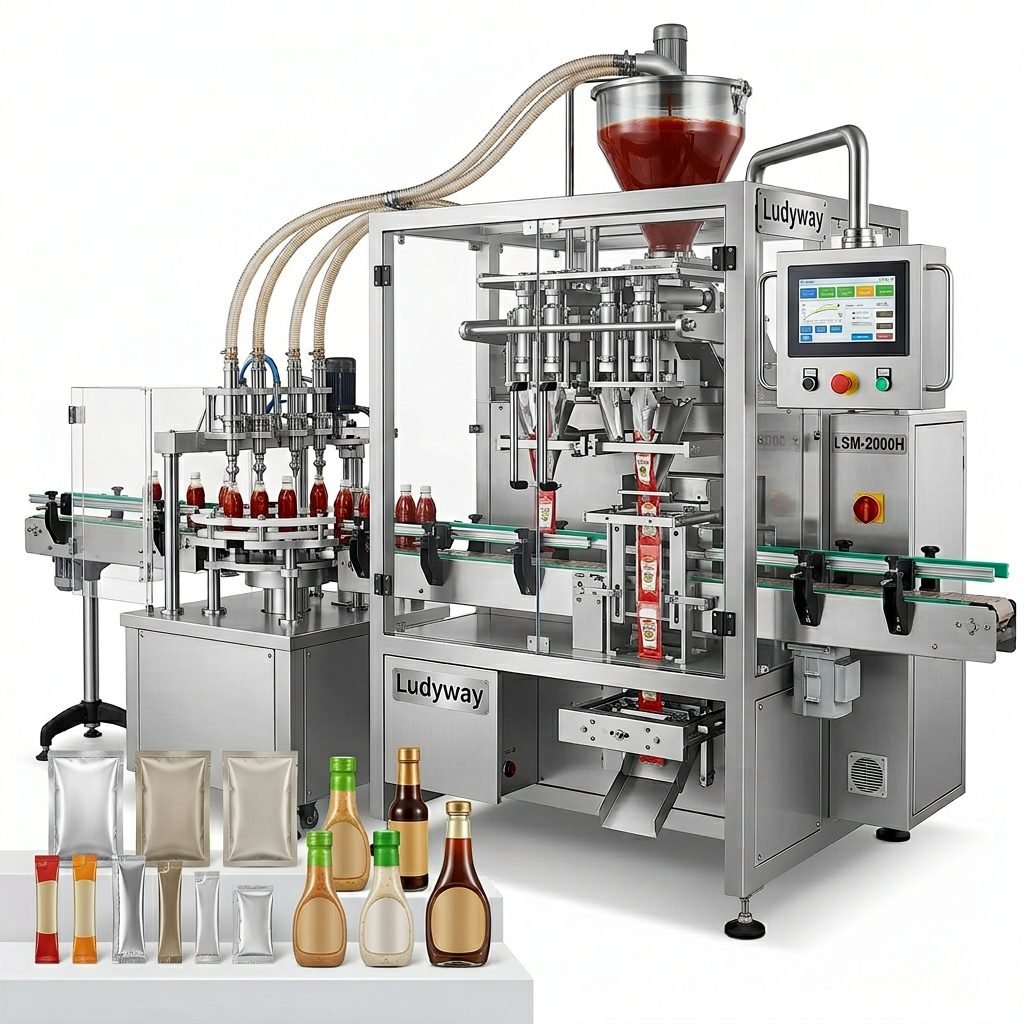
Selecting the right packaging machinery is a strategic investment that shapes your production capabilities and competitive position in the market.