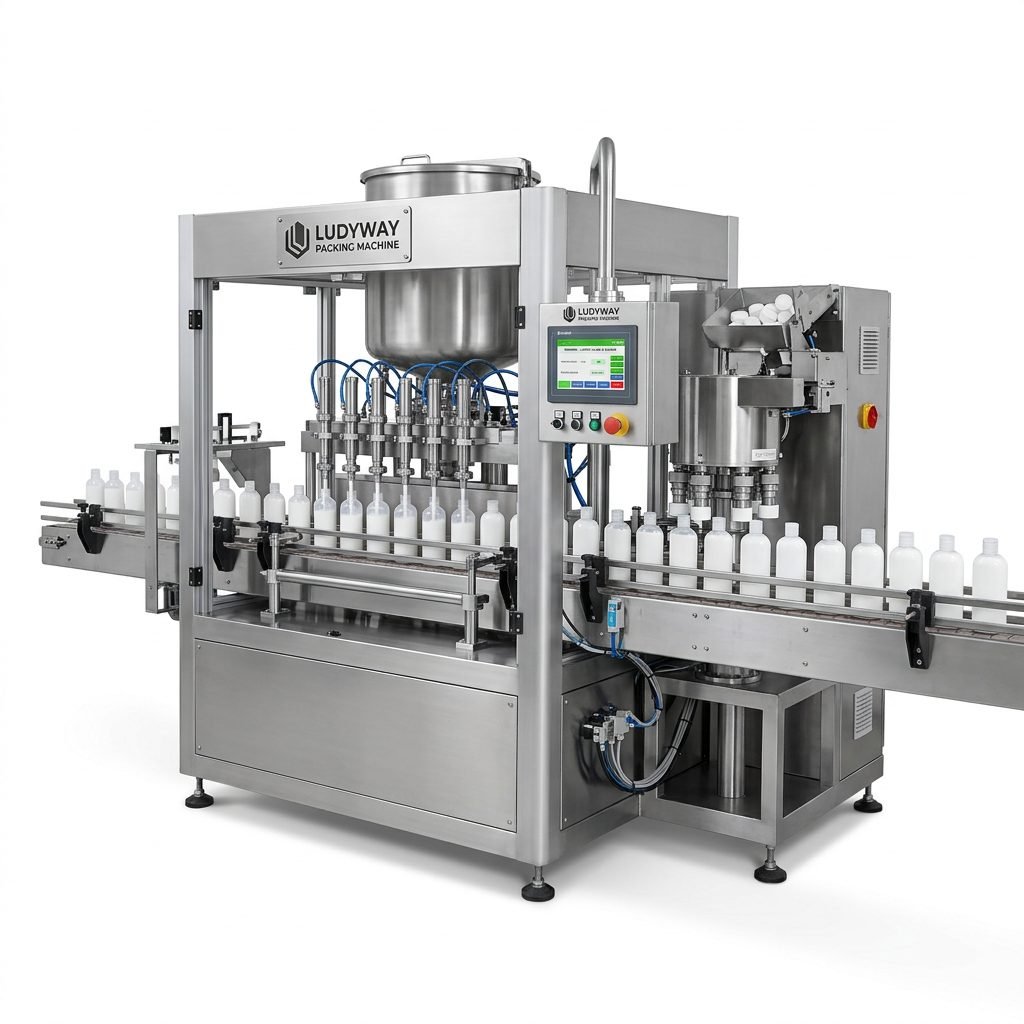
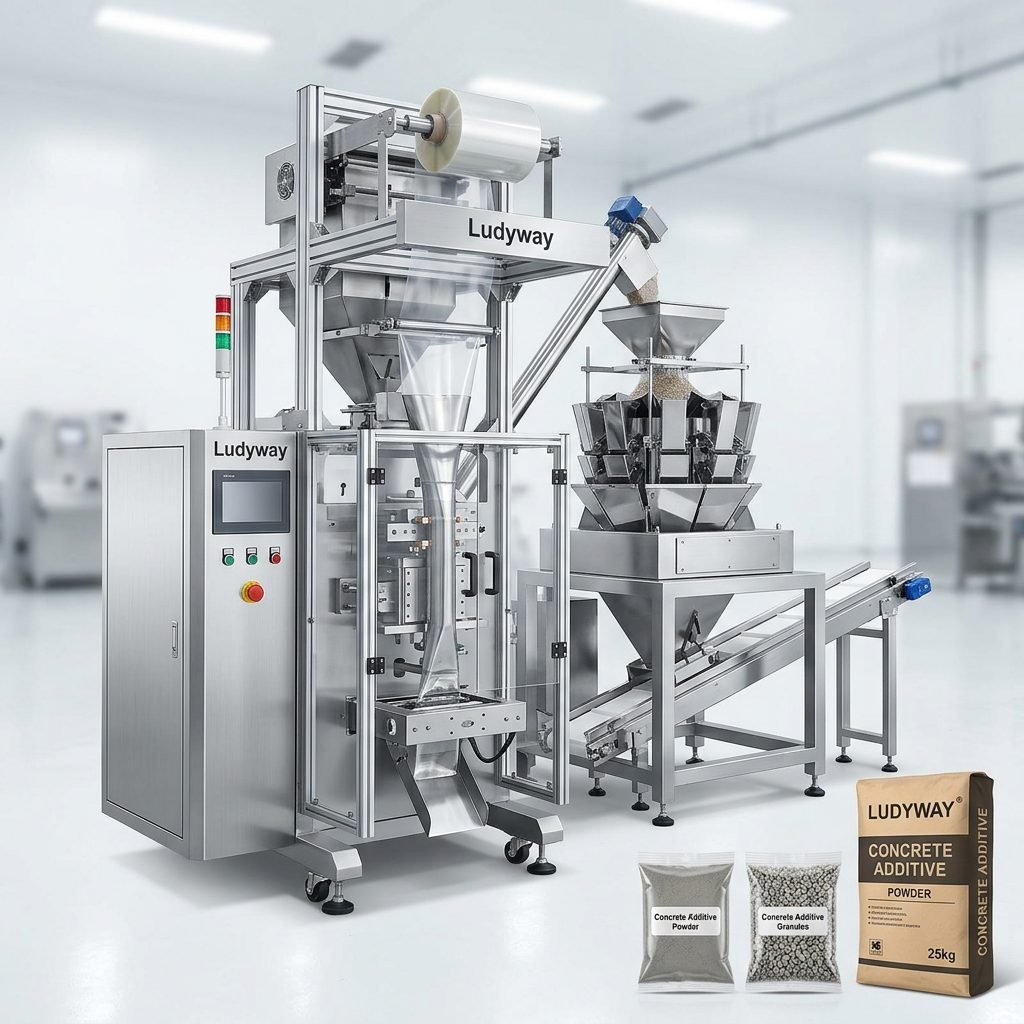
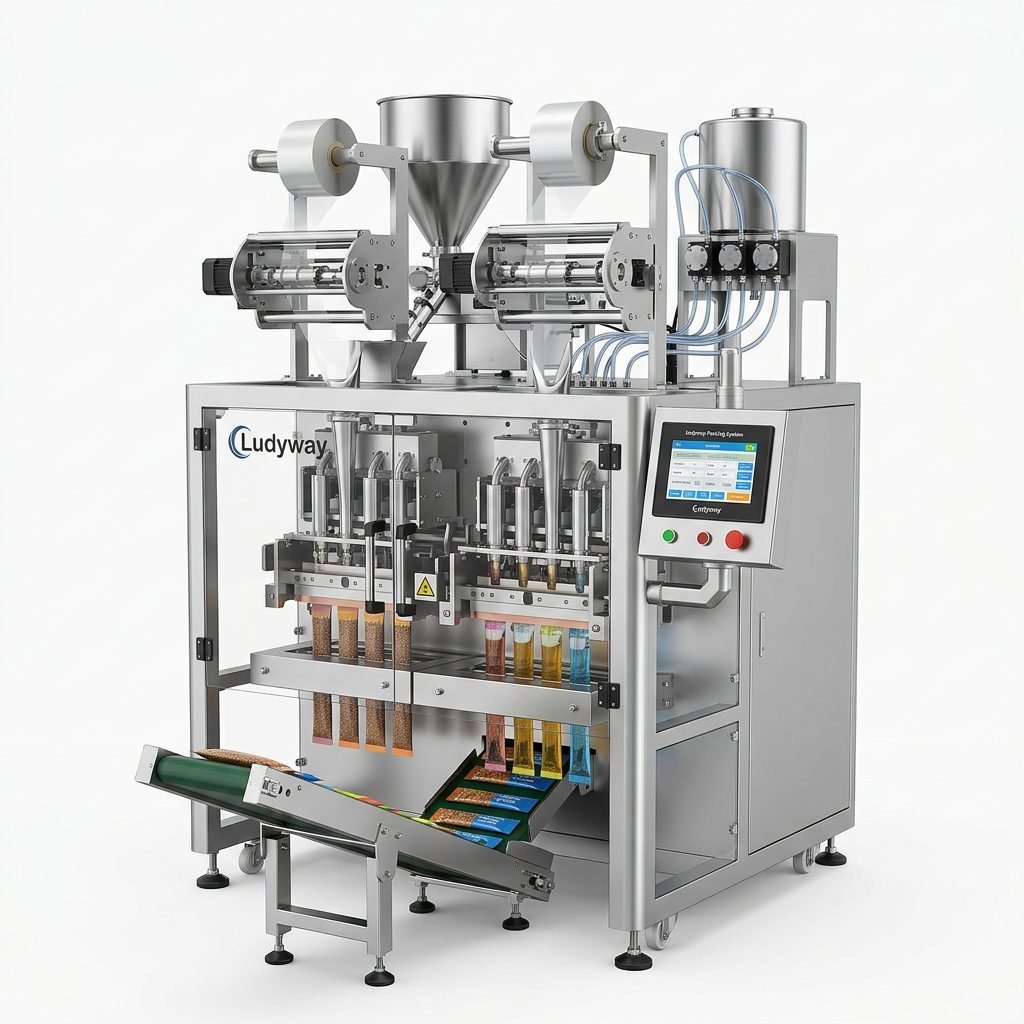
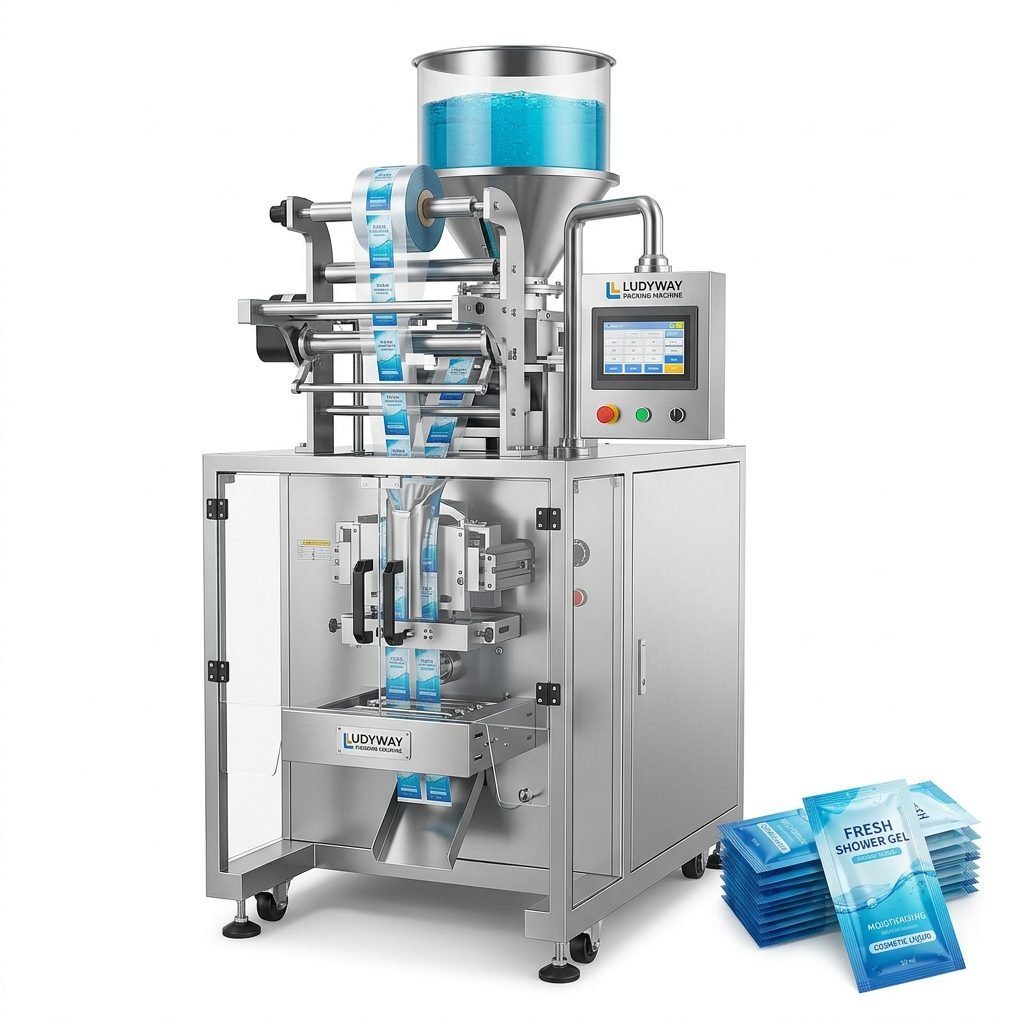
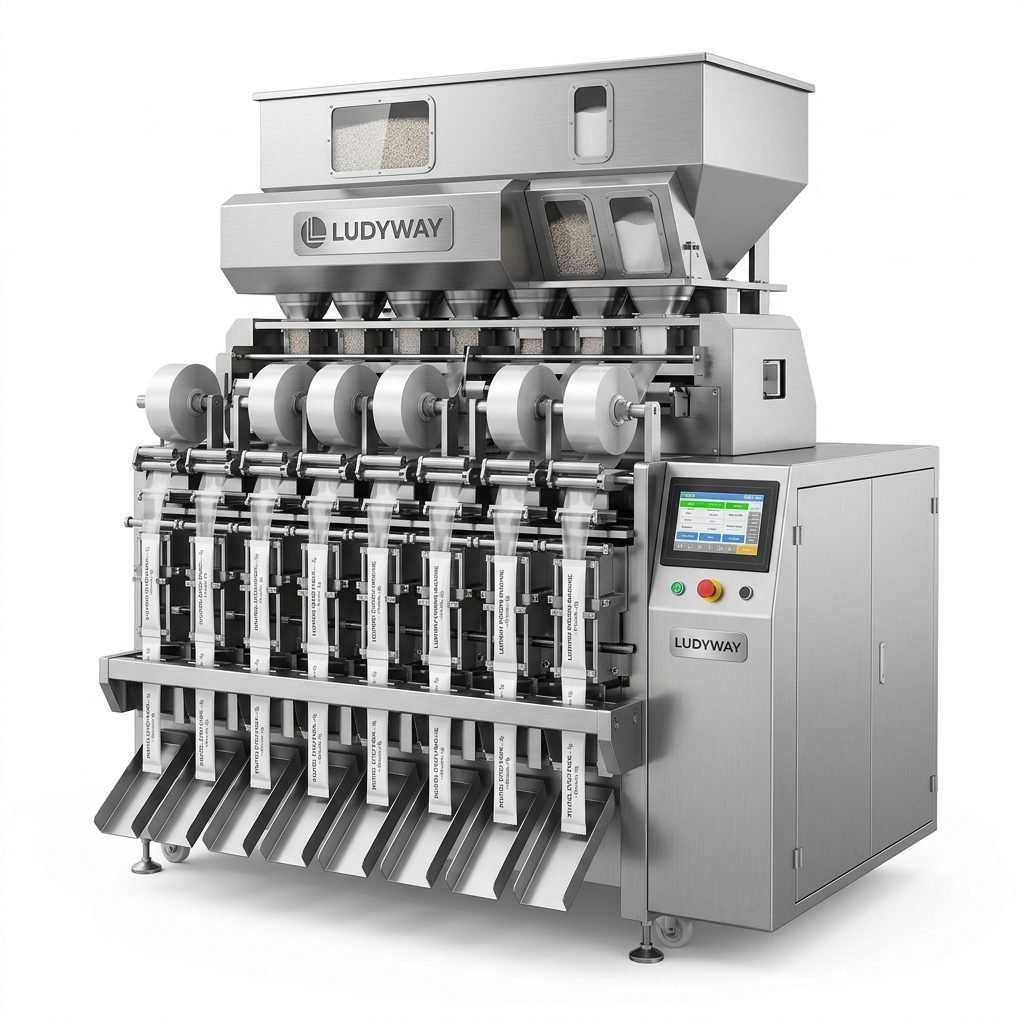
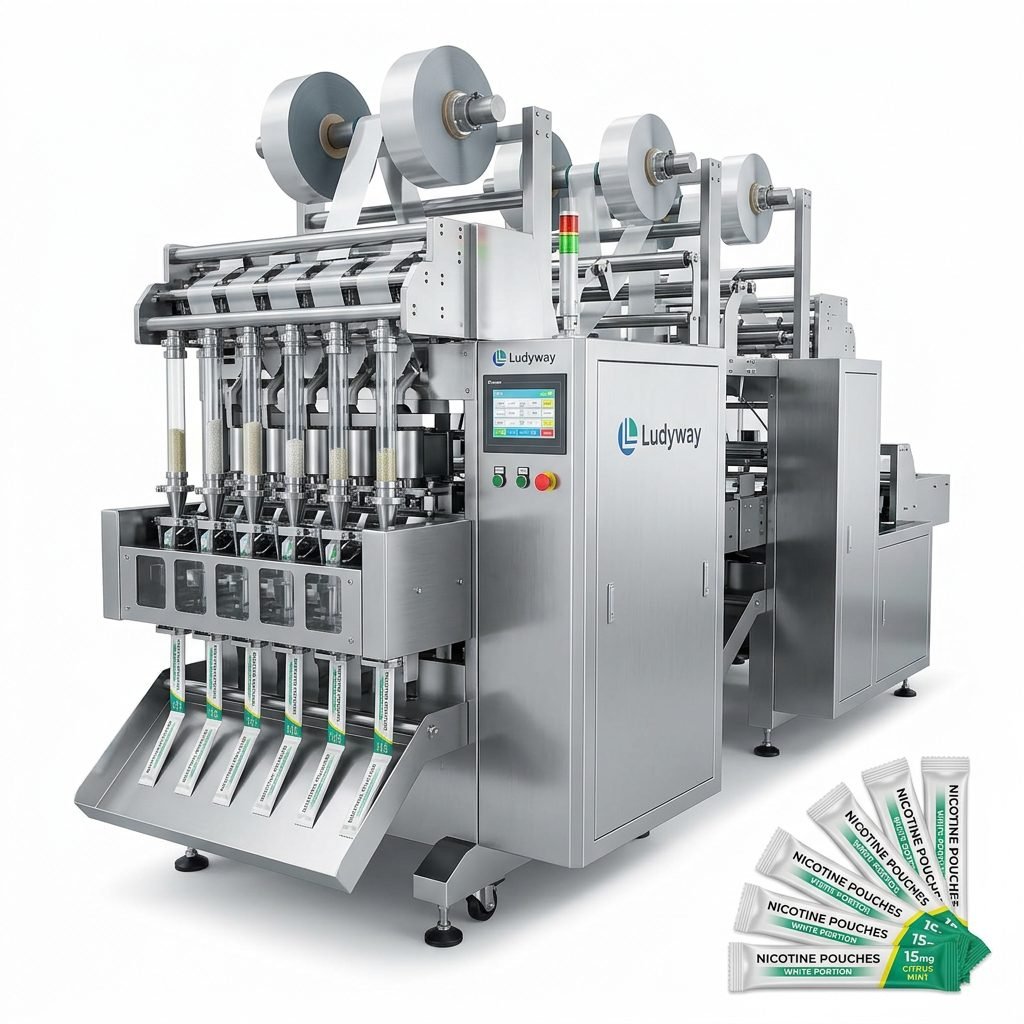
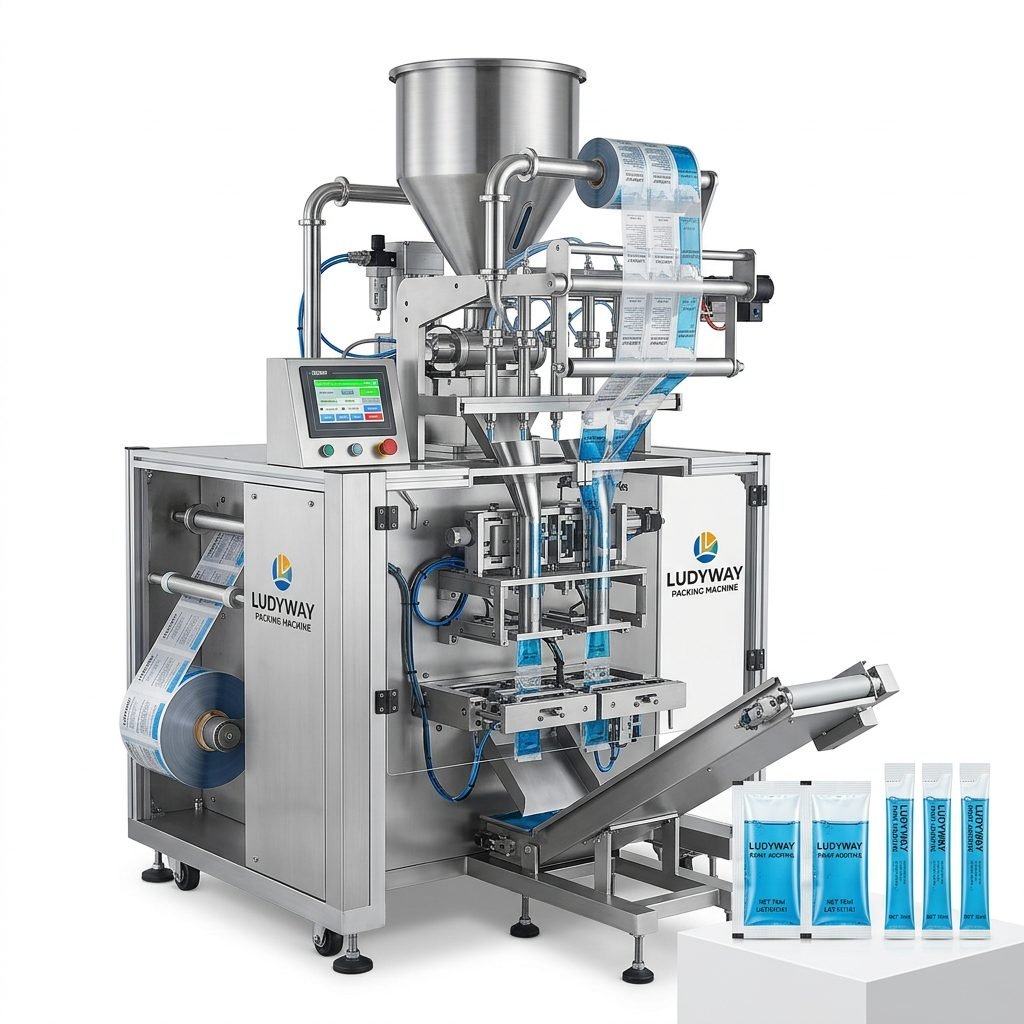
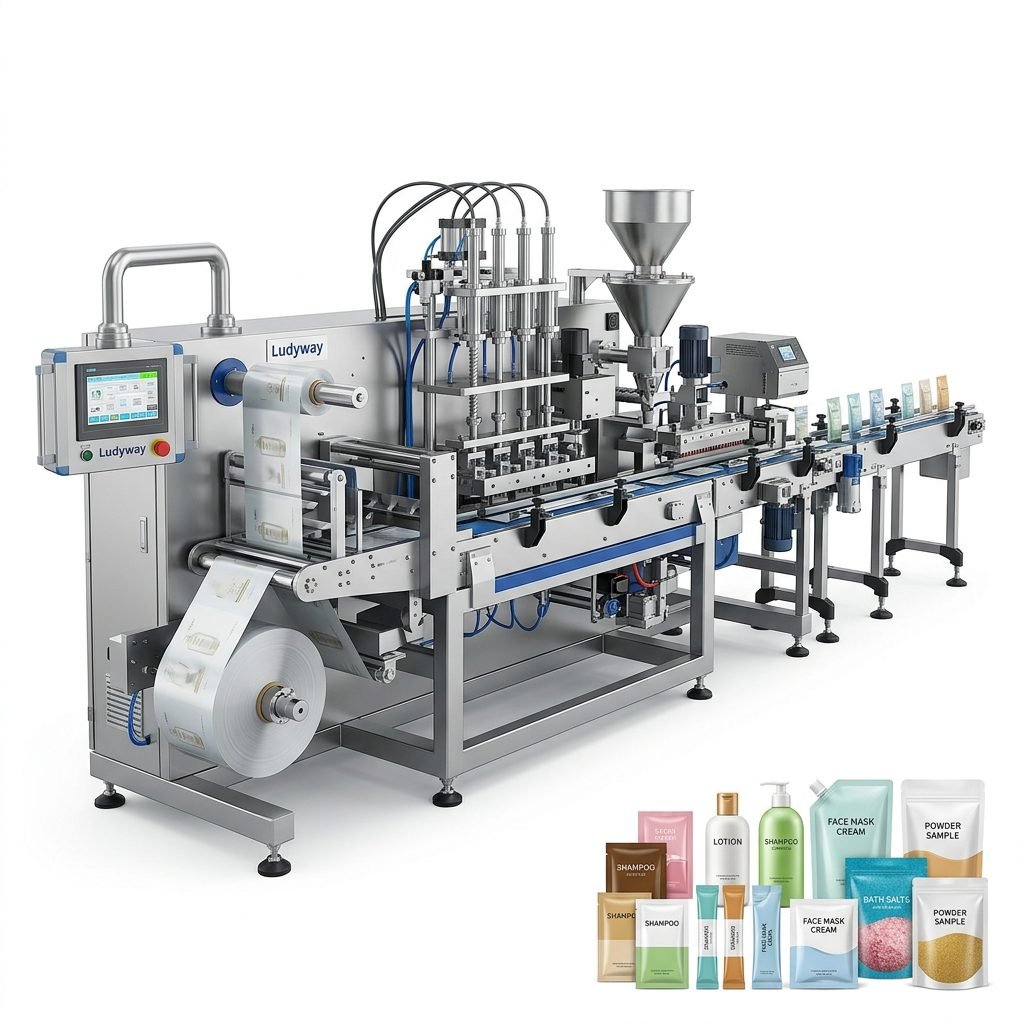
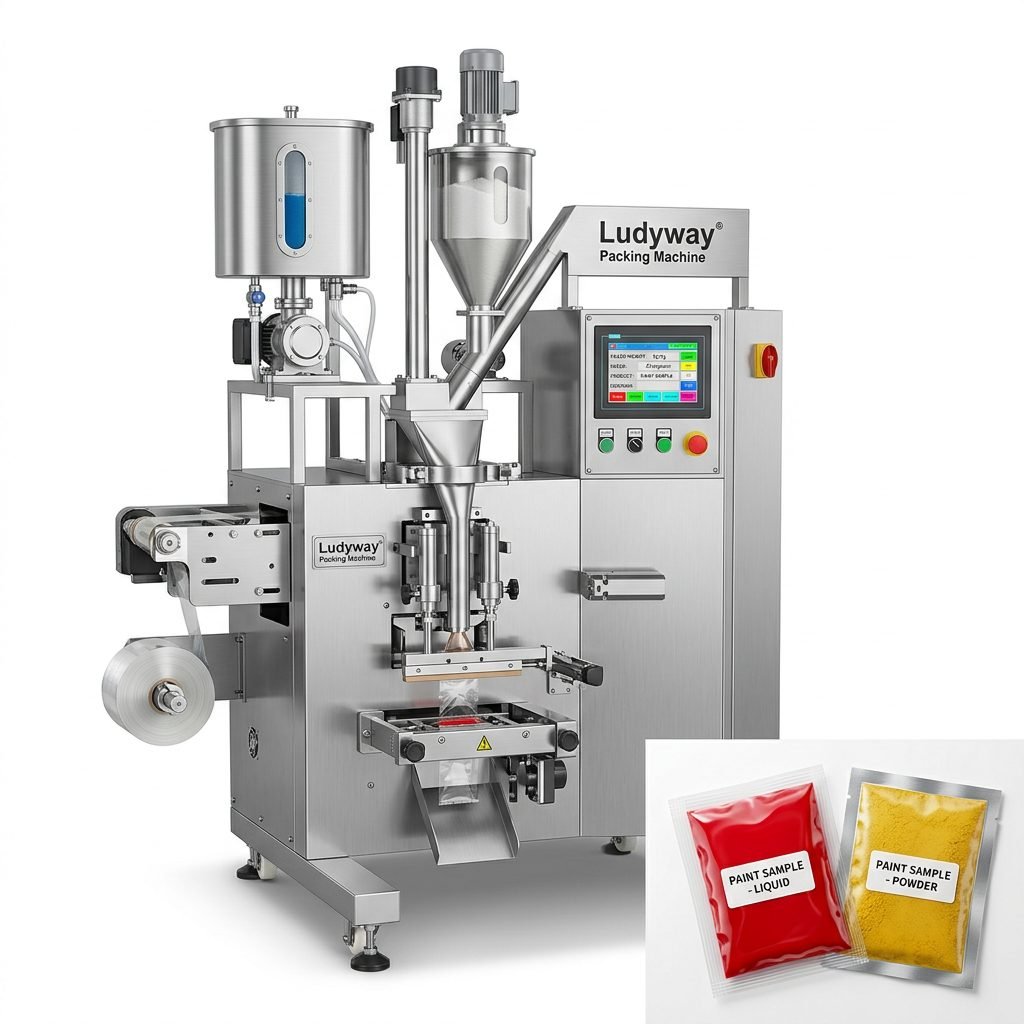
Investing in the right automatic rice packing machine for tea is a critical decision for producers looking to scale operations while maintaining product freshness and consistency. The cost of these specialized systems is not a one-size-fits-all figure; it varies dramatically based on speed, multi-lane configuration, weighing technology, and integrated features. Whether you are packing granular tea, herbal infusions, or powdered matcha, understanding the market landscape will help you budget effectively.
Key Factors Influencing the Price of Tea Packing Machines
The final investment for a tea packaging machine depends on a complex interplay of technical specifications. Before requesting a quote, it is essential to identify which of the following variables apply to your production line:
- Number of Lanes: A standard single-lane sachet machine costs significantly less than a high-speed multi-lane stick pack machine. Moving from a 4-lane to a 12-lane model can multiply the cost but also exponentially increase output.
- Weighing & Filling System: Volumetric cup fillers are economical for uniform granular teas. However, for high-value tea leaves where precision is paramount, linear weighers or multi-head combination weighers drastically improve accuracy but add to the upfront cost.
- Film Material Compatibility: Machines capable of handling aluminum foil, kraft paper, or biodegradable laminates often require advanced heat-sealing controls and tension management, raising the price.
- Automation Level: A basic unit requires manual film splicing and no gas flushing. Fully automated systems with PLC controls, servo-driven motors, remote monitoring, and nitrogen gas flushing represent the premium tier of pricing.

Entry-Level vs. High-Speed Rotary Systems
For small to medium tea estates or startups, entry-level automatic granule packing machines might start in the range of $5,000 to $15,000. These typically operate at speeds of 30-50 packs per minute and are suitable for simple pillow bags. In contrast, the industry’s need for speed has pushed the boundaries toward continuous rotary systems. A high-speed automatic rice packing machine for tea configured for stick packs or sachets often sees prices climbing rapidly based on throughput.
Price Breakdown by Configuration
To give you a clearer picture of the market, the table below outlines general pricing trends based on machine configuration and production capacity for granular tea packaging.
| Machine Configuration | Typical Speed (Pack/Min) | Approximate Cost Range (USD) |
|---|---|---|
| Single-Lane Volumetric Filler | 30 – 60 | $5,000 – $12,000 |
| 4-Lane Stick Pack Machine | 120 – 200 | $18,000 – $35,000 |
| 6-Lane Multi-Head Weigher System | 180 – 300 | $35,000 – $55,000 |
| 10-Lane High-Speed Rotary with N2 Flushing | 400 – 600+ | $60,000 – $100,000+ |
The Cost of Precision: Weighing Technology
A significant portion of the budget in a tea packing line is allocated to the weighing mechanism. Granular tea has specific flow characteristics that require reliable agitation. While a volumetric cup system is affordable, it often lacks the accuracy required for premium tea leaves, leading to product give-away. Multi-head weighers drastically reduce waste but can add $10,000 to $25,000 to the base machine cost. For high-end applications, manufacturers often rely on proven weighing standards recognized by authoritative bodies like the ISO packaging standards committee to ensure consistency and reliability in international trade.

Packaging Formats: Sachet, Stick Pack, or Bag?
The packaging format directly impacts the structural design and cost of the machinery. A machine strictly dedicated to flat standard sachets will generally be less expensive than a flexible stick pack machine for tea. Stick pack machines demand precise vertical sealing and narrow film tracking, requiring higher quality servo motors and control systems. The current market trends, often highlighted in reports like the State of the Industry reports on packaging machinery, show a strong shift toward stick packs due to their portability.
- Sachet Machines: Ideal for 4-side seal packages. Cost-effective for large volume, low-profile bags.
- Stick Pack Machines: Popular for single-serve tea. Requires excellent film feeding control, typically mid-to-high price range.
- Premade Pouch Rotary Fillers: Higher initial cost but preferred for gusseted bags or high-barrier rice tea blends.
Additional Cost Drivers
Beyond the core filling and sealing units, several auxiliary features will influence the final price of your automatic rice packing machine for tea. High-quality print registration systems for patterned film are essential for branding and are standard in mid-range machines. Furthermore, integrated checkweighers and metal detectors, which are mandatory for food safety compliance, add immediate capital expenditure. According to guidelines from the FDA on food packaging and contact substances, foreign body detection is a critical control point, making these add-ons non-negotiable for exporters.

Evaluating the Return on Investment (ROI)
While the upfront cost of a high-speed multi-lane tea packing line might seem steep, the ROI is calculated through labor reduction, minimal material waste, and increased throughput. A single operator can oversee a 12-lane stick pack line running at 600 packs per minute, a task that would require dozens of workers manually. Additionally, the transition to sustainable packaging materials is reshaping machine design. To process new eco-friendly films without sacrificing speed, advanced tension control is required, a feature highlighted frequently in resources from the Flexible Packaging Association. Investing in a robust machine today ensures compatibility with the packaging substrates of tomorrow.
For businesses seeking a balance between cost and performance, Ludyway offers tailored solutions that bridge the gap between standard machinery and high-end custom systems. With a 20,000㎡ manufacturing facility and a focus on modular design, buyers can configure a machine that matches their exact capacity needs—ensuring they are not paying for unnecessary over-engineering.

Conclusion
The market price for an automatic rice packing machine for tea in 2025 ranges from approximately $5,000 for basic models to over $100,000 for fully automated, high-capacity systems. The gap is defined by speed, accuracy, and hygiene compatibility. Before finalizing a purchase, it is crucial to analyze the required pack format, the physical properties of your granular tea, and the desired output per shift. Choosing a system built with international compliance in mind ensures that your packaging machinery remains a reliable asset as global regulations evolve.