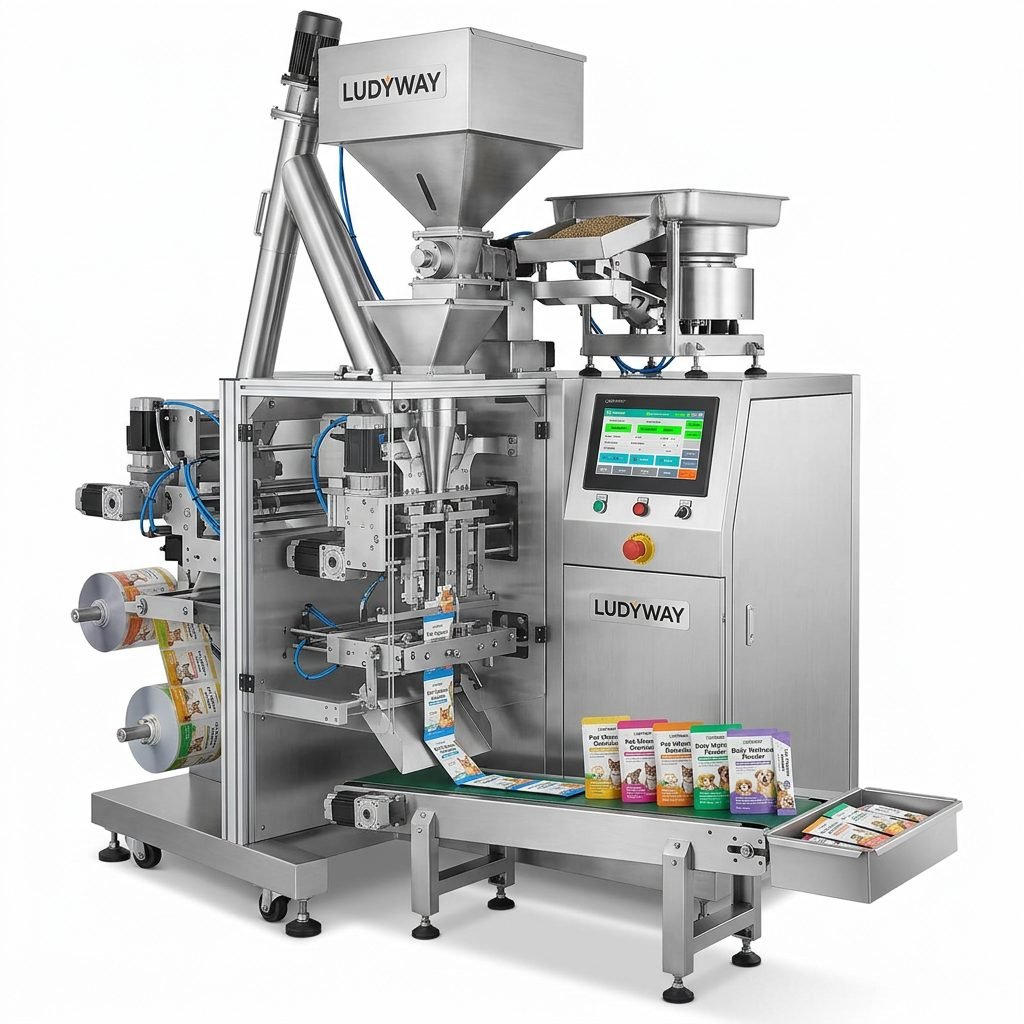
Selecting the right packing date printing machine is a critical decision that directly impacts your production line efficiency, regulatory compliance, and brand reputation. Whether you are printing expiration dates, batch codes, lot numbers, or barcodes, the printing technology you choose must align with your packaging materials, line speed, and operational environment. This comprehensive buyer’s guide walks you through everything you need to evaluate before investing in a date coding solution.
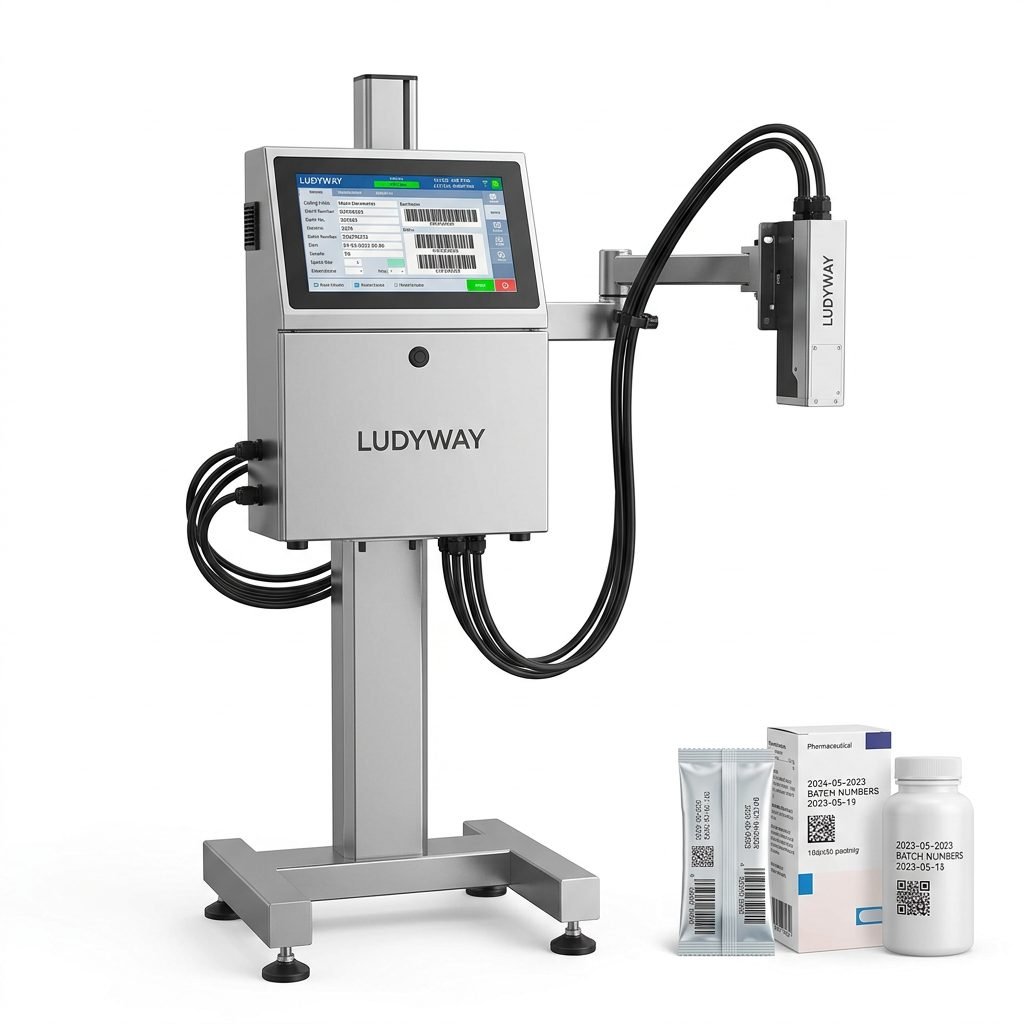
Understanding Date Printing Machine Types
Before comparing specifications, it is essential to understand the primary categories of date printing equipment available on the market. Each type uses a different marking technology and is suited for specific packaging materials and production environments.
- Continuous Inkjet (CIJ) Printers – Ideal for high-speed lines, non-porous surfaces like plastics, metals, and glass. These printers project tiny ink droplets to form characters on moving products.
- Thermal Inkjet (TIJ) Printers – Best for porous materials such as cartons, paper labels, and corrugated boxes. TIJ technology offers high resolution at a lower maintenance cost.
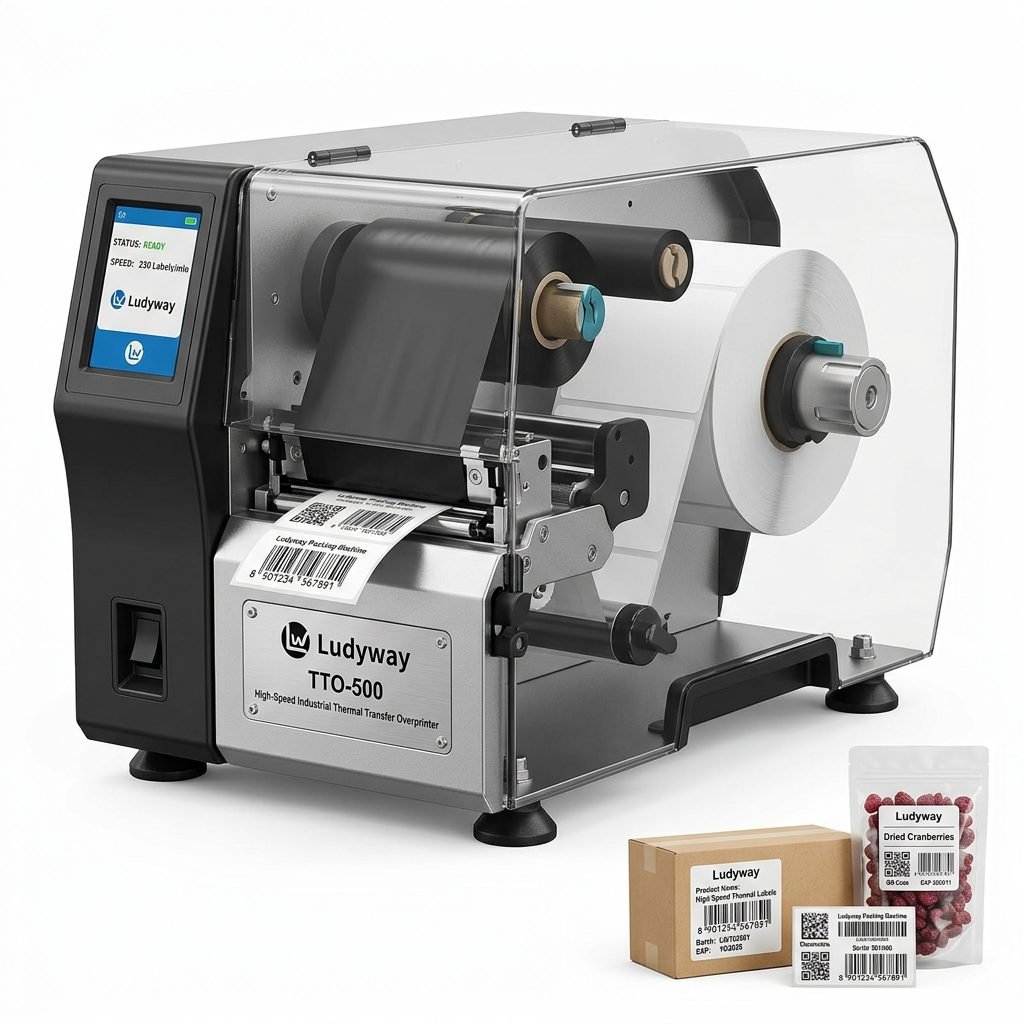
- Thermal Transfer Overprinters (TTO) – Designed for flexible packaging films and labels. TTO printers deliver crisp, durable codes that resist smudging and fading.
- Laser Marking Systems – A clean, consumable-free option that etches permanent codes onto materials like PET bottles, aluminum cans, and rigid plastics.
- Hot Foil Stampers – A traditional method for date coding on labels and soft packaging, though increasingly replaced by digital alternatives in high-volume operations.
Key Factors to Evaluate Before Purchasing
Choosing the right packing date printing machine requires a thorough assessment of your production needs. Below are the critical evaluation criteria that should guide your decision-making process.
1. Packaging Material Compatibility
Different substrates require different ink formulations and printing methods. For instance, printing on flexible film pouches demands a different approach than printing on corrugated cardboard boxes. Always confirm that the printer you select is compatible with the specific materials running on your packaging line, including any coatings or laminates that may affect ink adhesion.
2. Production Line Speed
Your date printing machine must keep pace with your overall packaging throughput. A printer that cannot maintain consistent code quality at high speeds will create bottlenecks. When evaluating specifications, look for the maximum print speed in characters per second and ensure it exceeds your fastest production rate by a comfortable margin.
3. Print Resolution and Code Quality
High-resolution printing is particularly important for 2D barcodes, QR codes, and small text. Poor code legibility can lead to retailer rejections, traceability failures, and regulatory penalties. Consider the minimum font size and barcode readability requirements for your specific application.
4. Operating Environment
Environmental factors such as dust, humidity, temperature extremes, and washdown procedures can significantly affect printer performance. Machines installed in food processing plants with frequent washdowns require IP65 or higher ingress protection ratings.
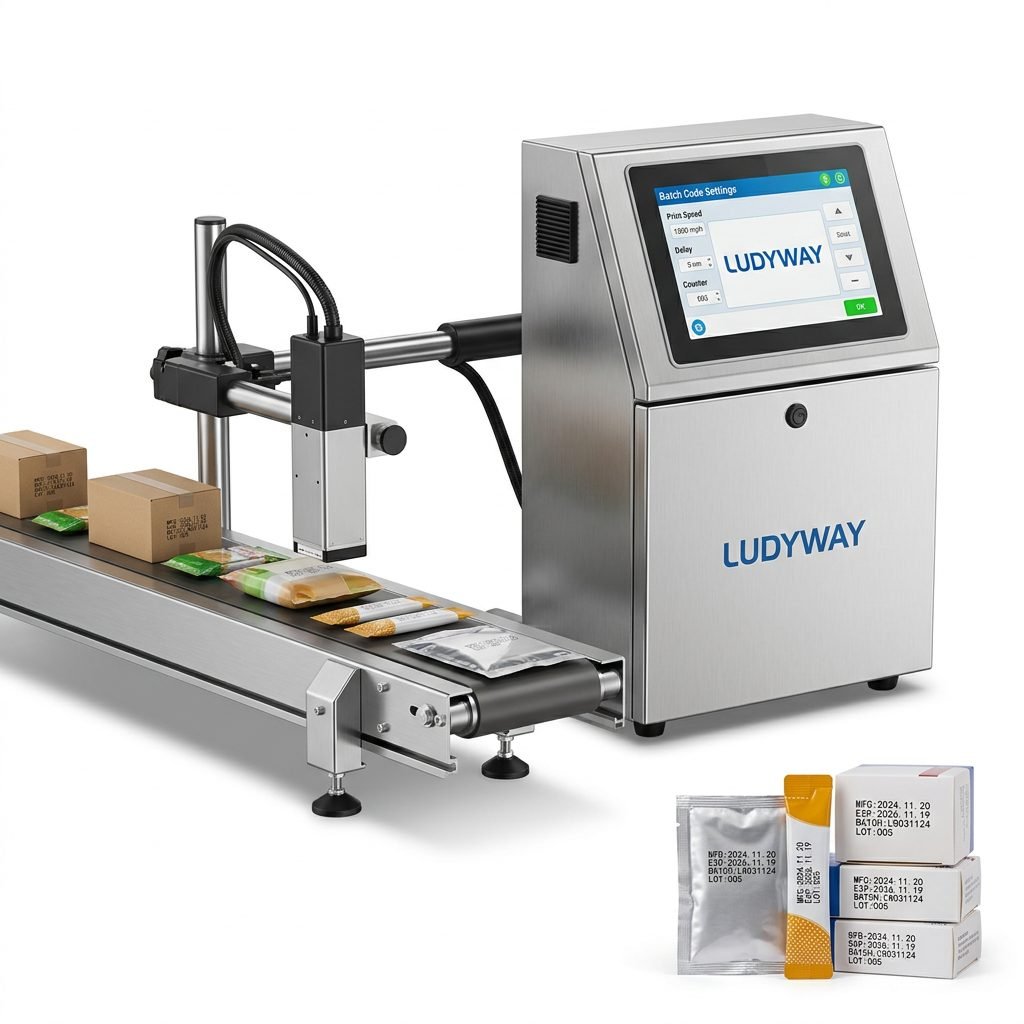
Comparing Printing Technologies: A Side-by-Side Overview
The table below provides a comparison of the most commonly used date printing technologies in the packaging industry. Use this as a reference when narrowing down your options.
| Technology | Best For | Print Quality | Consumable Cost | Maintenance Level |
|---|---|---|---|---|
| Continuous Inkjet (CIJ) | Plastics, metals, glass, high-speed lines | Good | Moderate | Moderate |
| Thermal Inkjet (TIJ) | Cartons, paper, porous surfaces | Excellent | Low | Low |
| Thermal Transfer (TTO) | Flexible films, labels, pouches | Excellent | Moderate-High | Low-Moderate |
| Laser Marking | PET bottles, rigid plastics, aluminum | Excellent | None | Low |
| Hot Foil Stamping | Labels, soft packaging, low-speed lines | Good | Moderate | Moderate |
Integration with Your Existing Packaging Line
A packing date printing machine does not operate in isolation. It must integrate seamlessly with your conveyor systems, filling equipment, and inspection stations. Before purchasing, evaluate the following integration aspects:
- Mounting flexibility – Can the printhead be positioned at the optimal angle for your product orientation?
- Communication protocols – Does the printer support Ethernet/IP, Profinet, or other industrial communication standards used in your facility?
- Software compatibility – Can the printer interface with your existing packaging line management software?
- Physical footprint – Does the machine fit within the available space on your production floor?
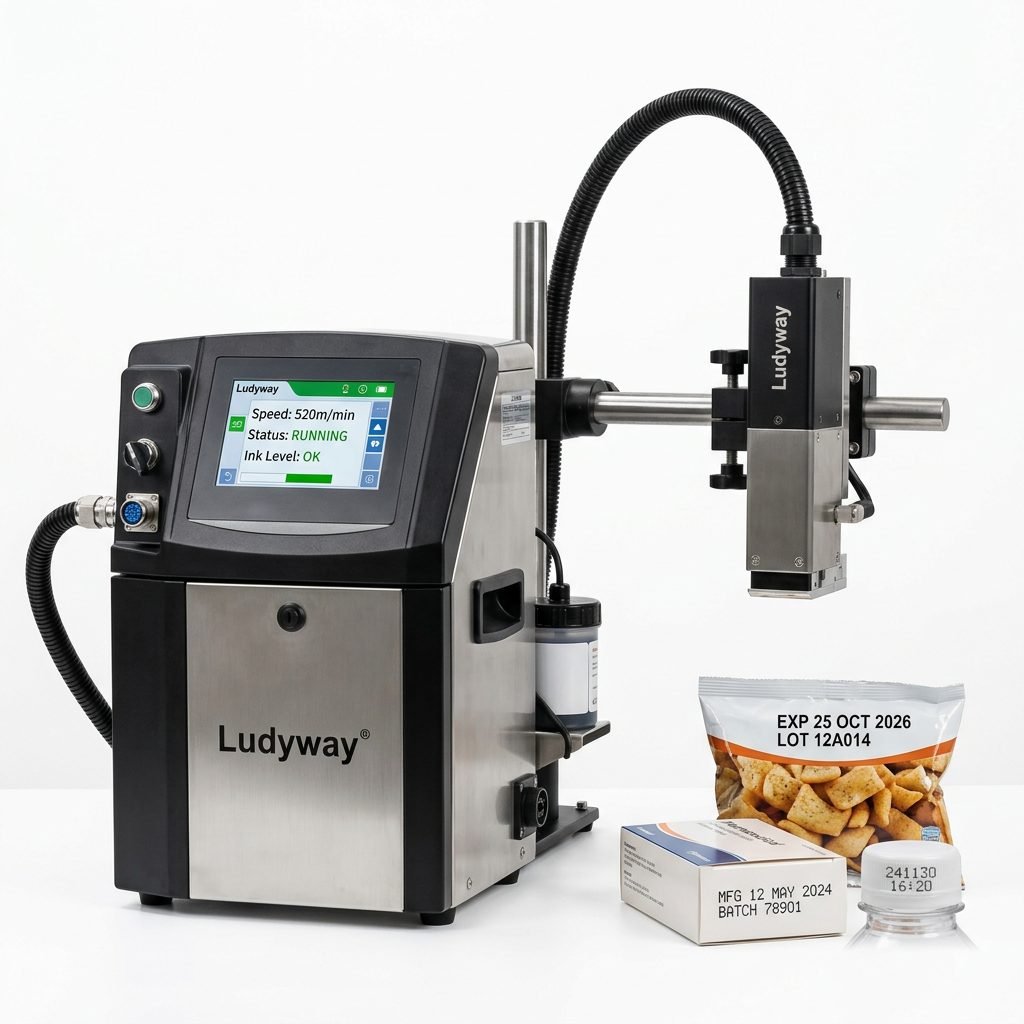
Industry Compliance and Regulatory Standards
Date printing is not just about operational efficiency; it is closely tied to regulatory compliance. Food, pharmaceutical, and medical device manufacturers must adhere to strict coding requirements set by agencies such as the FDA and international bodies like ISO. Key compliance considerations include:
- Traceability requirements – Batch and lot codes must be clear and scannable throughout the supply chain.
- Expiration date visibility – Dates must be printed in a format that is easily readable by consumers and retailers.
- Tamper-evident packaging standards – Certain products require codes that cannot be removed or altered without visible damage.
- GS1 barcode compliance – If printing barcodes, ensure the printer meets packaging industry standards for barcode quality grades.
Total Cost of Ownership
When budgeting for a date coding machine, look beyond the initial purchase price. The total cost of ownership includes consumables such as inks, solvents, ribbons, and printheads, as well as ongoing maintenance expenses. A machine with a lower upfront cost may have significantly higher operating costs over its lifespan. Evaluate the following cost components:
- Capital expenditure – The base price of the machine and any optional accessories.
- Consumable costs – Estimated monthly or annual spending on ink, make-up fluid, ribbons, or laser tubes.
- Preventive maintenance – Scheduled service visits and replacement of wear parts.
- Downtime cost – The financial impact of production stoppages due to printer failure.
- Training expenses – Operator training to ensure proper machine handling and basic troubleshooting.

After-Sales Support and Service Network
Even the most reliable date printing equipment requires periodic maintenance and occasional troubleshooting. When evaluating suppliers, consider the availability and responsiveness of their service network. Ask the following questions before making a commitment:
- Does the manufacturer offer remote technical support for quick issue resolution?
- What is the typical response time for on-site service calls in your region?
- Are spare parts readily available, or do they require long lead times?
- Does the supplier provide operator training during installation and commissioning?
- Is there a warranty program that covers both parts and labor?
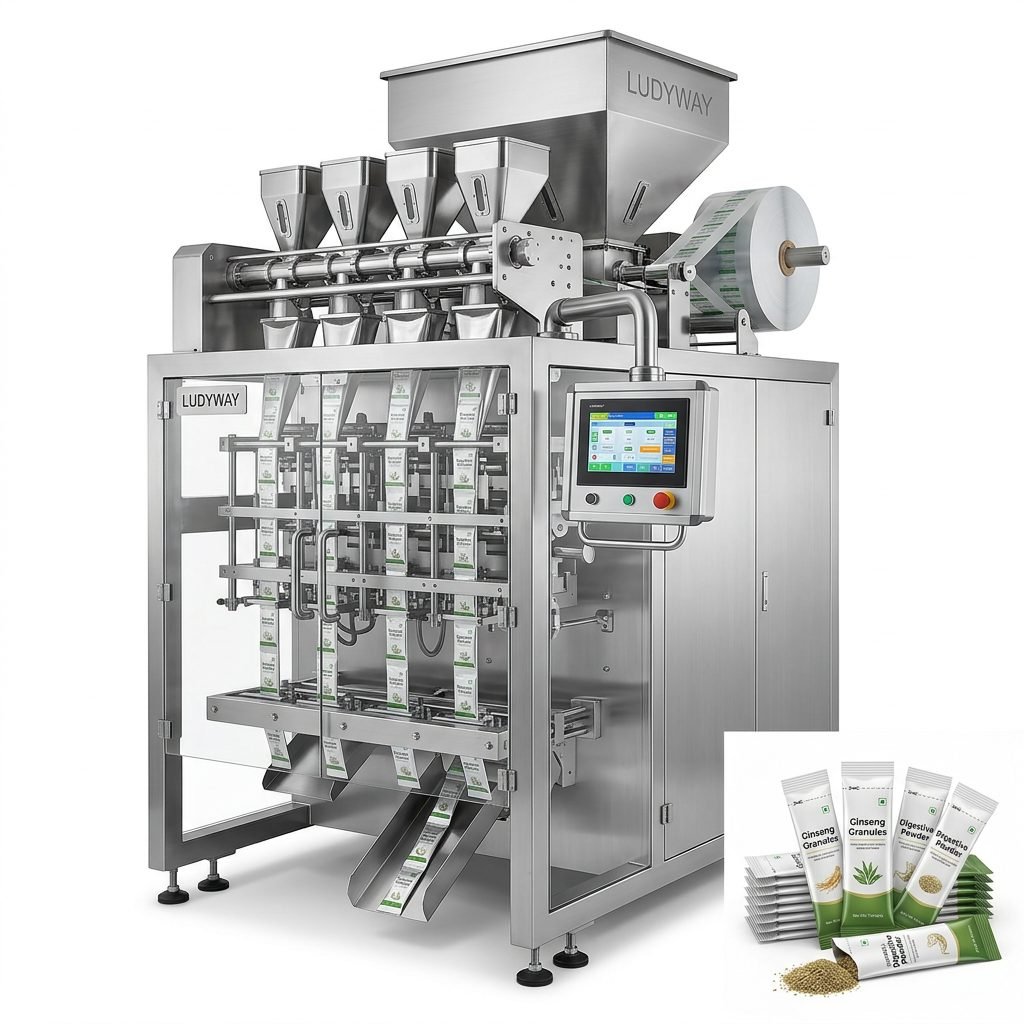
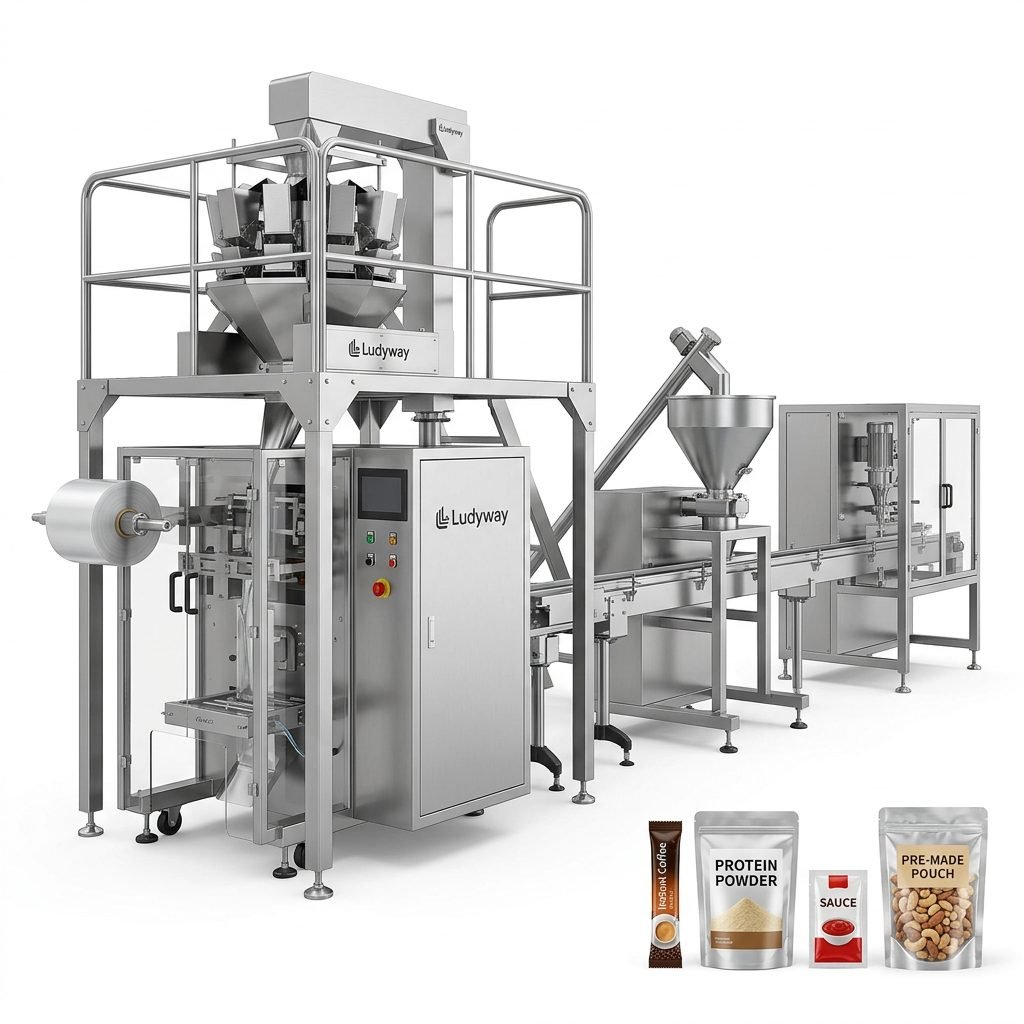
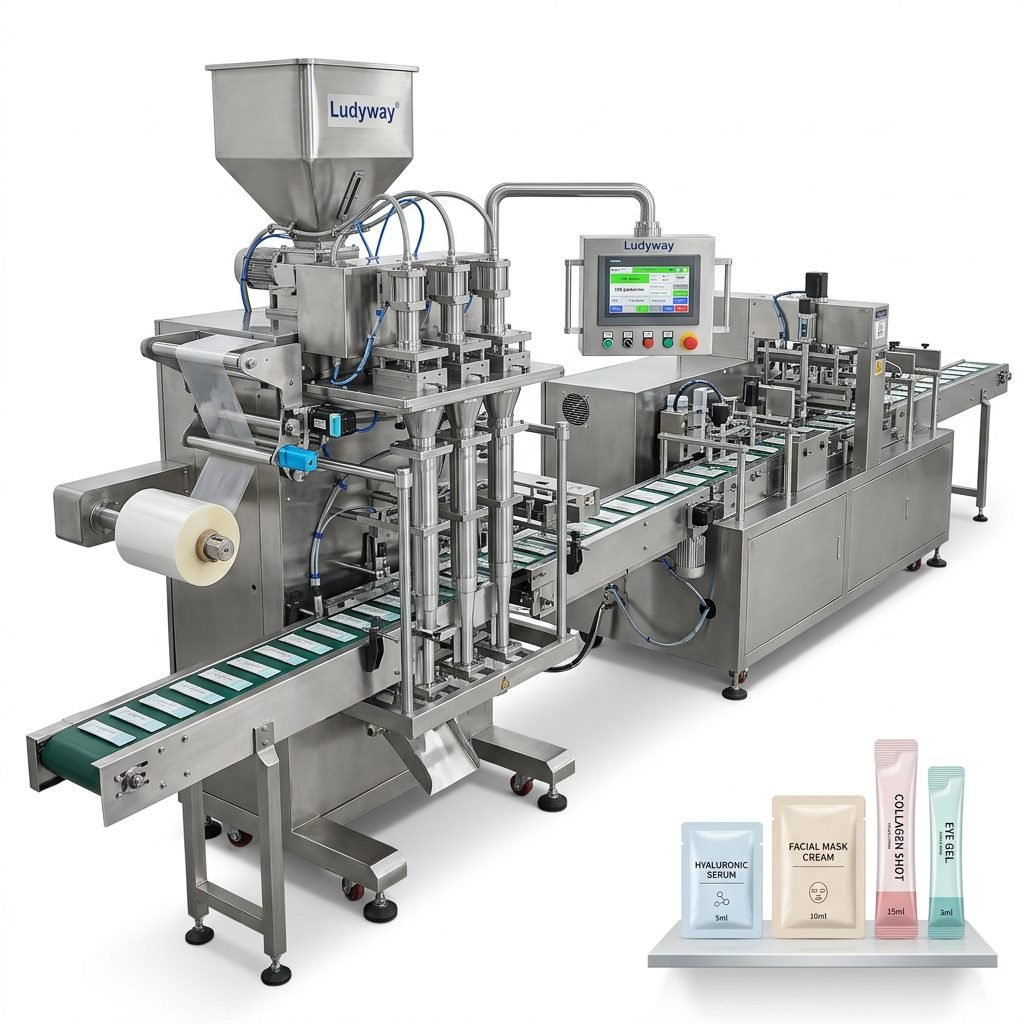
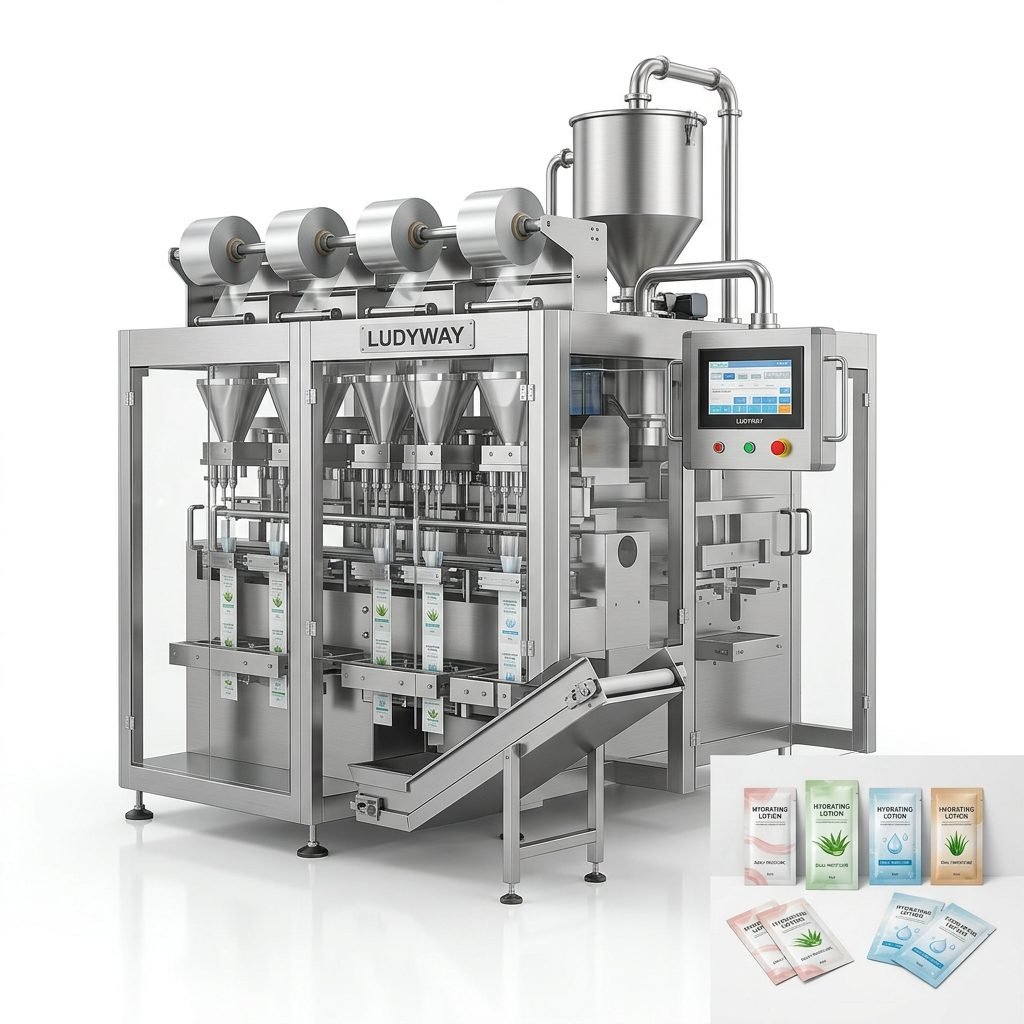
Working with experienced packaging machinery manufacturers that offer comprehensive after-sales support can significantly reduce long-term operational risks. For instance, Ludyway Machinery, a China-based packaging equipment manufacturer with over 30 years of experience, provides global technical support throughout the project lifecycle—from machine selection and installation to commissioning, operator training, and spare parts supply. Their team serves customers in more than 100 countries, helping manufacturers maintain consistent equipment performance.
Future-Proofing Your Investment
As your production needs evolve, your date printing solution should be able to scale accordingly. Consider machines that offer modular upgrades, such as the ability to add additional printheads or upgrade software capabilities. Laser-based systems, for example, eliminate the need for consumables entirely and are increasingly popular in flexible packaging operations looking to reduce their environmental footprint. Additionally, packaging industry trends indicate growing adoption of smart factory integration, so selecting equipment with IoT capabilities can future-proof your investment.
Making the Final Decision
Choosing the right packing date printing machine ultimately comes down to aligning your production requirements with the appropriate technology, budget, and supplier capabilities. Prioritize the following steps in your evaluation process:
- Clearly define your material compatibility, speed, and code quality requirements.
- Request live demonstrations or sample prints using your actual packaging materials.
- Compare the total cost of ownership across at least three different suppliers.
- Verify the service and support infrastructure available in your geographic region.
- Confirm that the equipment meets all applicable regulatory and compliance standards for your industry.

For manufacturers seeking a complete, integrated solution, evaluating suppliers that offer turnkey packaging systems—including filling, sealing, coding, and inspection—can simplify procurement and ensure compatibility across the entire line. A well-chosen date printing machine not only ensures regulatory compliance but also enhances brand presentation and supply chain traceability, delivering long-term value to your operation.
Related Resources: