The frozen food industry in Oceania is experiencing rapid growth, driven by increasing consumer demand for convenience foods, ready-to-eat meals, and long-shelf-life products. Setting up a frozen food packaging machine production line requires careful planning, from equipment selection to facility layout and regulatory compliance. This comprehensive guide walks you through every essential step to establish an efficient, high-performance packaging operation in Australia, New Zealand, and the broader Pacific region.
Understanding the Oceania Frozen Food Market Landscape
Before investing in equipment, it is critical to understand the Oceania frozen food market dynamics. Australia and New Zealand represent mature markets with stringent food safety standards, while emerging Pacific Island nations present growing opportunities for frozen imports. Key product categories driving packaging demand include frozen vegetables, ready meals, seafood, meat products, and frozen desserts. According to industry data, the packaging machinery market in the Asia-Pacific region continues to expand steadily, with frozen food packaging representing a significant segment.
Key Components of a Frozen Food Packaging Production Line
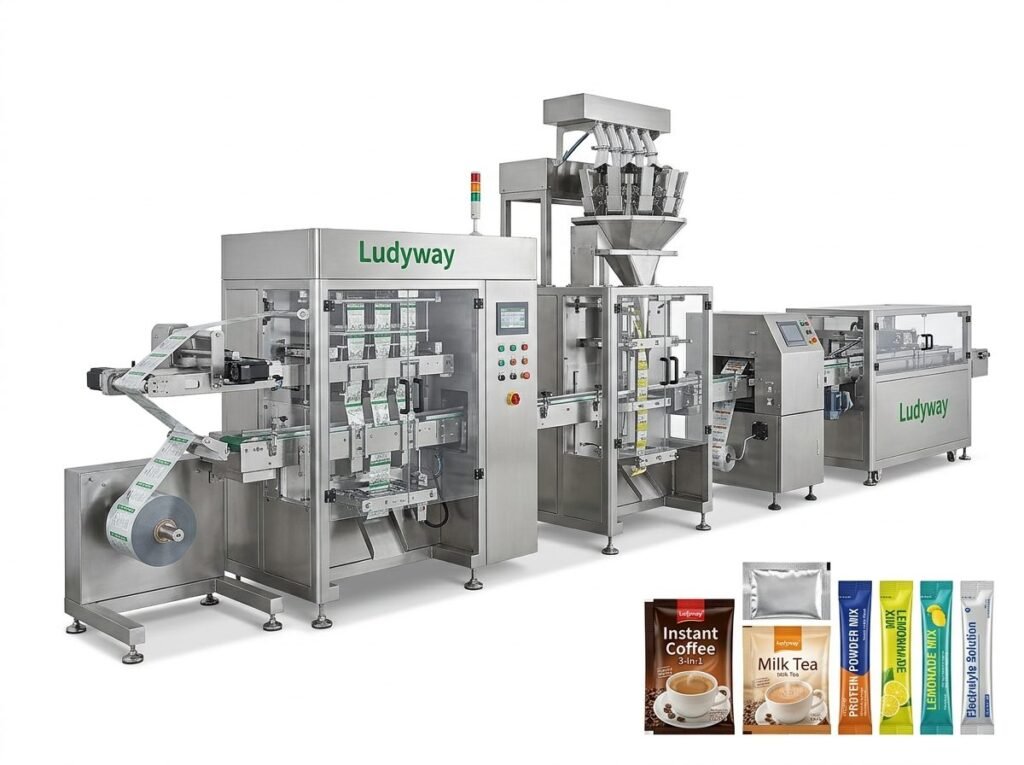
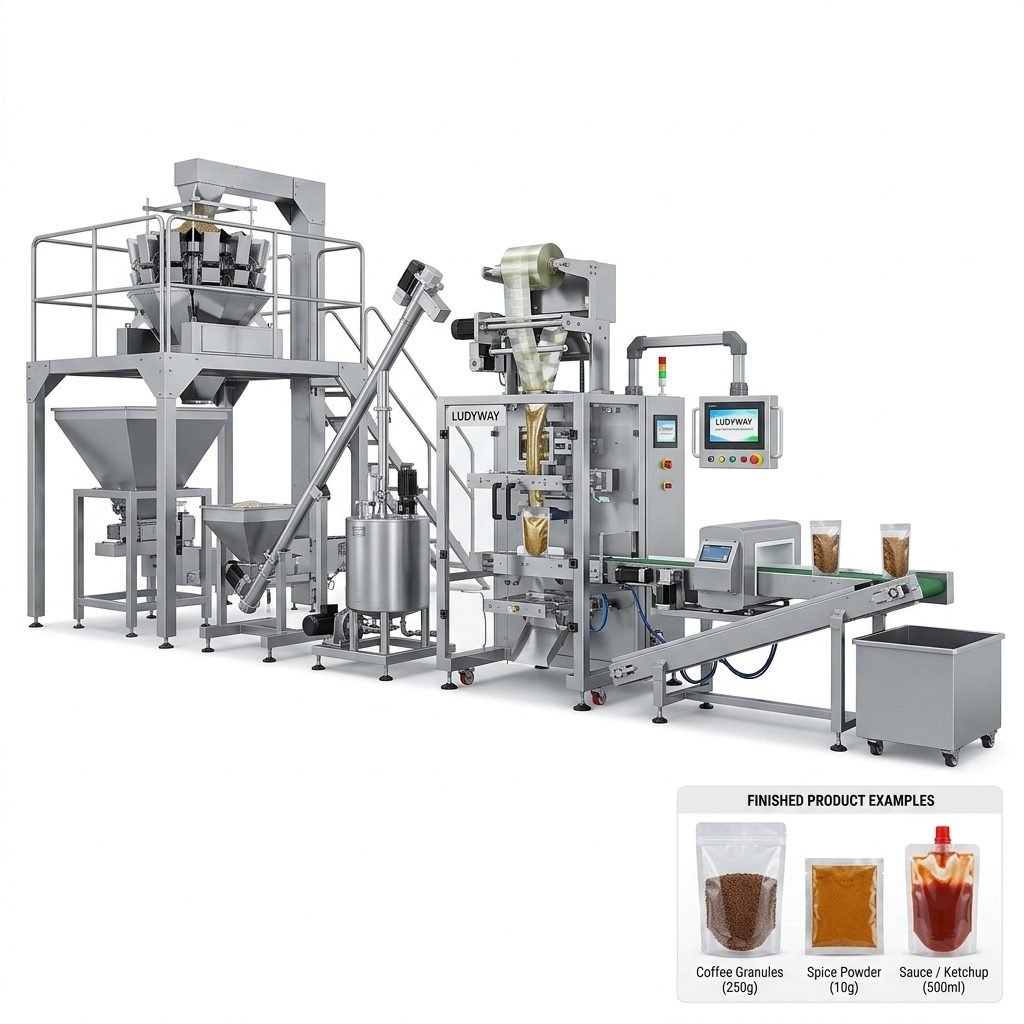
A complete frozen food packaging production line integrates multiple subsystems that must work seamlessly together in low-temperature environments. Below are the essential components you need to consider:
- Infeed and Conveying Systems — Designed to handle frozen products gently without causing damage or thawing, often featuring insulated or refrigerated conveyors.
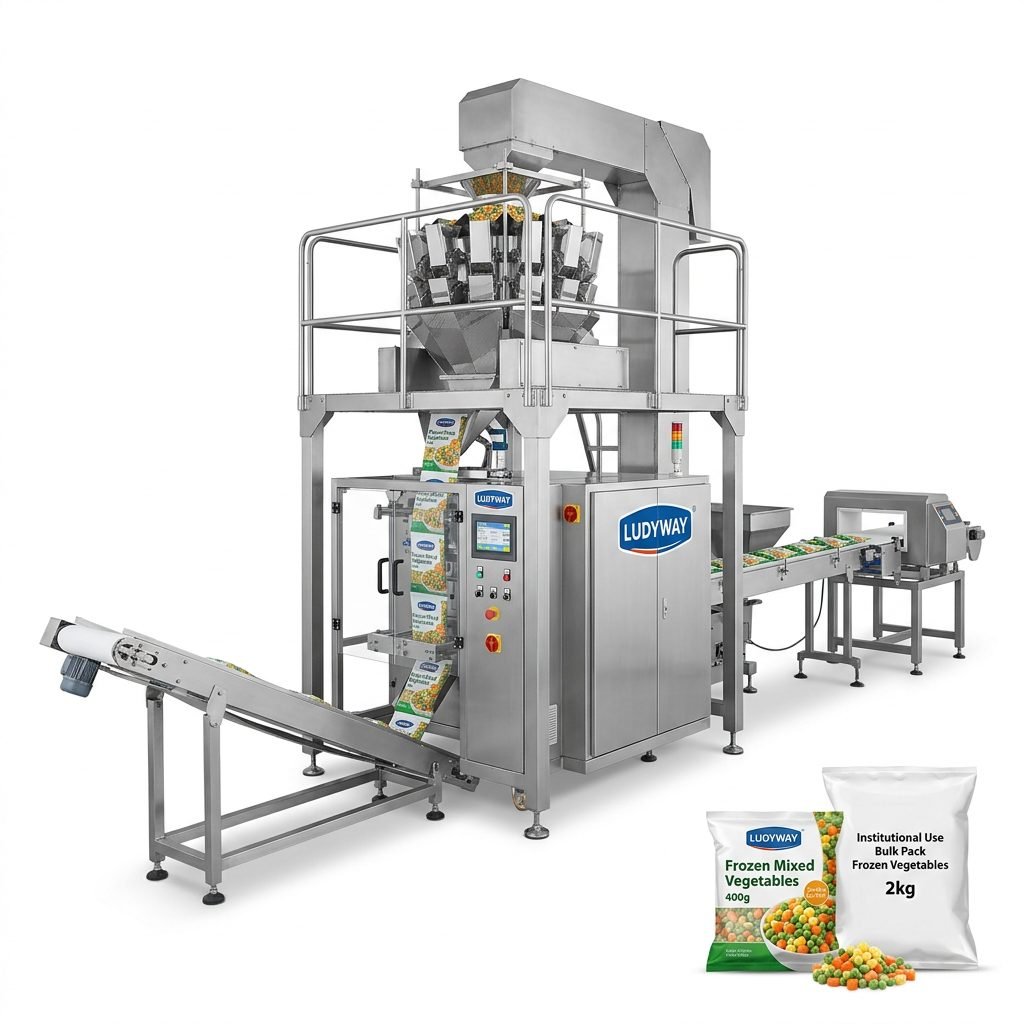
- Weighing and Dosing Units — Multi-head weighers or linear weighers calibrated for frozen products, ensuring precise portion control at high speeds.
- Primary Packaging Machine — Vertical form-fill-seal (VFFS) machines, horizontal flow wrappers, or thermoforming systems suitable for frozen food applications.
- Gas Flushing and Sealing — Modified atmosphere packaging (MAP) capabilities to extend shelf life by reducing oxygen levels inside packages.
- Metal Detection and X-Ray Inspection — Critical food safety equipment to detect contaminants before products leave the facility.
- Checkweighing and Reject Systems — Ensure every package meets weight specifications and automatically reject non-conforming units.
- Date Coding and Labeling — Thermal transfer printers, inkjet coders, or laser markers for batch codes, expiration dates, and traceability information.
- Secondary Packaging and Palletizing — Case packing, cartoning, shrink wrapping, and robotic palletizing for efficient distribution.
Step-by-Step Guide to Setting Up Your Production Line
Following a structured approach ensures your frozen food packaging line is operational quickly and efficiently. Here is a proven implementation roadmap:
- Conduct a Product and Packaging Audit — Analyze your frozen product characteristics (size, shape, temperature sensitivity, moisture content) and determine optimal packaging formats such as pillow bags, gusseted pouches, stand-up pouches, or tray-and-lid configurations.
- Define Production Capacity Requirements — Calculate target output in packages per minute (PPM) or units per hour, accounting for future growth and seasonal demand fluctuations typical in the frozen food sector.
- Design the Facility Layout — Plan the production floor considering product flow, cold chain integrity, worker safety, and compliance with food packaging regulations. Ensure adequate space for freezer storage, processing areas, and packaging zones.
- Select and Procure Equipment — Choose machinery that meets your specific requirements, considering factors like material compatibility, changeover speed, energy efficiency, and after-sales support availability in Oceania.
- Install and Commission — Work with experienced technicians for proper installation, calibration, and testing of all equipment components under actual production conditions.
- Train Operators and Maintenance Staff — Develop comprehensive training programs covering machine operation, cleaning procedures, troubleshooting, and safety protocols.
- Validate and Document Processes — Conduct performance qualification (PQ) testing, establish standard operating procedures (SOPs), and maintain detailed documentation for regulatory audits.
- Implement Ongoing Quality Control — Set up regular equipment inspections, preventive maintenance schedules, and continuous improvement programs.
Equipment Comparison for Frozen Food Applications
| Packaging Format | Recommended Machine Type | Typical Speed Range | Best For |
|---|---|---|---|
| Pillow Bags / 3-Side Seal | Vertical Form-Fill-Seal (VFFS) | 40-120 PPM | Frozen vegetables, fruits, IQF products |
| Flow-Wrapped Trays | Horizontal Flow Wrapper | 30-150 PPM | Frozen ready meals, fish fillets, meat portions |
| Vacuum Skin / Thermoformed Packs | Thermoforming Packaging Machine | 8-20 cycles/min | Premium frozen seafood, marinated meats |
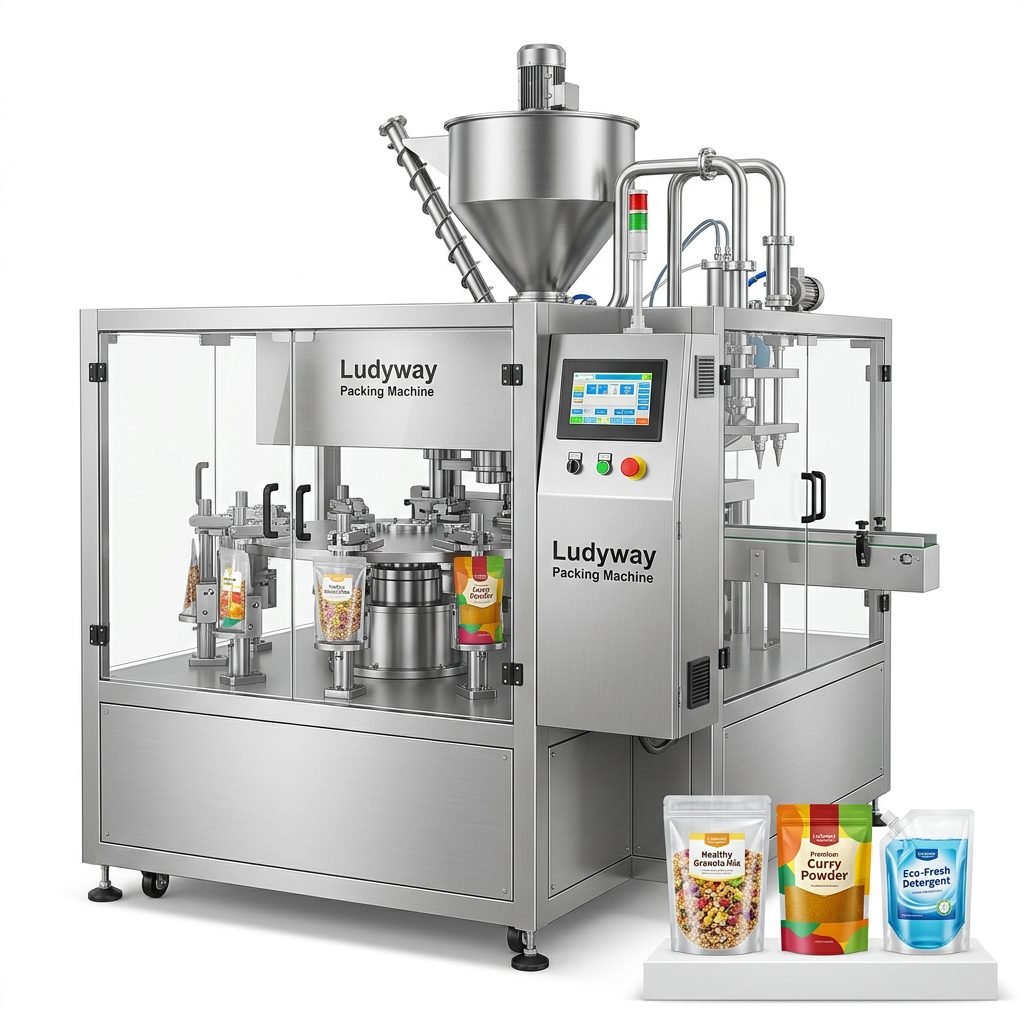
| Stand-Up Pouches / Doypacks | Rotary Premade Pouch Machine | 30-80 PPM | Frozen berries, snack foods, specialty items |
| Bulk / Institutional Bags | Automatic Weighing & Bagging System | 5-20 BPM | Food service, wholesale frozen distribution |
Regulatory Compliance and Food Safety Standards in Oceania
Operating a frozen food packaging line in Australia and New Zealand requires strict adherence to Food Standards Australia New Zealand (FSANZ) regulations. Key compliance areas include:
- Temperature Control — Maintain the cold chain throughout packaging operations, with frozen products kept at -18°C or below as mandated by food safety codes.
- Hygienic Equipment Design — Packaging machinery must meet sanitary design principles, featuring easy-to-clean surfaces, minimal crevices, and food-grade materials that withstand frequent washdowns.
- Traceability Systems — Implement batch coding and serialization capabilities to enable full product traceability from production to point of sale, in compliance with ISO packaging standards.
- HACCP Integration — Design the production line to support Hazard Analysis Critical Control Point (HACCP) protocols, with metal detection and X-ray inspection at designated critical control points.
- Labeling Requirements — Ensure packaging equipment supports accurate ingredient declarations, allergen warnings, country-of-origin labeling, and nutritional panels as required by Oceanian regulations.

Critical Considerations for Cold Environment Operations
Packaging frozen foods presents unique challenges that directly impact equipment performance and product quality. Low-temperature environments affect material properties, machine lubrication, and electronic components. Here are essential factors to address:
- Material Selection — Choose packaging films rated for freezer-grade applications with excellent puncture resistance, moisture barrier properties, and cold-temperature seal integrity.
- Condensation Management — Install proper ventilation and dehumidification systems to prevent moisture buildup on equipment surfaces when cold products meet ambient air during packaging.
- Lubrication Protocols — Use food-grade lubricants specifically formulated for low-temperature operation to ensure smooth mechanical performance without contamination risk.
- Electronics Protection — Specify control panels and sensors rated for cold and humid conditions, with appropriate IP ratings for washdown environments common in food processing facilities.
- Seal Integrity Testing — Implement regular seal strength and leak testing procedures, as frozen products are particularly sensitive to packaging failures during distribution and storage.
Optimizing Production Efficiency and Reducing Waste
Once your frozen food packaging line is operational, continuous optimization drives long-term profitability. Focus on these key performance indicators (KPIs):
Overall Equipment Effectiveness (OEE)
Track availability, performance, and quality metrics to identify bottlenecks and improvement opportunities. A well-optimized frozen food packaging line should consistently achieve OEE scores above 75%, with top-performing facilities reaching 85% or higher.
Changeover Efficiency
Rapid changeover capabilities are essential for producers running multiple frozen product SKUs. Implement Single-Minute Exchange of Die (SMED) principles to reduce downtime between production runs, targeting changeover times under 15 minutes for competitive operations.
Film and Product Waste Reduction
Minimize packaging material waste through precise film tension control, accurate product feeding, and optimized sealing parameters. Even a 1% reduction in film waste can translate to significant annual cost savings for high-volume frozen food packers.
Maintenance Strategies for Frozen Food Packaging Equipment
Reliable equipment performance is non-negotiable in frozen food production, where unplanned downtime can lead to product loss and cold chain disruptions. Adopt a multi-layered maintenance approach:
- Preventive Maintenance (PM) — Schedule regular inspections, cleaning, lubrication, and component replacements based on manufacturer recommendations and operational hours.
- Predictive Maintenance (PdM) — Utilize sensors and monitoring systems to detect early signs of wear in critical components such as motors, bearings, sealing jaws, and cutting blades.
- Autonomous Maintenance — Train operators to perform daily checks, basic cleaning, and minor adjustments, fostering a culture of equipment ownership on the production floor.
- Spare Parts Management — Maintain an inventory of critical spare parts locally in Oceania to minimize lead times for repairs, especially for imported machinery components.
Future-Proofing Your Frozen Food Packaging Investment
The Oceania frozen food market continues to evolve with trends such as plant-based frozen meals, sustainable packaging initiatives, and smart factory integration. When setting up your production line, consider these forward-looking factors:
- Sustainable Packaging Compatibility — Select machinery capable of running recyclable mono-material films, compostable packaging, and reduced-thickness materials without compromising seal integrity at freezer temperatures.
- IoT and Industry 4.0 Integration — Invest in equipment with remote monitoring capabilities, production data analytics, and seamless integration with enterprise resource planning (ERP) systems for real-time decision-making.
- Scalability and Modularity — Choose modular equipment designs that allow for easy capacity expansion as your frozen food business grows in the Oceania market.
- Energy Efficiency — Prioritize machinery with energy-saving features such as servo-driven motors, regenerative braking systems, and optimized heating elements to reduce operational costs and environmental footprint.
Partnering with the Right Equipment Supplier
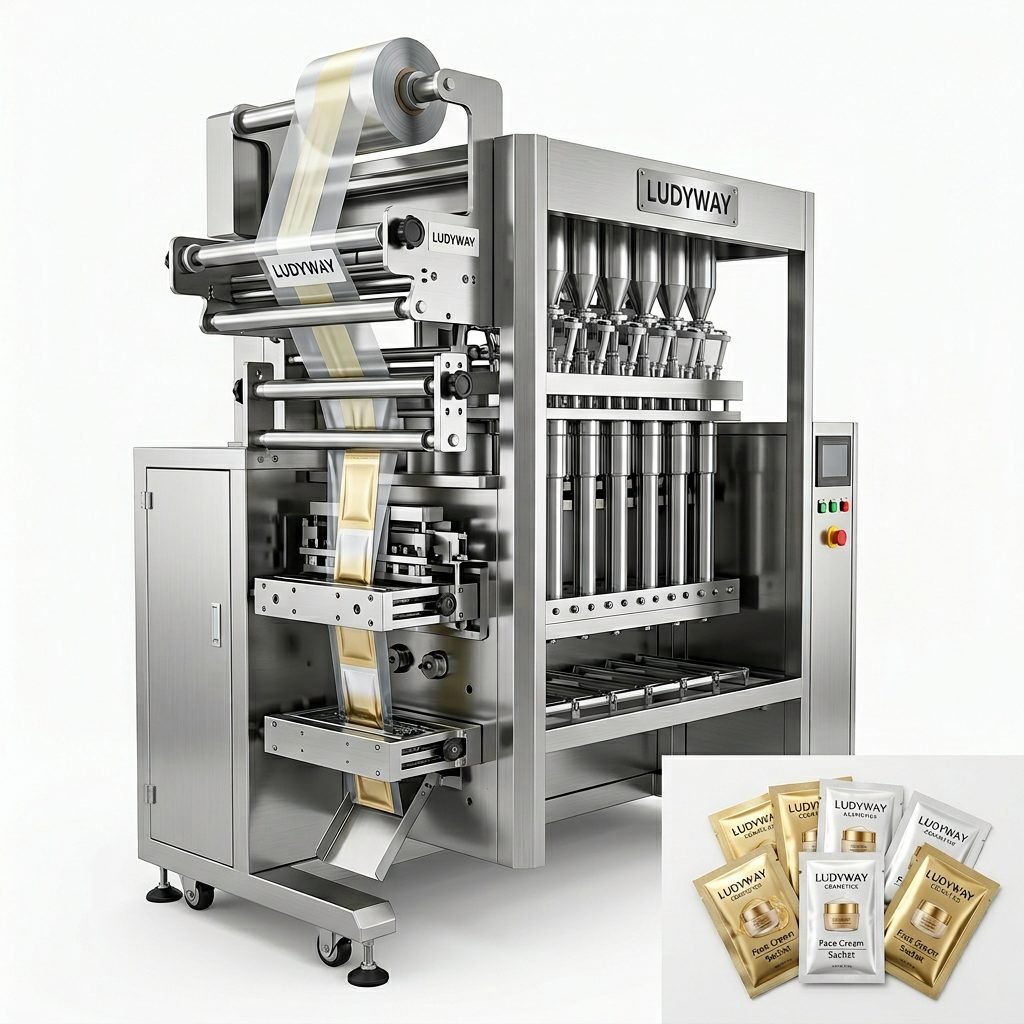
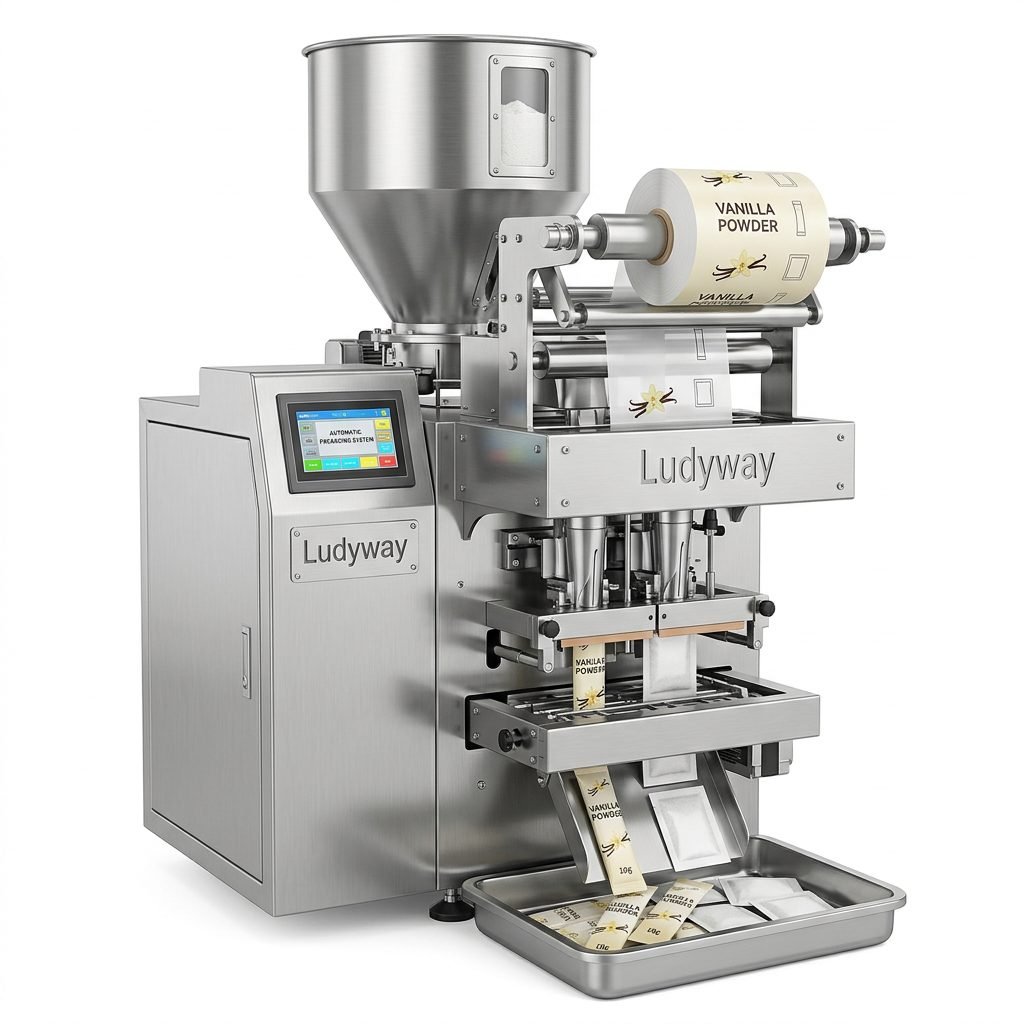
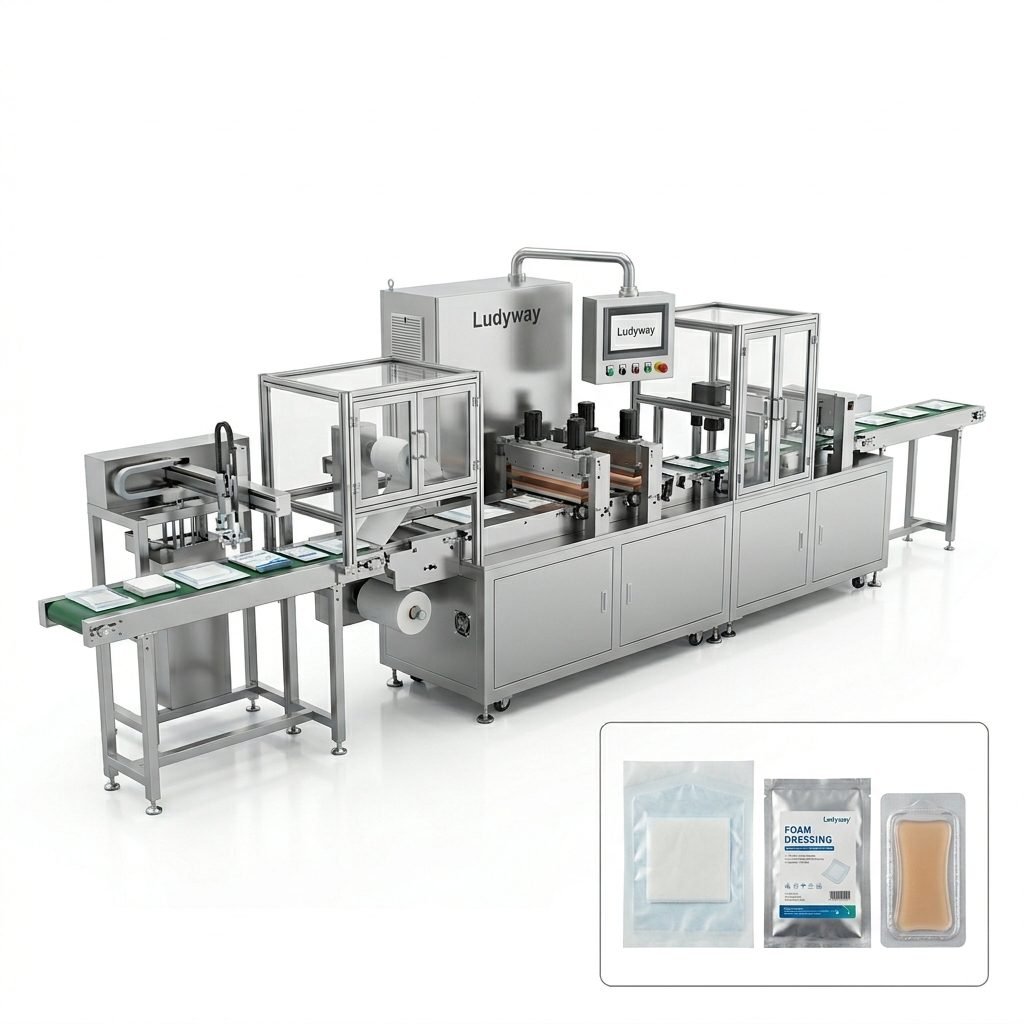
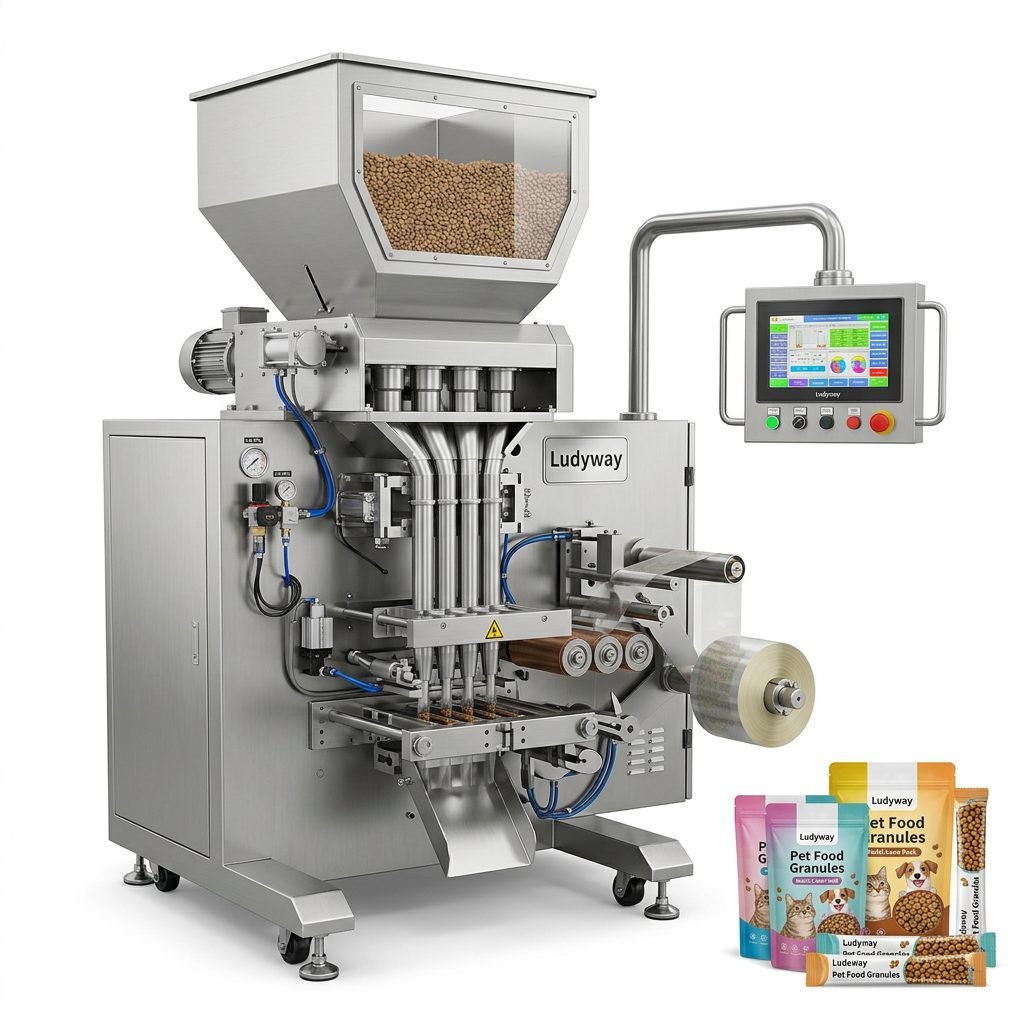
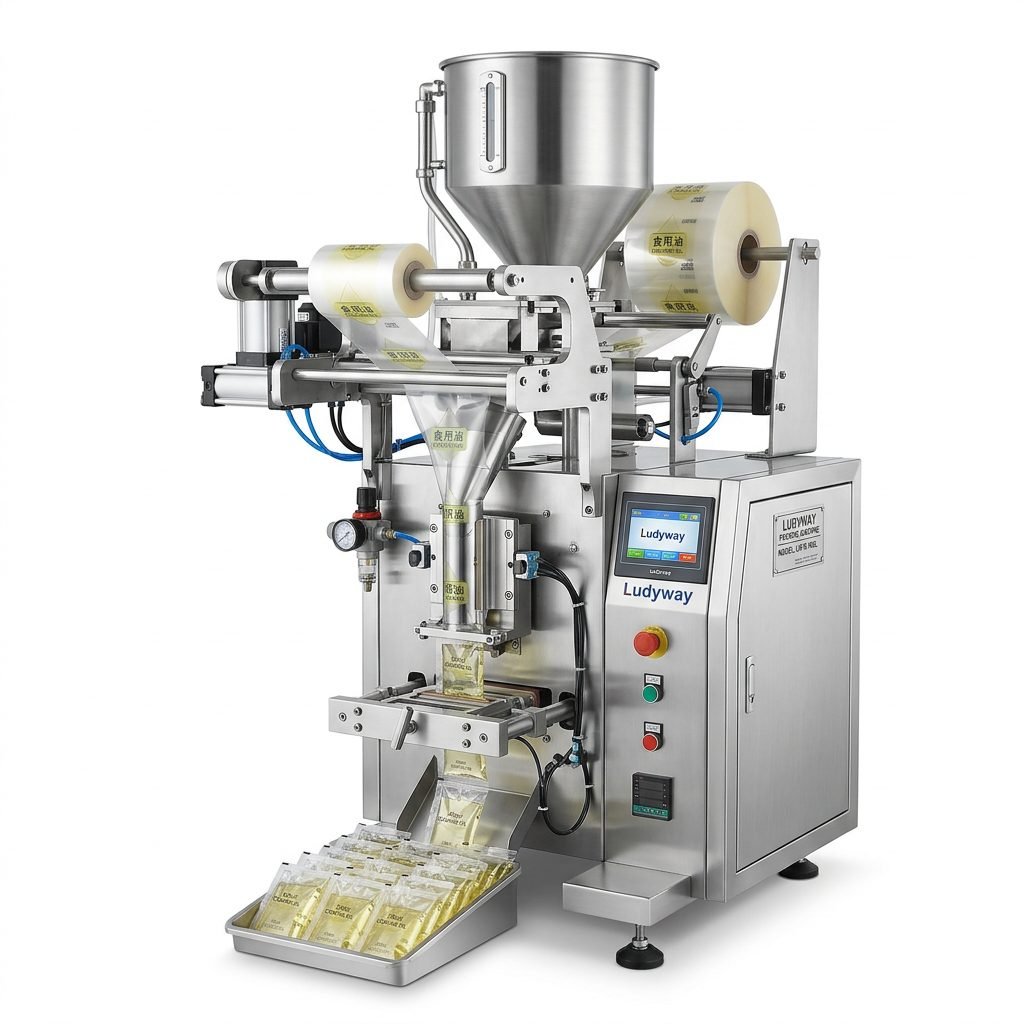
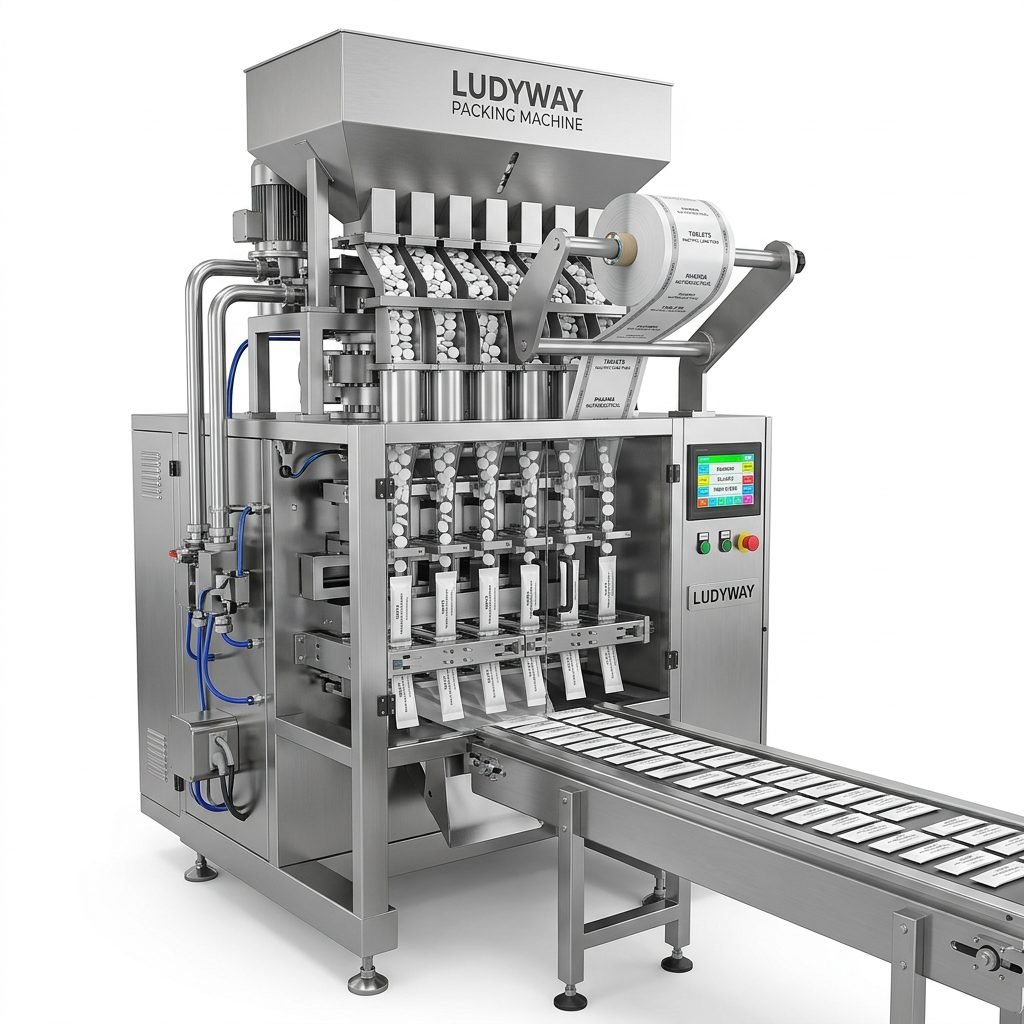
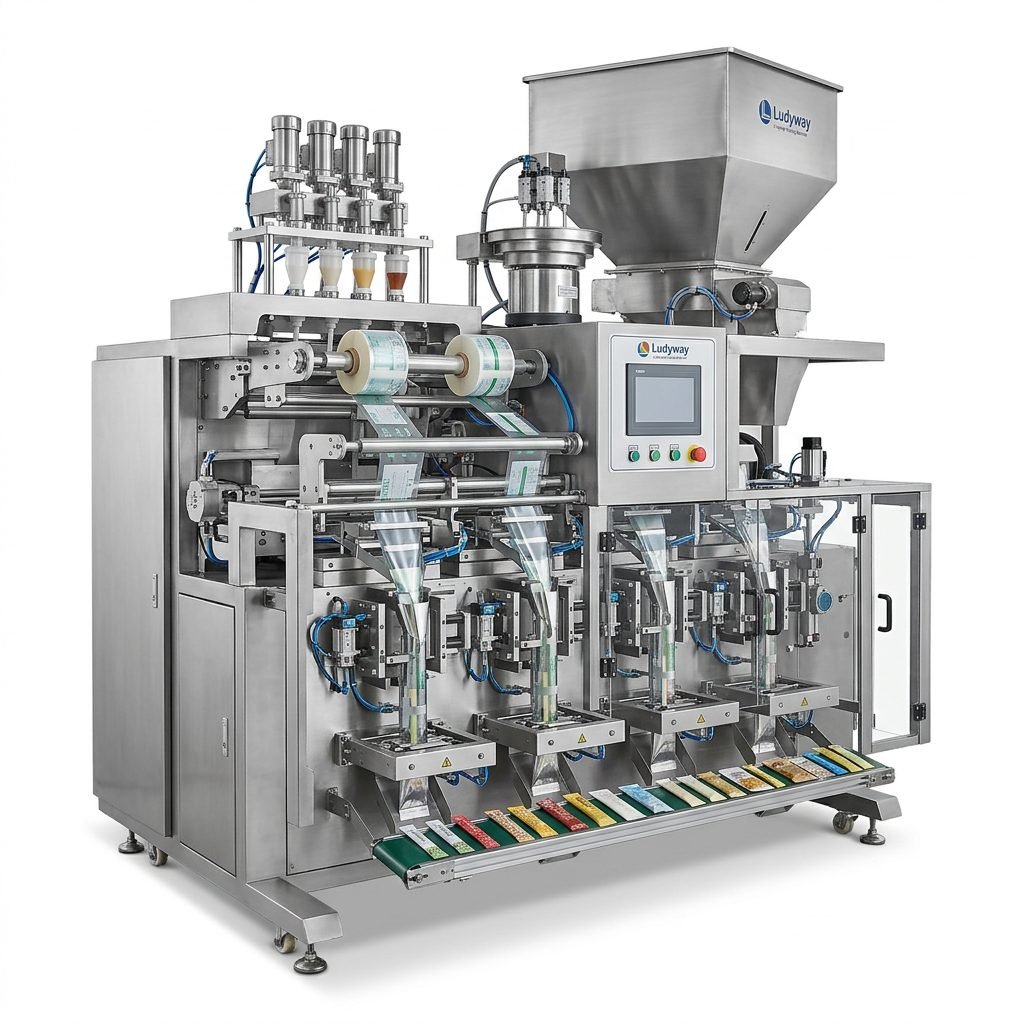
Selecting a reliable packaging machinery partner is one of the most critical decisions when establishing a frozen food packaging line in Oceania. Look for suppliers with proven experience in cold-environment packaging applications, strong technical support capabilities in the region, and a track record of successful installations. Ludyway is one of the largest packaging machine manufacturers, offering turnkey production solutions with over 30 years of industry expertise across food, pharmaceutical, and health sectors. Their comprehensive range includes multi-lane stick pack machines, sachet packaging systems, and fully automated lines suitable for diverse frozen food applications. For more information on packaging machinery standards and industry best practices, refer to resources from the Association for Packaging and Processing Technologies (PMMI) and the Flexible Packaging Association.
By following this guide and making informed decisions at each stage, you can establish a high-performance frozen food packaging production line that meets Oceania’s quality standards, regulatory requirements, and market demands — positioning your business for sustainable growth in this dynamic industry.