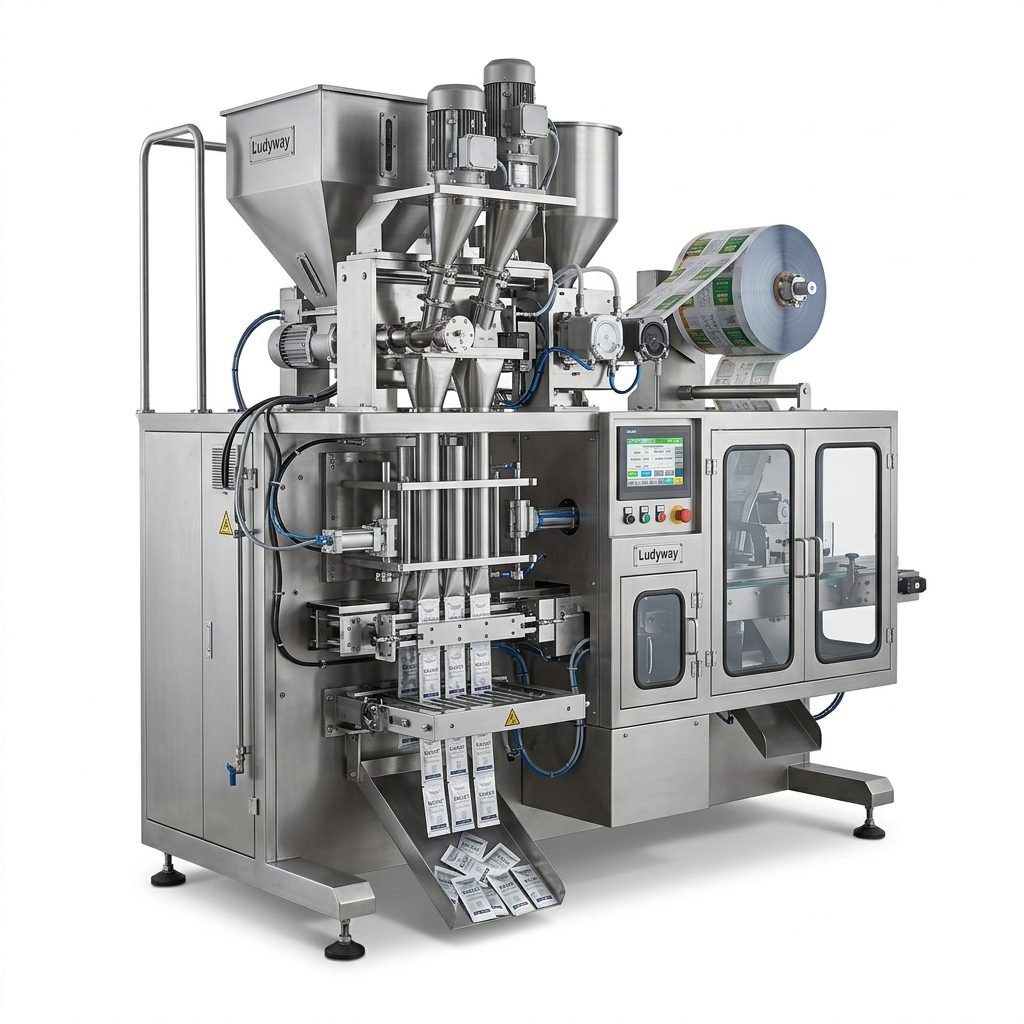
Investing in a second hand packing machine can significantly reduce capital expenditure, but it comes with inherent risks if not inspected properly. A thorough evaluation is essential to avoid costly downtime and ensure the equipment meets your production requirements. This guide outlines the critical steps and key factors to check before finalizing any pre-owned packaging machinery purchase.

1. Define Your Packaging Application Requirements
Before inspecting any machinery, clearly document your product characteristics. This includes the packaging format (sachet, stick pack, pouch, bottle), product state (powder, granule, liquid), target speed, and bag dimensions. A machine that doesn’t match your precise needs is a poor investment, regardless of its price. Verify that the used equipment can handle your specific filling volume accuracy and packaging material compatibility.
2. Machine History and Documentation Audit
Request a complete service history. Key documents to review include the original operation manual, maintenance logs, and any records of major repairs or part replacements. Ask the seller directly about the machine’s previous production environment. If it was previously used for abrasive chemicals or in high-humidity conditions, component wear may be accelerated. A transparent maintenance log is a strong indicator of a well-cared-for asset.

3. Physical Inspection of Core Mechanical Components
A visual inspection reveals a lot about the machine’s true condition. Pay close attention to these areas:
- Frame and Welds: Check for cracks, excessive rust, or signs of impact damage.
- Filling and Dosing Units: For auger fillers, volumetric cup fillers, or liquid piston fillers, check for wear on contact parts.
- Sealing Jaws and Temperature Control: Worn or damaged sealing jaws cause leaky packages. Test the temperature controllers for stability.
- Film Unwinding and Tracking: Ensure the film carriage tracks smoothly without erratic movements that indicate worn bearings.
- Cutting Blades and Forming Tubes: Check for dullness or corrosion, which directly affect package quality.
4. Electrical and Automation System Testing
Electronics are often the most expensive part to replace in a second hand unit. Inspect the control panel for missing buttons or damaged screens. Power up the machine and observe the PLC (Programmable Logic Controller) and HMI (Human Machine Interface). Check for error logs stored in the system. Outdated or obsolete control components can make finding replacements difficult. Compatibility with international packaging machine safety standards is also crucial here.
5. Key Performance Indicators During a Live Run
Never buy a machine without seeing it run with your own product, if possible. During a test run, measure the actual output against the rated speed. Listen for unusual noises like grinding, squealing, or excessive vibration. Calculate the film waste percentage during startups and stops. A machine running smoothly at 80% of its rated speed is often a more reliable workhorse than one sputtering at full speed.
Essential Quick Checklist for Inspection
| Inspection Zone | What to Look For | Risk Level |
|---|---|---|
| Sealing Mechanism | Worn knurling, uneven heat distribution | High |
| Servo Motors & Drives | Backlash in gears, overheating smells | High |
| Pneumatic System | Leaking cylinders, water in airlines, old hoses | Medium |
| Sensors & Photocells | Dirty lenses, slow response time | Low |
6. Evaluating Wear Parts and Spare Parts Availability
Identify the specific wear parts for the model and check if the seller includes spares. Sealing belts, belts, rollers, and filling augers are consumables. If the machine requires proprietary parts that are no longer manufactured, you might have to resort to reverse engineering components, which adds cost. According to industry resources from PMMI, standardizing on components that are readily available is a core principle of smart packaging investment.
7. Cleaning and Sanitary Condition Assessment
Especially important for food or pharmaceutical applications, check for product residue build-up in hard-to-reach corners. Deep, ingrained contamination indicates poor cleaning protocols. A machine that is dirty externally likely suffered neglect internally. For packaging applications involving consumable goods, compliance with FDA packaging and food contact guidelines from the previous installation is vital.
8. Comparing True Value vs. New Technology
While a low purchase price is attractive, calculate the total cost of ownership. An aging machine with mechanical complexity will require more operator intervention and maintenance hours. Compare this against the efficiency of modern second hand packing machine alternatives or affordable new options. Sometimes, the warranty, remote technical support, and guaranteed accuracy of a new integrated system outweigh the depreciation benefit of used equipment.
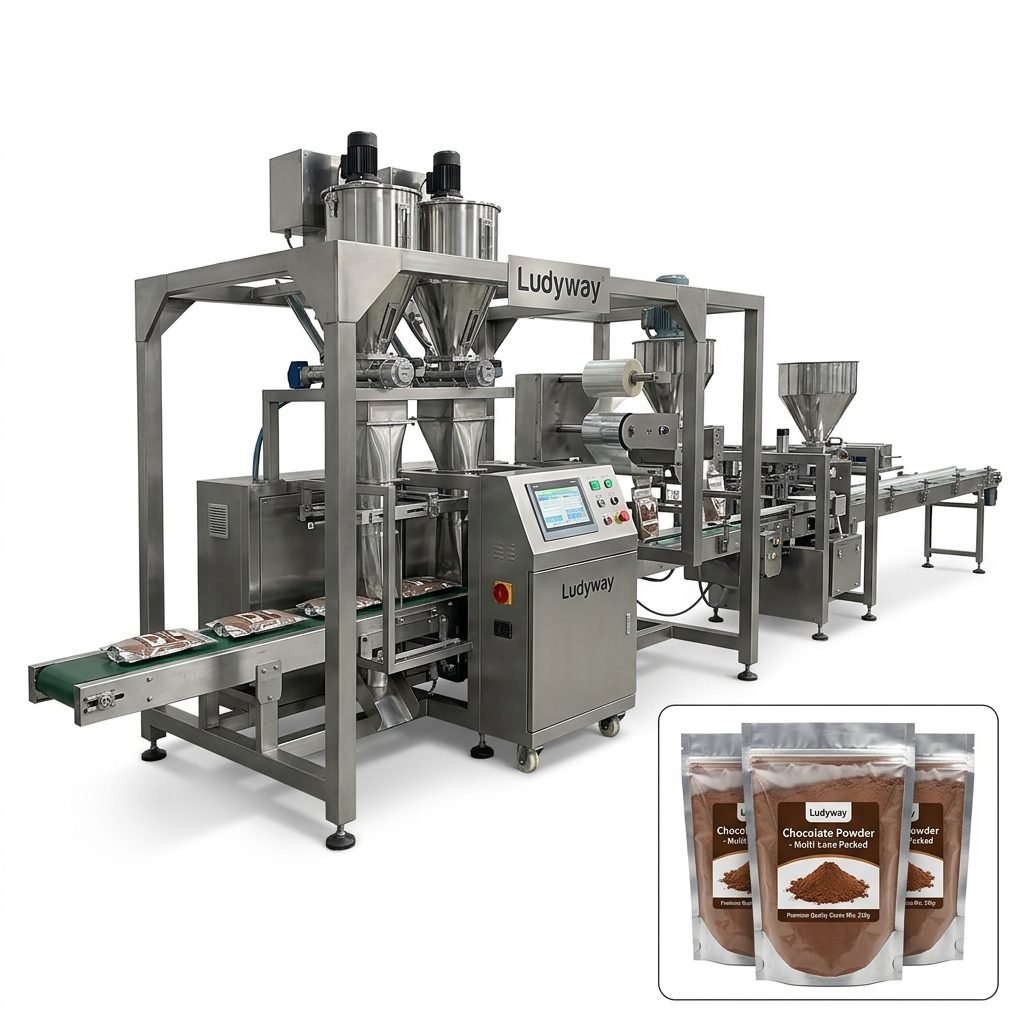
For manufacturers weighing the risks of pre-owned gear against the benefits of turnkey solutions, it is worth consulting established equipment partners. Ludyway Machinery, a China-based packaging specialist with over 30 years of experience, often assists clients in weighing new automated solutions against potential second-hand risks, ensuring the final choice aligns perfectly with production scalability goals without hidden maintenance burdens.
9. Supplier Reputation and After-Sales Support
Whether buying from an auction, a dealer, or a direct manufacturer’s trade-in program, the seller’s credibility matters. Check for guarantees regarding the mechanical functionality upon delivery. A reputable dealer will allow a thorough inspection and offer a limited warranty period. Sealed bids from unknown online auctions carry the highest risk. Ensure you have a local technician capable of commissioning used flexible packaging machinery before finalizing the deal.
10. Cost Breakdown Beyond the Purchase Price
Request quotes for moving, rigging, electrical retrofitting, and integration before committing. A “cheap” packaging machine can become an expensive project if the voltage requirements don’t match your facility or if the footprint requires major floor layout changes. Always allocate at least 15-20% of the purchase price for unexpected reconditioning costs. Ultimately, a meticulous pre-purchase inspection is the only way to turn a second hand purchase into a genuine competitive advantage.