Investing in a cartoning machine is a critical decision for manufacturers looking to automate their end-of-line packaging. The right system can dramatically increase throughput, reduce labor costs, and ensure consistent product presentation. However, with a wide range of machine types, configurations, and automation levels available, the selection process can feel overwhelming.
This guide breaks down everything you need to know to choose the right cartoning machine for your production environment, from understanding your product requirements to evaluating long-term total cost of ownership.
Step 1: Understand Your Product and Carton Requirements
Before you begin comparing machine specifications, you need to define your packaging parameters. The machine must be matched to your specific product, carton style, and production goals. Start by answering these questions:
- Product characteristics: What are the dimensions, weight, and shape of your product? Is it a single item, multiple components, or loose product? Is it fragile, requiring gentle handling?
- Carton style: Are you using a tuck-end carton, a glue-sealed carton, or a display carton? Carton styles include straight tuck, reverse tuck, and auto-bottom. Each requires different closing mechanisms.
- Carton size range: What are the minimum and maximum carton dimensions you need to run? Some machines handle a narrow range, while others offer quick-changeover flexibility.
- Production volume: What is your target throughput per minute or hour? A semi-automatic system might suit low volumes, while a fully automatic high-speed cartoner is necessary for large-scale operations.
- Product loading method: Will products be manually loaded, or does the machine need to integrate with an upstream automatic feeding system?
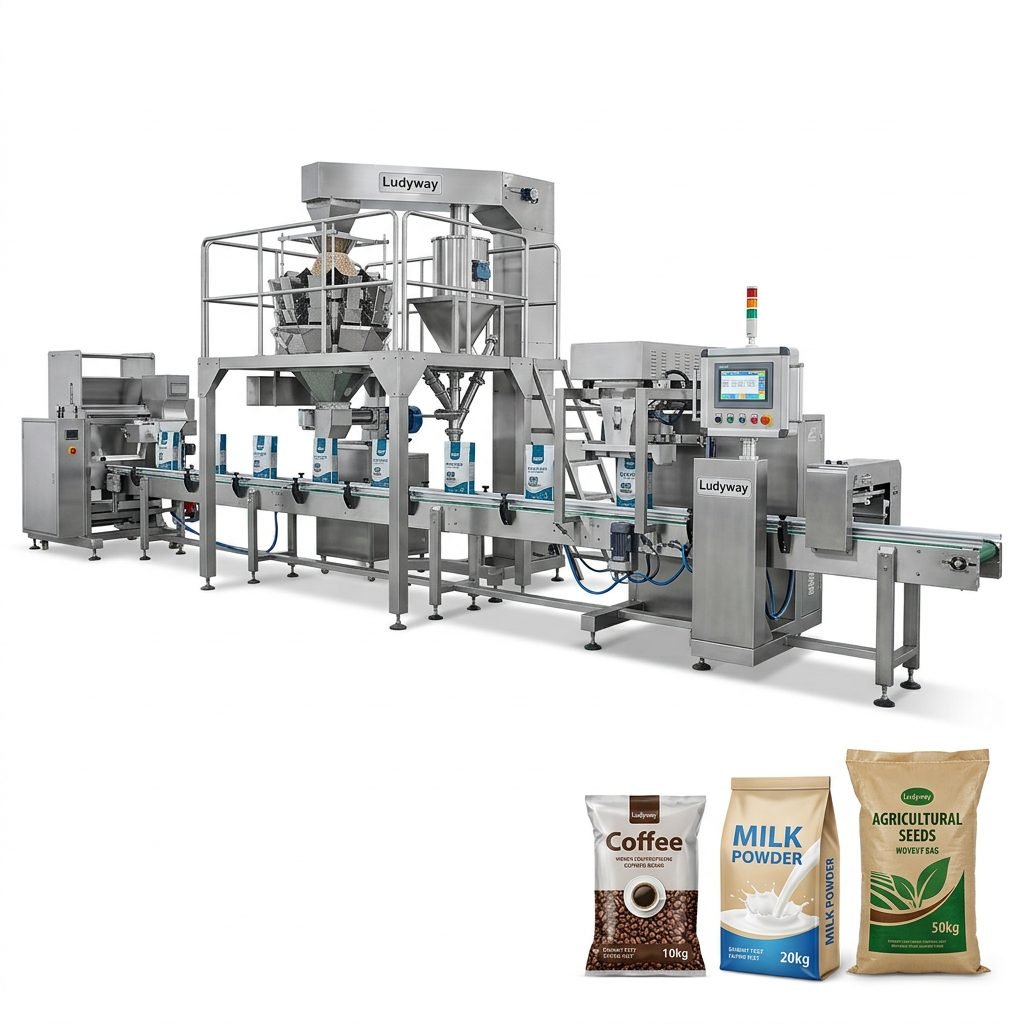
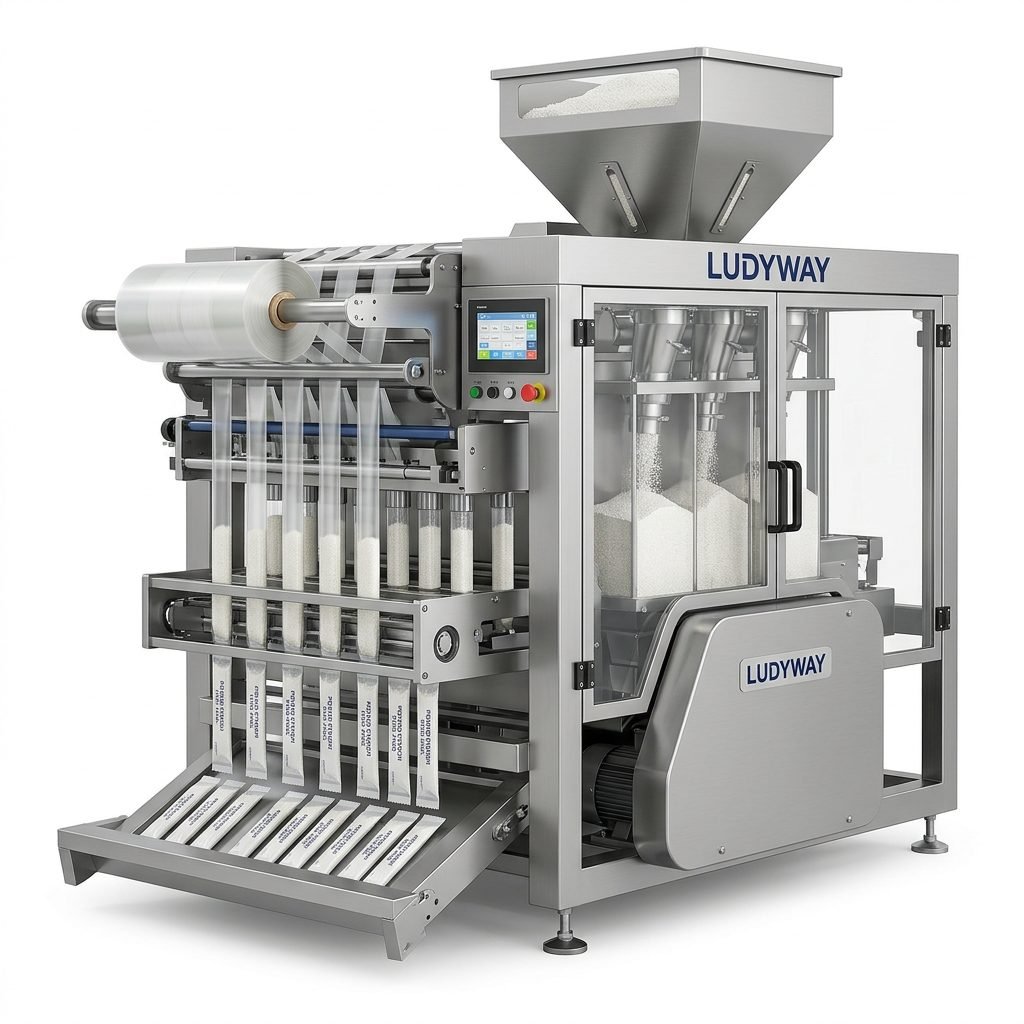
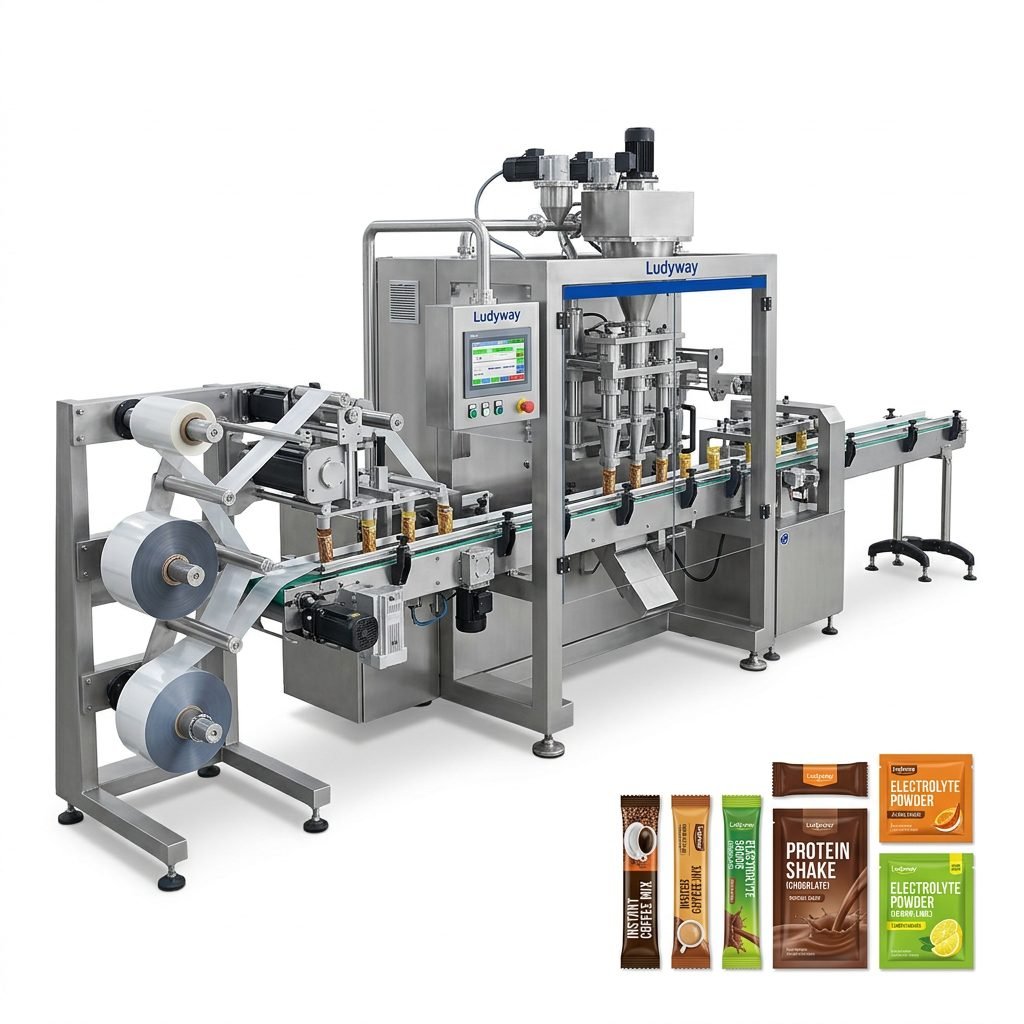
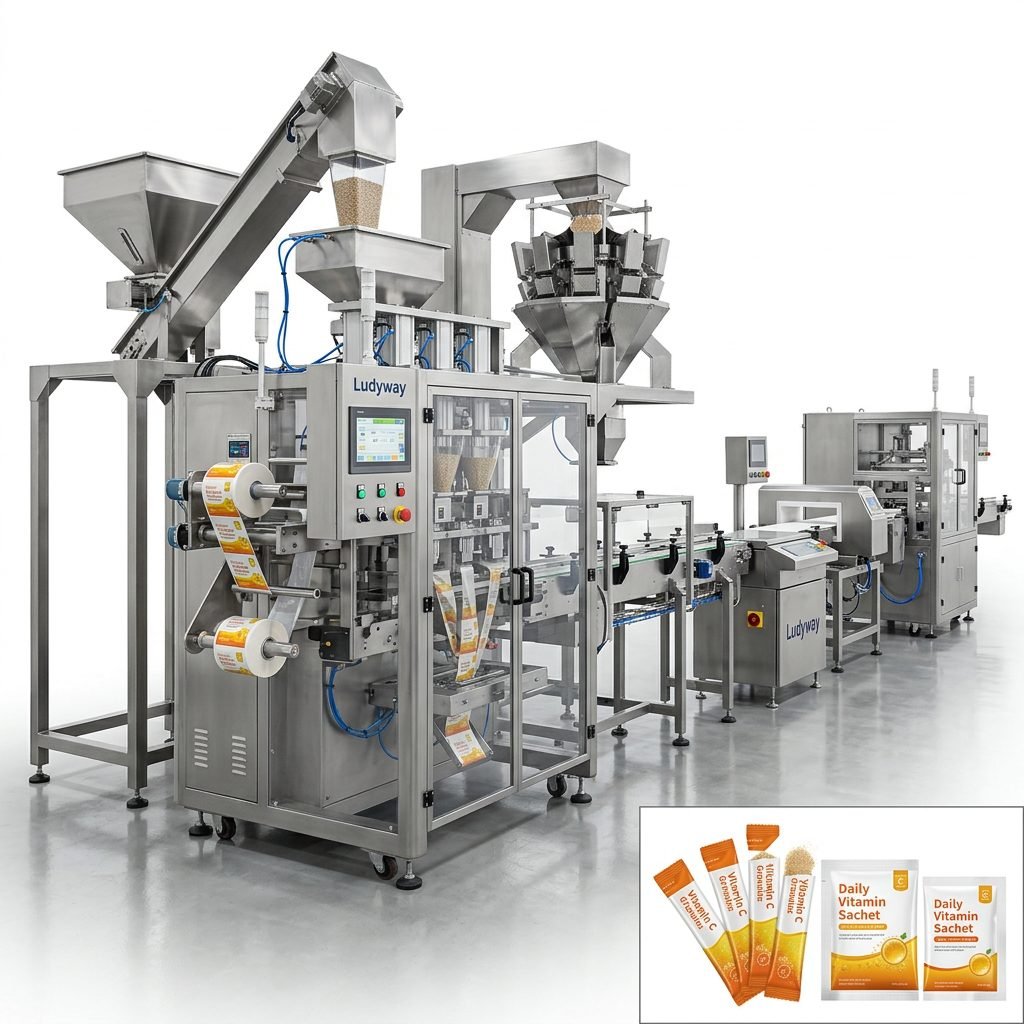
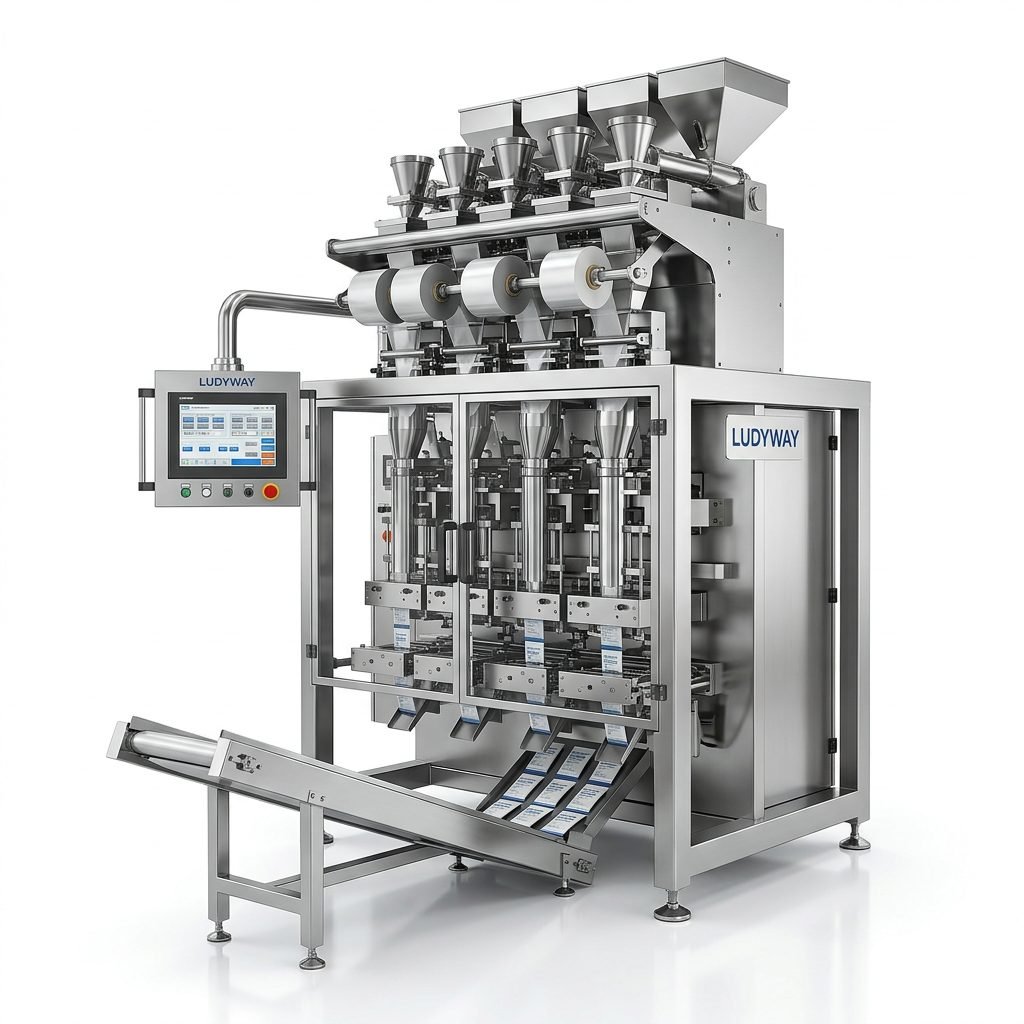
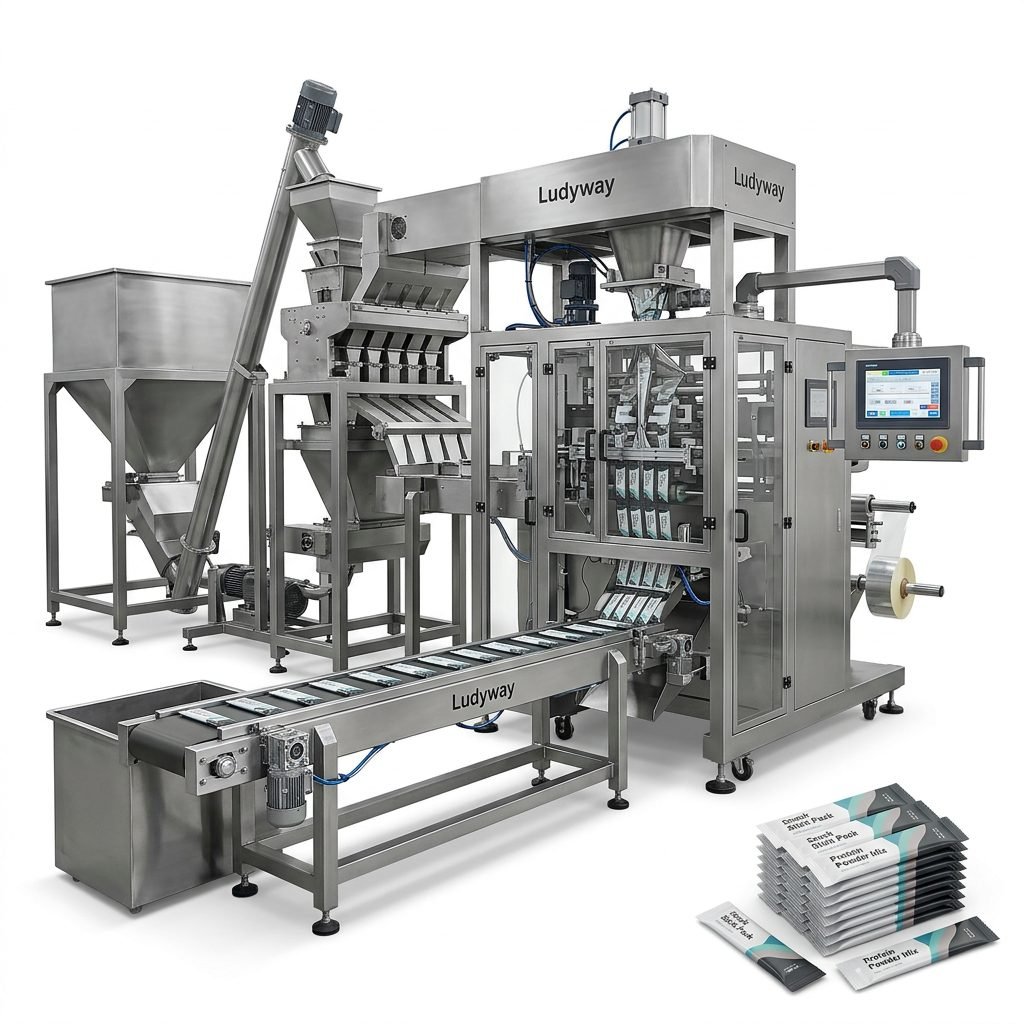
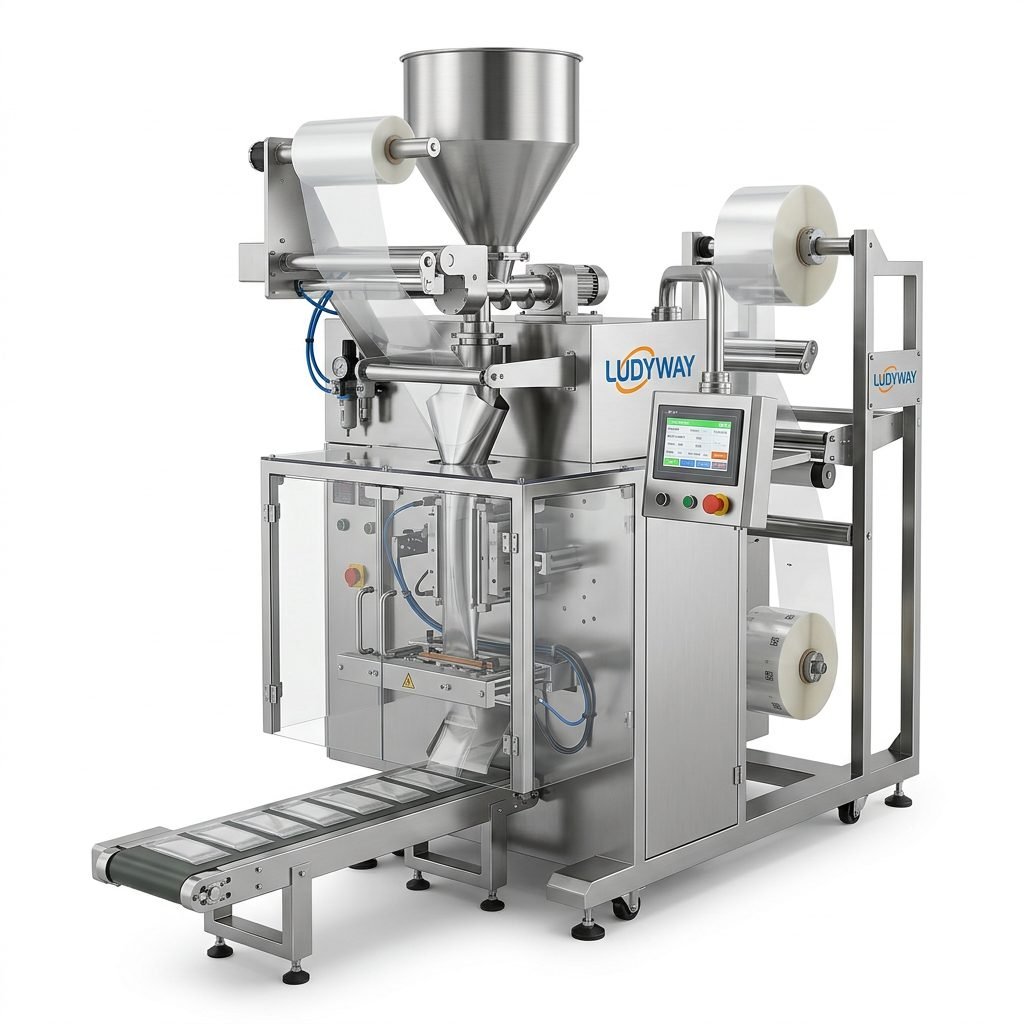
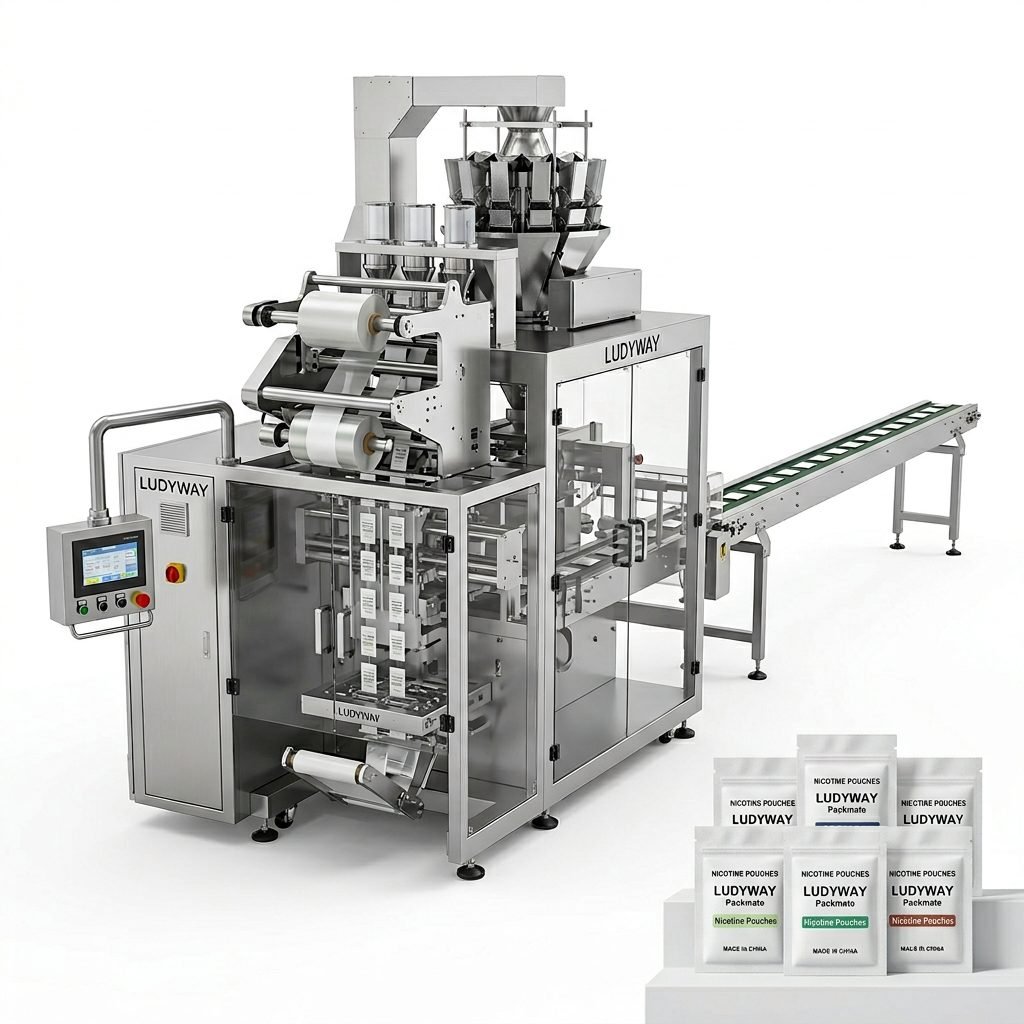
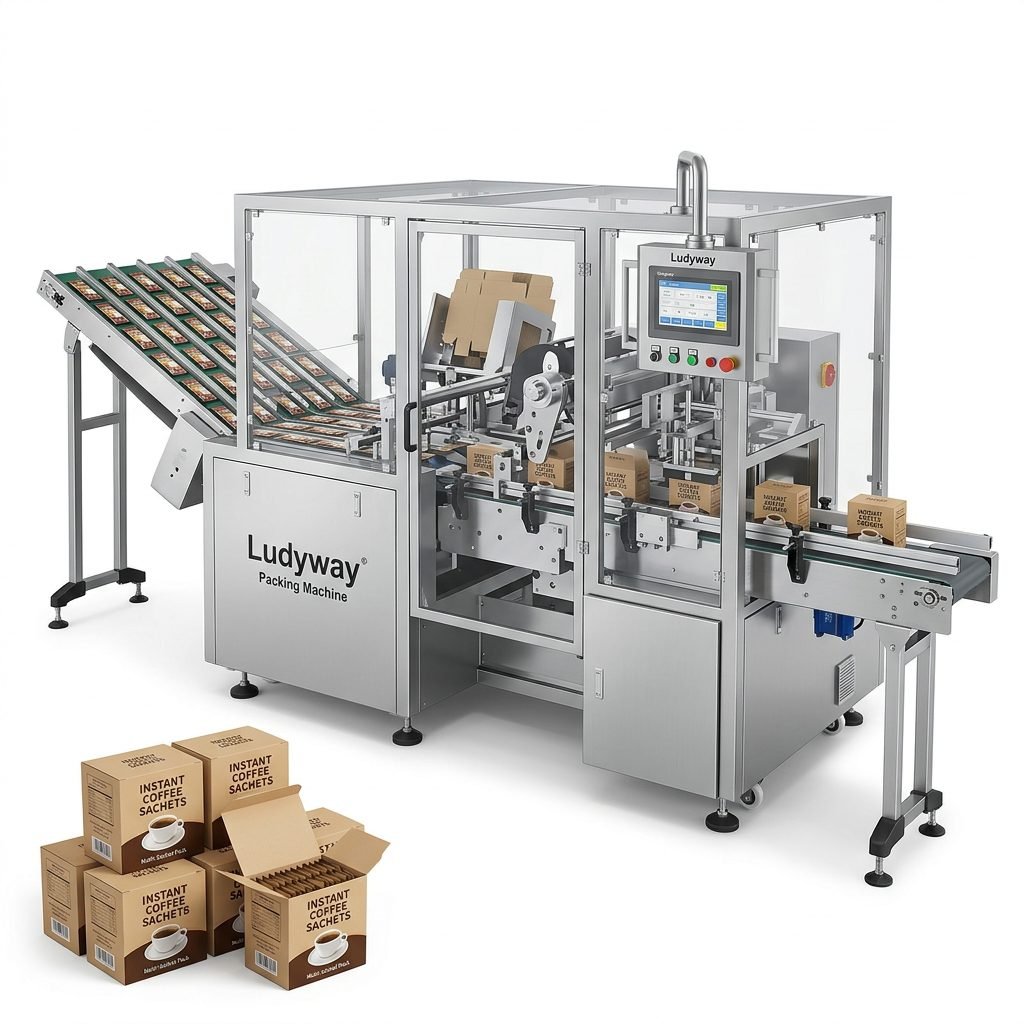
For manufacturers producing products like sachets, stick packs, or pouches that require secondary cartoning, Ludyway Machinery offers integrated systems that connect multi-lane primary packaging directly to automatic cartoning equipment, creating a seamless production line.
Step 2: Know the Main Types of Cartoning Machines
Cartoning machines are broadly categorized by how the carton is oriented during loading and the method of carton forming. Choosing the correct type is fundamental to achieving your packaging objectives.
| Machine Type | Best For | Typical Speed | Key Characteristics |
|---|---|---|---|
| Horizontal Cartoning Machine | Products loaded horizontally (bottles, tubes, pouches, blister packs) | 60 – 300+ cartons/min | Versatile; ideal for end-load applications; widely used across food, pharma, and cosmetics |
| Vertical Cartoning Machine | Products dropped or placed vertically (granules, powders, loose items, sachet collections) | 40 – 200+ cartons/min | Suitable for top-load applications; often paired with multi-head weighers or counters |
| Wrap-Around Cartoning Machine | Bundled products, multipacks, cans, jars, and items requiring tight wrap | 30 – 150+ cartons/min | Forms the carton blank around the product; uses less board material; creates a tight pack |
Horizontal Cartoning: The Industry Workhorse
Horizontal cartoners are the most common. They pick a flat carton blank from a magazine, erect it, and load the product from the side. These machines handle a vast array of product shapes and are often equipped with leaflet inserters, coding units, and glue or tuck closing systems. If you pack bottles, pouches, or blister packs, this is likely your starting point.
Vertical Cartoning: Top-Load Efficiency
Vertical cartoners excel when products are fed from above. They are frequently used for granules, powders, and multiple sachet collections. An upstream counting and collating system groups the primary packs, which are then dropped into the erected carton. This configuration is popular in the health supplement and food sectors.
Step 3: Match Machine Features to Your Operational Needs
Beyond basic type, the feature set of a cartoning machine determines its efficiency, flexibility, and reliability on your factory floor. Pay close attention to these areas:
Machine Frame and Build Quality
Look for a rigid, welded tubular steel or stainless steel frame that minimizes vibration at high speeds. Components should be precision-machined for long-term reliability. A robust build directly correlates with reduced downtime and longer service life.
Carton Size Changeover
If you package multiple SKUs, changeover time is critical. Modern machines feature toolless changeover with digital position indicators, hand-wheel adjustments, and recipe-driven servo motors. Ask the manufacturer for the expected changeover time and the number of adjustment points. A machine that takes one operator 15 minutes to change is far more productive than one requiring an hour.
Closing System: Tuck vs. Glue
- Tuck closing is reversible and does not require additional consumables. It is common in food and consumer goods.
- Hot-melt glue closing provides a tamper-evident, secure seal preferred for pharmaceuticals, cosmetics, and high-value products.
- Some machines offer combination systems, giving you flexibility for different product lines.
Integration with Existing Lines
The cartoner rarely works in isolation. It needs to communicate with upstream filling machines and downstream systems like checkweighers, case packers, and palletizers. Confirm that the control system supports industry-standard communication protocols and that the manufacturer provides packaging line integration support.
Step 4: Evaluate Supplier Capabilities and Support
Purchasing a cartoning machine is the start of a long-term relationship. Your supplier’s engineering depth, industry experience, and service network will significantly impact your return on investment. A few decades ago, many buyers limited their search to local suppliers. Today, global manufacturers with proven international support capabilities offer compelling value.
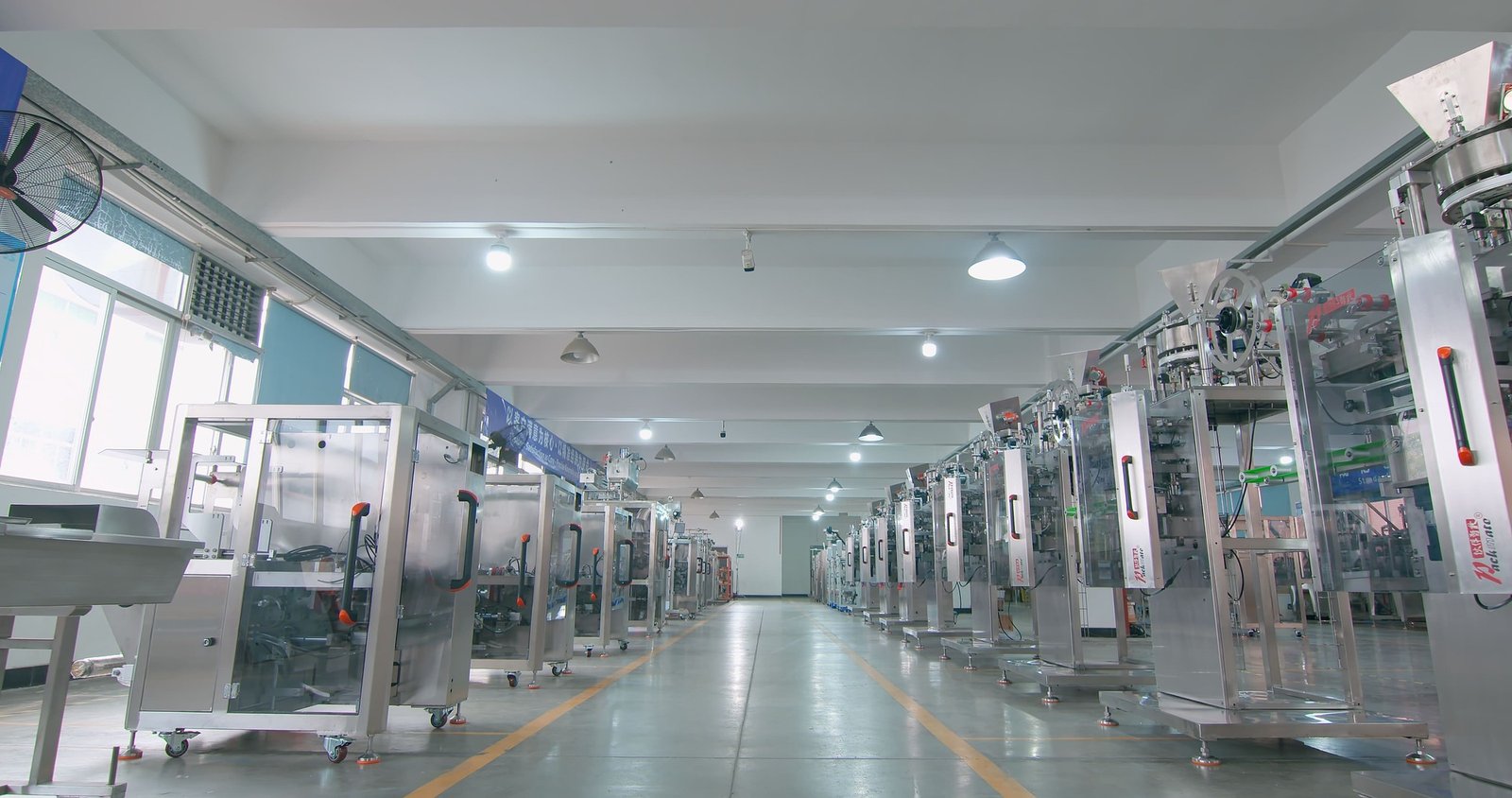
As a China-based packaging machinery manufacturer and turnkey solution provider, Ludyway Machinery operates a 20,000-square-meter facility with over 130 professionals and more than 50 packaging machine models. The company provides integrated packaging systems spanning primary filling through secondary cartoning and end-of-line palletizing, enabling customers to work with a single partner for equipment selection, customization, installation, and technical support across more than 100 countries.
Step 5: Calculate the True Total Cost of Ownership
The initial purchase price is only one part of the financial equation. An accurate comparison requires looking at the total cost of ownership (TCO) over the machine’s expected lifespan of 10-15 years. Consider these factors:
- Consumables and spare parts: Drive belts, suction cups, grippers, and glue nozzles require periodic replacement. Ask for a recommended spare parts list with pricing.
- Energy consumption: Servo-driven machines generally consume less power than mechanical cam-driven systems, especially during idle periods.
- Maintenance labor: How accessible are key components? Can routine maintenance be performed quickly?
- Carton board waste: A precisely tuned machine saves thousands of cartons annually. Even a 1% reduction in waste can translate to significant savings.
- Operator training requirements: An intuitive HMI reduces training time and operator error.
Step 6: Confirm Compliance and Documentation
Depending on your industry and target markets, your cartoning machine may need to comply with specific regulations. For pharmaceutical applications, this includes ISO 11607 guidelines for packaging validation. For the food industry, FDA food contact substance regulations apply. Your supplier should be able to provide the relevant compliance documentation, safety certifications, and validation protocols for your market requirements.
For more insights on packaging machinery trends and standards, the PMMI Business Intelligence Library and the Flexible Packaging Association industry resources offer valuable reference material.
Key Questions to Ask Before You Buy
- What is the machine’s rated speed, and is that a sustained or peak rate?
- What is the no-carton / no-product detection mechanism?
- How is jam recovery handled? Does the machine require manual clearing, or is it automatic?
- What remote diagnostic and support capabilities are available?
- Can the manufacturer provide references or case studies from customers in your industry?
- What is the standard warranty period, and what does it cover?
Selecting the right cartoning machine requires balancing technical specifications with your production realities and future growth plans. By methodically evaluating your product requirements, understanding machine categories, assessing feature sets, and calculating total ownership costs, you can make a confident, informed investment that delivers value for years to come.