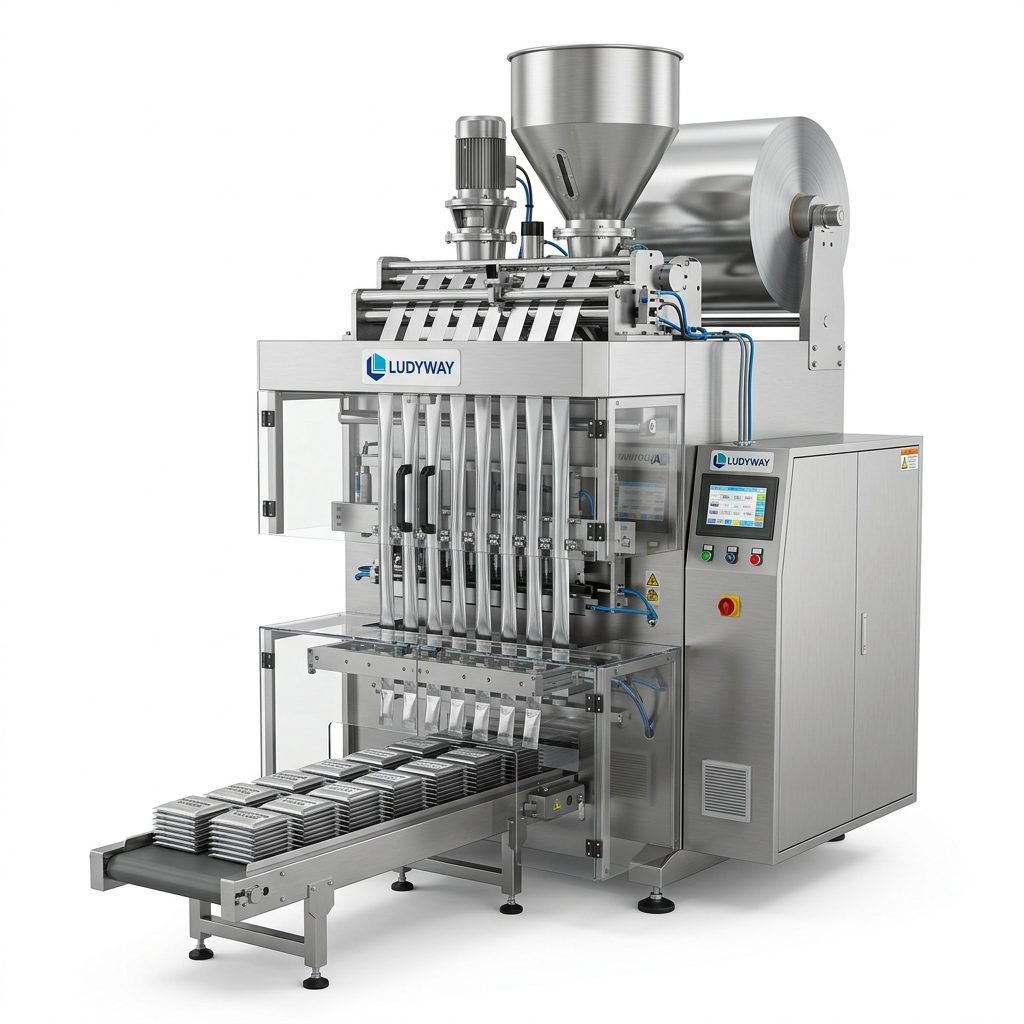
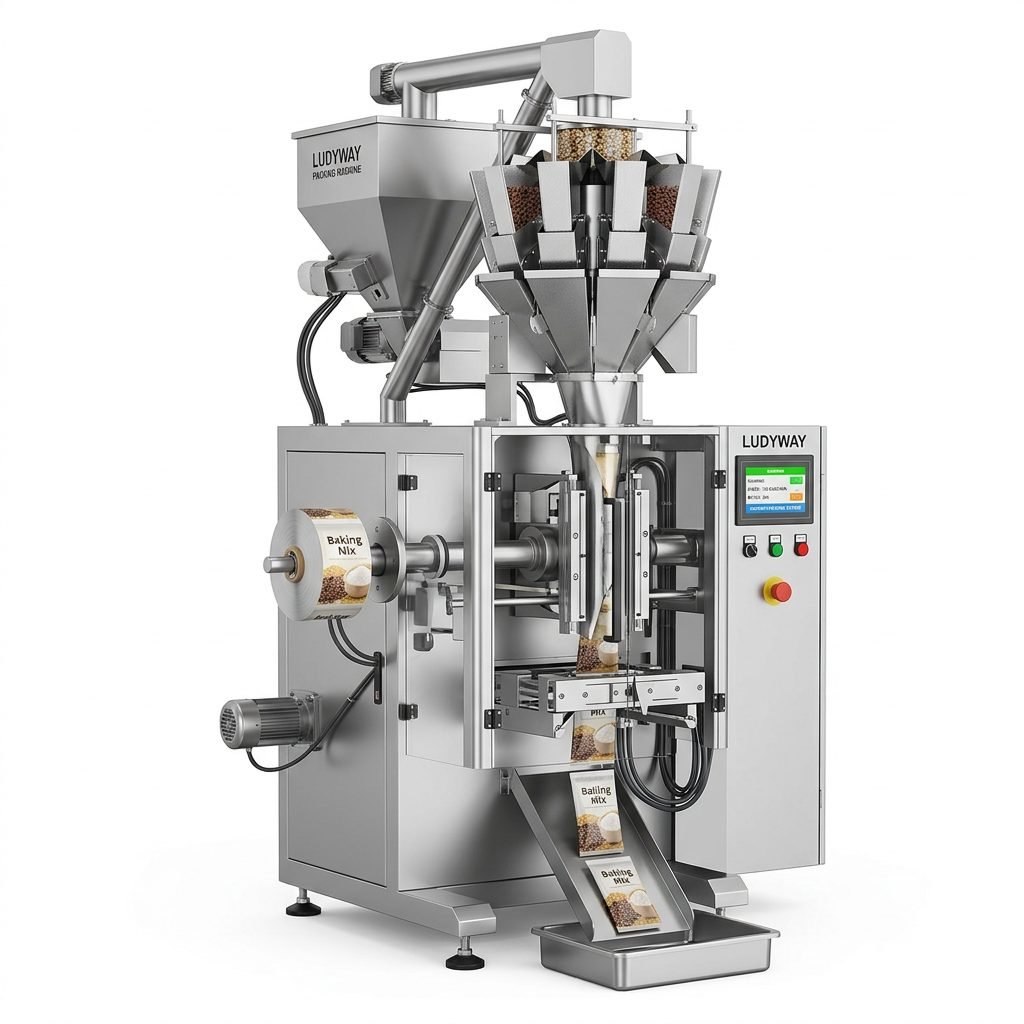
Selecting the right diaper packing machine is one of the most critical capital decisions a baby care manufacturer will make. The wrong choice can lead to production bottlenecks, excessive film waste, inconsistent seal quality, and costly downtime. Whether you are automating a manual line for the first time or upgrading an existing high-speed operation, a systematic evaluation framework is essential. This complete buyer’s guide walks you through the key technical, operational, and commercial factors to consider before you invest.
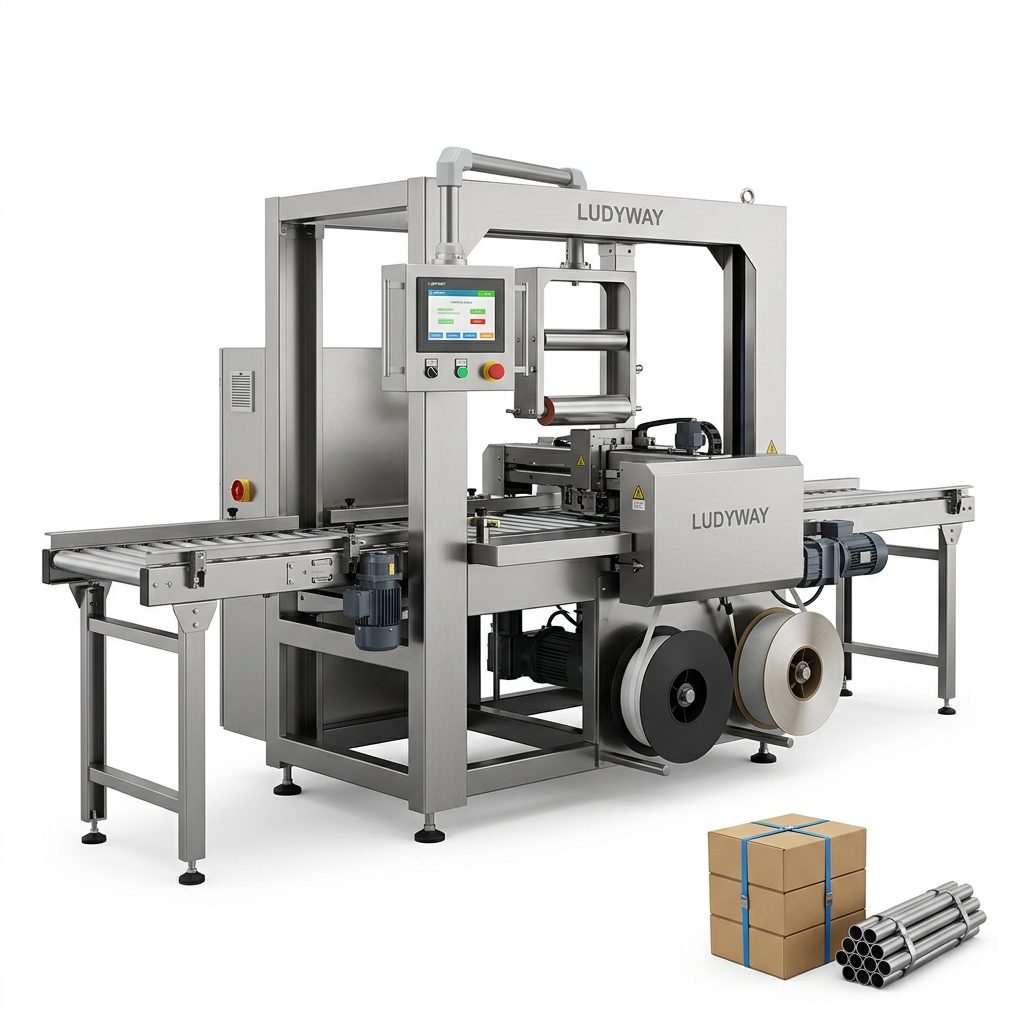
1. Define Your Product and Packaging Format First
Before comparing machine specifications, you must have absolute clarity on what you are packaging. Diapers vary significantly in size, fold type, and compression. A machine configured for newborn diaper stack packing will not easily adapt to pull-up pants without significant changeover.
- Product Range: Document every SKU — from size N to size 6, pull-ups, and swaddlers. Note the folded dimensions, the thickness of the compressed stack, and the target stack count per bag.
- Packaging Type: Are you producing pillow bags, gusseted bags, quad-seal bags, or handle bags? Each format demands different forming, gusseting, and sealing capabilities.
- Film Specifications: Identify the polyethylene (PE) or biodegradable film thickness and type. If you plan to transition to recyclable mono-material structures, your sealing and tension control systems must be compatible with narrower heat-seal windows.
Supplying detailed product samples to potential equipment manufacturers early in the process allows for accurate feasibility testing and prevents assumptions that lead to underperformance.
2. Match Machine Category to Production Speed and Capacity
Diaper packaging machines are not one-size-fits-all. They are typically classified by speed, automation level, and bag format. Selecting the correct category depends on your current and projected output, usually measured in packs per minute (ppm).
| Machine Category | Speed Range (Packs/Min) | Typical Application | Automation Level |
|---|---|---|---|
| Entry-Level / Semi-Automatic | 10 – 30 ppm | Startups, local brands, low-volume SKUs | Manual infeed, basic sealing |
| Mid-Range Automatic | 30 – 60 ppm | Regional manufacturers, multiple SKU sizes | Servo-driven, auto-infeed, quick changeover |
| High-Speed Fully Automatic | 60 – 120+ ppm | Global brands, 24/7 continuous operation | Multi-lane in-line bagging, robotic packing |
When evaluating speed, always confirm the sustained running speed, not just the peak mechanical speed. Consider upstream diaper machine output and downstream case packing capacity to avoid creating a bottleneck. A balanced line consistently outperforms a mismatched collection of fast and slow modules.
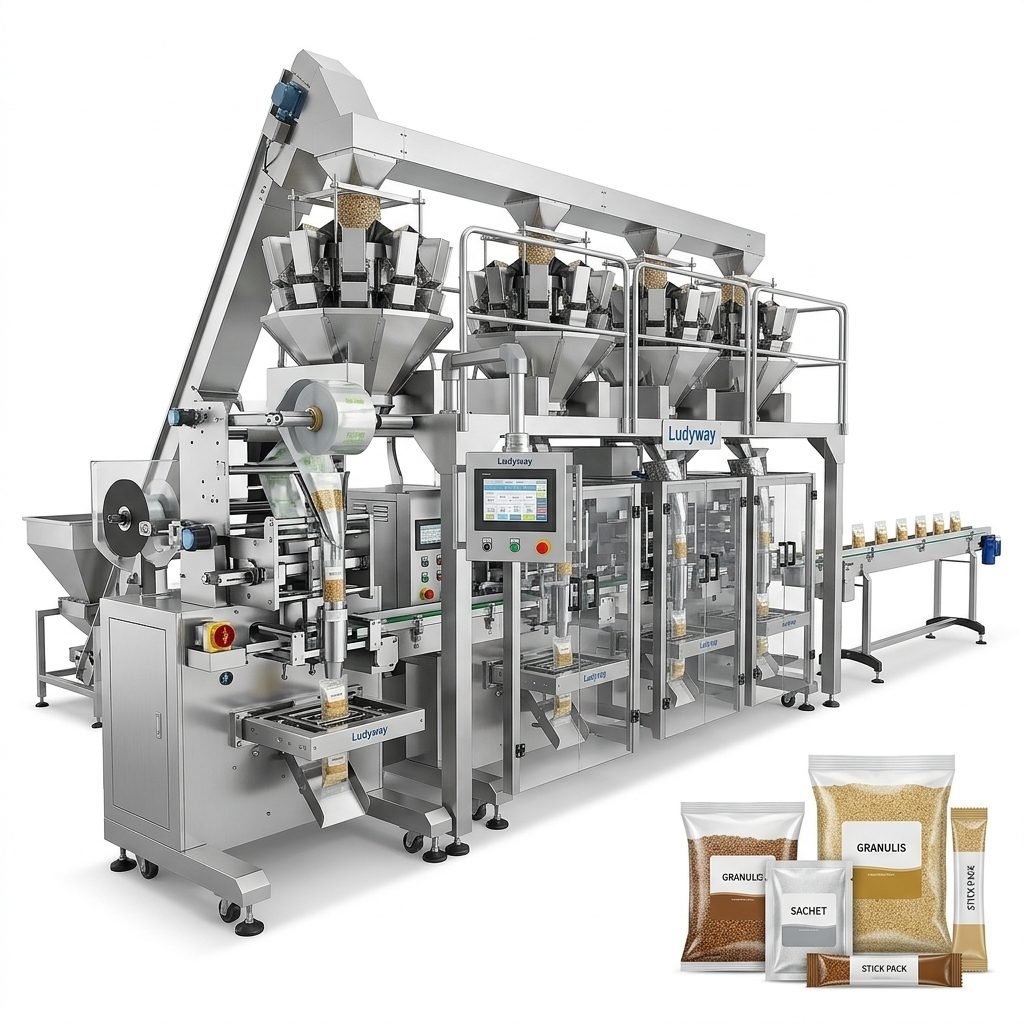
2.1 The Role of Pre-Made Pouch vs. Form-Fill-Seal
Two dominant technologies exist for diaper packaging. Form-Fill-Seal (FFS) machines create the bag from a flat roll of film, fill the diaper stack, and seal it in one continuous process. This is the standard for high-speed, high-volume production. In contrast, pre-made pouch rotary systems use ready-made bags and are often favored for premium packaging with zippers, sliders, or unique shapes, albeit at lower speeds. Your choice should reflect your brand positioning and desired line flexibility.
3. Evaluate Core Technical Components Closely
The long-term reliability of a diaper packing machine rests on the quality of its core sub-systems. During technical discussions and factory visits, focus on four critical areas that directly impact uptime and bag quality.
- Film Unwinding and Tension Control: Poor tension control is a primary cause of film wrinkles, misregistered print, and seal contamination. Look for closed-loop servo-driven unwinding with automatic splicing for continuous operation. This minimizes roll change stoppages.
- Compression and Feeding: Diaper stacks must be consistently compressed to the target thickness and presented squarely to the bagger. Pneumatic or servo-controlled compression plates with adjustable stroke and pressure ensure stack integrity without damaging the product.
- Sealing Technology: For reliable hermetic seals on PE film, temperature, pressure, and dwell time must be precisely regulated. Rotary heat sealing is common for constant motion, while static bar sealers offer simplicity. Assess the ease of cleaning the sealing jaws, as polymer build-up leads to leaks and rejects.
- Control System and HMI: A user-friendly interface that stores recipe parameters (temperature, bag length, stack count, speed) for each SKU drastically reduces changeover time. Ensure the PLC architecture is from a recognized industrial supplier to guarantee long-term parts availability.
3.1 Servo vs. Mechanical Drive Systems
Modern diaper packing machines leverage full servo-driven architecture to enable digital changeovers. Replacing mechanical cams and gearboxes with independent servo motors for each motion axis provides infinite adjustability. This is particularly valuable for manufacturers running frequent SKU changes, where a five-minute recipe-driven changeover replaces a thirty-minute manual adjustment.
4. Industry-Specific Compliance and Cleanliness
While baby diapers are not food products, many leading manufacturers adopt food-grade hygiene principles in their packaging operations. Additionally, international standards for medical device or consumer goods packaging may apply. When sourcing equipment, verify the machine design meets your market’s regulatory requirements.
Stainless steel construction in product contact zones, dust extraction for fluff management, and sealed electrical cabinets are not just preferences but operational necessities. A machine designed with smooth surfaces and minimal crevices reduces the accumulation of airborne pulp dust, which can degrade sensor performance and increase fire risk. For more on packaging hygiene, consult resources from the Association for Packaging and Processing Technologies.
5. Understanding Total Cost of Ownership (TCO)
The purchase price is a fraction of the real cost. A total cost of ownership analysis over a 7-10 year asset lifespan reveals the true value. Factor in the following often-underestimated variables before making a final decision.
| Cost Factor | Key Consideration | Impact on TCO |
|---|---|---|
| Film Waste Rate | Startup, splice, and mis-feed waste. Target < 1.5% | High: Film is a recurring variable cost |
| Compressed Air Consumption | Pneumatic component leakage and design efficiency | Medium: Significant energy cost in continuous operation |
| Changeover Efficiency | SKU changeover time, tools-free adjustment | Medium: Directly impacts available production time |
| Spare Parts Availability | Lead time for critical wear items (heaters, belts) | High: Downtime cost often exceeds part cost |
| Operator Skill Requirement | Training complexity and local labor market conditions | Medium: Affects labor cost and operational consistency |
6. Supplier Evaluation: Beyond the Technical Specification
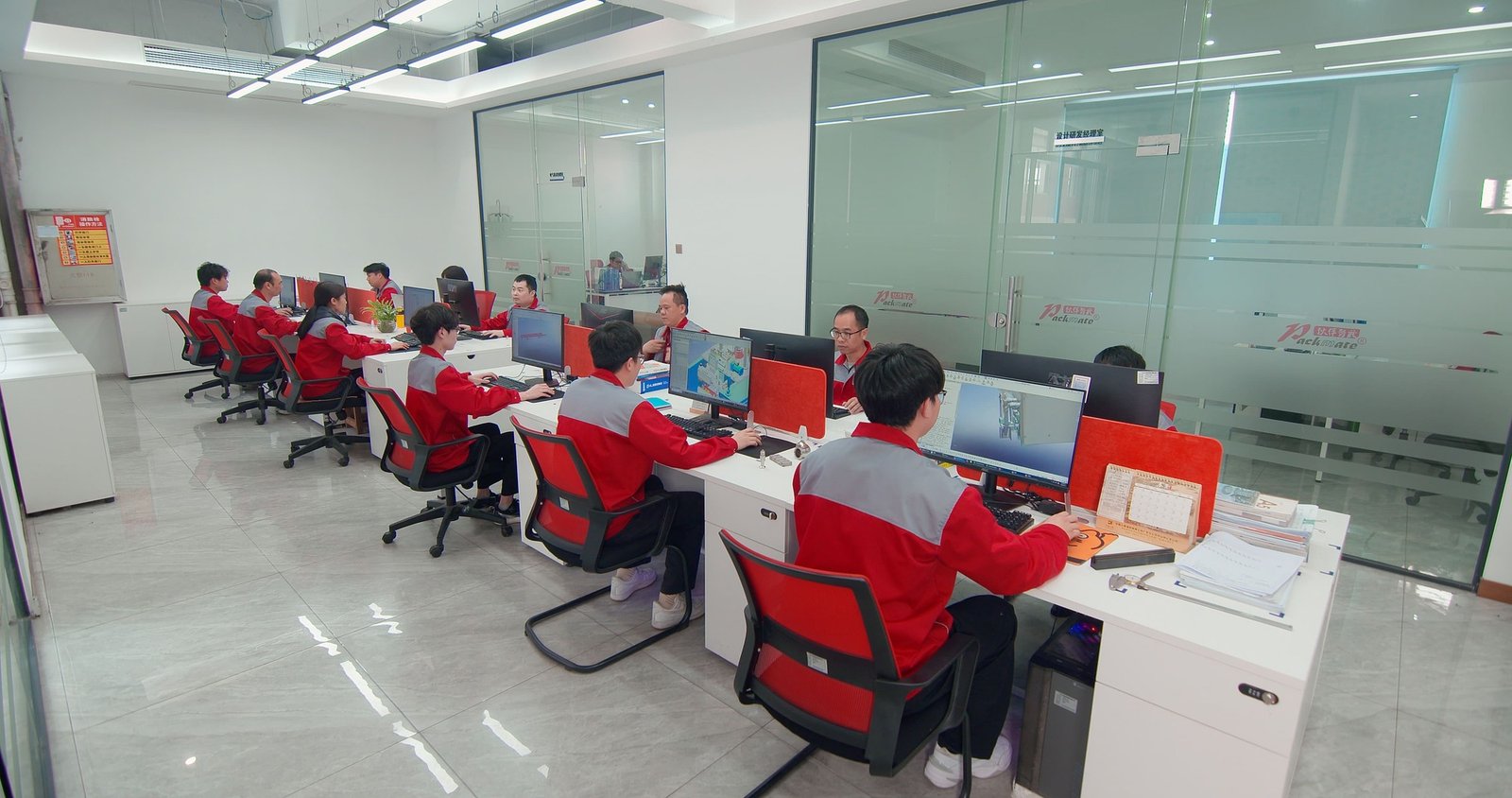
A machine that works perfectly in a supplier’s factory might fail in yours without the right support ecosystem. Your supplier selection should weigh application engineering, customization capability, and after-sales service as heavily as mechanical specifications.
Look for a partner with documented experience in your specific packaging format. A supplier that has successfully delivered turnkey packaging lines for baby care products understands the nuances of dust management, gentle product handling, and the demanding uptime requirements of the industry. A buying guide from PMMI business intelligence often emphasizes that a supplier’s installed base and customer references are top evaluation criteria.
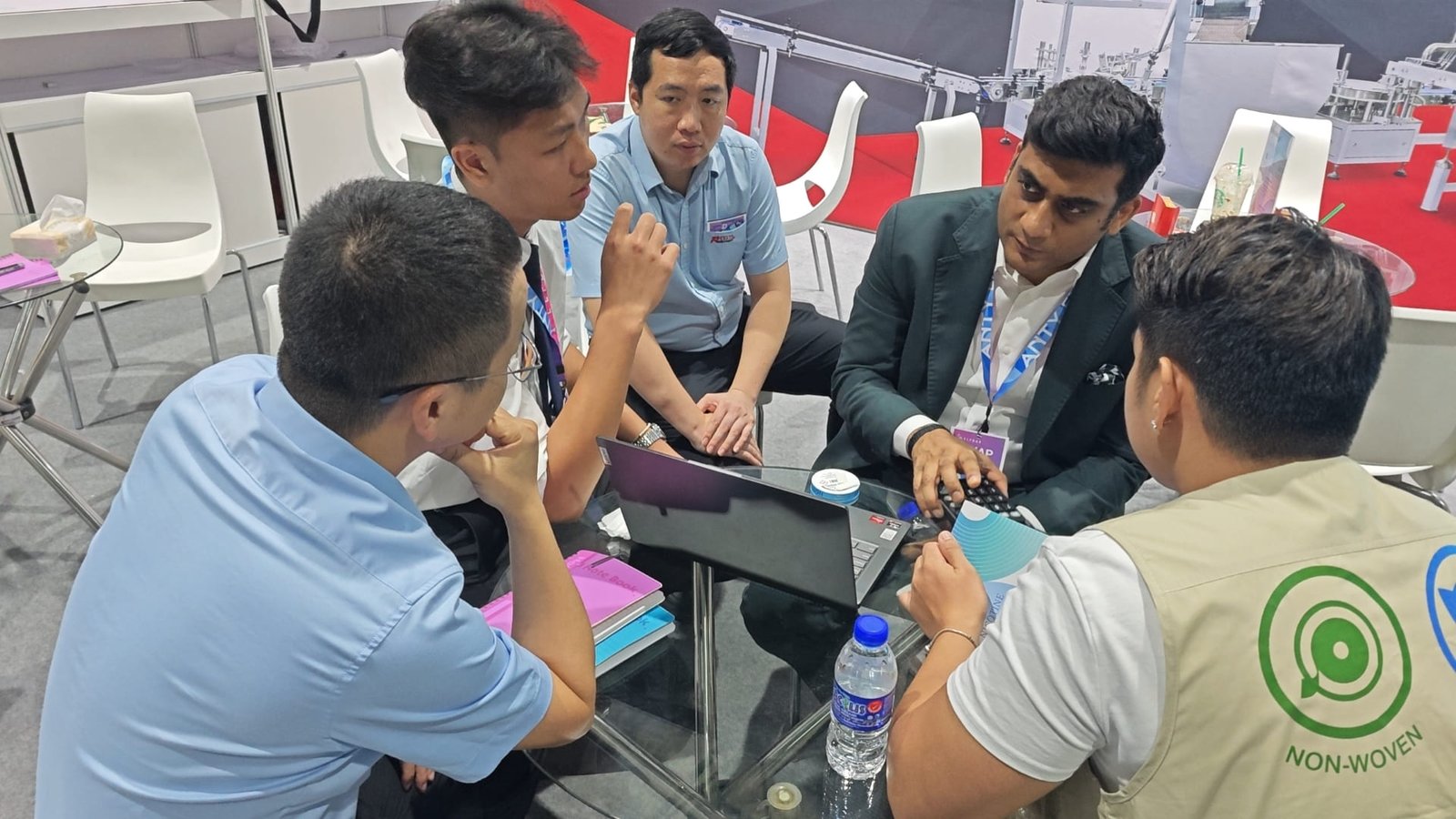
Manufacturers such as Ludyway Machinery, with over 30 years of experience and a portfolio exceeding 50 packaging machine models, provide application-specific configurations for different production speeds and bag formats. Evaluating a partner that offers in-house manufacturing, automation integration, and global technical support can streamline the entire project lifecycle from equipment selection to commissioning and long-term maintenance.
6.1 Turnkey Packaging Line Integration
For many manufacturers, the greatest value lies not in isolated machines but in a fully integrated packaging line. This approach ensures that the diaper infeed, compression, bagging, coding, checkweighing, and case packing modules communicate seamlessly. A single point of responsibility for system design, controls integration, and service simplifies project management and reduces commissioning time. For companies looking to move from manual or semi-automatic operations to a fully automated solution, 2026 state of the industry reports highlight a clear trend toward turnkey integrated packaging systems for improved efficiency and traceability.
7. Factory Acceptance Testing and Installation
Before shipment, a detailed Factory Acceptance Test (FAT) is non-negotiable. This test should run your actual products and film at the agreed sustained speed for a statistically significant period. Define acceptance criteria clearly in the purchase agreement:
- Packing efficiency: >98% (percentage of accepted packs vs. total produced).
- Seal integrity: Zero leaks under vacuum or dye penetration testing.
- Bag alignment tolerance: Print registration accuracy within specified deviation.
Post-installation, a Site Acceptance Test (SAT) replicates these metrics under your actual factory conditions. Plan for a structured operator and maintenance training program during commissioning to accelerate the learning curve and build internal troubleshooting capability.
7.1 Remote Diagnostics and Industry 4.0 Readiness
Modern diaper packaging equipment increasingly features remote connectivity for troubleshooting and performance monitoring. OEE dashboards, predictive maintenance alerts on critical components like servo drives and heating elements, and secure VPN access for supplier support reduce response times. Verifying the machine’s IT/OT interface capabilities ensures it fits your long-term digital manufacturing strategy.
8. Making the Final Decision: Your Selection Checklist
To distill the evaluation process into a final go/no-go assessment, use the following condensed checklist. This ensures you have covered the commercial, technical, and operational fundamentals before signing a purchase order for a diaper packing machine.
- Product samples tested and bag format quality confirmed
- Sustained speed verified to meet 120% of current peak demand
- Film compatibility and sealing window validated with your chosen material
- Total cost of ownership modeled, including spare parts and energy
- Customer references checked for similar applications in baby care
- Local service support and critical spares list confirmed
- Changeover time demonstrated during FAT for your most frequent SKU
- Safety and hygiene standards compliant with your target markets
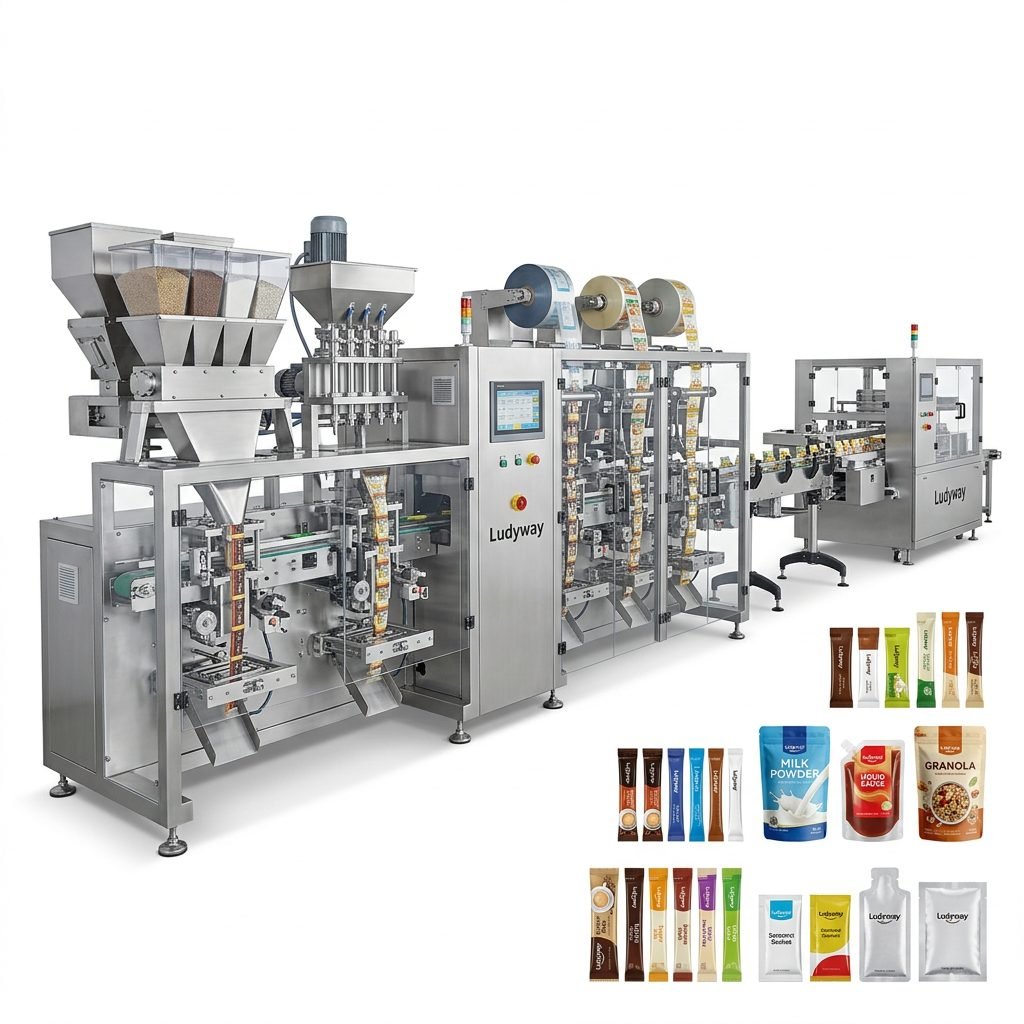
Investing in a diaper packing machine is a partnership decision that will shape your production capability for the next decade. By methodically working through product definition, speed requirements, technical component evaluation, TCO analysis, and supplier qualification, you reduce risk and secure a packaging system that delivers consistent output, minimized waste, and the flexibility to grow with your product range. The upfront effort in due diligence will be returned many times over through smoother operations and lower long-term cost per pack.