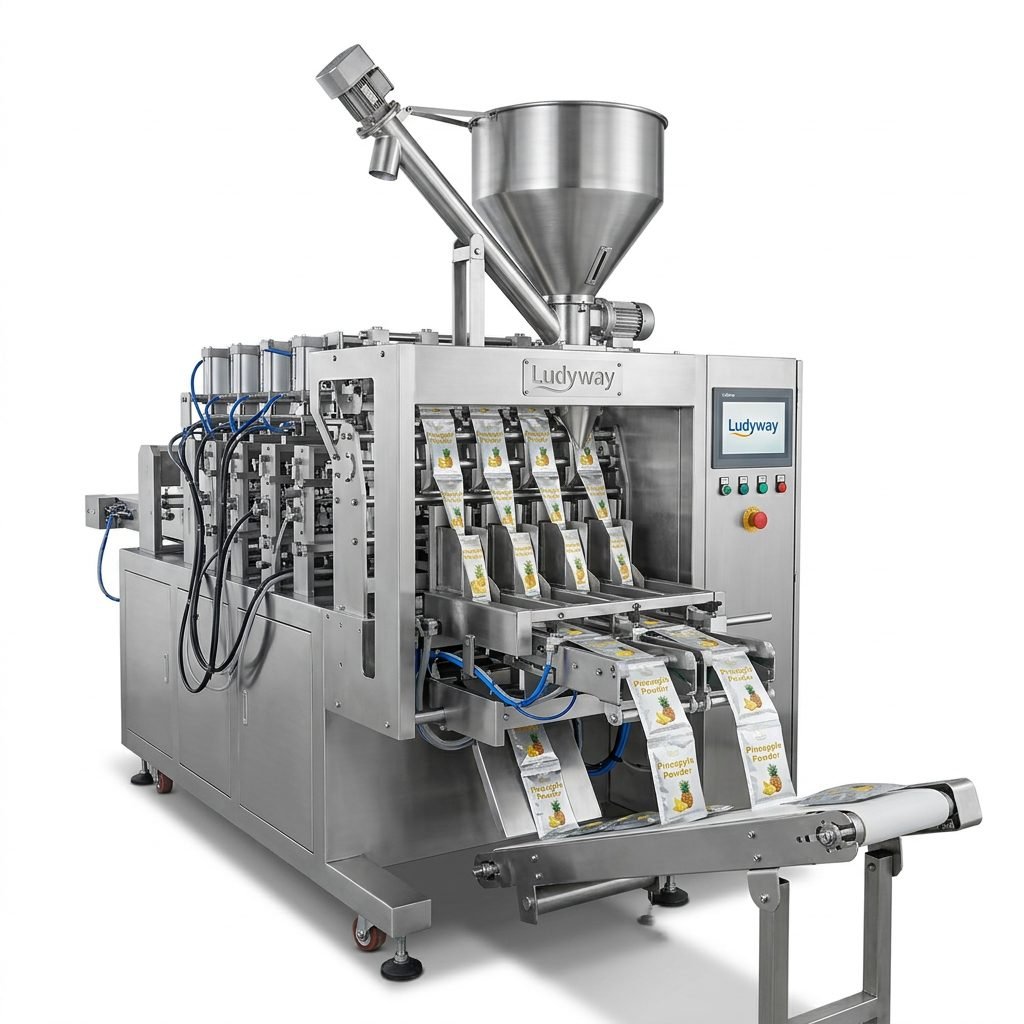
Investing in a Wolf packaging machine is a strategic decision that directly impacts production efficiency, product quality, and long-term operational costs. With the global packaging machinery market continuing to expand, manufacturers across food, pharmaceutical, chemical, and consumer goods sectors are seeking automated solutions that deliver speed, accuracy, and reliability. However, selecting the right equipment requires careful evaluation of multiple technical and operational factors. This guide walks you through every critical consideration to help you make an informed purchase decision.
Understanding Wolf Packaging Machine Configurations
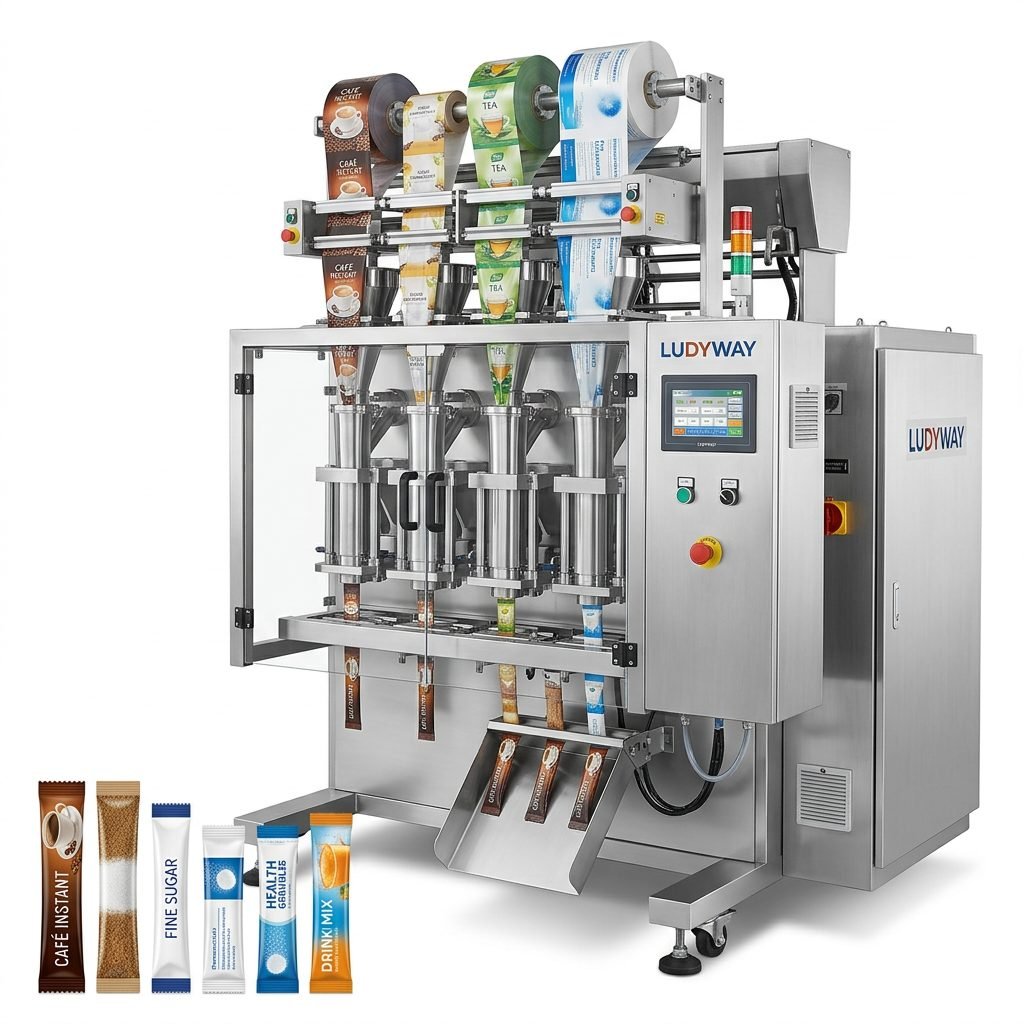
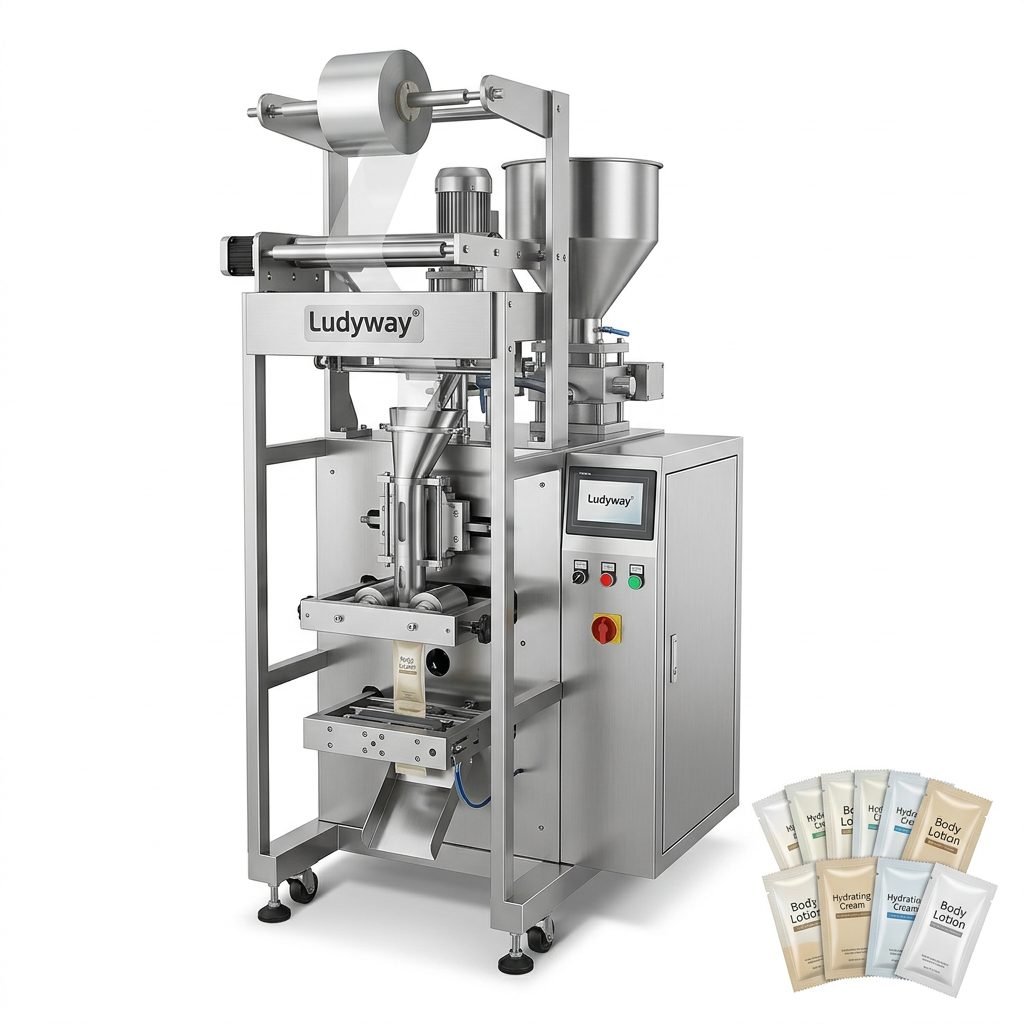
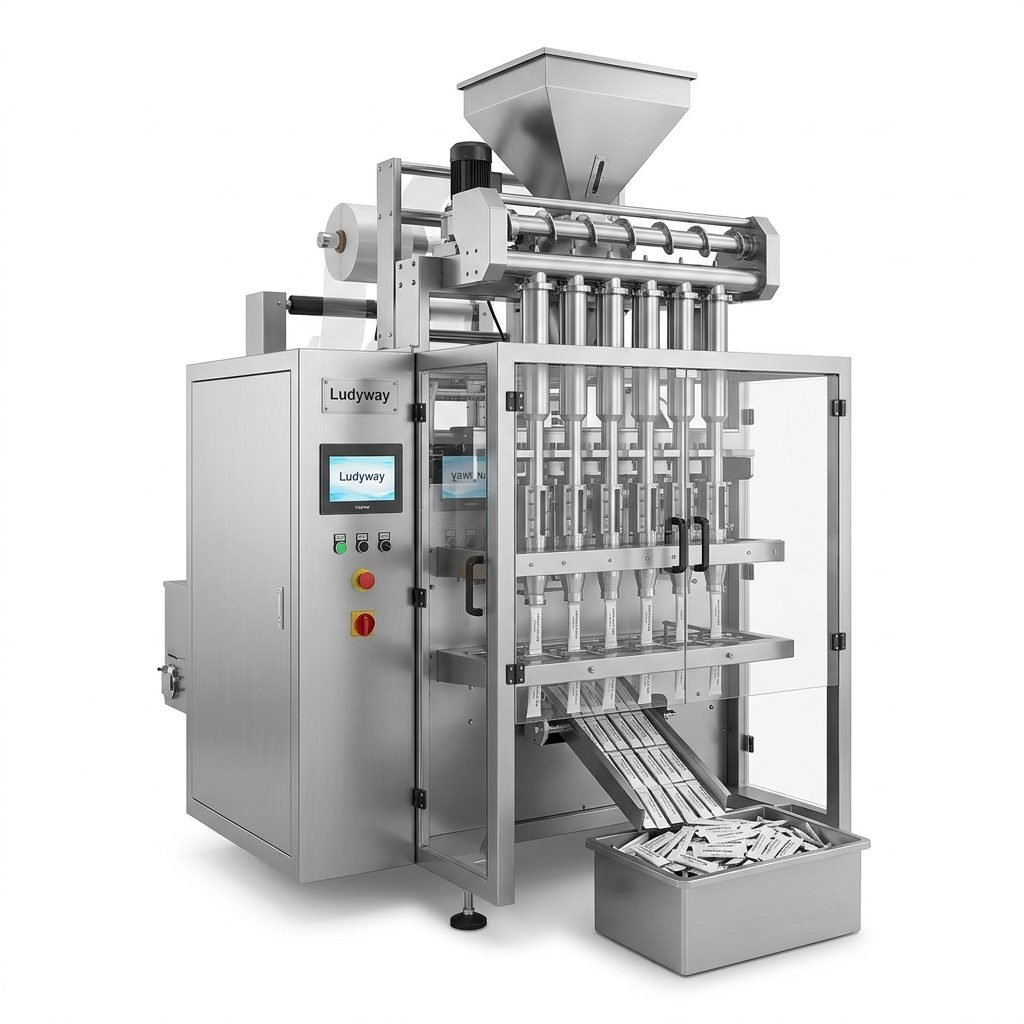
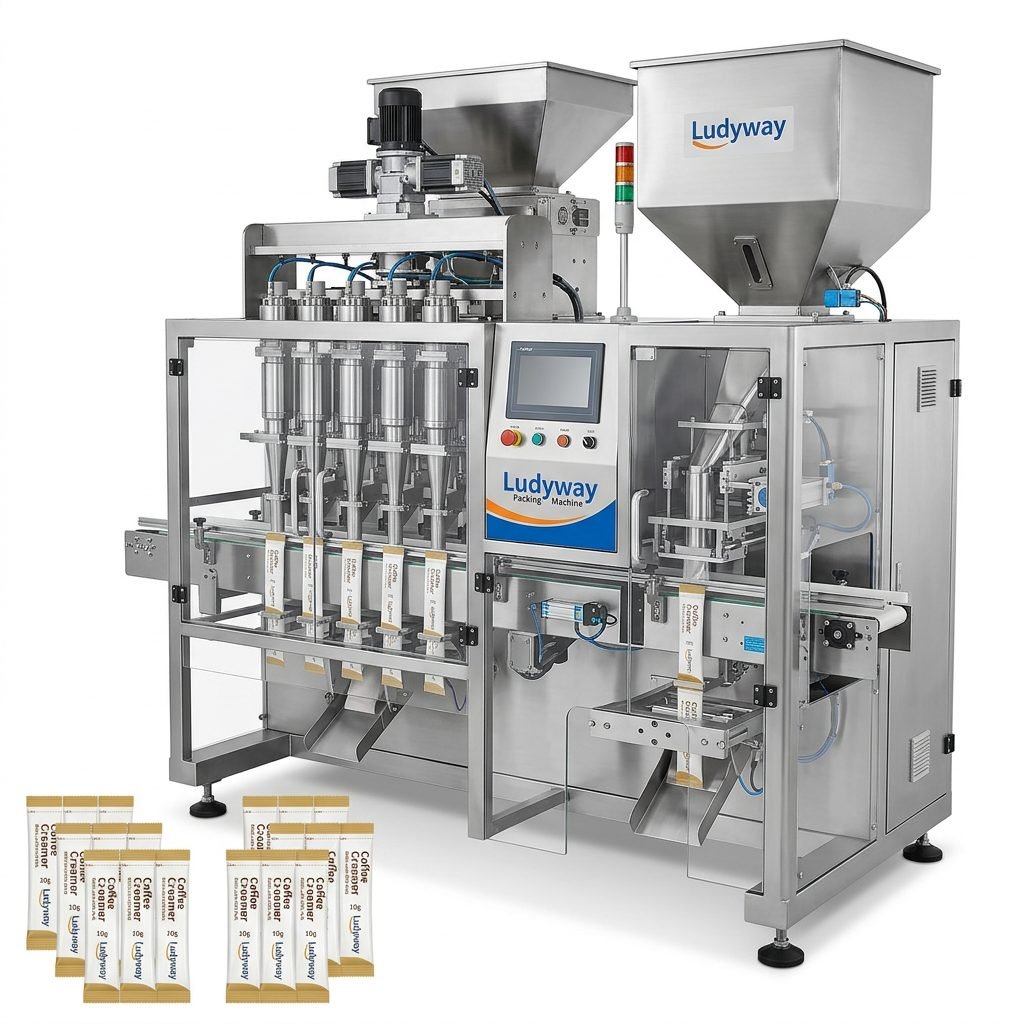
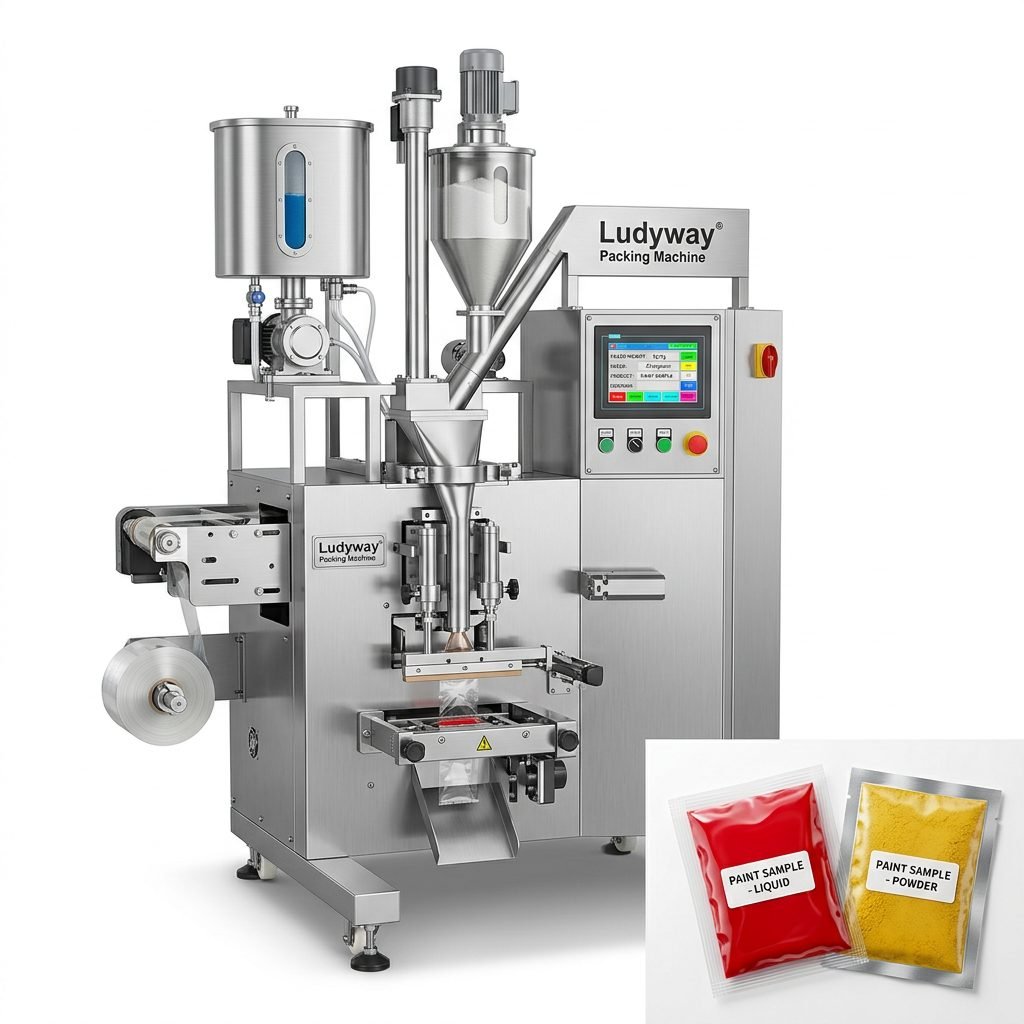
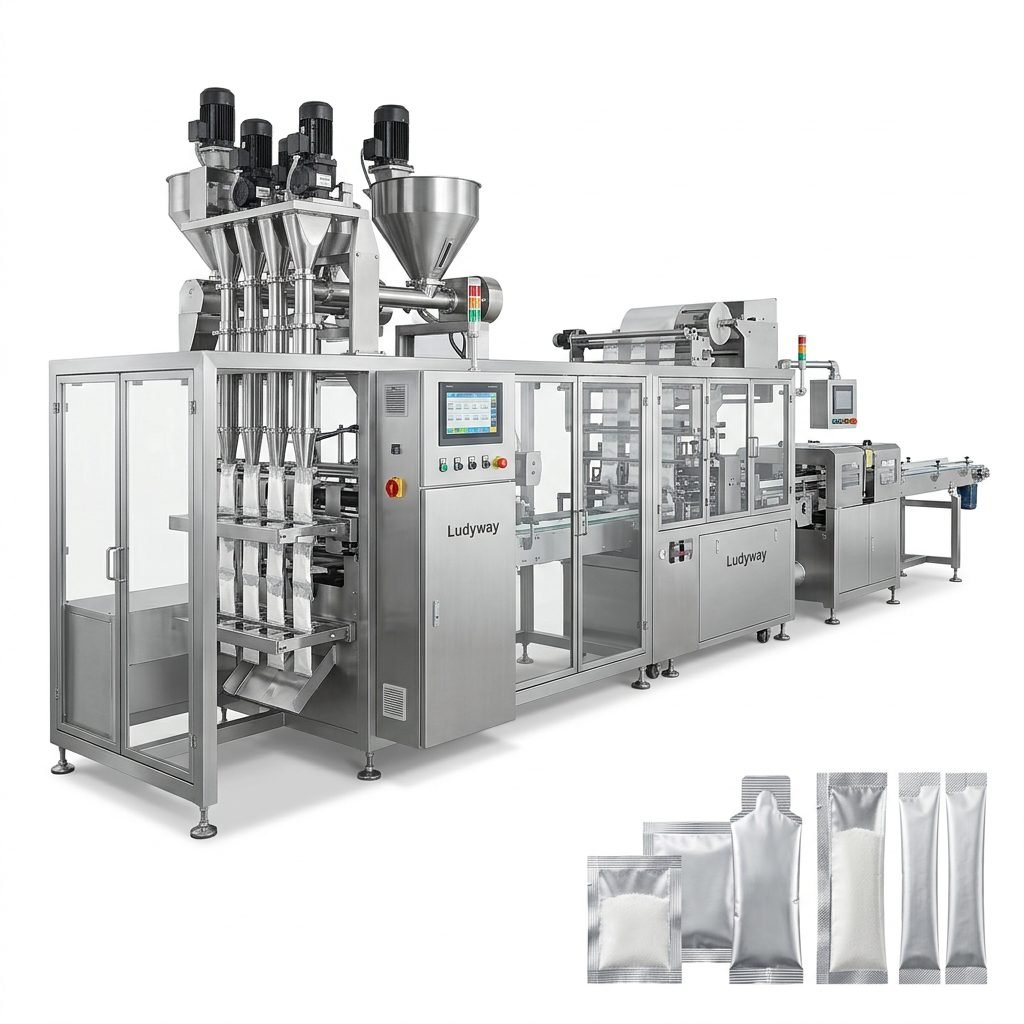
Before diving into specifications, it is essential to understand the different machine configurations available. A Wolf packaging machine is typically engineered for high-speed, multi-lane operations capable of handling diverse product types and packaging formats. These machines can be configured for various applications including sachet, stick pack, pouch, and liquid packaging. The right configuration depends on your product characteristics, desired output speed, and packaging material requirements.
Key configuration options include:
- Single-lane vs. multi-lane systems – Multi-lane configurations significantly increase throughput for high-volume production
- Vertical form-fill-seal (VFFS) – Ideal for powders, granules, and free-flowing products
- Horizontal form-fill-seal (HFFS) – Better suited for solid products and items requiring gentle handling
- Pre-made pouch filling and sealing – For manufacturers using pre-formed pouches or sachets
- Stick pack machines – Designed for narrow, elongated single-serve packaging formats
Product Compatibility and Material Handling
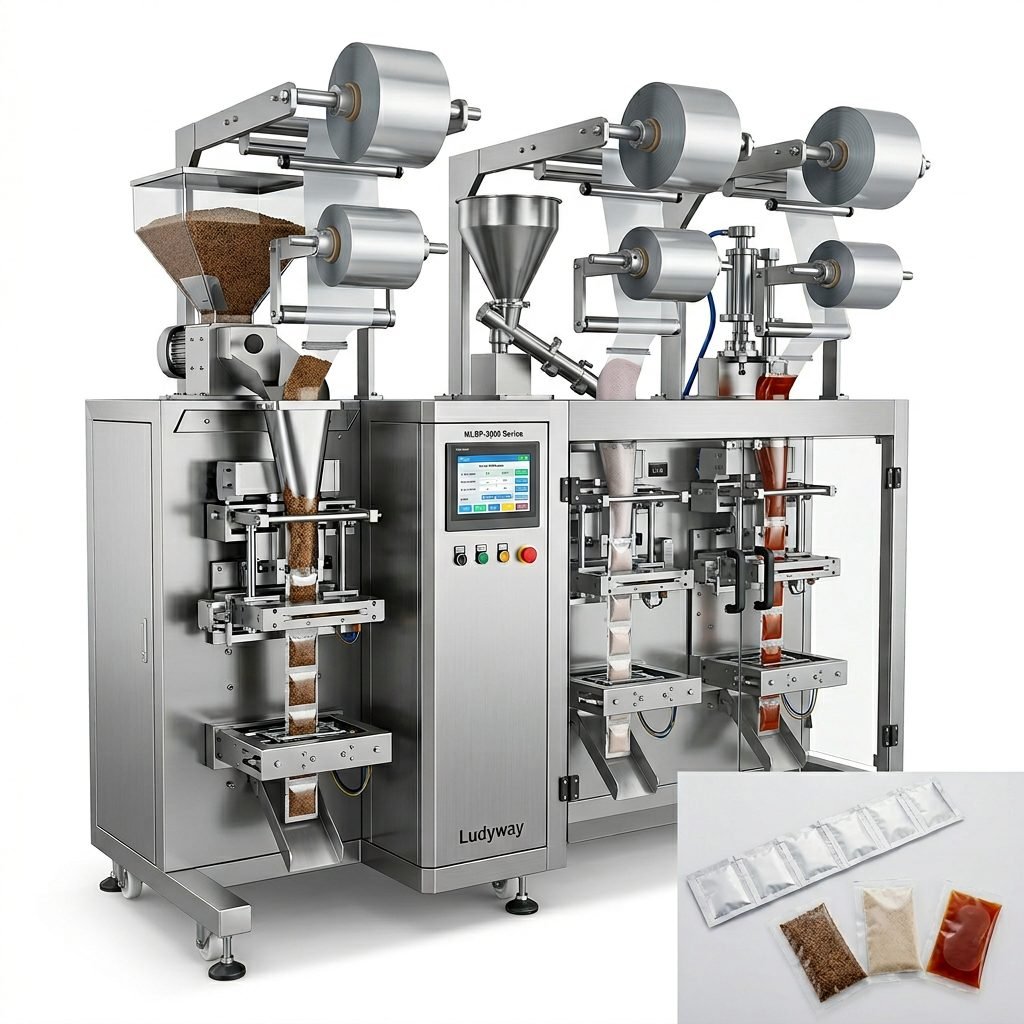
One of the most critical factors in choosing a Wolf packaging machine is product compatibility. Different products have vastly different physical properties that affect dosing, filling, and sealing performance. A machine designed for free-flowing granules may not perform well with cohesive powders or viscous liquids. According to flexible packaging industry data, material compatibility is a leading cause of packaging line inefficiencies.
| Product Type | Recommended Filling System | Key Consideration |
|---|---|---|
| Free-flowing powders | Auger filler or volumetric cup | Dust control and filling accuracy |
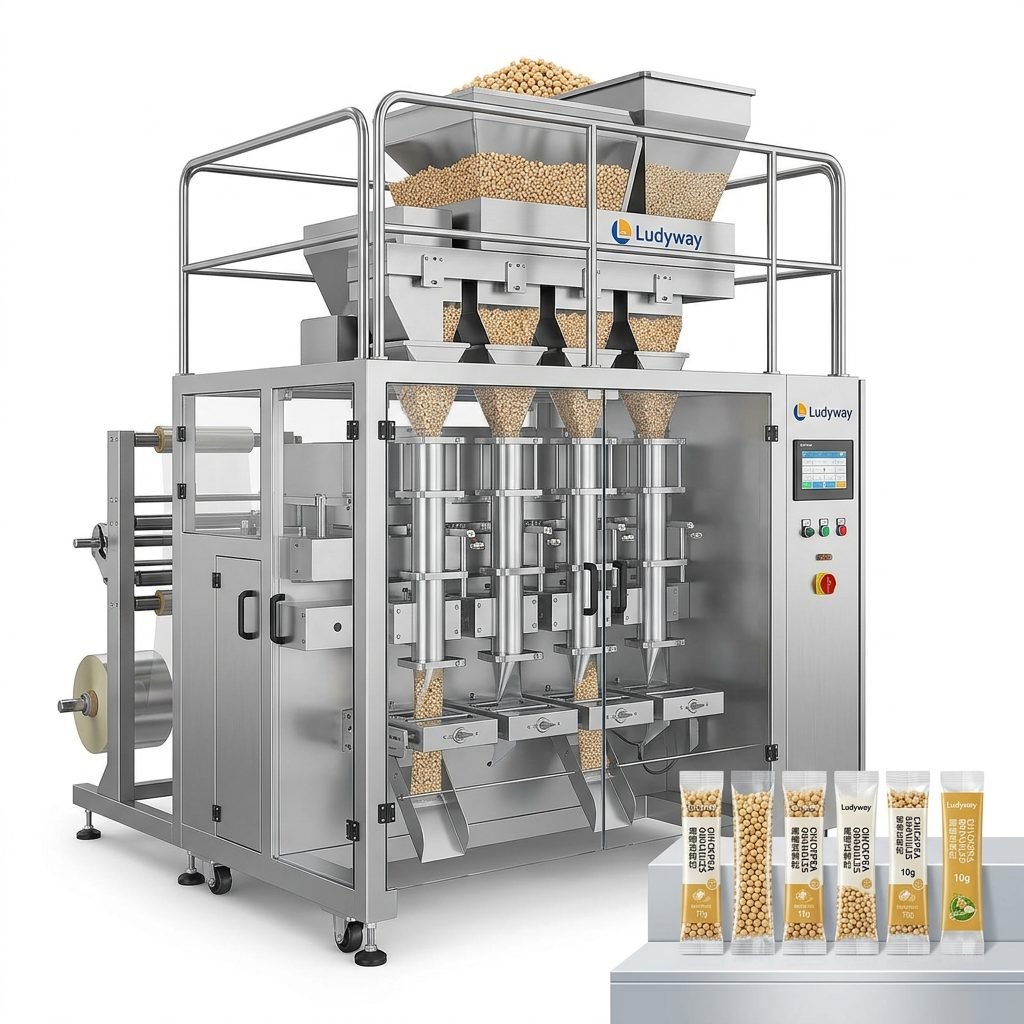
| Granules and pellets | Multi-head weigher or volumetric | Minimize product breakage during filling |
| Liquids and pastes | Piston pump or peristaltic pump | Viscosity and foaming characteristics |
| Cohesive powders | Auger filler with agitation | Consistent flow and bridging prevention |
| Tablets and capsules | Counting and filling system | Gentle handling to avoid damage |
Production Speed and Output Requirements
Production capacity is a primary driver of equipment selection. A Wolf packaging machine is designed for manufacturers who require high throughput without sacrificing packaging quality. When evaluating speed specifications, consider not just the maximum rated speed but also the sustainable operating speed under real production conditions. Multi-lane systems can dramatically increase output—some configurations achieve over 1,000 packs per minute depending on product type and pack size.
Factors that influence actual production speed include:
- Product flow characteristics and dosing time
- Packaging material type and sealing temperature requirements
- Pack size and format complexity
- Integration with upstream and downstream equipment
- Changeover frequency and operator skill level
Evaluating Speed Claims
When comparing specifications from different packaging machinery manufacturers, always request documented performance data for products similar to yours. Laboratory test results may not reflect actual production conditions. A reputable supplier will offer product testing and demonstration runs using your specific materials and packaging requirements.

Packaging Material Compatibility and Seal Quality
The Wolf packaging machine must be compatible with your chosen packaging materials. Common flexible packaging materials include polyethylene (PE), polypropylene (PP), laminated films, aluminum foil composites, and biodegradable films. Each material has different sealing temperature ranges, tensile strength, and barrier properties. Machine sealing systems—whether heat seal, ultrasonic seal, or impulse seal—must be matched to the material specification to ensure consistent, hermetic seals.
Seal integrity is especially critical for:
- Food products requiring moisture and oxygen barrier protection
- Pharmaceutical products demanding tamper-evident and sterile packaging
- Chemical products needing leak-proof containment
- Liquid products where seal failure leads to immediate quality issues
Automation, Controls, and Integration Capabilities
Modern Wolf packaging machines incorporate advanced automation technologies that reduce manual intervention and improve consistency. Key automation features to evaluate include servo-driven filling and sealing systems, PLC-based control interfaces with touchscreen HMI, automatic film tension control, and integrated quality inspection systems such as vision inspection and checkweighing.
Integration with existing production infrastructure is equally important. Consider whether the machine can communicate with your MES or ERP systems, support remote monitoring, and accommodate future upgrades. Machines equipped with industry-standard communication protocols offer greater flexibility for smart factory environments.
Turnkey vs. Standalone Solutions
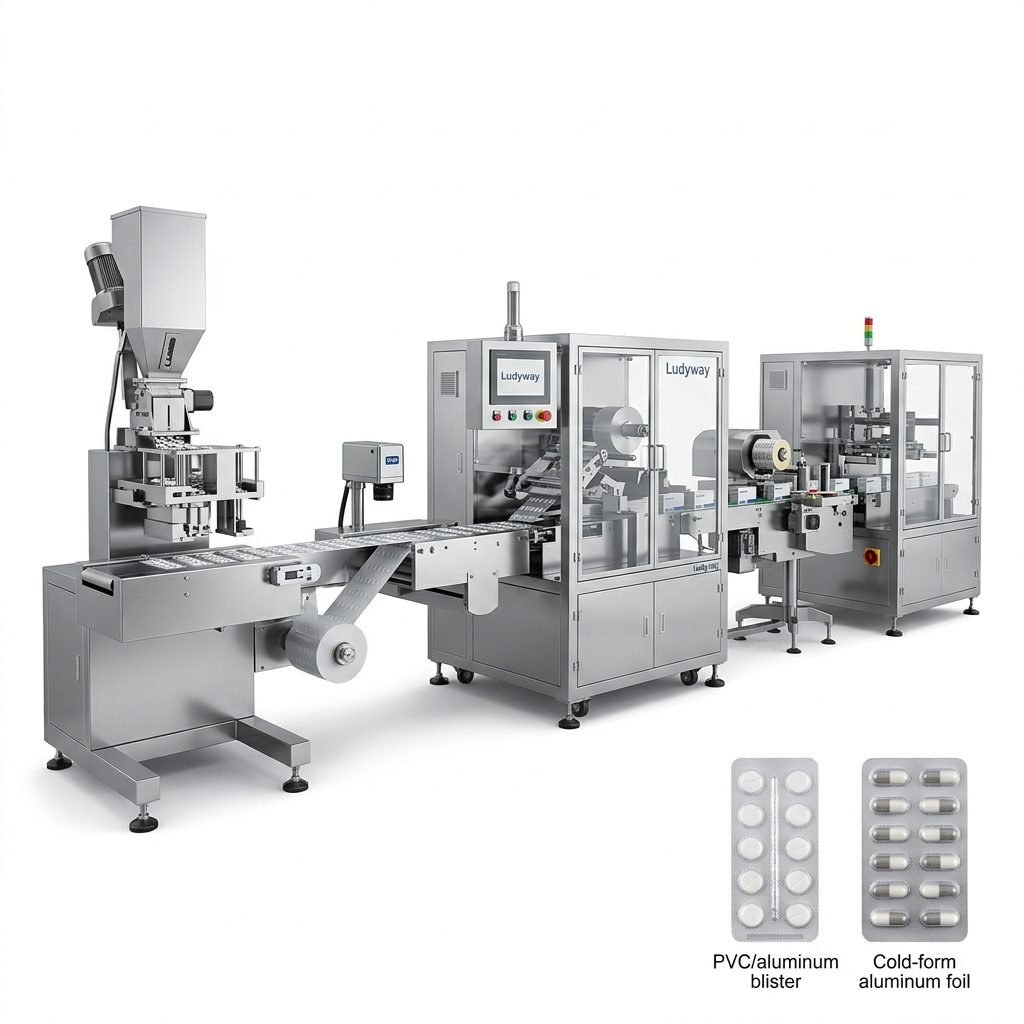
Some manufacturers require a standalone packaging machine, while others benefit from a fully integrated packaging line. Turnkey solutions can include product feeding systems, multi-head weighers, filling and sealing machines, coding and marking units, inspection systems, cartoning machines, and palletizing equipment—all coordinated through a central control system. Evaluating whether you need a single machine or a complete line upfront helps avoid costly retrofits later.
Hygiene, Cleanability, and Regulatory Compliance
For manufacturers in food, pharmaceutical, and health industries, hygiene and cleanability are non-negotiable requirements. A Wolf packaging machine intended for these sectors should feature stainless steel construction, sloped surfaces to prevent product accumulation, tool-free disassembly for cleaning, and compliance with relevant standards. Depending on your market, machines may need to meet FDA food packaging regulations, cGMP guidelines, or ISO standards for medical device packaging.
| Industry | Key Hygiene Requirements | Typical Machine Features |
|---|---|---|
| Food and Beverage | HACCP compliance, easy washdown | Stainless steel, IP65 rating, sealed bearings |
| Pharmaceuticals | cGMP, FDA 21 CFR Part 11 | Validated processes, audit trail, sterile options |
| Cosmetics | Cross-contamination prevention | Quick-change parts, enclosed filling zones |
| Chemicals | Corrosion resistance, safety interlocks | Chemical-resistant materials, explosion-proof options |
Total Cost of Ownership and ROI Analysis
Beyond the initial purchase price, a comprehensive total cost of ownership (TCO) analysis should account for installation, commissioning, operator training, spare parts, maintenance, energy consumption, and expected service life. A Wolf packaging machine with higher upfront cost may deliver significantly lower TCO through reduced downtime, higher efficiency, and longer operational life.
Key cost factors to evaluate:
- Energy efficiency – Servo-driven systems typically consume less power than pneumatic alternatives
- Changeover time – Quick-change designs reduce production downtime between product runs
- Spare parts availability – Global parts distribution reduces lead times and production interruptions
- Technical support – Remote diagnostics and responsive after-sales service minimize downtime
- Operator training requirements – Intuitive interfaces reduce training costs and operator errors
Evaluating the Manufacturer and After-Sales Support
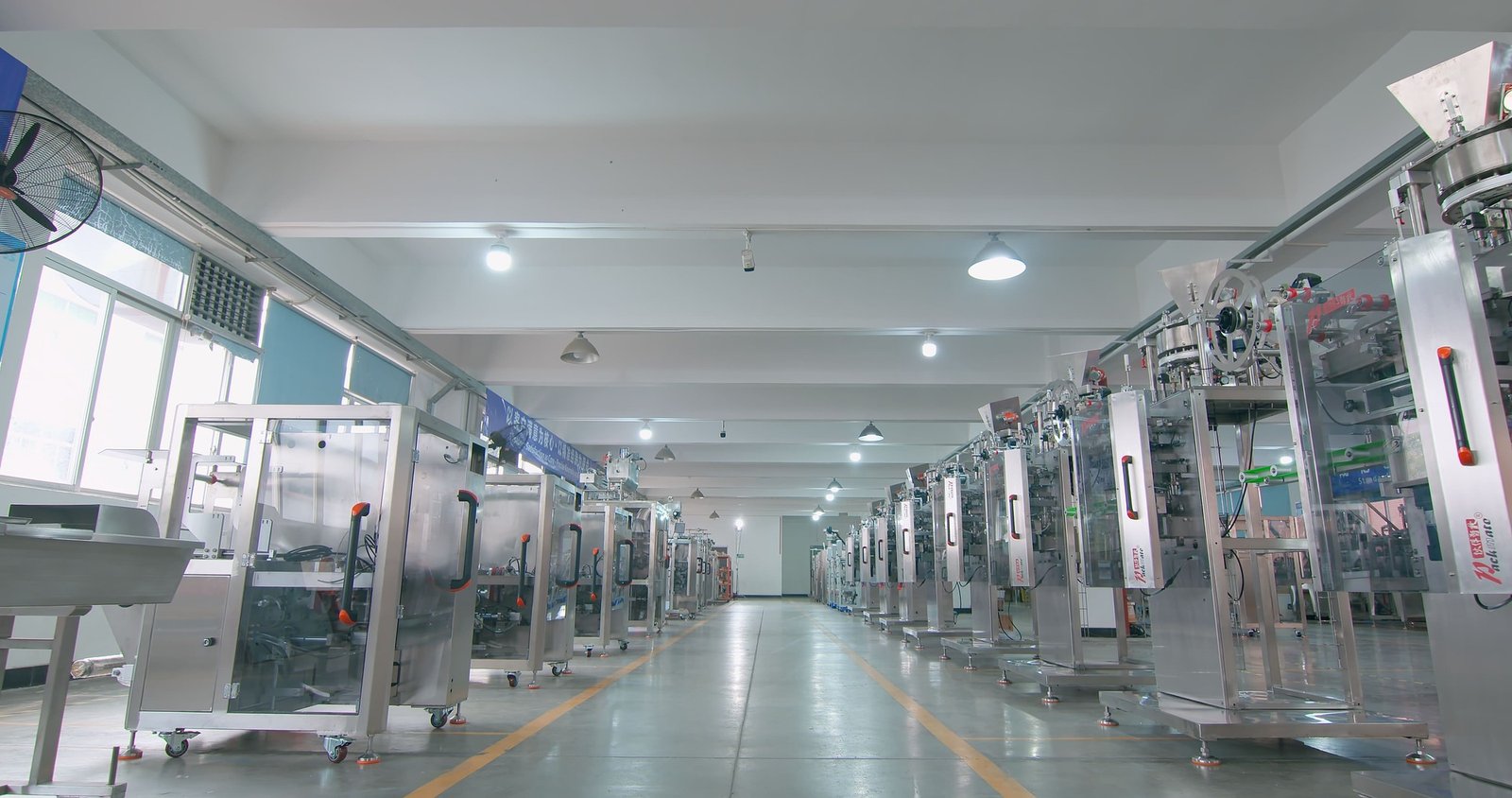
Choosing the right equipment partner is as important as choosing the right machine. Look for manufacturers with a proven track record, robust engineering and manufacturing capabilities, and a commitment to long-term customer support. A reliable packaging machinery manufacturer should offer comprehensive services including machine selection guidance, customized engineering, installation and commissioning, operator training, troubleshooting, spare parts supply, and remote technical assistance.
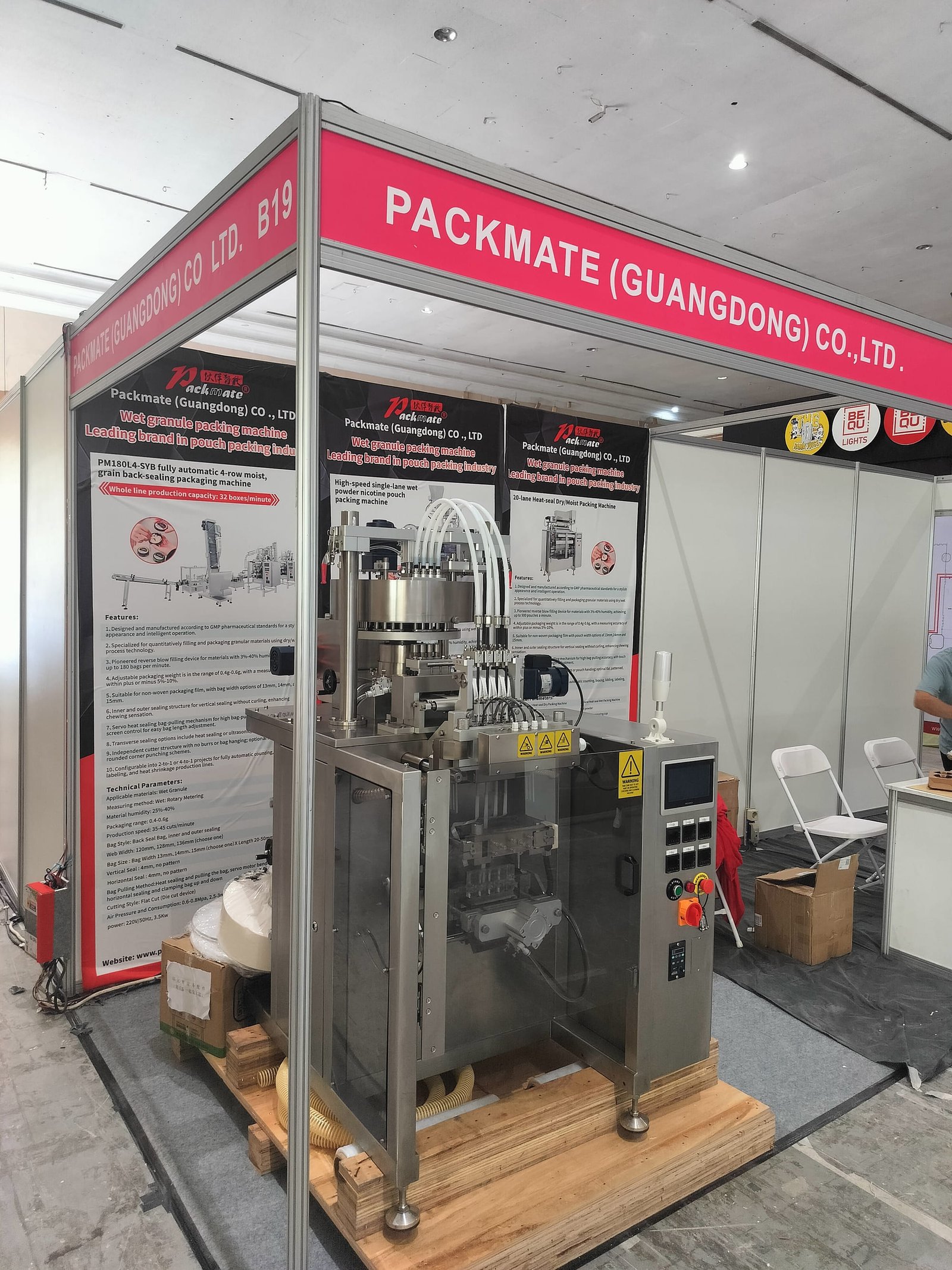
One manufacturer with extensive experience in this field is Ludyway Machinery, a China-based packaging machinery manufacturer with over 30 years of industry experience and a 20,000-square-meter manufacturing facility. With more than 50 packaging machine models and a team of over 130 professionals, Ludyway provides automated packaging equipment and turnkey packaging solutions for manufacturers across food, pharmaceutical, chemical, cosmetics, and other industries worldwide. The company serves customers in more than 100 countries and regions, offering customized machine configurations, integrated production lines, and comprehensive after-sales support.
Questions to Ask Your Equipment Supplier
- Can you provide references from manufacturers producing similar products?
- Do you offer product testing and machine demonstrations using our materials?
- What is your standard warranty coverage and what does it include?
- How quickly can you dispatch spare parts to our location?
- Do you provide remote technical support and on-site service when needed?
- Can the machine be upgraded or reconfigured for future product lines?
- What documentation and compliance certifications are available?
Customization and Future-Proofing Your Investment
Packaging requirements evolve over time. A Wolf packaging machine should be configurable and upgradeable to accommodate new products, packaging formats, and production volumes. Customization options may include adjustable filling ranges, interchangeable sealing jaws for different pack sizes, modular add-on units such as coding systems or inspection modules, and software updates that enhance functionality. Working with a manufacturer that offers customized engineering solutions rather than only standardized machines ensures your equipment can adapt as your business grows.
Installation, Commissioning, and Operator Training
Even the best-designed Wolf packaging machine requires proper installation and commissioning to perform at its rated capacity. Professional installation ensures correct alignment, calibration, and integration with upstream and downstream equipment. Comprehensive operator training reduces the learning curve and helps your team maximize machine performance from day one. Confirm that your supplier provides on-site commissioning and training as part of the equipment package.
Making the Final Decision
Selecting the right Wolf packaging machine requires balancing technical specifications, production requirements, budget constraints, and long-term operational goals. The best approach is to start with a clear definition of your current and anticipated packaging needs, then evaluate machines and manufacturers against those criteria. Request detailed proposals, compare TCO estimates, and whenever possible, conduct product trials before making a commitment.
A well-chosen packaging machine delivers consistent product quality, higher throughput, reduced labor costs, and greater operational flexibility—making it one of the most impactful capital investments for any manufacturing operation.