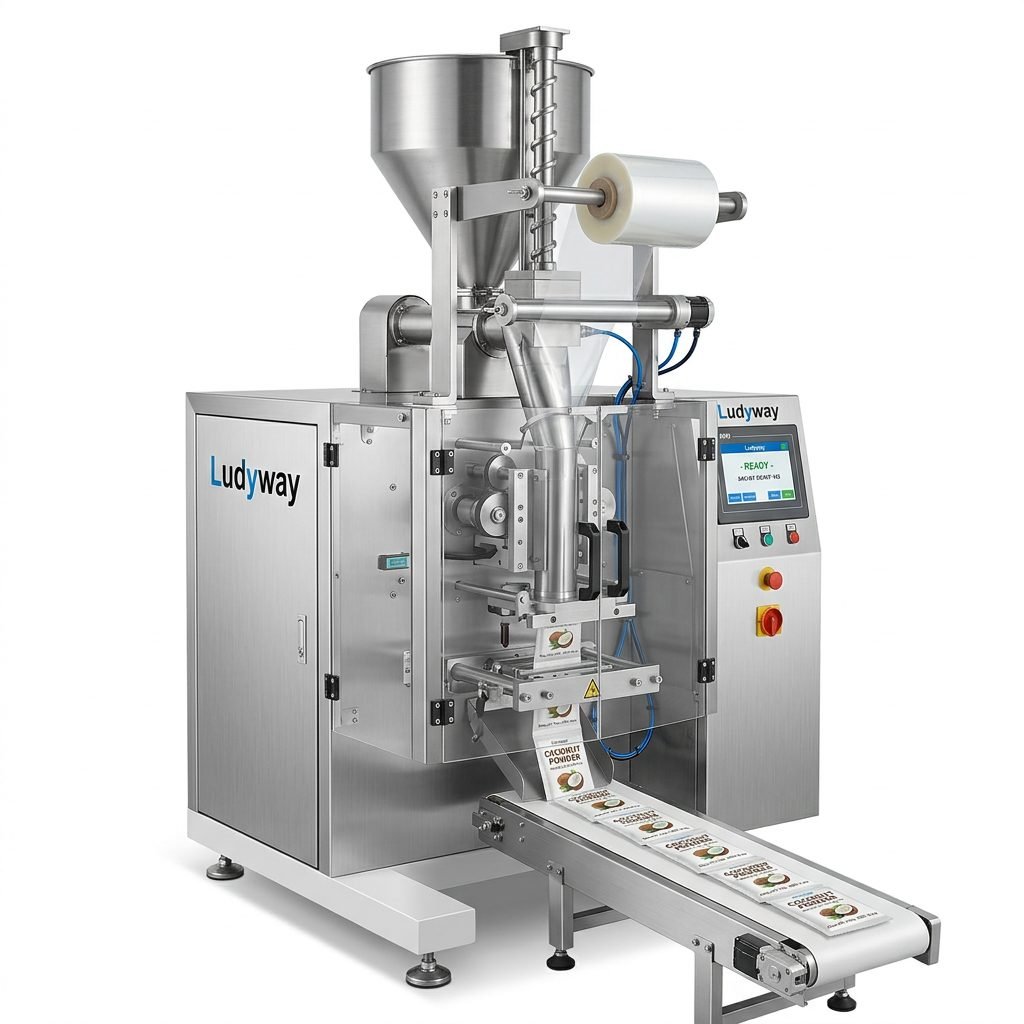
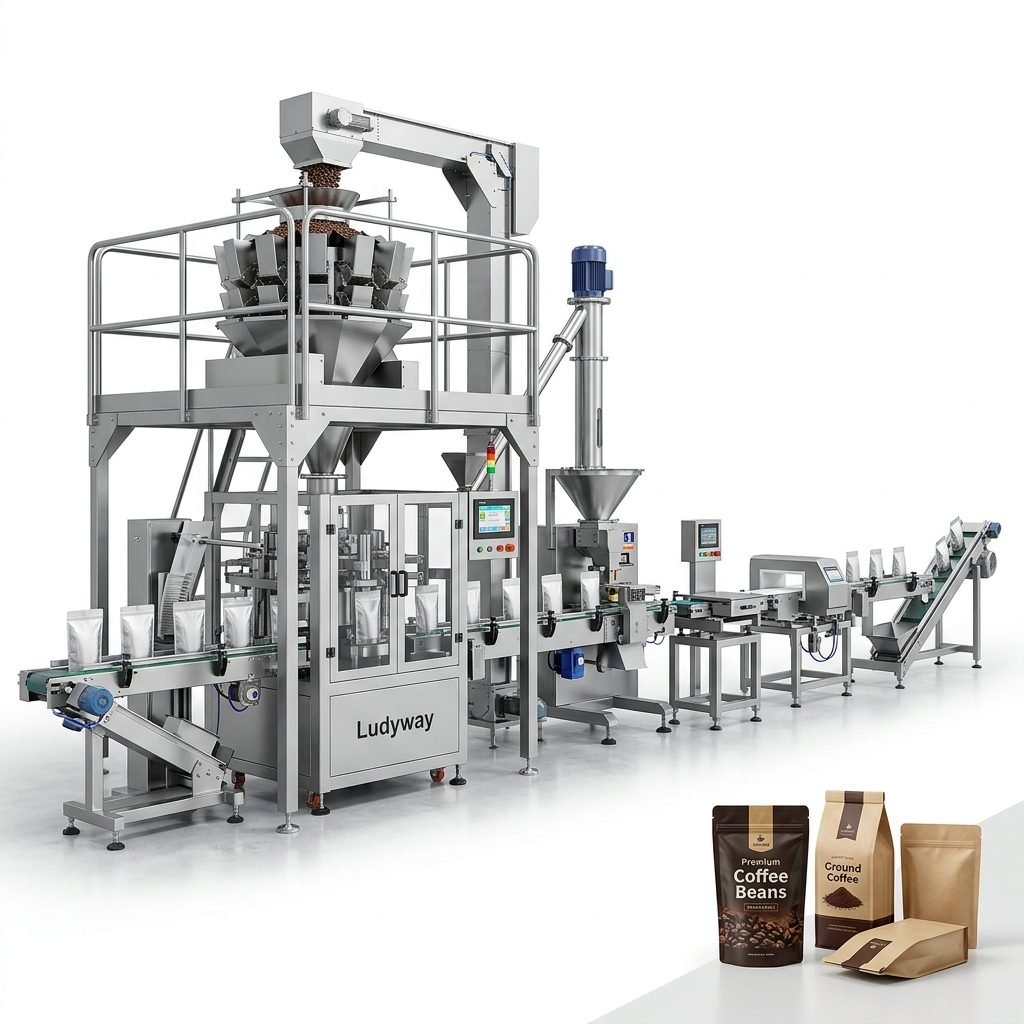
Investing in a tea super packaging machine is a significant decision for any tea producer or co-packer. Understanding the cost structure before contacting suppliers helps set realistic budgets and evaluate long-term return on investment. Prices vary dramatically based on automation level, speed, and packaging format — from entry-level stick pack machines to fully integrated multi-lane systems.
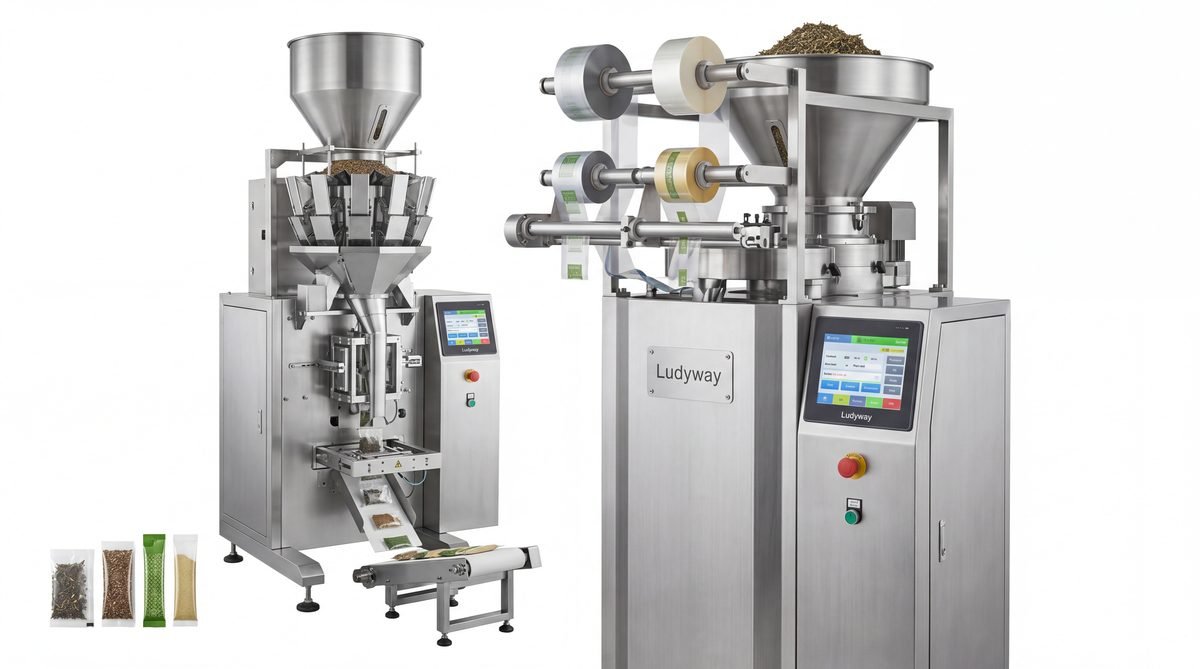
Tea Super Packaging Machine Price Ranges by Configuration
The following table outlines estimated price bands for different machine types commonly used in tea packaging operations. Actual quotes depend on customization, capacity, and optional modules.
| Machine Type | Packaging Format | Estimated Price Range (USD) | Best For |
|---|---|---|---|
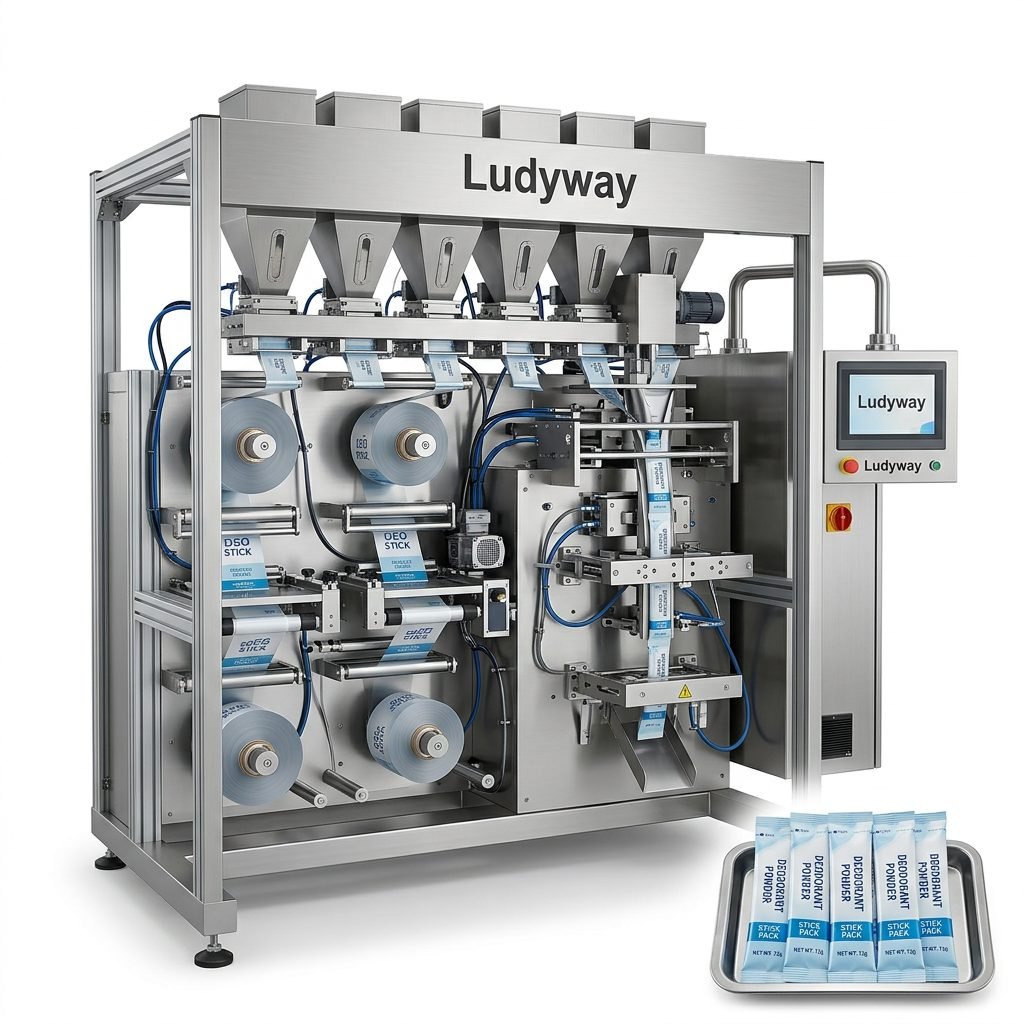
| Single-Lane Stick Pack | Stick packs, sachets | $15,000 – $45,000 | Small to medium tea brands, startups |
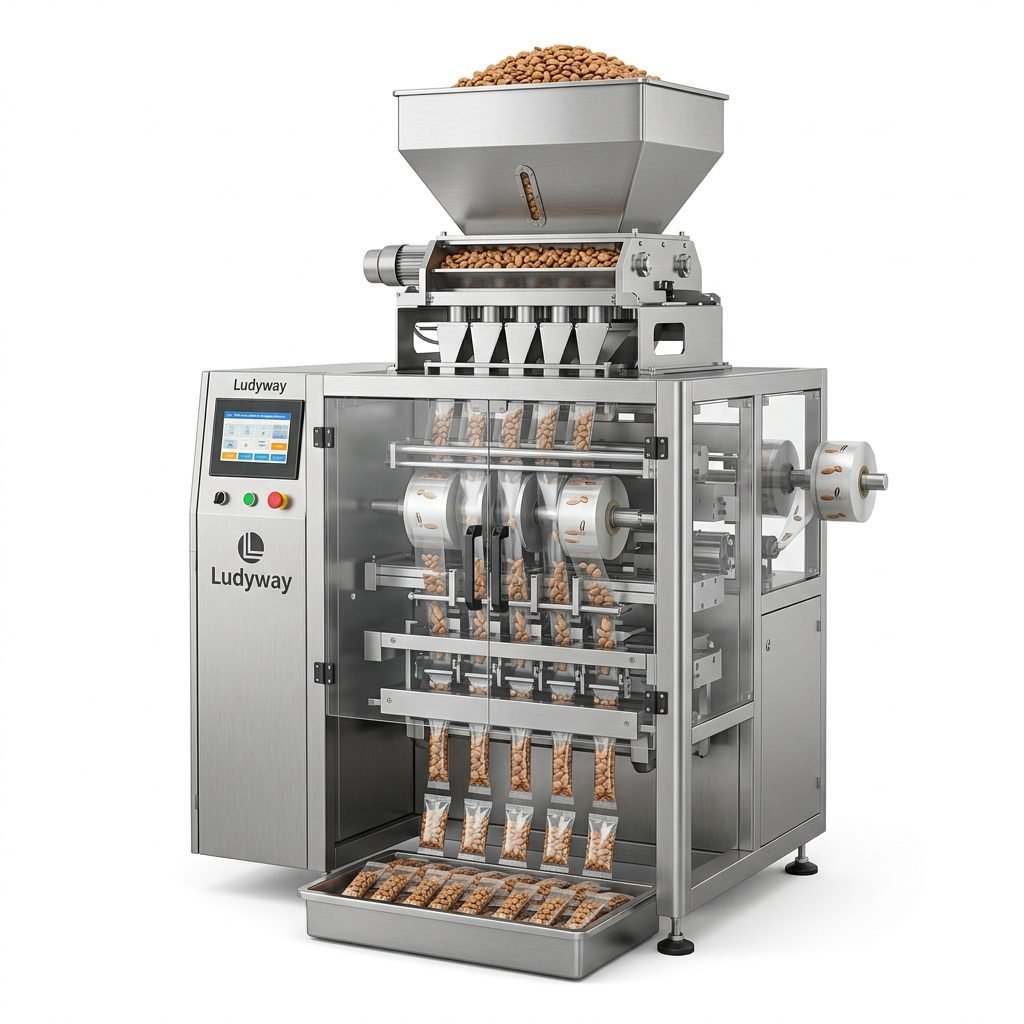
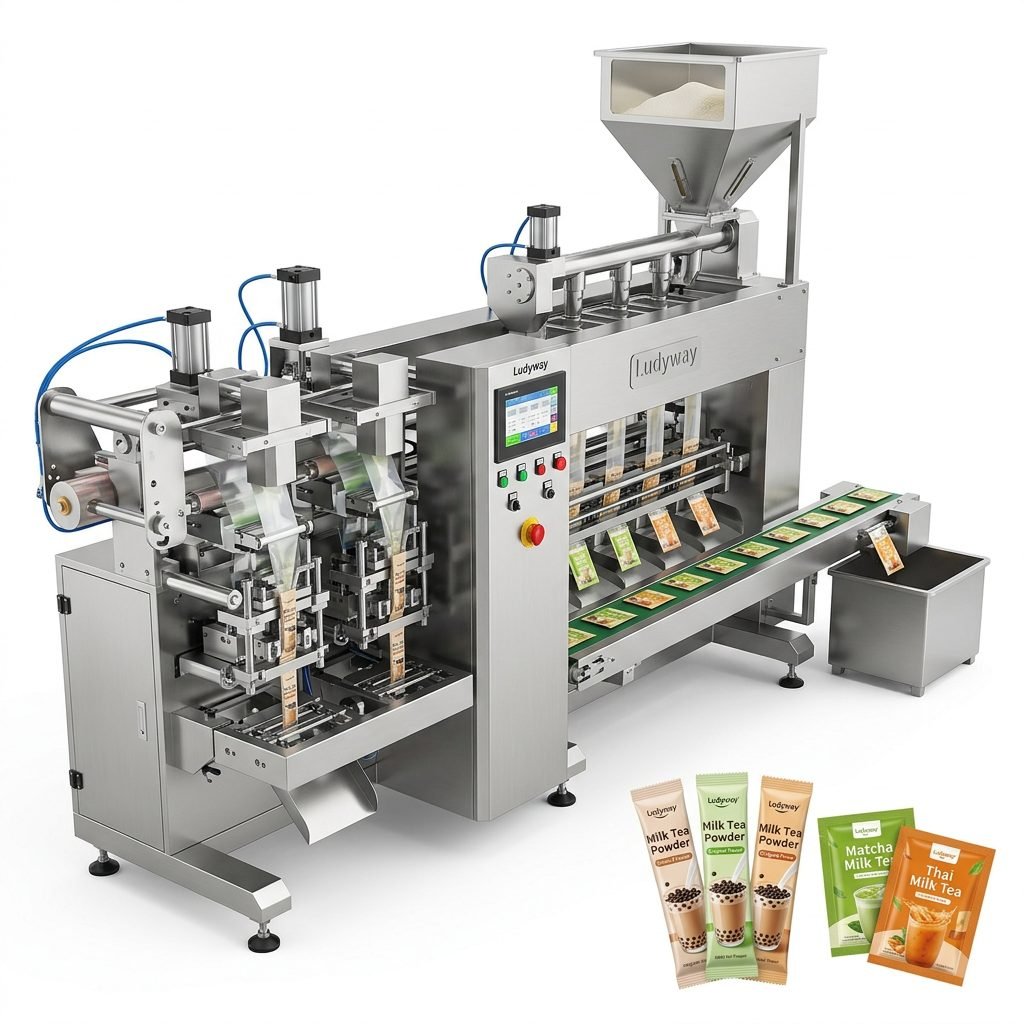
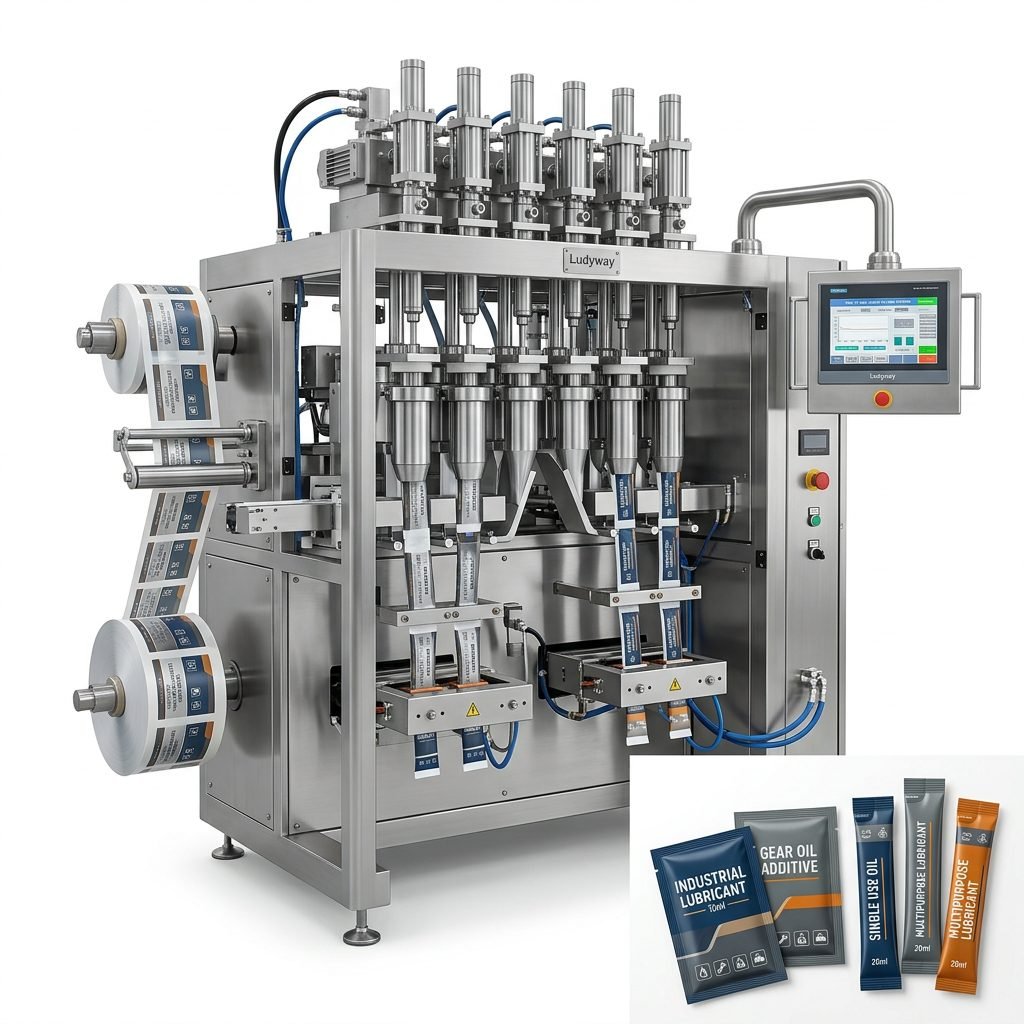
| Multi-Lane Stick Pack (4–10 lanes) | High-speed stick packs | $50,000 – $180,000 | Mid-volume co-packers, growing brands |
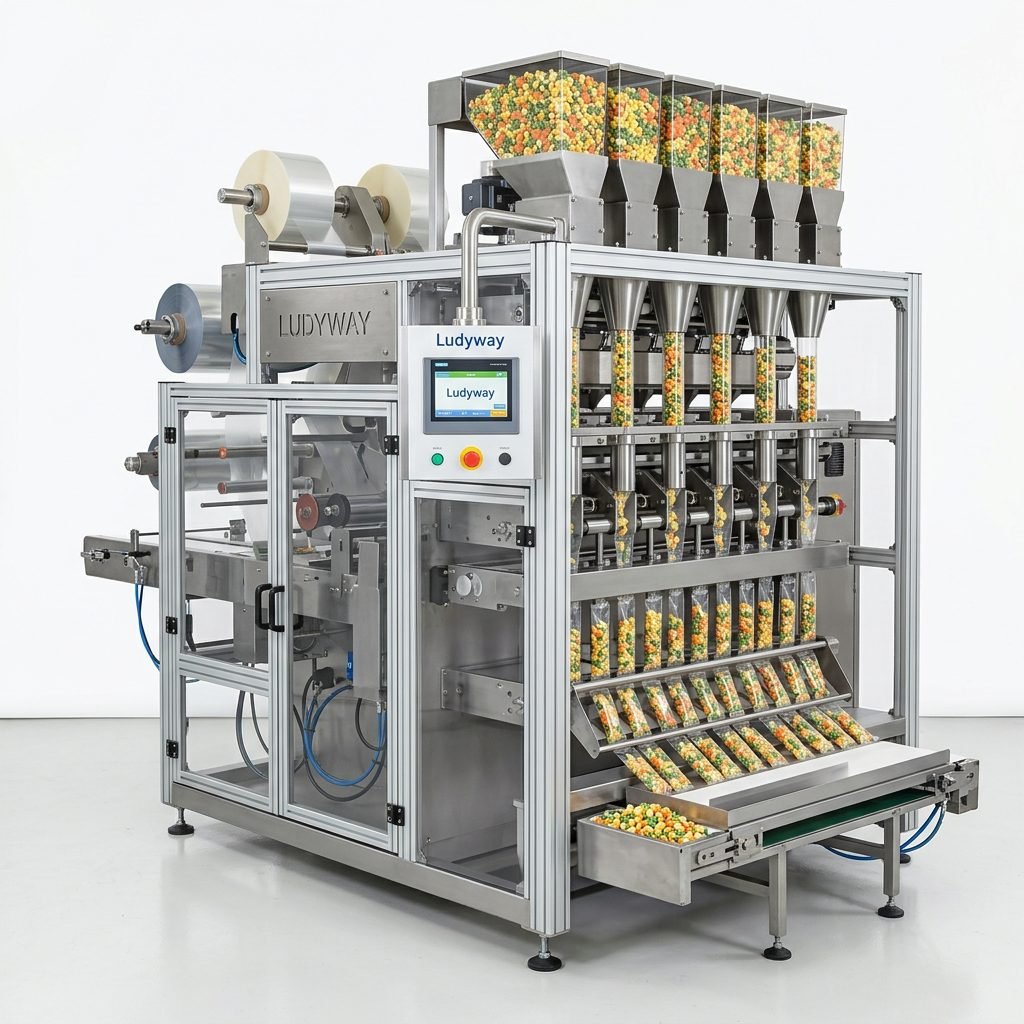
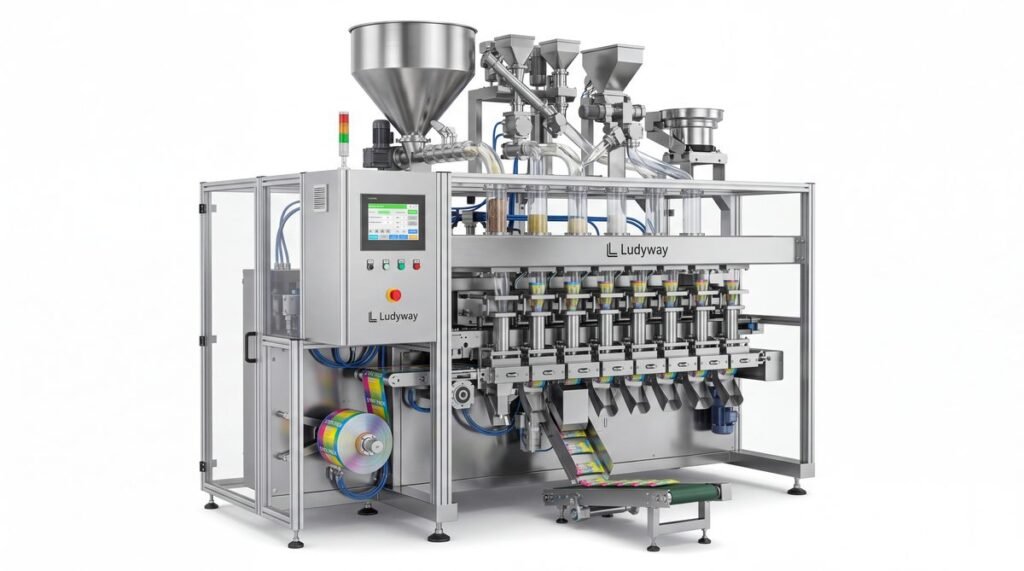
| High-Speed Multi-Lane System (12+ lanes) | Stick packs, sachets, pouches | $200,000 – $500,000+ | Large-scale tea manufacturers |
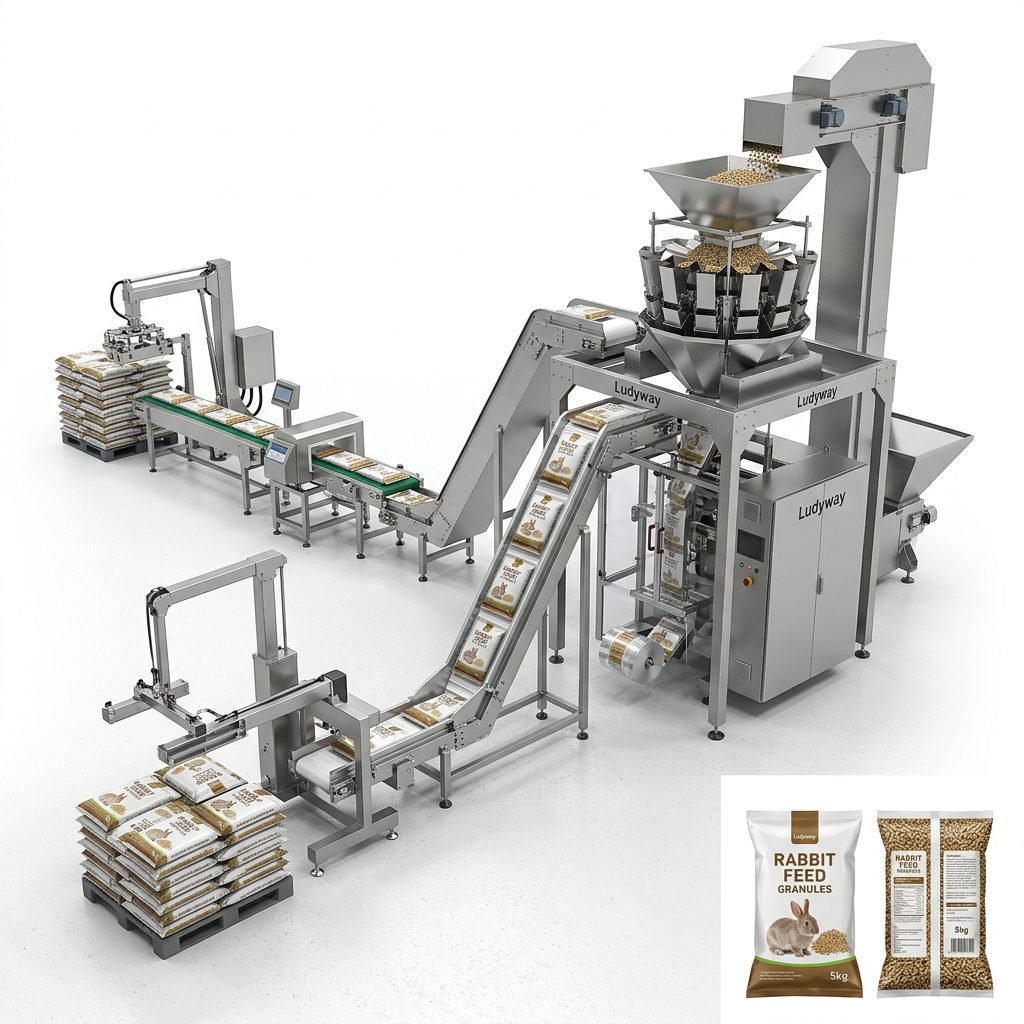
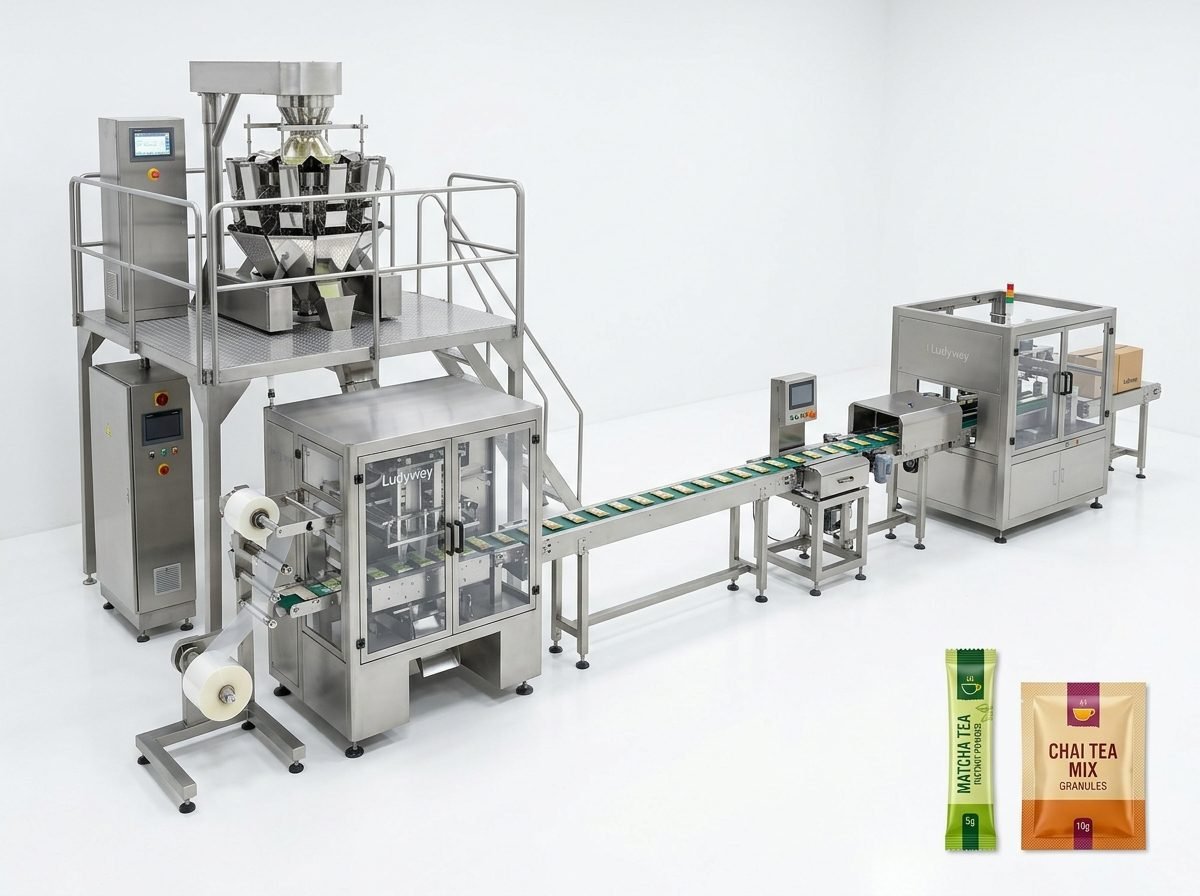
| Turnkey Tea Packaging Line | Full line with feeding, filling, cartoning, palletizing | $400,000 – $1,500,000+ | Fully automated factories, high-output operations |
| Tea Bag + Sachet Combo Machines | Tea bags, envelopes, sachets | $30,000 – $120,000 | Specialty and herbal tea producers |
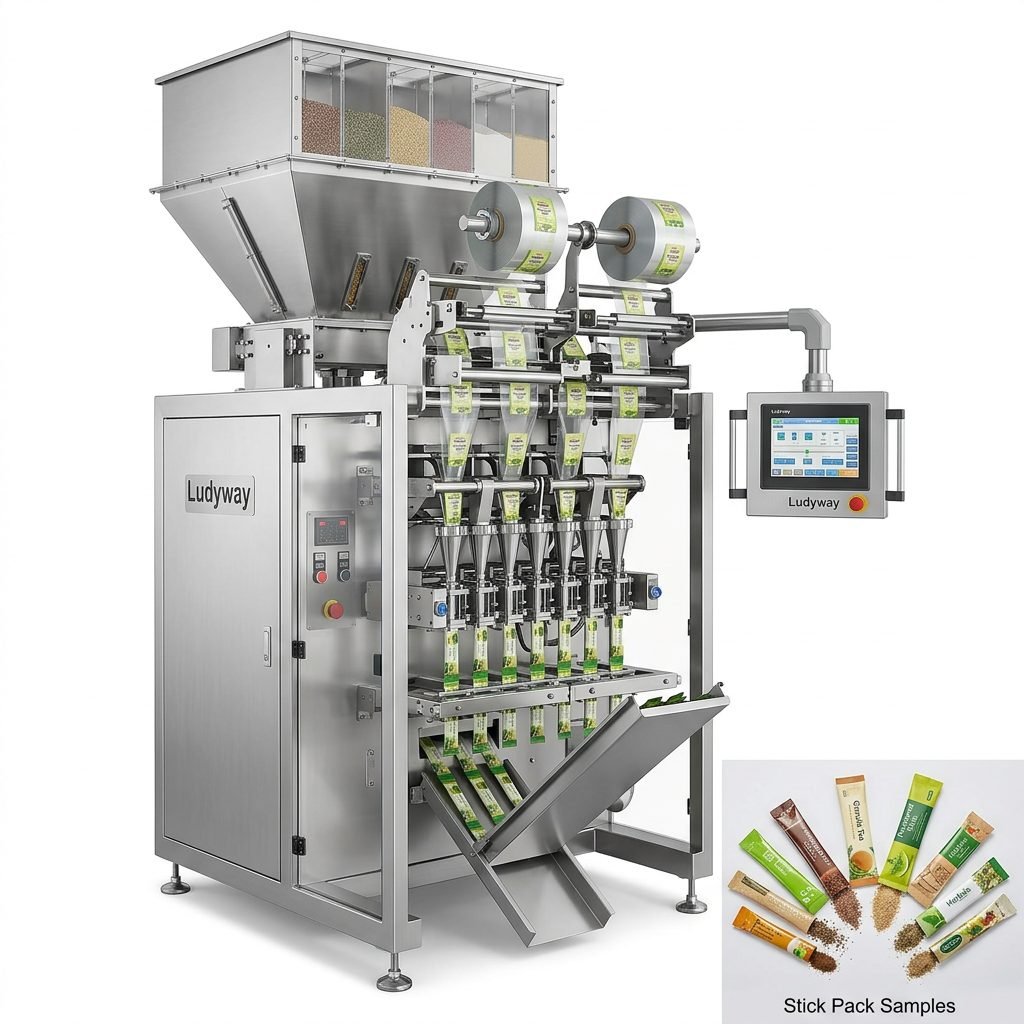
Key Factors That Influence Tea Packaging Machine Pricing
Tea packaging equipment costs are not one-size-fits-all. Multiple variables shift the final price point, and understanding them helps procurement teams negotiate smarter deals. Below are the six major pricing drivers:
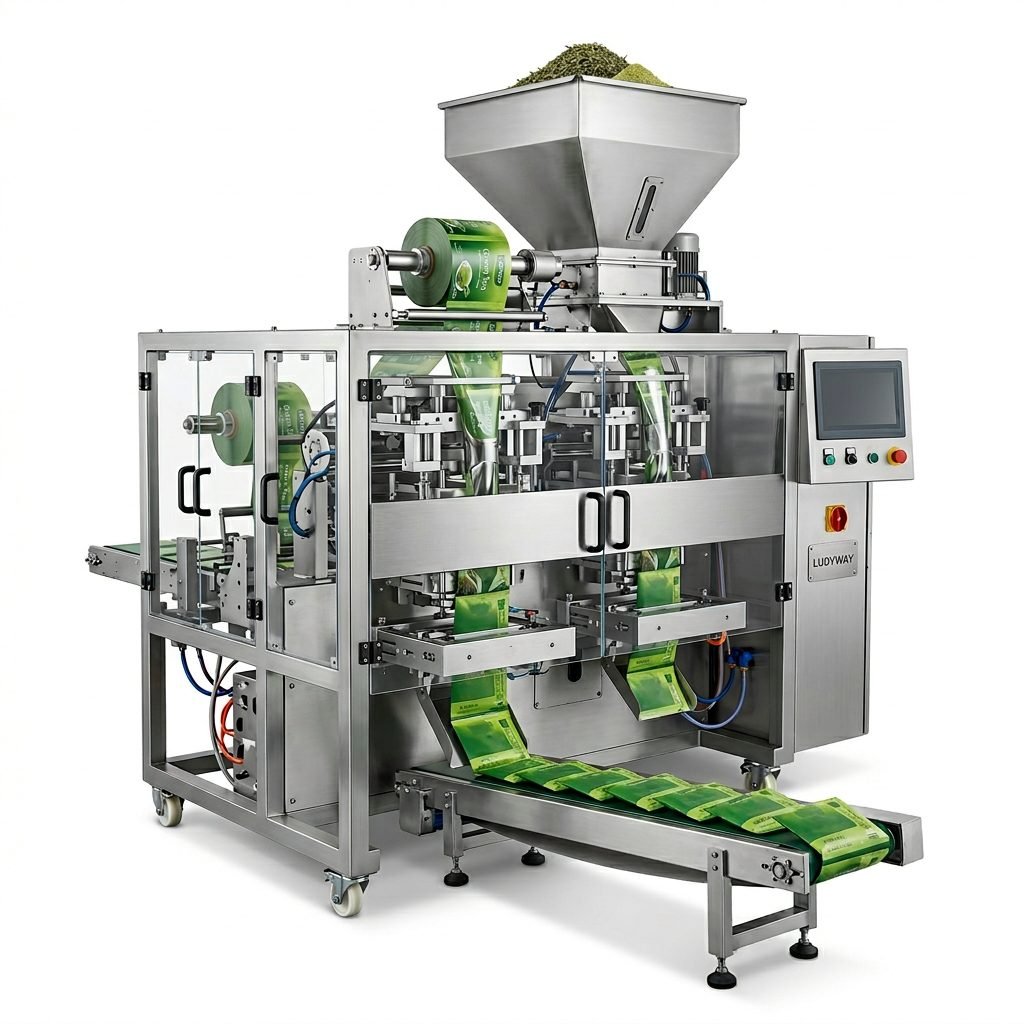
- Number of Lanes: Single-lane machines are entry-level; each additional lane increases throughput and cost proportionally. A 4-lane system typically costs 2–3× more than a single-lane unit.
- Automation Level: Manual or semi-automatic models start lower. Fully automated systems with servo-driven controls, auto-feeders, and integrated checkweighers command premium pricing.
- Packaging Format Flexibility: Machines capable of handling stick packs, sachets, and pouches in one platform cost more than single-format equipment but reduce long-term capital expenditure.
- Filling Technology: Auger fillers, volumetric cup fillers, and multi-head weighers each carry different price tags. Precision dosing for premium tea blends often requires more expensive filling systems.
- Construction Materials: Stainless steel 304 or 316L food-grade construction is standard for tea applications. Higher-grade materials and specialized surface treatments add to the cost.
- After-Sales Support and Warranty: Comprehensive service packages, extended warranties, and remote diagnostic capabilities influence the total acquisition cost.
Comparing Entry-Level vs. Industrial Tea Packaging Machines
Entry-level machines designed for small tea businesses and startups generally operate at speeds of 30–80 packs per minute per lane. These machines are compact, easier to operate, and require lower upfront capital. In contrast, industrial-grade tea super packaging machines built for high-volume production can exceed 150 packs per minute per lane with multi-lane configurations pushing overall output beyond 1,200 packs per minute.
Additional Cost Considerations Beyond the Machine Price
When budgeting for a tea packaging solution, factor in ancillary equipment and operational costs that significantly impact the total investment:
- Feeding systems (bucket elevators, vacuum feeders, Z-type conveyors)
- Inline checkweighers and metal detectors for quality assurance
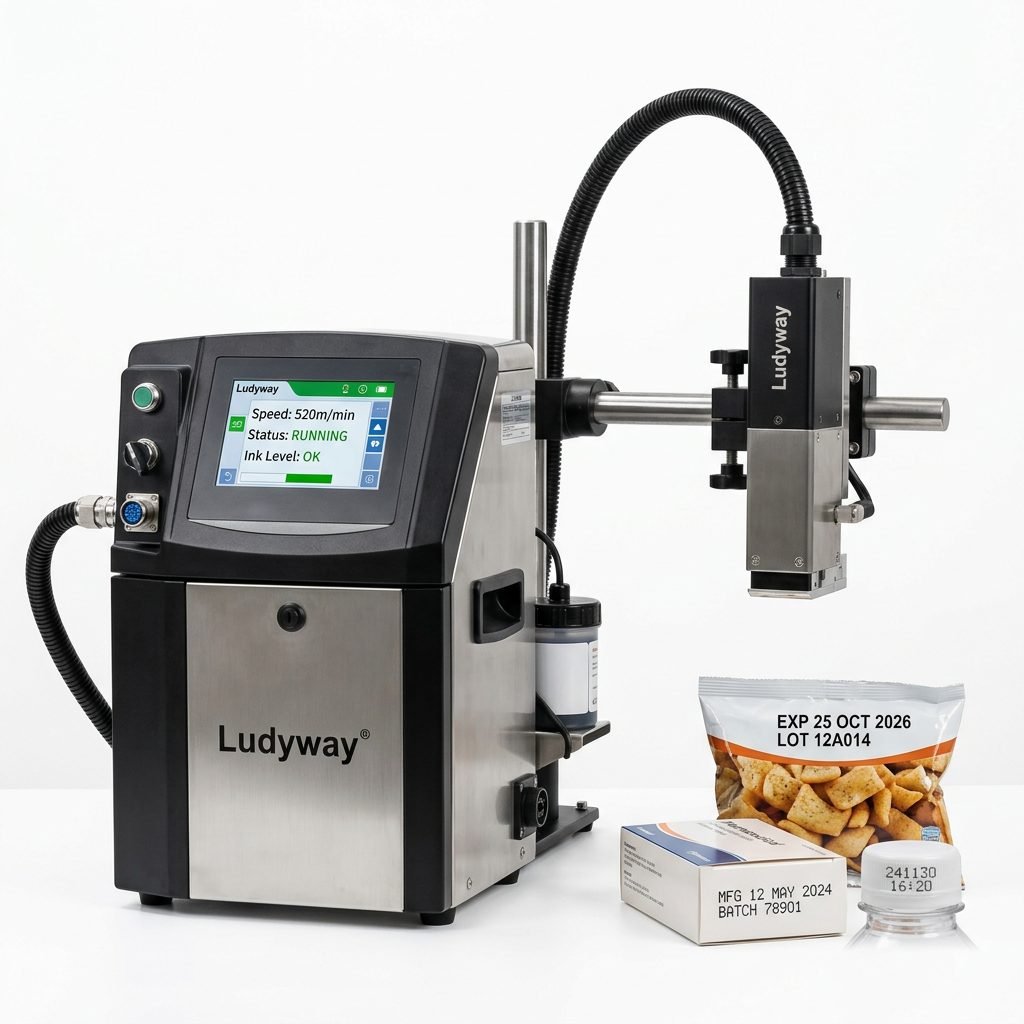
- Coding and marking equipment (thermal transfer printers, laser markers)
- Cartoning, case packing, and palletizing modules
- Installation, commissioning, and operator training
- Spare parts inventory and preventive maintenance contracts
- Packaging film and consumables compatibility testing
According to PMMI’s state of the industry reports, the global packaging machinery sector continues to see steady capital investment growth, particularly in flexible packaging formats that dominate the tea market. Similarly, resources from the Flexible Packaging Association highlight sustained demand for stick pack and sachet formats in beverage applications.
How to Evaluate Cost vs. Value in Tea Packaging Equipment
Price alone is a narrow metric. Smart buyers evaluate total cost of ownership (TCO) over a machine’s lifecycle — typically 8 to 15 years. A machine priced higher upfront may deliver lower per-pack costs, fewer reject rates, and longer service intervals. Key evaluation criteria include:
- Throughput per dollar invested — calculate packs per minute relative to capital cost
- Changeover time between SKUs — shorter downtime preserves production capacity
- Energy consumption — efficient servo drives reduce operating expenses
- Waste percentage — precision filling minimizes product giveaway and film waste
- Scalability — modular designs can be upgraded with additional lanes later
Regional Price Variations and Import Considerations
Tea packaging machines manufactured in different regions carry distinct cost profiles. Asian-manufactured equipment — particularly from China — offers competitive pricing without sacrificing build quality or performance. European and North American machines typically command 30–60% higher prices, reflecting local labor costs and regulatory compliance certifications.
When importing equipment, buyers should account for shipping, customs duties, local electrical standards compliance, and post-installation service availability. Many global packaging machinery manufacturers, including Ludyway, now offer international installation support and remote troubleshooting to mitigate these concerns.
Financing and Leasing Options for Tea Packaging Machines
Capital-intensive equipment purchases can be structured through several financing routes. Equipment leasing, deferred payment plans, and export credit insurance programs are commonly available. Some manufacturers offer turnkey project financing where payment is tied to production milestones. Exploring these options can accelerate ROI and preserve working capital for tea producers scaling up operations.
Questions to Ask Suppliers Before Requesting a Quote
- What is the guaranteed output speed for tea granules, powder, and leaf formats?
- Is the machine compatible with compostable or biodegradable packaging films?
- What are the standard changeover times between different tea blends?
- Does the warranty cover parts, labor, and on-site service visits?
- Can the supplier provide references from other tea packaging operations?
- Are training programs included, and are they available in multiple languages?
Ultimately, the right tea super packaging machine price reflects a balance between upfront investment and long-term production efficiency. By understanding the variables that shape equipment costs and evaluating suppliers against total value — not just the initial quote — tea businesses can secure packaging solutions that drive growth for years to come.