Investing in an automatic rice packing machine is a significant decision for any rice mill, food processing plant, or agricultural business. The right equipment can dramatically improve your production efficiency, reduce labor costs, minimize product waste, and ensure consistent packaging quality that meets both retailer expectations and regulatory standards. However, with dozens of manufacturers offering machines at widely varying price points and with different technical capabilities, the selection process can quickly become overwhelming.
Making the wrong choice — whether it is selecting a machine that is too slow for your production targets, incompatible with your packaging materials, or unable to handle the specific characteristics of your rice variety — can lead to costly downtime, product recalls, and operational bottlenecks. This comprehensive guide walks you through every critical factor you need to evaluate, helping you choose an automatic rice packing solution that aligns with your production volume, packaging format requirements, and long-term business goals.
Before diving into technical specifications, it is essential to understand that the packaging machinery market has experienced steady growth driven by increasing automation across the food processing sector. Rice packaging, in particular, presents unique challenges because of the granular nature of the product, variations in grain size and density, and the need for precise weight control to comply with labeling regulations.
Key Factors to Consider Before Purchasing
Selecting an automatic rice packing machine requires a systematic evaluation of your operational needs. Rushing into a purchase without thoroughly assessing these factors can result in a machine that underperforms or requires expensive modifications later.
Production Capacity and Speed Requirements
One of the first questions any buyer should ask is: how many bags per minute or hour does your operation need to fill? Automatic rice packing machines come in a wide range of speeds — from single-lane systems capable of 20-30 packs per minute to high-speed multi-lane machines that can fill several hundred sachets or stick packs per minute. Consider not only your current output but also projected growth over the next 3-5 years.
- Small-scale operations: Single-lane machines producing 15-40 packs per minute may suffice.
- Mid-sized producers: Multi-lane systems delivering 80-200 packs per minute offer better scalability.
- High-volume industrial plants: Fully automated multi-lane packaging lines with speeds exceeding 300 packs per minute are ideal.
Rice Characteristics and Product Handling
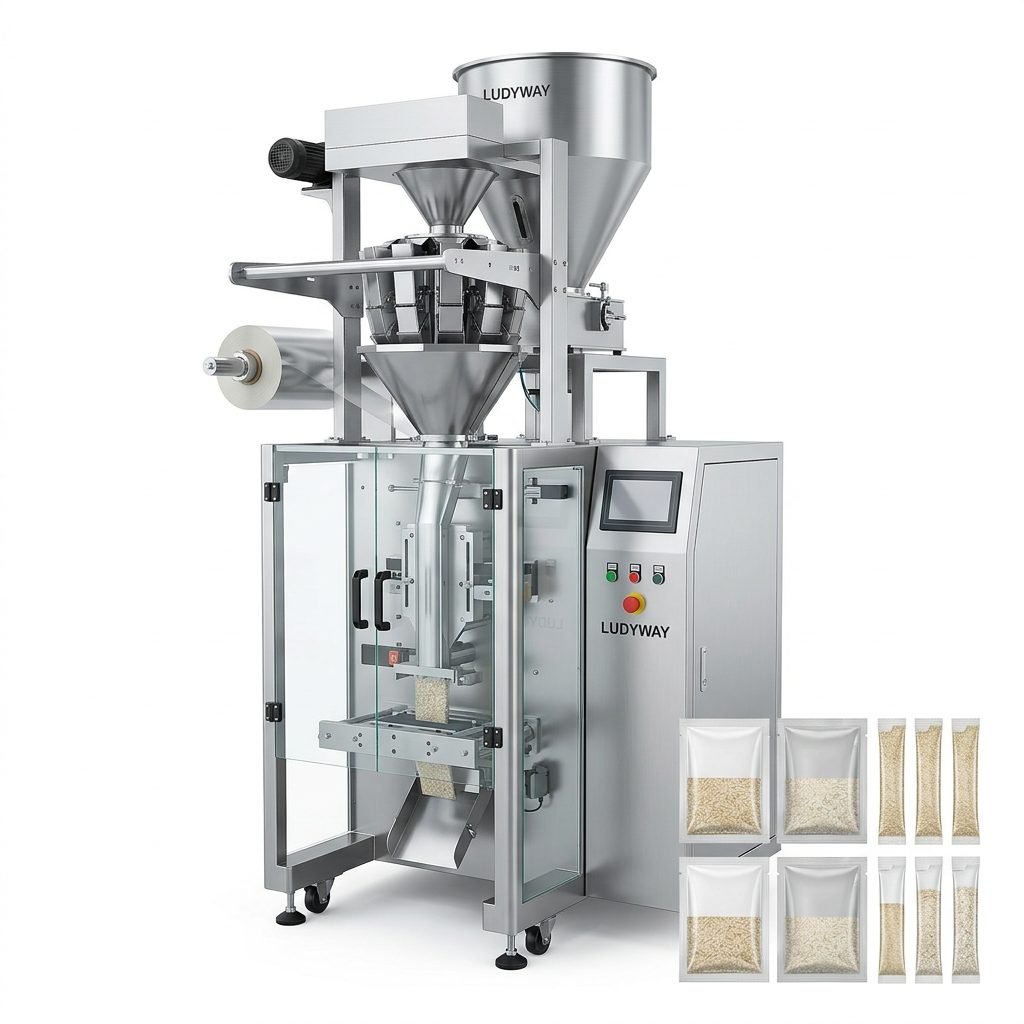
Not all rice is the same. Long-grain basmati, short-grain sushi rice, brown rice, parboiled rice, and fragrant jasmine rice each have distinct physical properties — grain length, moisture content, flowability, and susceptibility to breakage. Your chosen machine must be configured with the appropriate feeding system, weigher type, and gentle handling mechanisms to prevent grain damage during the packaging process. Multi-head weighers are commonly used for precise portioning of rice into each package.
Packaging Format and Bag Style
Modern rice packaging goes far beyond the traditional woven sack. Today’s market demands diverse formats depending on the target consumer and distribution channel. Consider which formats your machine needs to support:
- Pillow pouches — Common for retail rice bags from 500g to 5kg.
- Gusseted bags — Provide better shelf stability for larger formats.
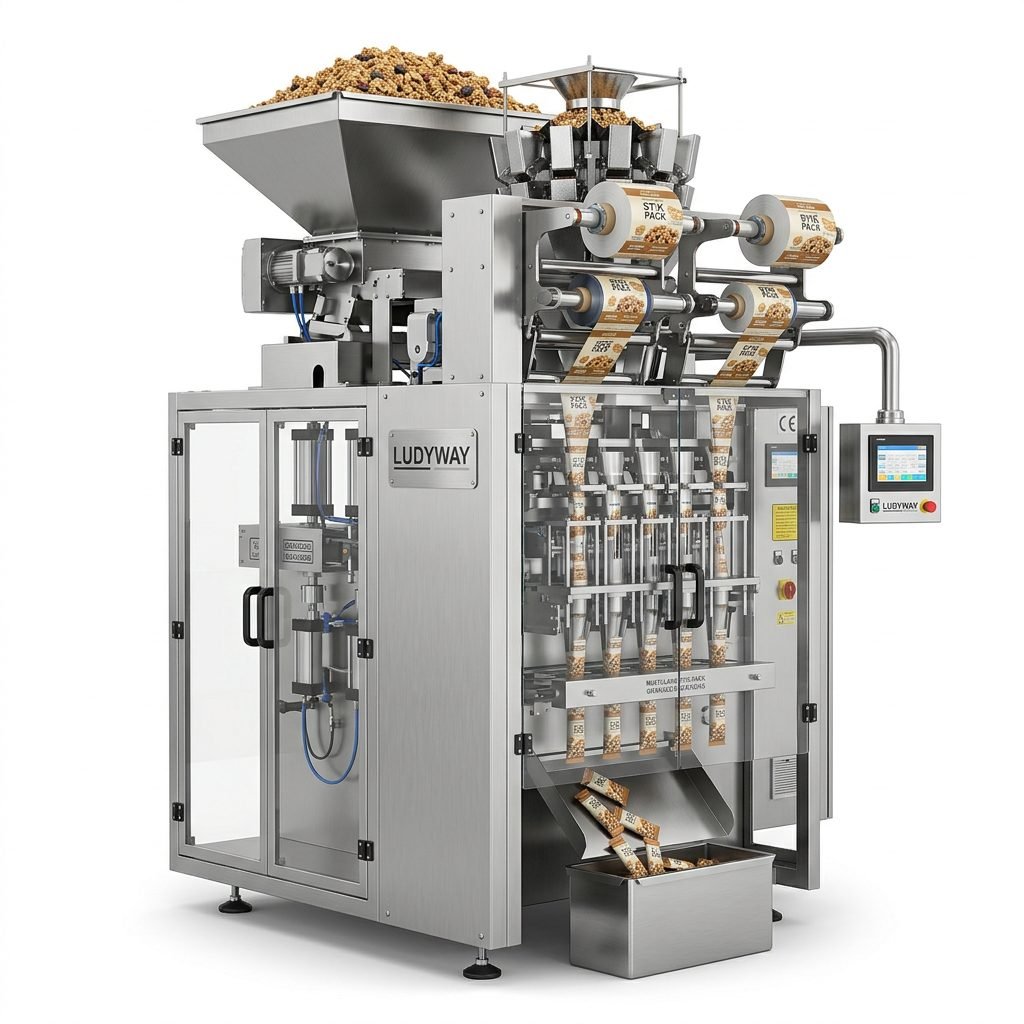
- Stick packs and sachets — Single-serve or portion-controlled packaging growing in popularity.
- Vacuum-sealed packs — Extended shelf life for premium or export-grade rice.
- Stand-up pouches with zipper — Consumer-friendly resealable options.
Types of Automatic Rice Packing Machines
Understanding the different machine configurations available on the market is essential for making an informed decision. Each type has distinct advantages depending on your production scale and packaging requirements.
| Machine Type | Best For | Typical Speed Range | Key Advantage |
|---|---|---|---|
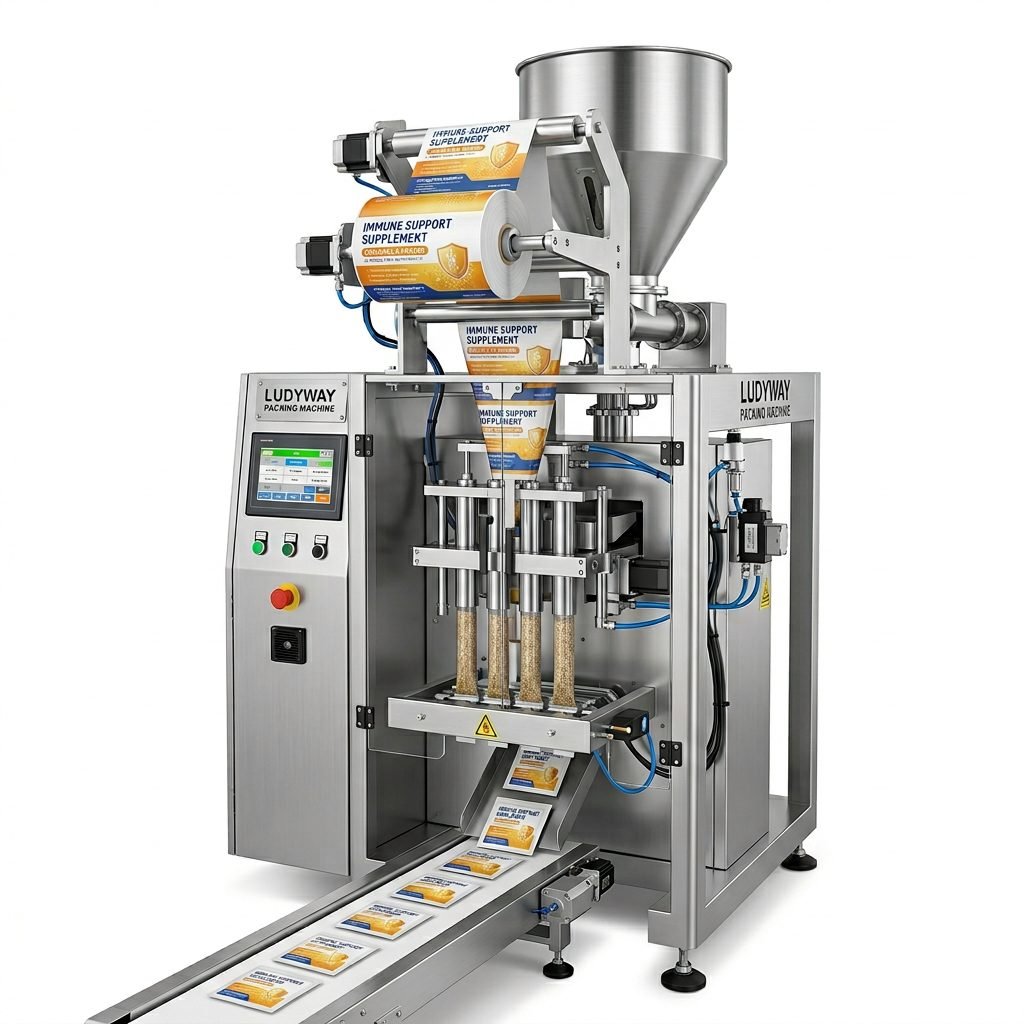
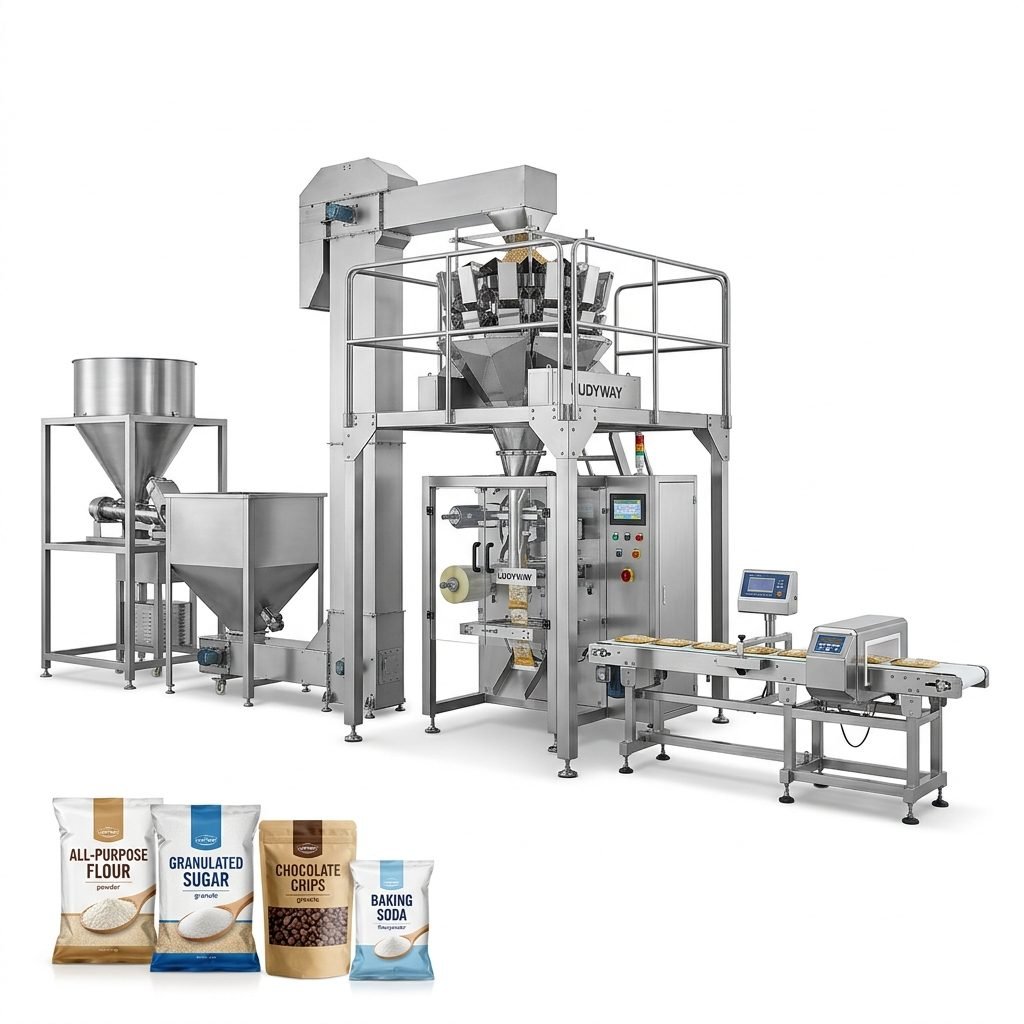
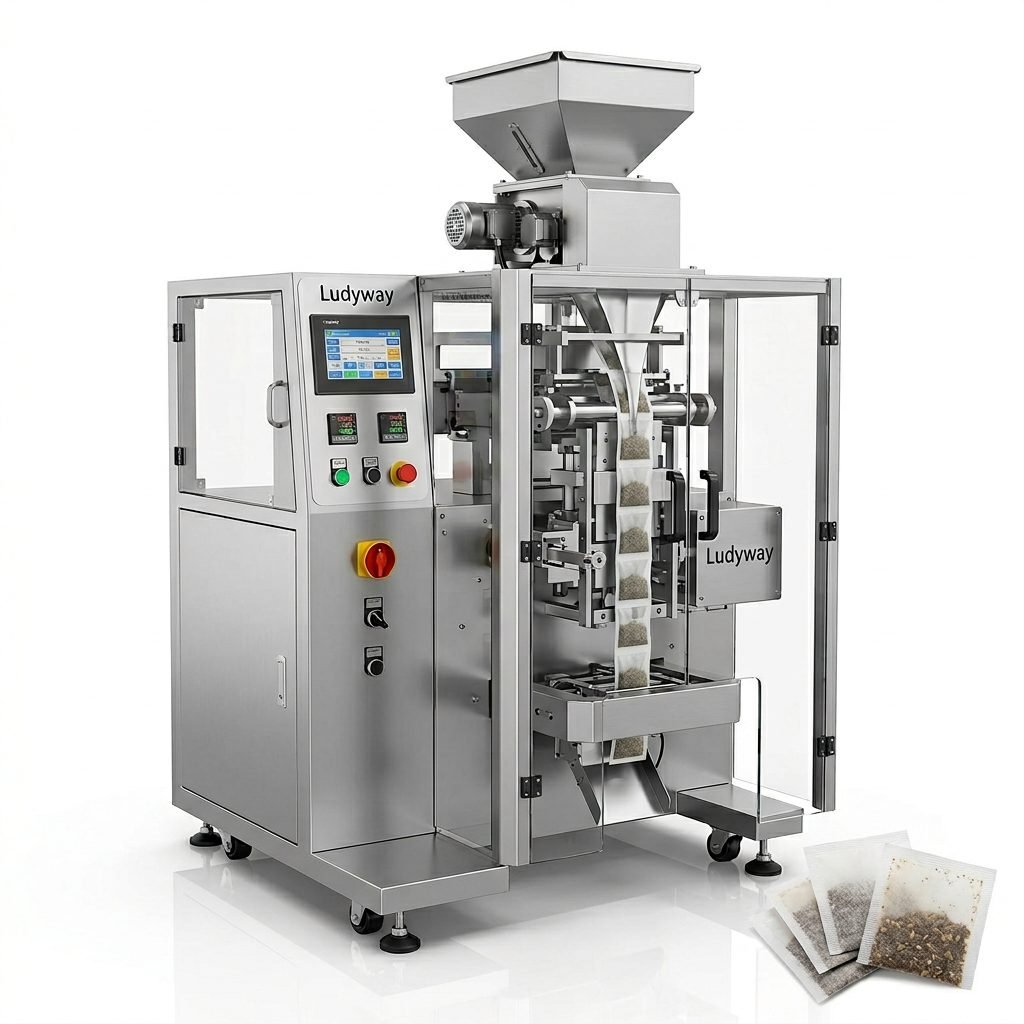
| Vertical Form-Fill-Seal (VFFS) | Medium to high-volume pillow pouch packaging | 30-120 packs/min | Versatile, cost-effective, widely used |
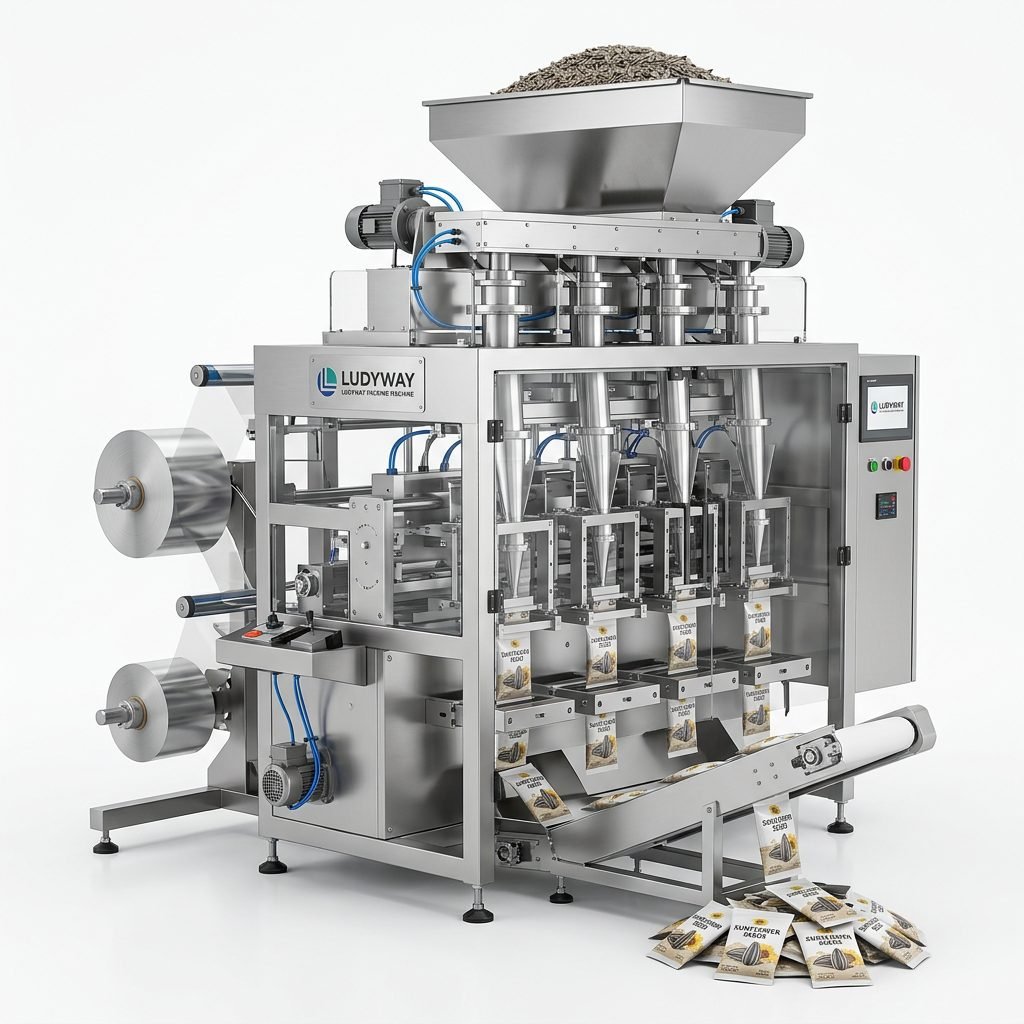
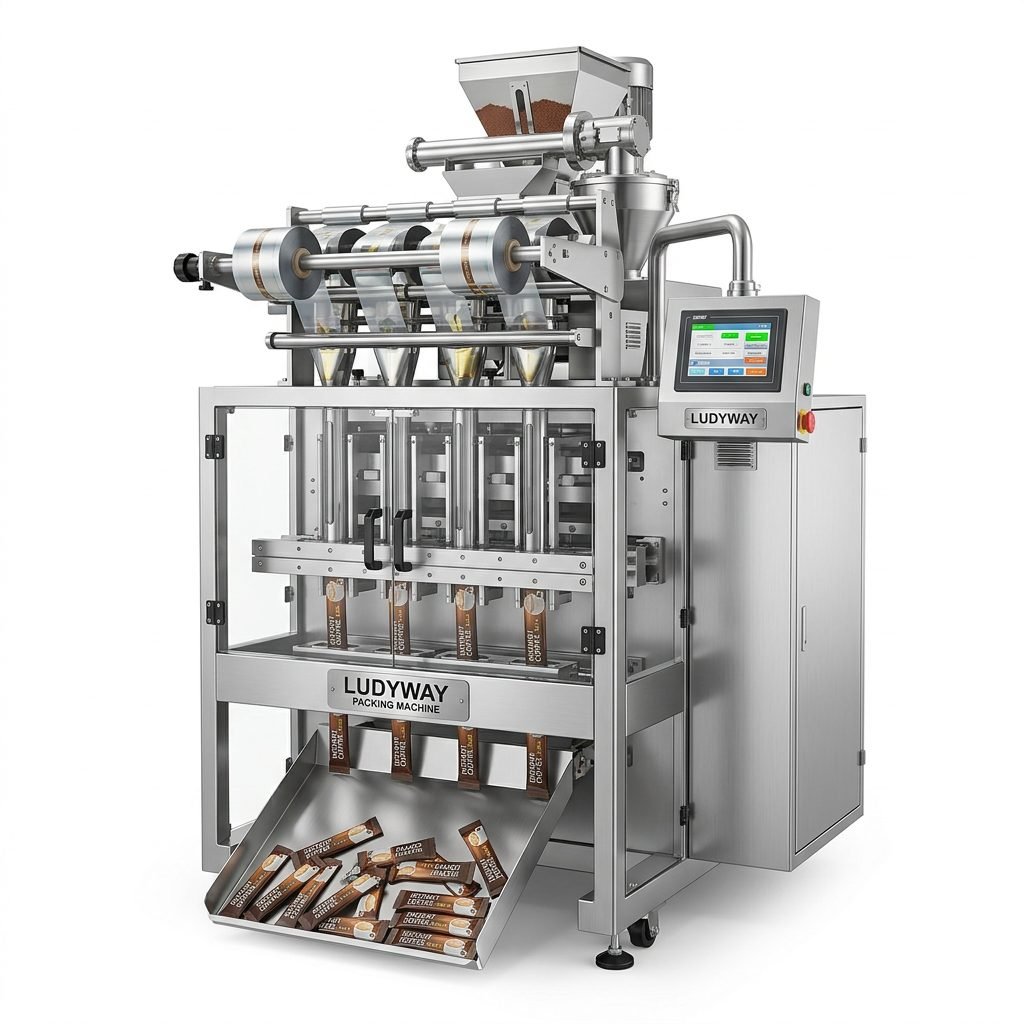
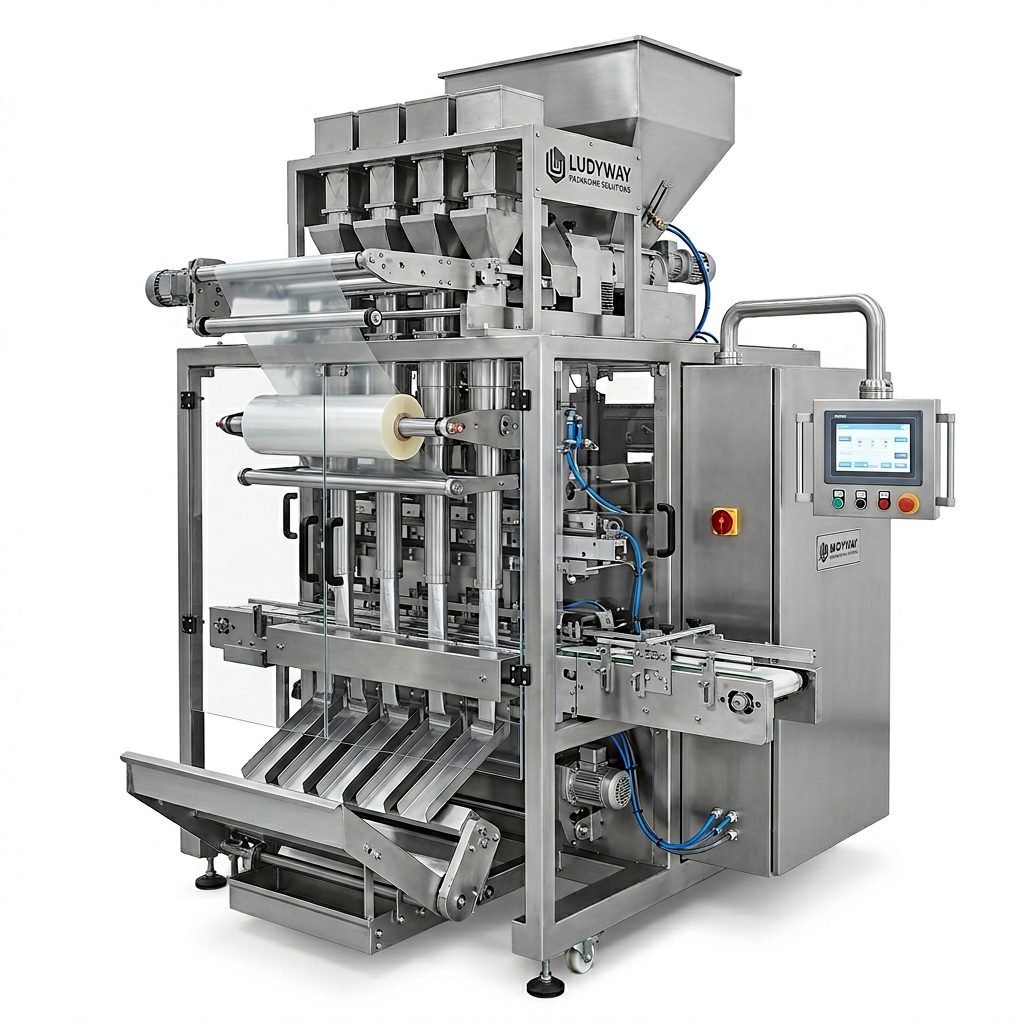
| Multi-Lane Stick Pack Machine | Single-serve and portion packs | 100-600+ packs/min | Ultra-high output for small formats |
| Premade Pouch Rotary Filler | Stand-up pouches, zipper bags, retail formats | 20-80 packs/min | Premium bag finish, flexible formats |
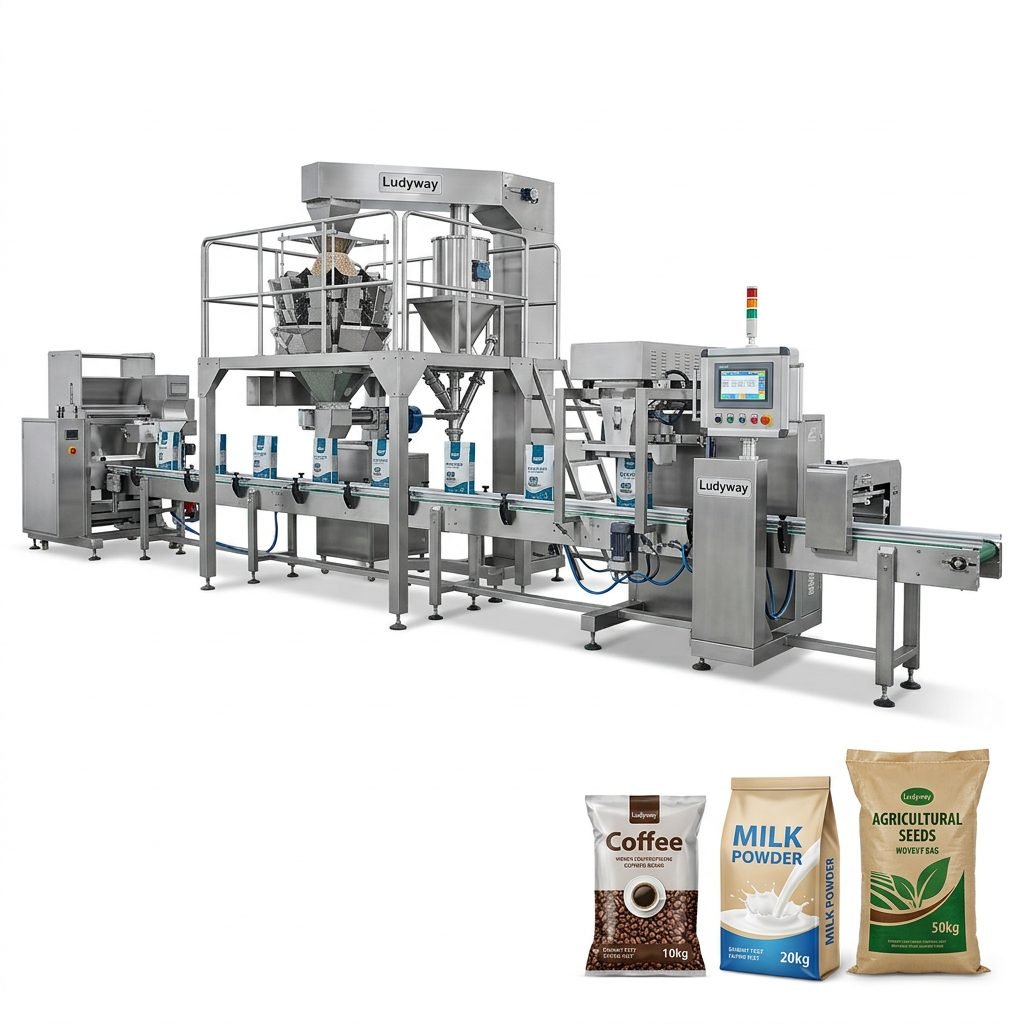
| Bulk Bag / Jumbo Bag Filler | Wholesale, industrial, and export bulk packaging | 5-30 bags/min | Handles 10kg-50kg bags efficiently |
The choice between these machine types depends largely on your target market segment. Retail-focused producers often benefit from VFFS or premade pouch systems, while manufacturers serving the food service or wholesale channel may prioritize bulk bagging solutions. For companies producing single-serve rice portions for convenience stores or travel retail, multi-lane stick pack machines offer unmatched throughput.
Technical Specifications That Directly Impact Performance
Beyond the machine type, several technical parameters determine how well the equipment will perform in your specific production environment.
Weighing Accuracy and Filling Technology
In rice packaging, weighing precision is non-negotiable. Even slight overfilling can erode profit margins over thousands of bags, while underfilling risks regulatory penalties and customer complaints. Modern automatic rice packing machines typically use one of these weighing technologies:
- Multi-head weighers — The industry standard for granular products like rice, offering high speed and accuracy (±0.5-1g depending on target weight).
- Linear weighers — A more economical option suitable for lower-speed applications.
- Auger fillers — Typically used for powdered products but can be adapted for certain rice flour applications.
For compliance with food packaging regulations, the weighing system should be compatible with checkweigher integration and data logging for quality assurance traceability.
Packaging Material Compatibility
Your choice of packaging film or material significantly affects machine selection. Common rice packaging materials include laminated films (PET/PE, BOPP/CPP), paper-plastic composites, and in some cases, biodegradable or recyclable mono-materials. The machine must be configured with the correct sealing temperature range, jaw design, and tension control to handle your chosen material without creating weak seals or wrinkles. As highlighted by flexible packaging industry resources, material innovation continues to evolve, and your equipment should accommodate future material changes.
Automation Level and Integration Capabilities
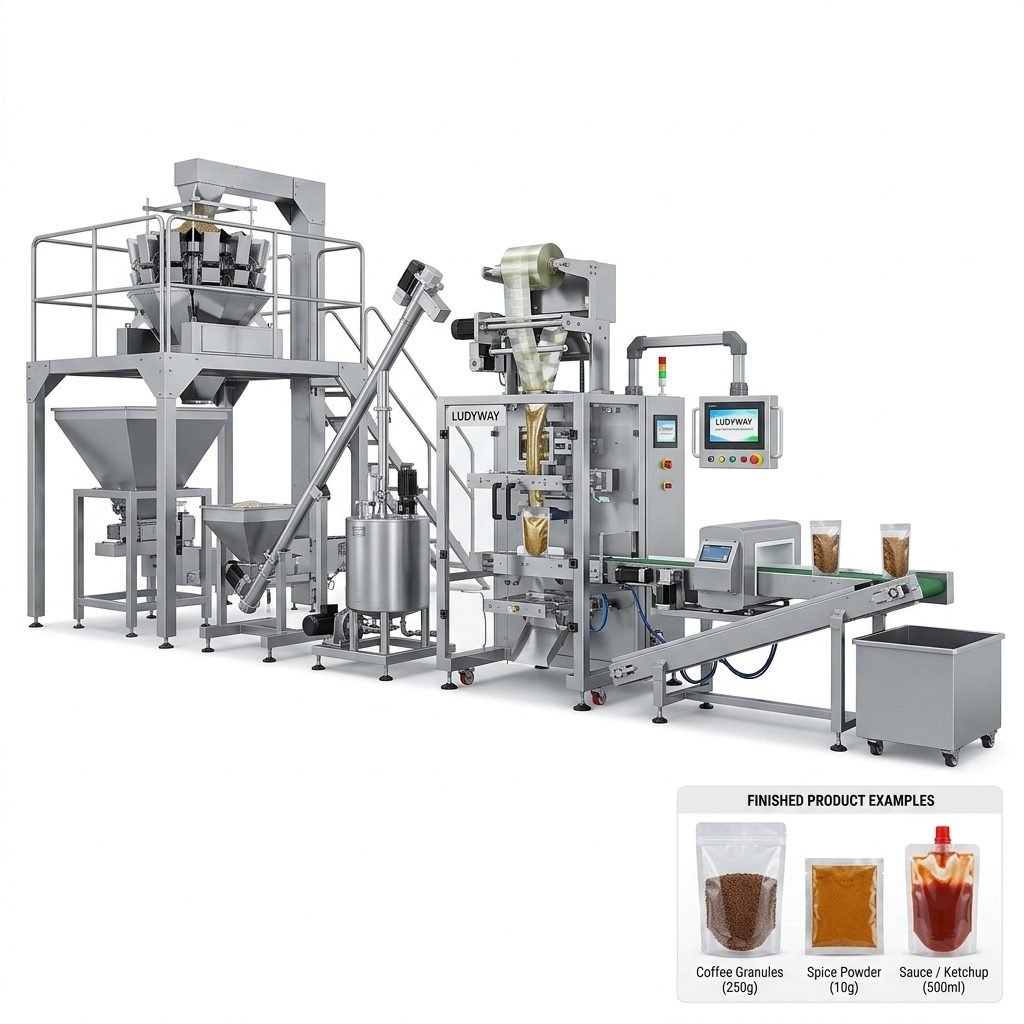
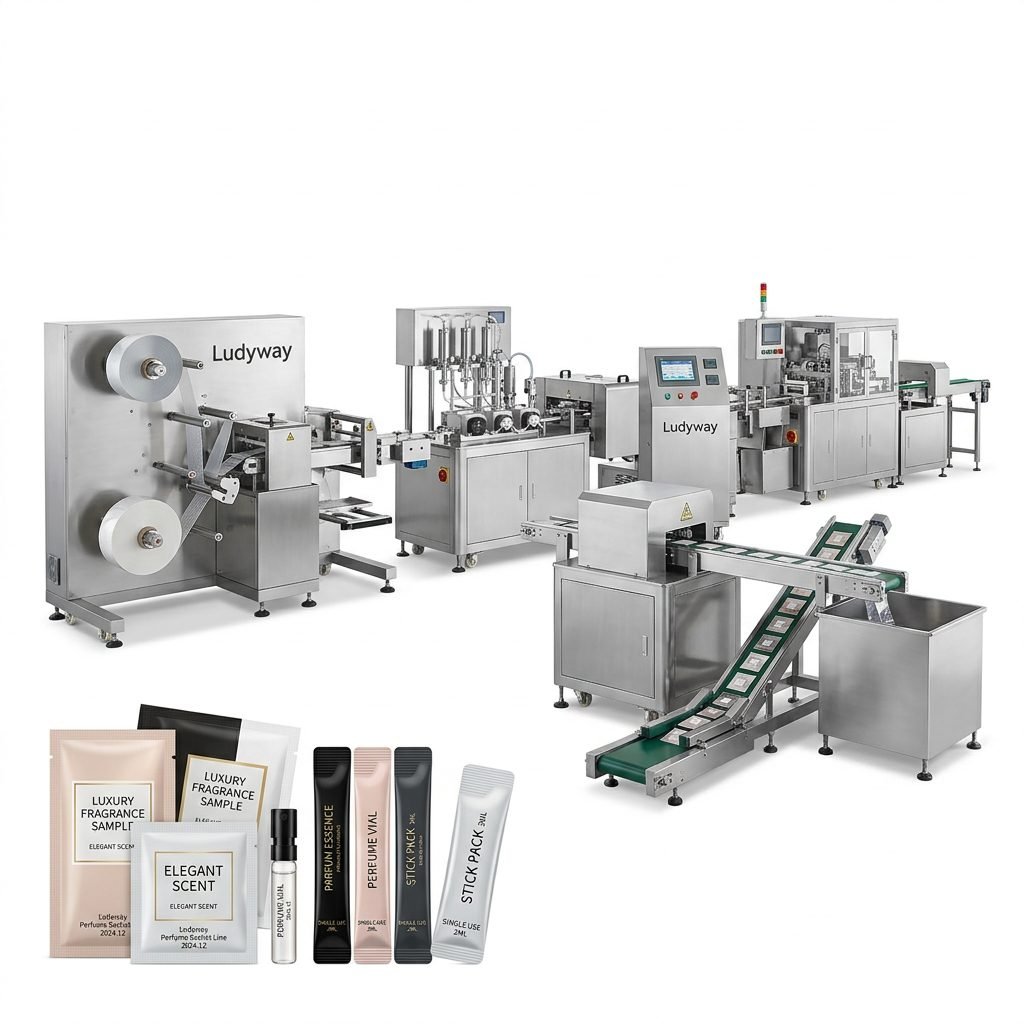
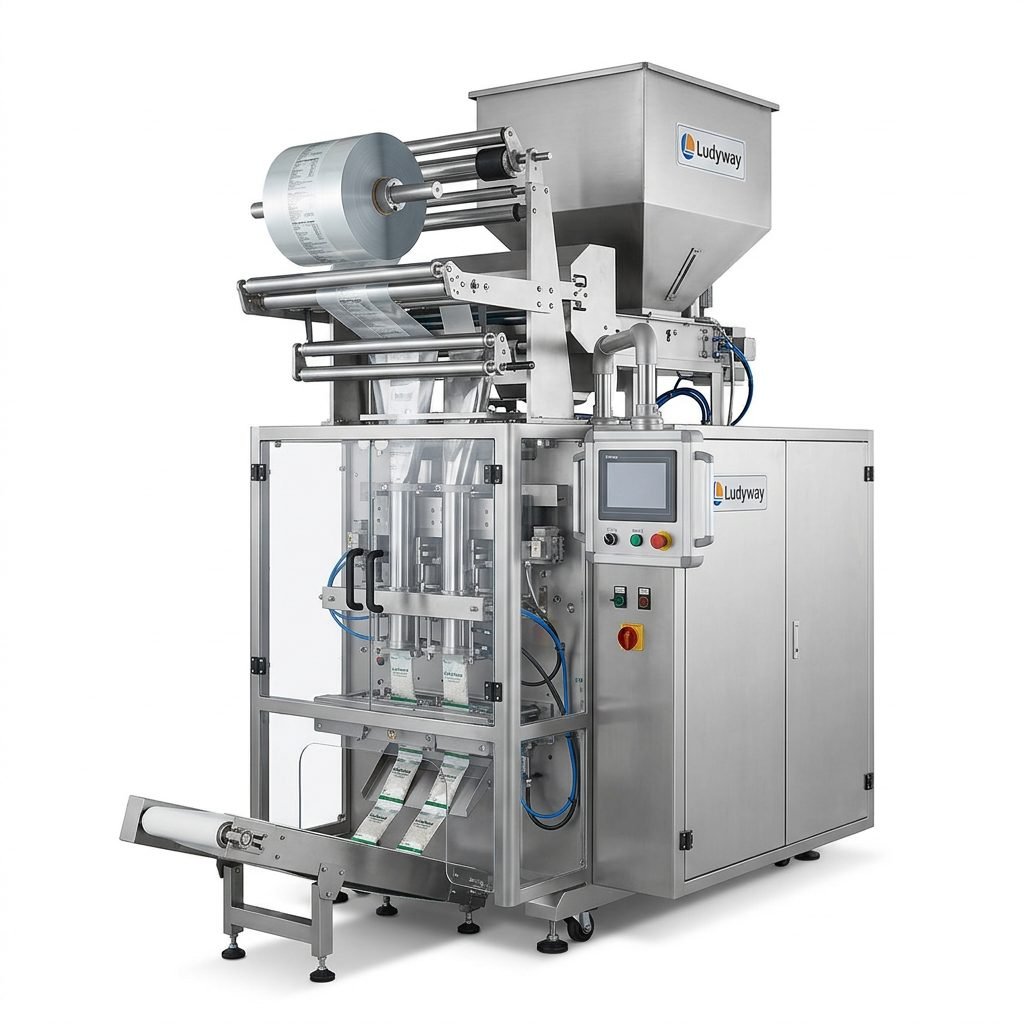
Consider whether you need a standalone machine or a fully integrated packaging line. Many modern rice packing systems can be configured with upstream and downstream modules including automatic feeding conveyors, checkweighers, metal detectors, date coding printers, cartoning machines, and palletizing systems. A turnkey packaging line reduces manual handling, improves overall line efficiency, and minimizes the risk of contamination.
Evaluating Packaging Machinery Manufacturers
Choosing the right manufacturer is just as important as selecting the right machine specifications. A reliable manufacturer provides not only quality equipment but also technical support, spare parts availability, and after-sales service throughout the machine’s lifecycle.
When evaluating potential suppliers, consider these criteria:
- Industry experience — How many years has the manufacturer been producing rice or granule packaging machinery?
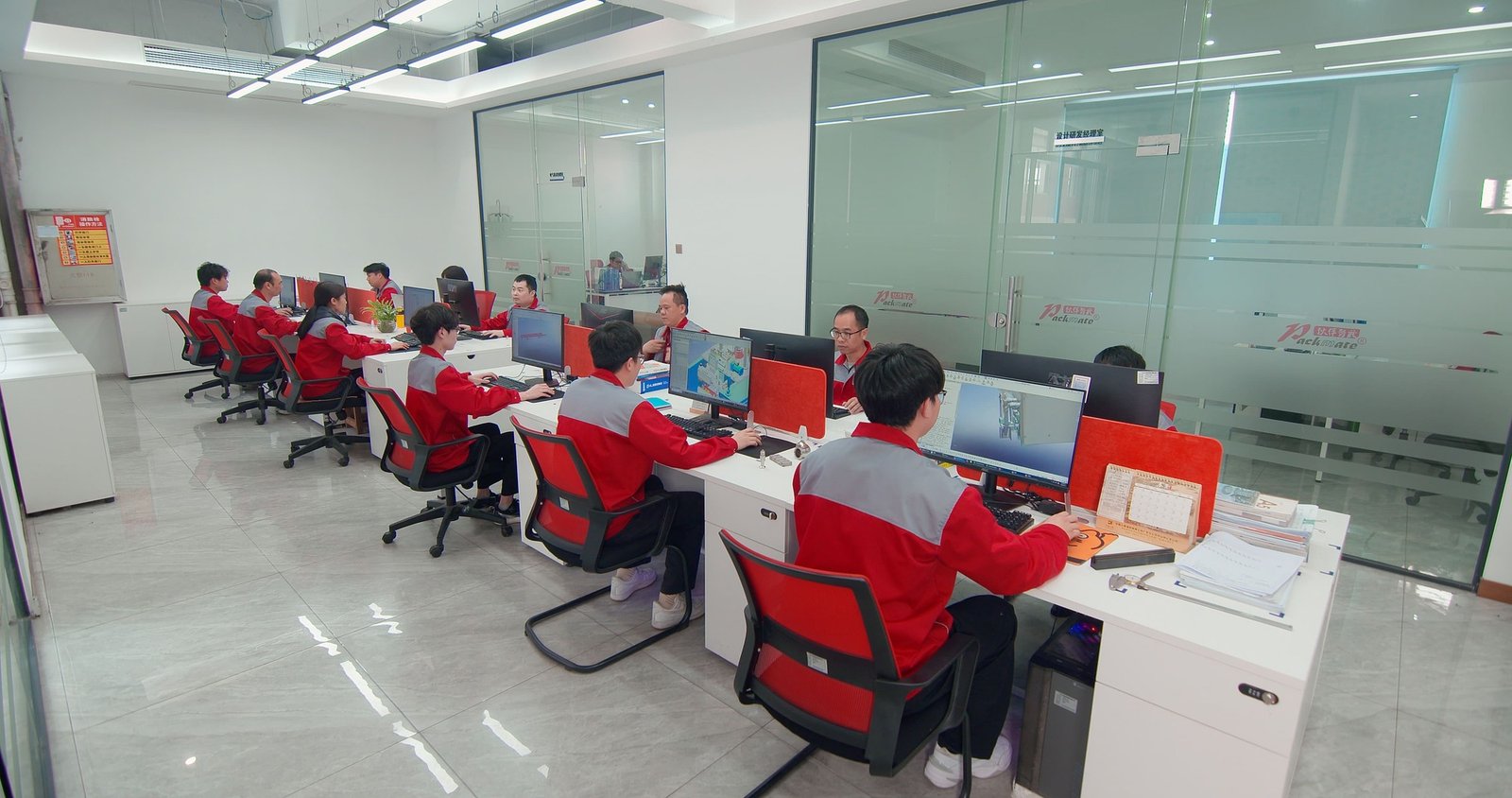
- Manufacturing capabilities — Does the company have in-house production facilities and engineering teams?
- Customer references — Can they provide case studies or references from rice packaging operations similar to yours?
- Certifications — Does their equipment meet relevant international standards for food safety and machine safety?
- Global service network — If you are located outside the manufacturer’s home country, is local technical support available?
For example, Ludyway Machinery, a China-based packaging machinery manufacturer with more than 30 years of experience and a 20,000-square-meter manufacturing facility, provides customized automatic rice packing solutions configured for different production speeds, bag formats, and packaging materials. The company serves customers in over 100 countries and offers comprehensive support from machine selection through installation and after-sales service. According to recent packaging machinery export data, demand for automated packaging equipment continues to rise globally.
Cost Considerations and Return on Investment
The purchase price of an automatic rice packing machine is only one part of the total cost equation. A thorough ROI analysis should account for:
- Initial capital expenditure — Machine cost, shipping, installation, and commissioning.
- Operational costs — Energy consumption, packaging material waste rates, and labor requirements.
- Maintenance and spare parts — Expected annual maintenance costs and lead times for critical spare components.
- Product give-away savings — Improved weighing accuracy directly reduces product loss over time.
- Labor reduction — Automation typically reduces the number of operators needed per shift.
While a lower upfront price may seem attractive, a machine with better weighing accuracy, higher reliability, and stronger after-sales support often delivers superior long-term value. Industry benchmarks from packaging industry economic reports suggest that well-maintained packaging machinery can operate efficiently for 10-15 years or more, making the total cost of ownership a more meaningful metric than the initial purchase price alone.
Common Mistakes to Avoid When Buying
Even experienced buyers can make costly errors during the equipment selection process. Here are the most common pitfalls and how to avoid them:
- Underestimating future production needs — Buying a machine that barely meets today’s requirements leaves no room for growth. Plan for at least 20-30% headroom in capacity.
- Ignoring packaging material specifications — Not all machines handle all films equally well. Verify material compatibility before committing.
- Overlooking local after-sales support — A machine without accessible technical support can lead to extended downtime when issues arise.
- Focusing solely on price — The cheapest machine often comes with hidden costs in downtime, waste, and limited support.
- Skipping factory acceptance testing — Always test the machine with your actual rice product before shipment to verify performance.
Final Recommendations
Selecting the right automatic rice packing machine is a strategic decision that affects your production efficiency, product quality, and bottom line for years to come. Start by clearly defining your production volume, target packaging formats, and budget parameters. Then evaluate manufacturers based on their technical expertise, industry track record, and commitment to after-sales service.
Whether you are looking for a single VFFS machine for retail rice bags or a complete packaging line with automated weighing, filling, sealing, coding, and palletizing, working with an experienced manufacturer who understands the unique challenges of rice packaging will help ensure a successful investment. Take the time to visit manufacturing facilities if possible, request sample runs with your product, and speak with existing customers before making your final decision.