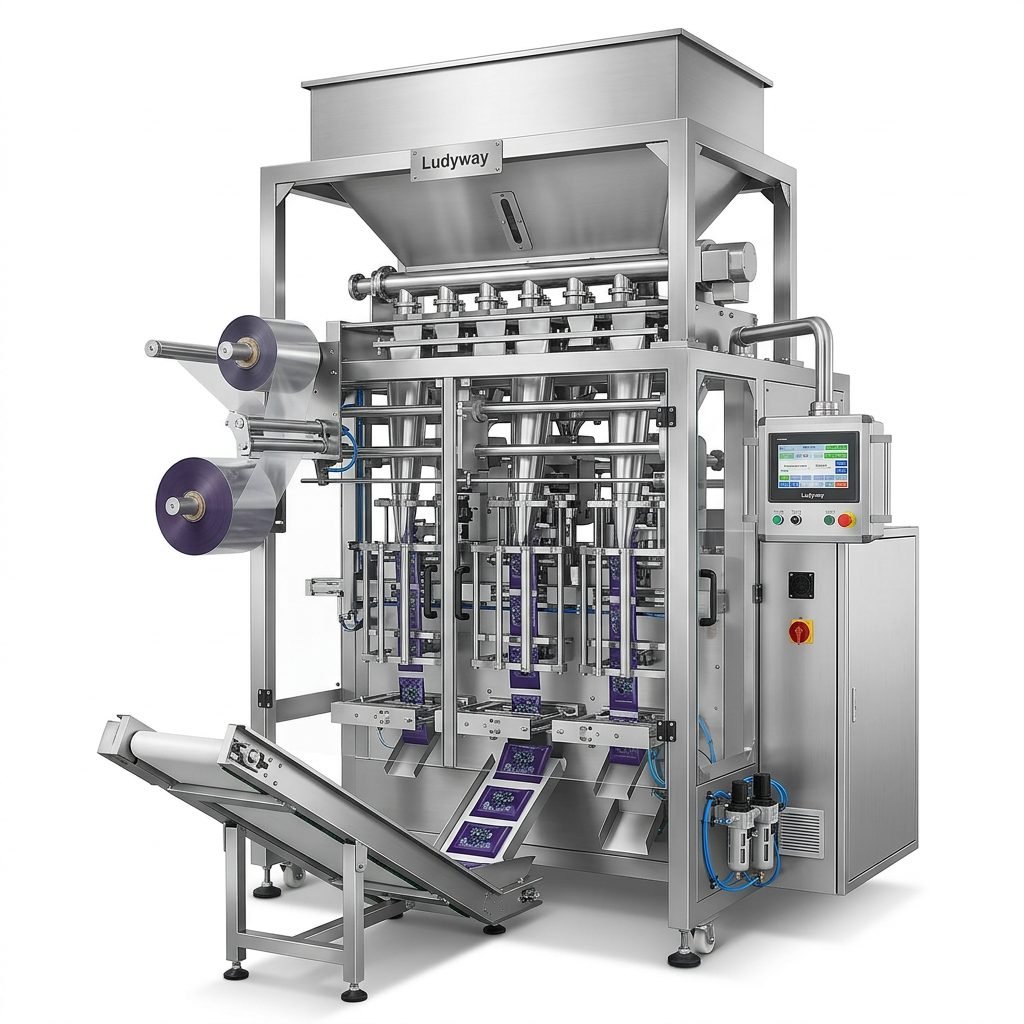
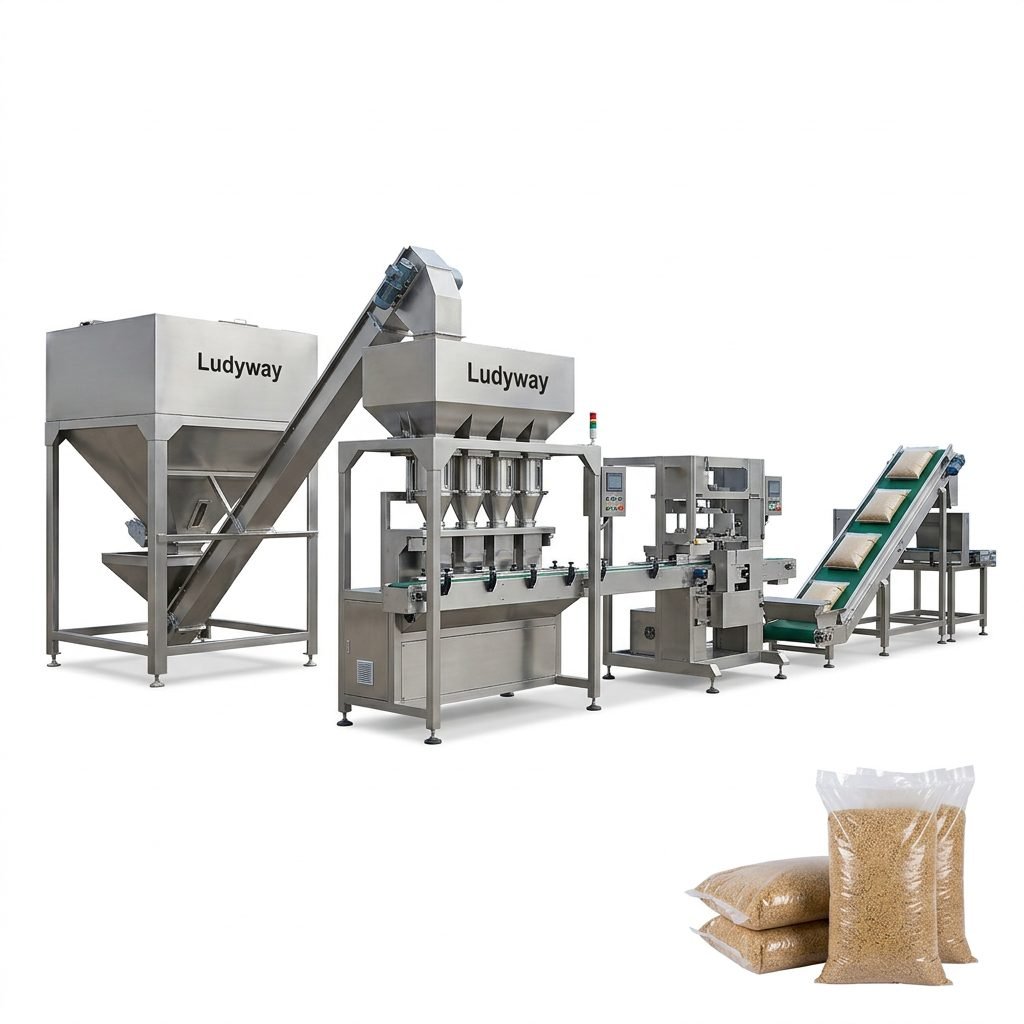
Selecting the appropriate chilli powder packing machine is a critical decision that directly impacts production efficiency, product quality, and operational costs. With numerous equipment configurations, dosing technologies, and automation levels available, buyers need a structured approach to evaluate options and identify the most suitable solution for their specific requirements.
Understanding Chilli Powder Characteristics and Packaging Challenges
Chilli powder presents unique packaging challenges due to its fine particle size, dust generation, hygroscopic nature, and potential for irritation during handling. The product’s physical properties — including bulk density, flowability, moisture sensitivity, and particle size distribution — must be evaluated before selecting equipment.
Fine powders like chilli are prone to dusting, which can affect seal integrity, create cleanup issues, and pose respiratory hazards for operators. Additionally, inconsistent filling accuracy remains a common concern when dealing with non-free-flowing powders. The right machine should incorporate dust extraction systems and precision dosing mechanisms to address these issues effectively.
Key Factors to Consider When Choosing a Chilli Powder Packing Machine
1. Production Speed and Output Requirements
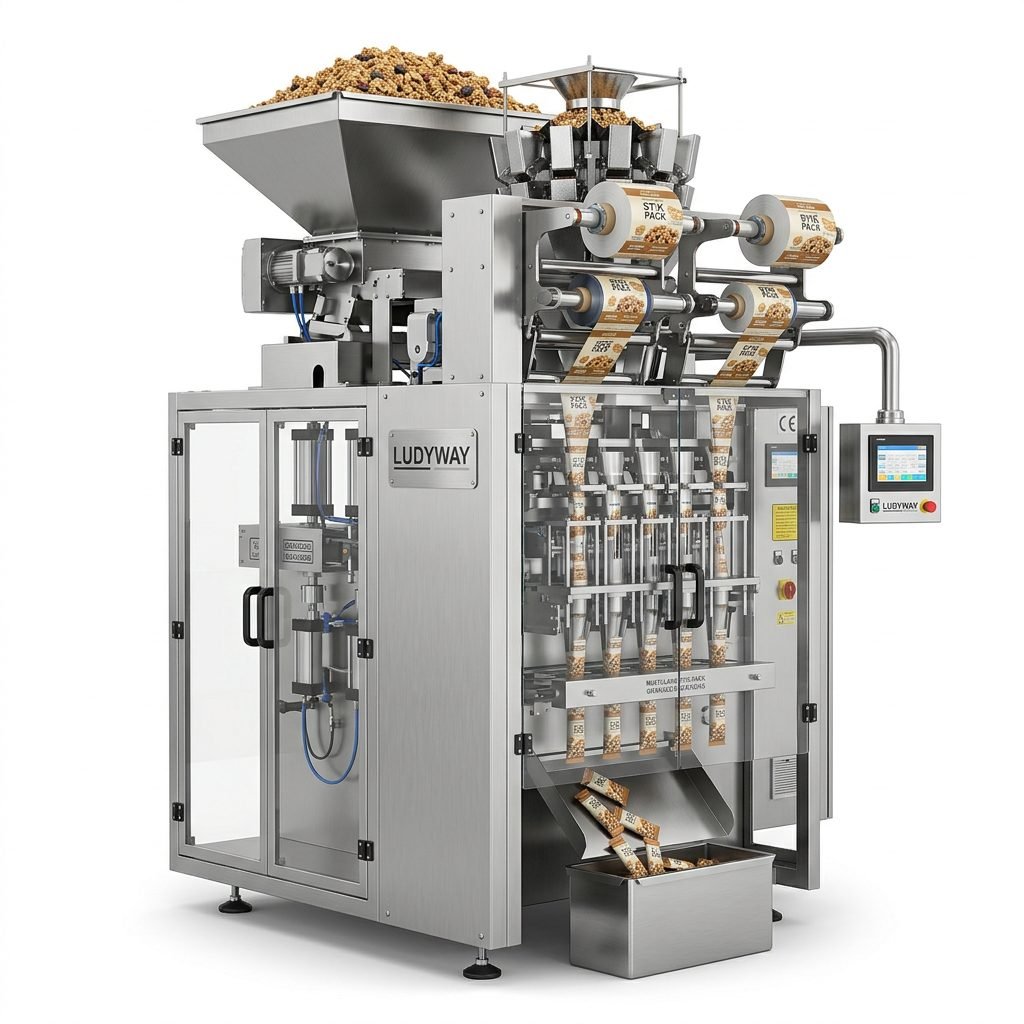
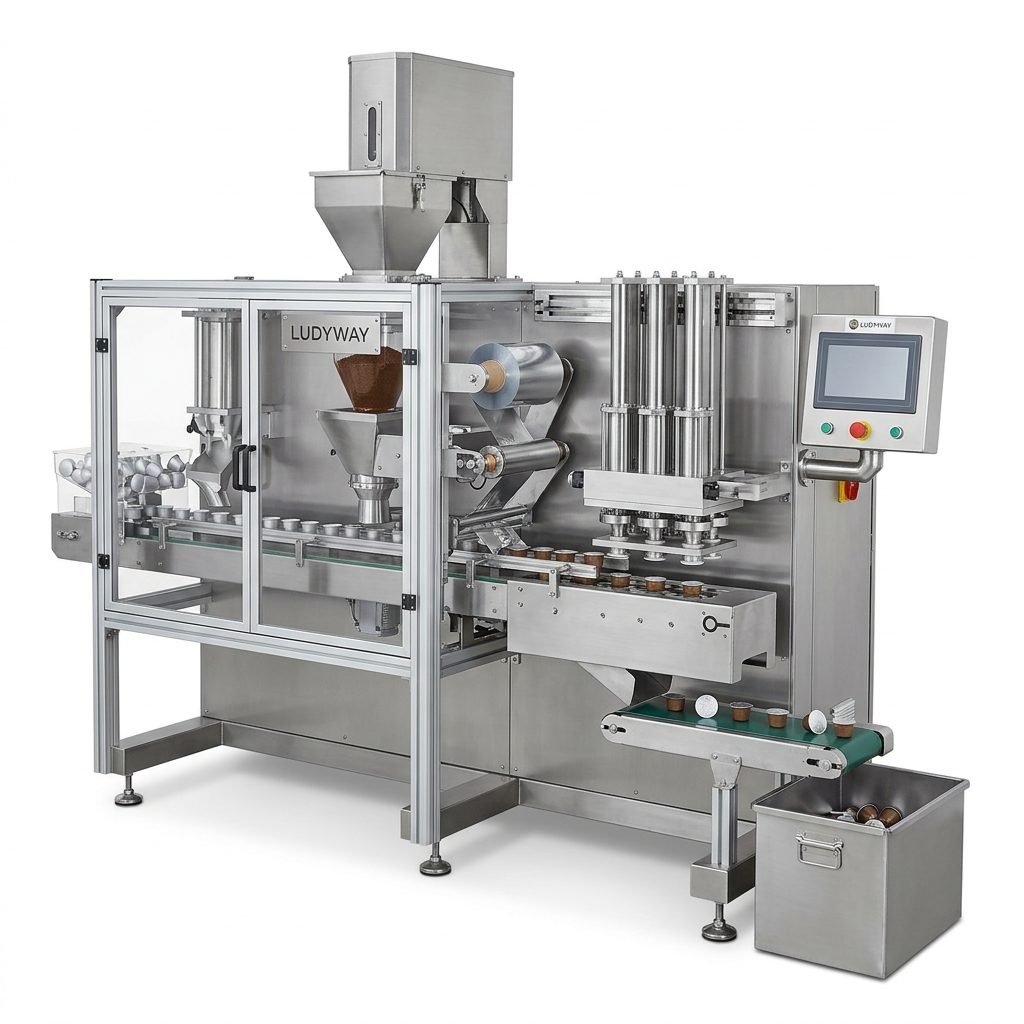
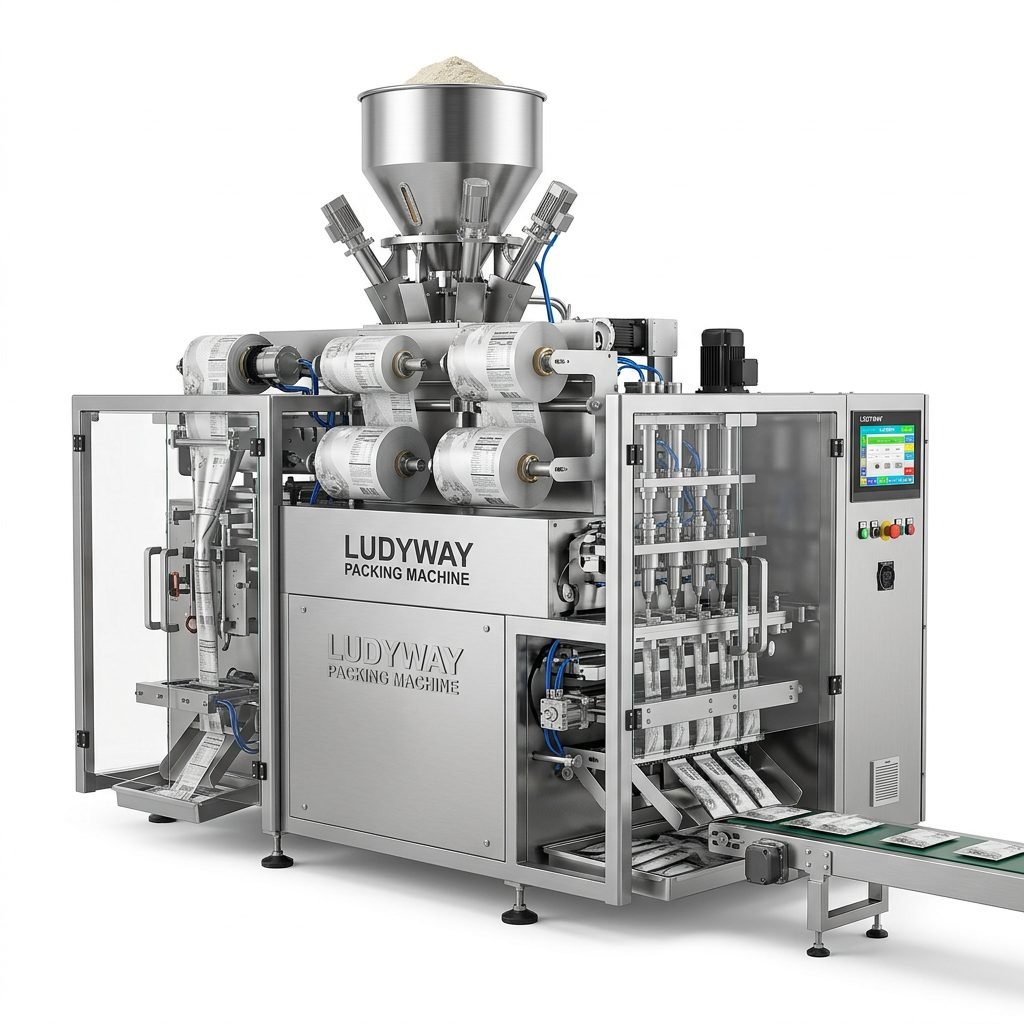
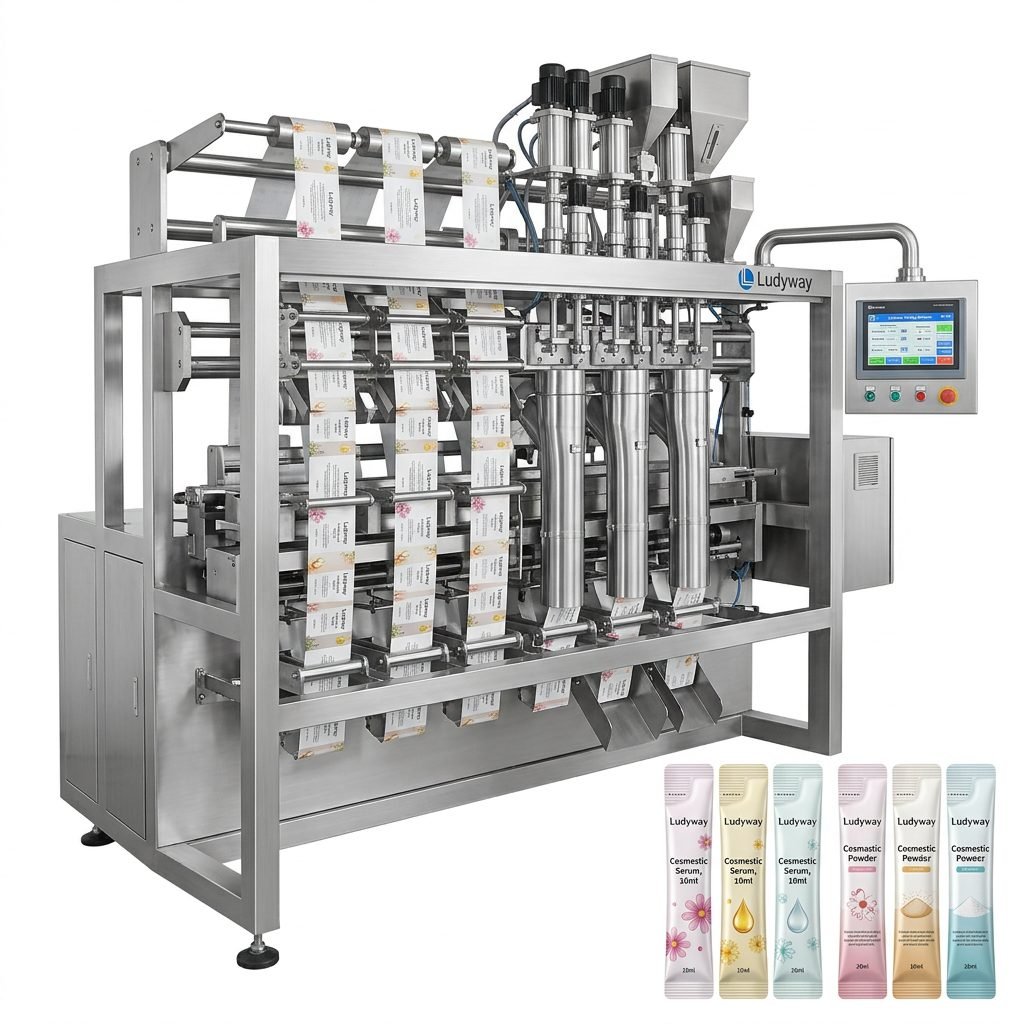
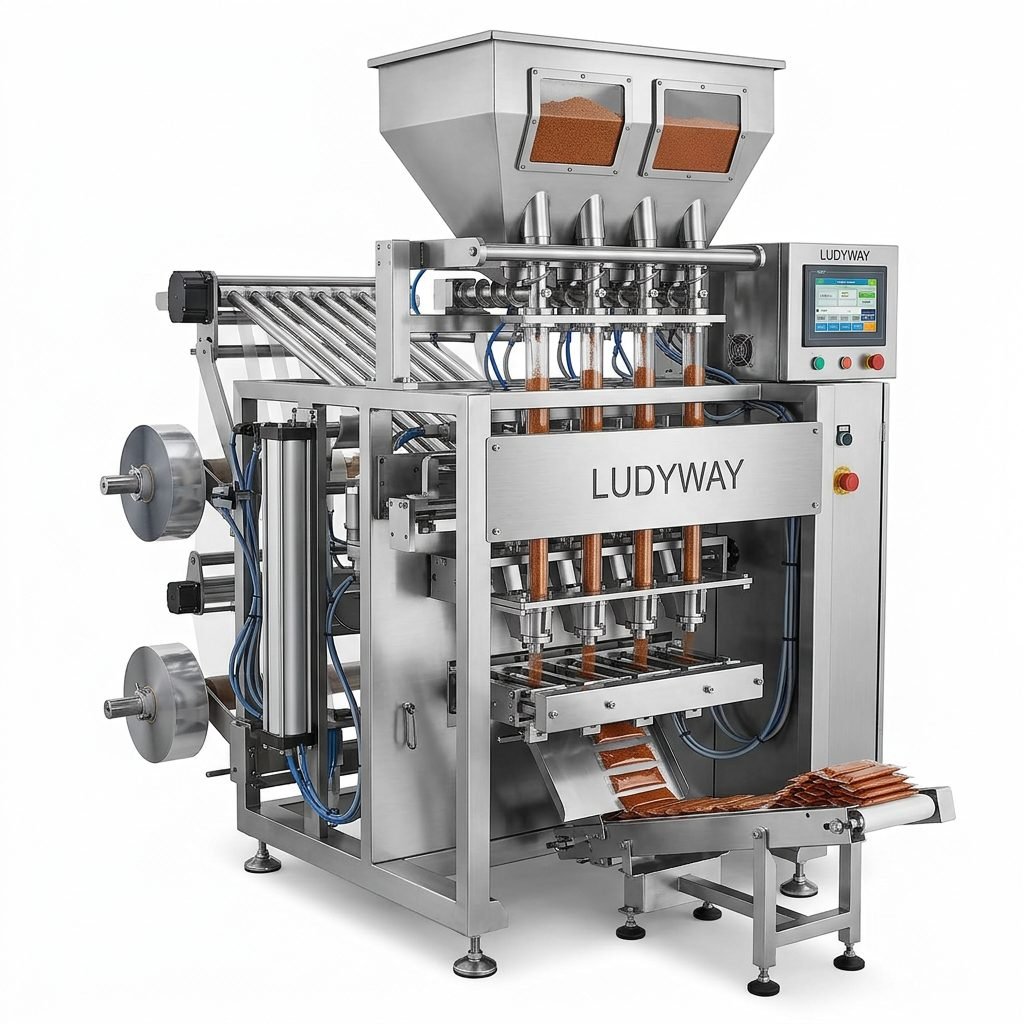
One of the first decisions involves matching machine speed to production demands. Multi-lane stick pack machines configured with 4, 6, 8, or more lanes can significantly increase output without proportionally increasing floor space. Understanding your current and projected throughput helps narrow the selection between single-lane and multi-lane systems.
| Machine Type | Typical Output Range | Best Suited For |
|---|---|---|
| Single-Lane Vertical Form Fill Seal | 30–80 packs/minute | Small to medium production volumes |
| 4-Lane Stick Pack Machine | 120–320 packs/minute | Medium to high production volumes |
| 8-Lane High-Speed System | 240–640 packs/minute | Large-scale industrial production |
| 12-Lane Ultra-High-Speed Line | 360–960+ packs/minute | Maximum throughput requirements |
2. Dosing and Filling Technology
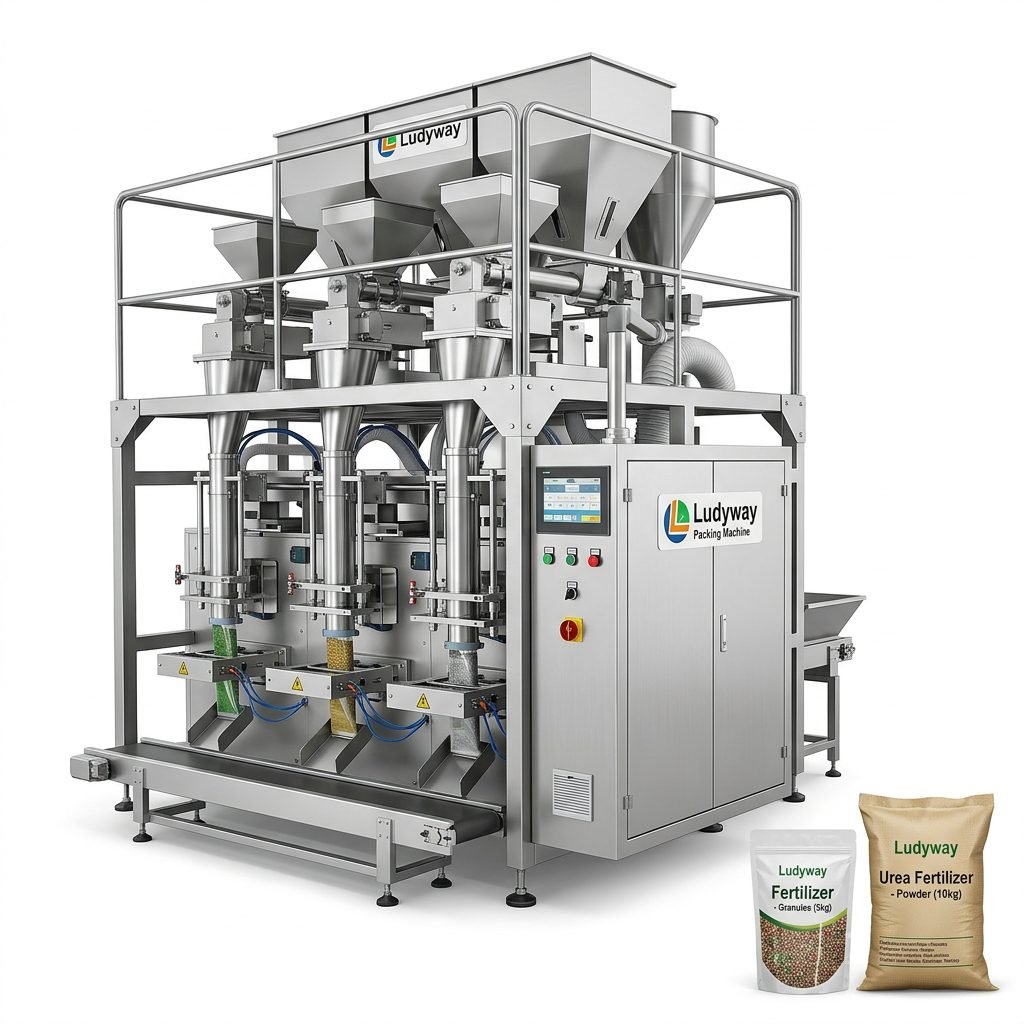
Accurate dosing is essential for product consistency and regulatory compliance. The filling system must handle chilli powder’s specific flow characteristics without bridging, rat-holing, or overfilling. Common dosing technologies include:
- Auger fillers – Ideal for fine powders, offering high accuracy and minimal dust generation
- Volumetric cup fillers – Suitable for free-flowing granule-powder blends with consistent density
- Multi-head weighers – Provide exceptional accuracy for higher-cost spice products
- Servo-driven piston fillers – Effective when filling into small sachet formats
3. Packaging Material Compatibility
Chilli powder requires packaging films with excellent barrier properties against moisture, oxygen, and light to preserve flavour, colour, and shelf life. The machine should accommodate common flexible packaging materials including:
- Metallised PET/PE laminates
- Aluminium foil laminates
- Kraft paper with inner barrier layers
- High-barrier BOPP/CPP structures
Verify sealing parameters — temperature, pressure, and dwell time — can be adjusted to match the film structure. Poor seal integrity leads to product spoilage and costly returns in the spice industry.
4. Bag Format and Size Flexibility
Modern chilli powder packaging lines should support multiple bag formats to serve different market segments. Evaluate whether the equipment can produce:
- Stick packs – Narrow single-serve sachets, popular for portion control in food service
- Three-side seal sachets – Common for retail spice packaging
- Four-side seal sachets – Enhanced structural integrity for heavier fills
- Gusseted pouches – Stand-up formats with improved shelf presence
5. Automation and Integration Capabilities
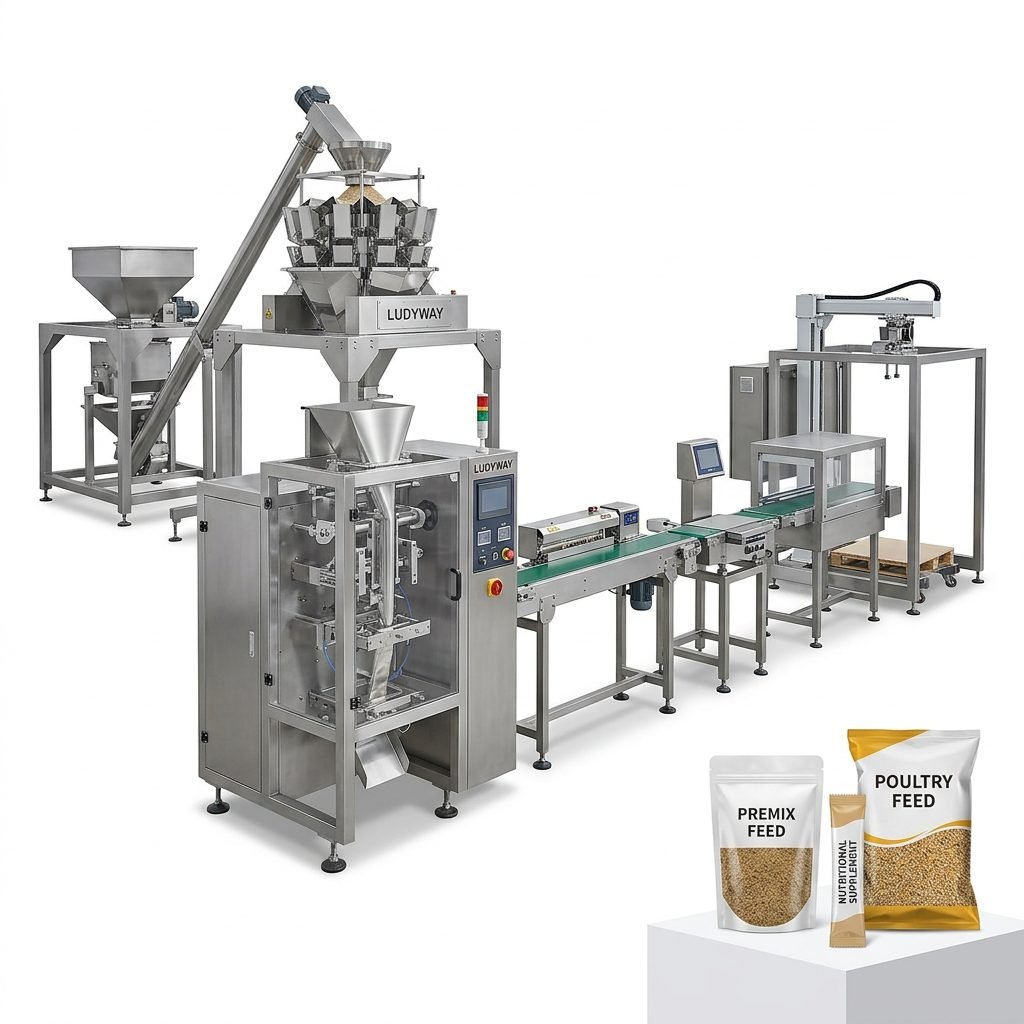
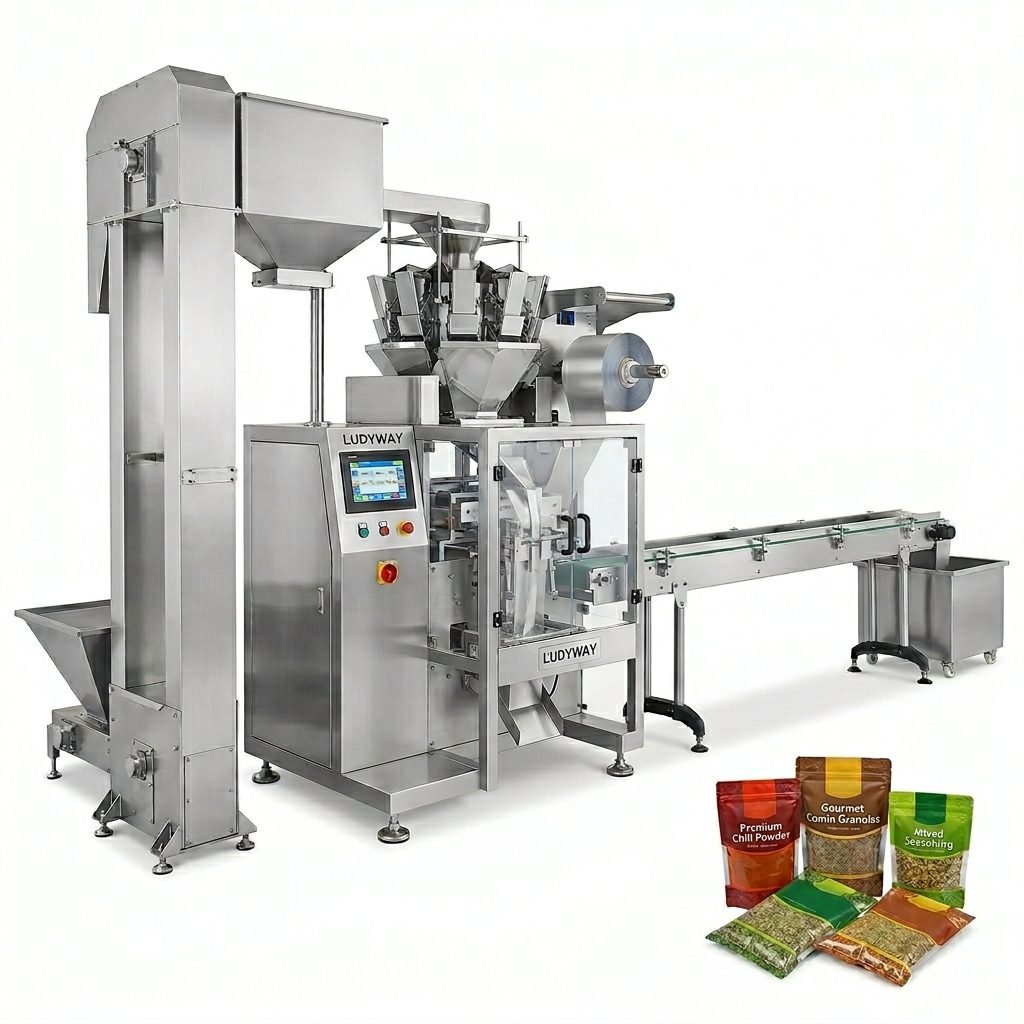
Beyond the primary filling and sealing functions, consider the level of automation required for your operation. Integrated systems can connect multiple stages from feeding through secondary packaging:
- Automatic feeding systems (bucket elevators, vacuum conveyors)
- Dust collection and extraction units
- Inline checkweighing and metal detection
- Date coding and printing modules
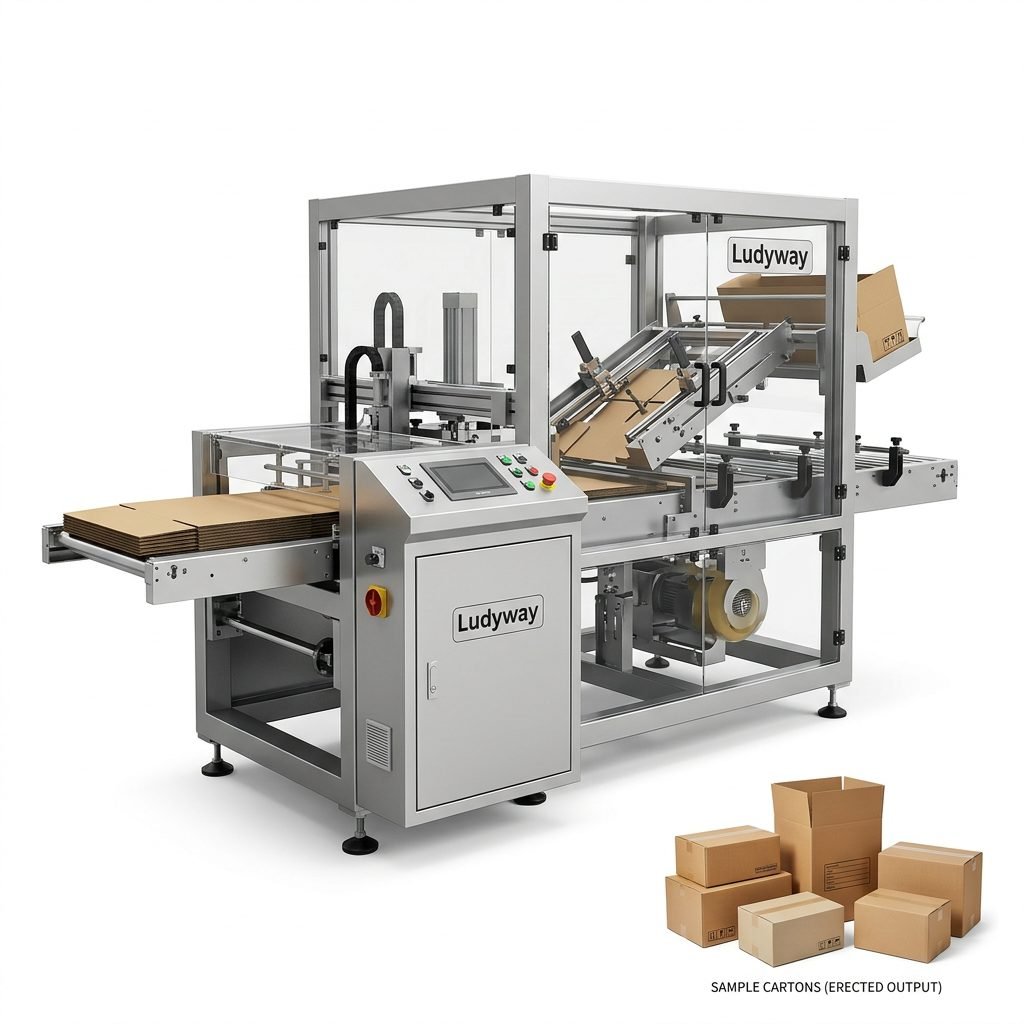
- Automated cartoning and case packing
Hygiene and Regulatory Compliance
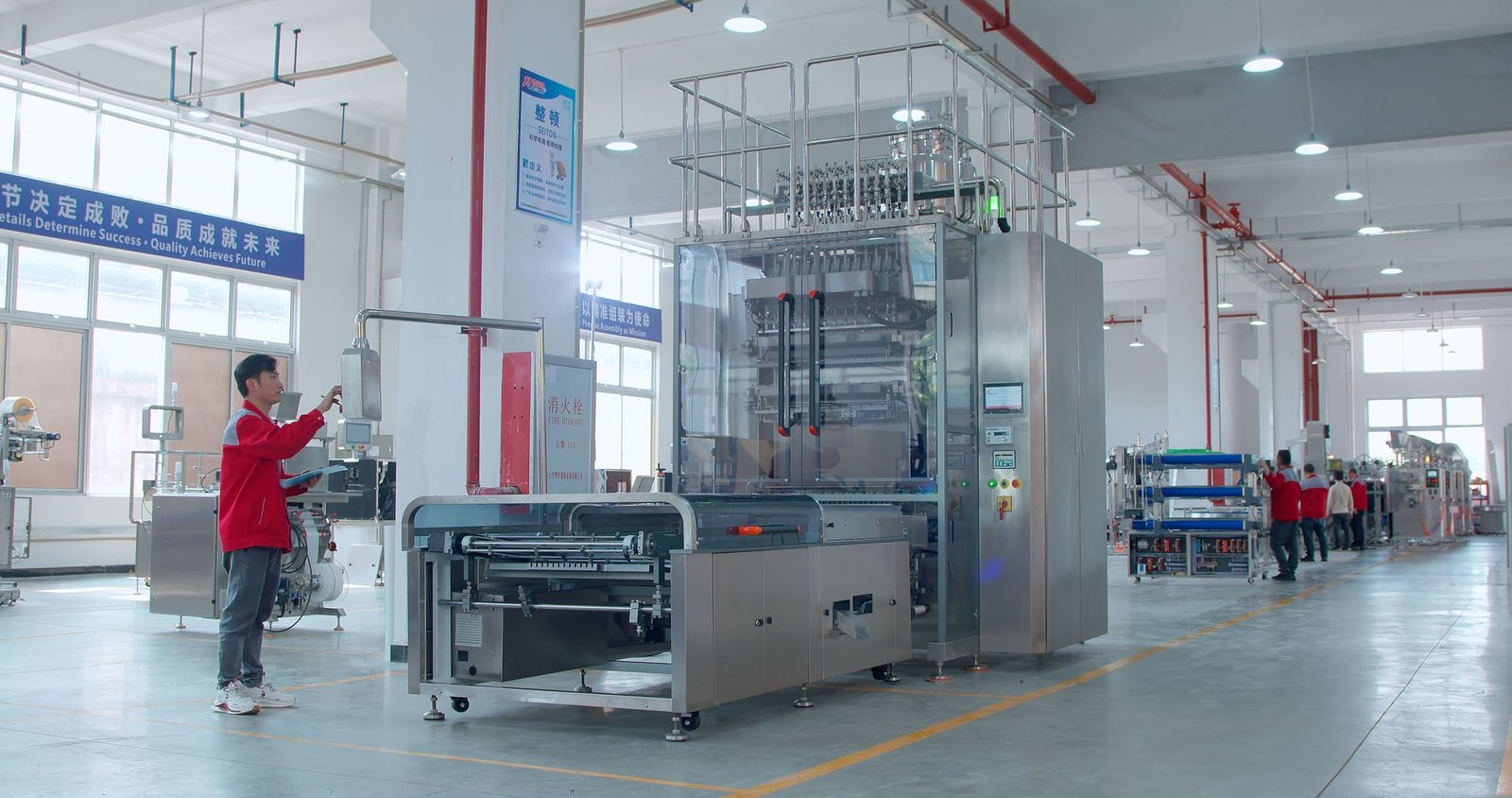
Food-grade packaging equipment must meet stringent hygiene standards. For chilli powder applications, stainless steel contact parts, tool-free disassembly for cleaning, and compliance with relevant food safety regulations are non-negotiable requirements. Depending on the target market, machines may need to comply with:
- FDA food contact material regulations for the U.S. market
- EU food contact materials framework regulation (EC) 1935/2004
- ISO 22000 food safety management system requirements
- GFSI-benchmarked standards for global food manufacturers
Evaluating the Total Cost of Ownership
The purchase price of a chilli powder packing machine represents only one component of the total investment. Buyers should calculate the full lifecycle cost, which includes installation, commissioning, operator training, spare parts, maintenance, energy consumption, and expected service life. Higher initial investment in quality equipment often yields lower long-term operating costs through reduced downtime and maintenance.
| Cost Category | Estimated Share of TCO | Key Considerations |
|---|---|---|
| Equipment purchase | 55–65% | Machine specification, customisation level |
| Installation and commissioning | 5–10% | Factory acceptance testing, site preparation |
| Spare parts and maintenance | 15–20% | Component availability, service intervals |
| Energy and consumables | 5–10% | Power consumption, film usage efficiency |
Customisation and Engineering Support
Standardised machines may not address every production challenge, especially when dealing with spice products like chilli powder that have distinctive handling properties. Customised engineering solutions — including modified dosing systems, enhanced dust containment, and specialised sealing technology — can improve performance and reliability for specific applications.
As a notable equipment provider in this space, Ludyway Machinery offers manufacturers a comprehensive range of powder packaging solutions. The company’s approach includes evaluating product characteristics and production requirements before recommending a machine configuration that balances speed, accuracy, and reliability. With packaging machinery serving customers in more than 100 countries, their application experience spans diverse spice and powder products.
After-Sales Service and Technical Support
Reliable after-sales support is essential for maintaining packaging line uptime. Key considerations include spare parts availability, remote technical assistance, operator training programmes, and local service coverage. Before making a purchase decision, verify the supplier’s service infrastructure and response times for critical support requests.
Industry Trends and Future-Proofing
The spice packaging industry continues to evolve, driven by changing consumer preferences and sustainability requirements. When selecting a chilli powder packing machine, consider how the equipment can accommodate future needs:
- Ability to handle recyclable and compostable packaging films
- Compatibility with biodegradable material structures
- Flexibility to add IoT sensors for condition monitoring and predictive maintenance
- Scalable design that supports production growth without complete equipment replacement
- Energy-efficient components that reduce operational costs and environmental impact
According to industry reports from the PMMI Business Intelligence Library, demand for flexible packaging machinery in the food sector continues to grow, with spice and seasoning applications representing a significant segment. Equipment that can adapt to market changes provides a stronger return on investment over its service life.
Making the Final Selection
Choosing the right chilli powder packing machine requires careful evaluation of product properties, production volumes, packaging formats, regulatory requirements, and total cost of ownership. The decision should balance current operational needs with flexibility for future growth. Engaging with experienced equipment manufacturers who offer customised solutions and comprehensive after-sales support helps protect the investment and ensure long-term packaging line performance.
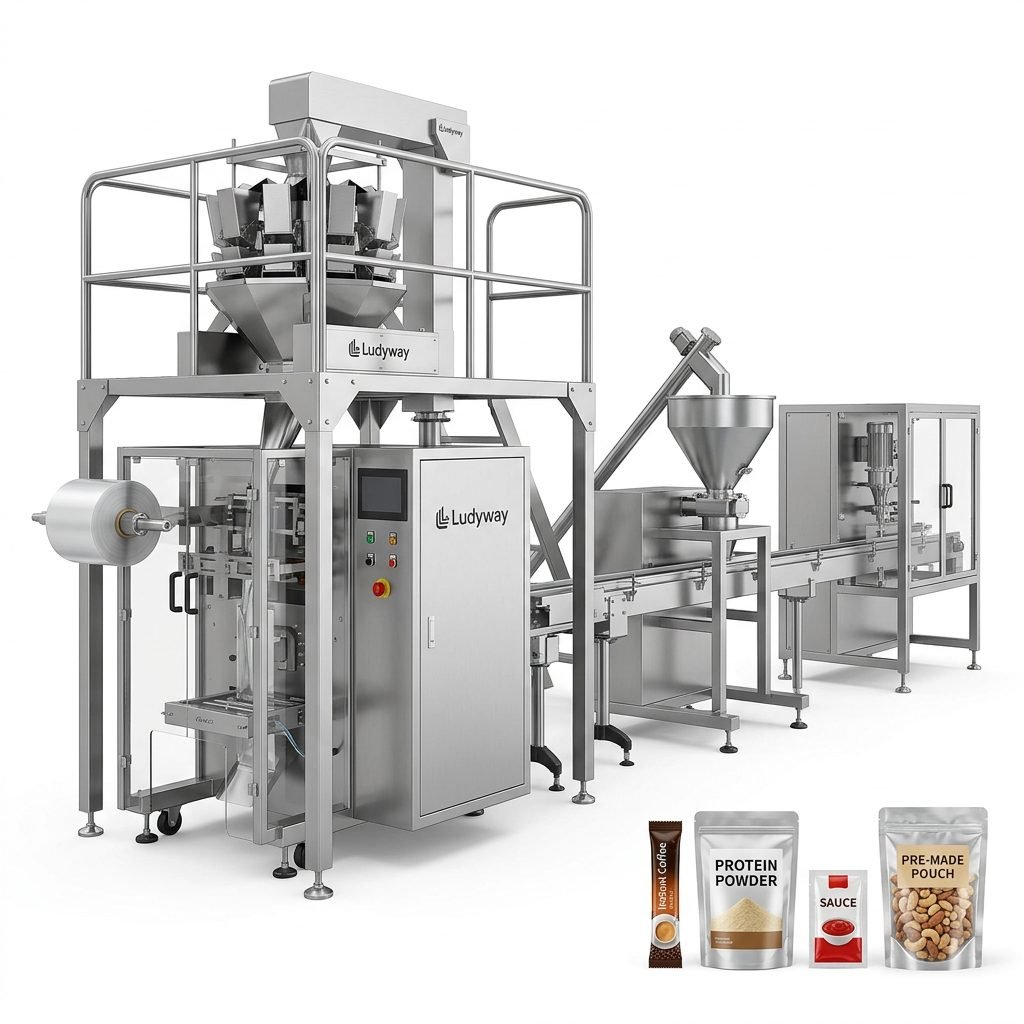
For manufacturers seeking to evaluate their options, understanding the full range of available technologies and configuration possibilities serves as an essential first step. Whether upgrading existing equipment or establishing a new packaging line, a systematic selection process leads to better outcomes and more efficient production operations.