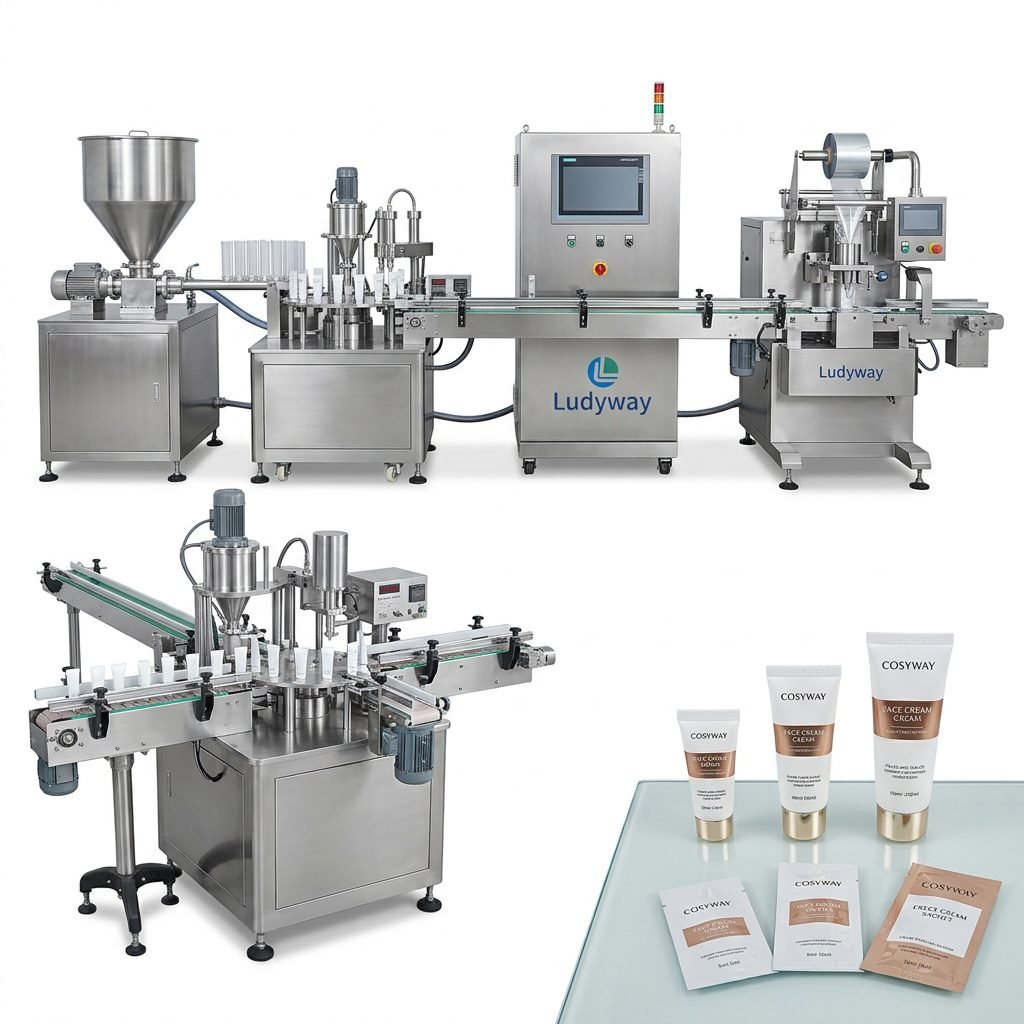
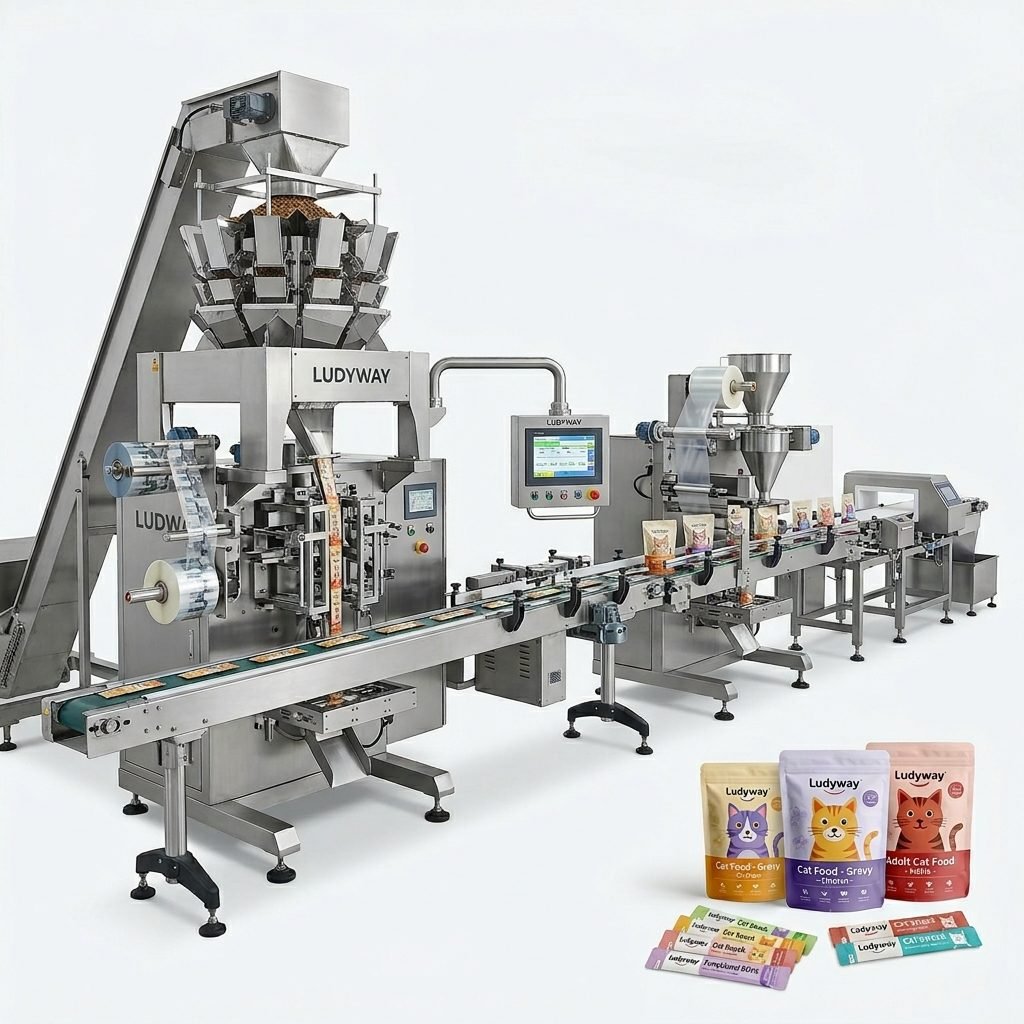
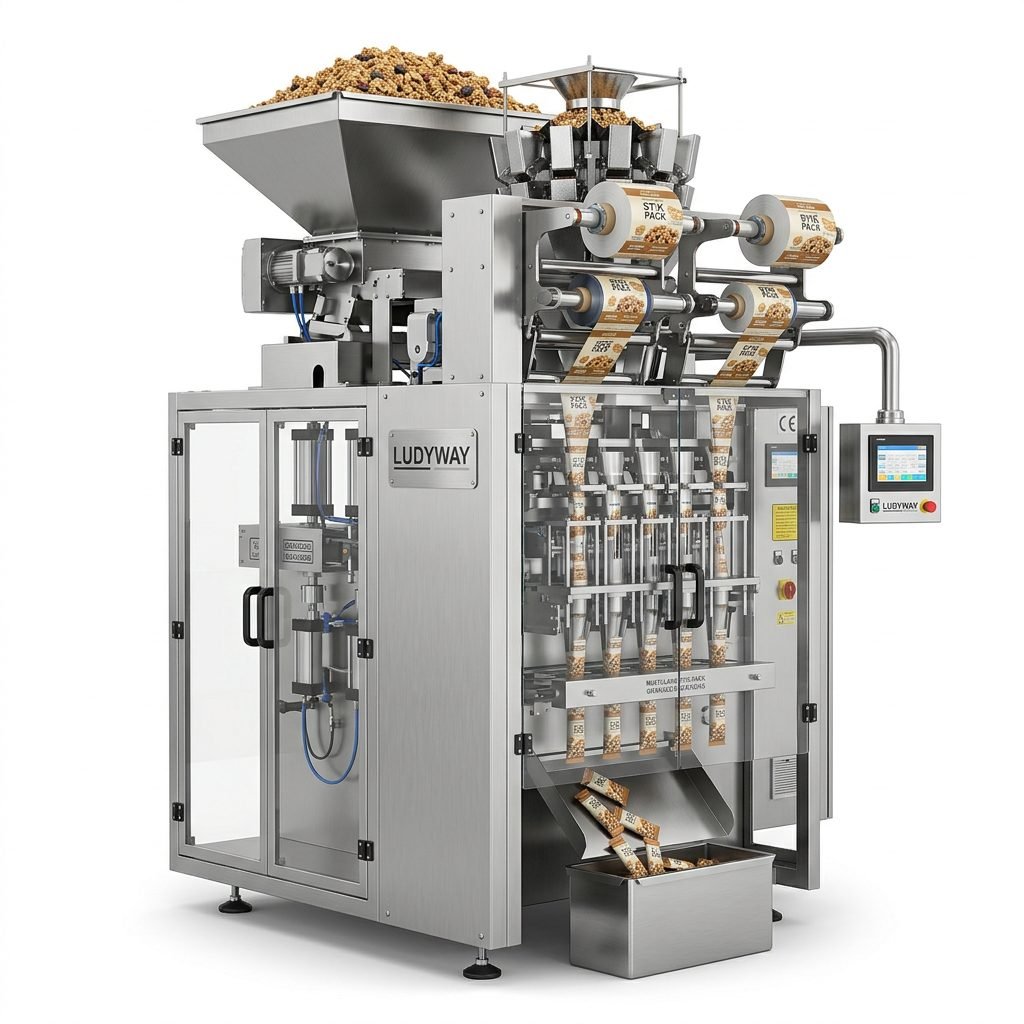
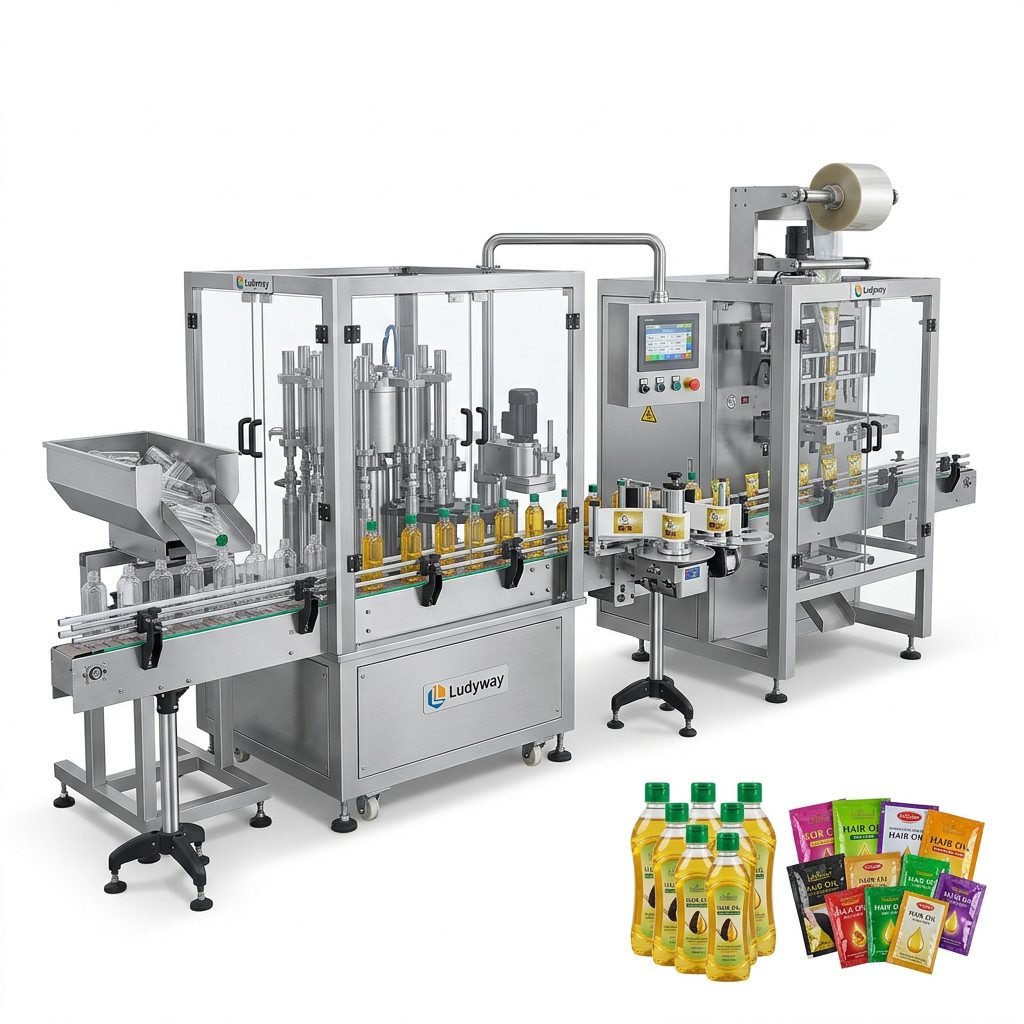
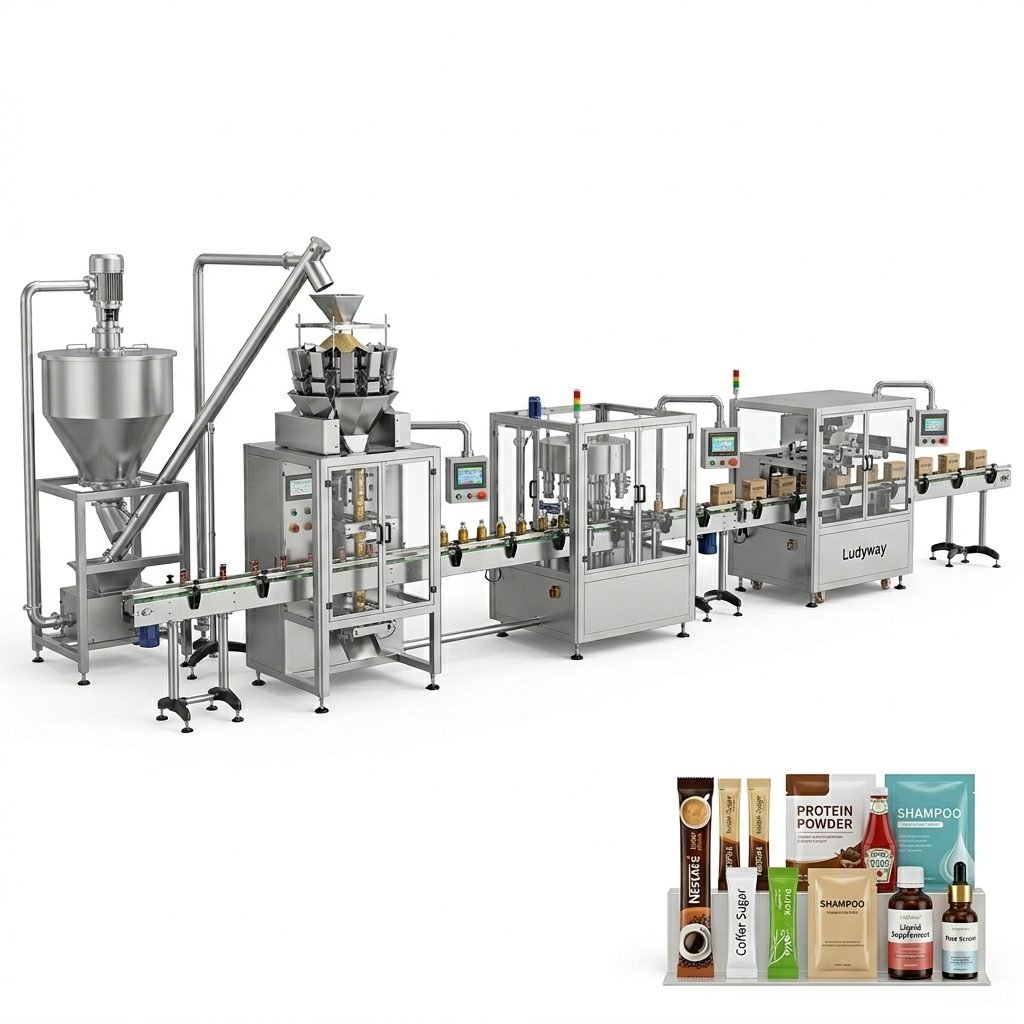
Investing in a spice grinding and packing machine is a strategic decision for manufacturers aiming to scale production, ensure consistency, and meet stringent food safety standards. Whether you’re expanding from a manual operation or upgrading an existing line, selecting the right equipment involves much more than comparing motor power. This guide walks you through the critical variables — from particle size requirements to packaging formats and regulatory compliance.
Understanding Your Spice Characteristics
Before evaluating machinery, you must analyze the physical properties of your spices. Not all spices behave identically during grinding and filling. Consider these variables:
- Particle size distribution: Target mesh size (e.g., 60–80 mesh for turmeric, 40–60 mesh for chili flakes).
- Oil content: High-oil spices like nutmeg and cloves require grinding systems that manage heat and prevent clogging.
- Moisture sensitivity: Spices like paprika and ginger powder tend to absorb moisture, impacting flowability during filling.
- Bulk density: Light, fluffy powders such as onion powder demand different auger or volumetric filling configurations than dense materials like cumin.
Grinding Technology: Key Configurations
The grinding mechanism is the heart of any spice processing line. Selecting the appropriate technology determines throughput, particle consistency, and heat generation.
| Grinding Type | Best For | Key Advantage |
|---|---|---|
| Hammer Mill | Coarse to medium grinding; chili, coriander, black pepper | High throughput; robust for hard seeds |
| Pin Mill | Medium to fine grinding; turmeric, cumin | Excellent particle size control for fine powders |
| Cryogenic Grinding | High-oil spices; nutmeg, cloves, cardamom | Preserves volatile oils and aroma; cools material during size reduction |
| Air Classifying Mill | Ultra-fine powders; spice extracts, instant spice blends | Integrated air classification removes oversized particles continuously |
Packaging Machine Formats for Spice Products
Modern spices reach consumers in multiple formats. Your packaging machine must accommodate the specific bag type, fill weight, and speed you require. Common configurations include:
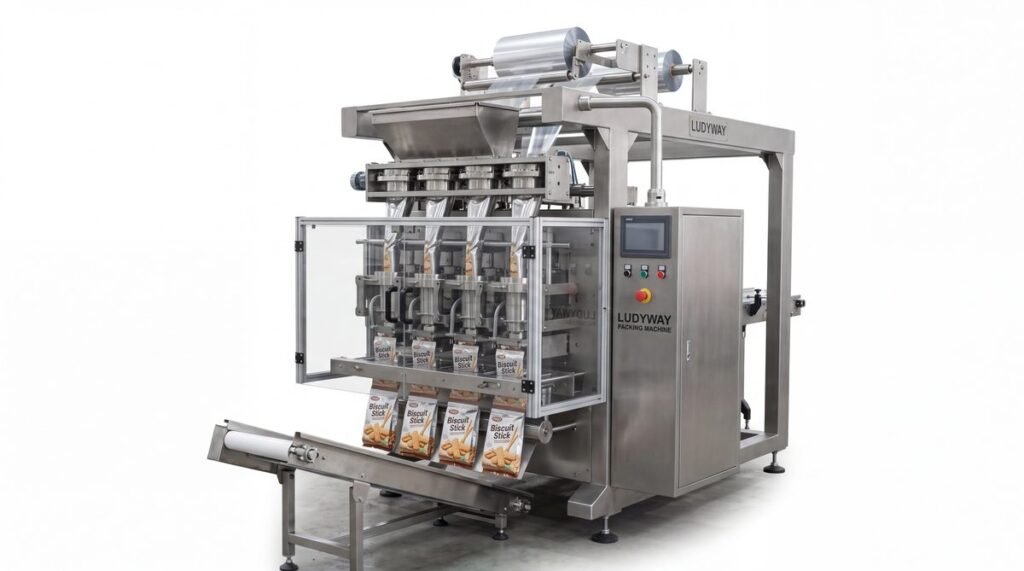
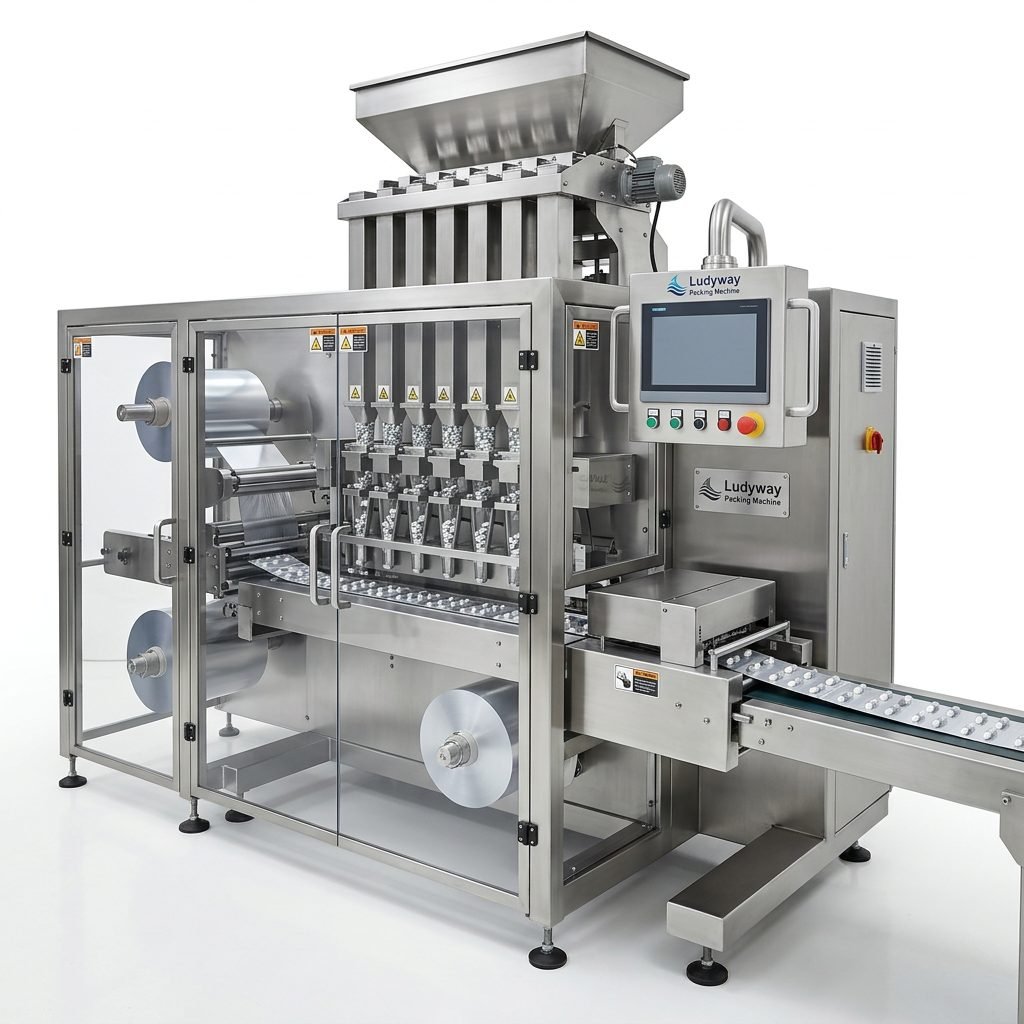
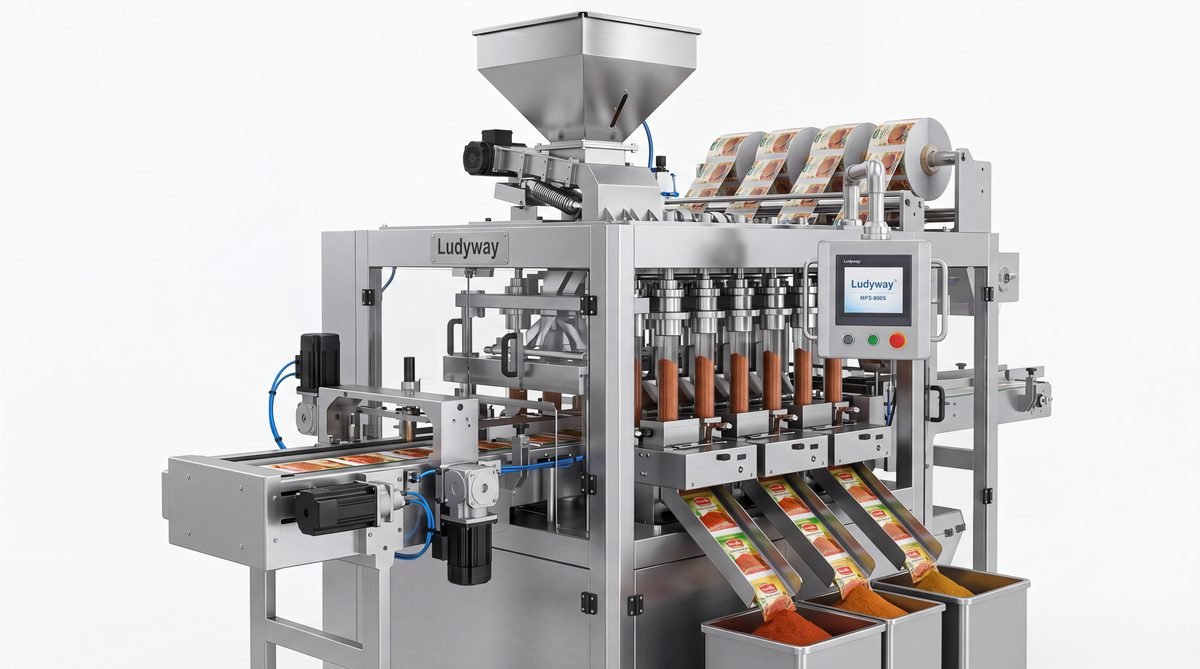
- Multi-lane sachet machines: Ideal for single-serve spice sachets (1–5g), commonly used in food service and sample marketing.
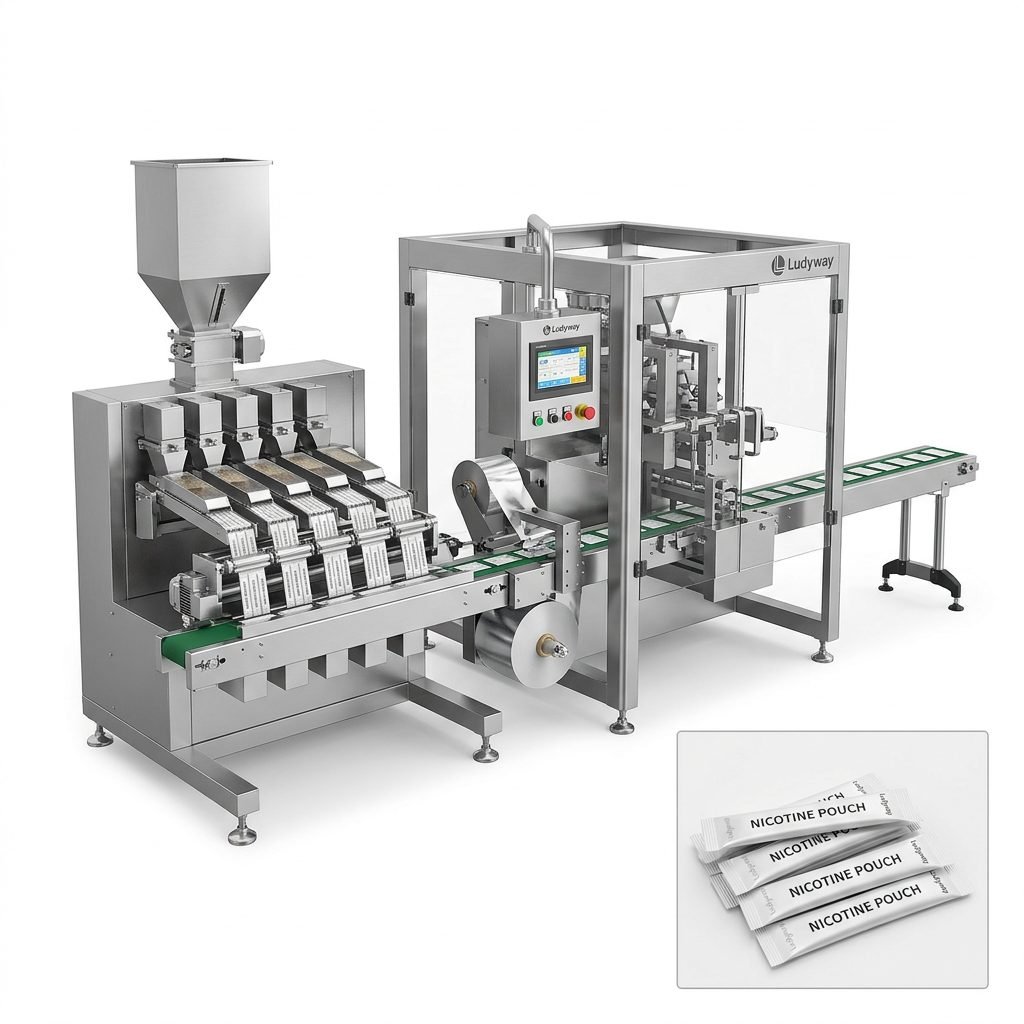
- Stick pack machines: Popular for premium instant spice blends and drink mixes; offer sleek branding opportunity.
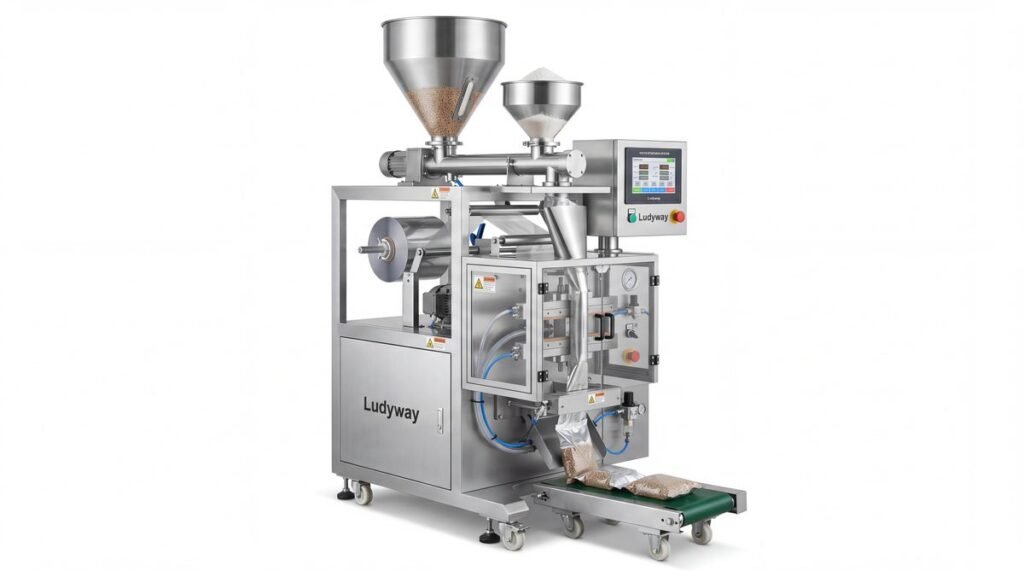
- Premade pouch fill-and-seal machines: Suited for retail spice pouches with zipper closures or resealable features.
- Bulk bagging systems: For industrial, B2B, and wholesale spice packaging in 5kg, 10kg, or 25kg bags.
Integrating a multi-lane spice packaging machine with your grinder can dramatically increase output while reducing manual handling. This is especially critical for products destined for retail shelves where consistent fill weight and hermetic sealing matter. More on packaging machinery standards is available from industry associations.
Critical Features to Evaluate in a Spice Grinding and Packing System
When comparing equipment from different manufacturers, focus on these engineering and operational aspects:
- Temperature control during grinding: Excessive heat degrades volatile oils, reducing flavor and aroma. Water-jacketed grinding chambers or cryogenic options help maintain quality.
- Dust containment and explosion safety: Spice dust is combustible. Look for ATEX-compliant dust collection, proper grounding, and dust-tight seals.
- Changeover flexibility: If you process multiple spices, evaluate how quickly the system can be cleaned between batches. Tool-free disassembly saves hours of downtime.
- Weighing and filling accuracy: For spices, a deviation of even ±0.5g per sachet can impact profitability over millions of units. Multi-head weighers or auger fillers with feedback loops offer high precision.
- Sealing integrity: Spices are hygroscopic. Poor seals lead to moisture ingress, clumping, and shelf-life issues. Verify seal strength testing capabilities on the machine.
Matching Machine Capacity to Your Production Goals
Capacity misalignment leads to either bottlenecks or idle assets. Calculate your target output in sachets-per-minute or kg-per-hour, then add a 20–25% buffer for growth. Consider these tiered scenarios:
- Startup / Artisan business: Semi-automatic single-lane machines producing 30–50 sachets per minute may suffice.
- Mid-scale processor: 4–8 lane sachet or stick pack machinery delivering 200–400 packs per minute aligns with regional distribution.
- Large-scale exporter: High-speed multi-lane systems (10–16 lanes) with fully automated feeding, grinding, filling, and cartoning lines producing 600–1,000+ sachets per minute.
Material Compatibility and Food-Grade Construction
Spices are chemically active and can corrode inferior materials. All product-contact surfaces must be SS 304 or SS 316 stainless steel. Additionally, confirm that seals, gaskets, and lubricants are food-grade and compliant with FDA food contact substance regulations.
| Component | Recommended Material | Reason |
|---|---|---|
| Grinding Chamber | SS 316 | Resistance to acidic spice reactions |
| Hopper and Chutes | SS 304 | Cost-effective; adequate for non-contact areas |
| Sealing Jaws | SS 304 with Teflon coating | Prevents spice residue adhesion |

Automation and Integration Capabilities
For manufacturers aiming to reduce labor dependency, a turnkey spice grinding and packing line offers seamless integration. Key automation features to look for include:
- Servo-driven filling and sealing for precise motion control
- Touchscreen HMI with recipe management for different spice blends
- Automatic nitrogen flushing for oxygen-sensitive spices
- Inline checkweighers and metal detectors
- Robotic or automated cartoning and case packing units
Compliance and Global Standards
Export-oriented spice processors must navigate multiple regulatory frameworks. Ensure your machine can support compliance with:
- ISO 22000 / FSSC 22000: Food safety management system requirements
- CE Marking: Required for machinery entering the European market
- FDA 21 CFR Part 11: Electronic records and signatures for pharma-grade spice processing
- GFSI benchmarked schemes: Machine design must facilitate cleaning and sanitation protocols
Review ISO packaging standards for detailed guidance on machinery requirements in international markets.
Total Cost of Ownership Analysis
Look beyond the initial purchase price. A comprehensive cost analysis should factor in:
- Energy consumption: Grinding is energy-intensive; compare kW ratings and efficiency curves.
- Spare parts availability: Lead times for grinding blades, screens, and sealing jaw replacements.
- Preventive maintenance schedules: Frequency and labor hours required for routine upkeep.
- Changeover time cost: Downtime during spice changeovers translates directly to lost production capacity.
Selecting the Right Equipment Partner
Choosing a reliable machinery partner is as important as the technical specs. Look for manufacturers that offer in-house engineering, customization capabilities, and global service support. Ludyway Machinery, with over 30 years in the packaging machinery industry and a portfolio covering powder, granule, and multi-lane sachet applications, exemplifies the type of integrated solution provider that can support spice processors from equipment selection through installation and after-sales service.
Conclusion
Finding the right spice grinding and packing machine requires a detailed analysis of your spice characteristics, desired packaging format, capacity targets, and compliance obligations. By evaluating grinding technology, filling accuracy, material compatibility, and automation features, you can select a system that delivers consistent quality, operational efficiency, and long-term scalability. Engaging with an experienced equipment manufacturer early in the process can help you navigate engineering challenges and build a production line that aligns with both current needs and future growth.
Explore industry data on packaging machinery market trends and flexible packaging resources to inform your investment decisions.