Investing in a packet packing machine is a strategic decision that directly impacts your production efficiency, product quality, and bottom line. However, with so many configurations, dosing technologies, and automation levels available, identifying the right equipment can feel overwhelming. This comprehensive buyer’s guide breaks down the essential factors to evaluate before making your purchase.
1. Understand Your Product Characteristics
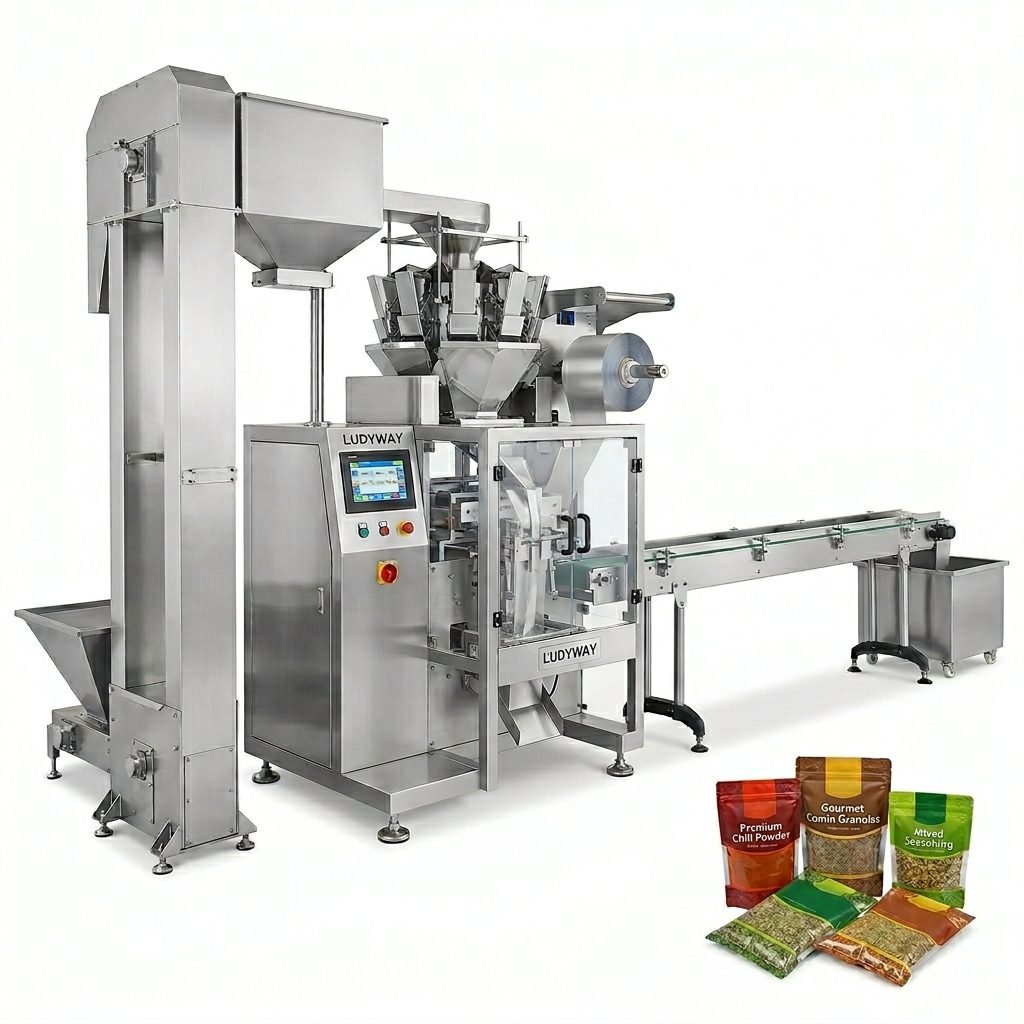
The physical properties of your product dictate the entire dosing and filling mechanism. A machine configured for free-flowing granules will fail miserably with sticky powders. Before contacting suppliers, you must clearly define whether you are handling powder, granules, liquid, paste, or a combination.
- Powder Products: Assess bulk density, flowability, and dust generation. Fine powders often require auger fillers with dust extraction systems to maintain accuracy and a clean working environment.
- Granules: Volumetric cup fillers or multi-head weighers are typically preferred, but you must consider granule fragility to prevent crushing.
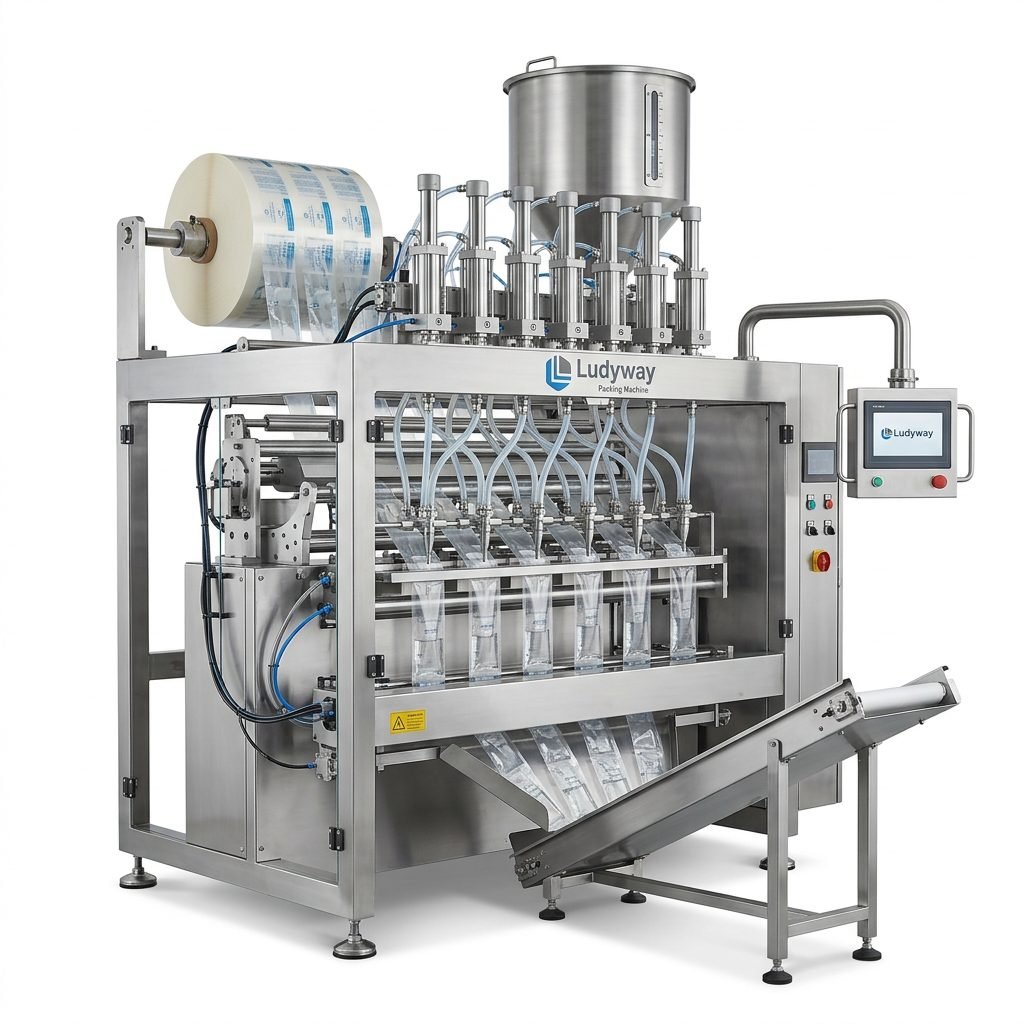
- Liquids and Pastes: Viscosity determines whether piston pumps, gear pumps, or magnetic flow meters are most suitable.
Failing to analyze these characteristics often leads to inconsistent fill weights and excessive material waste. For specialized applications like sticky seasonings or hygroscopic materials, you may need to consult industry resources on flexible packaging material compatibility.
2. Define Your Required Bag Format and Packaging Style
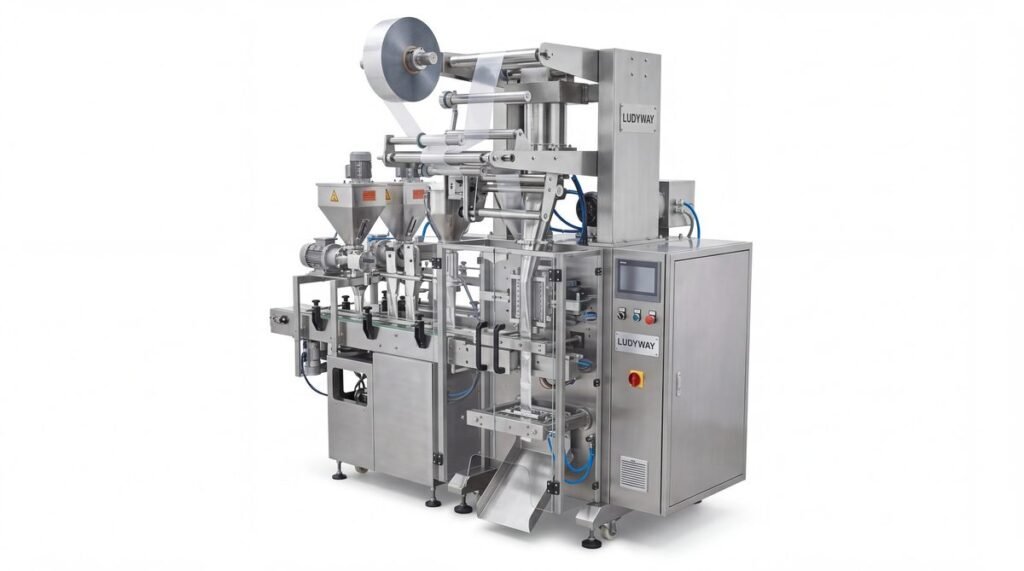
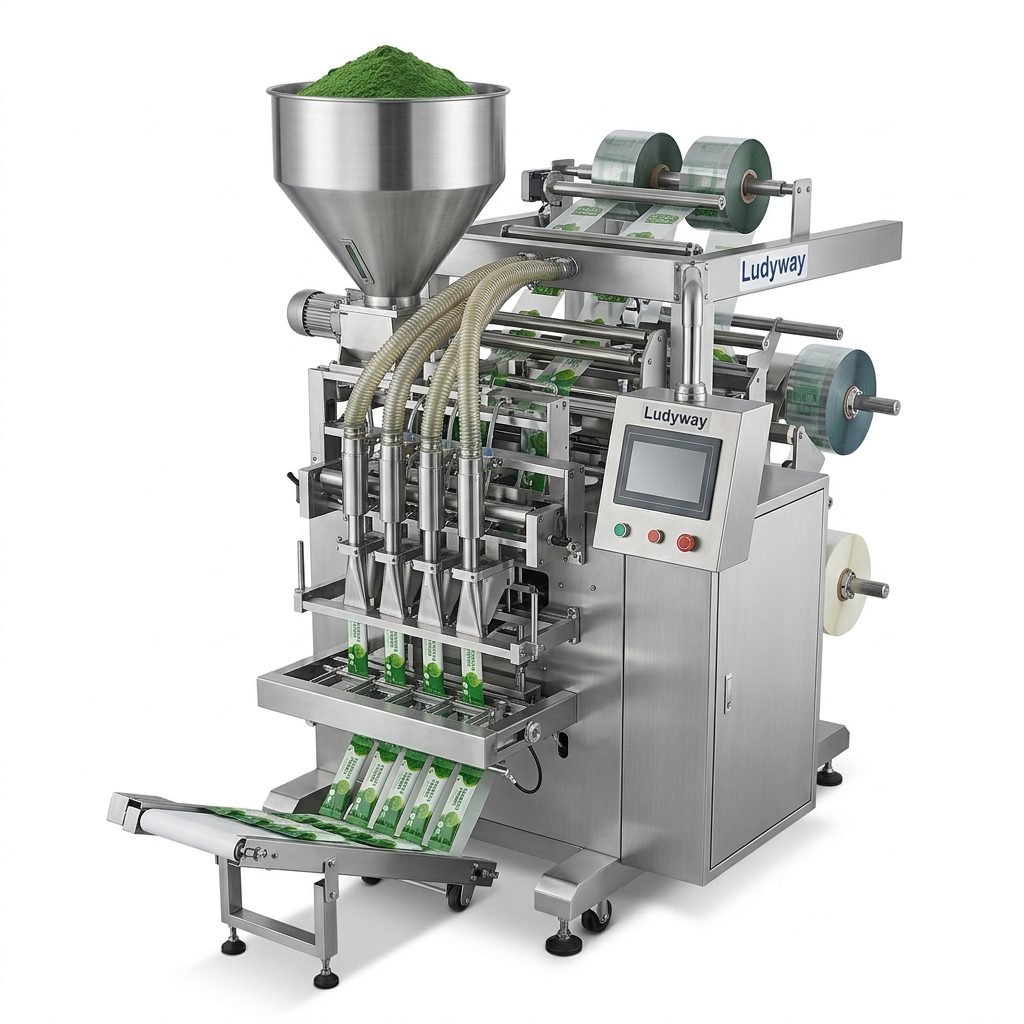
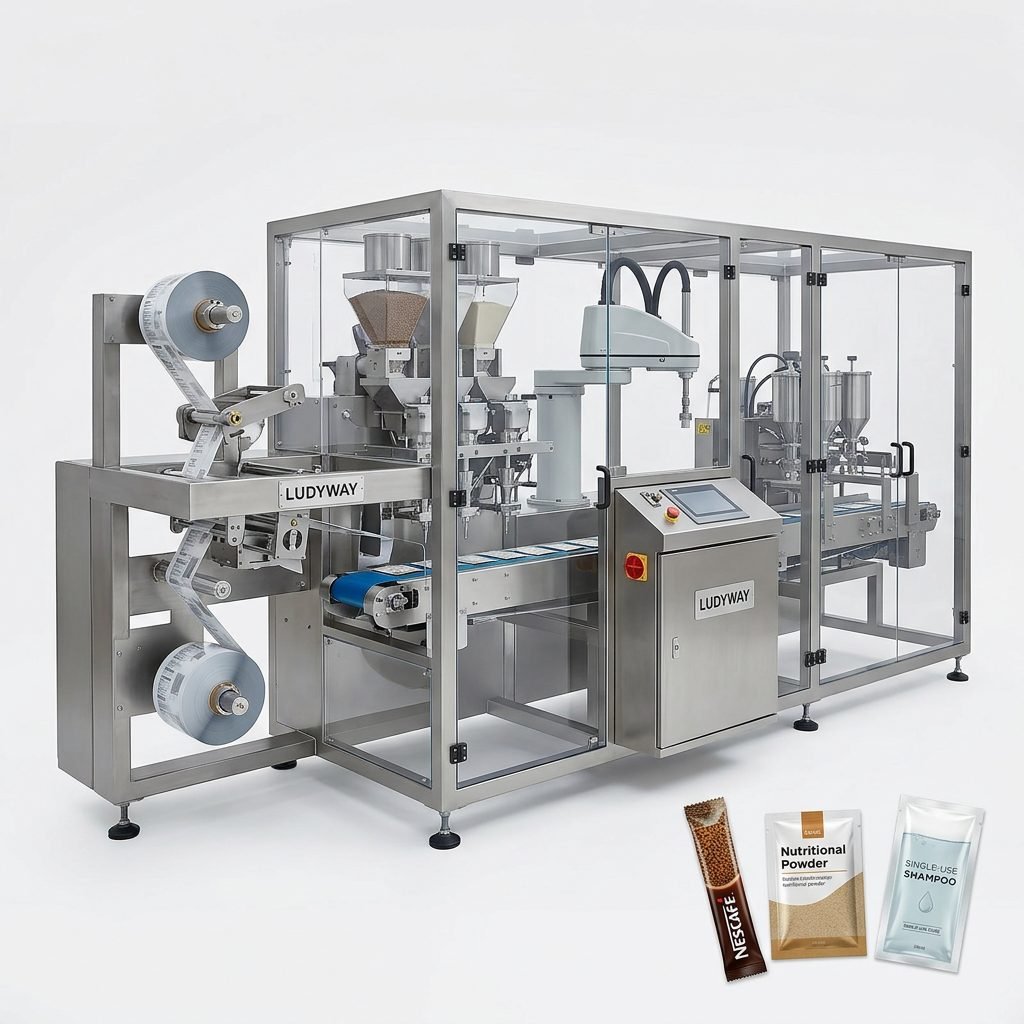
Packet packing machines are not one-size-fits-all. The bag format—whether a three-side seal sachet, four-side seal stick pack, or a gusseted pouch—determines the machine’s form-fill-seal configuration. You must align the machine with your market’s retail or sampling demands.
- Sachet Packing: Ideal for single-use products in the food, cosmetic, and pharmaceutical sectors.
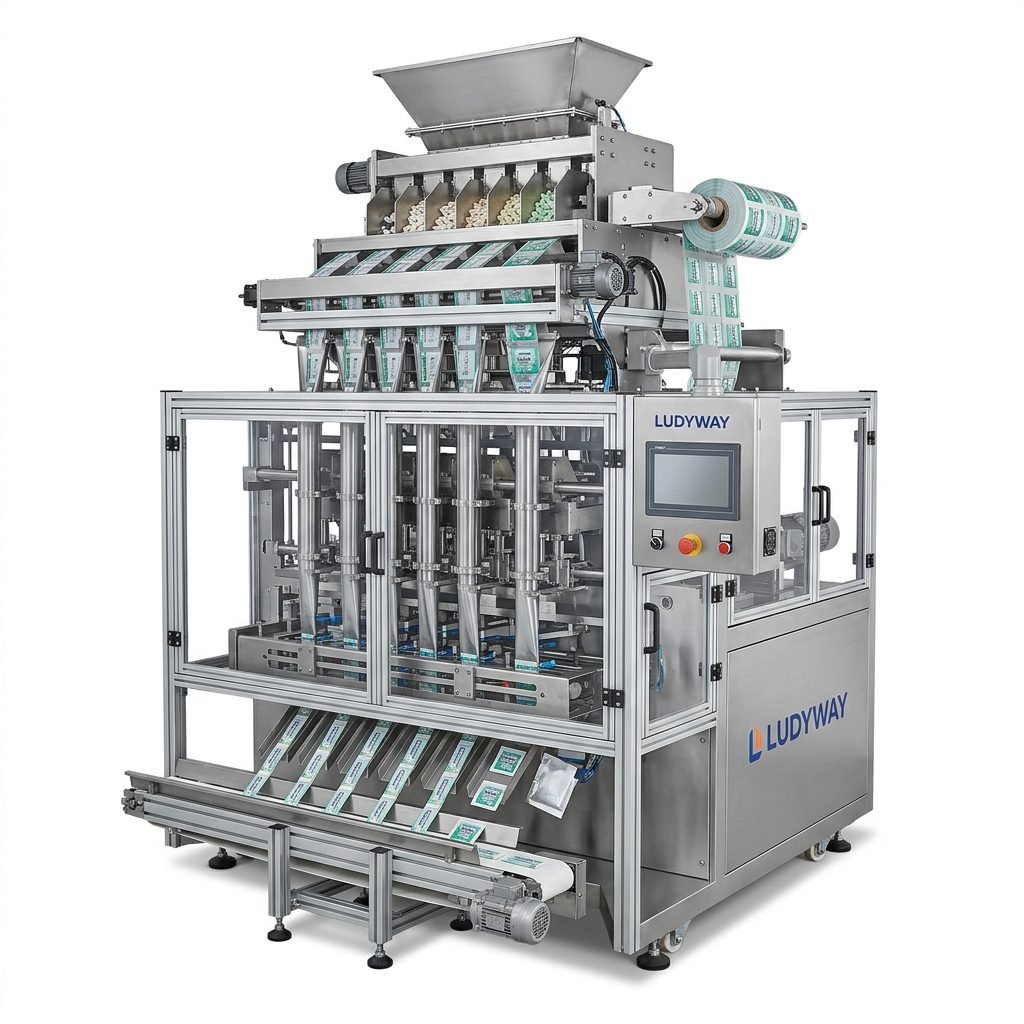
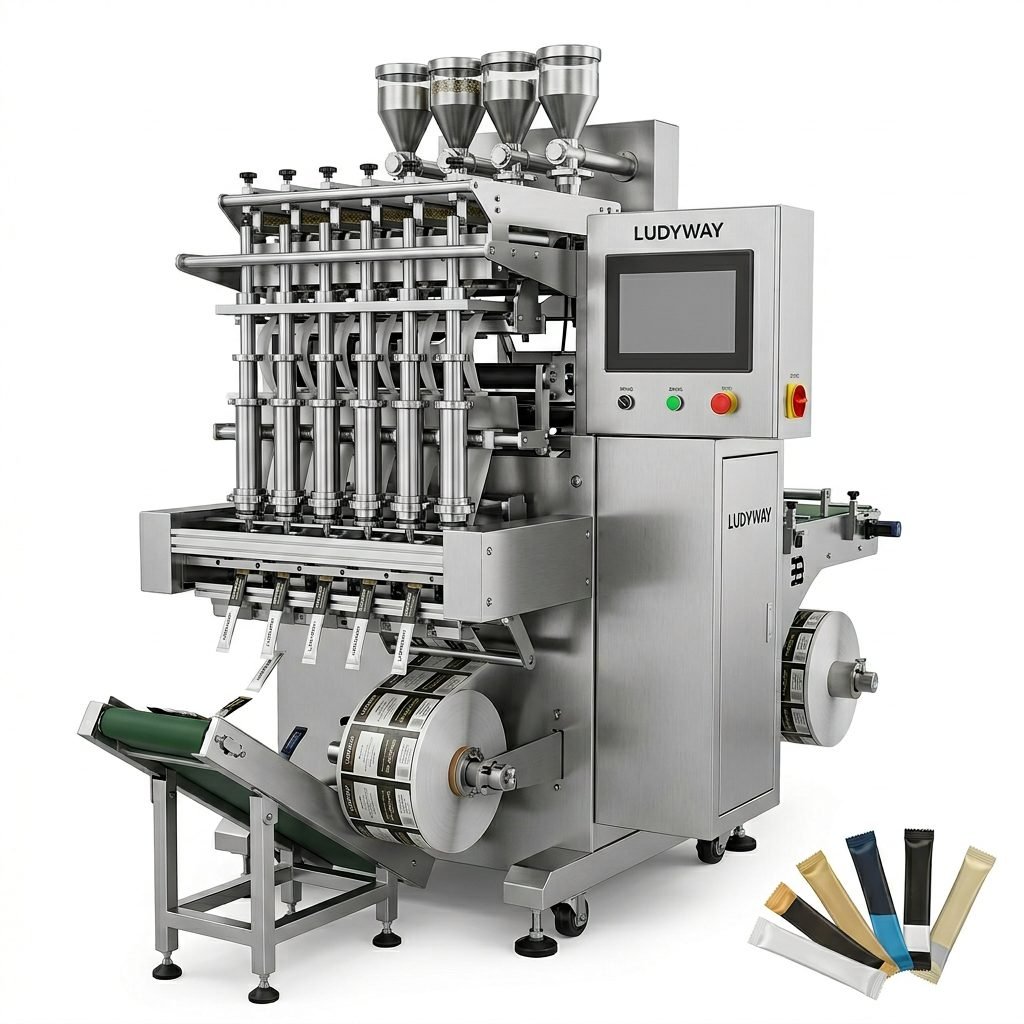
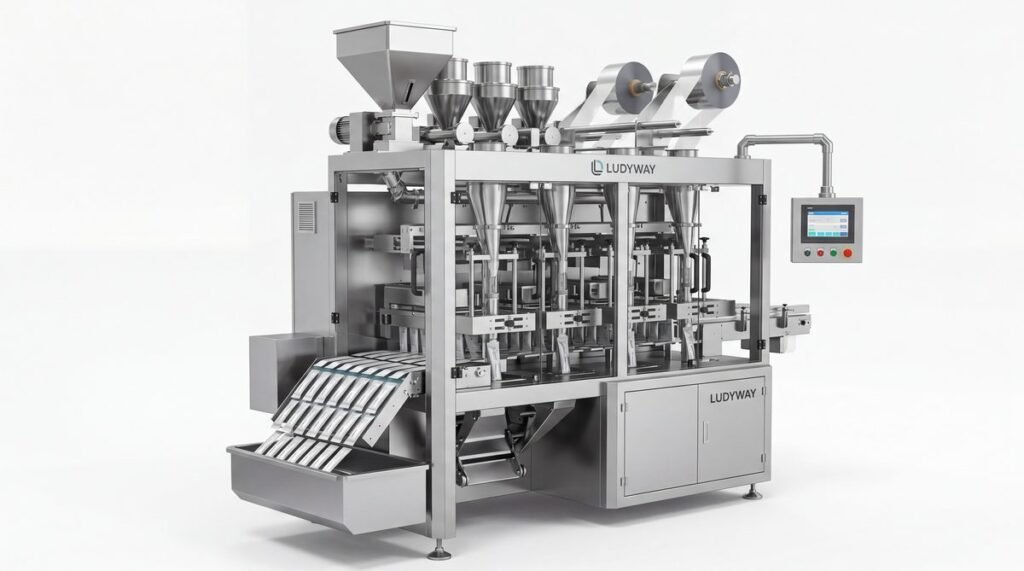
- Stick Pack Machines: Increasingly popular for energy drinks, supplements, and condiments due to their portability and portion control.
- Pouch Filling: Doypacks and stand-up pouches serve premium markets but require distinct gripping and sealing stations.
If you plan to run multiple packet formats, look for a packaging machine manufacturer that offers modular tooling or quick-change parts to minimize downtime during product changeovers.
3. Production Speed and Output Requirements
Your current throughput needs are important, but your five-year capacity forecast is critical. A semi-automatic machine might bridge an immediate gap, but it quickly becomes a bottleneck as distribution grows. Consider multi-lane technology if you need to scale significantly.
| Production Tier | Machine Type | Typical Output |
|---|---|---|
| Entry-Level / Startup | Single-Lane Sachet Machine | Up to 40-60 packs/min |
| Medium Scale | Rotary or Vertical Form Fill Seal (VFFS) | 80 – 180 packs/min |
| High-Speed Production | Multi-Lane Stick Pack or Sachet System | 400+ packs/min |
| Turnkey Automation | Integrated Cartoning & Palletizing Lines | End-of-line synchronized output |
According to PMMI – The Association for Packaging and Processing Technologies, the trend is moving toward integrated systems where packet packing machines connect directly to secondary packaging, reducing manual transfer points.
4. Weighing and Dosing Technology
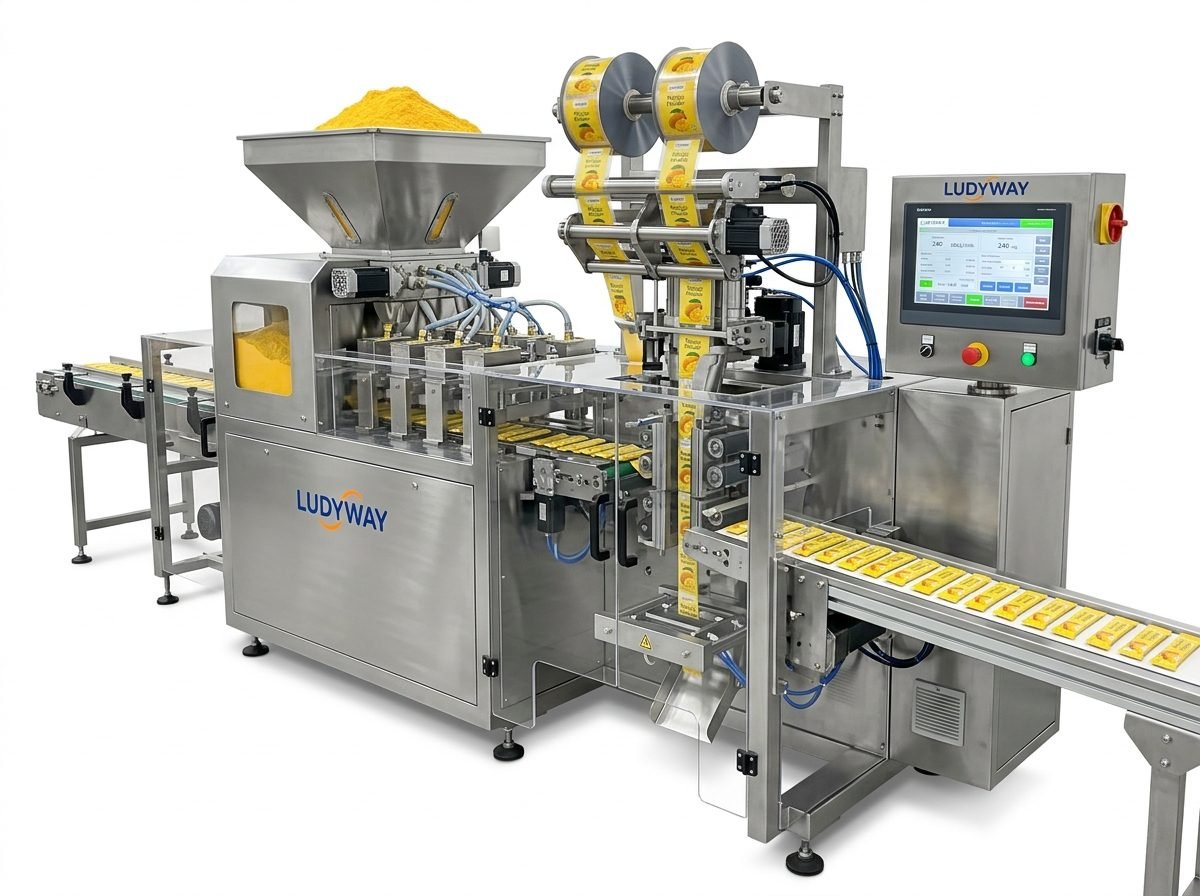
Accuracy is non-negotiable, especially when dealing with high-cost ingredients or strictly regulated products. The choice of weighing system impacts both fill precision and giveaway. Several technologies are available depending on your specific need:
- Auger Fillers: A top choice for non-free-flowing powders such as protein supplements, flour, and spices. They offer excellent consistency across a wide density range.
- Volumetric Cup Fillers: Best suited for uniform, free-flowing granules like sugar or salt where minor weight deviations are acceptable.
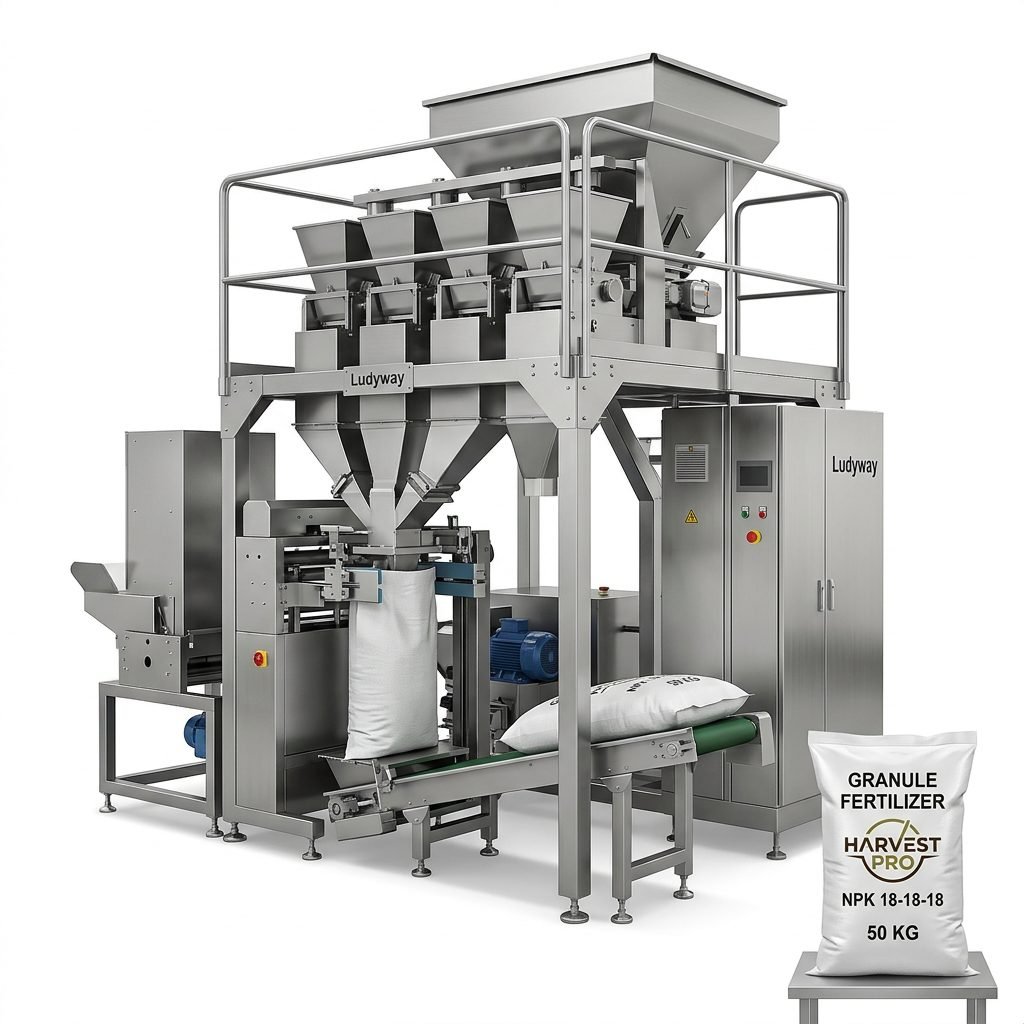
- Multi-Head Weighers: Computerized combination weighers provide high accuracy at high speed, expertly tackling everything from snacks to irregular hardware pieces.
- Liquid Pumps: Piston and peristaltic pumps offer precise displacement for liquid sachets ranging from thin essences to thick creams.
Matching the dosing system to your product’s physical character prevents bridging, ratholing, and segregation inside the hopper, all of which degrade accuracy.
5. Automation and Integration Capabilities
Choosing between a standalone packet packing machine and a fully automated line requires carefully mapping your current factory layout. A standalone unit demands manual feeding of packaging film and manual cartoning, while a fully integrated system handles the entire value chain.
In an era of smart manufacturing, forward-looking producers evaluate compatibility with packaging machinery market research trends like robotics and IoT. Key automation features to prioritize include:
- Automatic Film Splicing: Eliminates downtime by seamlessly joining a new film roll to an expiring one.
- Vision Inspection Systems: Validates date codes, seal integrity, and fill levels.
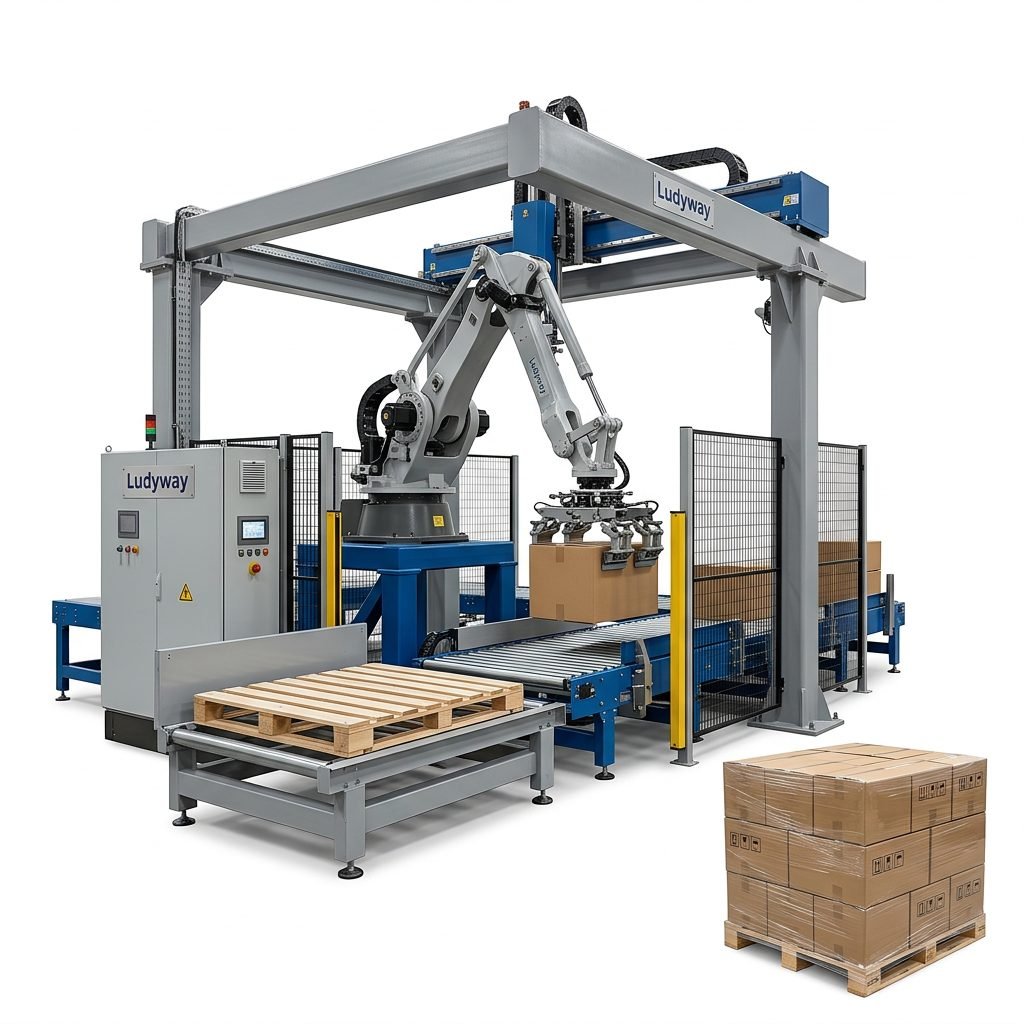
- Robotic Pick-and-Place: Directly loads finished packets into cartons, reducing labor and contamination risks.
- Dust Extraction and Nitrogen Flushing: Critical for extending shelf life in food and pharmaceutical applications.
6. Material Handling and Film Compatibility
The right machine must handle the specific film structure you intend to use—whether it’s a single-layer polyethylene, a multi-layer laminate with aluminum foil, or biodegradable substrates. Sealing jaw design, temperature control precision, and dwell time directly affect seal integrity on high-barrier films.
If your product line includes extended-shelf-life or modified atmosphere packaging (MAP), you’ll need a machine capable of gas flushing prior to sealing. Verify the machine’s ability to tension and track thin or extensible films without wrinkling or misalignment, as this directly impacts the visual quality and barrier performance of the final packet.
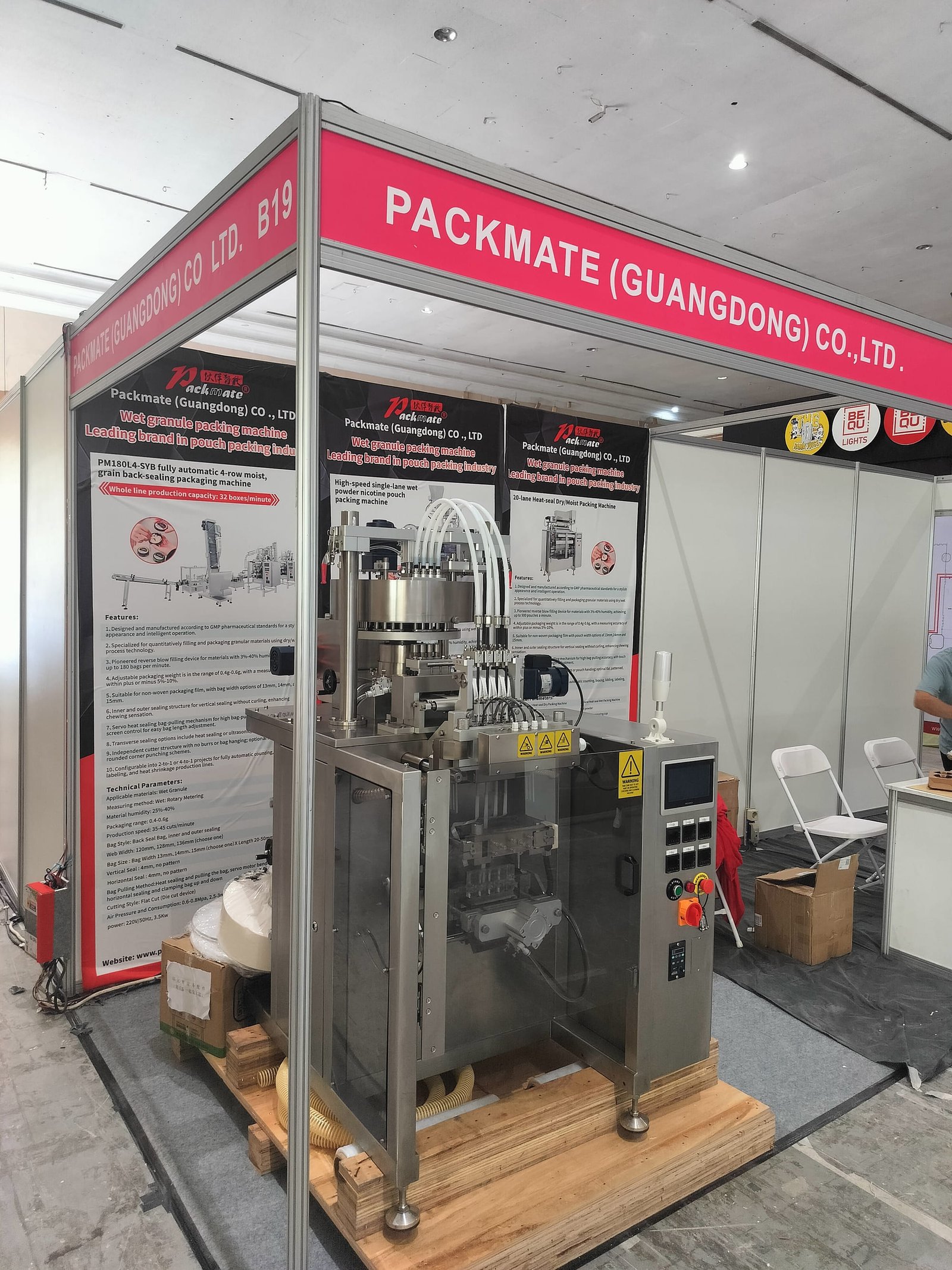
7. Compliance and Industry Standards
If you operate in regulated sectors such as food, pharmaceuticals, or medical devices, your packet packing machine must conform to strict design and documentation standards. Evaluate the machine’s adherence to validation protocols, cleanability, and material traceability before committing.
- Pharmaceutical and Medical: Machine design must facilitate validated cleaning and changeover. Refer to ISO 11607 Packaging for Terminally Sterilized Medical Devices for guidance on seal strength and integrity. FDA food packaging regulations also apply where relevant.
- Dairy and Liquid Products: Clean-in-place (CIP) compatibility and stainless steel construction are essential to prevent bacterial growth.
- Chemical and Industrial: Corrosion-resistant wetted parts and explosion-proof configurations may be mandatory.
Request full documentation on machine certification and ask your potential supplier whether they can provide the necessary qualification protocols (IQ/OQ/PQ) if validation is required.
8. Turnkey Solutions vs. Standalone Machines
Many manufacturers initially purchase a standalone machine only to realize they lack the ancillary equipment for a functional line. A truly operational system often requires conveyors, elevators, checkweighers, and cartoning machines. Procuring these from multiple vendors introduces integration risk and complicates after-sales service.
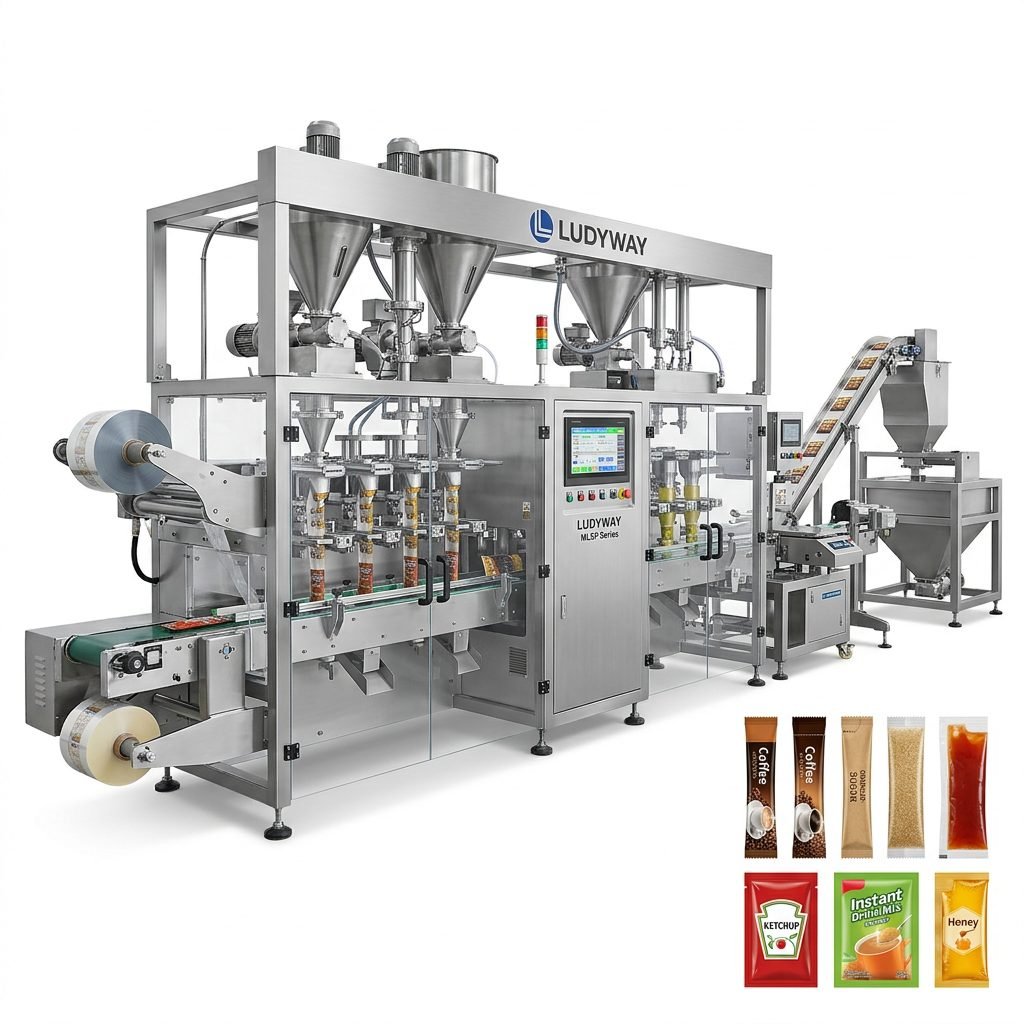
As a China-based manufacturer with over 30 years of experience and more than 50 packaging machine models, Ludyway Machinery provides integrated packaging systems and turnkey production line solutions that connect multiple stages of the packaging process. Their approach enables clients to work with a single partner for everything from upstream feeding to end-of-line palletizing. Their export revenue is projected to exceed RMB 500 million (approximately US$69 million) in 2025, reflecting substantial global demand for these integrated systems.
9. After-Sales Support and Spare Parts
A packet packing machine is a long-term asset, and its total cost of ownership is heavily influenced by service accessibility. Downtime in the consumer goods sector directly translates to lost revenue and unmet retailer commitments. Before finalizing a purchase, assess the supplier’s global service infrastructure.
- Remote Troubleshooting: Modern systems often support VPN-based or augmented reality diagnostics, enabling rapid resolution from anywhere.
- Spare Parts Availability: Verify that critical wear components—such as sealing jaws, forming tubes, and belts—are stocked regionally or can be shipped without excessive lead times.
- Operator Training: A comprehensive training program minimizes the risk of operator-induced errors during film threading, recipe changes, and routine maintenance.
Reviewing resources from organizations like the Flexible Packaging Association can help you understand emerging film and machinery standards that may affect your long-term operation. You can also track significant packaging machinery global growth trends through industry reports on platforms such as EIN Presswire.
10. Budgeting for Total Cost of Ownership
The purchase price of a packet packing machine is just the starting point. A comprehensive budget should account for the total cost of ownership (TCO) over a standard depreciation period. A surprisingly low upfront price often masks higher operational costs elsewhere.
| Cost Factor | Consideration |
|---|---|
| Initial Capital | Machine price, tooling, and installation |
| Operational Overhead | Film waste rate, electricity, compressed air consumption |
| Maintenance & Spares | Cost of consumables (sealing bands, Teflon tape) and preventive maintenance |
| Product Giveaway | High-accuracy dosing prevents costly overfilling of expensive product |
| Line Efficiency (OEE) | Impact of changeover time and unscheduled stoppages |
By mapping out these factors during the equipment selection phase, you ensure that the machine you choose delivers sustained value, not just an attractive initial specification sheet.