Investing in a dirt packing machine is a significant decision for any operation handling soil, compost, potting mix, or granular earth materials. Whether you run a commercial nursery, a landscaping supply business, or an agricultural operation, the right equipment can dramatically improve your packaging efficiency, reduce labor costs, and ensure consistent bag weights. However, with so many configurations and technical specifications to evaluate, the selection process can feel overwhelming. This guide breaks down every factor you need to consider before making a purchase.
Understanding Your Material Characteristics
Before comparing machine models, you must thoroughly analyze the physical properties of your dirt or soil product. Not all earth materials behave the same way during the packaging process. Key characteristics to evaluate include:
- Particle size distribution – Is your material fine powder, coarse granules, or a mix of both? Fine dust behaves very differently from chunky bark or gravel mixes.
- Moisture content – Wet soil tends to clump and bridge in hoppers, while overly dry material generates dust that can interfere with packaging machinery sensors and sealing mechanisms.
- Bulk density – This affects hopper capacity, filling speed, and the type of dosing system required. Light, fluffy potting mix needs a different approach than dense topsoil.
- Flowability – Does your material flow freely, or does it tend to stick and compact? Materials with poor flow characteristics may require agitated hoppers or specialized feeding systems.
- Abrasiveness – Dirt containing sand or small rocks can wear down machine components over time, making durable construction materials essential.
Bag Types and Packaging Formats
The type of bag you plan to use directly determines which dirt packing machine configuration is appropriate. Common packaging formats for soil and earth products include:
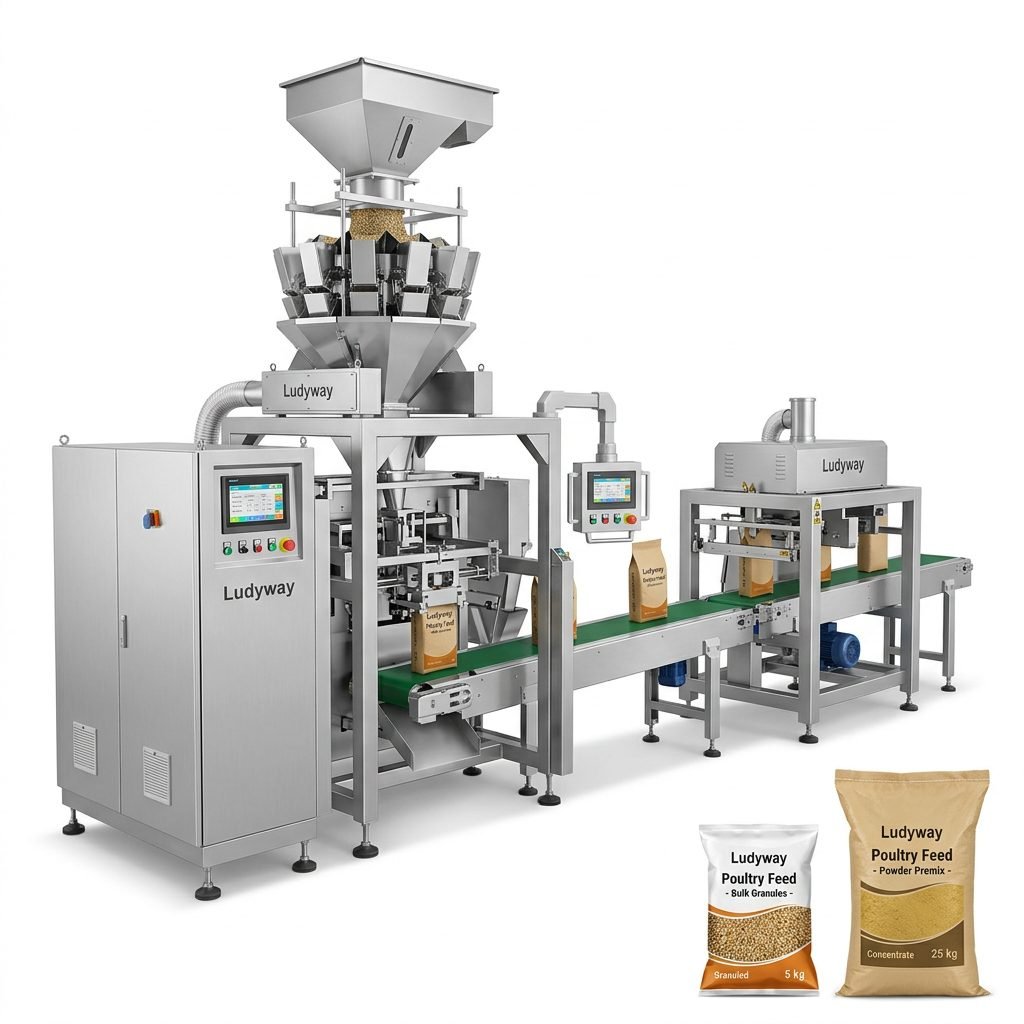
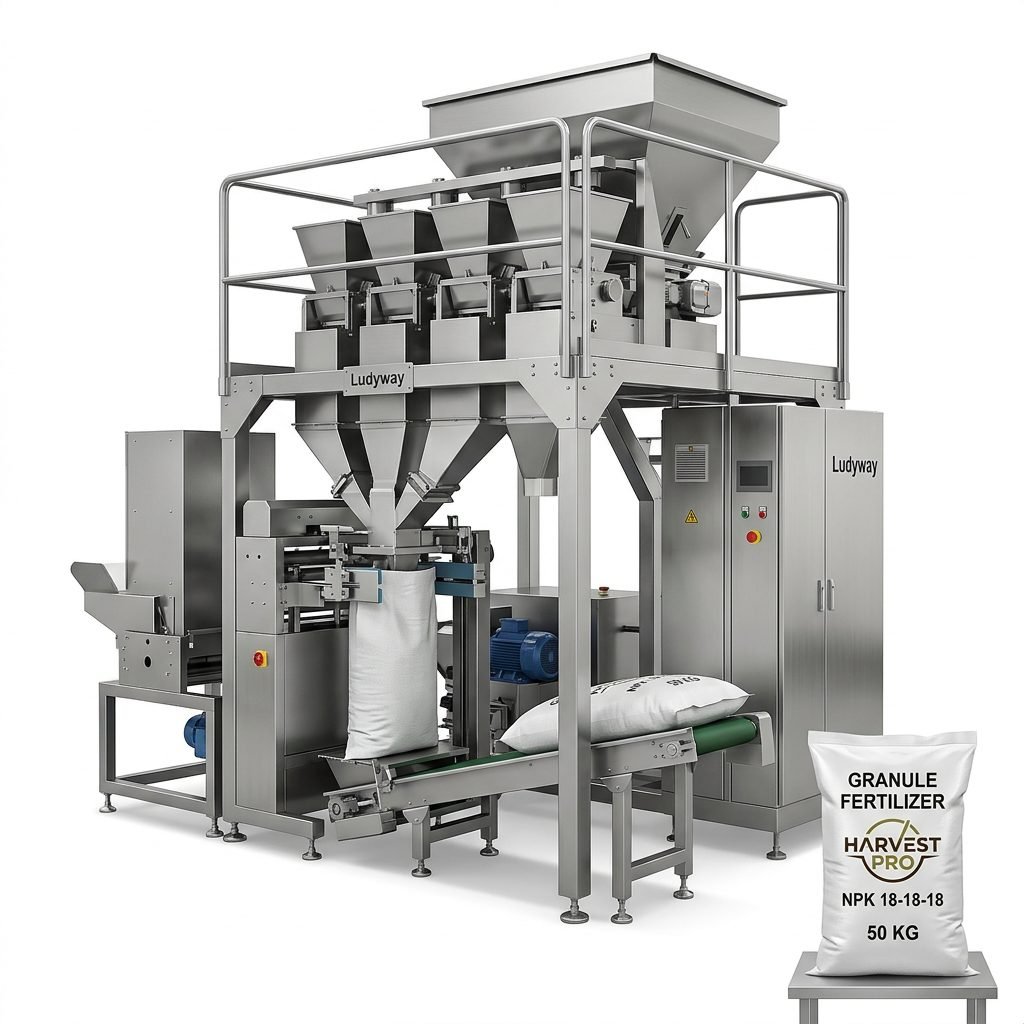
- Open-mouth bags – The most common format for bulk soil, typically ranging from 10 kg to 50 kg. These require a bag clamp and filling spout system.
- Valve bags – Ideal for fine materials like cement or powdered soil amendments. The bag has a self-sealing valve that closes after filling.
- Woven polypropylene bags – Popular in agricultural and landscaping markets for their durability and UV resistance.
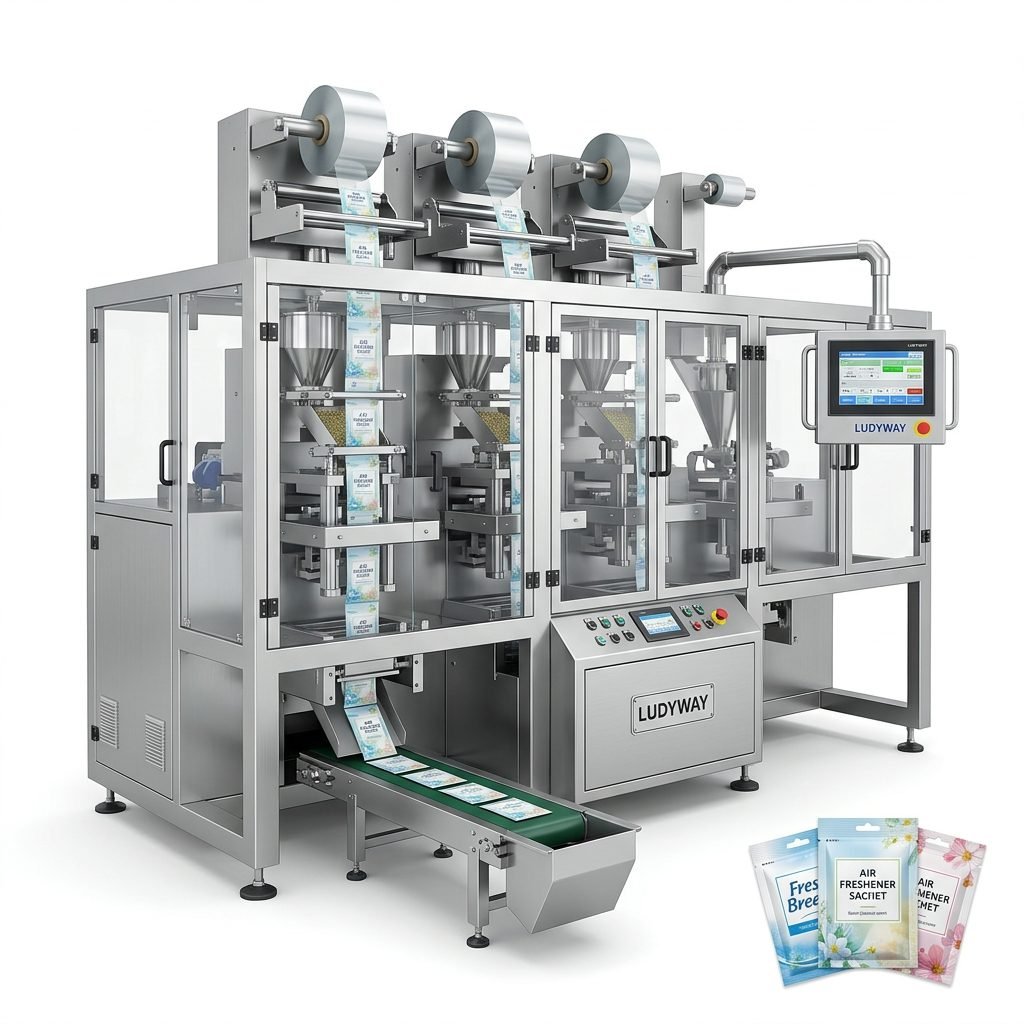
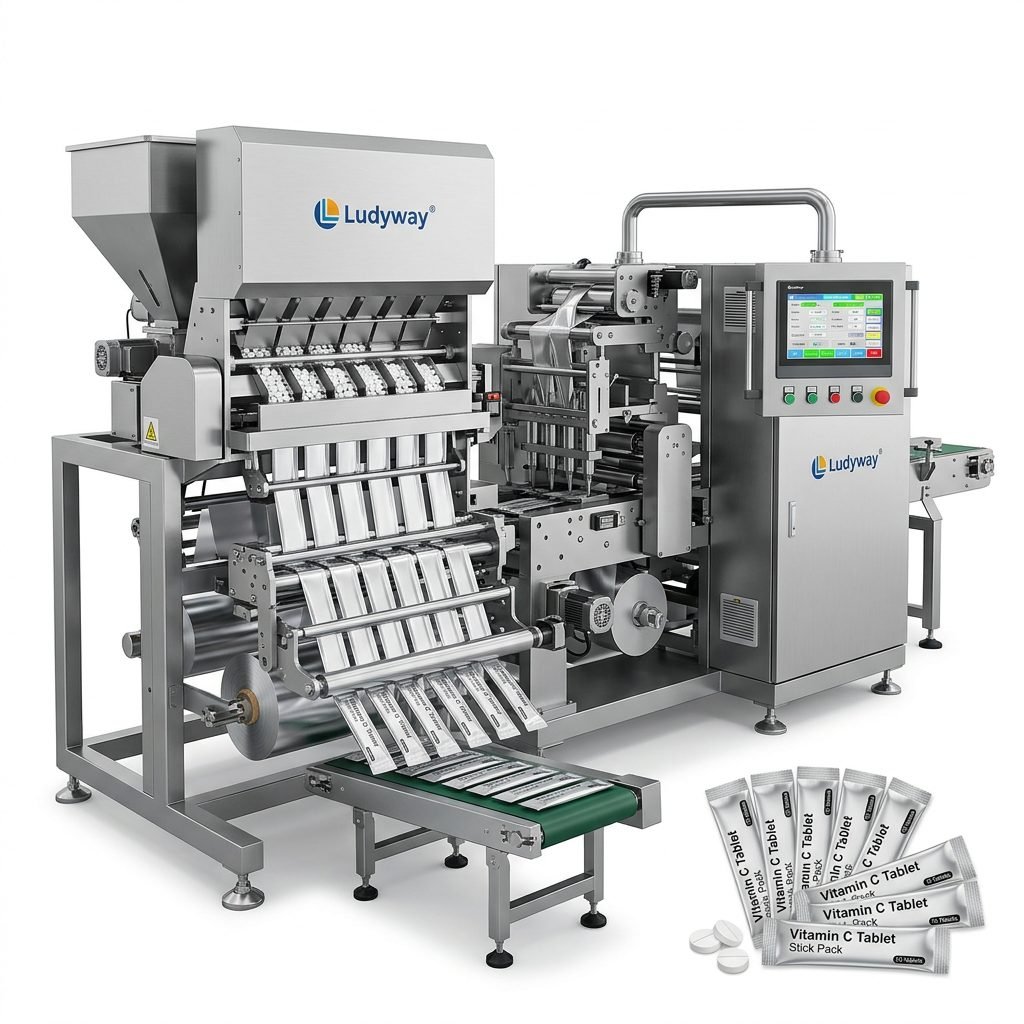
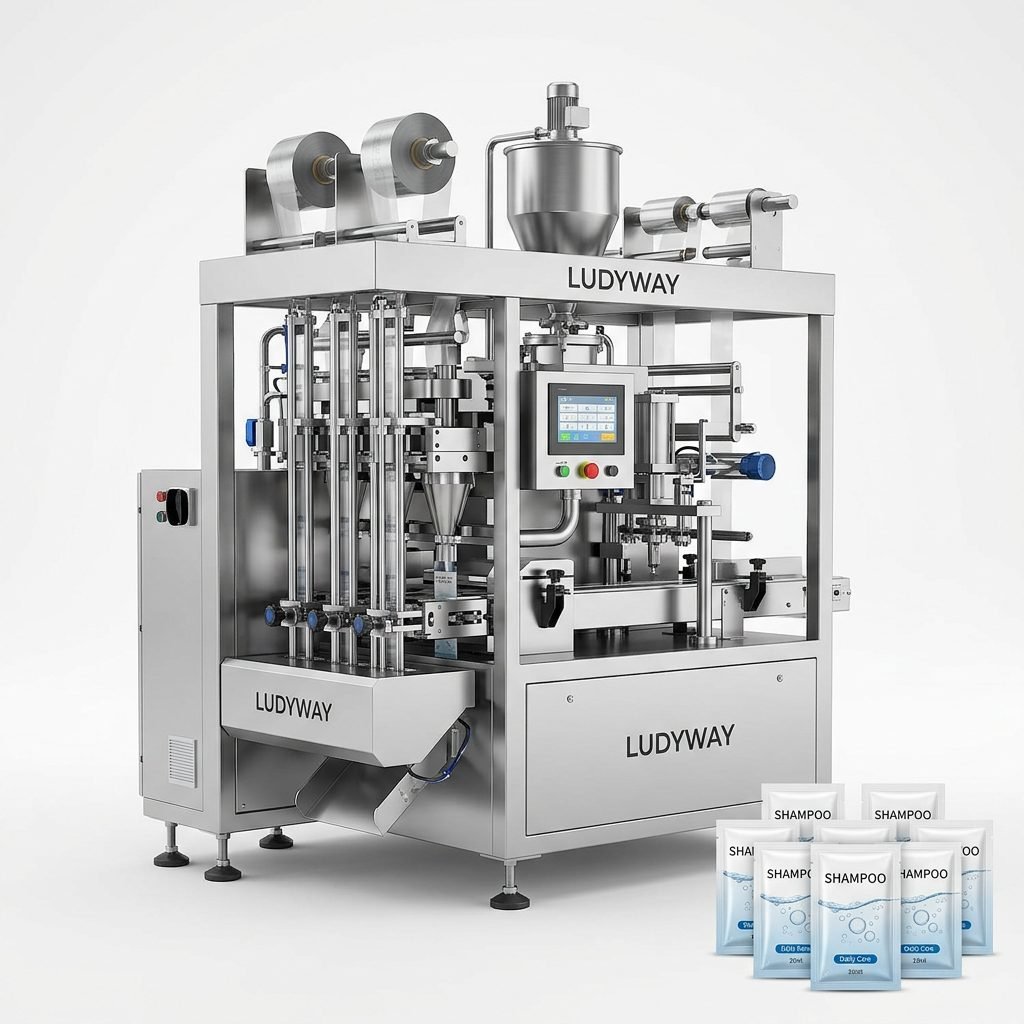
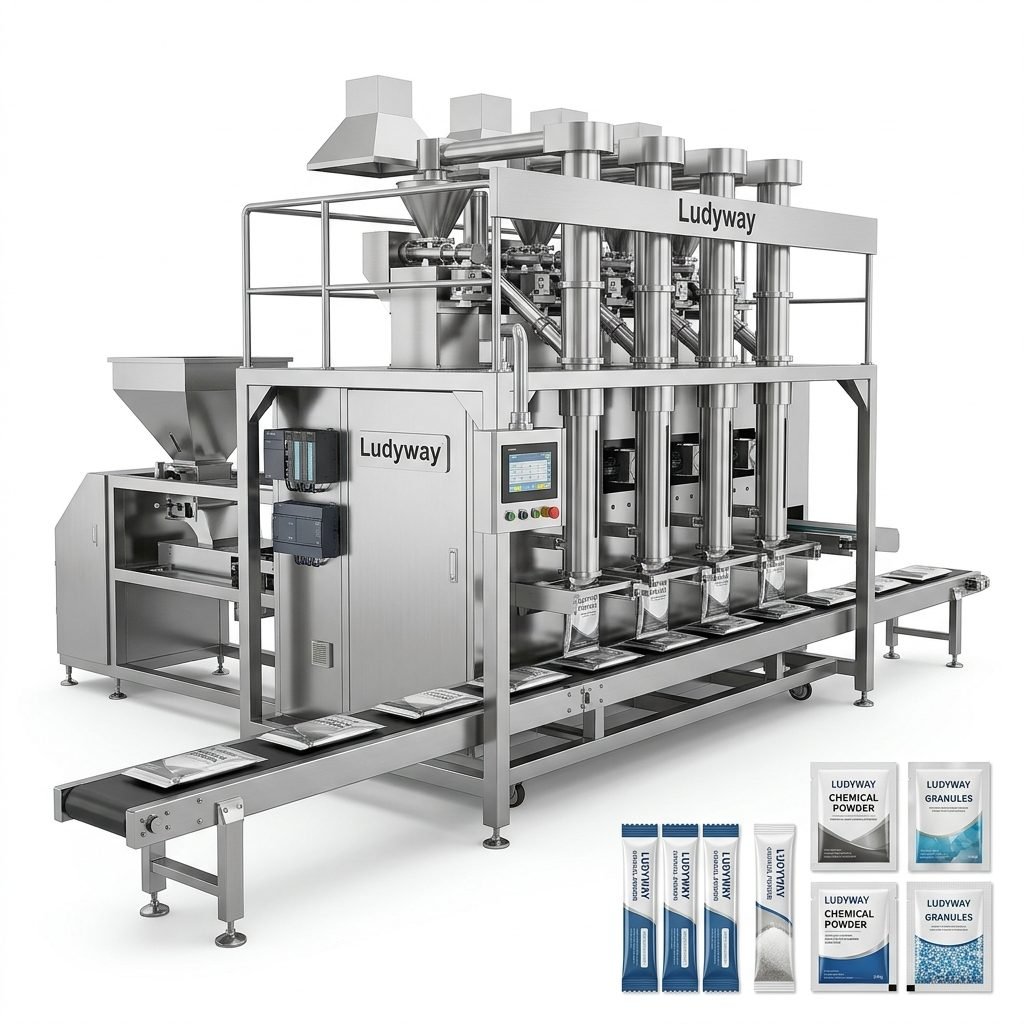
- Small retail pouches and sachets – For consumer-grade potting soil or seed-starting mixes sold in smaller quantities, flexible packaging formats like stick packs and sachets are increasingly popular.
- Bulk sacks / FIBC – For high-volume commercial or industrial soil delivery, these large bags can hold 500 kg to 1,500 kg of material.
Matching Bag Material to Machine Sealing Technology
Different bag materials require different sealing technologies. Paper bags typically use stitching or hot-melt adhesive, while plastic bags require heat sealing. Multi-wall bags may need a combination approach. Ensure the machine you select is compatible with your preferred packaging material.
Production Speed and Capacity Requirements
Your target output volume is one of the most critical factors in machine selection. Dirt packing machines range from semi-automatic systems capable of 3-5 bags per minute to fully automated lines exceeding 20 bags per minute. Consider not just your current needs but also your growth projections over the next 3-5 years.
Key questions to ask:
- How many bags per hour or per shift do you need to produce?
- Do you operate single-shift or multi-shift production?
- Is demand seasonal, requiring surge capacity during peak periods?
- Will you need to scale up production significantly in the near future?
Key Machine Configuration Options
Modern dirt packing machines offer numerous configuration options that can be tailored to specific operational requirements. Understanding these options helps you avoid overpaying for unnecessary features while ensuring you get the capabilities you truly need.
Weighing and Dosing Systems
- Net weigh systems – Material is weighed in a separate weigh hopper before being discharged into the bag. Offers high accuracy and is ideal for high-value soil mixes and amendments.
- Gross weigh systems – The bag is filled directly on the scale. Simpler and often more cost-effective for standard dirt products.
- Volumetric fillers – Use a fixed volume chamber to measure material. Suitable for consistent-density materials where extreme precision is not critical.
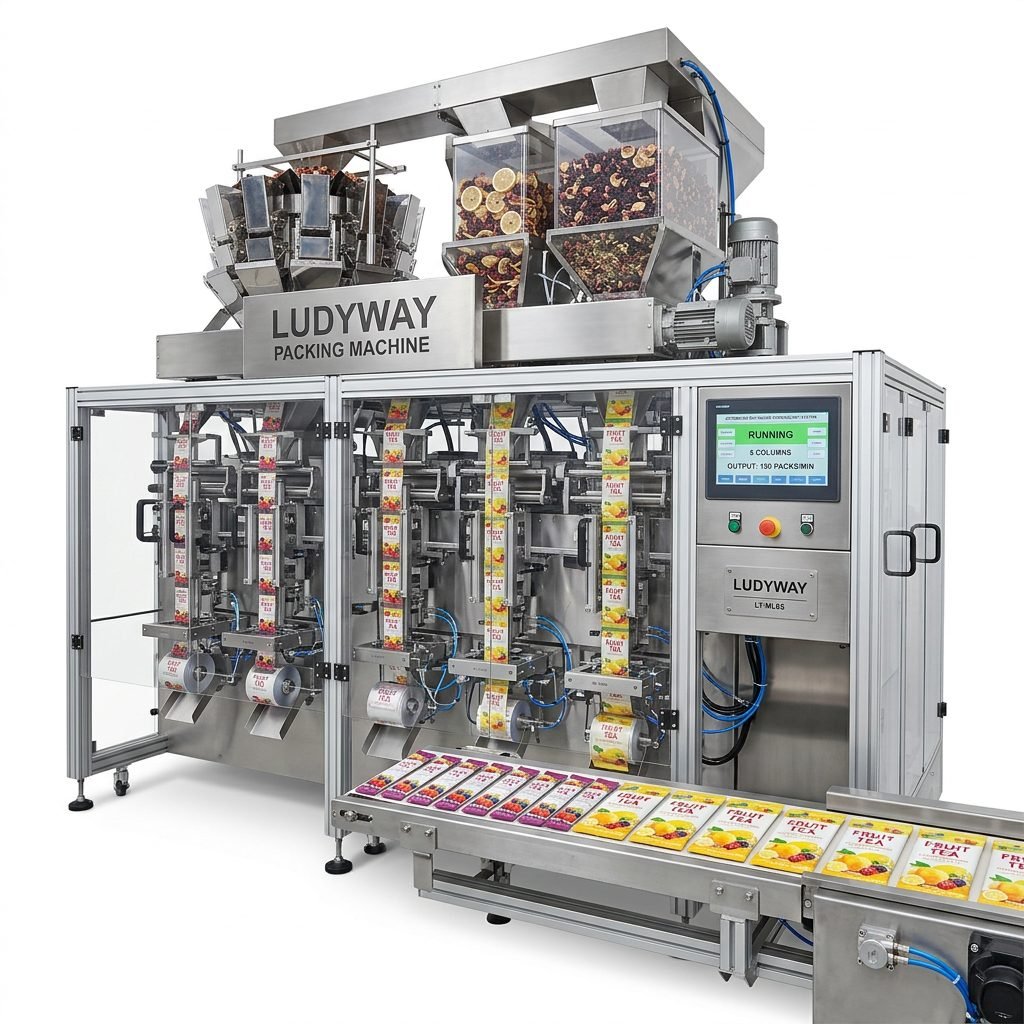
- Multi-head weighers – For high-speed packaging operations, especially for smaller bag formats, these systems combine speed with excellent accuracy.
Automation Level
- Semi-automatic – Operator places bags manually; machine handles filling and often sealing. Lower upfront cost but higher labor requirements.
- Fully automatic – Machine handles bag picking, opening, filling, sealing, and discharge without operator intervention. Higher investment but significantly lower long-term labor costs.
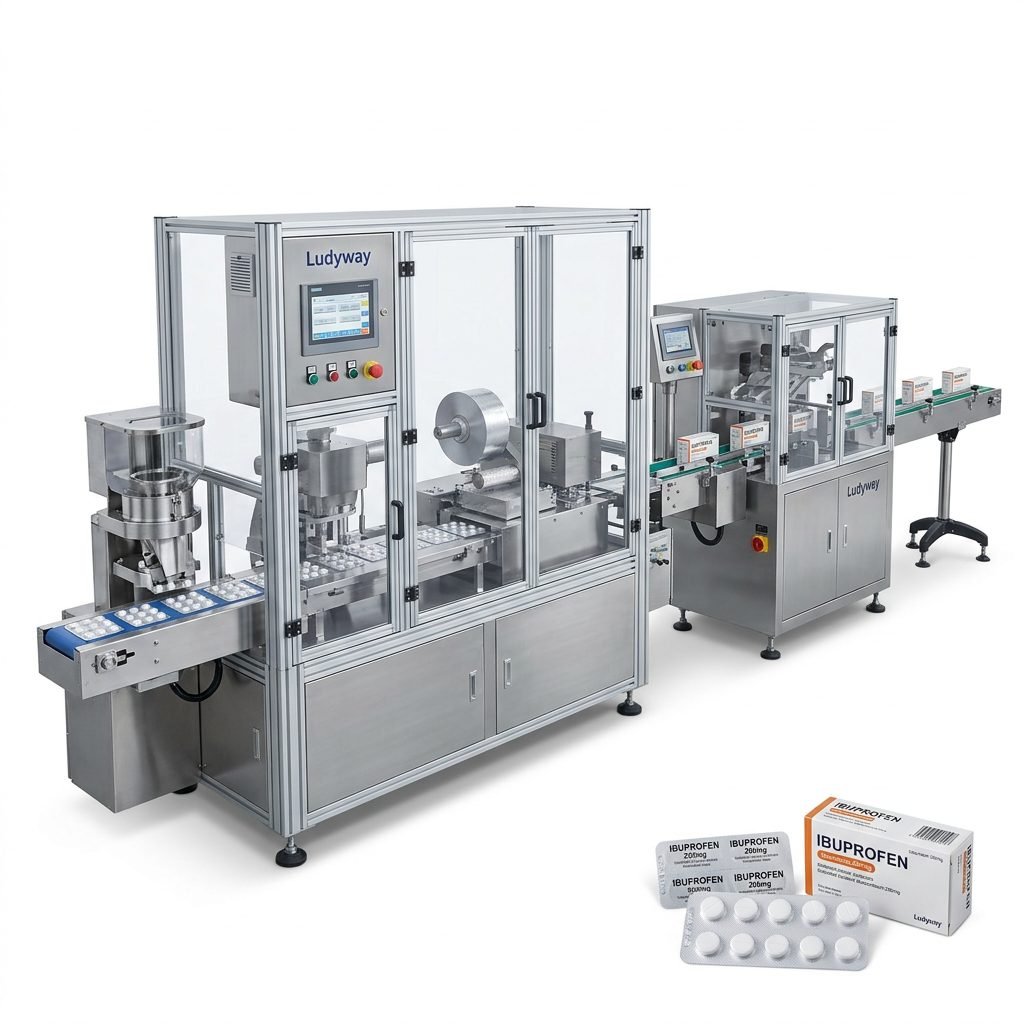
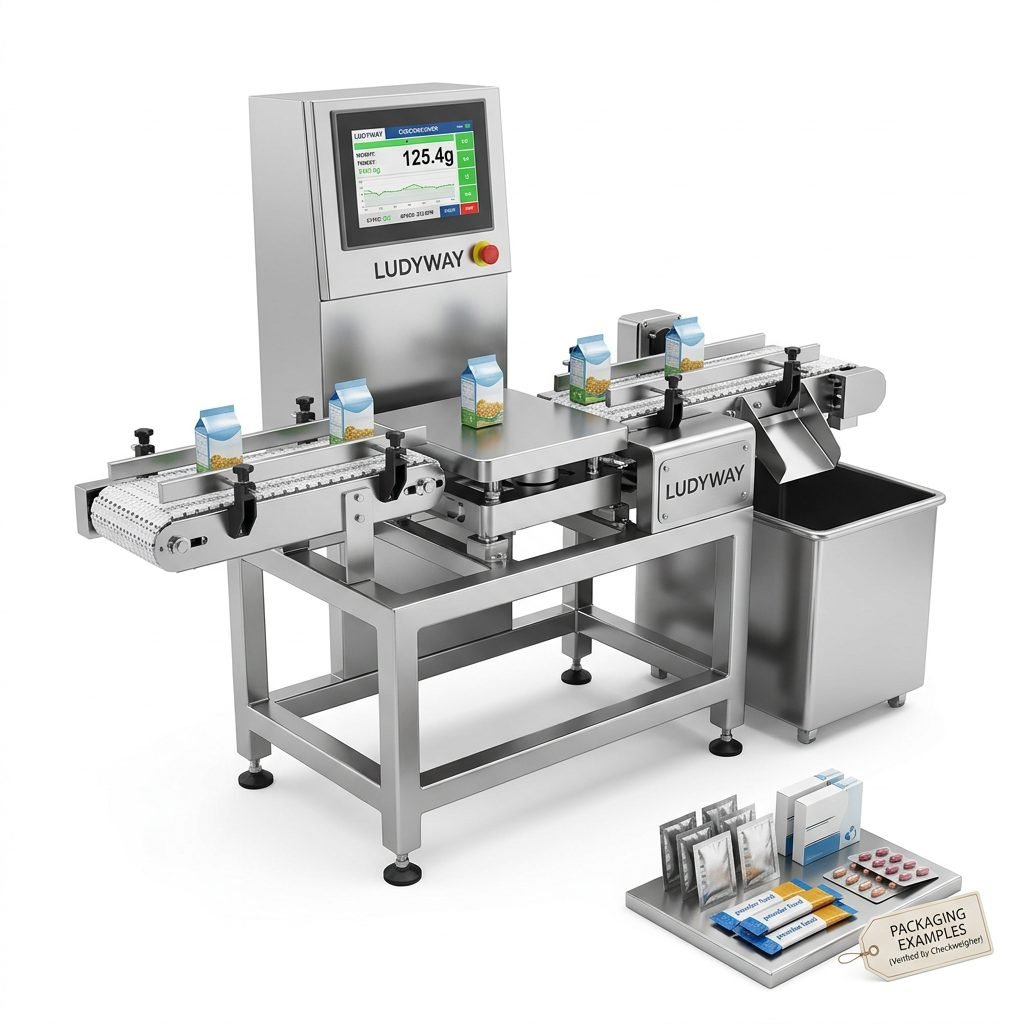
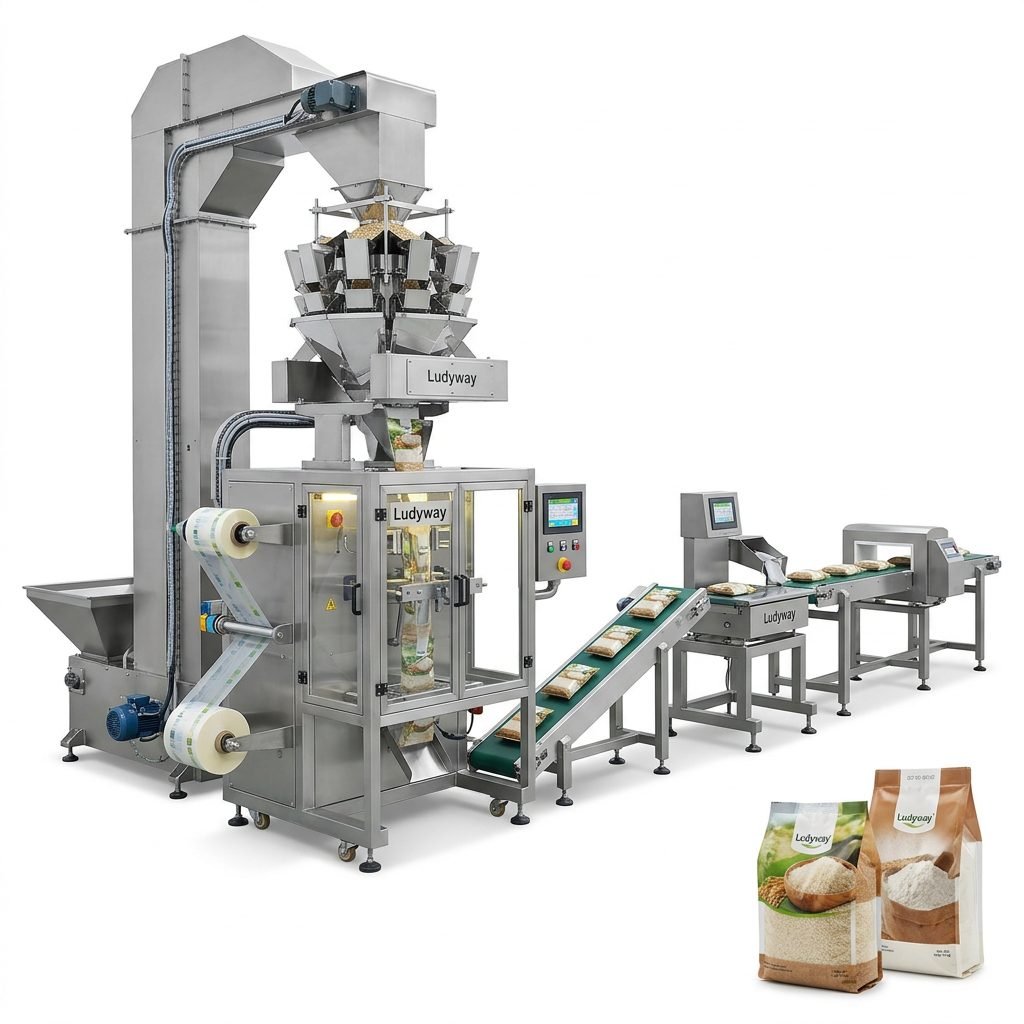
- Integrated packaging lines – Combine filling with conveying, check weighing, metal detection, palletizing, and stretch wrapping for a complete end-to-end solution.
Comparative Overview of Dirt Packing Machine Types
| Machine Type | Best For | Bag Range | Speed | Automation |
|---|---|---|---|---|
| Open-Mouth Bagging Machine | General soil, compost, mulch | 10-50 kg | 4-12 BPM | Semi / Full |
| Valve Bag Filler | Fine powder, cement, lime | 5-25 kg | 3-8 BPM | Semi / Full |
| Bulk Bag / FIBC Filler | Large-volume commercial soil | 500-1500 kg | 1-4 BPM | Semi / Full |
| Multi-Lane Sachet / Stick Pack | Retail potting mix, seed starter | 5g-5 kg | 40-200+ PPM | Full |
| Vertical Form Fill Seal (VFFS) | Mid-size retail bags of soil | 1-25 kg | 8-20 BPM | Full |
Durability and Maintenance Considerations
Dirt is inherently abrasive and dusty, which means your packaging equipment must be built to withstand harsh conditions. Look for machines with:
- Heavy-duty construction – Stainless steel or reinforced carbon steel frames resist corrosion and wear.
- Dust-sealed components – Bearings, sensors, and electrical enclosures should be rated for dusty environments (look for IP65 or higher ratings).
- Easy-clean design – Quick-release hoppers and tool-free access panels simplify cleaning and material changeovers.
- Readily available spare parts – Confirm that the manufacturer maintains an inventory of critical wear components like seals, belts, and filling nozzles.
Industry Standards and Regulatory Compliance
Depending on your market and the intended use of your dirt product, you may need to comply with various packaging standards. For soil products that come into contact with food (such as potting soil for vegetable gardens labeled as food-safe), additional FDA packaging regulations may apply. Key standards to discuss with your equipment supplier include:
- ISO 9001 – General quality management systems for manufacturing.
- Weight and measures compliance – Ensuring fill weights meet legal requirements in your target markets.
- CE marking – Required for equipment sold in the European Economic Area.
- UL / CSA certification – Electrical safety standards for North American markets.
Choosing a Reliable Manufacturer
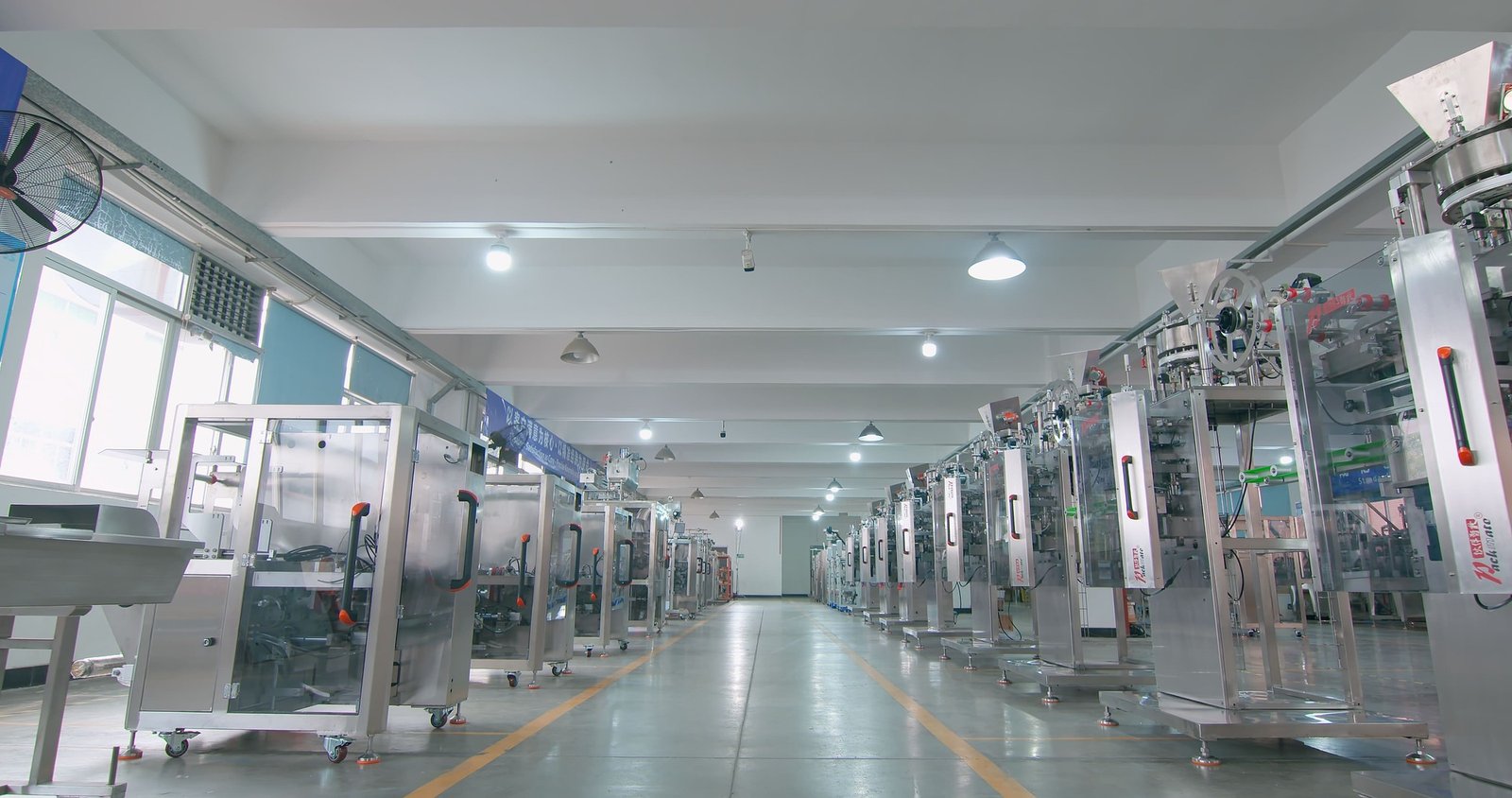
The packaging machinery manufacturer you partner with is just as important as the machine itself. A reliable supplier provides not just equipment but ongoing technical support, installation, commissioning, operator training, and after-sales service. When evaluating potential partners, look for a proven track record, manufacturing certifications, and the ability to customize equipment to your specific dirt product characteristics.
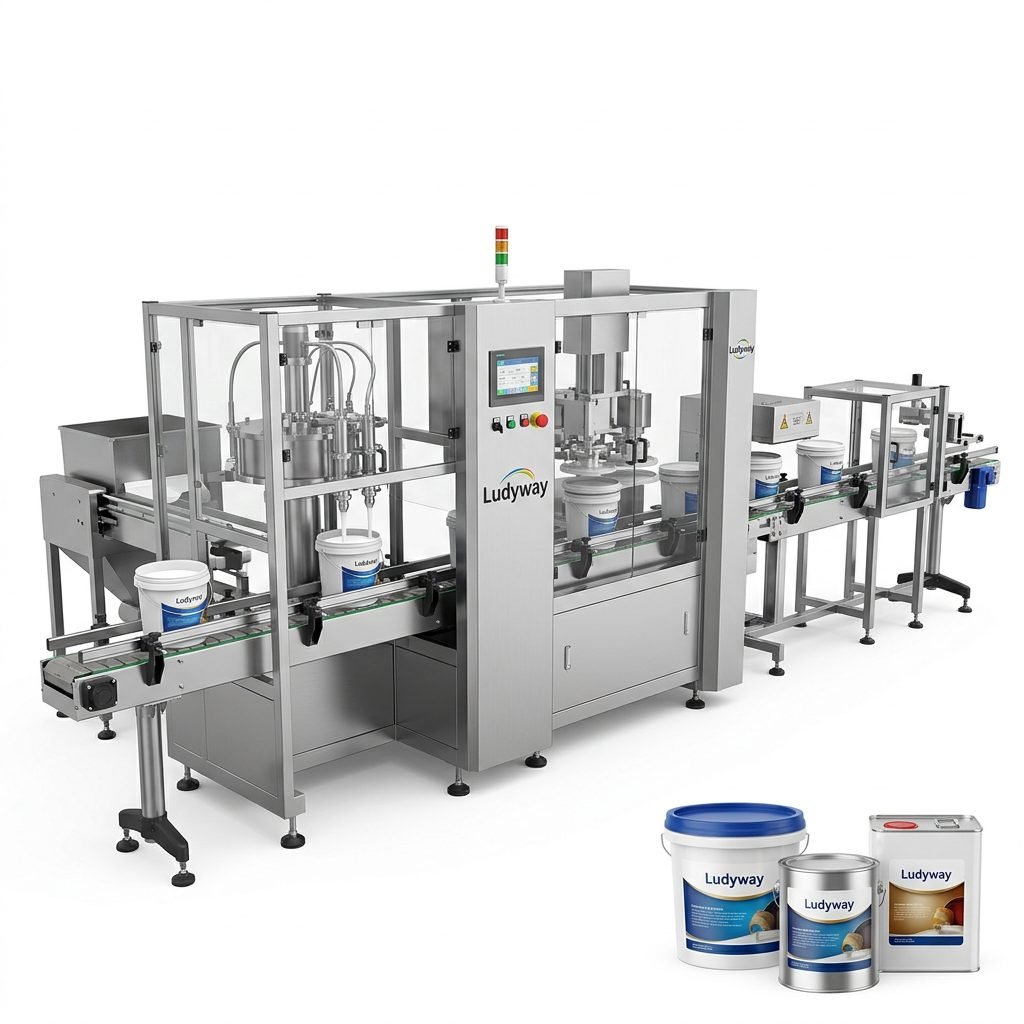
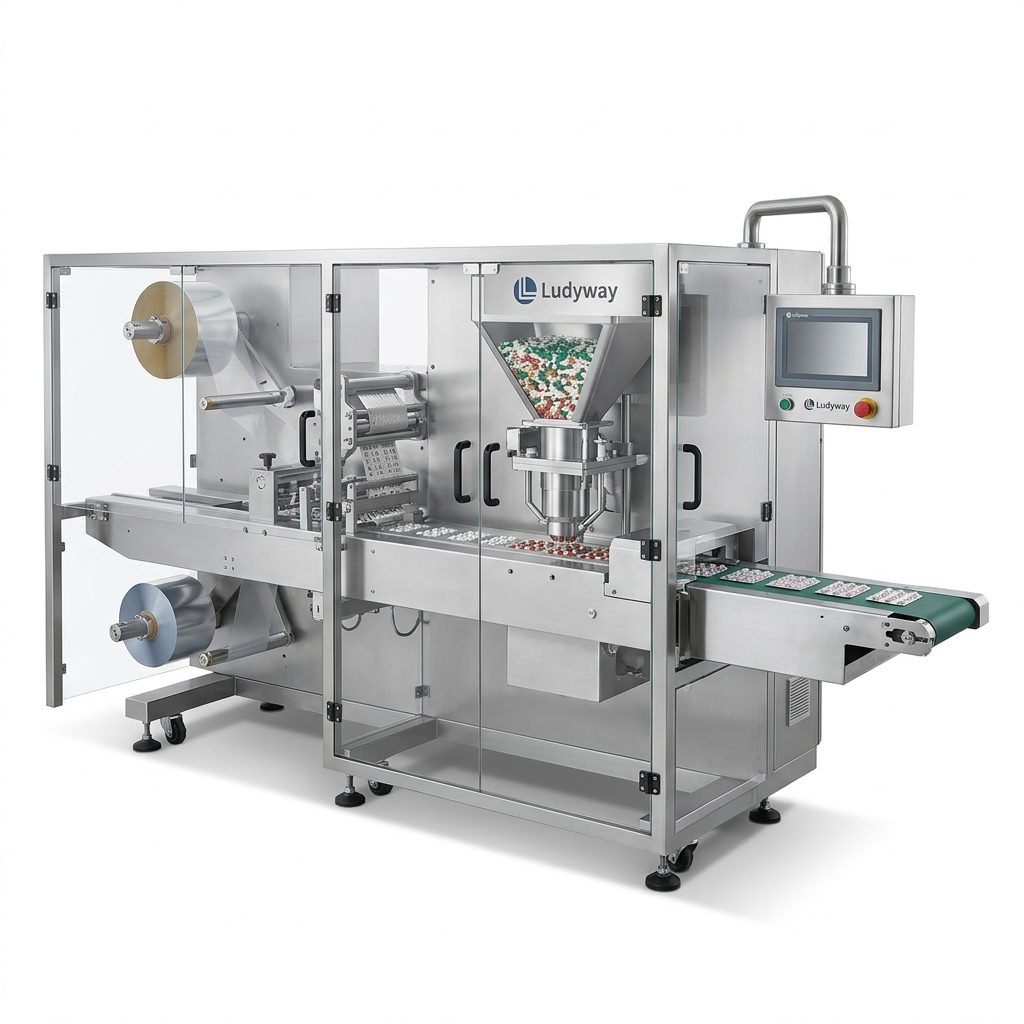
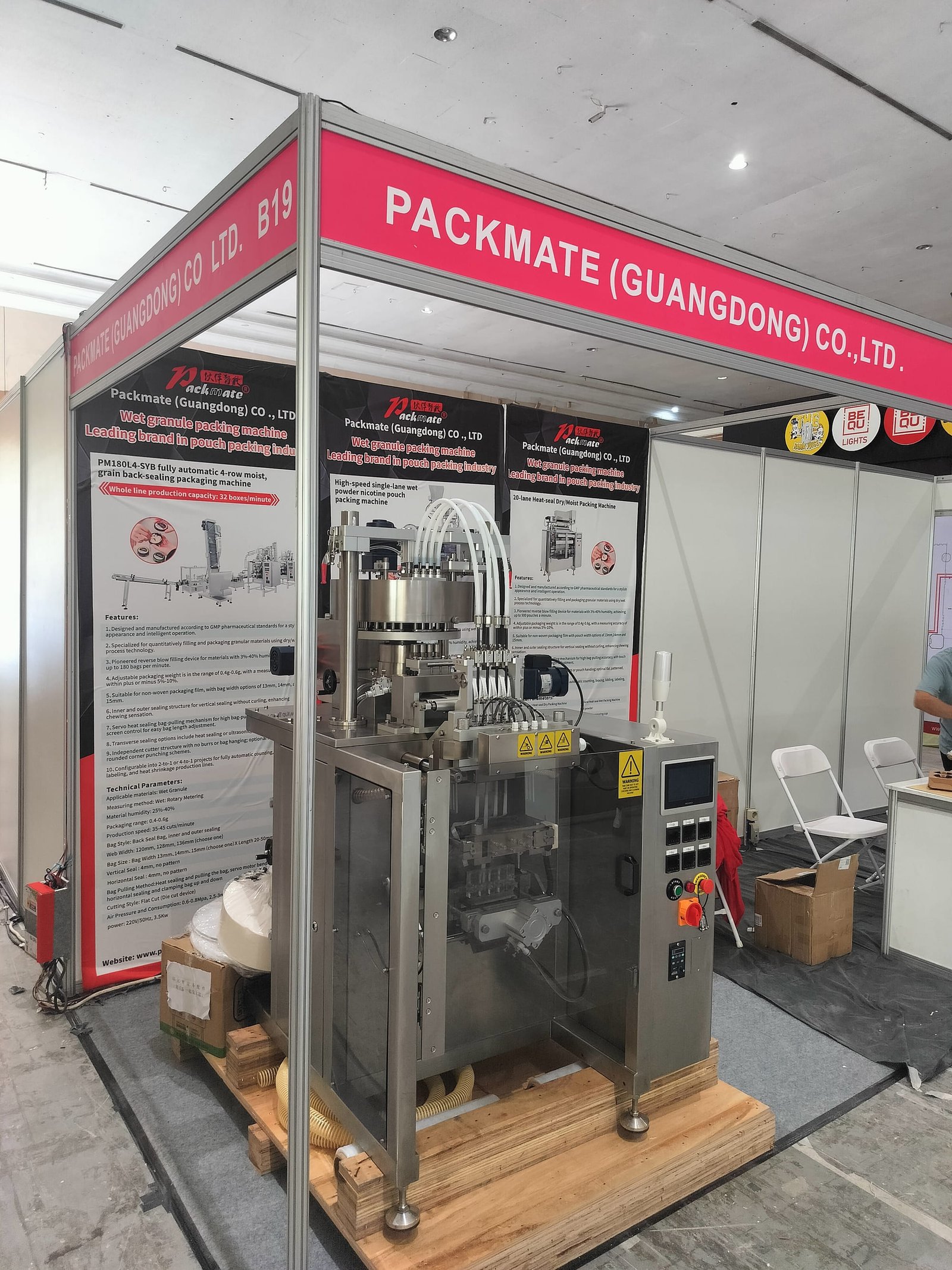
For operations seeking a comprehensive approach, experienced manufacturers like Ludyway Machinery offer customized dirt packaging solutions that can be configured for different bag formats, production speeds, and automation levels—from individual machines to complete turnkey packaging lines.
Total Cost of Ownership Analysis
When budgeting for a dirt packing machine, look beyond the initial purchase price. A thorough total cost of ownership (TCO) analysis includes:
- Initial capital expenditure – Machine cost, shipping, installation, and commissioning.
- Operating costs – Labor, electricity, compressed air, and consumables like bag material and sealing components.
- Maintenance expenses – Routine servicing, spare parts, and potential downtime costs.
- Training costs – Operator and maintenance staff training requirements.
- Expected service life – A well-built machine should provide 10-20 years of reliable service with proper maintenance.
ROI Calculation Example
A fully automatic dirt bagging line might cost significantly more upfront than a semi-automatic system, but if it reduces labor requirements by 2-3 operators per shift and increases throughput by 40%, the payback period could be as short as 12-18 months. Run the numbers based on your specific labor rates and production volumes.
Installation and Facility Preparation
Before your new equipment arrives, ensure your facility is properly prepared. Considerations include:
- Floor space and layout – Allow adequate clearance around the machine for operation, maintenance access, and material handling.
- Power supply – Confirm voltage, phase, and amperage requirements match your facility’s electrical infrastructure.
- Compressed air – Many automatic machines require clean, dry compressed air for pneumatic components.
- Dust collection – For fine soil materials, an integrated dust extraction system protects both operators and equipment.
- Material feed system – How will dirt be delivered to the packaging machine? Consider conveyors, bucket elevators, or front-end loaders depending on your setup.
Final Checklist Before Purchasing
Use this summary checklist to guide your decision-making process:
- ✓ Have you fully characterized your material’s particle size, density, moisture, and flow properties?
- ✓ Have you determined the required bag type, size range, and material?
- ✓ Is your target production speed clearly defined with room for growth?
- ✓ Have you compared automation levels against your labor cost structure?
- ✓ Does the machine construction match the abrasiveness and dust levels of your operation?
- ✓ Have you verified the manufacturer’s service and spare parts support in your region?
- ✓ Are all applicable packaging and distribution standards accounted for?
- ✓ Have you calculated the total cost of ownership, not just the purchase price?
Selecting the right dirt packing machine is a strategic investment that impacts your operational efficiency, product quality, and bottom line for years to come. By methodically working through the factors outlined in this guide—from material analysis and bag format selection to automation level and manufacturer evaluation—you can make a confident, informed decision that positions your business for sustainable growth. Take the time to visit manufacturing facilities, request product demonstrations with your actual material, and speak with packaging industry professionals at trade events before finalizing your choice.