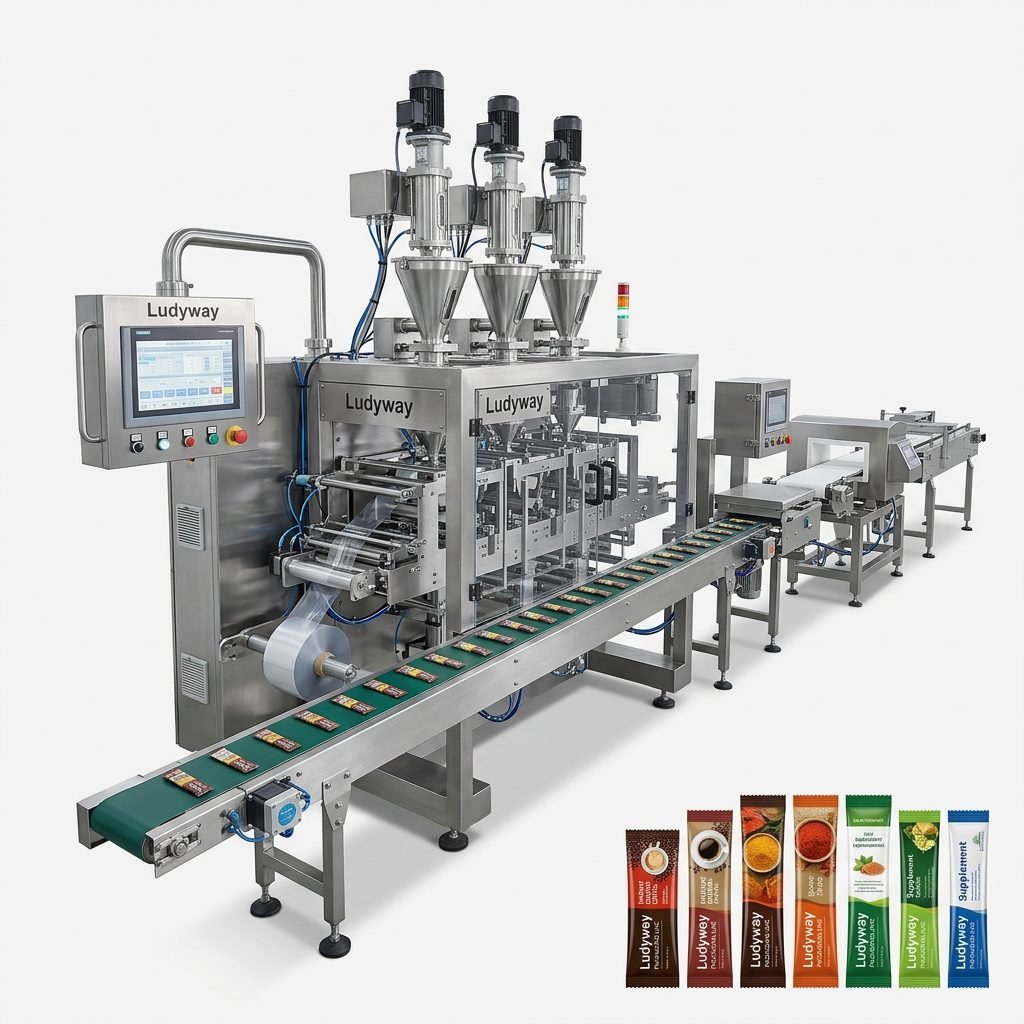
Choosing the right milk packaging machine is a critical decision for any dairy business, impacting everything from product shelf life and safety to operational efficiency and brand perception. With a vast array of technologies available, from simple sachet fillers to complex aseptic lines, navigating the options can be daunting. This comprehensive guide breaks down the primary types of milk packaging machines, discusses key pricing factors, and provides a structured framework to help you select the best solution tailored to your specific production volume, product type, and business goals.
Understanding the Different Types of Milk Packaging Machines
The packaging format you choose directly influences your market reach, logistics, and consumer appeal. Here’s a detailed look at the most common machine types.
Vertical Form-Fill-Seal (VFFS) Machines
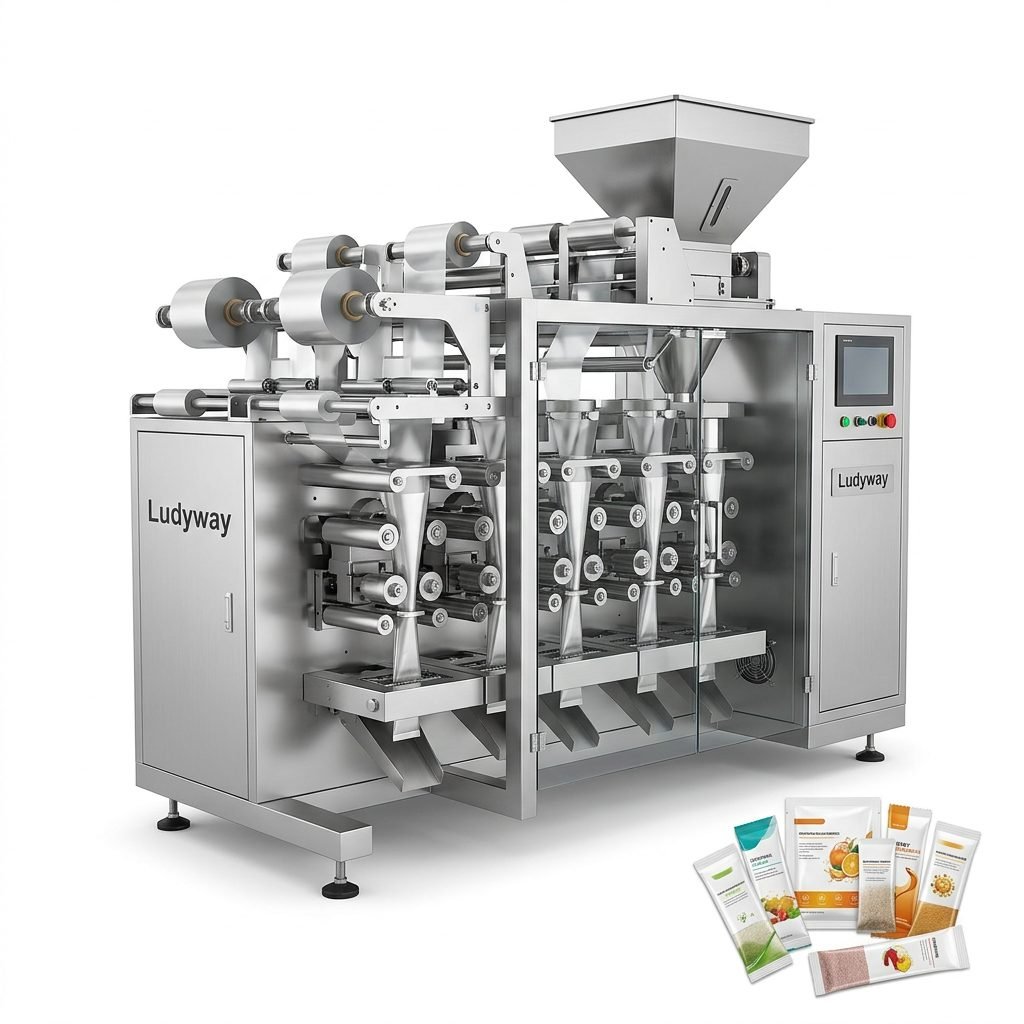
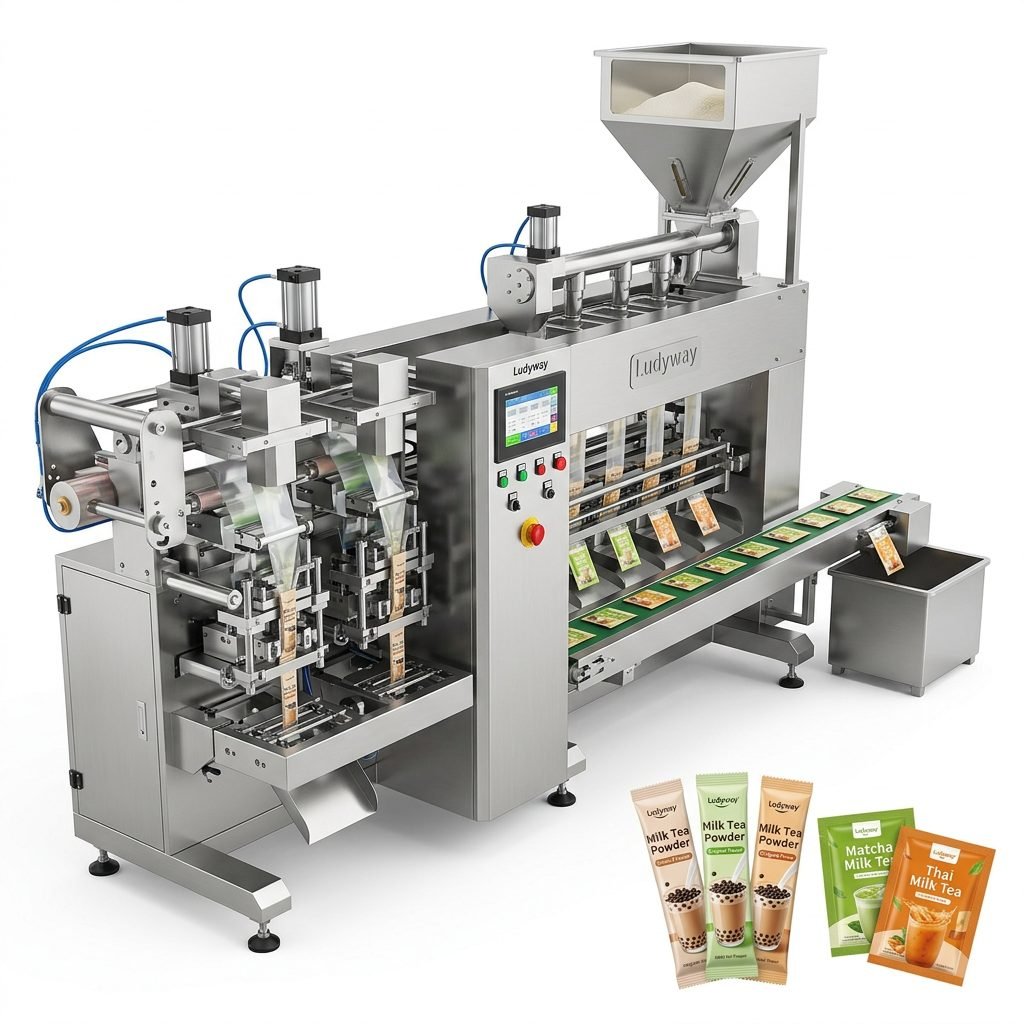
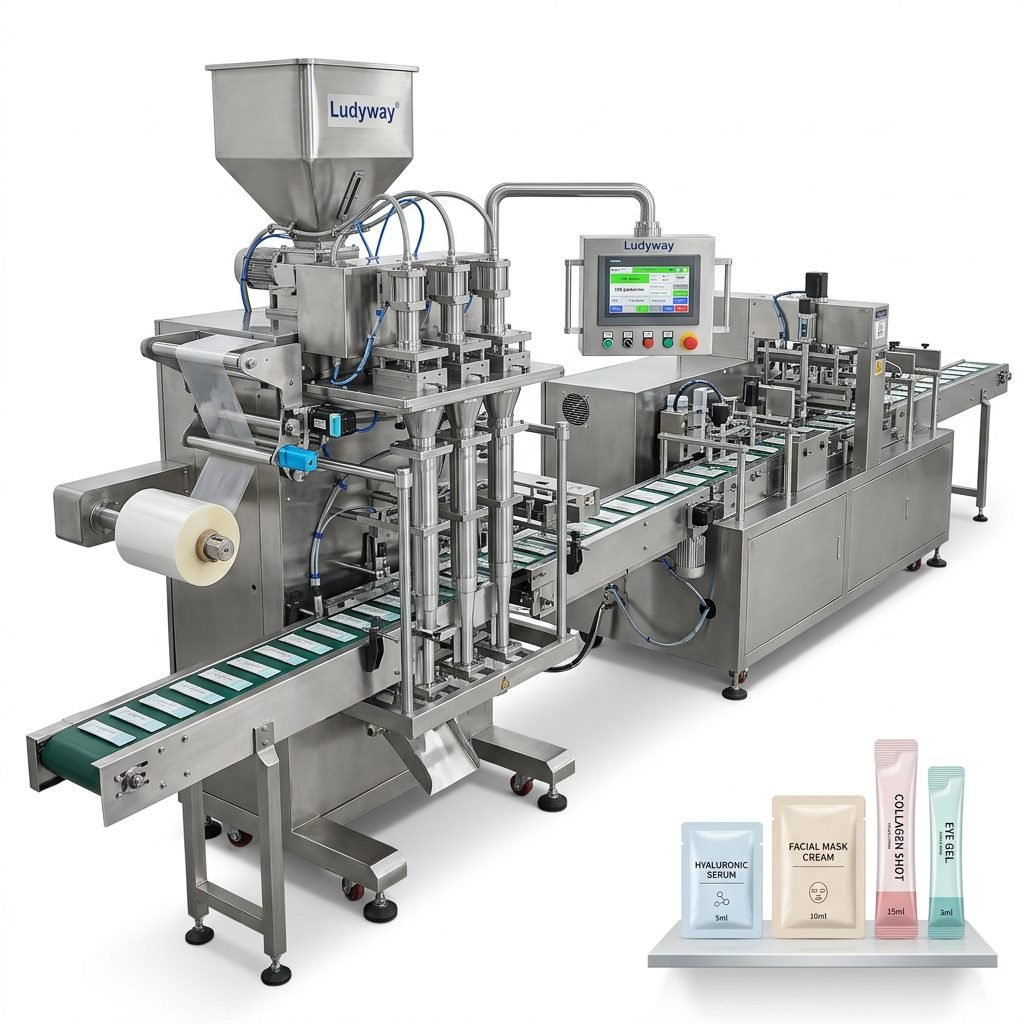
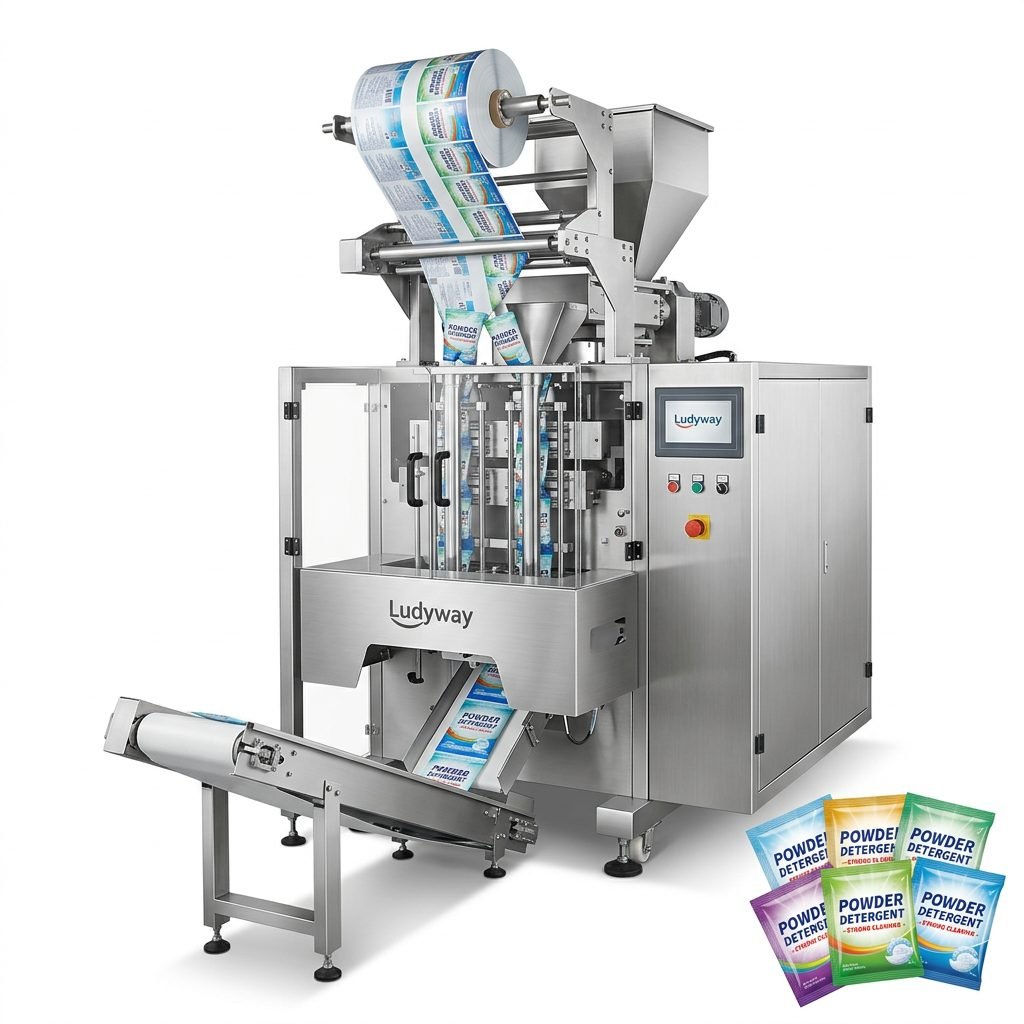
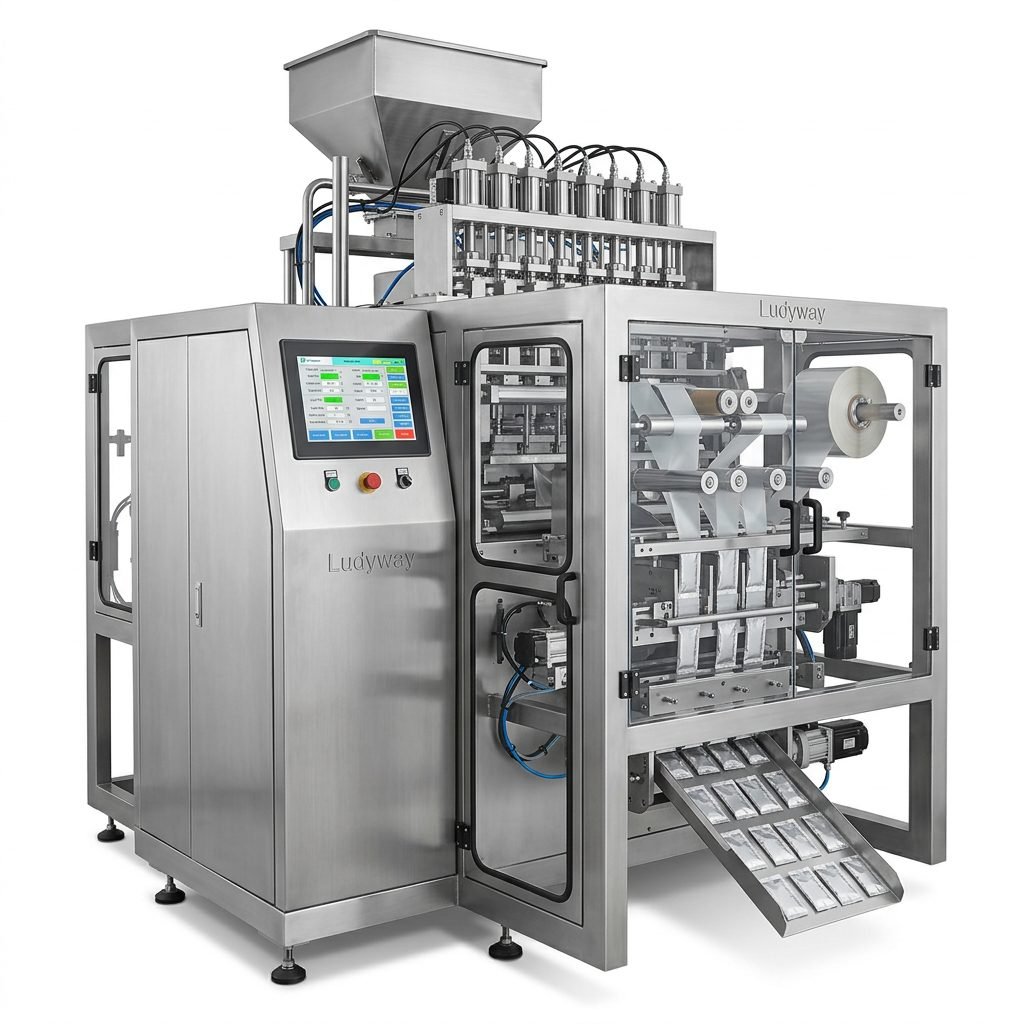
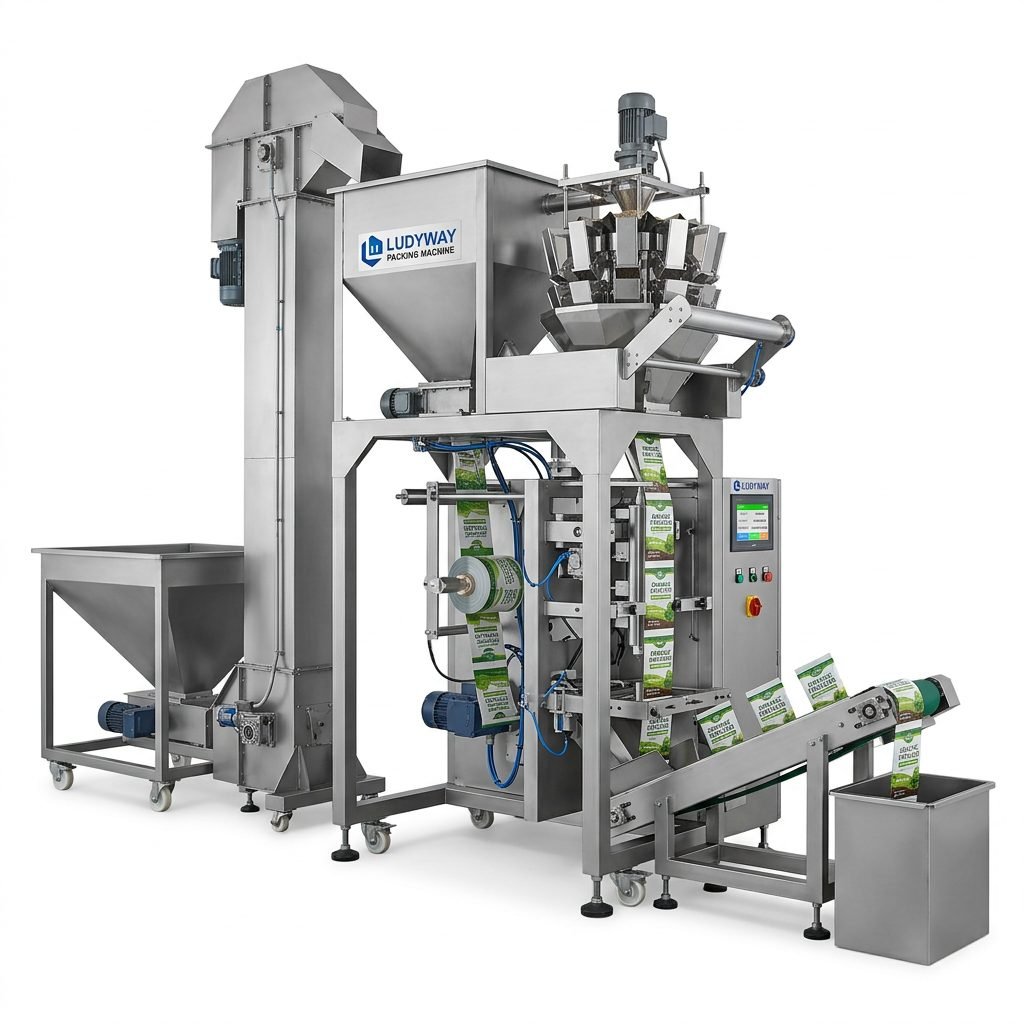
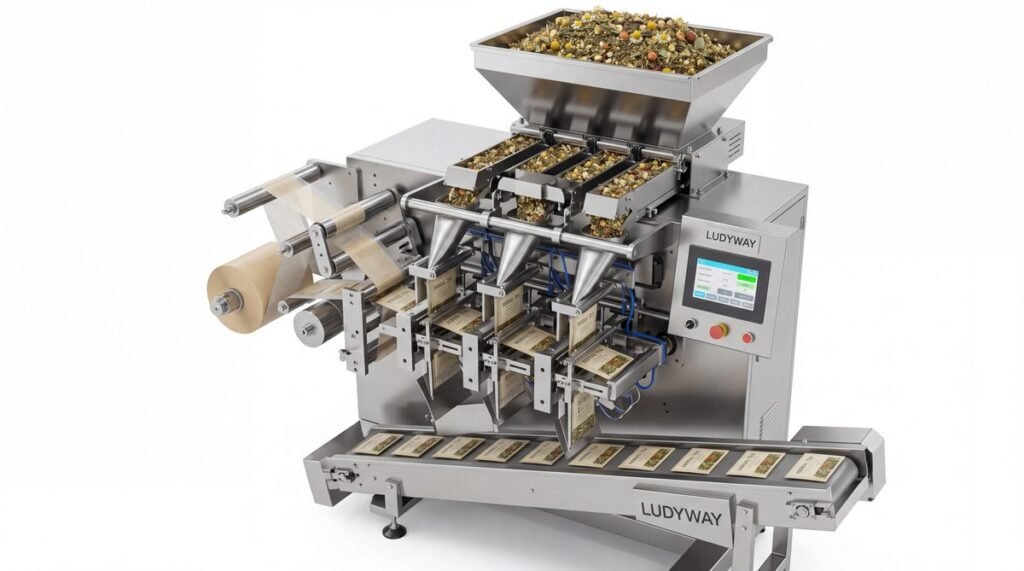
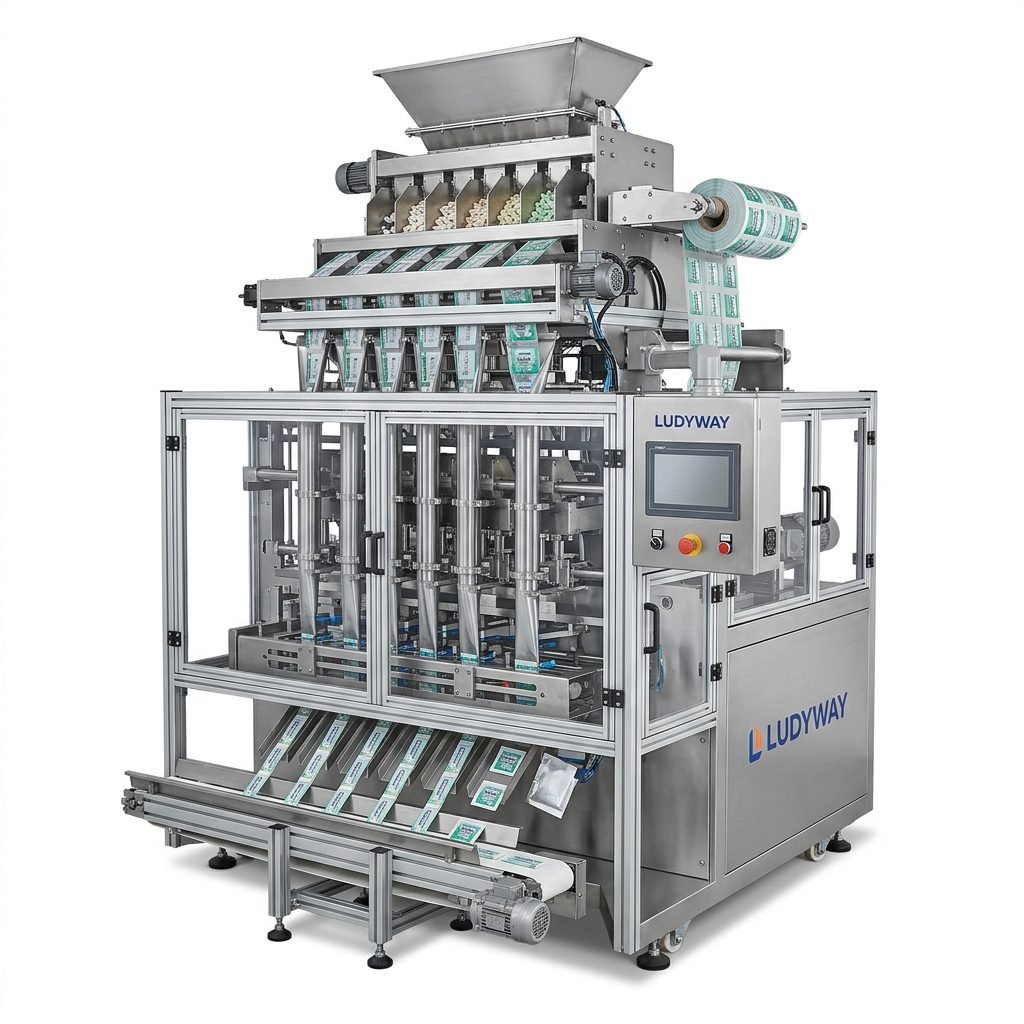
These are among the most versatile and widely used machines in the dairy industry. VFFS machines form bags from a roll of film, fill them with a measured amount of product (liquid or powder), and then seal them. They are ideal for creating sachets and pouches of various sizes.
Best For: Small to medium-scale production of milk powder, flavored milk drink sachets, coffee creamers, and liquid milk in small pouches. They offer quick changeovers and are relatively cost-effective.
Horizontal Form-Fill-Seal (HFFS) Machines
HFFS machines are typically used for higher-speed production of more rigid structures. The film is fed horizontally, formed into trays or cups, filled, and then lidded with a top film. This process is excellent for creating single-serve cups and tubs.
Common Applications: Yogurt cups, pudding, fresh cheese portions, and liquid milk in portion-control cups. They provide excellent product presentation and are suitable for chilled dairy products.
Aseptic Packaging Machines
This technology represents the premium segment of milk packaging. Aseptic machines sterilize the packaging material and the product separately in a sterile environment before filling and sealing. This process allows milk to be stored without refrigeration for several months.
Key Advantage: Drastically extends shelf life, reduces cold chain logistics costs, and enables distribution to regions with limited refrigeration infrastructure. The machinery and packaging material costs are significantly higher.
Bottle Filling and Capping Lines
For businesses focusing on fresh milk, flavored milk, or cream in larger volumes, automated bottle filling lines are essential. These are often complete systems involving bottle unscramblers, rinsers, fillers, cappers, and labelers.
They can handle various container materials like HDPE, PET, or glass. Speed and accuracy are paramount, with modern lines incorporating advanced sensors and PLC controls for minimal waste and high efficiency.
Key Factors Influencing Machine Prices
The cost of a milk packaging machine is not a single figure but a spectrum determined by multiple variables. Understanding these will help you budget effectively.
1. Automation Level and Speed
The core price driver. A basic, semi-automatic sachet filler is the most affordable entry point. Fully automatic, high-speed lines with integrated robotics, vision systems, and automated cartoning will command a premium. Output speed (pouches/minute or bottles/hour) directly correlates with price.
2. Machine Type and Technology
As discussed, a standard VFFS machine is generally less expensive than a complex HFFS cup filler. Aseptic packaging systems sit at the top of the price range due to the sophisticated sterilization technology and controlled environment required.
3. Customization and Flexibility
Off-the-shelf models are cheaper. If you require custom features—such as the ability to handle unique pouch shapes, integrate specific filling nozzles for viscous products like yogurt, or switch between multiple product types quickly—the price will increase. Partnering with an experienced supplier who can engineer tailored solutions is crucial here.
4. Construction Quality and Brand
Machines built with food-grade stainless steel (e.g., SS304, SS316), high-precision servo motors, and components from reputable international brands (like Siemens or Mitsubishi PLCs) offer greater durability, hygiene, and reliability. This quality investment reduces long-term maintenance costs and downtime.
5. After-Sales Support and Service
Consider the total cost of ownership. A supplier offering comprehensive training, a clear warranty, readily available spare parts, and responsive technical support adds value. This support network, often provided by established companies with deep industry roots, is vital for minimizing production halts.
How to Choose the Best Solution for Your Business: A Step-by-Step Guide
Selecting a machine is a strategic process. Follow this framework to make an informed decision.
Step 1: Analyze Your Product and Production Needs
- Product Type: Is it liquid milk, milk powder, yogurt, or a dairy-based beverage? Viscosity and characteristics matter.
- Required Packaging Format: Sachet, pouch, cup, bottle, or brick-style carton? This defines the machine type.
- Desired Output: Calculate your current and projected 3-5 year production volume (e.g., packs per shift).
- Shelf-life Requirements: Do you need refrigerated, ambient, or extended shelf-life (aseptic) packaging?
Step 2: Evaluate Your Facility and Budget
Assess the available floor space, power supply, and compressed air requirements. Crucially, define your total investment budget, including not just the machine price, but also costs for installation, commissioning, initial packaging materials, and operator training.
Step 3: Research and Shortlist Suppliers
Look for manufacturers or specialized brands with proven experience in the dairy sector. Review their case studies and client list. A supplier with over 30 years of industry experience often brings invaluable practical knowledge to the table. Request detailed quotations and specifications from at least three potential suppliers.
Step 4: Request a Live Demonstration or Trial
→ Pro Tip: Never buy based on specifications alone. Insist on a live machine demonstration using a sample of your actual product and packaging material. This tests filling accuracy, seal integrity, and overall performance.
Step 5: Scrutinize After-Sales Service and Support
The relationship begins after purchase. Clarify the warranty period, availability of spare parts, lead times for service, and whether they offer remote diagnostic support. A reliable partner ensures your line runs smoothly for years, protecting your investment.
Investing in Your Dairy’s Future
The right milk packaging machine is more than an expense; it’s an investment in product quality, brand consistency, and operational scalability. By thoroughly understanding the different machine types, the factors that influence their cost, and following a disciplined selection process, you can implement a solution that drives efficiency, reduces waste, and supports your business growth. Partnering with a knowledgeable and service-oriented equipment provider is the final, critical step in securing a packaging system that delivers long-term value.
Frequently Asked Questions (FAQs)
1. What is the typical price range for a milk packaging machine?
Prices vary dramatically. A semi-automatic tabletop sachet filler can start from a few thousand dollars, while a mid-range automatic VFFS machine may range from $20,000 to $80,000. High-speed aseptic filling lines or complete bottle filling systems can easily cost several hundred thousand dollars. The key is to get detailed quotes based on your specific requirements.
2. Can one machine package different types of dairy products?
Many machines offer flexibility, but with limits. A VFFS machine can often handle both milk powder and liquid beverages with adjustments. However, switching from a low-viscosity liquid to a thick yogurt would likely require significant component changes (pumps, fillers). Discuss your product range upfront with the supplier to find a suitably flexible model or plan for changeover kits.
3. How important is after-sales service when choosing a supplier?
Extremely important. Packaging machines are complex and require maintenance. A supplier with a strong global service network, like those with extensive international project experience, can provide timely support, spare parts, and troubleshooting, minimizing costly downtime. Always prioritize suppliers who offer robust after-sales agreements.
4. What packaging materials work with these machines?
It depends on the machine type. VFFS/HFFS machines use roll stock films (laminates of PET, PE, AL foil, etc.). Aseptic machines use specialized pre-sterilized laminates. Bottle fillers use pre-formed containers. Your machine supplier should guide you on material specifications (thickness, seal layer) and may even connect you with reliable material suppliers.
5. How can I ensure the machine meets food safety and hygiene standards?
Choose machines constructed with food-grade stainless steel (easy to clean and corrosion-resistant) and designed with hygienic principles (minimal crevices, CIP/SIP capabilities where needed). Ensure the supplier can provide documentation showing compliance with relevant international standards (e.g., FDA, EHEDG, or local food safety regulations).