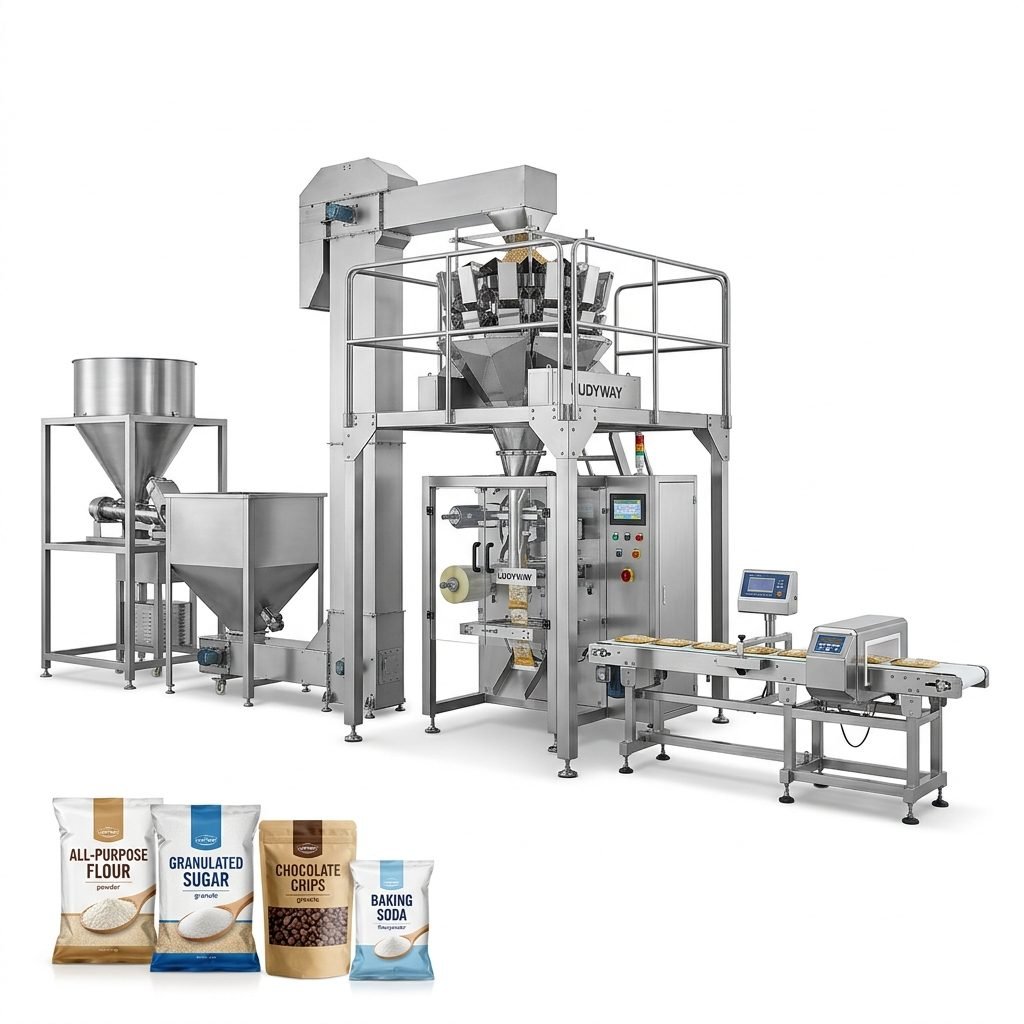
Investing in a chicken packing machine is a strategic move for any poultry processing business aiming to scale operations, improve hygiene standards, and reduce labor costs. However, with a vast array of technologies available—from simple vacuum sealers to fully automated multi-head weighing and tray sealing lines—selecting the right equipment can feel overwhelming. This comprehensive buyer’s guide breaks down the key factors you must consider before making a purchase, helping you match the equipment to your unique production goals.
1. Define Your Product and Packaging Format
Before evaluating machinery specifications, you must clearly define what you are packaging. Chicken packing machines are not one-size-fits-all; a system designed for fresh whole birds is fundamentally different from one handling frozen chicken nuggets or marinated poultry portions.
- Product State: Is your product fresh, chilled, frozen, or cooked? Frozen products often require cold room compatibility and robust sealing to prevent freezer burn.
- Product Form: Are you packing whole chickens, drumsticks, boneless breasts, minced meat, or processed items like sausages?
- Packaging Style: Common formats include vacuum bags, modified atmosphere packaging (MAP) trays, flow-wrapped trays, shrink bags, and vertical form-fill-seal (VFFS) pouches for marinated pieces.
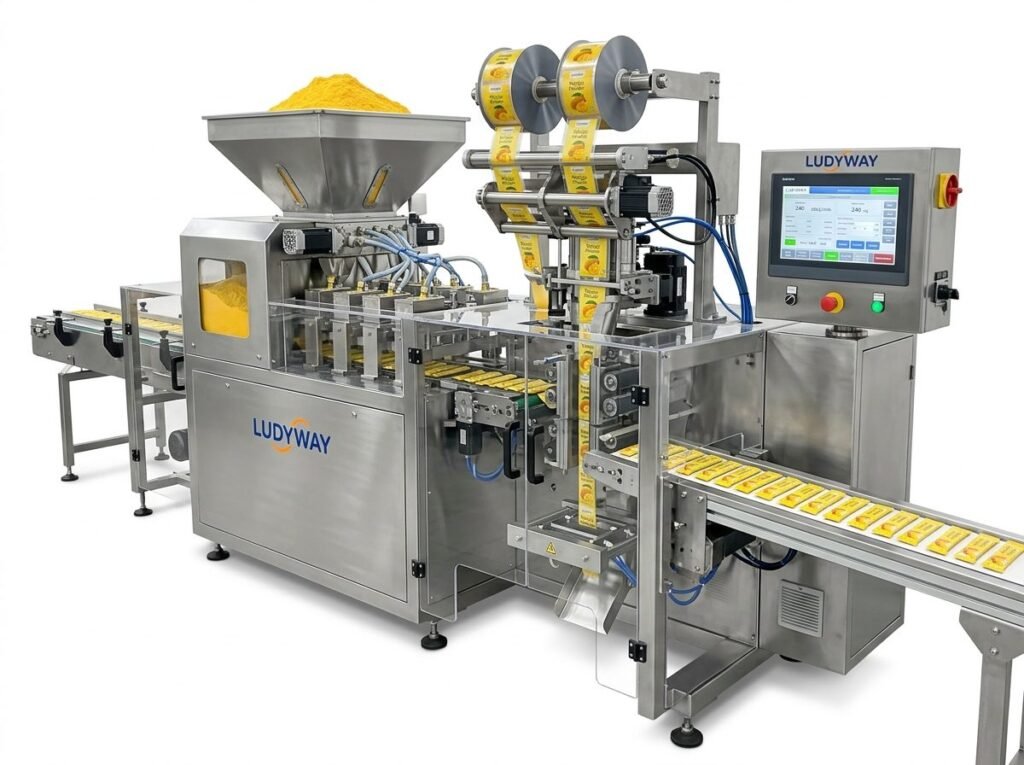
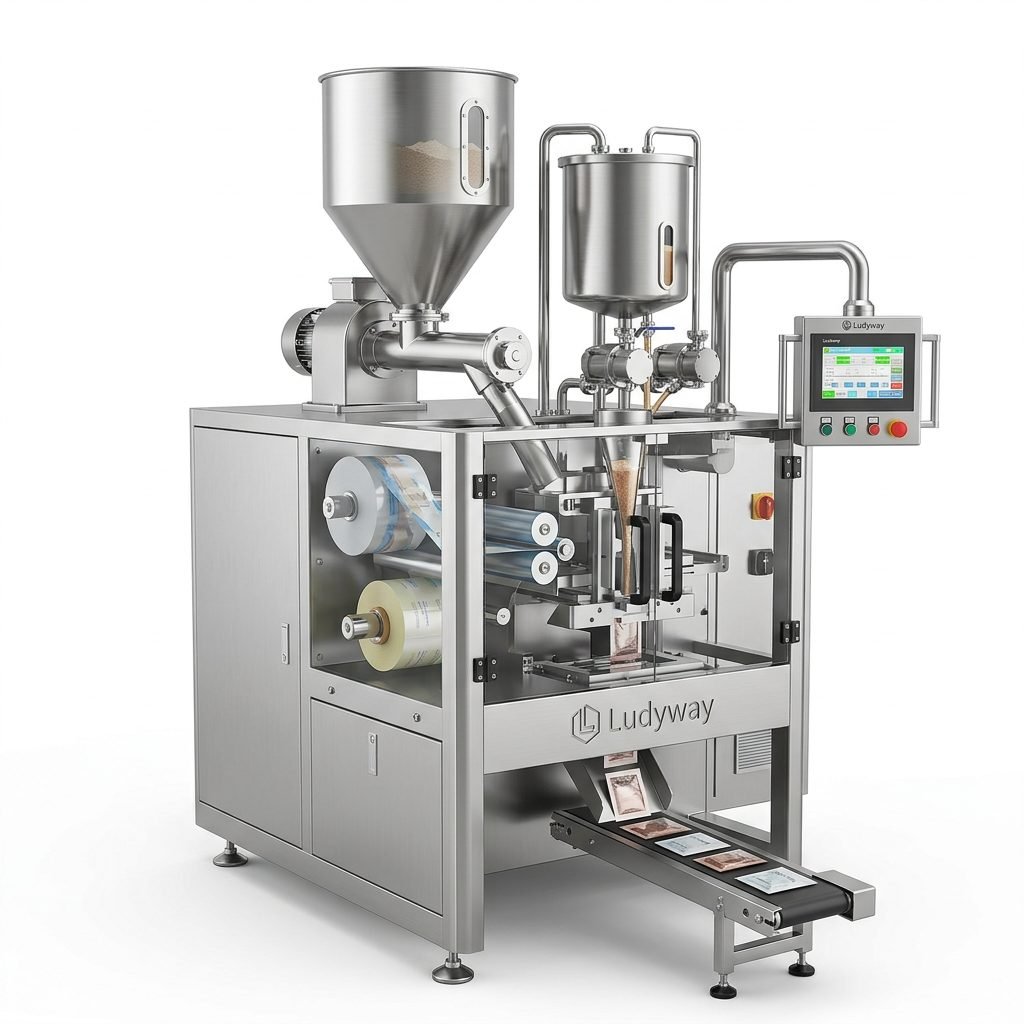
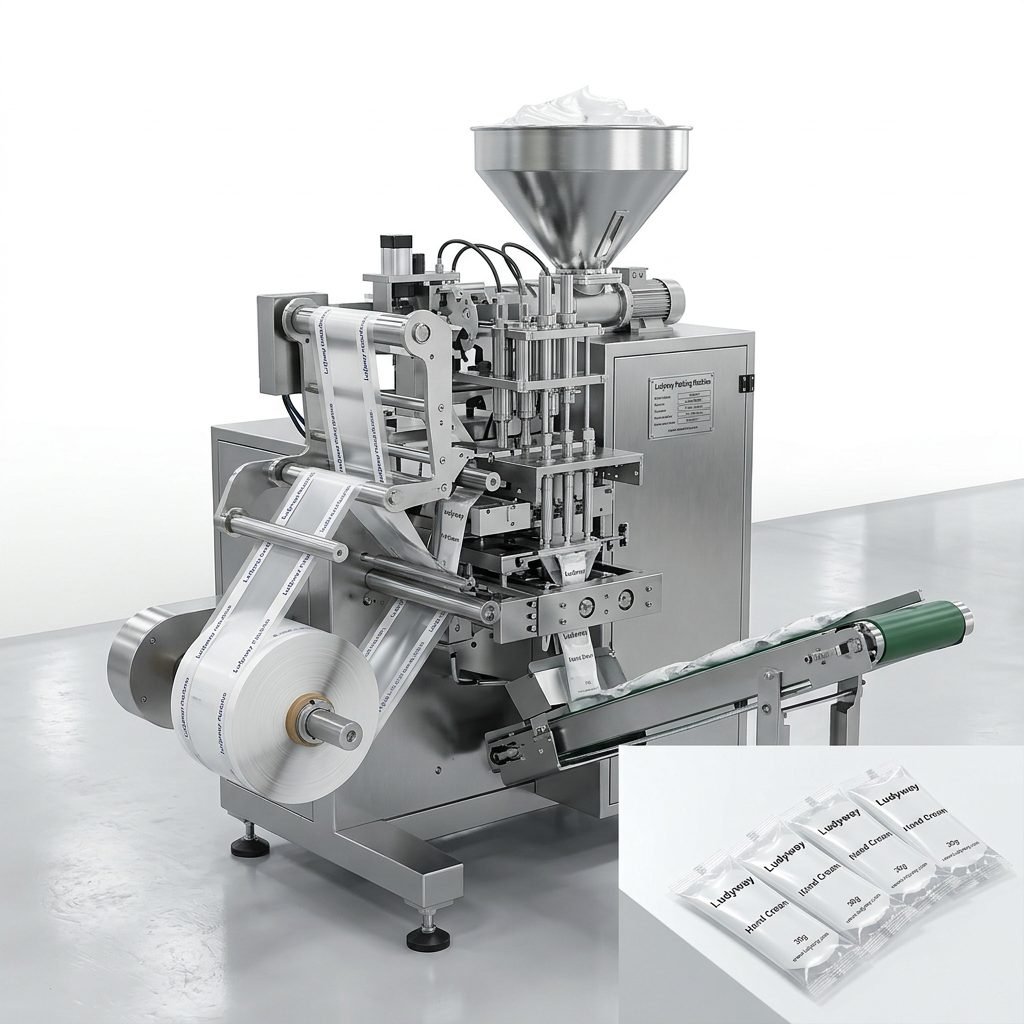
If your line includes processed chicken products such as bouillon powders or liquid chicken stock, you may need a specialized automatic powder packing machine or liquid filling system integrated into a single turnkey solution.
2. Production Speed and Automation Level
Your required throughput—measured in packages per minute (PPM)—directly impacts the machine type and configuration. A small-scale organic farm might only need a semi-automatic tabletop vacuum sealer, whereas a high-volume processing plant demands a fully automated, multi-lane system.
When assessing automation, consider the entire packaging line, not just the primary wrapper. A modern chicken packing machine system often integrates:
- Automatic loading and weighing systems
- Gas flushing for MAP to extend shelf life
- Automatic labeling and coding units
- Checkweighers and metal detectors
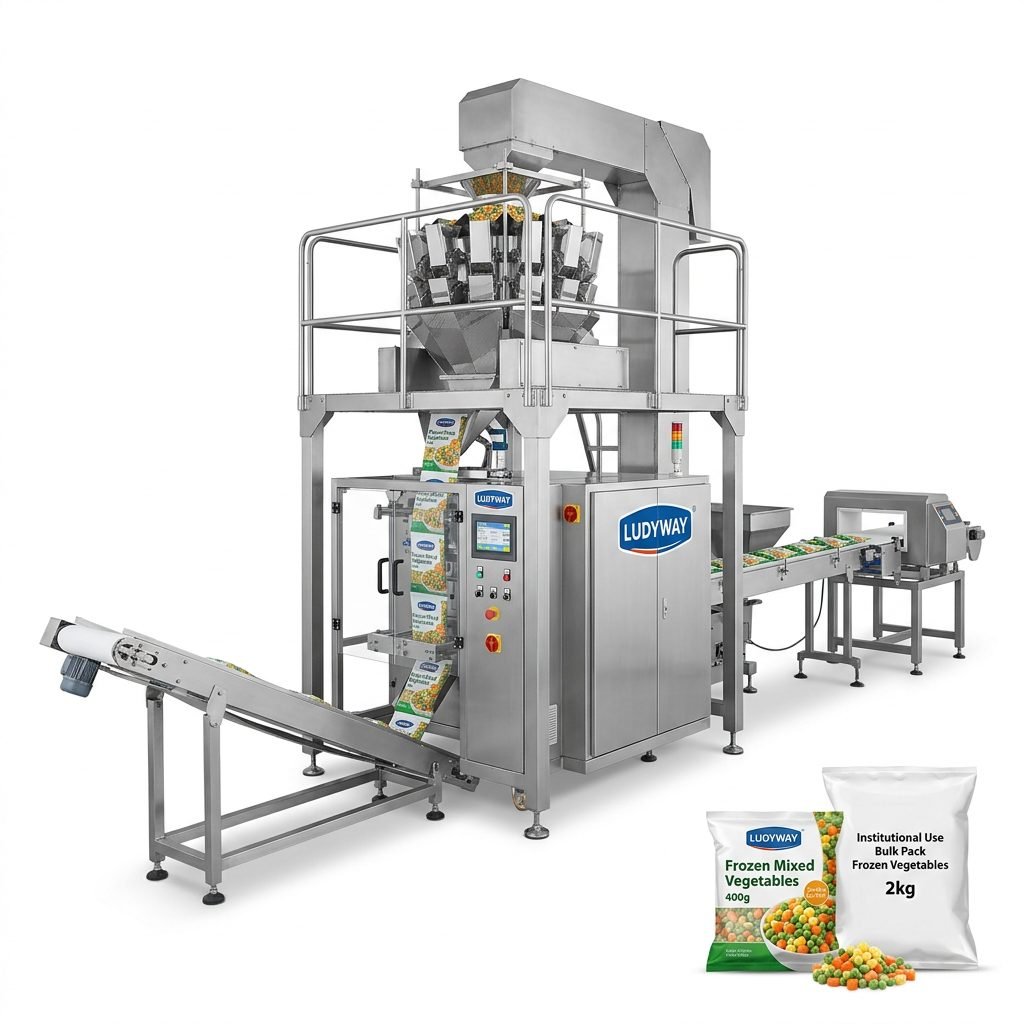
For operations looking to move beyond manual packing, Ludyway Machinery provides integrated packaging systems that connect multiple stages, ensuring a seamless flow from product infeed to final case packing.
3. Weighing Accuracy and Consistency
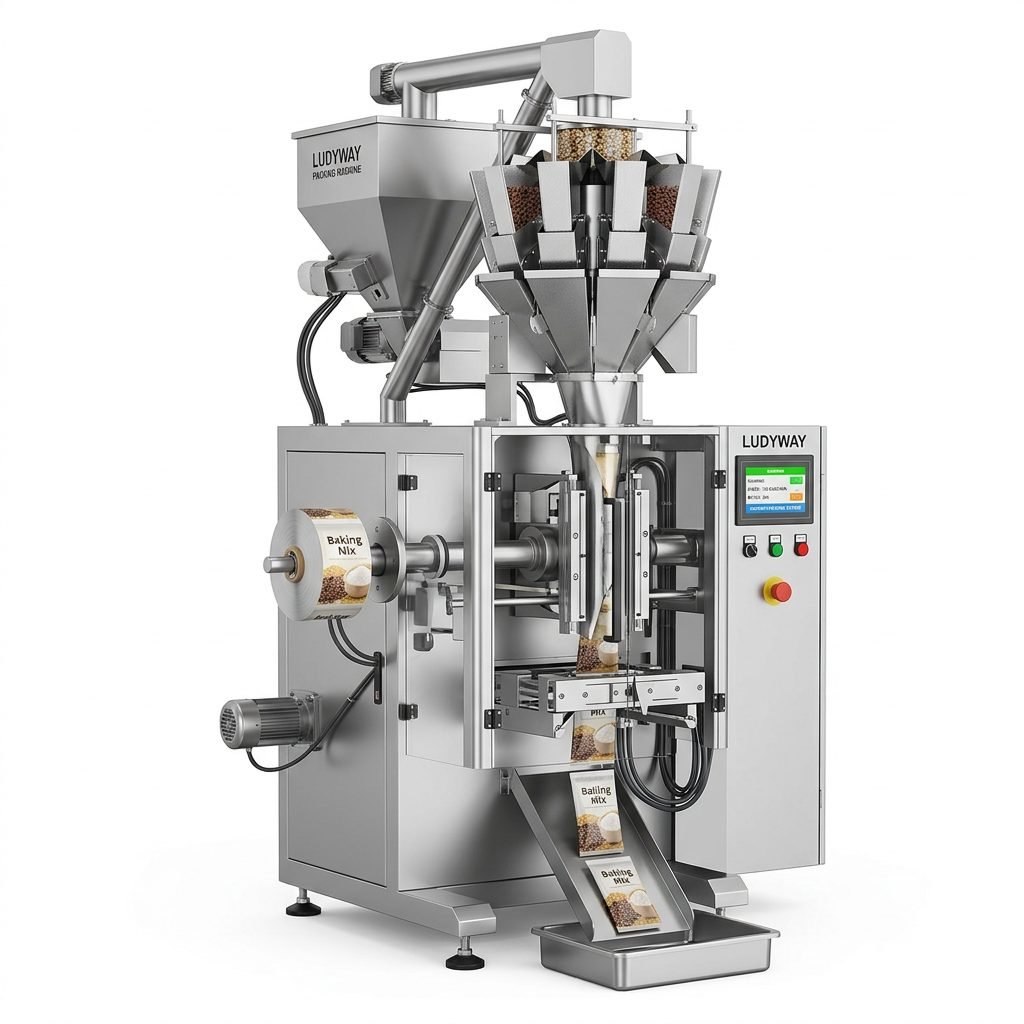
Giveaway—the extra product you unintentionally pack into a bag due to inaccuracy—eats directly into your profit margins. For high-value chicken cuts, precise weighing is non-negotiable. Multi-head weighers are the industry standard for irregular products like poultry pieces, using advanced algorithms to calculate the optimal combination of pieces to reach the target weight.
Key features to look for in weighing systems include:
- Waterproof IP65 or higher construction for harsh washdown environments
- Anti-stick surface treatments on hoppers to prevent meat adhesion
- High-speed data feedback loops to constantly adjust fill levels
4. Hygiene, Material, and Build Quality
Chicken processing environments are wet, aggressive, and subject to strict food safety regulations. Consequently, a chicken packing machine must be built with sanitary design principles from the ground up. Look for:
- Stainless Steel 304 or 316: Frames and contact parts must resist corrosion from aggressive cleaning chemicals.
- Sloped Surfaces: Eliminate standing water and debris traps.
- Tool-Free Disassembly: Conveyors and sealing jaws should be easily removable for daily sanitation.
Compliance with international standards such as ISO packaging standards and FDA food contact regulations is essential for markets that require rigorous certification.
5. Comparing Chicken Packaging Machine Types
The table below summarizes the most common machine categories based on the packaging format, helping you narrow down the technical solutions suitable for your poultry products.
| Machine Type | Best For | Packaging Format |
|---|---|---|
| Thermoforming Vacuum Packer | Fresh cuts, fillets, marinated portions | Flexible film vacuum skin packs |
| Tray Sealer (MAP) | Retail-ready chicken trays | Rigid plastic trays with top film |
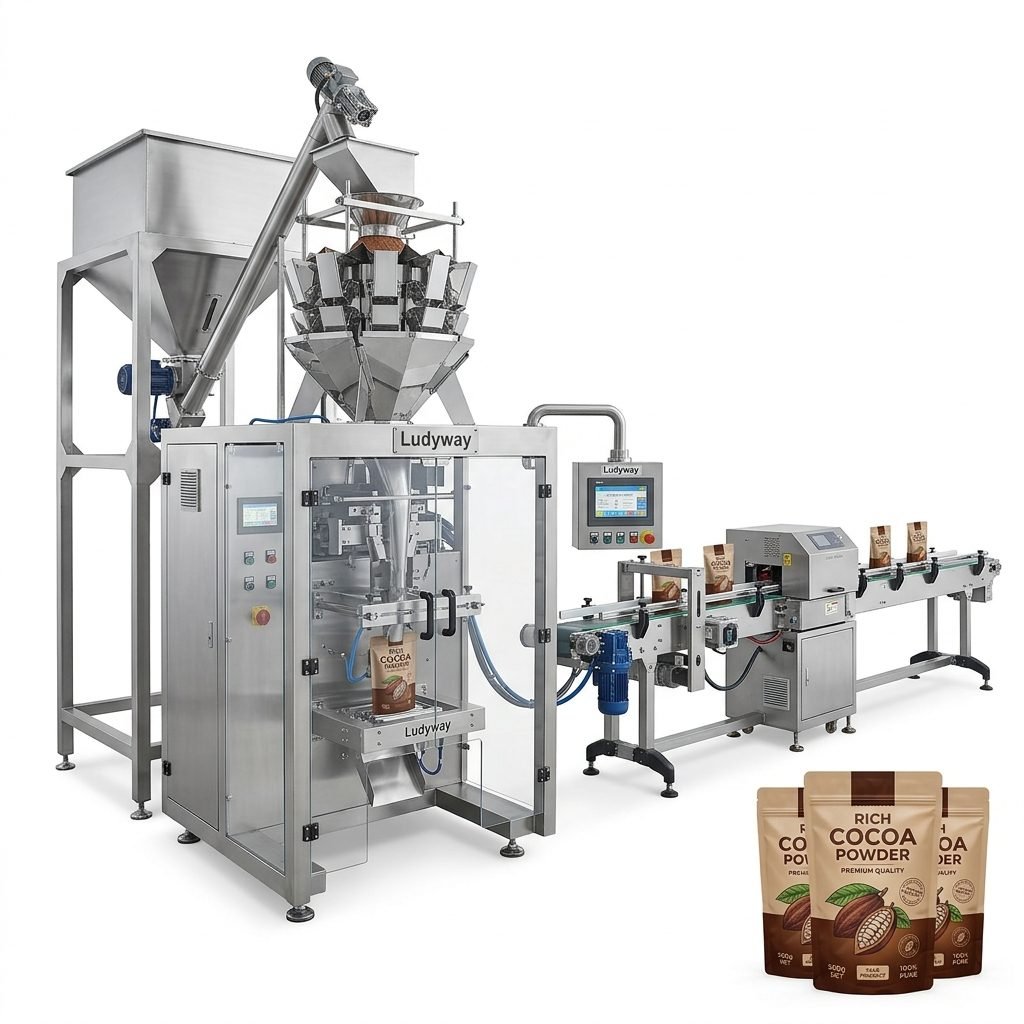
| VFFS Multi-head Weigher Line | Frozen diced chicken, nuggets, popcorn chicken | Pillow bags, gusseted pouches |
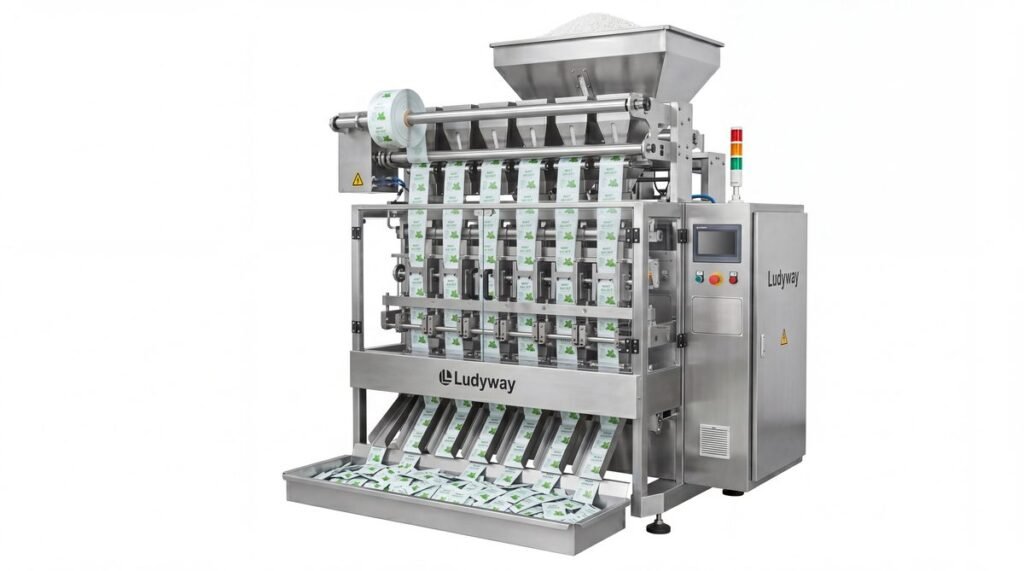
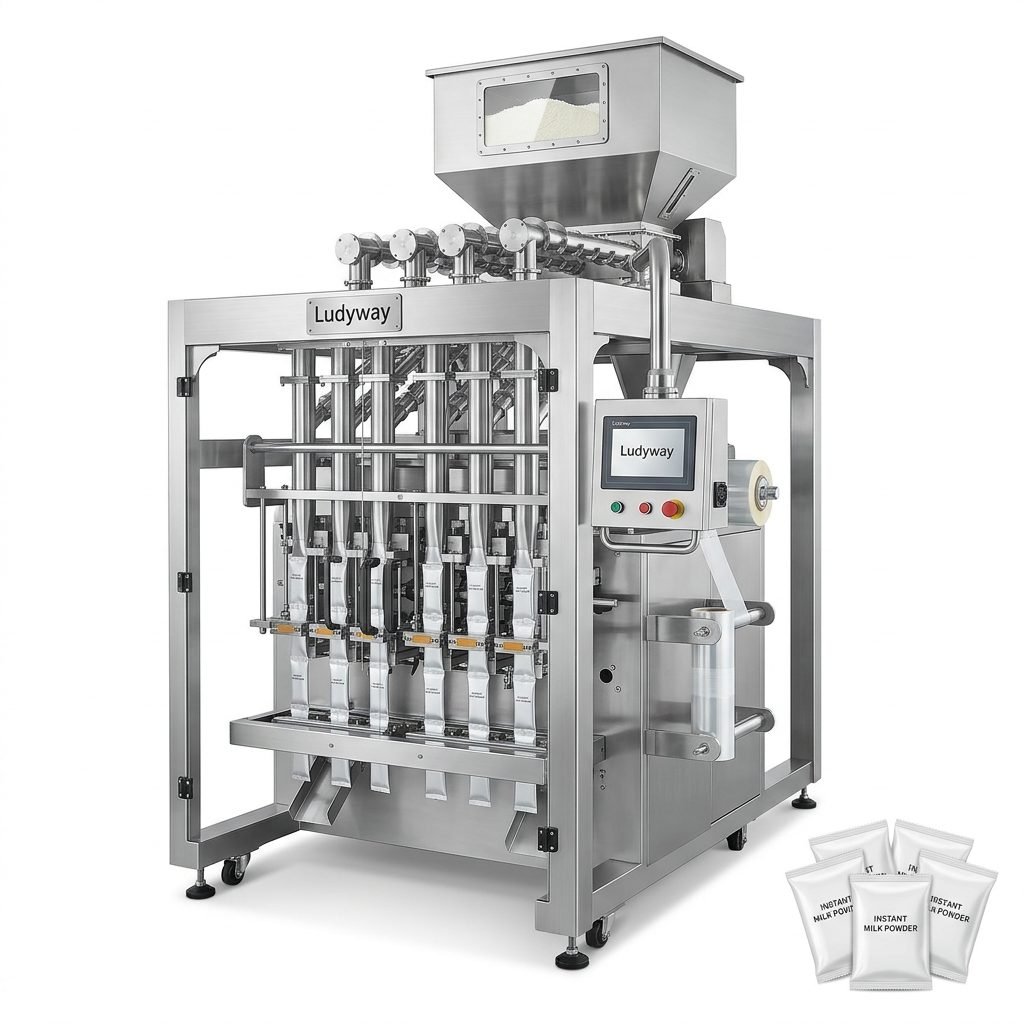
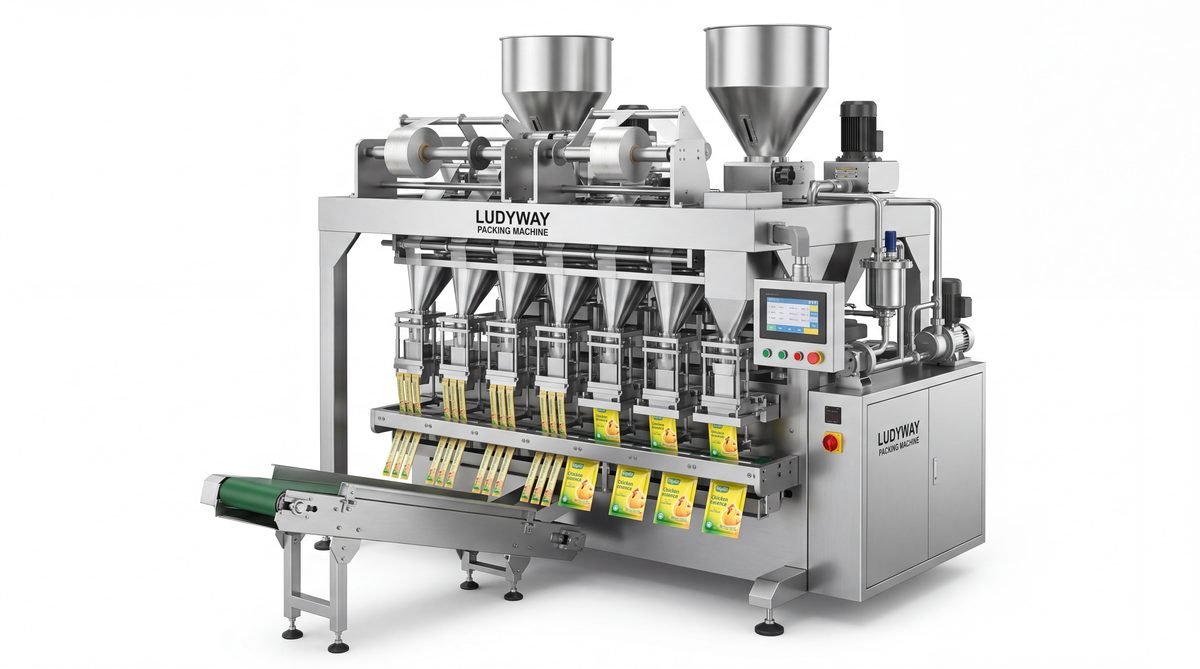
| Stick Pack / Sachet Machine | Chicken powder, bouillon, seasonings | Multi-lane stick packs, sachets |
For processors expanding into value-added retail products, a flexible packaging line that handles both bulk bags and consumer-facing pouches can open new revenue streams.
6. Integration with Existing or Future Lines
A chicken packing machine rarely works in isolation. Most facilities require connectivity with upstream feeding conveyors and downstream cartoning systems. Ask potential suppliers about their capacity to provide a complete turnkey line, including design consultation and installation. Packaging industry data consistently shows that integrated systems reduce labor costs and product handling damage compared to standalone machines linked by manual processes.
7. After-Sales Support and Spare Parts
In the fast-paced poultry industry, downtime is not an option. A reliable local support team and a guaranteed inventory of critical wear parts (such as sealing bands, cutting knives, and Teflon tapes) are crucial. Before committing, verify the manufacturer’s response time for technical assistance and whether remote diagnostics are available. The best machine from a technical standpoint is useless if you cannot keep it running efficiently around the clock.
Key Questions to Ask Before Buying
- What is the specific output speed (PPM) I need today and in three years?
- Can the machine handle a variety of chicken cuts without lengthy changeover?
- Does the supplier offer factory acceptance testing (FAT) before shipment?
- Is the machinery compliant with PMMI packaging machinery standards and safety regulations?
Selecting a chicken packing machine is a long-term partnership decision. By diligently analyzing your product specs, throughput goals, facility layout, and compliance requirements, you can confidently invest in a solution that boosts efficiency, ensures food safety, and delivers a rapid return on investment. Whether you require a single automated unit or a fully customized packaging line, aligning with an experienced engineering team ensures your system scales seamlessly with market demand.