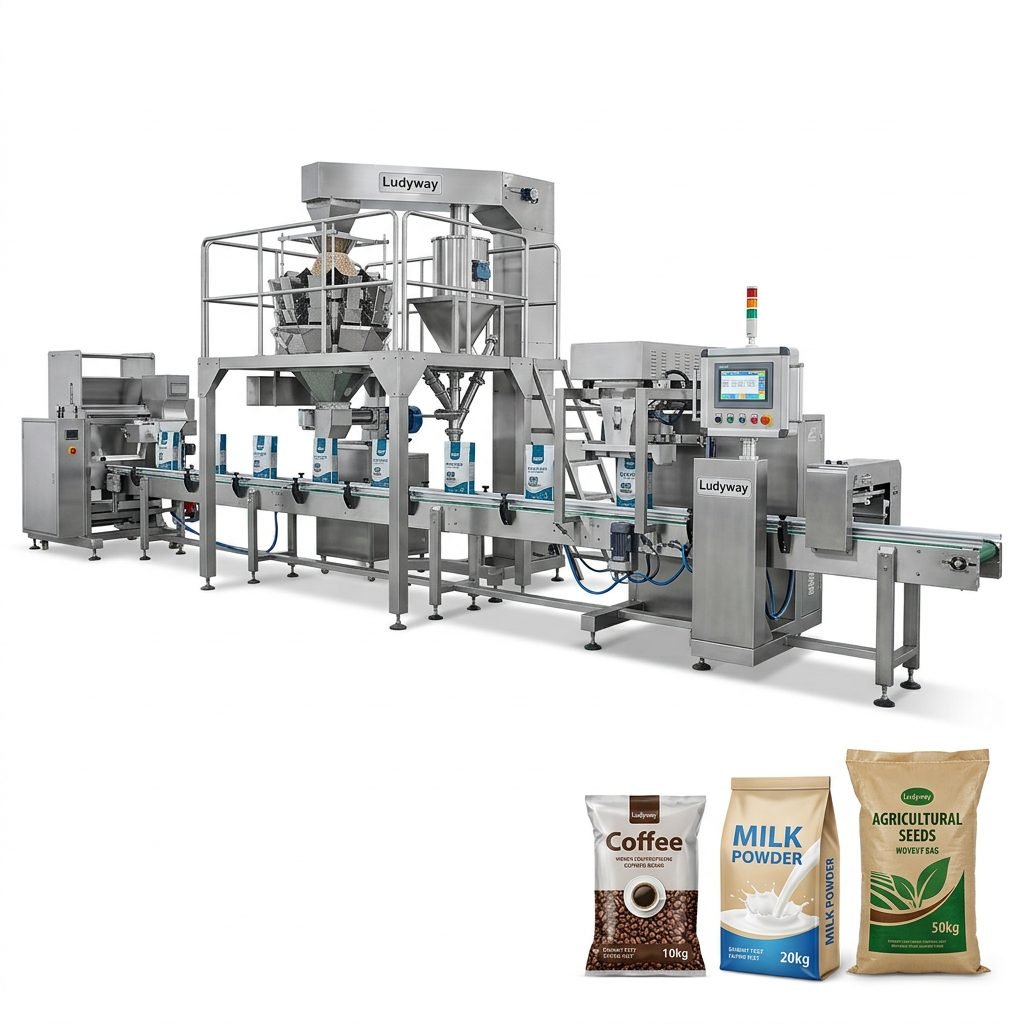
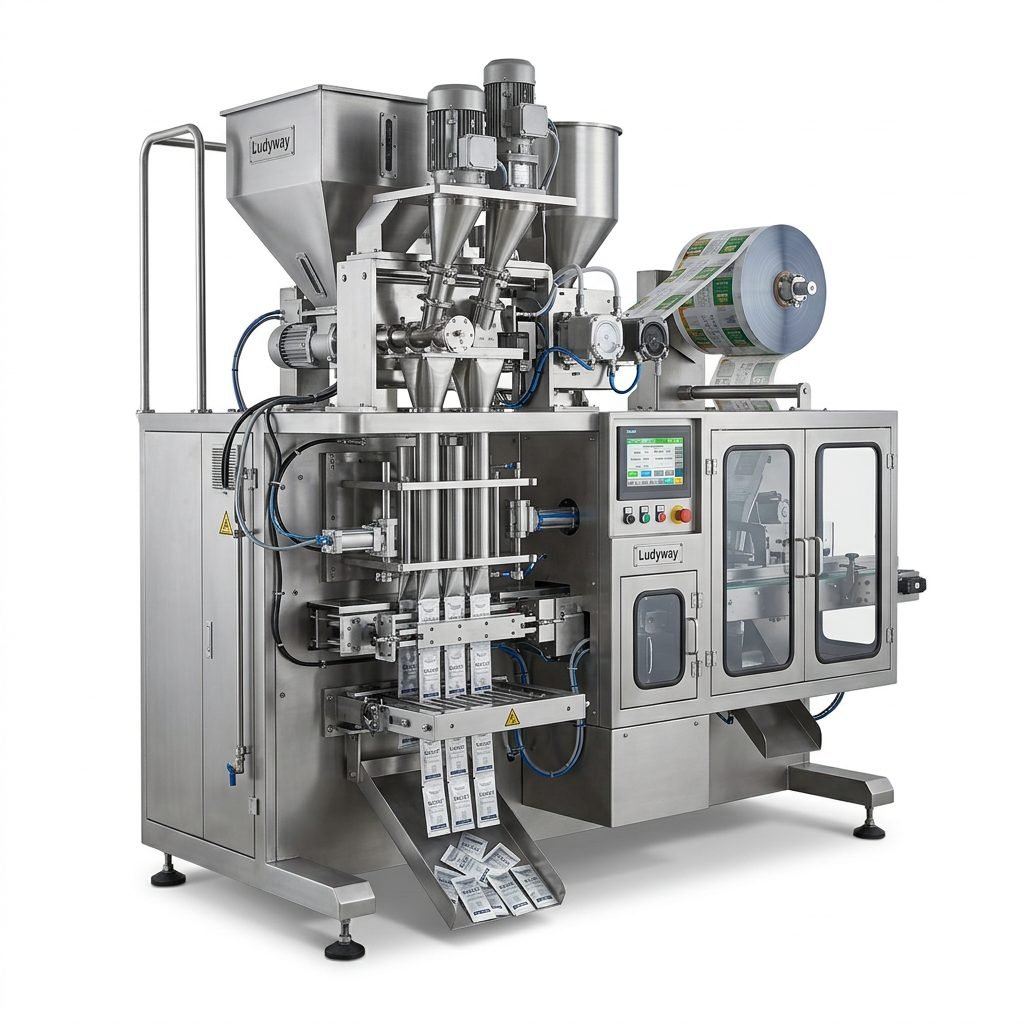
Frozen food packaging is not a one-size-fits-all investment. The best machine for frozen vegetables may not suit IQF seafood, dumplings, meatballs, fries, ready meals, or frozen snacks. To choose the right solution, manufacturers need to look beyond speed alone and evaluate product characteristics, bag format, sealing reliability, hygiene design, automation level, and long-term operating cost.
A well-matched frozen food packaging machine helps protect product quality, reduce waste, improve shelf appeal, and keep production stable in cold and humid environments. The wrong machine can lead to weak seals, inaccurate weights, downtime, and expensive rework.
Why frozen food packaging needs specialized equipment
Frozen products behave differently from ambient products. Ice crystals, condensation, variable flowability, and cold-chain handling all affect packaging performance. Machines used for frozen food should be designed to maintain smooth feeding, accurate dosing, and secure sealing even when products are cold, irregular, or moisture-sensitive.
- Low-temperature compatibility: Components should work reliably in chilled or cold-room conditions.
- Strong sealing performance: Seals must resist leaks, freezer burn, and transportation stress.
- Hygienic construction: Stainless steel structure and easy-clean design are essential for food safety.
- Accurate weighing: Frozen pieces often vary in shape and density, so stable dosing matters.
- Durable automation: Equipment should handle high throughput without sacrificing consistency.
Main types of frozen food packaging machines
The right packaging equipment depends on product size, shape, target output, and bag style. Below are the most common machine categories used in frozen food operations.
| Machine Type | Best For | Key Advantage |
|---|---|---|
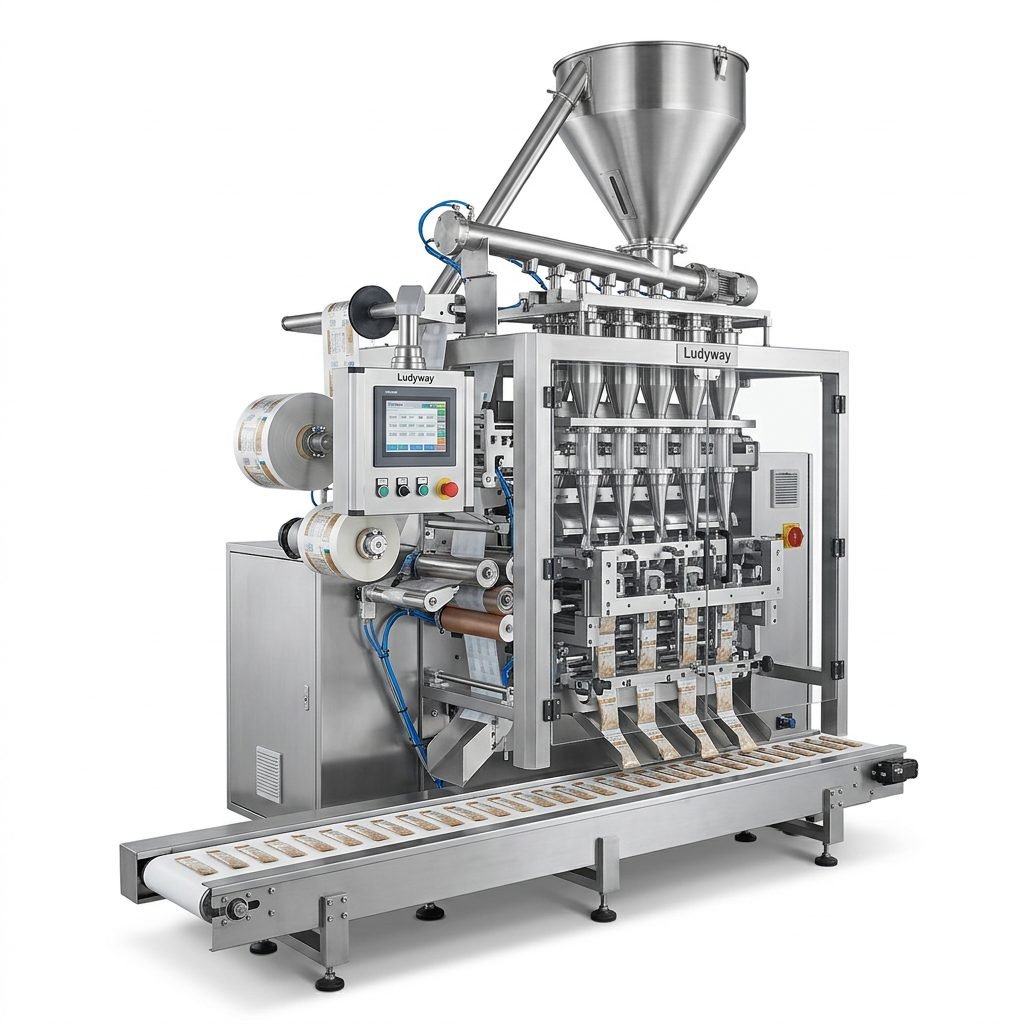
| Vertical Form Fill Seal (VFFS) | Frozen vegetables, fries, meatballs, diced foods | High speed and flexible bag making |
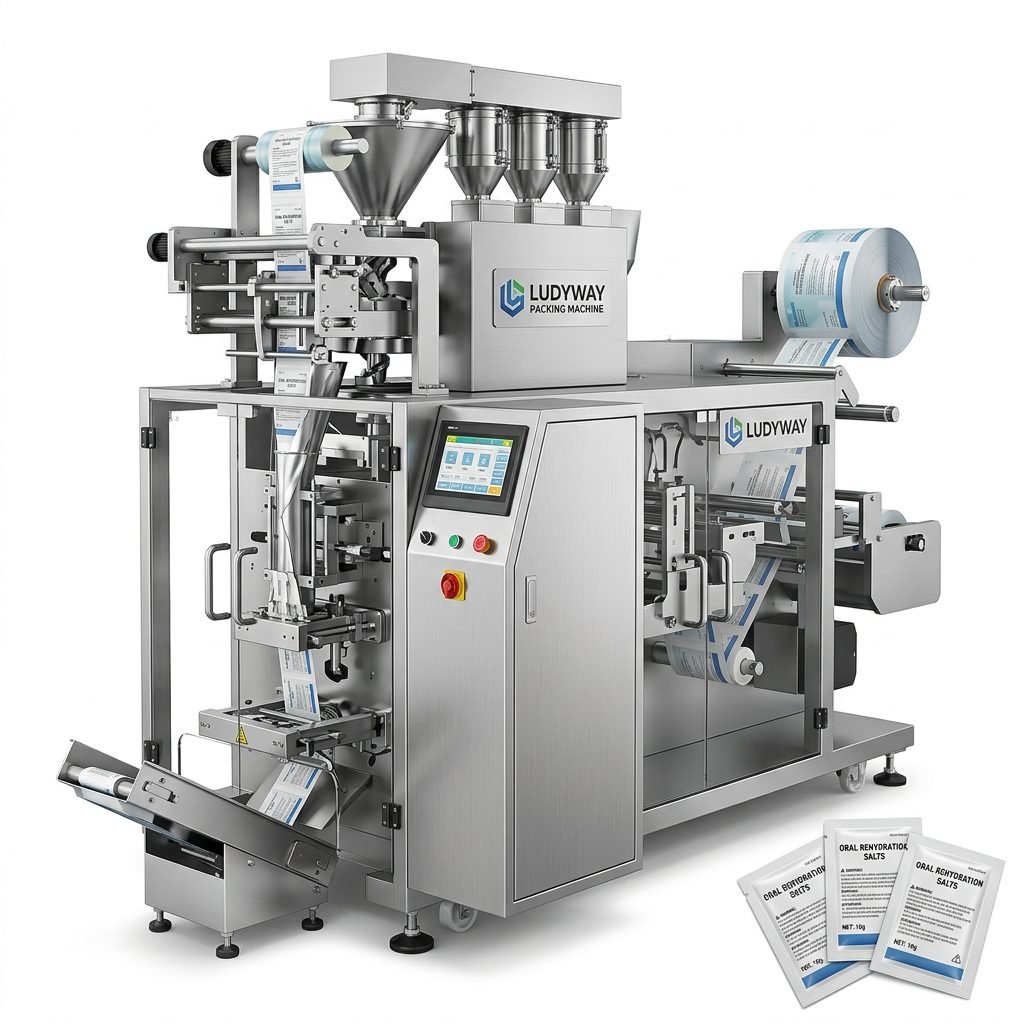
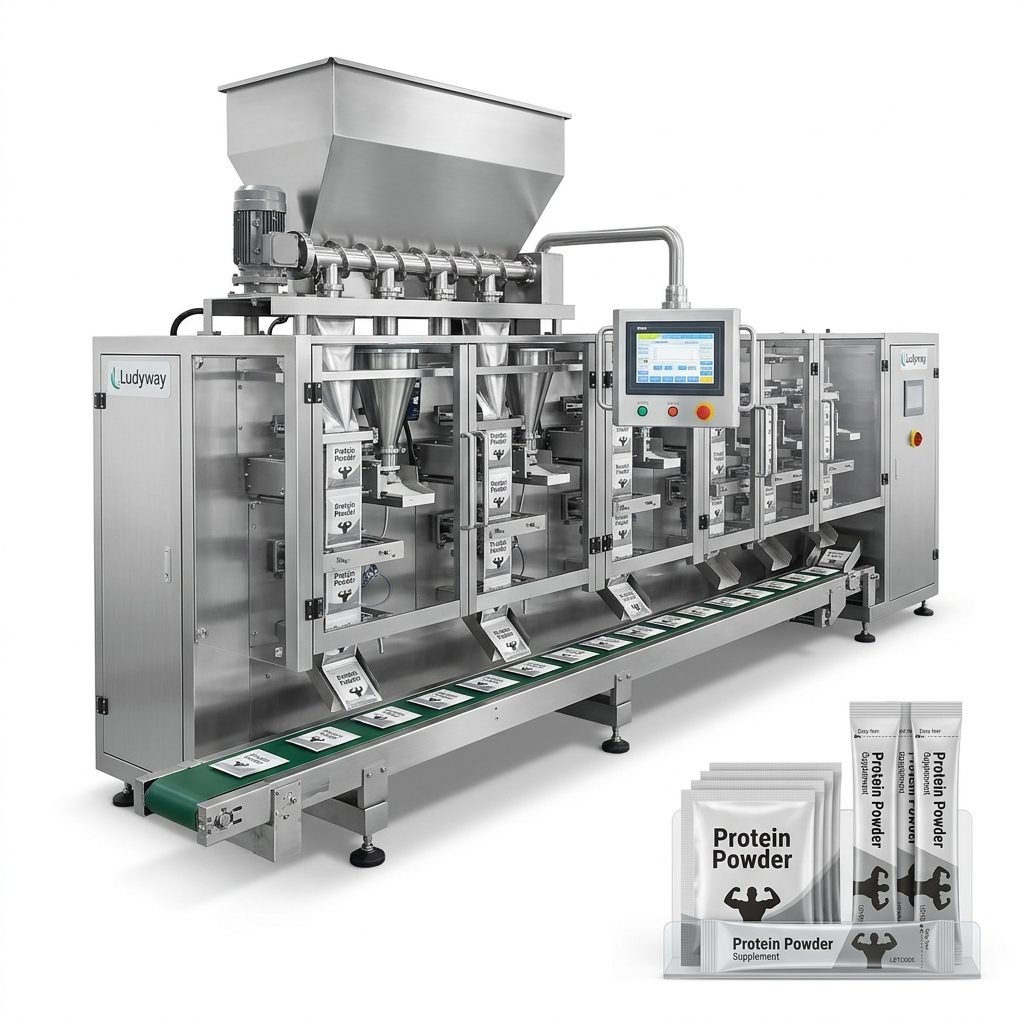
| Premade Pouch Packing Machine | Premium frozen foods, retail stand-up pouches | Better shelf appearance and pouch versatility |
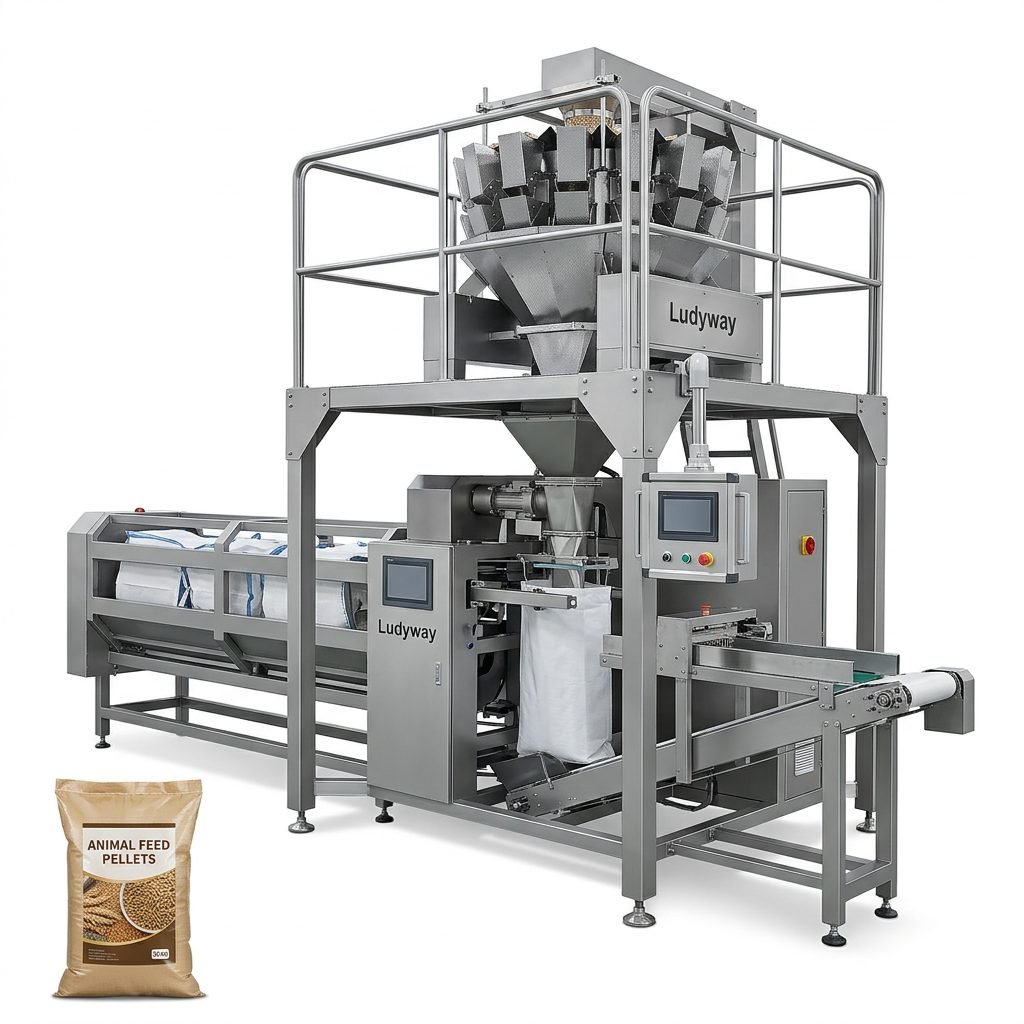
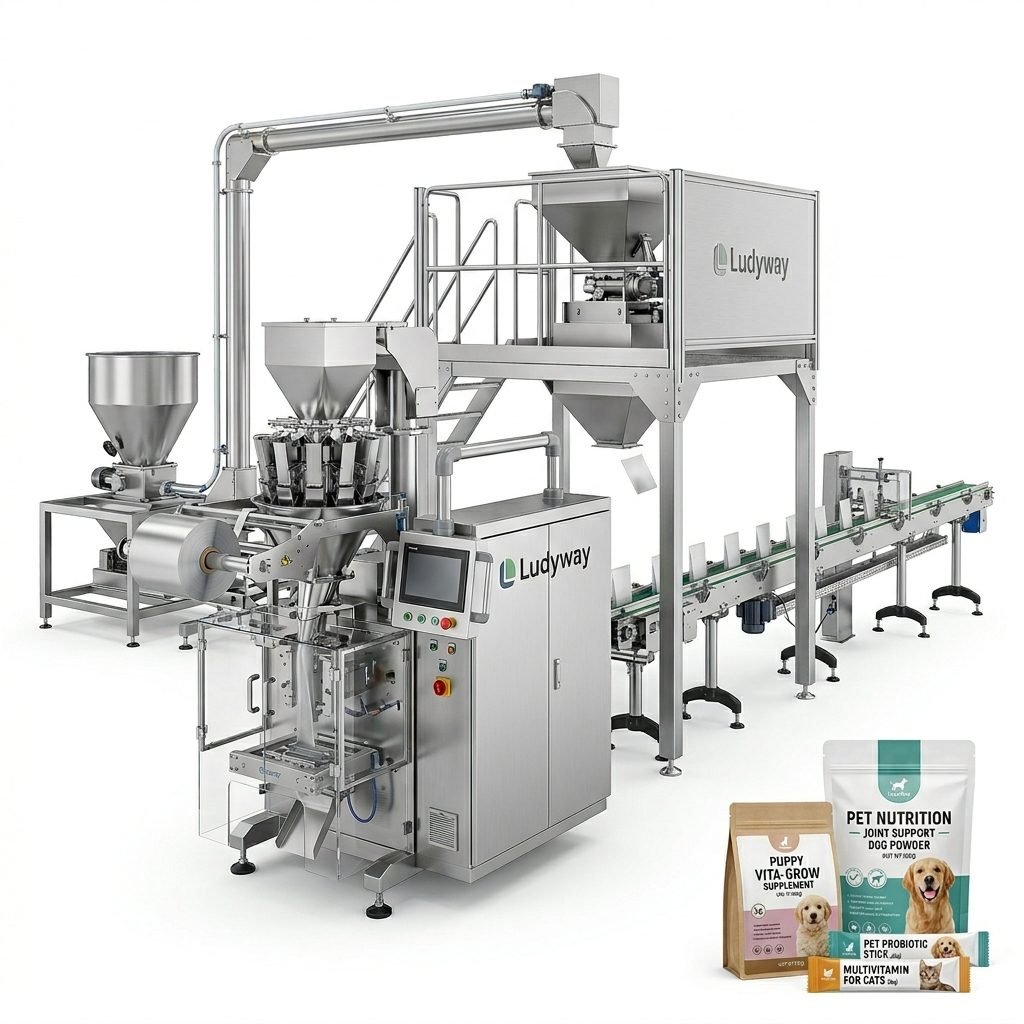
| Multihead Weigher + Bagger | IQF products and mixed frozen foods | Excellent weighing accuracy for irregular products |
| Tray Sealing Machine | Frozen ready meals, portioned foods | Strong presentation and product protection |
| Vacuum Packaging Machine | Frozen meat, seafood, specialty products | Reduced air exposure and longer shelf life |
How to choose the best packaging machine for frozen food
1. Start with your frozen product type
Different frozen foods require different feeding and weighing methods. Free-flowing peas are easier to package than sticky shrimp or delicate dumplings. Before selecting a machine, define:
- Product size and shape
- Fragility and breakage risk
- Moisture or ice content
- Single product or mixed product packaging
- Required pack weight range
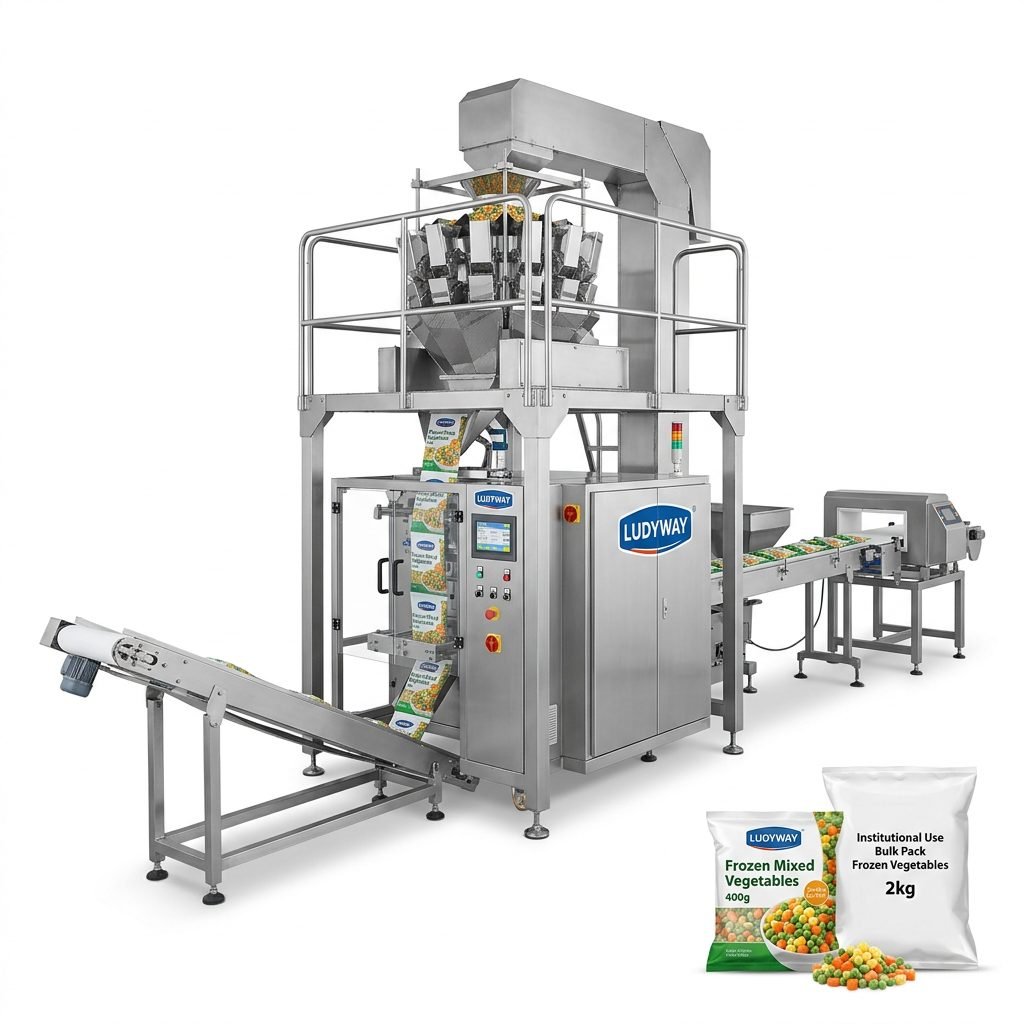
For example, IQF vegetables and fries are commonly packed with a VFFS machine combined with a multihead weigher, while frozen seafood or prepared meals may need vacuum packaging or tray sealing.
2. Match the machine to your packaging format
Your ideal machine should fit the packaging style your market expects. Common frozen food formats include pillow bags, gusset bags, stand-up pouches, vacuum bags, and trays with film sealing.
If your brand focuses on retail shelves, premade pouch systems may offer stronger visual appeal. If you need high-volume, cost-efficient production, VFFS systems are usually the more economical choice.
3. Check seal quality under frozen conditions
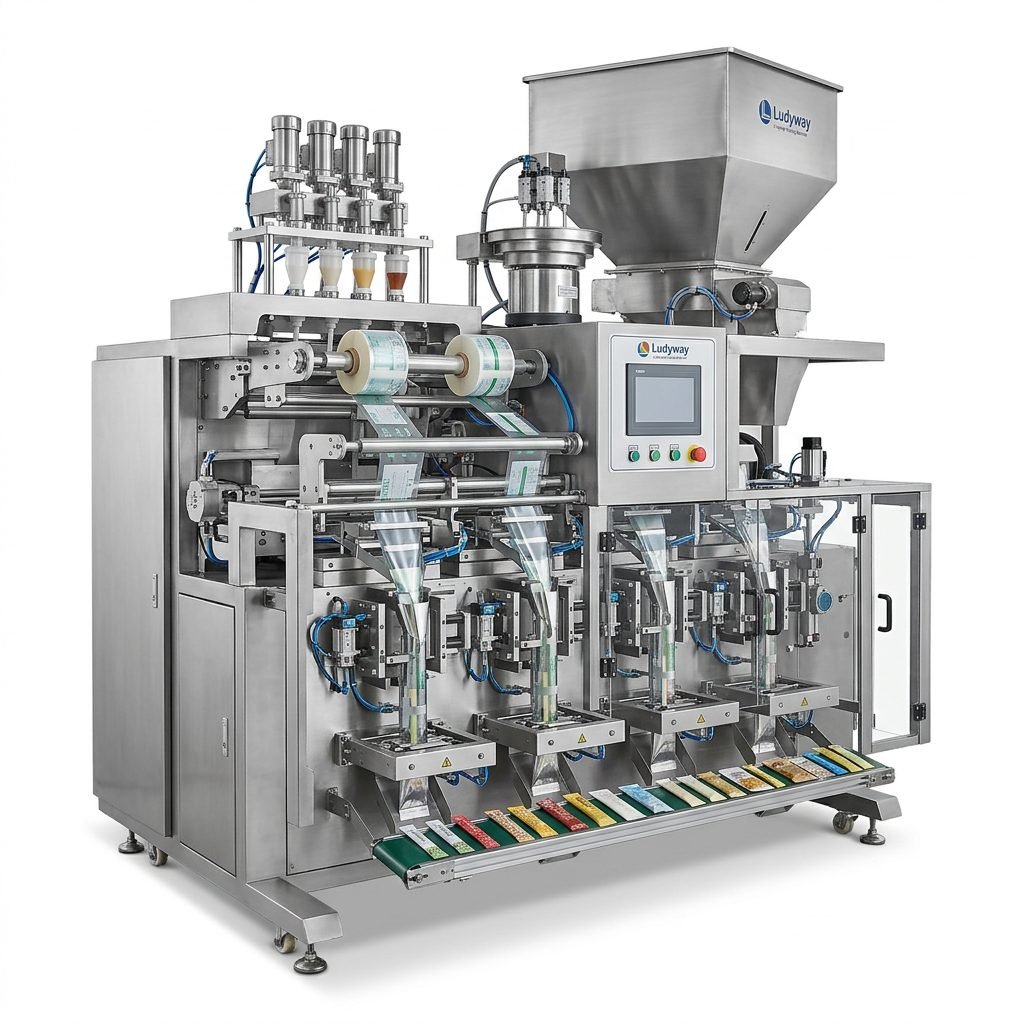
In frozen food packaging, poor sealing can quickly damage product quality. Ice particles or trapped product at the seal area may lead to leaks, contamination, or freezer burn. Choose equipment with:
- Stable temperature control
- Reliable sealing jaws
- Good film handling and alignment
- Design features that reduce product-in-seal problems
A strong seal is one of the most important indicators of machine suitability.
4. Evaluate weighing and filling accuracy
Frozen food producers often lose profit through overweight packs or customer complaints from underfilled packs. The ideal system should keep weight accuracy consistent, even with uneven product flow. Multihead weighing systems are especially effective for frozen granules, chunks, and mixed food portions.
5. Consider hygiene and washdown design
Frozen food lines must meet strict food safety expectations. Equipment should be easy to clean and resistant to corrosion. Look for:
- 304 or 316 stainless steel contact parts
- Smooth surfaces with minimal dead corners
- Easy disassembly for sanitation
- Moisture-resistant electrical protection
6. Think about your production speed and future growth
A machine that meets today’s demand but cannot support tomorrow’s expansion may become a bottleneck. It is better to evaluate both current capacity and future targets, including extra lanes, larger weighers, automatic feeding, checkweighing, metal detection, cartoning, and palletizing.
7. Review film compatibility and packaging material needs
Frozen foods often use packaging films with strong barrier performance to prevent moisture loss and preserve quality. Make sure the machine is compatible with your chosen laminated films, recyclable structures, or specialty freezer-grade materials.
Best machine choices by frozen food category
| Frozen Food Category | Recommended Solution | Reason |
|---|---|---|
| IQF vegetables | VFFS + multihead weigher | Fast, accurate, ideal for free-flowing pieces |
| French fries | VFFS bagging system | High throughput and efficient bulk packing |
| Frozen dumplings | Gentle weighing + premade pouch or pillow bag system | Reduces breakage and improves appearance |
| Frozen seafood | Vacuum or pouch packaging machine | Better protection and shelf-life support |
| Ready meals | Tray sealing line | Portion control and retail-ready presentation |
| Frozen meatballs or nuggets | Multihead weigher + VFFS | Stable weight control for irregular pieces |
Important questions to ask before buying
- What frozen products will be packed now and in the future?
- What bag or tray format does your market prefer?
- What output per minute or per hour do you need?
- How accurate must the filling system be?
- Can the machine operate reliably in your production environment?
- How easy is cleaning, maintenance, and spare parts replacement?
- Can the supplier provide line integration and after-sales support?
Why turnkey integration matters
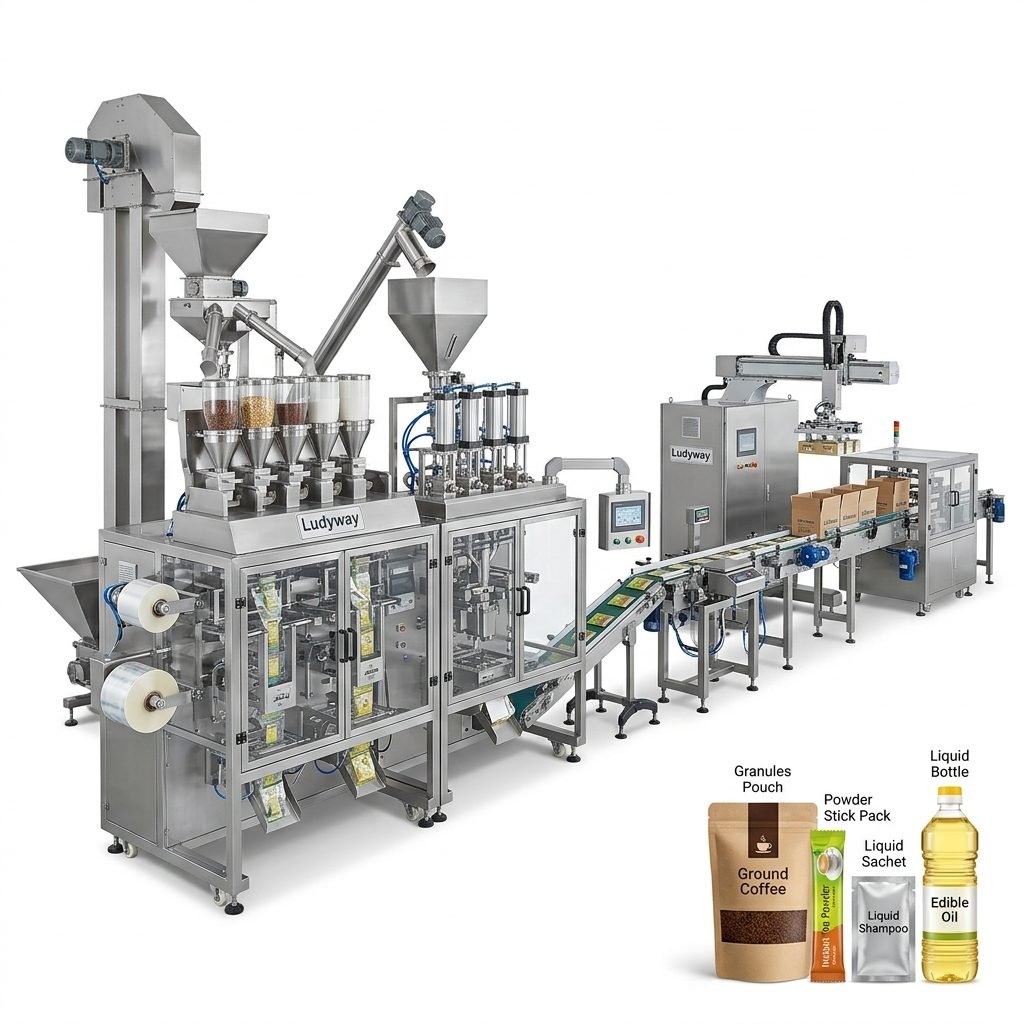
For many frozen food factories, the best investment is not just a single machine but a coordinated packaging line. A complete system may include feeding conveyors, weighing units, bagging or pouch machines, metal detection, checkweighers, coding systems, case packing, and palletizing. Integrated systems improve line efficiency and reduce compatibility issues between machines.
Manufacturers looking for scalable frozen food solutions often work with experienced suppliers such as Ludyway frozen food packaging machine solutions, especially when they need both standalone equipment and turnkey packaging line support.

Common mistakes when choosing a frozen food packaging machine
- Choosing based only on price instead of total operating value
- Ignoring seal quality validation with actual frozen samples
- Underestimating cleaning and sanitation requirements
- Buying a machine without room for capacity expansion
- Not considering product fragility and feeding behavior
- Overlooking local service, spare parts, and technical support
Final selection checklist
Before making a final decision, confirm that the machine can meet these core requirements:
- Product fit: suitable for your frozen food shape, size, and flowability
- Package fit: works with your preferred bag, pouch, vacuum, or tray style
- Seal reliability: performs well under cold, humid conditions
- Accuracy: keeps weight control stable and reduces giveaway
- Hygiene: supports food safety and easy cleaning
- Scalability: can grow with your business
- Support: backed by dependable technical service
Conclusion
The best packaging machine for frozen food is the one that matches your product, packaging format, output goals, hygiene standards, and long-term growth plan. For some businesses, that means a high-speed VFFS system. For others, it may be a premade pouch line, tray sealer, or complete automated packaging line.
When you evaluate frozen food packaging equipment with real production needs in mind, you will make a smarter investment—one that improves efficiency, protects product quality, and supports stronger market performance.