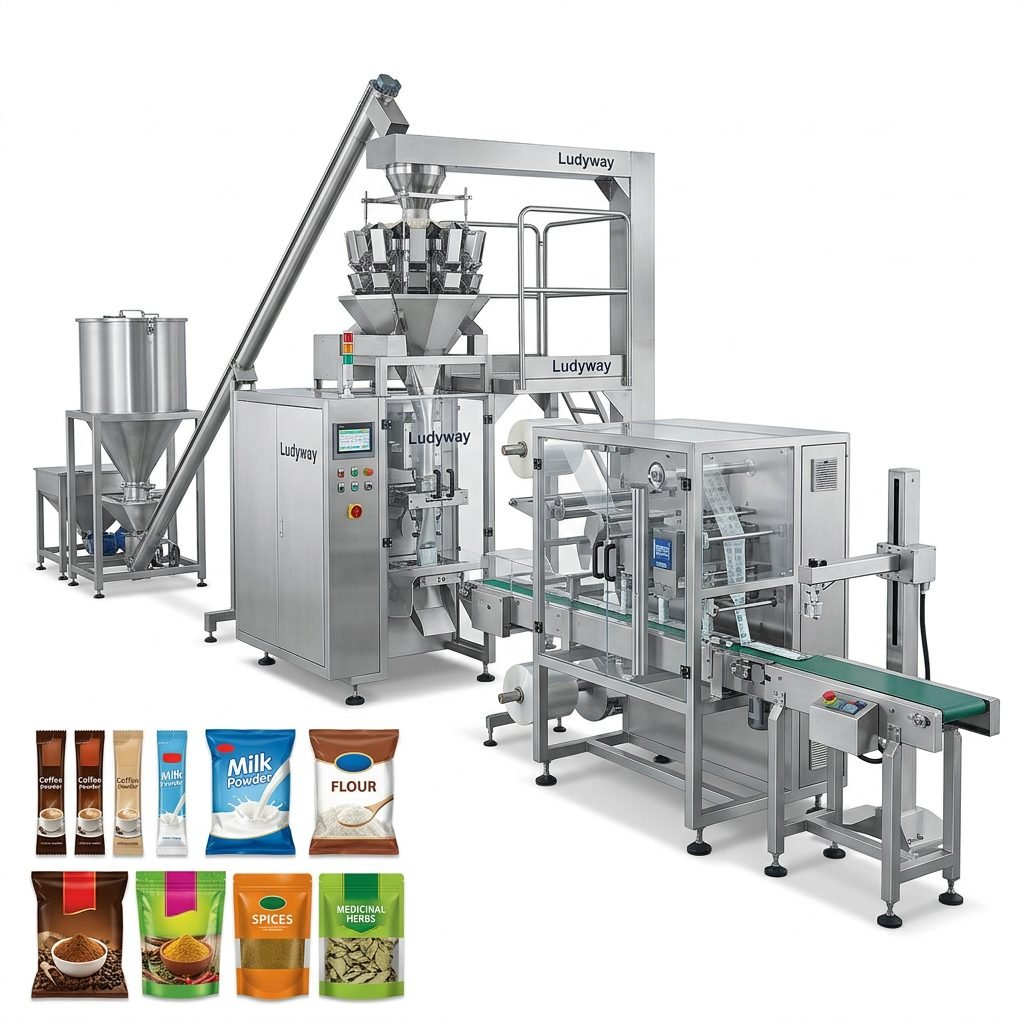
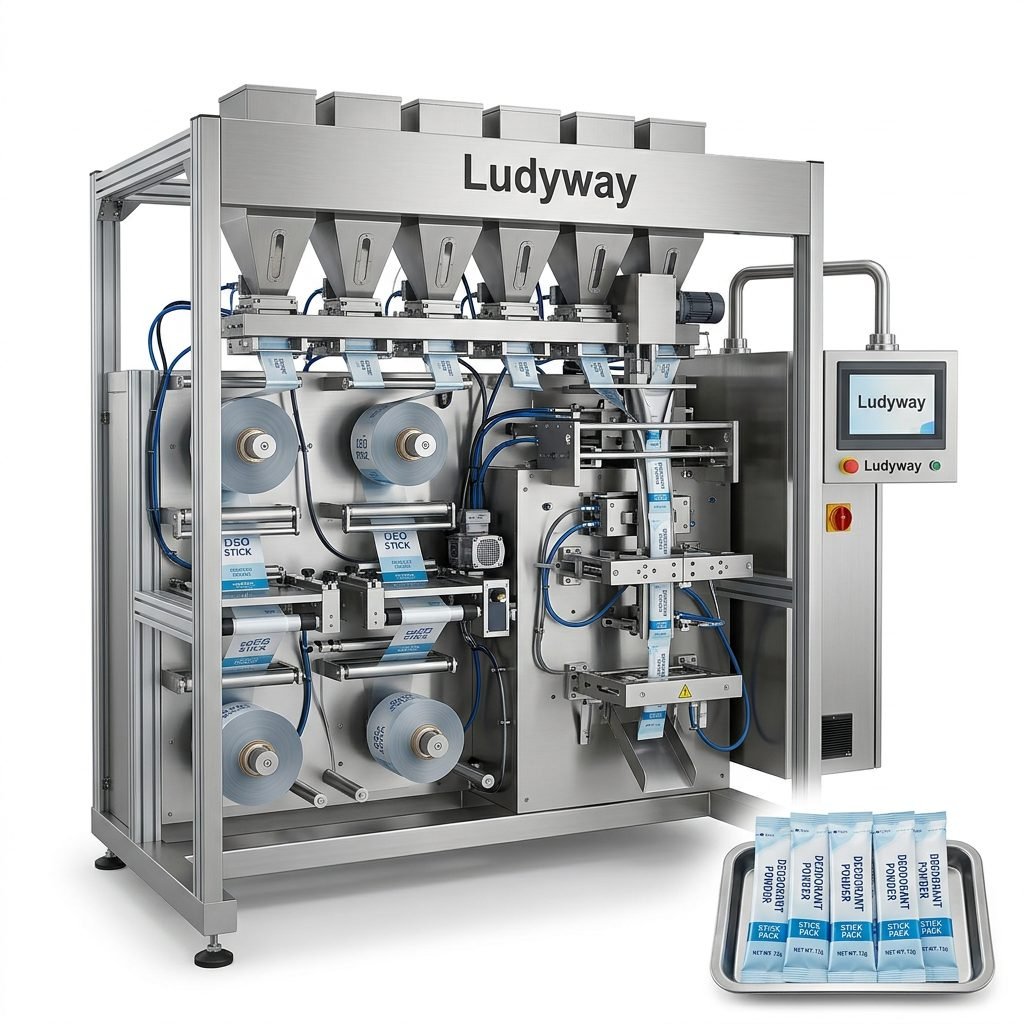
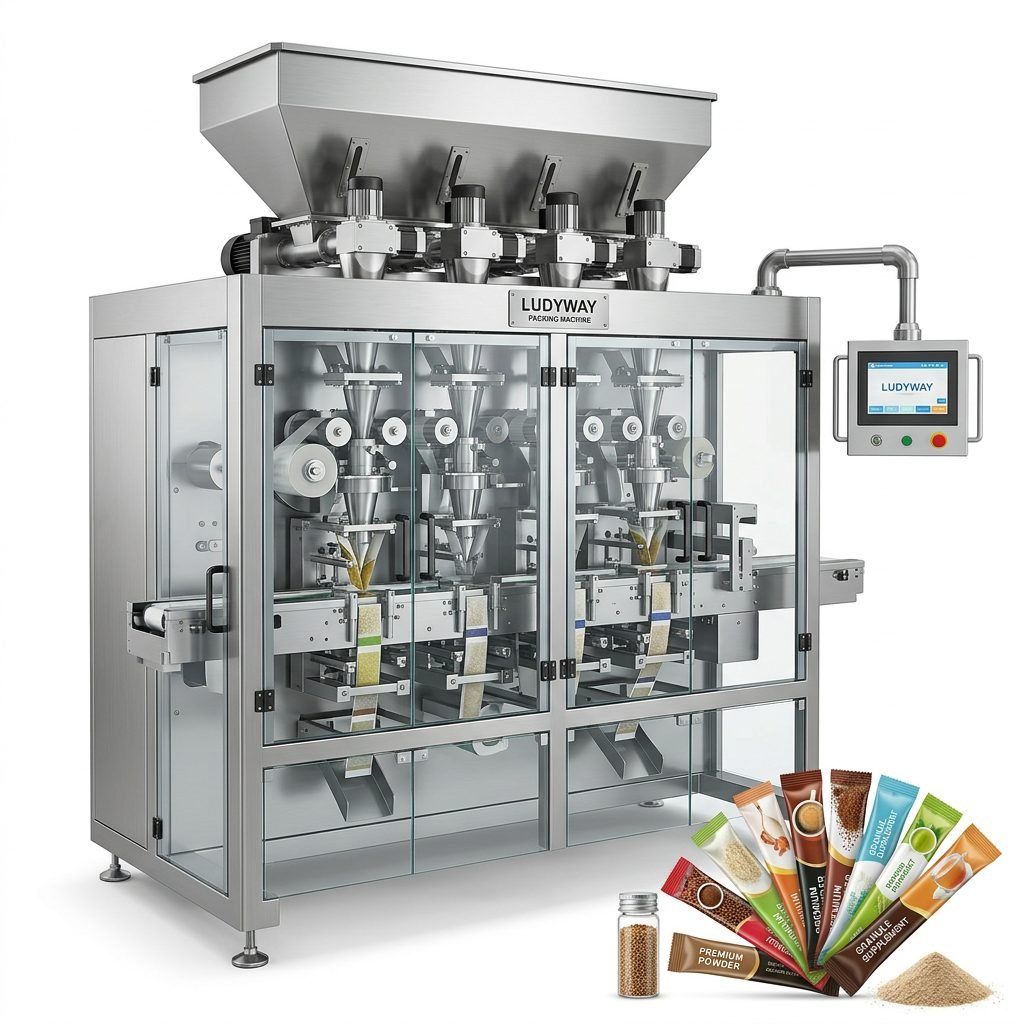
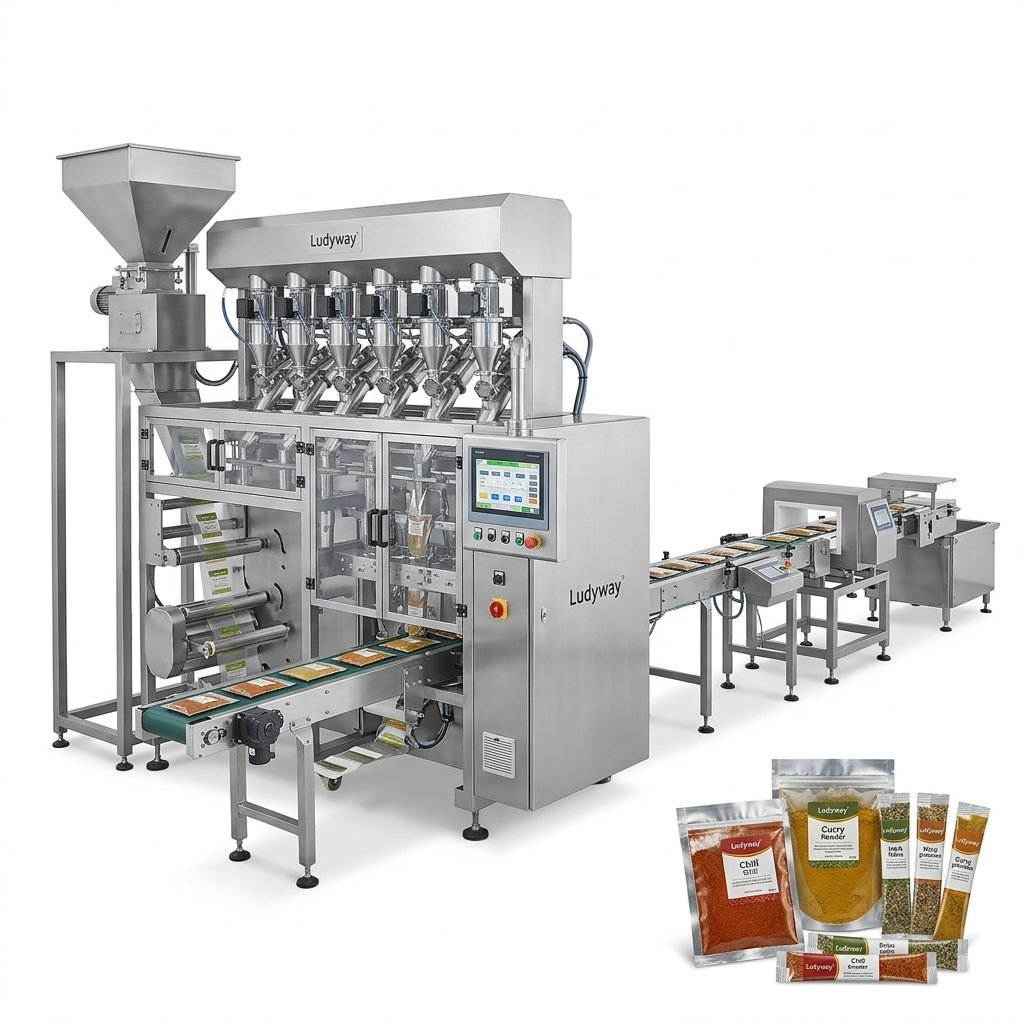
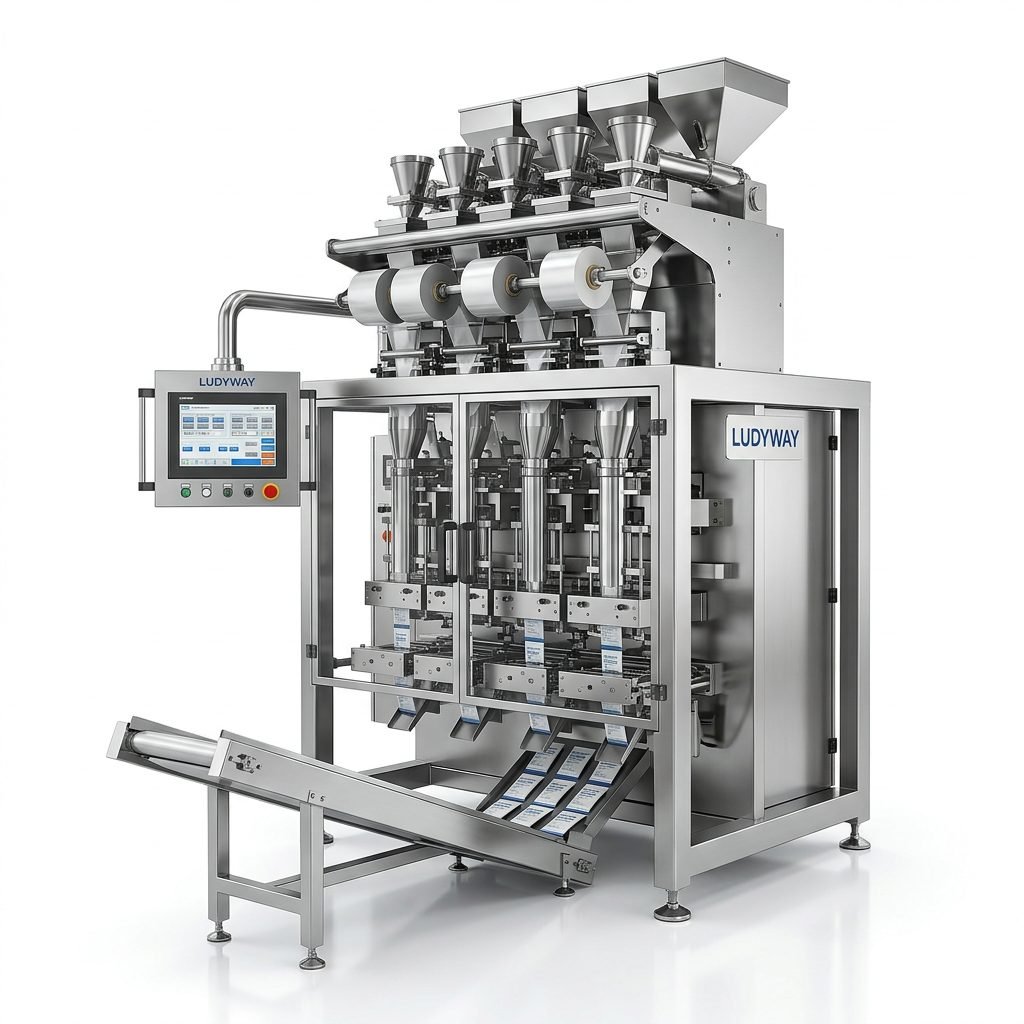
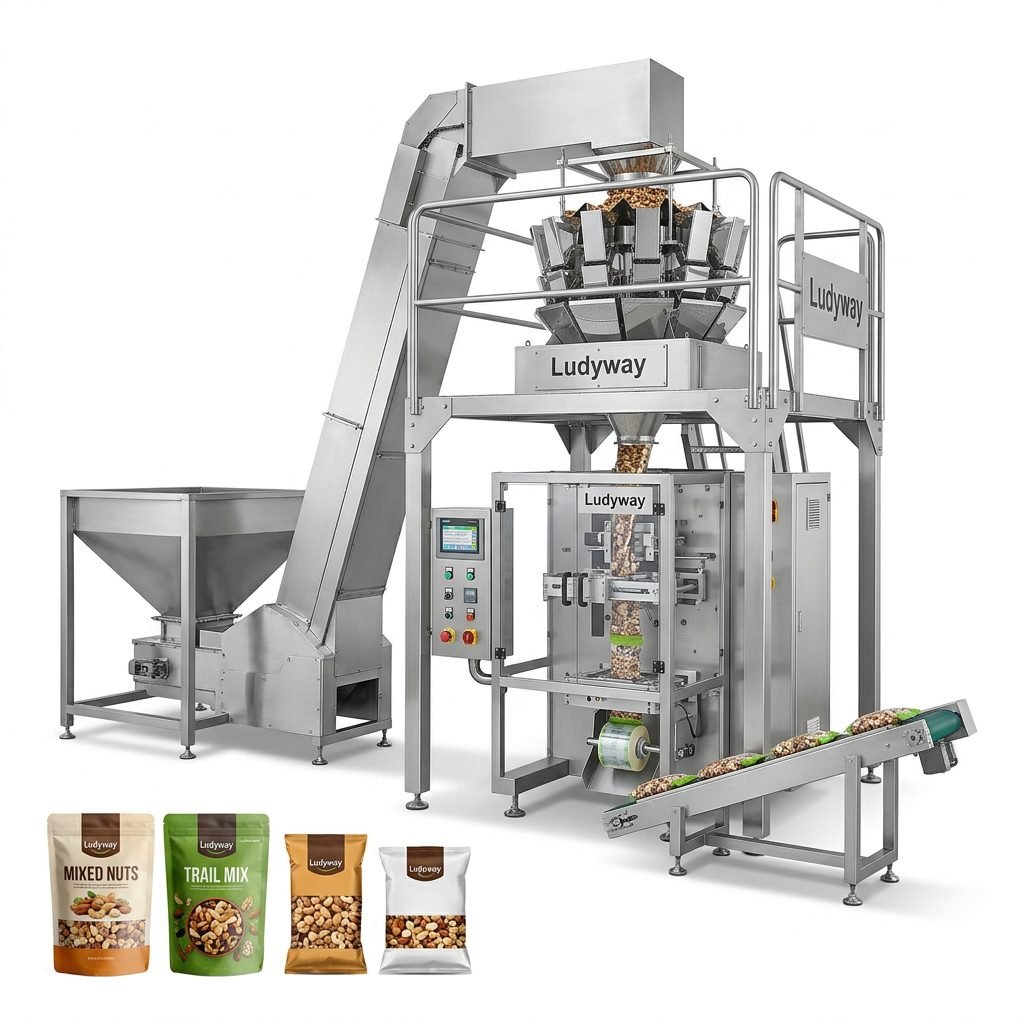
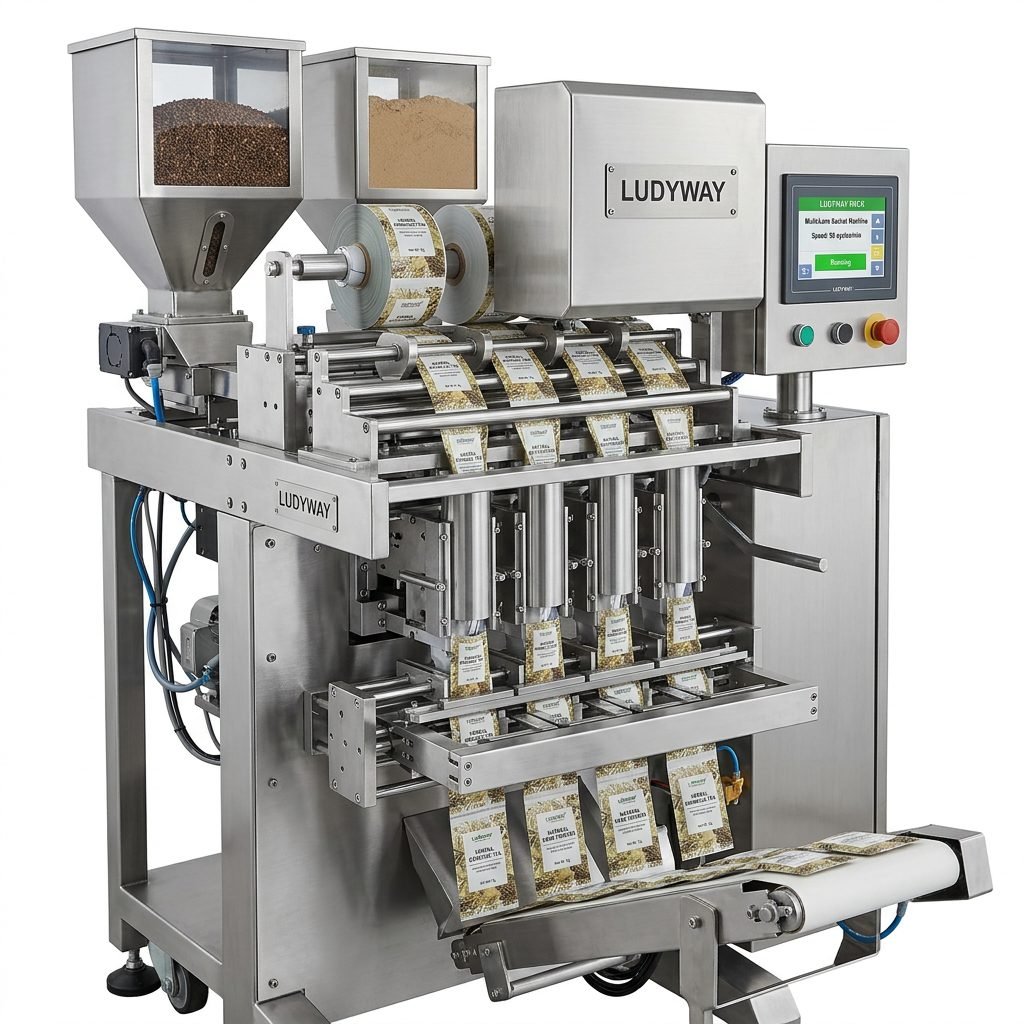
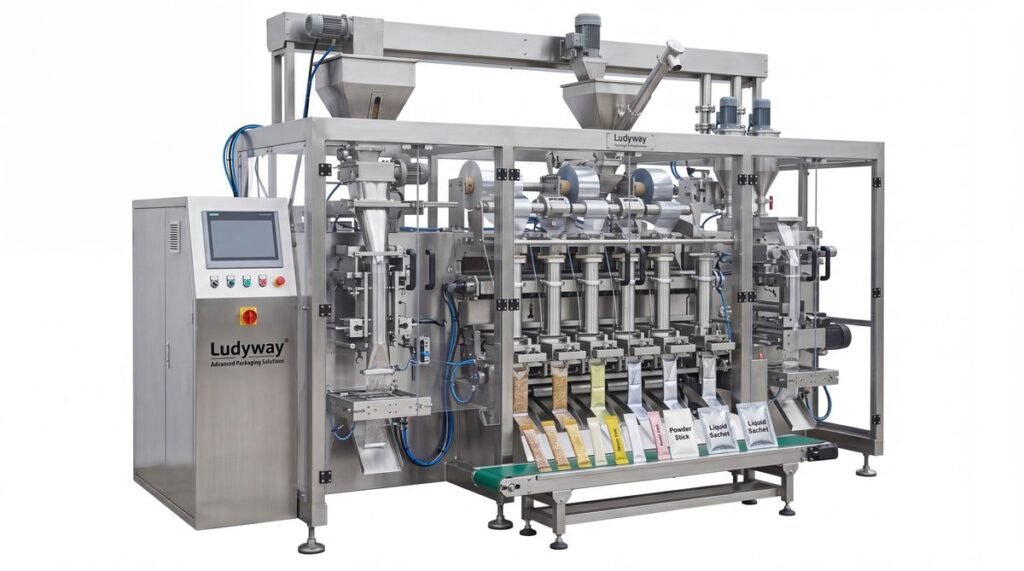
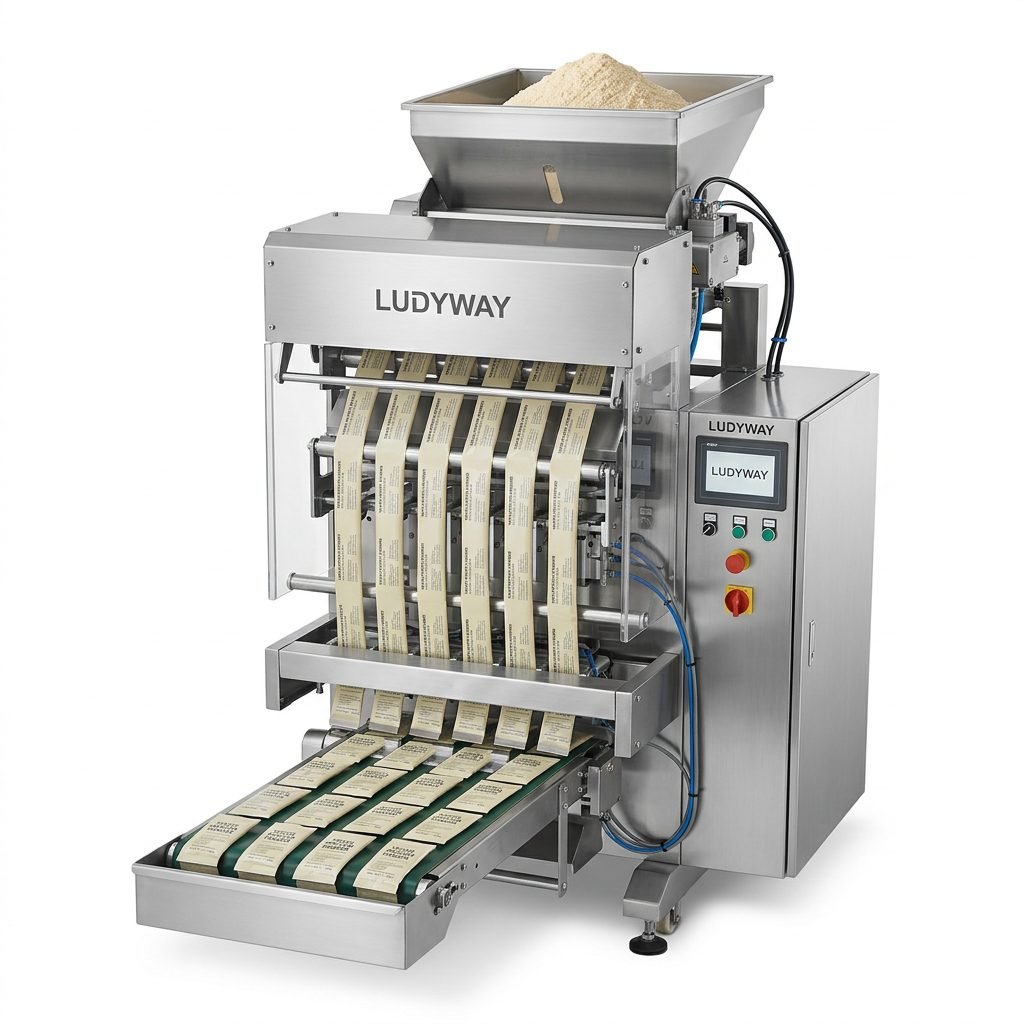
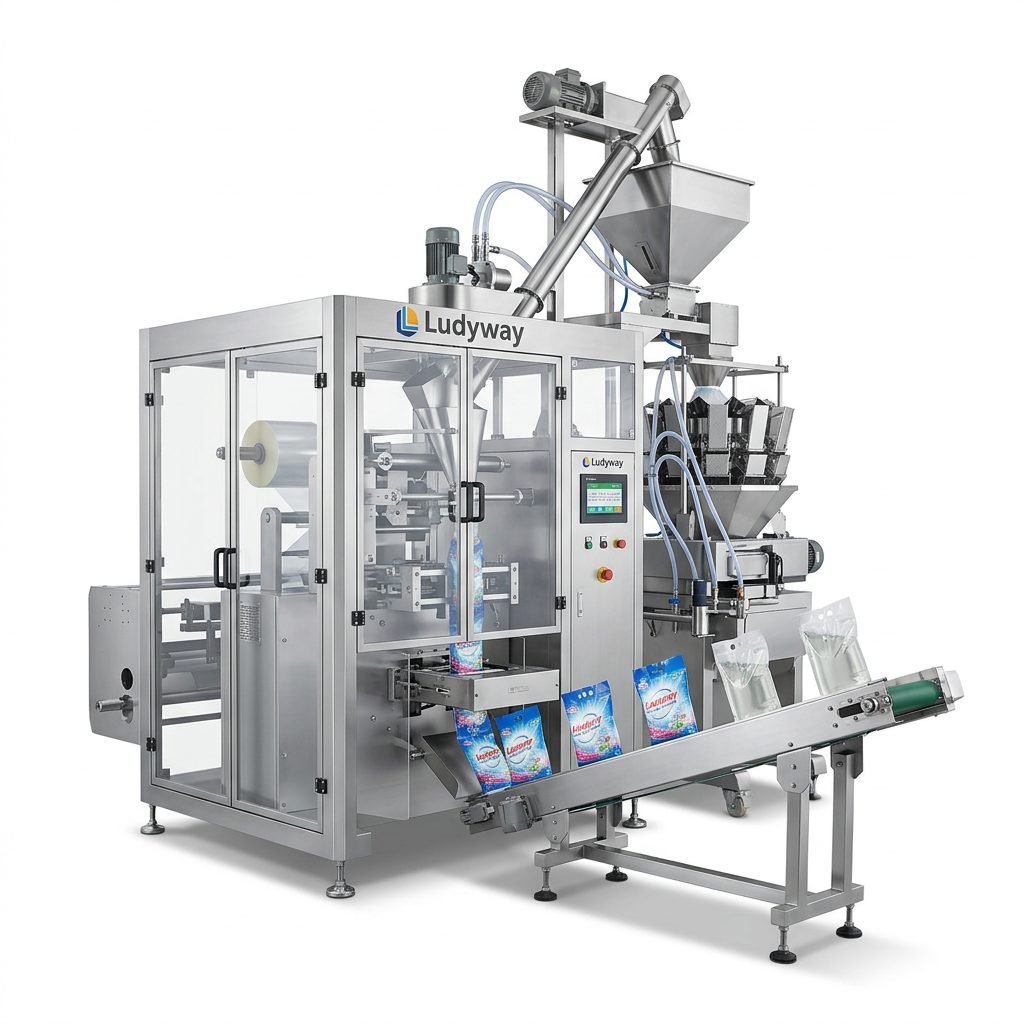
A fully automatic detergent powder packing machine is a significant investment for any manufacturing operation. Proper maintenance ensures consistent performance, reduces unexpected downtime, and extends the equipment’s service life. This comprehensive guide covers essential maintenance practices that every operator and maintenance team should follow to keep your detergent powder packing machine operating at peak efficiency.
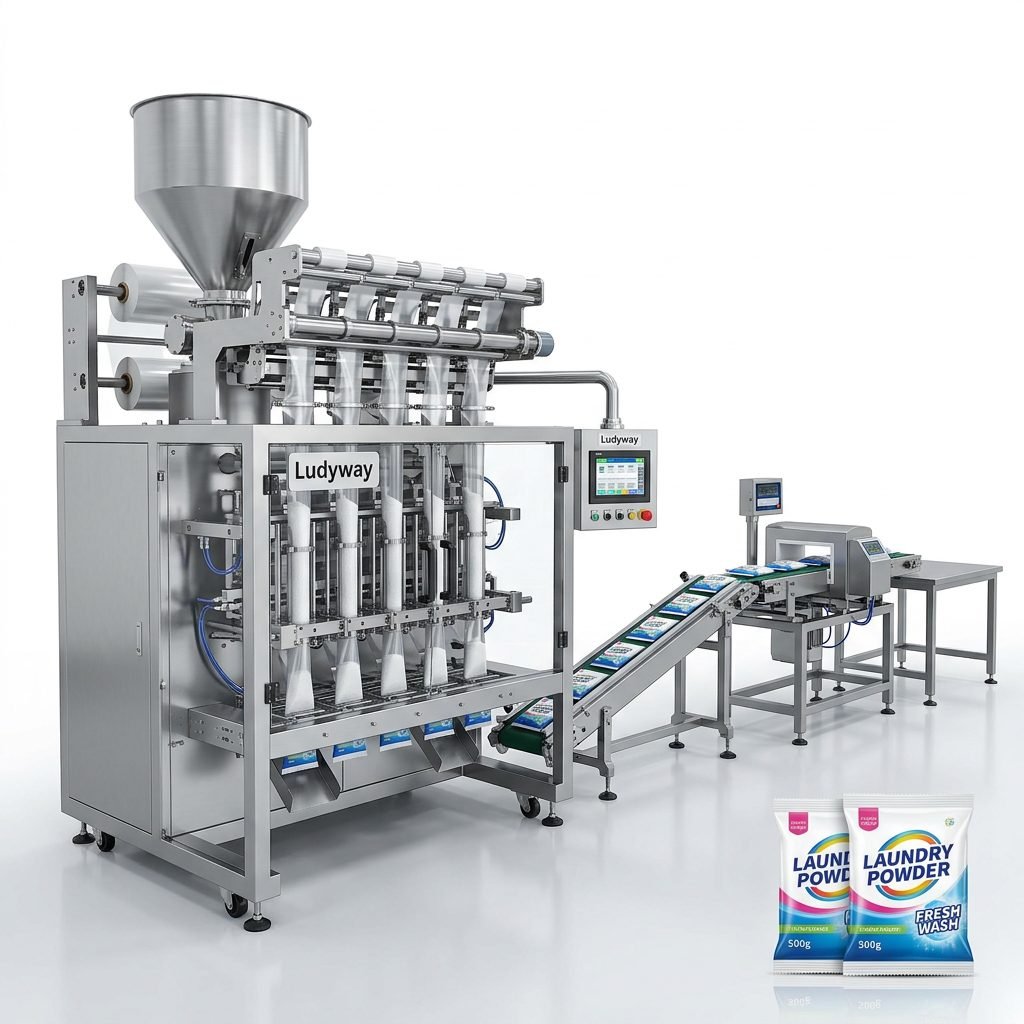
Why Regular Maintenance Matters
Detergent powder is inherently abrasive and hygroscopic, meaning it can cause wear on mechanical components and absorb moisture from the air. Without a structured maintenance routine, these characteristics can lead to clogging, corrosion, inaccurate filling, and premature component failure. A well-maintained machine not only produces consistent pack weights but also reduces energy consumption and minimizes costly production stoppages.
Daily Maintenance Checklist
Daily inspections are the foundation of reliable machine operation. Operators should perform the following tasks at the beginning and end of each shift:
- Clean all powder contact surfaces using a dry, lint-free cloth and approved cleaning agents to remove detergent residue.
- Inspect the sealing jaws for any buildup of powder or film residue that could compromise seal integrity.
- Check the forming tube and filling nozzle for blockages or powder accumulation.
- Verify that all safety guards and sensors are functioning correctly.
- Listen for unusual noises or vibrations during operation that may indicate mechanical issues.
- Examine the film roll alignment and tension to prevent tracking problems.
- Record daily production data and any anomalies in the maintenance log.
Weekly Maintenance Procedures
Weekly maintenance tasks address components that experience gradual wear. Allocate dedicated time each week for these essential checks:
- Deep clean the entire powder pathway, including the hopper, auger filler, and discharge chute.
- Lubricate all moving parts according to the manufacturer’s specifications, using food-grade lubricants where applicable.
- Inspect drive belts and chains for tension, wear, and alignment.
- Clean and check photoelectric sensors and proximity switches for proper signal response.
- Examine pneumatic connections and hoses for leaks or damage.
- Verify the temperature calibration of sealing components using a calibrated thermometer.
Monthly Maintenance Tasks
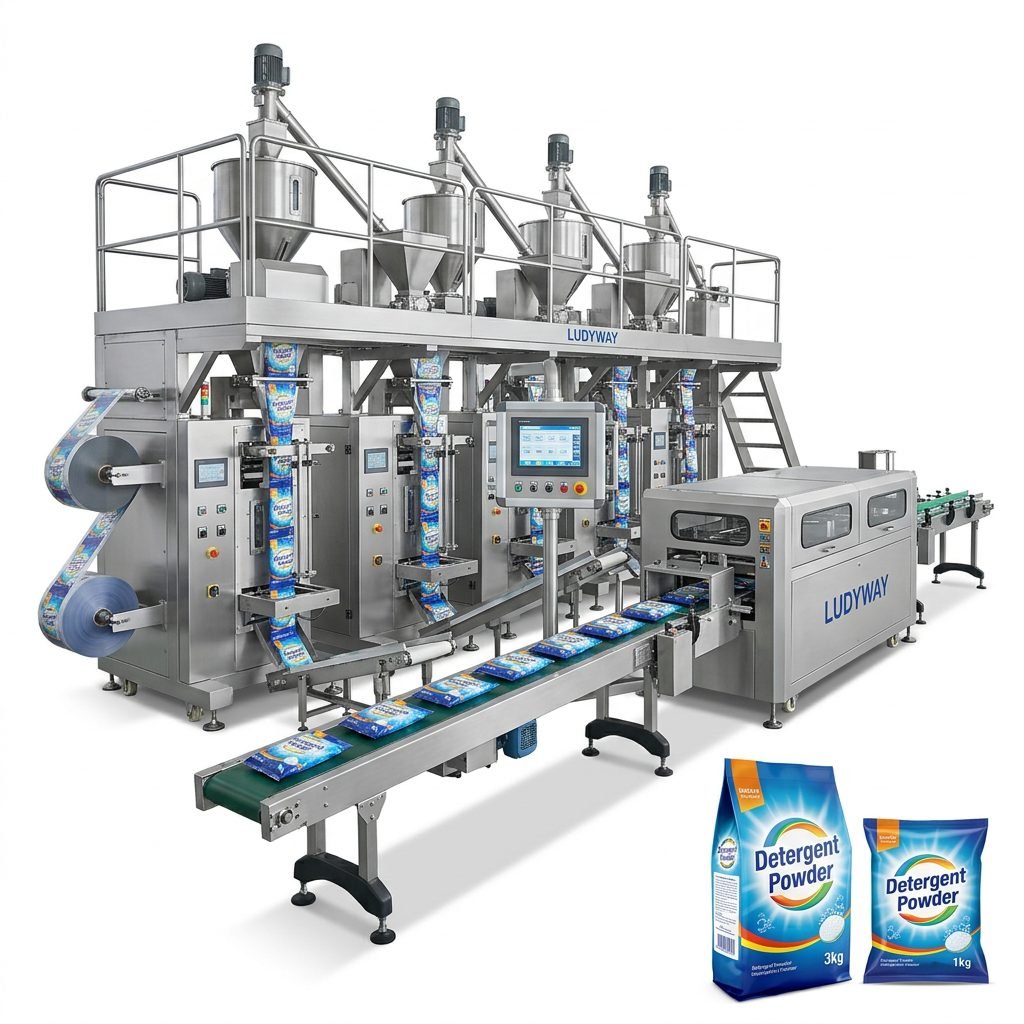
Monthly inspections focus on deeper mechanical and electrical systems. These tasks are critical for preventing catastrophic failures and should be performed by trained maintenance personnel:
- Disassemble and thoroughly clean the auger dosing system, checking for worn flights or bearings.
- Inspect gearbox oil levels and top up or replace as necessary.
- Check all electrical connections for tightness, corrosion, or overheating signs.
- Calibrate the load cells and weighing system with certified test weights to ensure accuracy within ±0.5% of target weight.
- Test emergency stop circuits and safety interlocks.
- Examine heater elements and thermocouples for degradation or uneven heating patterns.
Quarterly and Semi-Annual Maintenance
Longer-interval maintenance addresses components that typically have extended service lives but are critical to overall machine performance:
Quarterly Tasks
- Replace air filters on pneumatic systems and control cabinets to ensure clean air supply.
- Inspect vacuum system components if your machine uses vacuum-assisted film handling.
- Test and recalibrate temperature controllers and PID parameters for optimal sealing performance.
Semi-Annual Tasks
- Replace worn sealing components including heating elements, thermocouples, and sealing bands.
- Conduct a full alignment check of the film path, forming tube, and cutting mechanism.
- Perform preventive replacement of timing belts and drive chains showing any wear.
- Backup PLC programs and machine parameters to external storage.
Lubrication Guide for Detergent Powder Machines
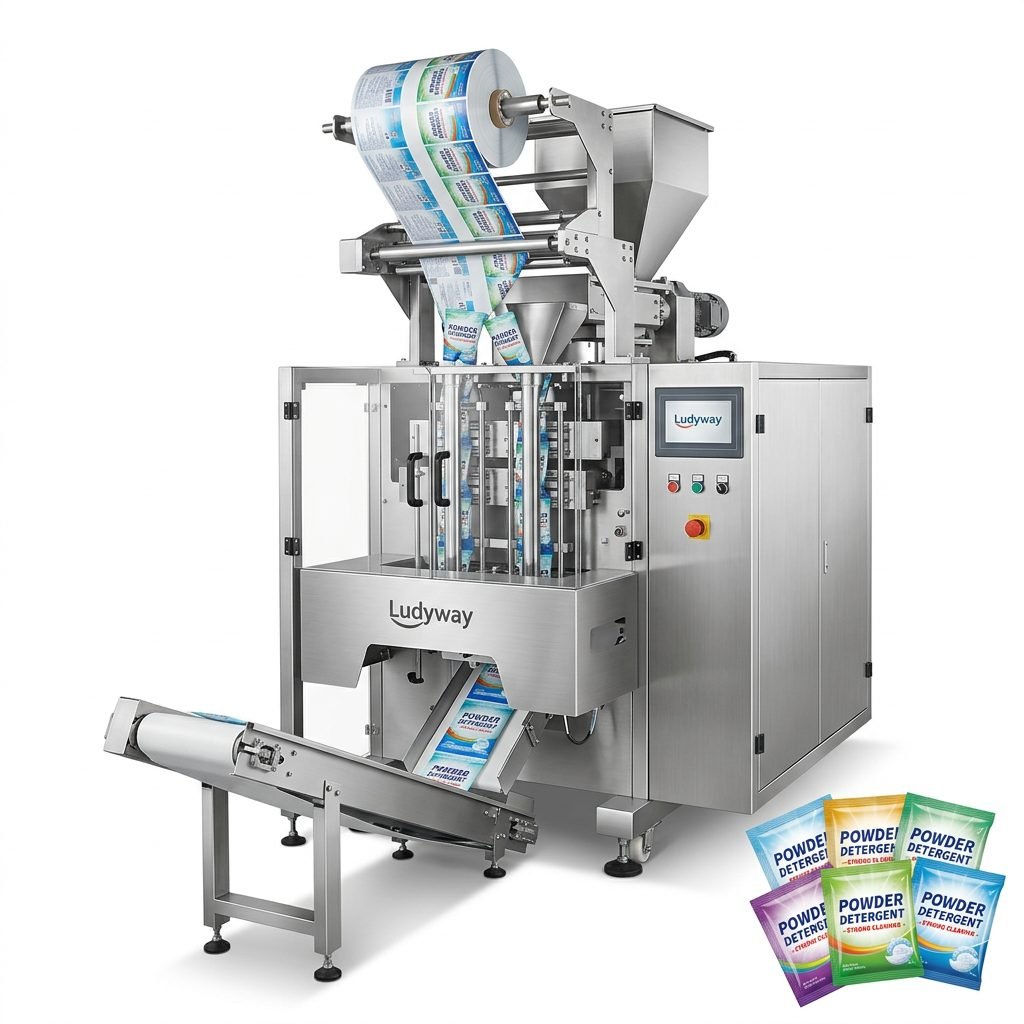
Proper lubrication is essential in detergent powder environments where fine powder particles can contaminate lubricants and accelerate wear. Follow these specific guidelines:
- Use sealed or shielded bearings wherever possible to prevent powder ingress.
- Apply dry-film lubricants on exposed sliding surfaces where powder contact is unavoidable.
- Grease fittings should be cleaned thoroughly before and after each lubrication cycle.
- Refer to ISO packaging machinery lubrication standards for industry best practices.
- Replace lubricants at 50% of standard intervals in extremely dusty operating environments.
Electrical System Maintenance
The electrical system requires careful attention to maintain reliable operation. Detergent powder is often corrosive to electrical contacts when combined with ambient moisture. Key maintenance points include:
- Keep control cabinets sealed and verify gasket integrity monthly.
- Check IP (Ingress Protection) ratings of all electrical enclosures are maintained.
- Clean printed circuit boards with appropriate non-conductive cleaning solutions.
- Inspect cable glands and conduits for powder accumulation or damage.
- Verify grounding continuity across all machine sections every quarter.
Preventive Maintenance Schedule Table
The following table summarizes the recommended maintenance intervals for key components of your fully automatic detergent powder packing machine. Adhere to this schedule to maximize equipment uptime:
| Component | Task | Frequency | Responsible Party |
|---|---|---|---|
| Filling Nozzle | Clean and inspect for buildup | Daily | Operator |
| Sealing Jaws | Clean residue, check alignment | Daily | Operator |
| Drive Belts | Inspect tension and wear | Weekly | Maintenance Tech |
| Pneumatic System | Check for leaks, drain filters | Weekly | Maintenance Tech |
| Weighing System | Calibration verification | Monthly | QA / Maintenance |
| Gearbox Oil | Check level and condition | Monthly | Maintenance Tech |
| Heater Elements | Inspect for degradation | Quarterly | Maintenance Tech |
| PLC Backup | Export program and parameters | Semi-Annually | Automation Engineer |
| Complete Overhaul | Full disassembly and inspection | Annually | Manufacturer Service Team |
Troubleshooting Common Issues
Even with diligent maintenance, occasional issues may arise. Here are common problems and their likely causes in detergent powder packaging operations:
Inconsistent Fill Weights
- Cause: Worn auger or dosing components; powder bridging in the hopper.
- Solution: Inspect and replace worn auger parts; install a bridge-breaking agitator in the hopper.
Poor Seal Quality
- Cause: Contaminated sealing jaws, incorrect temperature, or film residue buildup.
- Solution: Clean jaws thoroughly; verify and recalibrate temperature setpoints; check film compatibility.
Powder Leakage from Sachets
- Cause: Misaligned forming tube, worn cutting knife, or insufficient seal pressure.
- Solution: Realign forming components; replace cutting knife; adjust pneumatic seal pressure.
Machine Vibration or Noise
- Cause: Loose fasteners, worn bearings, or unbalanced rotating components.
- Solution: Tighten all mounting bolts; replace worn bearings; balance rotating assemblies.
Spare Parts Management
Maintaining an adequate inventory of critical spare parts is essential for minimizing downtime. Based on industry experience, keep the following parts in stock:
- Sealing jaws and heating elements (complete sets)
- Auger dosing assemblies and wear sleeves
- Drive belts and timing belts for all axes
- Pneumatic cylinders and solenoid valves
- Sensor modules including photoelectric and proximity types
- Film feed rollers and forming tube assemblies
- PLC backup battery and fuses
For comprehensive packaging machinery standards, consult resources from the Packaging Machinery Manufacturers Institute (PMMI) and relevant FDA packaging guidelines for food-grade detergent applications.
Operator Training and Documentation
Well-trained operators are your first line of defense against machine failures. Implement a structured training program that covers:
- Proper start-up and shutdown procedures for the automatic packing machine.
- Recognition of early warning signs such as unusual sounds, odors, or visual indicators.
- Correct cleaning techniques that do not damage sensitive components.
- Basic troubleshooting steps before escalating to maintenance personnel.
- Accurate documentation practices in maintenance logs and shift reports.
Maintain a digital maintenance log accessible to all relevant personnel. Document every inspection, repair, part replacement, and calibration event with timestamps and technician names. This data becomes invaluable for predictive maintenance planning and warranty claims.
When to Call Professional Service
While routine maintenance can be handled in-house, certain situations require professional intervention. Contact qualified service technicians when you encounter:
- PLC or HMI software faults that cannot be resolved through standard troubleshooting.
- Major mechanical failures involving gearbox or drive train components.
- Electrical issues including motor failures or control board malfunctions.
- The need for complete machine overhaul or major upgrades.
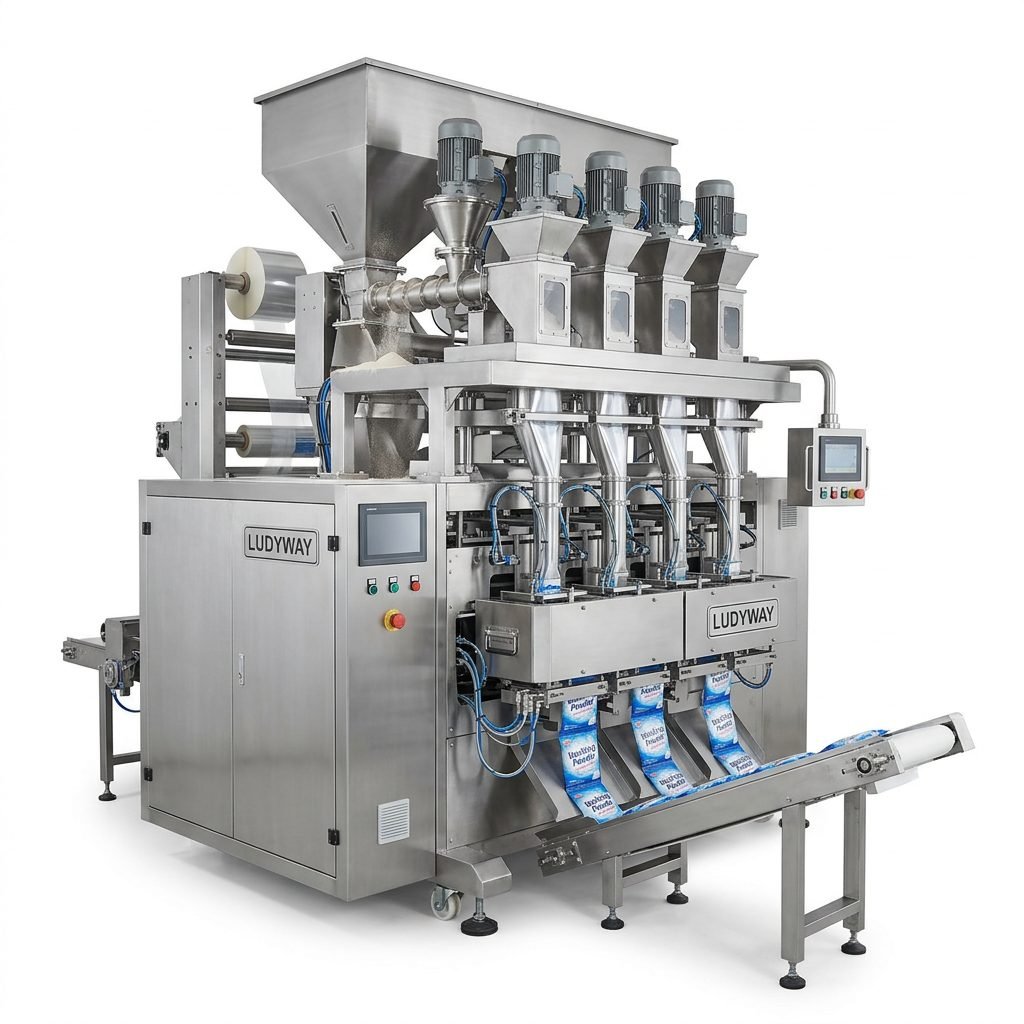
As a leading manufacturer in the packaging industry, Ludyway provides comprehensive after-sales support including remote diagnostics, on-site service, and genuine spare parts supply to customers across more than 100 countries. Their engineering team offers specialized maintenance training programs tailored to your specific multi-lane stick pack machine configuration and production environment.
Conclusion
Consistent and thorough maintenance of your fully automatic detergent powder packing machine is not merely a cost—it is an investment in reliability and profitability. By implementing the daily, weekly, monthly, and quarterly procedures outlined in this guide, you can significantly extend equipment life, maintain package quality, and avoid costly unplanned downtime. Remember that detergent powder presents unique challenges due to its abrasive and moisture-sensitive nature, making diligent cleaning and lubrication particularly critical. Keep detailed records, train your operators well, and establish a partnership with your equipment manufacturer for long-term success.
For additional guidance on packaging machine optimization, refer to PMMI’s State of the Industry reports and the Flexible Packaging Association’s knowledge hub for the latest industry developments and best practices.