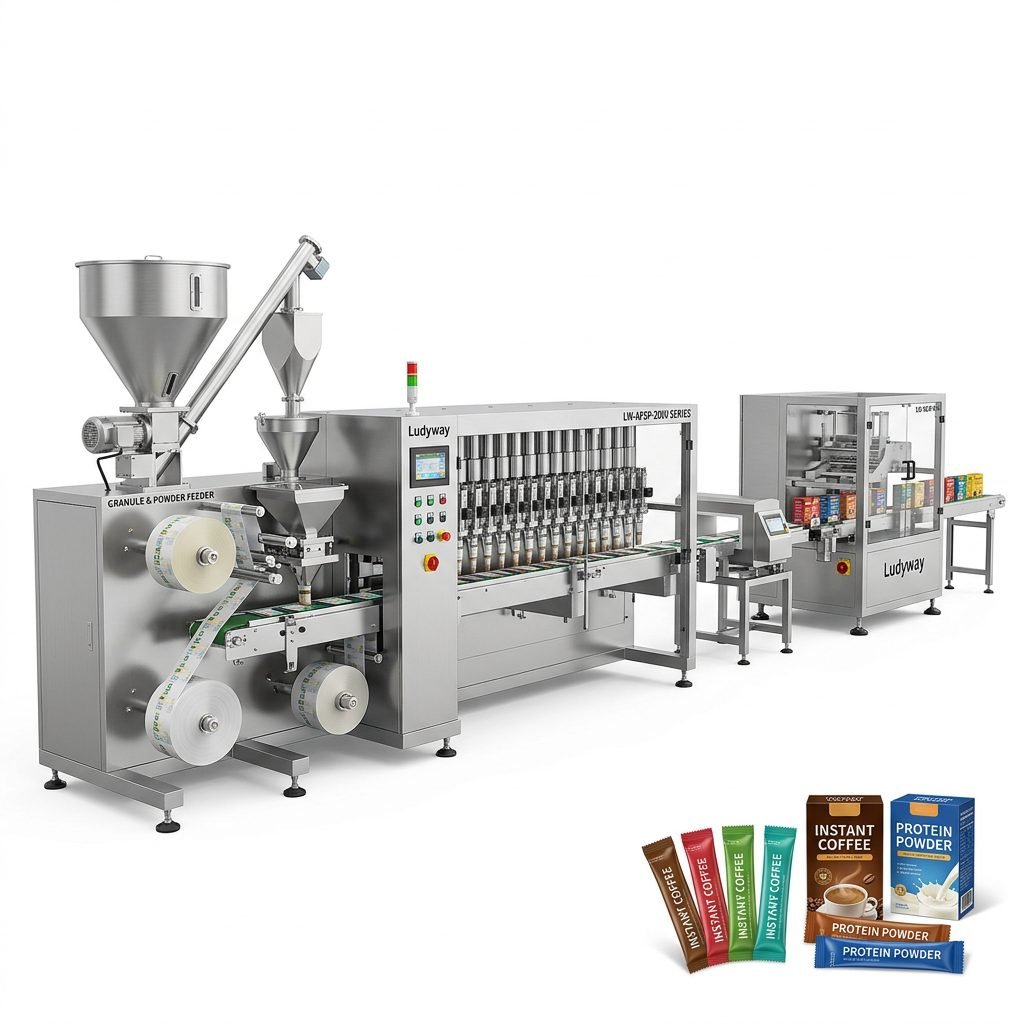
Investing in a small butter packing machine is a significant decision for dairy processors, artisanal butter makers, and small-to-medium food manufacturers. Whether you are transitioning from manual packaging or upgrading an existing line, selecting the right equipment directly impacts product quality, shelf life, and production efficiency. This guide walks you through the essential factors to consider before making a purchase, helping you choose a machine that matches your operational needs and budget.
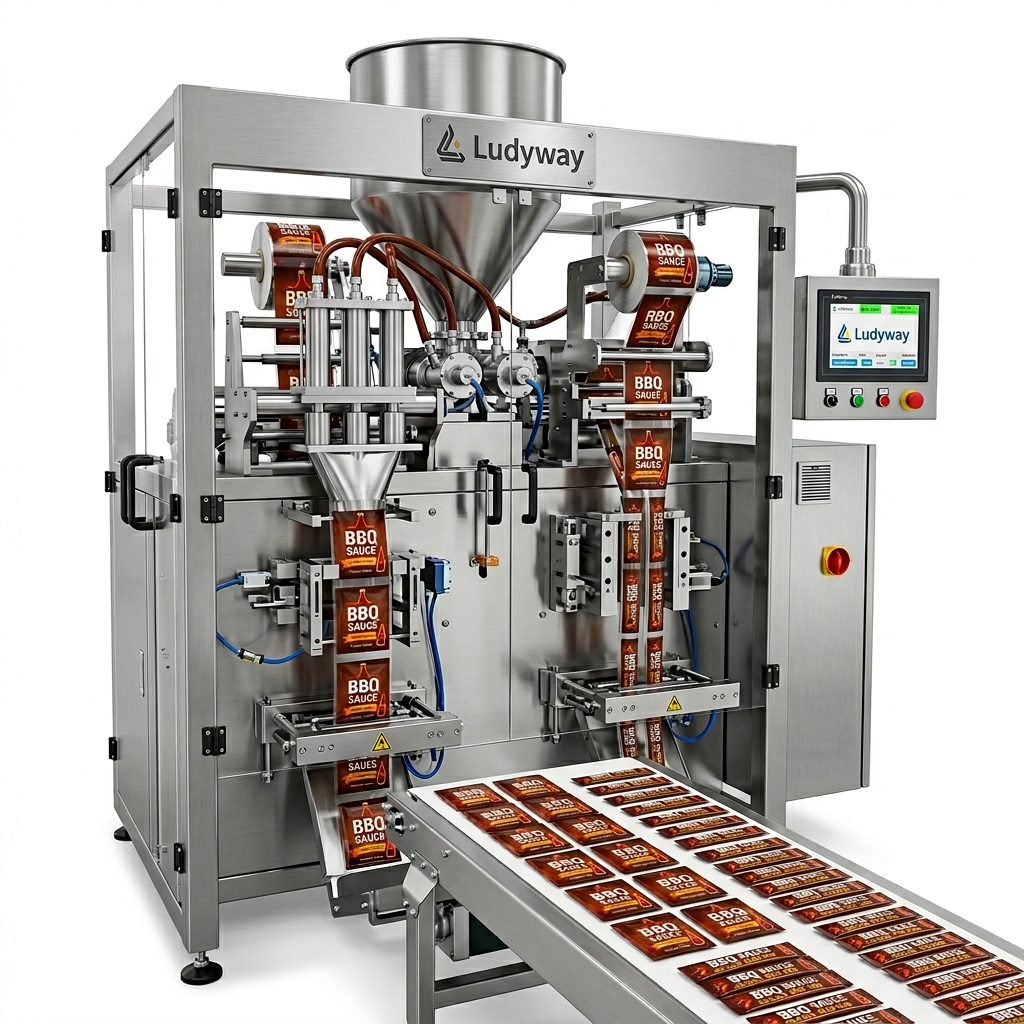
Understanding the Unique Challenges of Butter Packaging
Butter is unlike most other dairy products. Its semi-solid consistency at room temperature, sensitivity to temperature fluctuations, and high fat content create specific packaging challenges. Unlike free-flowing liquids or dry powders, butter requires precise portion control, gentle handling to avoid deformation, and packaging materials that prevent oxidation and moisture loss. Ignoring these factors can lead to product waste, inconsistent portion sizes, and reduced shelf appeal.
Key product characteristics that influence machine selection include:
- Viscosity and texture – Butter can range from soft and spreadable to hard and block-form, affecting the type of filling system required.
- Temperature sensitivity – Machines must maintain product integrity without excessive heat generation during the filling process.
- Fat content – High fat levels demand food-grade contact surfaces and easy-clean designs to meet hygiene standards.
- Packaging format – Wrappers, tubs, cups, portion packs, and bulk blocks each require different machine configurations.
Common Packaging Formats for Butter Products
| Packaging Format | Typical Weight Range | Best For | Machine Type |
|---|---|---|---|
| Foil or Parchment Wrap | 100g – 500g | Retail butter blocks, food service | Automatic wrapping machine |
| Plastic Tub or Cup | 200g – 1kg | Spreadable butter, margarine blends | Volumetric cup filler with sealing |
| Single-Serve Portion Pack | 5g – 30g | Hospitality, airline, catering | Multi-lane sachet or stick pack machine |
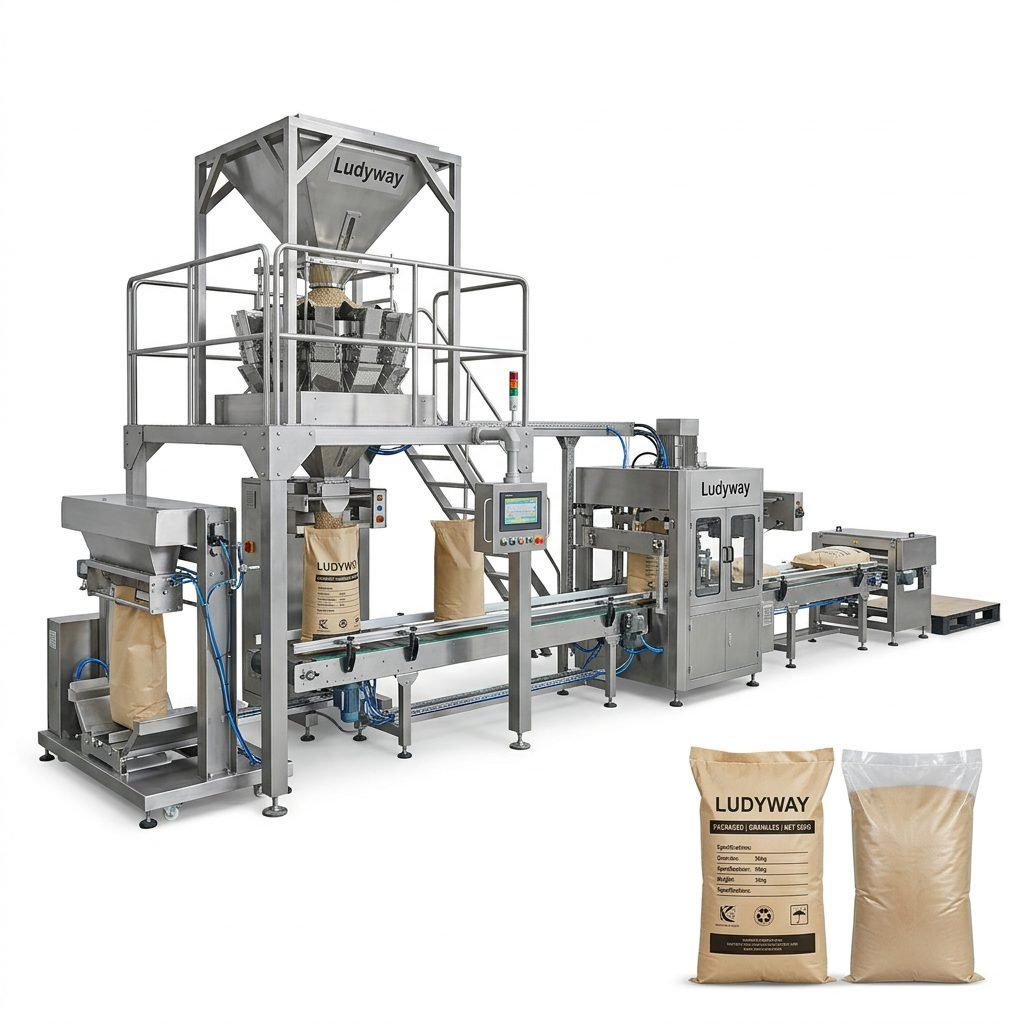
| Bulk Block | 5kg – 25kg | Industrial bakeries, food manufacturers | Bulk filling and sealing system |
Types of Small Butter Packing Machines
Understanding the different machine categories helps narrow down your options. The right type depends on your production volume, packaging format, and automation requirements. Here are the most common configurations for small to medium butter operations:
Semi-Automatic Butter Filling Machines
These machines require an operator to position containers or initiate filling cycles. They are ideal for startups and small-scale producers with daily outputs of up to a few thousand units. Benefits include lower upfront investment and simpler maintenance. However, they demand more manual labor and offer slower throughput compared to fully automated systems.
Automatic Inline Butter Packaging Systems
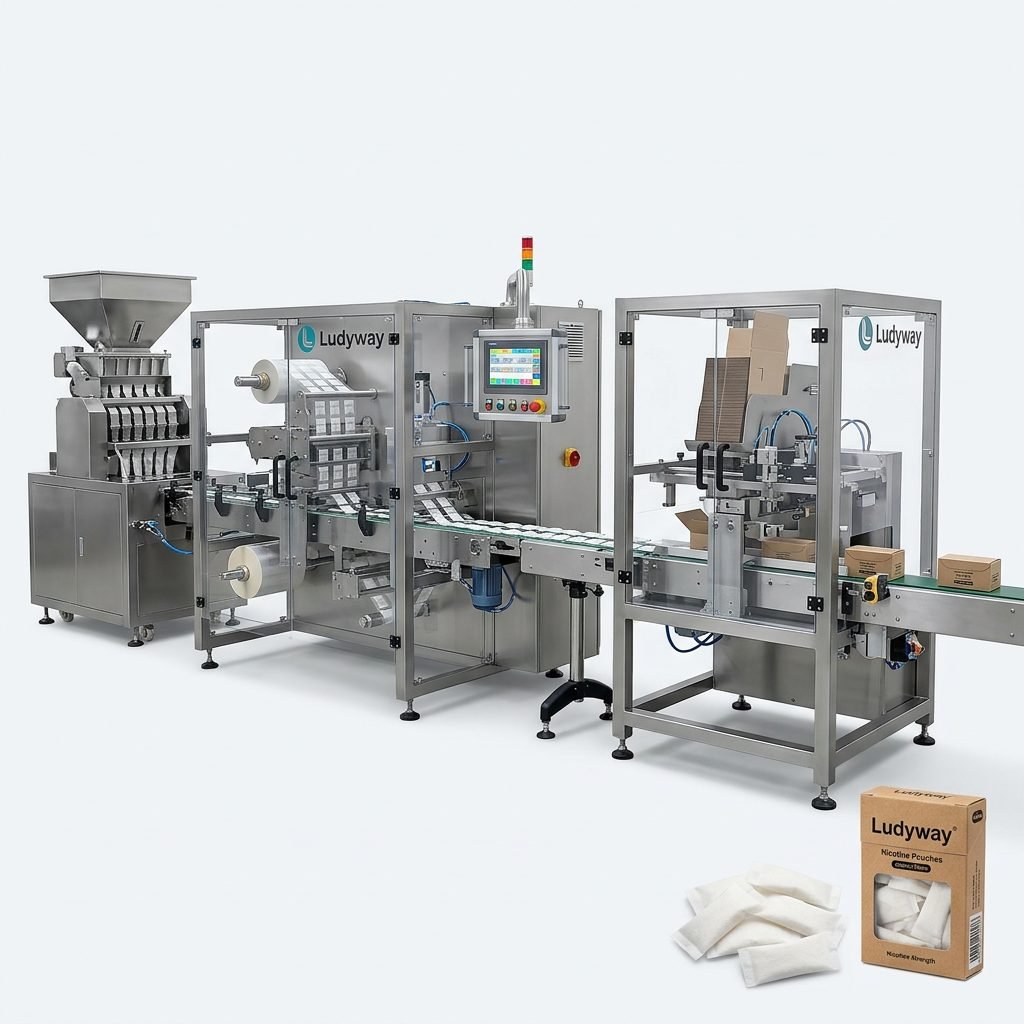
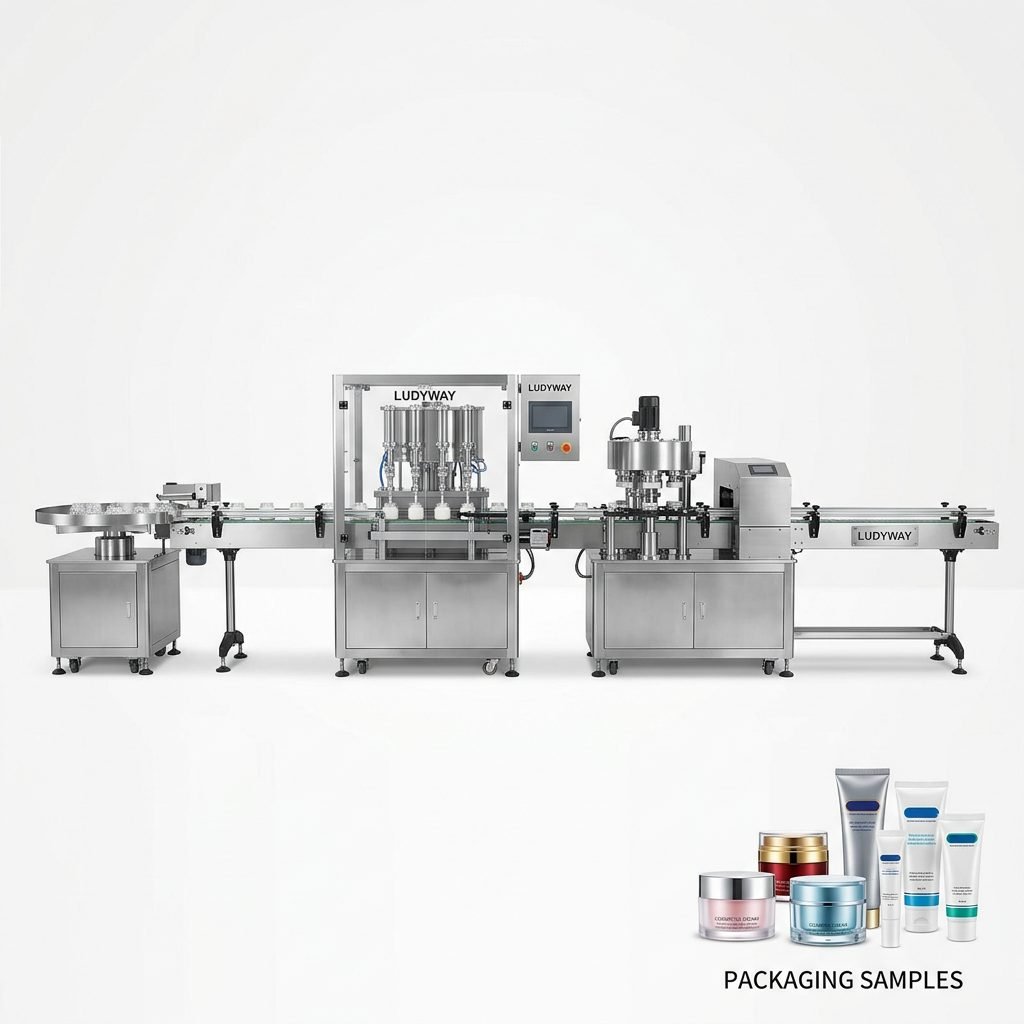
For growing businesses, fully automatic inline systems handle container feeding, filling, sealing, and sometimes labeling without constant operator intervention. These machines can process 3,000 to 8,000 units per hour depending on configuration. They integrate well with packaging line standards and can be customized with multiple filling heads for higher output.
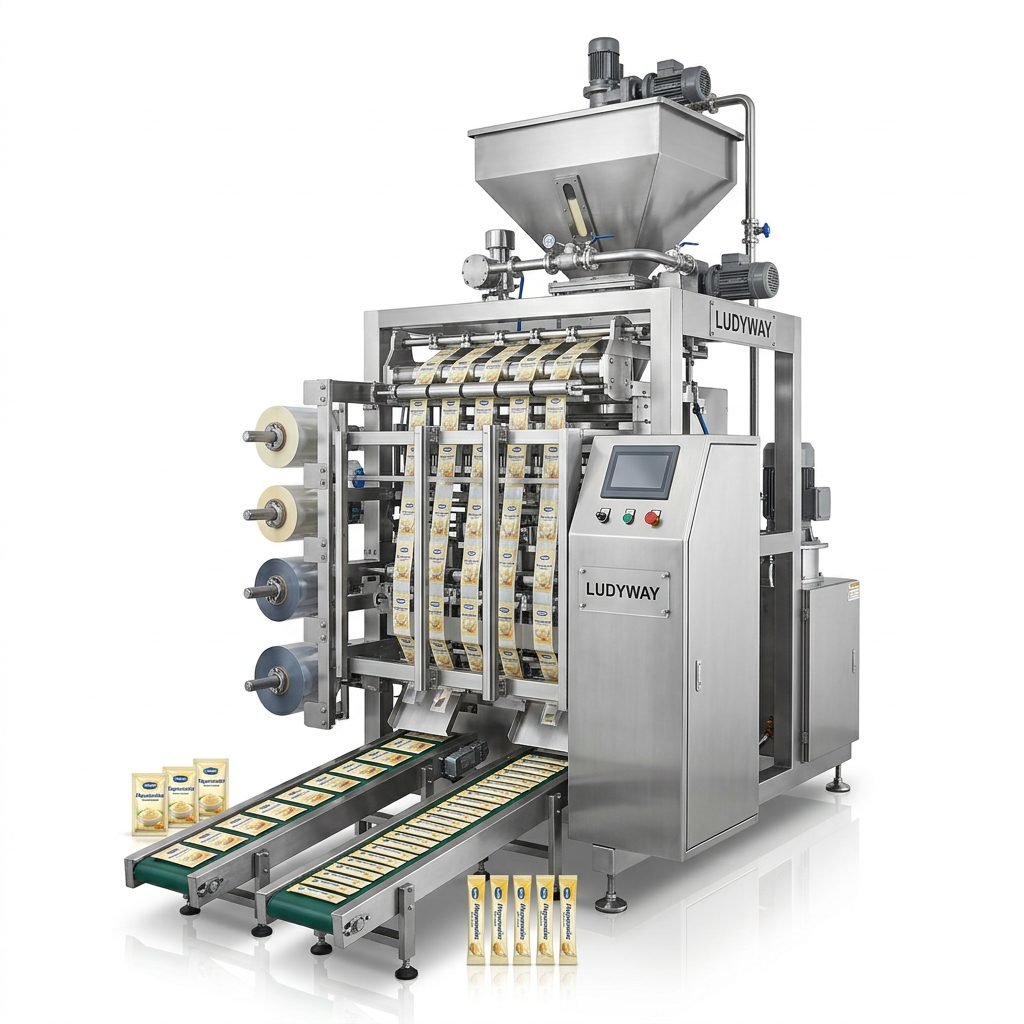
Multi-Lane Stick Pack and Sachet Machines
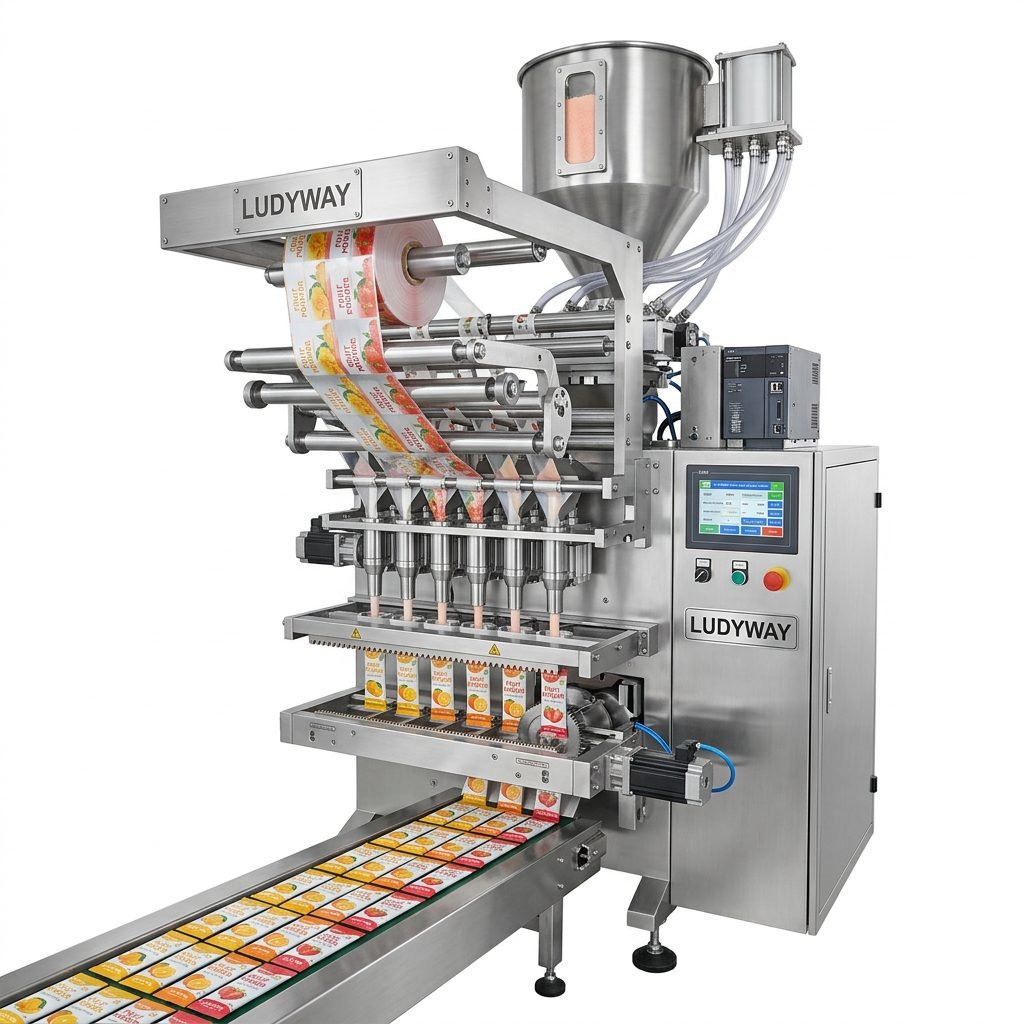
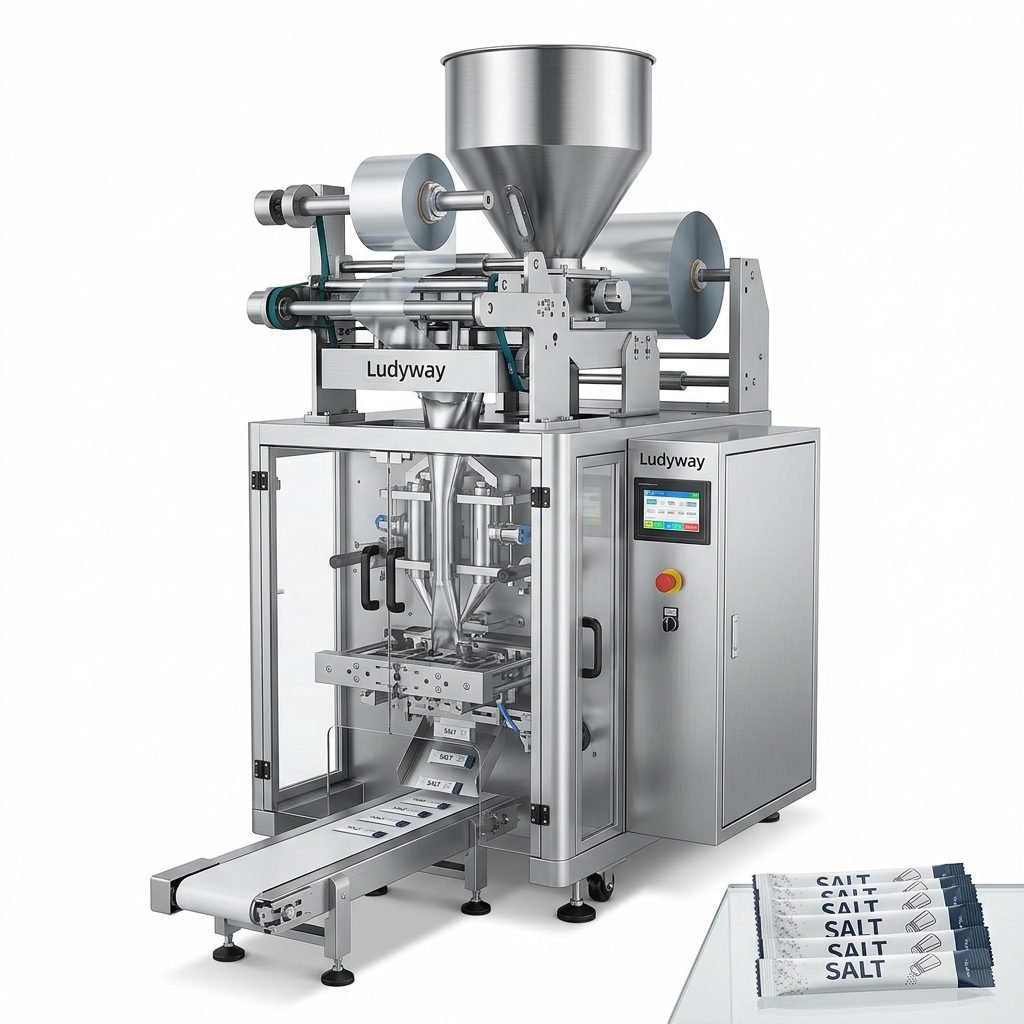
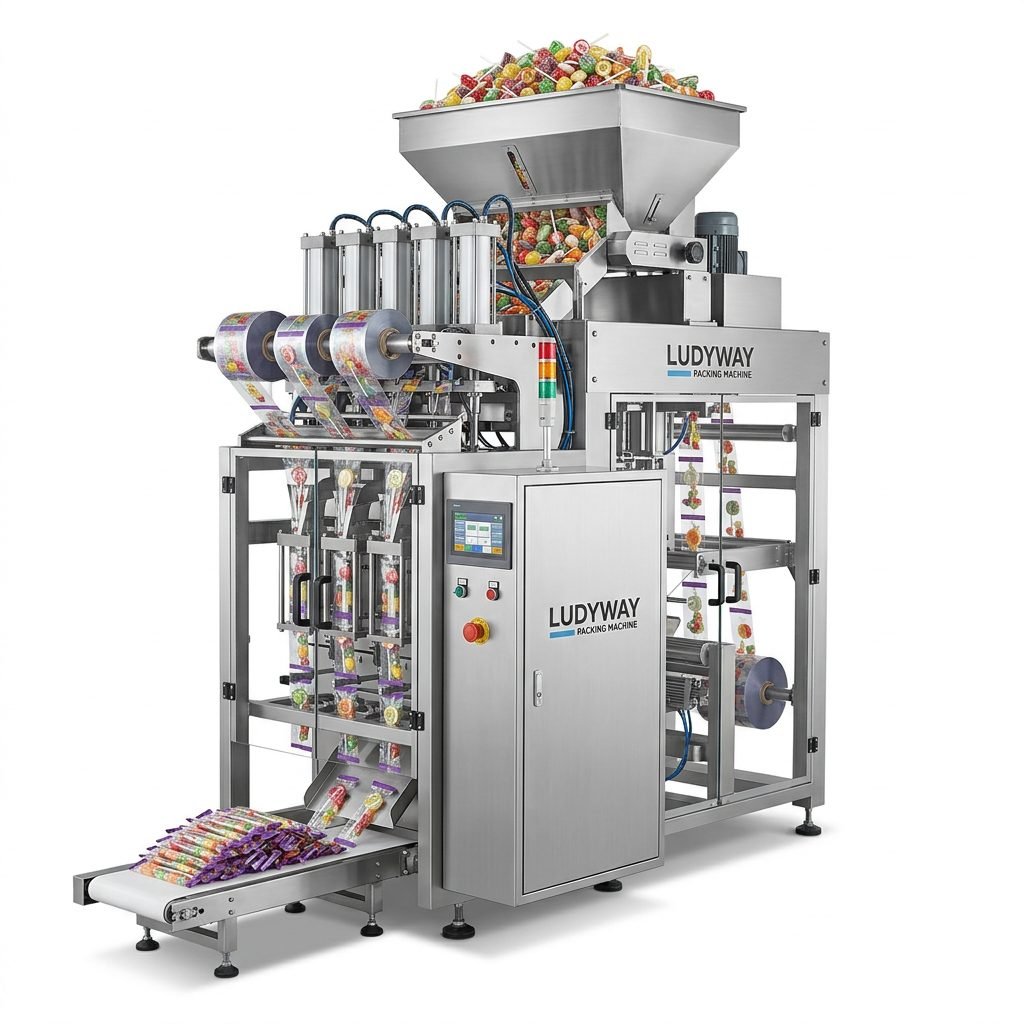
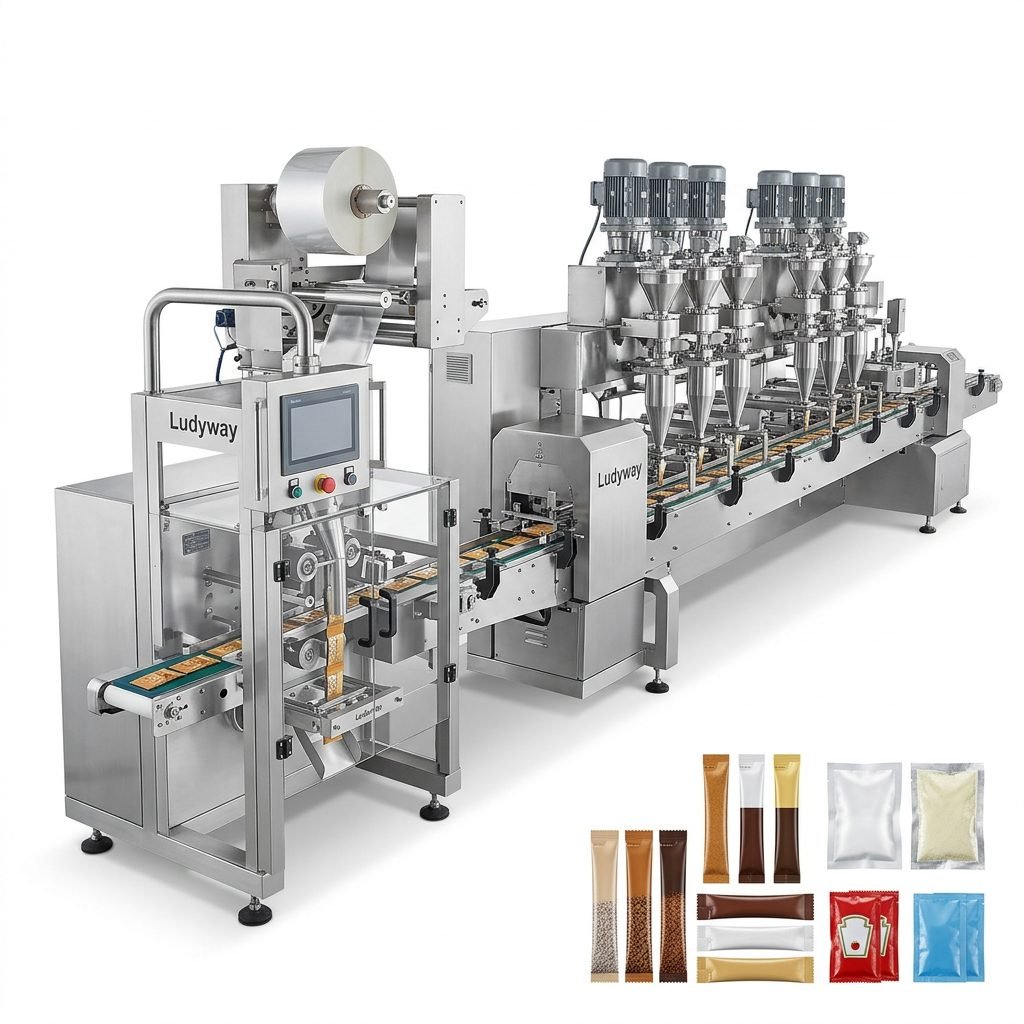
When producing single-serve butter portions for the hospitality or travel industry, multi-lane stick pack machines offer unparalleled efficiency. These systems can run 4 to 12 lanes simultaneously, producing thousands of portion packs per hour. They form, fill, and seal flexible packaging material in a continuous motion, minimizing product waste and maximizing throughput.
Critical Factors to Evaluate When Choosing a Machine
With numerous packaging machinery market options available, focusing on these key evaluation criteria will help you make an informed decision:
1. Production Capacity and Speed
Calculate your current and projected daily output. A machine that barely meets today’s demand may become a bottleneck within a year. Consider:
- Units per minute or hour at your required fill weight
- Changeover time between different formats or weights
- Startup and shutdown procedures
- Allowance for routine maintenance downtime
2. Filling Accuracy and Portion Control
Precision filling directly affects profitability and regulatory compliance. Overfilling by just 2 grams per unit across 10,000 daily units equals 20kg of product giveaway. Modern servo-driven piston fillers and positive displacement pumps achieve accuracy within ±0.5% to ±1%. Always request filling accuracy specifications and verify them during factory acceptance testing.
3. Material Compatibility and Packaging Flexibility
Your machine should handle the packaging materials you intend to use — whether foil, parchment paper, plastic film, laminated pouches, or pre-formed containers. According to flexible packaging industry data, material compatibility extends to seal integrity, barrier properties, and shelf-life requirements. Verify that the machine supports your specific film thickness, seal temperature range, and material format.
4. Hygiene, Cleaning, and Compliance
Butter is a sensitive dairy product requiring strict sanitary conditions. Look for:
- Stainless steel construction (AISI 304 or 316L) on all product-contact surfaces
- Tool-free disassembly for rapid cleaning and changeover
- CIP (Clean-in-Place) compatibility for higher-capacity systems
- Compliance with relevant food safety regulations and ISO packaging standards
5. Machine Footprint and Facility Requirements
Small butter packing machines vary significantly in size. Measure your available floor space, including clearance for operator access, maintenance, and material loading. Also confirm electrical supply (voltage, phase, frequency), compressed air requirements (pressure and flow rate), and any ventilation or temperature control needs.
6. Automation Level and Integration Capabilities
Beyond the core filling and sealing functions, consider how the machine connects with upstream and downstream equipment. Options include automated feeding systems, checkweighers, metal detectors, date coders, cartoning machines, and palletizing systems. A modular machine design allows for future automation upgrades as your business grows.
Budget Considerations and ROI Analysis
The purchase price of a small butter packing machine is just one part of the total cost of ownership. A comprehensive budget should account for:
- Capital cost – The machine purchase price, including tooling for your specific formats
- Installation and commissioning – On-site setup, calibration, and initial training
- Operating costs – Packaging materials, energy consumption, labor requirements
- Maintenance and spare parts – Routine service, wear parts replacement, and unexpected repairs
- Downtime risk – Lost production capacity during machine breakdowns
For most small to medium producers, a well-chosen automatic machine pays for itself within 12 to 24 months through reduced labor costs, lower product giveaway, increased throughput, and fewer packaging defects.
Comparing Entry-Level vs. Advanced Small Butter Packing Machines
| Feature | Entry-Level Semi-Automatic | Advanced Automatic System |
|---|---|---|
| Output Range | 500 – 2,000 units/hour | 3,000 – 8,000+ units/hour |
| Operator Requirement | 1 – 2 operators constantly | 1 operator for supervision |
| Filling Accuracy | ±2% – ±3% | ±0.5% – ±1% |
| Format Flexibility | Limited, requires manual changeover | Multiple formats, quick changeover |
| Integration Options | Standalone only | Connectable to upstream and downstream systems |
| Typical Investment | $15,000 – $50,000 | $60,000 – $250,000+ |
Vendor Evaluation and After-Sales Support
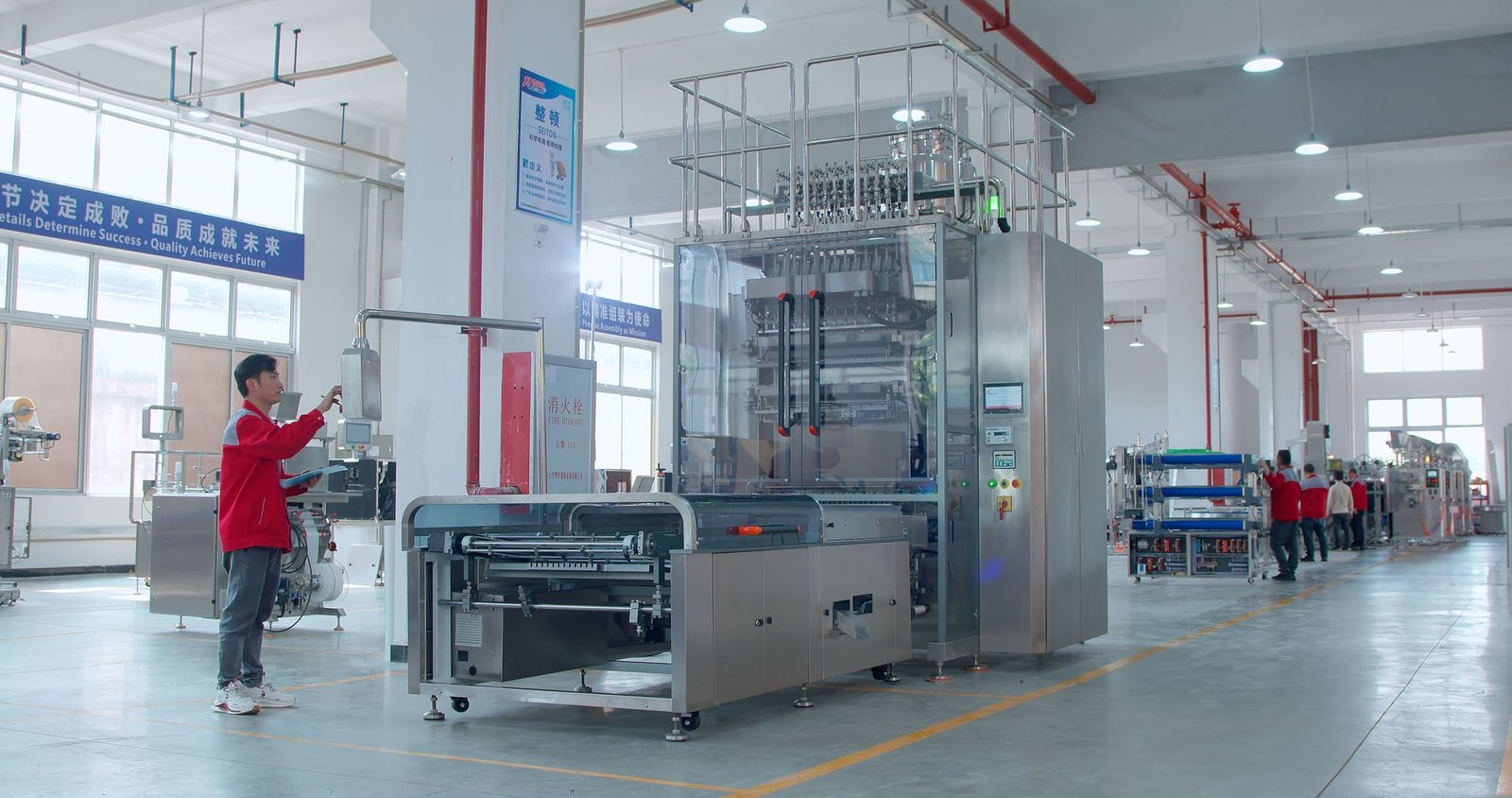
Choosing the right equipment partner is as important as selecting the machine itself. Evaluate potential suppliers based on their industry experience, technical support capabilities, and long-term service commitment. Companies like Ludyway Machinery, with over 30 years of packaging machinery manufacturing experience and a 20,000-square-meter production facility, demonstrate the kind of established engineering and service infrastructure that supports reliable long-term equipment performance.
Key vendor evaluation criteria include:
- Industry-specific experience – Has the supplier successfully deployed machines for dairy or similar semi-solid products?
- Technical documentation – Are detailed manuals, electrical schematics, and maintenance guides provided in your language?
- Spare parts availability – Can critical components be shipped quickly, and are they reasonably priced?
- Remote and on-site support – Does the supplier offer technical assistance through multiple channels?
- Training programs – Will your operators receive comprehensive training during commissioning?
- Warranty terms – What is covered, for how long, and what are the exclusions?
Making the Final Decision
After evaluating machine specifications, vendor capabilities, and budget considerations, the best small butter packing machine is the one that aligns with your specific production goals. Prioritize features that directly impact your operational efficiency, product quality, and ability to scale. Whenever possible, visit the manufacturer’s facility for a factory acceptance test using your actual product — this is the most reliable way to verify machine performance before committing to a purchase.
Recommended Resources for Further Research
- PMMI State of the Industry Reports – Packaging machinery market trends and forecasts
- Flexible Packaging Association – Resources on flexible packaging materials and sustainability
- FDA Food Contact Substances Guidance – Regulatory requirements for food packaging materials
- ISO Packaging Standards – International standards covering packaging machinery and processes
Selecting a small butter packing machine requires balancing technical specifications, budget constraints, and future production goals. By thoroughly evaluating your product characteristics, desired packaging format, required output capacity, and vendor support capabilities, you can invest in equipment that delivers consistent performance, reduced operational costs, and long-term reliability. Take time to test machines with your actual product, consult multiple suppliers, and prioritize build quality and after-sales support — these factors ultimately determine the success of your packaging operation.