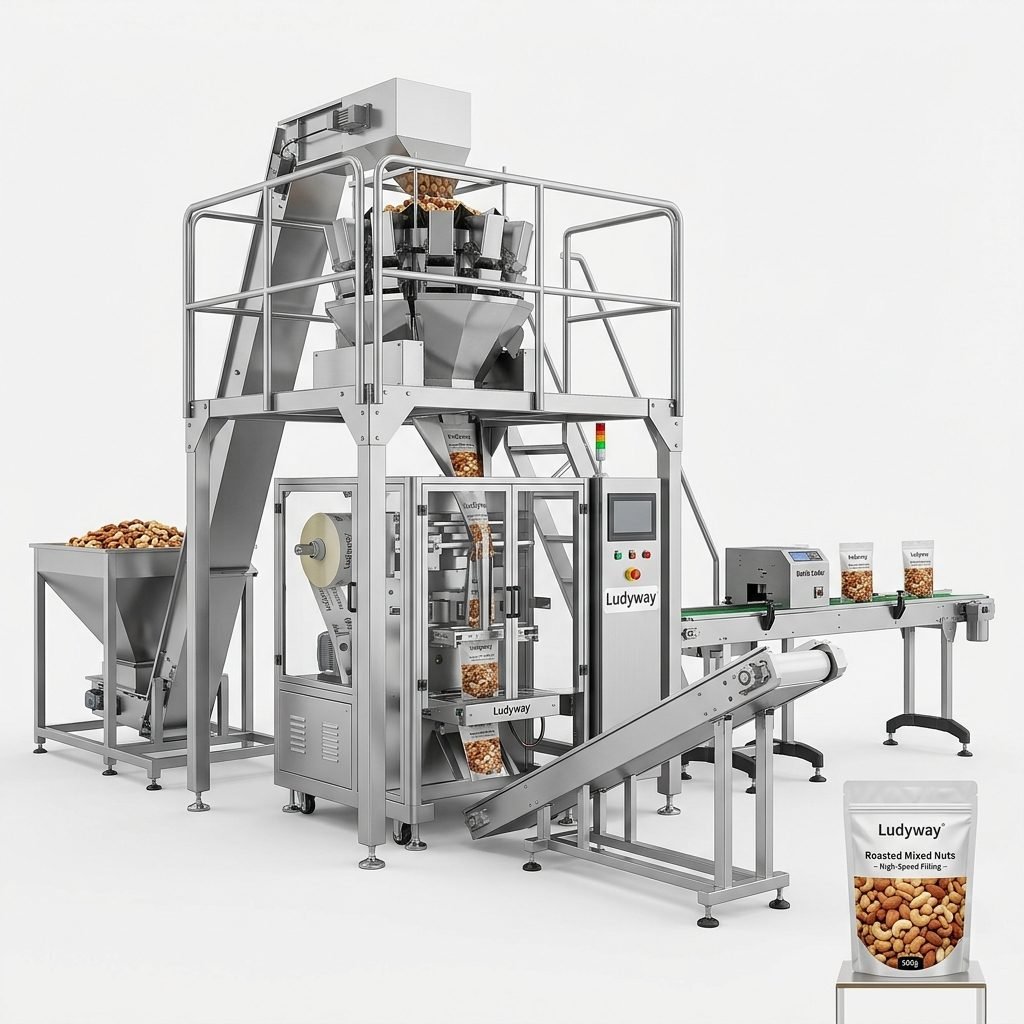
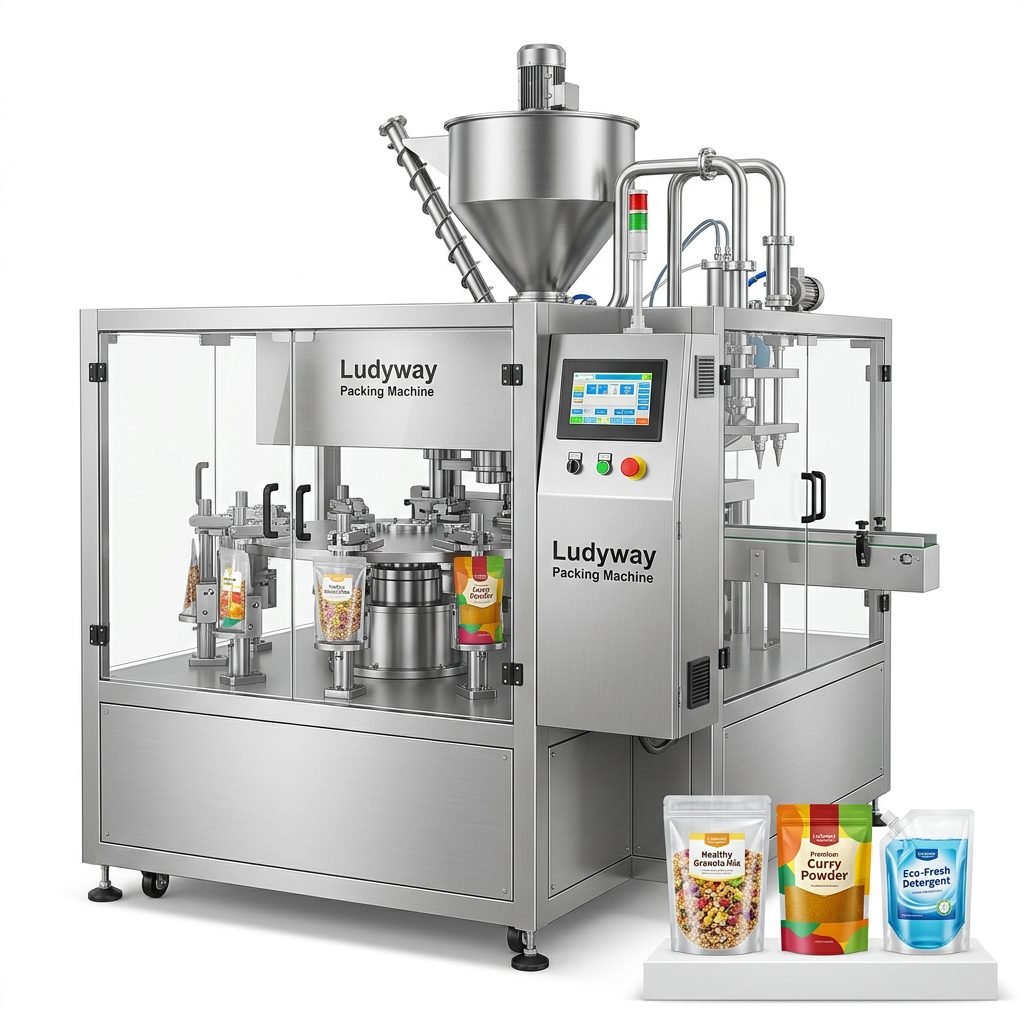
Investing in a commercial food vacuum packaging machine is a critical decision for manufacturers looking to extend shelf life, preserve product freshness, and optimize packaging efficiency. Whether you process fresh meat, seafood, cheese, ready meals, or dried granular foods, selecting the right vacuum sealing technology directly impacts productivity, food safety compliance, and operational costs. This complete buyer’s guide breaks down the essential factors to consider before purchasing a commercial vacuum packaging machine, helping you make an informed investment that aligns with your production goals.
Understanding Commercial Food Vacuum Packaging
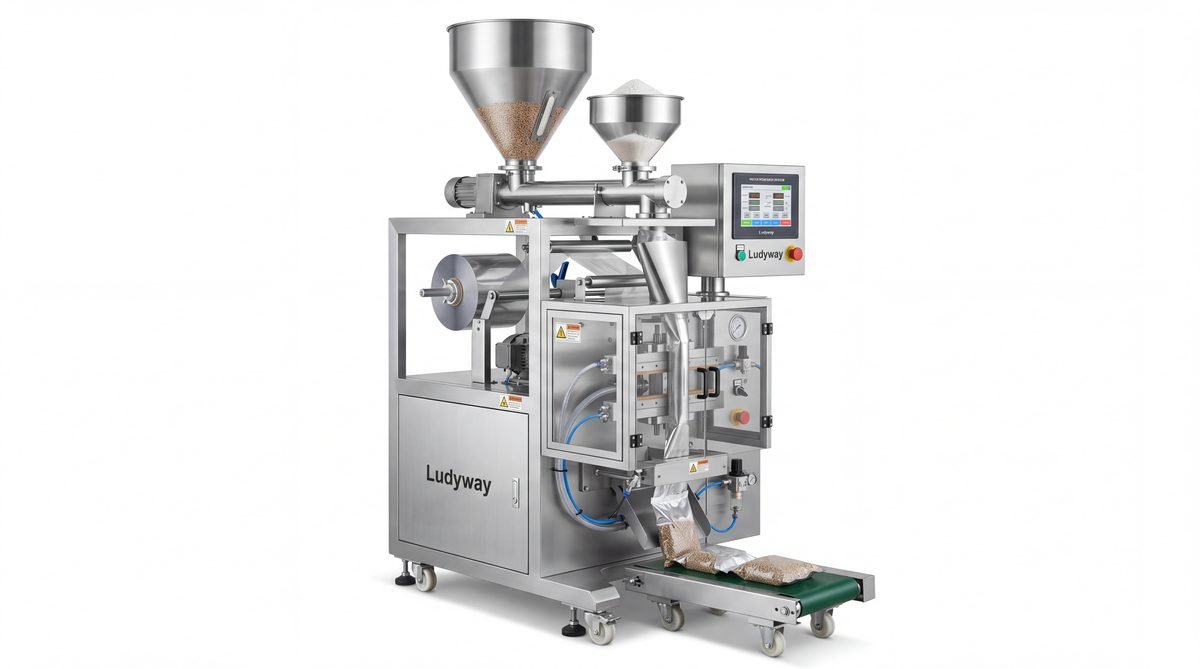
Vacuum packaging removes oxygen from the package prior to sealing, creating an anaerobic environment that inhibits the growth of aerobic bacteria and fungi. In commercial food processing, this technology is essential for maintaining product freshness, preventing freezer burn, and protecting items from external contaminants. Unlike basic consumer-grade sealers, a commercial food vacuum packaging machine is designed for continuous operation, higher vacuum levels, and integration into automated production lines. Modern machines often include options for Modified Atmosphere Packaging (MAP), where inert gases like nitrogen or carbon dioxide are flushed into the package before sealing to further preserve product texture and nutritional value, complying with strict FDA food packaging standards.
Main Types of Commercial Vacuum Packaging Machines
Mapping your production requirements to the correct machine type is the first step. The market offers several configurations, each suited to specific product types and throughput volumes.
Chamber Vacuum Sealers
These machines place the entire product inside a chamber. Air is evacuated from the chamber, equalizing pressure inside and outside the bag before sealing. Chamber machines are ideal for soups, sauces, marinated meats, and liquid-rich foods because they prevent liquids from being sucked out during the vacuum cycle. They offer higher vacuum consistency and are available in single-chamber or double-chamber configurations for higher output.
External Vacuum Sealers (Nozzle Type)
Often used for bulk packaging, these machines use a retractable nozzle inserted into the open end of the bag to draw out air. They are highly effective for large, solid cuts of meat or industrial-grade bags and are frequently integrated into high-volume packaging lines. Nozzle sealers are valued for their speed and adaptability to different bag sizes, though they require the product to be relatively dry at the sealing area.
Tray Sealing Machines (Thermoforming)
Tray sealers create a vacuum inside rigid pre-formed trays and seal them with a top film. This technology is dominant in the fresh protein, dairy, and ready-meal sectors. They provide a premium shelf appearance, excellent product visibility, and are often equipped with MAP capabilities. These machines can be fully automated to handle thousands of packs per hour, making them a cornerstone of modern packaging industry trends.
8 Critical Factors for Choosing the Right Machine
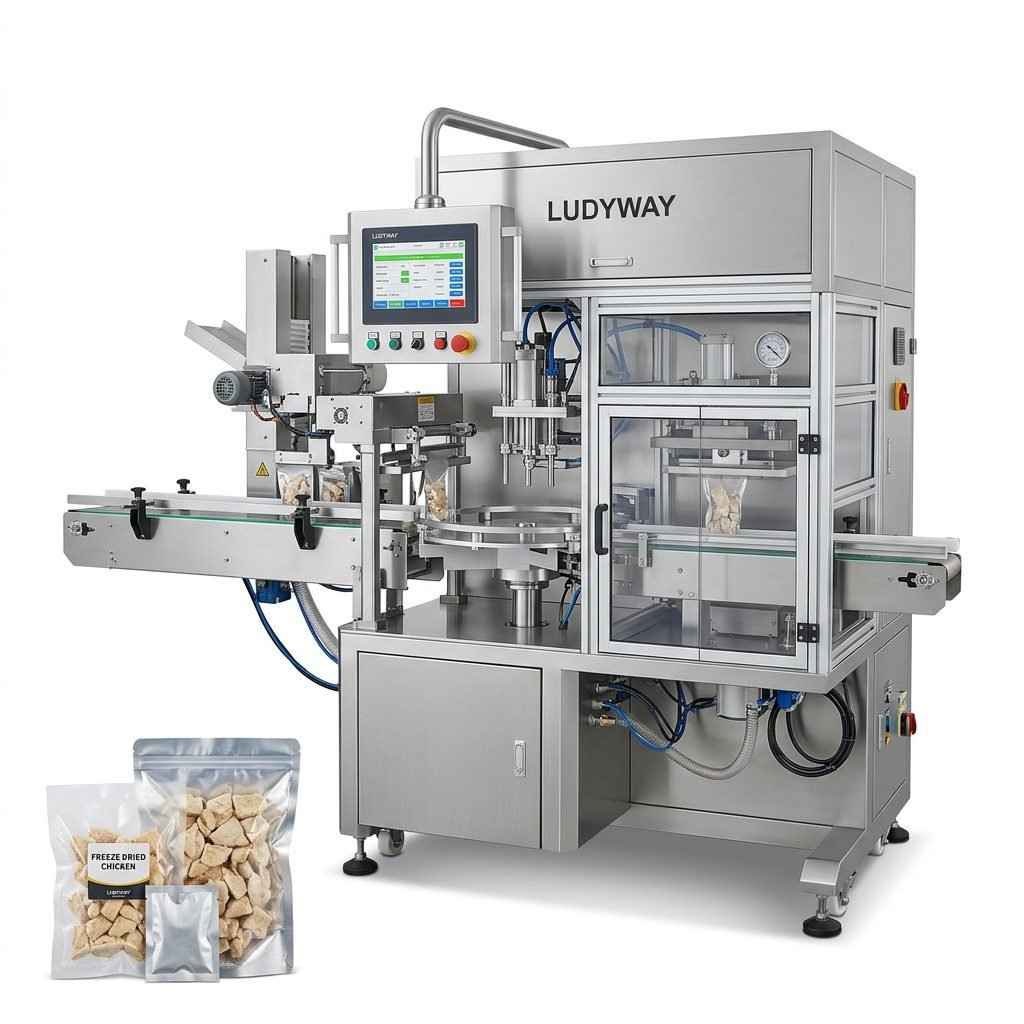
Before contacting a packaging machinery manufacturer, evaluate these key technical and operational criteria to ensure the equipment fits your specific production environment.
- Product Characteristics: Analyze the size, shape, texture, and moisture content of your food. Liquids require a chamber machine with a tilted seal bar, while sharp or abrasive products (like bones) need puncture-resistant, thicker films and a gentle vacuum ramp cycle.
- Production Throughput: Calculate the number of cycles or packs per minute needed. A small deli counter might only require a single-chamber belt-driven machine, whereas a national meat processor will need a fully automated double-chamber or rotary vacuum system capable of 3-6 cycles per minute.
- Vacuum Pump Technology: The pump is the heart of the machine. Oil-lubricated rotary vane pumps offer deep vacuum levels (up to 99.8%) but require regular oil changes. Dry-running (oil-free) pumps require less maintenance but typically provide a slightly lower ultimate vacuum and generate more heat.
- Sealing Bar Configuration: The length and number of sealing bars determine batch capacity. Custom configurations can be designed to seal multiple small pouches in a single cycle or handle oversized bulk bags.
- Packaging Material Compatibility: Ensure the machine handles your required film types, including PA/PE, aluminum laminates, and high-barrier shrink bags. The seal bar must reach the correct temperature range to melt but not burn the specific film structure.
- Hygiene and Washdown Requirements: For dairy, seafood, and fresh meat, IP65 or IP66 rated stainless steel construction is essential to withstand harsh washdown regimes and prevent bacterial growth, adhering to flexible packaging regulatory standards.
- Integration with Existing Lines: Consider how the vacuum sealer will interface with upstream filling systems and downstream equipment such as checkweighers, metal detectors, labeling machines, and case packers.
- Control System and Diagnostics: Modern PLC-based touchscreen controls allow precise adjustment of vacuum time, gas flush ratio, and seal temperature. Advanced diagnostics and remote troubleshooting capabilities minimize downtime.
Vacuum Pump Technology Comparison
Choosing the right pump reduces maintenance costs and extends machine life. The table below outlines the primary differences between common pump types used in commercial vacuum packaging machines.
| Pump Type | Vacuum Level | Maintenance | Best Application |
|---|---|---|---|
| Oil Rotary Vane | High (up to 99.8%) | Regular oil change required | General food industry, vacuum skin packaging |
| Dry Claw Pump | Medium-High | Low, no oil changes | Cleanroom environments, pharmaceutical uses |
| Oil-Free Piston | Medium | Very low | Small to medium enterprises, occasional use |
| Liquid Ring Pump | Moderate | Requires water supply and filtration | High-moisture products, extract vapors |
Total Cost of Ownership and ROI
The purchase price is just one part of the financial evaluation for a commercial food vacuum packaging machine. A lower upfront cost can lead to significantly higher long-term expenses due to consumables, energy consumption, and downtime. Evaluate the total cost of ownership (TCO) over a 5-year period, factoring in these elements.
- Sealing Bar and Spare Parts: Sealing bars, Teflon tape, and heating wires are consumables. High-quality bars require less frequent replacement.
- Pump Oil and Filter Costs: For oil-based systems, factor in premium food-grade vacuum pump oil and exhaust filters to ensure food safety compliance.
- Energy Efficiency: Machines with a standby mode or variable-speed drives reduce energy usage during idle periods.
- Labor Reduction: A semi-automatic or fully automatic system can significantly reduce manual handling, improving ROI through labor savings and increased throughput, as detailed in recent state of the industry reports.
Maintenance and Hygiene Standards
Adhering to sanitary design principles is non-negotiable in food production. Sloped surfaces, minimal crevices, and 304 or 316 food-grade stainless steel construction prevent bacterial harborage. Daily cleaning protocols should include removing seal bar residue and inspecting pump oil levels. Advanced machines feature CIP (Clean-in-Place) compatible chambers and IP-rated electrical enclosures, allowing for efficient sanitation without damaging sensitive components. Regular maintenance schedules should be established according to the manufacturer’s guidelines to ensure the longevity of the vacuum pump and sealing integrity, which is critical for ISO packaging standards.
Selecting a Reliable Packaging Machinery Partner
Choosing the right equipment supplier is as vital as choosing the machine itself. A trusted packaging machinery manufacturer should provide comprehensive pre-sales consultation, allowing you to test your specific product on their equipment. Look for partners with a strong global presence, robust after-sales support, and the ability to provide turnkey solutions that integrate vacuum packaging into broader production lines. Industry leaders in the packaging sector invest heavily in engineering capabilities and customized configurations to meet varying factory layouts and automation requirements.
With more than three decades of experience, Ludyway Machinery exemplifies this approach, offering a wide portfolio of automated packaging equipment and integrated systems. Their focus on customized engineering helps manufacturers across the food, pharmaceutical, and chemical industries improve packaging efficiency, expand production capacity, and maintain operational consistency with reliable vacuum packaging solutions.
Key Questions to Ask Before You Buy
Before finalizing your purchase, use this quick checklist to evaluate your shortlisted commercial food vacuum packaging machines.
- Can the machine handle the viscosity and moisture content of my product without liquid pull-out?
- What is the maximum achievable vacuum pressure in millibars, and how long does the cycle take?
- Is the sealing bar width compatible with my range of pouch and bag dimensions?
- What is the availability of local technical support, spare parts, and operator training?
- Does the machine offer flexible programming for both vacuum-only and MAP gas-flush cycles?
- How easy is it to access the pump, seal bar, and interior chamber for daily cleaning and maintenance?
Future-Proofing Your Investment
Automation and data integration are transforming the commercial vacuum packaging machine landscape. Industry 4.0 connectivity allows plant managers to monitor machine performance, vacuum levels, and production rates in real time, predicting failures before they cause costly downtime. Choosing a machine with a modular control architecture ensures you can easily add sensors, label printers, or automatic loading systems in the future as your business grows, keeping your packaging line at the forefront of flexible packaging industry data trends.
By carefully analyzing your product requirements, production volumes, and total cost of ownership, you can select a vacuum sealing system that not only preserves your food quality but delivers a competitive advantage through enhanced operational efficiency.