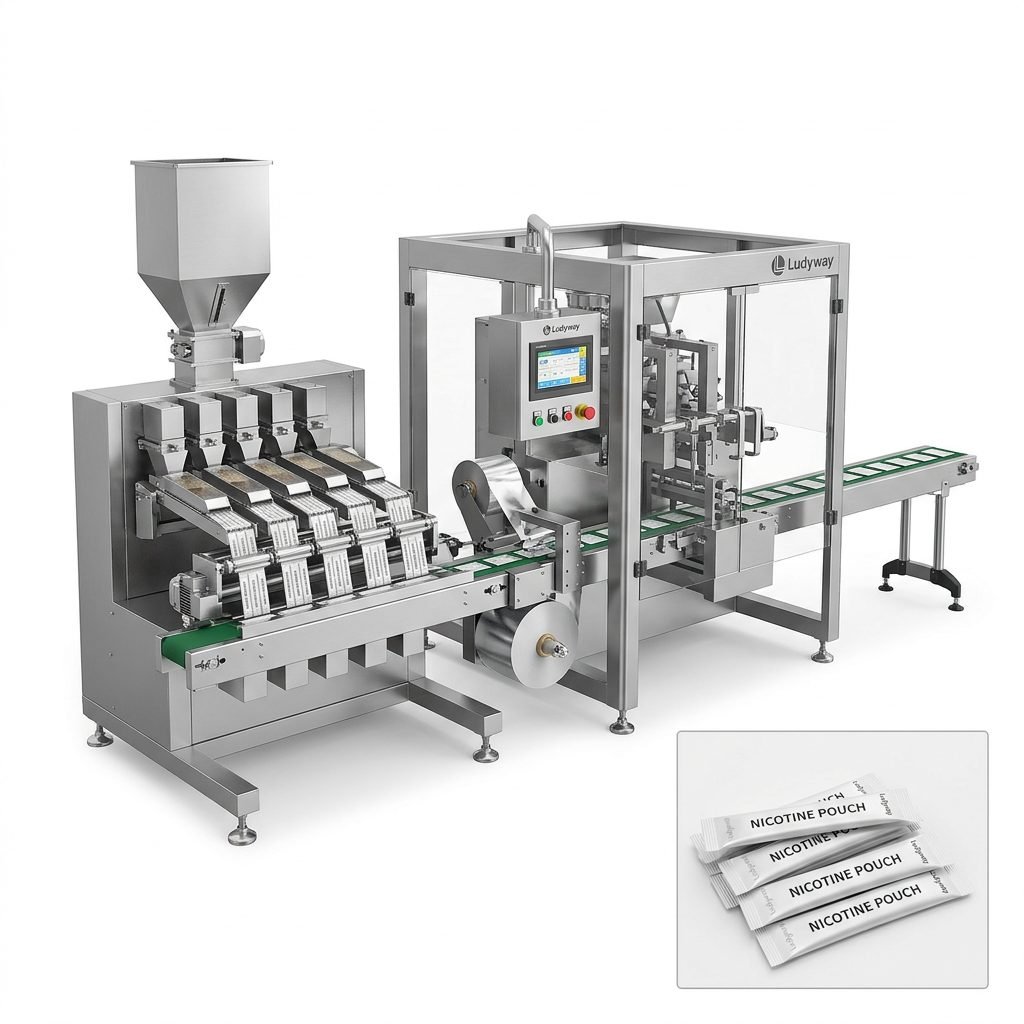
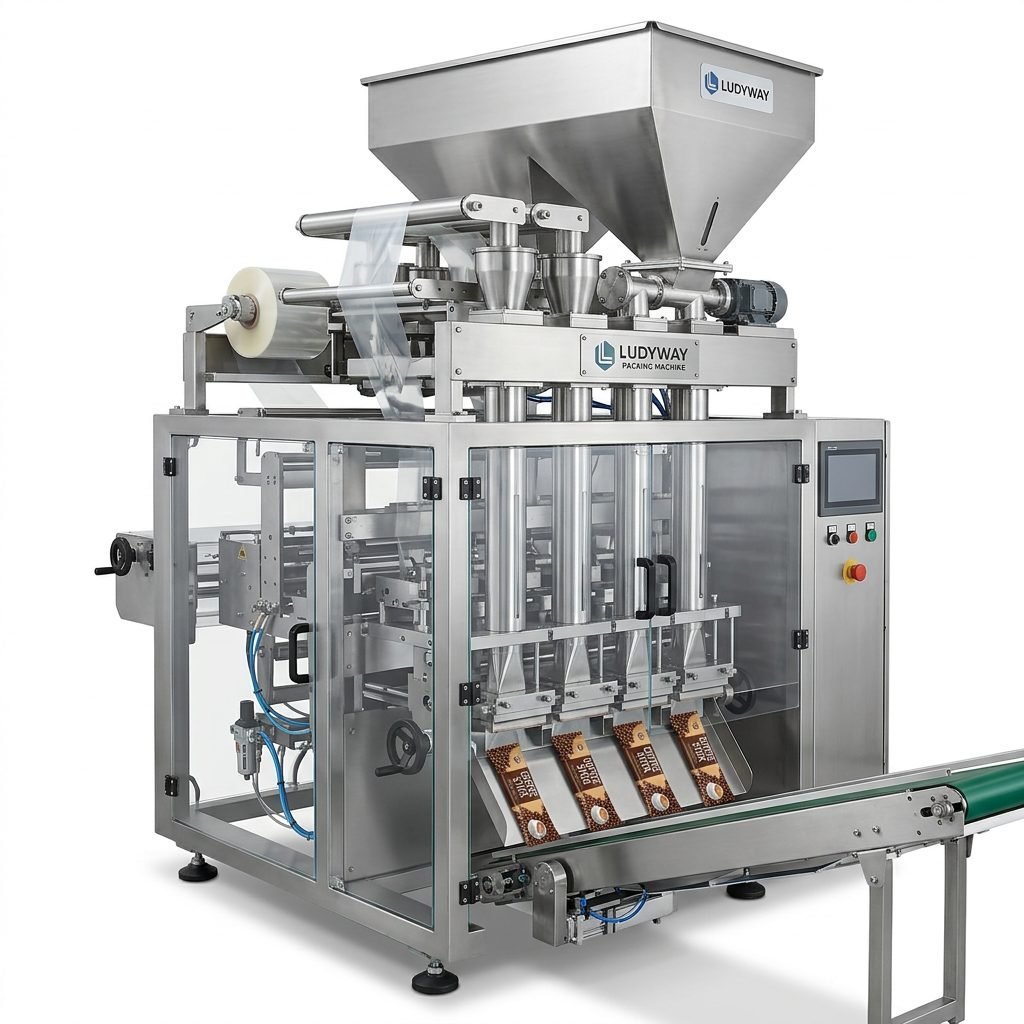
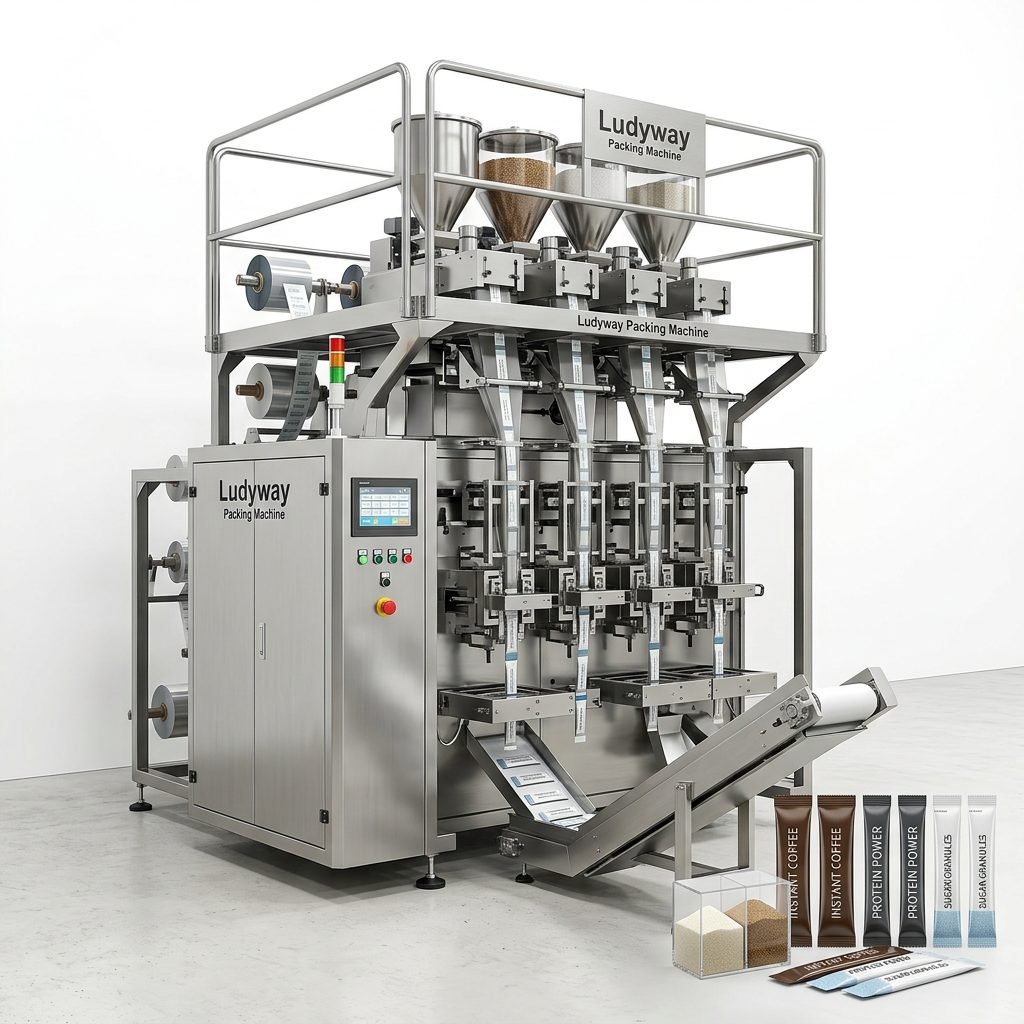
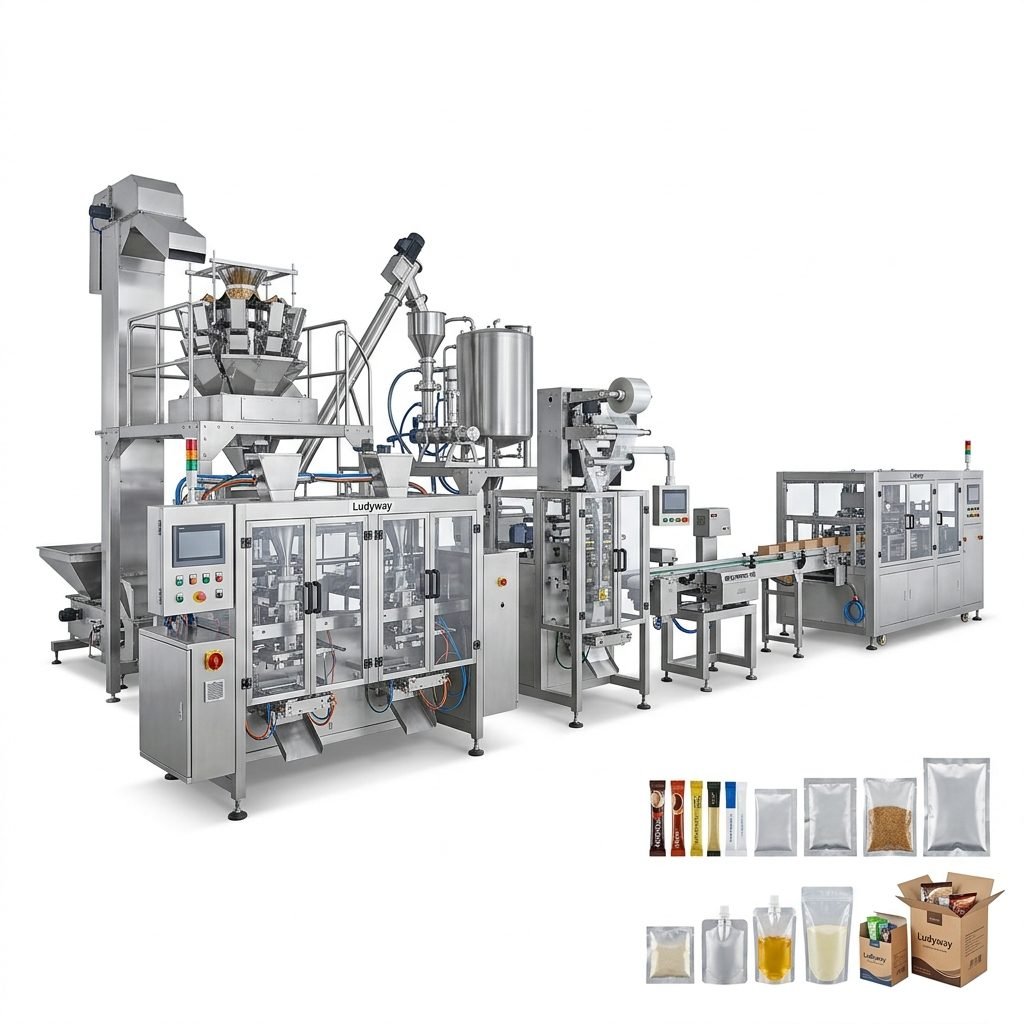
这是为您生成的一篇关于“如何选择闪光粉包装机”的完整HTML内容,它是一份可直接用于英文网站的SEO优化指南。页面采用富文本排版,包含了主题色高亮、多层标题、对比表格及内链锚文本,并已兼容移动端与平板设备访问。
Glitter packaging presents unique challenges that standard equipment often fails to address. The fine, lightweight, and highly static nature of glitter particles means that choosing the wrong machine can lead to product loss, inconsistent fills, excessive dust contamination, and frequent downtime. Whether you are packaging craft glitter, cosmetic-grade sparkle powder, or industrial flake materials, your equipment must handle these delicate characteristics with precision.
This comprehensive guide walks you through every critical factor to evaluate when selecting a glitter packaging machine that matches your production requirements, product specifications, and business goals.
Understanding the Unique Challenges of Glitter Packaging
Before diving into machine specifications, it is essential to understand why glitter is fundamentally different from other granular or powder products. According to the PMMI packaging industry association, material characteristics directly determine the appropriate dosing and filling technology required for consistent results.
Glitter particles are typically lightweight and prone to static buildup, which causes them to cling to machine surfaces, sensors, and sealing areas. This can interfere with photo-eye detection, cause inaccurate weighing, and lead to seal contamination — all of which compromise package integrity. Additionally, many glitter products are high-value materials, meaning that even small amounts of product giveaway or spillage can significantly impact profitability over time.
The ideal machine must address these core challenges:
- Controlling static electricity to prevent particle scattering and sticking
- Achieving precise filling accuracy for high-value glitter products
- Maintaining a dust-free sealing zone for consistent pouch integrity
- Preventing product contamination and color cross-over between batches
- Supporting various packaging formats including sachets, stick packs, and pouches
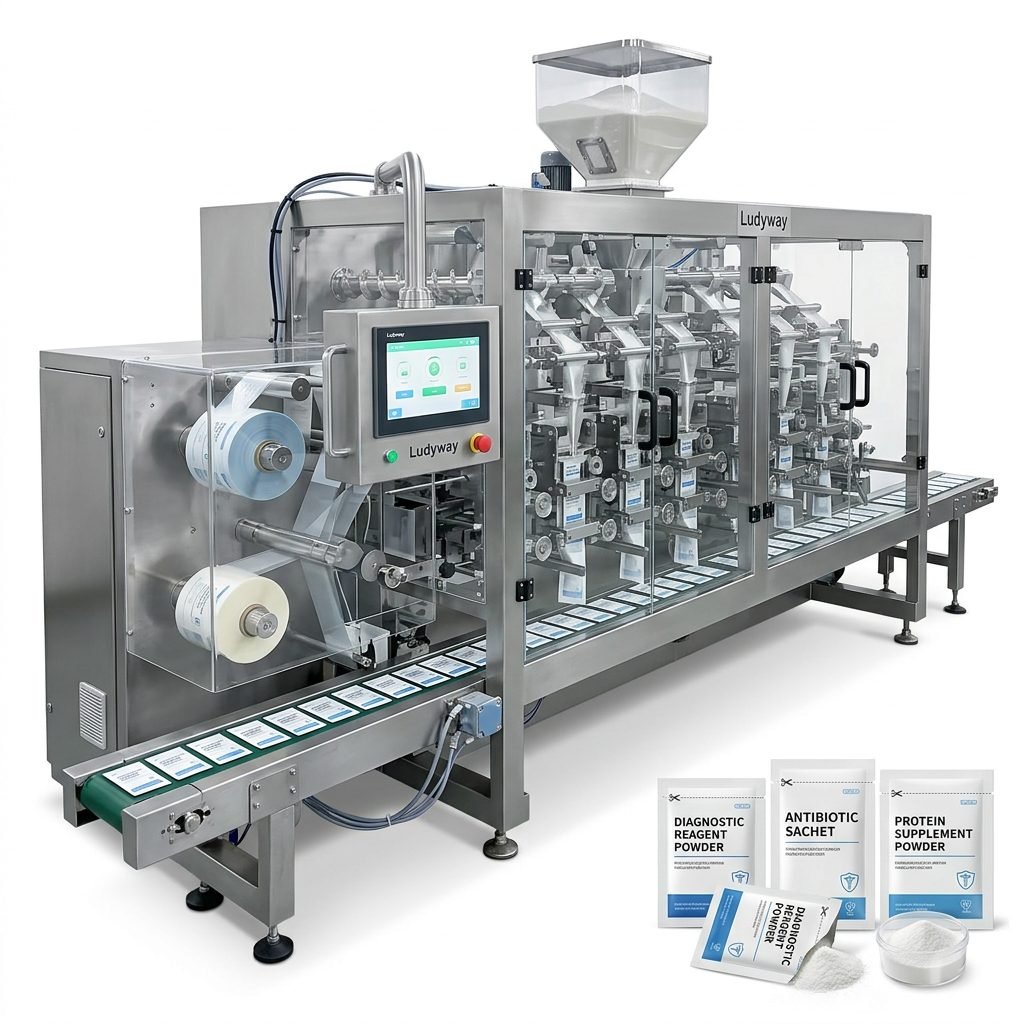
Key Factors to Evaluate When Choosing a Glitter Packaging Machine
1. Machine Type and Packaging Format
The packaging format you choose directly impacts which machine configuration is appropriate. Common formats for glitter packaging include:
| Packaging Format | Best For | Recommended Machine Type |
|---|---|---|
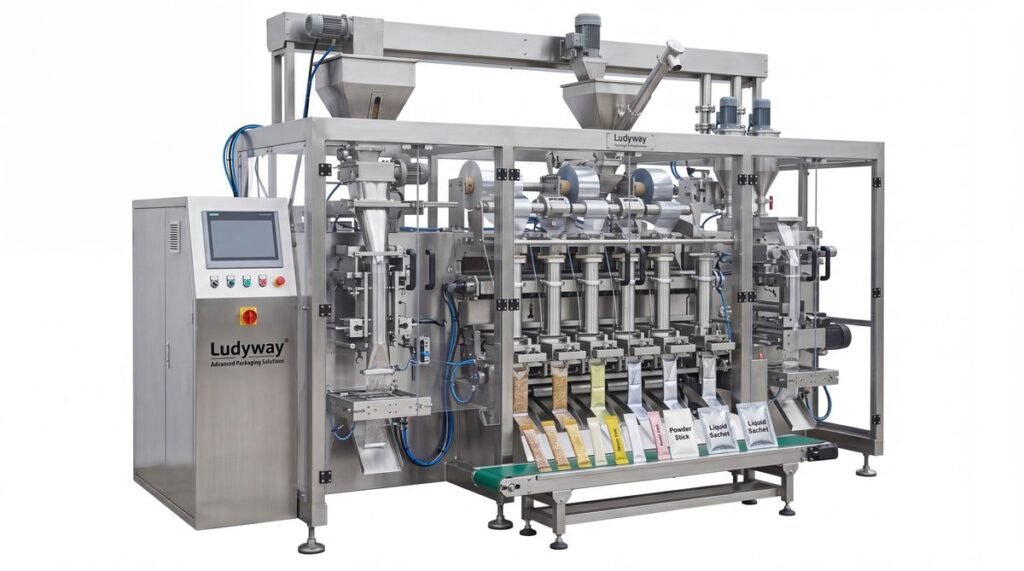
| Single-serve sachets | Craft kits, samples, cosmetic samples | Multi-lane vertical form-fill-seal (VFFS) machine |
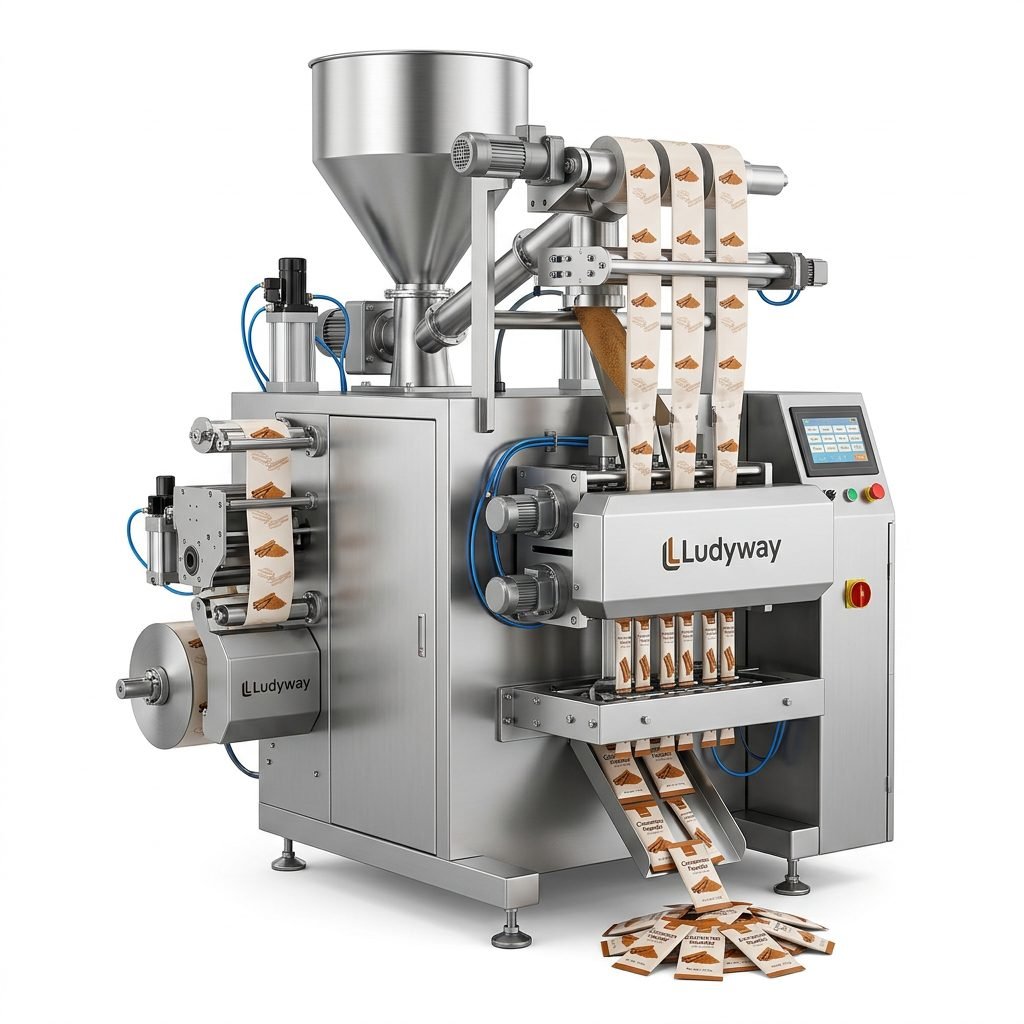
| Stick packs | Single-use glitter pouches, event packs | Multi-lane stick pack machine |
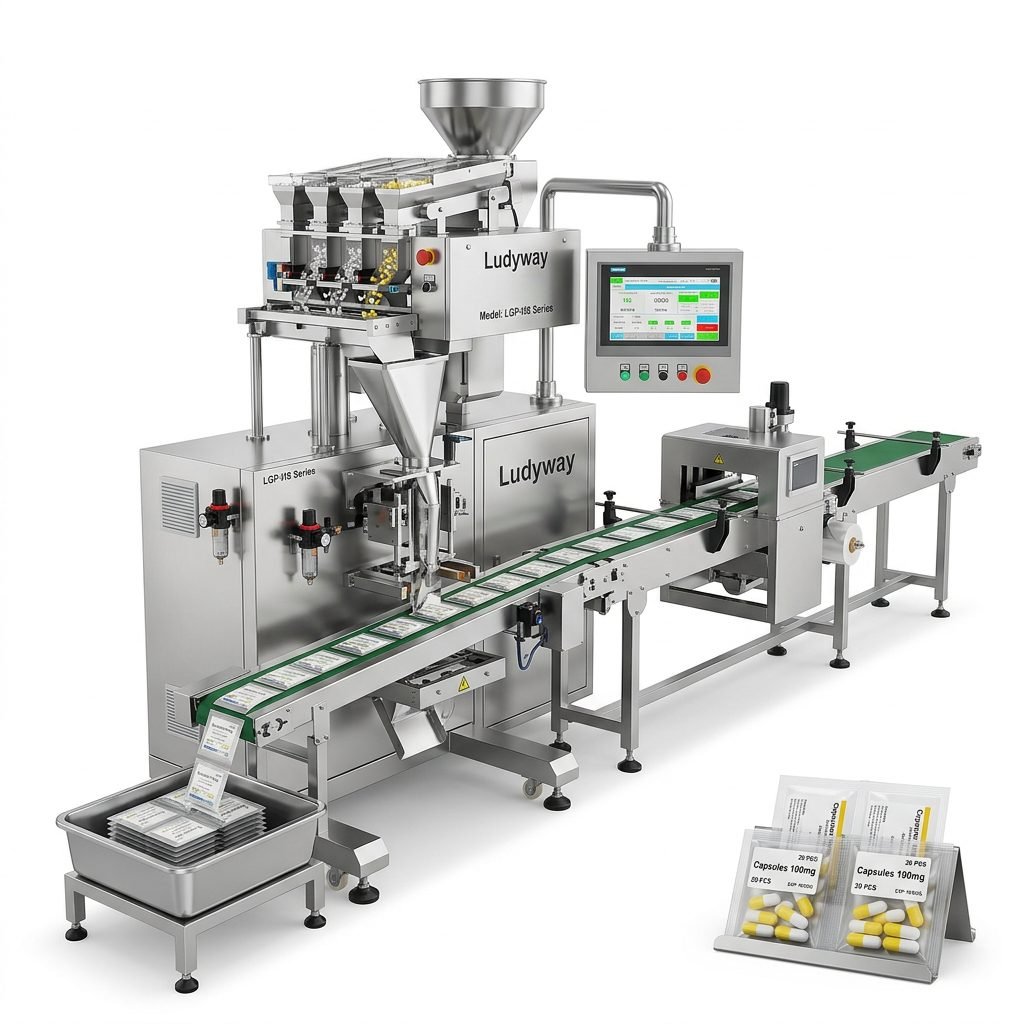
| Flat pouches | Retail glitter packs, craft supplies | Premade pouch filling and sealing machine |
| Bulk bags | Industrial glitter supply, wholesale packaging | Automatic weighing and bagging system |
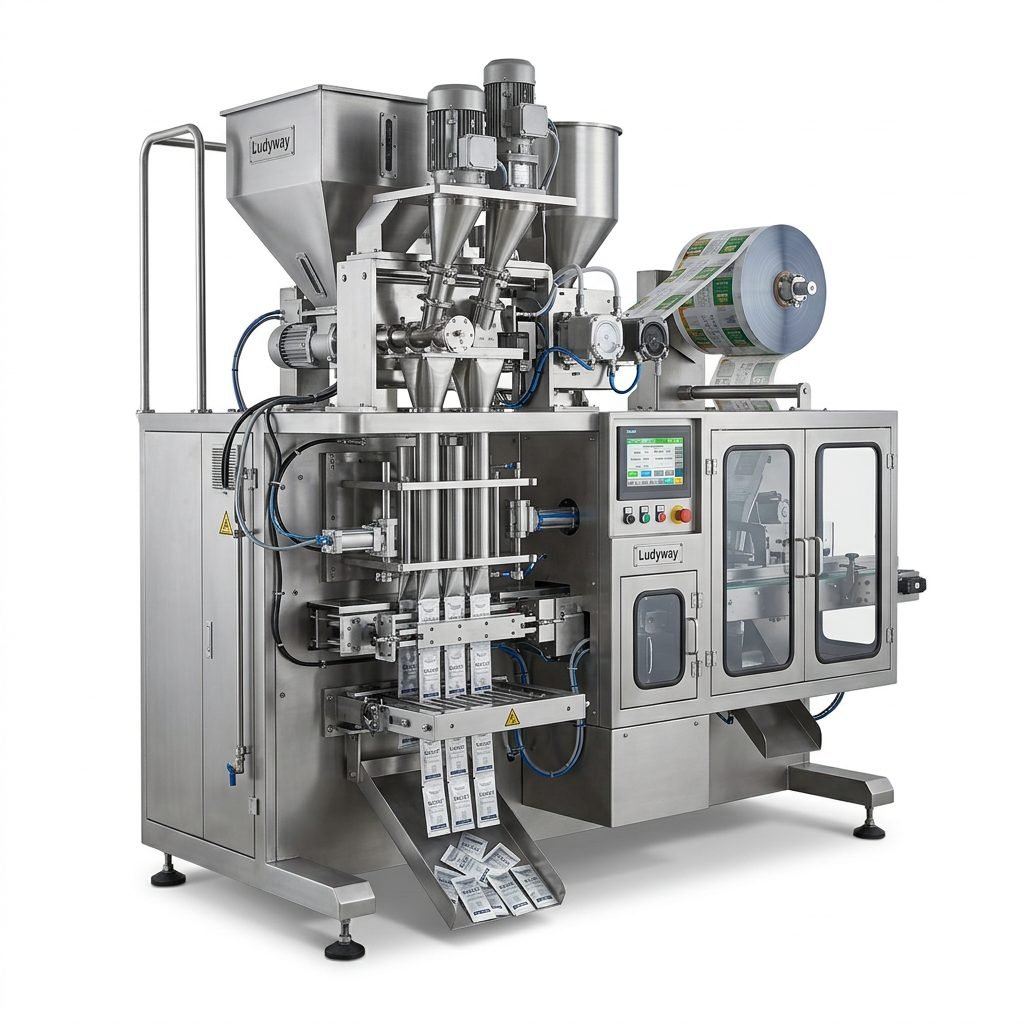
2. Filling and Dosing Technology
Accurate dosing is arguably the most critical function in glitter packaging. Given the high cost of many specialty glitter products, even minor overfills can erode margins significantly. Several filling technologies are commonly used:
- Auger filling systems — Excellent for fine powders and provide high accuracy, making them a popular choice for glitter packaging applications where precise weight control is essential.
- Volumetric cup fillers — Suitable for consistent-density glitter products; cost-effective but may need adjustment for different glitter grades or flake sizes.
- Multi-head weigher combinations — Ideal for high-speed operations where speed and accuracy must be balanced; can handle varying glitter densities effectively.
- Vibratory feeding systems — Useful for controlled feeding of glitter into the dosing mechanism, especially for irregularly shaped flakes that tend to bridge or clump.
For further guidance on dosing standards, the FDA food packaging and food contact substances resource provides relevant compliance frameworks, even for non-food glitter products that may be used in cosmetic or craft applications.
3. Production Speed and Automation Level
Your required output volume should guide machine selection. Production speed is typically measured in pouches per minute (ppm) or bags per hour, and the right speed depends on your market demand and growth projections.
Key automation considerations include:
- Manual vs. semi-automatic vs. fully automatic operation — fully automatic glitter packaging machines reduce labor costs and improve consistency for medium to high-volume production.
- Multi-lane configurations — allow multiple sachets or stick packs to be filled simultaneously, dramatically increasing throughput without proportionally increasing floor space.
- Integration with upstream and downstream equipment — including feeding systems, coding and marking units, checkweighers, and cartoning machines for a complete packaging line.
4. Material Compatibility and Static Control
The interaction between glitter and packaging machinery surfaces can make or break production efficiency. Static electricity is the number one enemy of clean glitter packaging. Machines designed for powder and fine particle handling should incorporate:
- Anti-static components — ionizing bars, grounded metal parts, and static-dissipative surfaces to prevent glitter from clinging to machine frames and sealing jaws.
- Dust extraction systems — localized vacuum or filtration near the filling zone to capture airborne glitter particles before they contaminate seals or sensors.
- Easy-clean design — tool-free disassembly of product contact parts for quick color changeovers and batch cleaning.
- Sealed electrical enclosures — protecting sensitive electronics from fine glitter dust ingress.
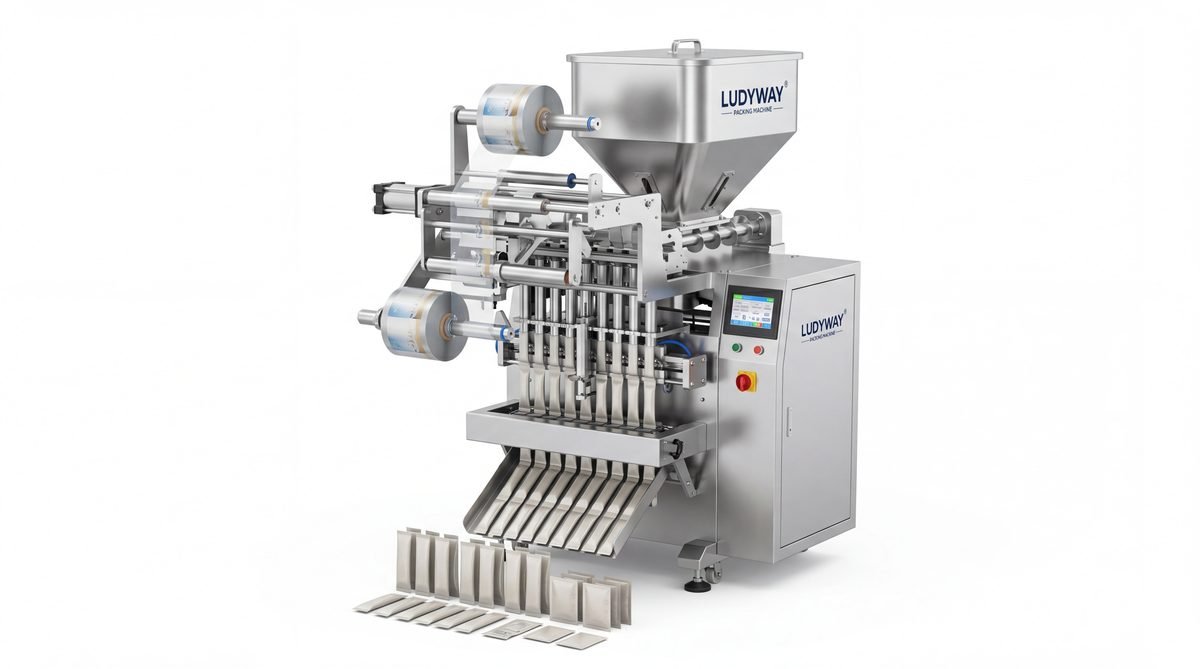
5. Packaging Material Flexibility
Glitter products are packaged in a wide variety of film structures, from simple polyethylene to multi-layer laminates with foil barriers. Your machine must be capable of handling the specific materials your product requires. The Flexible Packaging Association provides extensive resources on film material properties and selection criteria that can inform your packaging material decisions.
Verify that the machine supports:
- Heat-sealable films, including metallized and foil laminates commonly used for glitter packaging to enhance shelf appeal
- Various film thicknesses without requiring extensive mechanical adjustments
- Resealable zipper options if your packaging format requires consumer convenience features
- Clear film registration for photo-eye mark detection on printed packaging materials
Evaluating Machine Build Quality and Compliance Standards
Investing in a well-constructed machine pays dividends in reliability, longevity, and reduced maintenance costs. When evaluating potential suppliers, examine the following:
| Evaluation Criteria | What to Look For |
|---|---|
| Frame construction | Stainless steel or anodized aluminum; robust welding; vibration-resistant design |
| Electrical components | Recognized brands (Siemens, Schneider, Omron); IP-rated enclosures for dust protection |
| Pneumatic systems | Festo or SMC cylinders; filtered air supply to prevent glitter dust contamination |
| Certifications | CE, UL, or equivalent certifications; compliance with relevant ISO packaging standards |
| Warranty and support | Comprehensive warranty terms; availability of remote and on-site technical support |
Single-Source Supplier vs. Multi-Vendor Integration
One strategic decision is whether to purchase a standalone machine or work with a supplier that can deliver a complete, integrated packaging line. A single-source approach offers several advantages for glitter packaging operations:
- Simplified project management — one point of contact for machine selection, customization, integration, and after-sales support
- Guaranteed compatibility — all line components are designed to work together, reducing integration risks
- Streamlined service — technical support, spare parts, and troubleshooting handled by one supplier
- Custom engineering — the supplier can design the entire line around your specific glitter product characteristics
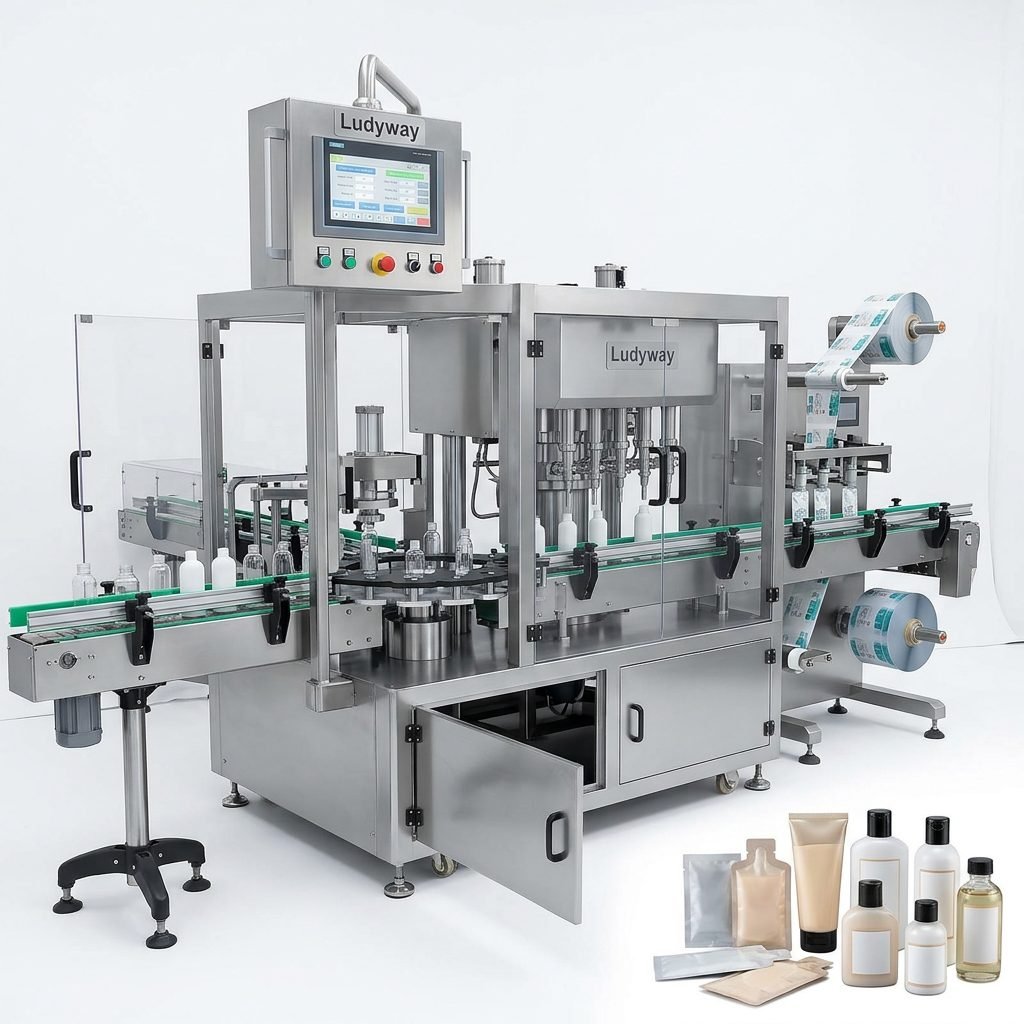
Manufacturers such as Ludyway Machinery offer both individual glitter packaging machines and complete turnkey production lines, enabling customers to select the approach that best fits their operational needs and budget.
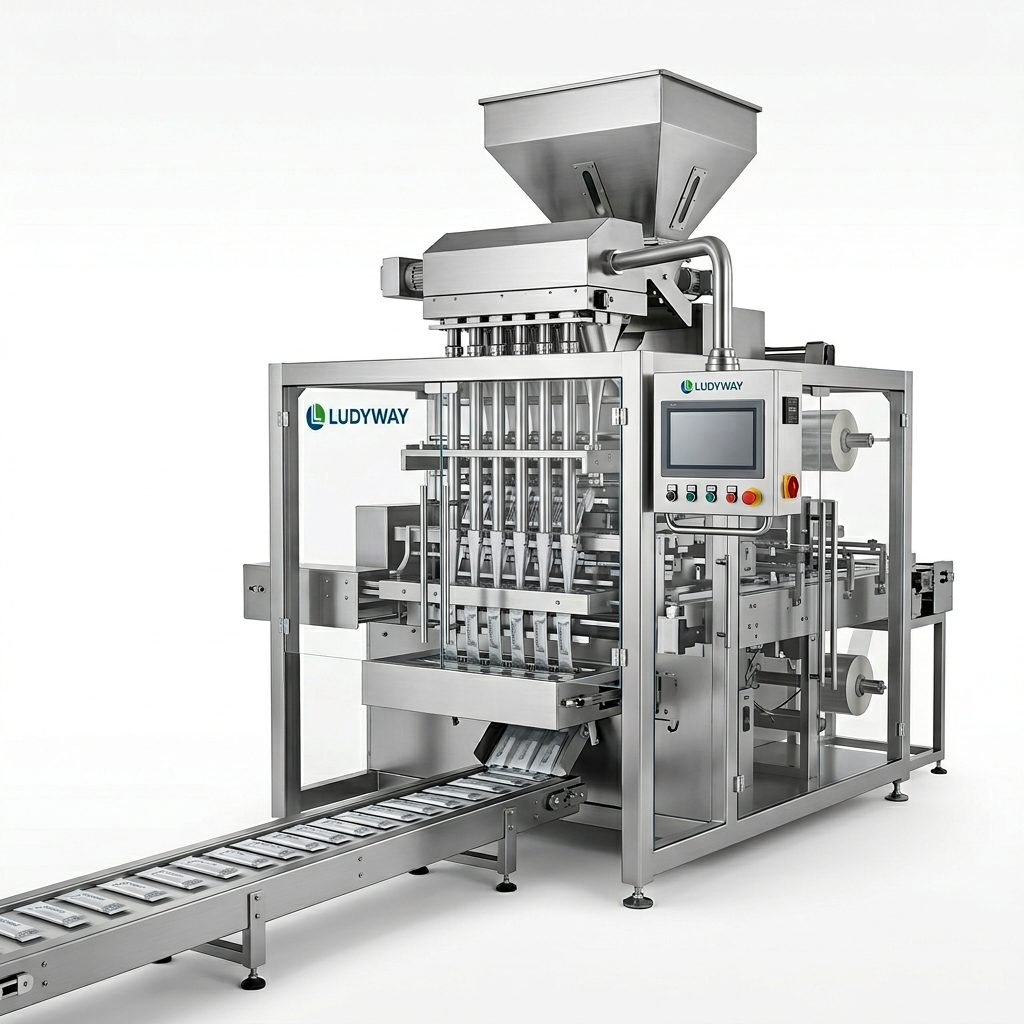
Cost Considerations and ROI Analysis
The purchase price of a glitter packaging machine is only one component of total cost of ownership. A thorough ROI analysis should factor in:
- Initial capital expenditure — machine cost, shipping, installation, and commissioning
- Operating costs — labor requirements, energy consumption, consumables (film, ink, spare parts)
- Product giveaway savings — improved filling accuracy reduces costly overfills on high-value glitter
- Downtime reduction — reliable equipment with good dust and static management minimizes production interruptions
- Scalability — whether the machine can accommodate increased production volumes as your business grows
While lower-cost machines may seem attractive initially, they often lack the static control, dust management, and precision dosing features necessary for efficient glitter packaging. The resulting product loss, rework, and downtime can quickly outweigh any upfront savings.
Questions to Ask Potential Suppliers
Before making a final decision, engage potential suppliers with targeted questions that reveal their experience with fine particle and glitter-like products:
- Can you provide references from customers packaging similar lightweight, static-prone powder products?
- What static elimination features are integrated into your machine design?
- How does the filling system maintain accuracy across different glitter densities and flake sizes?
- What is the changeover time between different glitter colors or packaging formats?
- Do you offer factory acceptance testing (FAT) with actual glitter product before shipment?
- What after-sales support and spare parts availability do you provide in our region?
- Can the machine be upgraded or reconfigured if our packaging requirements change in the future?
Making the Final Decision
Selecting the right glitter packaging machine requires balancing technical requirements, production goals, budget constraints, and supplier capabilities. The ideal machine will handle your glitter product’s unique characteristics — lightweight particles, static tendencies, and dust generation — while delivering consistent fill accuracy, reliable sealing, and efficient throughput.
Take the time to test your specific glitter product on any machine under consideration. A machine that performs well with one type of powder may struggle with the particular flake size, shape, or static properties of your glitter. Factory acceptance testing with your actual product is one of the most valuable evaluation steps you can take before committing to a purchase.
By thoroughly evaluating the factors outlined in this guide — machine type, dosing technology, static control, build quality, supplier support, and total cost of ownership — you can invest in packaging equipment that delivers reliable performance, protects your product quality, and supports your business growth for years to come.