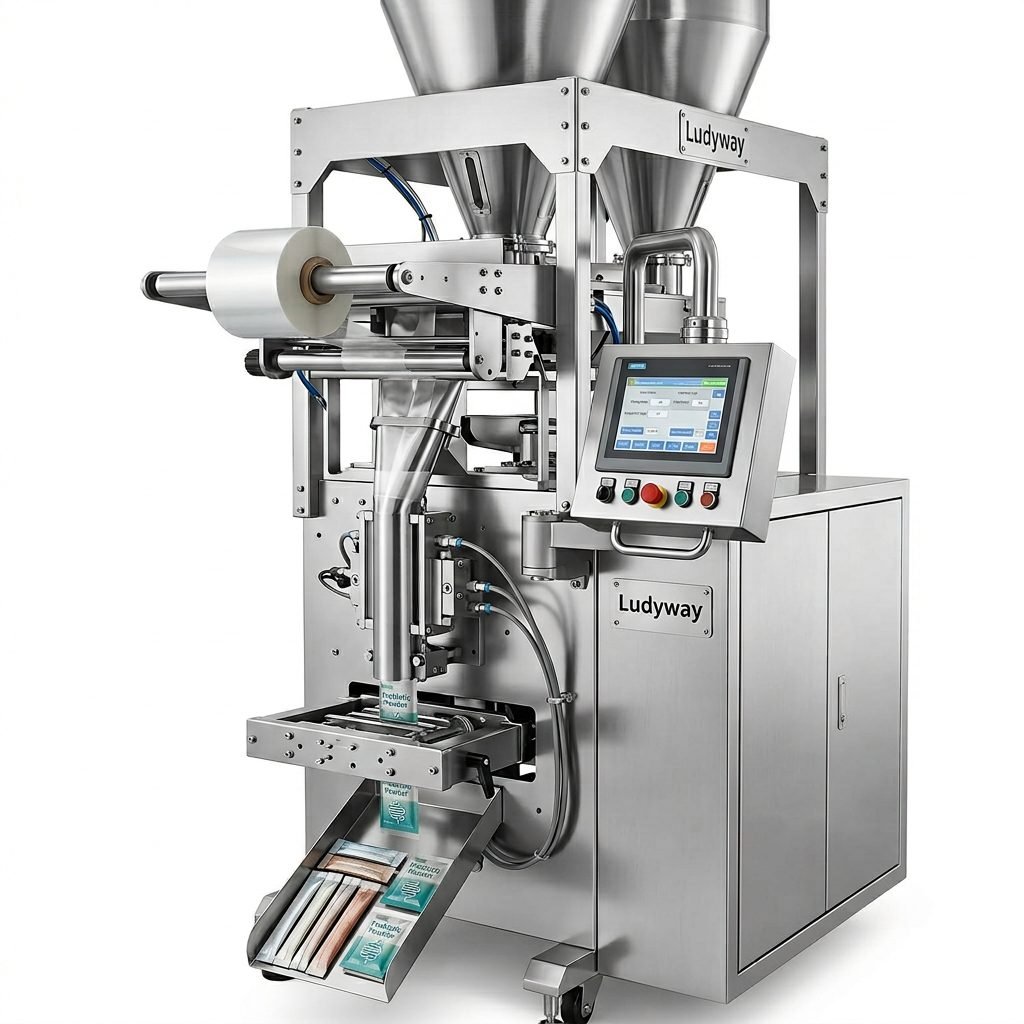
Selecting the right cold seal packaging machine is one of the most critical decisions a manufacturer can make. Cold seal technology offers a heat-free sealing solution that protects temperature-sensitive products, reduces energy consumption, and accelerates packaging line speeds. Whether you are packaging chocolate confectionery, protein bars, ice cream novelties, or pharmaceutical items, the choice of equipment directly affects product quality, production efficiency, and long-term operational costs.
This guide walks you through every factor that matters — from understanding cold seal technology to evaluating machine configurations, compliance requirements, and supplier capabilities. Use the sections below to build a clear, informed procurement strategy.
Understanding Cold Seal Packaging Technology
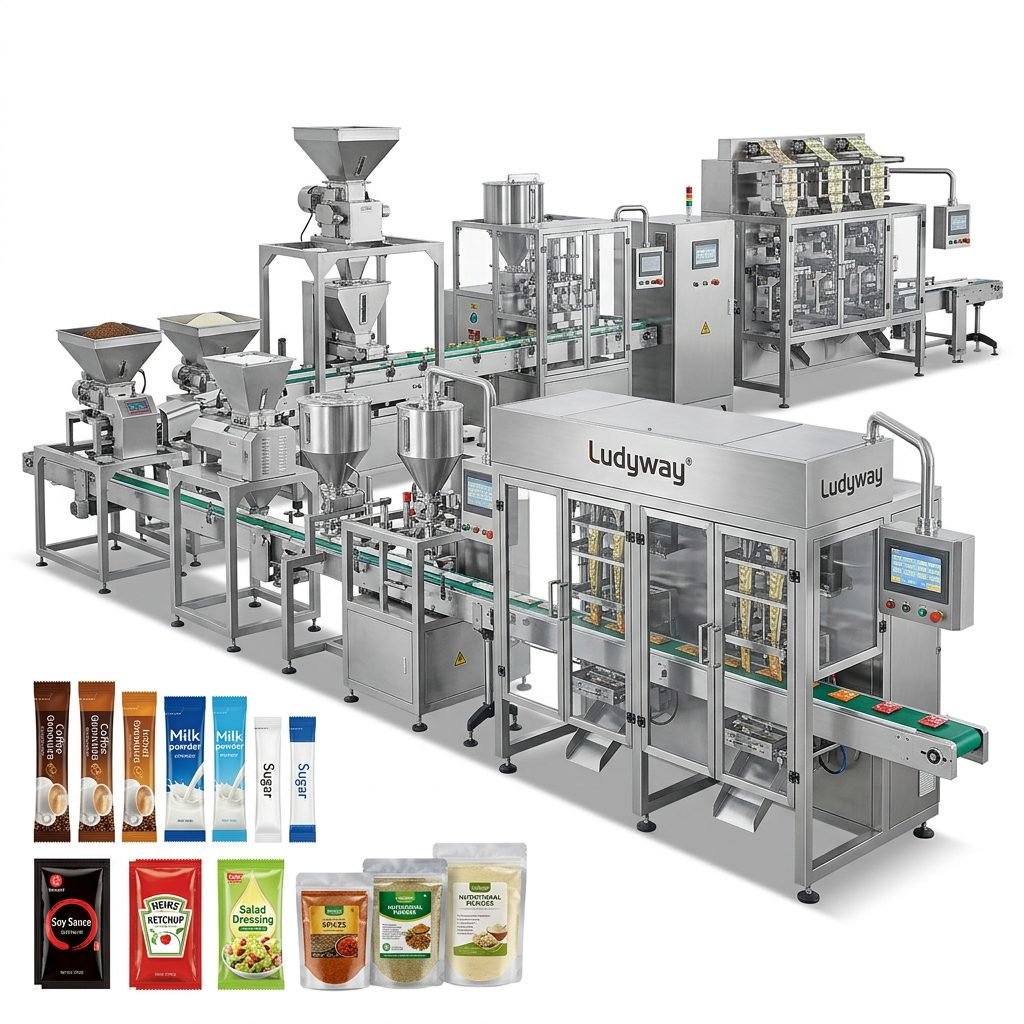
Cold seal packaging relies on pressure-sensitive adhesive layers applied to flexible films. Unlike heat sealing, which melts thermoplastic layers together, cold seal bonds form when two adhesive-coated surfaces are pressed against each other. This eliminates the need for heated sealing jaws, making the technique ideal for products that are sensitive to elevated temperatures.
Typical applications include chocolate bars, granola bars, nutritional bars, ice cream products, and certain medical devices. Because the sealing process runs at ambient temperature, there is no risk of melting, flavor alteration, or texture change. The technology also enables faster cycle times since no warm-up or cooling period is required.
When evaluating equipment, it is essential to understand that not all packaging machines can handle cold seal films. The machine must be designed for precise film tension control, accurate registration, and consistent pressure application — all without heat.
Key Factors to Consider When Choosing a Cold Seal Packaging Machine
Product Compatibility and Characteristics
Start by analyzing your product. Is it a solid bar, a soft bakery item, a frozen novelty, or a flow-wrapped tray? Each format places different demands on the machine. Product dimensions, shape uniformity, and fragility determine the infeed system, film handling design, and sealing pressure requirements. Products that are irregularly shaped may need customized forming sets or specialized infeed conveyors.
Production Speed and Volume Requirements
Cold seal machines range from semi-automatic units producing 30–50 packs per minute to fully automated, multi-lane systems capable of exceeding 800 packs per minute. Matching the machine’s rated speed to your peak production demand is essential. Oversizing leads to unnecessary capital expenditure; under-sizing creates bottlenecks. Consider current output targets as well as growth projections over the next three to five years.
Packaging Material Compatibility
Cold seal films differ significantly from heat-sealable films. They typically consist of a substrate (such as OPP, PET, or paper) with a patterned cold seal adhesive coating. The machine must be capable of running these materials without damaging the adhesive layer or causing premature bonding. Confirm that the machine’s film path, rollers, and tension control system are designed for flexible packaging materials commonly used in cold seal applications.
Machine Configuration and Flexibility
A modular machine design provides the flexibility to adapt as your product portfolio evolves. Look for features such as quick-change forming sets, adjustable sealing pressure zones, and tool-free changeover capabilities. If you plan to run multiple product sizes on the same line, a machine with memory storage for recipe settings will significantly reduce downtime between batches.
Types of Cold Seal Packaging Machines
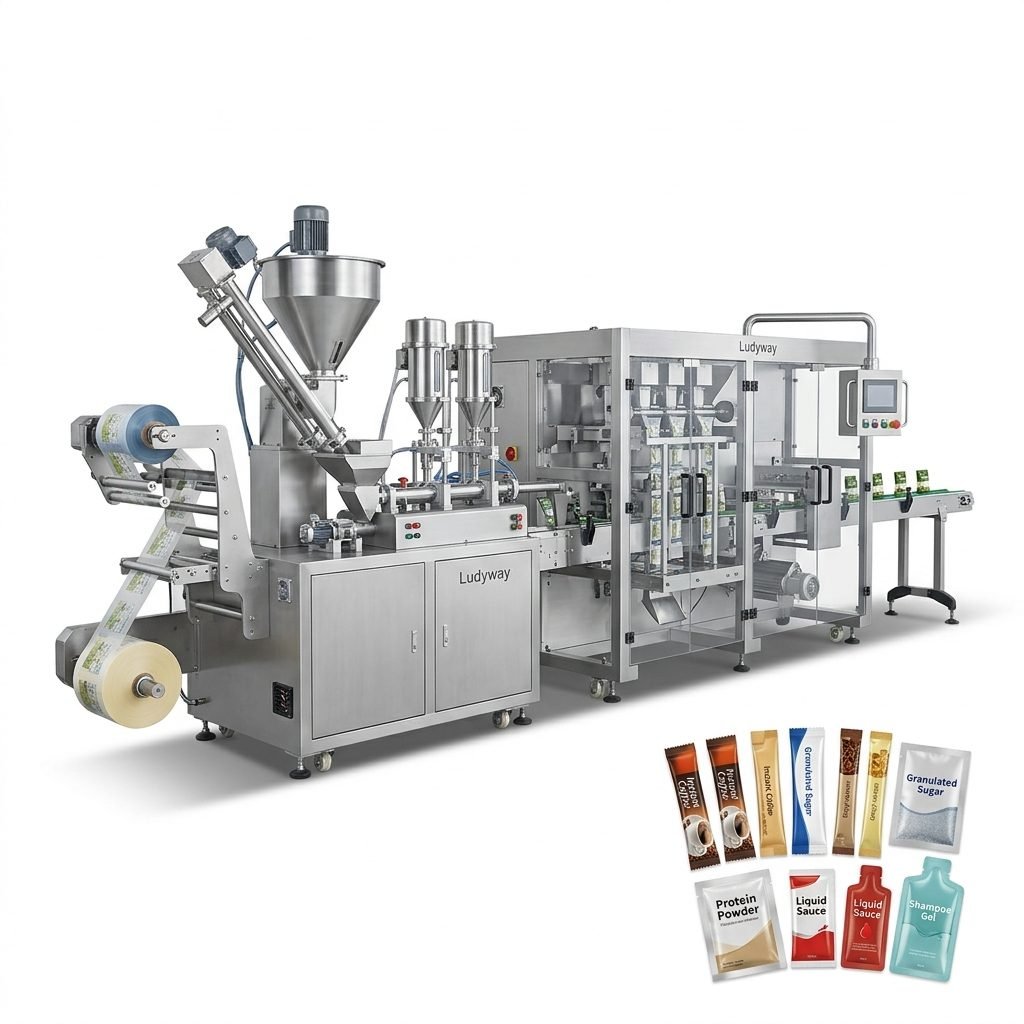
The table below summarizes the main categories of cold seal equipment, their typical applications, and the operational characteristics that matter most during the selection process.
| Machine Type | Best For | Typical Speed Range | Key Selection Consideration |
|---|---|---|---|
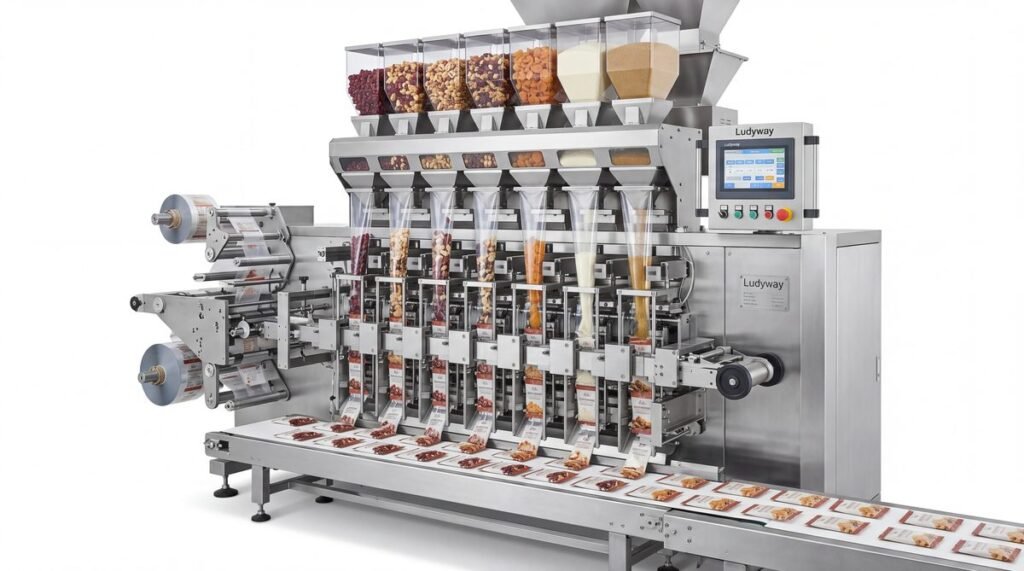
| Horizontal Flow Wrapper | Chocolate bars, granola bars, bakery items | 60 – 400 packs/min | Film tension control, registration accuracy |
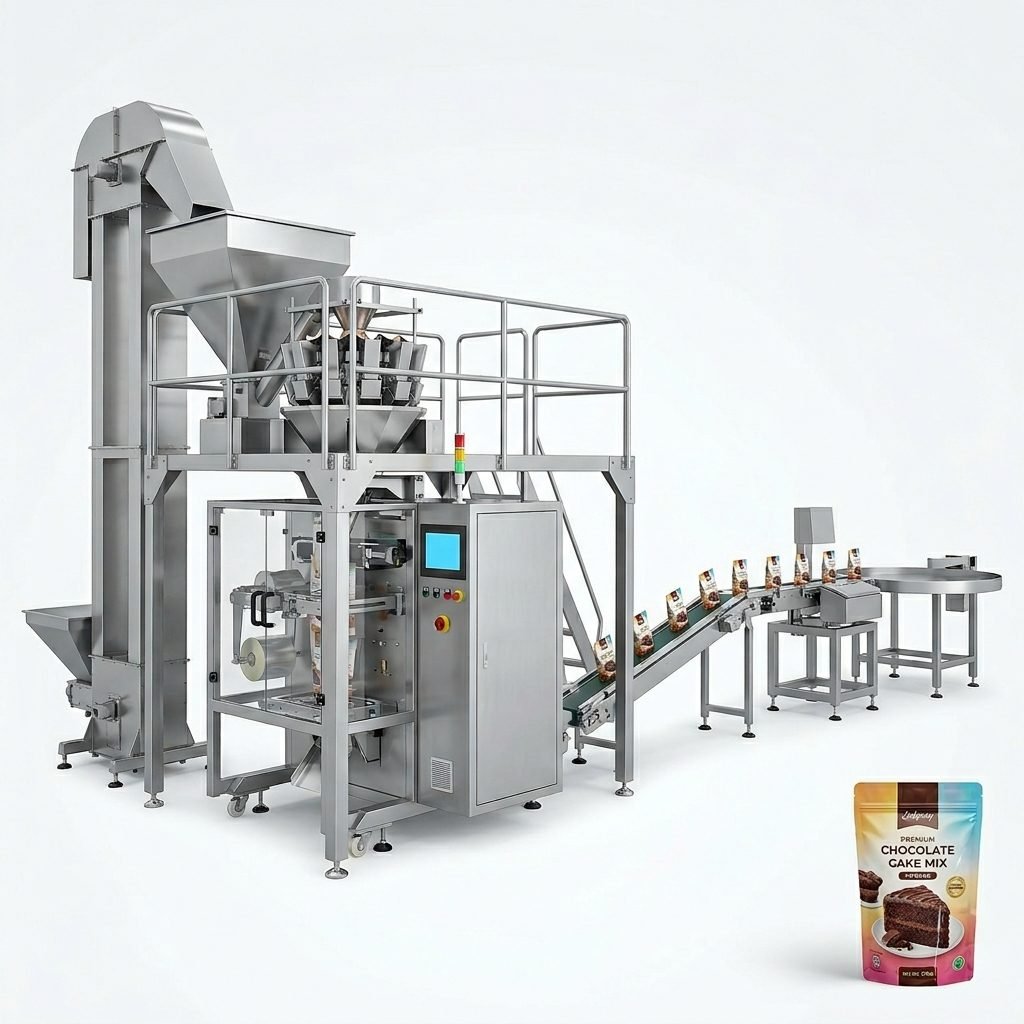
| Vertical Form Fill Seal (VFFS) with Cold Seal Option | Powders, granules, snacks | 40 – 180 bags/min | Adhesive band alignment, dust contamination |
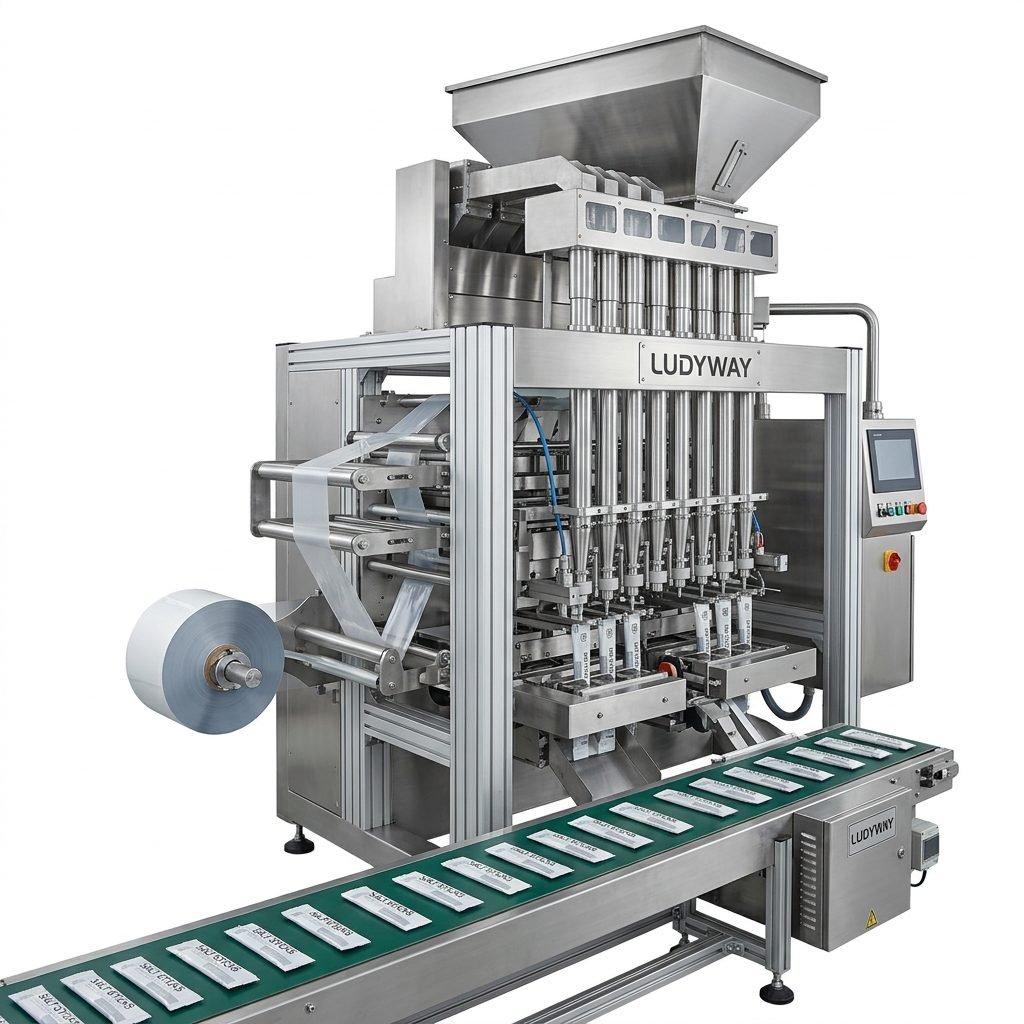
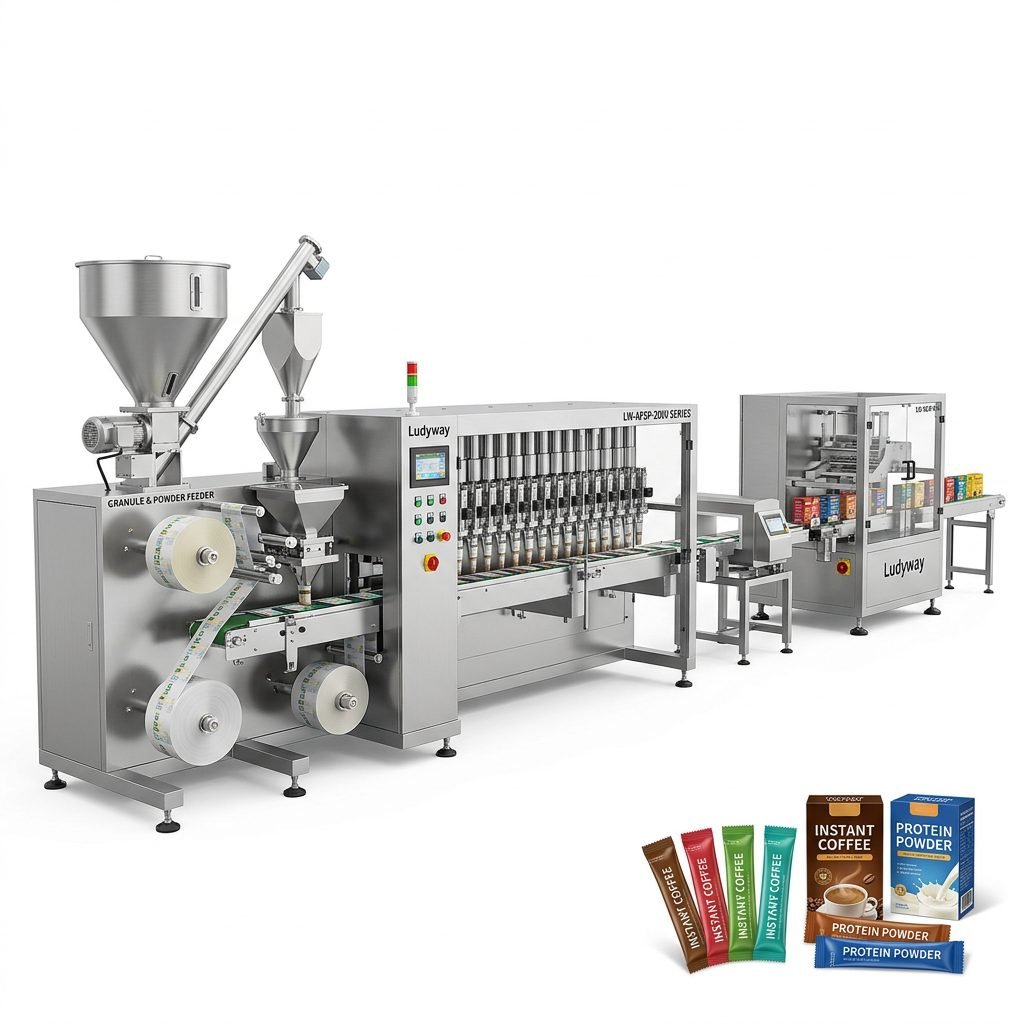
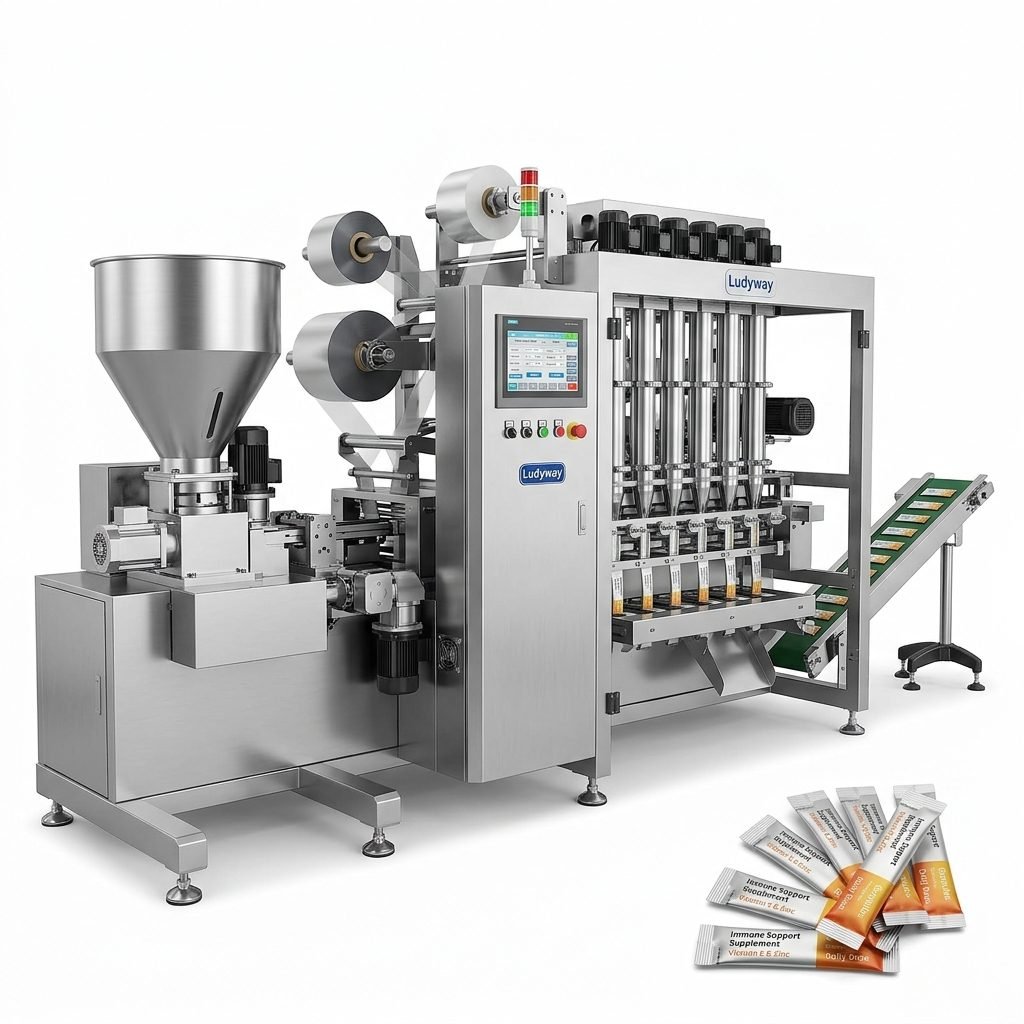
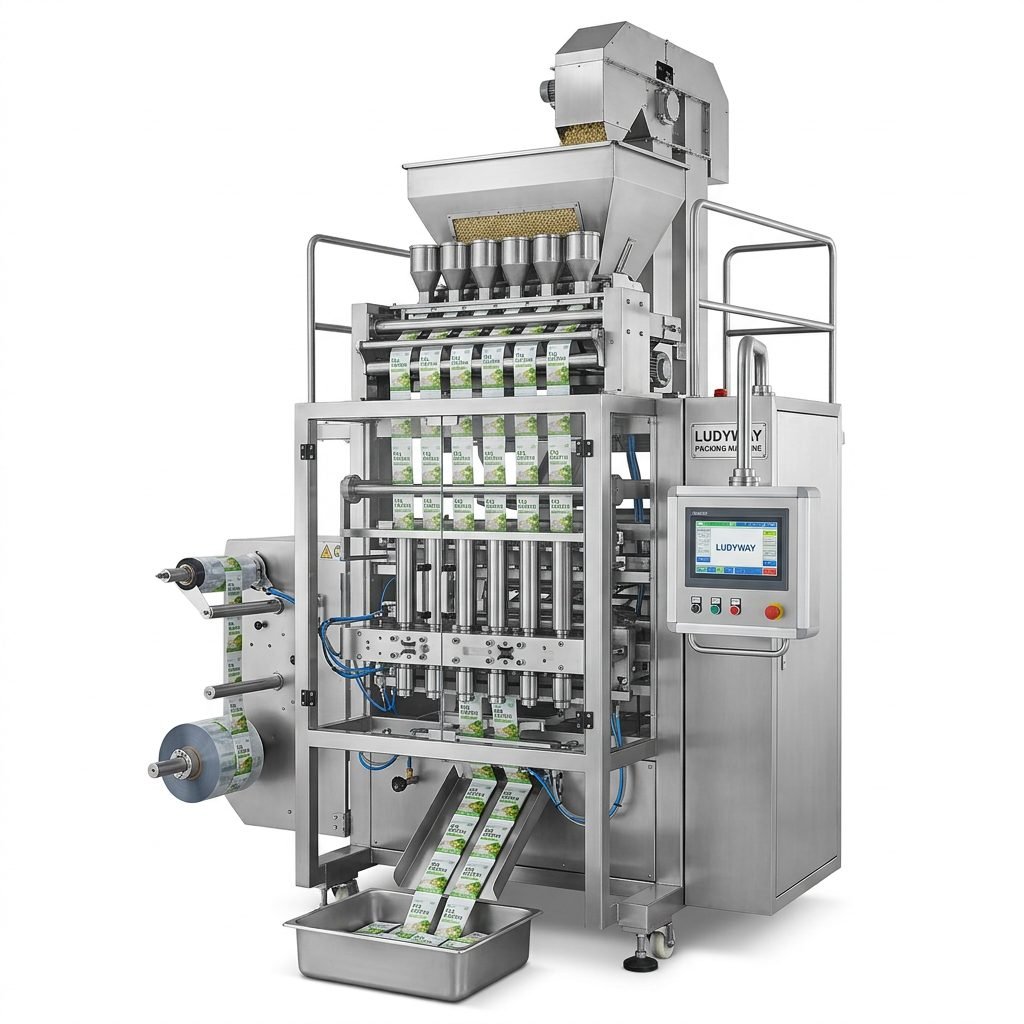
| Multi-Lane Stick Pack Machine | Single-serve powders, supplements | 200 – 800+ sticks/min | Lane synchronization, sealing pressure uniformity |
| Overwrapping Machine | Cartons, trays, multipacks | 30 – 150 packs/min | Fold precision, film waste minimization |
| Sachet Packaging Machine | Sample packs, single-use products | 50 – 600 sachets/min | Cross-seal integrity, tear-notch accuracy |
Industry Applications and Regulatory Considerations
Cold seal packaging machines serve a diverse range of industries. In the food sector, chocolate and confectionery manufacturers rely on cold seal technology to prevent product melting during the sealing process. The nutritional and sports nutrition industry uses cold seal flow wrappers for protein bars and energy bars. Ice cream and frozen novelty producers benefit from the technology’s ability to seal without introducing heat into the cold chain. In the pharmaceutical and medical device space, cold seal packaging protects temperature-sensitive diagnostic kits and sterile products.
Each industry operates under distinct regulatory frameworks. Food contact compliance with FDA packaging and food contact substance regulations is mandatory for the U.S. market. Medical and pharmaceutical applications may require adherence to ISO 11607 standards for terminally sterilized medical device packaging. Confirm that both the machine and the selected cold seal films meet all applicable requirements before specifying equipment.
Evaluating Machine Build Quality and Compliance
Build quality directly impacts machine longevity, maintenance frequency, and overall equipment effectiveness. Examine the frame construction, sealing jaw materials, and component sourcing. Machines built with robust, precision-machined components from recognized industrial automation and control system suppliers generally deliver longer service life and more consistent sealing results.
Packaging machinery can be configured to meet international packaging standards and market-specific certifications. When exporting products, verify that the machine supports compliance documentation for CE, UL, or other regional requirements. Hygiene standards such as GMP design principles are particularly relevant for food and pharmaceutical applications.
Evaluating Suppliers and After-Sales Support
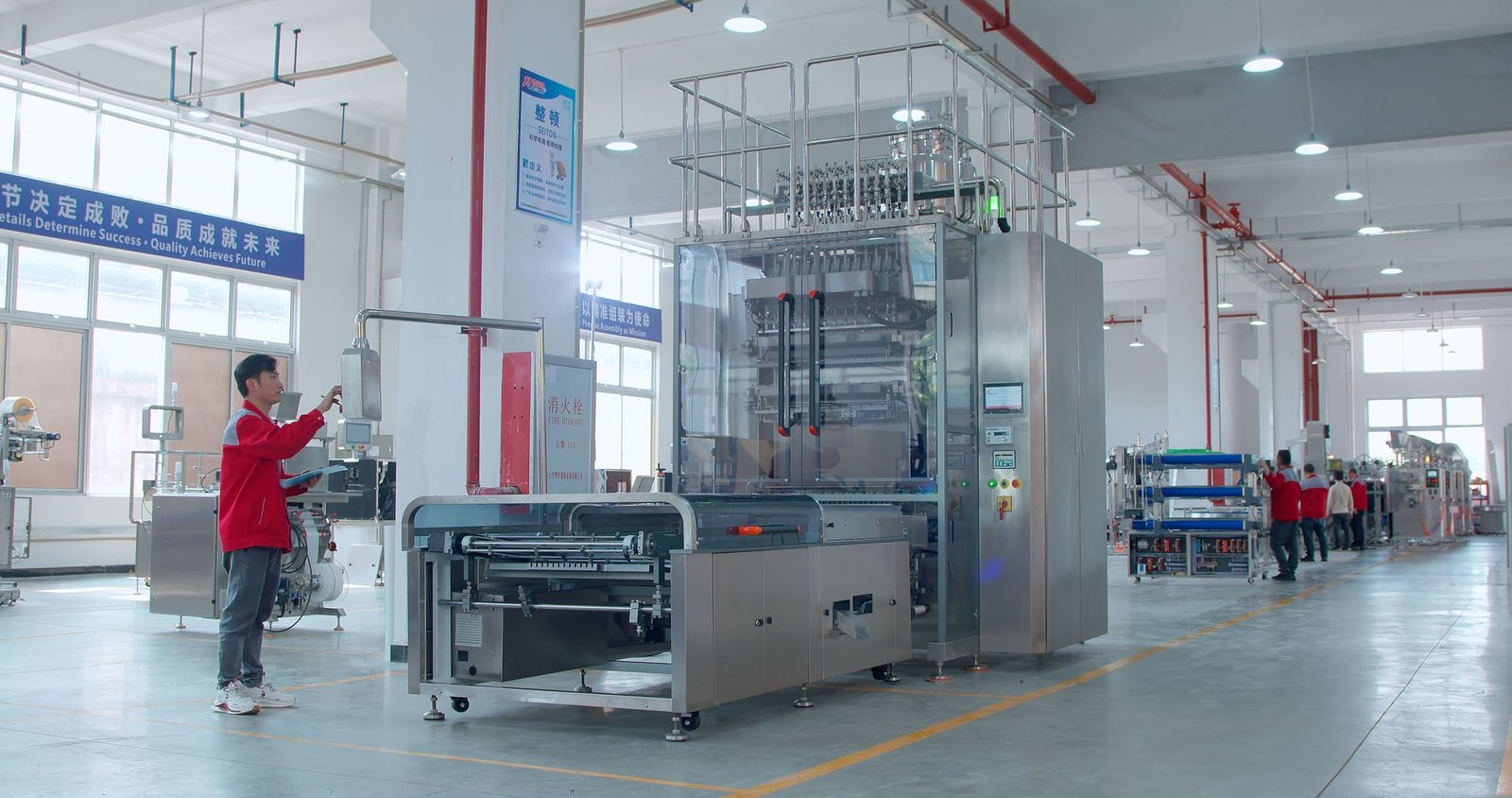
A machine is only as good as the support behind it. When comparing suppliers, investigate not only the equipment specifications but also the manufacturer’s engineering depth, customization capabilities, and global service infrastructure. Key questions to ask include:
- Does the supplier offer application-specific customization, or are you limited to standard configurations?
- What technical support is available during installation, commissioning, and the full machine lifecycle?
- Is spare parts availability guaranteed, and what are typical lead times for critical components?
- Does the supplier provide operator training and ongoing technical assistance?
- Can the supplier support integrated packaging lines if you expand beyond a standalone machine?
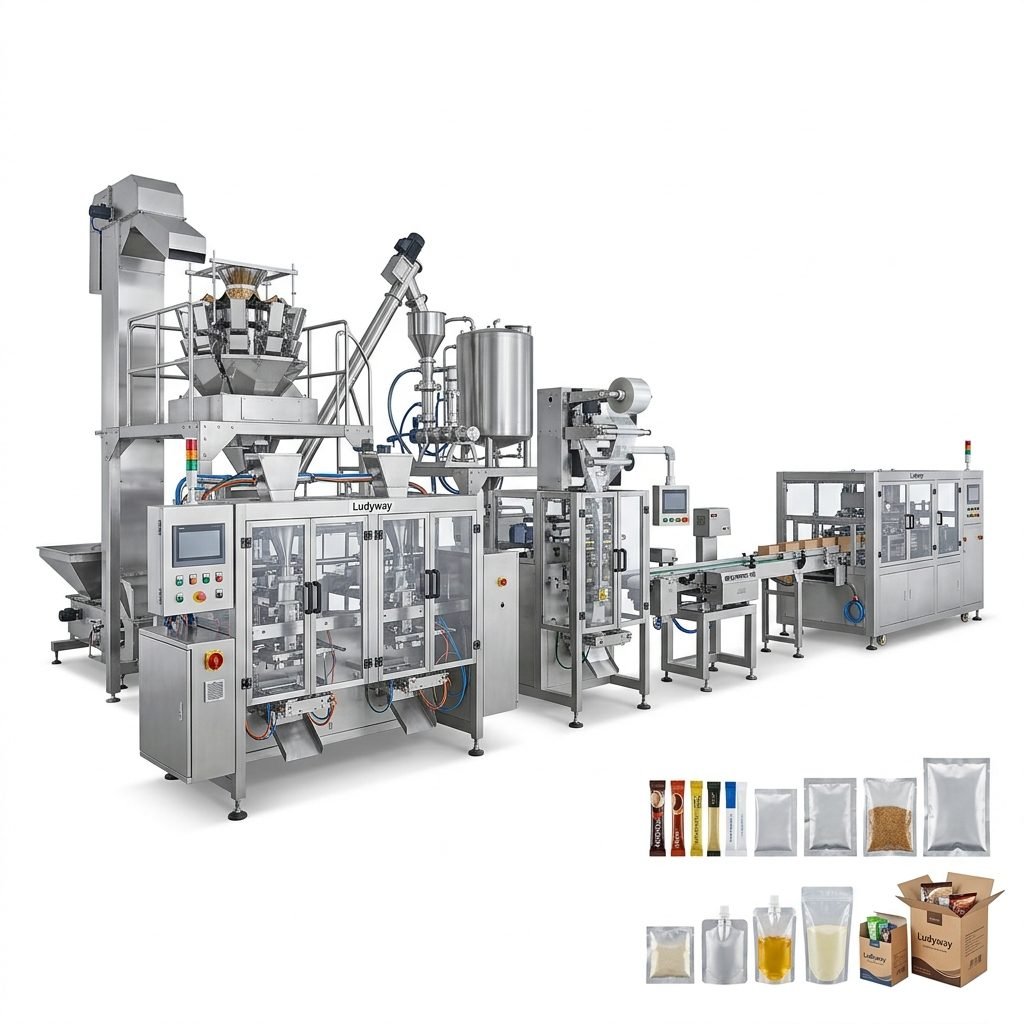
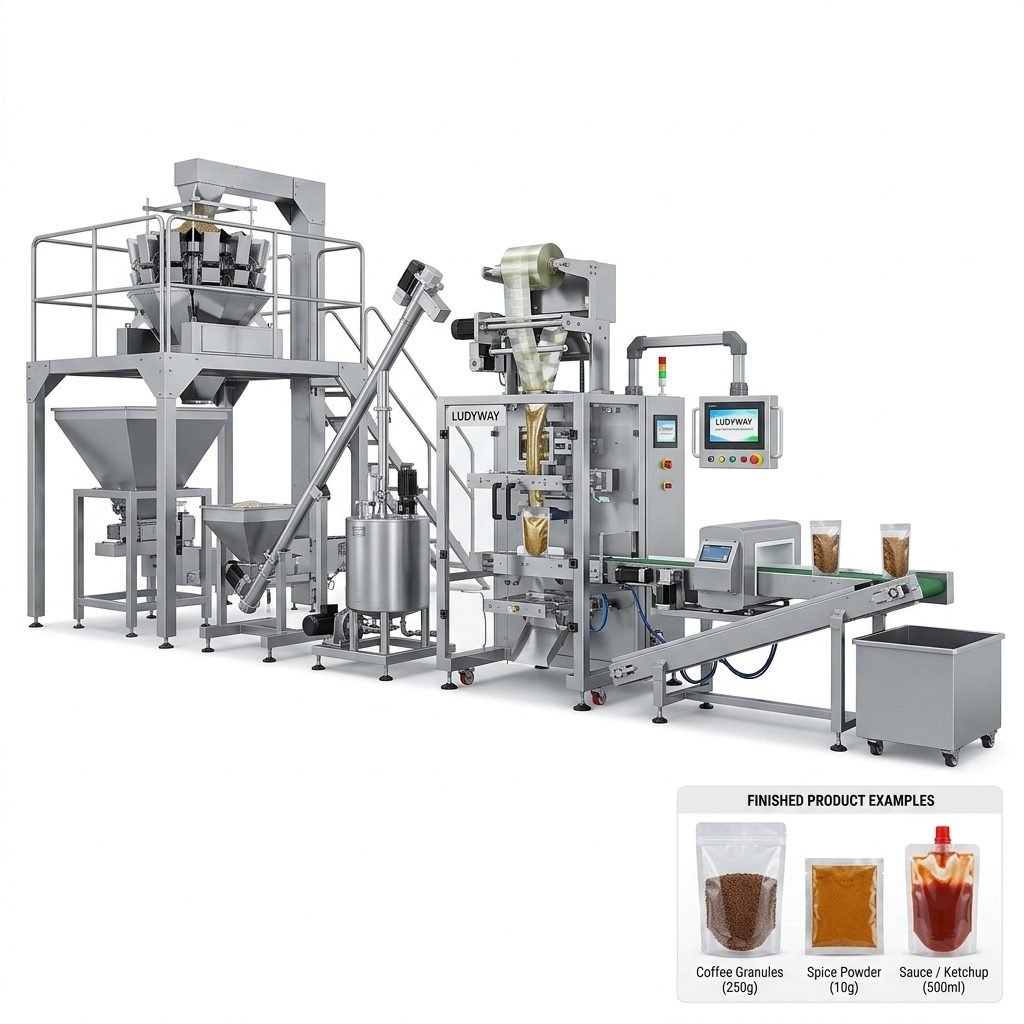
One example of a manufacturer that takes a consultative, customized approach is Ludyway Machinery. The company provides configured cold seal and flexible packaging solutions based on individual product characteristics, production volumes, and factory layouts. Its engineering team evaluates each application and recommends appropriate machine configurations rather than offering only standardized models. For manufacturers seeking a single partner for equipment selection, line integration, and long-term support, this type of collaborative engineering approach can simplify the procurement process and reduce project risk.
Cost Considerations and Return on Investment
The purchase price of a cold seal packaging machine is only one part of the total cost equation. A comprehensive cost analysis should factor in:
- Film waste rates — precise tension control and registration reduce material waste, which directly impacts operating costs
- Energy consumption — cold seal machines eliminate the energy draw of heated sealing jaws, contributing to lower utility expenses
- Changeover time — faster changeovers between product formats increase available production hours
- Maintenance and spare parts — robust construction and globally sourced components reduce downtime frequency and duration
- Labor requirements — automation level determines how many operators are required per shift
For most manufacturers, the total cost of ownership over a five-to-seven-year period is a far more meaningful metric than the initial capital outlay. Machines that minimize film waste and reduce labor dependency often deliver a return on investment within 18 to 36 months, even when the upfront purchase price is higher than that of entry-level alternatives.
Frequently Asked Questions About Cold Seal Packaging Machines
Q: What is the main advantage of cold seal over heat seal technology?
Cold seal eliminates heat from the sealing process, which protects temperature-sensitive products and accelerates packaging speeds. There is no need for jaw heating, warm-up time, or cooling cycles.
Q: Can any horizontal flow wrapper run cold seal film?
Not necessarily. The machine must be specifically configured for cold seal films, with appropriate tension controls, roller surfaces, and film path designs that prevent unintended adhesive contact. Retrofitting a heat-seal machine for cold seal use is possible in some cases but requires modification.
Q: What packaging formats are compatible with cold seal technology?
Cold seal is most commonly used in horizontal flow wrap, overwrap, and certain stick pack applications. Vertical form fill seal machines can also be adapted for cold seal films, though careful consideration of powder contamination risks is necessary.
Q: How do I determine the right machine speed for my production line?
Calculate your peak production volume per shift, including buffer capacity for seasonal demand. Select a machine rated for at least 20% above your current peak requirement to accommodate growth and prevent bottlenecks.
Q: Does cold seal packaging affect shelf life compared to heat seal?
When properly executed with appropriate barrier films, cold seal packaging can provide shelf life performance comparable to heat seal alternatives. The key variables are film barrier properties, seal integrity, and the absence of adhesive transfer to the product.
Conclusion: Building a Smart Procurement Strategy
Choosing the right cold seal packaging machine requires a thorough assessment of your product characteristics, production goals, material requirements, and long-term business strategy. Start with a clear definition of what you need today and where you expect to be in five years. Evaluate machine configurations, build quality, regulatory compliance, and supplier support with equal attention.
By focusing on total cost of ownership rather than initial price alone, selecting a machine engineered for your specific application, and partnering with a supplier that provides strong technical support, you can build a packaging operation that delivers consistent quality, efficient throughput, and a competitive edge in your market. For deeper industry insights, explore the resources available from PMMI – The Association for Packaging and Processing Technologies and the Flexible Packaging Association, both of which provide valuable market data and technical guidance for packaging professionals.