Investing in a tape packaging machine is a strategic decision that directly impacts your production efficiency, labor costs, and product presentation. With so many configurations available—from semi-automatic carton sealers to fully automated case erectors and random box sealers—navigating the selection process can be overwhelming. This guide breaks down the essential factors to help you choose the right machine for your operation.

Understanding Your Tape Packaging Requirements
Before comparing models, you need to clearly define what you are packaging and how. The optimal tape packaging machine depends primarily on your box dimensions, production volume, and the type of tape you intend to use. Consider these questions:
- What are your box size ranges? Uniform boxes suit standard case sealers, while random box sizes demand random carton sealers.
- What is your throughput requirement? Manual operations might handle 1-2 boxes per minute, whereas high-speed automated lines can exceed 30 boxes per minute.
- What tape type do you use? Pressure-sensitive tape, water-activated tape, and reinforced gummed tape each require different application heads and tensioning mechanisms.
- What environment will the machine operate in? Dusty, humid, or washdown environments require specific machine ratings and construction materials.
Key Features to Evaluate in a Tape Packaging Machine
Not all machines are built alike. When comparing specifications, pay close attention to these critical components:
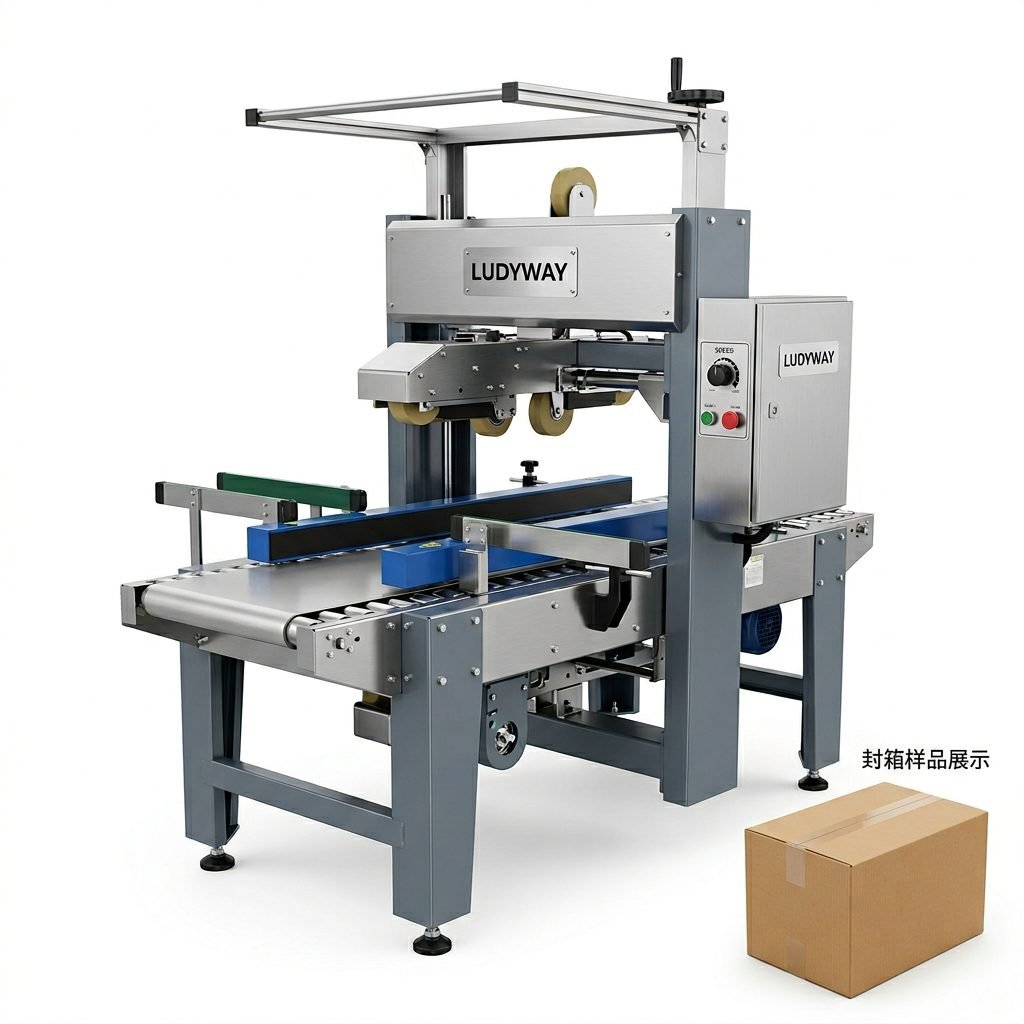
- Tape Head Technology: The tape dispenser and application mechanism determine sealing consistency. Look for adjustable tension control and reliable cutting blades.
- Frame Construction: Heavy-duty steel frames with durable powder coating resist wear in high-volume environments. Stainless steel options are available for sanitary or washdown areas.
- Adjustability: Quick-change mechanisms for different box heights and widths minimize downtime between product runs. Tool-less adjustment is a significant productivity feature.
- Conveyor System: The belt type, motor power, and speed control affect how smoothly boxes pass through the sealing station.
- Safety Features: Emergency stops, safety guards, and interlock systems are essential for operator protection and regulatory compliance.
Types of Tape Packaging Machines
| Machine Type | Best For | Typical Speed | Investment Level |
|---|---|---|---|
| Manual Tape Dispenser | Low-volume, varied box sizes | 1–3 boxes/min | $ |
| Semi-Automatic Case Sealer | Uniform boxes, moderate volume | 5–15 boxes/min | $$ |
| Fully Automatic Case Sealer | High-volume, consistent box sizes | 15–40+ boxes/min | $$$ |
| Random Carton Sealer | Mixed box sizes in one line | 8–15 boxes/min | $$$$ |
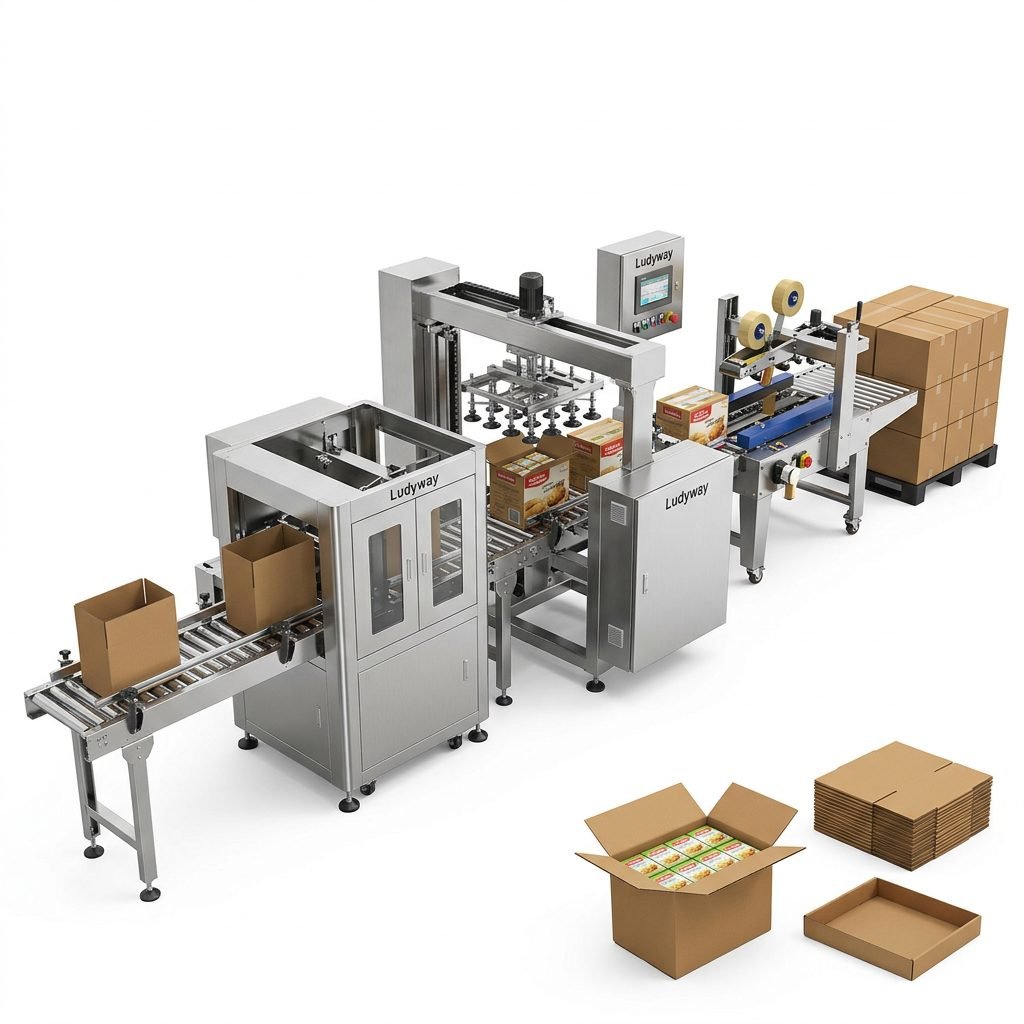
| Integrated Packaging Line System | Full automation with erecting, filling, sealing | Customized speed | $$$$$ |
Automation and Integration Capabilities
Modern tape packaging machines increasingly integrate with upstream and downstream equipment. If you’re planning a complete packaging line, look for machines that can communicate with case erectors, automatic case packers, palletizers, and stretch wrappers. PMMI’s business intelligence resources offer valuable insights into automation trends and ROI benchmarks in packaging operations.
Quality Standards and Compliance
Your tape packaging equipment should meet relevant international standards, especially if you operate in regulated industries such as food, pharmaceuticals, or medical devices. Refer to ISO packaging standards for guidance on safety, performance, and material compatibility. The FDA’s food packaging and food contact substances regulations are also critical if your sealed cartons come into contact with consumable products.
Evaluating Supplier Expertise
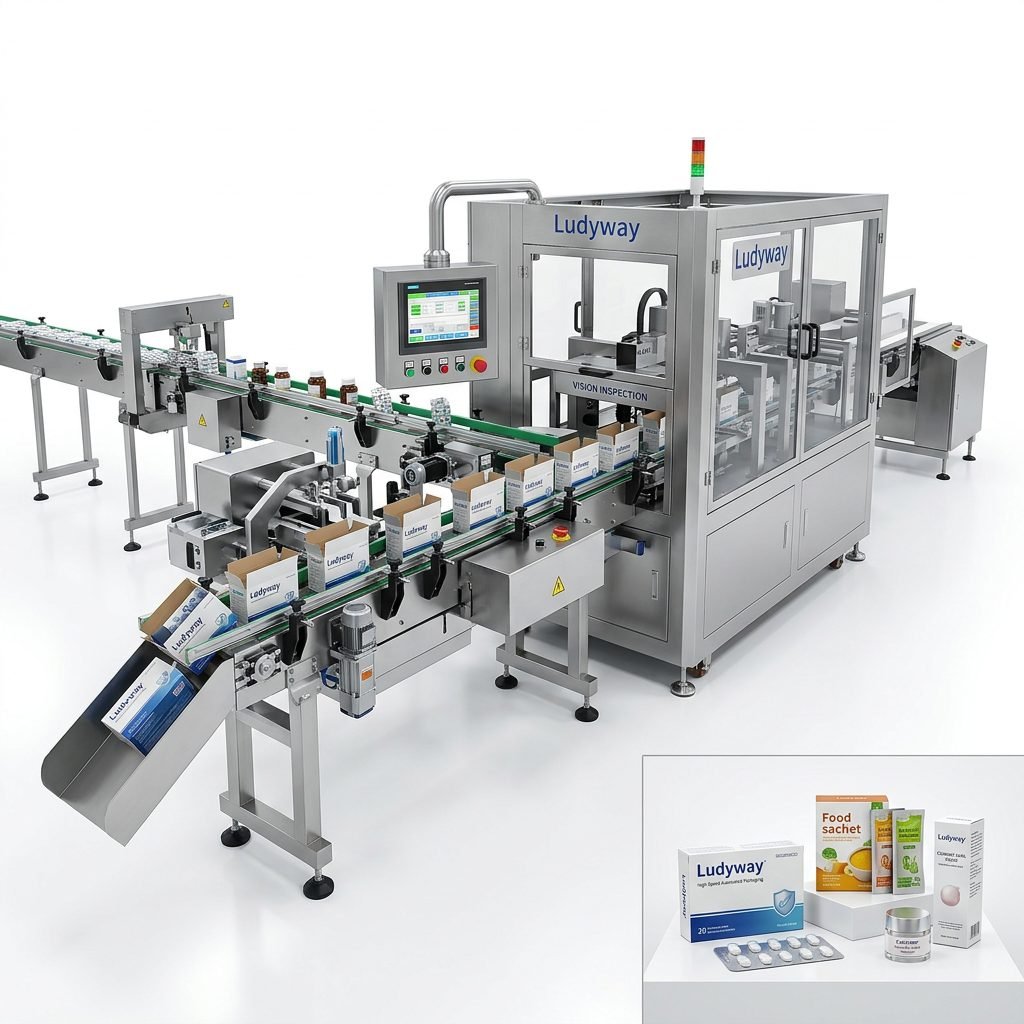
Choosing the right equipment partner is as important as choosing the machine itself. An experienced manufacturer brings engineering capability, application knowledge, and responsive support that can make a significant difference in project success. For instance, Ludyway Machinery — a China-based packaging machinery manufacturer with over 30 years of experience and a 20,000-square-meter facility — combines in-house manufacturing with automation expertise to deliver customized tape packaging solutions configured for different production speeds, box formats, and line integration requirements.
Cost Considerations Beyond the Purchase Price
The initial purchase price of a tape packaging machine represents only part of your total investment. Factor in these ongoing costs:
- Tape consumption: Efficient tape application systems can reduce material usage by 10–20% compared to manual sealing.
- Maintenance and spare parts: Machines using readily available components from established industrial suppliers typically have lower long-term service costs.
- Energy efficiency: Modern servo-driven systems consume less power than older pneumatic or mechanical designs.
- Operator training: Intuitive controls and comprehensive documentation reduce training time and operational errors.
Key Questions to Ask Potential Suppliers
- Can the machine handle my specific box size range and weight?
- What tape width and roll diameter does the machine accept?
- Is tool-less changeover available for different box sizes?
- What is the warranty period, and what does it cover?
- Do you provide installation, commissioning, and operator training?
- What is the lead time for standard and customized configurations?
- How accessible are spare parts and technical support in my region?
Industry Resources for Packaging Professionals
Stay informed about the latest developments in packaging machinery and tape technologies through these authoritative sources:
- PMMI – 2026 Packaging State of the Industry Report
- Flexible Packaging Association – Industry Resources
- PACK EXPO International – Packaging Trade Show
- ISO 11607 – Packaging for Terminally Sterilized Medical Devices
- U.S. EPA – Sustainable Materials Management for Packaging
Making the Final Decision
Selecting the right tape packaging machine requires balancing current needs with future growth. A machine that fits your production today may become a bottleneck if your volume increases. Consider modular designs that allow upgrades, additional tape heads, or integration with other line equipment. Consult with packaging industry resources and engage multiple suppliers to compare proposals. Request sample sealing tests with your actual boxes and tape to verify performance before committing. A well-chosen tape packaging machine will deliver consistent sealing quality, productivity improvements, and a favorable return on investment for years to come.