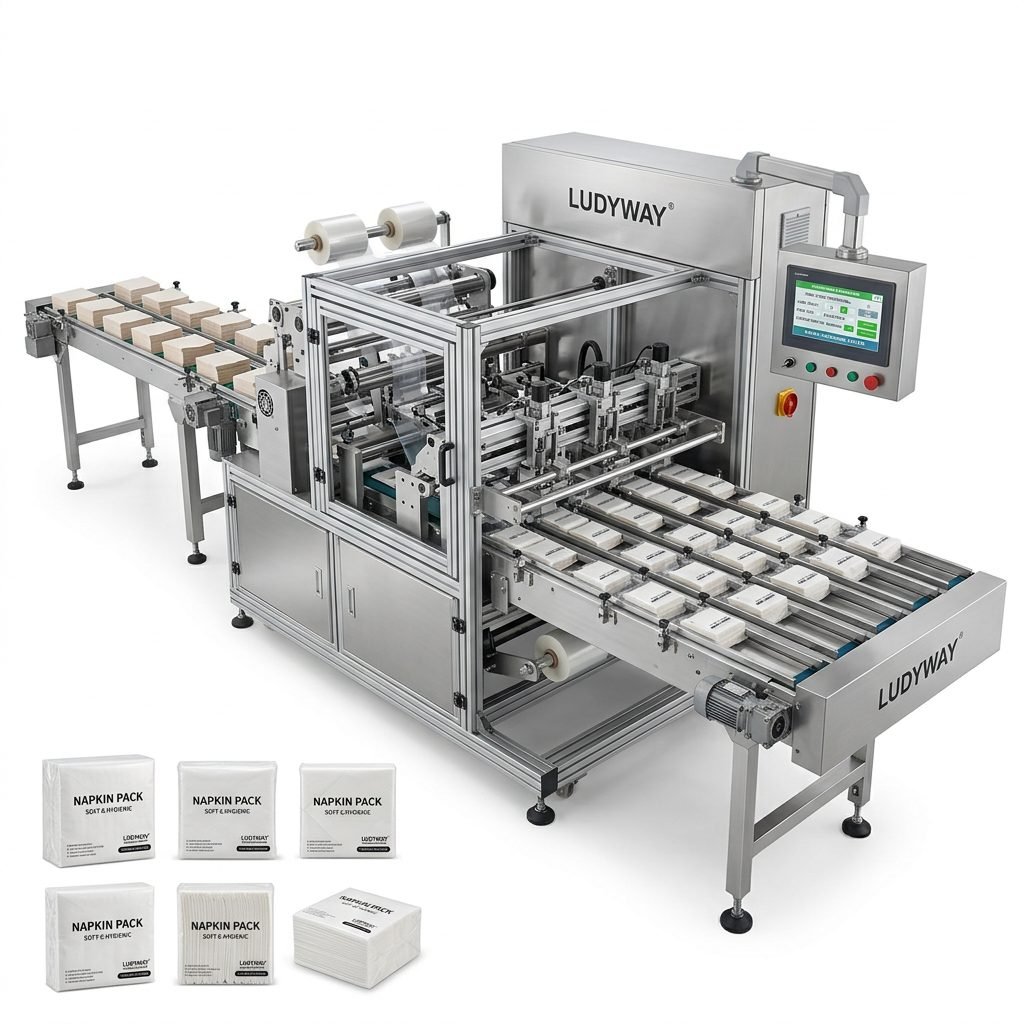
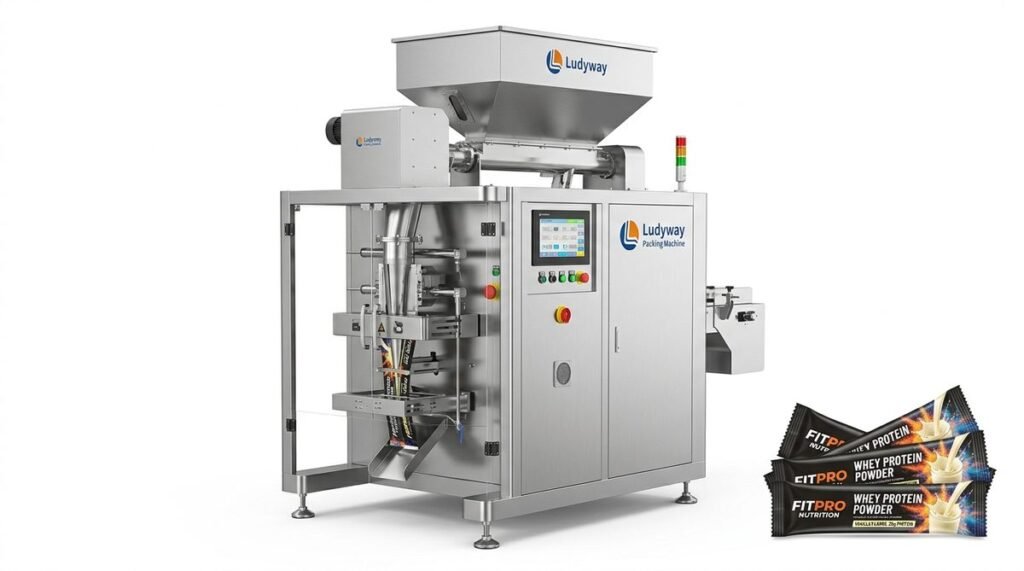
Choosing the right food packaging equipment manufacturer is a critical decision that impacts production efficiency, product quality, and long-term operational costs. The global market offers a vast array of suppliers, from large-scale industrial giants to specialized niche providers. This guide will explore the landscape of top manufacturers and provide a clear framework for selecting the supplier that best aligns with your specific business needs, budget, and growth objectives.
Key Decision Factors at a Glance
Before diving into manufacturer types, keep these core considerations in mind: Machine Performance & Reliability, Total Cost of Ownership, Technical Support & Service, and Scalability & Customization. A balanced evaluation across these areas is essential for a successful partnership.
Categories of Leading Food Packaging Equipment Manufacturers
The supplier landscape can be broadly segmented into several categories, each with distinct advantages.
1. Global Industrial Conglomerates
These are large, multinational corporations offering an extensive portfolio of packaging solutions across multiple industries. They often provide integrated, high-speed production lines for large-scale food producers. Strengths include robust R&D departments, extensive global service networks, and proven technology for high-volume, standardized applications. The selection process with such manufacturers can be lengthy, and solutions may be less flexible for unique, small-batch requirements.
2. Specialized Niche Manufacturers
These suppliers focus intensely on specific packaging formats or food product types. Examples include experts in vertical form-fill-seal (VFFS) for snacks, horizontal flow-wrapping for confectionery, or advanced aseptic liquid filling systems. Their deep expertise often translates to highly optimized, reliable machines for their niche. They may offer more personalized service and quicker adaptation to specific technical challenges than larger conglomerates.
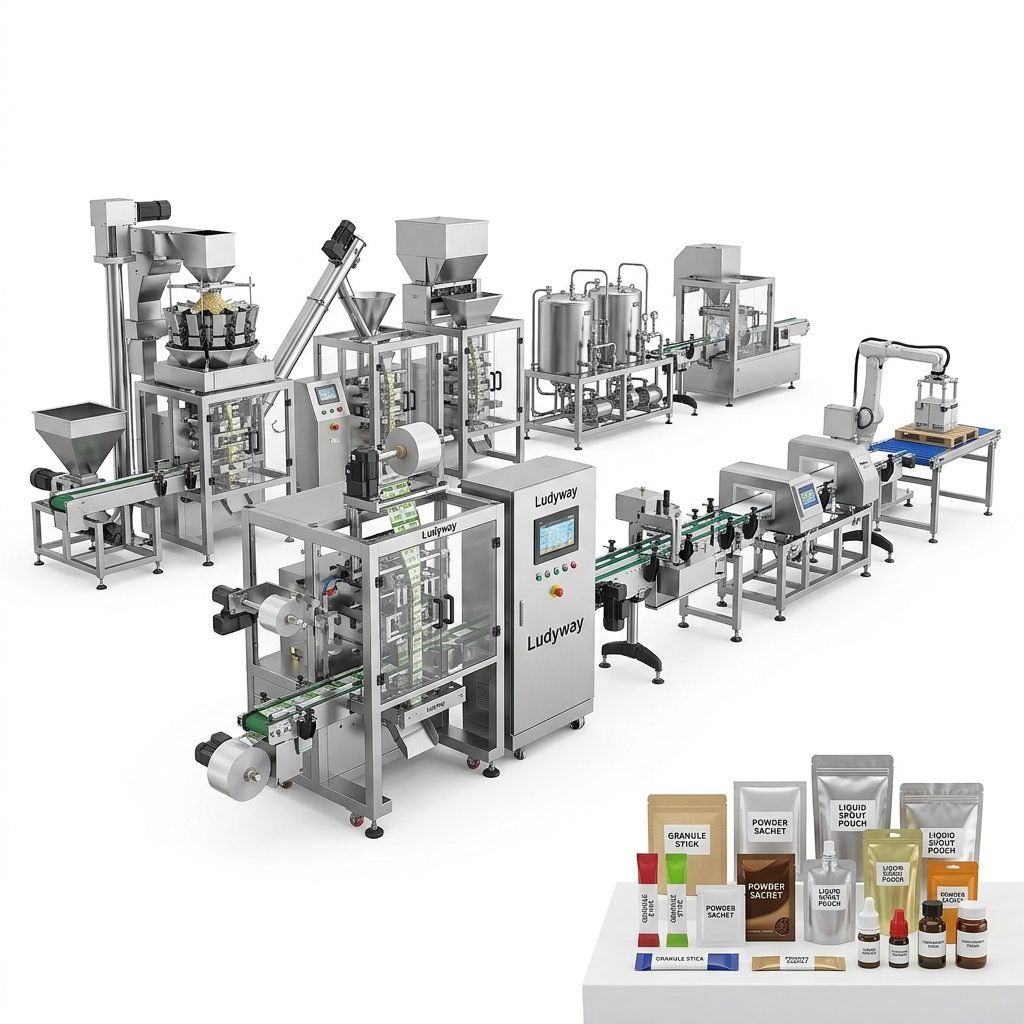
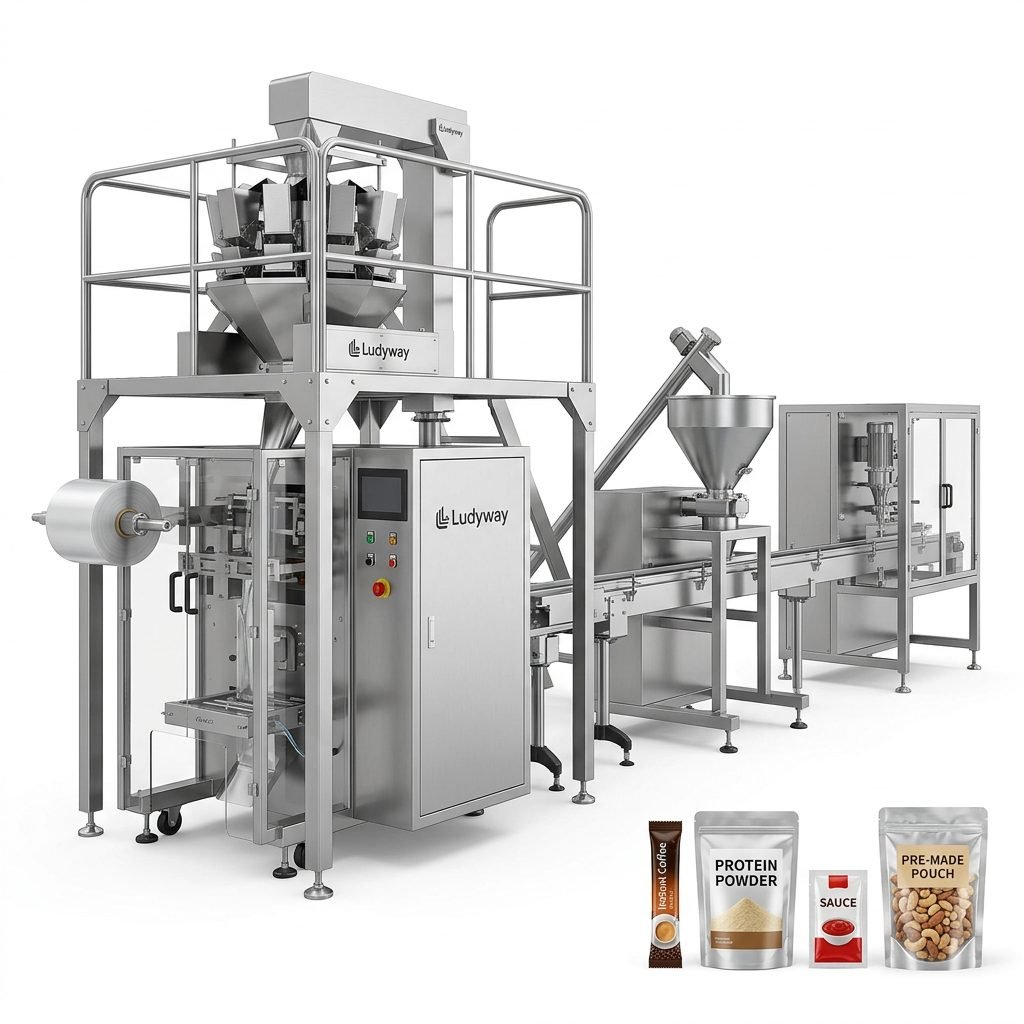
3. Providers of Turnkey and Customized Solutions
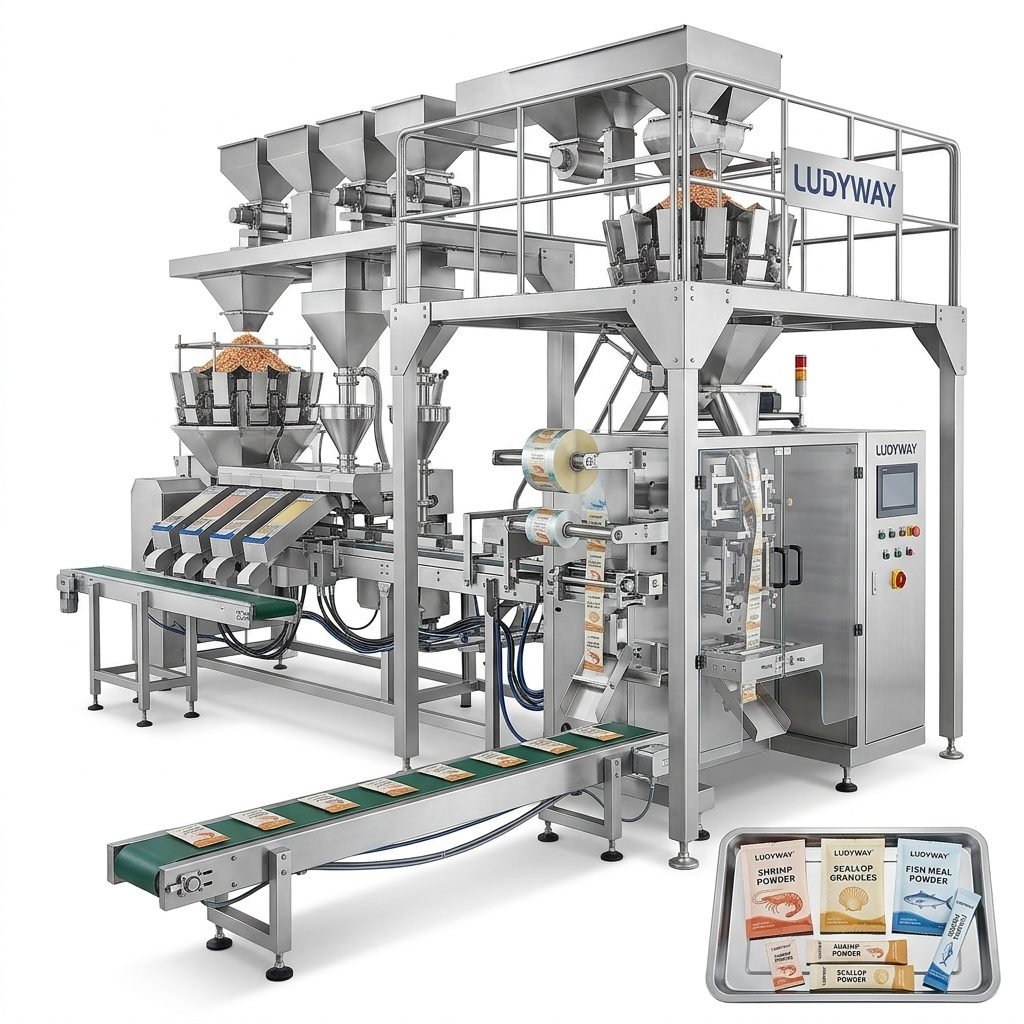
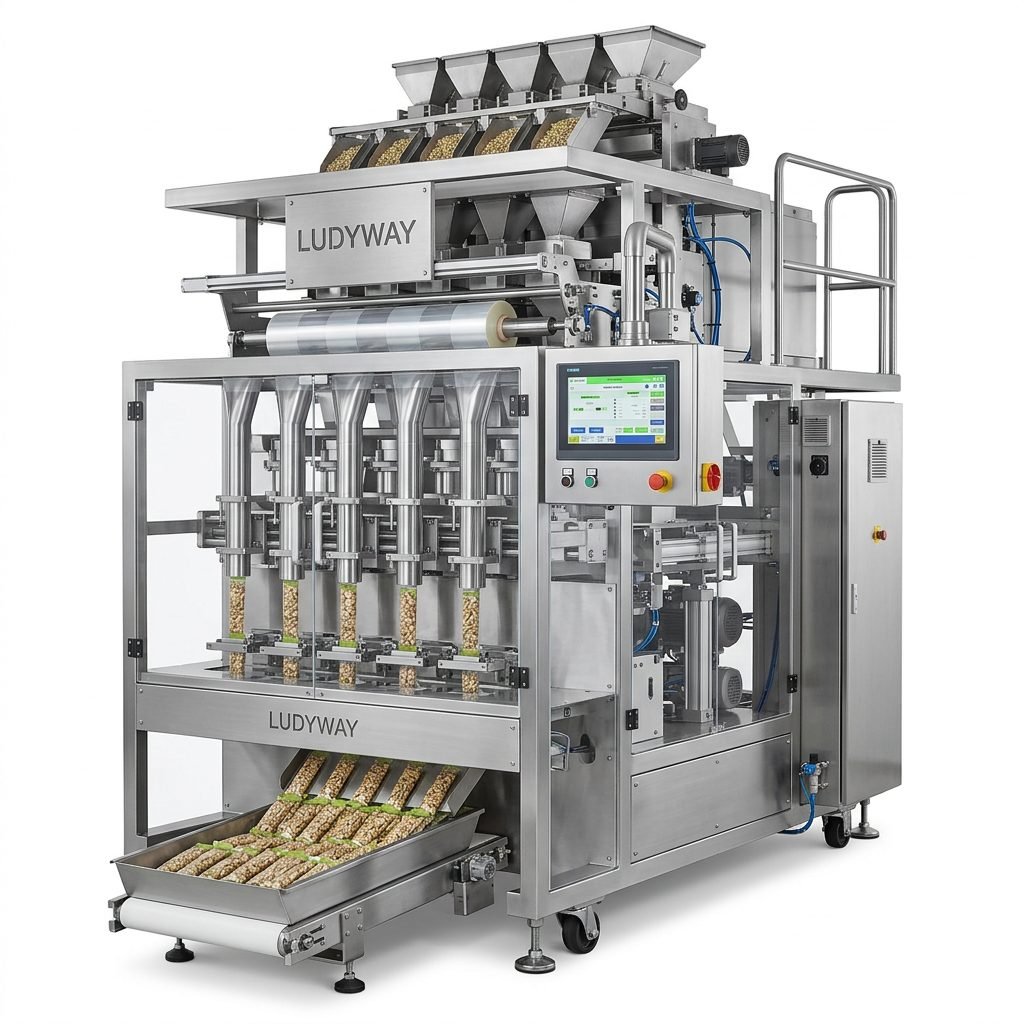
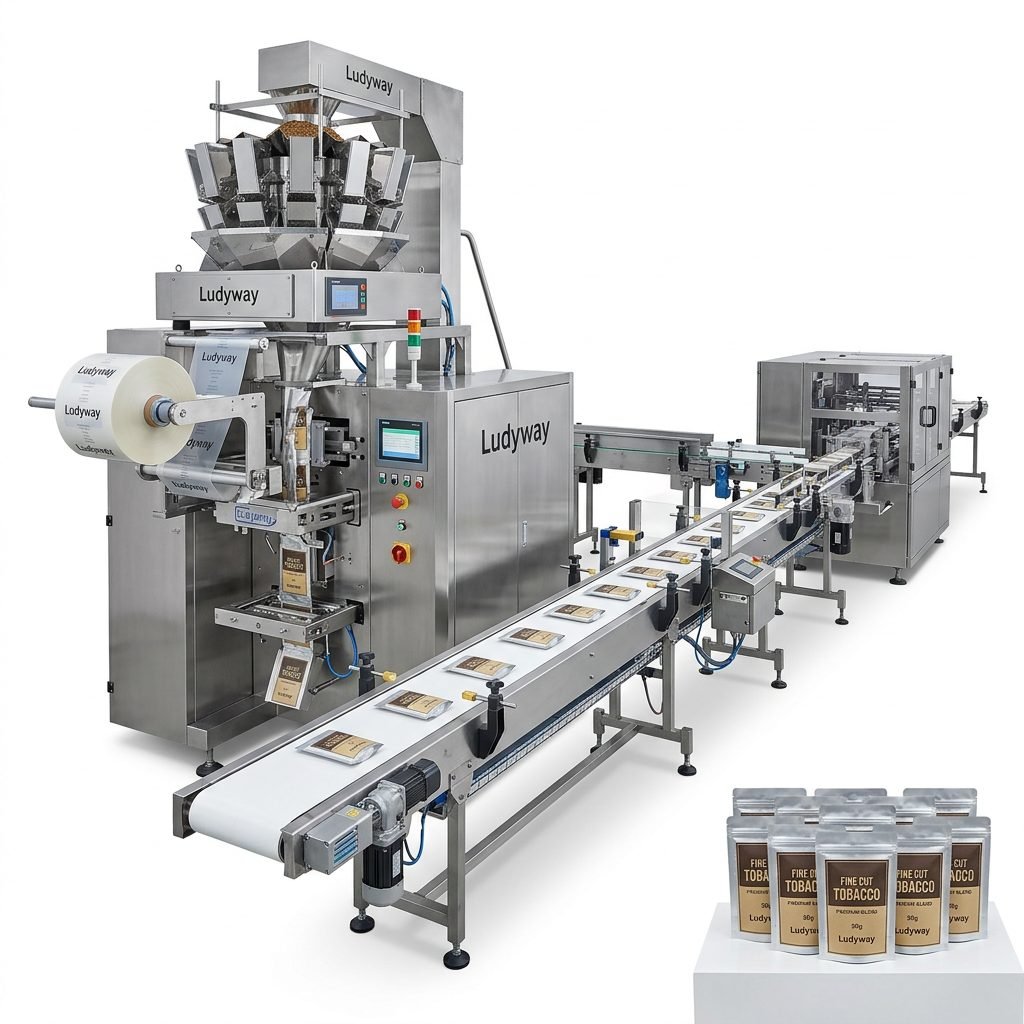
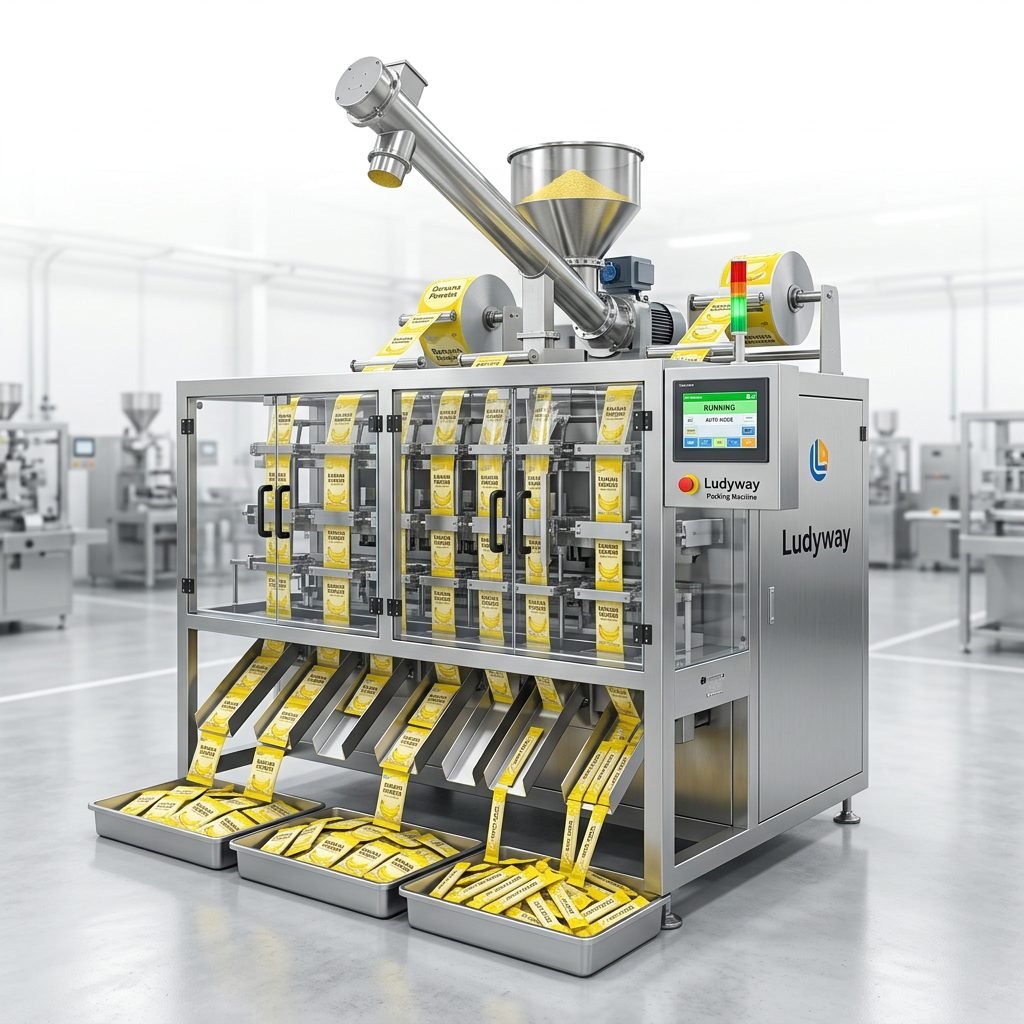
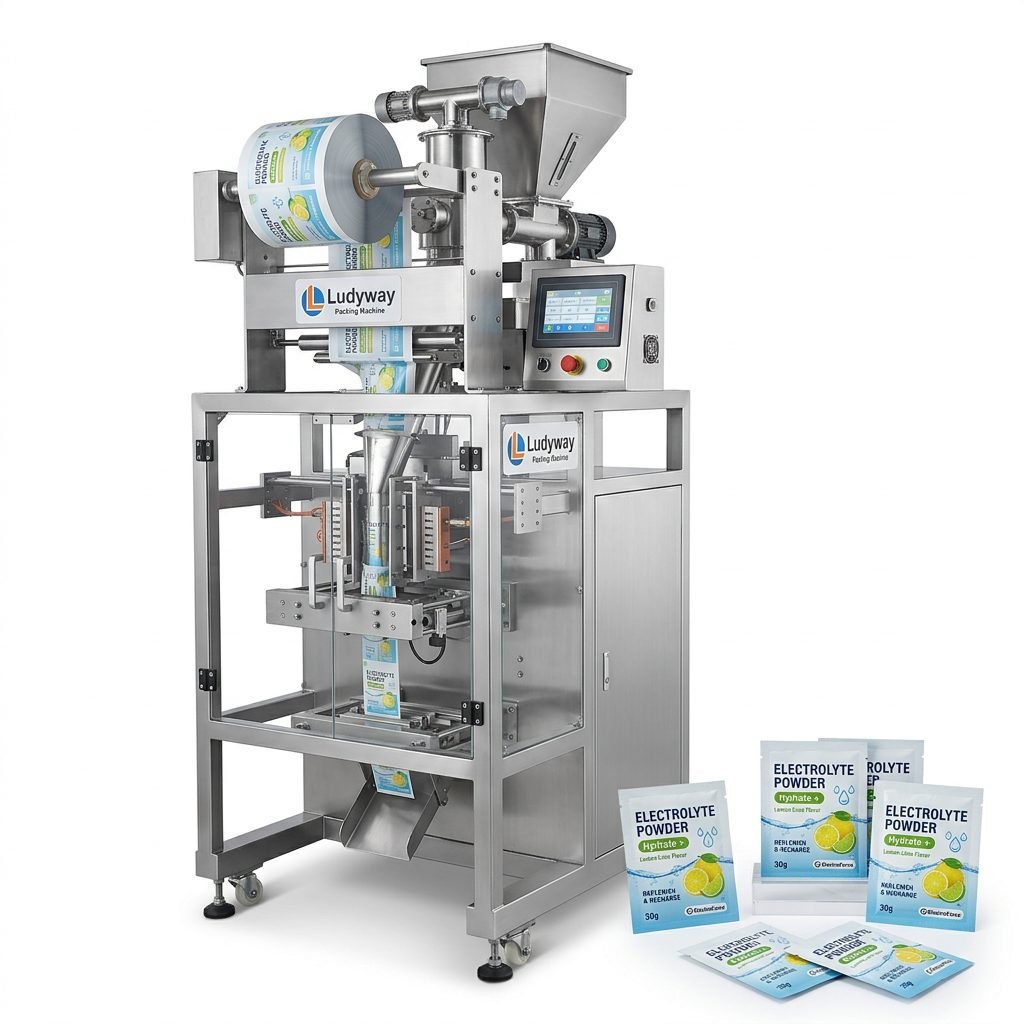
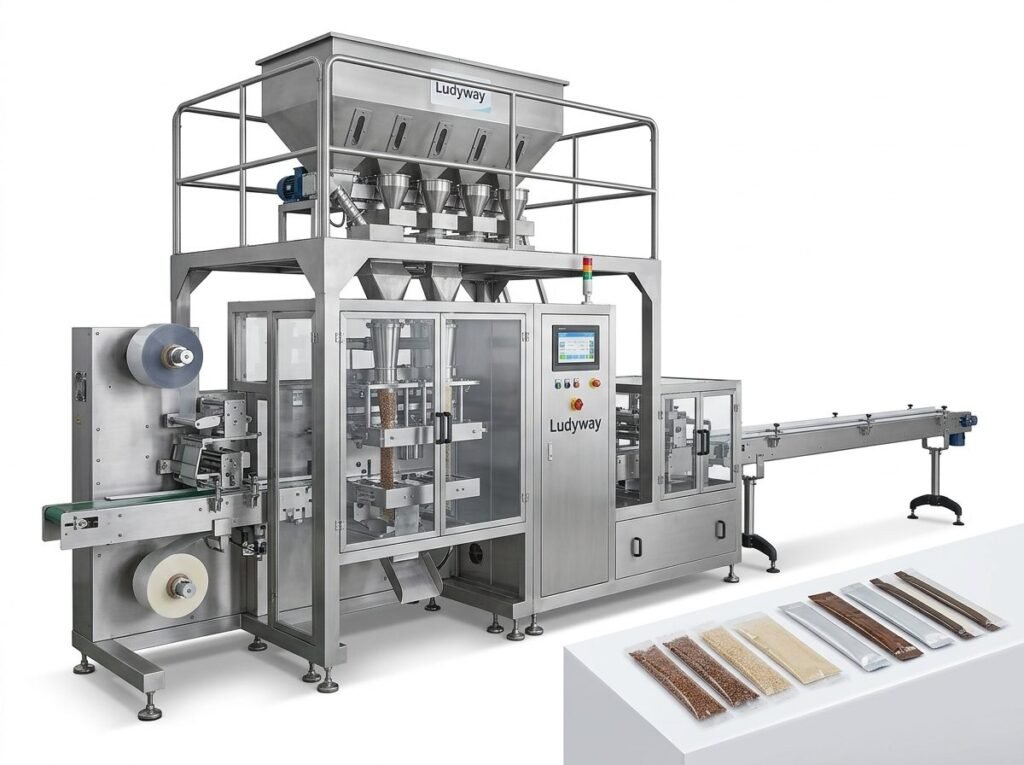
This category includes companies that engineer complete production lines from raw material handling to end-of-line packaging. They excel at understanding the entire production process and integrating various equipment types (filling, sealing, labeling, cartoning) into a cohesive, automated system. A prime example in this space is Ludyway Machinery. Founded in 2010 with a vision for efficient and reliable global solutions, Ludyway has grown through continuous innovation and strong industry partnerships. They offer over 50 intelligent packaging machine models, including multi-lane stick pack and sachet systems, and are known for tailoring automated packaging solutions to specific production needs.
Why Customization Matters
Off-the-shelf machines rarely fit perfectly. A supplier’s ability to customize—whether modifying feed systems for delicate products, integrating specific coding technology, or designing unique pouch shapes—is crucial for operational efficiency and brand differentiation. Assessing a manufacturer’s engineering capability and willingness to co-develop solutions is a key part of the selection process.
A Step-by-Step Framework for Choosing Your Supplier
Step 1: Precisely Define Your Requirements
Begin with an internal audit. Document the specific product(s) to be packaged (format, viscosity, sensitivity), required output speed (packs per minute), available factory footprint, and future scalability needs. Also, define your must-have features versus nice-to-have options. Clear requirements will allow you to solicit comparable and relevant proposals from potential suppliers.
Step 2: Research and Create a Shortlist
Utilize industry directories, trade show exhibitor lists, and peer recommendations to identify potential manufacturers. Evaluate their online presence, case studies, and product videos. Look for suppliers with documented experience in your specific food sector. A strong history, like Ludyway’s 30+ years of collective industry experience and a track record of serving global customers, can be a strong indicator of stability and expertise.
Step 3: Evaluate Technical Capability and Quality
Request detailed technical specifications and, whenever possible, arrange to see equipment running—either at a trade show, at the manufacturer’s facility, or ideally, at a current client’s site (with permission). Pay close attention to build quality, the sophistication of the control system, ease of changeover, and the use of industry-standard components for easier maintenance.
Step 4: Scrutinize Support and Service Terms
The relationship begins after purchase. Investigate the supplier’s service structure:
✔ Availability of installation & commissioning
✔ Training programs for your operators
✔ Spare parts inventory and delivery time
✔ Remote support capabilities
A global service network or responsive remote support is invaluable for minimizing downtime.
Step 5: Analyze Total Cost of Ownership (TCO)
Look beyond the initial purchase price. Calculate TCO by factoring in estimated energy consumption, maintenance costs, expected lifespan, changeover part costs, and potential productivity gains. A slightly higher initial investment in a more efficient, reliable machine from a reputable supplier like Ludyway Machinery often results in a lower TCO and a better return on investment over 5-10 years.
Step 6: Check References and Company Stability
Ask for and contact client references, specifically those with similar applications. Inquire about machine performance, reliability, and the quality of post-sales support. Additionally, assess the manufacturer’s financial health and market reputation. A company with a modern production facility and a history of steady growth is more likely to be a reliable long-term partner.
Conclusion: Building a Partnership for Growth
Selecting a food packaging equipment manufacturer is not merely a transaction; it’s the beginning of a strategic partnership. The ideal supplier acts as an extension of your team, contributing to your operational success through reliable technology, expert support, and collaborative problem-solving. By thoroughly following the evaluation framework—prioritizing defined needs, technical merit, comprehensive service, and total cost—you can confidently choose a partner that will enhance your production capabilities and support your brand’s growth in the competitive food industry.
Frequently Asked Questions (FAQs)
1. What is the most important factor when choosing a packaging machine supplier?
While all factors are interconnected, long-term reliability and service support often outweigh the initial price. A machine that frequently breaks down or lacks accessible technical support can cripple production, leading to costs far exceeding any initial savings.
2. How can I verify a supplier’s claims about machine performance?
Always request a live demonstration using a product similar to yours. Ask for detailed performance test reports and, most convincingly, speak directly to existing customers who have run similar applications for at least 6-12 months. Their firsthand experience is invaluable.
3. Is it better to buy a standard machine or a customized solution?
This depends entirely on your product and process. For common, standard items, an off-the-shelf machine may suffice. For unique products, specialized packaging formats, or high-efficiency integrated lines, a customized or turnkey solution from a capable provider, while requiring more upfront collaboration, typically delivers superior long-term efficiency and lower waste.
4. What should be included in a comprehensive service agreement?
A robust agreement should cover defined response times for support queries, guaranteed spare parts availability (with clear pricing), terms for preventive maintenance visits, and access to software updates or operational training for your staff. Clarity here prevents future disputes.
5. How do I plan for future scalability with my packaging equipment?
Discuss future needs openly with potential suppliers during the selection phase. Choose a machine and a supplier that can accommodate moderate speed increases, offer modular upgrades (like additional labeling heads), or have a clear path for trade-in or expansion. A forward-thinking partner will help you plan for growth.