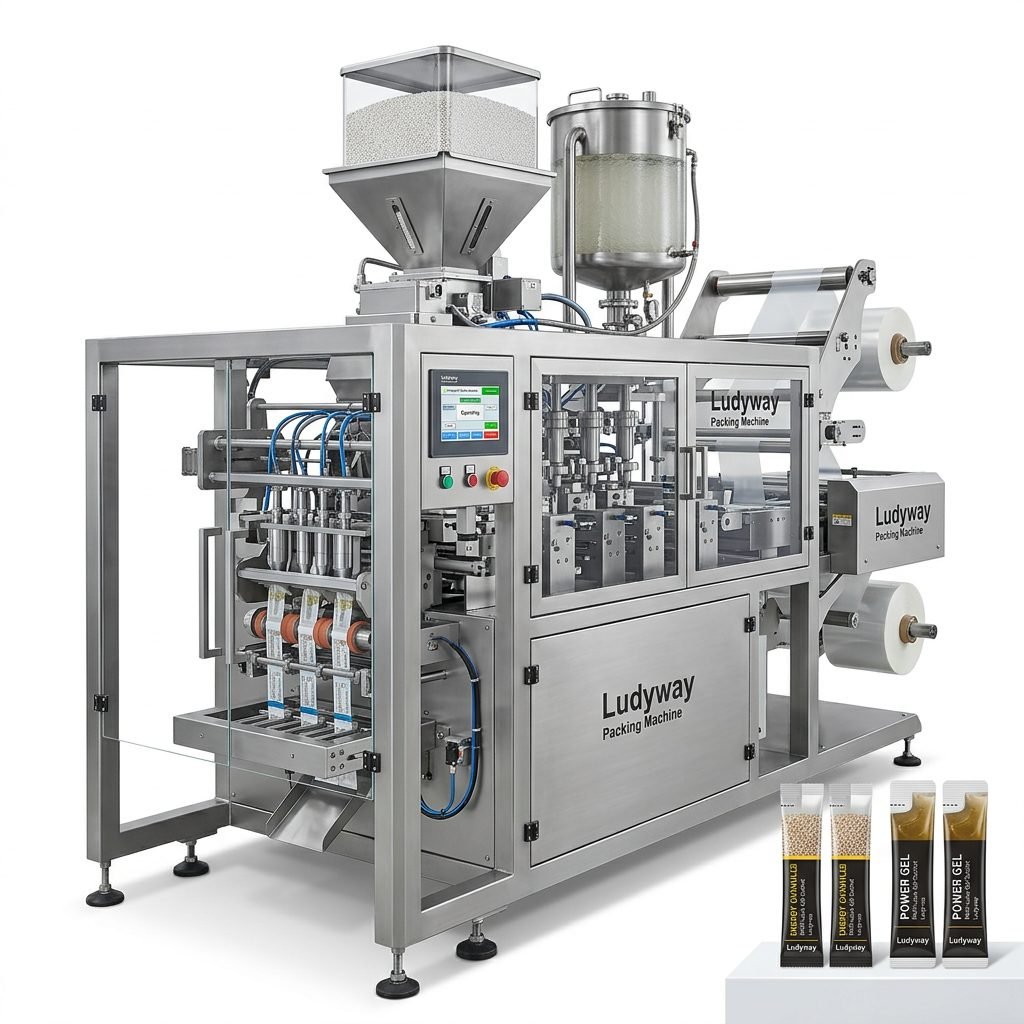
Investing in an aluminum foil packaging machine is a critical decision for manufacturers in the food, pharmaceutical, and chemical industries. The right equipment can dramatically improve your production efficiency, extend product shelf life, and ensure consistent seal integrity. However, selecting a machine that matches your specific product characteristics, production volume, and budget requires a methodical approach. This guide will walk you through the essential factors to consider before making a purchase.
Understanding Aluminum Foil Packaging Machine Types
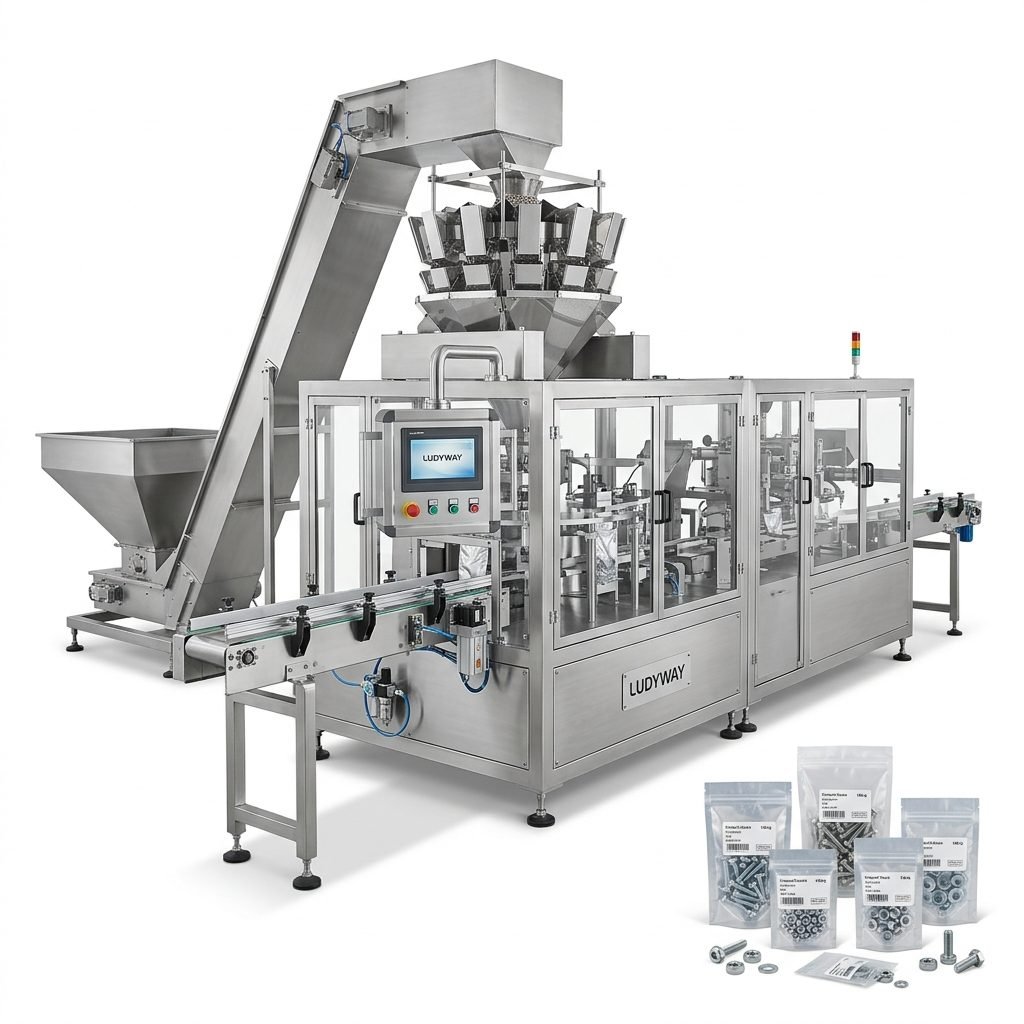
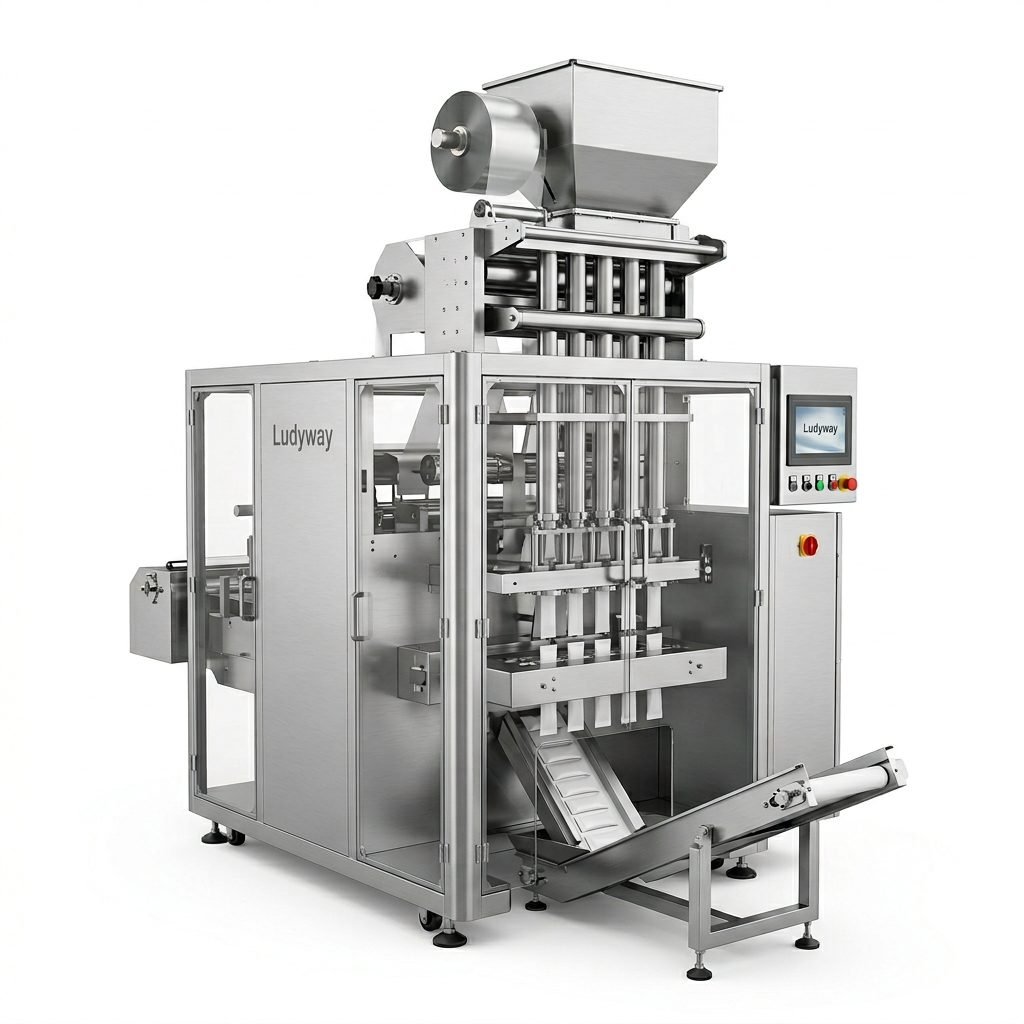
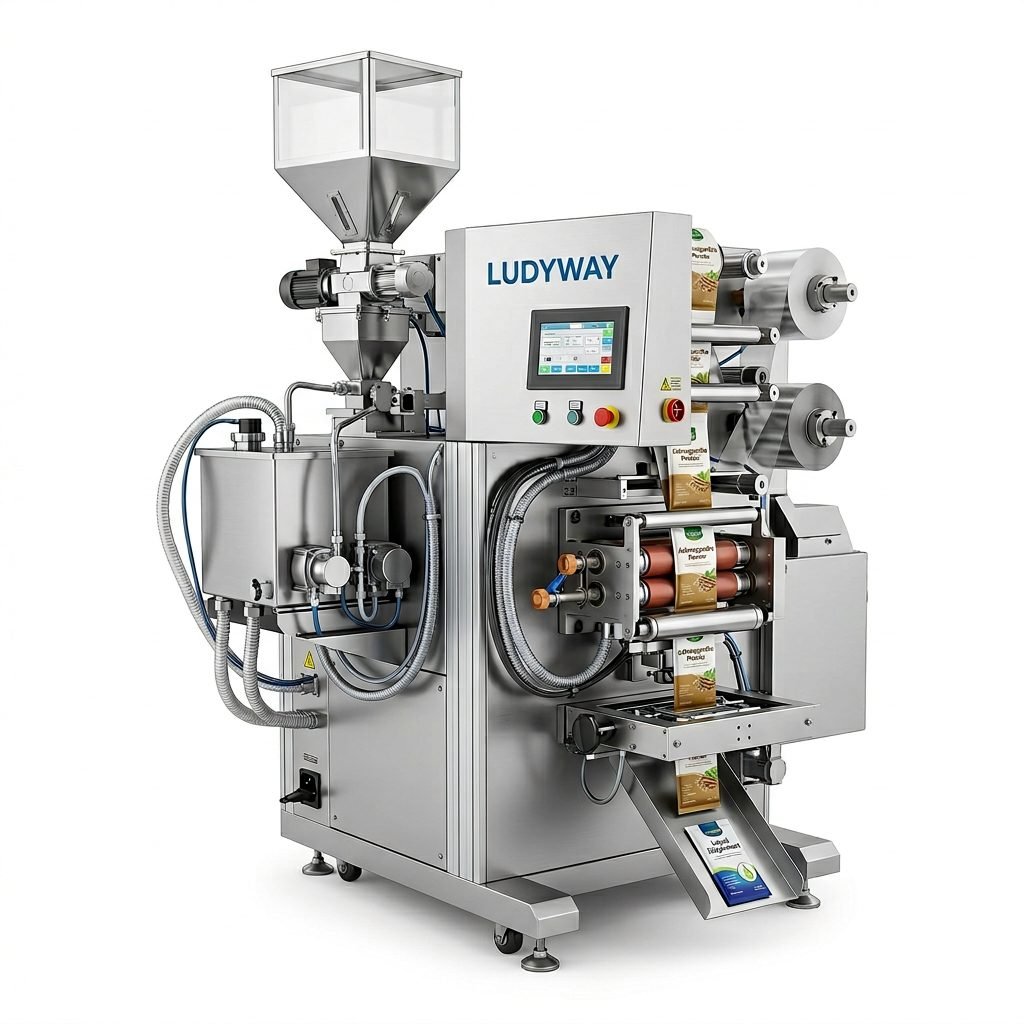
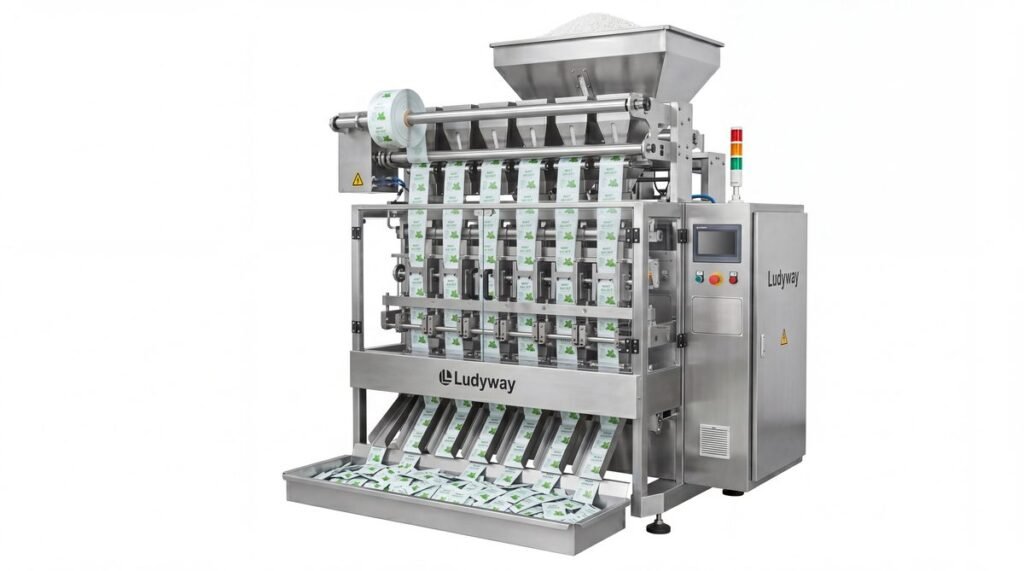
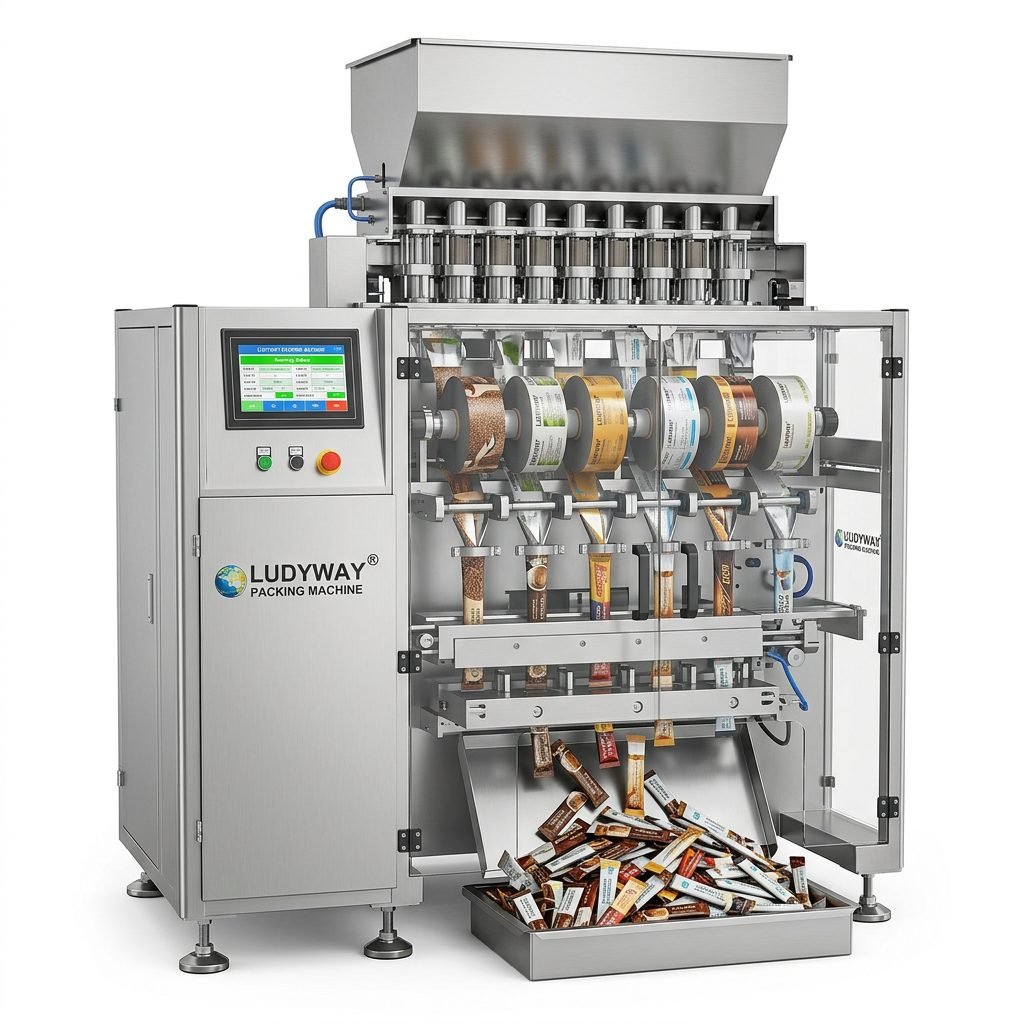
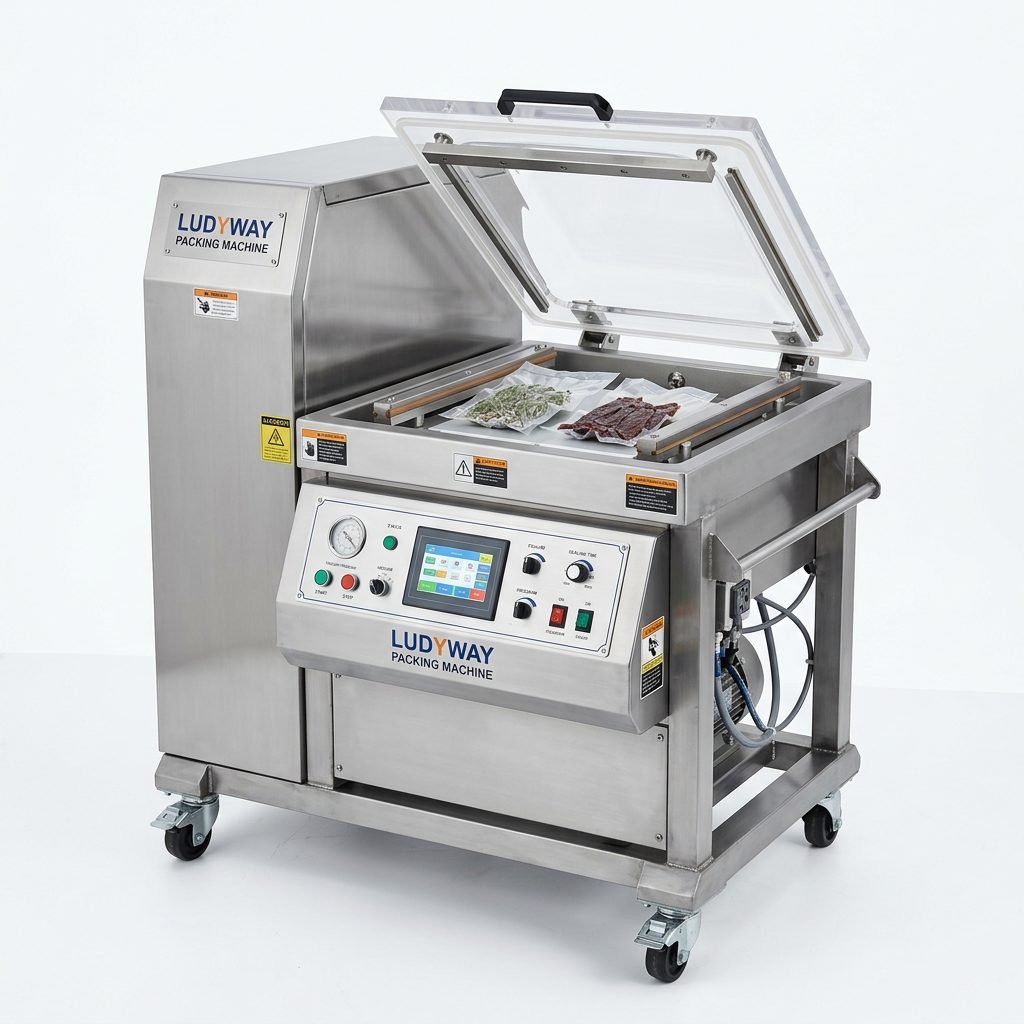
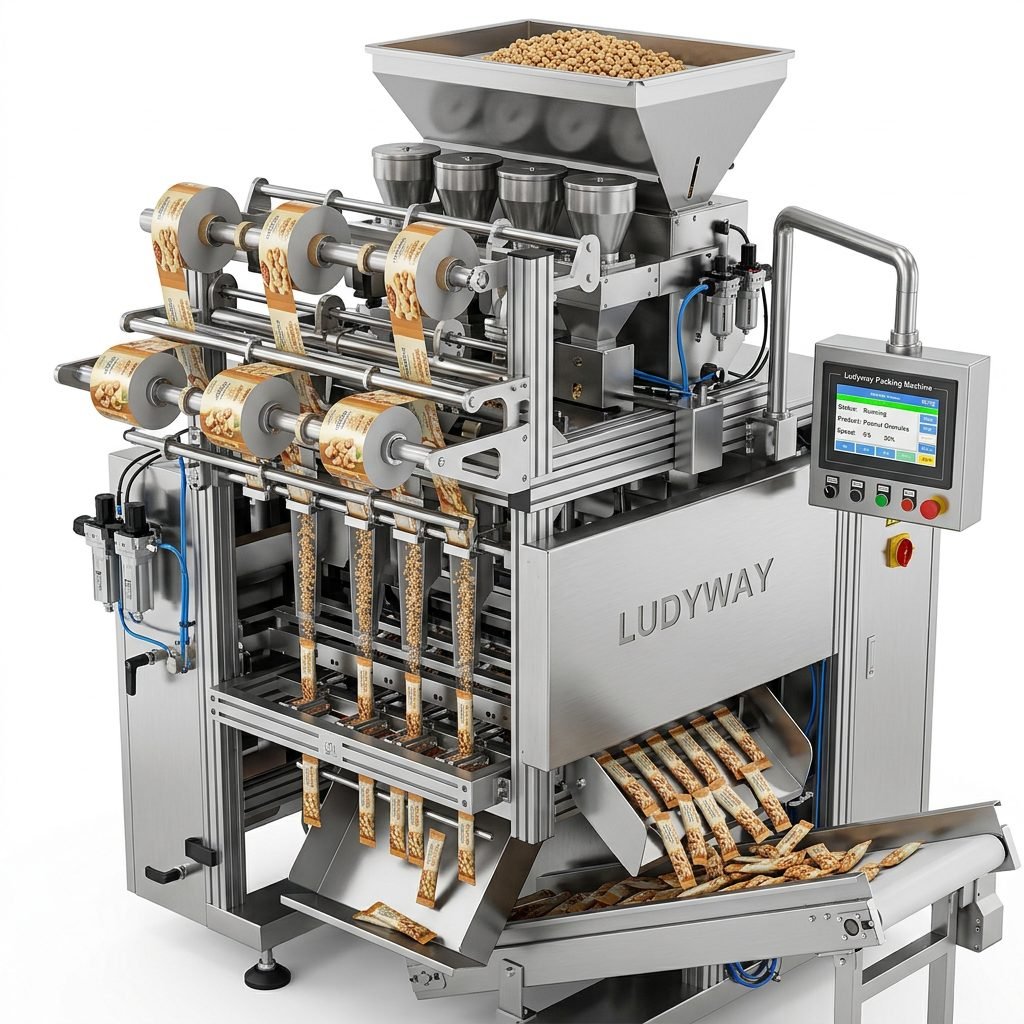
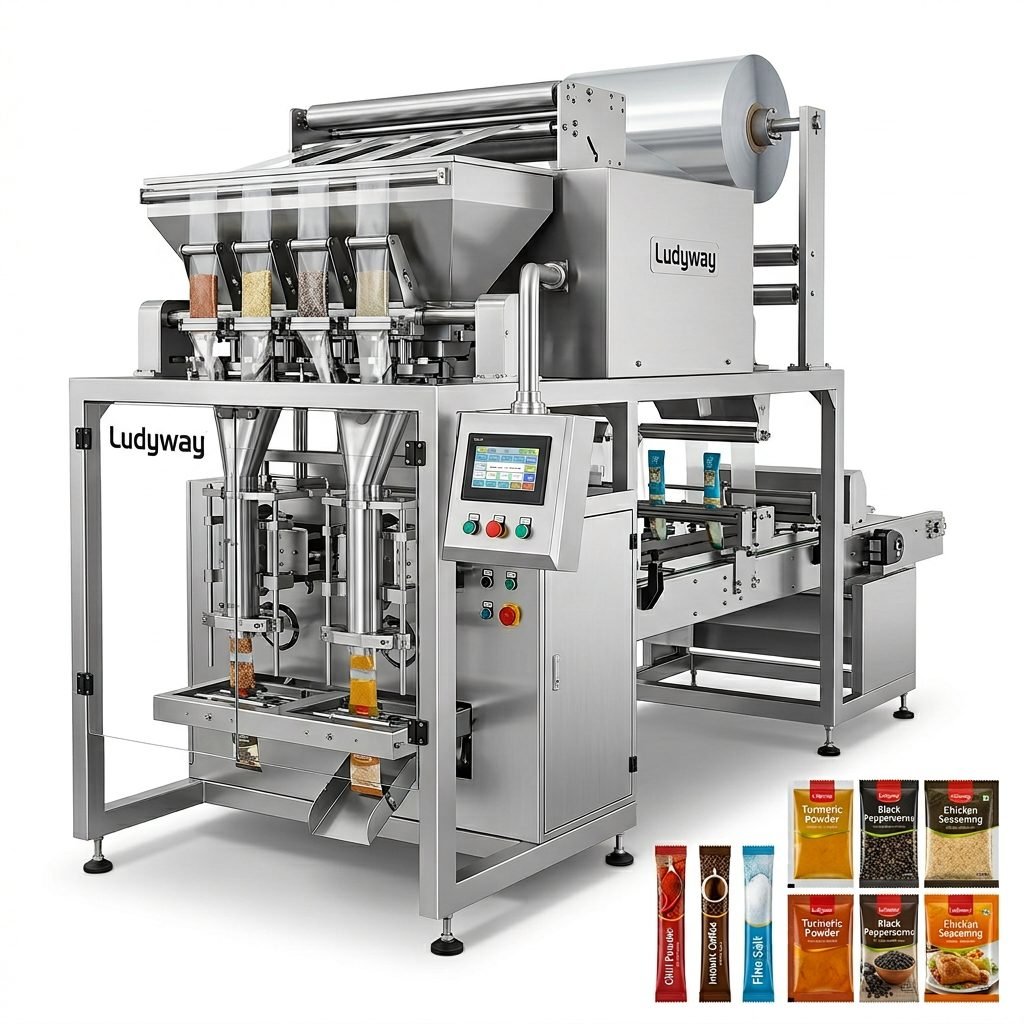
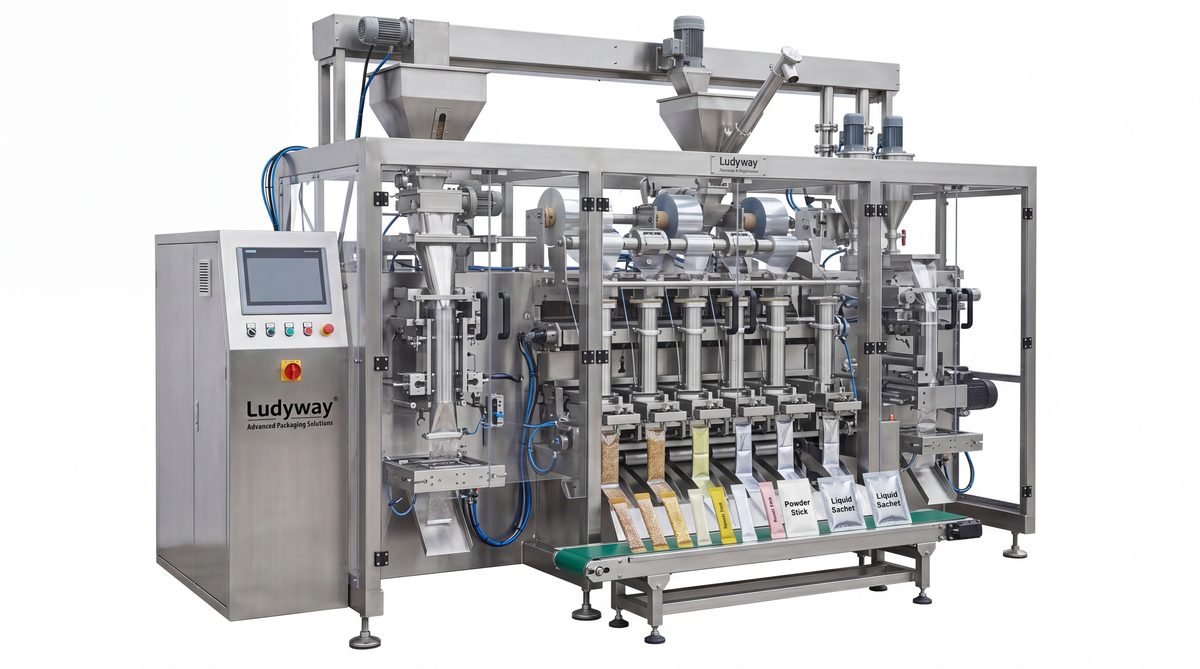
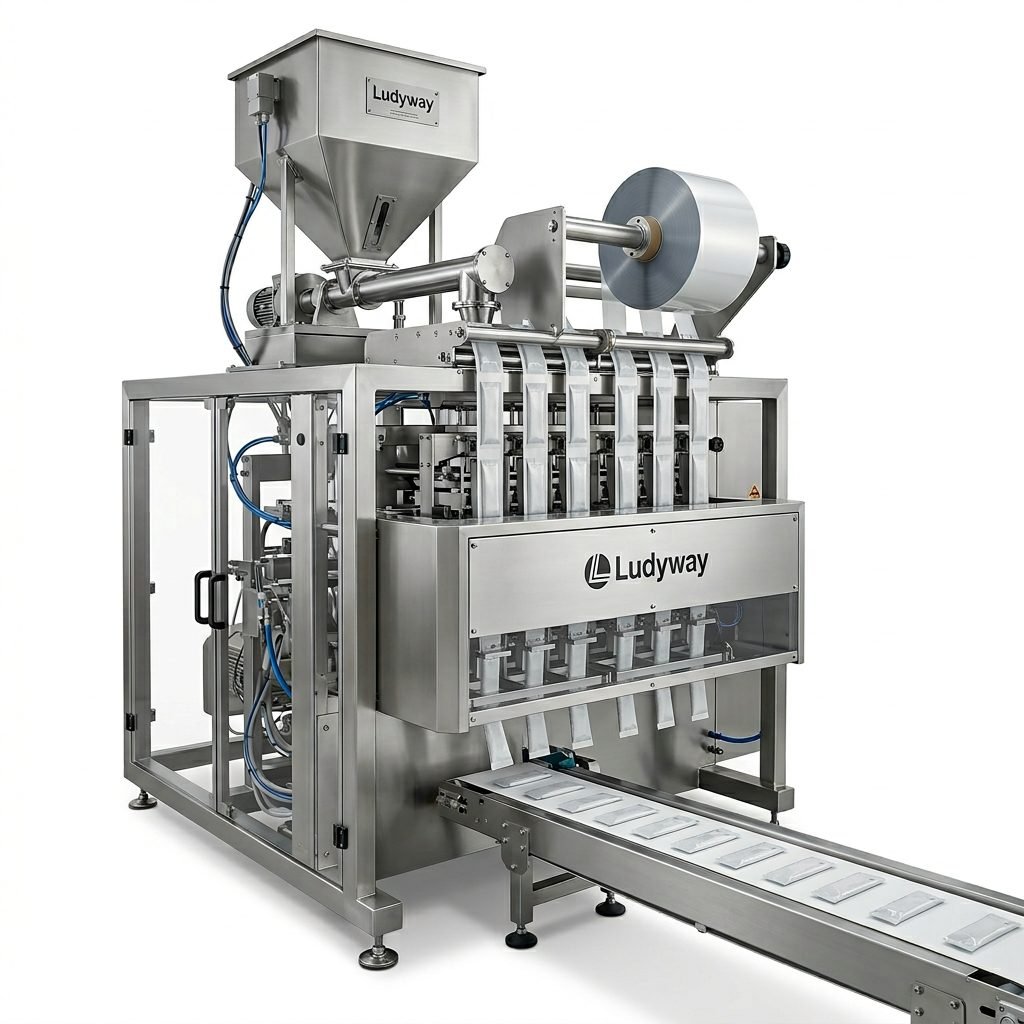
Before evaluating technical specifications, it’s essential to understand the primary machine configurations available. Aluminum foil is commonly used in stick pack, sachet, and pouch packaging formats. The three main types you will encounter include multi-lane stick pack machines, vertical form fill seal (VFFS) machines modified for foil, and pre-made pouch rotary fillers. Each serves different production goals. Multi-lane systems, for instance, can achieve extremely high speeds of up to 600 packs per minute, making them ideal for single-serve dry products like seasoning powders or instant coffee. For larger formats or bulk packaging, automated VFFS machines provide flexibility in bag sizes while maintaining the barrier properties of aluminum foil laminates.

Key Specifications to Evaluate Before Buying
To shortlist the best machine for your production line, you must analyze several technical parameters. The table below summarizes the critical specifications you should confirm with any potential supplier:
| Evaluation Criterion | Why It Matters | Options to Consider |
|---|---|---|
| Material Compatibility | Foil laminates require special sealing jaws and tension control | Heat seal, ultrasonic seal, or impulse seal |
| Production Speed | Directly impacts operational throughput and ROI | 40ppm to 600ppm depending on lanes |
| Filling Accuracy | Reduces product giveaway and ensures compliance | Auger filler, volumetric cup, multi-head weigher |
| Bag Dimensions | Must match your marketing and retail requirements | Stick packs (2-20g), Sachets (1-50ml) |
When dealing with aggressive products like liquid detergents or acidic food items, compatibility with the aluminum foil’s inner sealant layer becomes critical. Similarly, a robust temperature control system is vital because foil laminates are sensitive to heat; even minor fluctuations can cause sealing failures or material damage.
Automation, Integration, and The Turnkey Advantage
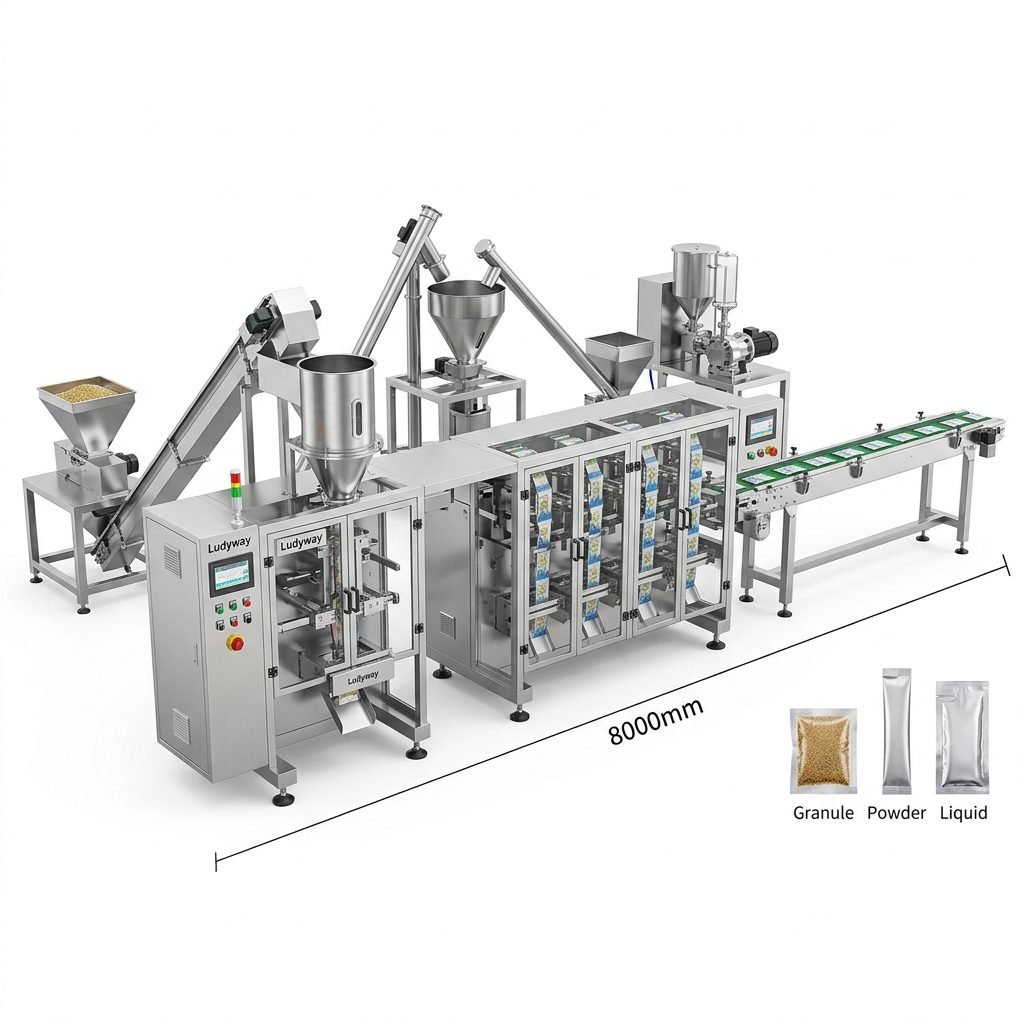
Modern packaging operations often look beyond standalone machines. The integration of an aluminum foil packaging machine into a broader line can include automated feeding, coding, inspection, and cartoning. Working with a specialized supplier like Ludyway—a China-based packaging machinery manufacturer with over 30 years of experience in flexible packaging solutions—can simplify this process. They offer a portfolio of over 50 machine models and support for turnkey production lines that connect multiple packaging stages. This concept is explored further by industry groups like the PMMI packaging industry resources, which emphasize the efficiency gains of integrated systems. Additionally, if you are working with flexible packaging, you may need to consult standards from the Flexible Packaging Association’s knowledge hub to ensure material compliance.
Key Checklist for Turnkey System Selection
- Verify that the supplier has engineering capabilities for multi-lane configurations and custom bag sizes.
- Ensure the control system architecture is compatible with your factory’s industrial communication protocols.
- Check if the supplier offers integrated vision inspection and reject systems for foil integrity.
Quality Compliance and Industry Standards
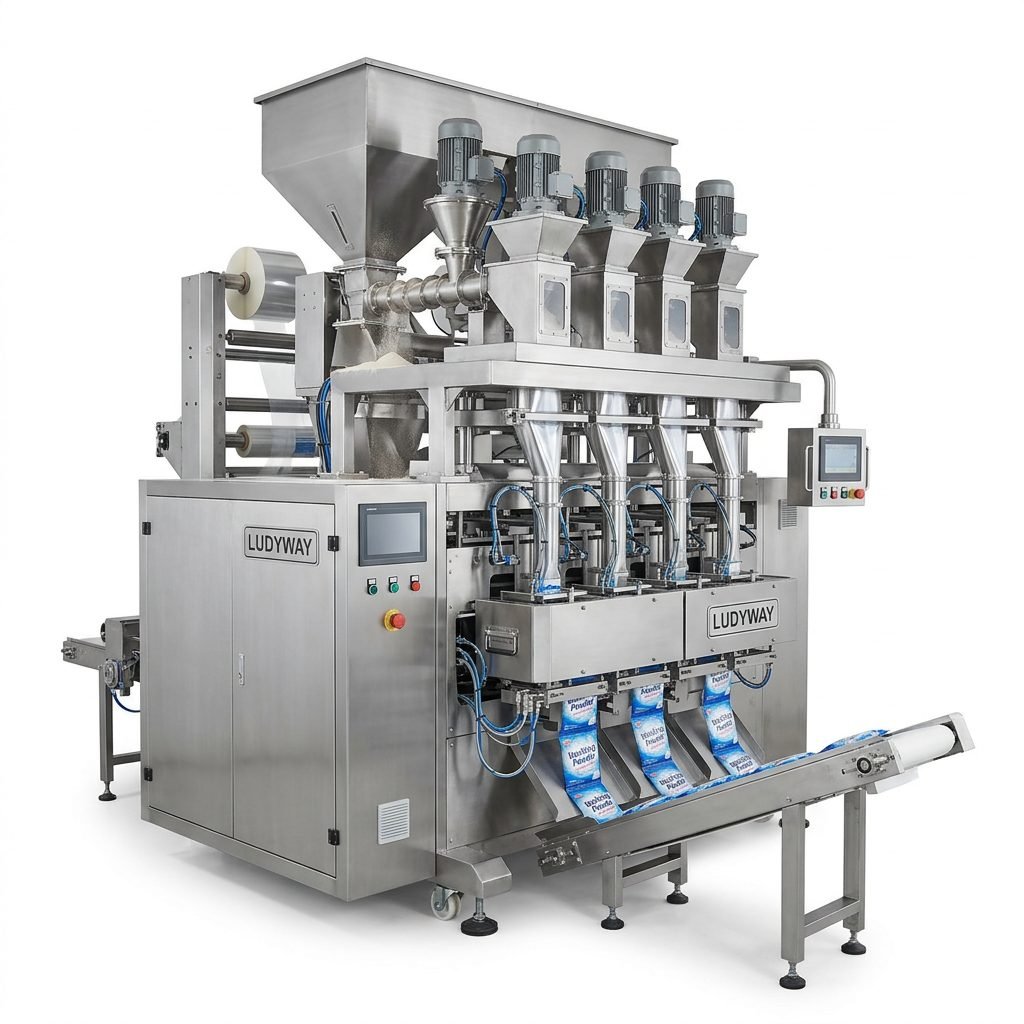
Any aluminum foil packaging machine destined for international markets must meet rigorous safety and quality standards. Whether you are packaging pharmaceuticals, food, or chemicals, the machine’s build quality and material certifications are non-negotiable. For food-grade applications, packaging materials and contact parts must often comply with FDA food contact substance regulations. In the medical field, validation may require adherence to ISO standards such as ISO 11607 for terminally sterilized medical devices. International buyers should look for manufacturers that utilize established pneumatic and electrical components from global suppliers to ensure long-term reliability, even in harsh processing environments.
The Value of Customization and After-Sales Support
Standardized machines rarely fit every production floor layout or product nuance perfectly. A valuable equipment partner will offer customized engineering solutions—modifying dosing systems, inlet configurations, or film handling to suit your unique aluminum foil thicknesses and lamination types. As highlighted by experts at the PMMI business intelligence library, achieving optimal overall equipment effectiveness (OEE) depends heavily on the machine being adapted to the specific product. Equally vital is the global service capability; you must evaluate whether the manufacturer provides remote technical assistance, readily available spare parts, and on-site commissioning support to minimize potential downtime.
Common Industries and Application Examples
- Food & Beverage: Ketchup sachets, instant coffee, butter portions, dry yeast.
- Pharmaceuticals & Health: Effervescent tablet strips, oral rehydration salts, diagnostic test kit desiccants.
- Cosmetics & Personal Care: Hand cream samples, shampoo sachets, sunscreen stick packs.
- Chemical & Industrial: Sealants, detergents, concrete admixture samples.
Selecting an aluminum foil packaging machine requires balancing speed, material science, and long-term support. By focusing on the specifications outlined above and choosing a partner with a robust engineering background and a global service network equivalent to that of a long-term packaging machinery partner, you can ensure reliable production for decades to come.
Related Industry Insights
• PMMI 2026 State of the Industry Report
• Flexible Packaging Association Industry Data
• European Commission Packaging and Packaging Waste Regulation