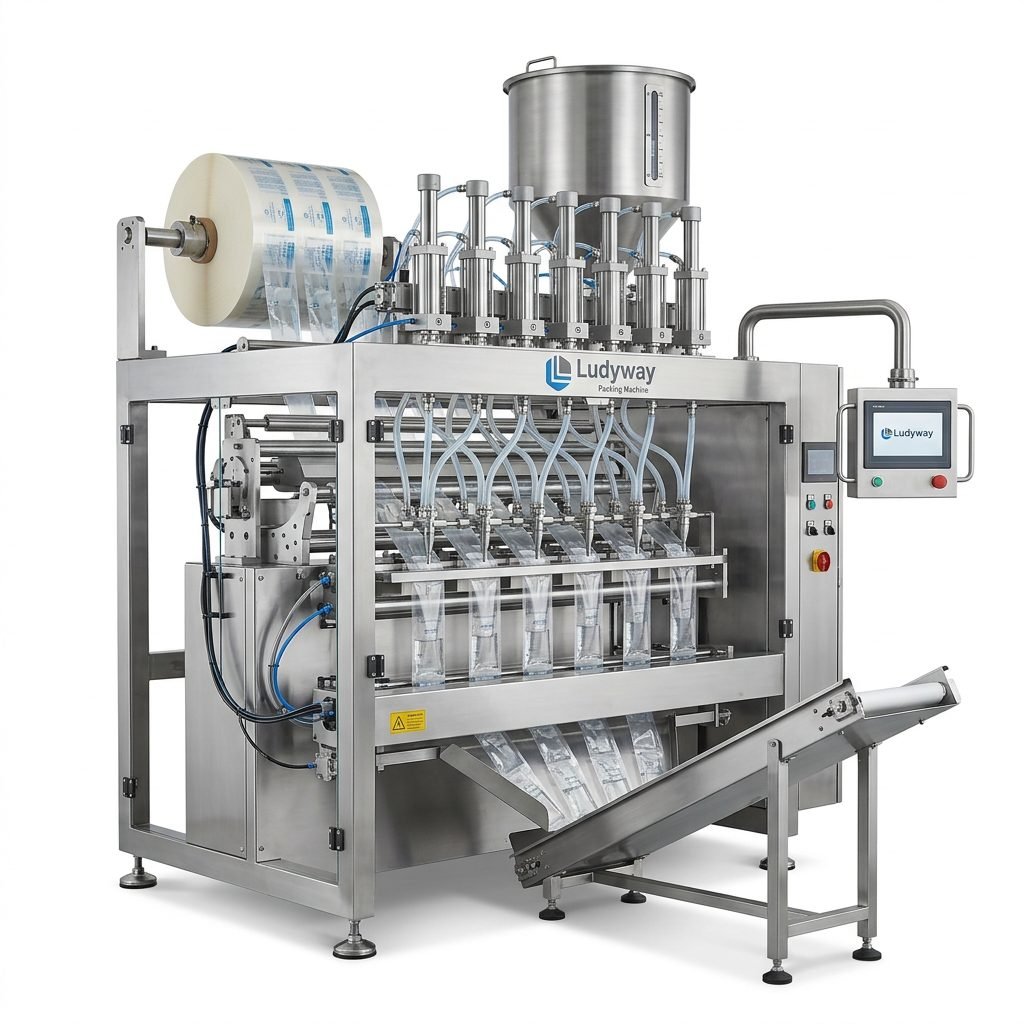
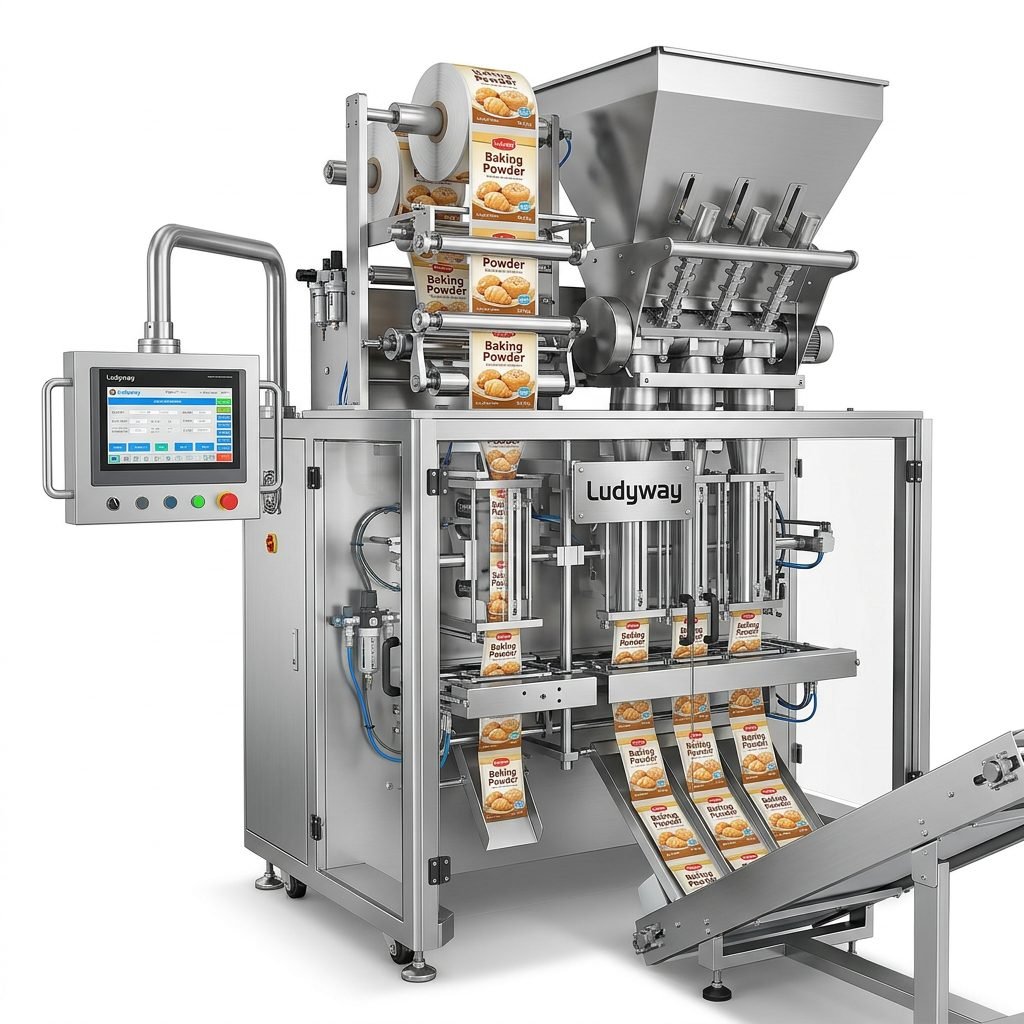
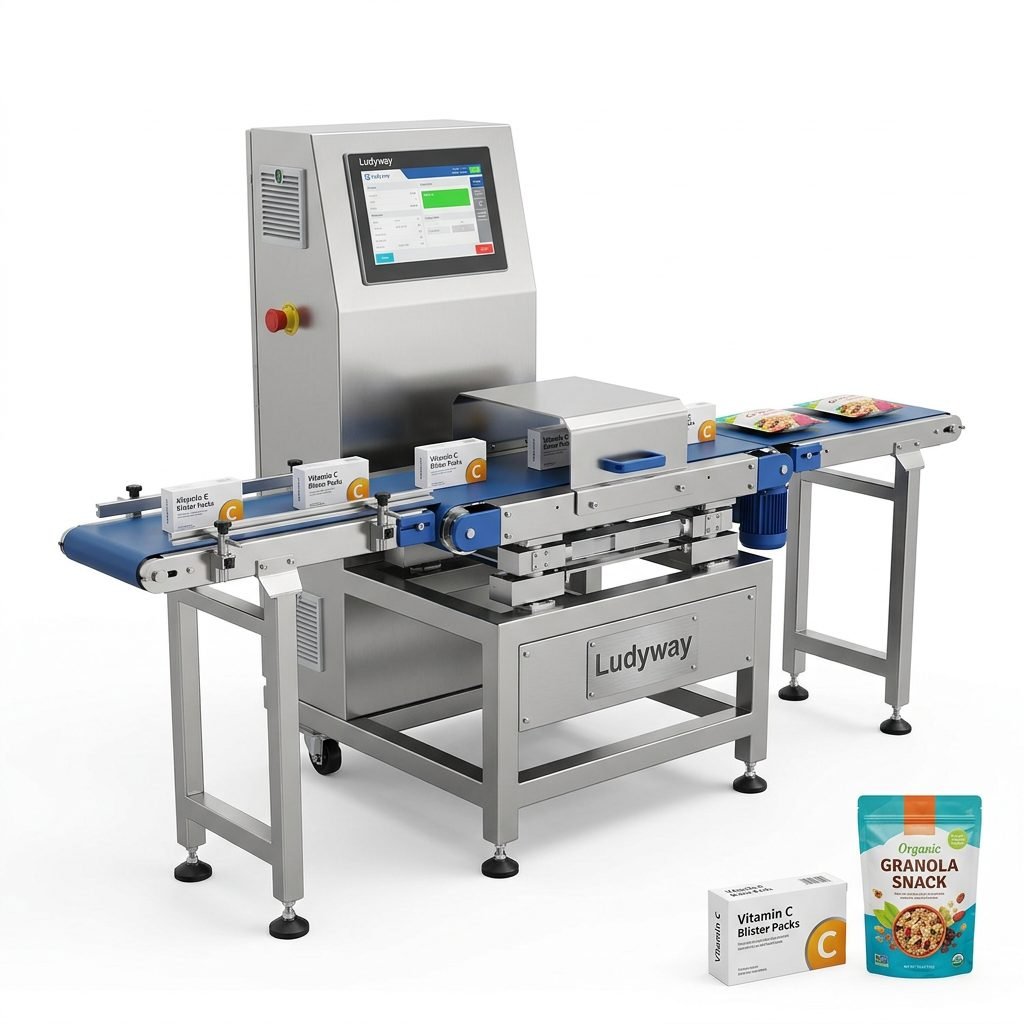
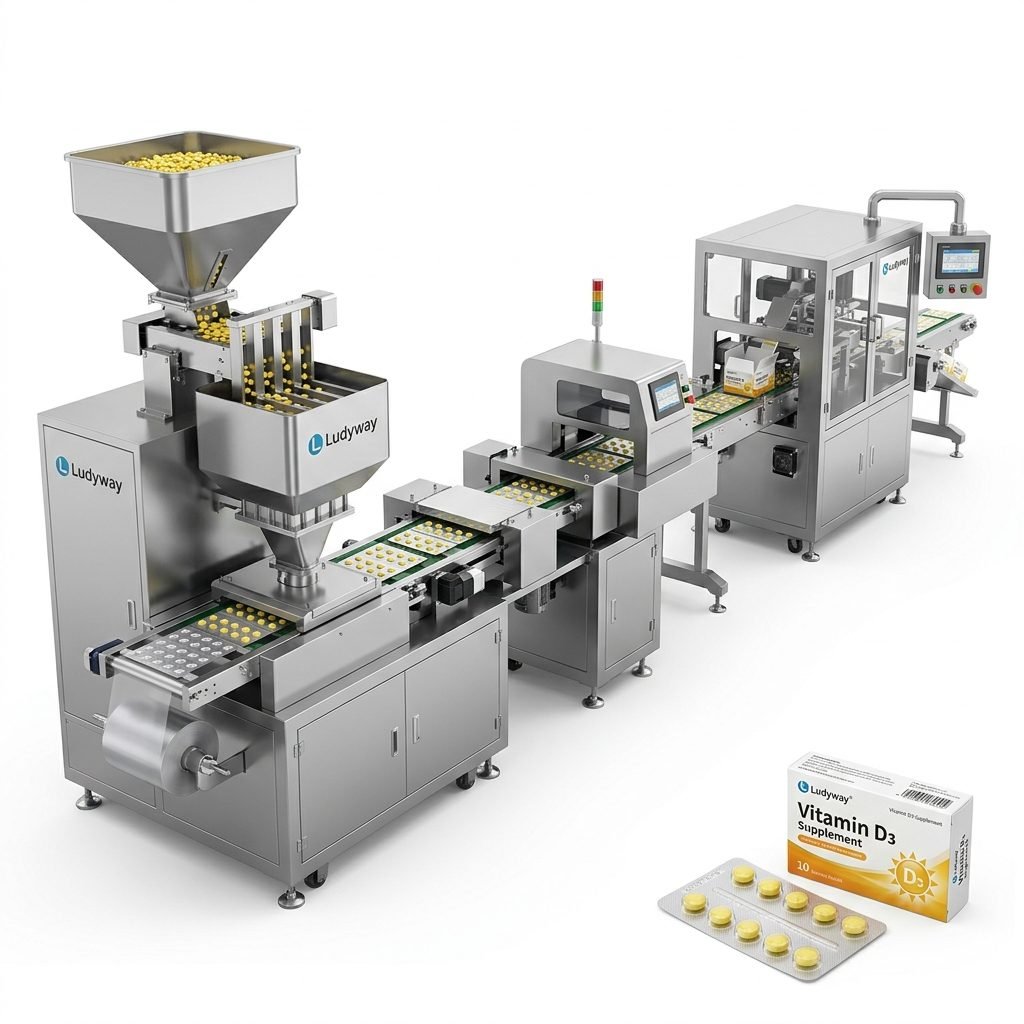
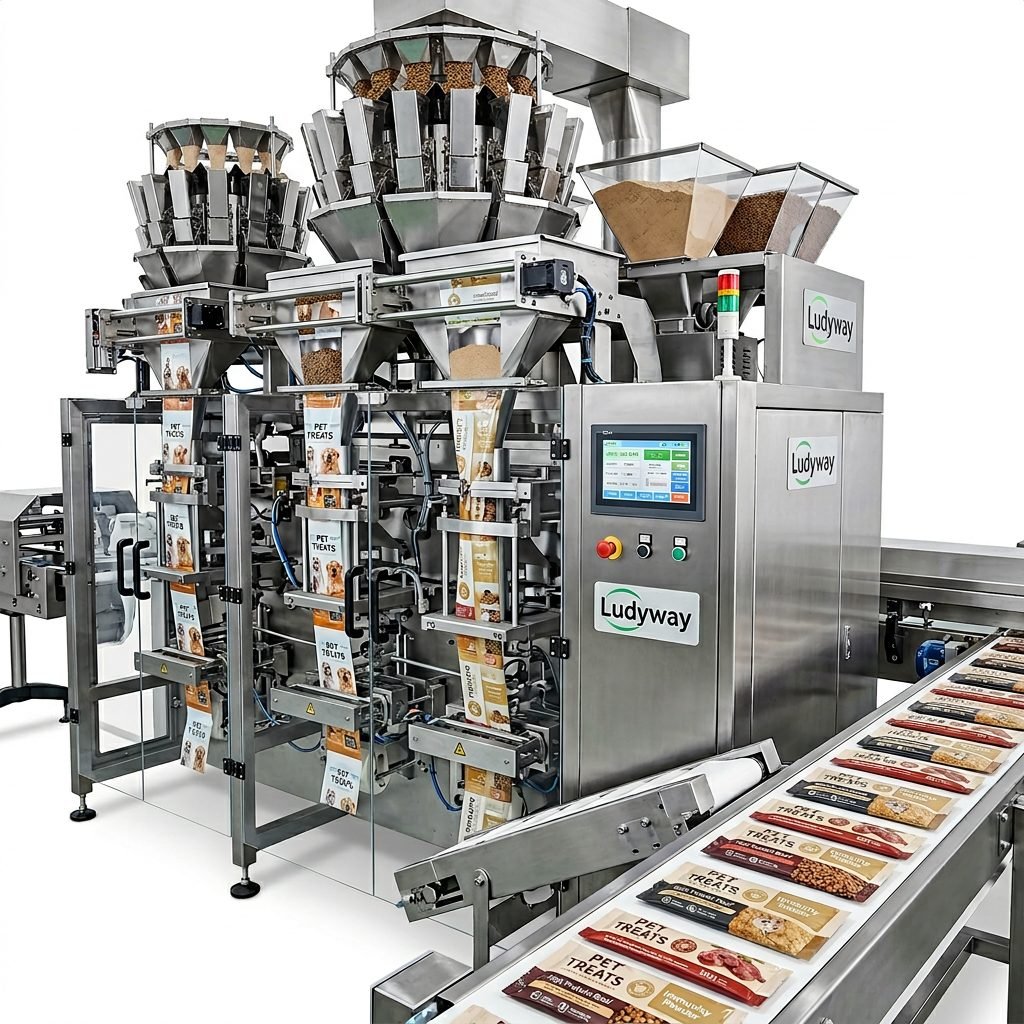
Investing in paper bag packaging machinery is a strategic decision that directly impacts your production efficiency, product quality, and bottom line. With the global shift toward sustainable materials, paper packaging has become a critical component for industries ranging from food and pharmaceuticals to chemicals and construction. However, selecting the ideal machine requires a careful evaluation of your product characteristics, production goals, and the technological capabilities of the equipment. This comprehensive buyer’s guide will walk you through the essential factors to ensure you make an informed decision.

1. Evaluate Your Product Characteristics and Compatibility
Before reviewing machine specifications, you must clearly define the physical properties of the product you intend to package. The filling mechanism for free-flowing granules is vastly different from that required for dusty powders or corrosive liquids. A mismatch here can lead to inaccurate fills, material waste, and frequent downtime. Understanding your material is the first step in narrowing down the suitable paper bag packaging machine configurations.
| Product State | Common Examples | Recommended Dosing System |
|---|---|---|
| Fine Powders | Flour, milk powder, chemical dust | Auger filler with dust-tight seals |
| Granules & Pellets | Fertilizer, pet food, grains | Net weight multi-head weigher |
| Liquids & Pastes | Juice, sauces, industrial lubricants | Piston pump or mass flow meter |
| Solid Components | Hardware, electrical fittings | Counting machine or vibratory feeder |
2. Define Your Bag Style and Dimensional Range
Paper bags come in a variety of styles, each engineered for specific product integrity and retail display needs. Whether you need flat-bottom block-bottom bags for stable shelf display, pinch-bottom bags for heavy products, or simple open-mouth pasted valve bags, the machine must be capable of forming and sealing the exact bag format your brand requires. Flexibility in size adjustments is also crucial if you run multiple SKU sizes.
- Open-Mouth Bags (SOM): Ideal for bulk products and easy manual filling, but auto-sealing capabilities vary.
- Valve Bags: Efficient for fine powders, allowing rapid filling without heavy heat-sealing requirements.
- Block-Bottom Bags: Excellent for branding and shelf appeal, often requiring hot-melt glue closures.
- Side-Gusseted Bags: Holds higher volumes, suitable for coffee, grains, and heavy industrial items.
3. Automation Level and Production Speed Requirements
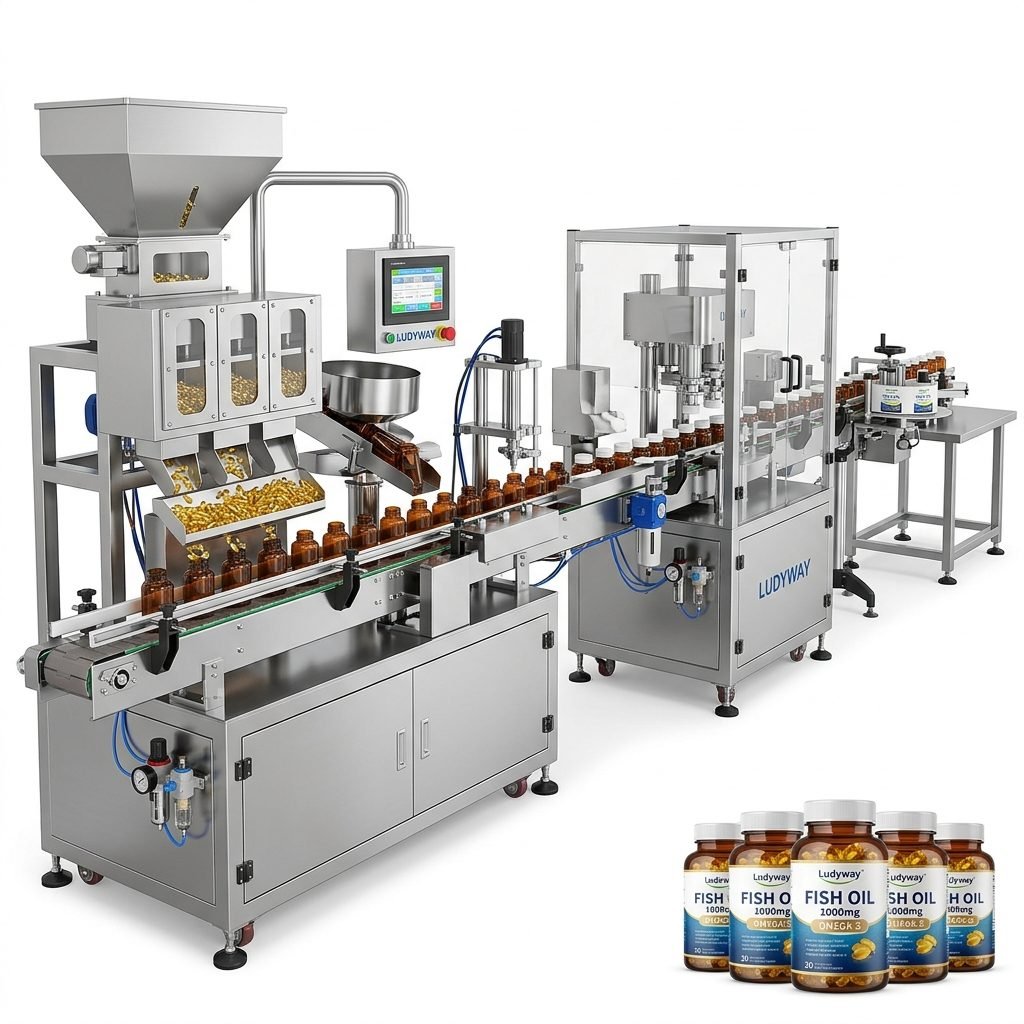
The degree of automation is the biggest factor impacting both your throughput and labor costs. A semi-automatic system might require manual bag placement and removal, suitable for start-ups with lower output needs. In contrast, a fully automatic packaging line integrates bag forming, filling, sealing, coding, and palletizing seamlessly. Evaluate the bags per hour (BPH) rating carefully, but also factor in the reliability of the film transport and seal quality under high-stress cycles.
Manual vs. Automatic: Key Considerations
- Semi-Automatic Machines: Lower upfront cost. Best for angular or difficult-to-handle materials where manual finesse is required.
- High-Speed Inline Systems: Essential for clean operations where product hygiene is paramount; minimizes human contact.
- Turnkey Robotic Systems: Integrates filling, labeling, and automated packaging logistics to eliminate bottlenecks at the end of the production line.
4. International Quality Standards and Compliance
Global markets demand strict adherence to safety and material compliance. When sourcing a paper bag packaging machine, you must verify that the equipment can handle sustainable and food-safe materials without compromising seal integrity. Look for manufacturers whose equipment aligns with flexible packaging industry standards and ISO certifications. A reputable partner ensures that the machine is built to comply with CE, GMP, or FDA guidelines depending on your geographical market, protecting both your product and consumer safety.
5. Customization and Engineering Support: Why Manufacturing Expertise Matters
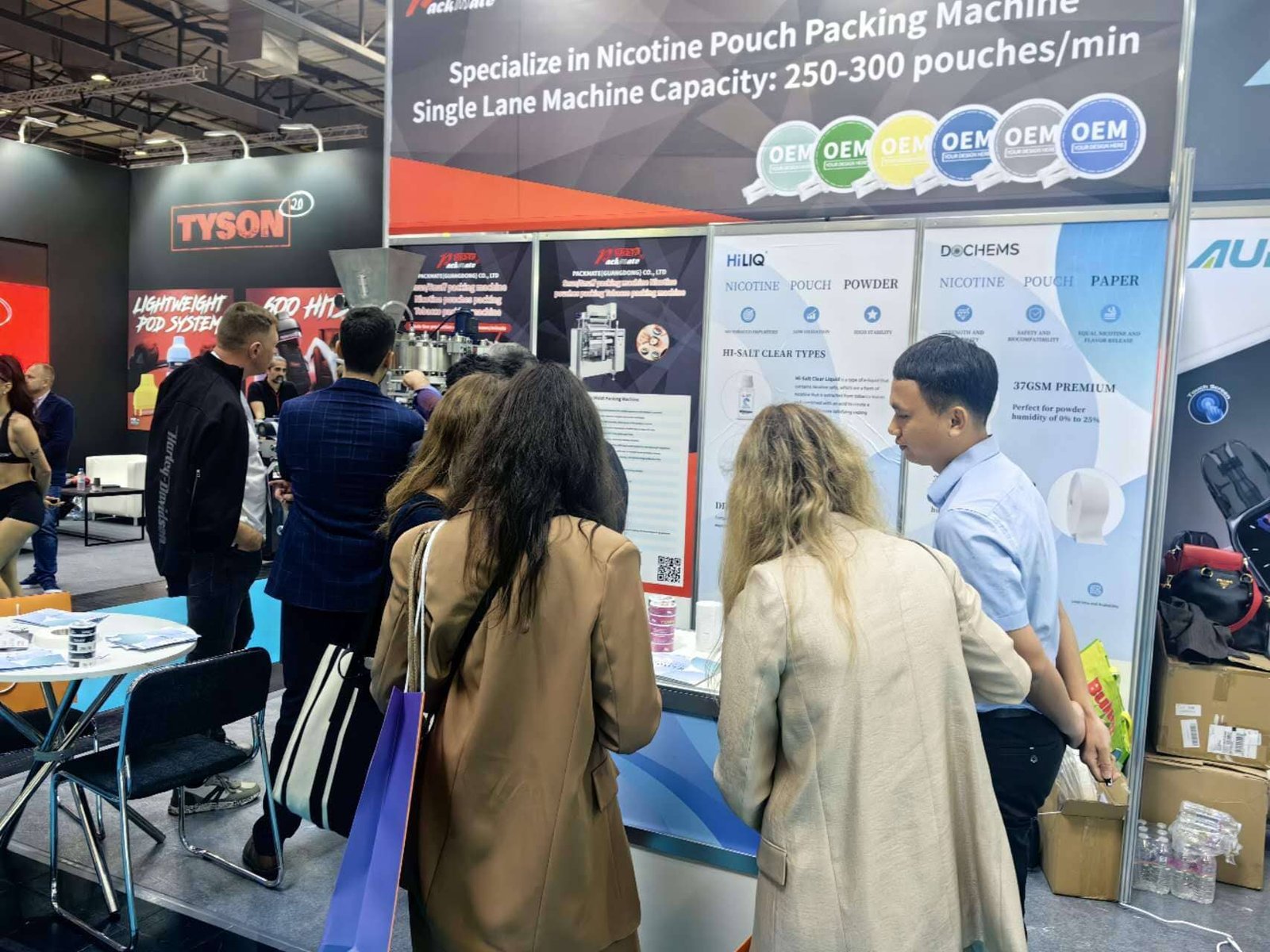
Off-the-shelf solutions rarely fit complex production requirements perfectly. Whether you are packaging hydroscopic chemicals or volatile spices, you need a manufacturer with deep engineering capabilities and customization experience. Partnering with a seasoned packaging machinery manufacturer like Ludyway Machinery provides access to over three decades of application know-how, a 20,000-square-meter facility, and a broad portfolio of over 50 machine models designed for specific product behaviors. This ensures your machine is not simply assembled, but meticulously engineered to solve your unique dosing, sealing, and material feeding challenges within the paper packaging ecosystem.
6. Total Cost of Ownership (TCO) and After-Sales Service
The purchase price is just the beginning. Analyze the Total Cost of Ownership, including spare parts availability, energy consumption, and the accessibility of technical support. A machine that utilizes standardized industrial automation components often results in lower repair costs and easier maintenance. Ensure your supplier offers comprehensive packaging industry business intelligence-backed support, remote troubleshooting, and readily available spare parts kits to prevent production interruptions.
- Remote Diagnostic Tools: Reduces travel costs and enables instant fault resolution.
- Operator Training Programs: Maximizes efficiency from day one and minimizes human error.
- Supply Chain Reliability: Vet the geographic reach of their service network and parts logistics.
Making the Final Decision
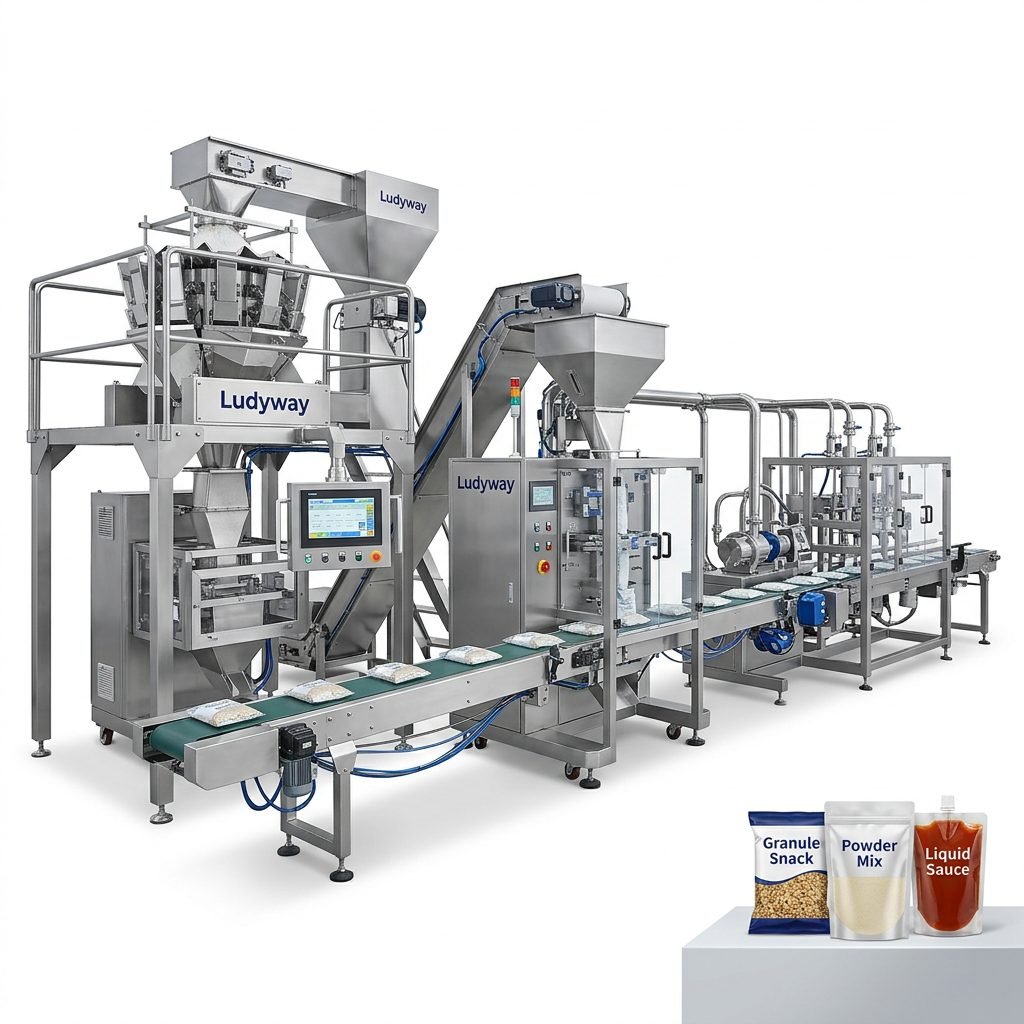
Choosing the right paper bag packaging machine is a balanced act between technical compatibility, output goals, and supplier reliability. By methodically assessing your material properties, desired bag style, speed requirements, and the engineering depth of your potential partner, you can secure an investment that drives operational growth rather than becoming a maintenance burden. Always prioritize a machinery partner that acts as an extension of your engineering team, guiding you through selection, installation, and global scaling.