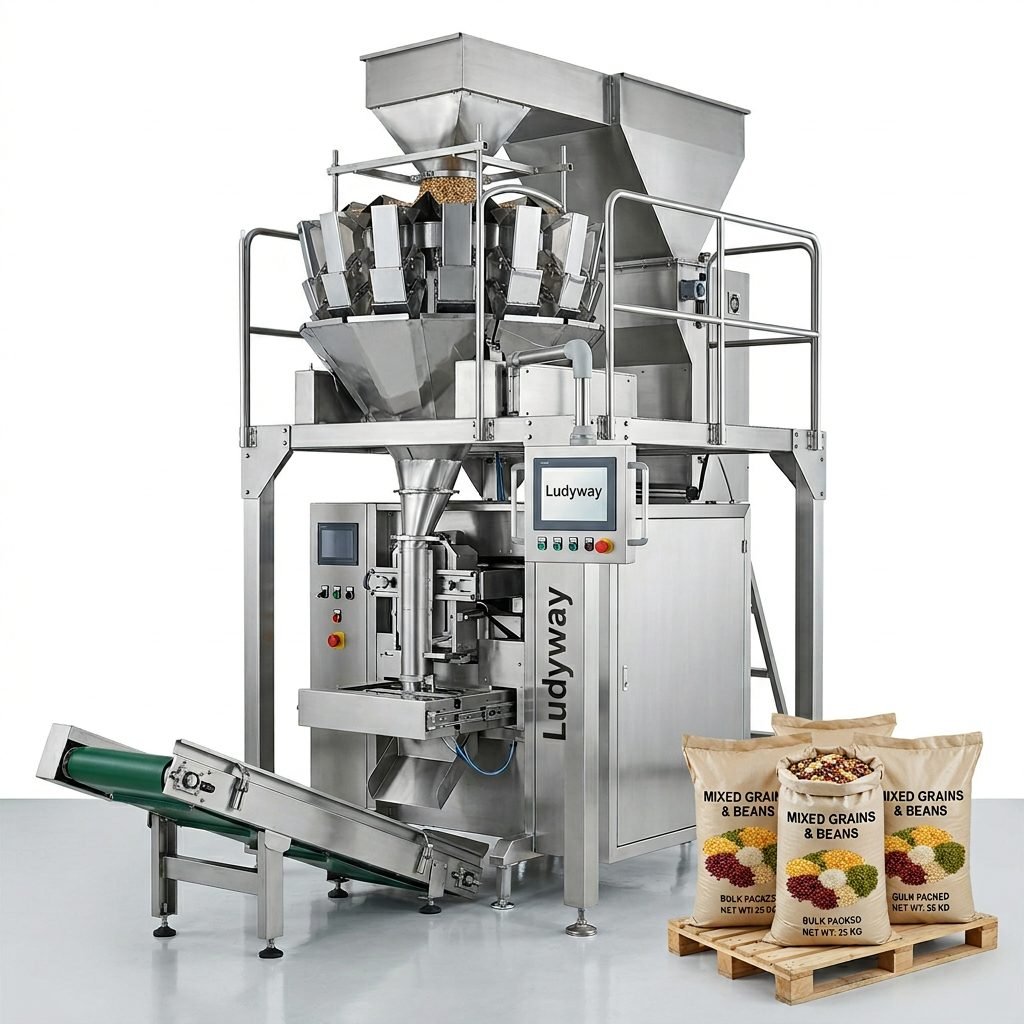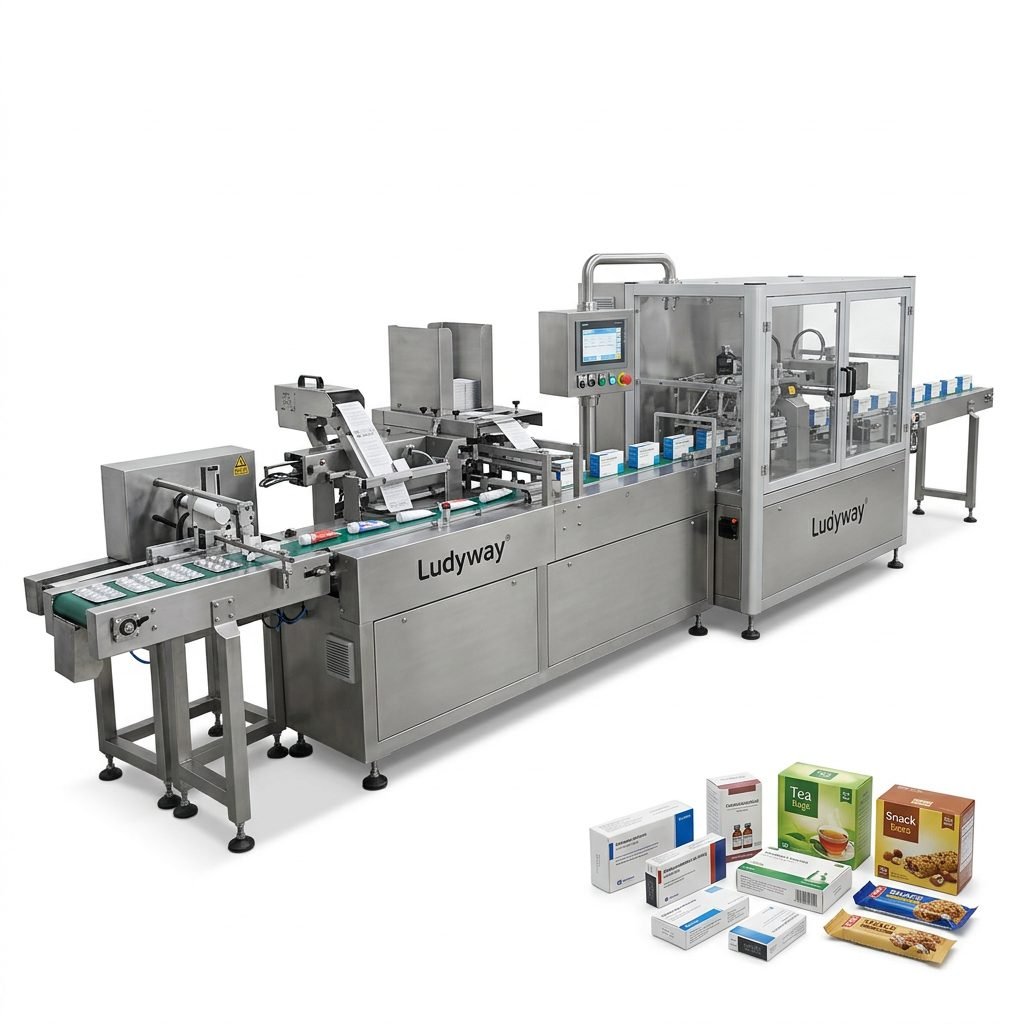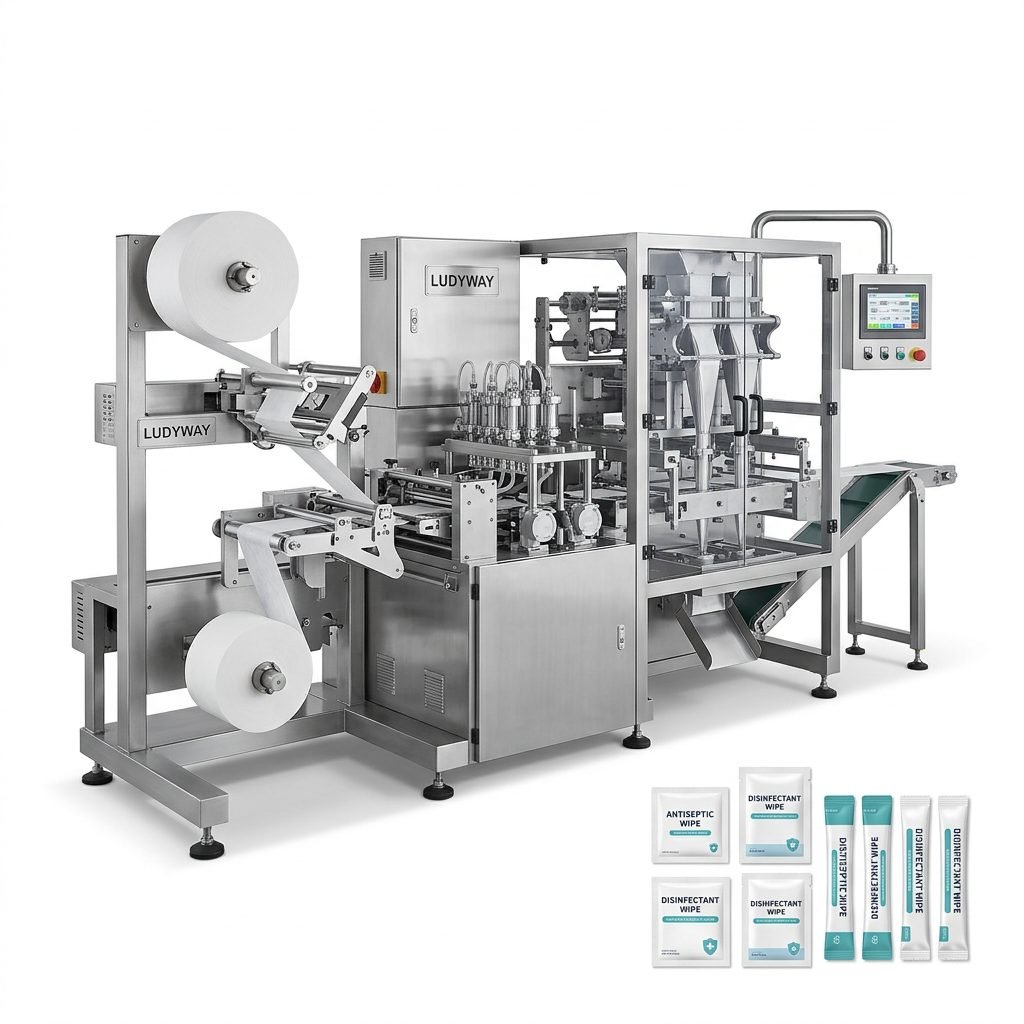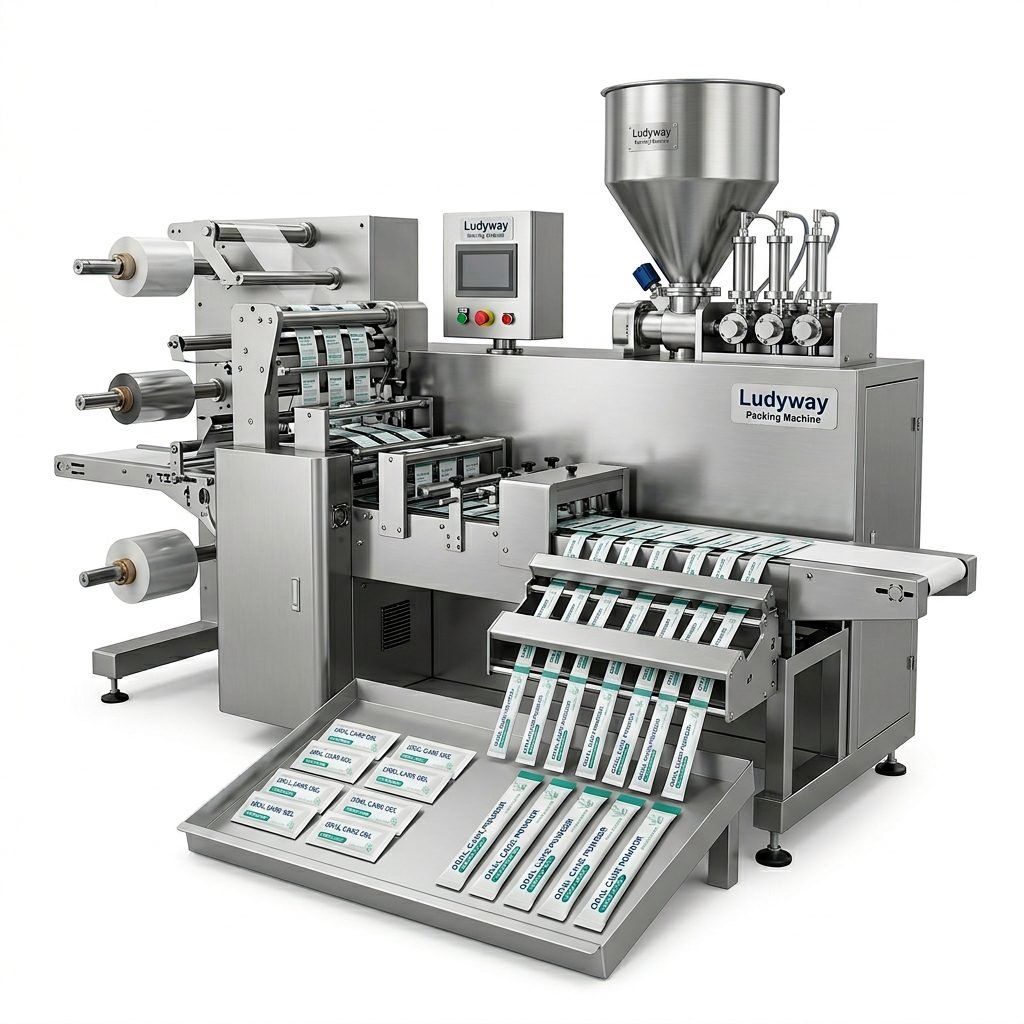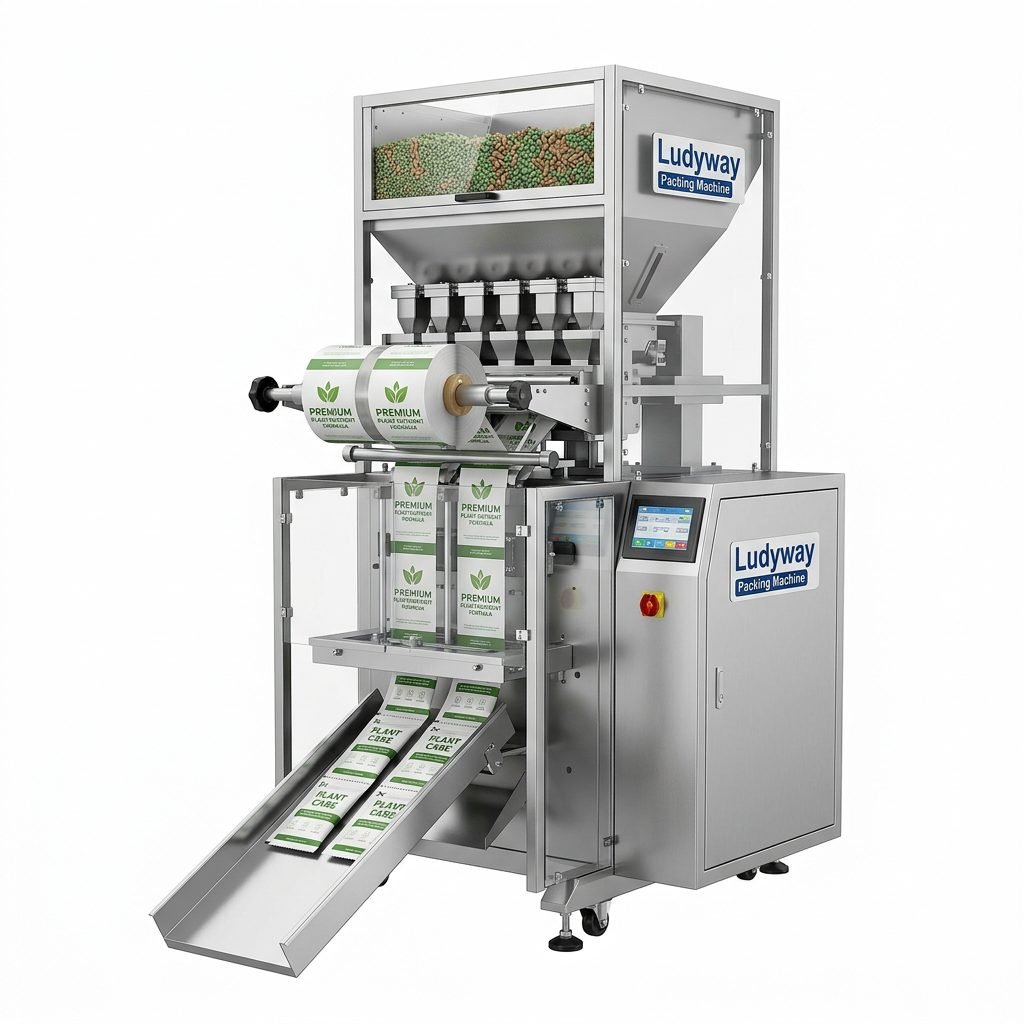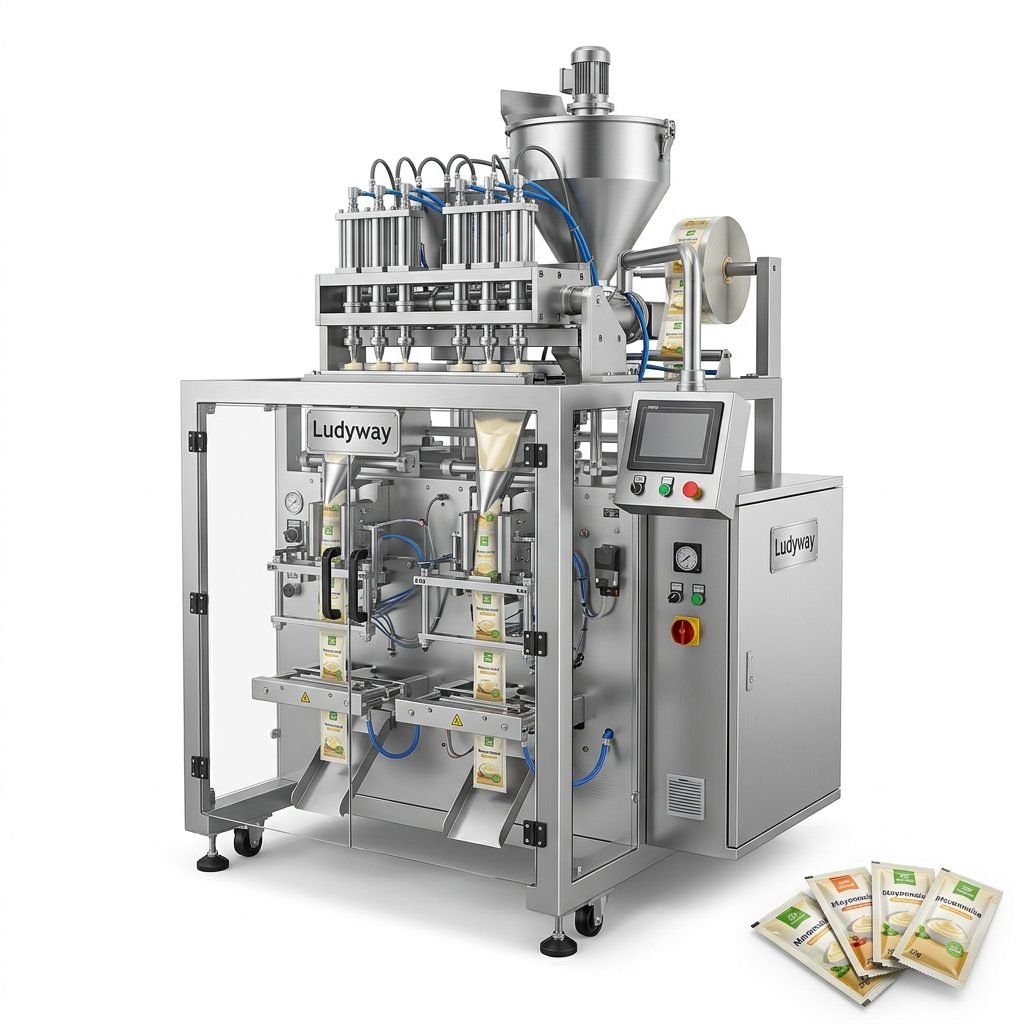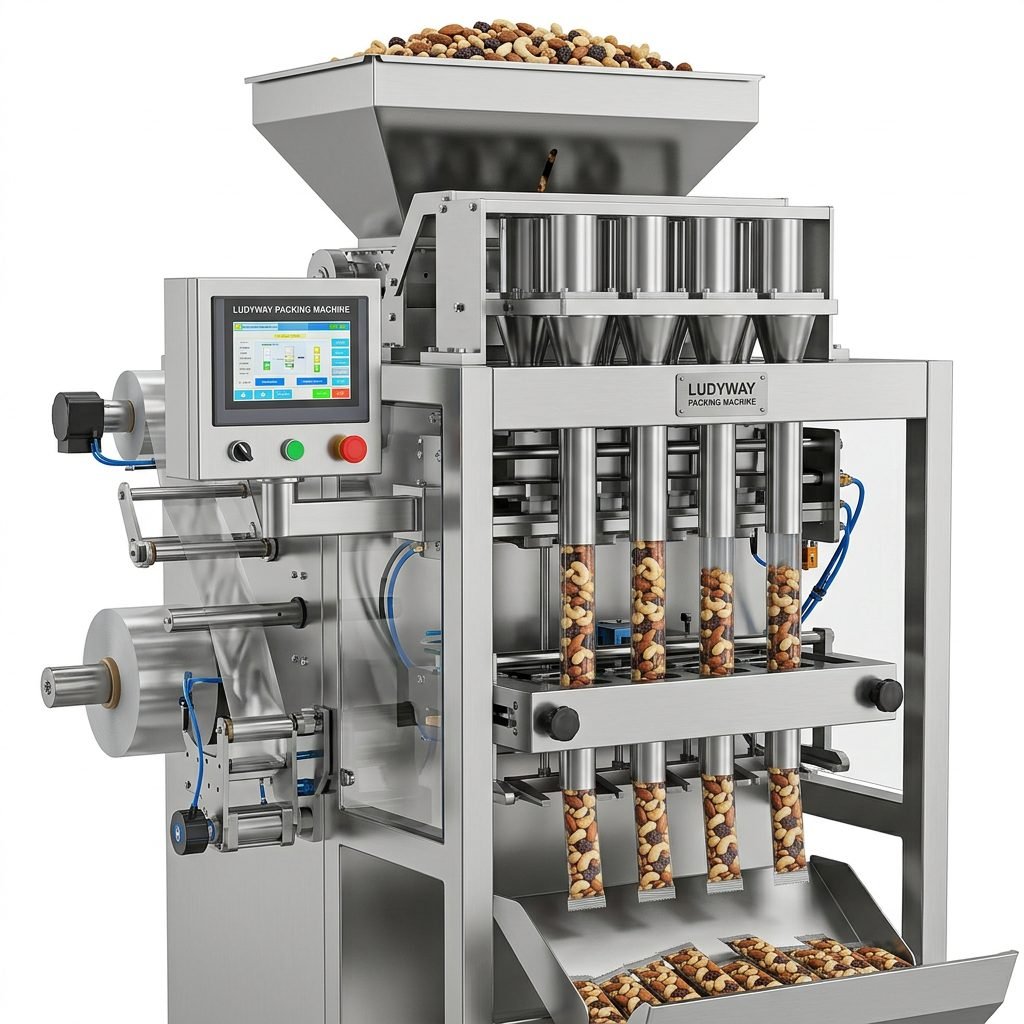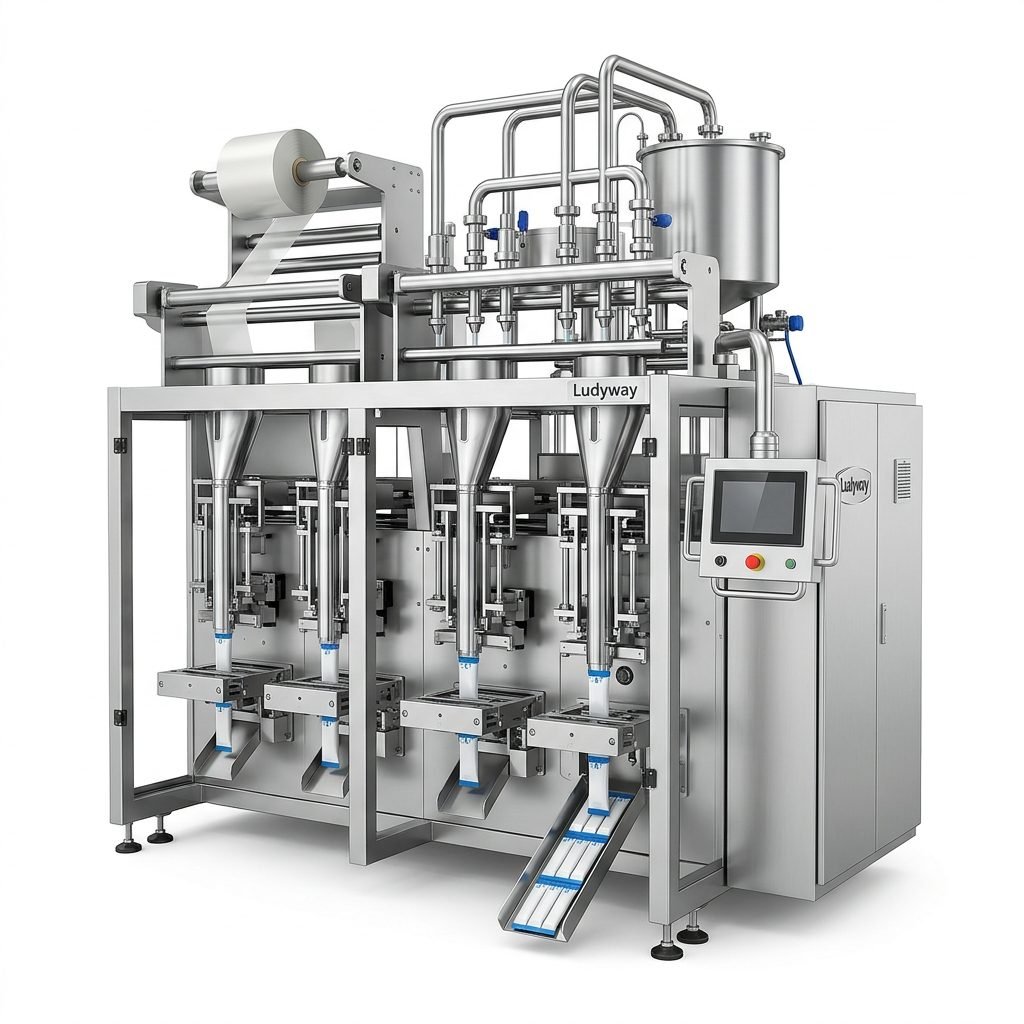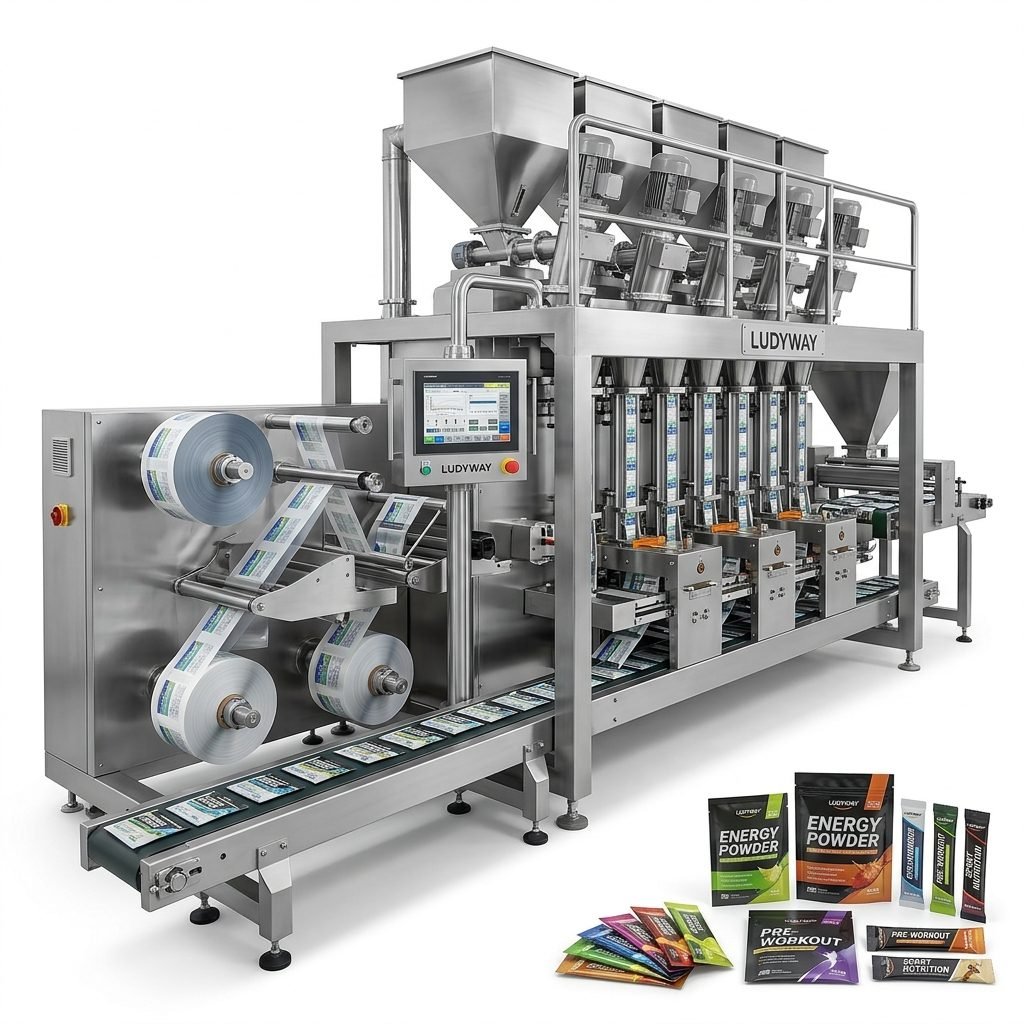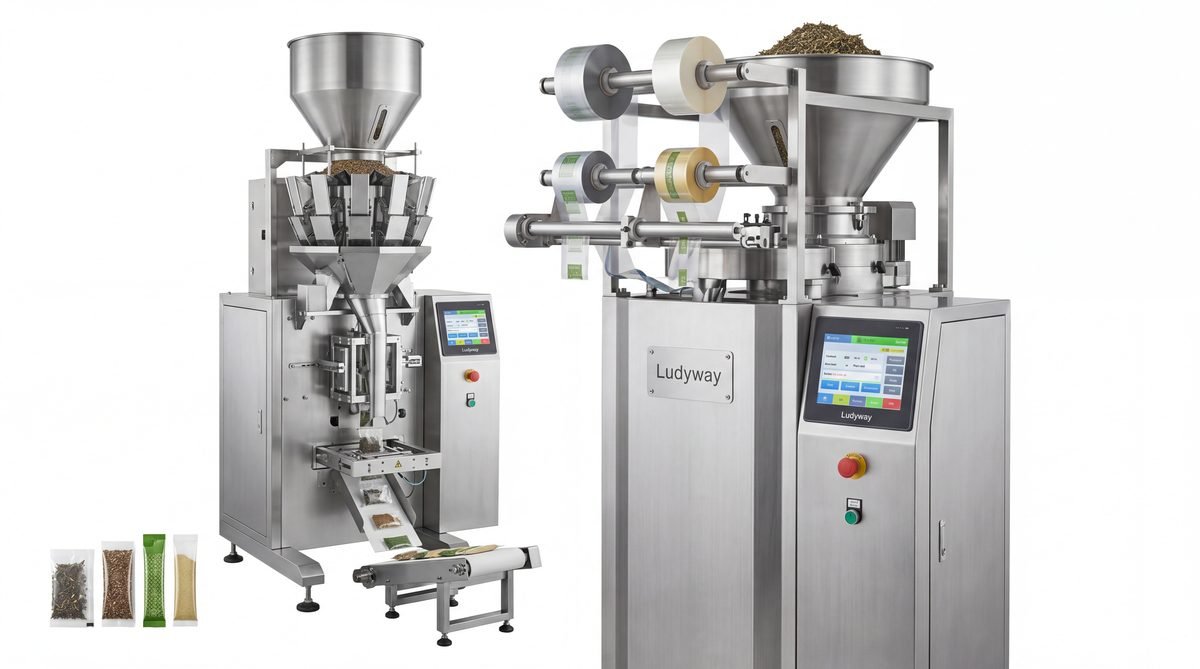
In the rapidly evolving beverage and health product market, tea strip packaging machines have become essential for brands looking to deliver convenience, precise dosing, and extended shelf life. Whether you are producing matcha, herbal blends, or instant milk tea powders, the shift towards stick pack and sachet formats is undeniable. However, one of the first questions procurement managers ask is: “How much does a tea strip packaging machine cost?”
The answer is not a simple one, as the price depends heavily on technical specifications, production capacity, and hardware customization. A basic semi-automatic unit will sit at a vastly different price point compared to a fully automated, multi-lane system designed for high-volume production. This guide breaks down the cost factors, price ranges, and long-term value considerations to help you make an informed investment.
Key Factors Influencing Tea Stick Packaging Equipment Price
To understand the final quote you’ll receive from a manufacturer, you must first break down the engineering behind the machine. Here are the primary cost drivers:
1. Level of Automation
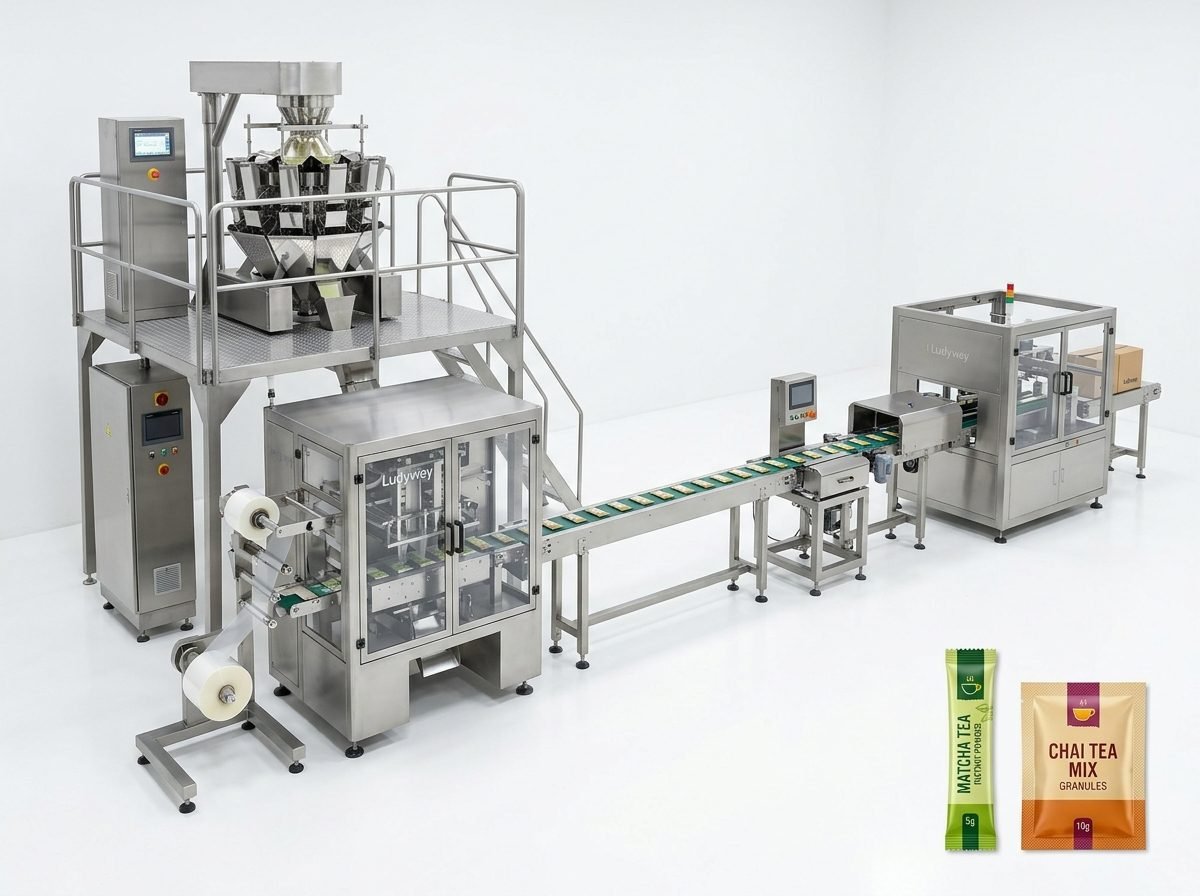
The degree of automation significantly impacts the initial capital expenditure. Semi-automatic tea packaging machines require manual feeding or product handling, reducing the upfront cost but limiting output. In contrast, fully automated lines integrate automatic feeding, weighing, filling, sealing, and coding. These in-line automated systems drastically reduce labor costs and human error but come with a higher initial price tag.
2. Production Speed and Capacity
Measured in packs per minute (PPM), speed is a critical cost variable. A machine operating at 40-60 PPM will be perfect for mid-sized businesses, while a high-speed multi-lane machine outputting 200-400 PPM will require more sophisticated servo-driven motors and controls, increasing the cost substantially.
3. Build Material and Construction
For food-grade tea products, SUS304 stainless steel is the industry standard to prevent contamination and corrosion. Machines built with thicker steel frames and premium international brand components (like Siemens PLCs or Omron sensors) will have a higher baseline cost but offer significantly longer operational lifespans.
Tea Strip Packaging Machine Cost Analysis by Configuration
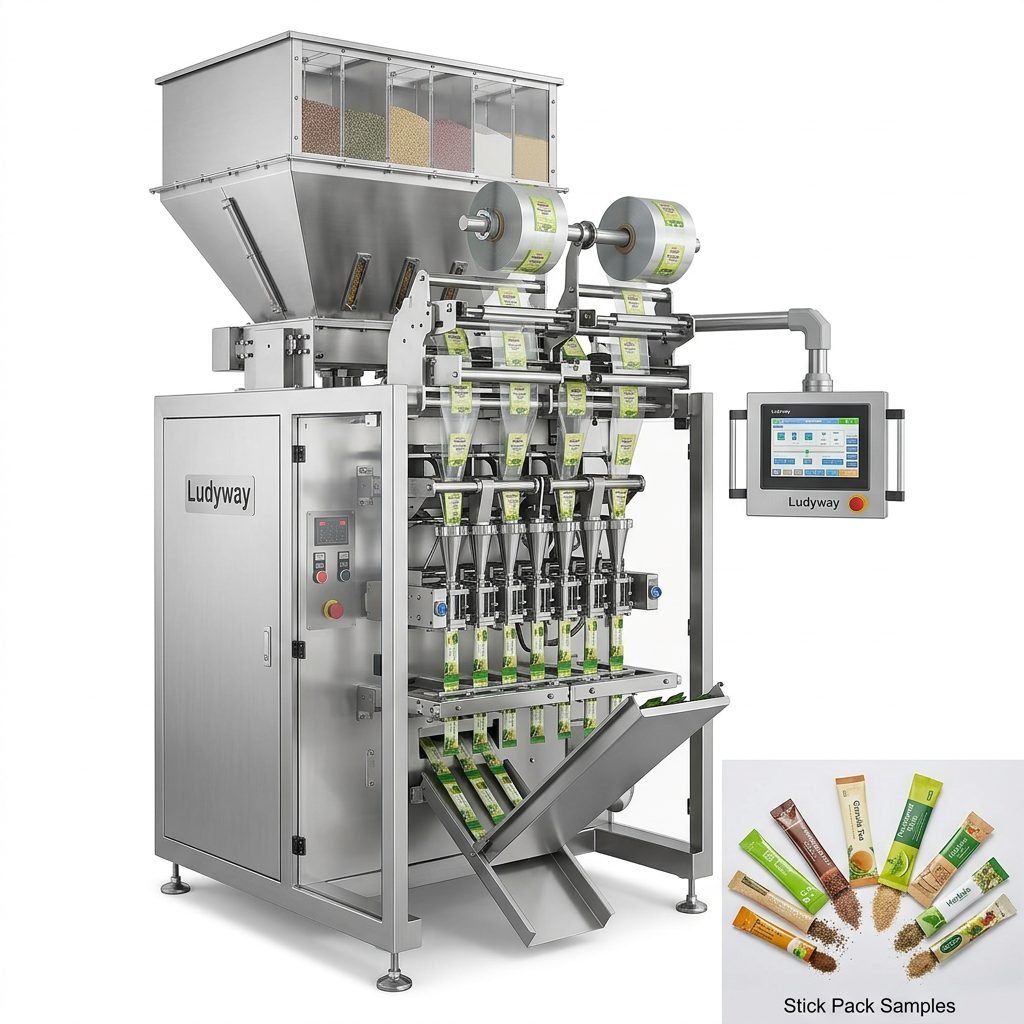
The type of packaging machine is the biggest determinant of cost. Below is a breakdown of what you can expect in the current global market. Please note these are estimated ranges for industrial-grade equipment, not tabletop manual units.
| Machine Type | Typical Speed | Estimated Price Range (USD) |
|---|---|---|
| Single-Lane Stick Pack Machine | 30 – 50 PPM | $8,000 – $15,000 |
| 4-Lane Stick Pack Machine | 100 – 200 PPM | $25,000 – $45,000 |
| 8/10-Lane High-Speed System | 300 – 500 PPM | $60,000 – $120,000 |
| Full Turnkey Packaging Line | Incl. Cartoning, Palletizing | $150,000+ |
Note: Prices vary based on included accessories like nitrogen flushing systems, z-type bucket elevators, and date coding printers. Always confirm what is included in the manufacturer’s FOB price.
Reducing the Total Cost of Ownership (TCO)
Looking strictly at the purchase price can be misleading. A slightly more expensive machine often offers a lower total cost of ownership over five years due to reduced film wastage, modular spare parts, and energy efficiency. Consider the following:
- Film Waste Reduction: Advanced photoelectric tracking systems ensure precise bag length, minimizing costly packaging material loss.
- Energy Efficiency: Modern servo-driven machines consume significantly less electricity than older clutch systems.
- Quick Changeover: Machines that allow for tool-less changeover between different tea bag sizes reduce downtime.
Choosing the Right Supplier for Tea Packaging Solutions
Sourcing the right machinery requires vetting the manufacturer’s engineering expertise and compliance with international packaging standards. When comparing quotes, ensure the supplier provides robust after-sales support. For instance, Ludyway, one of the largest packaging machine manufacturers in China, supports a 20,000㎡ modern production facility and over 30 years of engineering experience, offering more than 50 intelligent packaging machine models to global clients. A partner with a track record of turnkey flexible packaging solutions can be the difference between costly downtime and continuous production.
Questions to Ask Before Buying a Tea Packaging Machine
- Is the machine capable of handling my specific product viscosity and powder density?
- What is the expected lifespan of the sealing jaws and cutting knives?
- Does the quote include a vacuum feeder and a check weigher?
- Is the software compatible with Industry 4.0 and remote diagnostics?
Frequently Asked Questions About Tea Packaging Machine Costs
Is a multi-lane machine worth the extra investment?
Absolutely, if your daily output target exceeds 50,000 sachets. The jump from a single-lane to a 4-lane or 8-lane system dramatically reduces labor costs per unit, usually justifying the capital expenditure within 12-18 months.
What hidden costs should I budget for?
Beyond the machine, budget for air compressor systems, shipping freight, import duties, and installation technicians. Also, keep an inventory of wear-and-tear parts like heaters and belts.
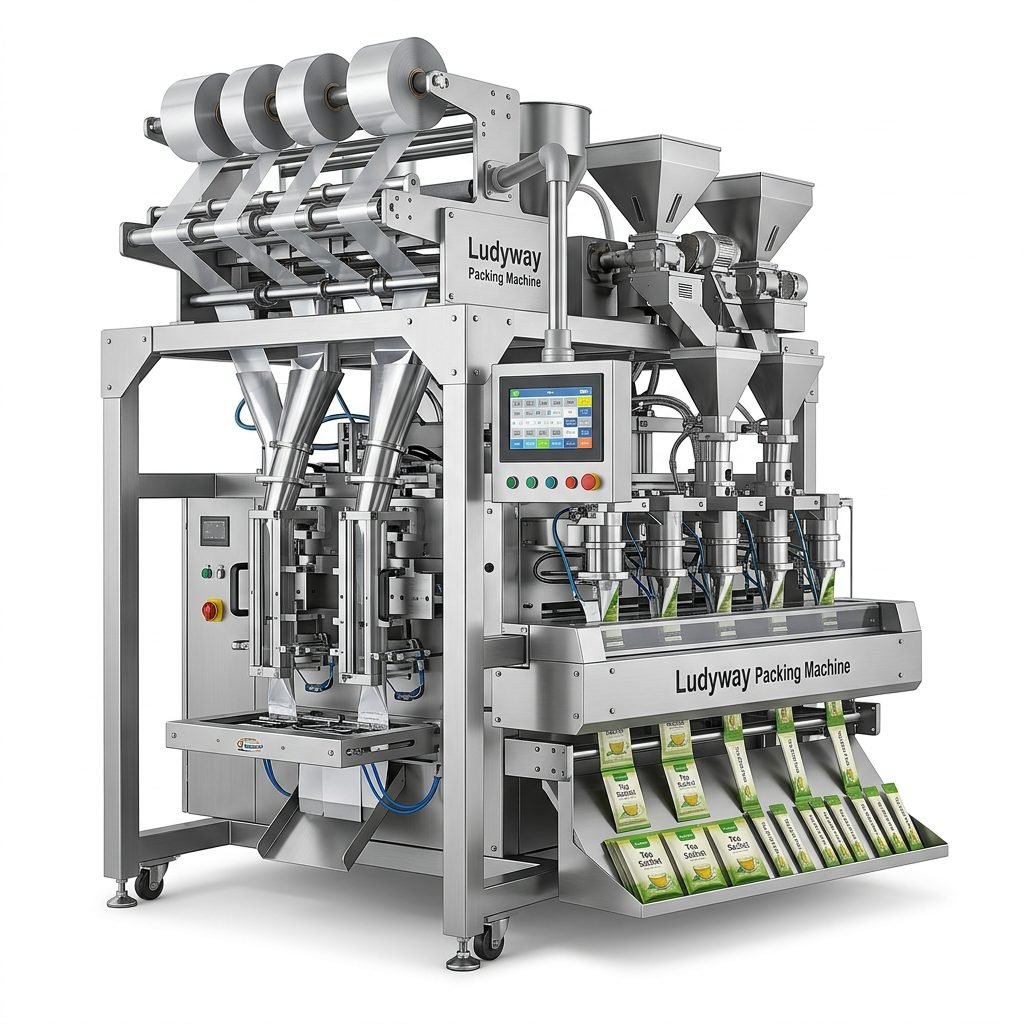
Ultimately, the price of a tea strip packaging machine reflects its capacity to deliver consistent, hermetically sealed products that preserve flavor and freshness. While budget constraints are real, prioritizing build quality and automated features typically results in the best return on investment for beverage manufacturers.