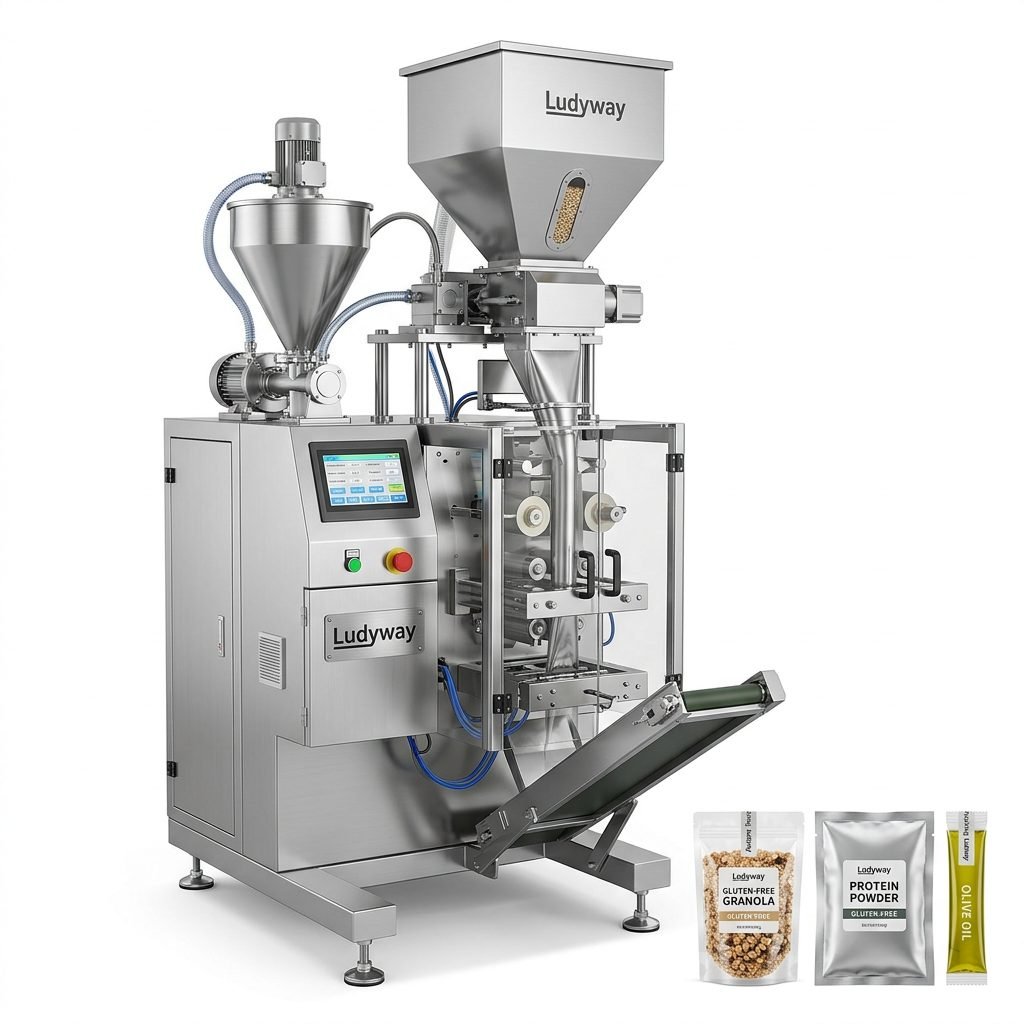
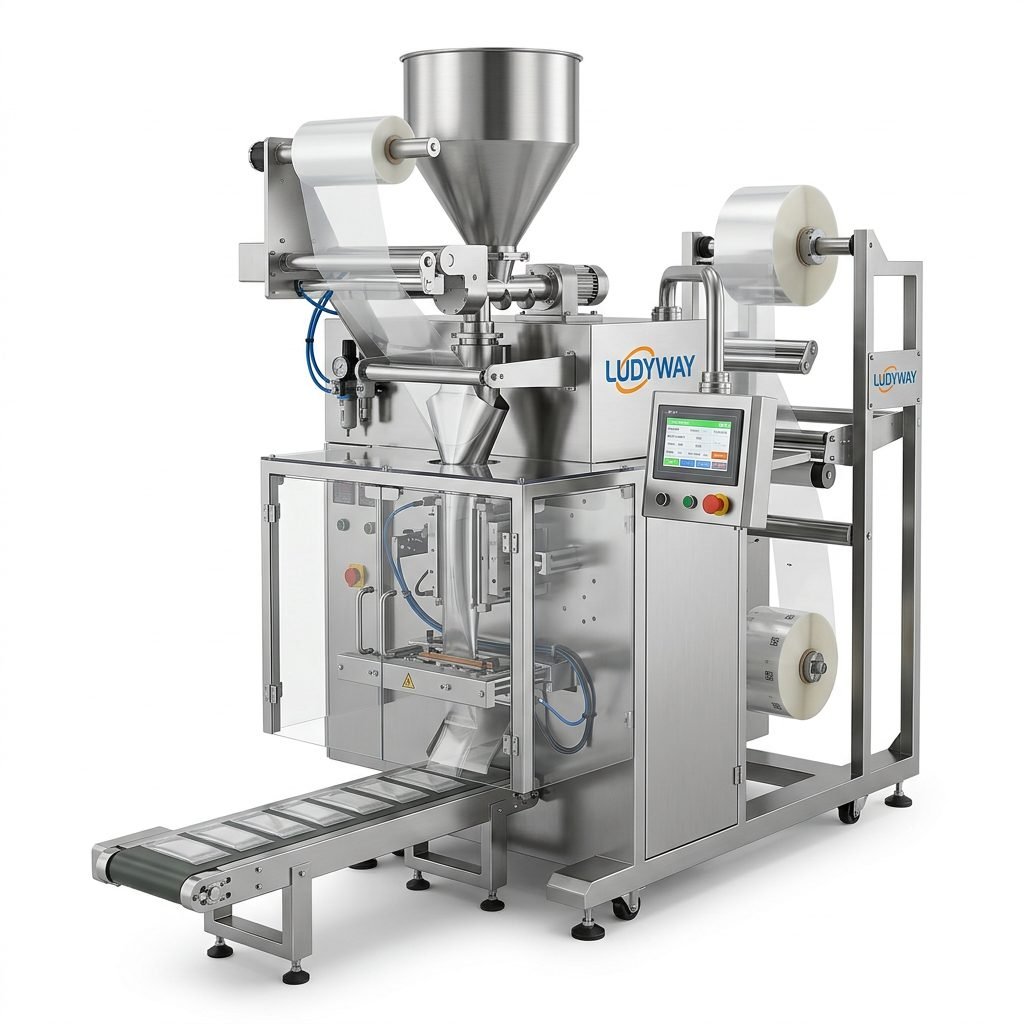
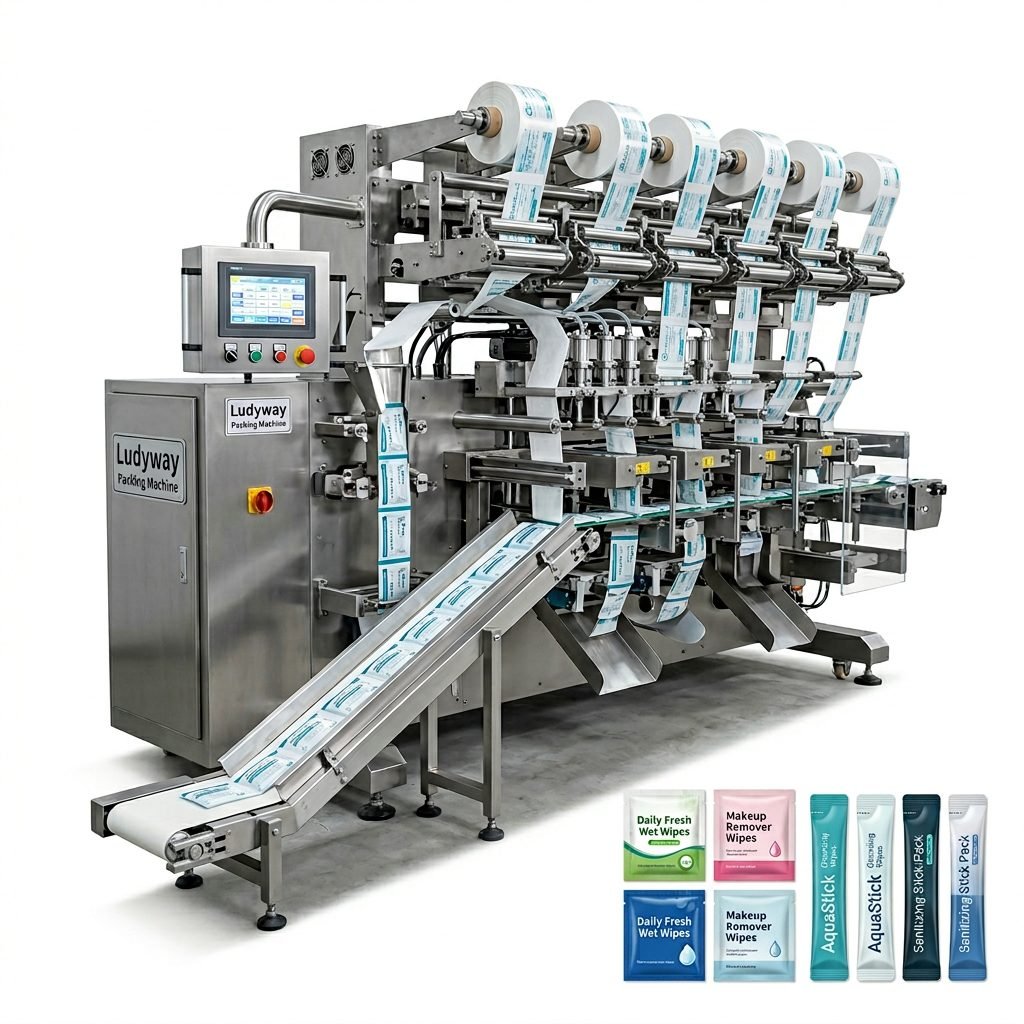
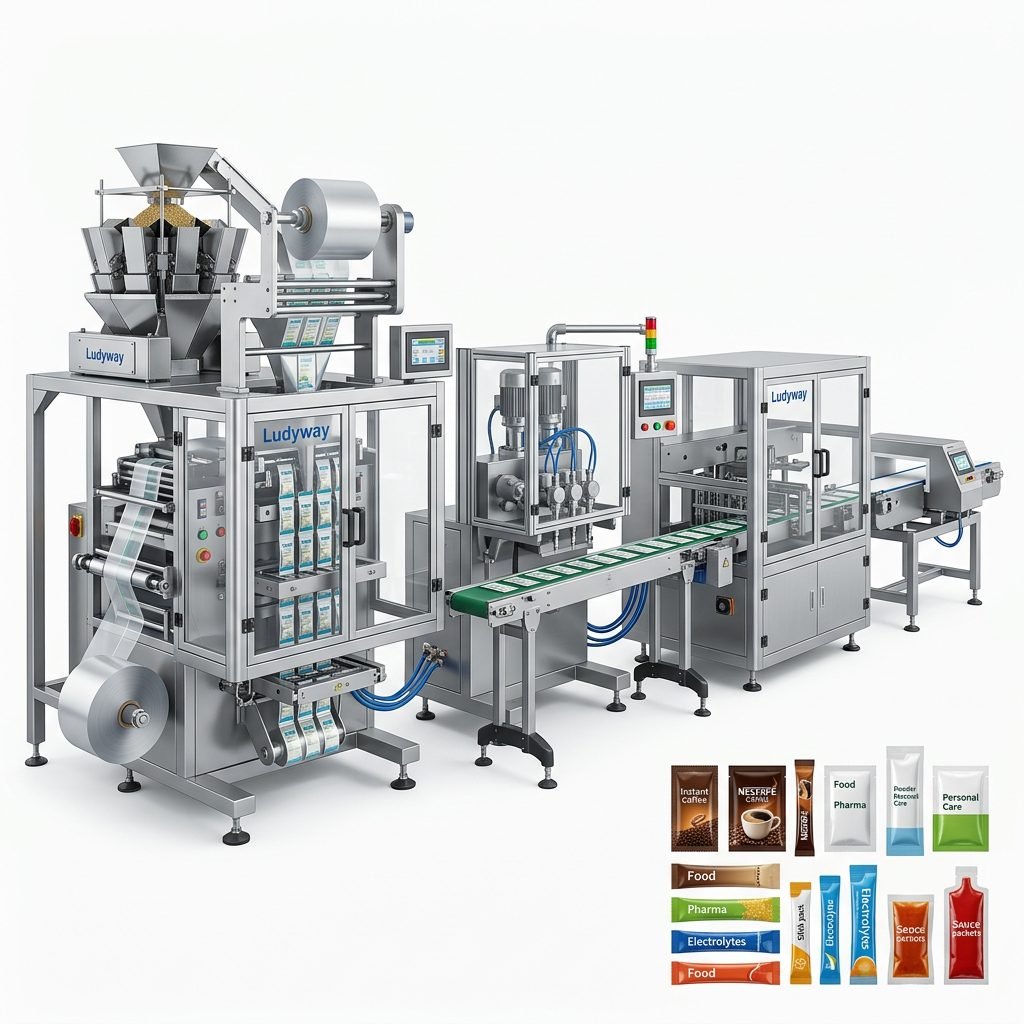
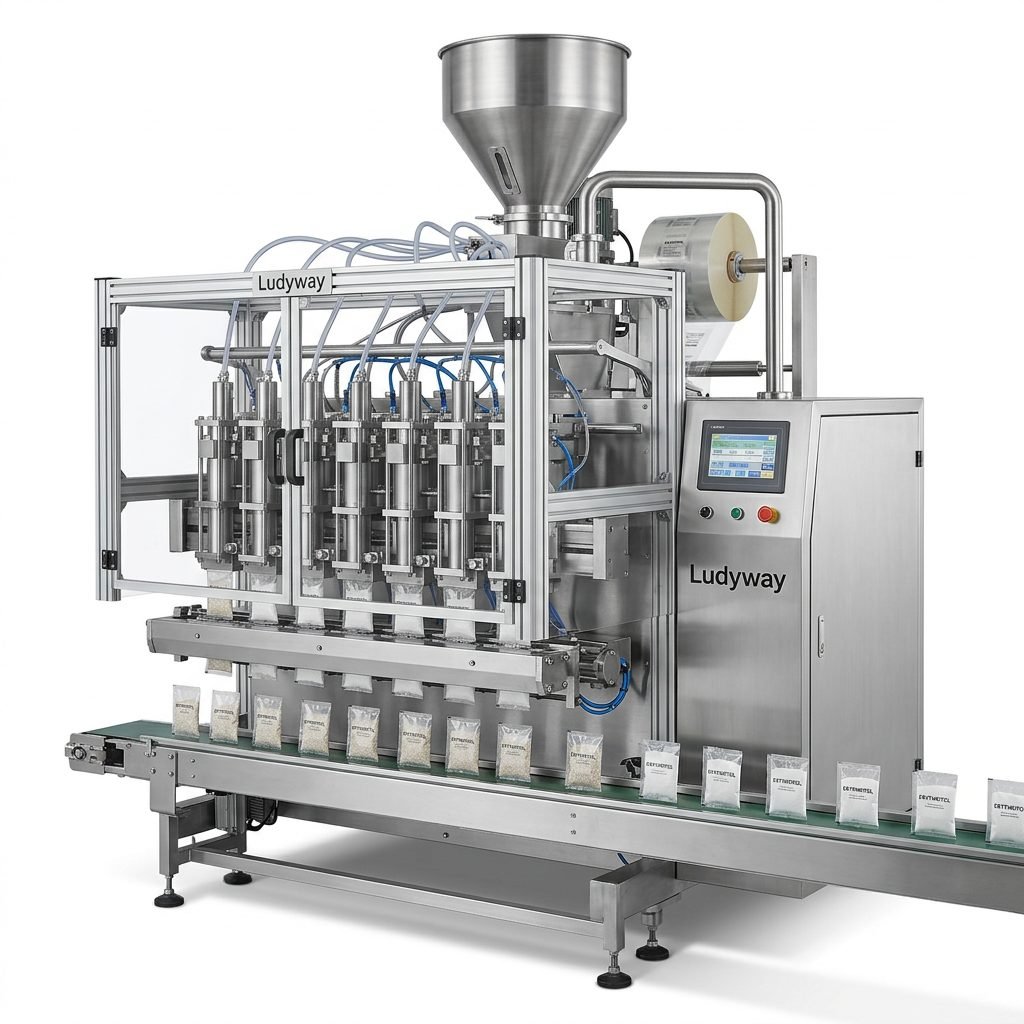
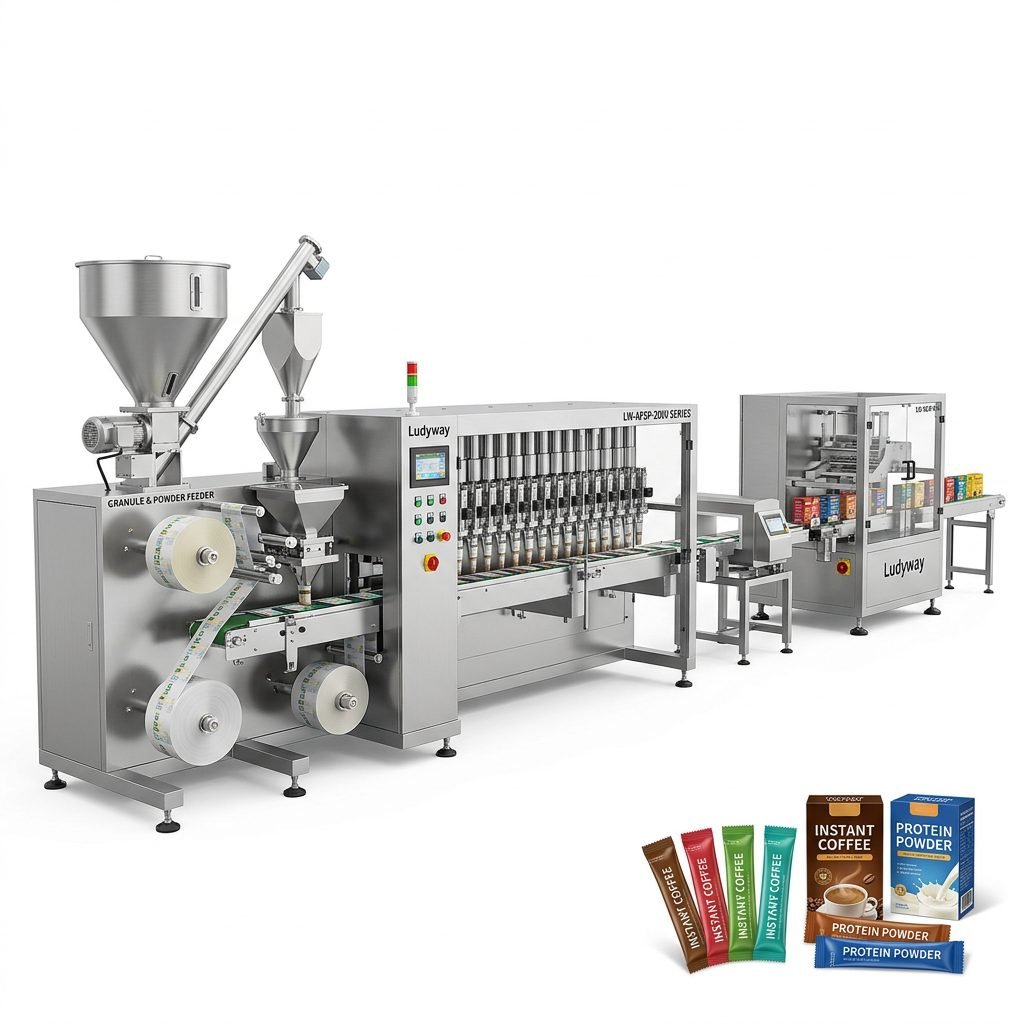
In the fast-paced world of modern manufacturing, efficiency, accuracy, and hygiene are paramount. For industries handling liquids—from beverages and pharmaceuticals to chemicals and cosmetics—the packaging process is a critical final step that directly impacts product quality, shelf appeal, and operational costs. This is where integrated automatic packaging equipment for bottling, capping, and labeling becomes a game-changer. These sophisticated systems streamline the entire post-fill process, transforming loose containers into sealed, branded, and market-ready products with remarkable speed and precision.
The Core Trio: Bottling, Capping, and Labeling
An automatic packaging line for bottles typically revolves around three core functions, often integrated into a single, synchronized system or configured as modular units.
1. Automated Bottling Systems
While often considered the initial fill stage, modern bottling systems are the first act in the packaging sequence. High-speed rotary or in-line fillers accurately dispense product into containers. Advanced models feature touchless filling technology for ultra-hygienic applications, volumetric or gravimetric filling for consistency, and automatic container handling to maintain line speed.
2. Precision Capping Machinery
Immediately following filling, containers move to the capping station. Automatic cappers are engineered to apply a wide variety of closures: screw caps, snap caps, corkers, press-on lids, and child-resistant closures. Key technologies include:
• Spindle Cappers: Use rotating spindles to screw caps onto containers with precise torque control.
• Chuck Cappers: Ideal for snap-on, press-on, or pump closures.
• Rotary Cappers: Designed for very high-speed production lines.
The right capper ensures a perfect seal every time, preventing leakage and preserving product integrity.
3. High-Speed Labeling Solutions
The final touch in the visual presentation is the label. Automatic labelers apply pressure-sensitive (sticker) labels, wrap-around labels, or even heat-shrink sleeves with pinpoint accuracy. Modern labelers offer:
• Exceptional Precision: Registration systems ensure labels are applied straight and in the exact correct position.
• Quick Changeover: Allows for rapid switching between different product labels, minimizing downtime.
• Versatility: Can handle bottles of various shapes, sizes, and materials (glass, PET, HDPE).
Key Benefits of Integrated Automation
Investing in a combined system for bottling, capping, and labeling yields significant competitive advantages:
Unmatched Production Speed & Scalability: Automated lines can run 24/7, achieving outputs that are impossible with manual labor. They easily scale to meet growing demand.
Superior Consistency and Quality Control: Machines eliminate human error. Every bottle is filled to the same level, every cap is torqued to specification, and every label is perfectly aligned.
Major Labor and Cost Savings: Automation drastically reduces the need for manual operators on the packaging line, lowering long-term labor costs and minimizing repetitive strain injuries.
Enhanced Hygiene and Safety: Closed, automated systems minimize product exposure to the environment and personnel, which is critical for food, beverage, and pharmaceutical products.
Data Collection and Traceability: Modern equipment integrates with Factory Monitoring Systems to provide real-time data on output, efficiency (OEE), and downtime, supporting continuous improvement and compliance reporting.
Choosing the Right System for Your Needs
Selecting the optimal automatic packaging equipment requires a careful analysis of your specific operation. Here are the critical factors to consider:
Product and Container Specifications
The nature of your product (viscosity, foaming characteristics) and your container (size, shape, material) will dictate the type of filler, capper, and labeler required. A packaging solutions provider with broad experience can best advise on compatibility.
Required Production Speed (Bottles Per Minute)
Your target output is the primary driver for the machine’s configuration—whether you need a simple in-line system or a high-speed rotary system.
Level of Automation and Integration
Decide if you need standalone machines or a fully integrated line with conveyor systems, bottle unscramblers, and vision inspection systems. Integration ensures smoother material flow and higher overall efficiency.
Flexibility and Changeover Needs
If you run multiple products or container sizes, prioritize equipment known for quick and tool-less changeovers to maximize uptime.
Total Cost of Ownership (TCO)
Look beyond the initial purchase price. Consider energy consumption, maintenance requirements, spare parts availability, and the supplier’s reputation for technical support and service. A reliable partner like Ludyway Machinery, with decades of industry experience, ensures your investment is protected for the long term.
Future Trends in Automated Packaging
The evolution of automatic packaging equipment is driven by smarter, more connected, and more sustainable technologies.
Industry 4.0 and IIoT: Machines are becoming nodes on the industrial internet, communicating performance data, predicting maintenance needs, and allowing for remote monitoring and adjustment.
Advanced Robotics: Collaborative robots (cobots) are being deployed for flexible tasks like handling irregularly shaped containers or placing products into secondary packaging.
Sustainable Packaging Support: Equipment is adapting to handle new, eco-friendly materials like lighter-weight plastics, biodegradable bottles, and paper-based labels.
Enhanced Vision Inspection: AI-powered camera systems now perform ultra-high-speed checks for fill levels, cap presence and seal, label accuracy, and even micro-defects in the container itself.
Frequently Asked Questions (FAQs)
1. What industries benefit most from this type of equipment?
While universally beneficial, industries with high-volume output and strict quality standards see the greatest ROI. This includes Beverage (water, juice, soda), Pharmaceutical (syrups, solutions), Food (oils, sauces, dressings), Chemical (cleaners, solvents), and Cosmetics & Personal Care (lotions, shampoos).
2. Can one machine handle different bottle sizes and shapes?
Yes, but with configuration. Most modern automatic packaging equipment is designed for flexibility. Changeover parts (like filling nozzles, cap chucks, and labeling heads) or adjustable mechanical components allow a single line to run multiple formats, though changeover requires time and procedure.
3. How significant is the maintenance for these systems?
Regular preventative maintenance is crucial for longevity and avoiding unplanned downtime. However, well-designed machines from reputable manufacturers are built for reliability and easy service. The maintenance schedule and complexity are key points to discuss with your supplier before purchase.
4. Is the integration process complex?
Integrating separate machines into a smooth-flowing line can be complex, involving synchronization, conveyor design, and control system interfacing. This is why working with a supplier who offers turnkey solutions is highly advantageous. They manage the entire integration, ensuring all components work harmoniously.
5. What is the typical lead time for such a packaging line?
Lead times vary widely based on complexity, customization, and manufacturer backlog. A standard configured line might take 3-6 months, while a highly customized, high-speed system can take 6-12 months or more. Early planning and clear communication with your equipment partner are essential.