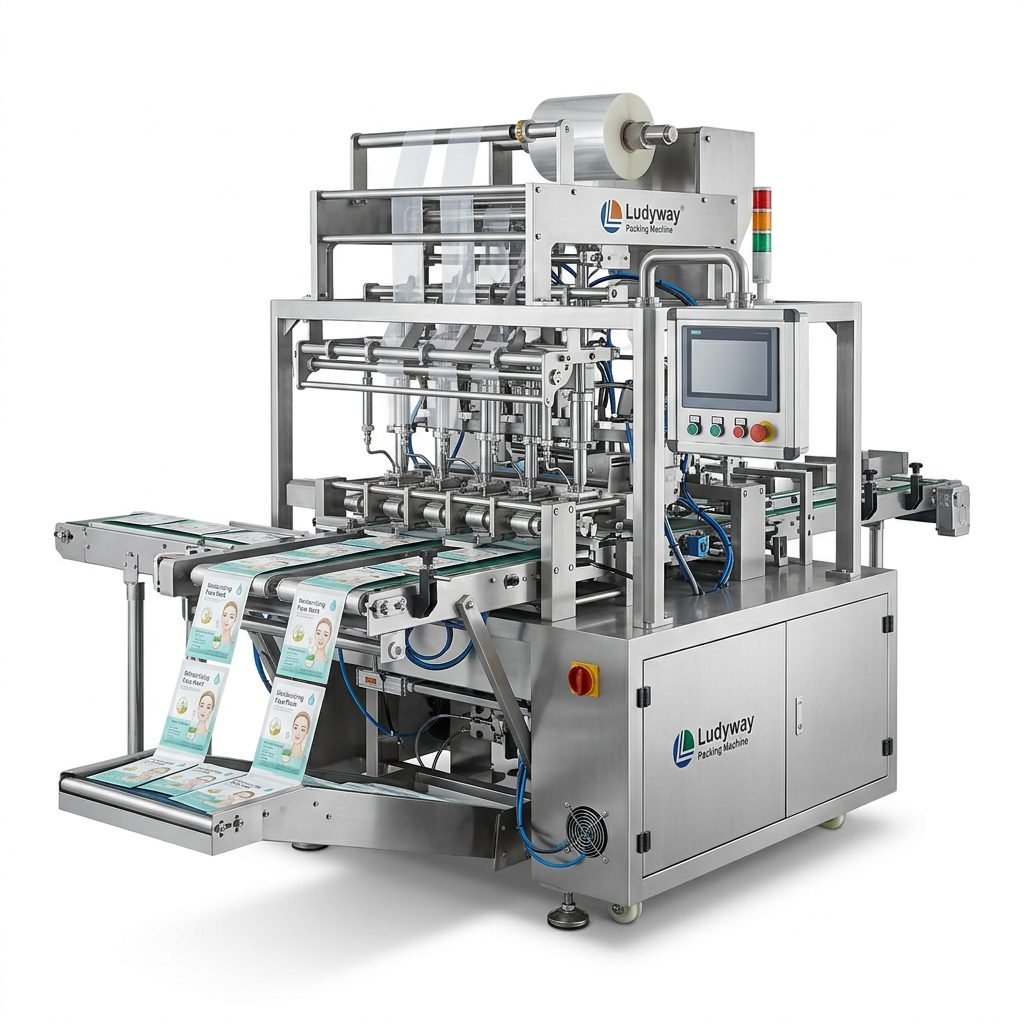
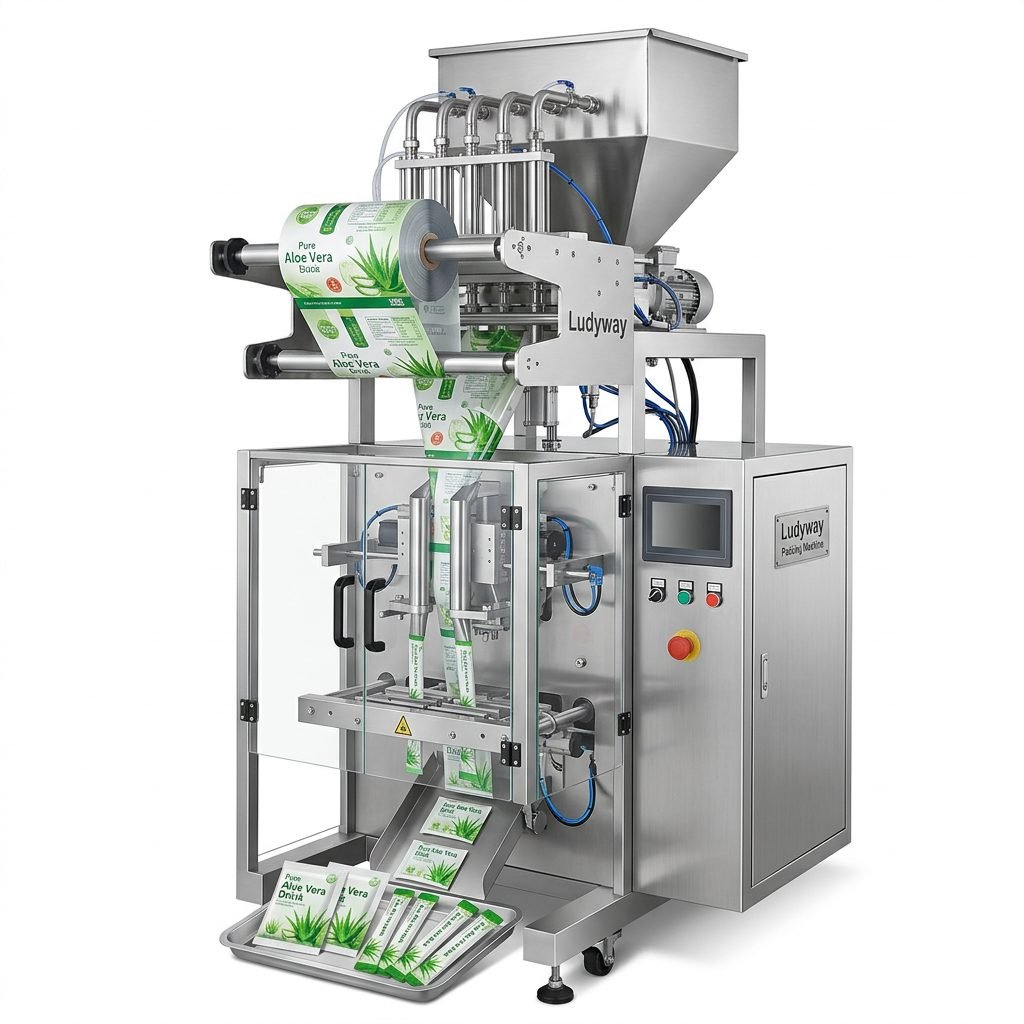
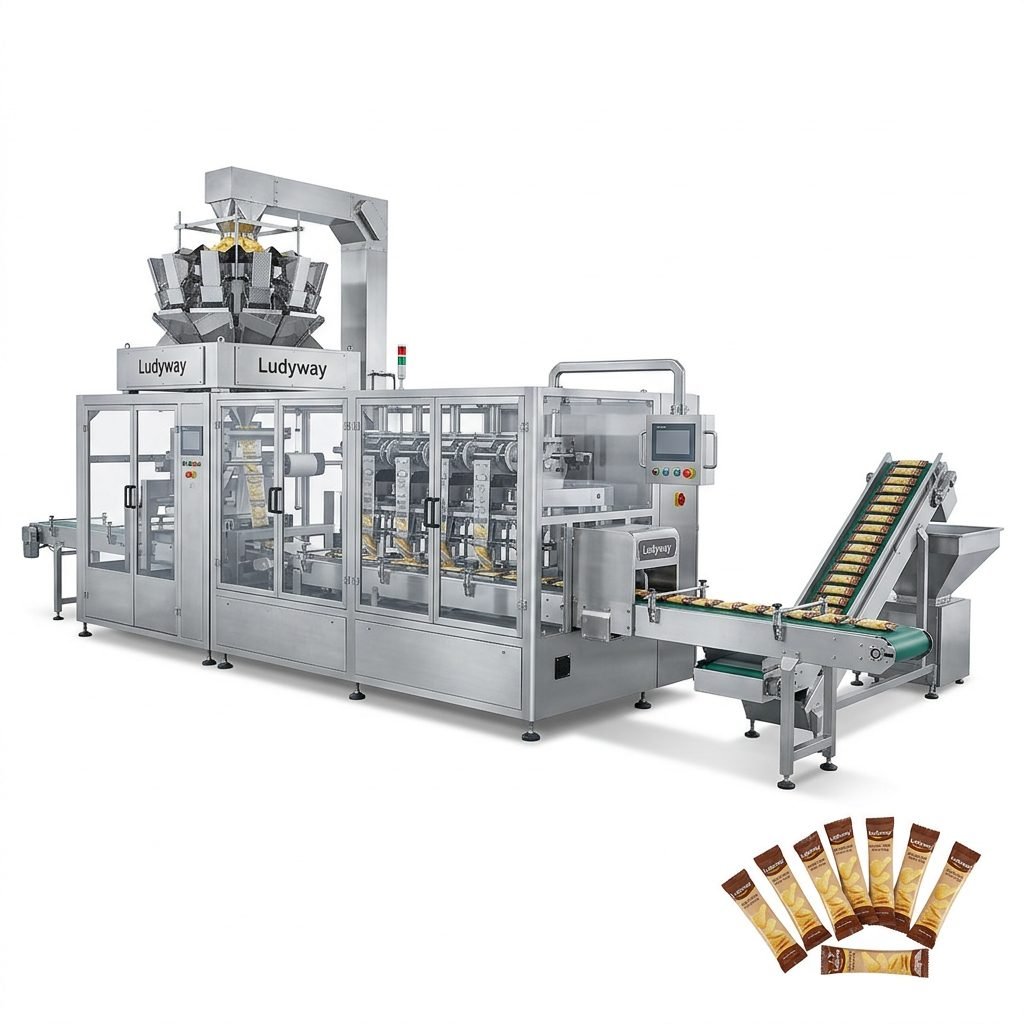
Saffron is one of the most valuable spices in the world, often referred to as “red gold.” Its high market price, delicate nature, and sensitivity to moisture, light, and oxygen mean that choosing the right saffron packaging machine is not just a matter of efficiency—it directly impacts product quality, shelf life, and brand reputation. Whether you are packaging saffron threads or ground saffron powder, the equipment you select must deliver precision, reliability, and protection at every stage.
Understanding the Unique Requirements of Saffron Packaging
Saffron presents several packaging challenges that set it apart from other spices. The threads are extremely fragile and brittle, meaning mechanical handling must be gentle to avoid breakage. Ground saffron, on the other hand, is a fine powder that can become airborne during filling, leading to product loss and cross-contamination risks. Additionally, saffron’s high value means that even small inaccuracies in dosing can result in significant financial losses over time.
Key product characteristics to account for include:
- Moisture sensitivity – Saffron degrades rapidly when exposed to humidity, requiring airtight sealing
- Light sensitivity – UV exposure accelerates color and flavor deterioration
- Aroma preservation – Volatile aromatic compounds must be retained through proper barrier packaging
- High value per gram – Even ±0.1g deviation can impact profitability
- Static electricity – Ground saffron powder tends to cling to machine surfaces
Key Factors to Consider When Choosing a Saffron Packaging Machine
Product Form: Threads vs. Powder
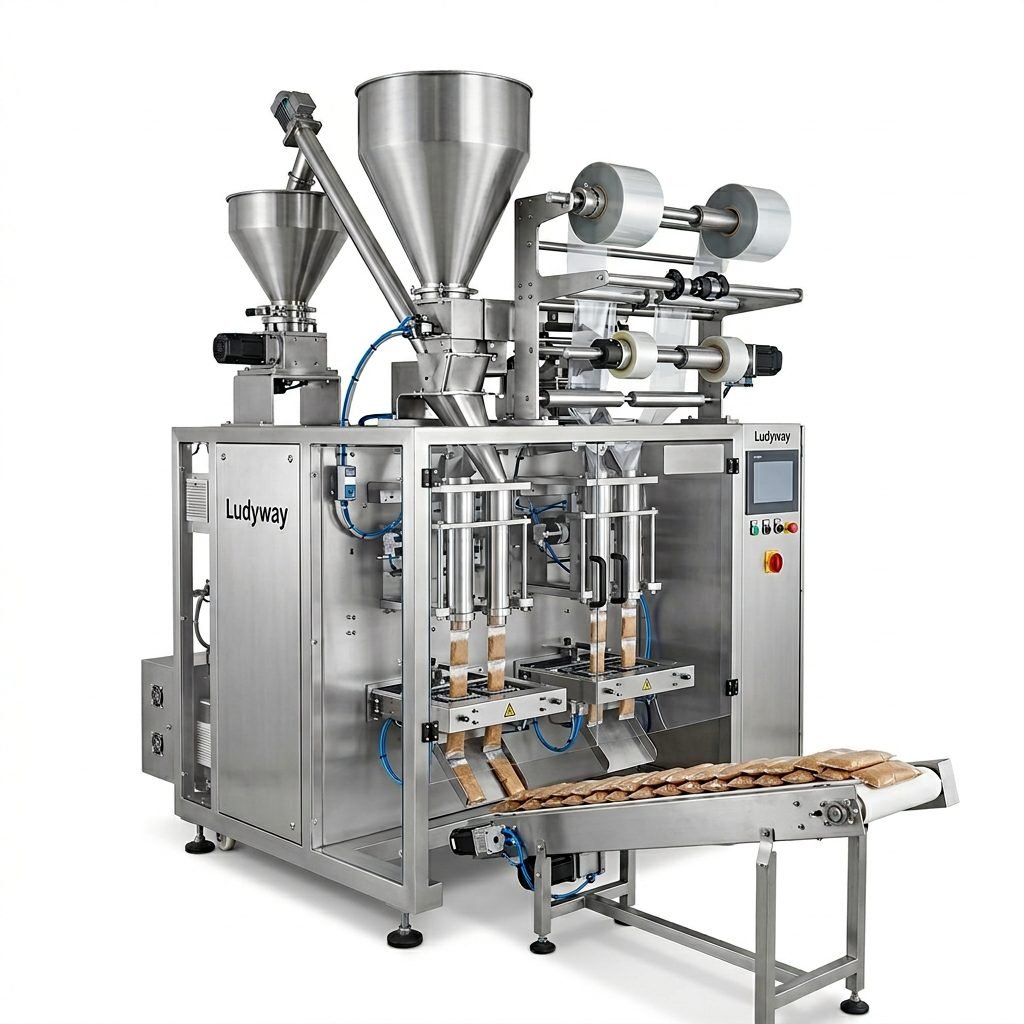
The physical form of your saffron product—whether whole threads or finely ground powder—will largely determine the type of dosing and filling system required. Saffron threads are best handled with vibratory or volumetric feeders designed for delicate materials, while ground saffron typically requires auger-based or gravimetric dosing systems. Some manufacturers process both forms, making a versatile multi-format packaging machine a worthwhile investment. When evaluating equipment, it is important to consult packaging machinery standards and industry resources to ensure the technology meets current regulatory expectations.
Packaging Format and Bag Type
Saffron is sold in a variety of packaging formats depending on market positioning and consumer preferences. The packaging machine must be compatible with your chosen format or offer the flexibility to produce multiple formats. Common options include:
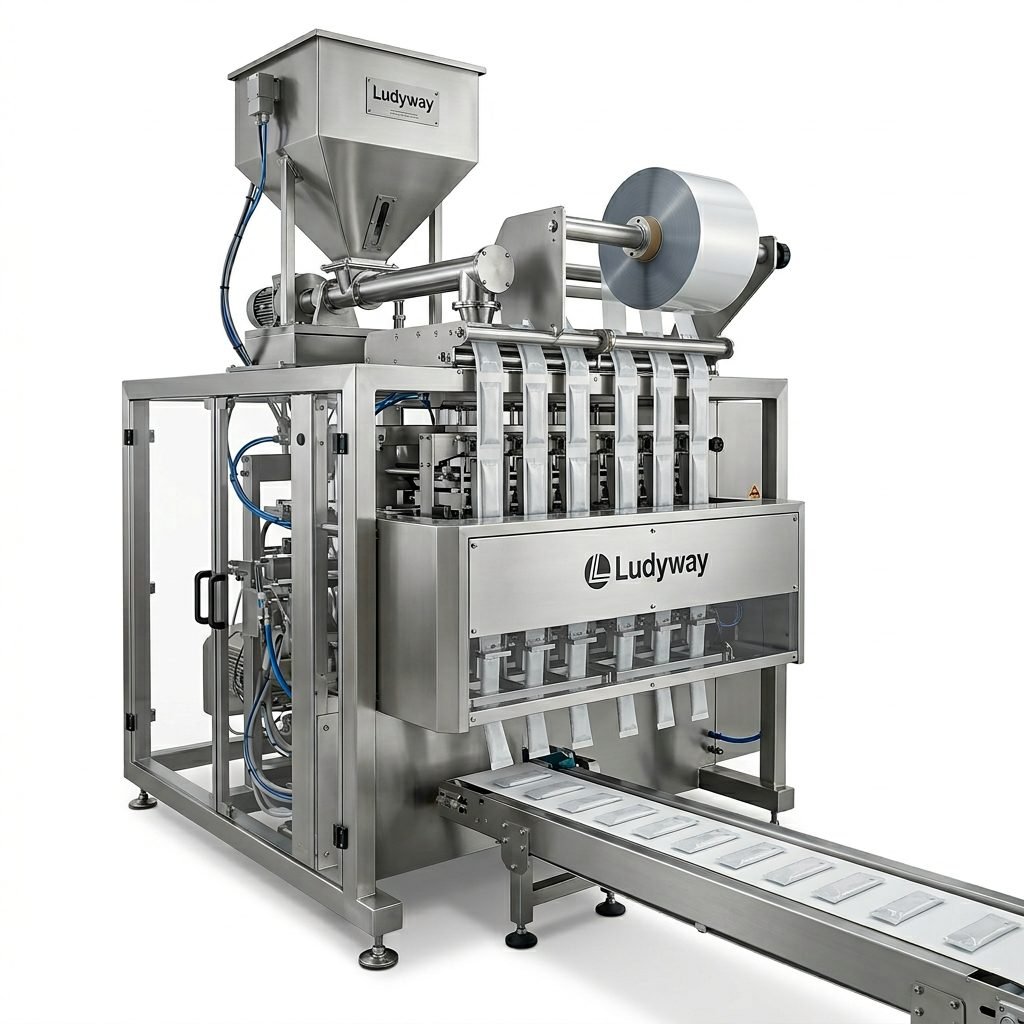
- Stick packs – Slim, single-use portions ideal for premium sample packs or travel formats
- Three-side-seal sachets – The most common format for retail saffron; cost-effective and space-efficient
- Four-side-seal sachets – Provide a more premium look with improved barrier properties
- Stand-up pouches – Increasingly popular for larger quantities with resealable zipper options
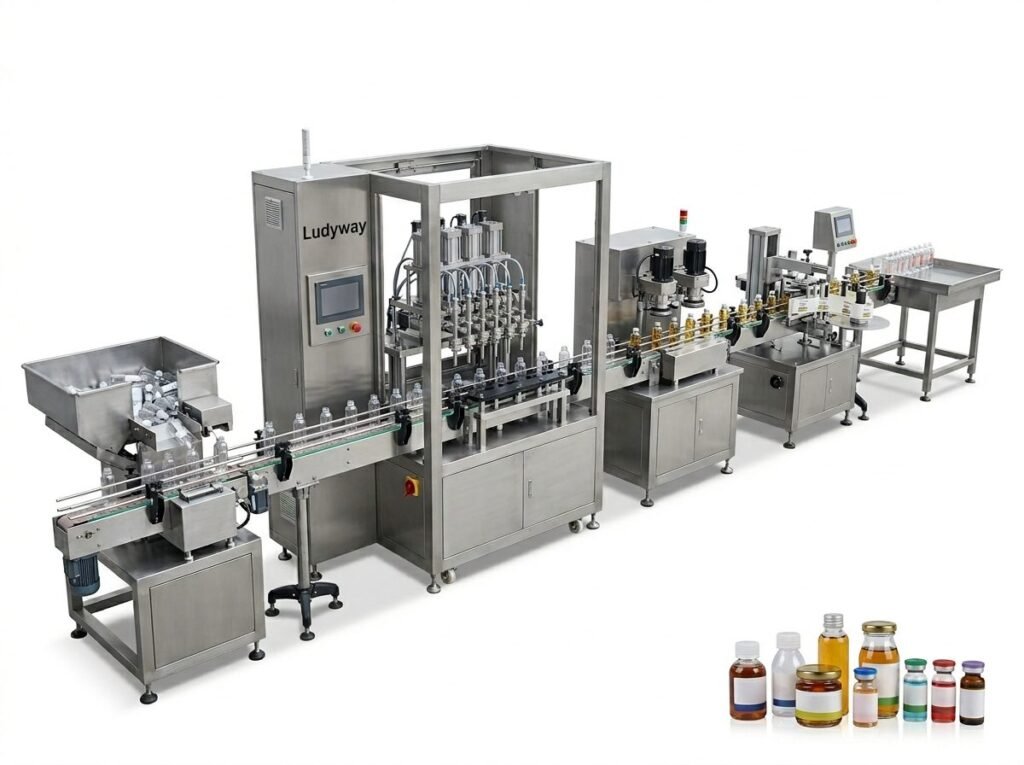
- Glass jars or tins – Traditional format requiring different filling and capping equipment
Manufacturers producing flexible packaging should also reference flexible packaging industry data and technical resources to stay informed about material innovations and sustainability trends.
Filling Accuracy and Precision
For a product as valuable as saffron, dosing accuracy is non-negotiable. A deviation of just 0.1 grams per sachet across hundreds of thousands of units can translate to substantial revenue loss or, conversely, overfilling that erodes margins. Modern saffron packaging equipment should offer:
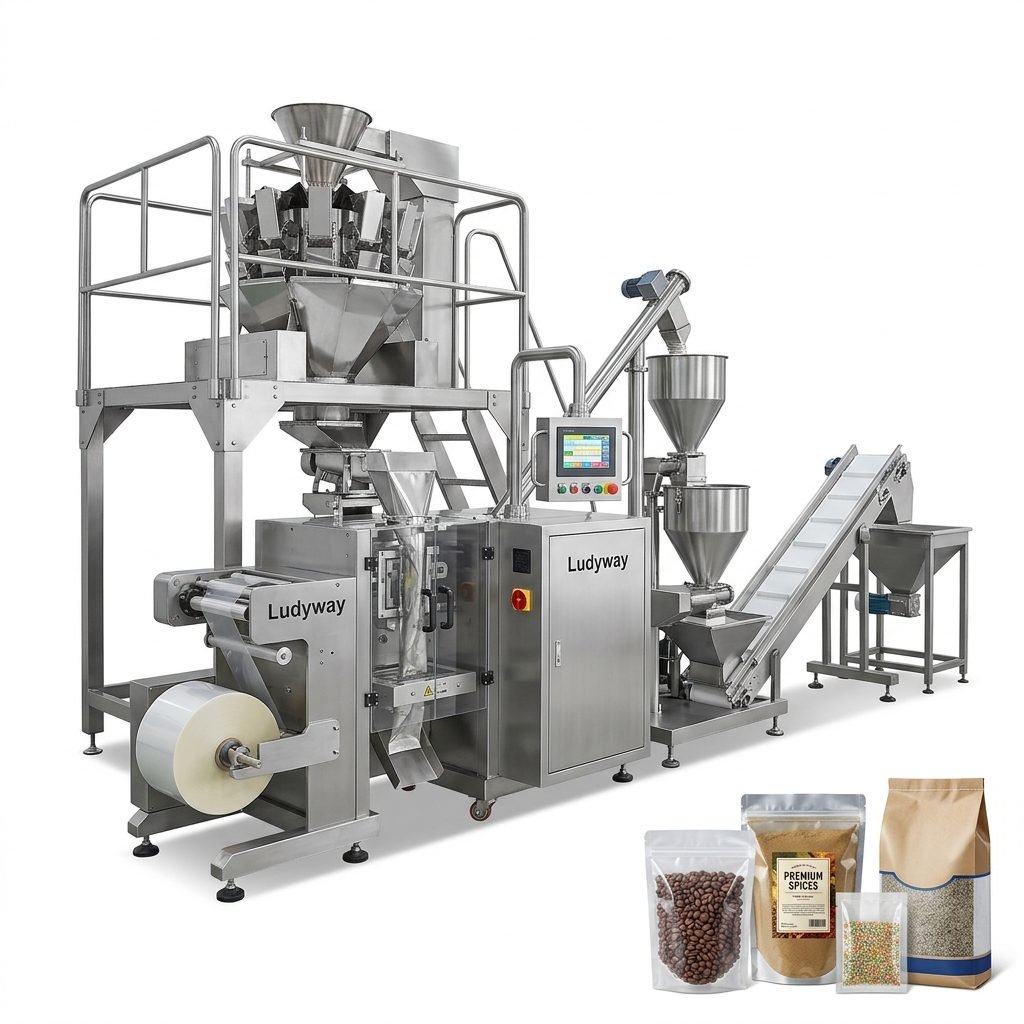
- Multi-head weighers with accuracy within ±0.1–0.2g for thread packaging
- Auger fillers with servo-driven precision for ground saffron
- Checkweigher integration to reject underweight or overweight packs automatically
- Real-time feedback systems that adjust dosing parameters dynamically
Production Speed and Scalability
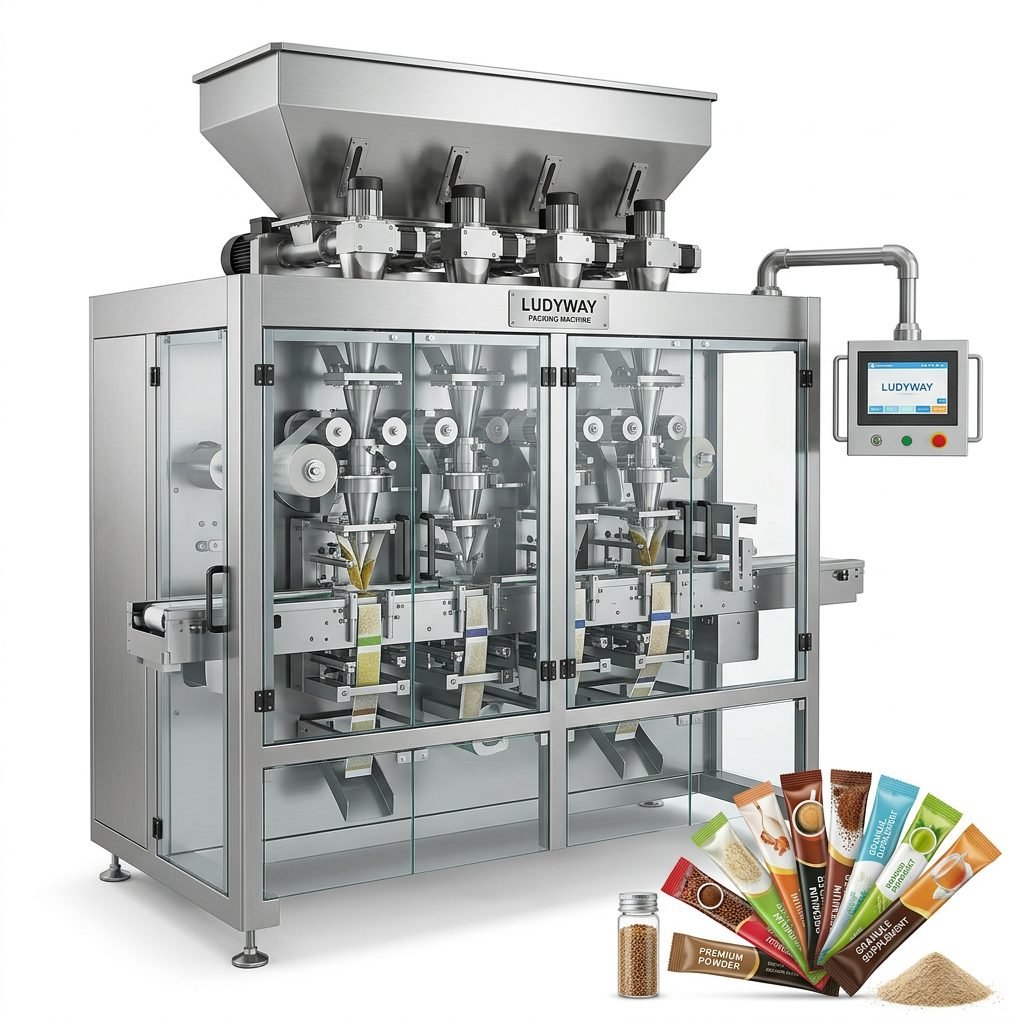
Your current and projected production volumes should guide the speed requirements of your packaging line. Entry-level single-lane machines may suffice for small-batch artisanal producers packaging 30–60 packs per minute, while large-scale commercial operations often require multi-lane systems capable of 200–400 packs per minute or more. Consider whether the machine architecture allows for future lane expansion without replacing the entire system.
| Production Scale | Recommended Speed | Machine Configuration |
|---|---|---|
| Small / Artisanal | 30–80 packs/min | Single-lane VFFS or sachet machine |
| Medium / Regional | 80–200 packs/min | Dual-lane or 4-lane stick pack system |
| Large / Industrial | 200–400+ packs/min | 6–12 lane high-speed automated line |
Barrier Properties and Seal Integrity
Saffron’s sensitivity to environmental factors demands superior packaging material compatibility. The machine must be capable of handling high-barrier laminates such as aluminum foil composites, metallized PET, or EVOH-based films. Seal integrity is equally critical—a poor seal allows moisture and oxygen ingress, rapidly degrading product quality. Look for machines with:
- Precision temperature-controlled sealing jaws
- Adjustable sealing pressure and dwell time
- Gas flushing or nitrogen backfill capability for modified atmosphere packaging
- Optional vacuum sealing for extended shelf life
Manufacturers targeting international markets should verify that their packaging machinery can be configured to meet ISO packaging standards and relevant FDA food contact substance regulations.
Types of Packaging Machines Suitable for Saffron
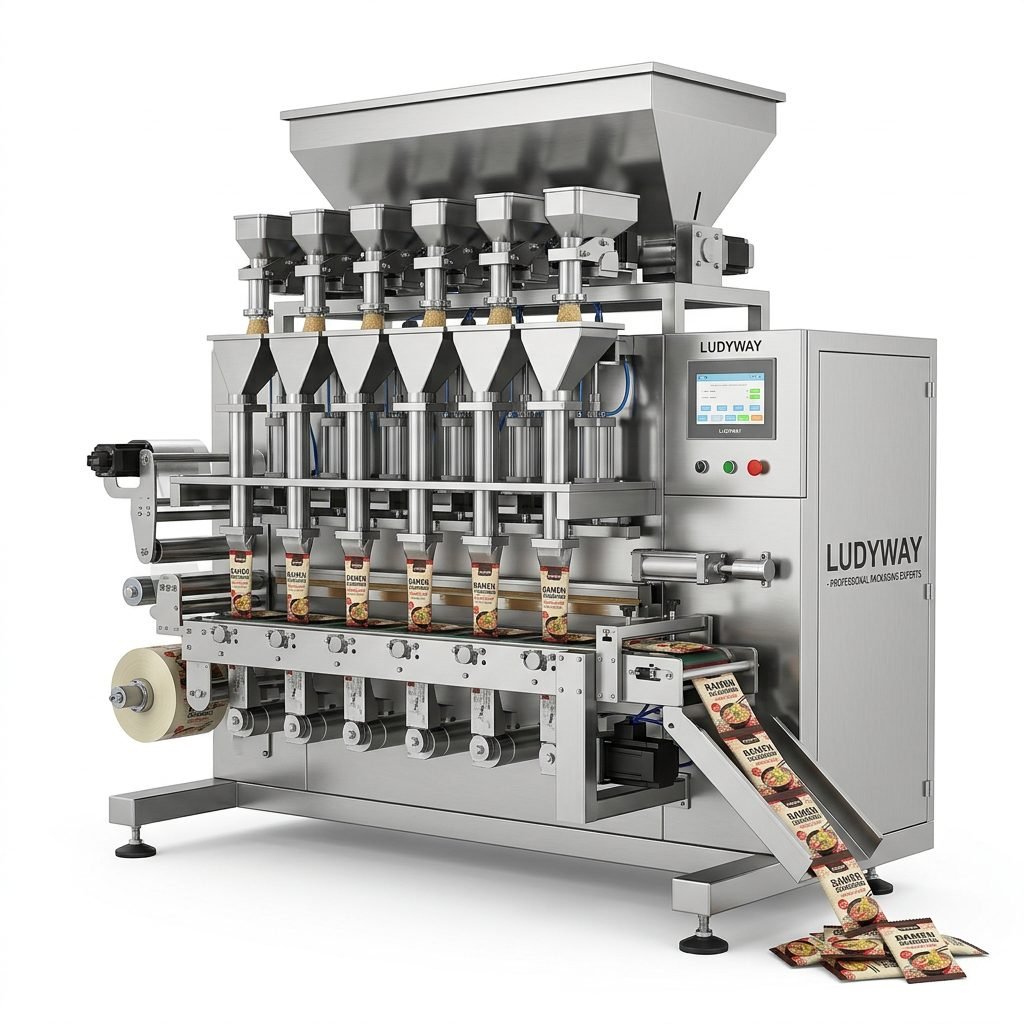
Multi-Lane Stick Pack Machines
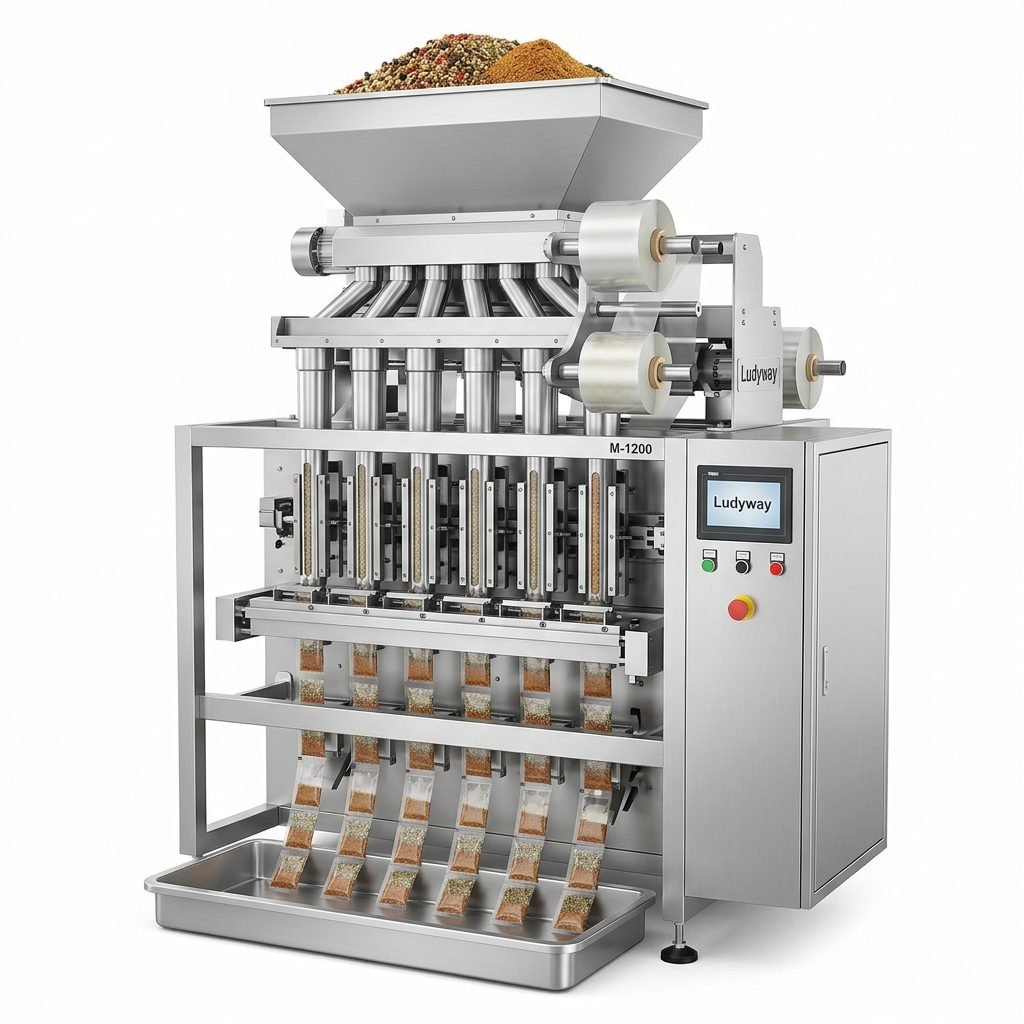
Multi-lane stick pack machines are increasingly the preferred choice for high-volume saffron packaging. These systems run multiple lanes simultaneously—typically 4 to 12 lanes—dramatically increasing throughput without proportionally increasing floor space. They excel at producing narrow, single-serve stick packs that are popular in the premium spice market. The independent lane control allows continued production on other lanes during maintenance or film changes on one lane, minimizing downtime.
Sachet Packaging Machines
For three-side-seal and four-side-seal sachet formats, dedicated sachet packaging machines offer a balance of flexibility and efficiency. These machines can typically handle a wider range of bag sizes compared to dedicated stick pack machines and are well-suited to co-packers who run multiple product formats. Modern sachet machines often feature quick-change tooling that allows format changes in under 30 minutes.
Vertical Form Fill Seal (VFFS) Machines
VFFS technology remains a versatile option for saffron packaging, particularly for pillow bags and gusseted pouches. These machines form bags from a flat roll of film, fill them vertically, and seal them in a continuous process. VFFS machines are generally more cost-effective for entry-level automation and can handle a broad spectrum of bag sizes, though they typically operate at slower speeds than multi-lane systems.

Pre-made Pouch Packaging Machines
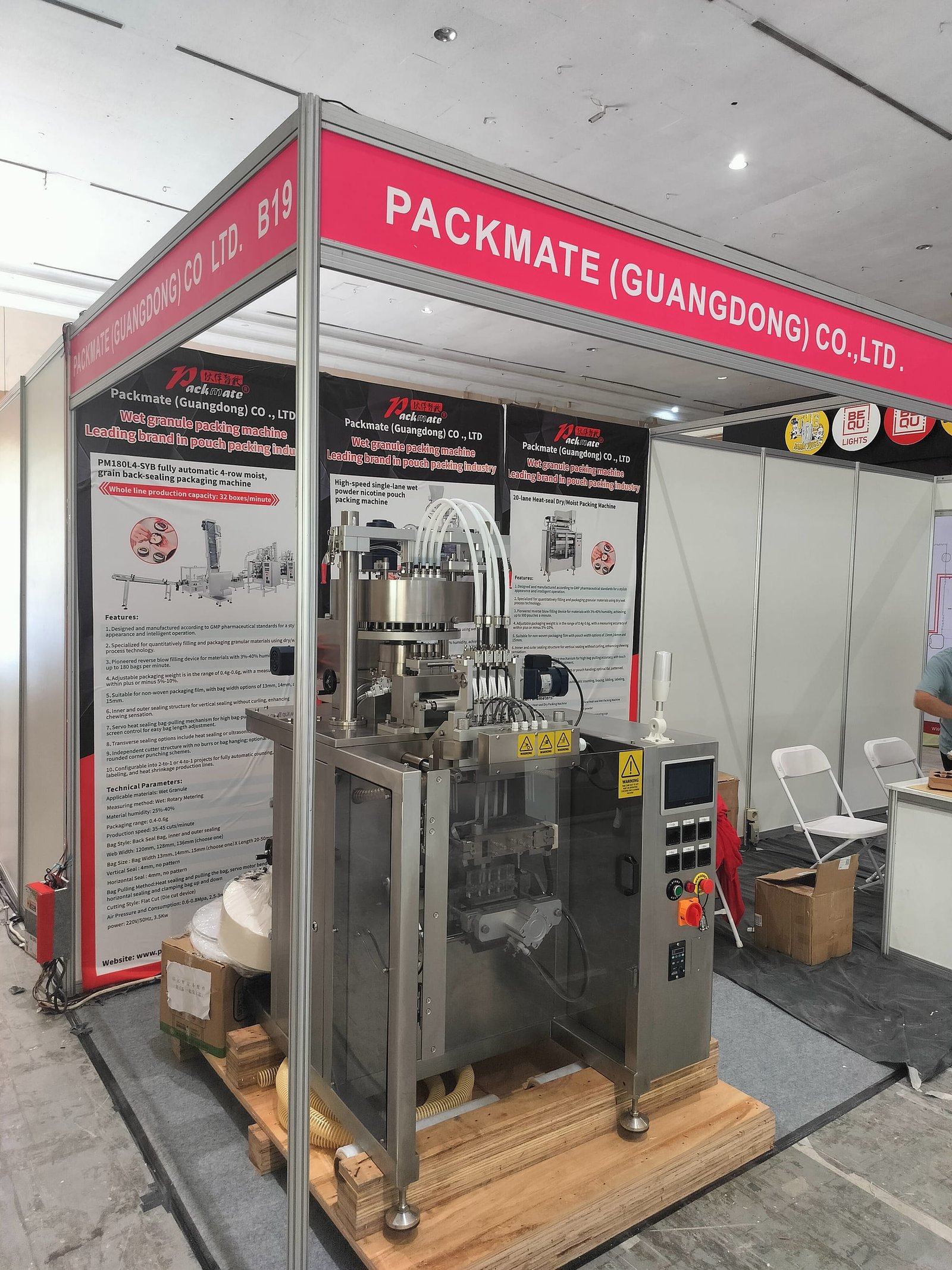
For brands emphasizing premium presentation, rotary or inline pre-made pouch fill-seal machines offer compatibility with stand-up pouches, zipper pouches, and shaped pouches that cannot be produced on form-fill-seal equipment. These machines pick, open, fill, and seal pre-manufactured pouches and often integrate with multi-head weighers or auger fillers for precise dosing. While the per-unit packaging cost is typically higher, the enhanced shelf presence can justify the investment for luxury saffron brands.
Technical Specifications to Evaluate
When comparing saffron packaging machines, a systematic evaluation of technical specifications ensures you are comparing like-for-like. Key specifications to review include:
| Specification | Why It Matters for Saffron |
|---|---|
| Dosing range | Must cover 0.1g–5g for single-serve; wider range for bulk packs |
| Dosing accuracy | ±0.1g or better for high-value saffron products |
| Bag width/length range | Should accommodate both sample sachets and retail pouches |
| Film compatibility | Must seal high-barrier laminates including aluminum foil |
| Gas flush capability | Nitrogen flushing extends shelf life of oxygen-sensitive saffron |
| Changeover time | Quick format changes essential for co-packers running multiple SKUs |
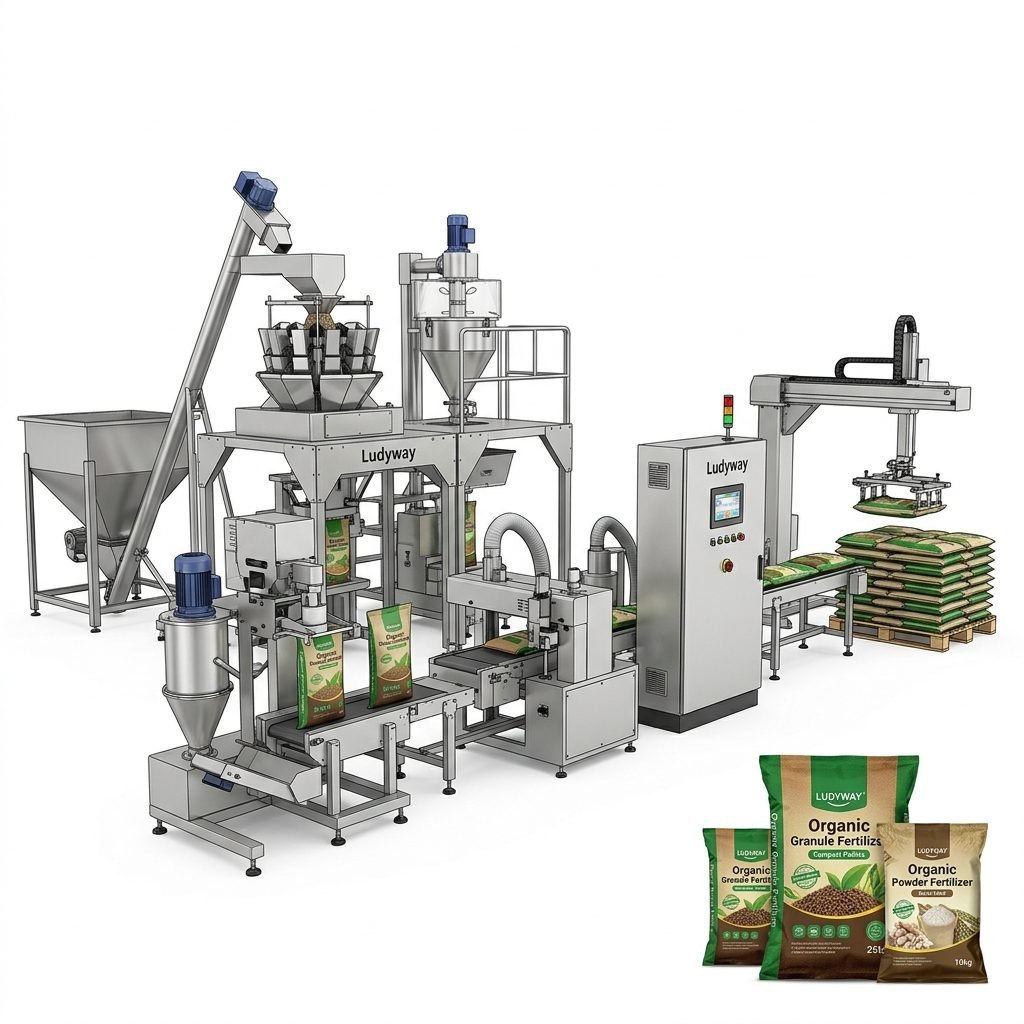
Automation Level and Line Integration
The degree of automation you choose should align with your labor cost structure and production goals. A fully automated saffron packaging line may include:
- Automatic feeding systems (vibratory or belt conveyors)
- Multi-head weigher or auger filler with feedback control
- Primary packaging machine (stick pack, sachet, or pouch)
- Inline checkweigher and metal detector
- Date coding or laser marking system
- Cartoning or case packing automation
- Palletizing system for end-of-line handling
Semi-automated systems may be more appropriate for smaller producers, with manual feeding and product changeover, while integrated turnkey lines are better suited to manufacturers with consistent, high-volume production requirements. For those evaluating complete packaging solutions, industry benchmark reports such as the PMMI State of the Industry 2026 report offer valuable insight into automation trends and market projections.
Cost Considerations and ROI Analysis
Investing in packaging machinery requires a clear understanding of both capital expenditure and operational costs. Entry-level single-lane sachet machines for saffron may start in the range of $15,000–$30,000, while fully integrated multi-lane high-speed lines can range from $80,000 to $250,000 or more depending on configuration and automation level. However, the total cost of ownership (TCO) should also factor in:
- Film waste rates – Poor film tracking or sealing can waste expensive high-barrier materials
- Product giveaway – Inaccurate dosing leads to overfilling; even 0.1g excess per pack adds up
- Labor requirements – Automated lines reduce operator dependency
- Maintenance and spare parts – Availability and cost of consumable components
- Energy consumption – Particularly relevant for heat-sealing and compressed air systems
A well-chosen machine typically achieves ROI within 12–24 months through reduced labor, minimized product giveaway, and increased throughput.
Choosing the Right Supplier
Selecting a reliable packaging machinery supplier is as important as selecting the right machine. Look for manufacturers with proven experience in spice or powder packaging, as the handling characteristics of saffron are quite specific. Key supplier evaluation criteria include:
- Industry experience and track record with similar products
- Availability of factory acceptance testing (FAT) and on-site commissioning
- Training and technical documentation quality
- Spare parts availability and response times
- Warranty terms and after-sales service commitments
- References from existing customers in the spice or food industry
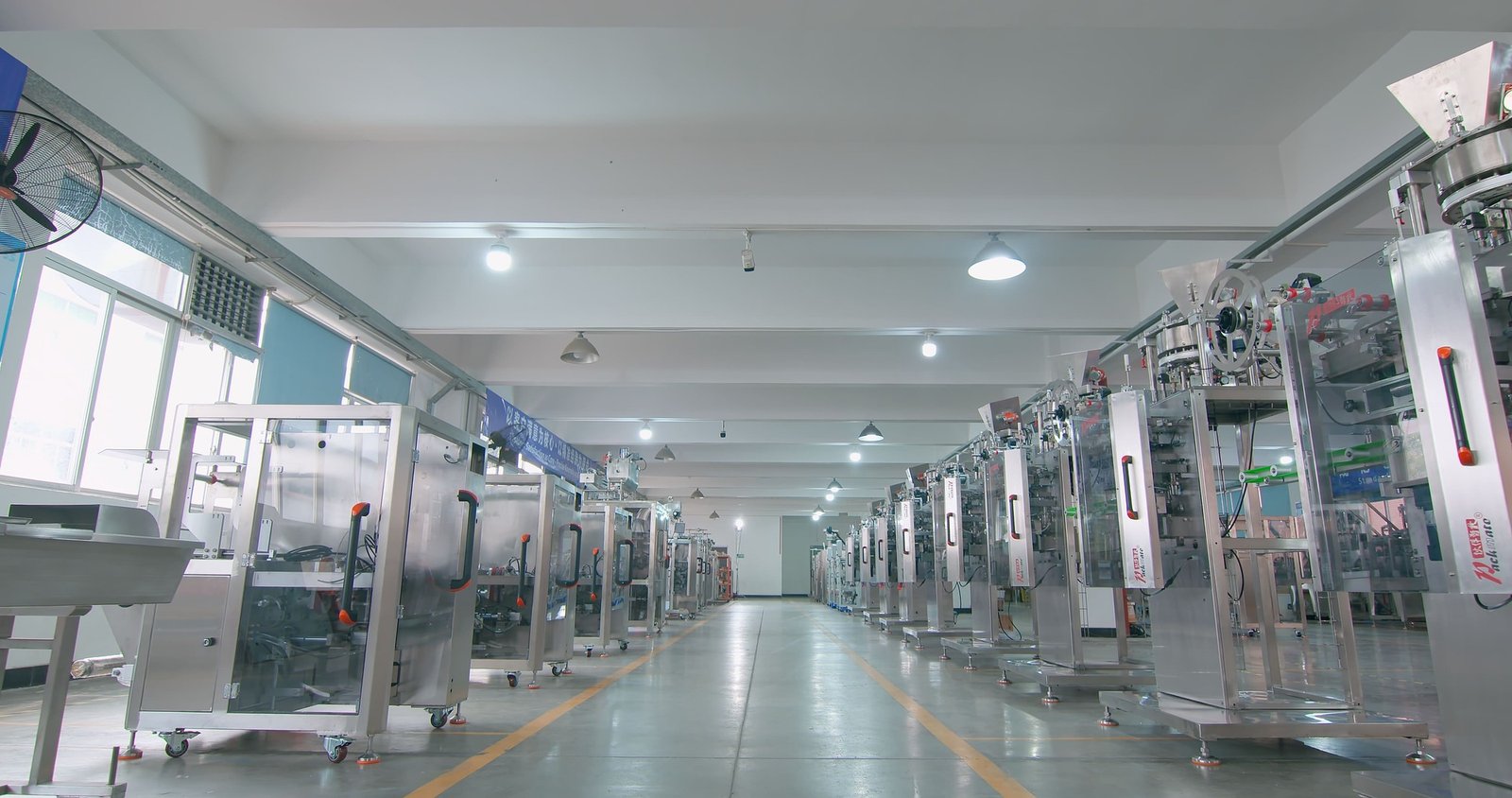
One example of an established packaging machinery manufacturer is Ludyway Machinery, a China-based company with over 30 years of experience in developing automated packaging equipment and turnkey solutions for powder, granule, liquid, sachet, and stick pack applications across food, pharmaceutical, and chemical industries. Manufacturers seeking integrated packaging systems may benefit from working with a single partner for equipment selection, customization, and technical support throughout the project lifecycle.
Compliance and Certification Requirements
Saffron exported to international markets must comply with various food safety and packaging regulations. Your packaging equipment should be capable of meeting the documentation and validation requirements of:
- FDA food packaging and food contact substances regulations for the U.S. market
- EU packaging and packaging waste regulations for European markets
- ISO 22000 or FSSC 22000 for food safety management systems
- GFSI-benchmarked certification requirements for retail supply chains
- Organic certification requirements where applicable
Additionally, machines should be constructed with food-grade stainless steel contact parts and designed for easy cleaning and sanitation to prevent cross-contamination between production runs.
Maintenance, Service, and Long-Term Support
The longevity and performance of your saffron packaging machine depend heavily on ongoing maintenance and technical support. Before purchasing, clarify the following with potential suppliers:
- Recommended preventive maintenance schedule and required spare parts inventory
- Availability of remote diagnostic support for troubleshooting
- Local service technician coverage in your region
- Training programs for operators and maintenance staff
- Software update and upgrade policies for control systems
Machines with modular design principles tend to be easier to maintain, as individual modules can be serviced or replaced without disrupting the entire line. This is particularly important for multi-lane systems where downtime on one module should not halt all production.
Making the Final Decision
After narrowing down your options, the final selection should be based on a combination of technical capability, commercial terms, and supplier reliability. Whenever possible, conduct product trials on the actual machine or a similar model before finalizing the purchase. Send samples of your saffron product along with your target packaging film to the manufacturer for testing. Evaluate the resulting packs for:
- Seal strength and integrity under various conditions
- Dosing accuracy and consistency across multiple samples
- Pack appearance and presentation quality
- Oxygen residual levels if gas flushing is used
- Machine speed achieved without compromising quality
Witnessing a live demonstration—either at the supplier’s facility or via video—provides invaluable insight into the machine’s real-world performance, ease of operation, and build quality. For a deeper understanding of packaging machinery market trends and technology advancements, the PMMI Business Intelligence Library and Flexible Packaging Association industry data are excellent ongoing resources for packaging professionals.
Frequently Asked Questions About Saffron Packaging Machines
What is the best packaging format for saffron?
The optimal format depends on your target market and distribution channels. For retail, three-side-seal sachets with aluminum foil laminate offer excellent barrier protection at a reasonable cost. For premium positioning, stick packs or small stand-up pouches with resealable zippers provide enhanced consumer convenience. For food service and wholesale, larger multi-gram pouches or jars are more common.
Can the same machine handle both saffron threads and powder?
Yes, but it requires interchangeable dosing systems. A machine equipped with both a vibratory feeder (for threads) and an auger filler (for powder) with quick-change capability can handle both forms. Verify with the manufacturer that the changeover process is practical for your production schedule.
How important is nitrogen flushing for saffron?
Highly recommended for any saffron product with a shelf life exceeding 6–12 months. Nitrogen flushing reduces residual oxygen levels inside the package, significantly slowing oxidative degradation of color, aroma, and flavor compounds. The incremental equipment cost for gas flush capability is modest relative to the shelf-life benefits.
What maintenance is required for a saffron packaging machine?
Routine maintenance typically includes daily cleaning of product contact surfaces, weekly inspection of sealing jaws and temperature sensors, monthly lubrication of mechanical components, and quarterly calibration of dosing systems. Multi-lane machines require additional attention to ensure consistent performance across all lanes.
Conclusion
Selecting the right packaging machine for saffron is a strategic decision that affects product quality, operational efficiency, and brand reputation. By carefully evaluating your product characteristics, target packaging formats, production volumes, dosing accuracy requirements, and supplier capabilities, you can identify the equipment that best aligns with your business objectives. Whether you opt for a single-lane entry-level machine or a fully integrated multi-lane high-speed line, the investment in quality packaging technology pays dividends through reduced product giveaway, extended shelf life, and consistent consumer experience. Take the time to conduct thorough product trials, evaluate multiple suppliers, and consider both current needs and future growth when making your final decision.