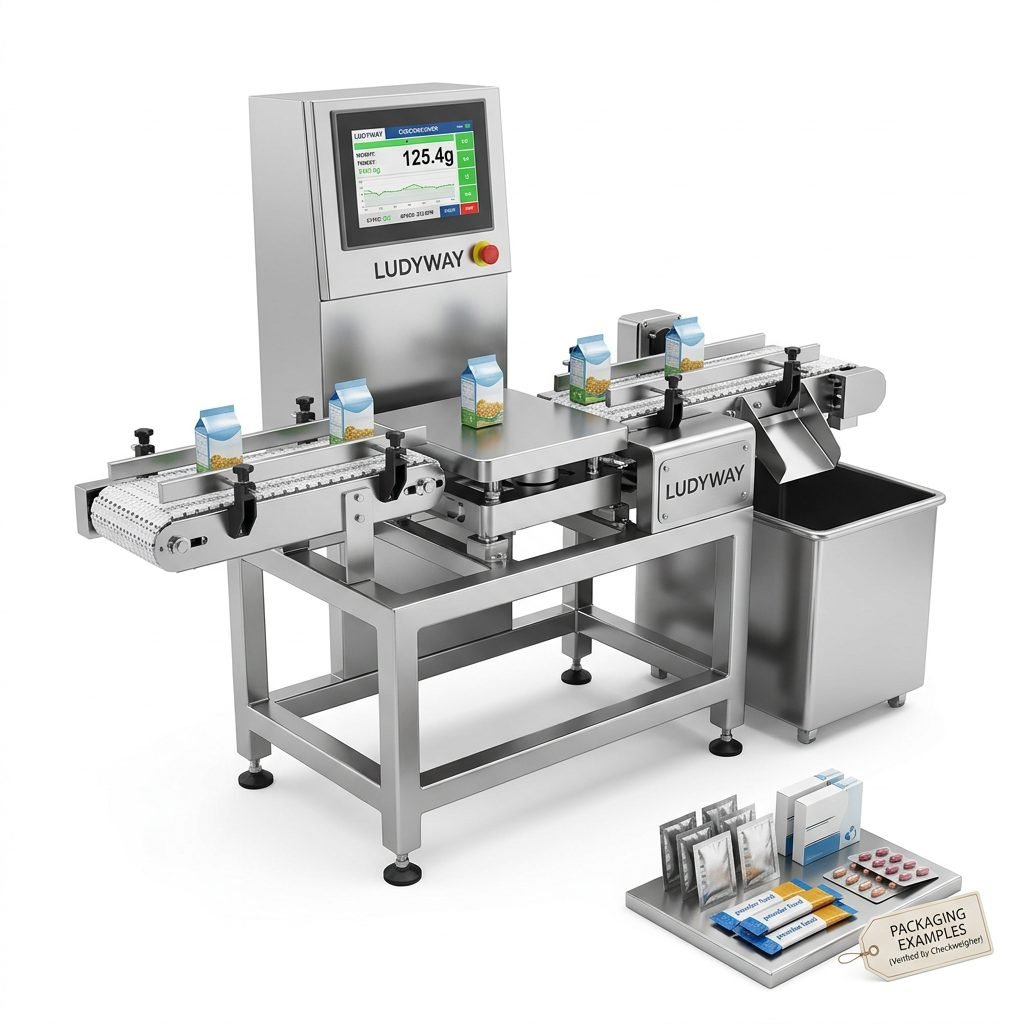
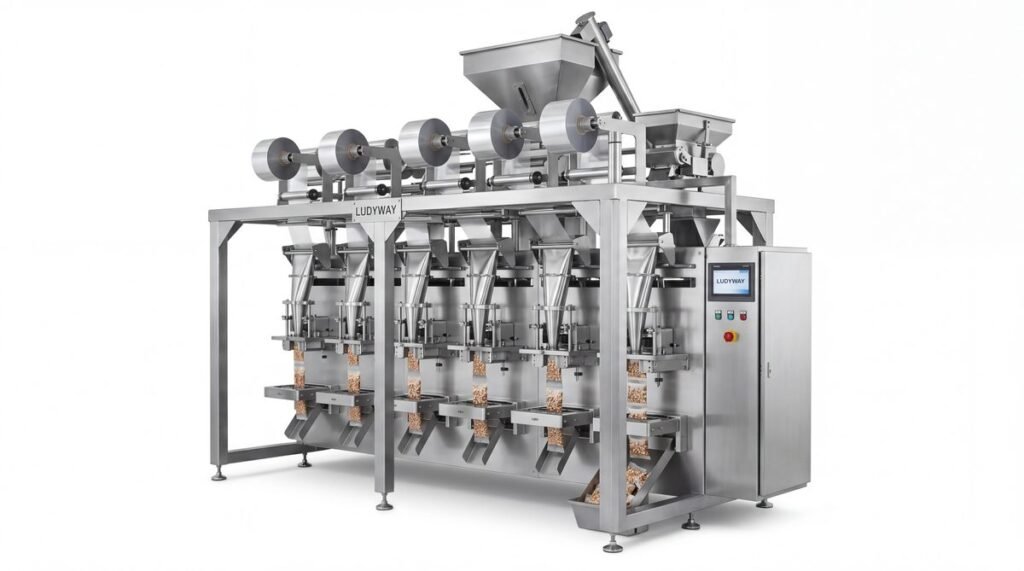
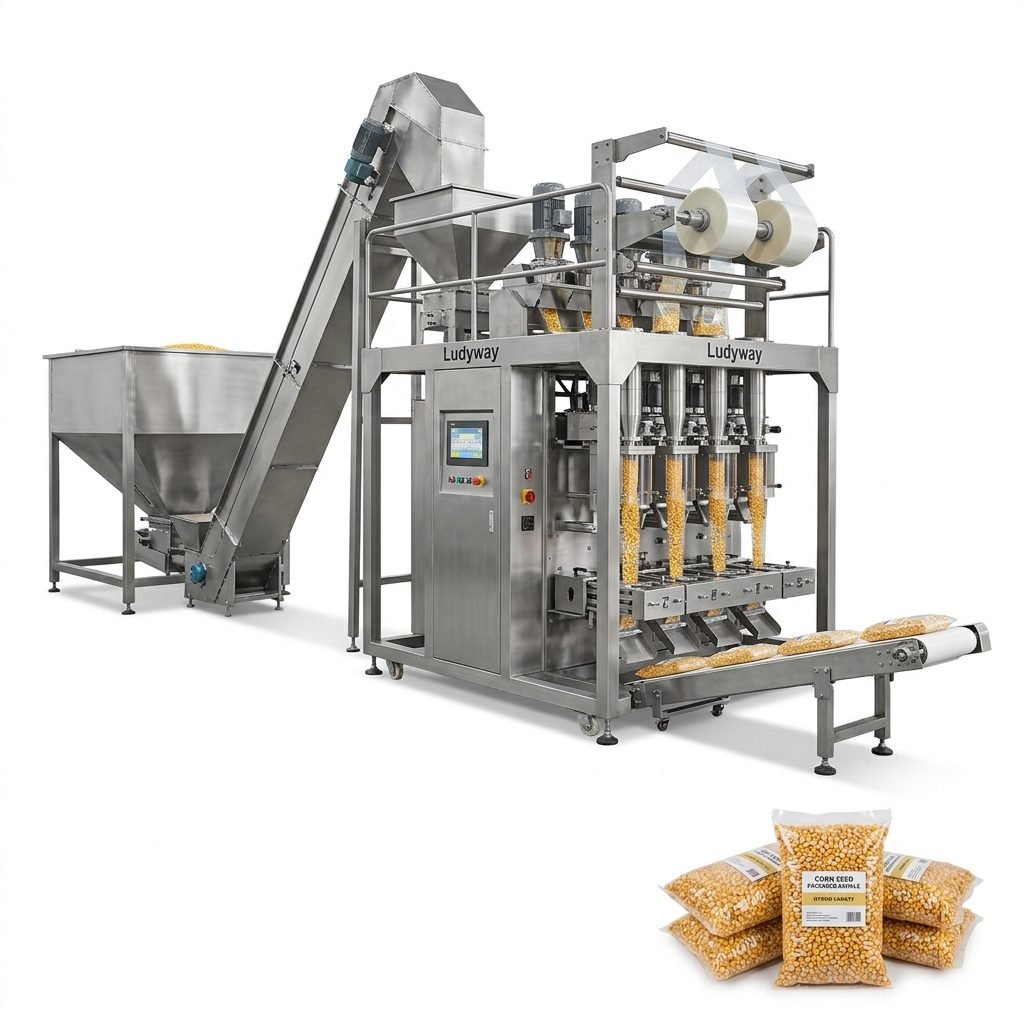
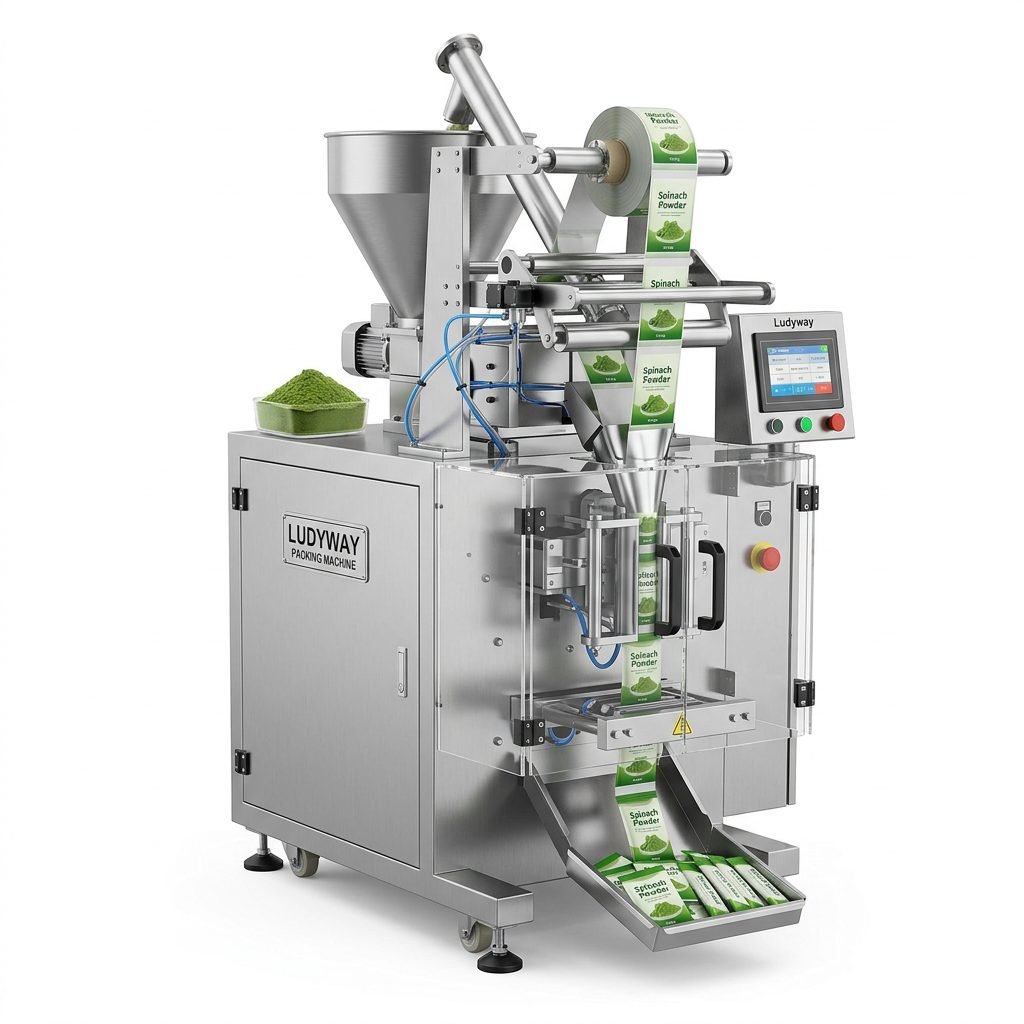
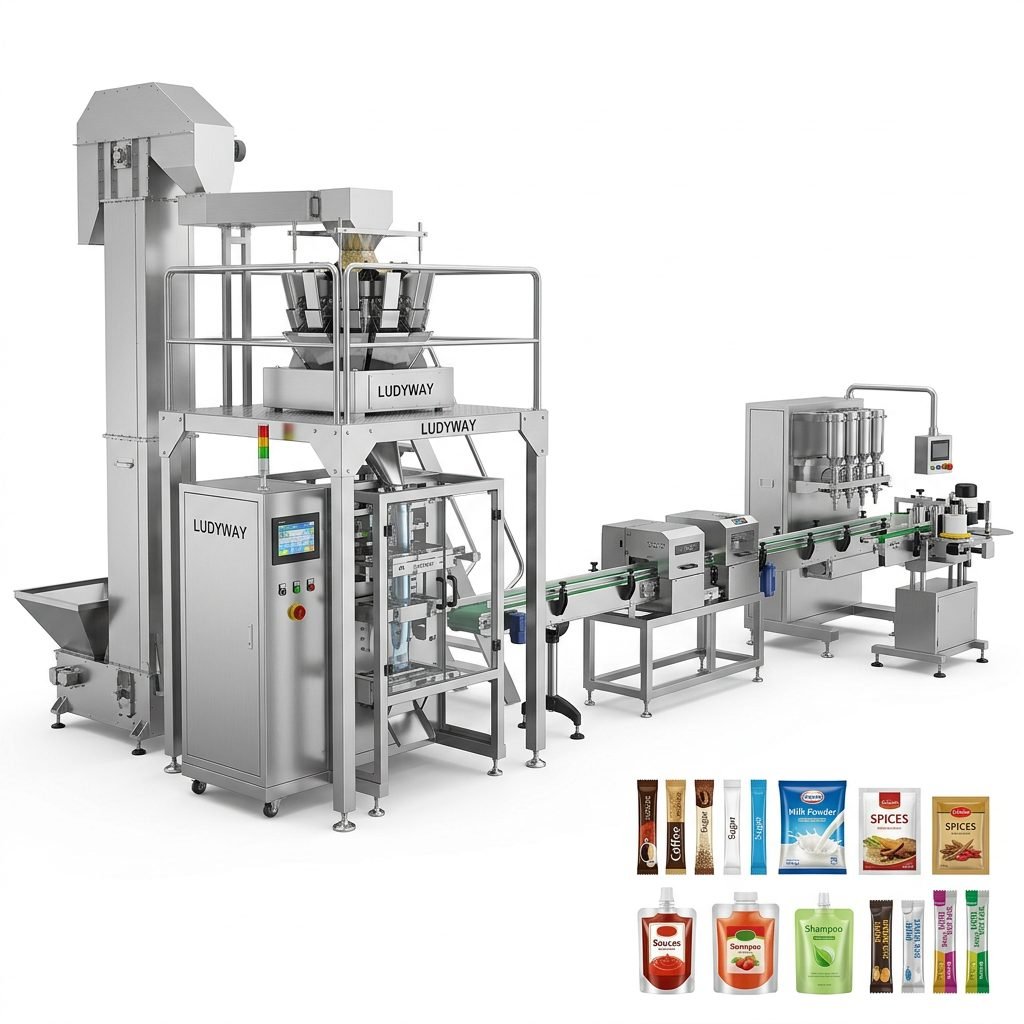
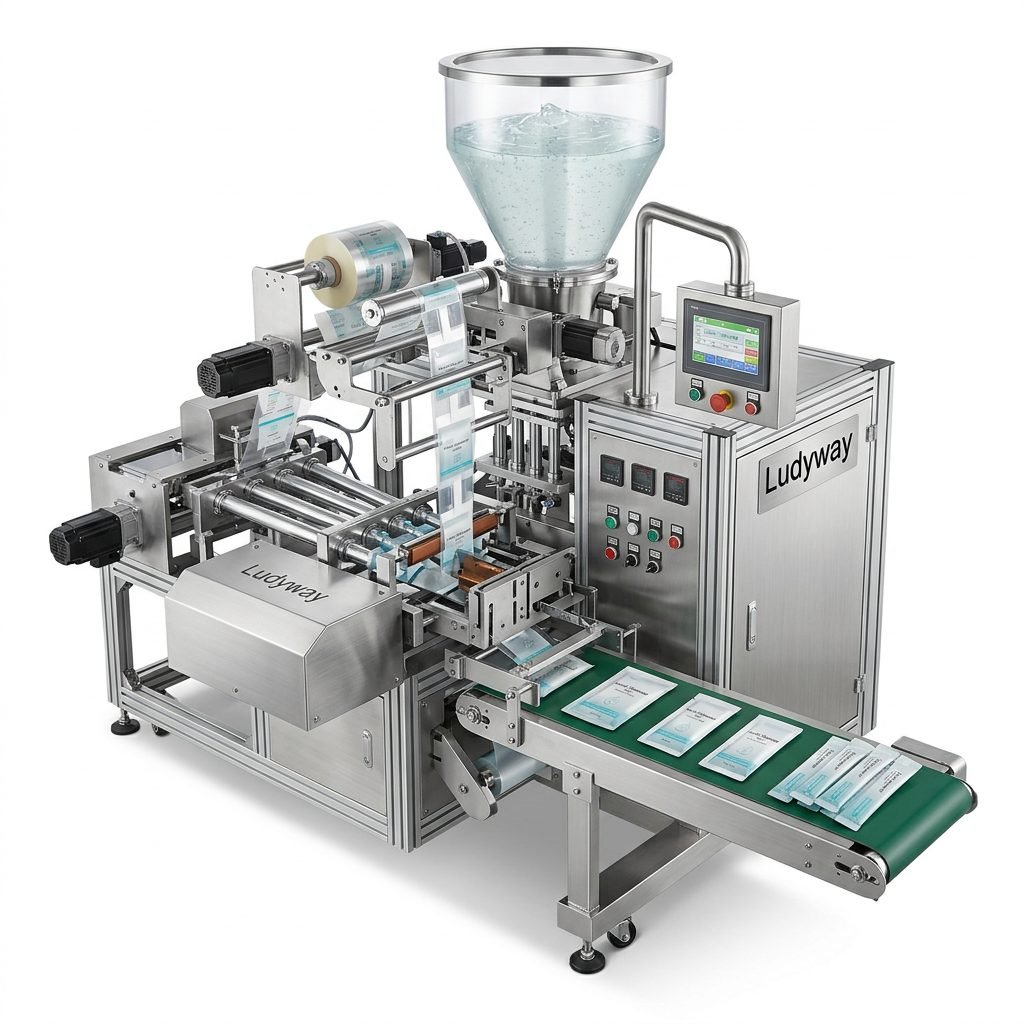
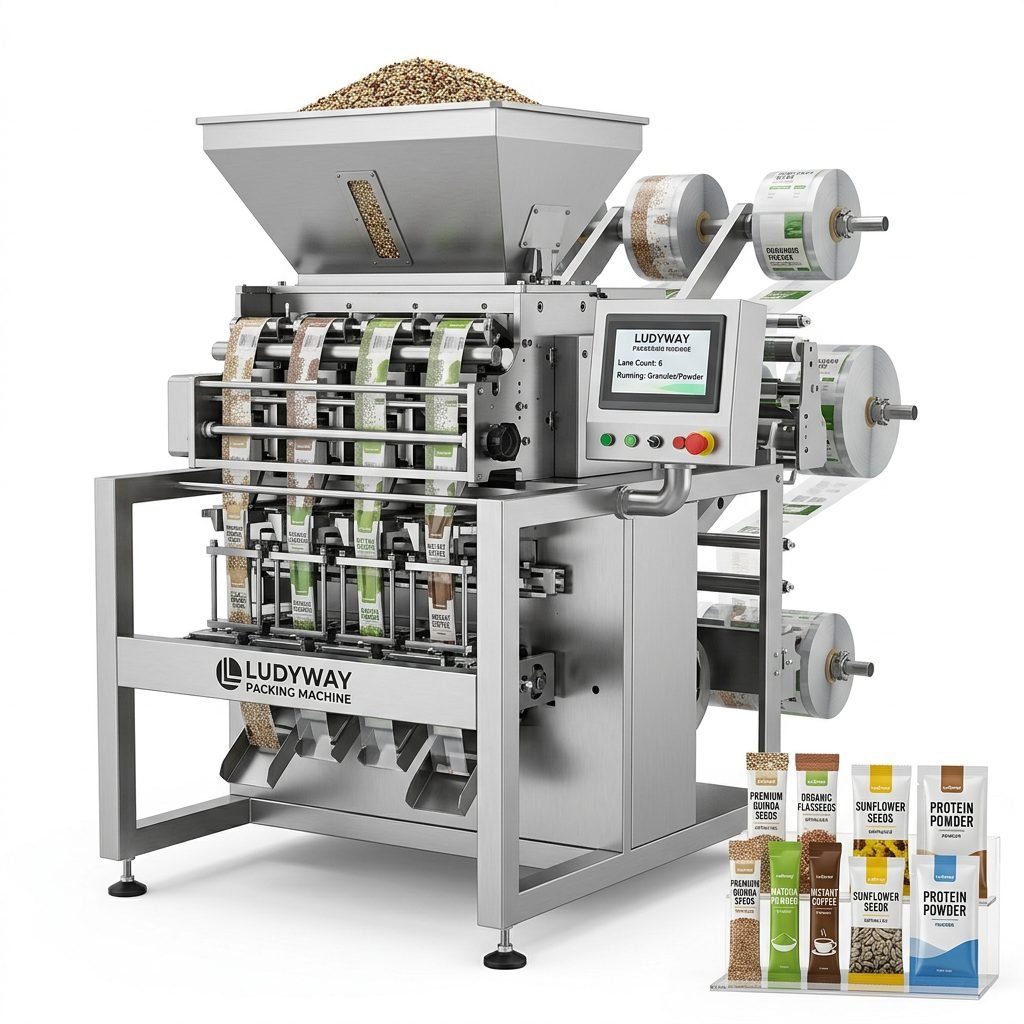
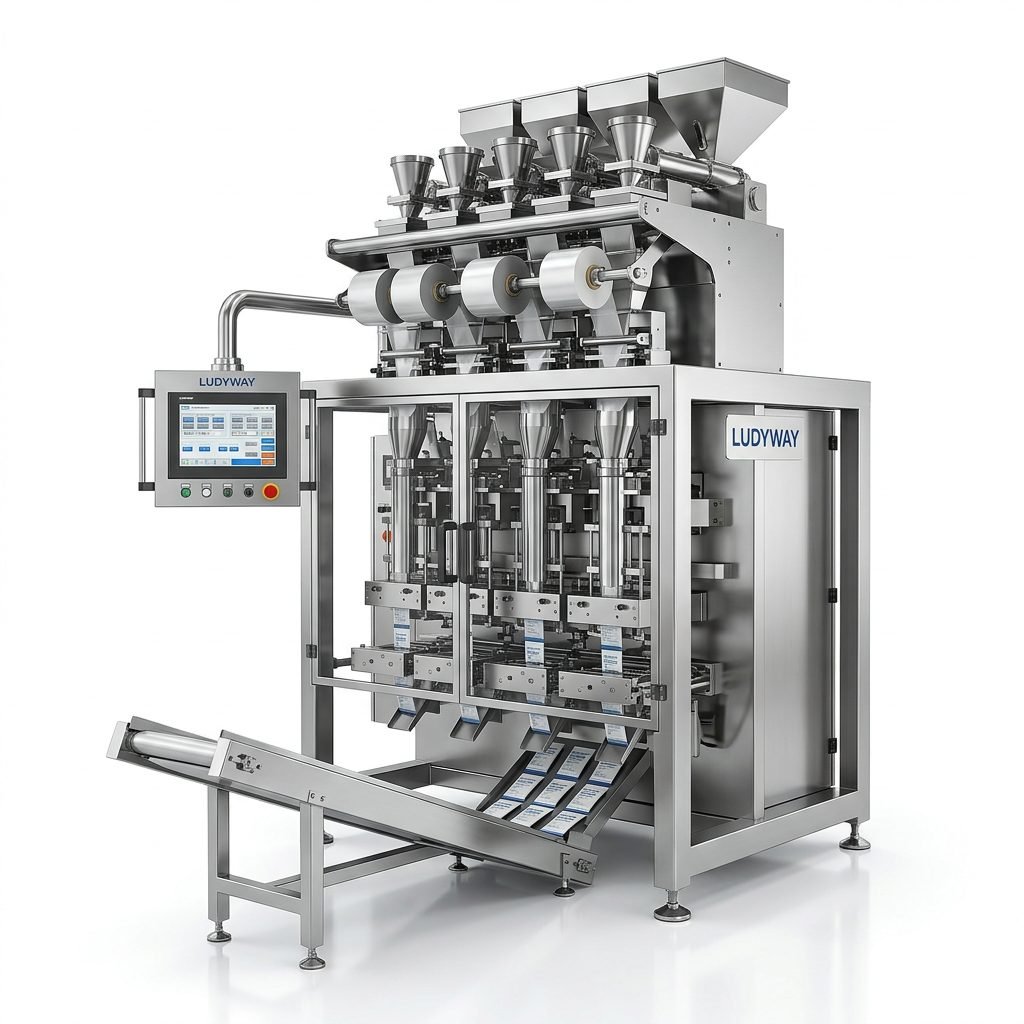
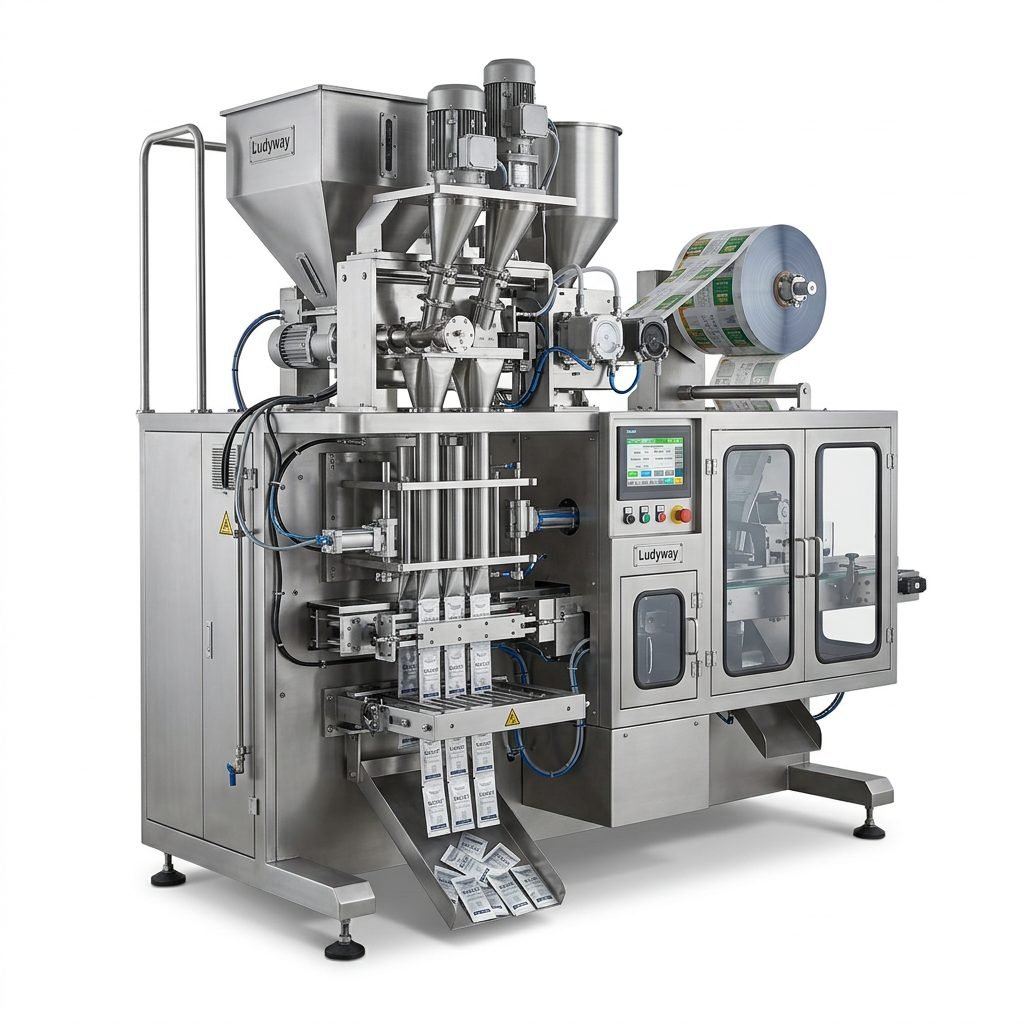
In today’s fast-paced manufacturing world, efficiency and precision are paramount. For industries like food, pharmaceuticals, and general industrial production, the packaging process is a critical link in the supply chain. High-speed packaging machinery solutions are no longer a luxury but a necessity for businesses aiming to scale, maintain quality, and meet stringent regulatory standards. This article explores the transformative impact of these advanced systems and the key considerations for selecting the right partner for your packaging automation needs.
The Imperative for Speed and Precision in Modern Packaging
The demand for faster production cycles, coupled with the need for absolute accuracy in dosing and sealing, has driven the evolution of packaging technology. High-speed machinery ensures that products are packaged swiftly without compromising on the integrity of the seal or the consistency of the fill. This is especially crucial in sectors where product shelf life, contamination prevention, and brand presentation are directly tied to the packaging quality.
Core Benefits of High-Speed Automation:
- Dramatically Increased Output: Machines capable of hundreds of cycles per minute significantly outpace manual or semi-automatic operations.
- Unmatched Consistency: Automated systems eliminate human error in weight, fill volume, and seal quality, ensuring every unit meets specification.
- Enhanced Hygiene and Safety: Closed systems and automated handling reduce human contact, a critical factor in food and pharmaceutical packaging.
- Reduced Operational Costs: While the initial investment is higher, the long-term savings in labor, material waste, and downtime are substantial.
- Scalability for Growth: High-speed lines can be integrated and scaled to meet increasing market demands seamlessly.
Tailored Solutions for Key Industries
The one-size-fits-all approach fails in specialized manufacturing. Effective high-speed packaging solutions must be engineered with the end product in mind.
Food Industry Applications
From spices and instant beverages to snacks and condiments, the food sector requires machinery that handles a variety of forms—granules, powders, liquids, and pastes. Key features include food-grade stainless-steel construction, easy-clean designs, and precision auger or volumetric filling systems that maintain product freshness and prevent waste. Solutions like multi-lane stick pack machines are ideal for single-serve portions, driving convenience for consumers.
Pharmaceutical & Health Sector Demands
This industry operates under the most rigorous standards. Packaging machinery must ensure absolute accuracy in dose counting and powder filling, often within sterile or controlled environments. Features like validatable software, audit trails, and change-part designs for quick product changeovers are essential. Reliable sachet packaging for powders or liquid pharmaceuticals provides patient-safe, tamper-evident, and accurately dosed units.
Industrial & Chemical Production
For chemicals, agro-products, or hardware, packaging needs focus on durability, proper sealing to prevent leakage or contamination, and often, handling of abrasive or hazardous materials. Robust machine construction and compatibility with various laminate materials for strength and barrier properties are critical. Turnkey solutions that include automated cartoning and case packing streamline the entire post-fill process.
Choosing the Right Technology Partner
Investing in high-speed packaging is a strategic decision. The choice of equipment supplier can determine the success of your production line for years to come.
Critical Evaluation Criteria:
Engineering Expertise & Experience: Look for a partner with deep, proven experience in your specific industry. A supplier like Ludyway Machinery, with over 30 years of collective industry knowledge, understands the nuanced challenges of packaging food, pharma, and industrial products.
Product Range and Customization: Can they provide the specific machine type you need—be it a stick pack, sachet, or liquid filler—and tailor it to your unique product characteristics and output goals?
Manufacturing and Quality Control: Inquire about their production facilities and quality assurance processes. A partner operating from a modern 20,000㎡ facility is likely to have stringent controls for reliable, durable machinery.
Global Support and Service: Ensure they offer comprehensive after-sales support, including installation, training, spare parts availability, and technical assistance, regardless of your location.
The Future is Integrated and Intelligent
The next frontier in high-speed packaging is the integration of Industry 4.0 principles. Smart machines equipped with IoT sensors can predict maintenance needs, monitor production data in real-time, and seamlessly communicate with upstream and downstream equipment like mixers, conveyors, and palletizers. This creates a cohesive, data-driven production ecosystem that maximizes Overall Equipment Effectiveness (OEE) and minimizes unplanned downtime.
Furthermore, sustainability is becoming a core design driver. Modern packaging machinery is being optimized to work with recyclable or biodegradable materials and to minimize film and energy waste during operation, aligning with global environmental goals and consumer preferences. Exploring sustainable packaging solutions with your supplier is a forward-thinking step.
Final Thoughts
Implementing a high-speed packaging machinery solution is a significant step toward future-proofing your manufacturing operations. By focusing on precision, hygiene, speed, and choosing a partner with the right expertise and support structure, businesses in the food, pharmaceutical, and industrial sectors can achieve remarkable gains in productivity, quality, and market responsiveness. The initial investment paves the way for long-term competitiveness and growth.
Frequently Asked Questions (FAQs)
1. What is the typical lead time for a high-speed packaging machine?
Lead times vary based on machine complexity and customization. Standard models may ship in 8-12 weeks, while fully customized turnkey lines require more extensive engineering and can take 16-24 weeks. A reliable supplier will provide a clear project timeline from the outset.
2. Can one machine handle different types of products or package sizes?
Yes, many modern machines are designed for quick changeovers. This is achieved through interchangeable forming tubes, augers, and sealing jaws. The degree of flexibility varies by model, so it’s crucial to discuss your specific product range and changeover frequency with the supplier.
3. How important is after-sales service and technical support?
It is critically important. High-speed machinery is a complex investment. Ensure your supplier offers comprehensive support, including detailed installation supervision, operator training, readily available spare parts, and responsive remote or on-site technical assistance to minimize potential downtime.
4. What are the key factors in choosing the right packaging film material?
The choice depends on your product’s needs: barrier properties (moisture, oxygen, light), strength, sealability, and printability. Your machinery supplier should have the expertise to recommend suitable laminate structures that run reliably on their equipment and protect your product effectively.
5. How do we ensure the machine meets our local safety and regulatory standards?
Reputable international suppliers design machinery to meet global standards like CE, UL, or others. You must clearly communicate the destination country’s specific electrical and safety requirements during the quotation phase to ensure compliance.