Investing in a seal and shrink packaging machine is a critical decision for manufacturers looking to improve product protection, shelf appeal, and packaging efficiency. Whether you’re packaging food, pharmaceuticals, cosmetics, or industrial goods, choosing the right equipment can significantly impact your production capacity and operational costs. This comprehensive guide walks you through the essential factors to evaluate before making your purchase.
Understanding Seal and Shrink Packaging Technology
Seal and shrink packaging combines two essential processes: hermetic sealing of products within flexible film and the subsequent application of heat to shrink the film tightly around the product. This method creates a tamper-evident, protective barrier that conforms precisely to the product’s shape.
According to industry data from the PMMI State of the Industry reports, the demand for flexible packaging solutions continues to grow across multiple sectors, driven by consumer preference for convenience and sustainability. The Flexible Packaging Association also highlights that shrink packaging remains one of the most versatile and cost-effective packaging formats available.
Key Factors to Consider When Choosing Your Machine
Selecting the right seal and shrink packaging machine requires careful evaluation of several critical parameters. Below is a structured breakdown of the most important considerations:
1. Product Characteristics and Dimensions
Your product’s size, shape, weight, and fragility directly determine the type of machine you need. Irregularly shaped products may require specialized film handling, while uniform items can often be processed at higher speeds. Measure your maximum and minimum product dimensions before consulting with equipment suppliers.
2. Production Speed Requirements
Different machines offer varying throughput capabilities, from semi-automatic systems producing a few hundred packs per hour to fully automated high-speed lines capable of processing thousands of units. Matching machine speed to your current and projected production needs is essential for maximizing ROI.
3. Film Compatibility and Material Options
Modern shrink packaging machines work with various film types including PVC, polyolefin, and polyethylene. Each material offers distinct properties in terms of clarity, shrinkage ratio, and environmental impact. The ISO packaging standards provide guidance on material specifications and testing methods to ensure consistent quality.
4. Automation Level and Integration
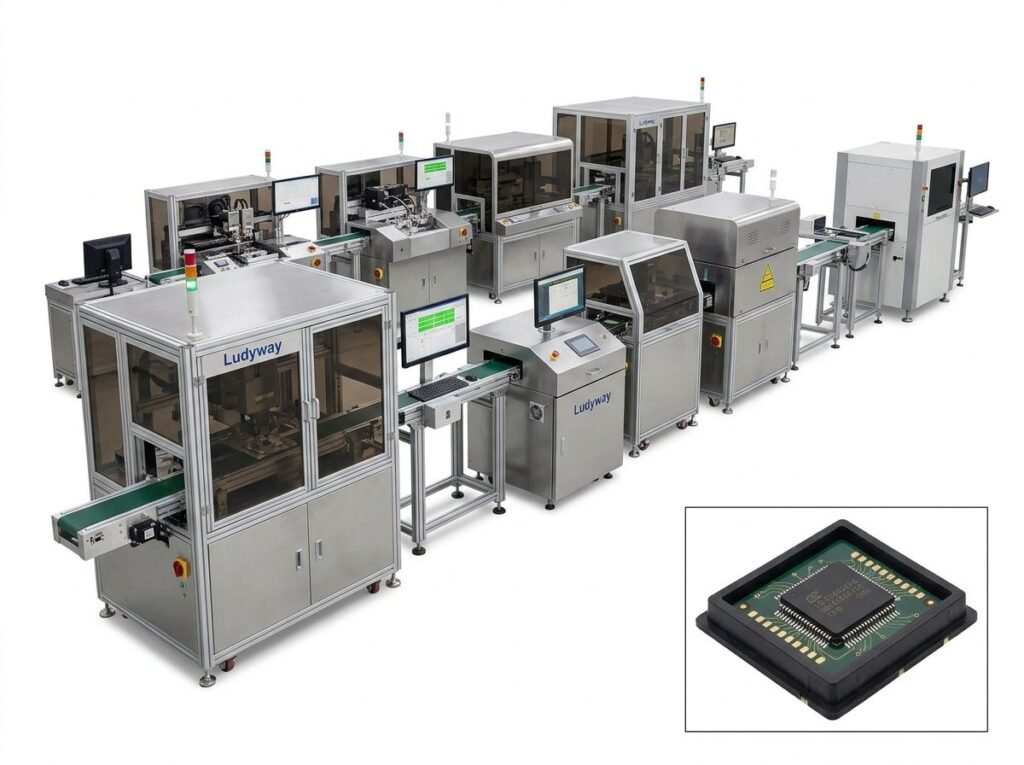
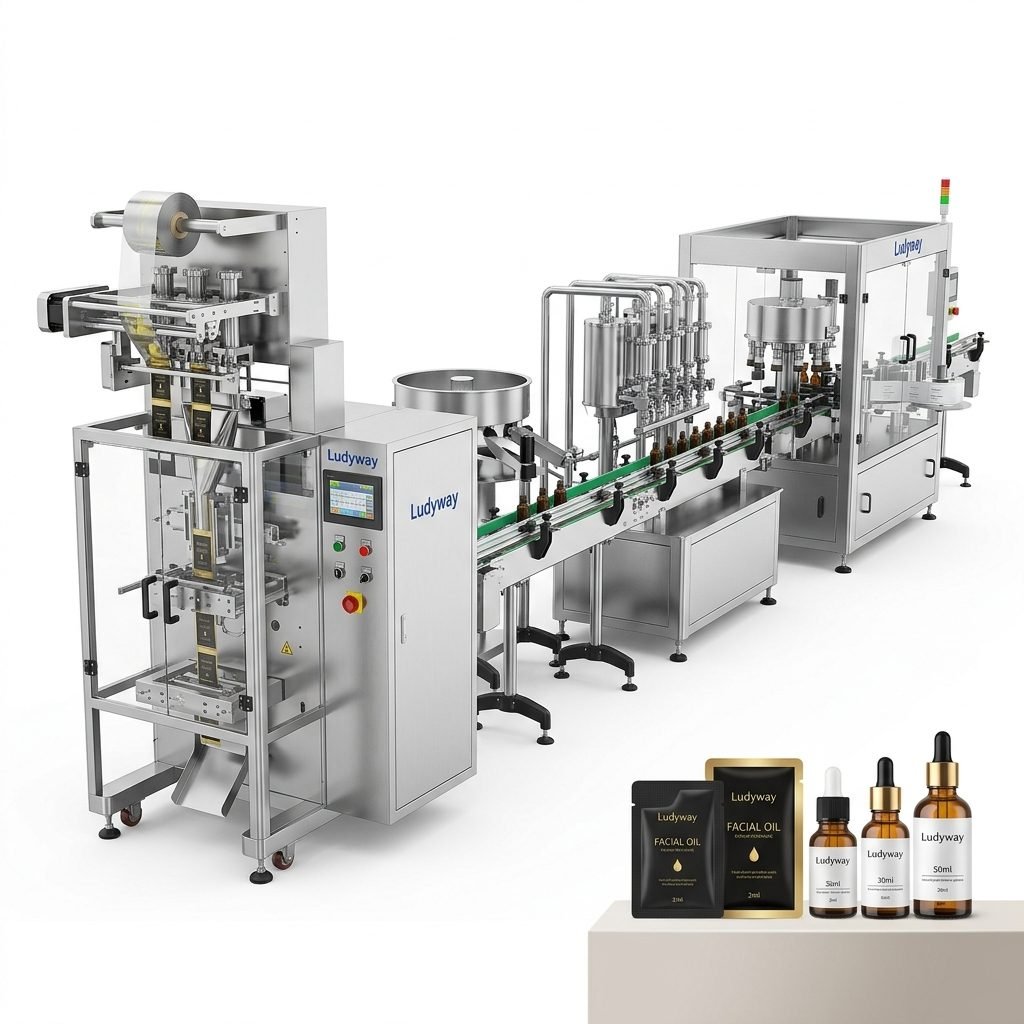
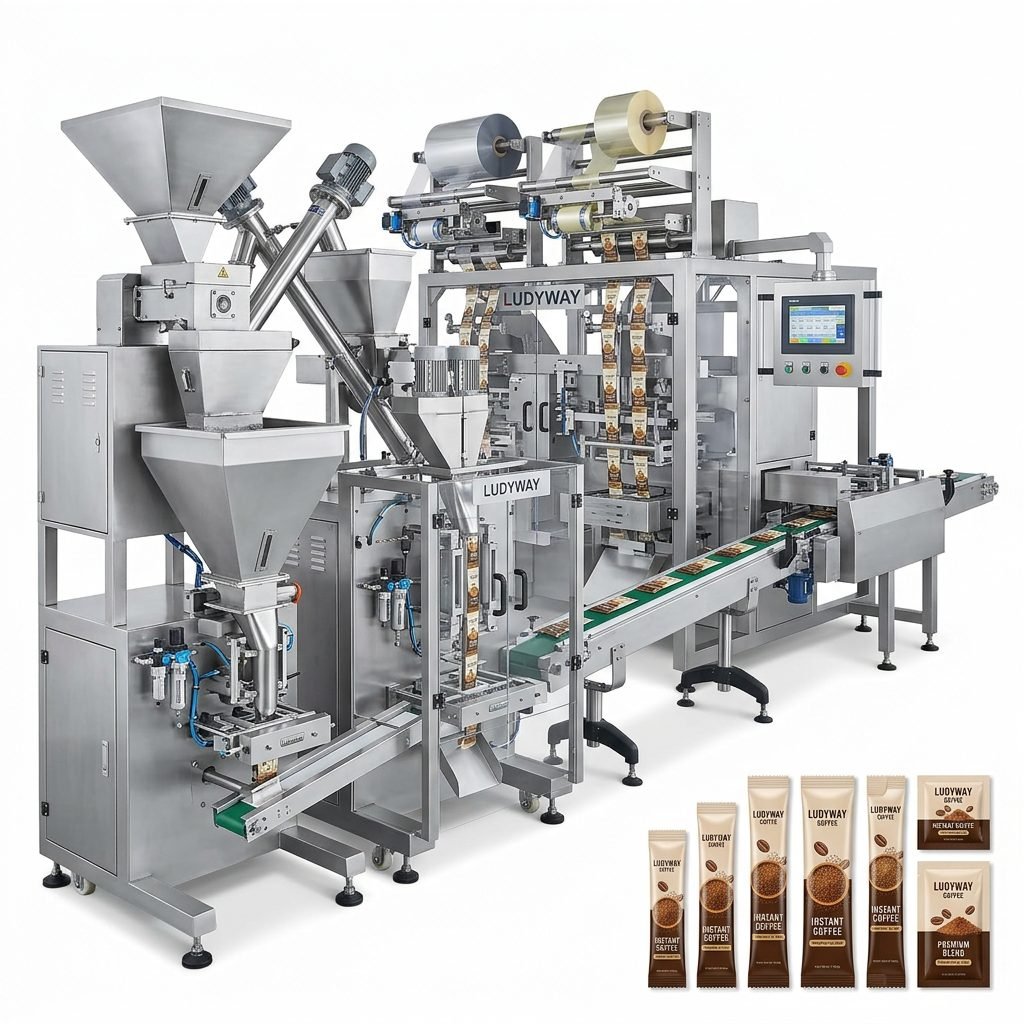
Consider whether you need a standalone machine or a fully integrated packaging line. Options range from manual loading systems to automated packaging solutions that connect with upstream filling equipment and downstream cartoning or palletizing systems. For manufacturers seeking comprehensive solutions, working with an experienced packaging machinery manufacturer can simplify system integration and ensure compatibility across all line components.
| Automation Level | Production Speed | Best Suited For | Investment Range |
|---|---|---|---|
| Manual / Semi-Auto | 100 – 500 packs/hour | Small businesses, startups, short runs | Lower initial investment |
| Fully Automatic | 1,000 – 5,000 packs/hour | Medium to large manufacturers | Moderate to high investment |
| High-Speed Multi-Lane | 5,000 – 20,000+ packs/hour | High-volume production, 24/7 operations | Significant capital investment |

Types of Seal and Shrink Packaging Machines
Understanding the different machine configurations available helps narrow down your options. Each type serves specific applications and production environments:
- L-Bar Sealers – Versatile machines ideal for packaging products of varying sizes. The L-shaped sealing bar creates a seal and cut in one motion, making them popular for operations with frequent size changeovers.
- Side Sealers – Designed for continuous motion packaging, these machines excel in high-speed production lines where consistent product dimensions allow for uninterrupted operation.
- Chamber Shrink Machines – Products are placed inside a chamber where the shrink process occurs. Best suited for delicate or temperature-sensitive items that require controlled heat exposure.
- Shrink Sleeve Applicators – Specialized equipment for applying shrink sleeve labels or tamper-evident bands, commonly used in beverage, pharmaceutical, and cosmetic industries.
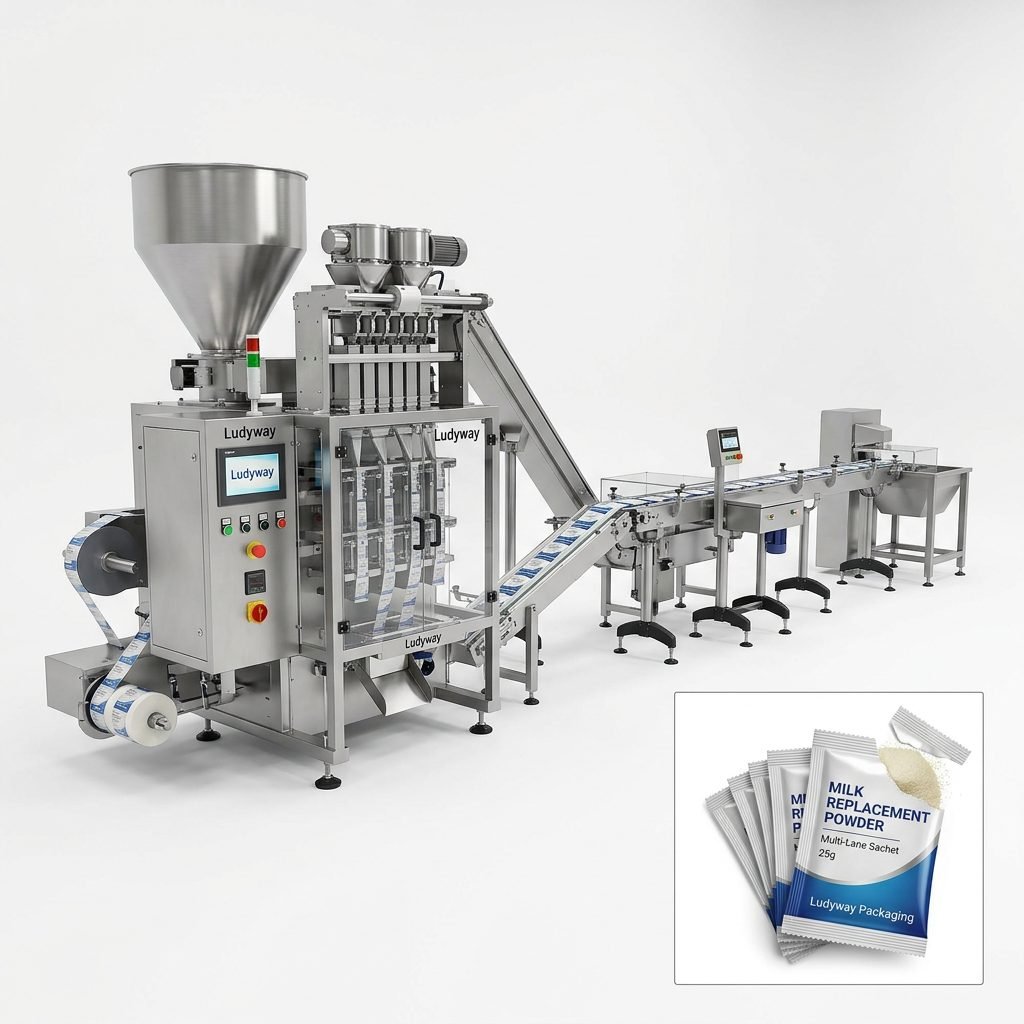
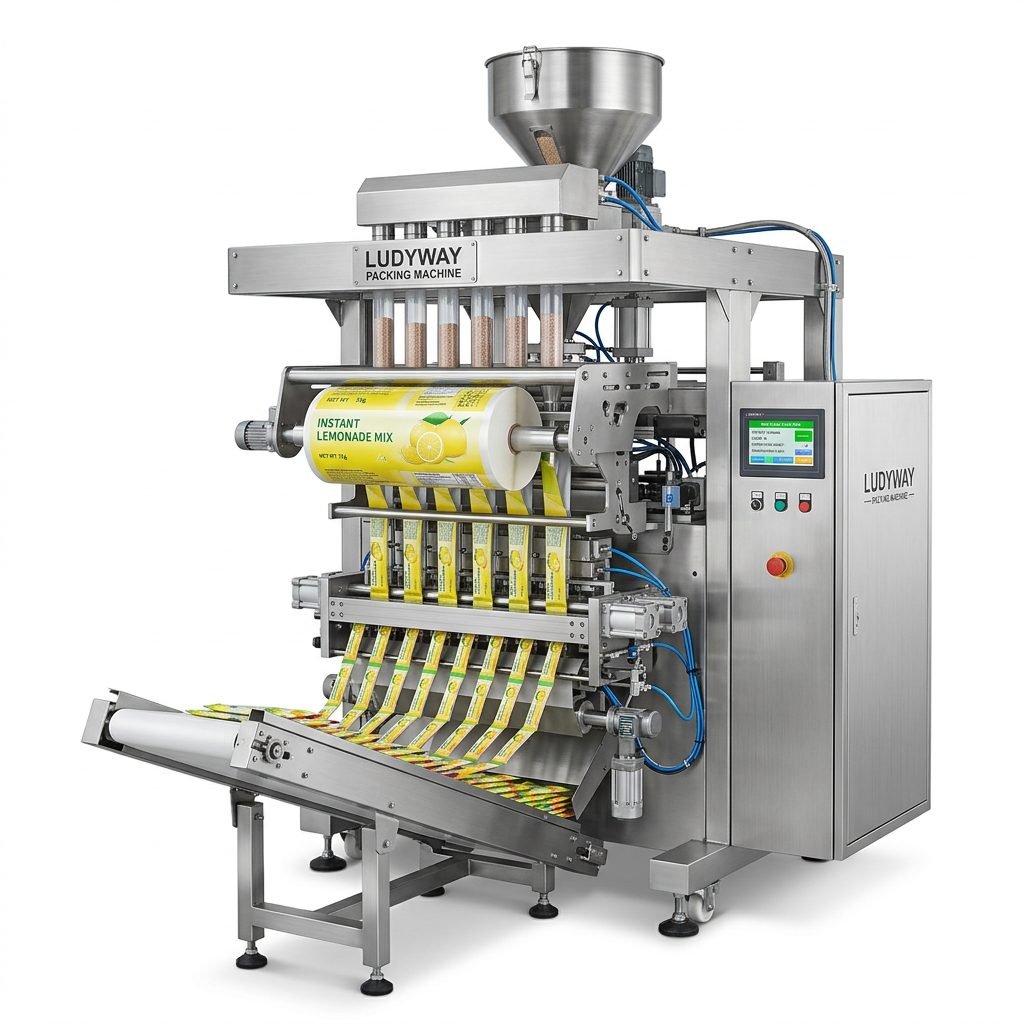
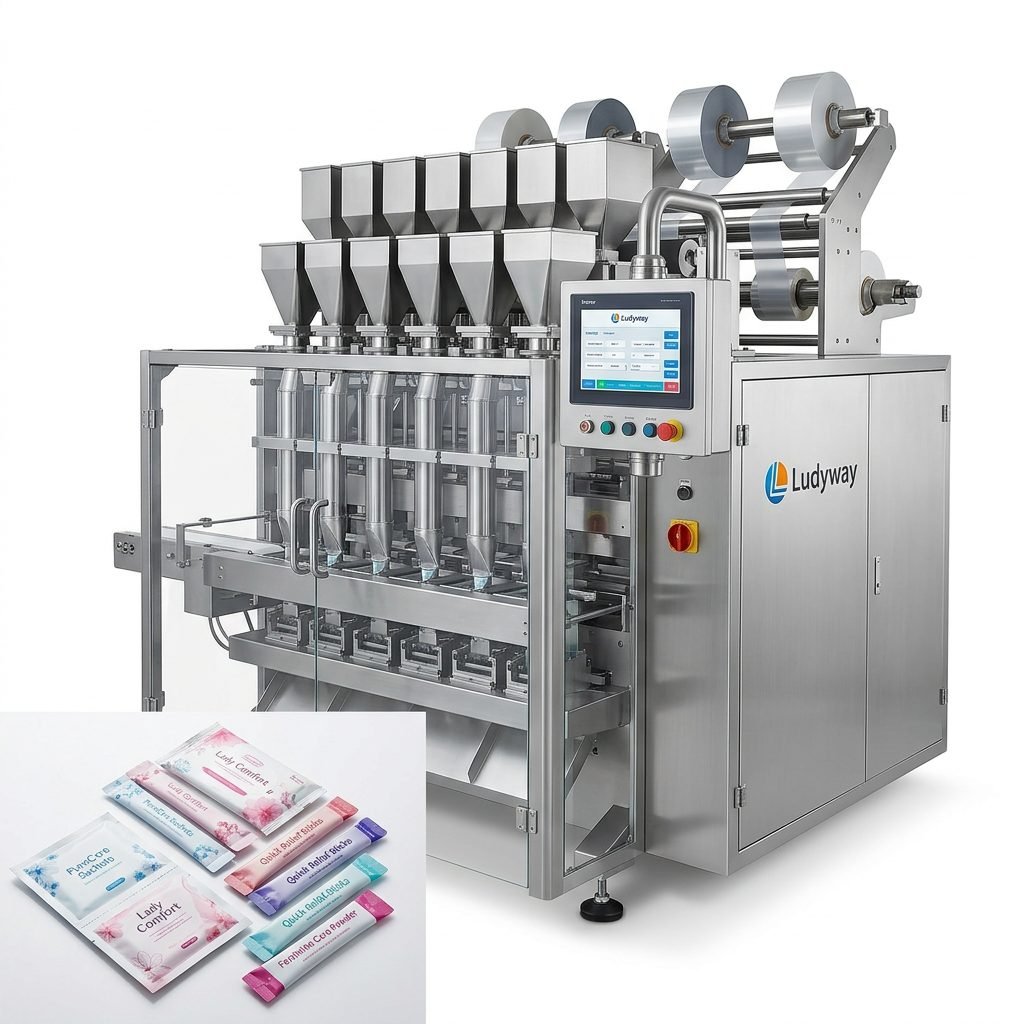
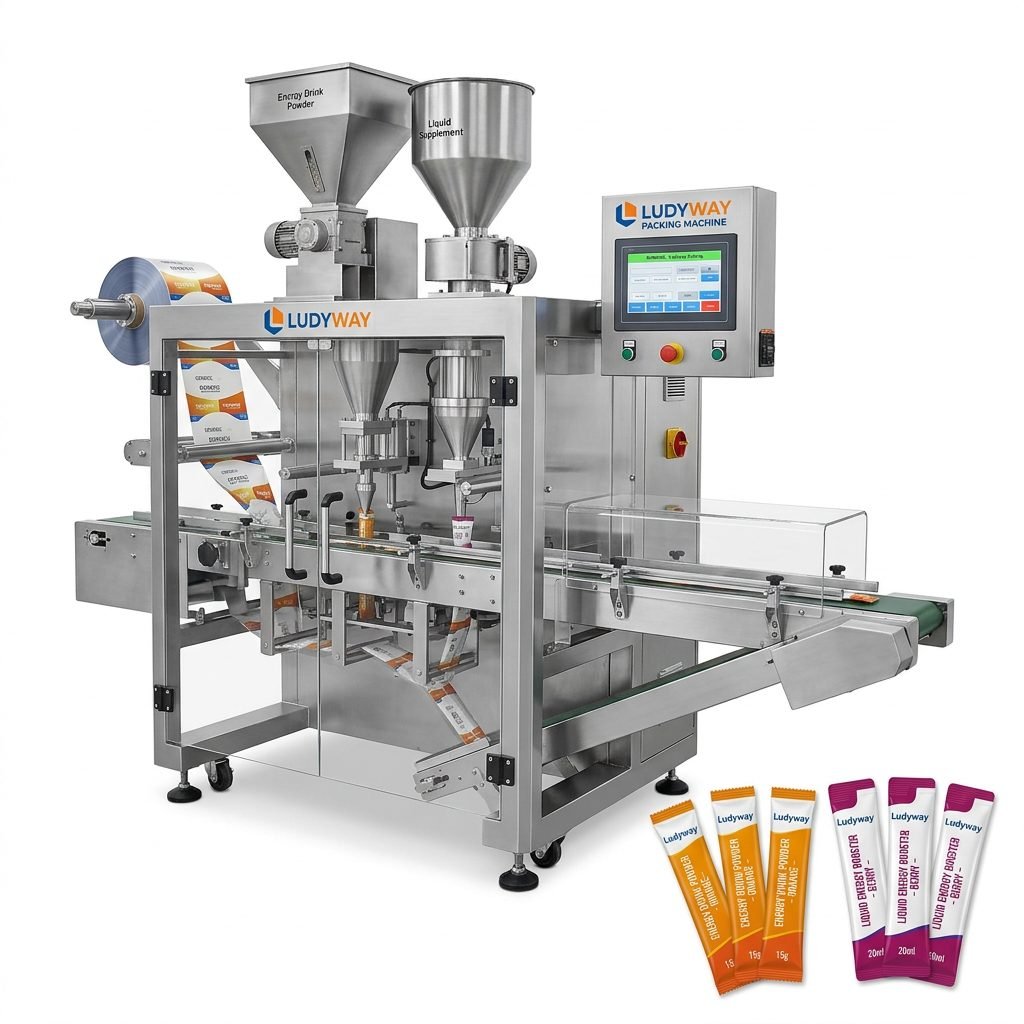
- Multi-Lane Stick Pack and Sachet Machines – For high-volume production of single-serve portions, these machines combine filling, sealing, and cutting across multiple lanes simultaneously.
Cost Considerations and ROI Analysis
When evaluating the cost of a seal and shrink packaging machine, look beyond the initial purchase price. Total cost of ownership includes installation, training, maintenance, spare parts, film consumption, and energy usage. A more efficient machine with slightly higher upfront cost often delivers lower per-pack costs over its operational lifetime.
Key financial factors to analyze include:
- Expected production volume and cost per package
- Labor savings from automation versus manual processes
- Film waste reduction through precise material handling
- Maintenance contract costs and spare parts availability
- Energy consumption comparisons between models
Industry benchmarks suggest that manufacturers switching from manual to automated shrink packaging typically see payback periods of 12 to 24 months, depending on production volume and labor costs.

Regulatory Compliance and Industry Standards
Depending on your industry, your packaging machinery may need to comply with specific regulations. The FDA’s food packaging requirements apply to food-contact materials, while pharmaceutical packaging must meet stringent GMP (Good Manufacturing Practice) guidelines. The ISO 11607 standard governs packaging for terminally sterilized medical devices. Always verify that your chosen equipment can be configured to meet applicable regulatory requirements.
Questions to Ask Before Making Your Purchase
Before finalizing your decision, ask potential suppliers these critical questions:
- What is the maximum and minimum product size the machine can handle?
- Can the machine be upgraded or reconfigured for future product lines?
- What type of technical support and after-sales service is provided?
- Are spare parts readily available in your region?
- What training and documentation are included with the purchase?
- Does the supplier offer customized configurations for specific production requirements?
- What is the expected lifespan and warranty coverage?
Working with the Right Packaging Partner
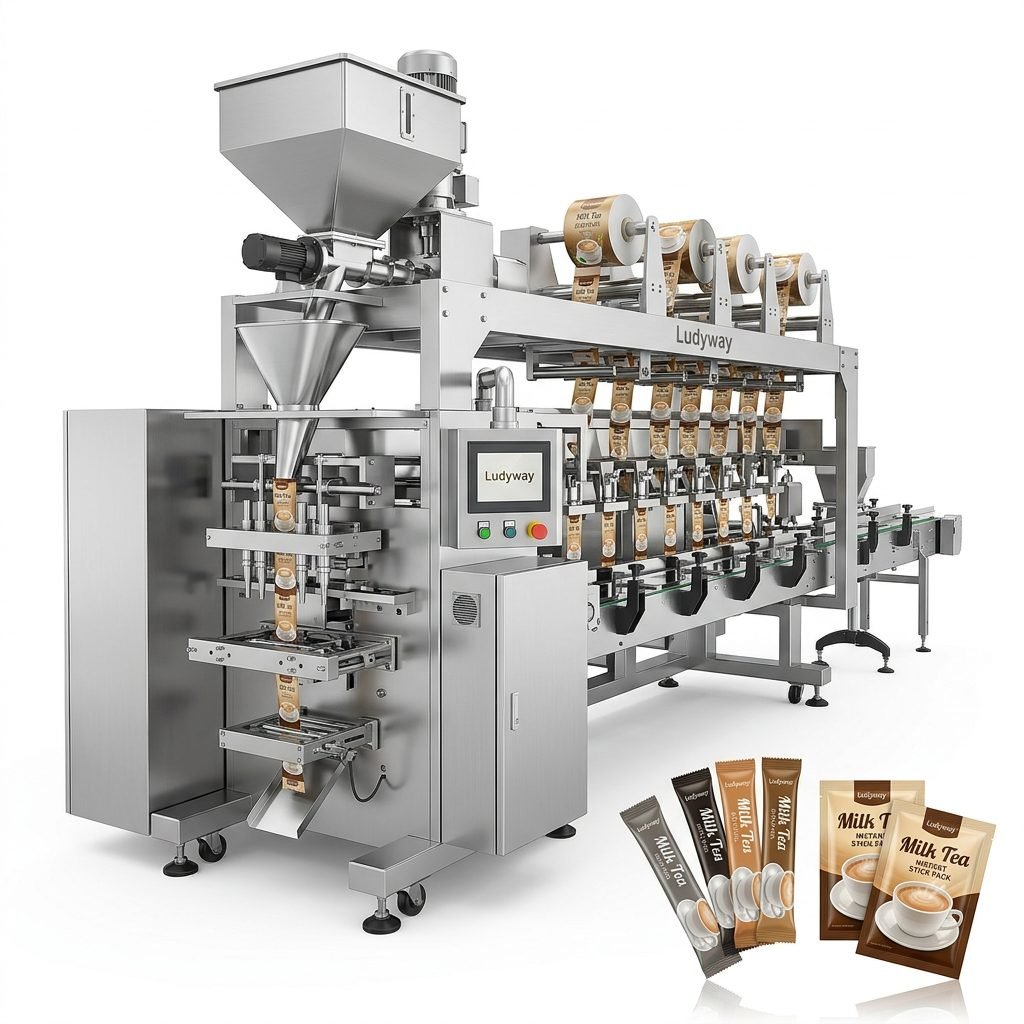
Selecting the right machine is only part of the equation. Ludyway Machinery, a China-based packaging machinery manufacturer with more than 30 years of industry experience, provides comprehensive packaging solutions from individual machines to complete turnkey production lines. With a 20,000-square-meter manufacturing facility, over 130 professionals, and more than 50 packaging machine models, Ludyway combines manufacturing expertise, engineering capabilities, and automation technology to help customers worldwide improve packaging efficiency and production capacity.
For manufacturers seeking a long-term packaging partner, evaluating a supplier’s engineering depth, customization capabilities, global service network, and industry expertise is just as important as comparing machine specifications. The latest industry reports indicate strong growth in packaging machinery exports, reflecting increasing global demand for automated packaging solutions.
Additionally, staying informed about packaging industry trends and evolving packaging regulations helps manufacturers make forward-looking equipment investments that align with sustainability goals and compliance requirements.
Final Recommendations
Choosing the right seal and shrink packaging machine is a strategic decision that affects your product quality, production efficiency, and bottom line. Start by clearly defining your current and future production requirements, then evaluate machines based on speed, flexibility, film compatibility, and total cost of ownership. Engage with multiple suppliers, request demonstrations or sample runs with your actual products, and prioritize partners that offer comprehensive support throughout the equipment lifecycle.
By following this buyer’s guide and conducting thorough due diligence, you can select a packaging machine that delivers reliable performance, consistent output quality, and strong return on investment for years to come.