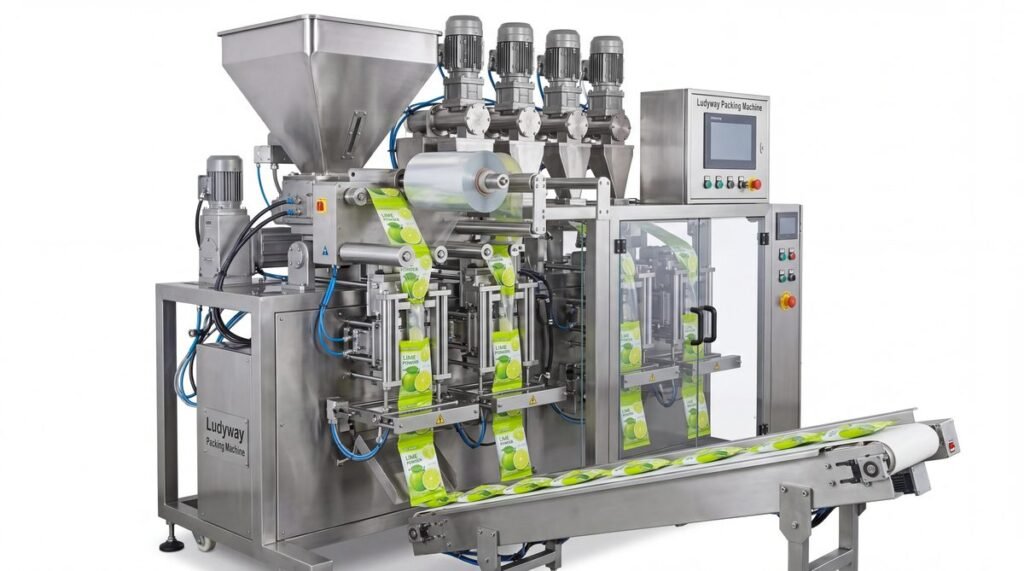
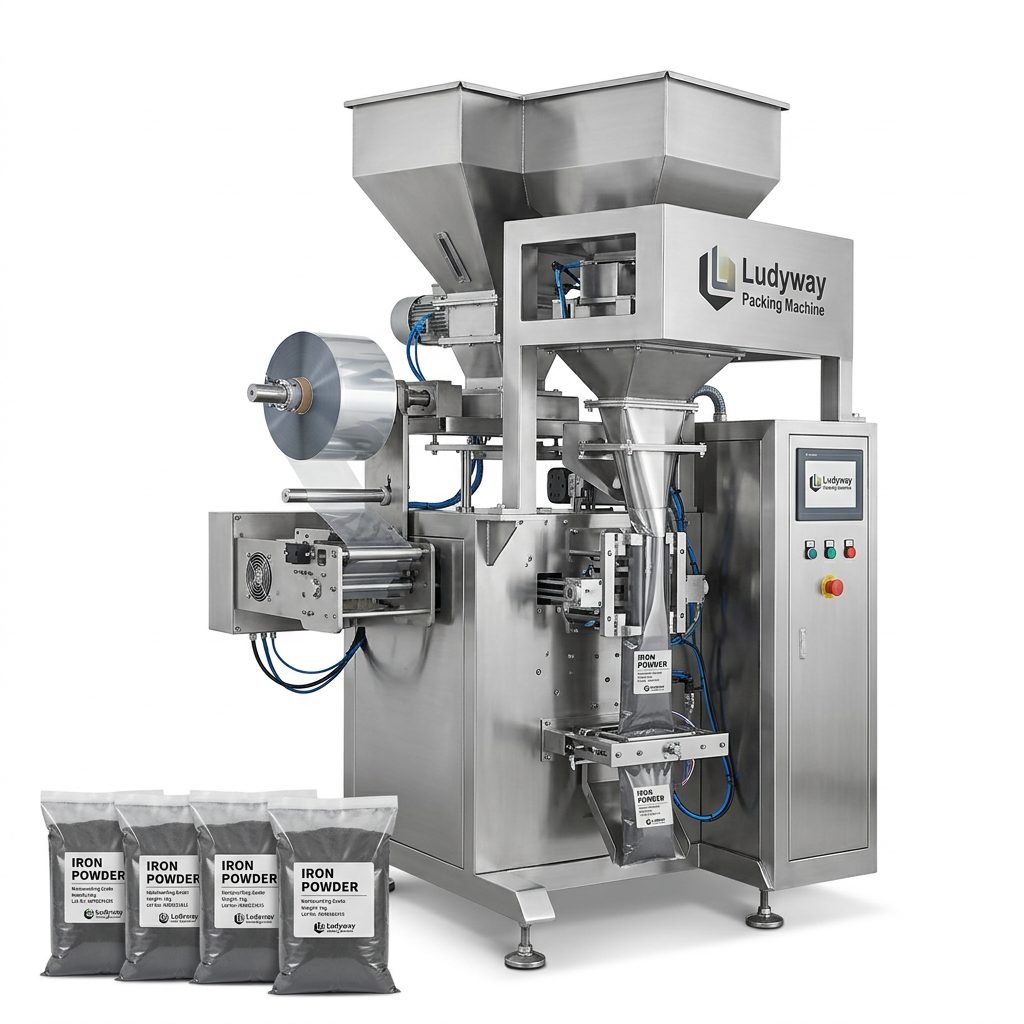
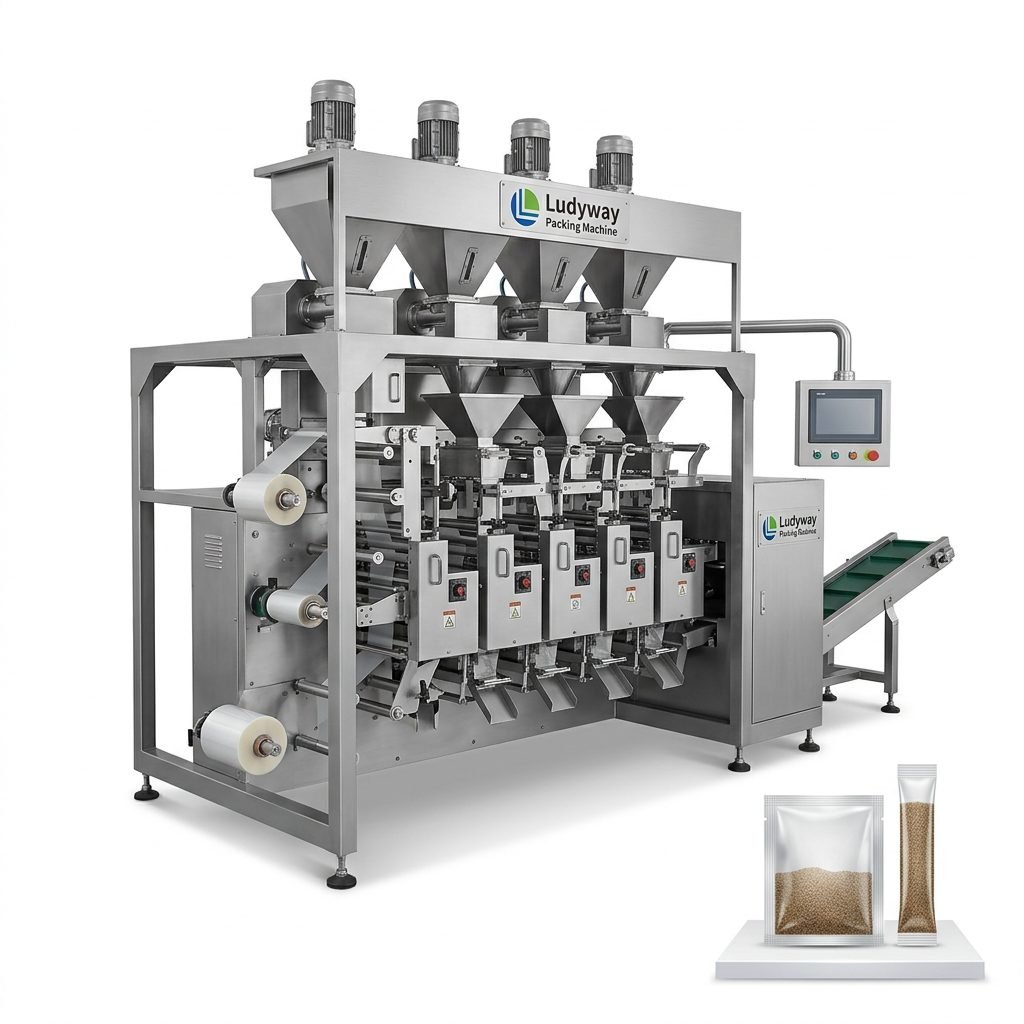
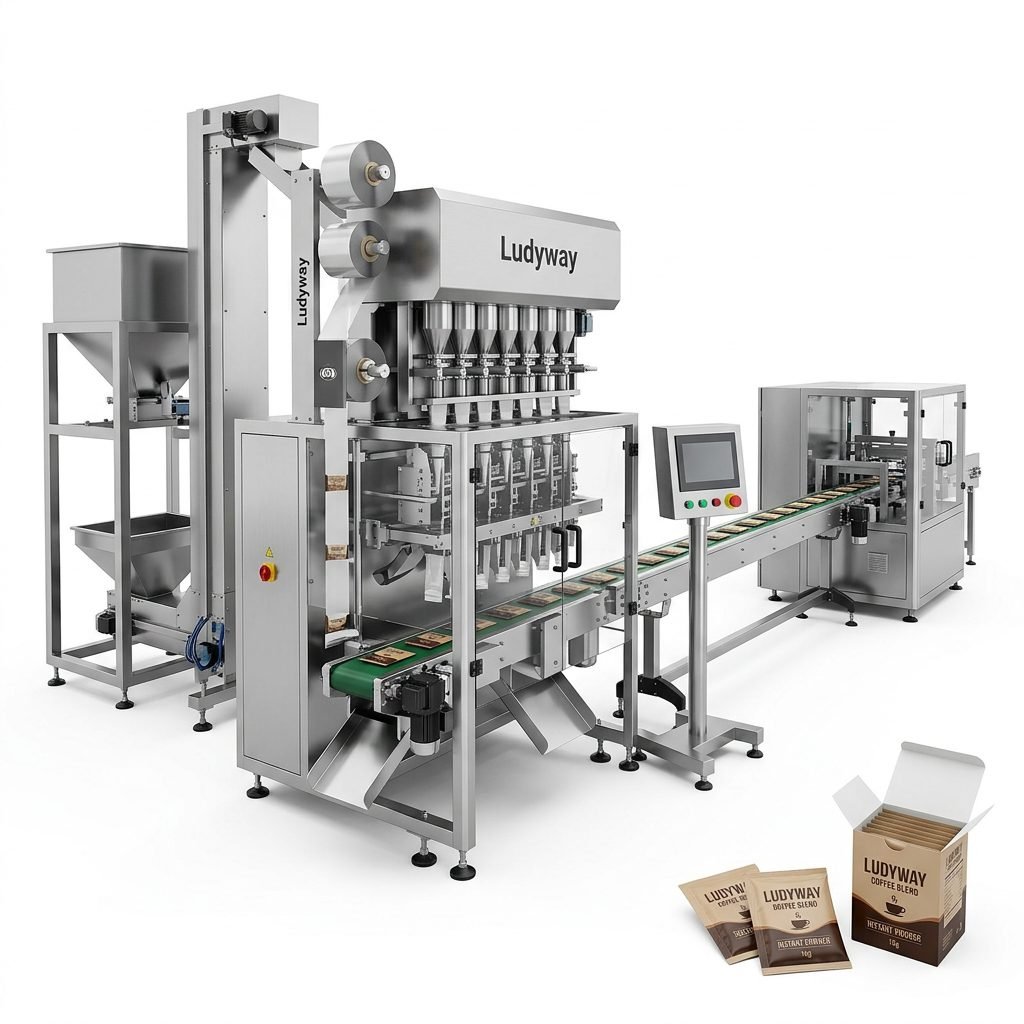
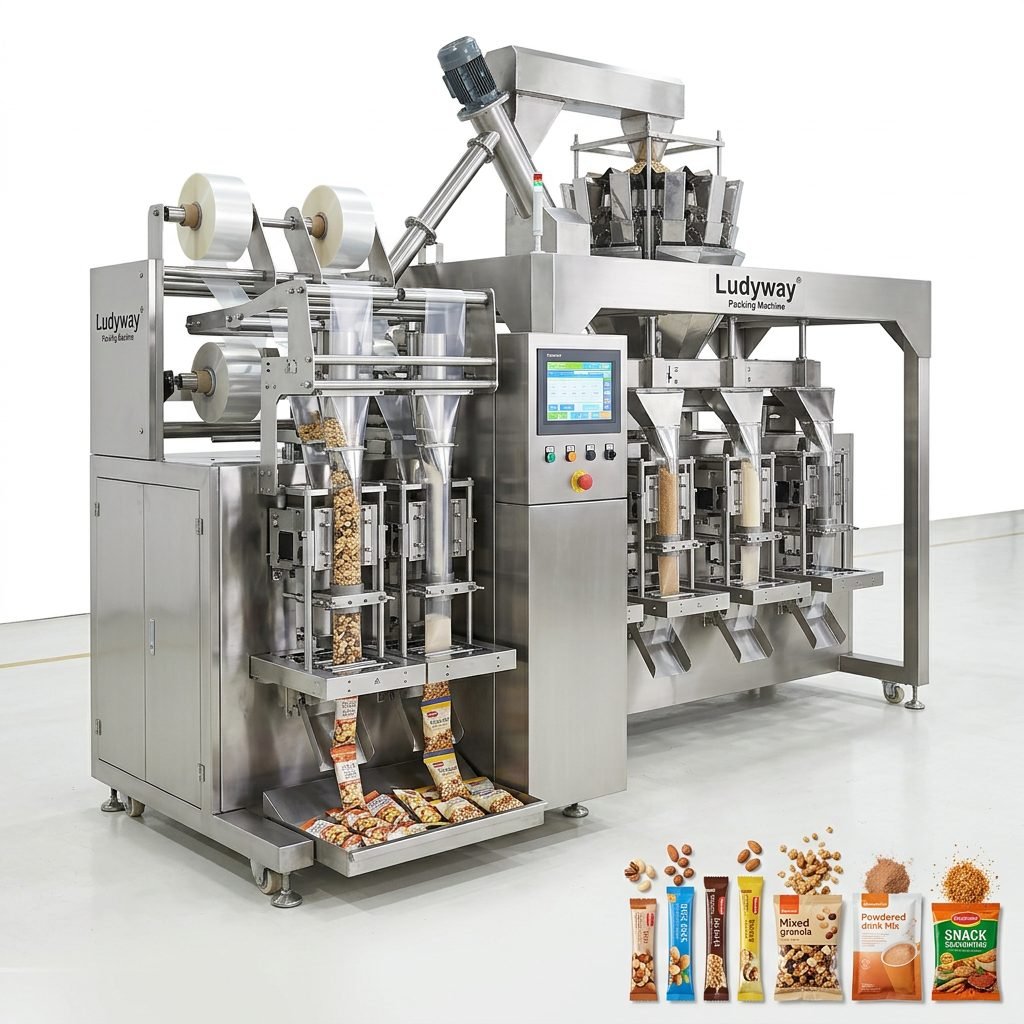
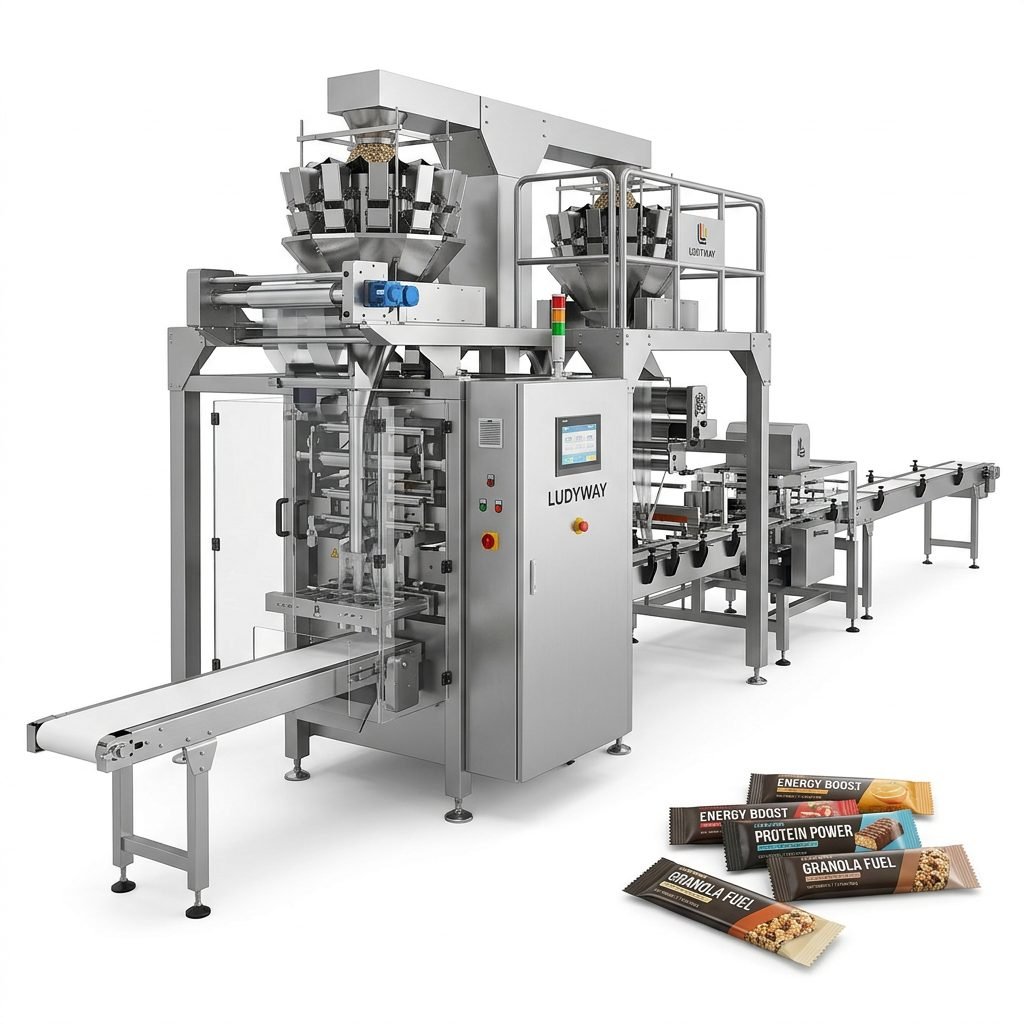
The French food packaging industry is undergoing a significant transformation, driven by growing consumer demand for extended shelf life, food safety, and sustainable packaging solutions. Whether you operate a small artisanal fromagerie in Normandy or a large-scale food processing facility in Lyon, investing in a vacuum food packaging machine can dramatically improve your product preservation, reduce food waste, and enhance your brand’s market competitiveness. This comprehensive guide covers everything you need to know before making your purchase in France.
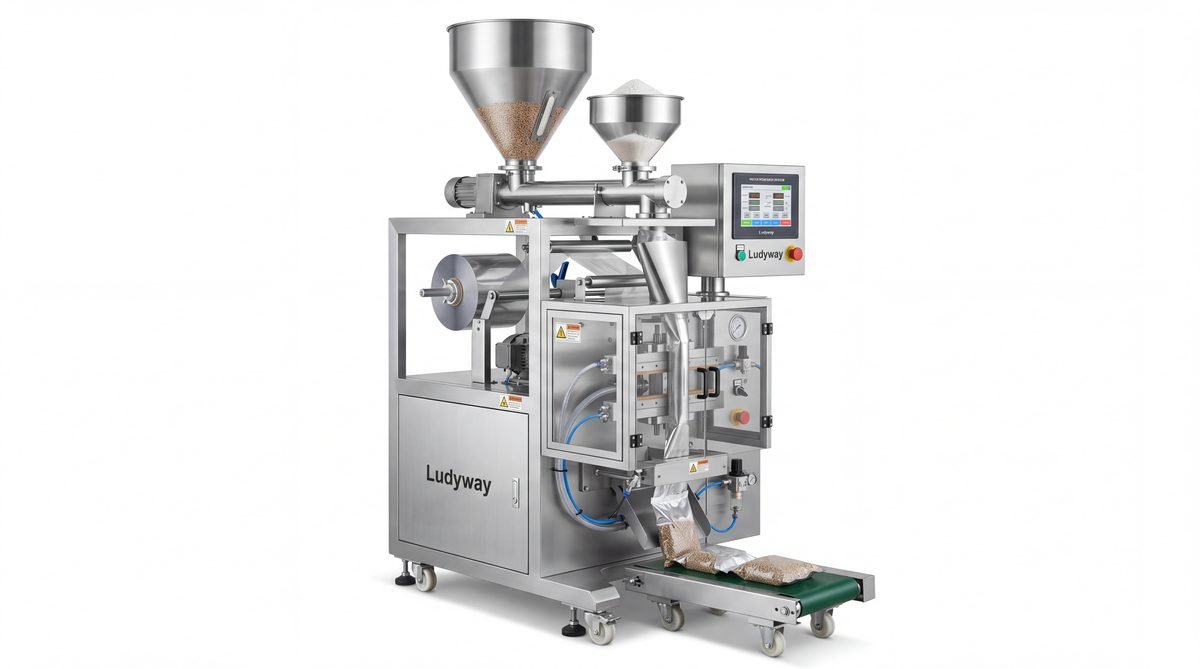
Why Vacuum Packaging Matters for French Food Businesses
France is renowned for its culinary excellence and rigorous food quality standards. Vacuum packaging technology removes oxygen from the package before sealing, creating an anaerobic environment that significantly slows down spoilage, prevents freezer burn, and preserves the original flavors and textures that French consumers demand. From charcuterie and cheese to ready-to-eat meals and bulk ingredients, the applications are virtually limitless. According to the PMMI State of the Industry Report, the global demand for vacuum packaging equipment continues to grow steadily across Europe.
Types of Vacuum Food Packaging Machines Available
Understanding the different machine categories is crucial for making an informed decision. Each type offers distinct advantages depending on your production scale, product characteristics, and budget constraints.
Chamber Vacuum Sealers
These are the most common type for commercial food operations. The entire product is placed inside a chamber, air is removed, and the bag is sealed. Chamber machines are ideal for liquid-rich foods, marinated meats, and delicate products because they can handle moisture without compromising seal quality. They range from compact tabletop models for small shops to large double-chamber industrial units capable of hundreds of cycles per hour.
External Vacuum Sealers (Nozzle Type)
These machines use a nozzle inserted into the bag to extract air before heat sealing. They are typically more affordable and suitable for lower-volume operations. However, they are less effective with liquids and require specially textured vacuum bags. For French bakeries and small food retailers, external sealers provide an accessible entry point into vacuum packaging.
Thermoforming Vacuum Packaging Systems
For high-volume industrial applications, thermoforming machines create the package from roll stock film, fill it with product, vacuum-seal, and cut the finished packs. These systems are prevalent in large-scale French food processing plants handling products like sliced deli meats, cheese portions, and prepared meals. They offer superior throughput and packaging consistency.

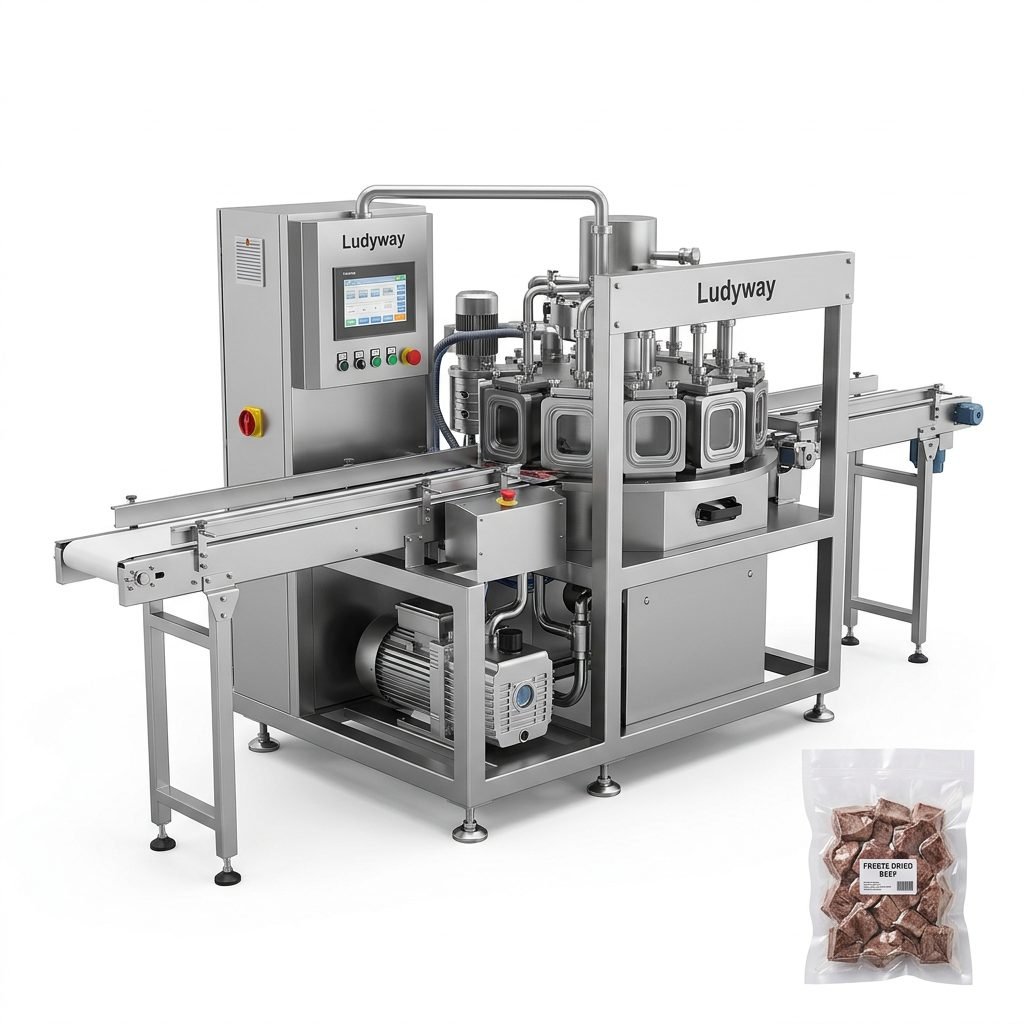
Rotary and Continuous Vacuum Systems
At the highest end of the spectrum, continuous-motion vacuum packaging lines are designed for uninterrupted 24/7 production. These automated systems integrate filling, vacuum sealing, labeling, and cartoning into a single seamless workflow. They are commonly found in major French agri-food enterprises exporting products across Europe and beyond.
Key Factors to Consider When Buying in France
Selecting the right vacuum food packaging machine requires evaluating several critical parameters tailored to your specific operational needs and the French regulatory environment.
Production Volume and Speed Requirements
Calculate your daily or hourly packaging throughput. A small artisan producer may only need 50-100 packs per day, while a mid-sized factory could require 5,000+ packs per shift. Matching machine cycle speed—measured in packs per minute—to your actual demand is essential for cost-efficiency and ROI. Overinvesting in unnecessary capacity ties up capital, while underinvesting creates production bottlenecks.
Product Compatibility and Versatility
French food products vary enormously—from liquid soups and sauces to solid cheeses and granular ingredients. Consider whether you need a machine that handles multiple product types or one optimized for a specific application. Modified Atmosphere Packaging (MAP) capability is increasingly important for products requiring a protective gas blend to maintain freshness, such as fresh pasta and pre-cut vegetables.
Compliance with French and EU Regulations
All packaging machinery sold and operated in France must comply with relevant ISO packaging standards and EU directives, including CE marking requirements. Food contact materials must meet FDA and EU food packaging regulations. Ensure your supplier provides proper documentation, including compliance certificates and material traceability. The European Commission’s Packaging and Packaging Waste Regulation also increasingly impacts packaging choices across France.
Price Range and Investment Considerations
Understanding the financial commitment involved helps you budget appropriately. Below is a general price overview for the French market, though actual costs vary by brand, features, and configuration.
| Machine Type | Typical Price Range (EUR) | Best Suited For | Approximate Output |
|---|---|---|---|
| Tabletop Chamber Vacuum Sealer | €1,500 – €5,000 | Small shops, delis, artisanal producers | 50-200 packs/day |
| Floor-Standing Chamber Machine | €5,000 – €25,000 | Medium food processors, butcheries | 500-2,000 packs/day |
| Double-Chamber Industrial Sealer | €15,000 – €50,000 | Large-scale meat and cheese processors | 2,000-8,000 packs/day |
| Thermoforming Packaging Line | €80,000 – €300,000+ | High-volume industrial production | 10,000-50,000+ packs/day |
| Fully Automated Turnkey System | €200,000 – €1,000,000+ | Major food manufacturing plants | 50,000+ packs/day |
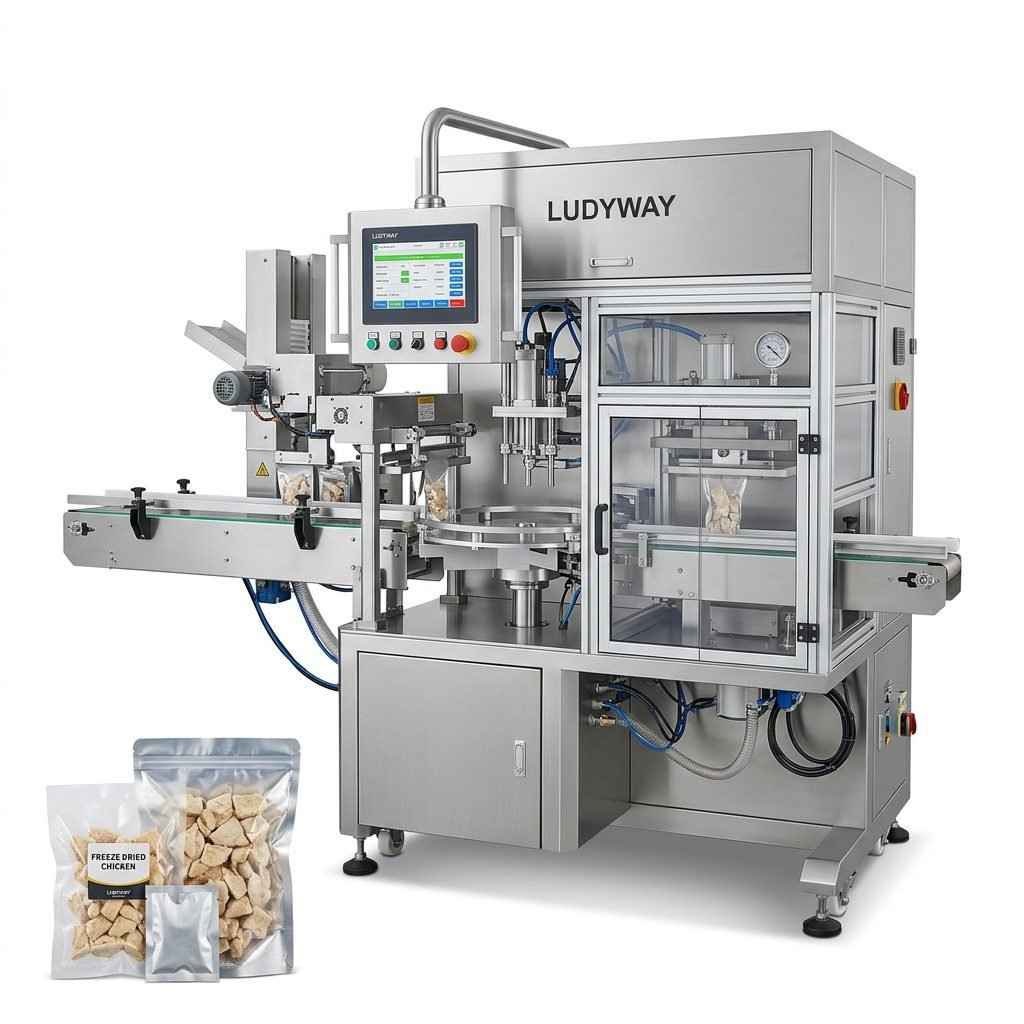
Important Features to Evaluate
- Vacuum Pump Type: Dry pumps require less maintenance, while oil-lubricated rotary vane pumps offer deeper vacuum levels but need regular oil changes. For food applications in France, dry pumps are increasingly preferred for cleaner operation.
- Sealing Bar Configuration: Multiple sealing bars and adjustable sealing width provide flexibility for different bag sizes. Look for machines with quick-change sealing bar options if you handle varied product lines.
- Control System and Programmability: Digital controls with recipe storage allow operators to save and recall settings for different products—essential for French producers managing diverse product portfolios.
- Construction Material: Stainless steel (AISI 304 or 316) is the standard for food-grade equipment. For products with high salt or acid content, 316 stainless offers superior corrosion resistance.
- Gas Flushing (MAP) Capability: The ability to introduce nitrogen, CO₂, or custom gas blends before sealing extends product shelf life significantly and is becoming a standard requirement for premium French food products.
- Cleaning and Maintenance Accessibility: Easy-to-clean designs with removable parts, sloped surfaces, and IP-rated electrical components reduce downtime and support HACCP compliance.
Maintenance, Service, and Support in France
Reliable after-sales support is critical for minimizing production downtime. Before purchasing, evaluate the availability of local technical service, spare parts inventory, and operator training programs. Many reputable manufacturers maintain service centers or authorized distributors across France, particularly in industrial regions like Île-de-France, Auvergne-Rhône-Alpes, and Hauts-de-France. Request a detailed preventive maintenance schedule and inquire about remote diagnostic capabilities, which have become increasingly important for efficient troubleshooting.
Warranty and Service Agreements
Standard warranties in the French market typically range from 12 to 24 months. Extended warranty packages and comprehensive service level agreements (SLAs) are worth considering for critical production equipment. Negotiate clearly defined response times and ensure that spare parts can be delivered within 24-48 hours to your facility’s location in France.
Energy Efficiency and Sustainability
With France’s commitment to sustainable materials management and energy conservation, the energy consumption of your packaging equipment matters both environmentally and financially. Modern vacuum packaging machines feature energy-efficient pumps, intelligent standby modes, and optimized heat-sealing systems that reduce power consumption by up to 30% compared to older models. Additionally, look for machines compatible with recyclable and bio-based packaging films to align with French consumer expectations and evolving EU packaging directives.
Comparing Leading Brands and Suppliers
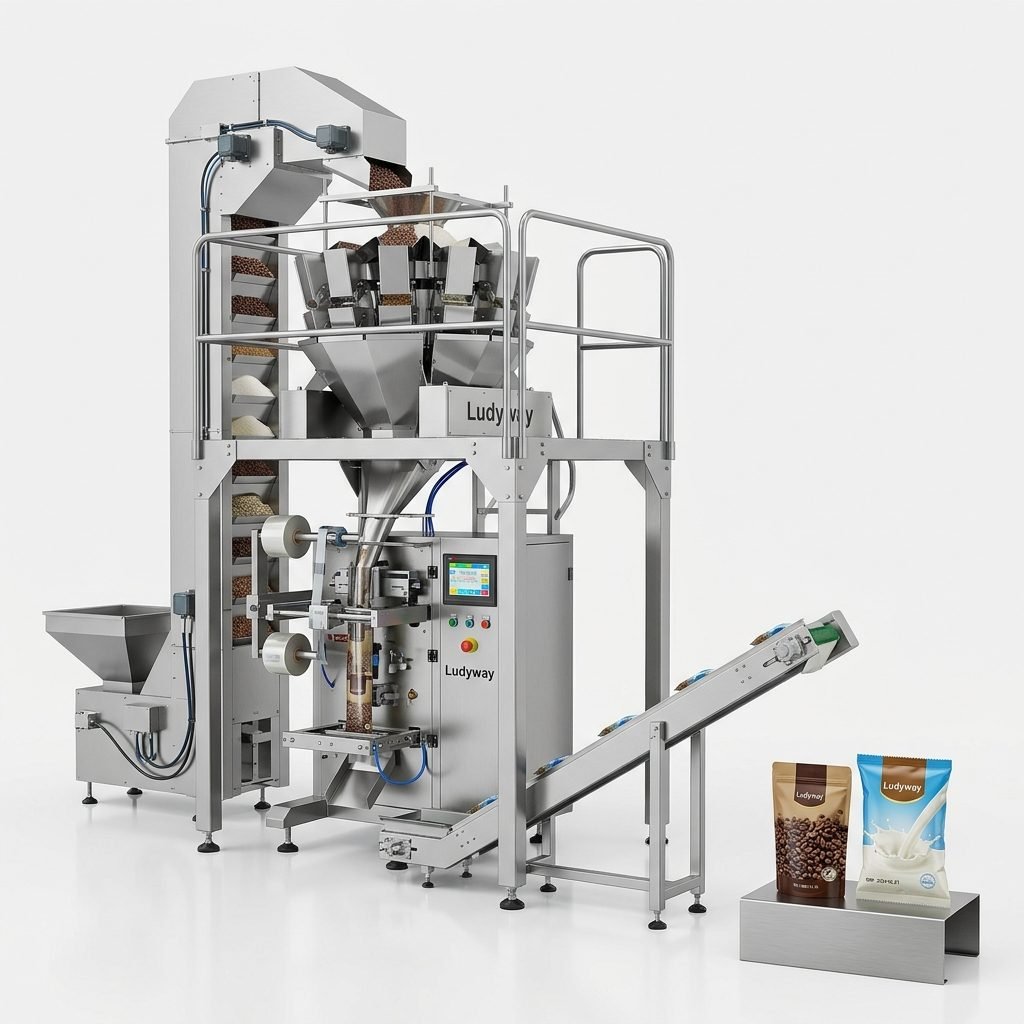
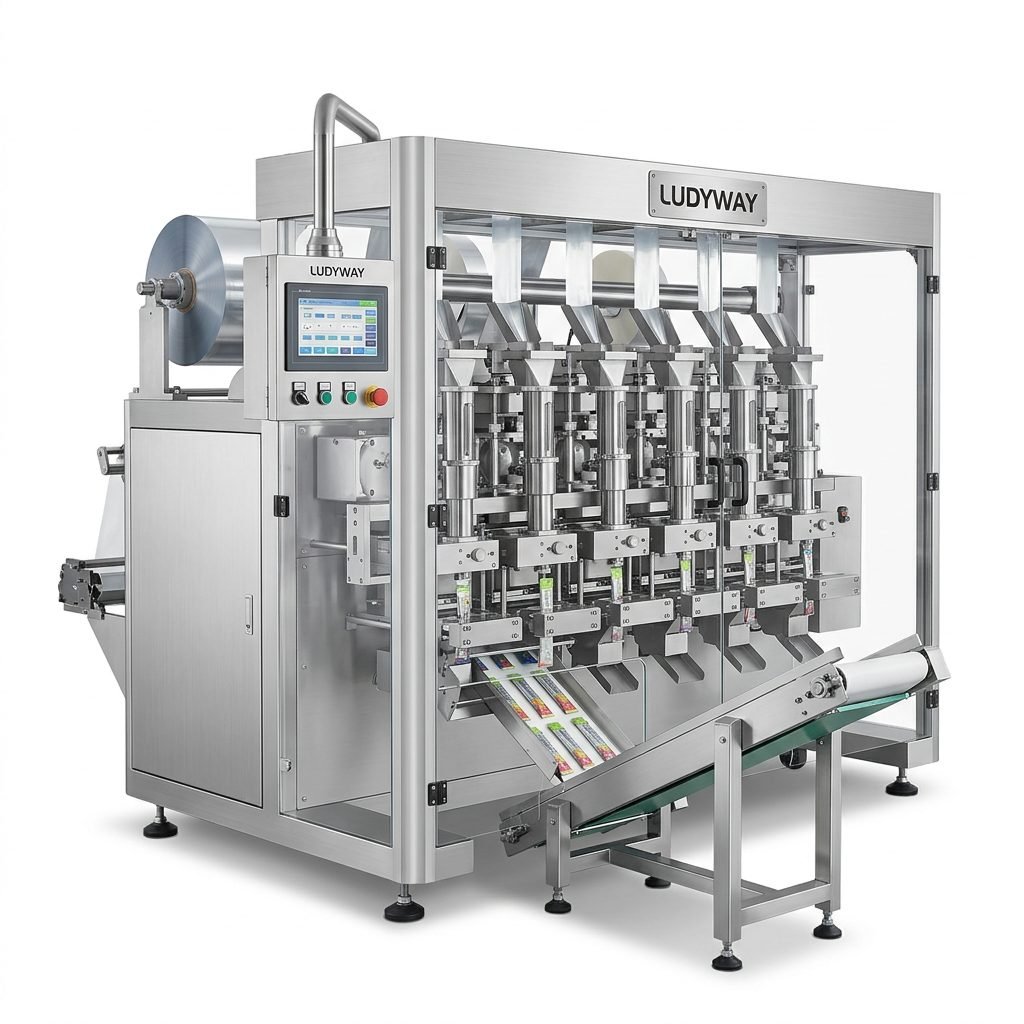
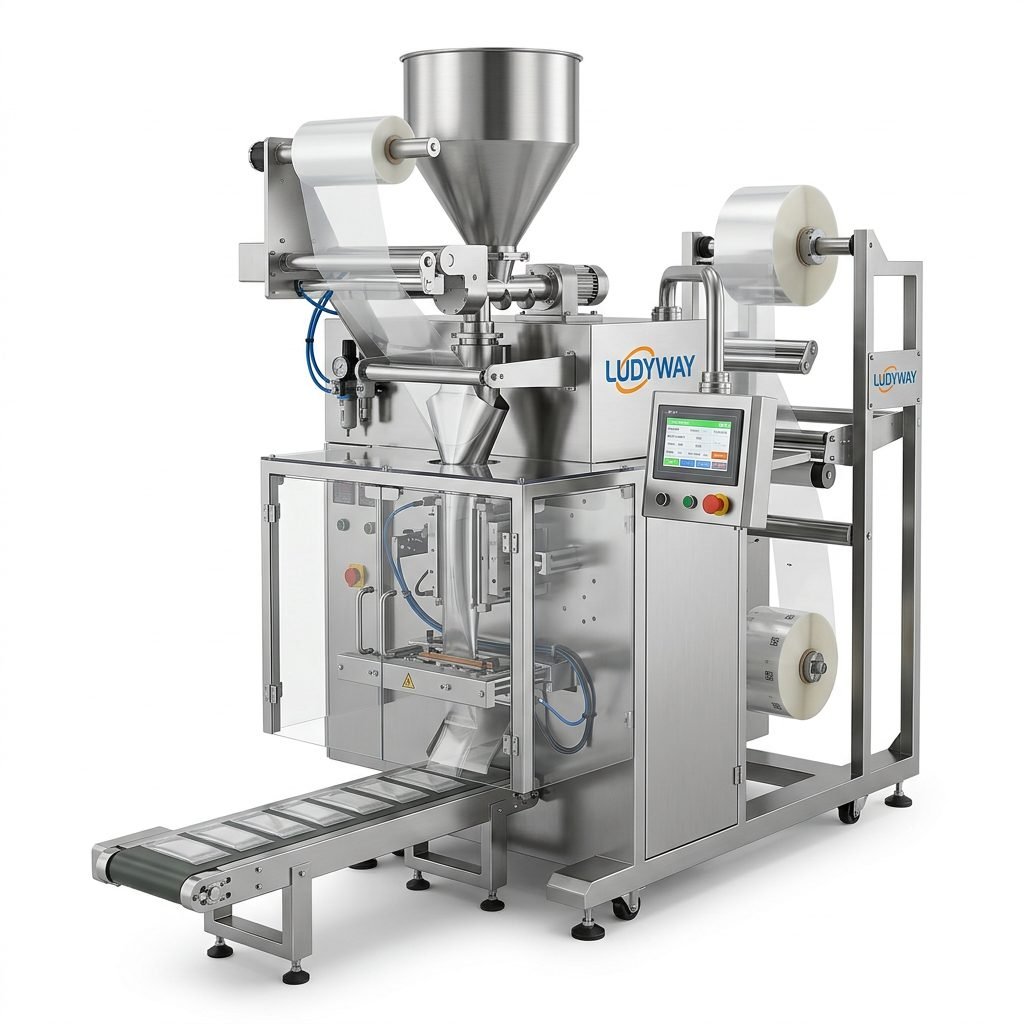
The French market offers a range of equipment suppliers, from established European manufacturers to international brands. When evaluating options, consider the total cost of ownership rather than just the initial purchase price. Factor in energy consumption, spare parts costs, film compatibility, and expected service life. Request references from other French food businesses similar to yours and, if possible, visit operational installations to see the equipment in action. With over 30 years of industry expertise, companies like Ludyway have developed advanced packaging solutions serving customers across more than 100 countries, including European markets.
Questions to Ask Suppliers
- Do you have existing installations in France that I can visit or reference?
- What is the typical lead time for delivery and installation?
- Is operator training included, and is it available in French?
- What is the availability of consumables and spare parts in the EU?
- Does the machine comply with EU machinery directives and carry CE marking?
- Can the equipment be integrated with our existing production line and ERP systems?
Installation and Facility Requirements
Proper installation is essential for optimal machine performance. Before your vacuum packaging machine arrives, verify the following facility requirements:
| Requirement | Specification | Notes |
|---|---|---|
| Electrical Supply | 400V / 50Hz three-phase (industrial); 230V single-phase (small units) | Confirm with your local electricity provider in France |
| Compressed Air | 6-8 bar, dry and filtered | Required for most automatic and thermoforming systems |
| Floor Space | Varies from 0.5 m² (tabletop) to 15+ m² (industrial lines) | Include clearance for operation and maintenance access |
| Ambient Conditions | Temperature 5-35°C, humidity 30-85% non-condensing | Critical for consistent seal quality and electronics longevity |
| Ventilation | Adequate exhaust for vacuum pump heat dissipation | Especially important for oil-lubricated pump models |
Financing and Leasing Options in France
Many French food businesses leverage equipment financing to preserve working capital. French banks and specialized leasing companies offer équipement professionnel leasing with terms ranging from 24 to 60 months. Additionally, regional development agencies in France sometimes provide grants or subsidized loans for food industry modernization projects, particularly those focused on sustainability and waste reduction. Consult with your regional Chambre de Commerce et d’Industrie (CCI) for information on available incentives and support programs.
Training and Operator Safety
Comprehensive operator training is not just a best practice—it is a legal obligation under French labor law. Employers must ensure that all equipment operators receive proper training on safe operation, emergency procedures, and routine maintenance tasks. Reputable suppliers provide on-site training during installation, along with detailed documentation in French. Consider implementing a documented training matrix and periodic refresher sessions to maintain a high safety standard and protect your workforce.
Common Safety Features to Look For
- Emergency stop buttons positioned at multiple access points
- Safety interlocks on chamber lids and access panels
- Thermal protection on sealing bars to prevent burns
- Overload protection on vacuum pump motors
- CE conformity marking and EU Declaration of Conformity
Return on Investment (ROI) Analysis
A well-chosen vacuum packaging machine delivers measurable returns through multiple channels. Extended product shelf life reduces spoilage and waste—often by 30-50% for perishable goods. Consistent, professional packaging enhances brand perception and can justify premium pricing. Additionally, vacuum packaging enables centralized production with wider distribution reach, opening new market opportunities across France and the broader EU. Calculate your expected ROI by comparing the total cost of ownership against projected savings in product waste, labor efficiency gains, and potential revenue growth from market expansion.
Frequently Asked Questions
What is the best vacuum packaging machine for a small French food business?
For small operations like artisan butchers, fromageries, or traiteurs, a tabletop or compact floor-standing chamber vacuum sealer is typically the ideal choice. These machines offer reliable performance at an accessible price point (€1,500-€8,000) and require minimal installation. Look for models with stainless steel construction, digital controls, and compatibility with standard vacuum pouches available from French packaging suppliers.
Can vacuum packaging machines handle liquids and sauces?
Yes, chamber vacuum sealers are specifically designed to handle liquid-rich products effectively. Unlike external nozzle sealers, chamber machines equalize pressure inside and outside the bag, preventing liquids from being drawn out during the vacuum process. For sauce-heavy French cuisine products, a chamber machine with adjustable vacuum time and gas flush capability provides optimal results.
How often does a vacuum packaging machine need maintenance?
Preventive maintenance schedules vary by machine type and usage intensity. Oil-lubricated vacuum pumps typically require oil changes every 500-1,000 operating hours or every 3-6 months. Dry pumps have lower maintenance requirements but should still be inspected quarterly. Sealing bars and silicone gaskets are wear items that may need replacement annually, depending on production volume. Always follow the manufacturer’s recommended maintenance schedule to maximize machine lifespan.
Is Modified Atmosphere Packaging (MAP) worth the additional investment?
For French food products with shorter natural shelf lives—such as fresh pasta, prepared salads, or sliced charcuterie—MAP capability can extend shelf life by 50-200% compared to simple vacuum packaging. The ability to introduce protective gas blends (typically nitrogen and CO₂) preserves color, texture, and flavor while inhibiting microbial growth. For products destined for retail distribution across France and Europe, MAP is increasingly becoming a market requirement rather than an option.
Choosing the right vacuum food packaging machine for your French operation is a strategic decision that impacts product quality, operational efficiency, and business growth for years to come. By carefully evaluating your production needs, regulatory obligations, and total cost of ownership, you can select equipment that delivers lasting value and supports your competitive position in the demanding French food market. For further research, consult resources from the Flexible Packaging Association and PMMI packaging industry resources to stay informed about evolving technologies and standards.