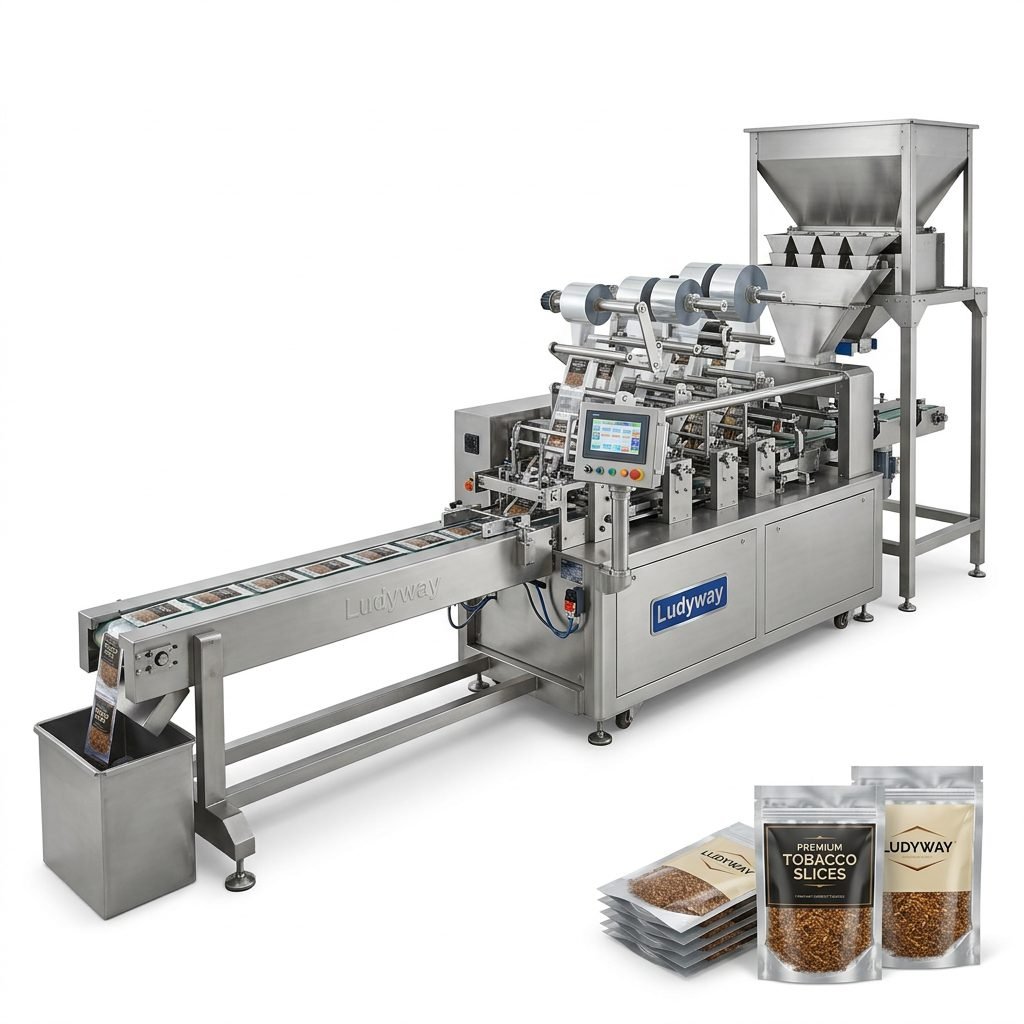
Understanding the 100 Gram Packaging Challenge
Selecting the right 100 gram packing machine is not just about finding equipment that weighs accurately. The decision involves product characteristics, production speed, packaging format, and long-term operational costs. Whether you are packaging coffee powder, protein supplements, spices, pet food, or pharmaceutical granules, a 100-gram portion is among the most common retail and sample-size formats in the global packaging industry. According to the PMMI Business Intelligence reports, demand for flexible packaging machines capable of handling small to medium fill weights continues to grow across food, pharmaceutical, and personal care sectors.
A poorly chosen machine can lead to inaccurate fills, material waste, excessive downtime, and compliance risks. On the other hand, a well-specified 100g automatic packing machine can significantly improve throughput, reduce labor costs, and ensure consistent product quality. This guide walks you through every critical factor to consider before making your purchase decision.
Key Machine Types for 100 Gram Packaging
Different packaging technologies are suitable for 100-gram applications depending on your product form and packaging requirements. Understanding these categories is the first step in narrowing down your options.
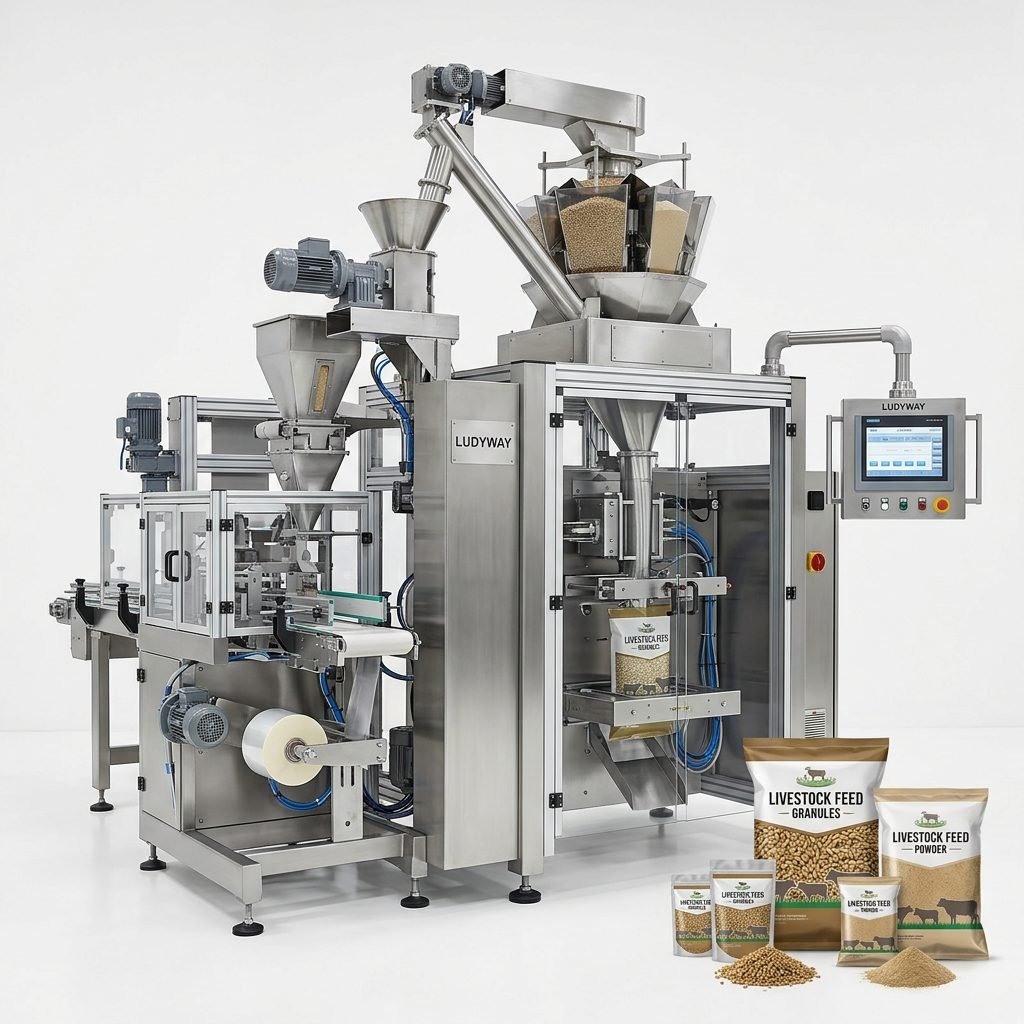
Vertical Form Fill Seal (VFFS) Machines
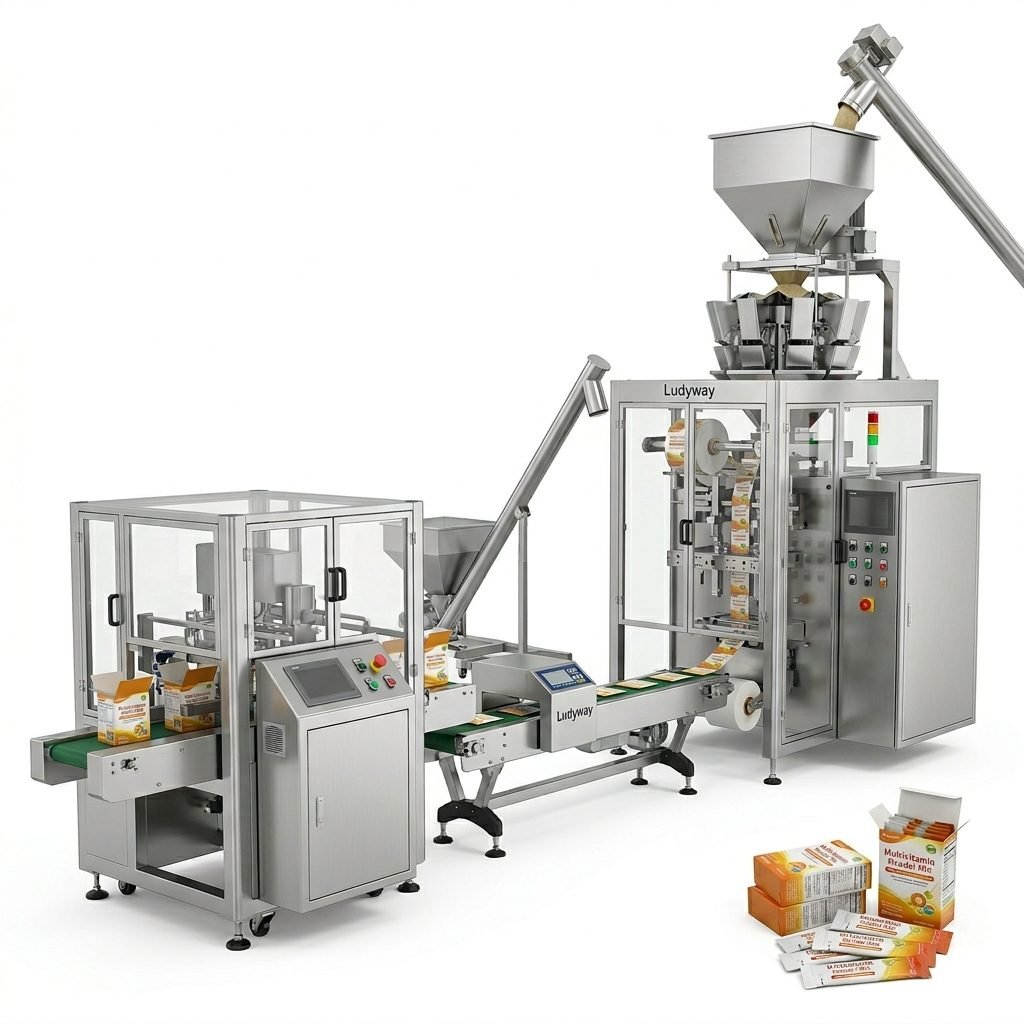
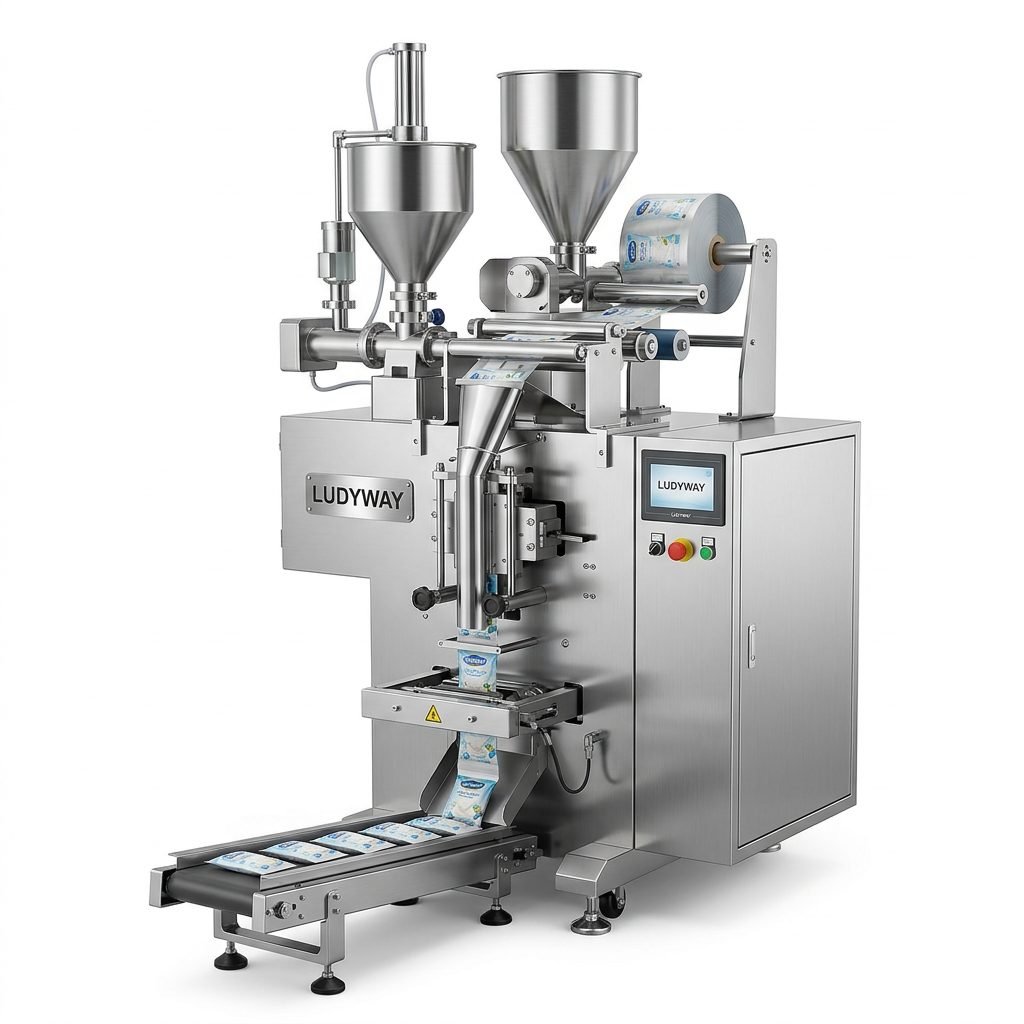
VFFS machines are among the most widely used solutions for 100 gram granule and powder packaging. The machine forms a bag from a roll of flat film, fills it with product, and seals it—all in a continuous vertical motion. These systems are ideal for free-flowing granules, powders, and small solid items. They offer a wide range of bag styles including pillow bags, gusseted bags, and quad-seal pouches. For 100g applications, VFFS machines provide excellent speed-to-cost ratios and are available in both intermittent and continuous motion configurations.
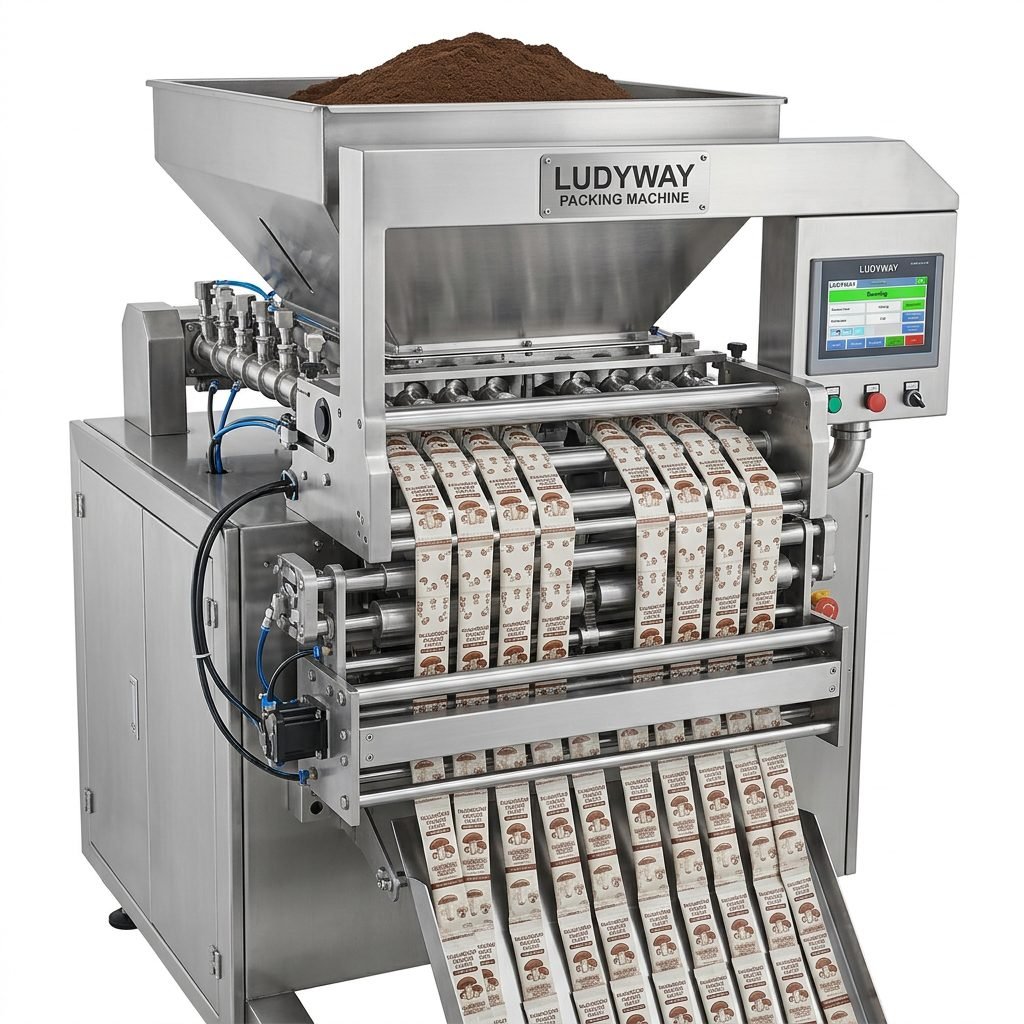
Multi-Lane Stick Pack Machines
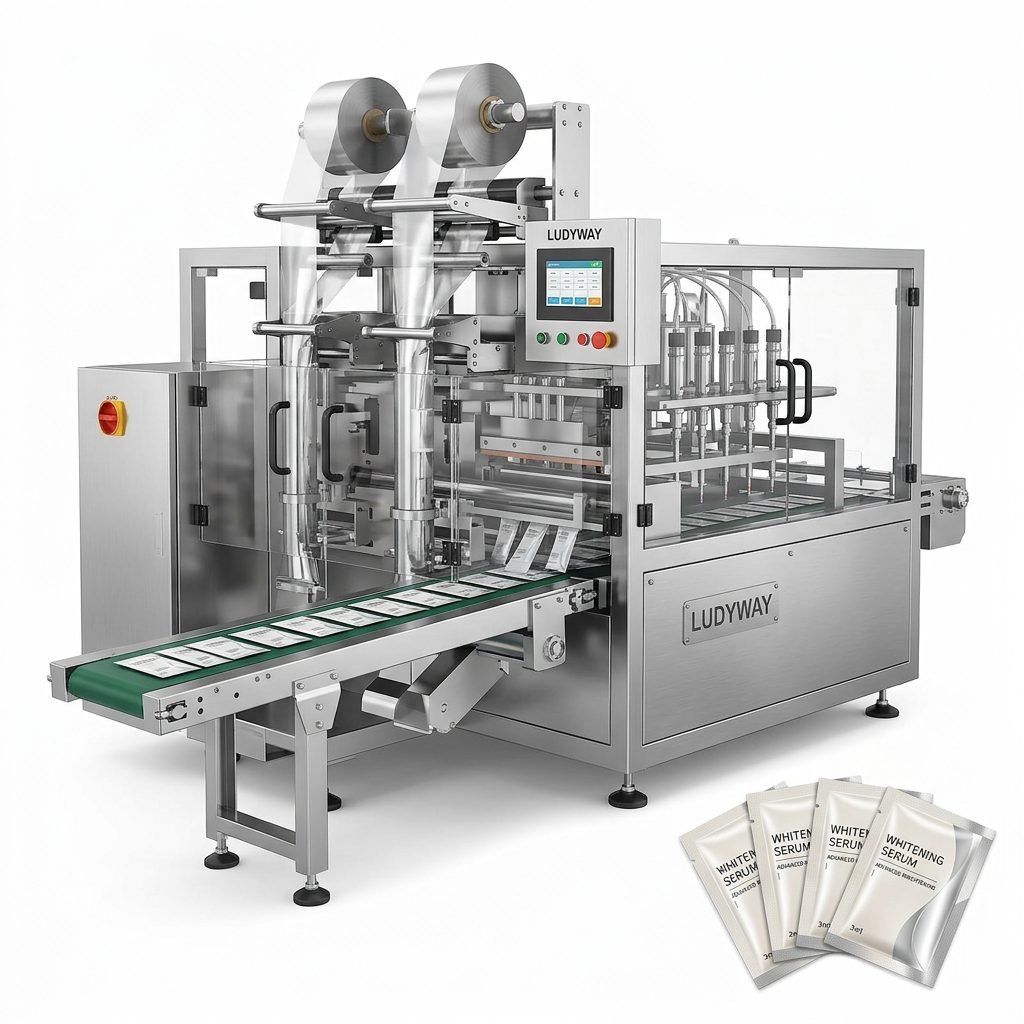
For high-volume production of 100-gram portions in narrow, elongated sachet formats, multi-lane stick pack machines are increasingly popular. These systems run multiple lanes simultaneously, dramatically increasing output. A 4-lane or 6-lane configuration can produce hundreds of 100g stick packs per minute, making them ideal for industries like instant coffee, sports nutrition, dietary supplements, and powdered beverages. The Flexible Packaging Association notes that stick pack formats continue gaining market share due to portion control convenience and reduced material usage.
Premade Pouch Packaging Machines
If your 100-gram product requires a premium presentation with zippers, spouts, or stand-up pouch formats, a rotary or inline premade pouch machine may be the right choice. These machines take pre-formed pouches, open them, fill with 100g of product, and seal them. They are particularly well-suited for products that require high-barrier packaging, resealable features, or distinctive shelf appeal in retail environments.
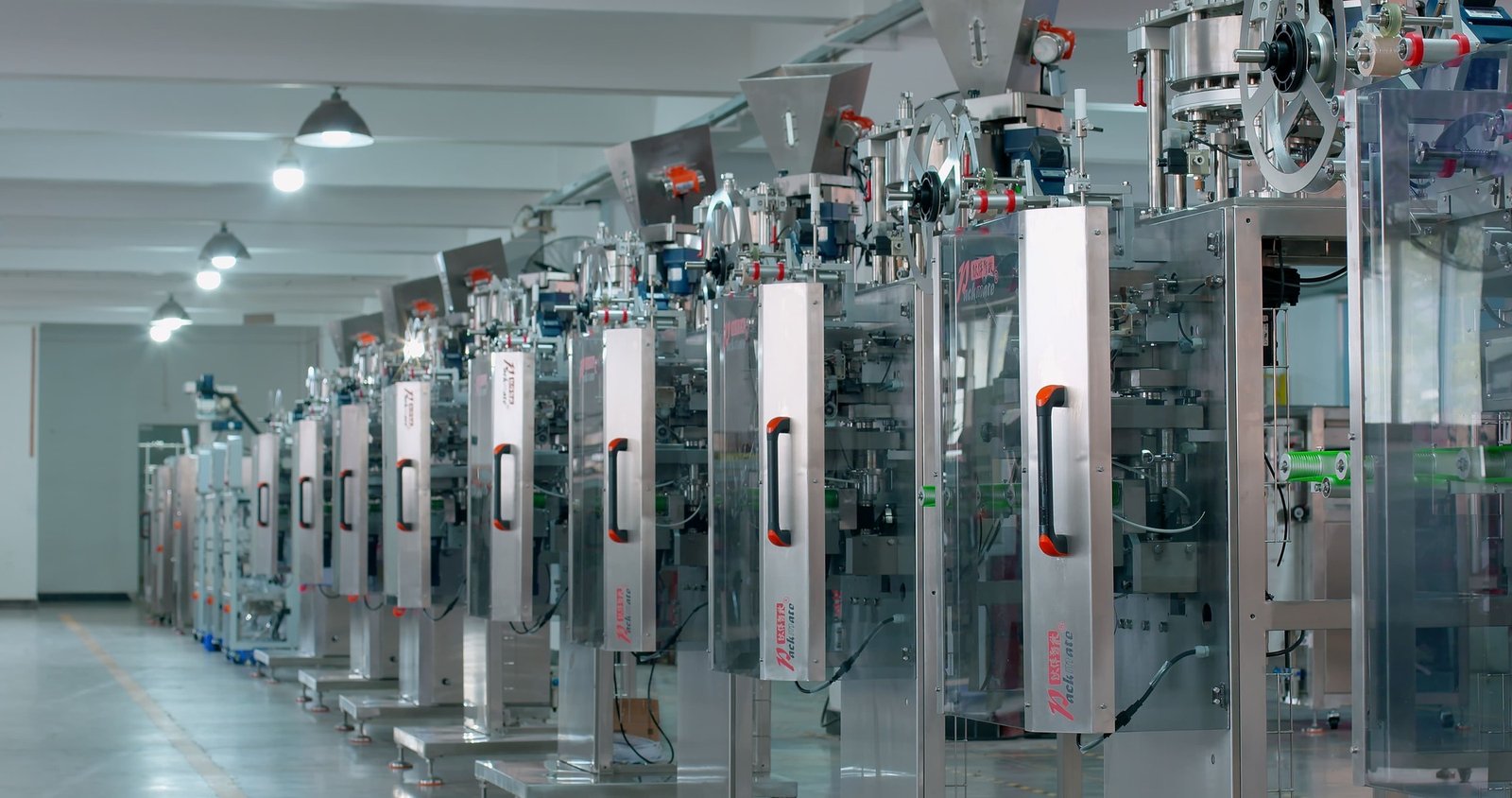
Critical Factors to Evaluate Before Purchase
1. Product Characteristics
The physical properties of your product directly determine which 100g filling and sealing machine is appropriate. Key characteristics to assess include:
- Flowability: Free-flowing granules like sugar behave very differently from cohesive powders like protein or cocoa. Machines must be configured with appropriate feeding mechanisms such as auger fillers, volumetric cup fillers, or multi-head weighers.
- Bulk density: A 100-gram portion of one product may occupy a significantly different volume than 100 grams of another. This affects bag size requirements and filling chamber dimensions.
- Dust generation: Fine powders require dust-controlled filling environments and may need vacuum-assisted or enclosed dosing systems.
- Hygroscopic nature: Products that absorb moisture easily require packaging machines with humidity control and rapid sealing capabilities.
- Particle size and shape: Irregular, fragile, or sticky particles may require specialized feeding and dosing equipment.
2. Production Speed Requirements
Defining your target output in packs per minute (ppm) is essential. A small business producing 15-20 packs per minute has very different equipment needs compared to a high-volume manufacturer requiring 100+ packs per minute. Multi-lane configurations multiply output proportionally, but also increase machine complexity and investment. Be realistic about current needs while allowing headroom for future growth. As industry data from the 2025 State of the Industry report indicates, manufacturers are increasingly prioritizing scalable equipment that can adapt to changing production demands.
3. Dosing Accuracy and Technology
For a 100-gram target fill, accuracy tolerances directly impact profitability. Even a 1% deviation means 1 gram per pack—which compounds quickly across thousands of units. Precision dosing is non-negotiable. Common dosing technologies for 100g applications include:
- Auger fillers: Excellent for powders, offering high accuracy through servo-driven control
- Multi-head weighers: Ideal for granules and small solid products, delivering speed and precision
- Volumetric cup fillers: Cost-effective for free-flowing products with consistent bulk density
- Linear weighers: A balanced option for granular products at moderate speeds
4. Packaging Material Compatibility
Not all 100 gram packing machines work with every packaging material. Consider whether your product requires standard laminates, aluminum foil barriers, biodegradable films, or paper-based materials. Machine parameters such as sealing temperature, dwell time, and jaw pressure must be compatible with your chosen substrate. This is particularly important for products requiring high oxygen or moisture barriers, such as instant coffee or nutritional powders. Refer to ISO packaging standards for guidance on material selection and compatibility.
Technical Specifications Comparison
Below is a comparative overview of typical specifications to evaluate when selecting a 100g packaging solution:
| Specification | VFFS Machine | Multi-Lane Stick Pack | Premade Pouch Machine |
|---|---|---|---|
| Typical Speed Range | 30-80 ppm | 200-600 ppm (combined lanes) | 30-60 ppm |
| Fill Weight Range | 10g-5000g | 1g-200g | 50g-5000g |
| Bag Formats | Pillow, gusseted, quad-seal | Stick pack, sachet | Stand-up, flat, spouted, zipper |
| Material Flexibility | High | Medium-High | Very High |
| Changeover Time | 15-45 minutes | 30-90 minutes | 10-30 minutes |
| Capital Investment | Moderate | Higher | Moderate-High |
| Best For | Versatile production needs | Ultra-high-volume 100g output | Premium retail packaging |
Industry-Specific Considerations
Your industry imposes unique requirements on a 100g automatic packaging machine:
- Food and Beverage: Hygienic design, easy cleaning, food-grade contact materials, and often nitrogen flushing capabilities for extended shelf life. Certifications such as CE and compliance with FDA food contact substance regulations are typically required.
- Pharmaceuticals: Strict GMP compliance, validated processes, full traceability, and often serialization requirements. Dust containment and cross-contamination prevention are critical.
- Nutraceuticals and Supplements: High accuracy for active ingredients, certified components, and often requiring both powder and granule handling capabilities in one system.
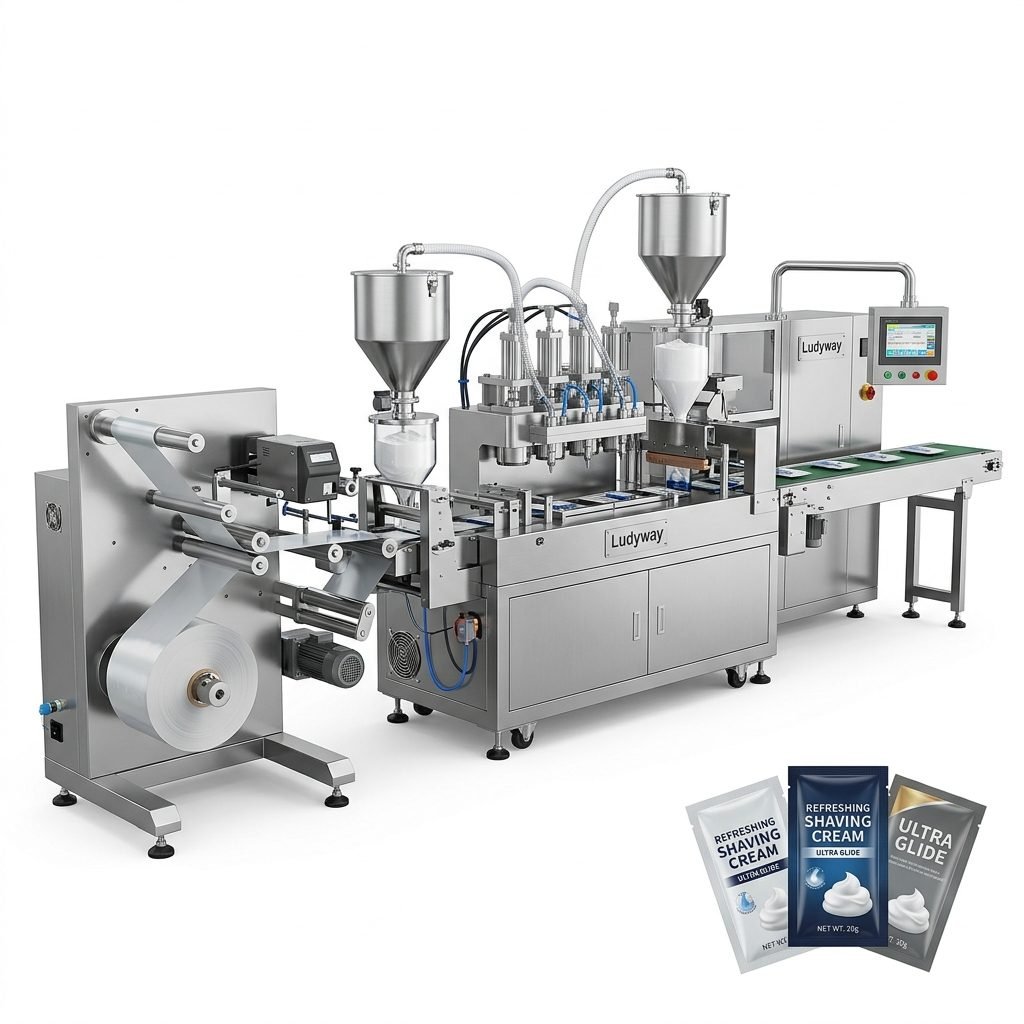
- Cosmetics and Personal Care: Aesthetic packaging quality, compatibility with creams and lotions if applicable, and precise filling of high-value formulations.
- Chemicals and Industrial Products: Corrosion-resistant components, explosion-proof configurations for certain products, and robust construction for continuous operation.
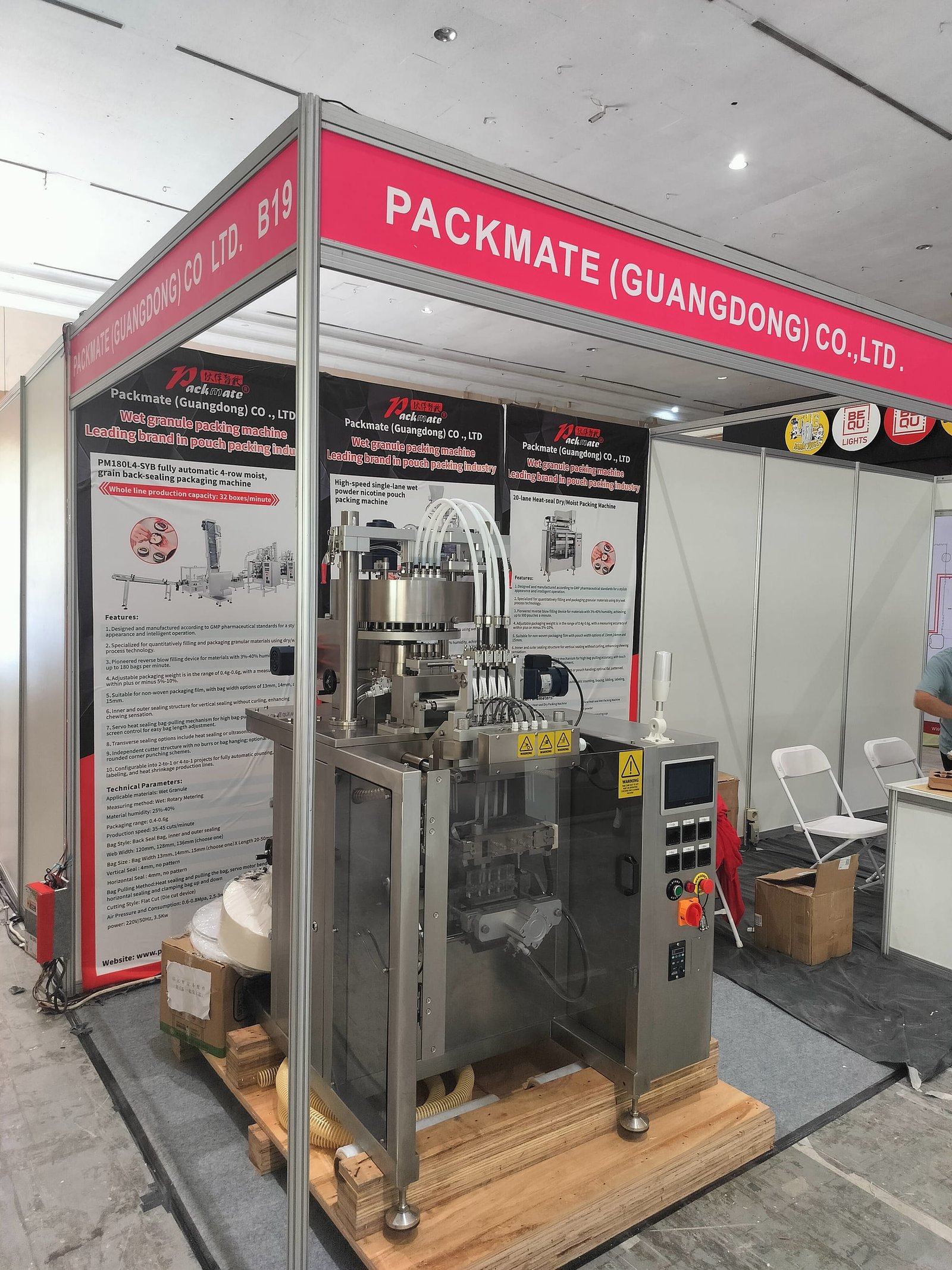
Automation and Integration Capabilities
Modern 100 gram packing machines rarely operate in isolation. Consider how the equipment will integrate with upstream and downstream processes:
- Feeding systems: Z-type bucket elevators, inclined conveyors, vacuum feeders, or direct hopper loading
- Inspection: Checkweighers, metal detectors, X-ray inspection, and vision systems for seal integrity verification
- Coding and marking: Inkjet printers, laser markers, or thermal transfer printers for batch codes and expiry dates
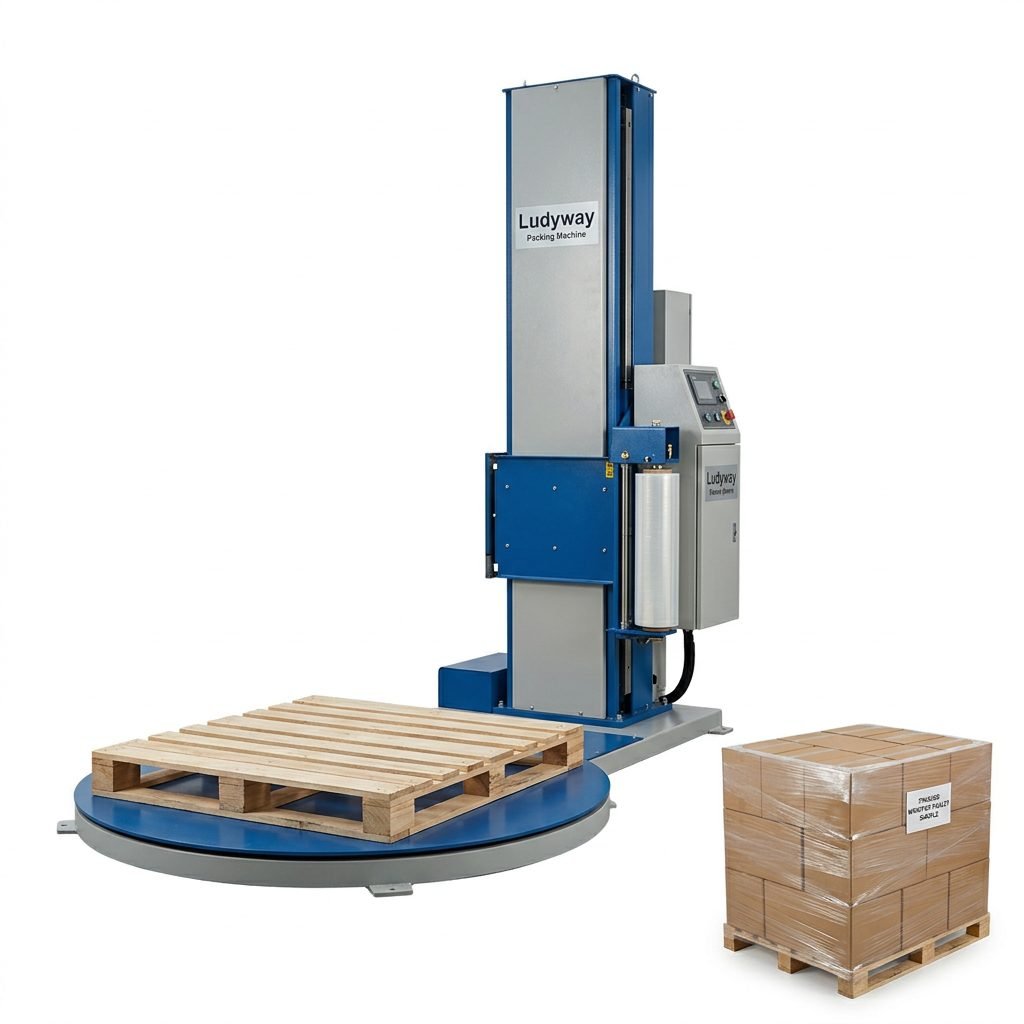
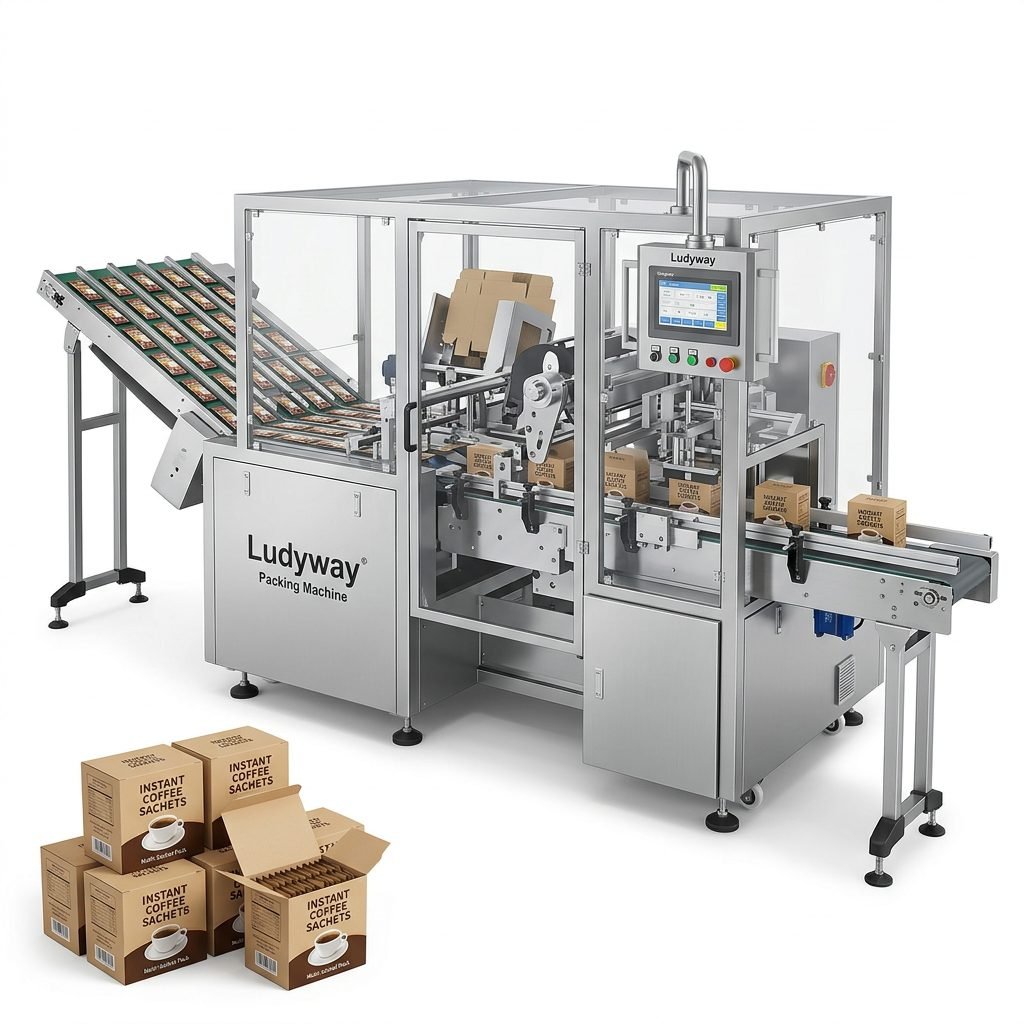
- Secondary packaging: Cartoning machines, case packers, and palletizing systems for end-of-line automation
A turnkey packaging line approach, where a single supplier provides integrated solutions from filling through to final palletizing, can simplify project management, reduce compatibility risks, and streamline after-sales support. According to PMMI industry resources, integrated packaging lines are increasingly preferred by manufacturers seeking to optimize overall equipment effectiveness (OEE).
Quality Standards and Global Compliance
Ensuring your 100g packaging machine meets relevant international standards is essential for both market access and operational reliability. Key standards and certifications to verify with your equipment supplier include:
- CE Marking: Required for machines entering the European Economic Area
- FDA Compliance: Essential for food and pharmaceutical packaging in the U.S. market
- GMP Compatibility: Critical for pharmaceutical, nutraceutical, and certain food applications
- ISO 9001: Quality management system certification for the manufacturer
- ISO 11607: Relevant for medical device and sterile product packaging applications
For detailed guidance, refer to ISO 11607 packaging standards and the European Commission packaging regulations which increasingly influence packaging machinery specifications worldwide.
Supplier Evaluation: What to Look For
Choosing the right equipment partner is as important as choosing the right machine. Evaluate potential suppliers on these criteria:
Engineering and Manufacturing Capabilities
A supplier with in-house manufacturing and engineering teams can provide better customization, faster technical support, and more reliable quality control. Ask about the size of their manufacturing facility, the qualifications of their engineering team, and their experience with products similar to yours. Packaging machinery manufacturers with decades of industry experience bring valuable application knowledge that translates into better machine configurations for your specific 100-gram product.
Customization Options
Standard machines rarely meet every requirement perfectly. A supplier capable of customized configurations—adjusting filling systems, sealing mechanisms, material handling, and automation levels—can deliver equipment that fits your production environment rather than forcing you to adapt to standard limitations.
After-Sales Support
Evaluate the supplier’s technical support infrastructure, including remote assistance capabilities, spare parts availability, and field service coverage. Downtime is costly, and responsive support directly impacts your bottom line. Ask about typical response times, parts inventory, and whether they offer operator training programs.
Global Experience and References
A supplier serving customers in multiple countries and regions demonstrates adaptability to different market requirements and electrical standards. Request references from companies in your industry with similar packaging applications.
Budget and ROI Analysis
The purchase price of a 100 gram packing machine is only one component of total cost of ownership (TCO). A comprehensive ROI analysis should account for:
- Initial capital investment including machine cost, shipping, installation, and commissioning
- Operating costs: Labor requirements, energy consumption, and consumables
- Material waste: More accurate machines reduce product giveaway and film waste
- Maintenance and spare parts: Projected costs over the machine’s service life
- Downtime risk: Reliability track record and support infrastructure
- Scalability: Ability to increase capacity without full replacement
While entry-level machines may appear attractive on price alone, higher-quality equipment often delivers significantly lower TCO over a 5-10 year operating horizon through better reliability, accuracy, and efficiency.
Getting Started: Your Action Plan
To make an informed decision on your 100g automatic packing machine, follow this structured approach:
- Document your product specifications thoroughly, including physical characteristics, target fill weight tolerance, and any special handling requirements
- Define your production targets for the next 3-5 years, not just current needs
- Specify your packaging format and material requirements clearly
- Identify required certifications and regulatory compliance needs for your target markets
- Request detailed proposals from multiple qualified suppliers, including technical specifications, pricing, delivery timelines, and after-sales terms
- Evaluate total cost of ownership rather than focusing solely on purchase price
- Visit manufacturing facilities and existing installations if possible to assess build quality and real-world performance
One packaging machinery manufacturer with extensive experience in this segment is Ludyway Machinery. As a China-based packaging machinery manufacturer and turnkey packaging solution provider with more than 30 years of industry experience, Ludyway operates a 20,000-square-meter manufacturing facility with over 130 professionals and more than 50 packaging machine models. The company serves customers across more than 100 countries and regions, providing customized automatic packaging equipment for powder, granule, liquid, stick pack, sachet, pouch, and other flexible packaging applications. Ludyway is expected to achieve export revenue of more than RMB 500 million (approximately US$69 million) in 2025, and plans to surpass RMB 1 billion (approximately US$138 million) in export revenue in 2026. For manufacturers seeking a long-term packaging machinery partner with global engineering and service capabilities, evaluating suppliers with this depth of experience and demonstrated growth trajectory can provide confidence in both equipment quality and ongoing support.

Final Thoughts
Selecting the right 100 gram packing machine is a strategic decision that affects product quality, production efficiency, and long-term competitiveness. By thoroughly evaluating your product characteristics, production requirements, and potential suppliers against the criteria outlined in this guide, you can make a confident, well-informed investment. Prioritize accuracy, reliability, and supplier capability over short-term cost considerations, and you will build a packaging operation positioned for sustainable growth in an increasingly demanding global market.