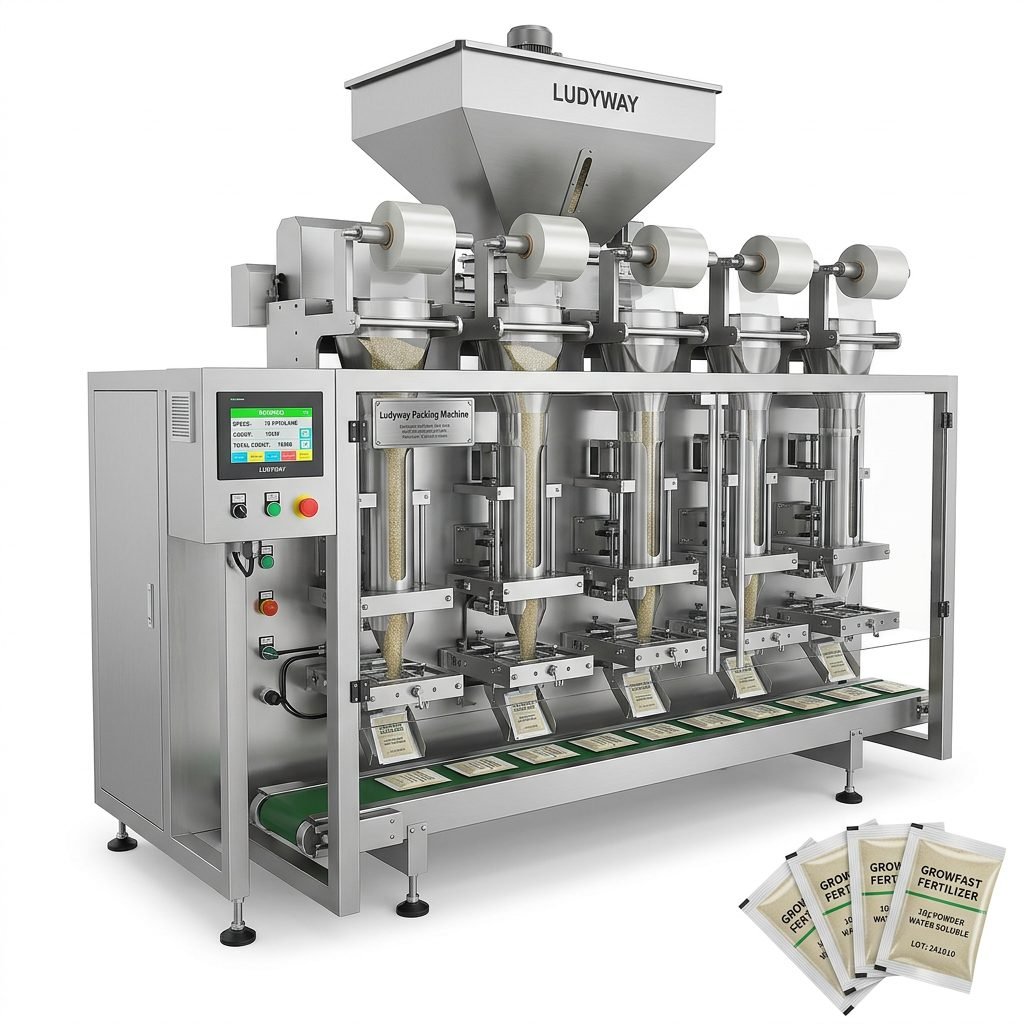
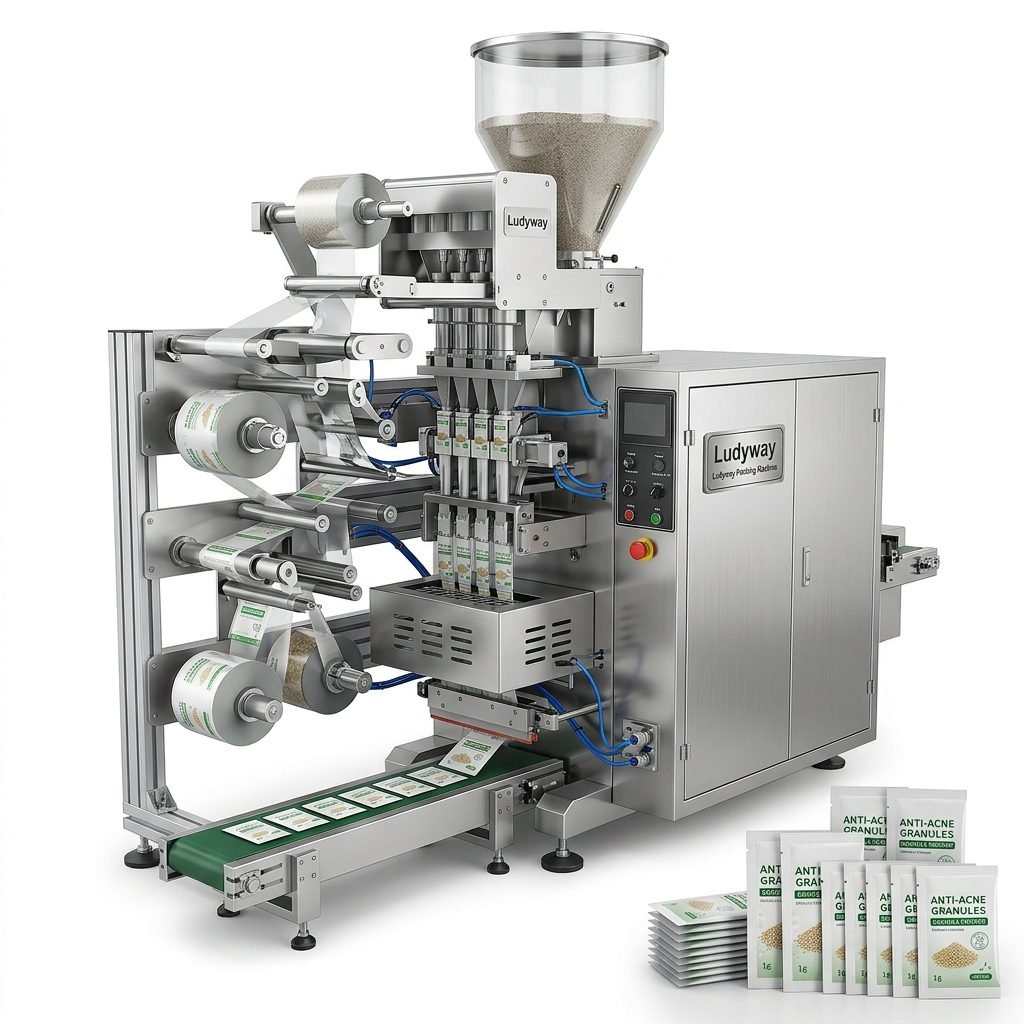
Investing in a microcomputer automatic packing machine is a significant decision for any manufacturer. The right equipment can dramatically increase production efficiency, improve packaging consistency, and reduce long-term operational costs. However, with a wide range of machine types, configurations, and technical specifications available, the selection process can quickly become overwhelming.
This guide walks you through the essential factors to evaluate when choosing a microcomputer-controlled automatic packing machine, helping you make an informed decision that aligns with your production goals, product characteristics, and budget requirements.
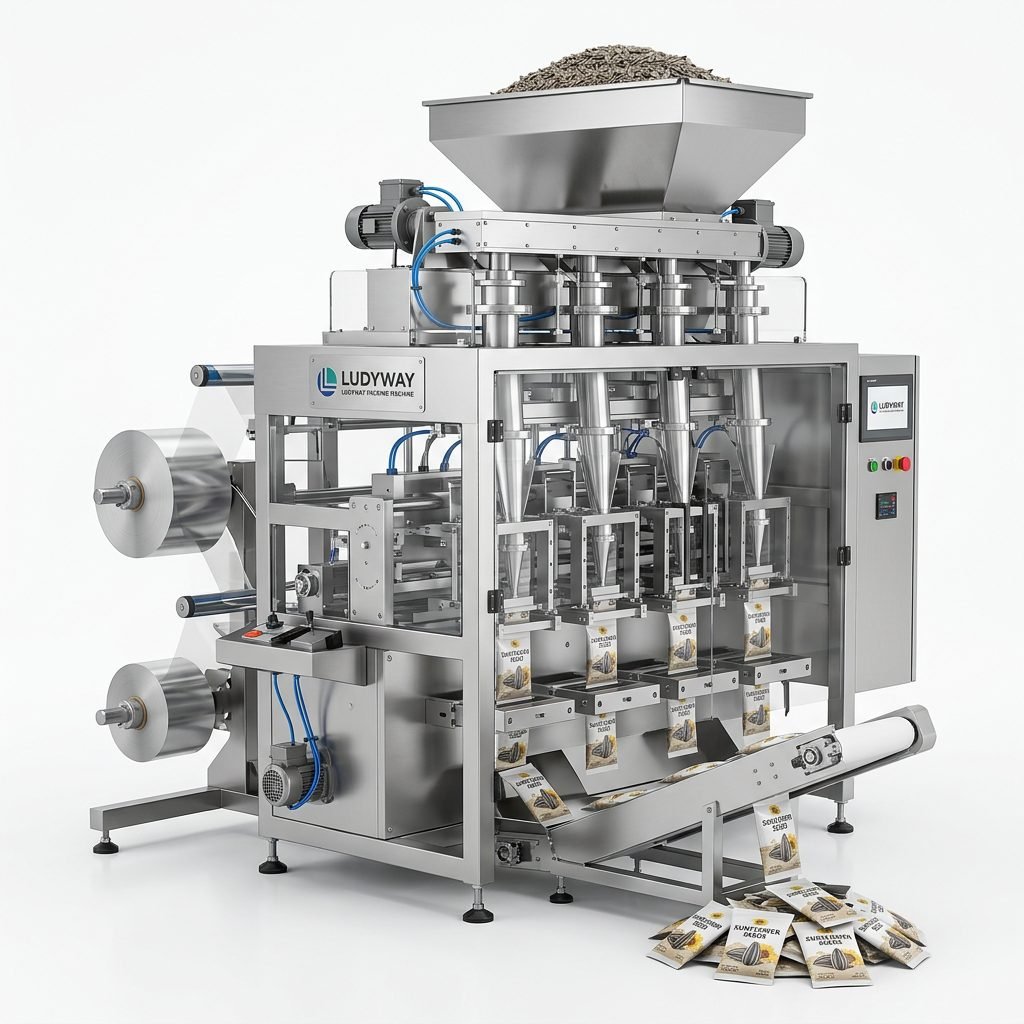
Understanding Microcomputer Automatic Packing Machines
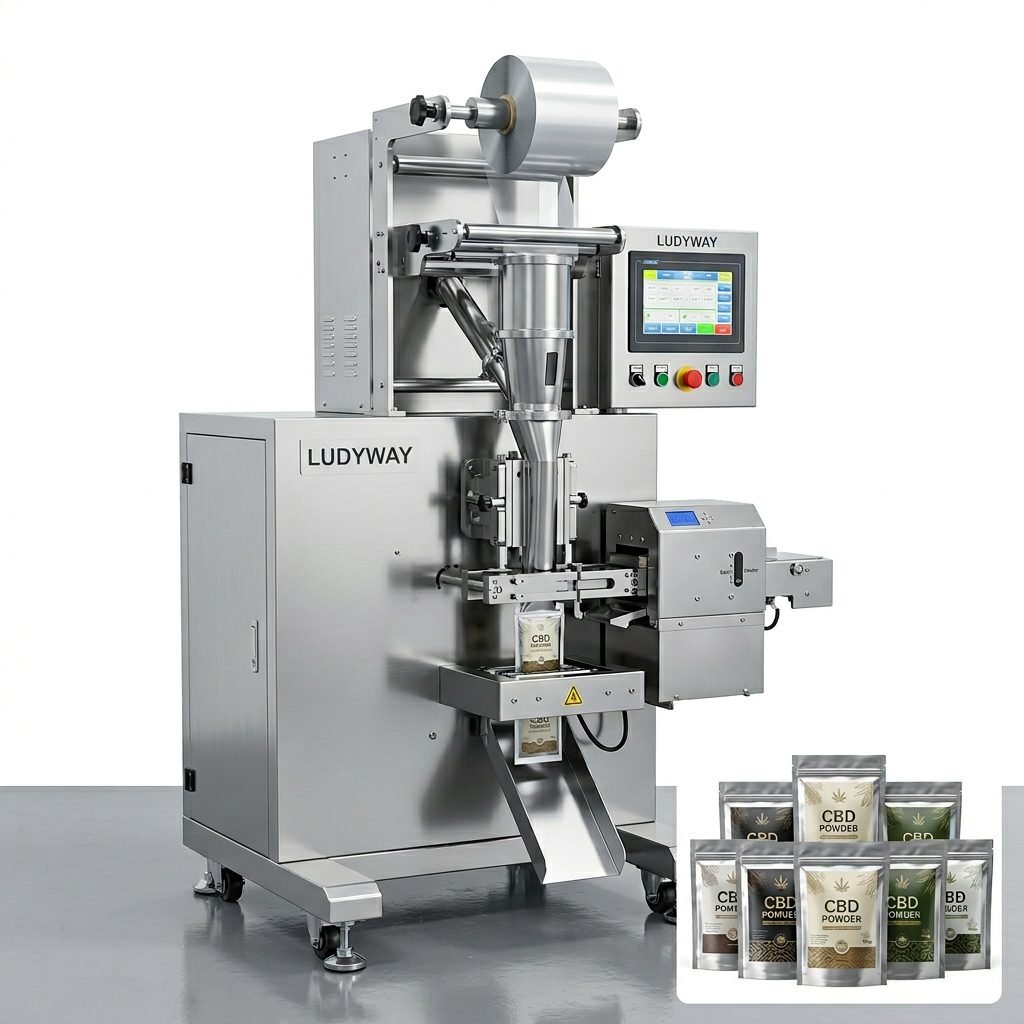
A microcomputer automatic packing machine uses an integrated microprocessor or PLC (Programmable Logic Controller) to manage and automate the entire packaging process. Unlike traditional mechanically controlled equipment, these machines offer precise digital control over critical parameters such as filling weight, sealing temperature, bag length, and production speed.
The microcomputer control system enables operators to store multiple product recipes, adjust settings through a touchscreen interface, and monitor real-time production data. This level of automation is particularly valuable for manufacturers who need to switch between different products or packaging formats frequently. According to industry data from the PMMI packaging machinery market research, the adoption of intelligent control systems in packaging equipment continues to accelerate across multiple sectors.
Key Factors to Consider When Choosing a Machine
Product Type and Characteristics
The physical properties of your product directly determine which dosing and filling system is appropriate. Consider these product categories:
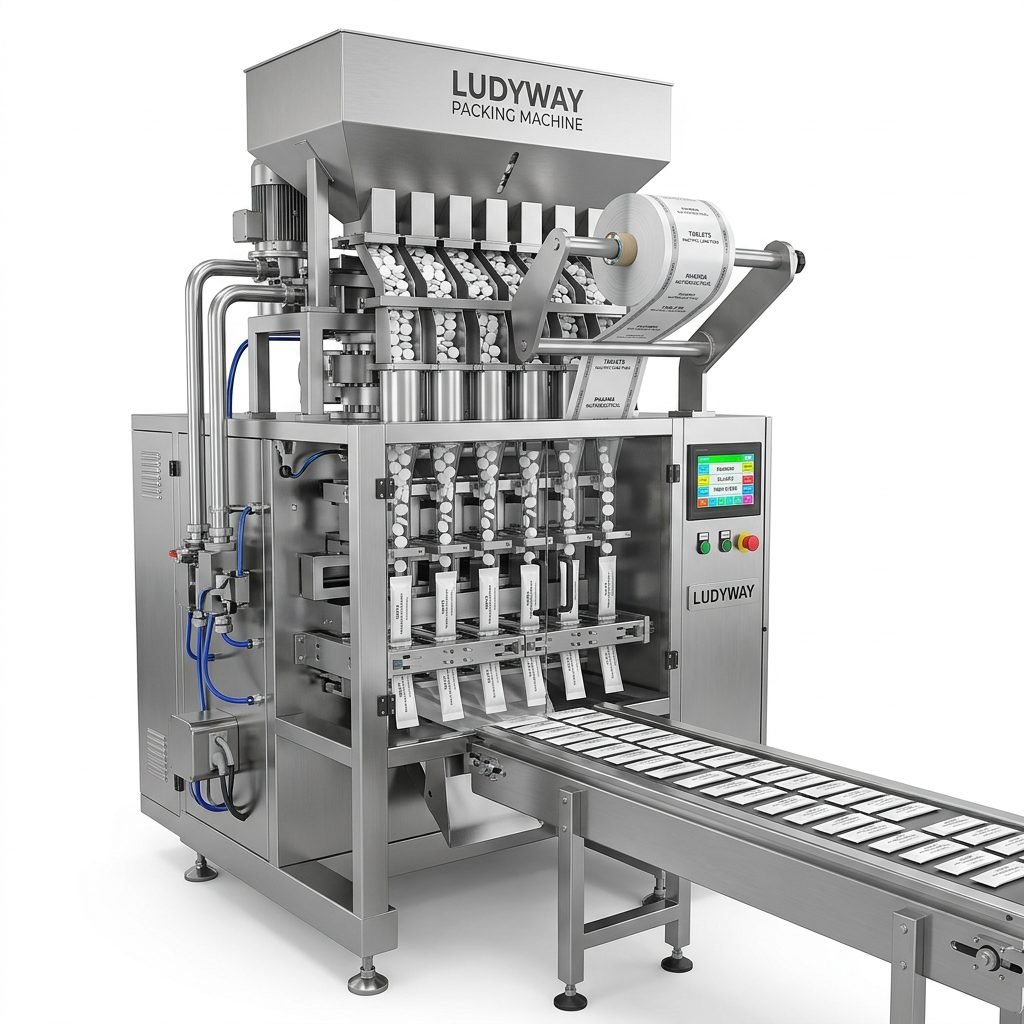
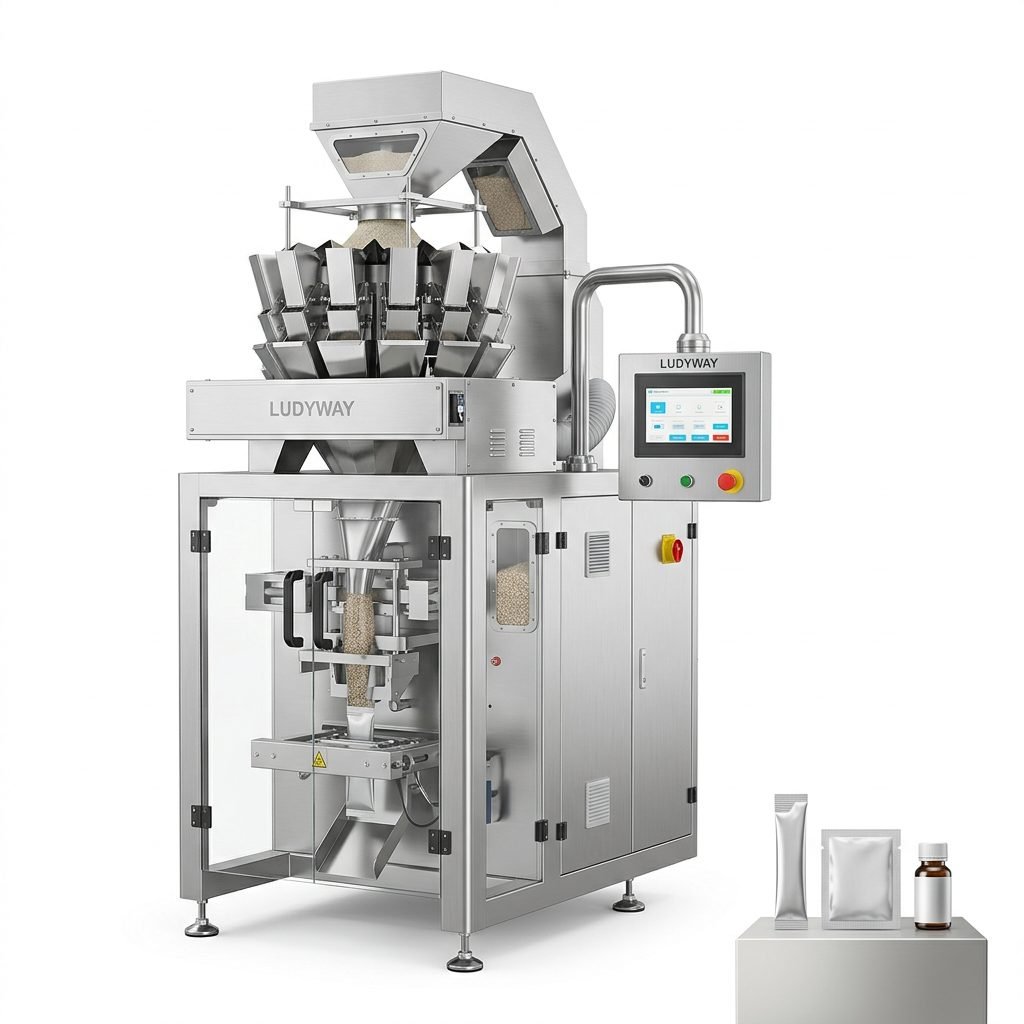
- Granules: Free-flowing materials like sugar, salt, seeds, grains, and coffee beans require volumetric cup fillers or multi-head weighers.
- Powders: Fine materials such as flour, milk powder, spices, and pharmaceutical powders need auger fillers with dust-control features.
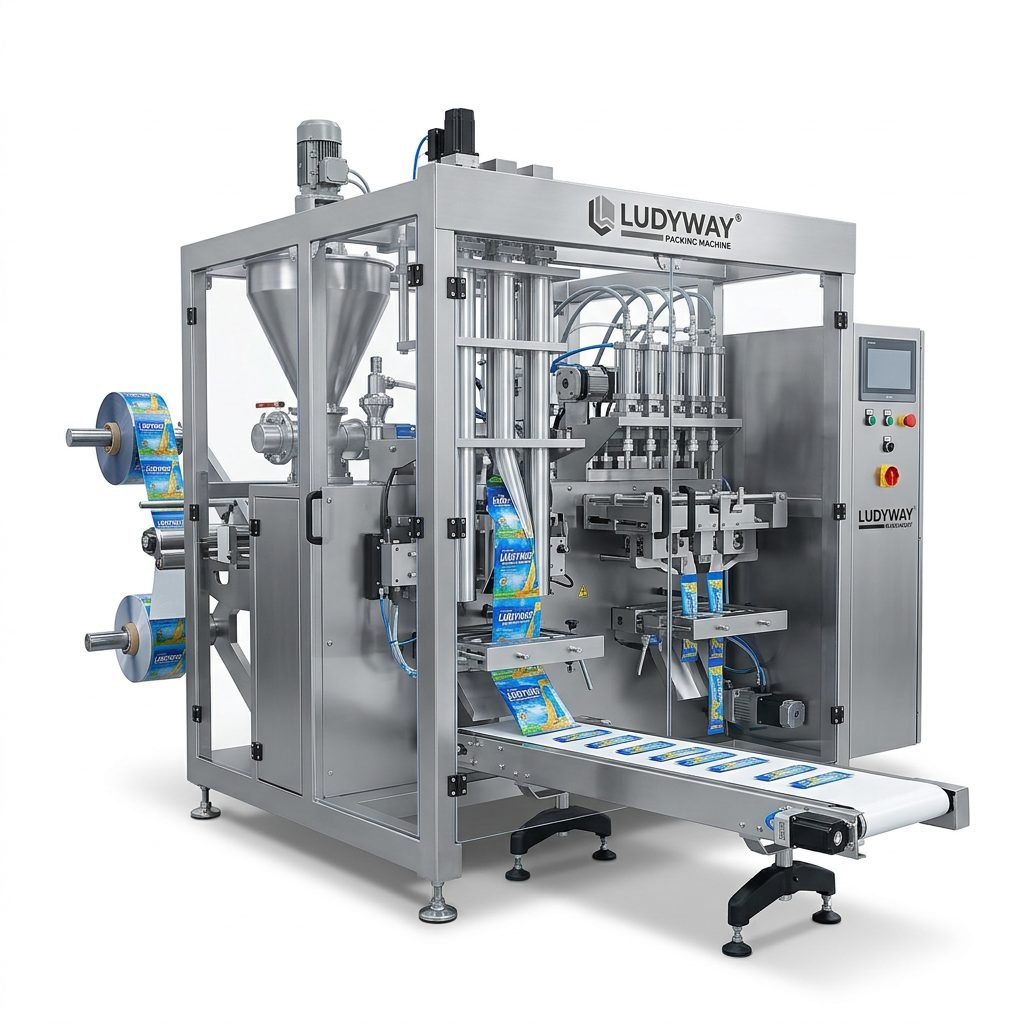
- Liquids: Products ranging from water-thin to viscous pastes require piston fillers, gear pumps, or magnetic flow meters.
- Mixed consistency: Some products combine granules and powders, requiring specialized filling systems capable of handling non-uniform materials.
Understanding your product’s flow characteristics, bulk density, and particle size distribution is essential before evaluating machine specifications. The Flexible Packaging Association provides valuable resources on material compatibility and packaging performance.
Production Speed and Capacity Requirements
Production speed is measured in packs per minute (ppm) and varies significantly based on the machine configuration. Single-lane machines typically operate at 30-80 ppm, while multi-lane automatic packing machines can achieve outputs of 200-600 ppm or higher. When evaluating speed, consider not only your current production volume but also projected growth over the next 3-5 years. Selecting a machine that can scale with your business prevents the need for premature equipment replacement.
Packaging Format and Bag Styles
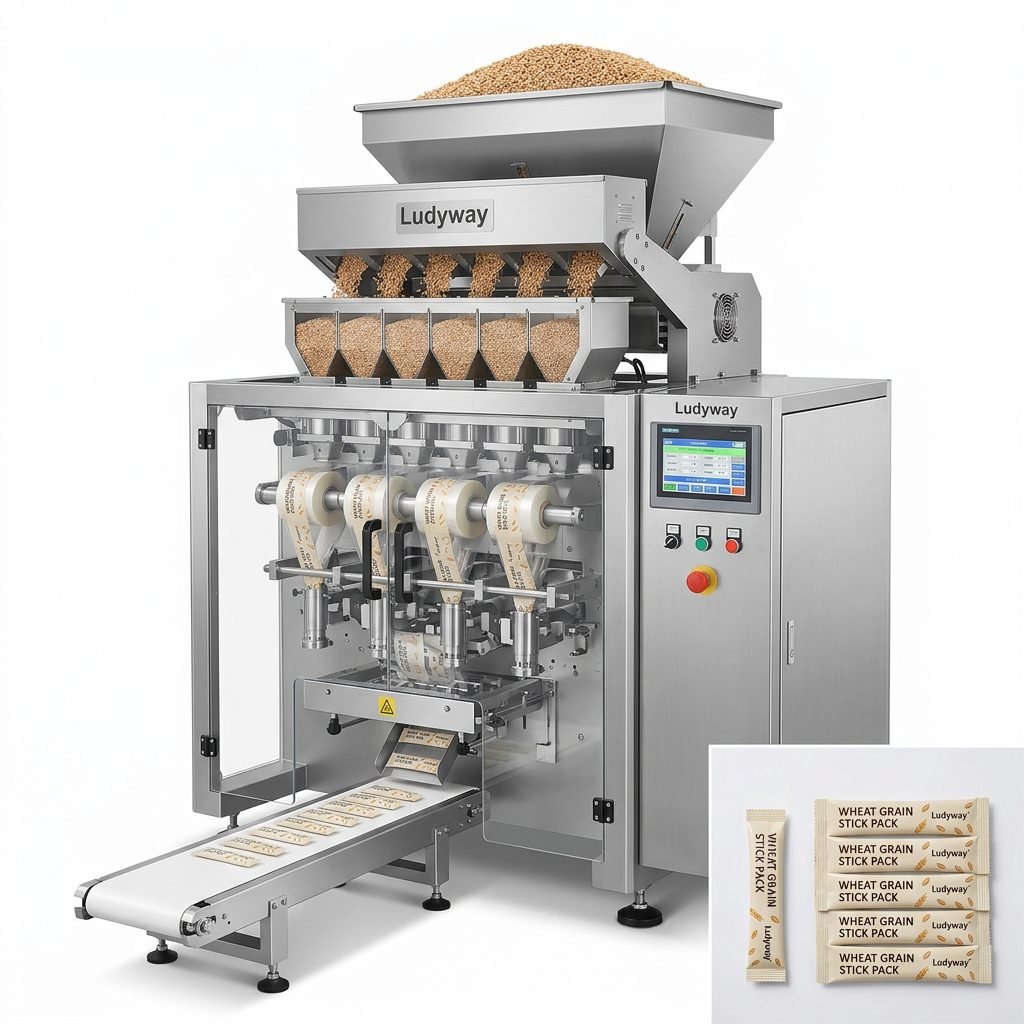
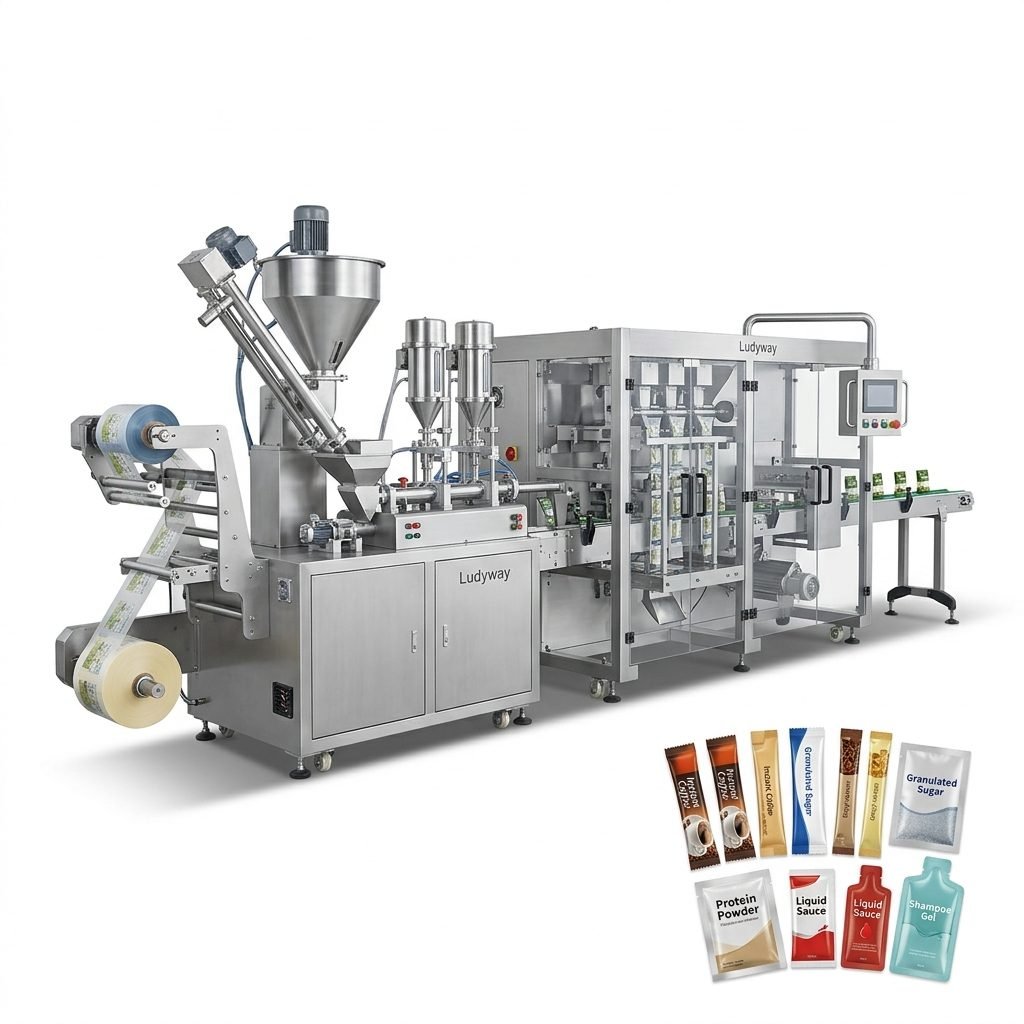
Microcomputer automatic packing machines can produce various packaging formats. The most common include:
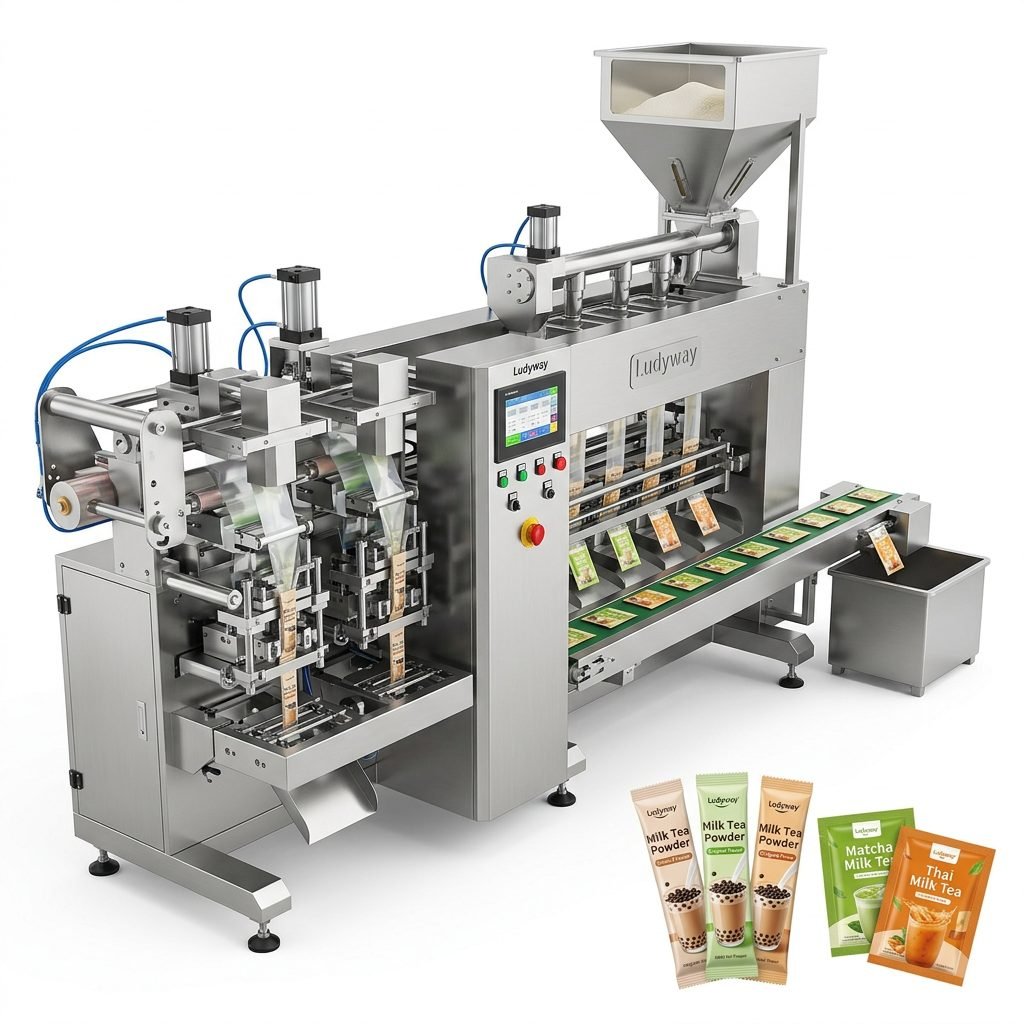
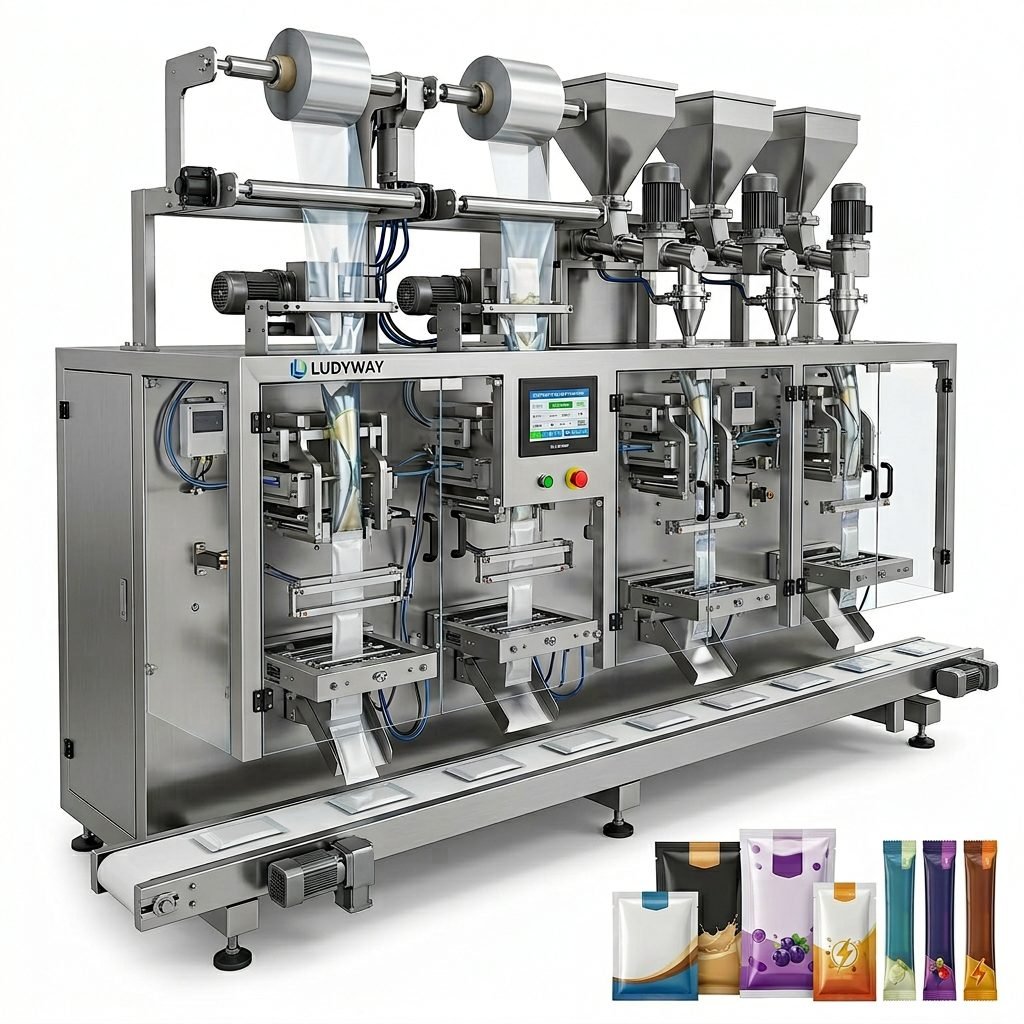
- Stick packs: Slim, elongated sachets ideal for single-serve powder and liquid products
- Three-side seal sachets: Standard flat pouches sealed on three edges
- Four-side seal sachets: Provide better barrier protection and a more premium appearance
- Gusseted pouches: Stand-up capability with expandable side panels for larger volumes
- Pillow bags: Common for snack foods and granular products with back or lap seals
Your choice of packaging format should align with your brand positioning, shelf-life requirements, and target market expectations. PMMI’s 2026 State of the Industry report highlights growing demand for flexible packaging formats across food and pharmaceutical sectors.
Automation Level and Control Systems
The microcomputer control system is the core of any modern automatic packing machine. Key features to evaluate include:
- Touchscreen HMI: An intuitive human-machine interface simplifies operation and reduces training time
- Recipe management: The ability to store and recall multiple product settings enables faster changeovers
- Real-time monitoring: Production data tracking helps identify bottlenecks and optimize efficiency
- Remote diagnostics: Network connectivity allows technicians to troubleshoot issues without an on-site visit
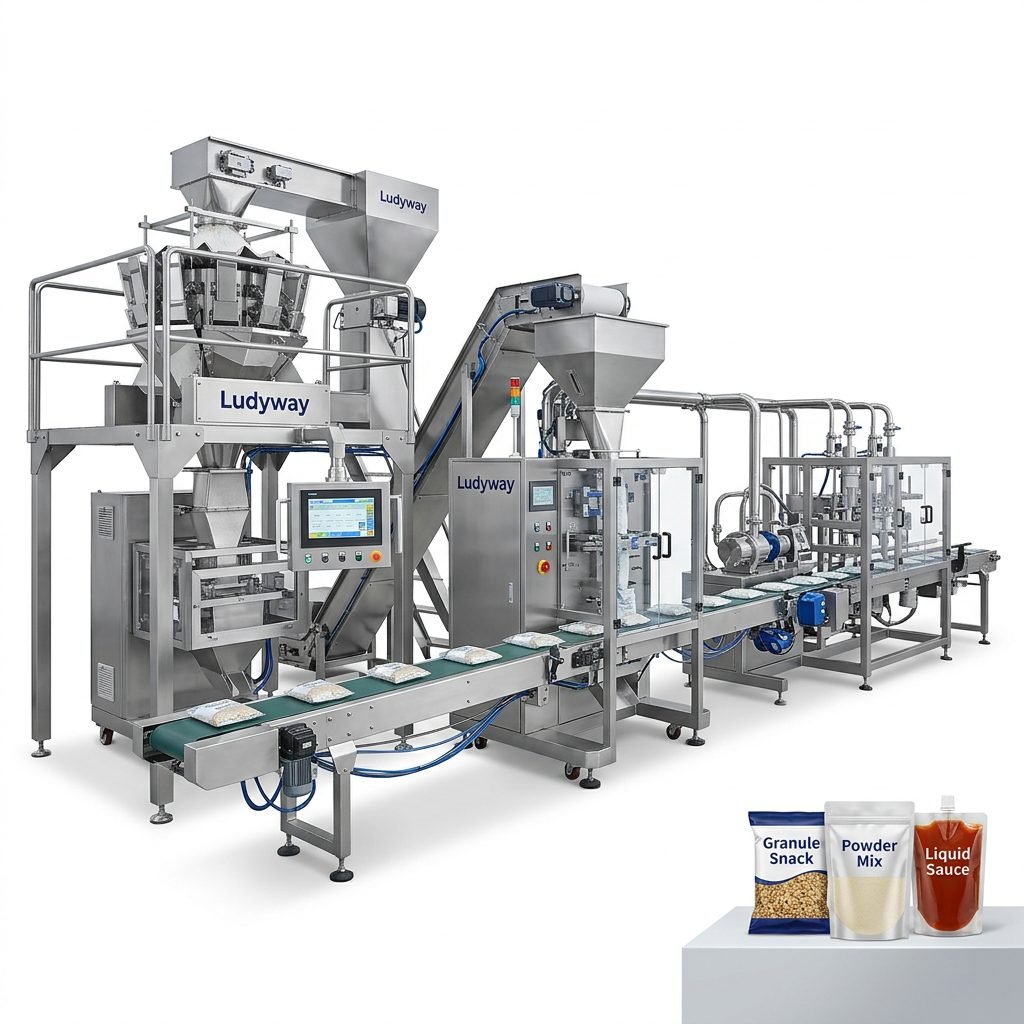
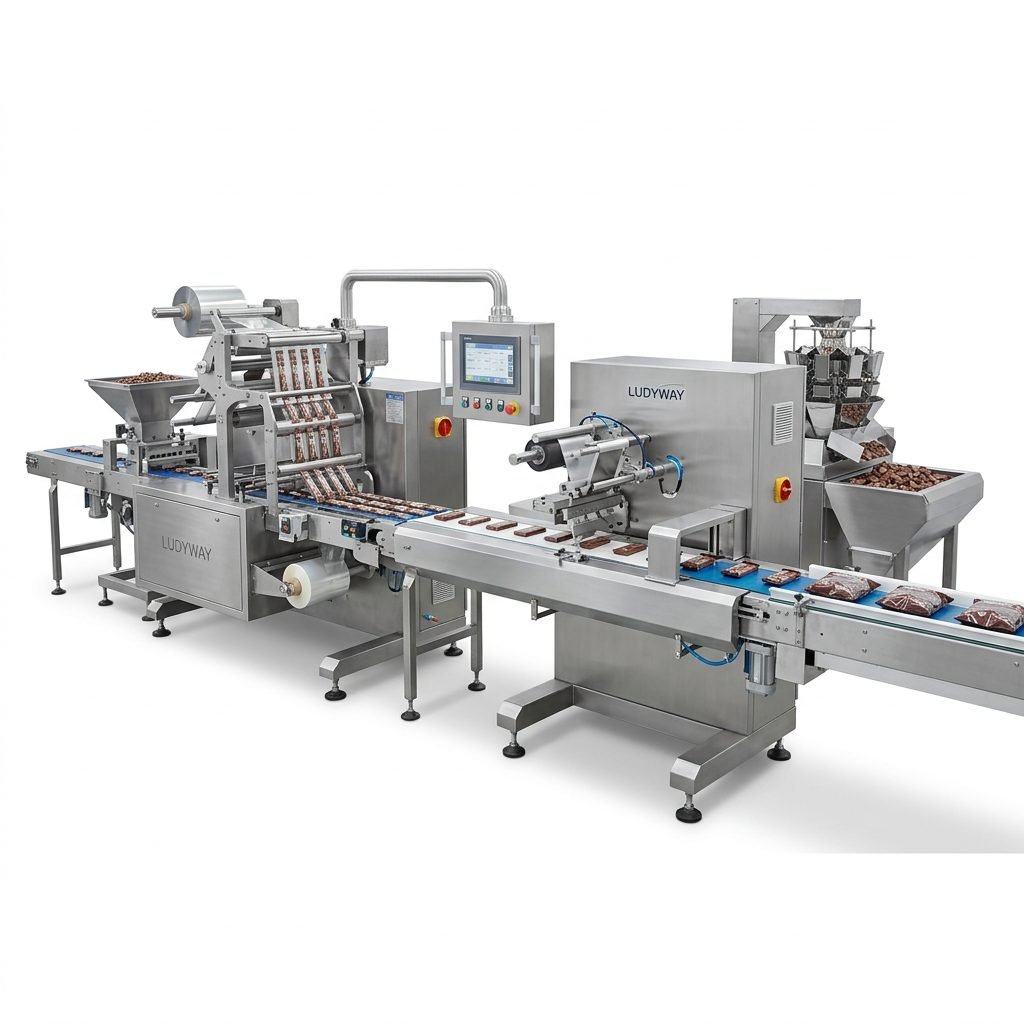
- Integration capabilities: The machine should communicate seamlessly with upstream feeding systems and downstream cartoning or case-packing equipment
Technical Specifications Comparison
The following table outlines key technical parameters to compare when evaluating different microcomputer automatic packing machine models:
| Parameter | Entry-Level | Mid-Range | High-End |
|---|---|---|---|
| Control System | Basic PLC with text display | Advanced PLC with color touchscreen | Full servo-driven system with IoT connectivity |
| Production Speed | 30-60 ppm | 60-200 ppm | 200-600+ ppm |
| Filling Accuracy | ±1-2% | ±0.5-1% | ±0.2-0.5% |
| Bag Width Range | 30-120mm | 20-200mm | 15-300mm |
| Lane Configuration | 1-2 lanes | 4-8 lanes | 10-20+ lanes |
| Changeover Time | 30-60 minutes | 15-30 minutes | 5-15 minutes |
Industry-Specific Requirements
Different industries impose unique demands on packaging machinery. Selecting a machine designed or configurable for your specific sector ensures compliance and operational efficiency.
Food and Beverage
Food-grade materials, washdown capability, and compliance with FDA food contact substance regulations are mandatory. Machines must be designed for easy cleaning and sanitation to prevent cross-contamination between production runs.
Pharmaceuticals and Nutraceuticals
Precision dosing, validated processes, and compliance with GMP standards are critical. Packaging equipment must maintain strict environmental controls, and documentation supporting ISO packaging standards is often required during regulatory audits.
Cosmetics and Personal Care
High-quality sealing for liquid and cream products, attractive packaging finish, and the ability to handle various viscosity levels are essential. Machines must accommodate frequent product changeovers for seasonal or promotional lines.
Chemicals and Industrial Products
Corrosion-resistant materials, robust construction, and safety features for handling potentially hazardous substances are required. Packaging equipment must meet stringent EPA sustainable materials management guidelines where applicable.
Evaluating Machine Build Quality and Compliance
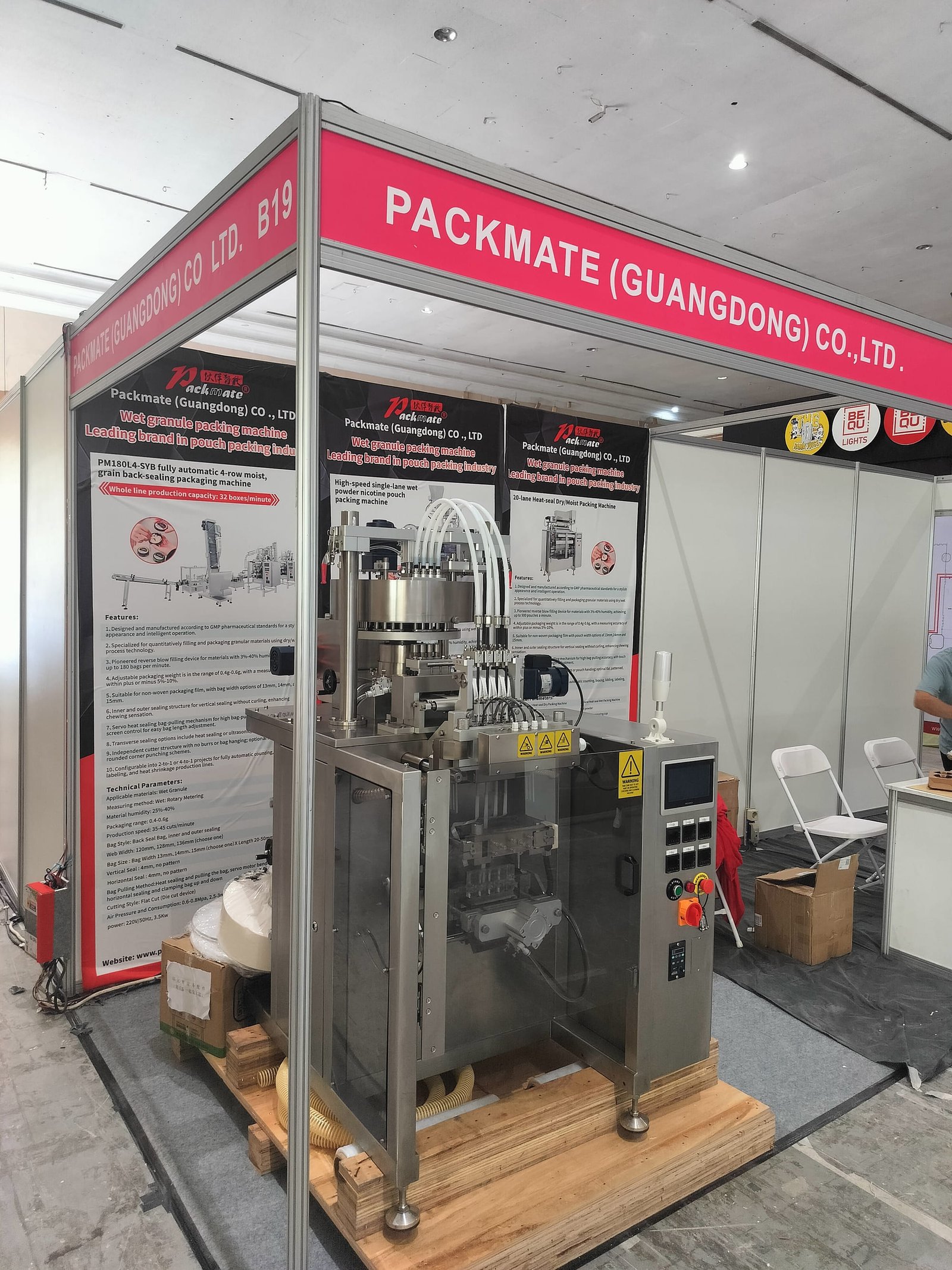
Build quality directly impacts machine longevity, maintenance frequency, and overall reliability. When assessing a microcomputer automatic packing machine, examine the following:
- Frame construction: Stainless steel frames offer superior durability and corrosion resistance compared to painted carbon steel
- Electrical components: Established brands such as Siemens, Omron, Mitsubishi, or Schneider for PLCs, servo motors, and sensors indicate higher reliability
- Pneumatic systems: Quality cylinders and valves from manufacturers like Festo or SMC ensure consistent sealing pressure and long service life
- Certifications: CE marking, UL compliance, and ISO certifications demonstrate adherence to international quality and safety standards
- Weld quality: Inspect frame welds and sealing components for clean, consistent workmanship
The PMMI packaging machinery standards and regulations provide a useful reference framework for evaluating equipment compliance with industry requirements.
Choosing the Right Packaging Machinery Partner
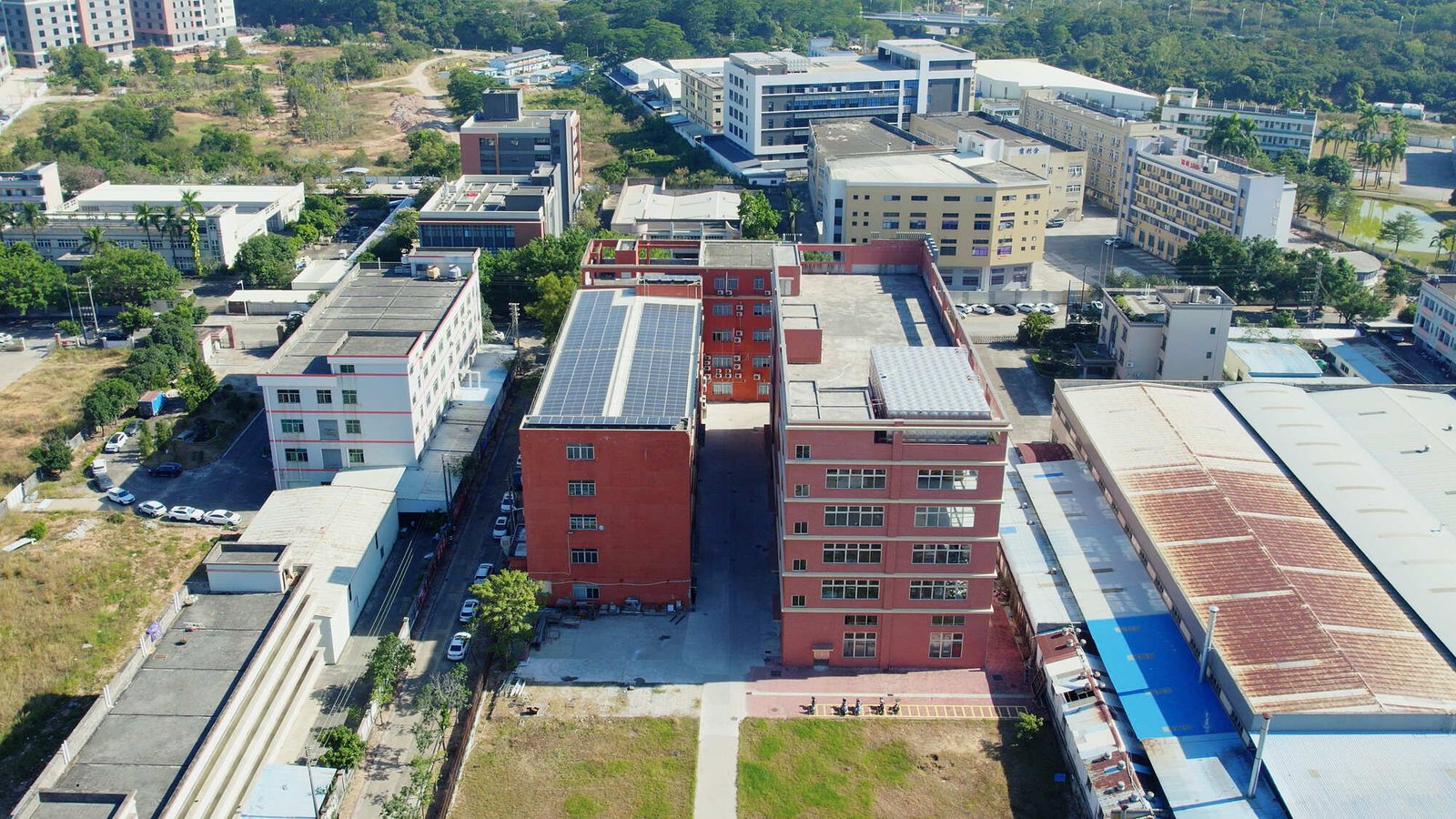
Selecting the right equipment supplier is as important as choosing the machine itself. A reliable packaging machinery partner should offer engineering expertise, customization capabilities, and comprehensive after-sales support. Manufacturers like Ludyway Machinery, a China-based packaging machinery manufacturer with over 30 years of industry experience and a 20,000-square-meter manufacturing facility, provide integrated solutions ranging from individual automatic packing machines to complete turnkey packaging lines. With more than 50 machine models and a team of over 130 professionals, the company serves customers in more than 100 countries, offering customized configurations for granules, powders, liquids, and various flexible packaging applications.
Total Cost of Ownership Considerations
Purchase price is only one component of the total cost equation. A comprehensive cost analysis should account for:
- Initial investment: Machine price, shipping, installation, and commissioning costs
- Operating costs: Energy consumption, compressed air usage, and consumable packaging materials
- Labor: Operator requirements per shift and training expenses
- Maintenance: Routine service, spare parts availability, and expected component replacement intervals
- Downtime: Production losses during changeovers, repairs, or unscheduled maintenance
- Packaging material waste: Machines with precise controls generate less waste during startup and adjustment phases
A higher-quality microcomputer automatic packing machine may have a greater upfront cost but often delivers significantly lower total cost of ownership through reduced downtime, higher efficiency, and longer service life.
After-Sales Support and Service
Technical support availability can make or break a packaging operation. Before finalizing your purchase, investigate the following aspects of the supplier’s service infrastructure:
- Response time: How quickly can technical support address urgent issues?
- Remote assistance: Does the supplier offer remote diagnostic and troubleshooting capabilities?
- Spare parts inventory: Are critical components stocked locally or readily available for express shipping?
- Training programs: Does the supplier provide comprehensive operator and maintenance training?
- Warranty terms: Understand coverage duration, inclusions, and exclusions
- Preventive maintenance plans: Scheduled service visits can prevent unexpected breakdowns
According to PMMI’s 2025 State of the Industry analysis, after-sales service quality has become one of the most important factors influencing packaging machinery purchasing decisions across global markets.
Making the Final Decision
After evaluating all the factors discussed above, create a structured comparison matrix for your shortlisted options. Prioritize criteria based on your specific operational requirements, and involve key stakeholders from production, engineering, quality assurance, and procurement in the decision-making process.
Consider requesting a sample production run with your actual product and packaging material. This provides the most reliable validation of machine performance and helps identify potential issues before committing to a purchase. A reputable supplier will welcome this request as part of a thorough evaluation process.
Key Takeaways
- Match the microcomputer automatic packing machine configuration to your product’s physical characteristics and filling requirements
- Select production speed and lane configuration based on both current needs and future growth projections
- Verify build quality through component brands, frame materials, and certification documentation
- Evaluate total cost of ownership rather than focusing solely on purchase price
- Choose a supplier with proven engineering capabilities, customization experience, and reliable after-sales support
- Stay informed on industry trends through authoritative resources such as Flexible Packaging Association and PACK EXPO International
Taking a methodical approach to equipment selection ensures that your investment delivers consistent, efficient, and reliable packaging performance for years to come.