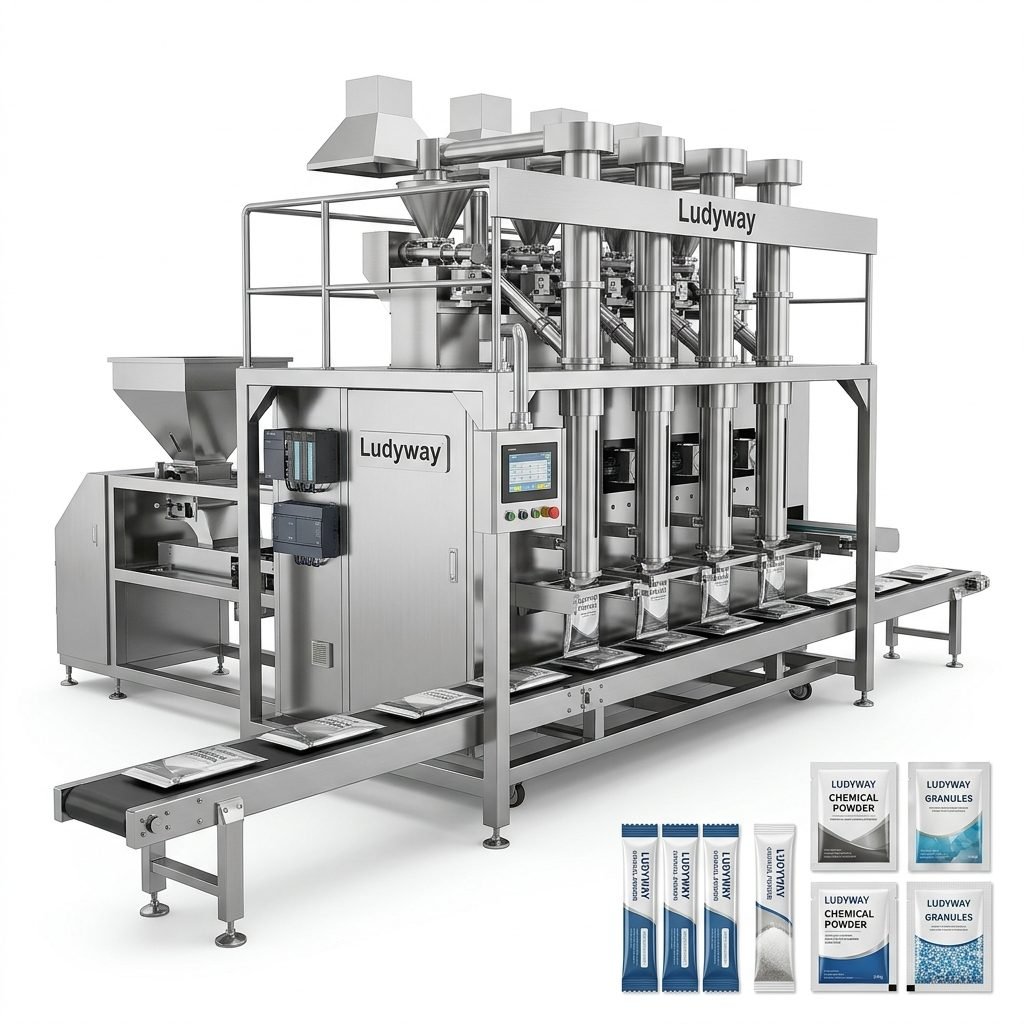
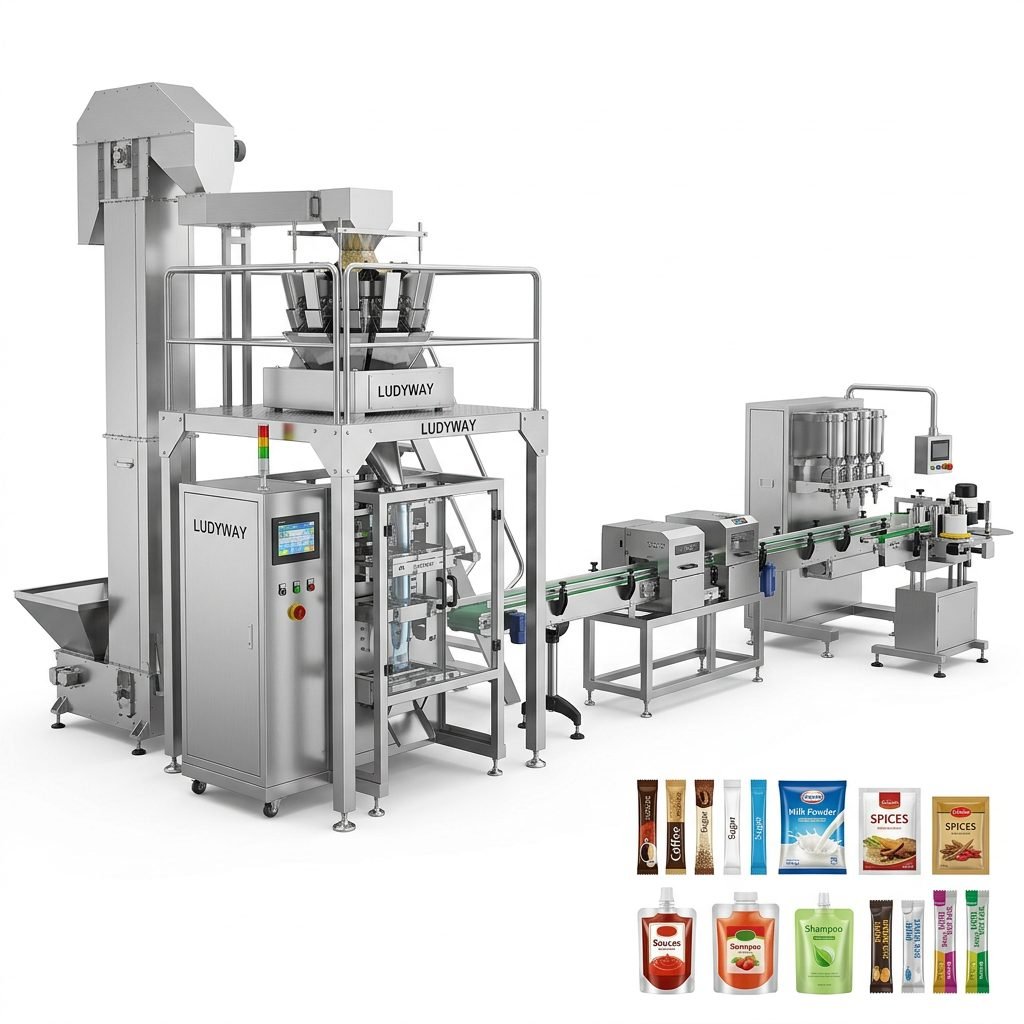
Investing in a liquid pouch filling machine is a strategic decision that affects product quality, production efficiency, and long-term profitability. From food and beverage to pharmaceuticals and cosmetics, liquid products demand precise, hygienic, and consistent filling. Selecting the right machine requires an understanding of your product’s physical properties, packaging format, production targets, and regulatory environment. This guide walks you through every critical factor, steering you toward a decision that balances performance, compliance, and return on investment.
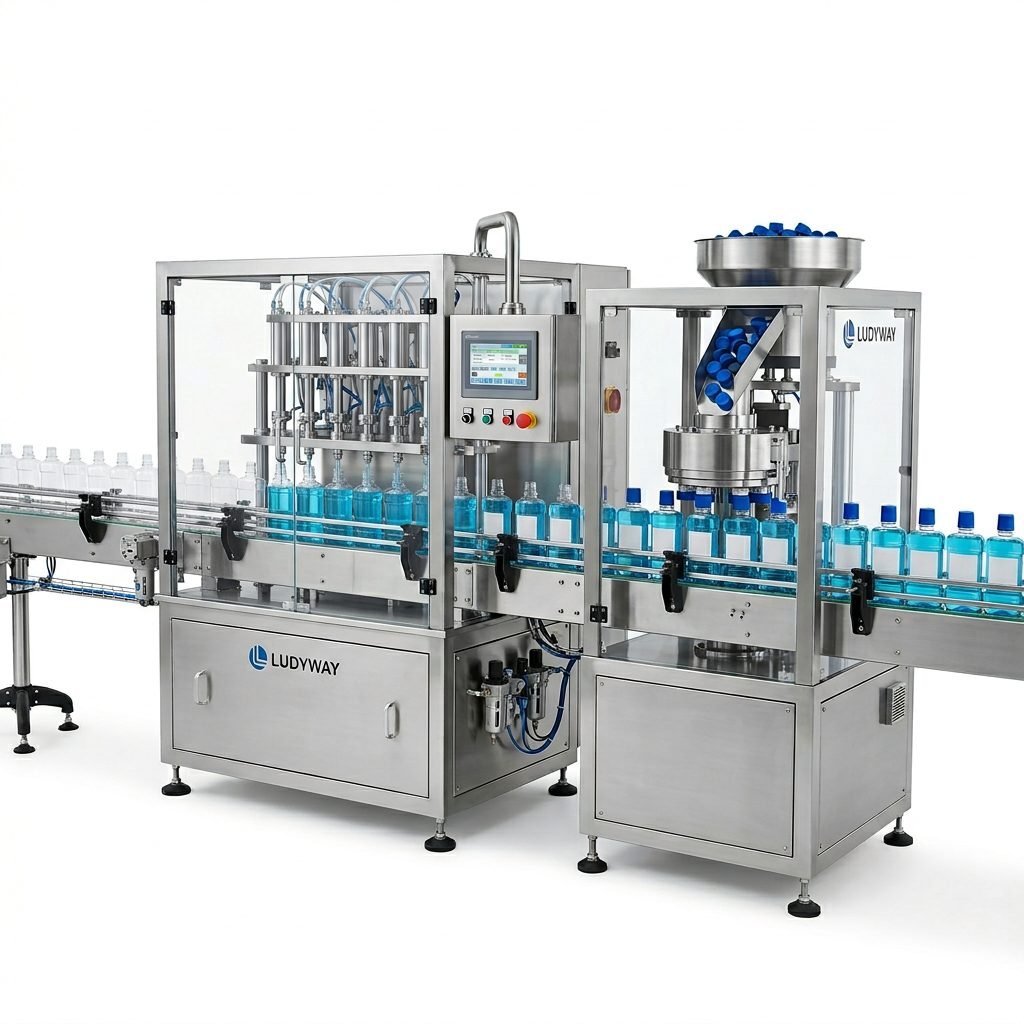
Understanding Liquid Filling Technologies
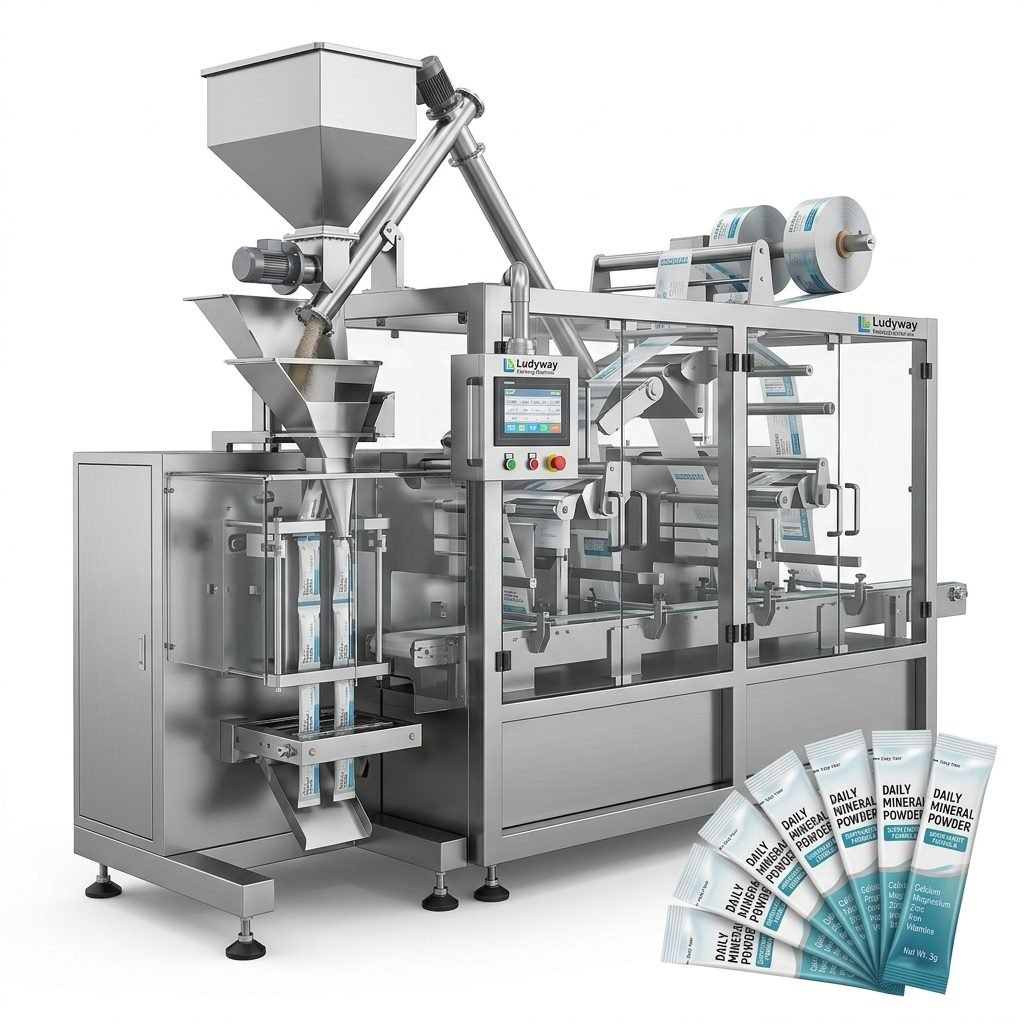
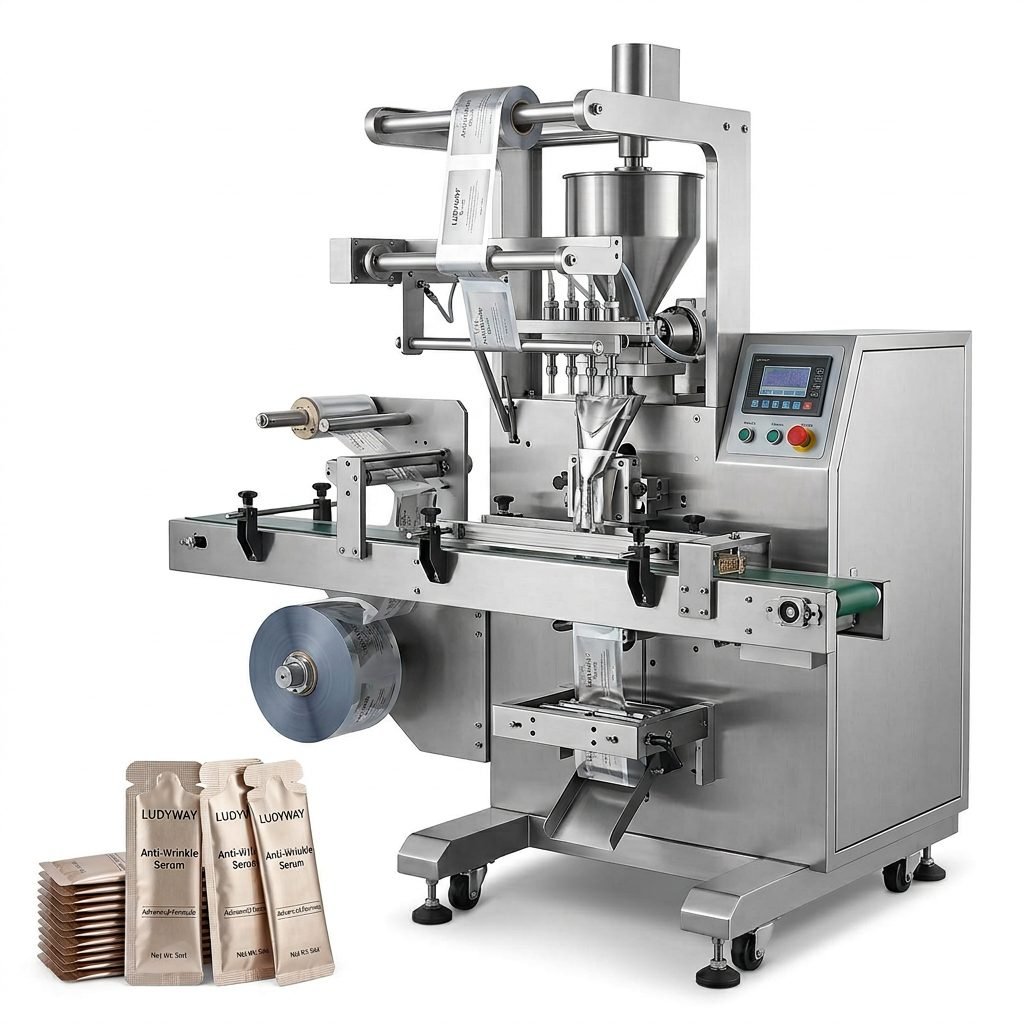
Not all liquid pouch filling machines operate identically. The mechanism depends heavily on the liquid’s viscosity, foaming tendency, particulate content, and required fill temperature. Manufacturers commonly employ piston fillers, peristaltic pump fillers, gravity fillers, overflow fillers, and net weight fillers. Piston-based systems deliver high accuracy for viscous products such as creams and gels. Peristaltic pumps excel with sterile or aggressive liquids because the product only contacts the tubing. Gravity and overflow fillers suit free-flowing, low-viscosity liquids where consistent fill levels are paramount. Choosing the correct filling principle prevents inaccurate dosing, dripping, and excessive product waste.
Why Liquid Characteristics Dictate Machine Configuration
Before evaluating machine features, you must thoroughly analyze the liquid. Parameters such as viscosity, temperature sensitivity, foaming behavior, and particulate size influence every aspect of equipment design. A low-viscosity water‑thin liquid behaves entirely differently from a high‑viscosity honey or shampoo. Foaming liquids require special filling nozzles that minimize air entrapment. Products containing fruit pieces or seeds need larger valve clearances. Hot‑fill applications introduce thermal expansion considerations and require components rated for elevated temperatures. Sharing these details early with a potential supplier prevents costly misconfigurations.
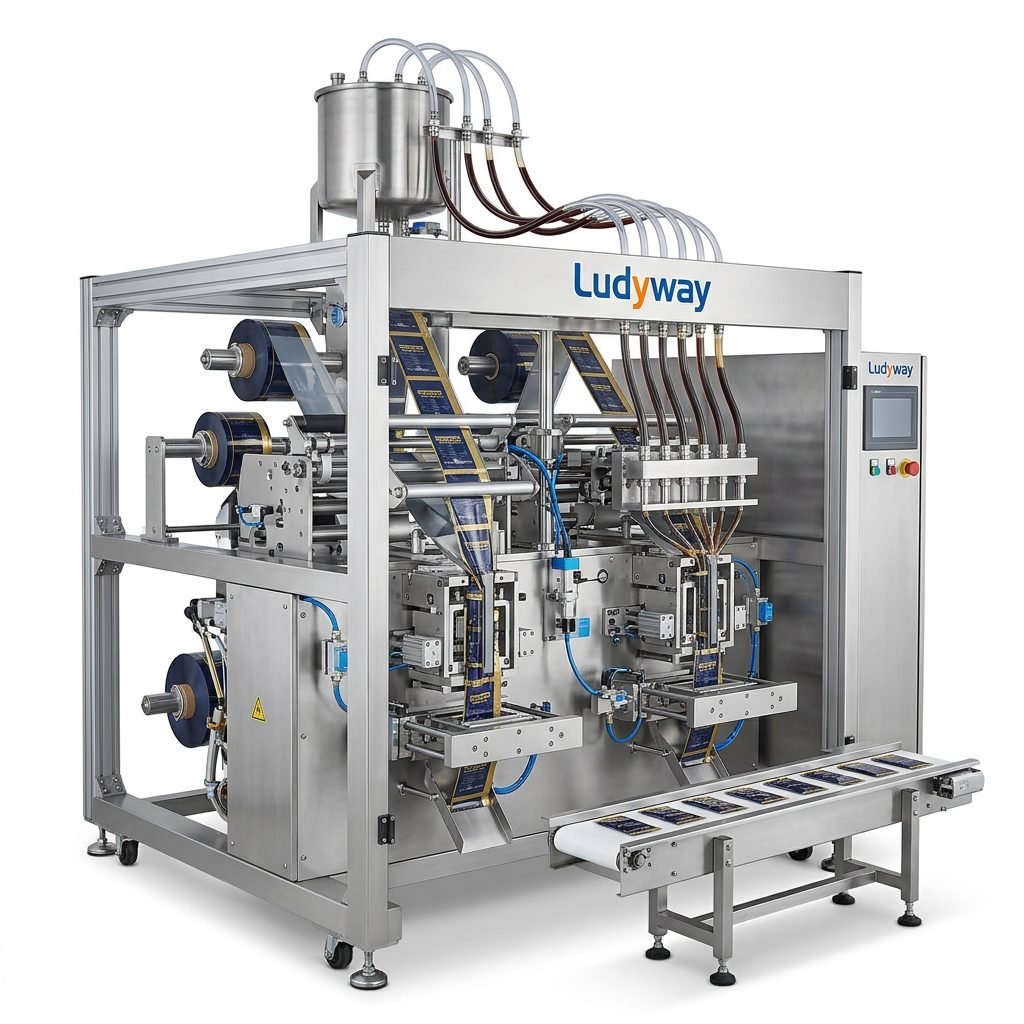
Comparing Pouch Materials and Formats
Liquid packaging today goes beyond simple pillow pouches. Common formats include stand‑up pouches with spouts, three‑side seal sachets, stick packs, and retort pouches. The material structure — whether it is a single‑layer film or a multi‑layer laminate with foil, PET, or EVOH — affects sealing parameters and barrier requirements. High‑barrier films preserve oxygen‑sensitive liquids, while transparent films showcase product appearance. Your filling machine must be compatible with the exact pouch dimensions, gusset styles, and sealant layers you plan to run. Verify that the machine’s sealing jaws can achieve consistent hermetic seals across your material range.
Key Selection Criteria at a Glance
| Criterion | Why It Matters | Key Questions to Ask |
|---|---|---|
| Filling Accuracy | Directly impacts product giveaway and regulatory compliance | What is the guaranteed accuracy range (±0.5%, ±1%)? Can it handle viscosity shifts? |
| Production Speed | Determines whether you meet market demand and delivery timelines | How many pouches per minute can the machine consistently sustain? |
| Cleaning & Changeover | Reduces downtime between product runs and prevents cross‑contamination | Does the machine offer CIP or tool‑free quick changeover? |
| Automation Level | Impacts labor costs, consistency, and integration with existing lines | Can it connect with upstream fillers and downstream cartoners? |
| Compliance & Materials | Ensures hygiene, safety, and acceptance by regulatory bodies | Are product-contact parts FDA‑compliant or 316L stainless steel? |
Automation and Integration Capabilities
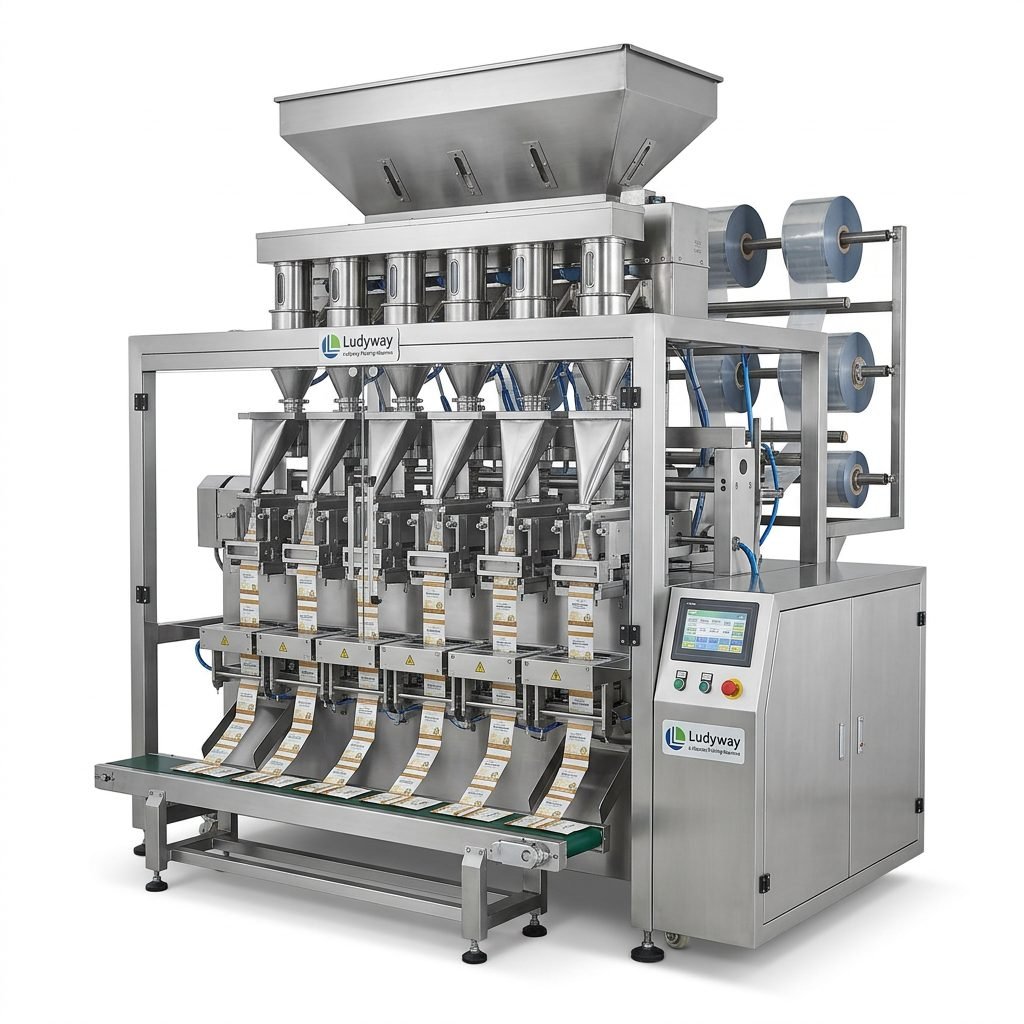
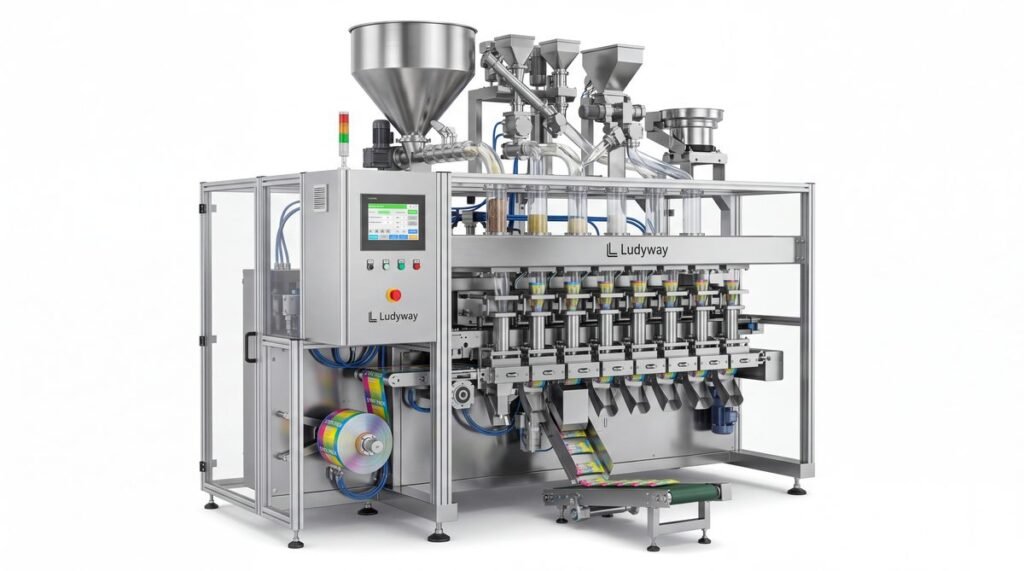
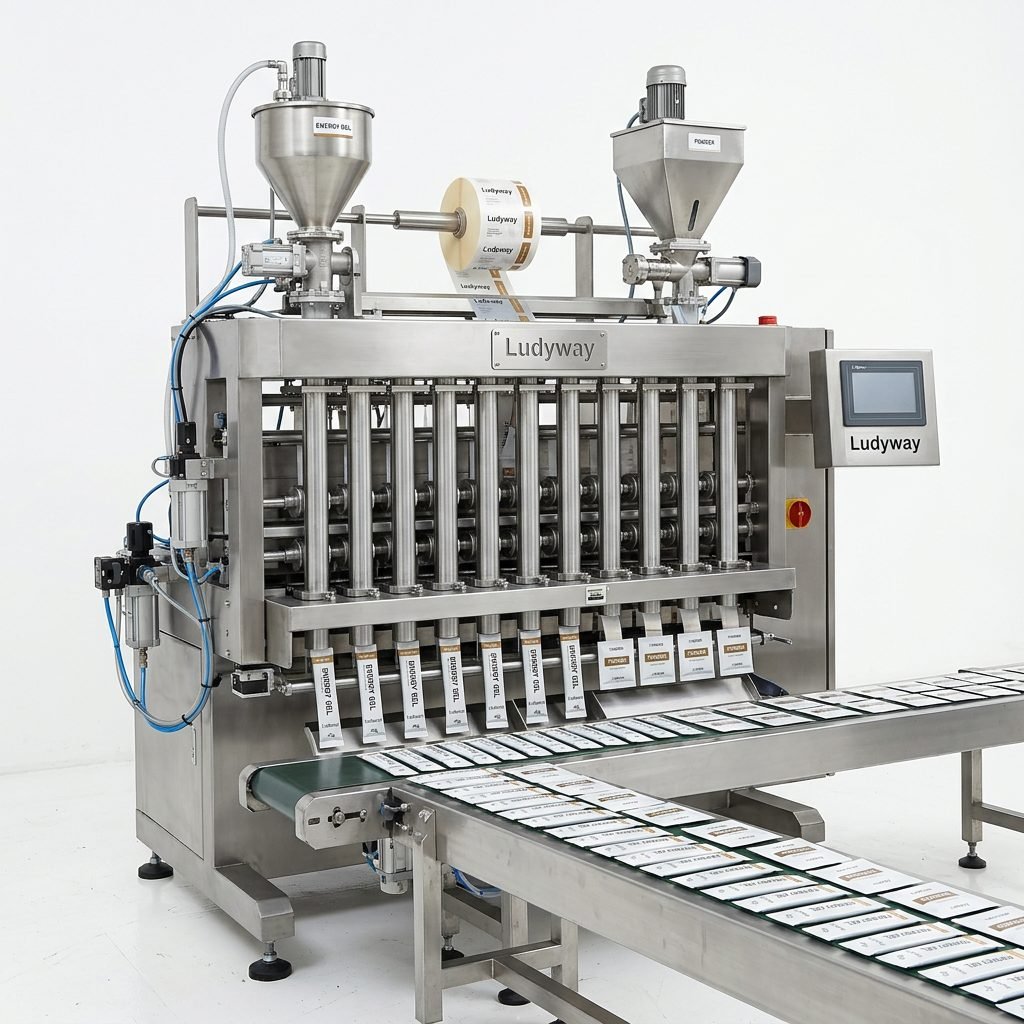
A standalone liquid pouch filling machine solves only part of a packaging line. For true efficiency, evaluate how the machine integrates with upstream product preparation systems and downstream cartoning, case packing, and palletizing equipment. Multi‑lane stick pack machines can interface with checkweighers, reject stations, and vision inspection units to form a complete automated cell. When selecting a supplier, ask about compatibility with industry‑standard communication protocols and their ability to provide pre‑integration testing. A well‑integrated line reduces manual handling, lowers labor dependency, and improves overall equipment effectiveness.
Hygiene, Cleanability, and Regulatory Compliance
For food, pharmaceutical, and personal care liquids, hygienic design is not optional. Look for machines built with sloped stainless‑steel surfaces, minimal crevices, sanitary fittings, and validated CIP (clean‑in‑place) capabilities. Regulatory frameworks such as FDA food packaging regulations and ISO packaging standards set clear expectations for materials, traceability, and process validation. In markets requiring sterile packaging, the machine must support integration with sterilisation tunnels or aseptic environments. Confirm that the manufacturer can provide documentation packages — material certificates, weld logs, and surface finish reports — required by your local health authorities.
Total Cost of Ownership Beyond the Purchase Price
A low initial quote can be misleading if the total cost of ownership is high. Calculate costs over a realistic lifespan, including spare parts, consumables, preventative maintenance, energy consumption, operator training, and potential production downtime. Machines that use proprietary parts may lock you into expensive service contracts. Conversely, equipment designed around globally available components — such as standard pneumatic actuators, PLCs, and servo motors — affirms easier maintenance and faster repairs. Request a detailed breakdown of recommended spare parts and expected service intervals before committing to a purchase.
Evaluating Suppliers and After‑Sales Support
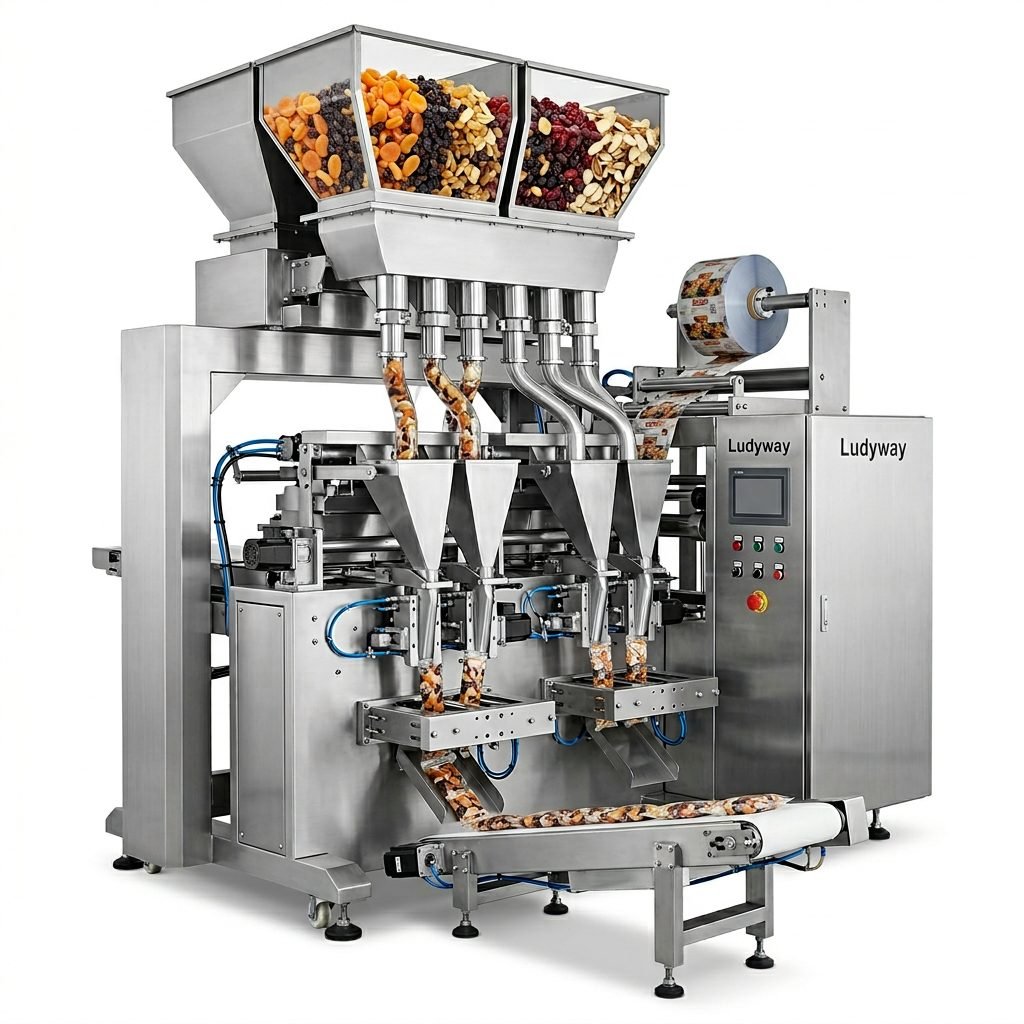
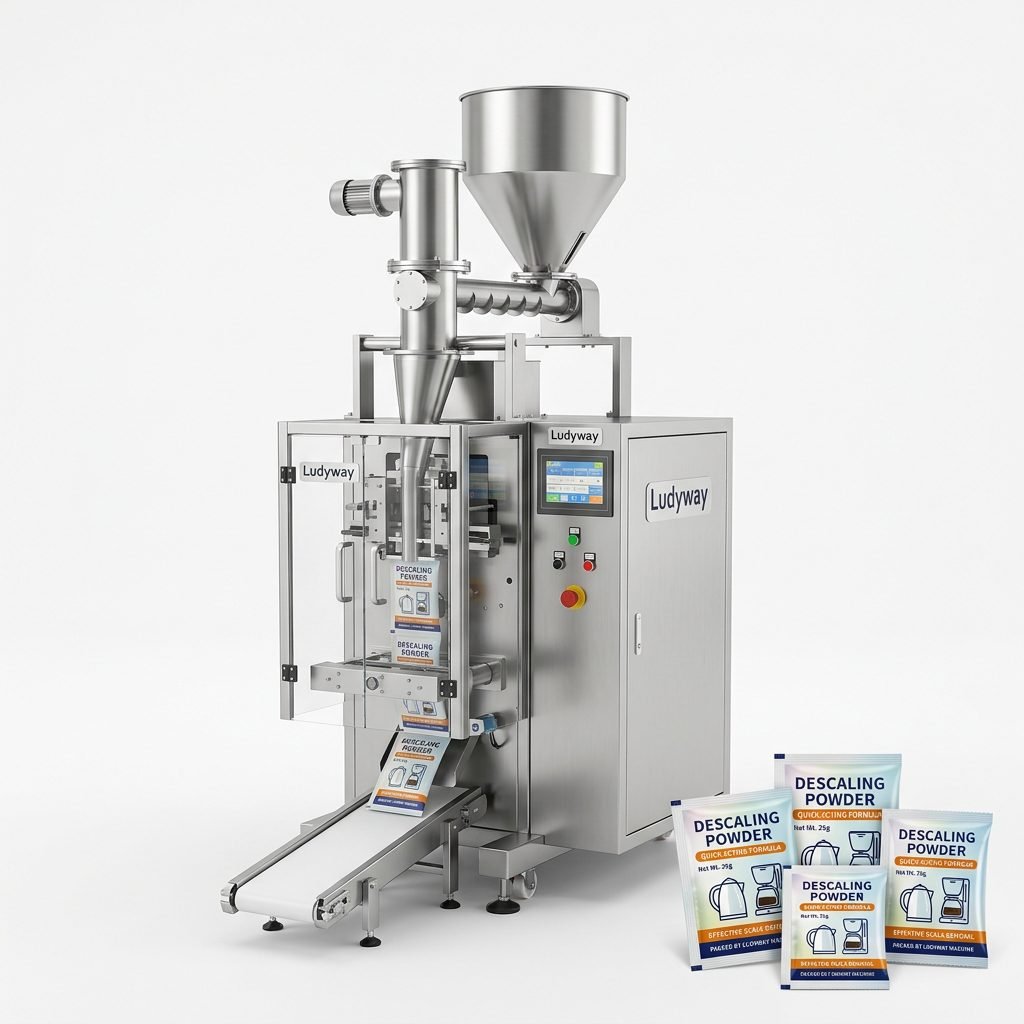
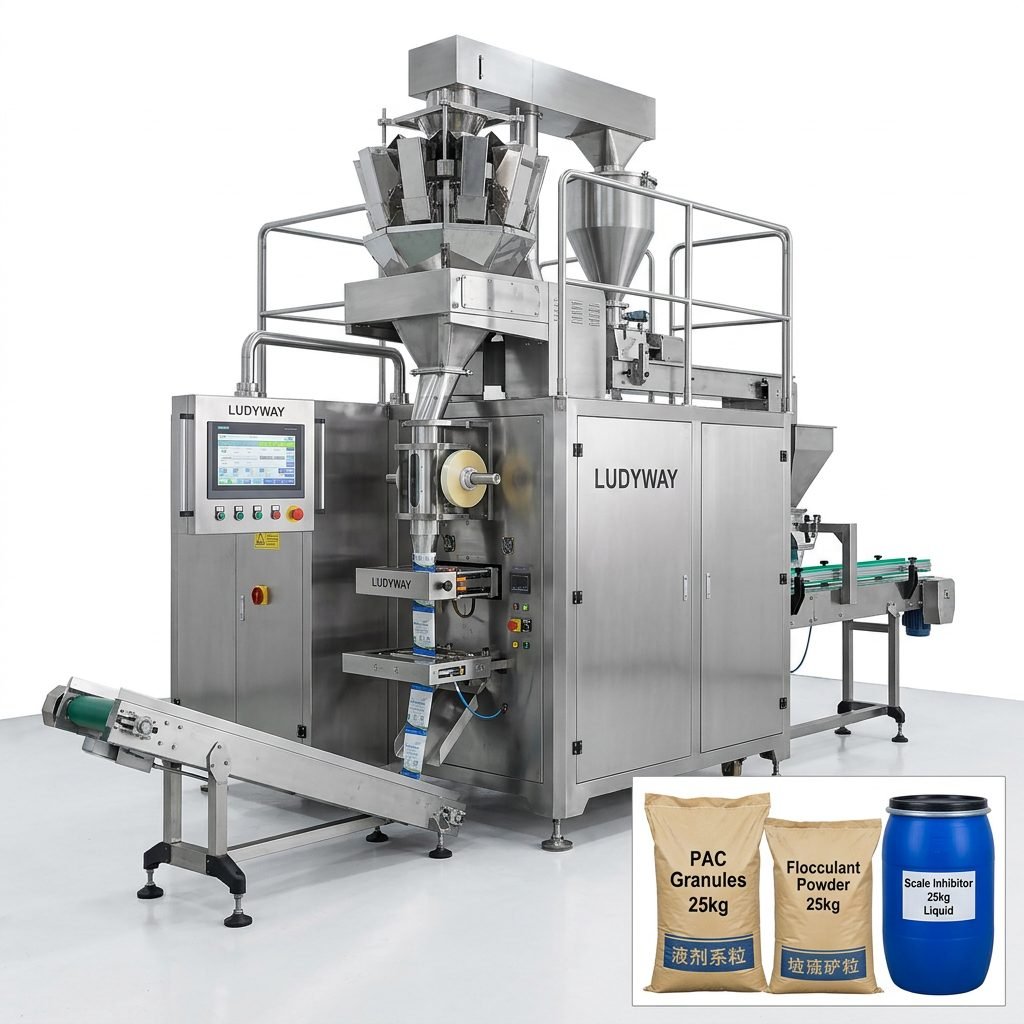
A reliable partner provides far more than hardware. During the selection process, assess the supplier’s engineering capability, application experience, and global support infrastructure. For manufacturers looking for comprehensive solutions and custom engineering, Ludyway Machinery offers integrated packaging systems that can be configured for various liquid products, production speeds, and bag formats. Regardless of which supplier you choose, verify that they offer on‑site installation, operator training, remote diagnostics, and readily available spare parts in your region. References from companies packaging similar liquids are invaluable — ask for documented case studies and, if possible, visit an active installation.
Industry data from PMMI’s packaging machinery market research consistently shows that investments in flexible automation and integrated lines yield long‑term competitiveness. Aligning your project with Flexible Packaging Association guidelines further ensures that your pouch formats and material choices meet evolving sustainability and performance standards.
Common Mistakes to Avoid When Buying a Liquid Pouch Filling Machine
- Underestimating product variability — Failing to test the machine with your actual liquid across different batches and temperatures leads to performance gaps.
- Ignoring future scalability — A machine that barely meets today’s throughput leaves no room for growth; reserve at least 20–30% additional capacity.
- Overlooking facility constraints — Ceiling height, floor load, power supply, and compressed air availability all affect installation feasibility.
- Skipping a factory acceptance test (FAT) — Always conduct a witnessed FAT before shipment to verify accuracy, speed, and sealing integrity with your products and materials.
- Choosing on price alone — Compromising on after‑sales support, documentation, or hygiene design creates hidden expenses that quickly erase initial savings.
Testing, Validation, and Final Decision Checklist
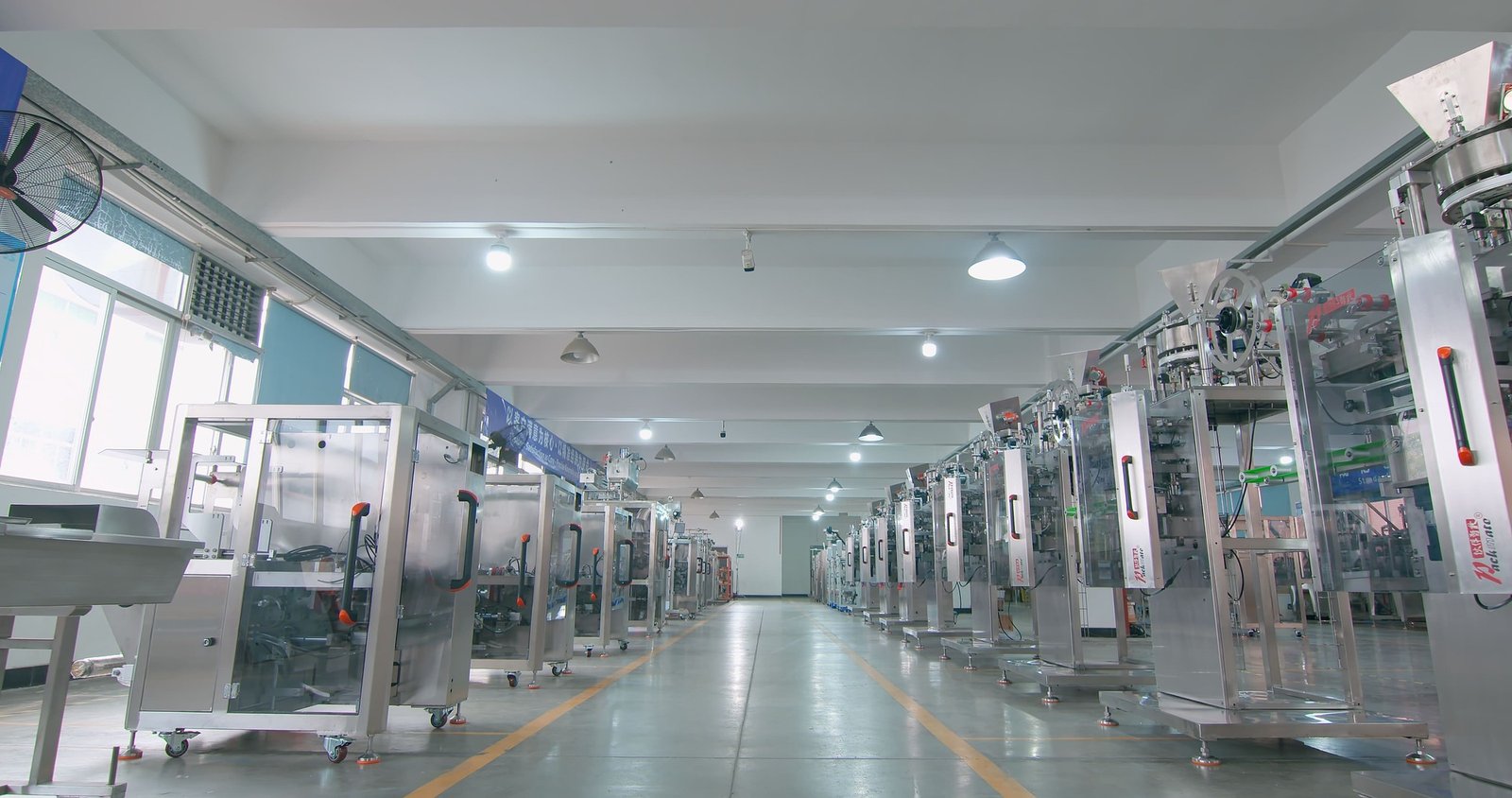
Before signing a purchase order, insist on a structured evaluation process. Send samples of your liquid, pouch material, and any secondary packaging to the machine builder. Review video evidence of the actual test run and, wherever possible, visit the manufacturer’s facility. Use the following checklist as a final gate:
- Does the machine achieve your target fill accuracy with your actual product?
- Can it run your required pouch size range without compromising seal integrity?
- Are cleaning and changeover procedures documented, repeatable, and quick?
- Have you confirmed compatibility with your facility’s utilities and layout?
- Is a complete documentation package — including CE, UL, or other relevant certifications — available?
- Does the supplier have a proven track record and service presence in your geographic market?
A disciplined selection process transforms a significant capital expense into a long‑term competitive advantage, delivering consistent quality, reduced waste, and the agility to adapt to changing market demands.