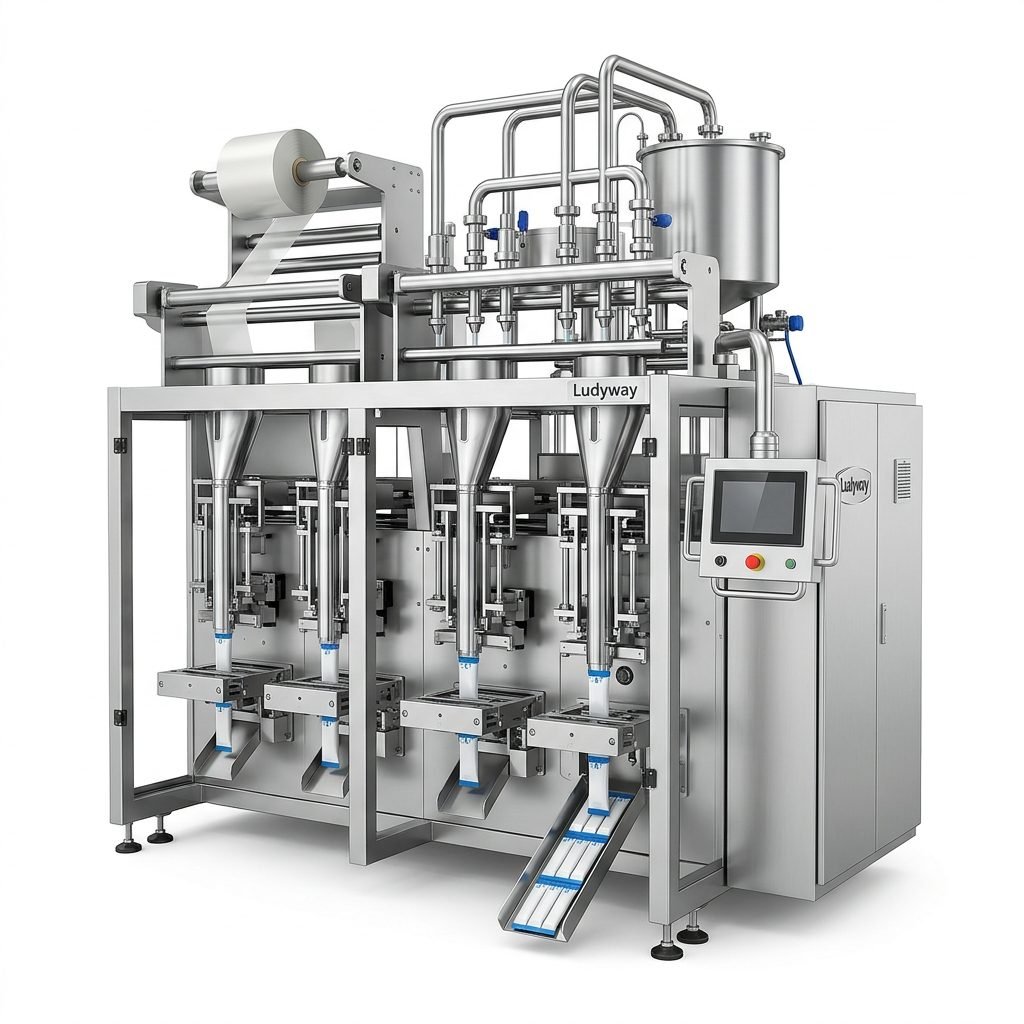
Selecting the right packaging machinery is one of the most critical decisions for any manufacturer. Whether you are launching a new product, scaling production, or replacing outdated equipment, the choice you make affects your operational efficiency, product quality, and long-term costs. If you are currently researching Arodo packaging machine options or evaluating similar automated systems, understanding the core selection criteria will help you make a confident, well-informed investment.
Understanding the Arodo Packaging Machine Range
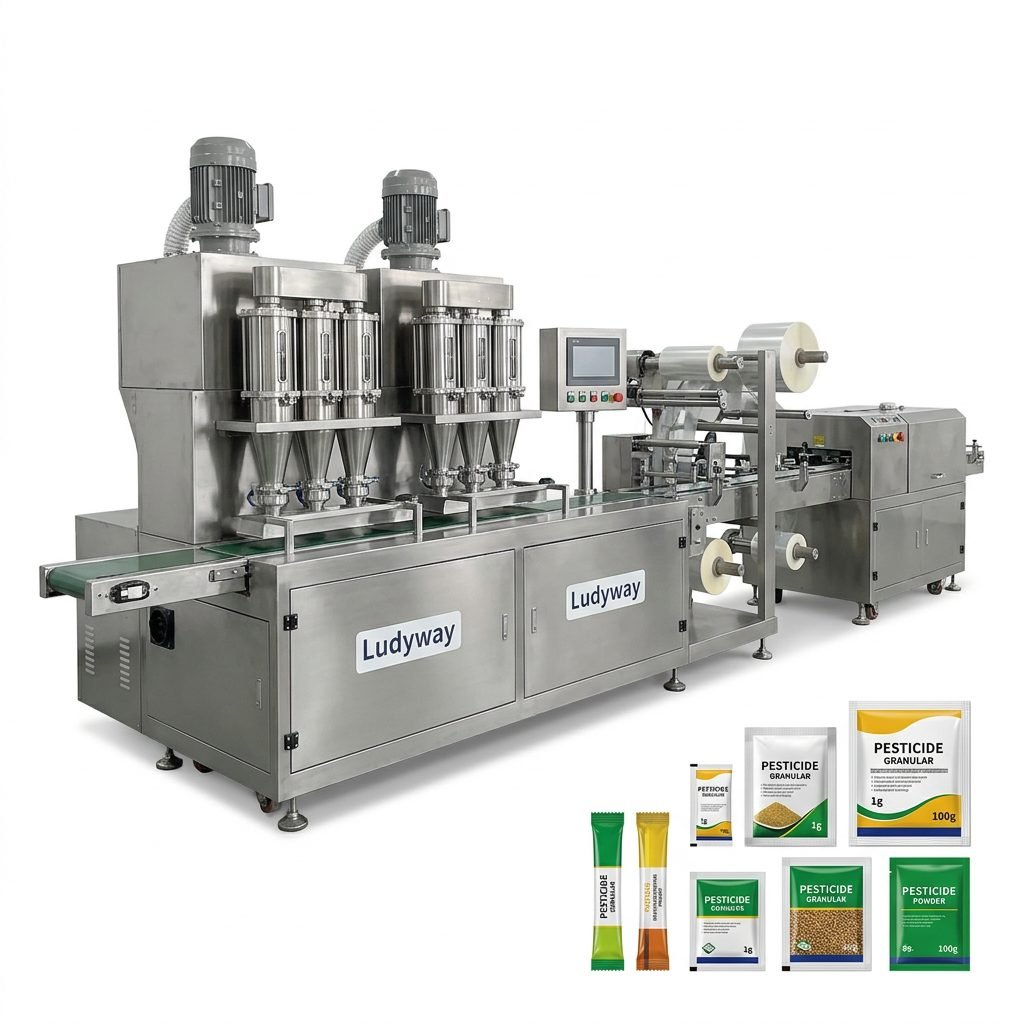
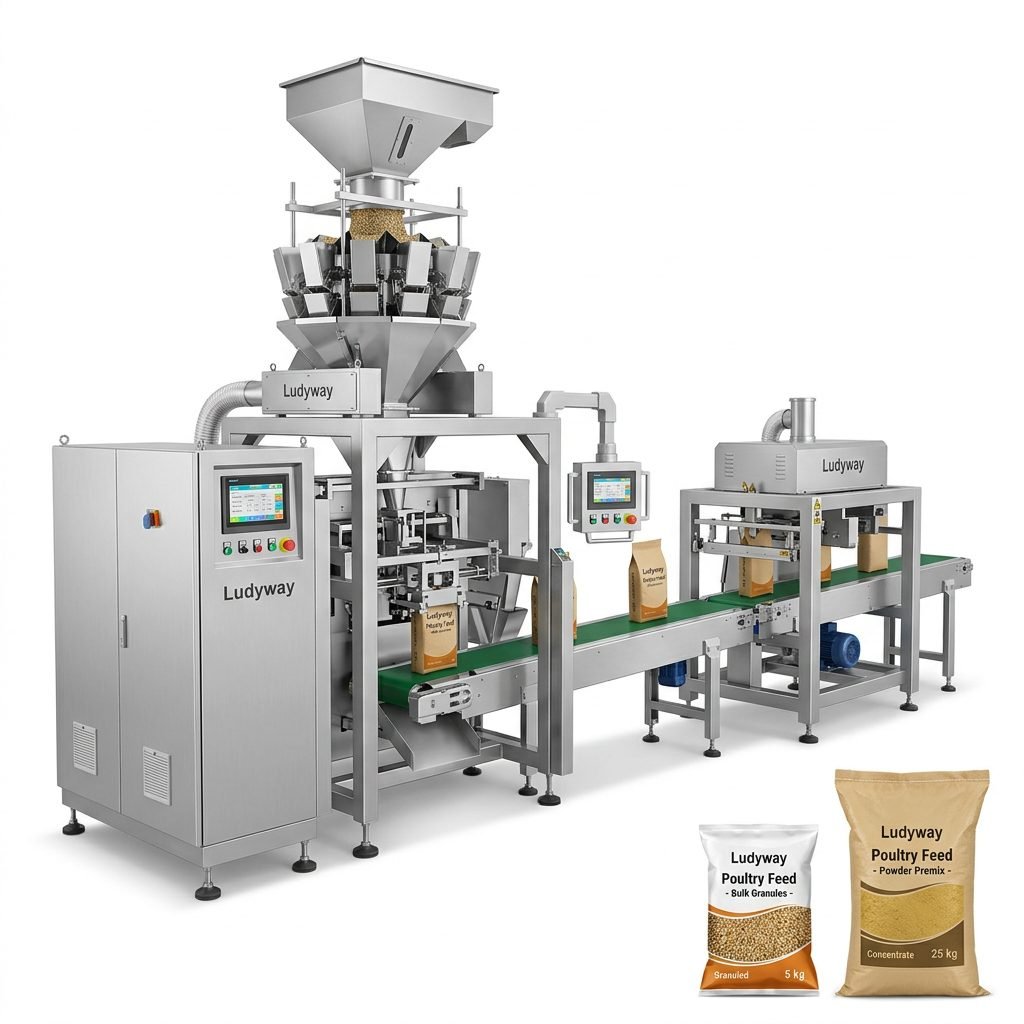
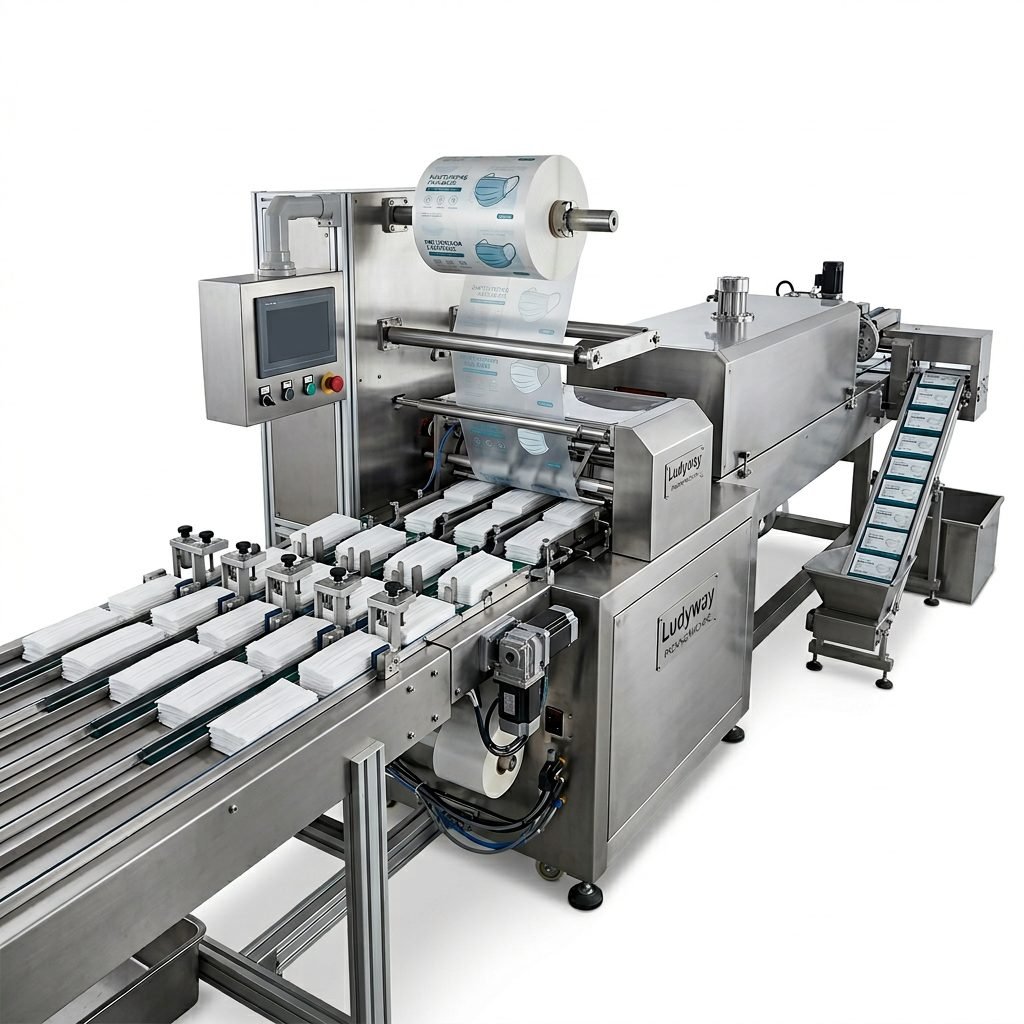
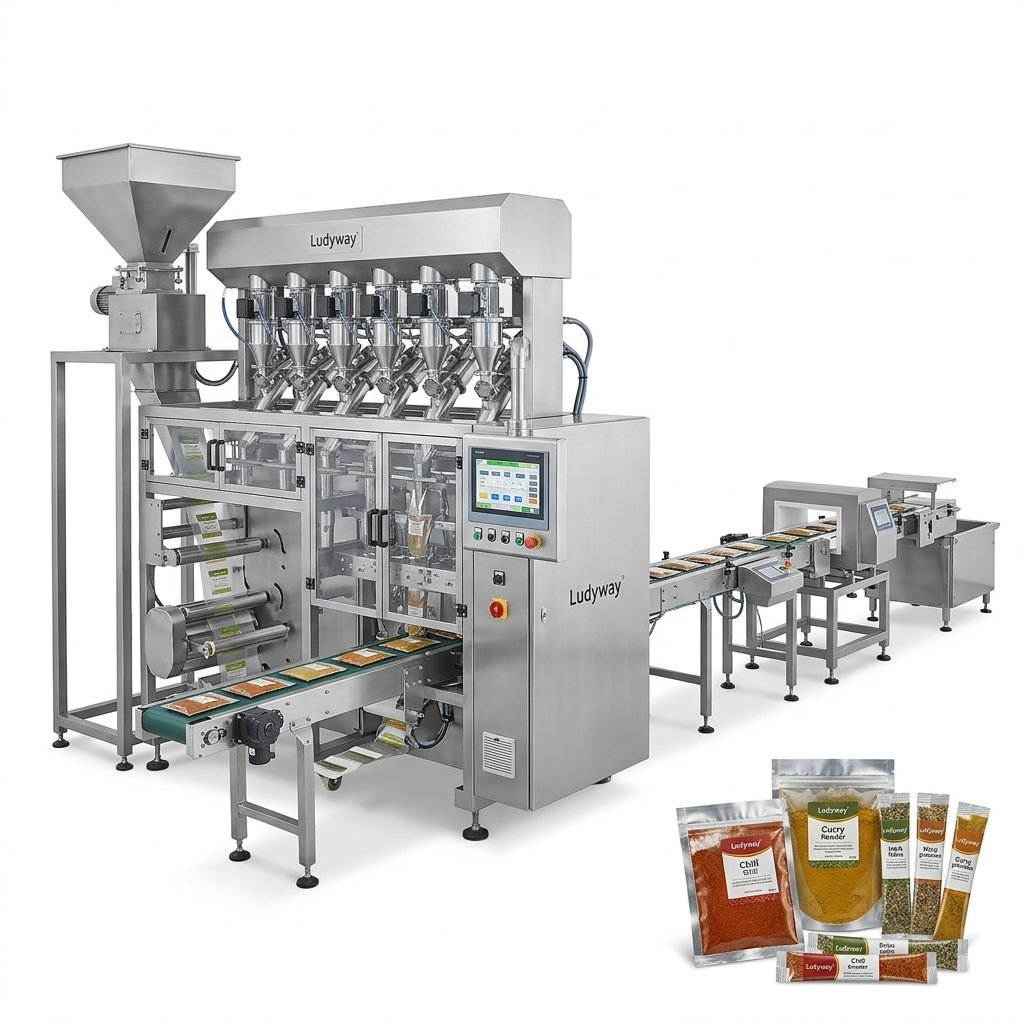
The term Arodo packaging machine is often associated with high-speed, automated systems designed for filling and sealing a wide variety of products into flexible packaging formats. These machines are engineered for consistent performance, precise dosing, and reliable operation across multiple shifts. Before selecting a model, it is essential to clearly define your production requirements and match them to the appropriate machine configuration.
Key operational areas to evaluate include product characteristics, desired packaging format, required speed, and available factory space. A thorough assessment at this stage prevents costly mismatches and ensures the equipment integrates smoothly into your existing production line. For manufacturers looking for a broader range of configurations, Ludyway Machinery offers multiple models that can be tailored to specific applications.
Step 1: Define Your Product and Packaging Requirements
Every packaging project starts with the product itself. The physical and chemical properties of your material will dictate the dosing system, material handling, and sealing technology required.
- Product Form: Is your product a free-flowing powder, sticky granule, paste, liquid, or solid piece? An Arodo packaging machine configured for powder will differ significantly from one designed for liquid filling.
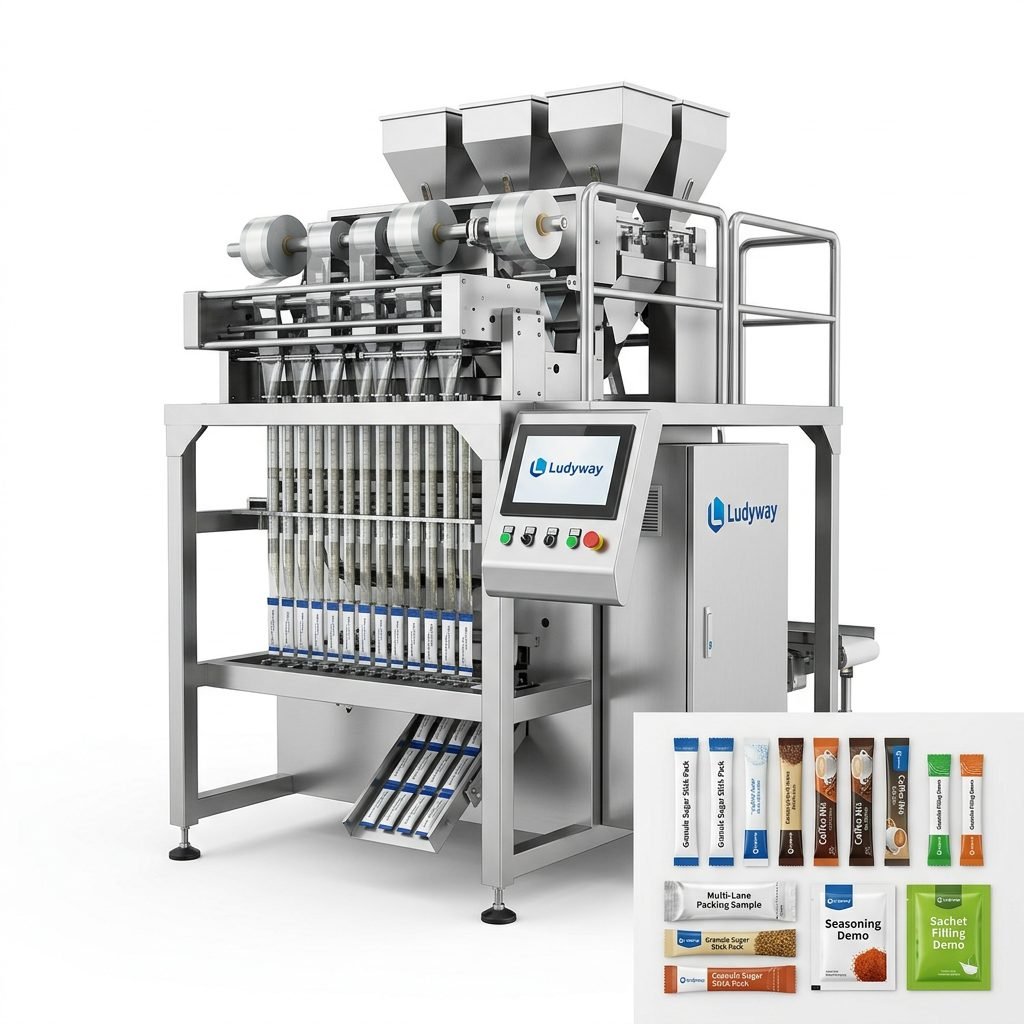
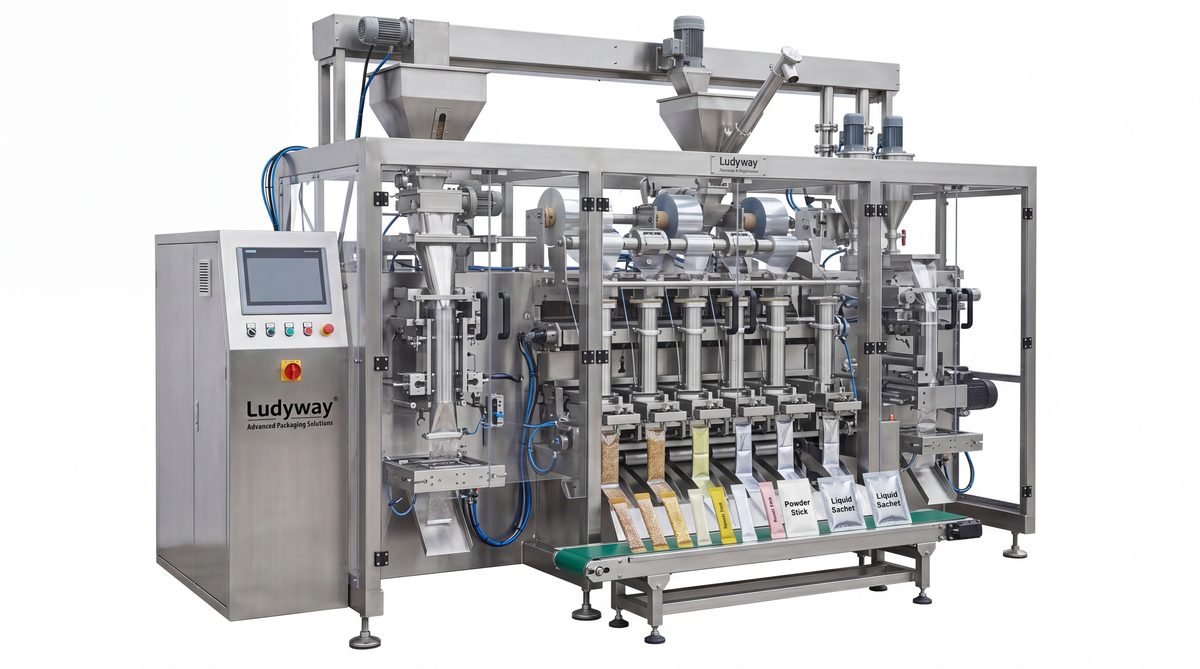
- Packaging Format: Are you looking to fill stick packs, sachets, flat pouches, or stand-up bags? Multi-lane configurations can dramatically increase output for small-format packages.
- Bag Dimensions and Material: The film type, thickness, and bag size specifications directly influence jaw design, sealing temperature, and machine width.
Step 2: Determine Production Speed and Capacity Needs
Speed is not just about cycles per minute. It is about sustainable, consistent output over an entire shift. When evaluating an Arodo packaging machine, look beyond the theoretical maximum speed and focus on the following:
- Required Output: Calculate how many packs per minute, per hour, and per day you need to meet demand.
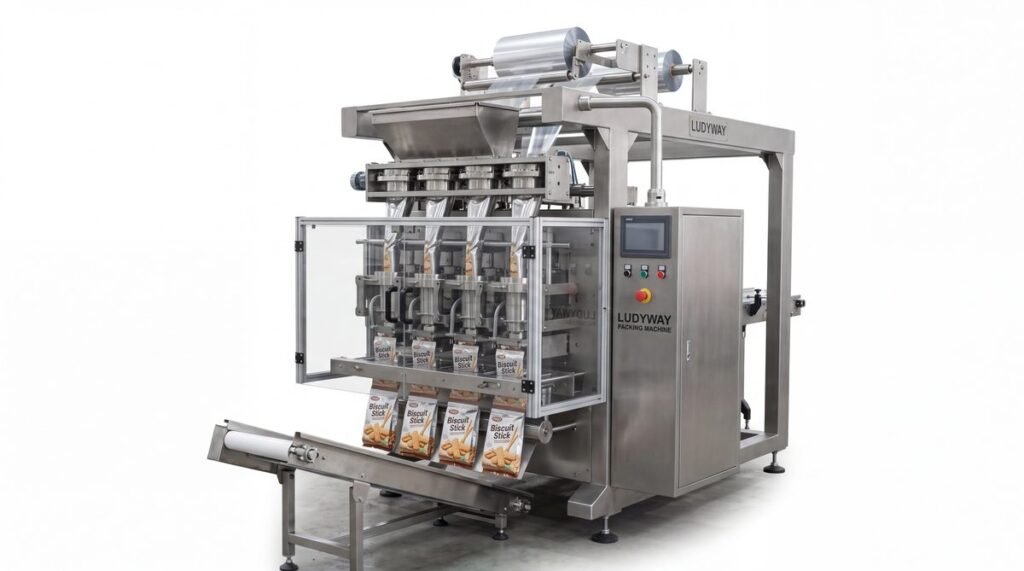
- Multi-Lane vs. Single-Lane: A multi-lane machine can multiply output without increasing the mechanical speed, reducing wear and tear.
- Changeover Time: If you run multiple products or formats, fast changeover is crucial. Look for tool-less adjustments and servo-driven settings.
Typical Speed and Format Reference
| Machine Configuration | Typical Lane Count | Output Potential (packs/min) | Best For |
|---|---|---|---|
| Single-Lane VFFS | 1 | 30 – 80 | Large pouches, low-medium volume |
| Multi-Lane Stick Pack | 4 – 12 | 200 – 600+ | Powders, granules, single-serve |
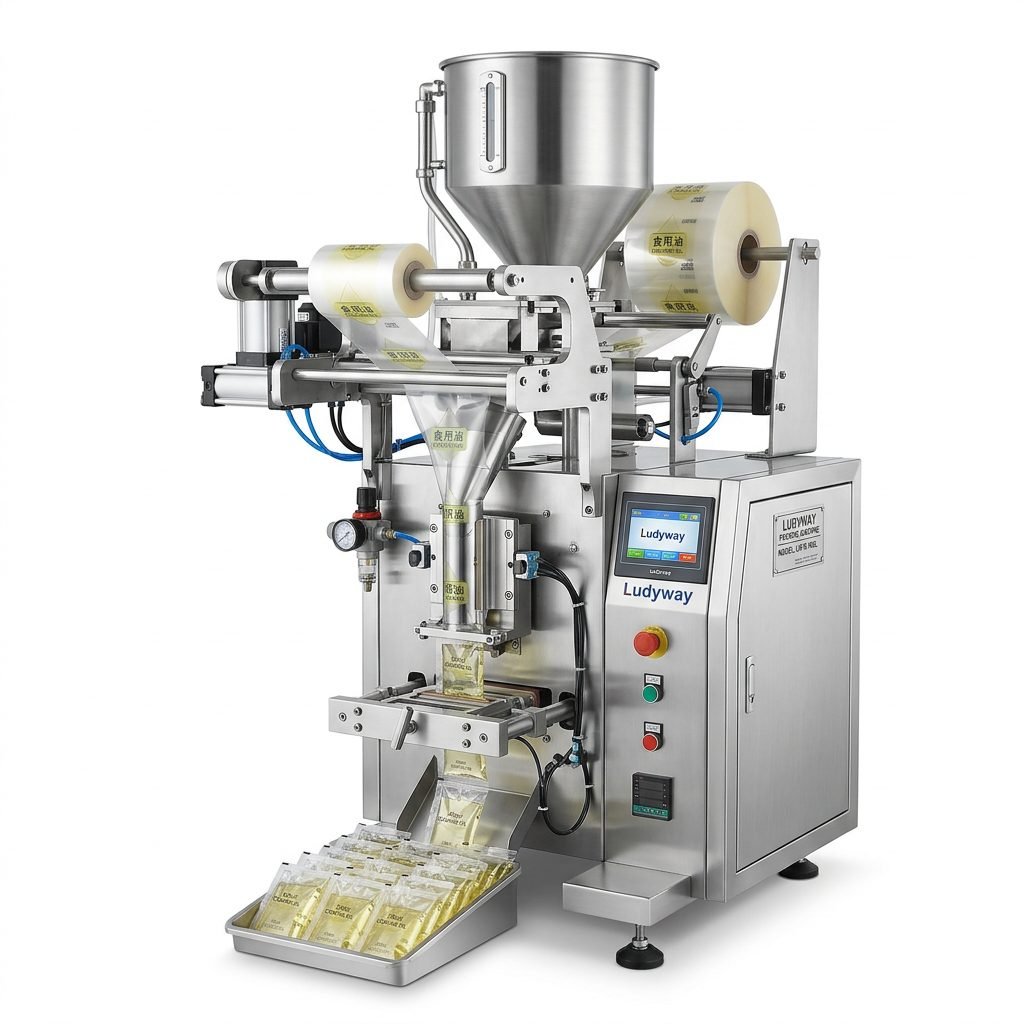
| Multi-Lane Sachet | 4 – 10 | 160 – 400+ | Liquids, creams, sauces |
| High-Speed Arodo System | Customized | Application-dependent | High-volume industrial production |
Step 3: Evaluate Dosing and Filling Accuracy
Precision is paramount, especially for high-value ingredients, pharmaceuticals, or regulated products. The filling system integrated into your Arodo packaging machine must match your product’s flow characteristics and your tolerance requirements.
- Auger Fillers: Ideal for powders and fine granules, offering high accuracy with servo-driven control.
- Volumetric Cup Fillers: Suitable for free-flowing granules where extreme precision is less critical.
- Piston Pumps: Best for liquids, pastes, and creams, providing consistent volumetric dosing.
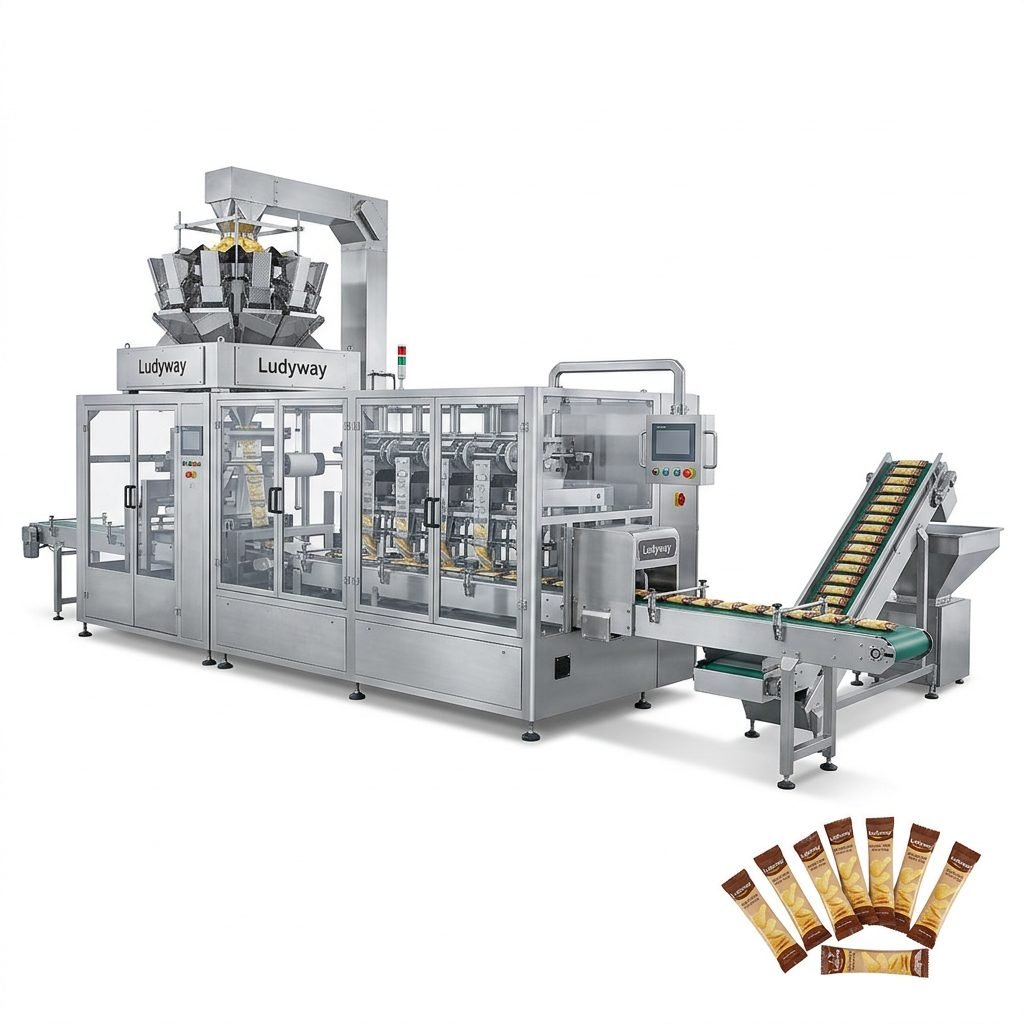
- Multi-Head Weighers: For solid products or irregular pieces, combination weighers deliver speed with accuracy.
Step 4: Assess Automation and Control Systems
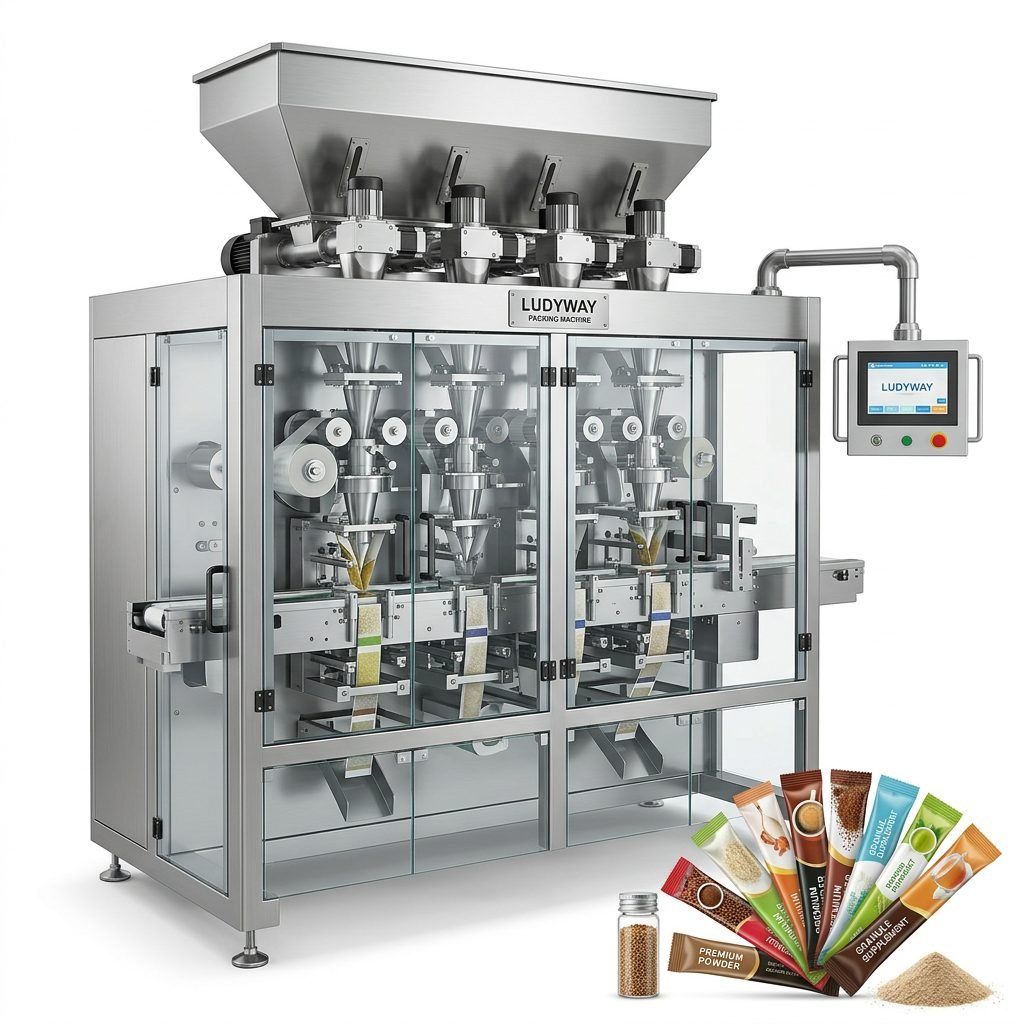
Modern packaging machinery relies on advanced automation to ensure repeatability, reduce human error, and provide operational data. When considering an Arodo packaging machine or comparable alternatives, examine the control architecture carefully.
Look for a PLC-based control system with a color touchscreen interface. Servo-driven motors offer faster, more precise adjustments compared to mechanical cams. Key automated features that add value include automatic film tracking, registration mark alignment, and integrated reject systems for underweight or malformed packages. Connectivity for remote diagnostics and data collection is increasingly important for proactive maintenance.
Step 5: Consider Material Compatibility and Film Selection
Not all machines handle all films equally well. The sealing system must be compatible with your packaging material—whether it’s heat-sealable laminates, polyethylene, polypropylene, or paper-based structures. Evaluate the sealing jaw design and temperature control precision, especially for heat-sensitive products.
If your product is oxygen-sensitive or requires extended shelf life, check whether the machine supports modified atmosphere packaging (MAP) or nitrogen flushing. An Arodo packaging machine can often be configured with gas flushing systems for specific applications such as coffee, dairy powders, or nutritional supplements.
Step 6: Machine Build Quality and Compliance Standards
For manufacturers supplying regulated industries such as food, pharmaceuticals, or medical devices, machine construction and compliance certifications are non-negotiable.
- Material of Construction: Stainless steel frames and product contact parts (typically 304 or 316 grade) are required for hygienic environments.
- Washdown Readiness: Machines designed for wet cleaning should have sloped surfaces, minimal crevices, and IP-rated electrical enclosures.
- Certifications: Depending on your market, you may need CE, UL, or cGMP-compliant equipment. Verify documentation before purchase.
Leading manufacturers, including Ludyway Machinery, a China-based packaging machinery manufacturer with more than 30 years of experience, design machines to meet applicable international standards such as those referenced by ISO packaging standards. Working with suppliers who understand these requirements helps reduce compliance risks.
Step 7: Evaluate Integration, Layout, and Ancillary Equipment
An Arodo packaging machine rarely operates in isolation. It often connects to upstream product supply systems and downstream cartoning, case packing, or palletizing equipment. A turnkey packaging line approach can reduce integration risk and ensure a single point of responsibility.
Consider the following when planning your line layout:
- Product feeding method: manual loading, belt conveyor, bucket elevator, or vacuum feeding.
- Downstream connections: automatic transfer to cartoning machines, checkweighers, and metal detectors.
- Factory floor space and ceiling height restrictions.
- Future expansion capability for additional lanes or automation modules.
Step 8: After-Sales Support and Service Network
Even the most robust packaging machinery requires technical support, spare parts, and periodic maintenance. Before finalizing your purchase, investigate the manufacturer’s service infrastructure thoroughly.
Confirm the availability of remote technical assistance, on-site installation and commissioning support, operator training programs, and local spare parts inventory. Manufacturers serving over 100 countries with dedicated engineering teams can provide timely support when you need it most. For more insights into the financial scale and global reach of packaging machinery manufacturers, you can refer to the PMMI business intelligence library for industry data and trends.
Step 9: Total Cost of Ownership (TCO) vs. Initial Price
Focusing solely on the upfront cost is a common mistake. A lower-priced machine with higher energy consumption, more frequent downtime, or limited spare parts availability quickly becomes more expensive over its lifecycle. Calculate your total cost of ownership by considering:
- Energy consumption and utility costs.
- Expected maintenance frequency and spare parts costs.
- Operator skill requirements and training expenses.
- Film waste percentage during startups and changeovers.
- Machine lifespan and resale value.
When comparing an Arodo packaging machine with other brands, request detailed TCO data from each supplier and validate their claims with existing customers whenever possible. Industry associations like the Flexible Packaging Association provide additional resources on packaging economics and material trends.
Step 10: Customization and Future-Proofing
Your packaging needs today may not be the same in three years. A machine that cannot be adapted to new products, formats, or higher speeds limits your growth potential. Ask your supplier whether the Arodo packaging machine you are considering can be upgraded in the future.
Modular designs, open-architecture controls, and additional lane capacity are features that protect your investment. If you are looking for a system that can evolve with your production goals, consider working with a manufacturer that specializes in customized engineering solutions rather than standard off-the-shelf models.
Final Selection Checklist: Choosing the Right Arodo Packaging Machine
Before making your final decision, use this quick checklist to verify you have covered the key evaluation criteria:
- Product compatibility: Flow properties, sensitivity, and dosing requirements.
- Speed and output: Current and projected capacity needs.
- Accuracy: Filling tolerance and regulatory requirements.
- Film and seal quality: Material compatibility and shelf-life demands.
- Automation level: Servo control, touchscreen interface, and data connectivity.
- Compliance: Industry standards, certifications, and washdown needs.
- Line integration: Upstream and downstream equipment compatibility.
- Service and support: Technical assistance, spare parts, and training.
- Total cost of ownership: Long-term operational costs, not just purchase price.
- Future flexibility: Ability to handle new products and formats.
Finding the right Arodo packaging machine involves more than comparing technical specifications. It requires a clear understanding of your product, production goals, and the supplier’s ability to support your operation over the long term. Taking a structured approach to evaluation will help you select equipment that delivers reliable performance, consistent quality, and a strong return on investment. For further reading on packaging machinery standards and industry trends, resources from organizations like the FDA food packaging and food contact substances section can provide additional regulatory context for food-grade applications.