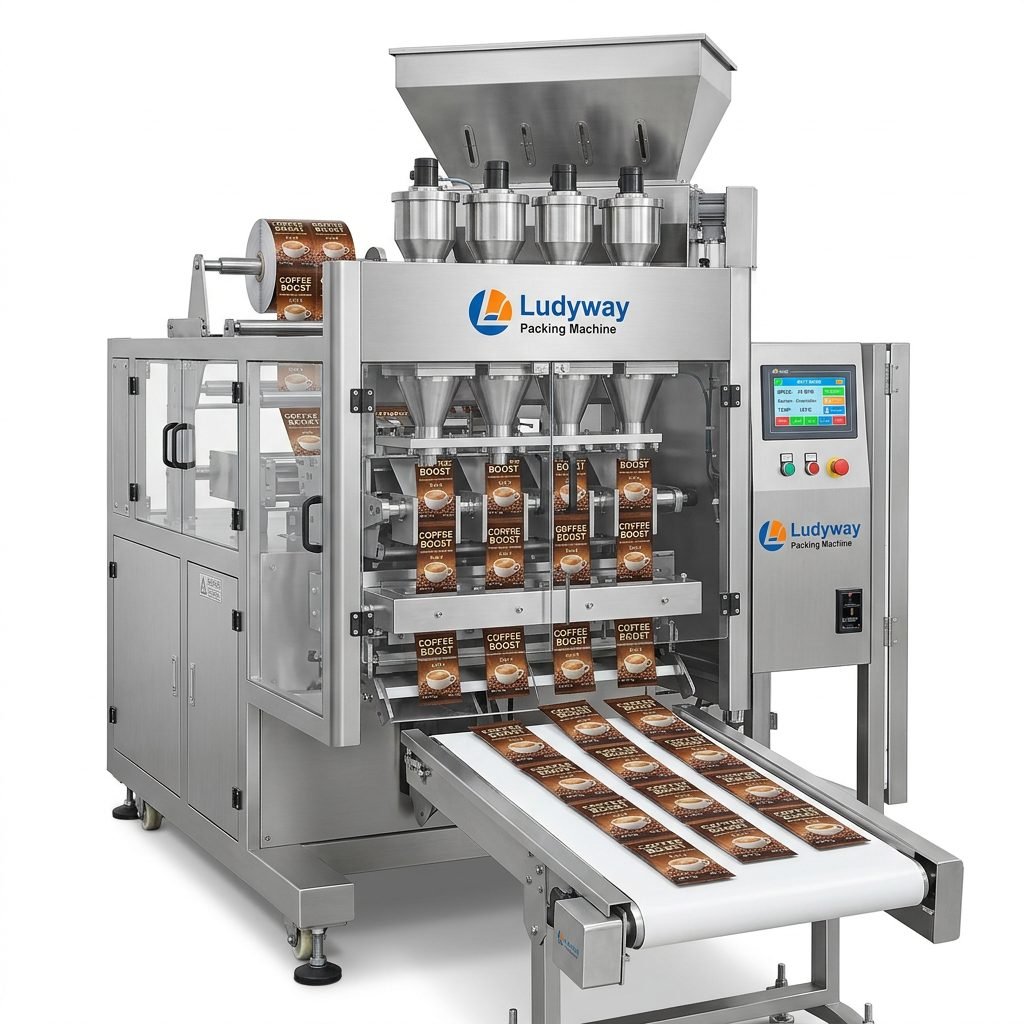
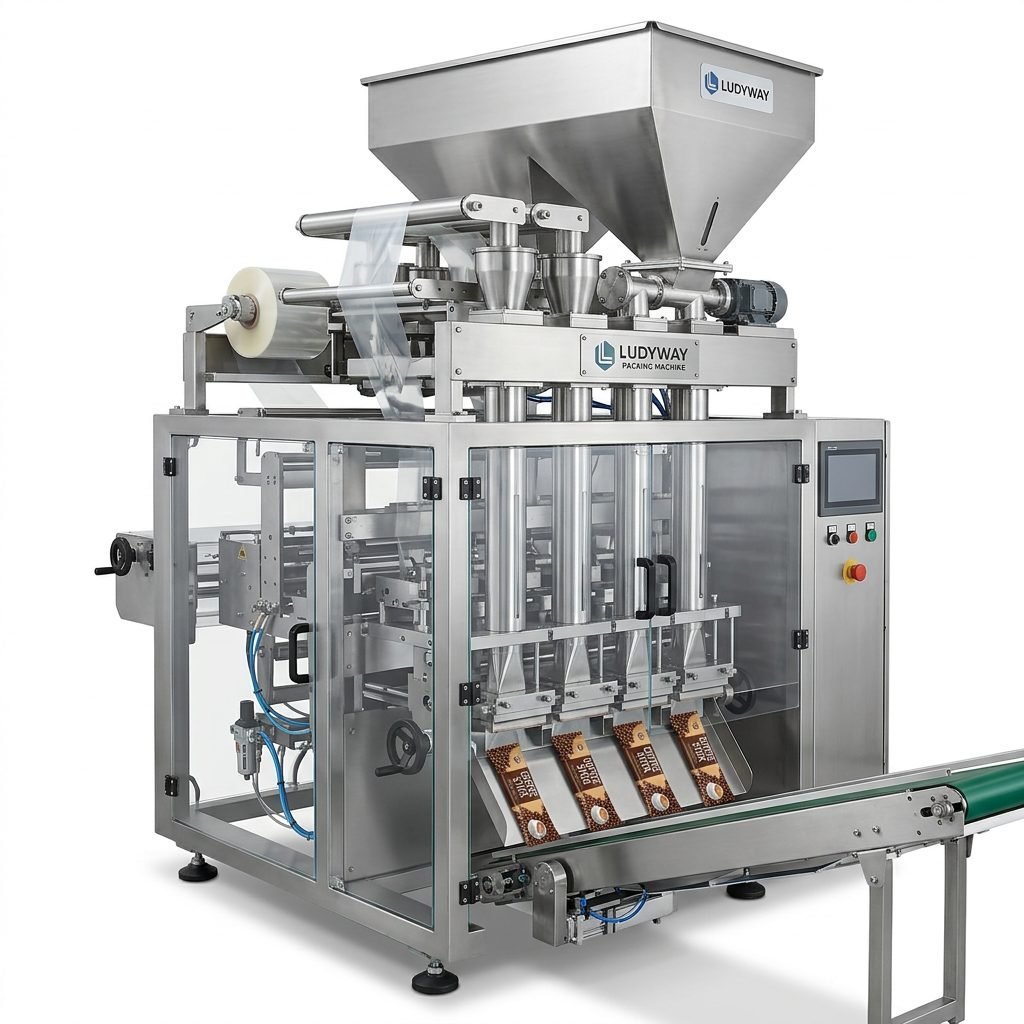
Selecting the right detergent packing machine is a critical decision that directly impacts your production efficiency, product quality, and long-term operational costs. Whether you are packaging powder detergent, liquid detergent, pods, or specialized cleaning agents, the machinery must align with your specific product characteristics, throughput requirements, and packaging format. This guide walks you through the essential factors, helping you make an informed investment.
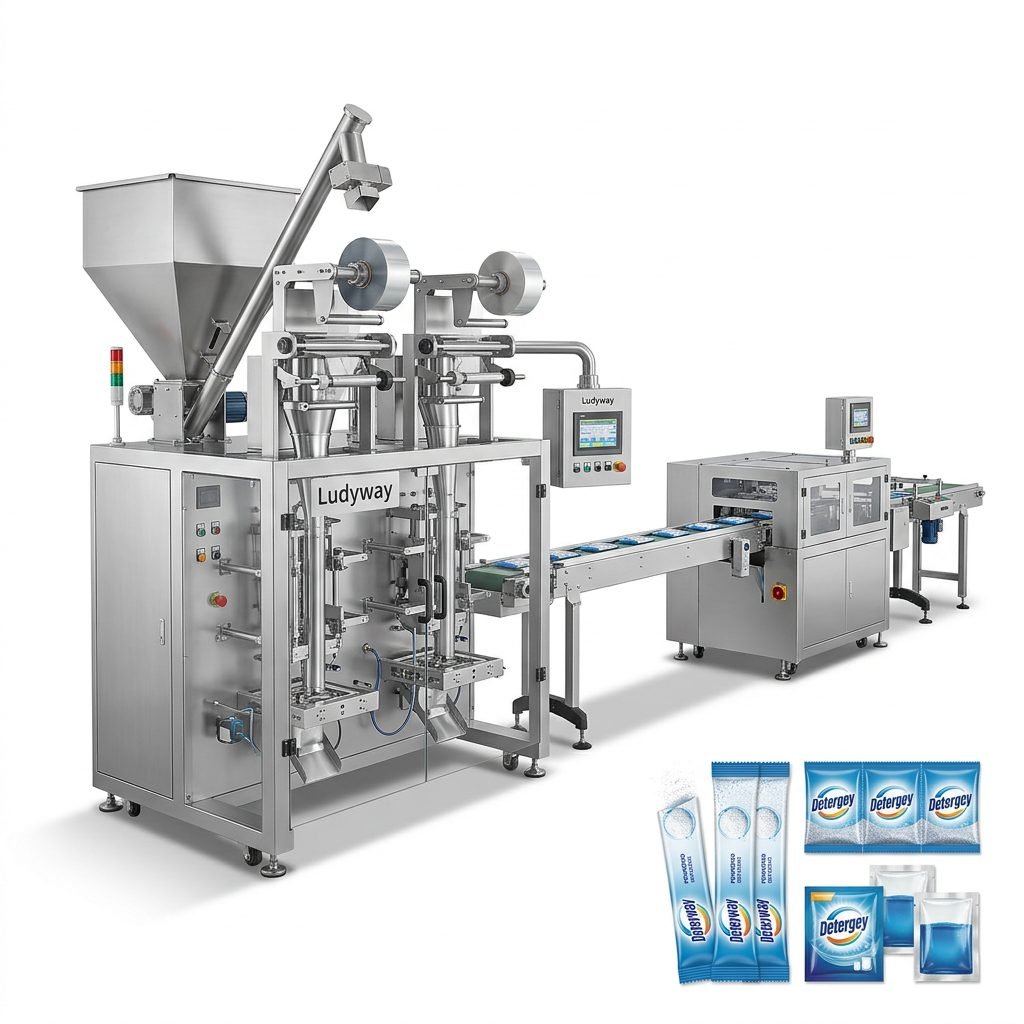
Understanding Your Detergent Packaging Requirements
Before evaluating specific machine models, you must clearly define your production environment and goals. Detergent products vary widely, from free-flowing powders to high-viscosity liquids, and each requires a distinct filling and sealing approach. Start by answering these key questions:
- Product type: Is it aggressive powder, non-corrosive liquid, or a gel-based formulation?
- Packaging format: Do you need sachets, stick packs, pouches, bottles, or bulk bags?
- Production speed: What is your target output per minute or per hour?
- Filling volume range: What are the minimum and maximum fill weights?
- Automation level: Are you looking for a standalone unit or a fully integrated turnkey line?
Documenting these specifications early prevents costly mismatches and ensures the equipment you select can handle your current needs while accommodating future growth.
Key Types of Detergent Packing Machines
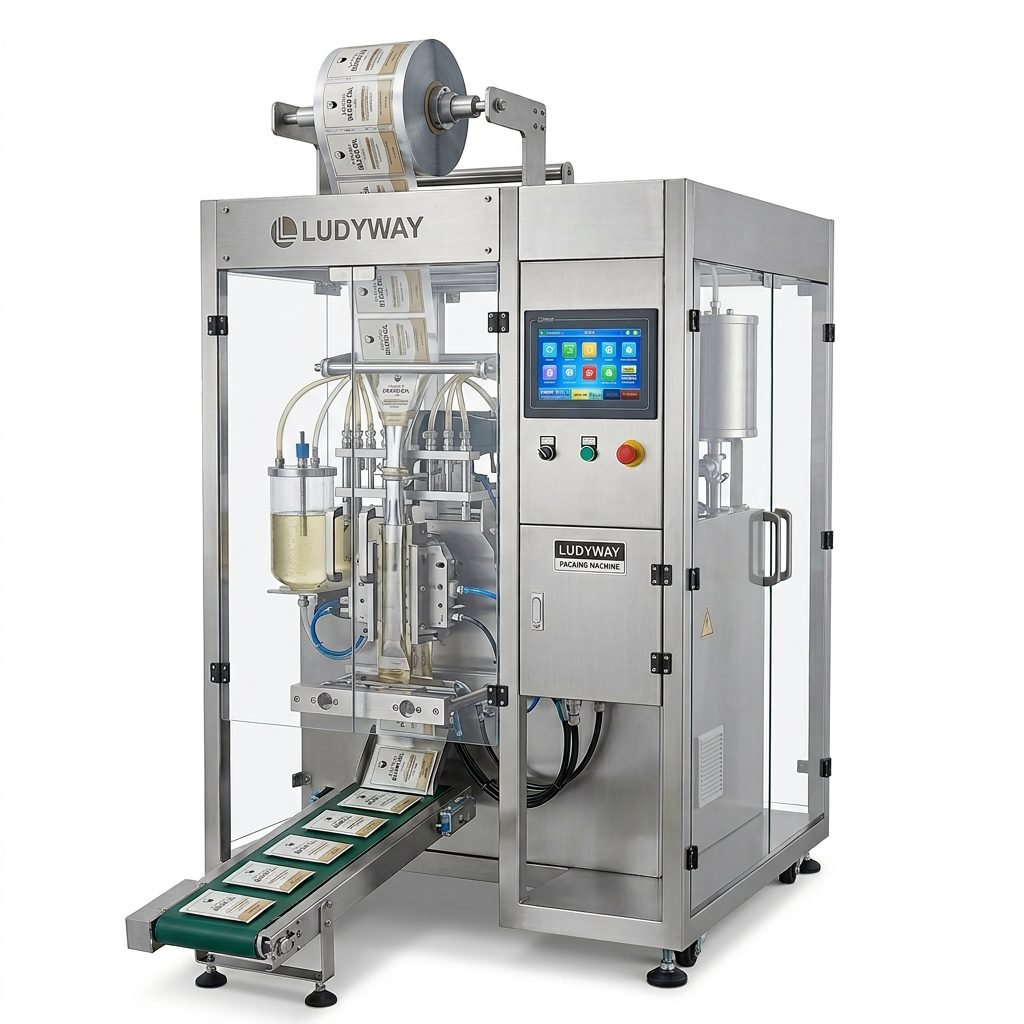
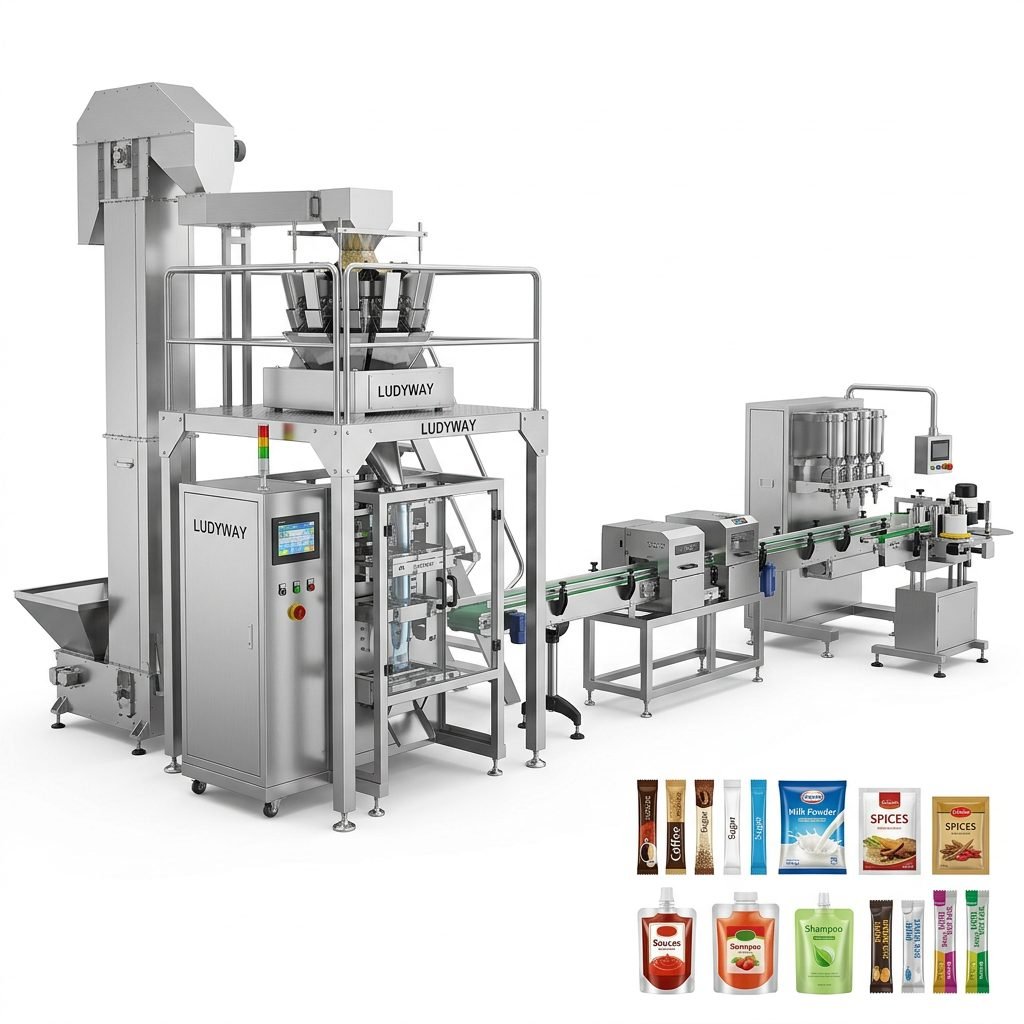
The market offers a diverse range of machines tailored to different detergent formats. Understanding the core categories helps narrow your search to the most suitable technology. For powder detergents, vertical form fill seal (VFFS) machines are commonly paired with auger fillers or multi-head weighers. Liquid detergent packaging often relies on piston fillers or flow meters integrated into sachet or pouch machines.
Multi-Lane Sachet and Stick Pack Machines
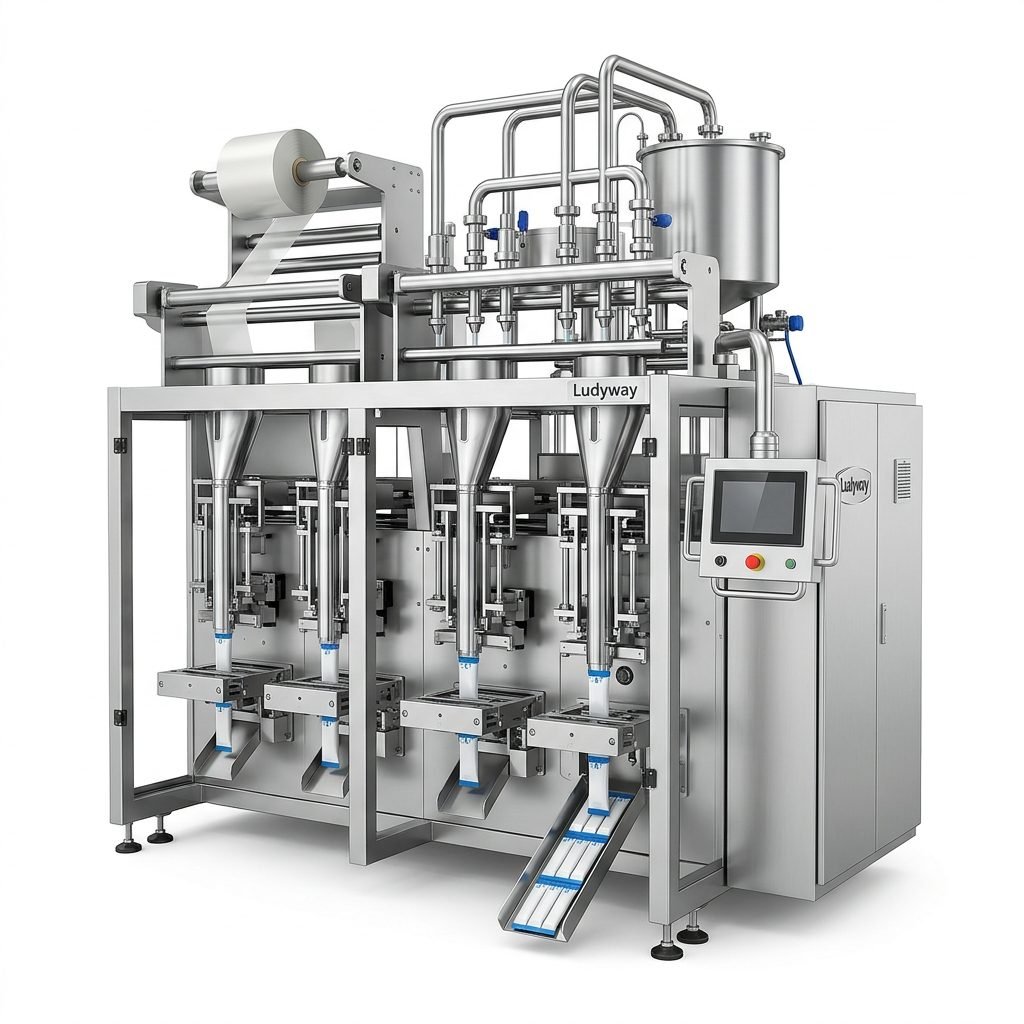
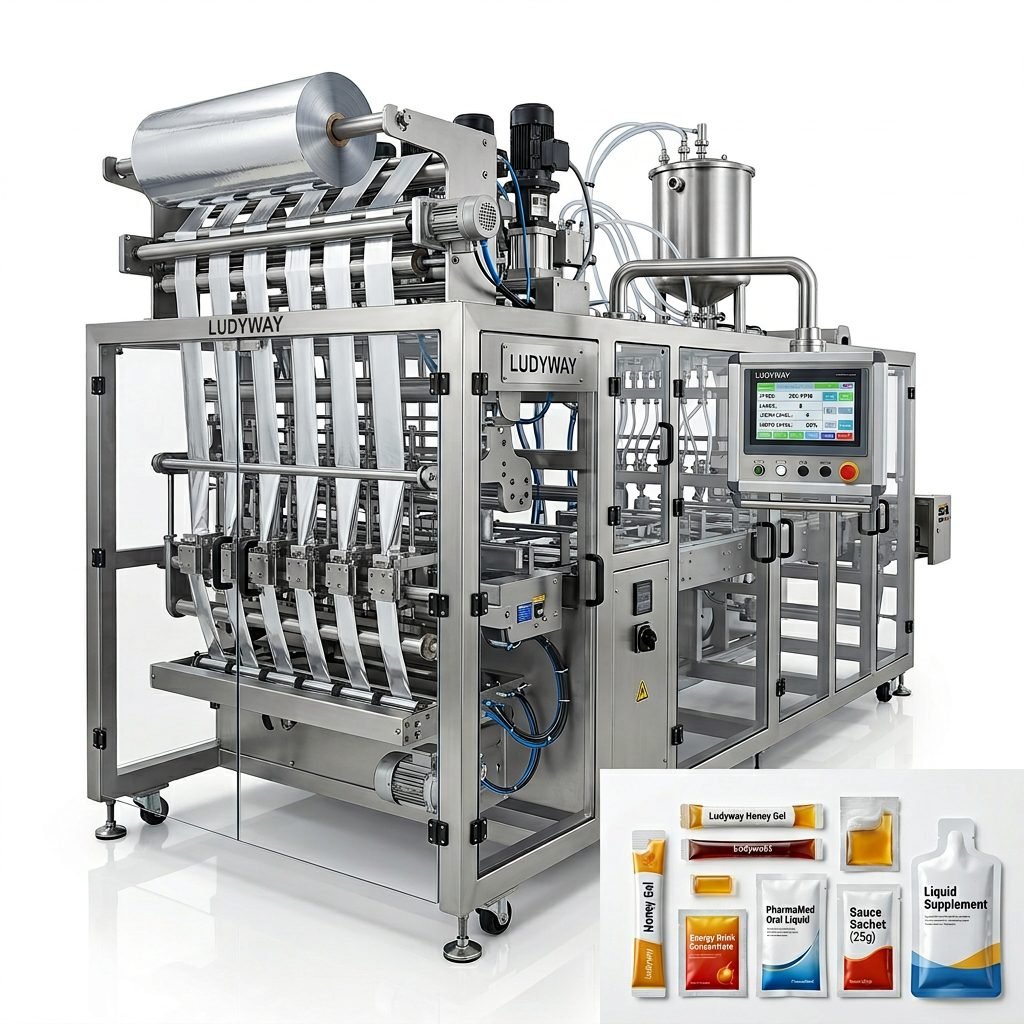
For single-use detergent sachets or travel-size packs, multi-lane stick pack machines offer exceptional output. These systems run multiple lanes simultaneously, dramatically increasing production capacity within a compact footprint. They are ideal for liquid, powder, and gel detergents in small doses, commonly used in the hospitality, healthcare, and consumer sample markets. Advanced models feature servo-driven sealing, easy lane adjustments, and integrated coding systems.
High-Speed Pouch Packaging Lines
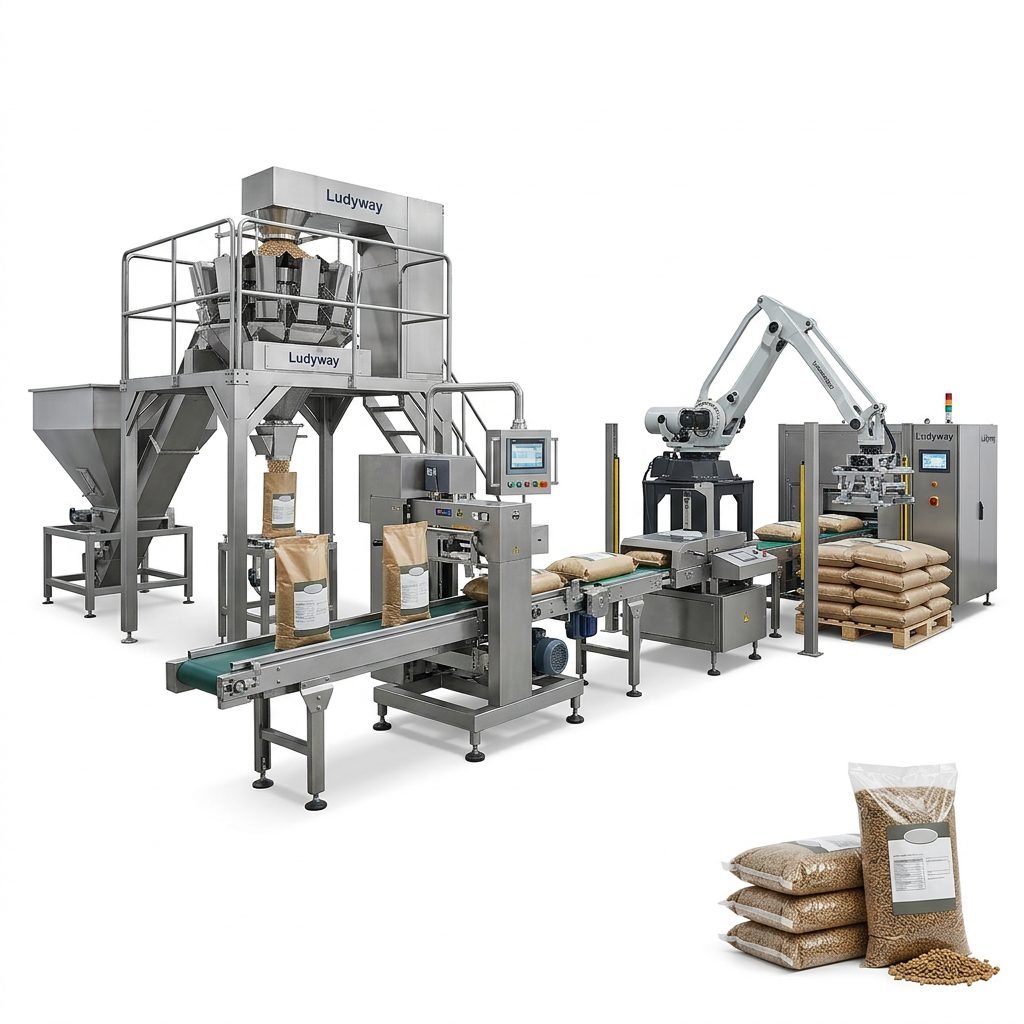
When packaging larger quantities, such as 500g to 5kg detergent bags, pre-made pouch rotary fillers or vertical form fill seal pouch machines with heavy-duty sealing jaws become necessary. These machines handle laminated films and often include zipper applicators, tear notches, and nitrogen flushing for product freshness. Corrosion-resistant contact parts are essential, as many detergent formulas are chemically aggressive.
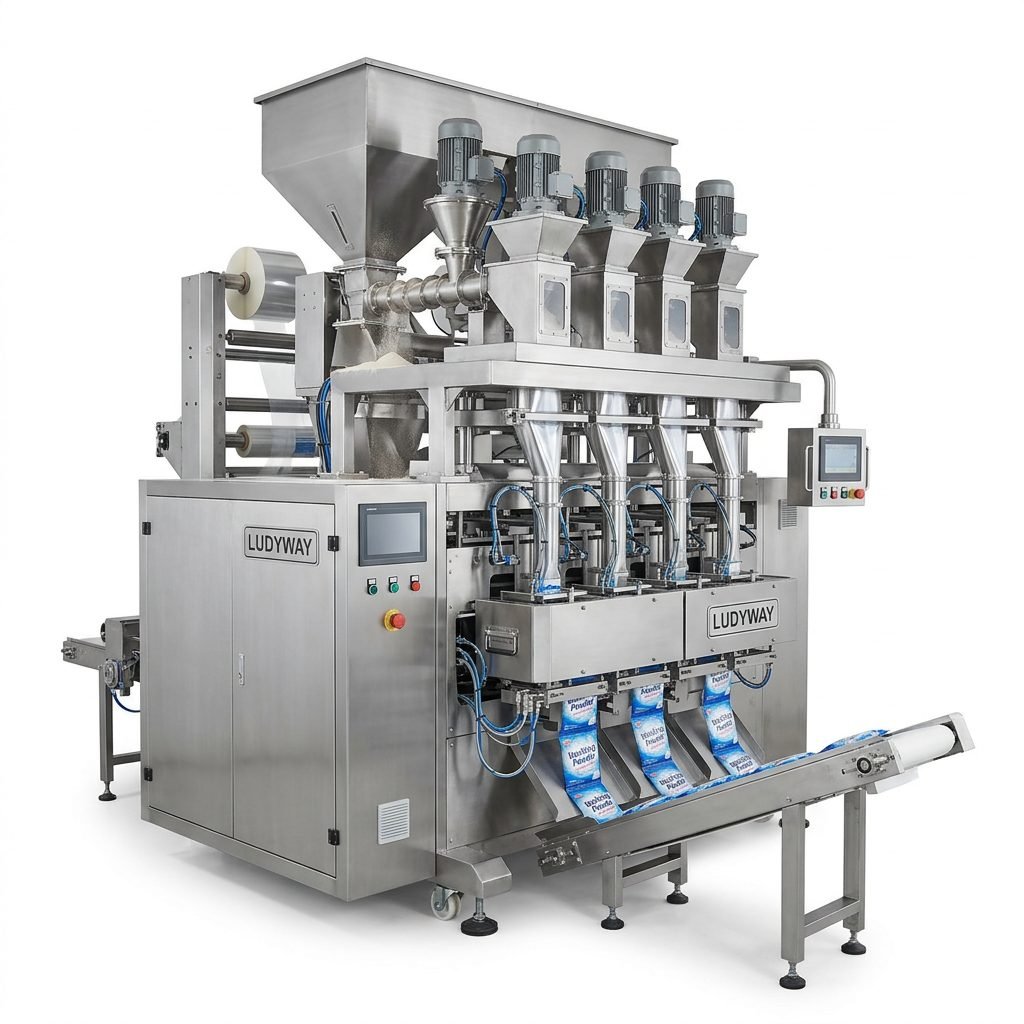
Critical Features to Evaluate
Not all detergent machinery is built alike. Paying close attention to construction materials, dosing accuracy, and control systems will safeguard your product quality and reduce downtime.
| Feature | Why It Matters for Detergent Packaging |
|---|---|
| Material Compatibility | Stainless steel 316 construction and resistant seals fight corrosion from harsh chemical agents such as bleach and surfactants. |
| Dosing Precision | Auger, piston, or flow meter accuracy within ±1% ensures regulatory compliance and minimizes product waste. |
| Sealing Integrity | Temperature-controlled, digital sealing with ribbed or diamond patterns prevents leaks during transport and storage. |
| Dust and Fume Management | Enclosed filling zones and dust extraction ports improve operator safety and cleanliness, critical for powder detergents. |
Matching Machine Configuration to Your Factory
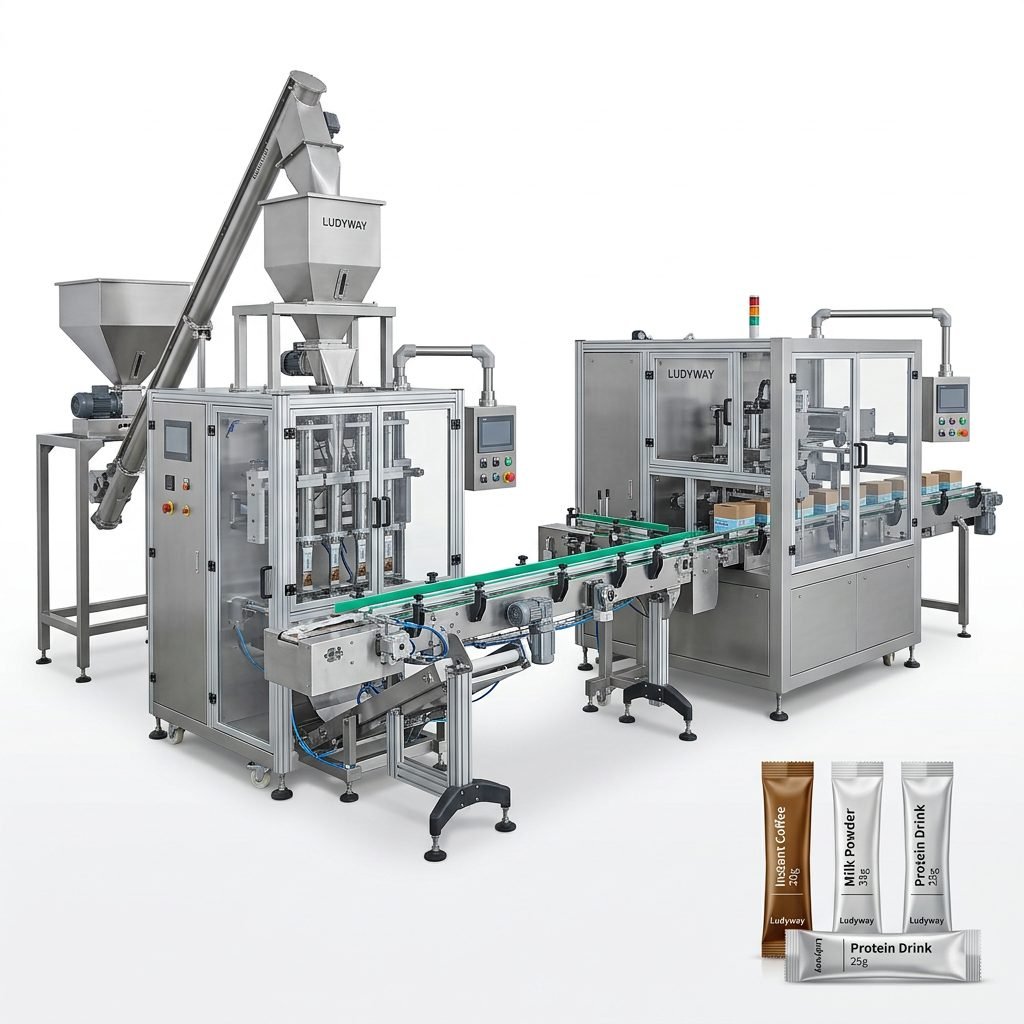
Integrating a new packing machine into an existing production line requires evaluating auxiliary equipment and facility layout. Consider whether you need upstream components such as bucket elevators, screw conveyors, or industrial vacuum feeders to supply detergent powders to the hopper. For liquid lines, holding tanks, agitators, and inline filters maintain product consistency and protect filling nozzles. A trusted partner like Ludyway Machinery offers integrated packaging systems that connect these stages, reducing integration headaches.
Quality Certifications and International Standards
Packaging equipment for detergents, especially those exported globally, must align with applicable safety and quality standards. Look for manufacturers that can provide CE certification documentation, electrical schematics compliant with regional voltages, and machine guarding that meets occupational safety requirements. This is particularly important for chemical products where operator exposure must be minimized. Verification of build quality through factory audits or video inspections is a prudent step before finalizing your order.
Evaluating Total Cost of Ownership (TCO)
Purchase price alone is a misleading metric. A comprehensive TCO analysis includes spare parts availability, energy consumption, changeover time between different detergent formulas, and anticipated maintenance intervals. Machines with quick-release components and tool-free adjustments reduce labor costs and increase uptime, paying for themselves many times over. Remember to factor in ongoing service support and operator training as part of the overall investment.
Supplier Support and Service Network
Your relationship with the equipment manufacturer extends well beyond the initial transaction. Confirm the availability of remote technical support, local field service engineers, and comprehensive spare parts inventories. A supplier with a global service footprint can expedite troubleshooting and minimize production disruptions. This capability is particularly valuable for complex, multi-lane detergent packing lines where downtime can cost thousands per hour.
Future-Proofing Your Detergent Packaging Line
Choose a machine platform that can adapt to evolving market trends. Today you may package 3kg powder detergent pouches, but tomorrow you might launch liquid detergent capsules or concentrated sheet packs. Modular equipment designs that accept various filling and sealing attachments provide flexibility without requiring entirely new capital outlays. An experienced engineering team can help you select a scalable platform aligned with your product roadmap.
Key Takeaways for Your Purchasing Decision
- Thoroughly define your product chemistry and packaging format before sourcing machines.
- Prioritize corrosion-resistant materials and precise dosing for detergent applications.
- Evaluate the full TCO, including service support and future expansion potential.
- Select a partner capable of delivering integrated, turnkey solutions rather than isolated components.
- Request real-world performance data and client references from similar chemical packaging environments.
Making an informed choice on a detergent packing machine safeguards product quality, streamlines operations, and positions your brand for scalable growth in the competitive cleaning products market. For deeper insights, explore additional resources from industry associations and international standards bodies.