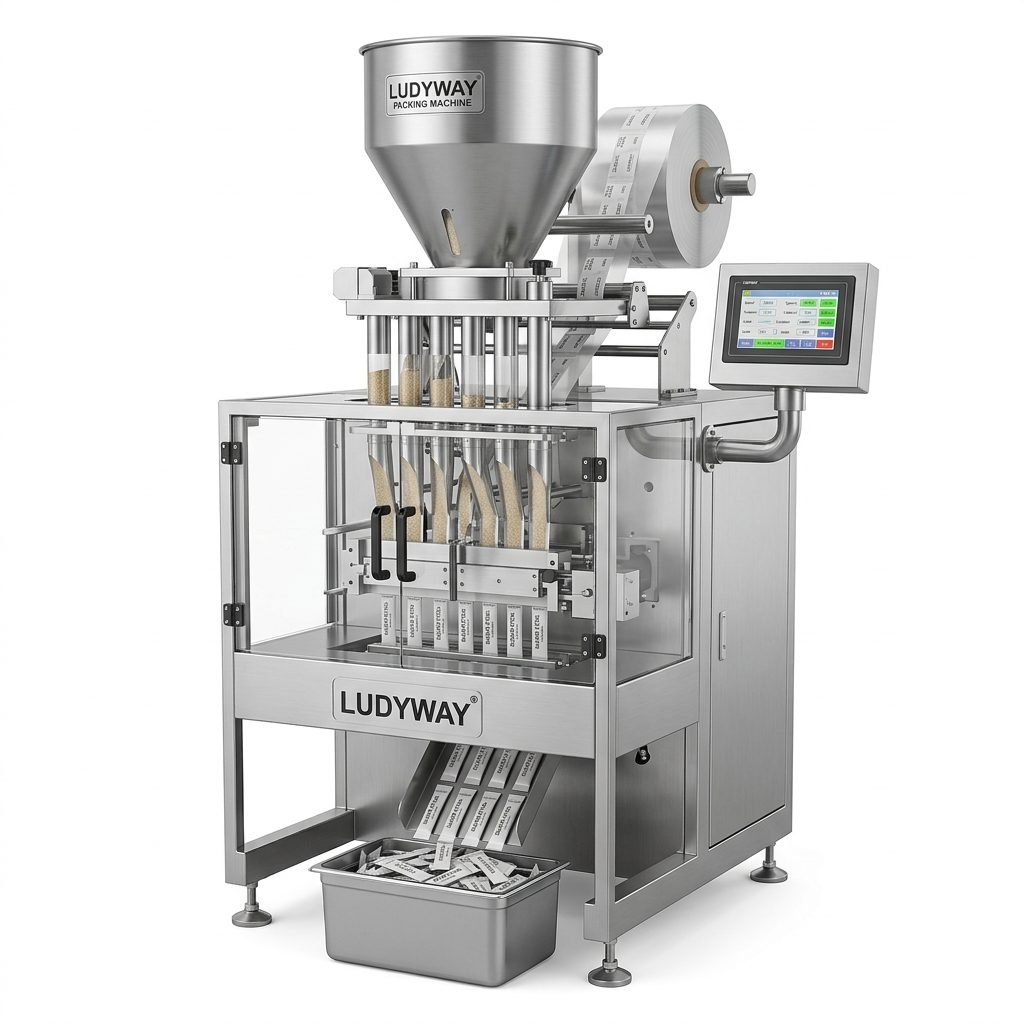
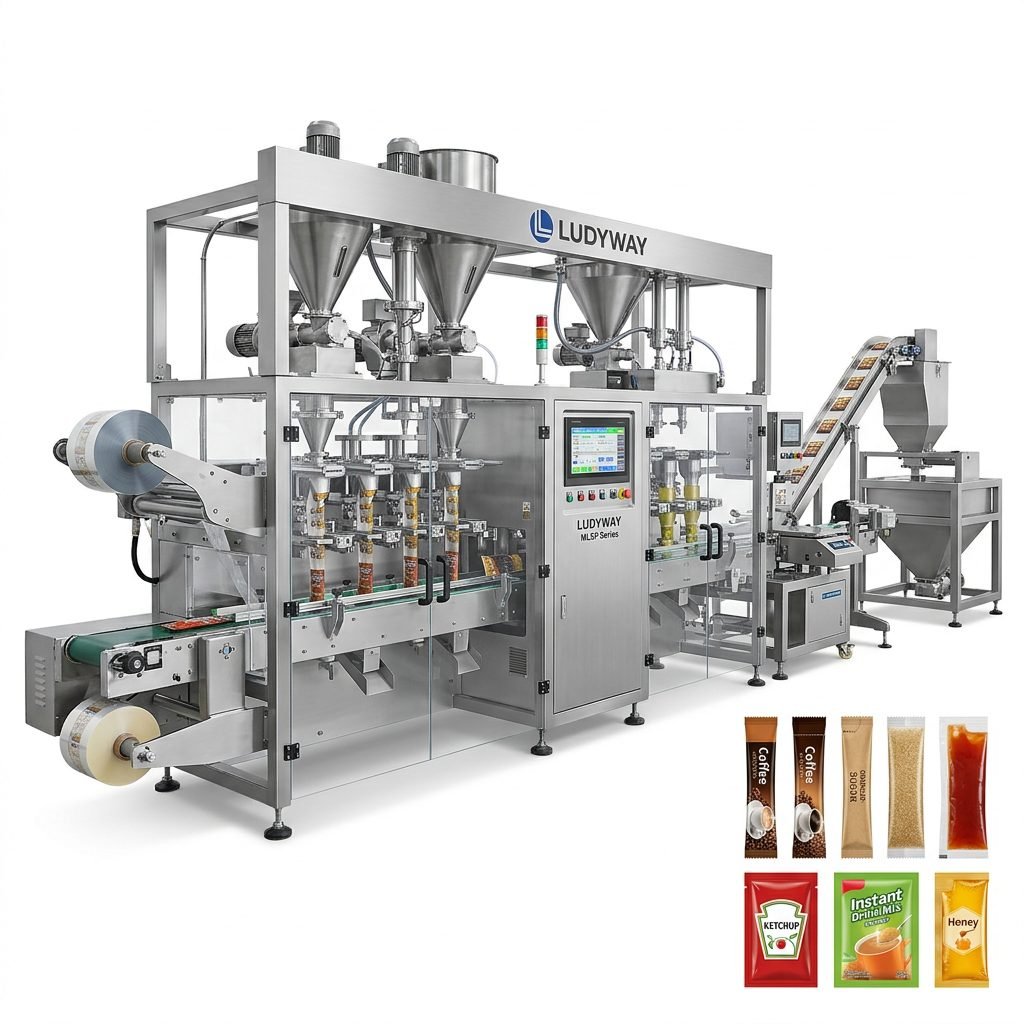
In modern food production, burger packaging is no longer just about wrapping a product. It is about speed, hygiene, consistency, shelf appeal, and operational efficiency. For burger manufacturers, central kitchens, frozen food suppliers, and ready-meal brands, choosing the right burger packaging machine can directly affect throughput, labor cost, product protection, and customer satisfaction.
As demand for convenient, safe, and visually appealing packaged burgers continues to grow, automated packaging systems have become essential for businesses that want to stay competitive. From fresh burger buns and assembled burgers to frozen patties and complete burger kits, the right automation solution helps reduce manual handling while improving packaging precision and food safety.
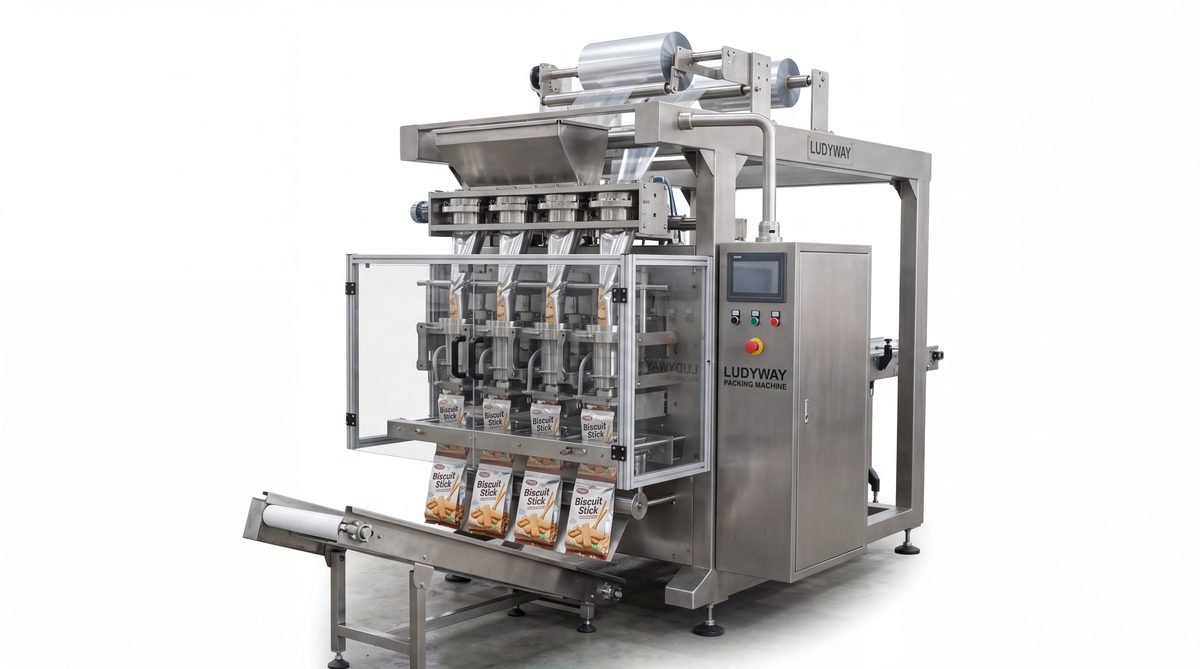
Why Burger Packaging Automation Matters
Burger products are highly sensitive to handling, temperature changes, sealing quality, and packaging speed. Manual packaging can create bottlenecks, inconsistent pack appearance, contamination risks, and higher labor dependency. An automated burger packaging machine helps solve these issues by offering repeatable performance and scalable output.
- Faster packaging speed for high-volume production lines
- Improved sealing consistency to maintain freshness and product integrity
- Reduced labor costs through intelligent automation
- Better hygiene control with less direct human contact
- Neater retail presentation for supermarket and foodservice distribution
- More stable output during peak demand periods
What a Burger Packaging Machine Can Handle
Burger packaging equipment can be configured for different product types and packaging formats. The machine selection depends on whether you are packing a single item, a multi-component meal, frozen food, or ready-to-eat products.
| Product Type | Typical Packaging Format | Suitable Automation Features |
|---|---|---|
| Fresh burgers | Tray + film, flow wrap, MAP pack | Gentle conveying, sealing control, date coding |
| Frozen burger patties | Pouches, pillow bags, thermoformed packs | Accurate counting, cold-environment stability |
| Ready-to-eat burgers | Clamshells, trays, sealed meal packs | Leak-resistant sealing, labeling integration |
| Burger meal kits | Multi-pack cartons or pouch combinations | Collation, cartoning, checkweighing |
| Mini burgers or sliders | Multi-piece trays or flow packs | High-speed feeding, portion control |
Core Benefits for Food Manufacturers
1. Higher Throughput Without Sacrificing Quality
One of the biggest reasons businesses invest in burger packaging automation is the need to increase capacity. Automated systems can handle a continuous production flow, allowing manufacturers to package more units per hour while maintaining stable seal quality and product positioning.
2. Better Food Safety and Hygiene
Burger products, especially fresh and ready-to-eat items, require controlled handling conditions. A well-designed machine reduces direct contact and can be integrated with hygienic conveyors, stainless steel contact surfaces, and easy-clean structures. This supports compliance with modern food safety expectations.
3. Reduced Product Waste
Misalignment, poor sealing, or inconsistent filling can lead to rework and waste. Automated packaging systems improve repeatability, helping manufacturers lower material loss and reduce rejected packs.
4. Packaging Flexibility
Many burger producers need more than one packaging format. A flexible burger packaging machine may support quick changeovers for different pack sizes, film types, tray dimensions, or labeling requirements. This is especially valuable for private label manufacturers and brands with multiple SKUs.
Common Packaging Technologies Used for Burgers
Different packaging technologies suit different burger products. Understanding these options helps buyers choose the right solution based on shelf life, logistics, and retail display goals.
Flow Wrapping
Flow wrapping is ideal for individually packed burgers, buns, or frozen burger components. It offers high speed and compact packaging output, making it a practical solution for large-volume lines.
Tray Sealing
Tray sealing is often used for fresh burgers, burger patties, or premium ready-meal presentations. It supports a clean, retail-ready appearance and can be combined with modified atmosphere packaging.
Vacuum Packaging
For some burger ingredients or frozen meat applications, vacuum packaging helps reduce oxygen exposure and improve storage stability. It can be useful in distribution models that require longer transport times.
Modified Atmosphere Packaging (MAP)
MAP is widely used when freshness and shelf life are priorities. By adjusting the gas composition inside the package, manufacturers can better protect the product’s appearance and quality during storage and transport.
Cartoning and End-of-Line Automation
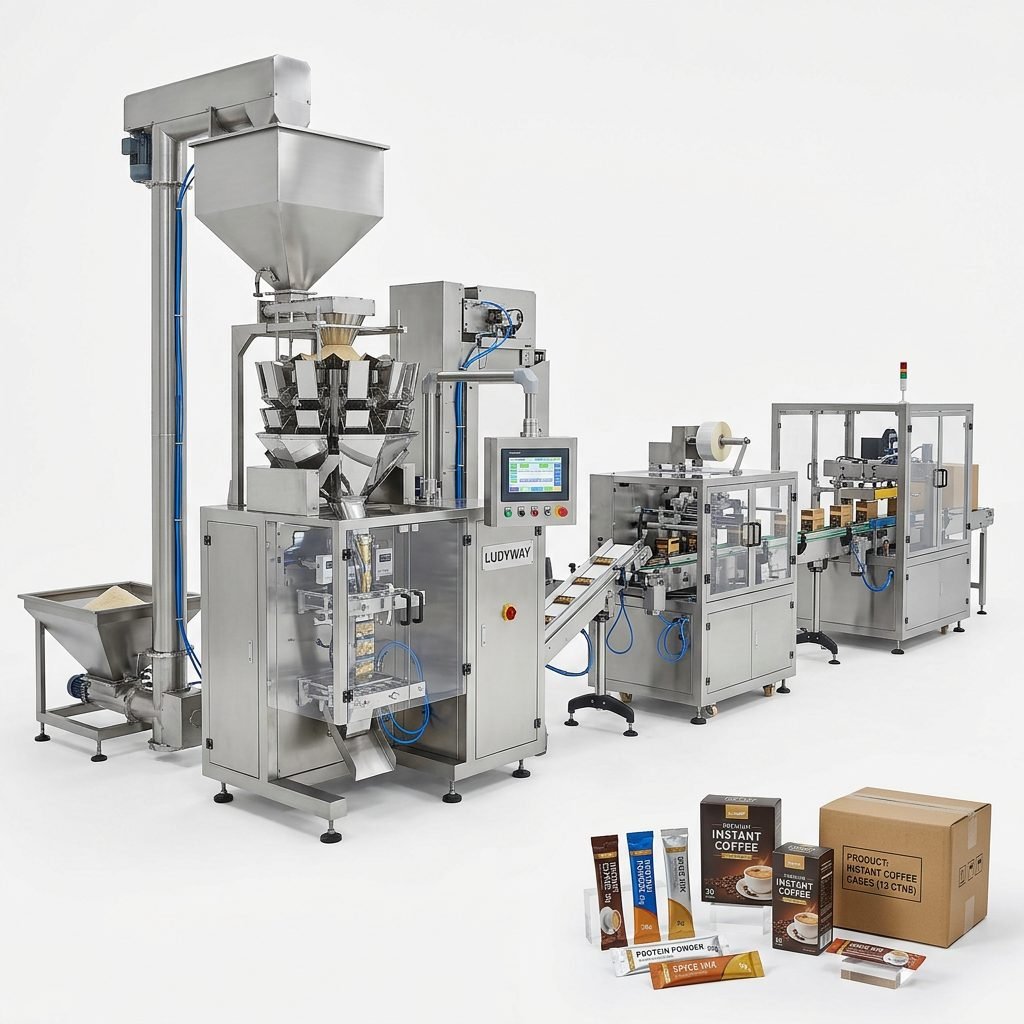
For retail multipacks or foodservice distribution, burger packaging lines may also include automatic cartoning, case packing, checkweighing, coding, and palletizing. These additions create a more complete production workflow.
Key Features to Look for in a Burger Packaging Machine
Not all packaging machines are equally suitable for burger products. The best solution should match the texture, temperature condition, packaging material, and output target of your production line.
- Stable feeding system for soft, frozen, or assembled burger products
- Precise sealing control to prevent leakage and weak seals
- Quick changeover capability for multiple SKUs
- Food-grade construction with easy-clean surfaces
- Compatibility with tray, pouch, film, or carton formats
- Integration with printers, labelers, metal detectors, and checkweighers
- User-friendly controls for operation and maintenance
How Automation Supports Fast Food Supply Chains
Burger brands and food processors often work under demanding delivery schedules. Whether serving supermarkets, quick-service restaurant suppliers, cold-chain distributors, or export buyers, packaging speed and reliability are critical. Automated burger packaging lines support this by improving production continuity and minimizing unexpected downtime.
| Operational Need | How Automation Helps |
|---|---|
| Peak season production | Maintains high-speed output with lower labor pressure |
| Cold-chain distribution | Supports reliable sealing for frozen and chilled products |
| Retail-ready packaging | Improves pack appearance and labeling consistency |
| Compliance and traceability | Enables coding, inspection, and quality control integration |
| Labor shortage | Reduces dependency on manual packing staff |
Who Should Invest in Burger Packaging Equipment?
A burger packaging machine is a smart investment for a wide range of food businesses, including:
- Frozen burger manufacturers
- Ready-meal producers
- Central kitchens and commissaries
- Private label food packers
- Fast food supply chain partners
- Retail meat and convenience food brands
- Export-oriented food processors
Choosing the Right Supplier for Long-Term Value
Machine performance matters, but supplier capability matters just as much. A reliable manufacturer should understand food packaging processes, offer customization support, and provide long-term technical service. Buyers should evaluate experience, engineering strength, production capacity, and whether the supplier can deliver both standalone equipment and complete turnkey systems.
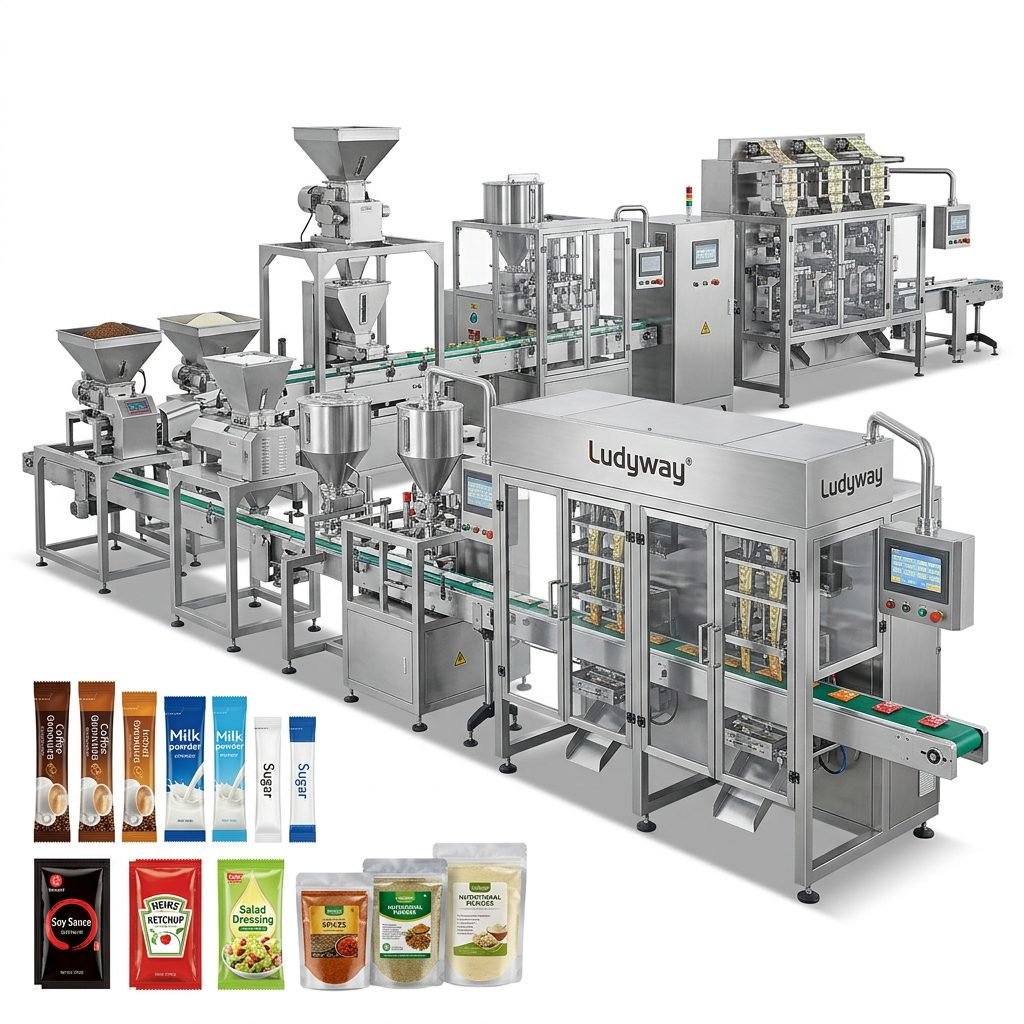
For companies seeking scalable and automated food packaging solutions, Ludyway burger packaging machine solutions can support efficient production with integrated packaging technology for food, pharmaceutical, and related industries.
Questions to Ask Before Buying
Before selecting a burger packaging machine, it is helpful to clarify the following points with your equipment supplier:
Product and Packaging Questions
- Is the burger fresh, chilled, frozen, or ready-to-eat?
- What packaging format do you need?
- What is the target output per hour?
- Do you need vacuum, MAP, tray sealing, or flow wrapping?
Production and Facility Questions
- How much floor space is available?
- Do you need integration with upstream cooking or downstream cartoning?
- What level of operator training is required?
- How easy is machine cleaning and maintenance?
Business Growth Questions
- Can the machine support future product expansion?
- Is customization available for different burger sizes and pack styles?
- Can the line be upgraded later with inspection or case packing modules?
Final Thoughts on Efficient Burger Packaging
A burger packaging machine is more than a piece of equipment—it is a critical part of modern food manufacturing strategy. Businesses that invest in automated packaging gain stronger control over speed, safety, consistency, and scalability. Whether your focus is fresh burgers, frozen patties, or complete ready-meal solutions, the right packaging system can help improve efficiency while supporting a more reliable and professional final product.
As consumer expectations continue to rise, automated burger packaging will remain a key driver of operational performance and brand competitiveness in the food industry.