Understanding Portable Vacuum Packing Machines
A portable vacuum packing machine is a compact, mobile device designed to remove air from specially designed bags or containers before sealing them. Unlike large industrial systems, these units are built for flexibility, allowing users to preserve food, protect sensitive items, and extend shelf life in various settings. The technology works by extracting oxygen from the packaging environment, which significantly slows down oxidation and bacterial growth — two primary causes of spoilage.
Portable models have gained popularity across households, small businesses, outdoor enthusiasts, and commercial kitchens. Their lightweight construction and user-friendly operation make them accessible to anyone looking to reduce food waste and maintain product freshness without investing in full-scale industrial equipment. According to packaging machinery industry standards, vacuum sealing technology continues to evolve with improved pump efficiency and smarter control systems.
Key Benefits of Using a Portable Vacuum Sealer
Investing in a quality portable vacuum packing machine delivers multiple advantages that go beyond simple food storage. Here are the most significant benefits:
- Extended Shelf Life — Vacuum-sealed items can last 3 to 5 times longer compared to conventional storage methods, dramatically reducing spoilage and waste.
- Space Optimization — Removing air compresses packaging volume, allowing more efficient use of refrigerator, freezer, or storage space.
- Flavor and Nutrient Preservation — The airtight seal locks in freshness, preventing freezer burn and maintaining the original taste and nutritional value of foods.
- Versatility Across Applications — From marinating meats to protecting documents, electronics, and camping supplies, these machines serve diverse needs.
- Cost Savings — Buying in bulk and portioning at home becomes practical, leading to significant grocery savings over time.
Critical Factors to Consider When Choosing a Portable Model
Not all portable vacuum packing machines are created equal. Understanding the key specifications and features helps you select the right unit for your specific needs. Below is a detailed comparison of essential factors:
| Feature | Why It Matters | Recommended Specification |
|---|---|---|
| Suction Power | Determines how thoroughly air is removed; affects seal quality and preservation time | Minimum 12 L/min for home use; 20+ L/min for commercial |
| Seal Width | Wider seals provide stronger, more reliable closures that resist leaks | At least 3mm; 5mm+ preferred for heavy-duty use |
| Pump Type | Piston pumps offer faster operation; rotary pumps provide consistent suction | Dual-piston or dry rotary pump for reliability |
| Bag Compatibility | Not all machines work with all bag types or thicknesses | Compatible with 3-5 mil textured/embossed bags |
| Duty Cycle | Limits how many consecutive seals can be performed without overheating | 50+ consecutive seals for frequent use |
| Weight and Portability | Affects ease of transport and storage; critical for mobile applications | Under 5 lbs for true portability |
Pump Technology: Piston vs. Rotary
The heart of any vacuum packing machine is its pump. Piston pumps deliver rapid air extraction and are commonly found in higher-end portable models, offering excellent suction strength in a compact form factor. Rotary pumps provide smooth, consistent vacuum pressure and tend to have longer service lives. For most portable applications, a dual-piston design strikes the best balance between speed, power, and durability.
Control Modes: Automatic vs. Manual Operation
Modern portable vacuum sealers offer varying levels of automation. Fully automatic models detect when the bag is inserted and complete the vacuum-and-seal cycle with a single touch — ideal for high-volume use. Manual pulse controls give the operator precise control over suction pressure, which is essential for delicate items like baked goods or soft fruits that could be crushed under full vacuum. Some advanced units offer both modes, providing maximum flexibility.
Application Scenarios and Industry Use Cases
Portable vacuum packing machines serve a remarkably wide range of applications. Understanding your primary use case will guide you toward the most suitable model. The flexible packaging sector continues to expand as more industries recognize the value of vacuum sealing technology:
- Food Preservation at Home — Vacuum seal fresh produce, meats, cheeses, and leftovers to dramatically extend refrigerator and freezer storage times.
- Sous Vide Cooking — Create perfectly sealed pouches for immersion cooking, ensuring even heat distribution and flavor infusion.
- Outdoor and Camping — Protect matches, first-aid supplies, electronics, and clothing from moisture during extended outdoor trips.
- Small Food Businesses — Artisan producers, bakers, and specialty food makers use portable sealers for professional-looking retail packaging.
- Medical and Pharmaceutical — Protect sterile supplies, medications, and sensitive materials from contamination and environmental exposure.
- Electronics Protection — Shield sensitive components, circuit boards, and devices from humidity, dust, and electrostatic discharge.
Maintenance and Longevity Considerations
To maximize the lifespan of your portable vacuum packing machine, regular maintenance is essential. Clean the sealing strip after each use to remove residue that can compromise seal integrity. Inspect the foam gaskets monthly for wear or deformation, as these create the airtight chamber necessary for proper vacuum function. Replace gaskets annually or sooner if suction performance declines. The drip tray should be emptied and washed regularly to prevent bacterial growth and unpleasant odors.
Common Mistakes to Avoid
- Overfilling Bags — Leave at least 3 inches of headspace above contents for proper sealing and to prevent liquid from being drawn into the pump.
- Using Incompatible Bags — Only use textured or embossed vacuum bags designed for external suction machines; smooth bags require chamber-style sealers.
- Sealing Wet Items Without Pre-Freezing — Liquids can be pulled into the vacuum channel; pre-freeze moist foods for 30 minutes before sealing.
- Ignoring Duty Cycle Limits — Exceeding the recommended number of consecutive seals can overheat the motor and reduce pump life.
- Neglecting Gasket Replacement — Worn gaskets are the most common cause of poor suction in otherwise functional machines.

Price Ranges and Value Assessment
Portable vacuum packing machines span a broad price spectrum. Understanding what each tier offers helps set realistic expectations:
| Price Range | Typical Features | Best For |
|---|---|---|
| $30 – $80 | Basic suction, single-button operation, limited duty cycle | Occasional home use, beginners |
| $80 – $200 | Multiple modes, pulse control, wider seals, better pumps | Regular home use, meal prepping, sous vide enthusiasts |
| $200 – $500 | High-output pumps, dual sealing bars, heavy-duty construction | Small businesses, commercial kitchens, frequent bulk processing |
Frequently Asked Questions
Can a portable vacuum sealer handle liquids?
Most external suction models struggle with liquids. For moist or liquid-rich foods, pre-freeze items before sealing or choose a machine with a dedicated pulse mode. Chamber-style vacuum sealers handle liquids effortlessly, though they are generally less portable. Some advanced portable units include moisture sensors that automatically adjust the vacuum cycle.
How long do vacuum-sealed foods last?
When properly sealed and stored, refrigerated foods last 1-2 weeks versus 2-3 days unsealed. Frozen vacuum-sealed items maintain quality for 2-3 years compared to 6-12 months with conventional freezer storage. Dry goods like grains, coffee, and nuts can stay fresh for 6-12 months or longer when vacuum sealed and stored in a cool, dark environment.
What is the difference between external suction and chamber vacuum sealers?
External suction machines pull air from the bag opening and work exclusively with textured bags. Chamber machines place the entire bag inside a vacuum chamber, allowing use with any bag type including smooth pouches. Chamber models handle liquids easily but are significantly larger and heavier. For true portability, external suction models remain the practical choice, though some compact chamber units are now available for mobile applications.
Making the Right Choice for Your Needs
Selecting the best portable vacuum packing machine requires balancing power, portability, features, and budget. For most home users, a mid-range model with pulse control and a reliable piston pump offers the best combination of performance and value. Small business operators should prioritize duty cycle and seal width to handle higher volumes without compromising quality.
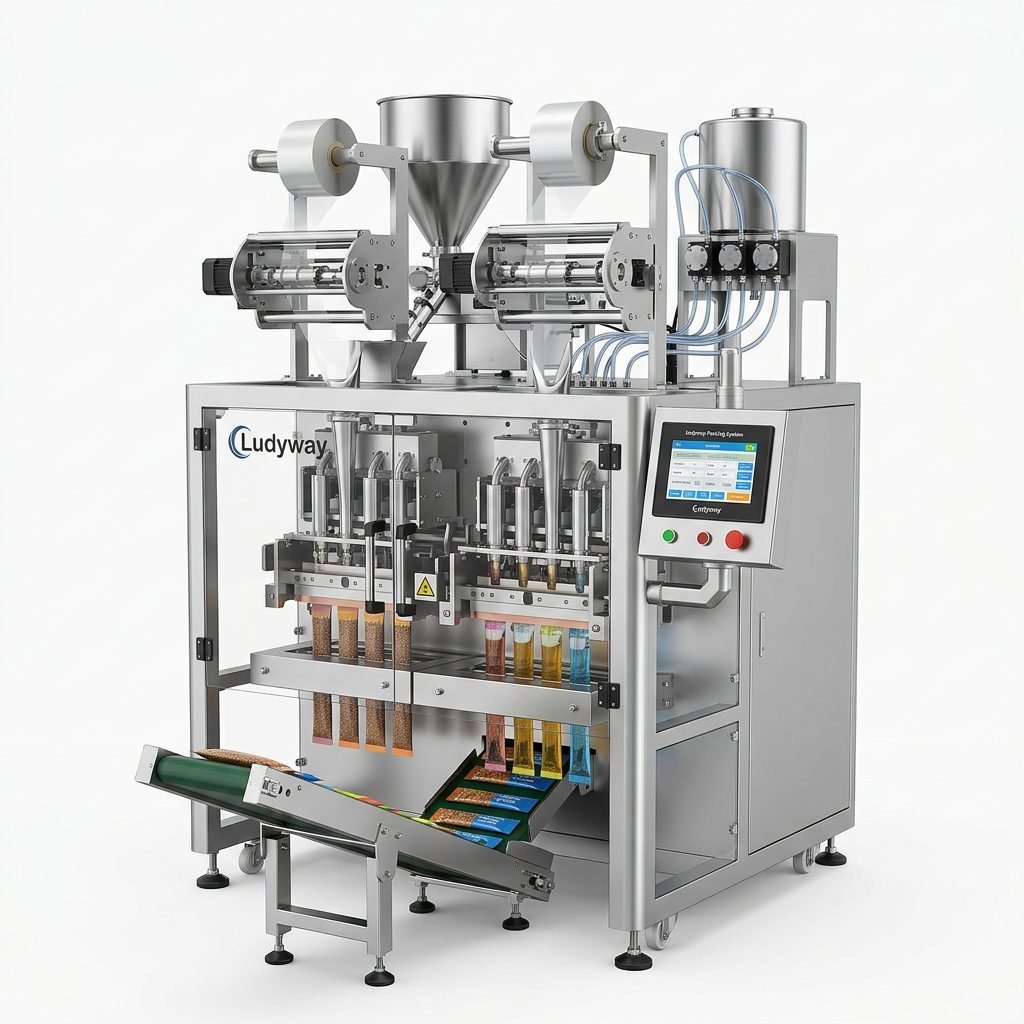
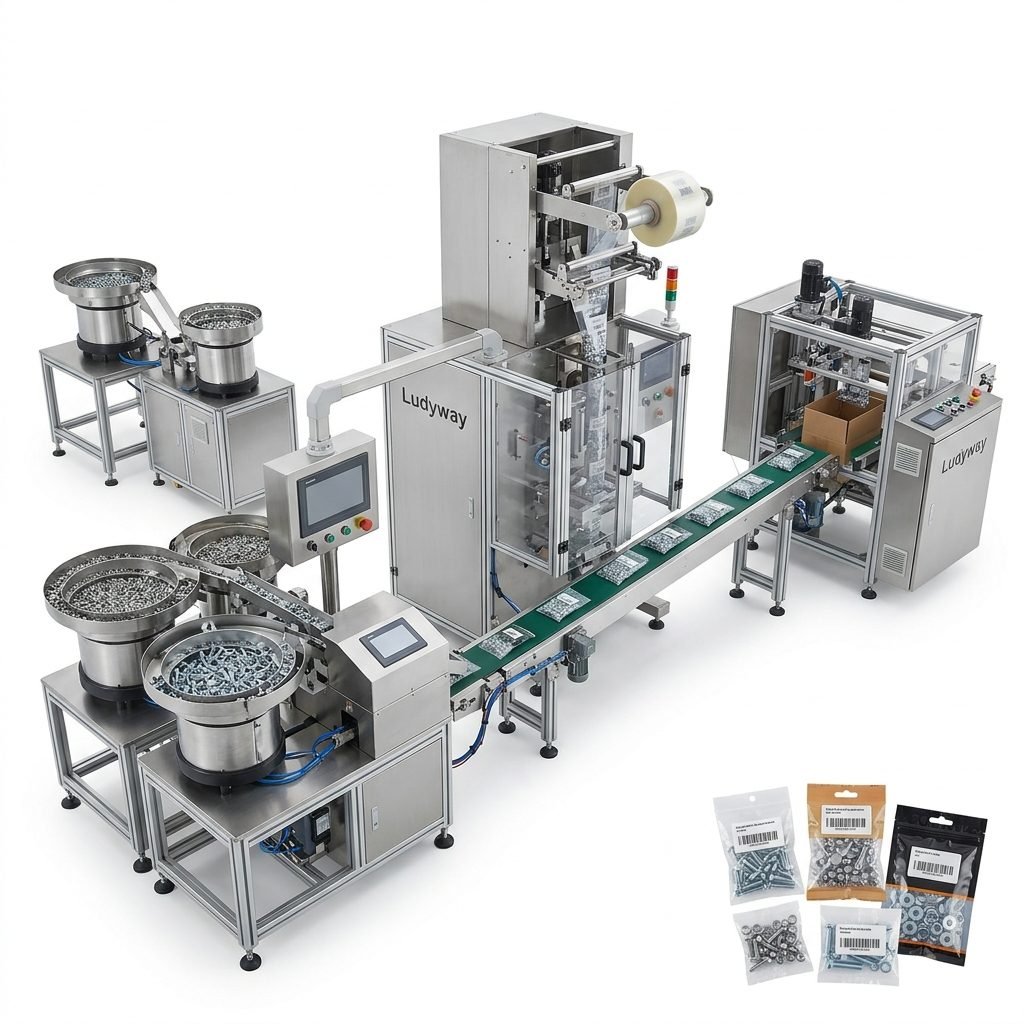
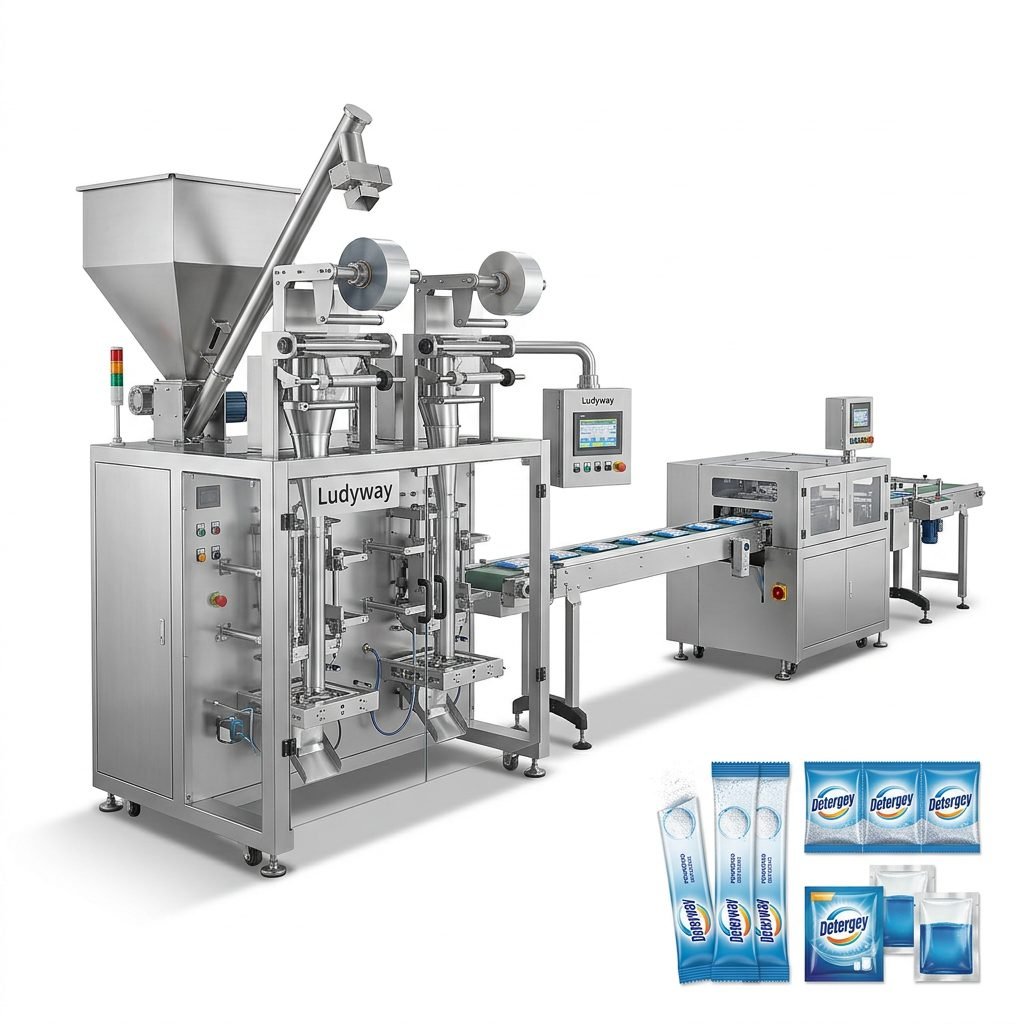
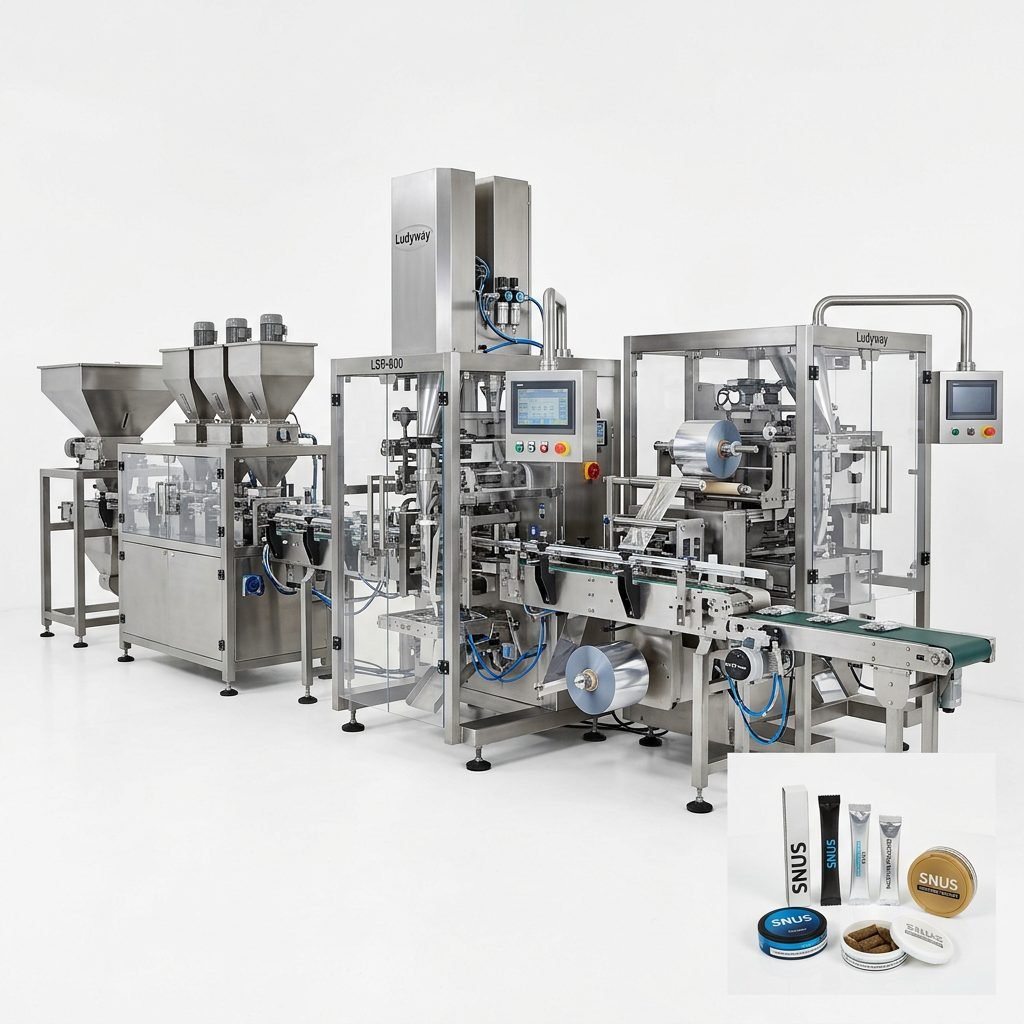
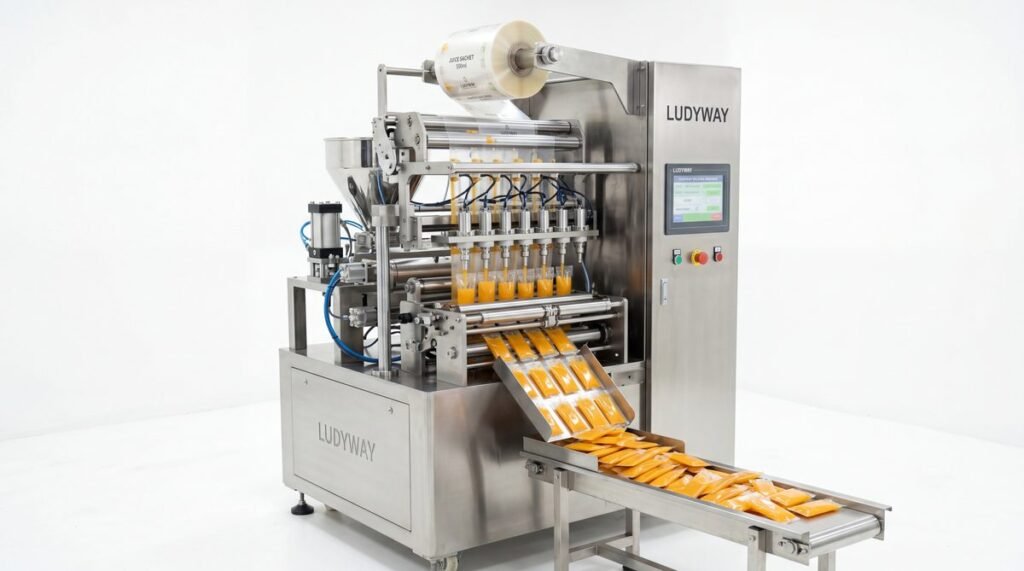
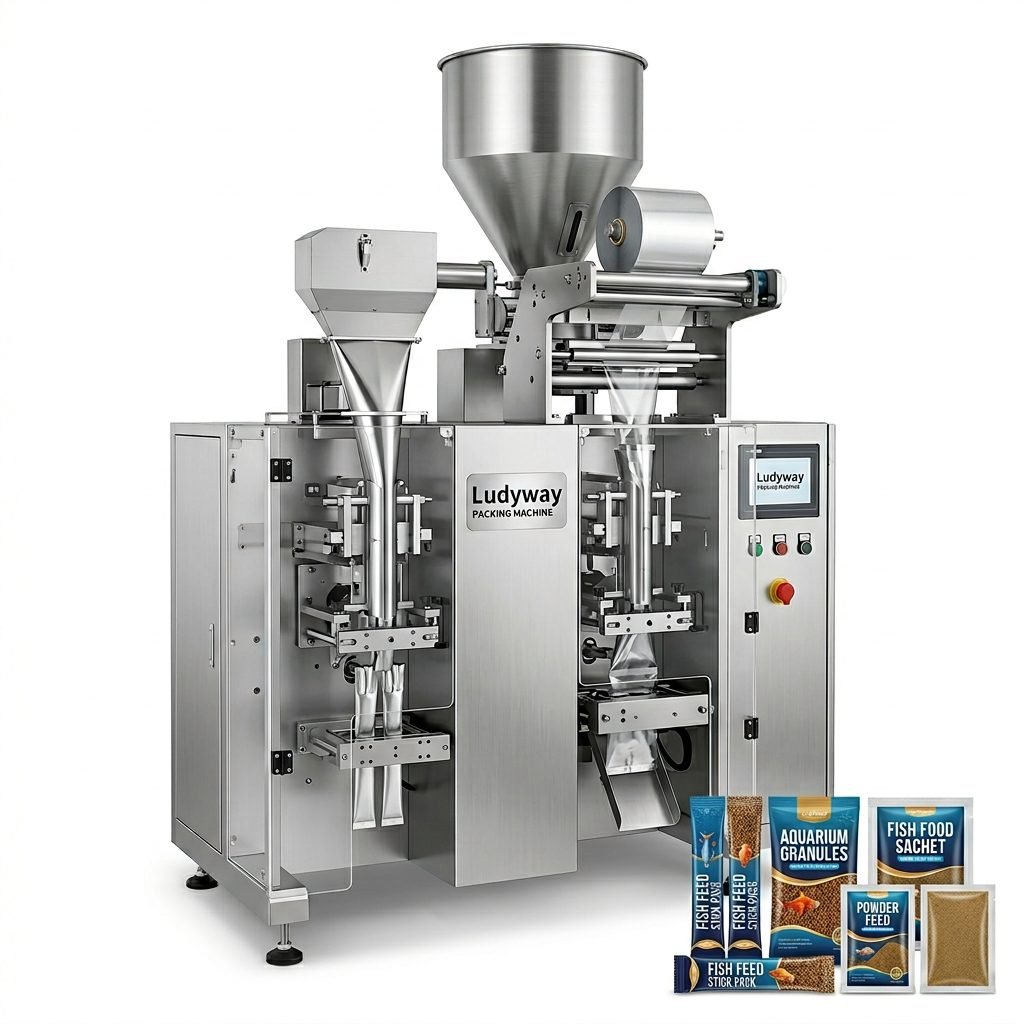
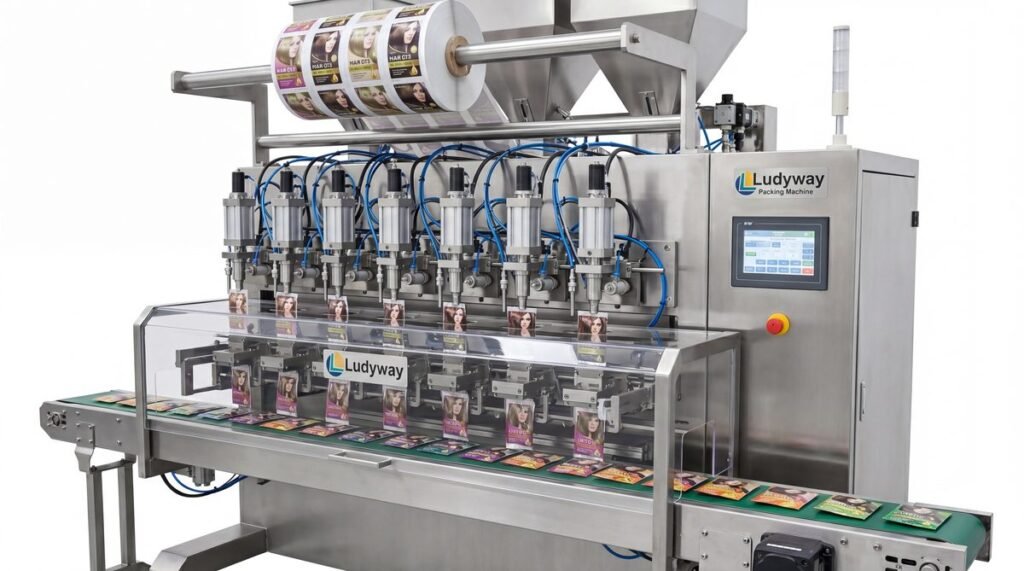
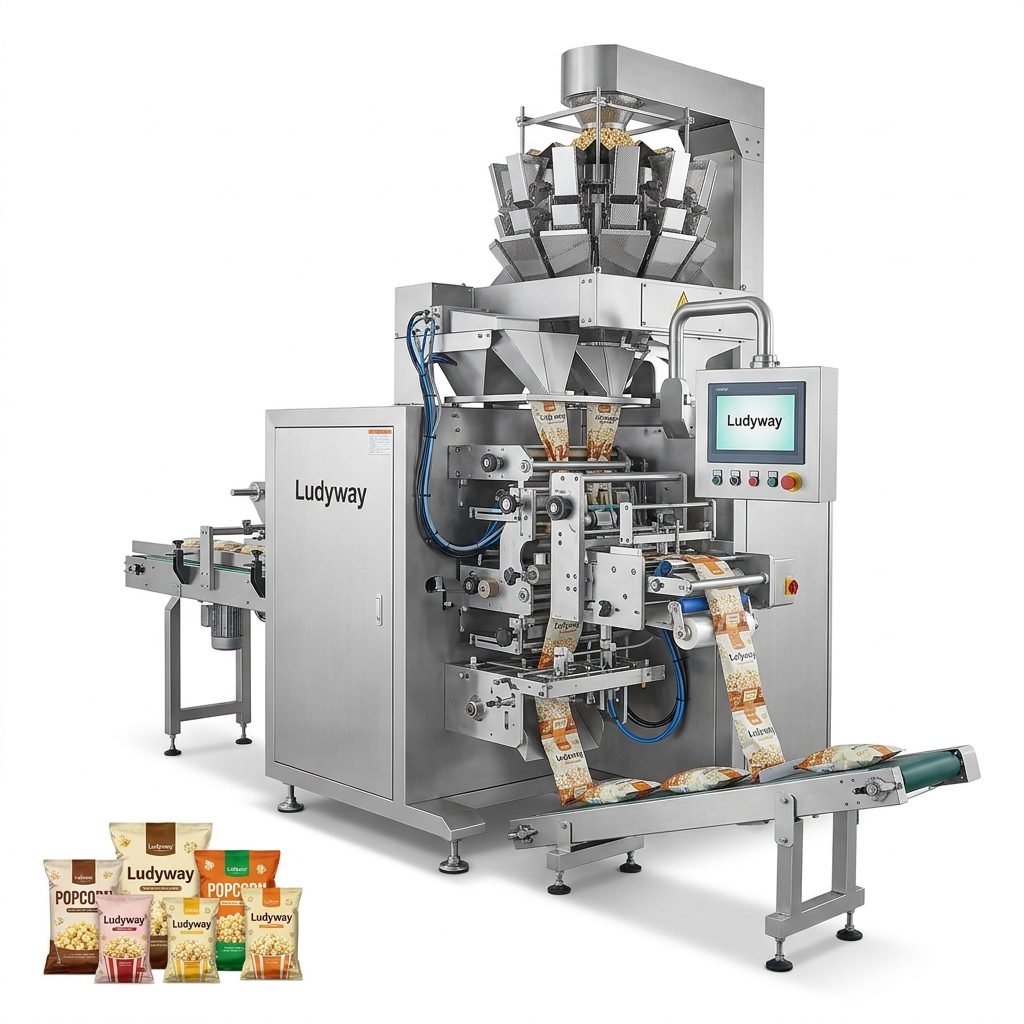
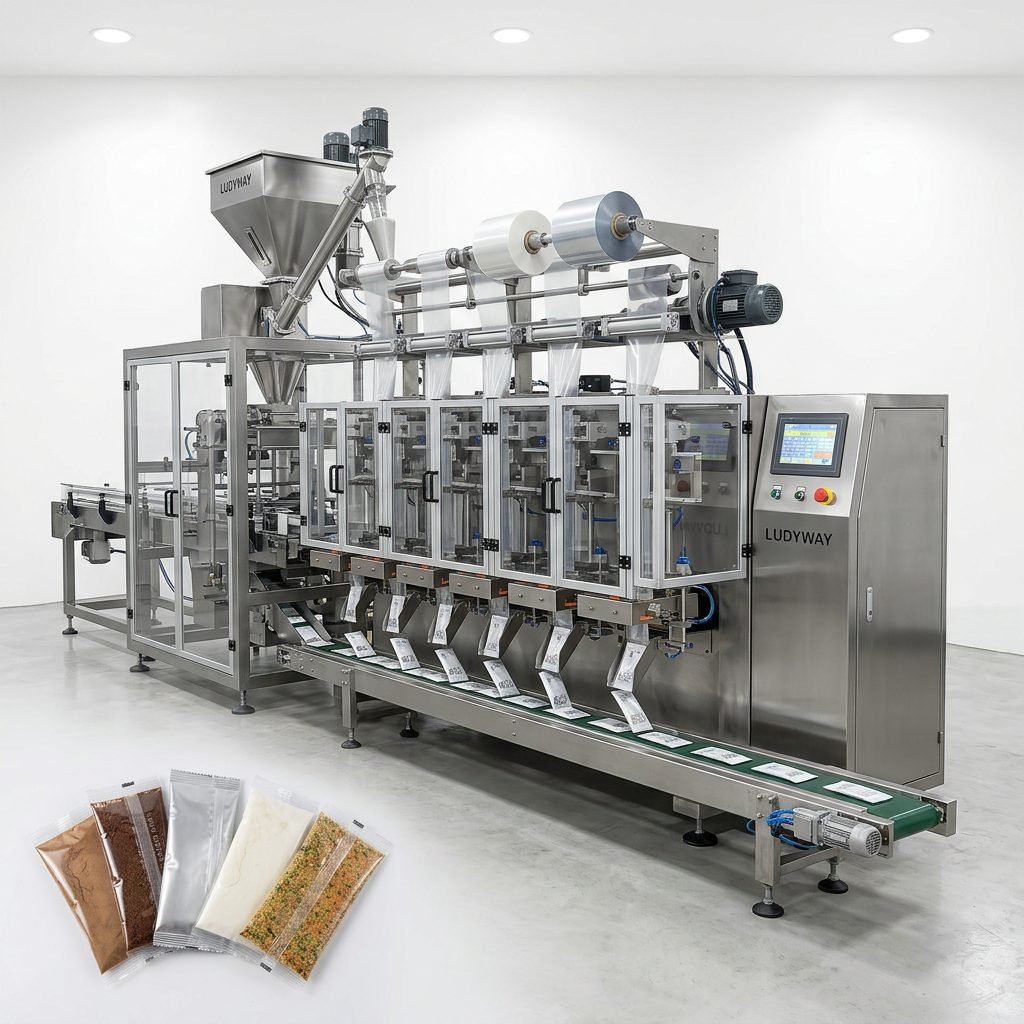
As packaging technology continues to advance, portable vacuum sealers are becoming more capable, efficient, and accessible. For manufacturers seeking industrial-grade or high-volume packaging solutions beyond portable units, integrated and automated systems may be more appropriate. Companies such as Ludyway Machinery — a China-based packaging machinery manufacturer with over 30 years of experience — provide comprehensive automatic packaging equipment, including turnkey solutions for food, pharmaceutical, and industrial applications across more than 100 countries. Whether you need a simple portable unit or a complete packaging machinery standards-compliant production line, evaluating your specific requirements against available features will lead to a confident purchasing decision.