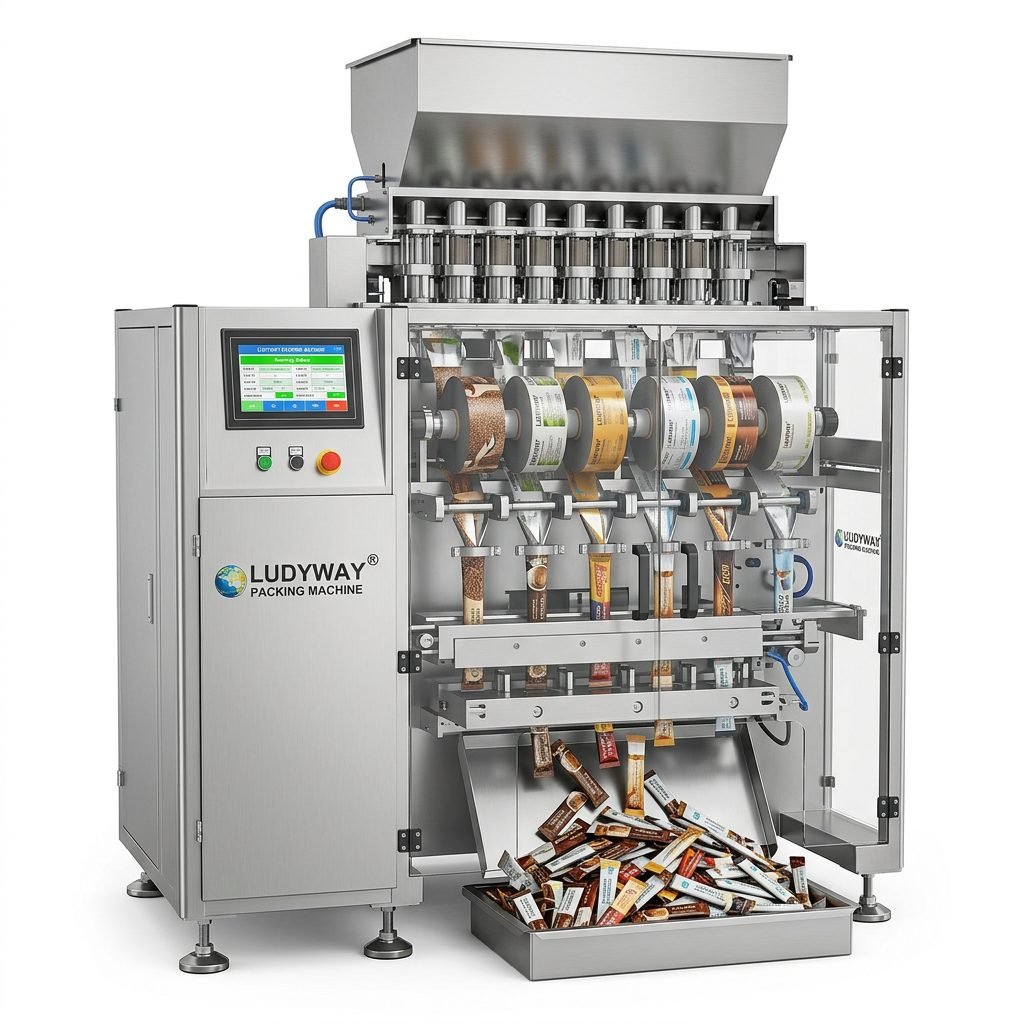
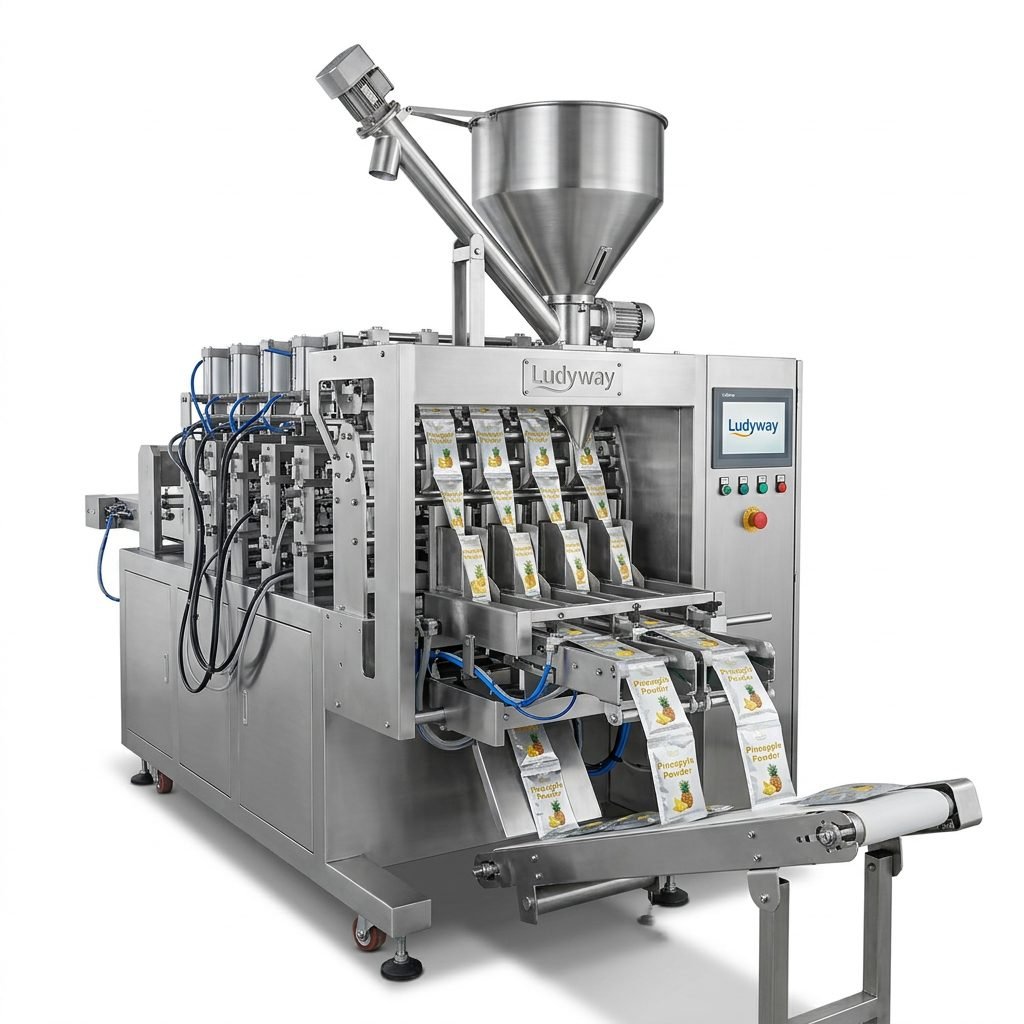
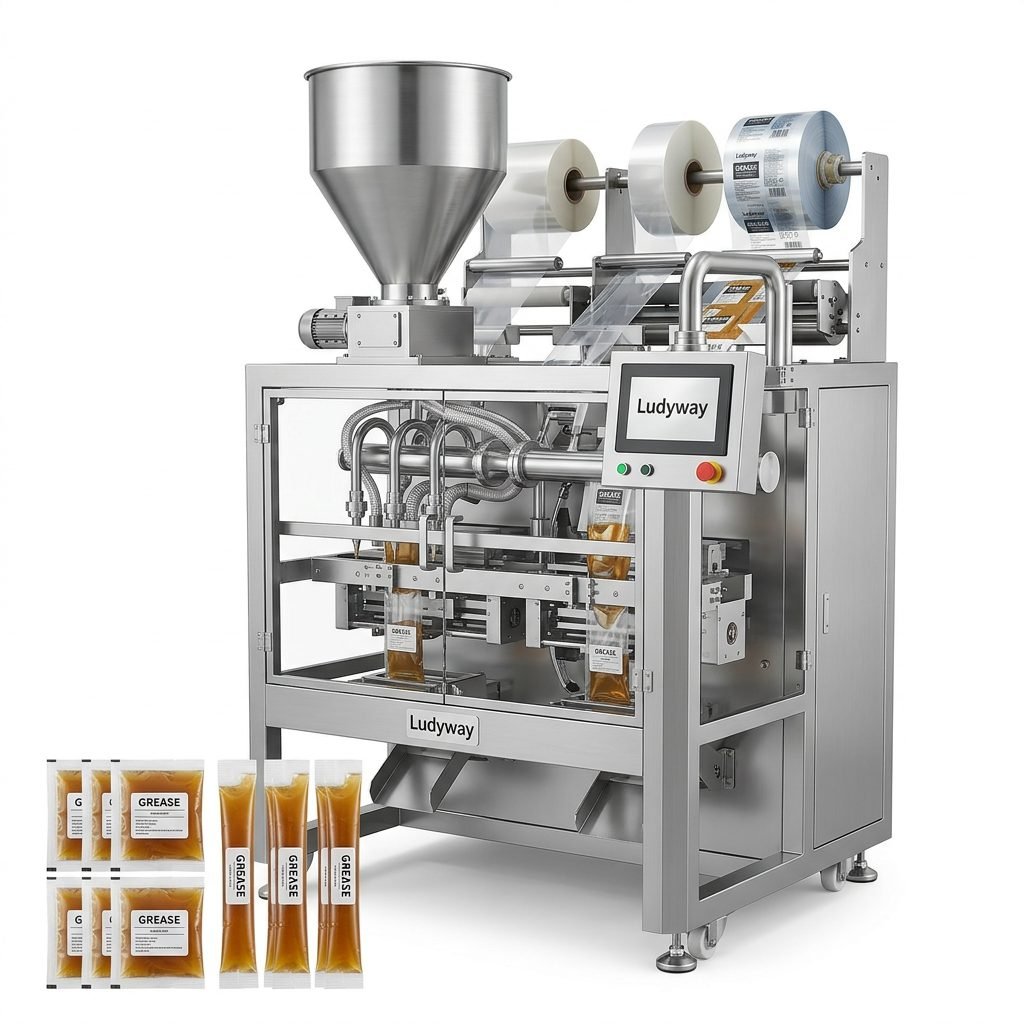
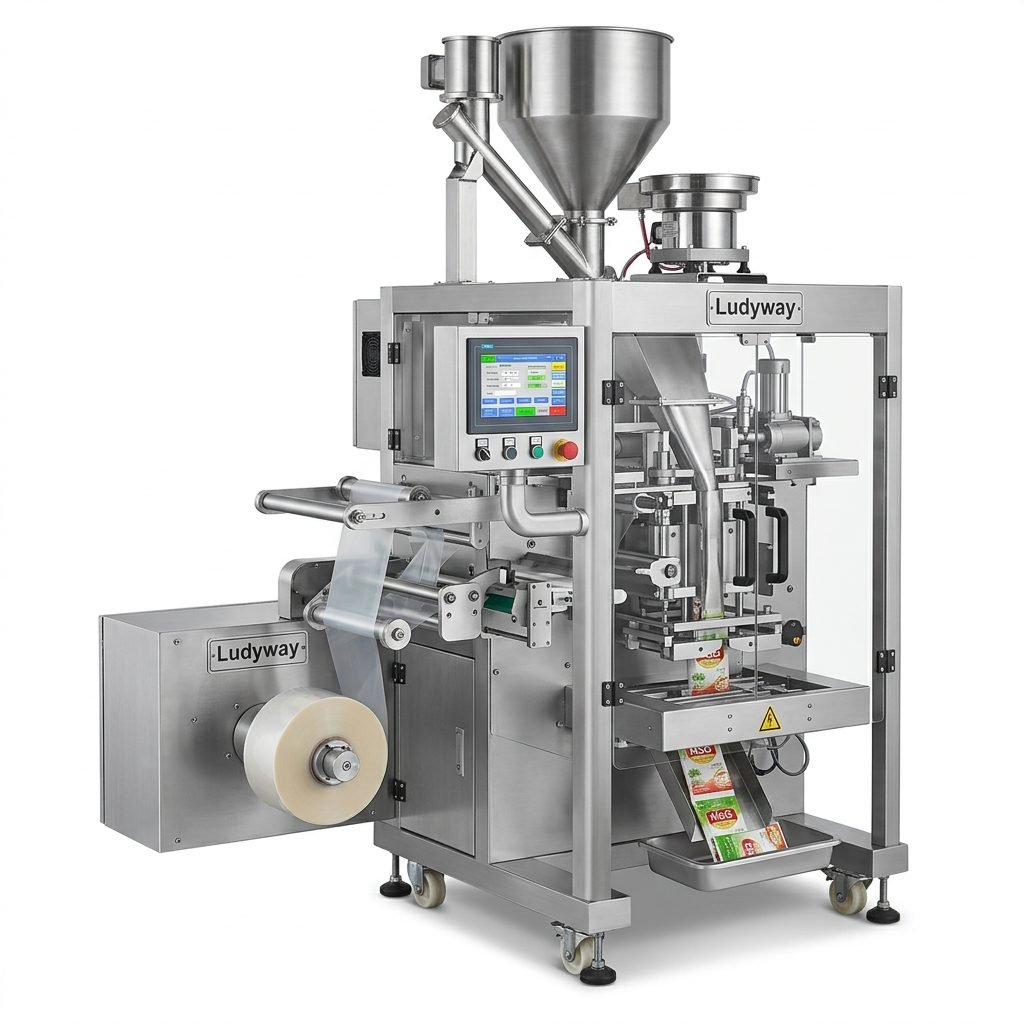
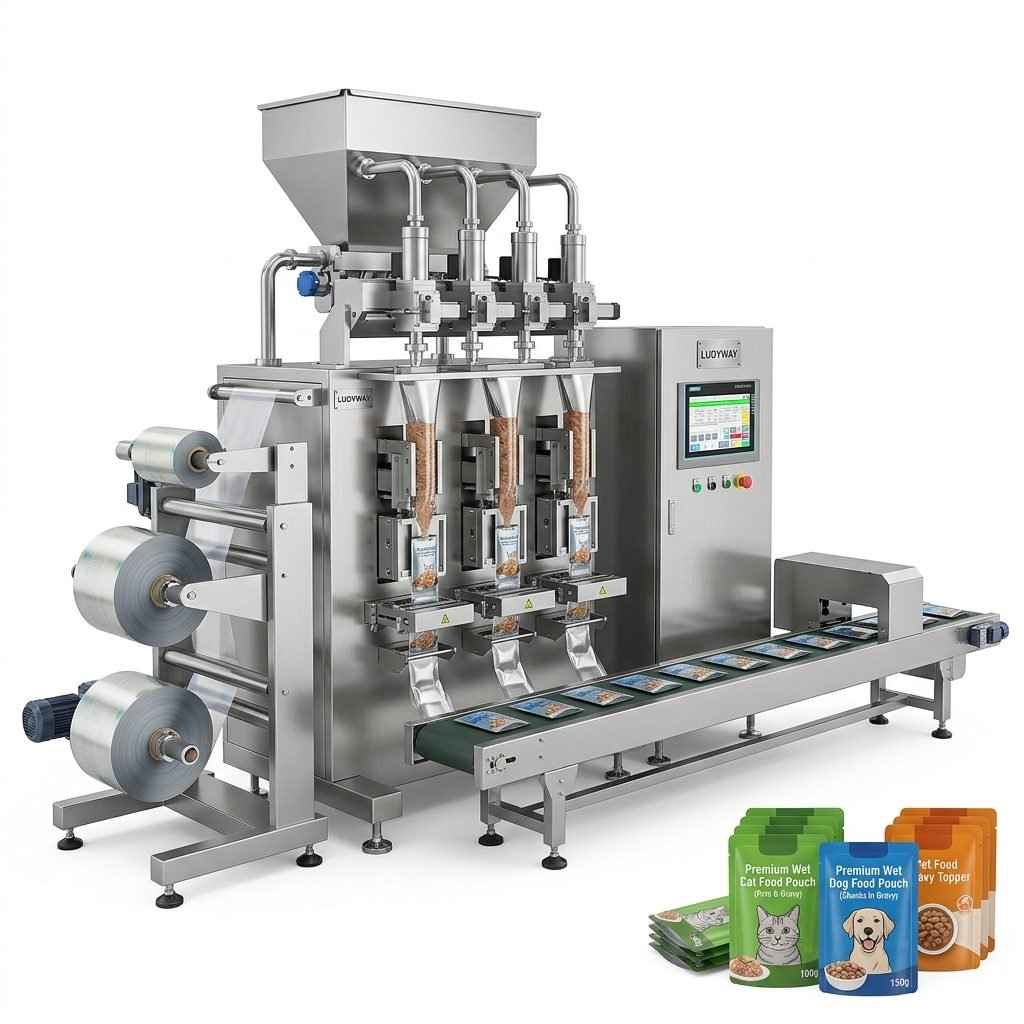
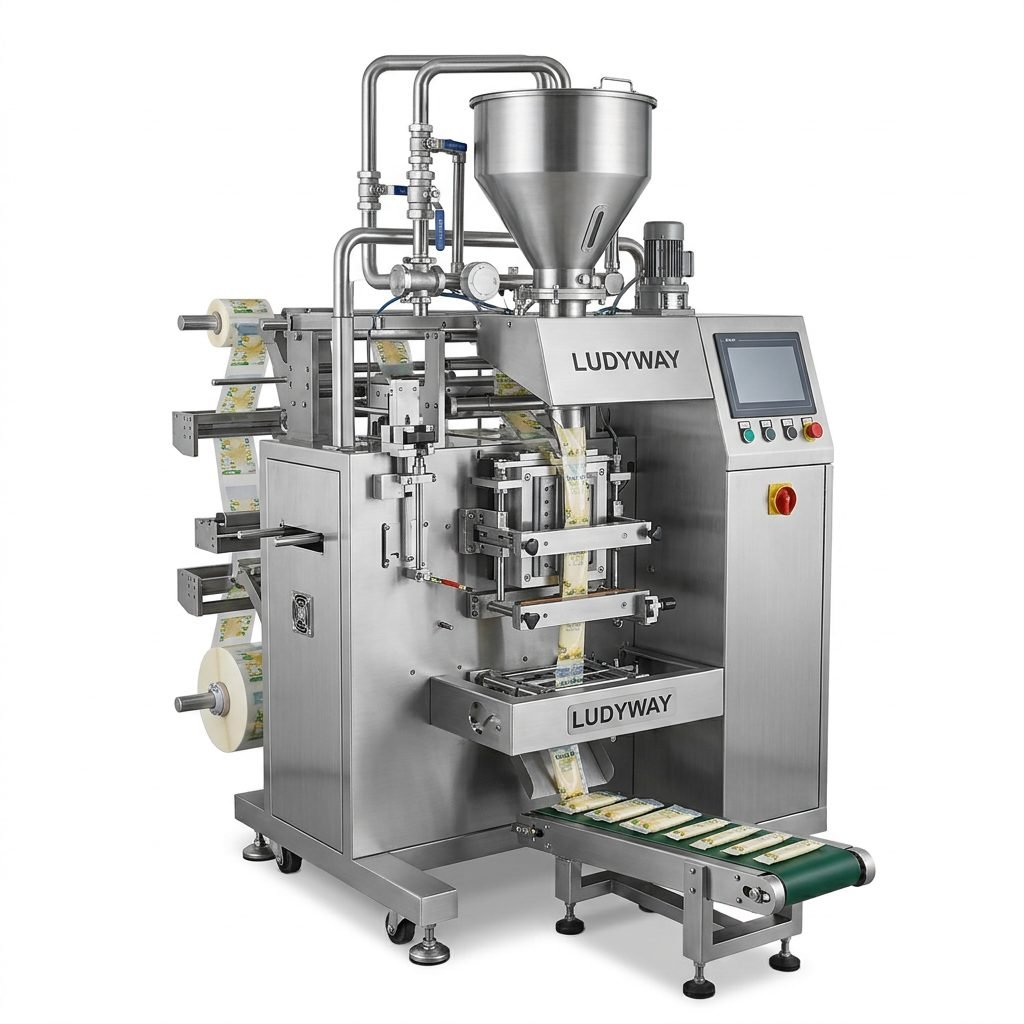
Selecting the right custom packaging machine is a critical decision that directly impacts your production efficiency, product quality, and overall operational costs. It’s not merely about buying a machine; it’s about investing in a solution that aligns perfectly with your specific product characteristics, output goals, and long-term business strategy. A well-chosen machine can streamline your workflow, reduce material waste, and enhance the consistency and appeal of your final packaged product.
Understanding Your Core Packaging Requirements
The journey to the ideal machine begins with a deep and honest assessment of your own needs. Rushing into a purchase without this clarity often leads to costly mismatches.
Product Characteristics: The Foundation of Your Choice
Your product dictates the machine’s core functionality. Consider these aspects meticulously:
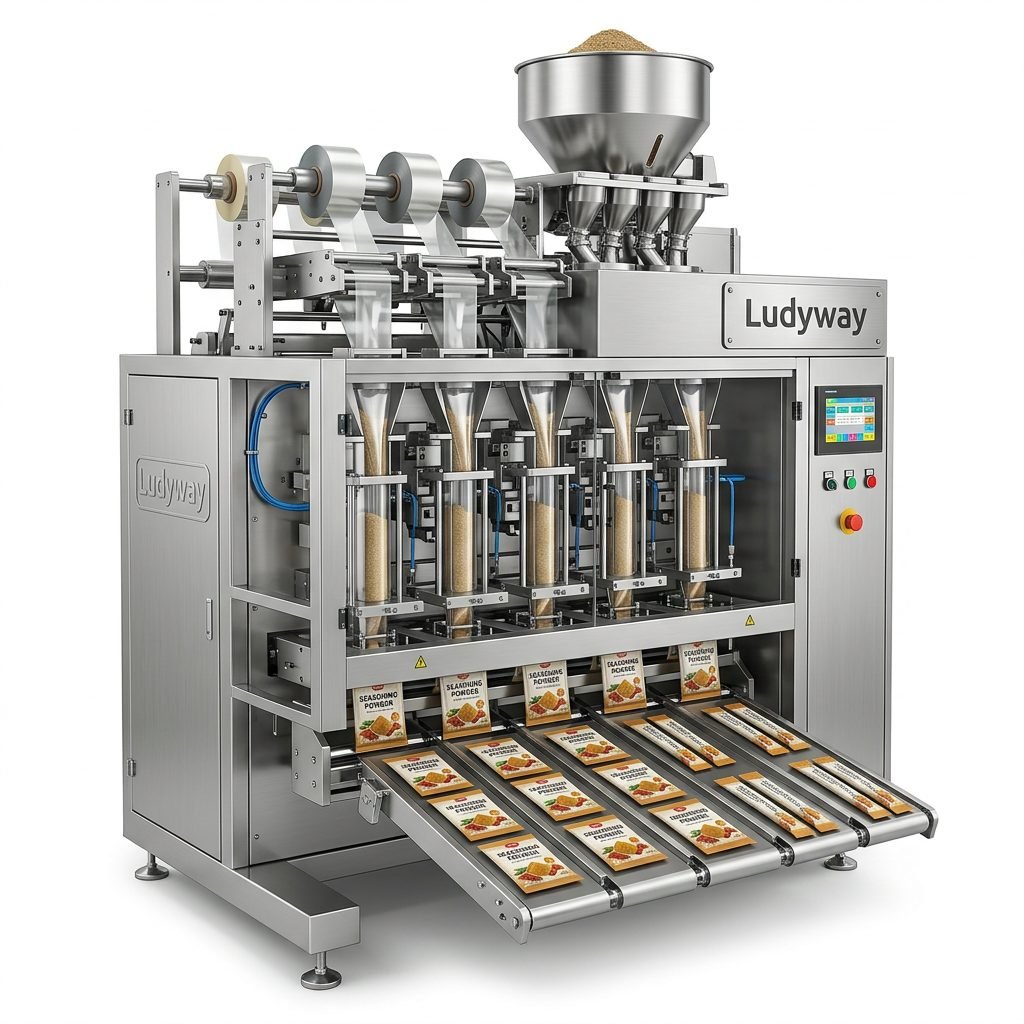
Physical Form: Is your product a granule (like coffee or seeds), a powder (like flour or protein supplements), or a liquid (like sauces or oils)? Each form requires different feeding, filling, and sealing mechanisms.
Flowability and Density: Powders and fine granules behave differently than larger granules. Understanding your product’s flow characteristics is essential for choosing the right auger filler, volumetric cup, or pump system to ensure accurate and consistent fills.
Sensitivity: Is the product hygroscopic, heat-sensitive, or prone to oxidation? This may necessitate machines with integrated nitrogen flushing systems or specialized sealing methods to preserve shelf life and quality.
Production Volume and Speed: Matching Output to Demand
Your required output is a key driver. Are you a startup needing a flexible, lower-speed machine, or an established brand requiring a high-speed, multi-lane system for mass production? Be realistic about your current needs and future growth projections. Investing in excessive capacity can be as wasteful as buying an underpowered machine.
Packaging Materials and Format: The Final Presentation
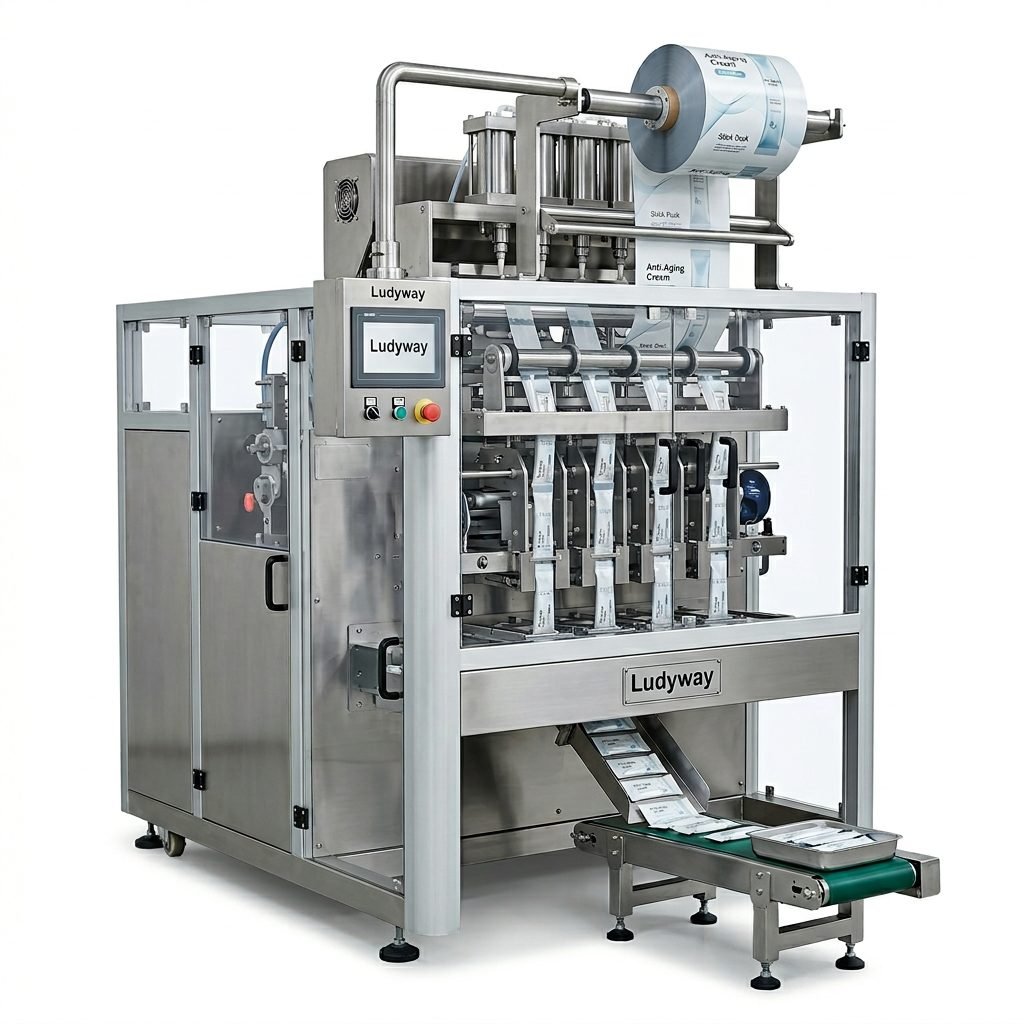
The machine must be compatible with your desired packaging. This includes the type of film (laminate structures, barrier properties), the format (stand-up pouches, sachets, stick packs, pillow bags), and the sealing method (constant heat, impulse, ultrasonic). The choice of material often works in tandem with the machine’s capabilities to define the package’s durability and appearance.
Key Machine Features That Drive Efficiency
Once your requirements are clear, evaluate the technological features that translate into tangible operational benefits.
Automation and Control Systems
Modern machines are defined by their level of automation. Look for features like:
✓ Programmable Logic Controllers (PLCs): The brain of the machine, allowing for easy recipe storage, quick changeovers, and precise control over all parameters.
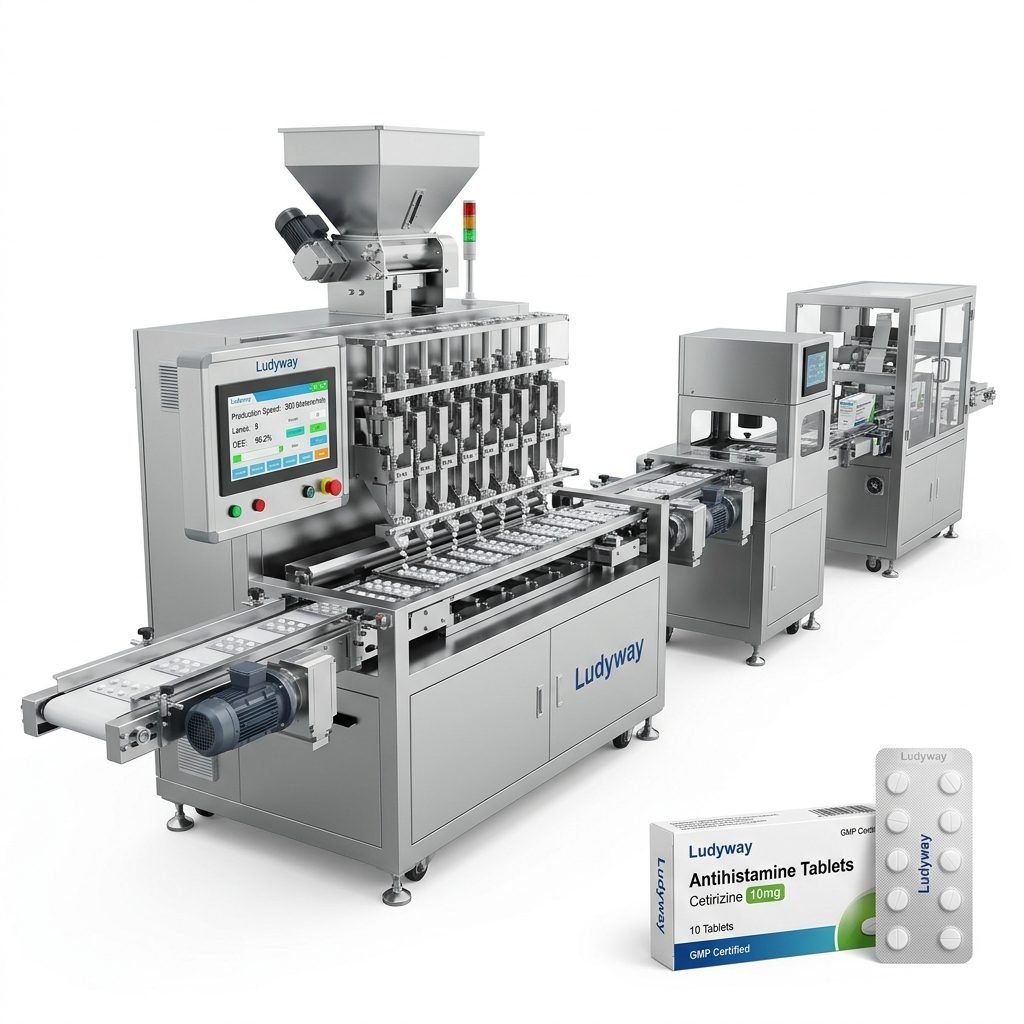
✓ Human-Machine Interface (HMI) Touchscreens: User-friendly panels that make operation, monitoring, and adjustment intuitive, reducing training time and operator error.
✓ Servo Motor Drives: Provide superior accuracy in positioning, filling, and cutting compared to traditional mechanical systems. They enhance precision, reduce wear and tear, and save energy.
Accuracy and Precision in Filling
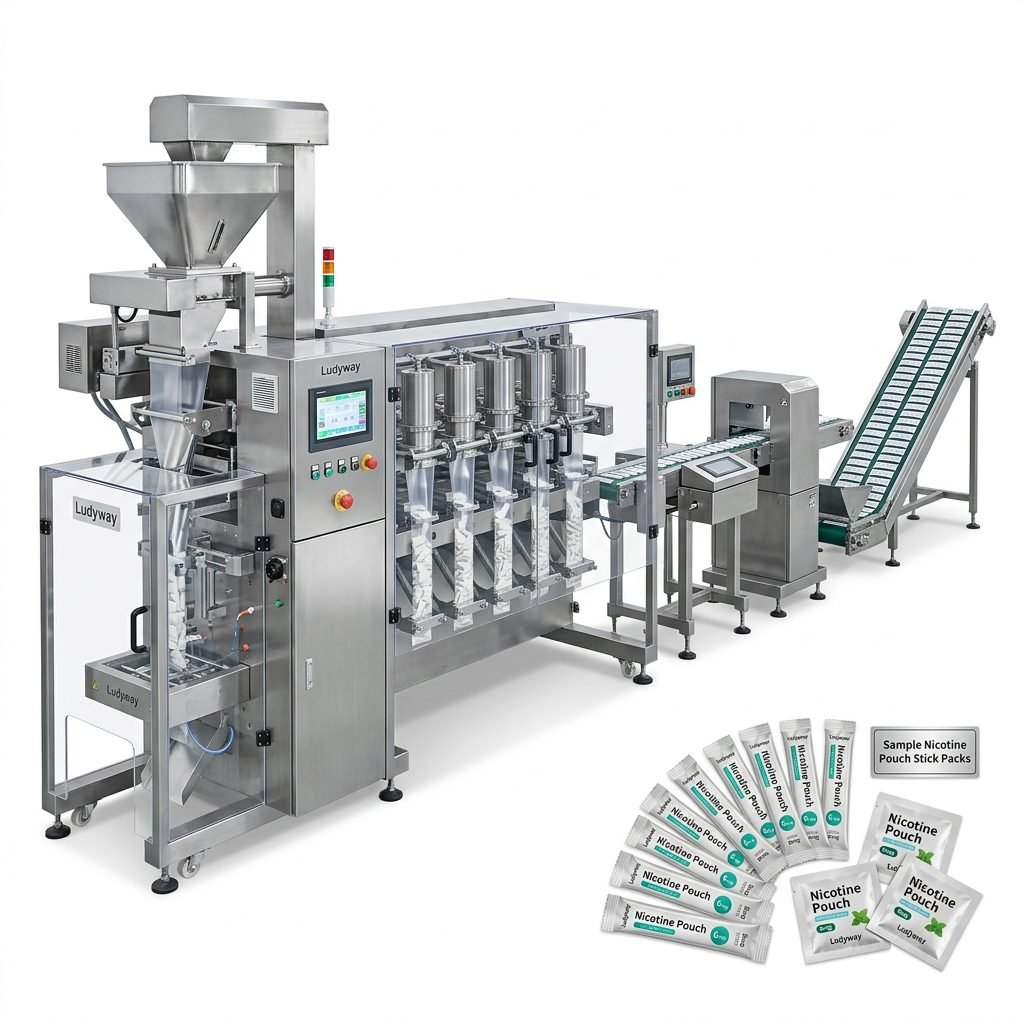
Product giveaways or underfills directly eat into your profit. High-precision filling systems are non-negotiable. For powders and granules, weigh-fill systems (like multi-head weighers) offer the highest accuracy. For liquids, servo-driven piston pumps or mass flow meters ensure consistent volume. The right filling technology minimizes product loss and ensures every package meets regulatory and customer expectations.
Flexibility and Changeover Time
In today’s market, the ability to run multiple products or package sizes on a single machine is a huge competitive advantage. Evaluate how quickly and easily you can switch between jobs. Machines with tool-less changeovers, quick-release parts, and digital memory for different settings can dramatically increase your overall equipment effectiveness (OEE) by reducing downtime.
The Critical Role of the Supplier
The machine is only one part of the equation. The supplier you choose becomes a long-term partner in your production success.
Technical Expertise and Industry Experience
Partner with a supplier who understands your specific industry, whether it’s food, pharmaceutical, or health products. For instance, a supplier like Ludyway Machinery, with over 30 years of focused experience, brings invaluable knowledge of regulatory requirements, material science, and common production challenges. Their engineers can provide insights that go beyond the machine manual.
Reliable After-Sales Support and Service
Consider the supplier’s support network. What is their response time for technical queries? Do they offer comprehensive training for your operators and maintenance staff? Is there a readily available supply of spare parts? A reliable service agreement is an insurance policy for your production continuity. A global supplier should offer support that aligns with your operational hours and location.
Testing and Validation: See It Work
Never buy a packaging machine sight-unseen for your product. A reputable supplier will offer factory acceptance tests (FAT) or sample runs using your actual product and materials. This is the only way to verify speed, accuracy, seal integrity, and overall performance before the machine ships to your facility.
Calculating Total Cost of Ownership (TCO)
Look beyond the initial purchase price. The true cost of a packaging machine includes:
- Initial Investment: Machine cost, shipping, and installation.
- Operational Costs: Energy consumption, compressed air usage, and routine maintenance supplies.
- Material Efficiency: How well the machine minimizes film waste and product giveaway.
- Labor Costs: A highly automated machine may require fewer operators.
- Downtime Costs: Machines with high reliability and quick service support minimize costly production stops.
A slightly more expensive machine with higher efficiency, lower waste, and greater reliability will almost always provide a better return on investment (ROI) over its lifespan than a cheaper, less capable alternative.
Implementing Your New Solution for Success
Successful integration requires planning.
Site Preparation and Installation
Ensure your facility meets all utility requirements (power, air, exhaust) and has adequate space for the machine, material infeed, and finished product discharge. Professional installation by qualified technicians is crucial.
Comprehensive Operator Training
Invest time in thorough training. Operators who understand how to run, monitor, and perform basic troubleshooting on the machine will achieve optimal performance faster and prevent avoidable issues.
Establishing a Preventive Maintenance Schedule
Work with your supplier to create a daily, weekly, and monthly maintenance checklist. Regular cleaning, lubrication, and inspection of key components will extend the machine’s life and prevent unexpected failures.
Summary: A Strategic Roadmap
Choosing the right custom packaging machine is a multi-step strategic process. Start by rigorously defining your product and production needs. Then, prioritize machines with features that deliver accuracy, efficiency, and flexibility. Select a supplier with proven expertise and a strong support commitment. Finally, evaluate the decision based on Total Cost of Ownership, not just the sticker price. By following this disciplined approach, you will invest in a solution that becomes a true asset, driving productivity, ensuring quality, and cutting costs for years to come.
Frequently Asked Questions (FAQs)
1. What is the most important factor when choosing a custom packaging machine?
While all factors are interconnected, the most critical starting point is a complete understanding of your specific product’s physical characteristics (form, density, sensitivity). The machine technology must be fundamentally compatible with your product to achieve accurate filling, proper sealing, and consistent results.
2. How can I accurately estimate the production speed I need?
Analyze your current and forecasted order volumes. Calculate your required output in packages per minute or hour, then add a buffer (e.g., 15-20%) for future growth. It’s often more cost-effective long-term to choose a machine that can grow with you rather than one you will quickly outgrow.
3. Why is supplier support often emphasized as much as the machine itself?
Even the best machines require maintenance, occasional repairs, and operator guidance. A supplier with responsive technical support, available spare parts, and deep application knowledge ensures minimal downtime and helps you maximize the productivity and lifespan of your investment. They are your partner in problem-solving.
4. What does “flexibility” mean in a packaging machine context?
Flexibility refers to a machine’s ability to handle a range of tasks. This can include quick changeovers between different package sizes or shapes, the capacity to run various film types, or the ability to package different but similar products with minimal adjustments. Flexibility increases your responsiveness to market changes.
5. How do I justify a higher initial investment for a more advanced machine?
Justify it through a detailed Total Cost of Ownership (TCO) and Return on Investment (ROI) analysis. Factor in the savings from higher speed (more output per shift), greater accuracy (less product waste), lower energy consumption, reduced downtime, and lower labor requirements. The higher upfront cost is typically offset by significantly lower operational costs over 3-5 years.