Juice products come in many forms today, including fresh juice, NFC juice, concentrated juice, juice drinks, fruit puree blends, and functional liquid beverages. As competition increases, brands need packaging that protects flavor, extends shelf life, improves efficiency, and supports attractive retail presentation. That is why choosing the right juice packaging machine is a strategic investment, not just an equipment purchase.
Whether you pack juice in sachets, stick packs, pouches, bottles, or cups, the right machine should match your product viscosity, filling volume, hygiene standards, output goals, and future expansion plans. This guide explains the main types of juice packaging machines, their benefits, and how to choose the best solution for your production line.
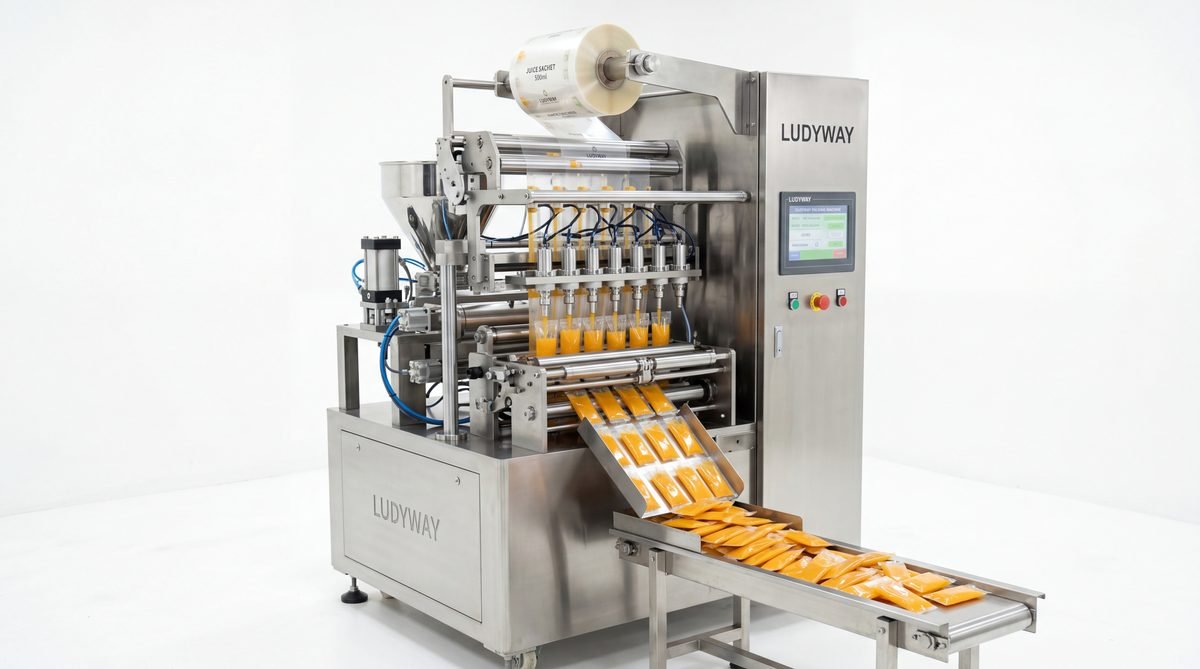
What Is a Juice Packaging Machine?
A juice packaging machine is specialized equipment designed to fill, seal, and sometimes label or cartoning-pack juice products into different package formats. Depending on the application, the machine may handle low-viscosity liquids, pulpy beverages, hot-filled juice, cold-filled juice, or aseptic products.
Modern juice packaging systems usually include several functions:
- Liquid feeding and storage
- Accurate dosing or volumetric filling
- Container forming or pouch making
- Sealing and leak prevention
- Date coding and labeling
- Inspection, counting, cartoning, or case packing
Main Types of Juice Packaging Machines
The best machine depends heavily on the final pack style you want to offer. Below are the most common categories used in juice production.
1. Sachet Juice Packaging Machines
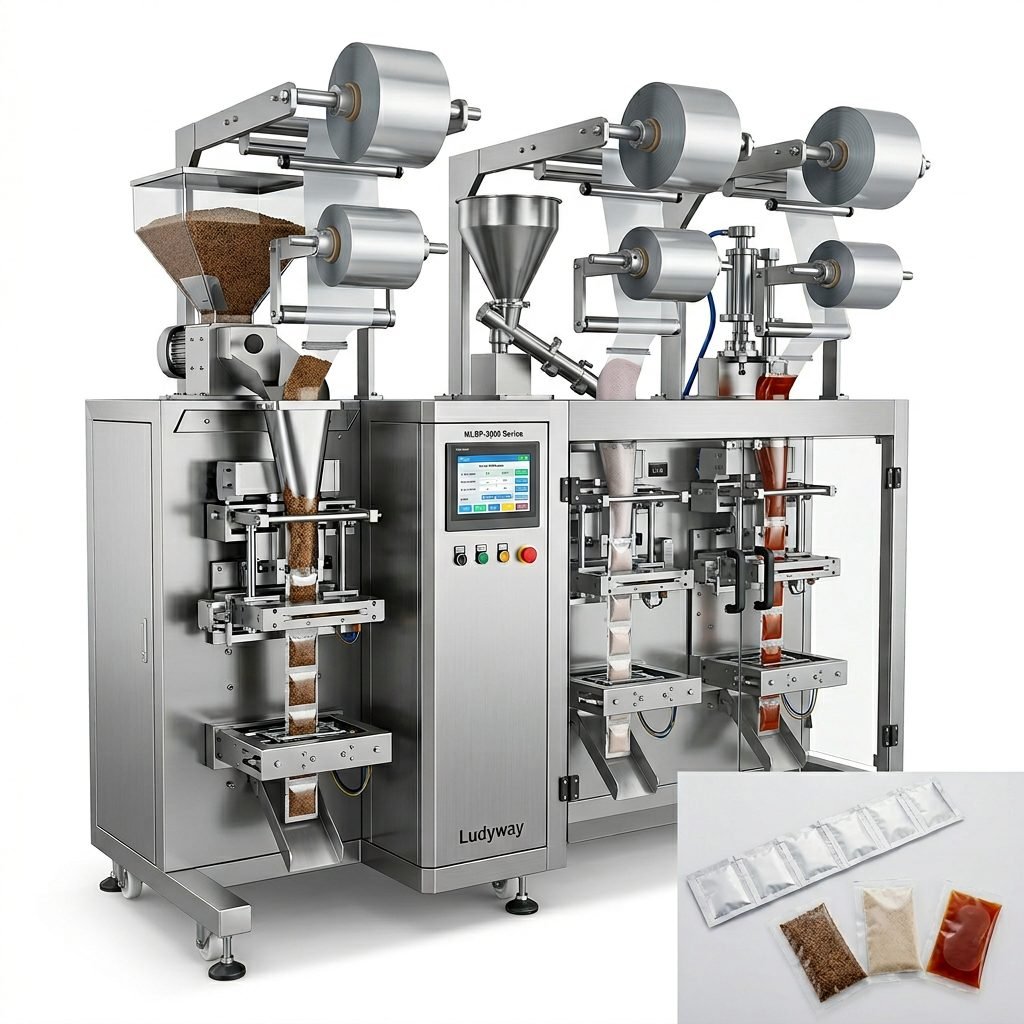
Sachet packaging machines are ideal for single-serve juice portions. They are often used for promotional packs, travel-size products, school distribution, hotel amenities, and cost-sensitive retail markets.
- Suitable for small-volume liquid juice packs
- Efficient for mass production
- Lower packaging material cost
- Good for standardized dosage and easy transport
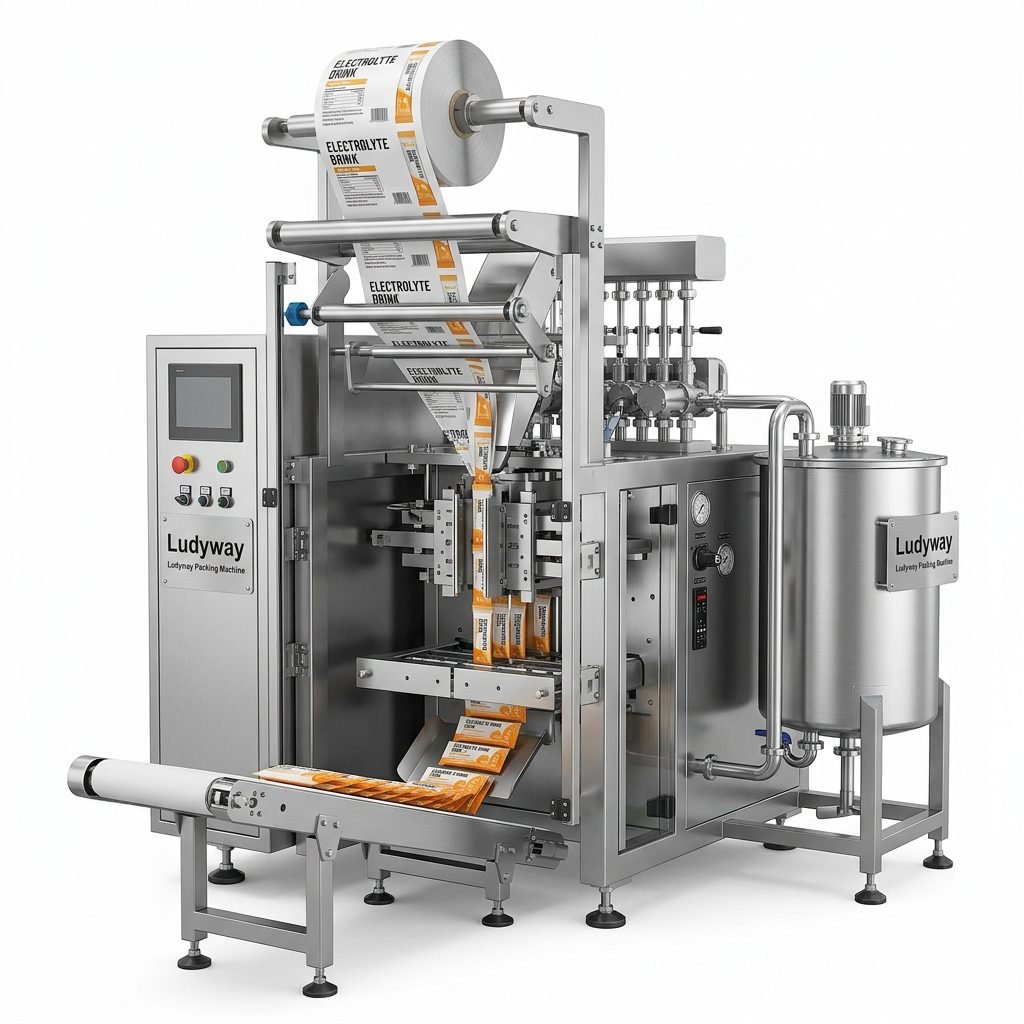
2. Stick Pack Juice Machines
Stick pack machines produce narrow, elongated packages. They work well for functional juice shots, concentrated juice, collagen juice, electrolyte drinks, and health beverage formats.
- Compact and modern appearance
- Convenient for on-the-go consumption
- Excellent shelf efficiency
- Can run in multi-lane high-speed configurations
3. Premade Pouch Juice Packaging Machines
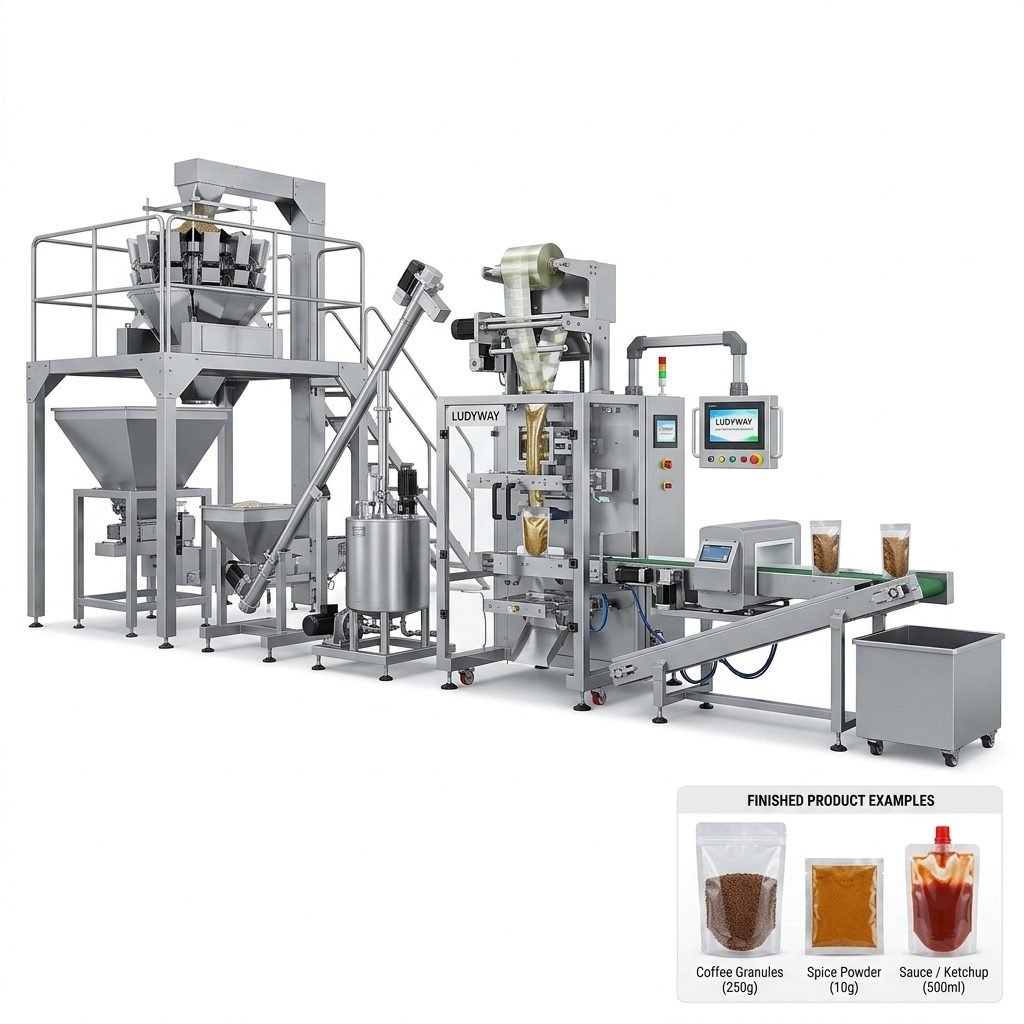
Premade pouch fillers work with stand-up pouches, spouted pouches, or flat pouches. This format is common for premium juices, fruit purees, smoothies, and kid-friendly drink packs.
- Strong shelf appeal
- Can support reclosable features
- Suitable for larger fill volumes
- Great for premium or export-oriented packaging
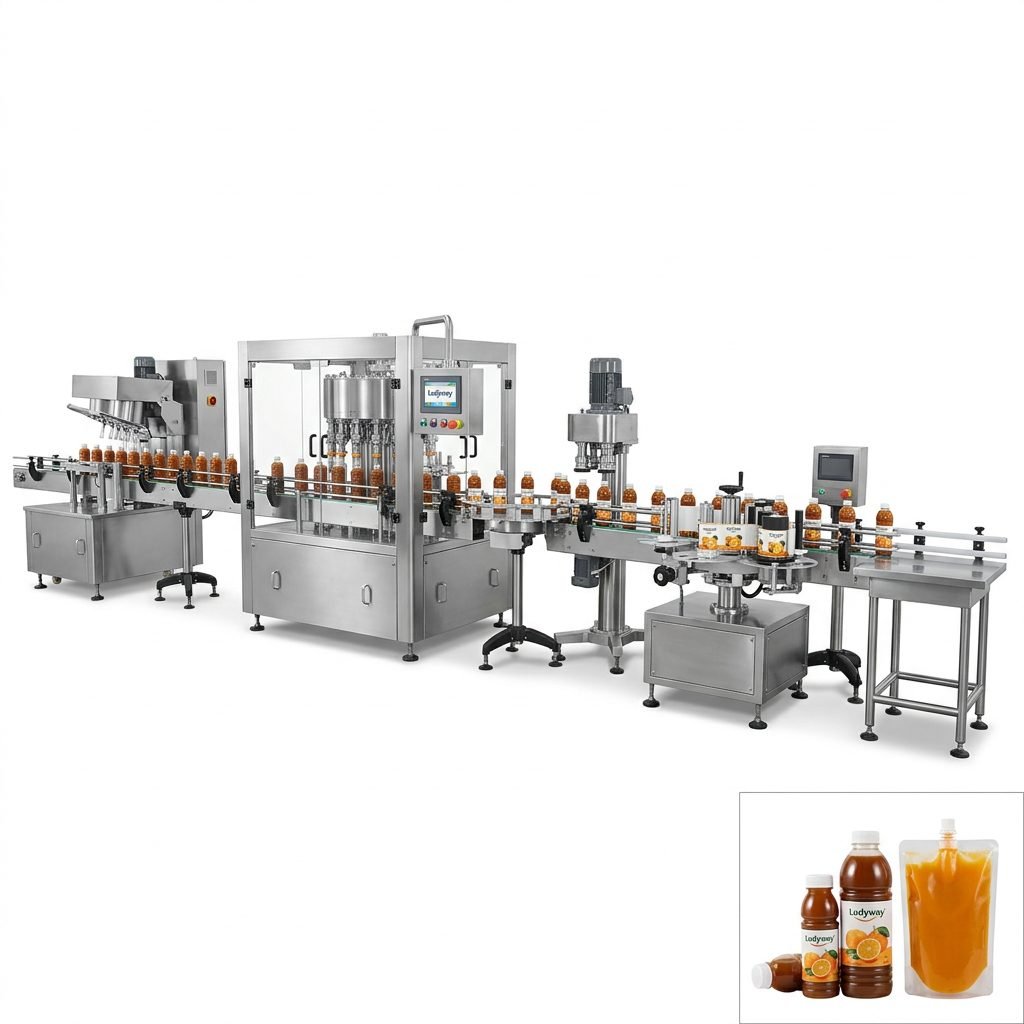
4. Bottle Filling and Capping Machines
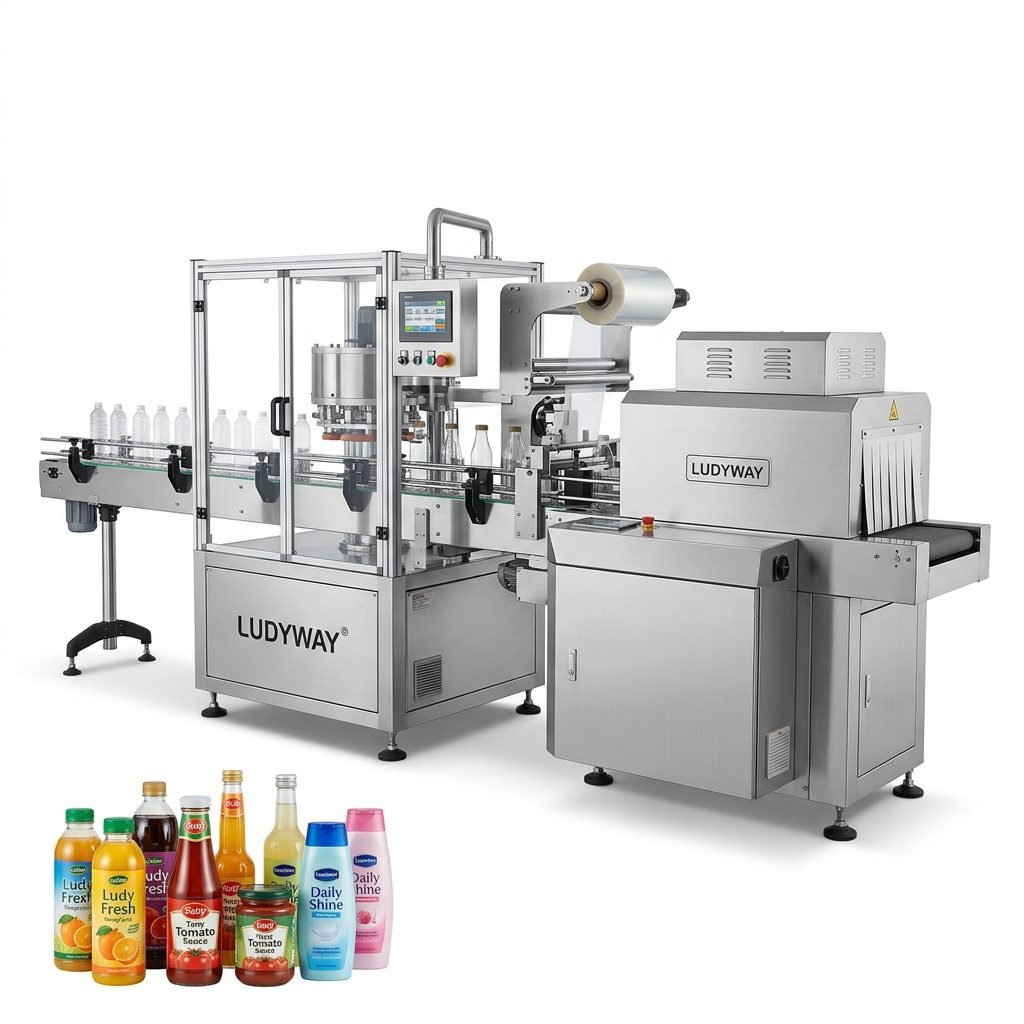
Bottle filling lines are widely used for PET bottles, glass bottles, and HDPE containers. These are popular for retail juice brands, cold chain beverages, and high-volume supermarket supply.
- Supports many bottle sizes
- Works with hot fill or cold fill processes
- Easy integration with labeling and shrink sleeving
- Suitable for medium to large factories
5. Cup Filling and Sealing Machines
For juice jelly, fruit cups, or beverage cups with foil lids, cup fillers provide a clean and efficient packaging method. They are often used in ready-to-drink and dessert beverage segments.
6. Aseptic Juice Packaging Systems
Aseptic systems are used for products requiring high hygiene and longer shelf life without refrigeration. These lines are more advanced and usually involve sterilization, sterile filling, and specialized barrier packaging materials.
Comparison of Juice Packaging Machine Types
| Machine Type | Best For | Advantages | Considerations |
|---|---|---|---|
| Sachet Machine | Single-serve liquid juice | Low material cost, fast output | Limited premium appearance |
| Stick Pack Machine | Juice shots, functional drinks | Portable, attractive, high-speed multi-lane | Smaller fill volume range |
| Premade Pouch Machine | Premium juice and puree | High shelf impact, flexible pouch types | Higher pouch cost |
| Bottle Filling Line | Retail bottled juice | Widely accepted format, scalable | Larger footprint |
| Cup Filling Machine | Juice cups and dessert beverages | Convenient sealed cups | Niche packaging format |
| Aseptic System | Shelf-stable premium juice | Long shelf life, high hygiene | Higher investment and technical complexity |
Key Benefits of Using a Juice Packaging Machine
Improved Production Efficiency
Automated packaging dramatically increases throughput compared with manual filling and sealing. High-speed systems reduce downtime and help manufacturers meet seasonal demand spikes.
Better Filling Accuracy
Consistent fill volume is critical for cost control and product compliance. A good machine minimizes underfilling, overfilling, and product waste.
Stronger Hygiene and Product Safety
Juice is sensitive to contamination. Automated liquid handling, sanitary contact parts, and clean sealing systems help maintain product safety and preserve taste.
Lower Labor Dependence
Automation reduces manual handling, improves consistency, and lowers reliance on labor-intensive operations. This is especially valuable in regions where labor costs or labor shortages are rising.
More Attractive Packaging
The right packaging machine supports clean seals, neat appearance, and better shelf presentation. In competitive beverage markets, appearance directly affects purchase decisions.
Easy Integration with Complete Lines
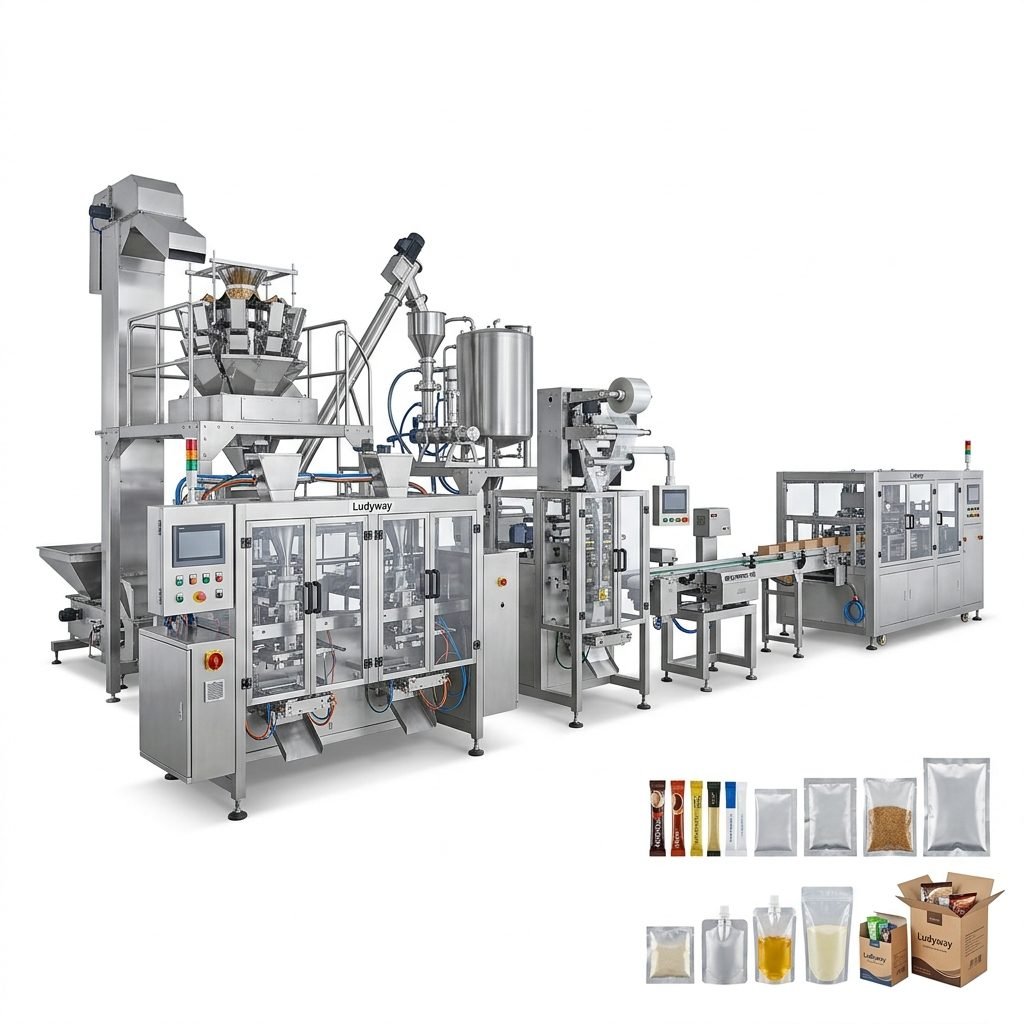
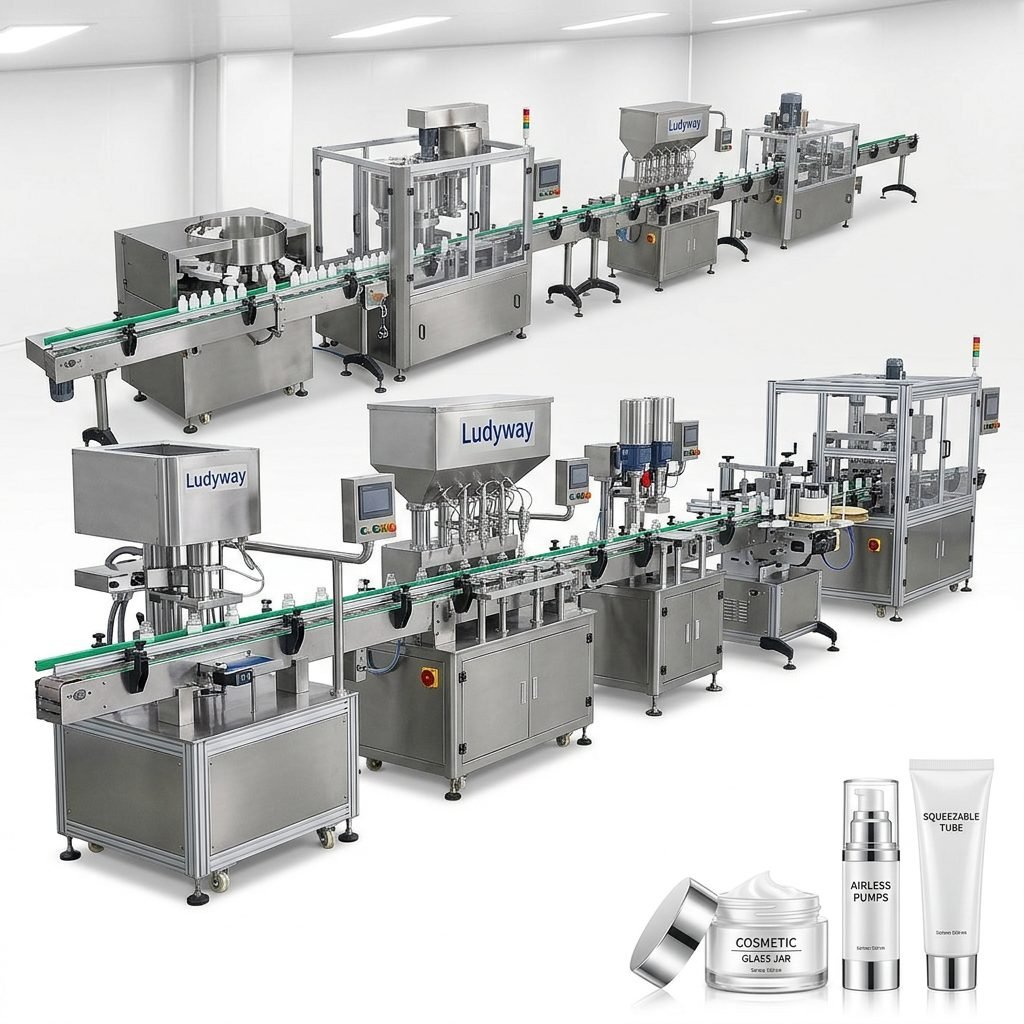
Many manufacturers now prefer integrated systems that include mixing, storage, feeding, filling, sealing, coding, inspection, cartoning, and palletizing for a more efficient workflow.
How to Choose the Right Juice Packaging Machine
Selecting the right system means looking beyond price alone. A cheaper machine that cannot match your product characteristics or target output can become expensive over time.
1. Understand Your Juice Type
Start with the actual product you are packing. Ask these questions:
- Is the juice clear, pulpy, thick, or concentrated?
- Does it contain fruit particles?
- Is it hot filled, cold filled, or aseptic?
- Is the product acidic or sensitive to oxidation?
Different viscosities and formulations require different pumps, valves, nozzles, and sealing structures.
2. Choose the Right Package Format
Your packaging style affects machine design, cost, speed, and branding impact. Consider your target customers and sales channels:
- Sachets for affordable single-use packs
- Stick packs for functional or portable juice servings
- Pouches for premium, family-size, or kid-friendly products
- Bottles for mainstream retail beverage distribution
3. Match Output Capacity to Your Business
A startup and a large beverage factory should not buy the same machine configuration. Define your required output per minute, per hour, and per shift. Also think about future expansion so the machine does not become a bottleneck too soon.
4. Check Filling Accuracy and Seal Quality
For juice products, leak-proof sealing and stable filling precision are essential. Poor sealing can cause spoilage, messy transport, customer complaints, and brand damage.
5. Evaluate Material Compatibility
Make sure the machine works with your selected packaging films, pouches, bottle materials, caps, or foil structures. Some products require high-barrier materials for better oxygen and light protection.
6. Consider Cleaning and Maintenance
Juice production requires frequent cleaning. Machines with sanitary design, easy-access parts, and CIP-friendly structures can save time and reduce contamination risk.
7. Look at Automation and Smart Controls
Modern machines often include PLC control, touchscreen operation, servo systems, alarm diagnostics, recipe storage, and remote support features. These functions improve usability and reduce operator error.
Important Technical Features to Review
| Feature | Why It Matters |
|---|---|
| Filling System Type | Affects accuracy, speed, and suitability for thin or pulpy juice |
| Sealing Technology | Determines leak resistance and package integrity |
| Contact Material | Food-grade stainless steel supports hygiene and durability |
| Speed Range | Must align with actual production goals |
| Changeover Time | Important if you run multiple SKUs or pack sizes |
| Control System | Improves operation, diagnostics, and process stability |
| Line Integration | Supports future expansion with conveyors, coders, cartoners, and palletizers |
Common Industries and Applications
Juice packaging machines are used across many beverage and health-related sectors, including:
- Fruit juice manufacturers
- Concentrated juice producers
- Nutritional beverage brands
- Children’s drink manufacturers
- Functional drink and supplement companies
- Hotel, airline, and foodservice supply chains
- OEM and private label beverage factories
When Should You Upgrade Your Existing Juice Packaging Line?
You may need a new machine or a complete line upgrade if you are facing any of these problems:
- Frequent filling inconsistency
- High packaging waste
- Leakage after sealing
- Low production speed
- Too much manual labor
- Difficulty switching package sizes
- Rising maintenance cost on old equipment
In many cases, replacing an outdated machine with an automated system can improve production efficiency and pay back the investment faster than expected.
Choosing a Reliable Juice Packaging Machine Manufacturer
The supplier matters as much as the machine itself. A good manufacturer should provide:
- Application-based machine recommendations
- Customization for your product and packaging format
- Stable manufacturing quality
- Installation and commissioning support
- Operator training
- After-sales service and spare parts support
- Ability to supply standalone machines or complete turnkey lines
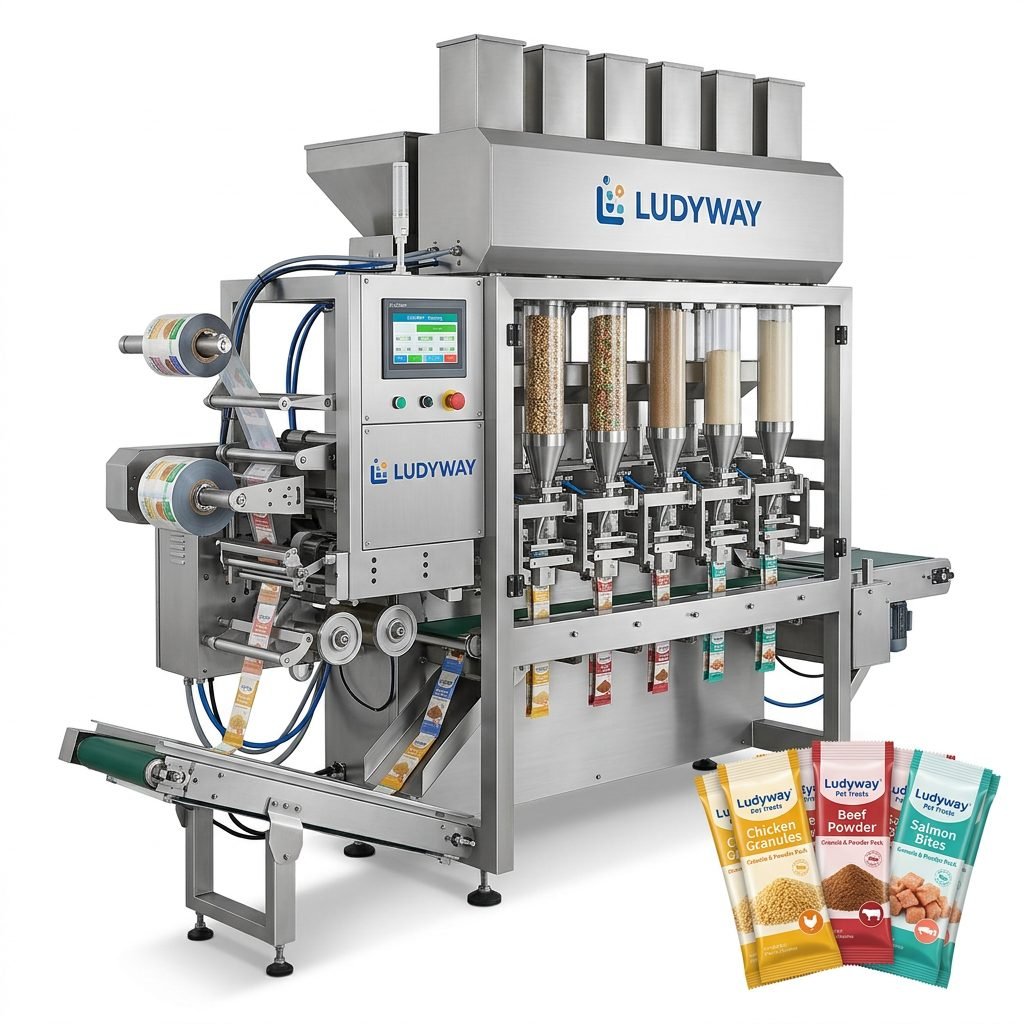
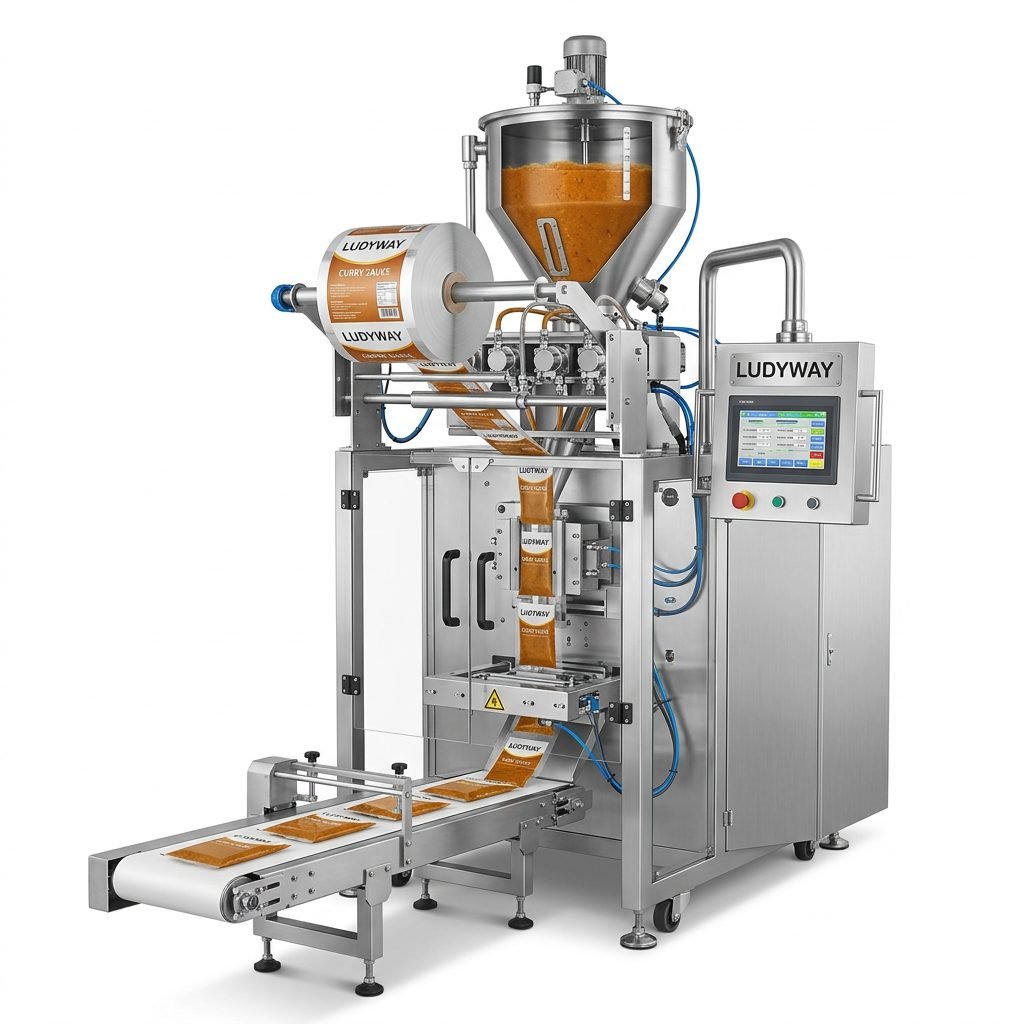
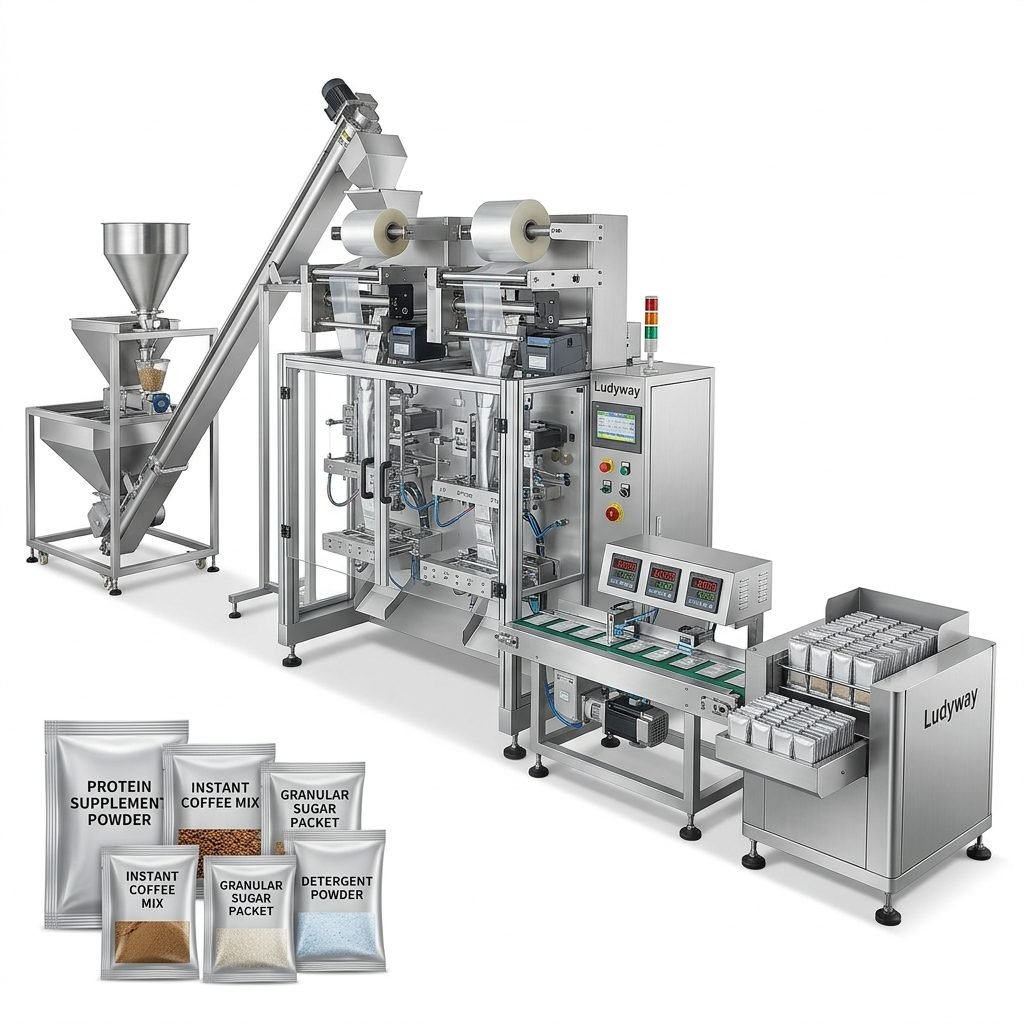
For buyers looking for scalable liquid, pouch, and sachet packaging solutions, Ludyway juice packaging machine solutions can be considered as part of a broader automation upgrade strategy, especially for businesses that need flexible machine configurations and turnkey packaging line support.
FAQ About Juice Packaging Machines
Can one machine pack different juice products?
Yes, many machines can handle multiple juice products if viscosity, filling range, and packaging material are compatible. However, product testing is important before final selection.
What is better for juice: sachets, pouches, or bottles?
It depends on your market. Sachets are economical, pouches offer premium shelf appeal, and bottles remain the most familiar format for retail consumers.
Is a multi-lane machine suitable for juice?
Yes. Multi-lane sachet or stick pack machines are excellent for high-speed production of small-volume liquid juice packs and functional beverage servings.
How do I know if I need a turnkey line?
If your process includes multiple stages such as mixing, storage, filling, sealing, coding, cartoning, and palletizing, a turnkey line can improve coordination and reduce integration issues.
Final Thoughts
The right juice packaging machine helps manufacturers achieve faster output, cleaner packaging, better product safety, and stronger market competitiveness. The best choice depends on your juice formulation, package style, production volume, automation level, and long-term growth plans.
Before making a final decision, compare machine types carefully, test your actual product, and work with an experienced supplier that understands beverage packaging requirements. A well-matched system will not only package juice efficiently, but also support your brand’s quality and expansion goals for years to come.