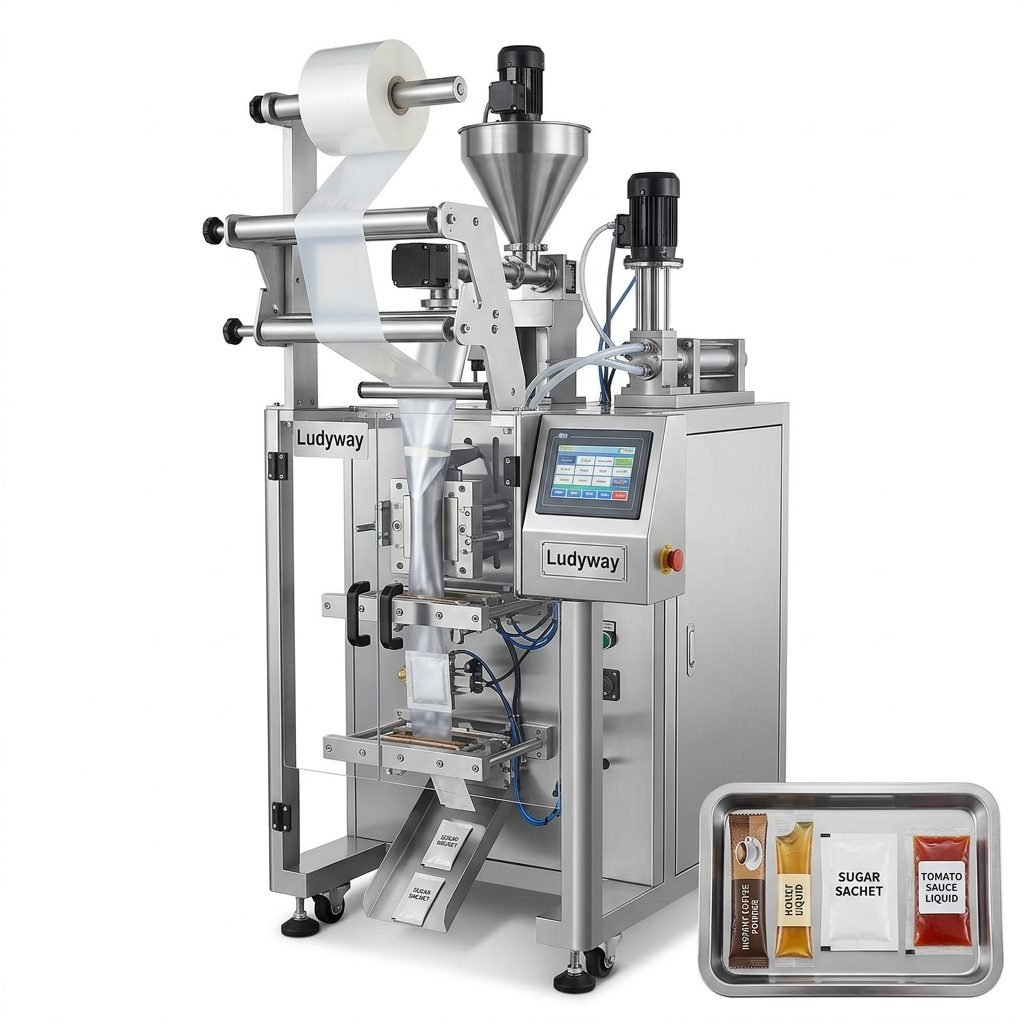
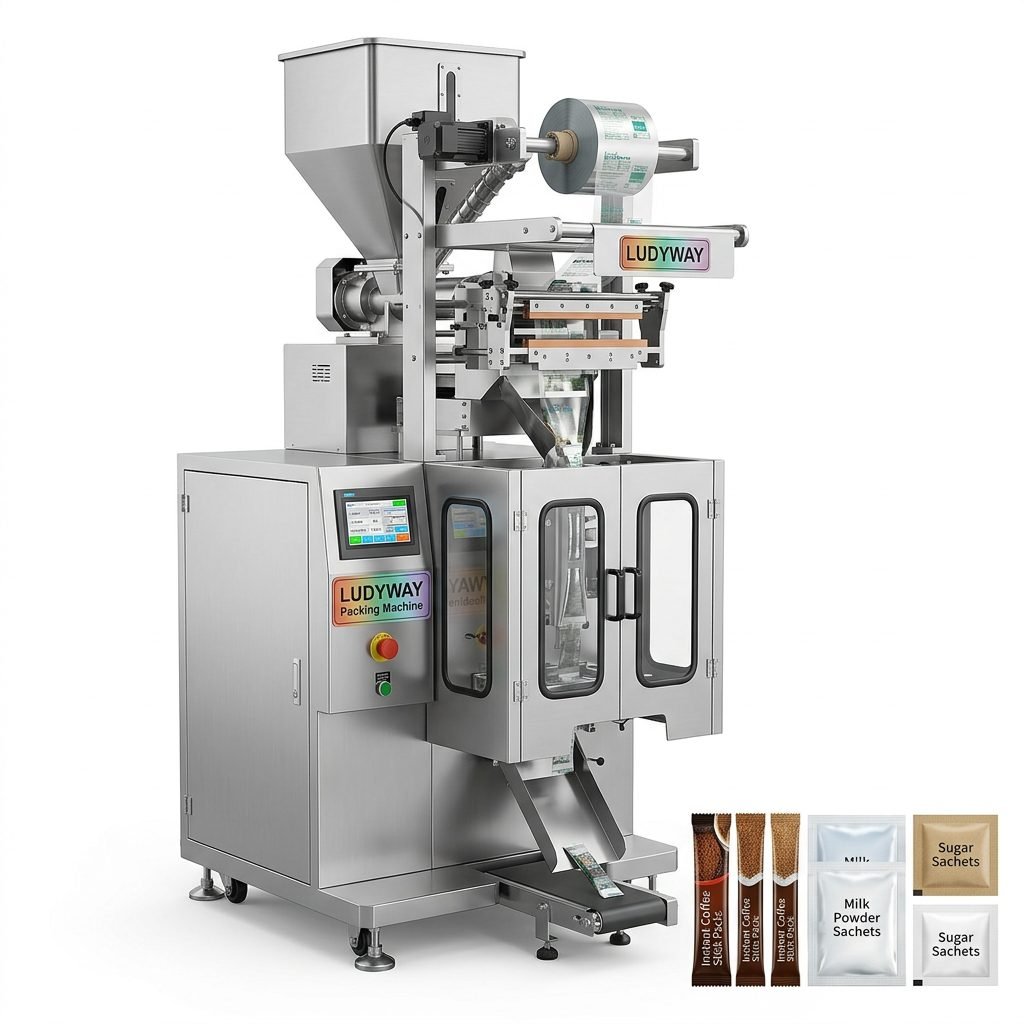
Investing in an automatic vegetable packing machine is a strategic decision for food producers, processors, and packers aiming to scale operations, reduce manual labor, and maintain consistent product quality. However, with a wide range of machine types, configurations, and suppliers available, selecting the right equipment requires careful evaluation of your production needs, product characteristics, and long-term business goals.
This buyer’s guide walks you through the essential factors — from understanding your vegetable product properties to assessing machine features, compliance requirements, and supplier capabilities — helping you make an informed purchasing decision backed by packaging industry research.
1. Understand Your Vegetable Product Characteristics
The first step in choosing an automatic vegetable packing machine is thoroughly analyzing your product. Vegetables come in many forms — fresh, frozen, dried, powdered, granulated, or liquid-based (such as purees and juices). Each physical state demands specific handling, dosing, and sealing technologies.
Key product attributes to evaluate include:
- Product form: Whole, sliced, diced, shredded, granule, powder, or liquid
- Flow characteristics: Free-flowing, sticky, cohesive, or bridging-prone
- Moisture content: High-moisture products may require modified atmosphere packaging (MAP) or vacuum sealing
- Temperature sensitivity: Frozen vegetables need equipment rated for cold environments
- Particle size distribution: Uniform or mixed sizes affect filling accuracy and speed
According to flexible packaging industry data, matching machine specifications to product properties significantly reduces packaging waste and improves line efficiency.
2. Define Your Target Packaging Format and Bag Style
| Packaging Format | Best Suited For | Typical Machine Type |
|---|---|---|
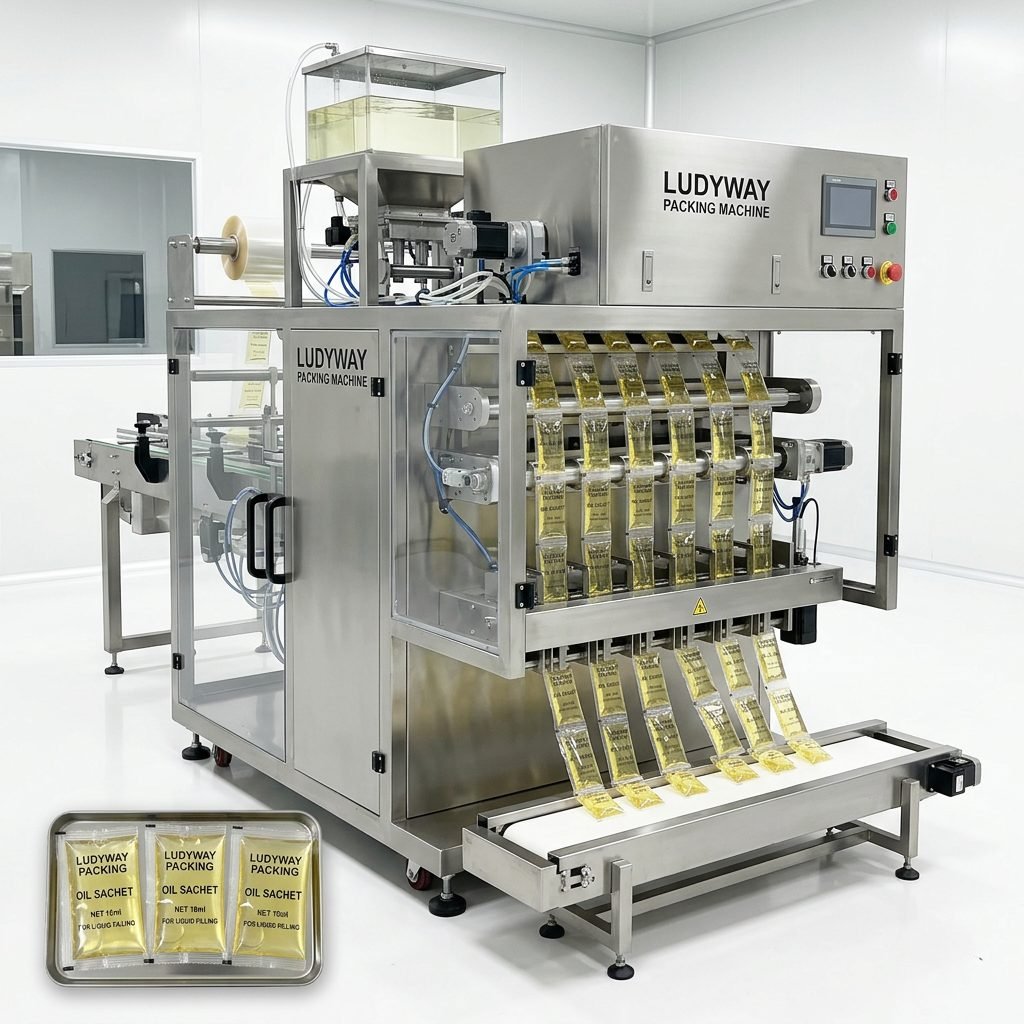
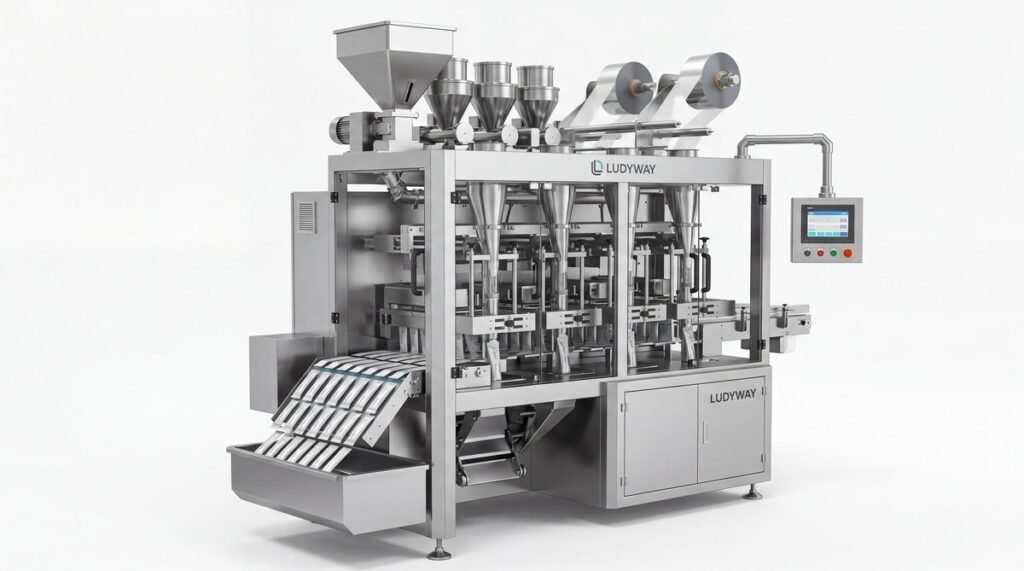
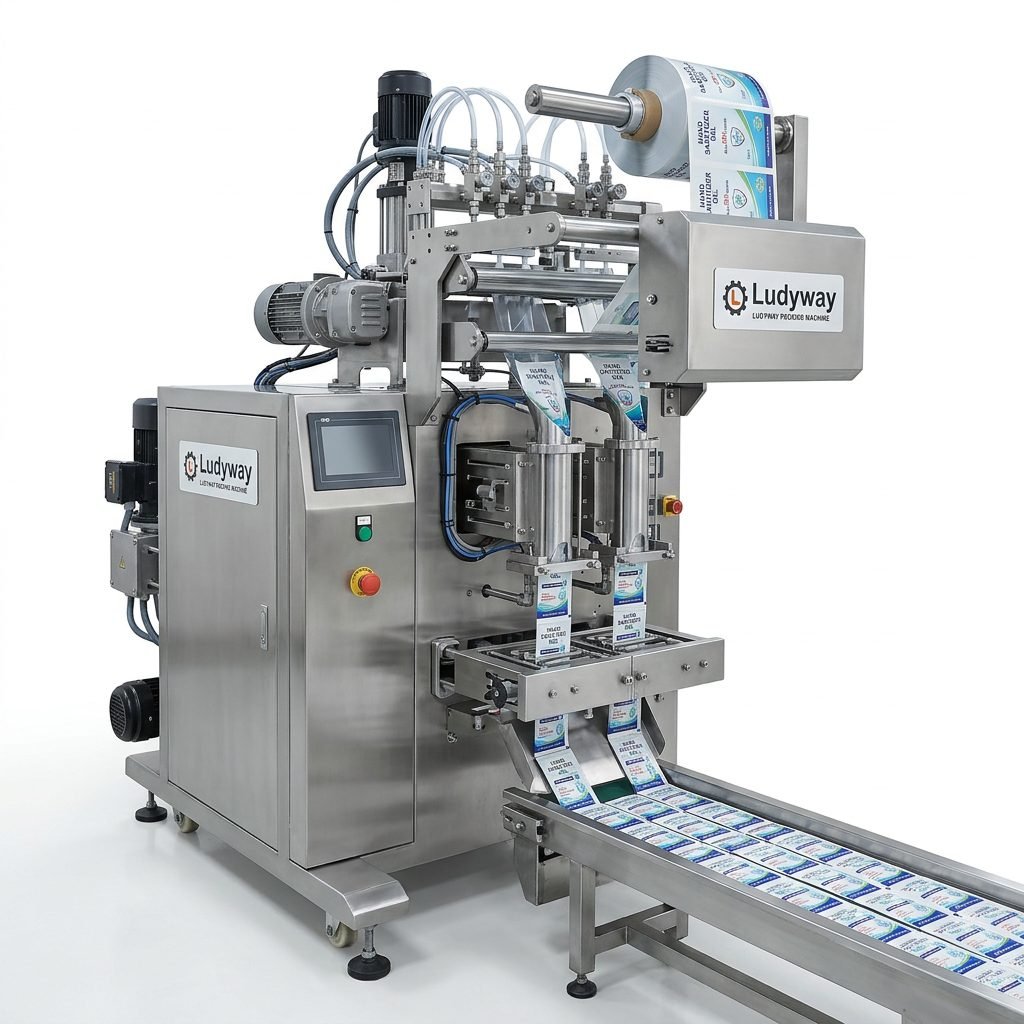
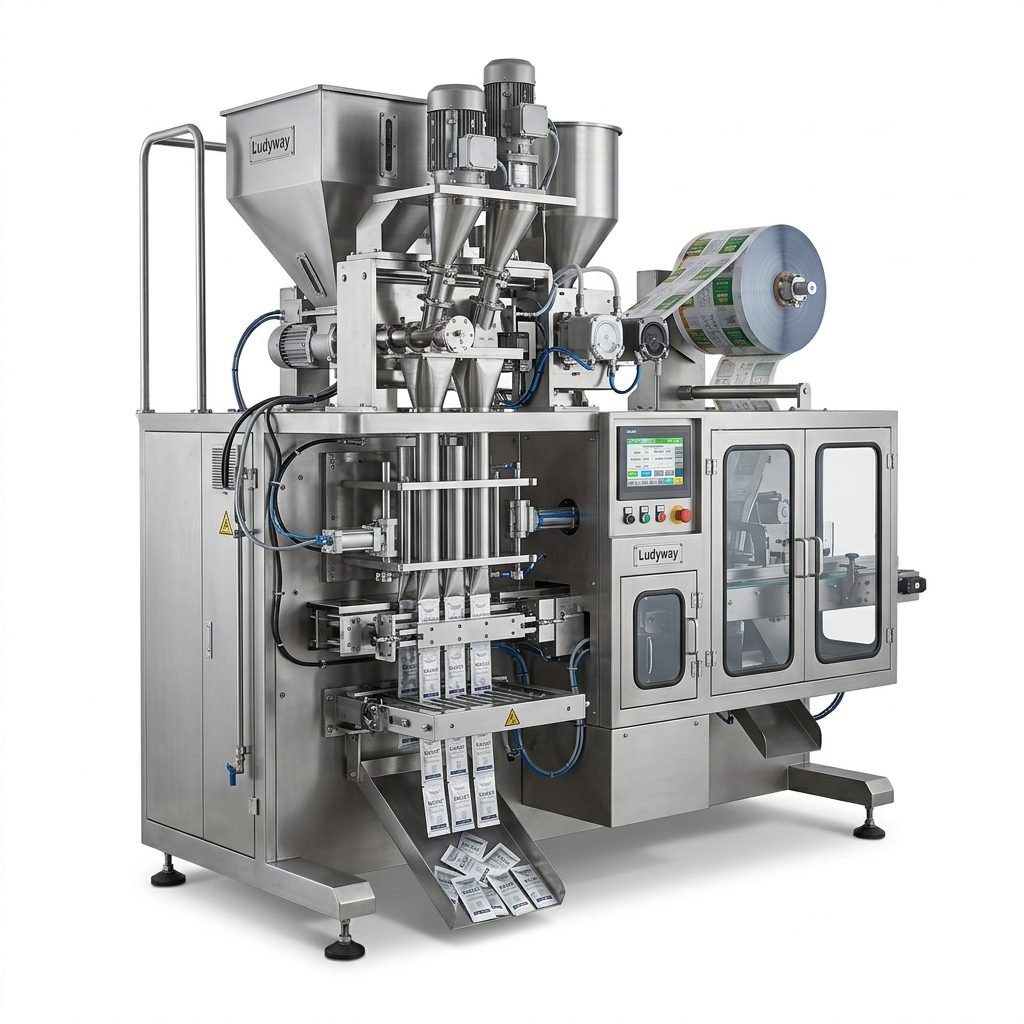
| Stick Pack / Sachet | Powdered vegetables, seasonings, single-serve portions | Multi-lane stick pack machine |
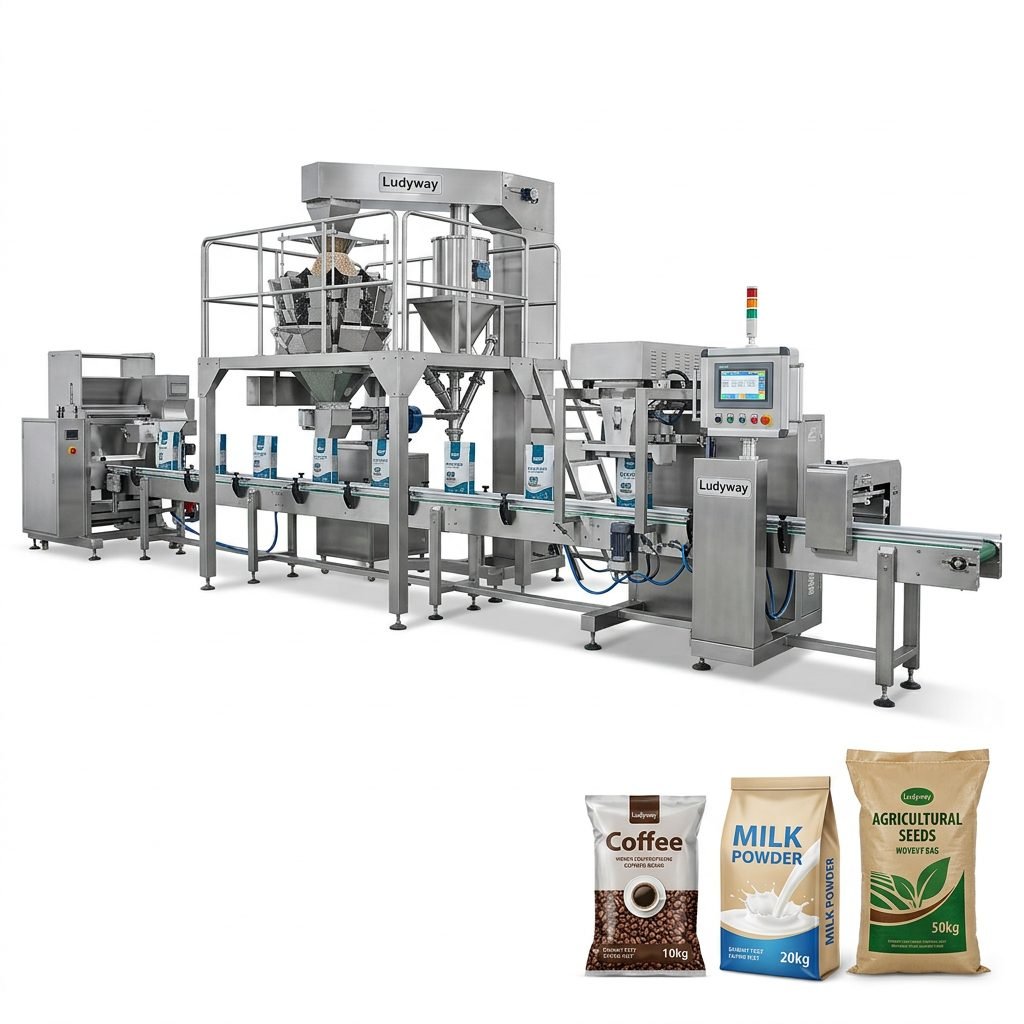
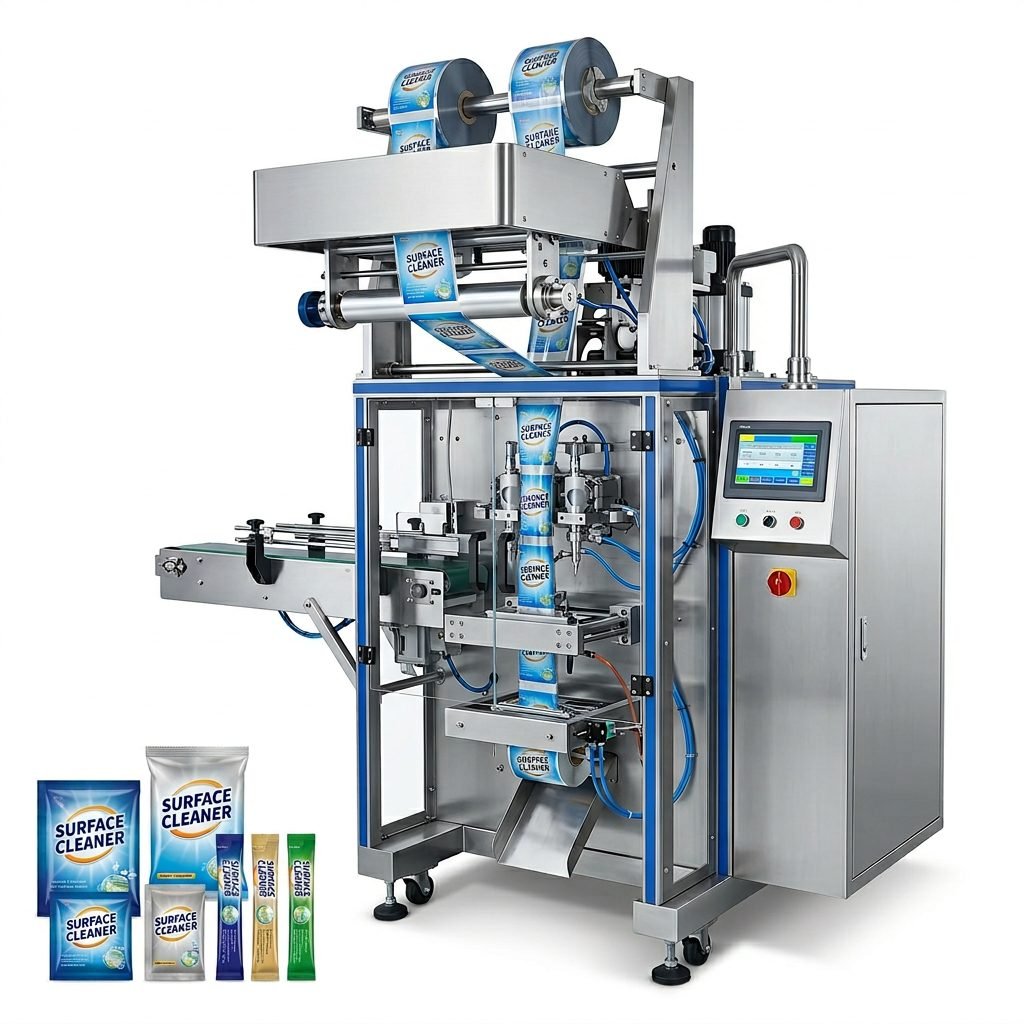
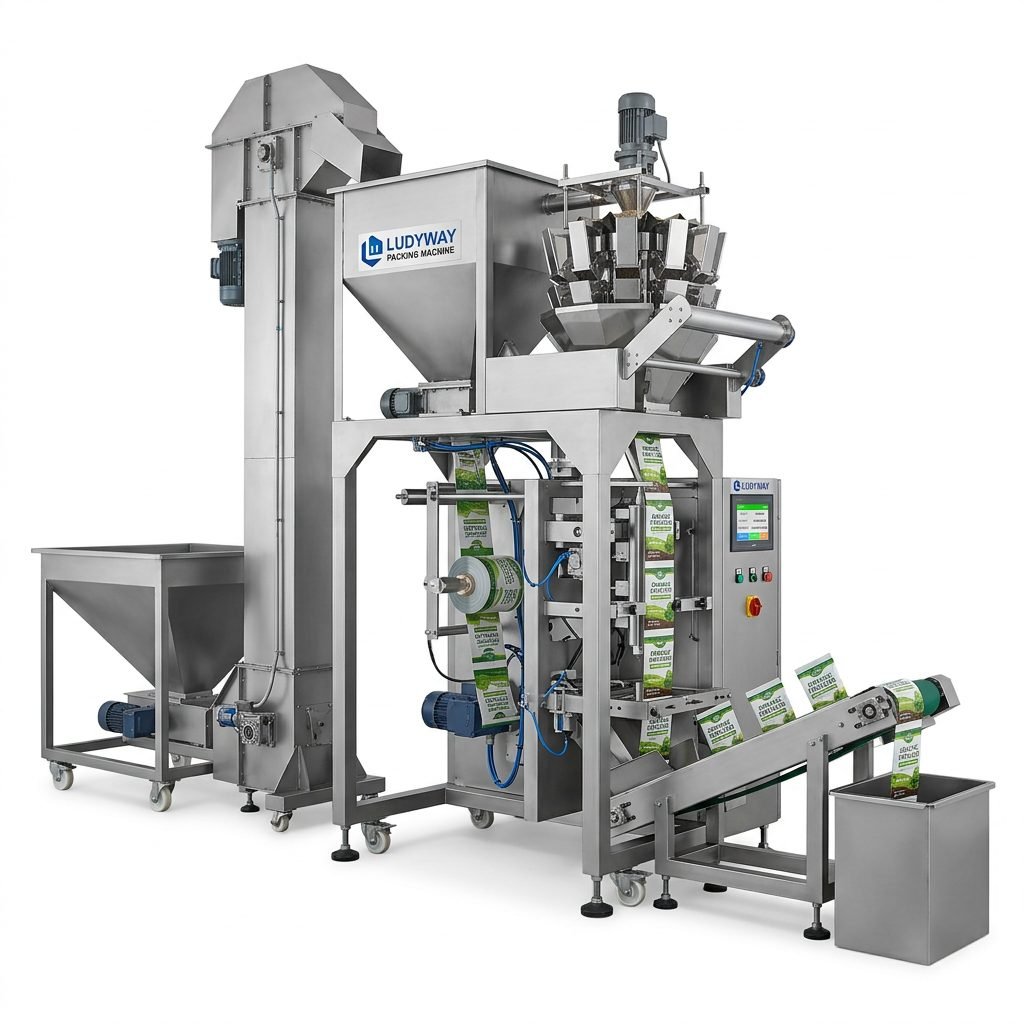
| Pillow Pouch / Flat Pouch | Frozen vegetables, dried veggie snacks | Vertical form fill seal (VFFS) machine |
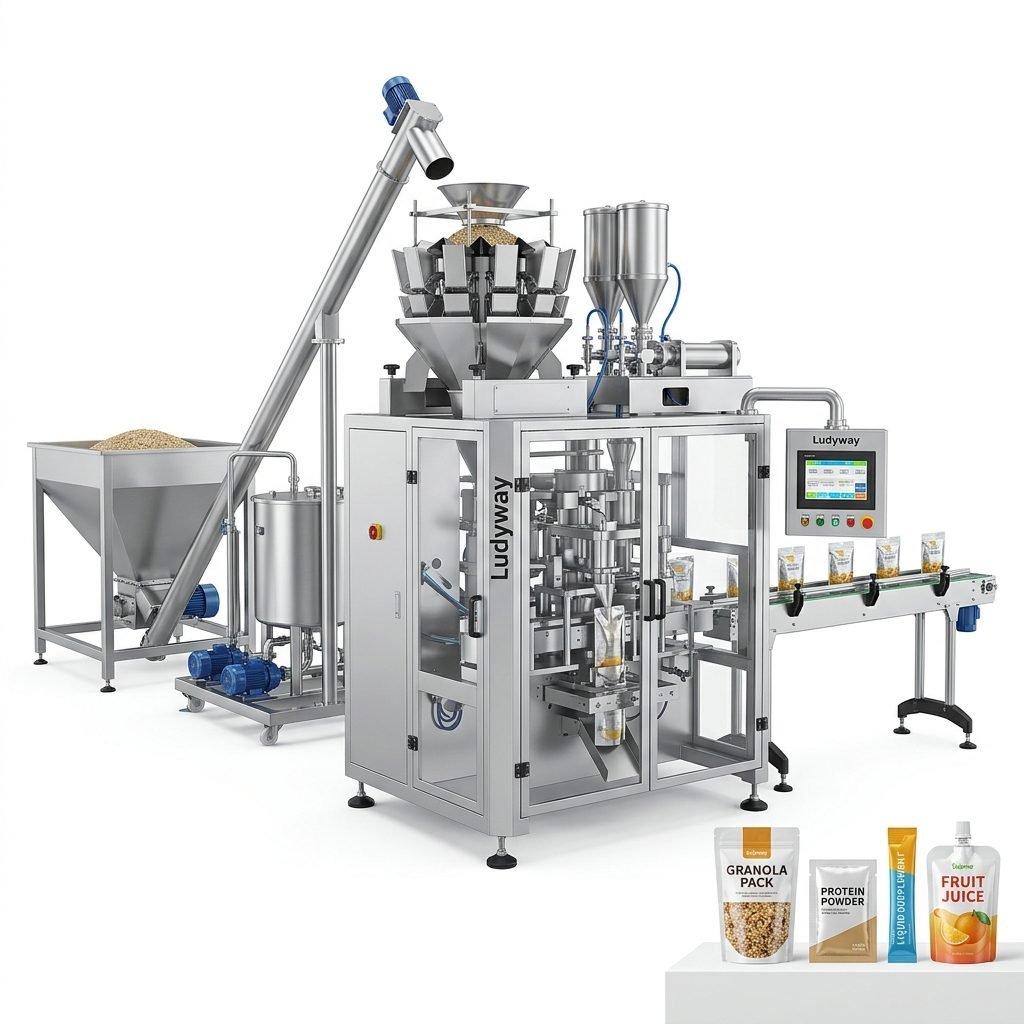
| Stand-up Pouch / Doypack | Premium dried vegetables, retail-ready products | Premade pouch filling & sealing machine |
| Vacuum Bag | Fresh-cut vegetables, extended shelf-life applications | Vacuum packaging machine |
| Bulk Bag / Jumbo Bag | Industrial vegetable powders, bulk ingredients | Big bag filling station |

3. Determine Required Production Speed and Capacity
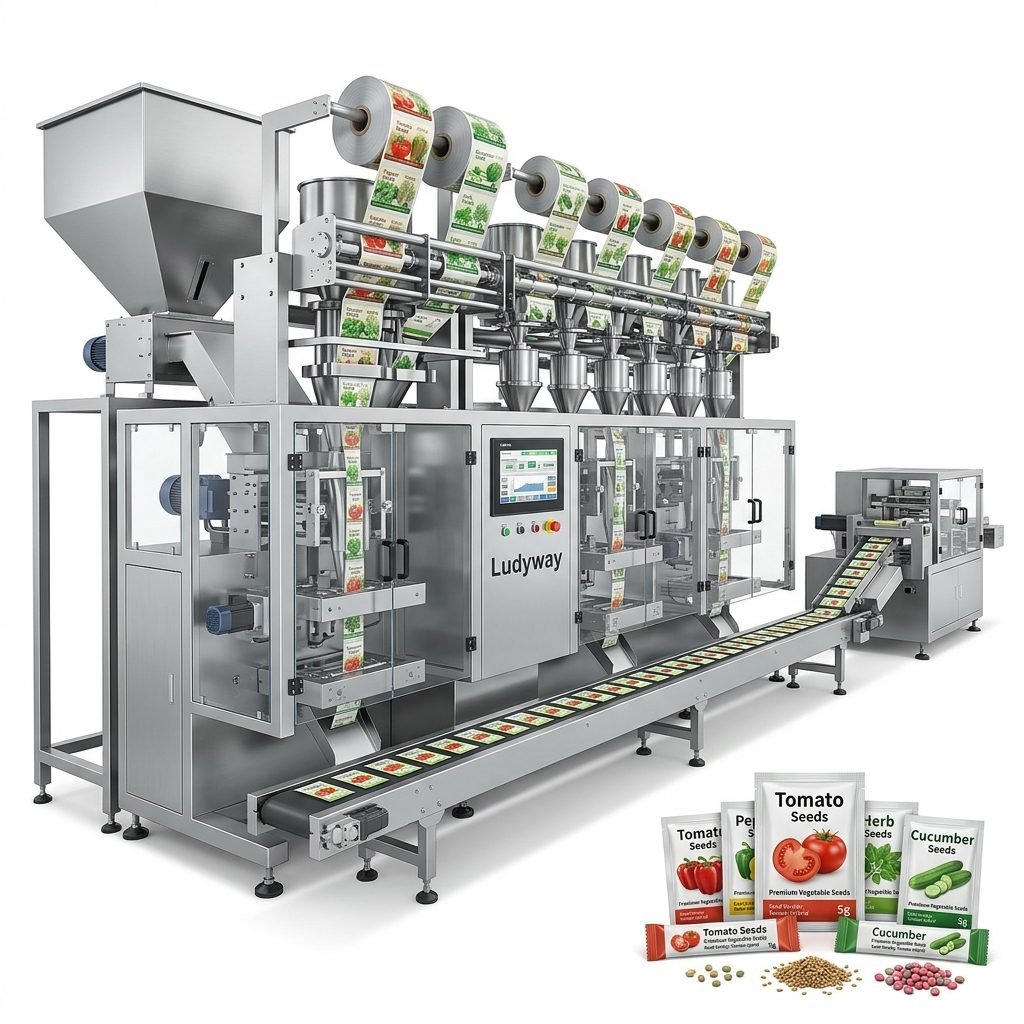
Production throughput requirements directly influence machine selection. A multi-lane automatic vegetable packing machine can simultaneously fill multiple lanes, dramatically increasing output without proportionally increasing floor space. Consider these capacity benchmarks:
Speed Tiers for Vegetable Packaging Machines
- Low-speed: 20–40 packs per minute — suitable for small-batch, artisan, or seasonal vegetable products
- Medium-speed: 40–80 packs per minute — ideal for mid-sized food processors and co-packers
- High-speed: 80–200+ packs per minute — designed for large-scale vegetable processing facilities
When estimating capacity, factor in planned production growth over the next 3–5 years. Selecting a machine that accommodates future expansion can be more cost-effective than upgrading prematurely. The PMMI State of the Industry report highlights that food manufacturers increasingly prioritize scalable packaging equipment to respond to market demand fluctuations.
4. Evaluate Filling and Dosing Technology
Accurate filling is critical for vegetable products, whether you are packing 5-gram sachets of dehydrated onion powder or 500-gram pouches of frozen mixed vegetables. Different dosing systems suit different product types:
- Volumetric cup filler: Cost-effective for free-flowing dried vegetable granules and powders with consistent bulk density
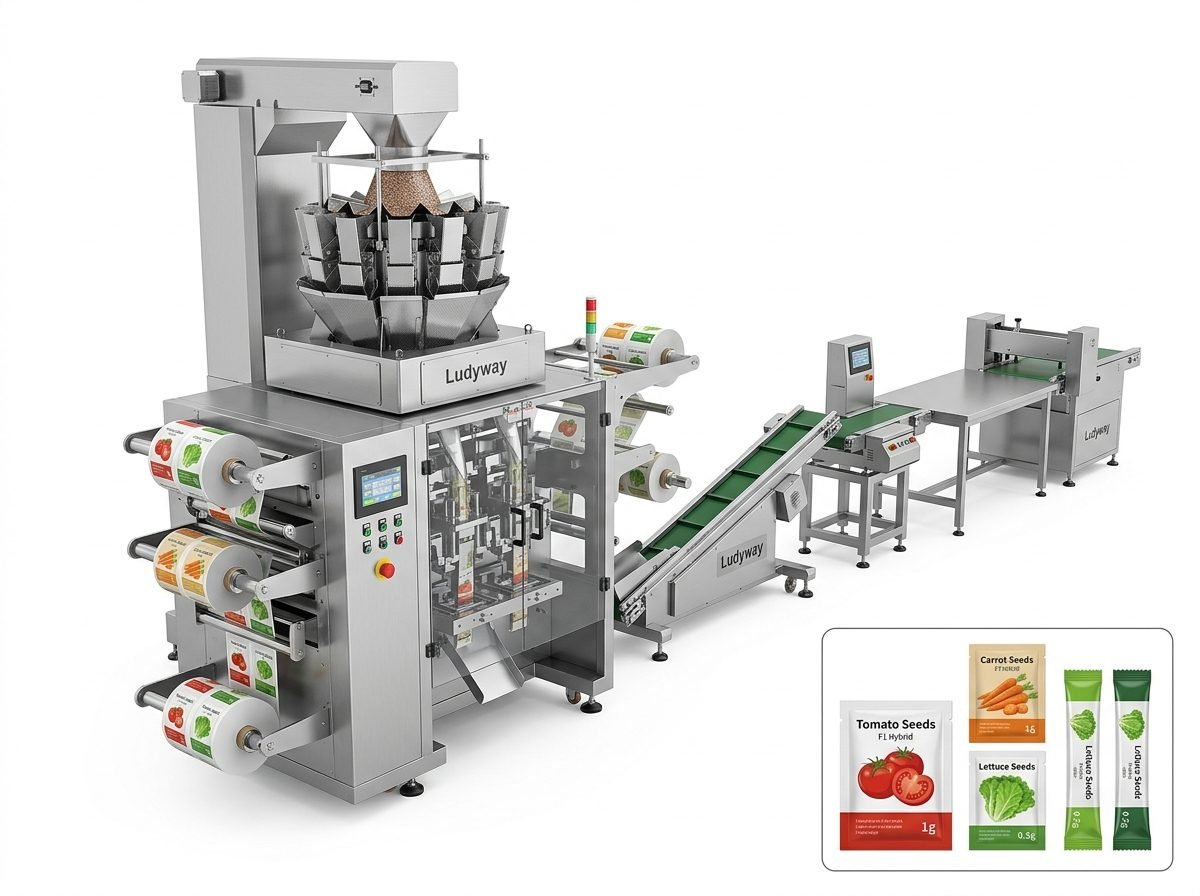
- Multi-head weigher (combination scale): High-accuracy weighing for fresh-cut vegetables, frozen products, and irregular pieces — achieves tight weight tolerances
- Auger filler: Precision dosing for fine vegetable powders, spices, and seasonings
- Liquid piston filler: Designed for vegetable purees, sauces, soups, and juice concentrates
For products with variable piece sizes — such as mixed frozen vegetables — packaging machinery standards recommend combination weighing systems to minimize giveaway while maintaining throughput.
5. Assess Packaging Material Compatibility
The automatic vegetable packing machine you select must be compatible with your chosen packaging materials. Common flexible packaging materials for vegetable products include:
- BOPP/CPP laminates: Excellent moisture barrier for dried vegetables
- PET/Al/PE laminates: High-barrier structure for oxygen-sensitive vegetable powders
- Kraft paper/PE: Eco-friendly option for dry vegetable snacks
- Biodegradable films: Emerging materials aligned with EU packaging waste regulations
Verify that the machine’s sealing system — whether heat-seal, ultrasonic, or impulse — works effectively with your film structure. Additionally, confirm that the machine supports optional features like nitrogen flushing, vacuum sealing, or MAP if your vegetable products require extended shelf life.
6. Consider Automation and Integration Capabilities
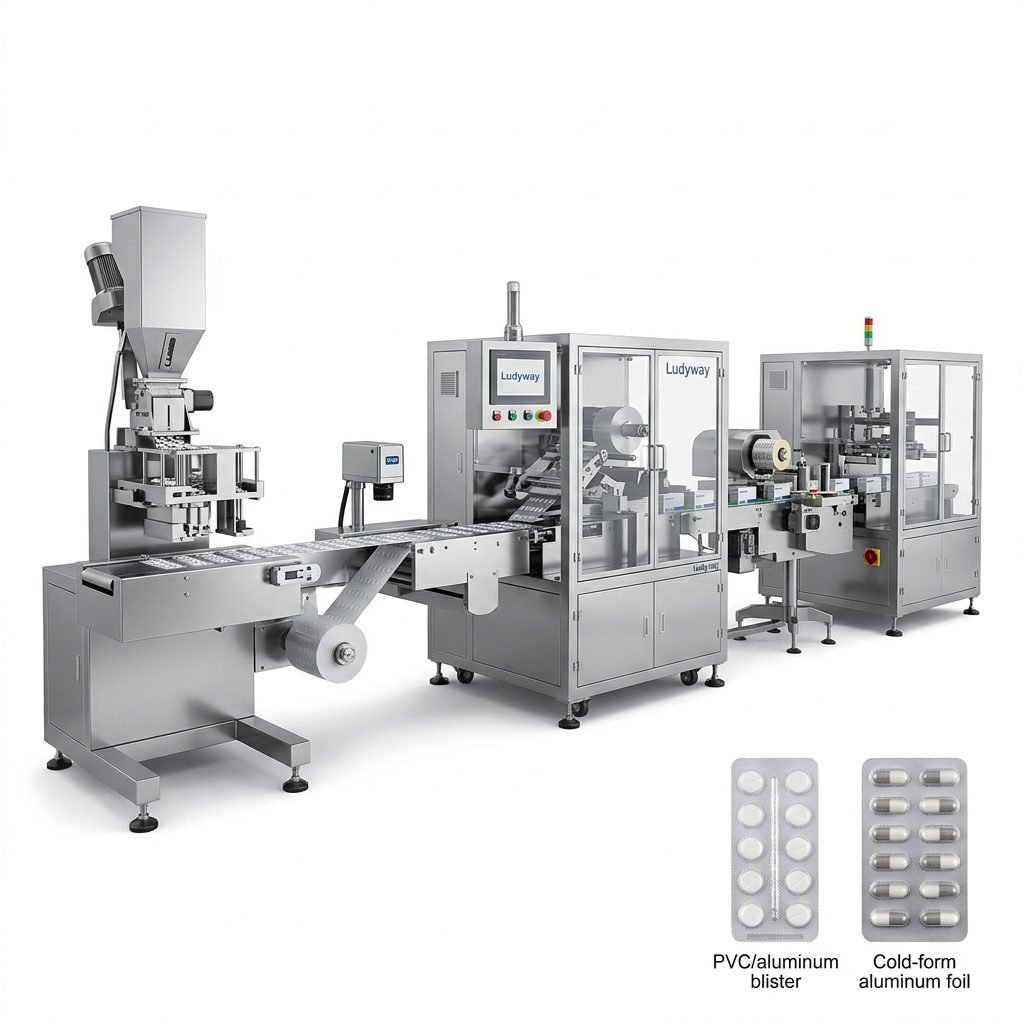
Modern vegetable packing lines often extend beyond the primary packaging machine. When evaluating equipment, assess how easily it integrates with upstream and downstream systems, including:
- Automatic feeding conveyors and elevator systems
- Metal detectors and X-ray inspection units
- Checkweighers for quality assurance
- Date coding and labeling machines
- Cartoning, case packing, and palletizing equipment
A turnkey packaging solution provider can deliver integrated systems where all components are engineered to work together, reducing installation complexity and operational risk. This approach aligns with findings from flexible packaging industry experts who emphasize the growing demand for end-to-end automated packaging systems.
7. Verify Compliance with Industry Standards and Certifications
Food-grade packaging machinery must meet applicable regulatory requirements. Depending on your target market, verify that the vegetable packing machine complies with relevant standards:
Key Standards to Check
- FDA 21 CFR: Regulations for food contact materials in the U.S. market — reference FDA food packaging guidance
- EU Regulation (EC) 1935/2004: Framework for food contact materials in European markets
- ISO 22000 / HACCP: Food safety management system requirements
- CE Marking: Conformity with EU health, safety, and environmental requirements
- GAMP / GMP: Good automated manufacturing practices for pharmaceutical-grade vegetable extracts
Request compliance documentation and certification evidence from potential suppliers before finalizing your purchase decision. Refer to ISO packaging standards for international guidelines applicable to packaging machinery.
8. Evaluate Supplier Experience and Support Capabilities
Your relationship with the machine supplier extends well beyond the initial purchase. When evaluating automatic vegetable packing machine manufacturers, consider these criteria:
Supplier Evaluation Checklist
- Industry experience: How long has the supplier been manufacturing packaging machinery? Do they have specific experience with vegetable and food products?
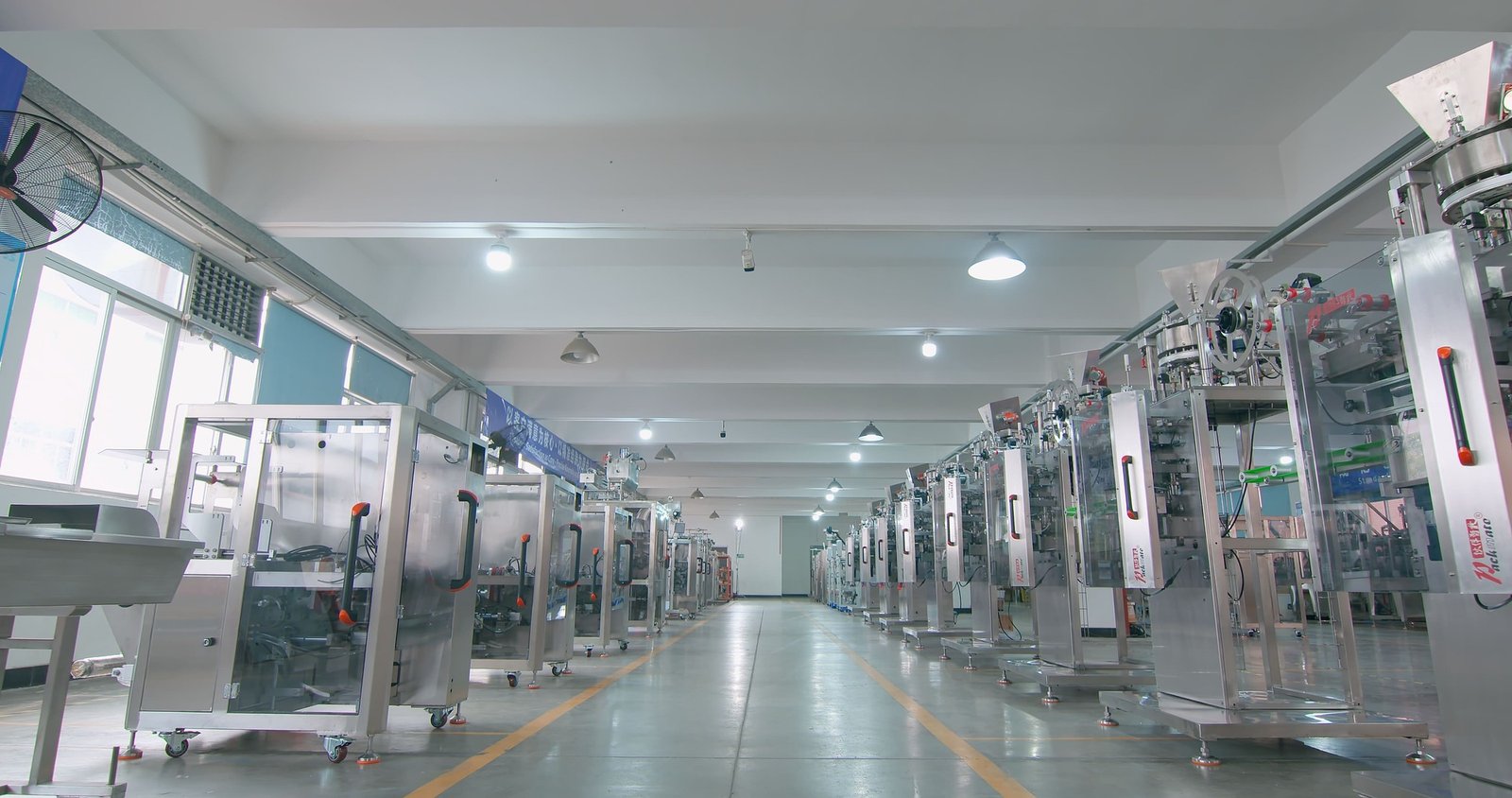
- Manufacturing facility: In-house manufacturing capabilities typically indicate stronger quality control and engineering expertise
- Customization capability: Can the supplier modify machine configurations to match your specific product requirements?
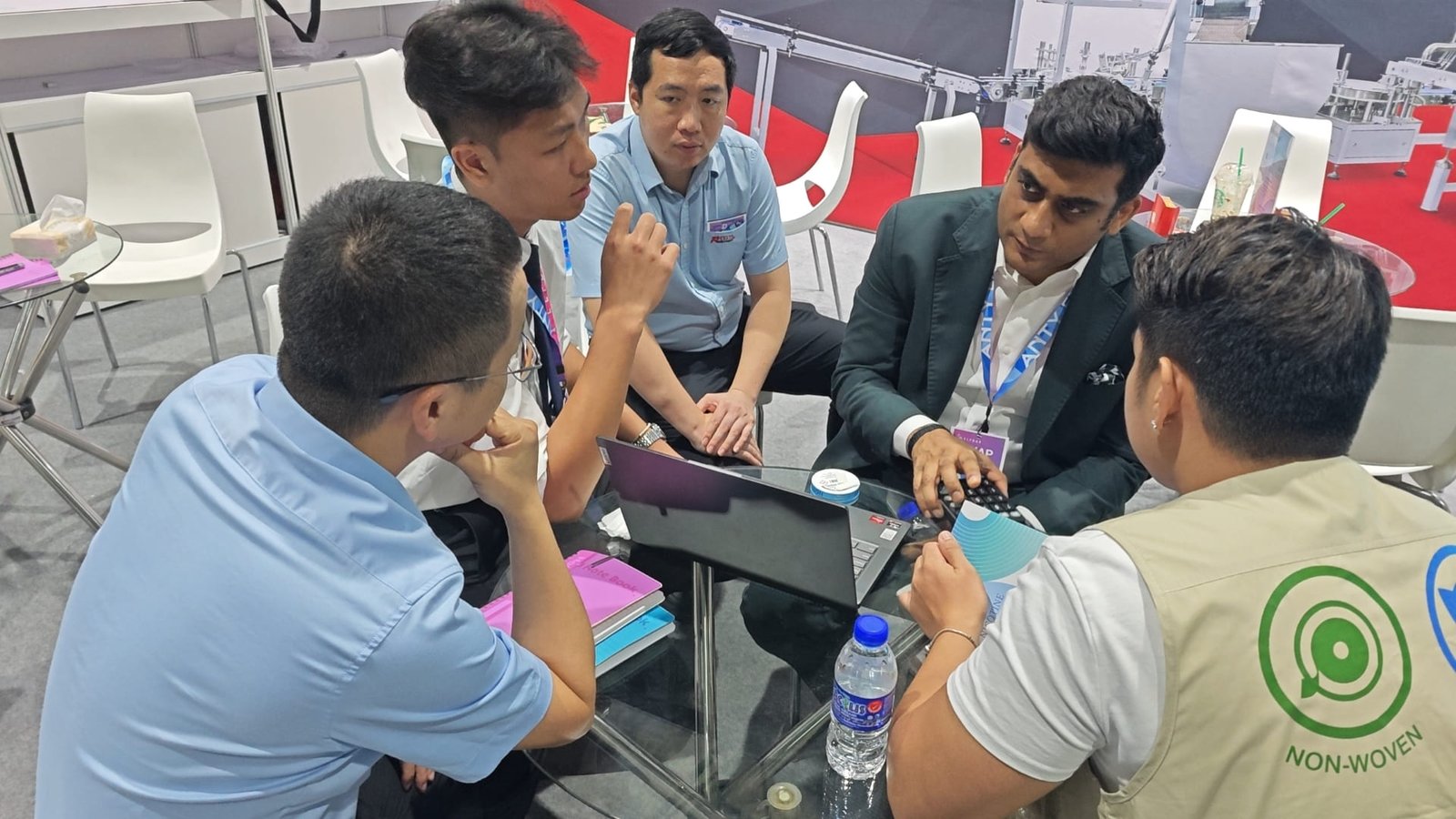
- Global service network: Do they provide installation, commissioning, training, and after-sales support in your region?
- Spare parts availability: Reliable access to genuine spare parts minimizes potential downtime
Ludyway Machinery, a China-based packaging machinery manufacturer with more than 30 years of experience, operates a 20,000-square-meter manufacturing facility and offers over 50 packaging machine models. The company provides customized packaging machinery and engineering solutions tailored to specific product and production requirements across more than 100 countries and regions.
9. Calculate Total Cost of Ownership (TCO)
The purchase price represents only one component of the total investment in a vegetable packaging machine. A comprehensive cost analysis should include:
| Cost Category | Description | Typical Range (% of Machine Cost) |
|---|---|---|
| Initial purchase | Machine, standard accessories, shipping | 100% |
| Installation & commissioning | Setup, calibration, operator training | 10–20% |
| Consumables & spare parts | Sealing elements, cutting blades, filters | 5–15% annually |
| Packaging material waste | Film waste during startups, format changes | 2–8% of material cost |
| Maintenance & service | Preventive maintenance, unexpected repairs | 8–15% annually |
Investing in a higher-quality automatic vegetable packing machine from a reputable packaging machinery association member often reduces long-term operational costs through improved reliability, lower waste rates, and better energy efficiency.
10. Plan for Testing and Validation Before Final Purchase
Before committing to purchase, arrange product testing with the machine supplier. Most experienced manufacturers offer:
- Factory acceptance testing (FAT): Run your actual vegetable product on the machine at the supplier’s facility to verify performance
- Packaging integrity testing: Evaluate seal strength, barrier performance, and visual appearance
- Production simulation: Confirm speed, accuracy, and changeover times under conditions similar to your production environment
Document all testing results and ensure performance guarantees are included in the purchase agreement. This step helps mitigate risk and confirms that the selected vegetable packing machine meets your operational requirements before installation.
Key Takeaways for Vegetable Packaging Machine Buyers
Selecting the right automatic vegetable packing machine is a multi-faceted decision that impacts your production efficiency, product quality, and long-term profitability. To summarize the essential steps:
- Thoroughly characterize your vegetable product properties — form, flow, moisture, and sensitivity
- Select the appropriate packaging format and bag style for your target market
- Match machine speed and capacity to current and projected production volumes
- Choose dosing technology suited to your product’s physical characteristics
- Verify material compatibility and regulatory compliance for your markets
- Evaluate supplier experience, customization capability, and global support infrastructure
- Calculate total cost of ownership beyond the initial purchase price
- Insist on product testing and documented performance validation
By following this structured evaluation process and referencing packaging machinery market research, you can confidently select a vegetable packaging solution that delivers reliable performance, scalable capacity, and strong return on investment for your food processing operation.