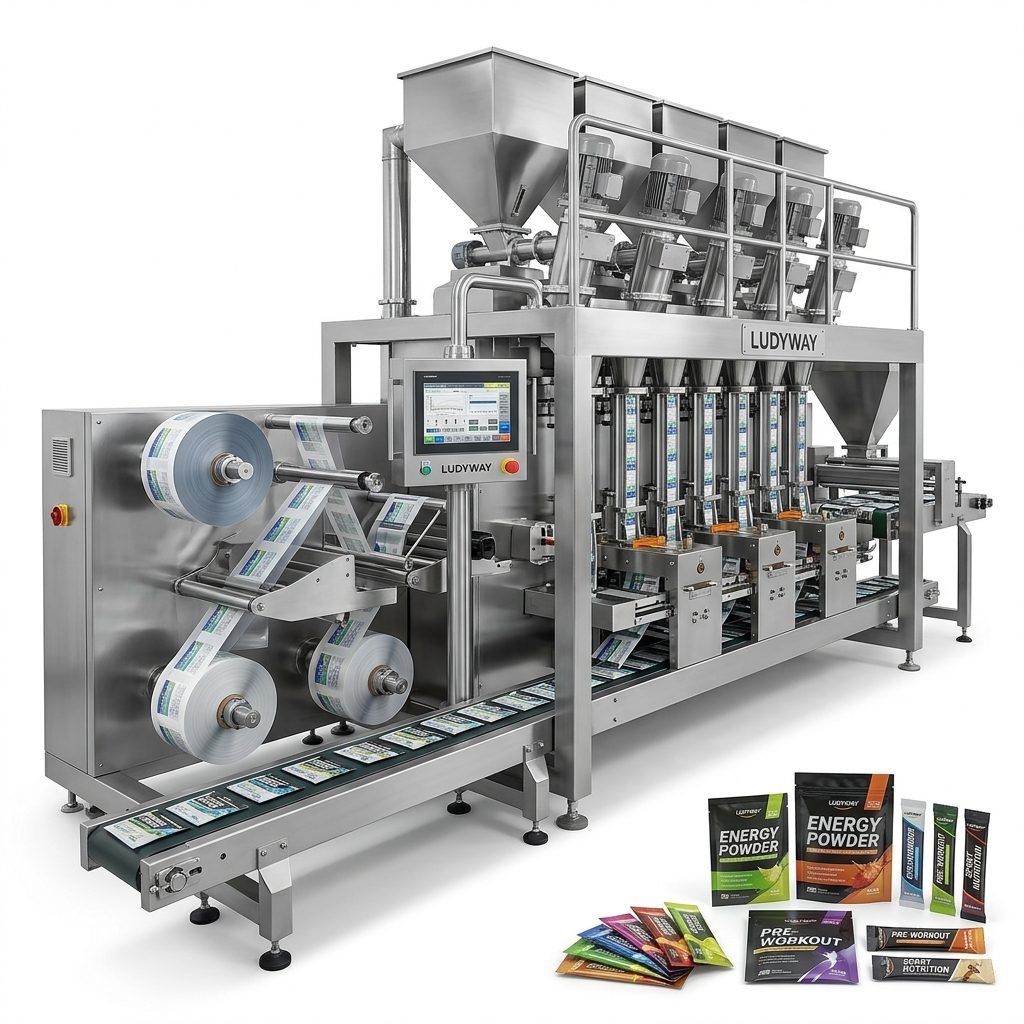
The Middle East represents one of the fastest-growing markets for dry food packaging machinery, driven by rapid urbanization, a booming food processing sector, and increasing demand for convenient, shelf-stable products. Setting up a dry food packaging machine production line in this region requires careful planning around equipment selection, regional regulations, climate adaptation, and total cost of ownership. This guide provides a practical roadmap for investors, plant managers, and food manufacturers looking to establish or upgrade a packaging line in the Gulf Cooperation Council (GCC) countries, Levant, and broader Middle East and North Africa (MENA) region.
Understanding the Middle East Dry Food Packaging Landscape
The Middle Eastern food packaging market is projected to grow at a compound annual growth rate (CAGR) exceeding 5% through 2030, according to industry data from PMMI’s business intelligence reports. Key dry food segments driving this demand include rice, pulses, dates, coffee, spices, powdered milk, flour, snack foods, and instant meal mixes. The region’s heavy reliance on food imports also creates strong demand for repackaging and portion-pack operations. Multinational food brands and local manufacturers alike are investing in automated packaging lines to meet both domestic consumption and re-export opportunities to Africa and Asia.
Essential Equipment for a Dry Food Packaging Production Line
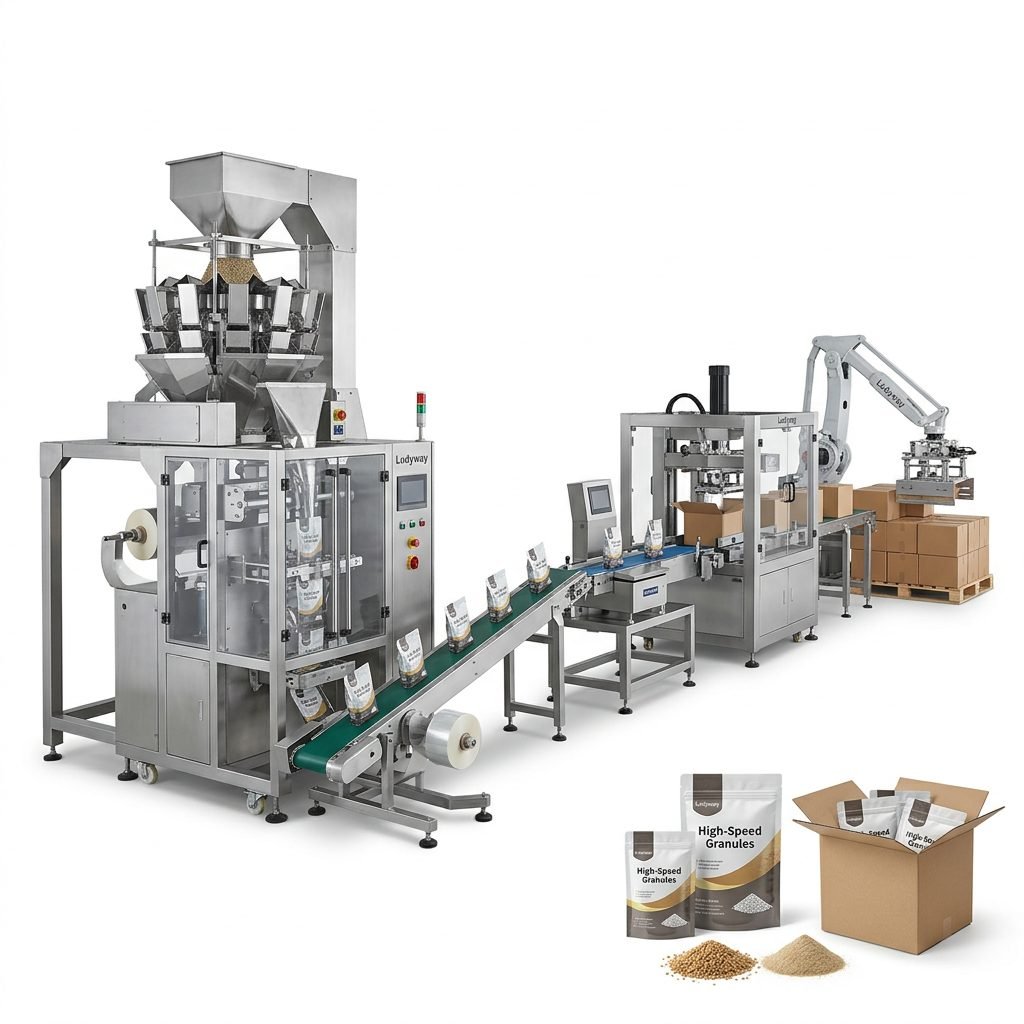
A complete dry food packaging production line consists of multiple integrated machines. Selecting the right equipment depends on your target product type (granules, powders, or solid pieces), packaging format (sachets, stick packs, pouches, or bags), and desired output capacity. Below are the core components typically required.
1. Feeding and Conveying Systems
Reliable material handling is the foundation of any efficient packaging line. For dry food products, options include vibratory feeders for granules, screw conveyors for powders, and bucket elevators for bulk transfer from storage to the packaging machine. In Middle Eastern conditions, enclosed conveying systems help protect hygroscopic products like sugar and milk powder from humidity.
2. Primary Packaging Machines
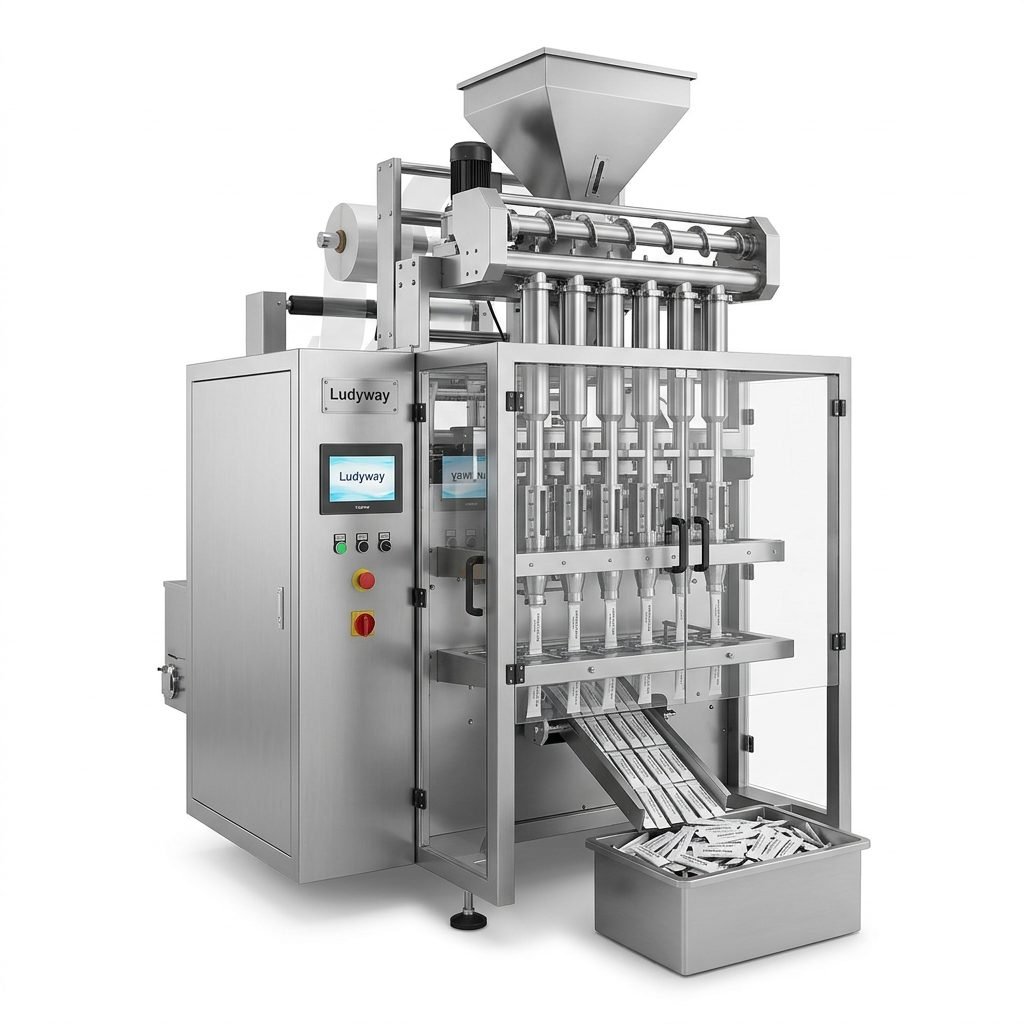
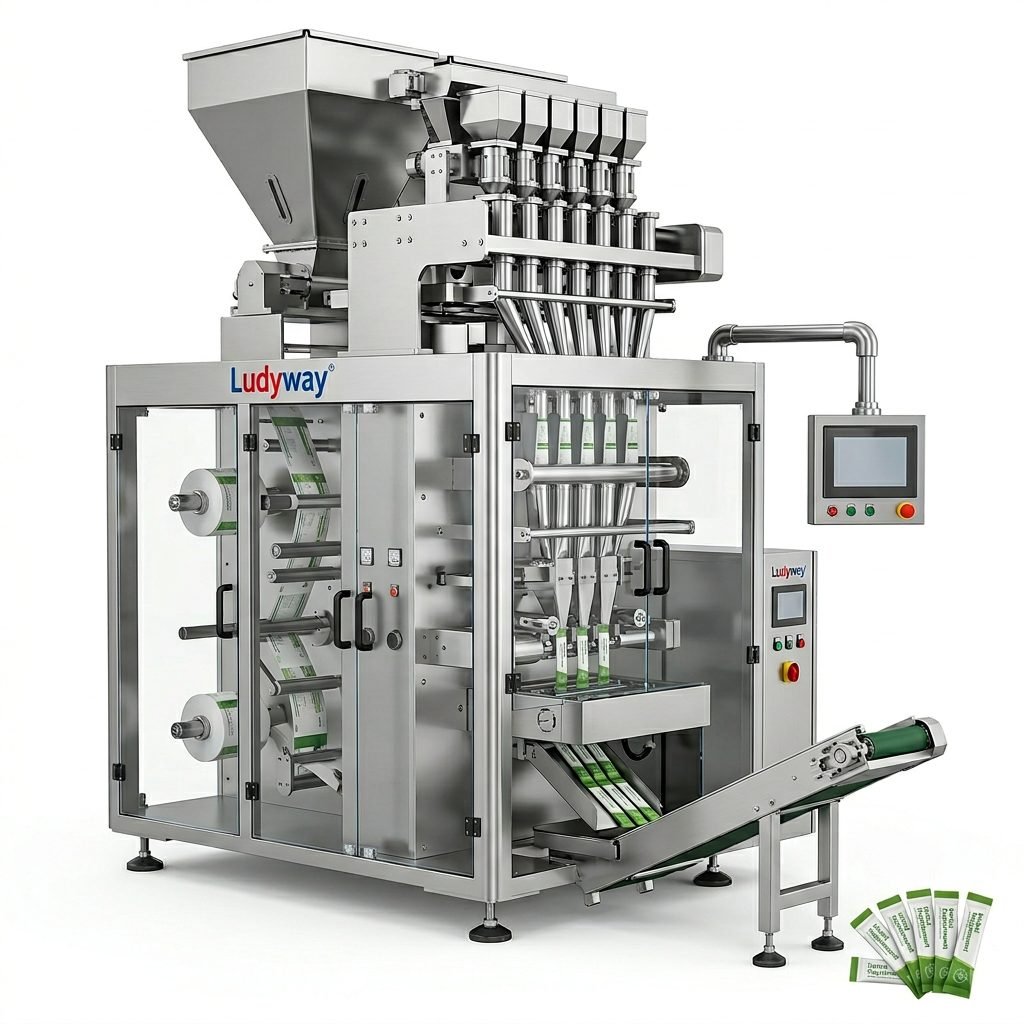
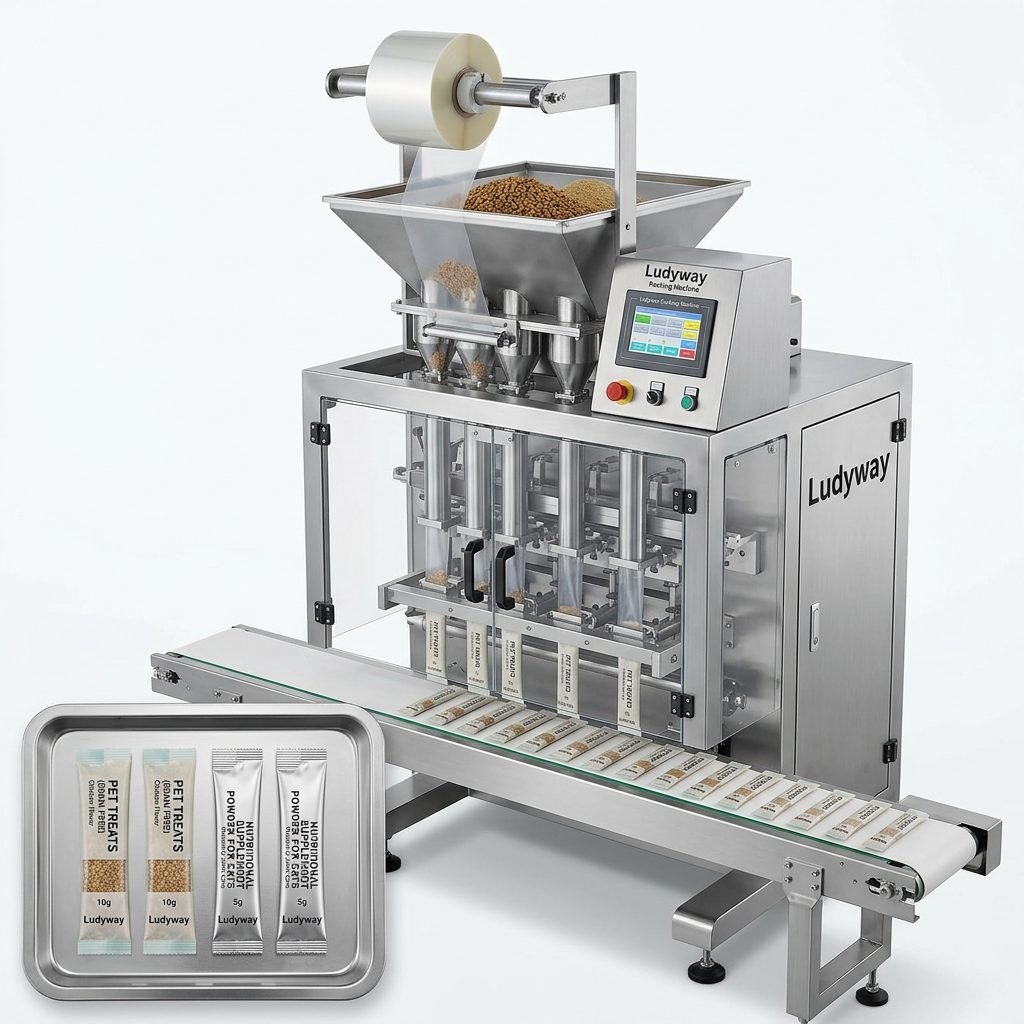
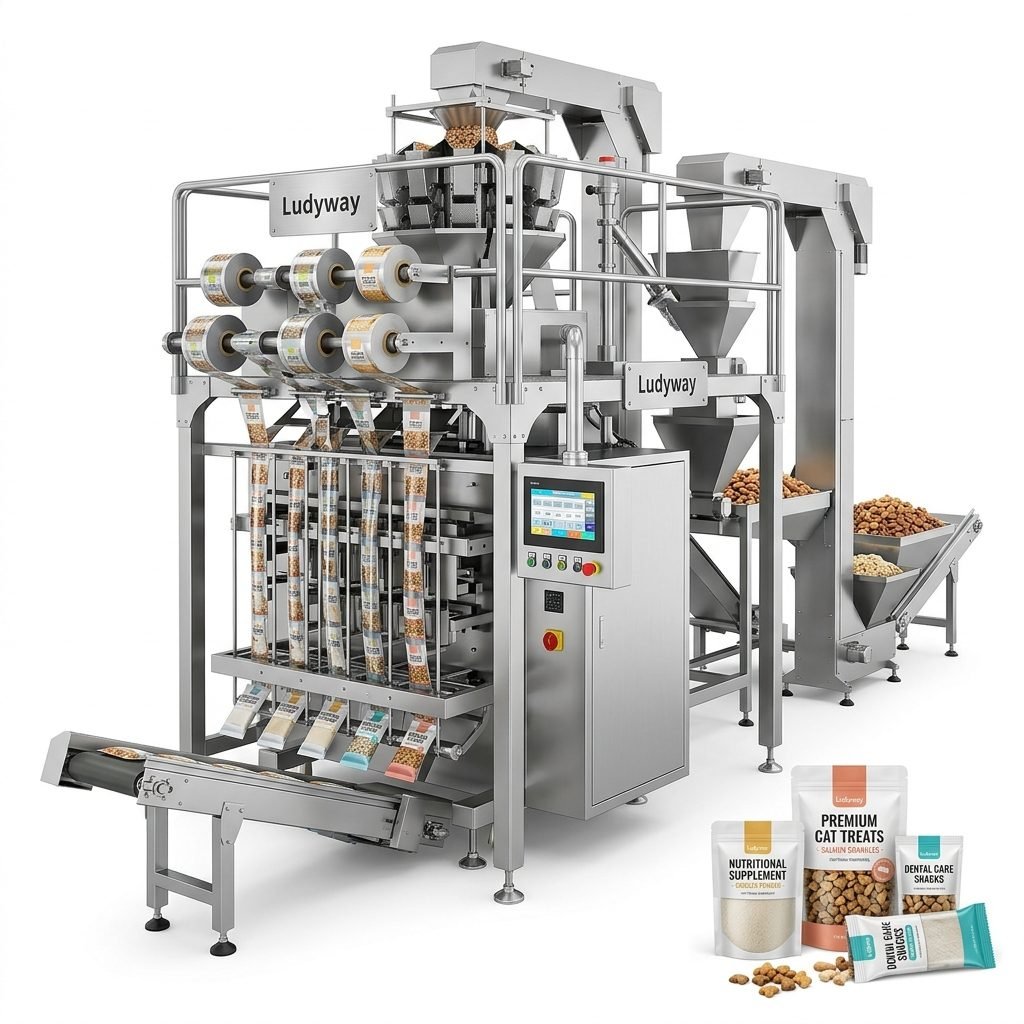
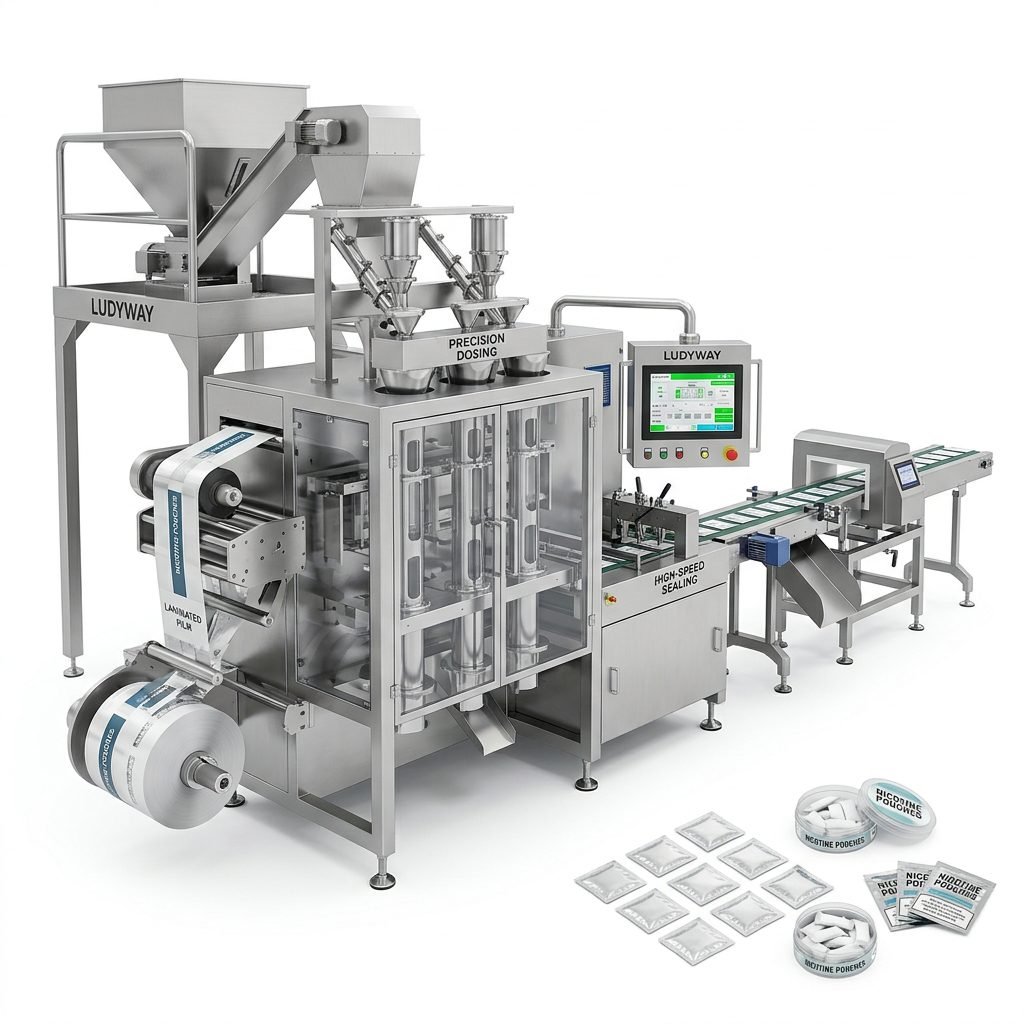
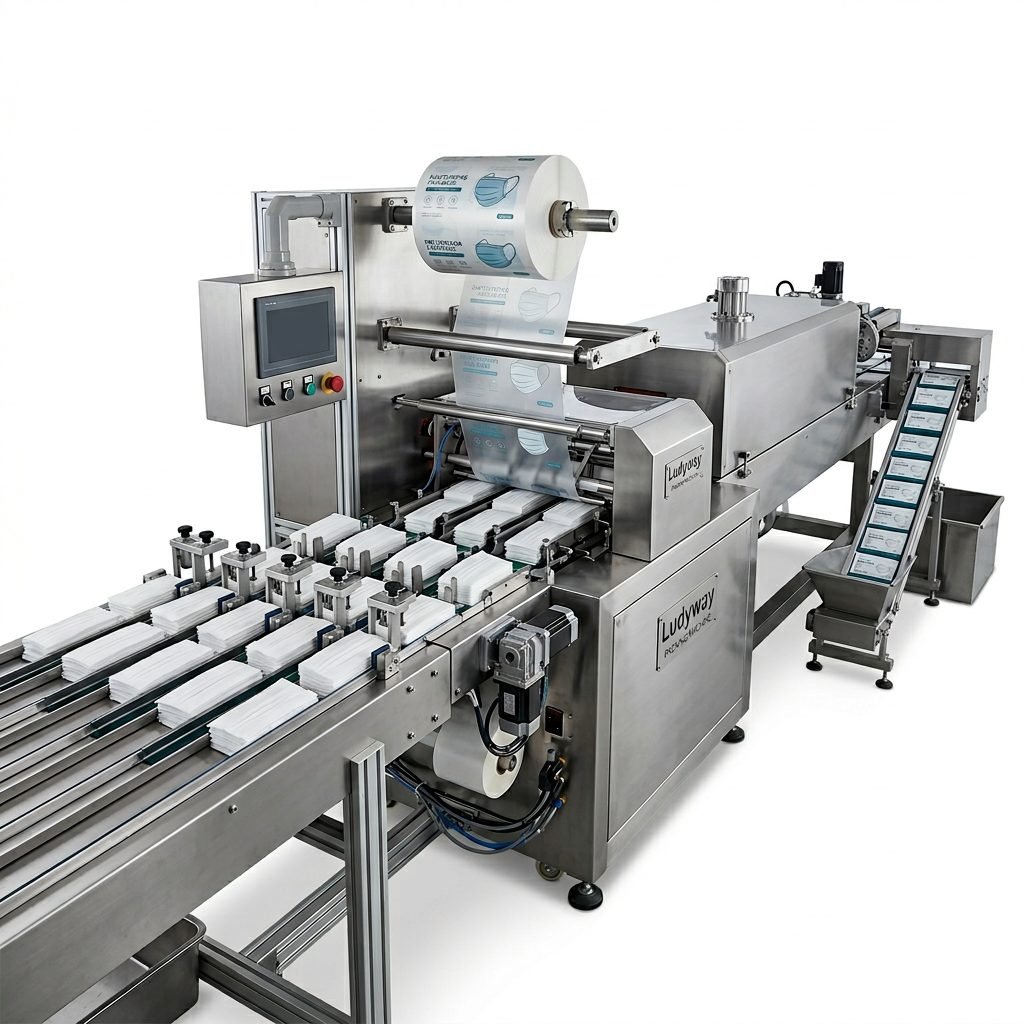
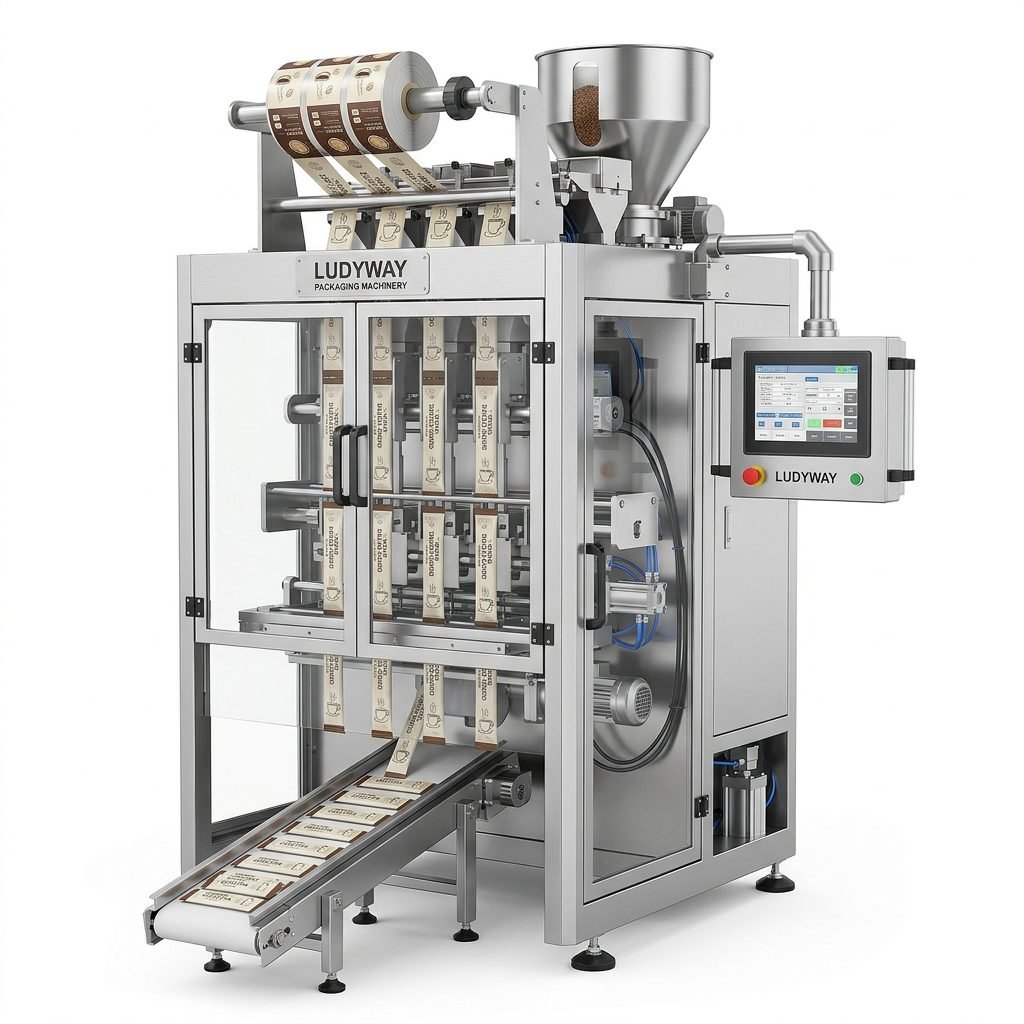
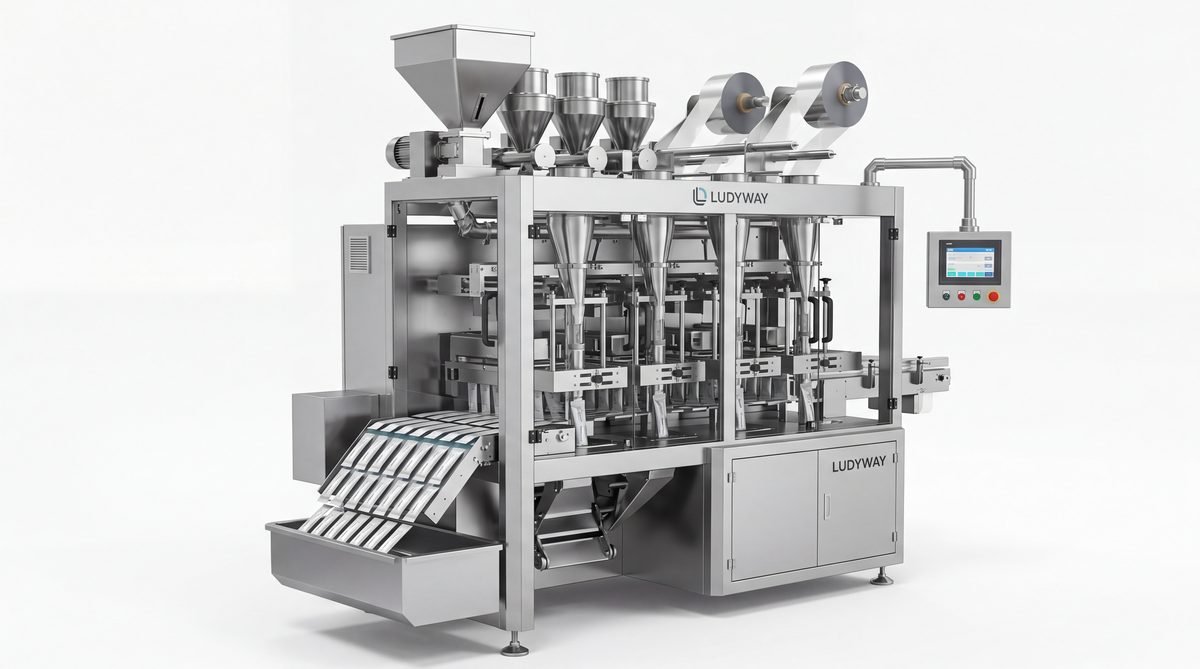
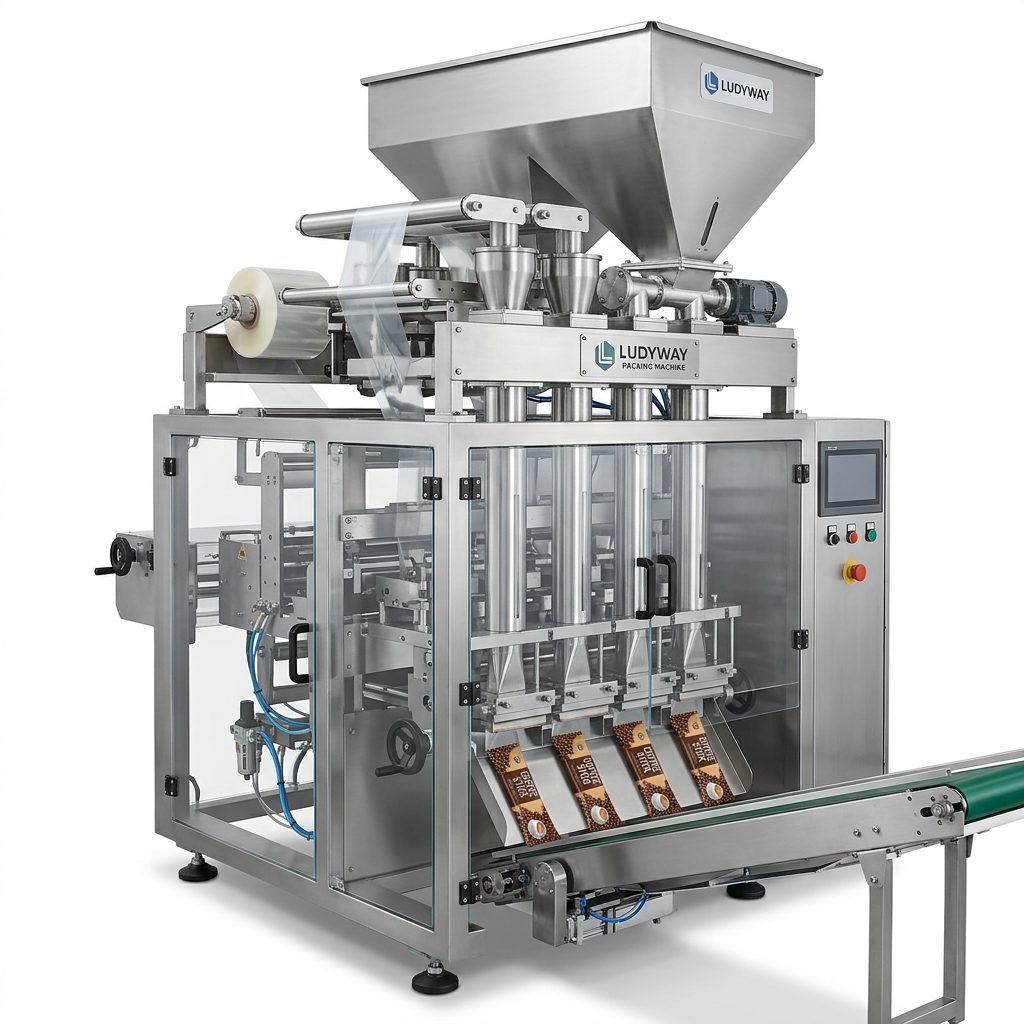
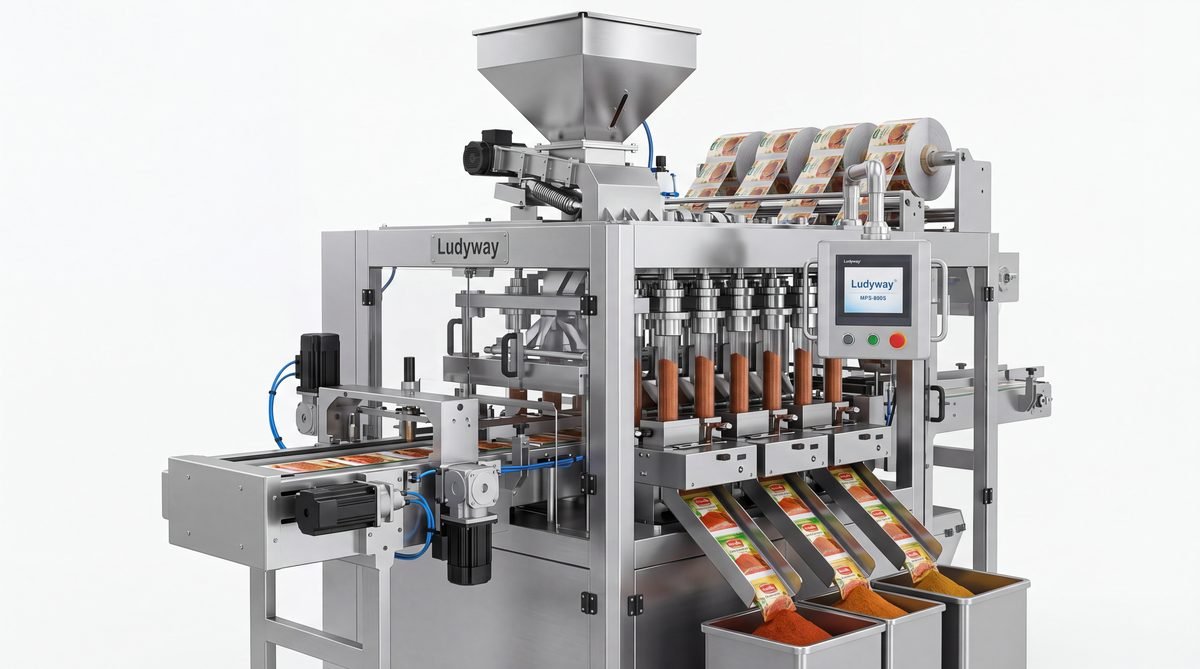
This is the core of the line. The choice of machine depends heavily on packaging format. For dry foods, the most common options include vertical form fill seal (VFFS) machines for pillow bags and gusseted pouches, multi-lane stick pack machines for single-serve portions, pre-made pouch rotary fillers for stand-up pouches with zippers, and sachet packing machines for flat three-side or four-side seal small packs. According to Flexible Packaging Association resources, flexible formats continue gaining market share due to material efficiency and consumer convenience.
3. Weighing and Filling Units
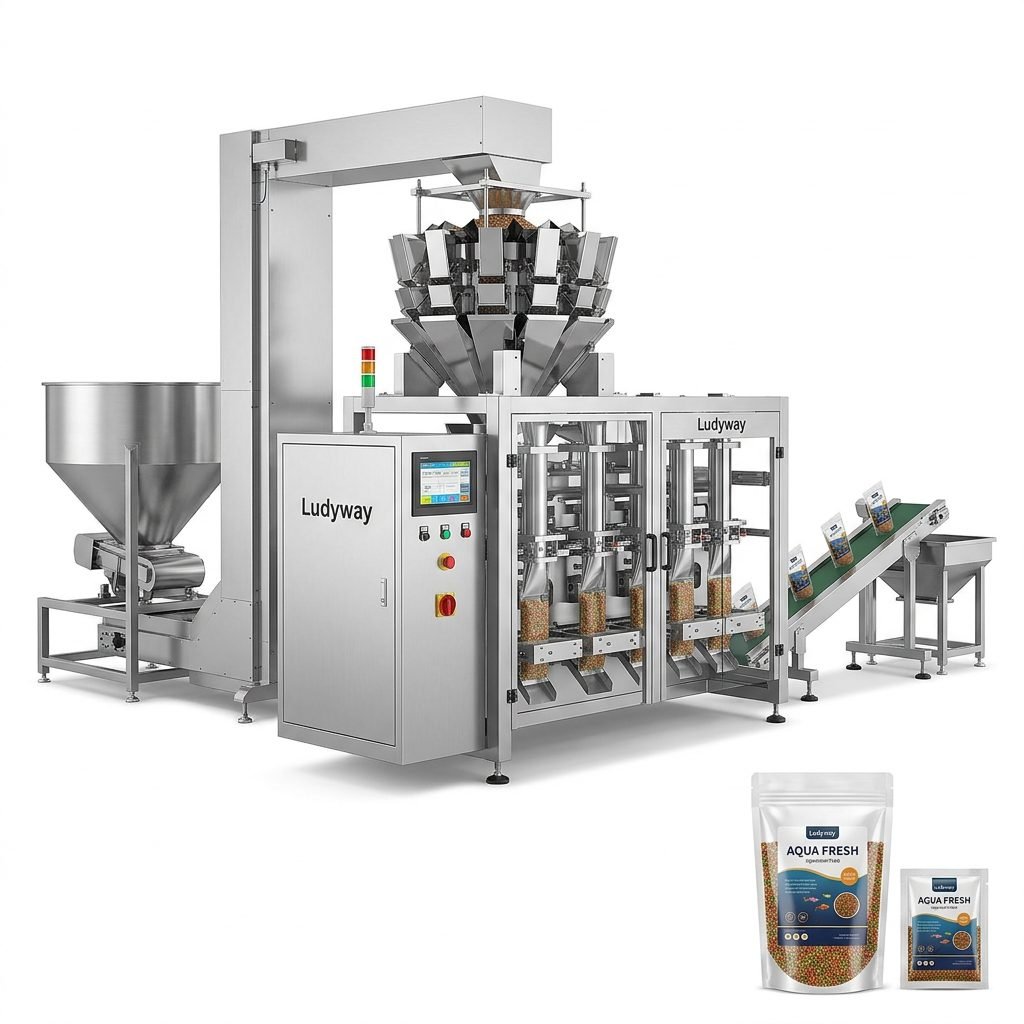
Accuracy in filling directly impacts profitability. For dry foods, common solutions are multi-head weighers (ideal for snacks, nuts, dried fruit, and frozen items), auger fillers (best for fine powders like flour, spices, and milk powder), and linear weighers (economical option for simpler granular products). For high-value products such as saffron, cardamom, or specialty coffee, precision weighing to within 0.1-0.5 grams is essential.
4. Secondary and End-of-Line Equipment
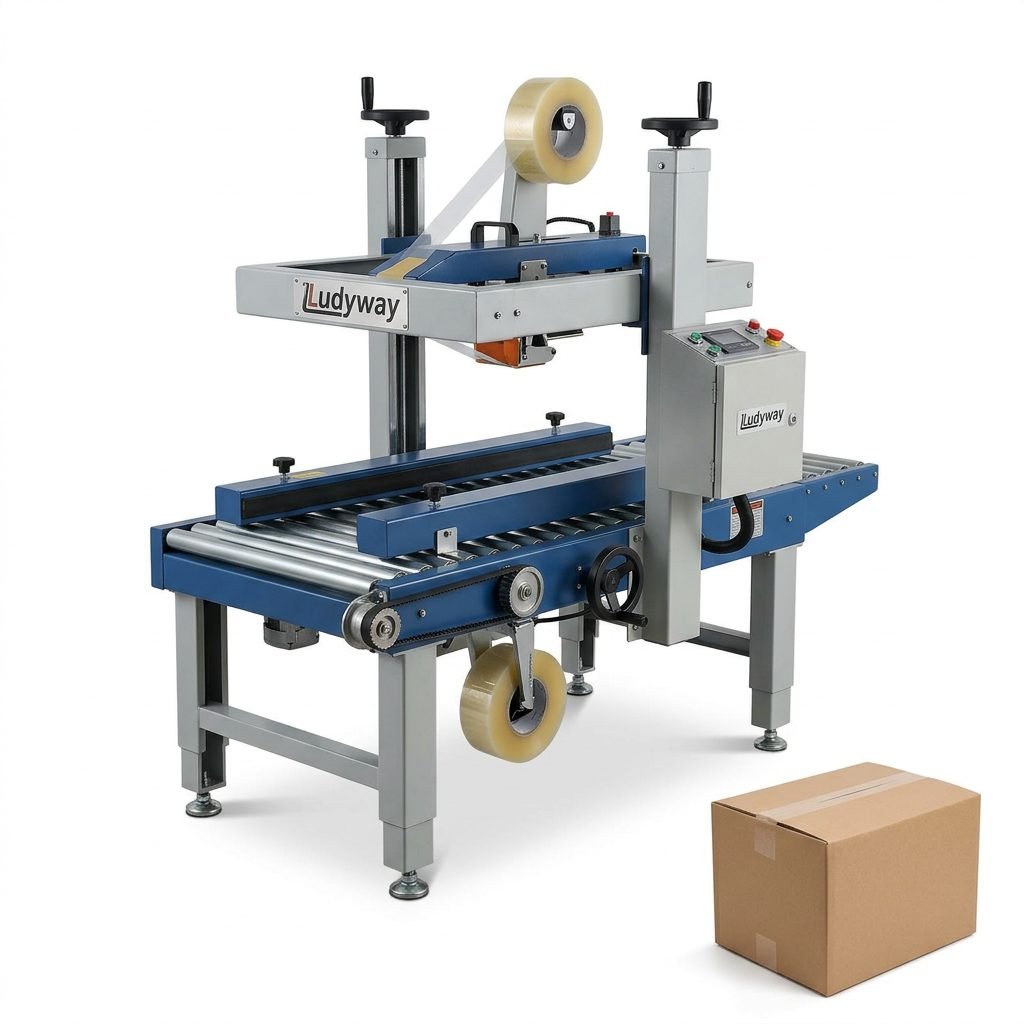
A fully automated packaging line should also include checkweighers for quality assurance, metal detectors or X-ray inspection systems for food safety compliance with FDA food packaging standards, cartoning machines, case packers, and palletizers for efficient logistics. In the Middle East, where labor costs vary significantly between Gulf countries and other parts of the region, the automation level of end-of-line systems significantly affects return on investment calculations.
Cost Breakdown: Budgeting for a Middle East Packaging Line
Understanding costs upfront helps avoid budget overruns and project delays. The following table provides a general cost structure for setting up a dry food packaging machine production line in the Middle East. Actual figures depend on automation level, capacity, and brand choice.
| Cost Category | Description | Estimated Range (USD) |
|---|---|---|
| Primary Packaging Machine | Multi-lane stick pack or VFFS with weigher | $35,000 – $180,000 |
| Feeding and Conveying | Elevators, vibratory feeders, screw conveyors | $8,000 – $35,000 |
| Inspection Systems | Metal detector, checkweigher, X-ray (optional) | $5,000 – $45,000 |
| End-of-Line Equipment | Cartoner, case packer, palletizer | $25,000 – $150,000 |
| Shipping to GCC Ports | Sea freight from Asia, insurance, customs clearance | $6,000 – $20,000 |
| Installation and Commissioning | On-site setup, training, trial runs | $5,000 – $25,000 |
| Facility Preparation | Electrical work, compressed air, climate control | $10,000 – $40,000 |
Total Estimated Investment: For a mid-range automated line producing 60-120 packs per minute, expect an all-in budget of $100,000 to $500,000, excluding the building itself. High-capacity turnkey systems for large factories can range from $500,000 to over $2 million. It’s advisable to request detailed quotations that specifically include Middle East shipping, installation supervision, and operator training.
Key Considerations for the Middle East Market
1. Climate Control and Machine Adaptation
The Middle East presents unique environmental challenges. High ambient temperatures (often exceeding 45°C in summer) and fine airborne dust, especially in Gulf countries, require special attention. Your packaging line should include electrical panels with adequate cooling (air conditioning or vortex coolers), sealed bearings to prevent dust ingress, and humidity-controlled feeding zones for hygroscopic products such as sugar, milk powder, and instant coffee. Machines not designed for these conditions may experience seal integrity issues, electronic failures, and reduced lifespan.
2. Regulatory and Halal Compliance
Food packaging in the Middle East must comply with Gulf Standardization Organization (GSO) regulations and specific country-level requirements from authorities like the Emirates Authority for Standardization and Metrology (ESMA) in the UAE or the Saudi Food and Drug Authority (SFDA) in Saudi Arabia. Critical requirements include contact surfaces in stainless steel 304 or 316L, packaging materials and machine lubricants that do not compromise Halal integrity, and proper batch coding and traceability systems. Refer to ISO packaging standards for international compliance frameworks.
3. Packaging Material Sourcing
Most flexible packaging films used in the Middle East are imported from Asia, Europe, or regional manufacturing hubs in the UAE and Saudi Arabia. When selecting a packaging machine, ensure it can handle the locally available film specifications, including thickness, barrier properties, and heat-seal characteristics. For products requiring modified atmosphere packaging (MAP) for extended shelf life in hot climates, your machine must support gas flushing capabilities. The Flexible Packaging Association provides additional technical guidance on material selection.
4. After-Sales Support and Spare Parts
This is arguably the most critical factor for long-term success. Before purchasing, confirm that your equipment supplier can provide remote technical support, a reasonable inventory of critical spare parts available for fast shipping to Middle East destinations, and technicians available for on-site visits when needed. For operations in Saudi Arabia requiring a local service partner, the availability of Arabic-speaking support engineers and regional service hubs significantly reduces downtime risks.
5. Energy Efficiency and Sustainability
As Gulf countries implement sustainability initiatives like Saudi Vision 2030 and UAE Net Zero 2050, energy-efficient packaging machinery is increasingly valued. Look for machines with servo motor drives rather than pneumatic systems, as these consume less power and require less maintenance. Compliance with EU packaging waste regulations can also position your products favorably in markets that value environmental standards.
Step-by-Step Production Line Setup Process
- Step 1 – Define Product and Output Requirements: Document your primary dry food product characteristics (flowability, density, particle size), target packaging formats (pouch size, material structure), and production capacity needed (packs per minute, shifts per day, expected growth).
- Step 2 – Facility Assessment: Evaluate your production space for adequate floor area, ceiling height, power supply (commonly 380V/50Hz three-phase in the Middle East), compressed air capacity, and the feasibility of installing climate control in critical zones.
- Step 3 – Equipment Selection and Supplier Evaluation: Request proposals from multiple packaging machine manufacturers. Evaluate not only pricing but also machine specifications, warranty terms, regional service capabilities, and references from existing customers in the Middle East.
- Step 4 – Layout and Integration Planning: Work with your chosen supplier to design the line layout, ensuring smooth material flow, adequate operator access, and integration of all upstream and downstream equipment.
- Step 5 – Procurement and Logistics: Finalize the purchase agreement including Incoterms, arrange sea freight to Jebel Ali, Dammam, or other regional ports, and manage customs clearance with appropriate documentation.
- Step 6 – Installation, Commissioning, and Training: Supervise machine positioning, utility connections, and trial runs. Comprehensive operator and maintenance training conducted on-site is essential for maximizing machine efficiency and lifespan.
- Step 7 – Production Ramp-Up and Optimization: Begin with controlled production volumes, fine-tune parameters for your specific dry food products, and gradually increase output toward the target production capacity.
Common Mistakes to Avoid
Based on industry experience, here are pitfalls that frequently affect new packaging line projects in the Middle East:
- Underestimating climate impact: Choosing machines without proper cooling or dust protection inevitably leads to reliability problems during peak summer months.
- Ignoring film compatibility: Always test your actual packaging film on the machine before final procurement to avoid heat-seal and forming issues.
- Insufficient operator training: Even the most advanced machine performs poorly without well-trained operators who understand daily operation, cleaning procedures, and basic troubleshooting.
- Choosing based on price alone: A lower purchase price often translates to higher long-term costs from downtime, unavailable spare parts, and limited technical support.
- Overlooking future flexibility: As Middle East consumer markets evolve quickly, selecting machines that can handle multiple bag sizes and formats protects your investment better than single-purpose equipment.
Finding the Right Equipment Partner
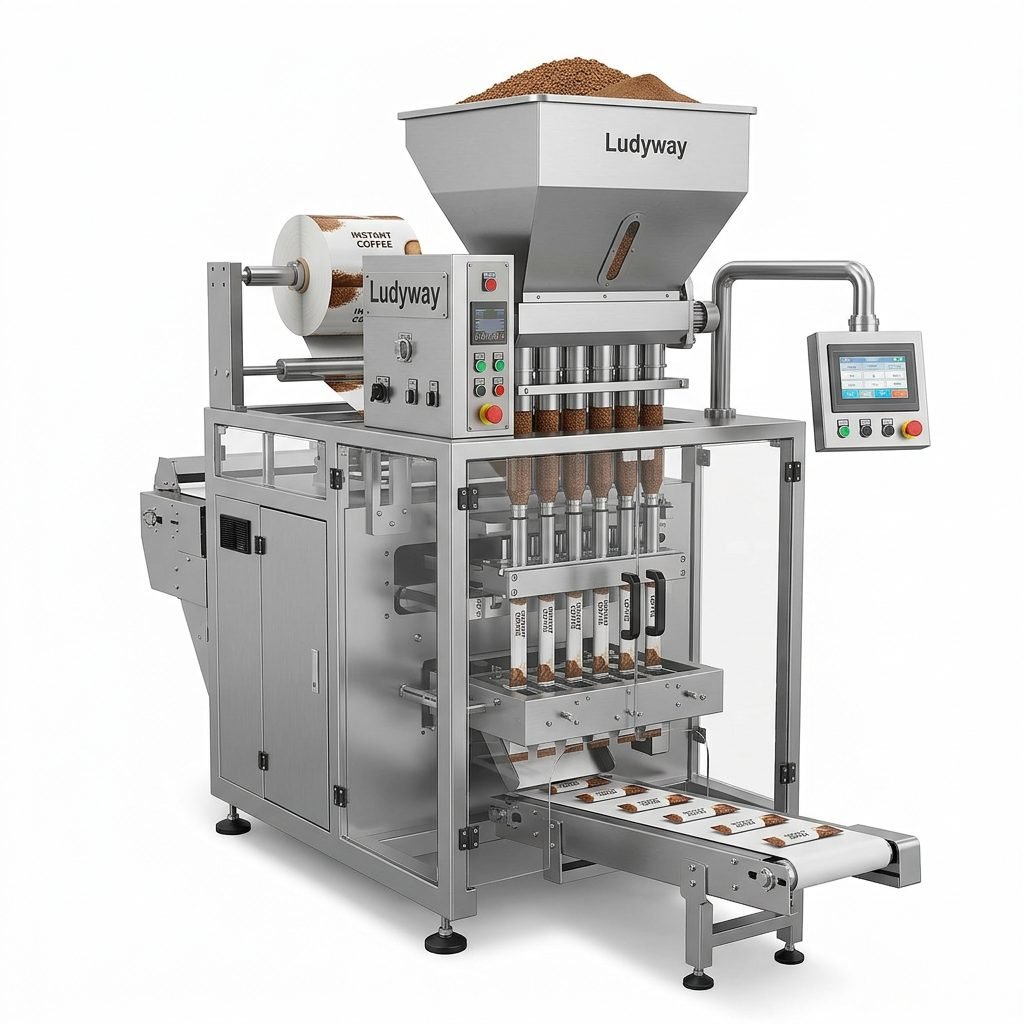
Selecting a reliable packaging machine manufacturer with international experience is crucial for project success. Look for a supplier with proven export experience to the Middle East region, comprehensive documentation in English (and ideally Arabic), a complete product range covering your packaging needs, and a strong track record of after-sales support. One such manufacturer is Ludyway, one of the largest packaging machine manufacturers in China, offering over 50 intelligent packaging machine models including multi-lane stick pack, sachet, and fully automated packaging systems, with service to customers in over 100 countries and regions including the Middle East.
For further industry insights, explore resources from PMMI – The Association for Packaging and Processing Technologies, PACK EXPO International, the Flexible Packaging Association, and the U.S. EPA sustainable materials management program.