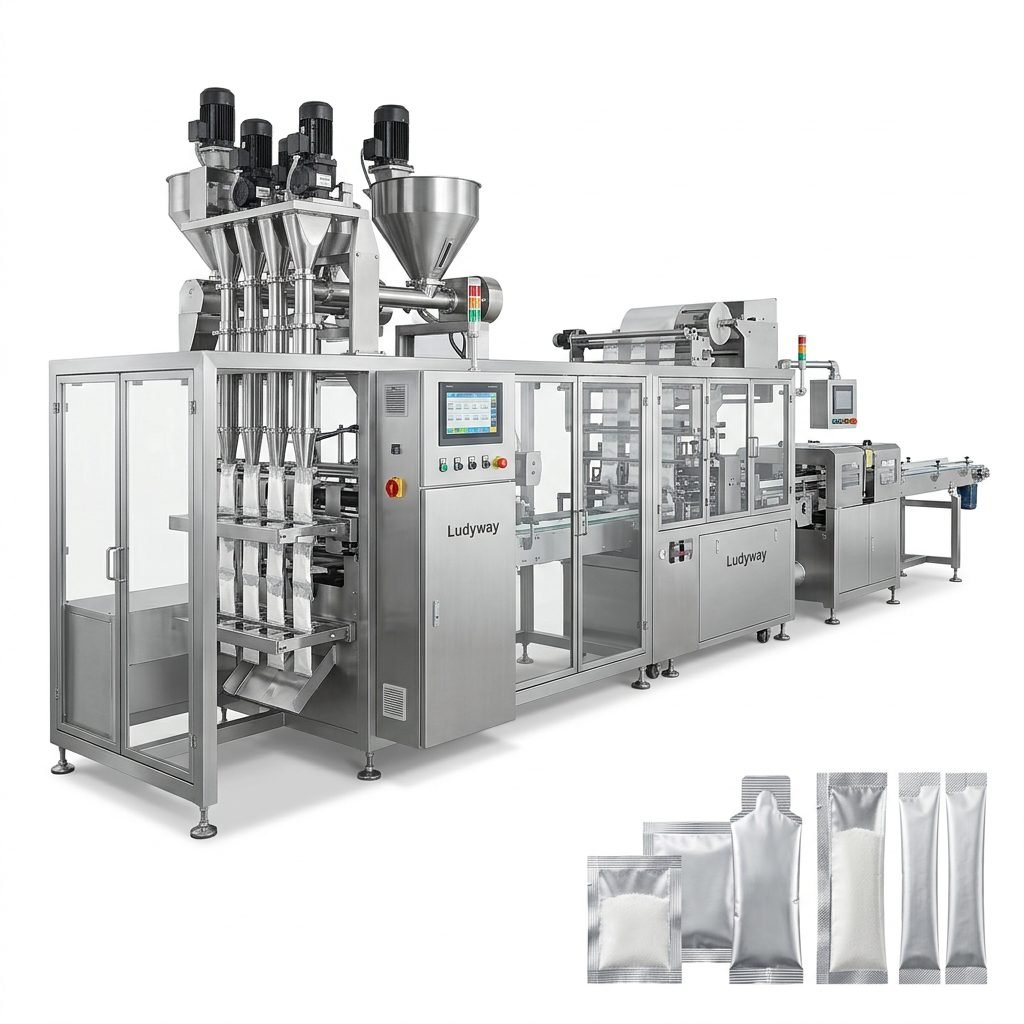
In the fast-paced world of manufacturing, efficient and reliable packaging is a cornerstone of product success. SMI packaging equipment represents a significant segment of this industry, offering specialized solutions for a wide range of applications. This article delves into what SMI packaging equipment is, explores its various types, explains its core working principles, and provides a comprehensive guide on how to choose the right system for your production needs.
Understanding SMI Packaging Equipment
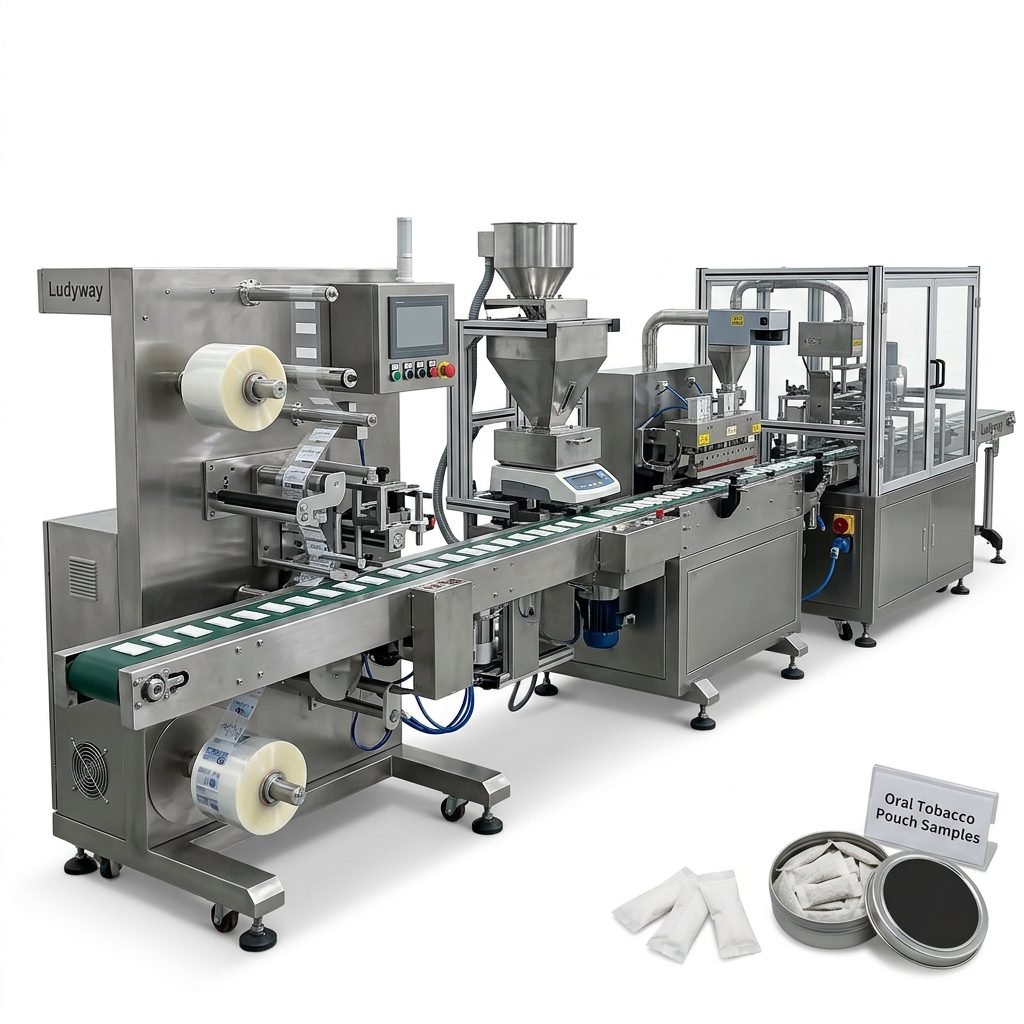
SMI packaging equipment refers to a sophisticated class of automated machinery designed for high-speed, precise, and versatile packaging operations. The term often encompasses systems that handle forming, filling, and sealing (FFS) processes for various product formats like sachets, stick packs, and pouches. These machines are engineered to meet the stringent demands of industries such as food, pharmaceuticals, and health products, where hygiene, accuracy, and speed are paramount.
The evolution of SMI technology has been driven by the need for greater automation, reduced waste, and enhanced production line integration. Modern systems are not just standalone machines but integral components of smart, connected production environments.
Key Driver: The shift towards smaller, single-serve, and on-the-go product formats in consumer markets has been a major catalyst for the development and adoption of advanced SMI stick pack and sachet packaging machines.
Primary Types of SMI Packaging Systems
SMI packaging solutions are categorized based on the final package form and the type of product they are designed to handle. The main types include:
1. Stick Pack Packaging Machines
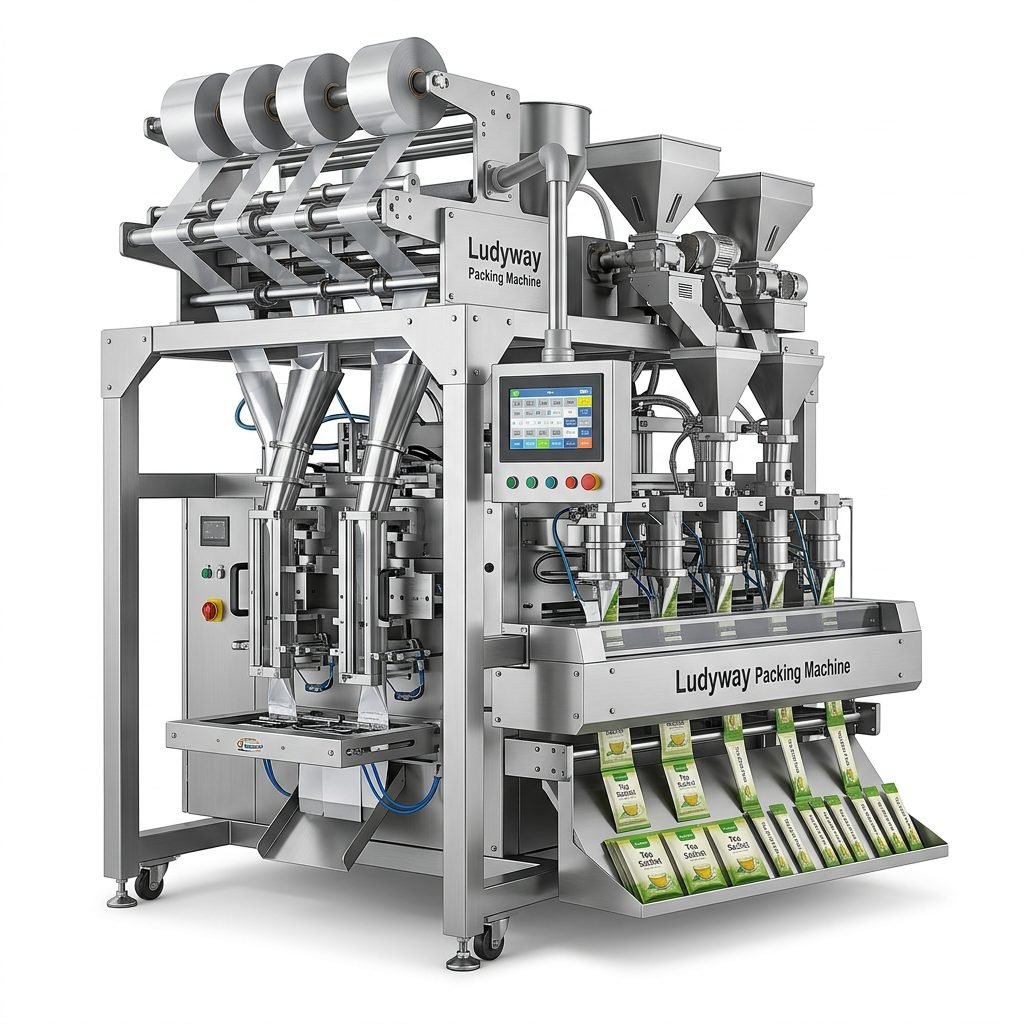
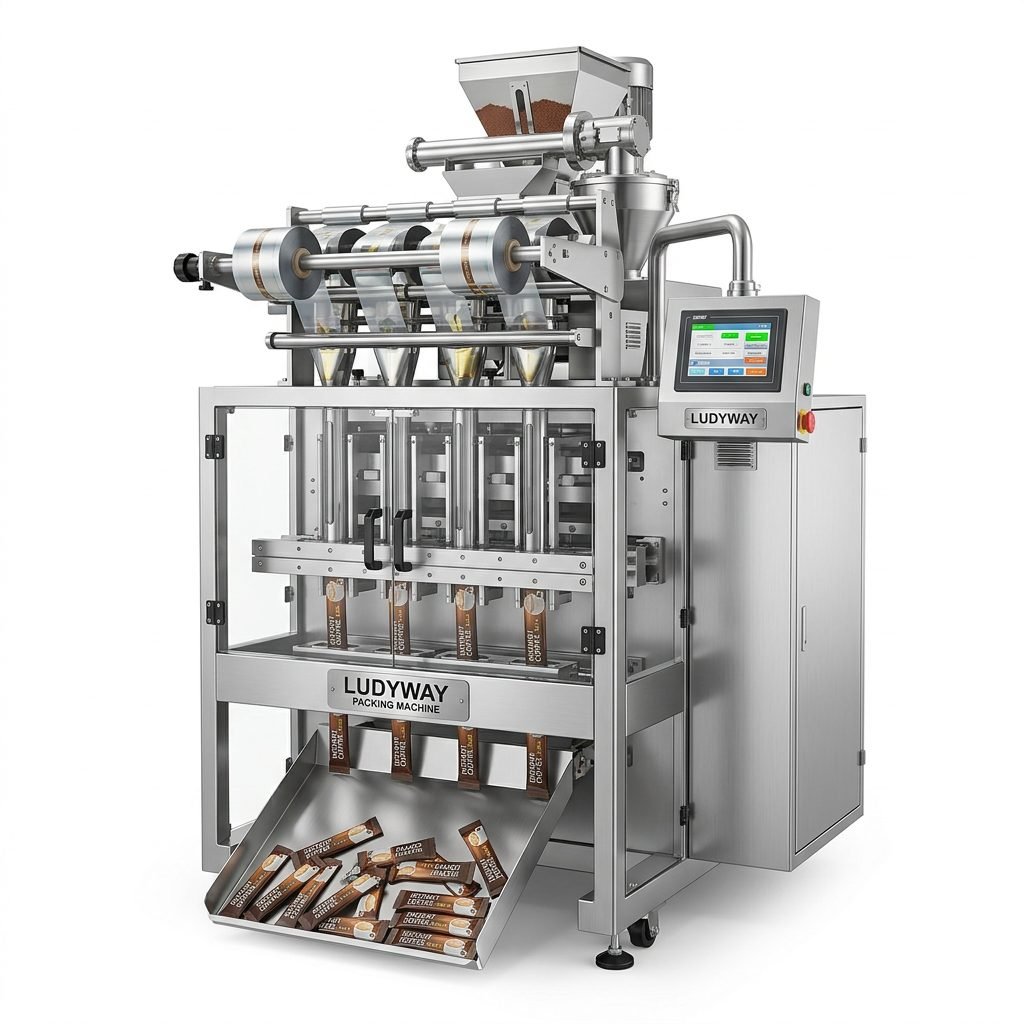
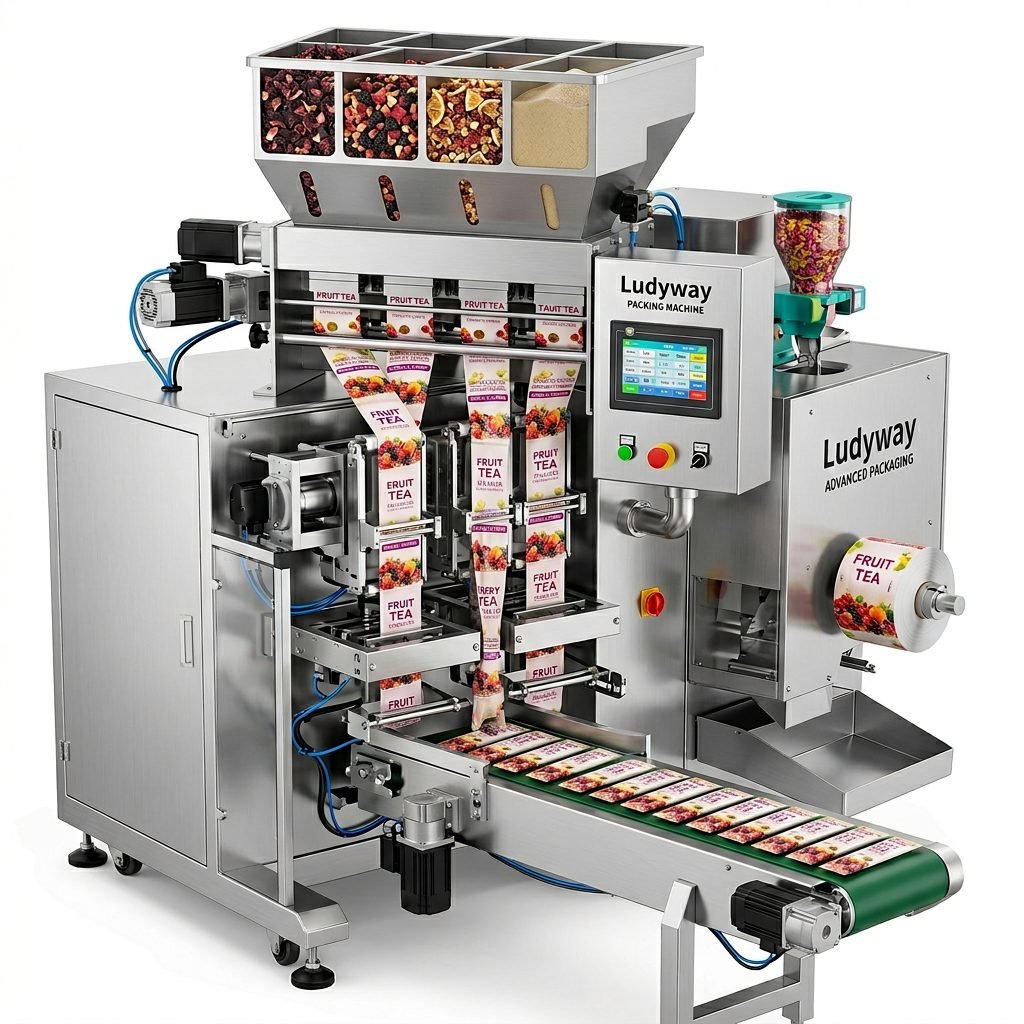
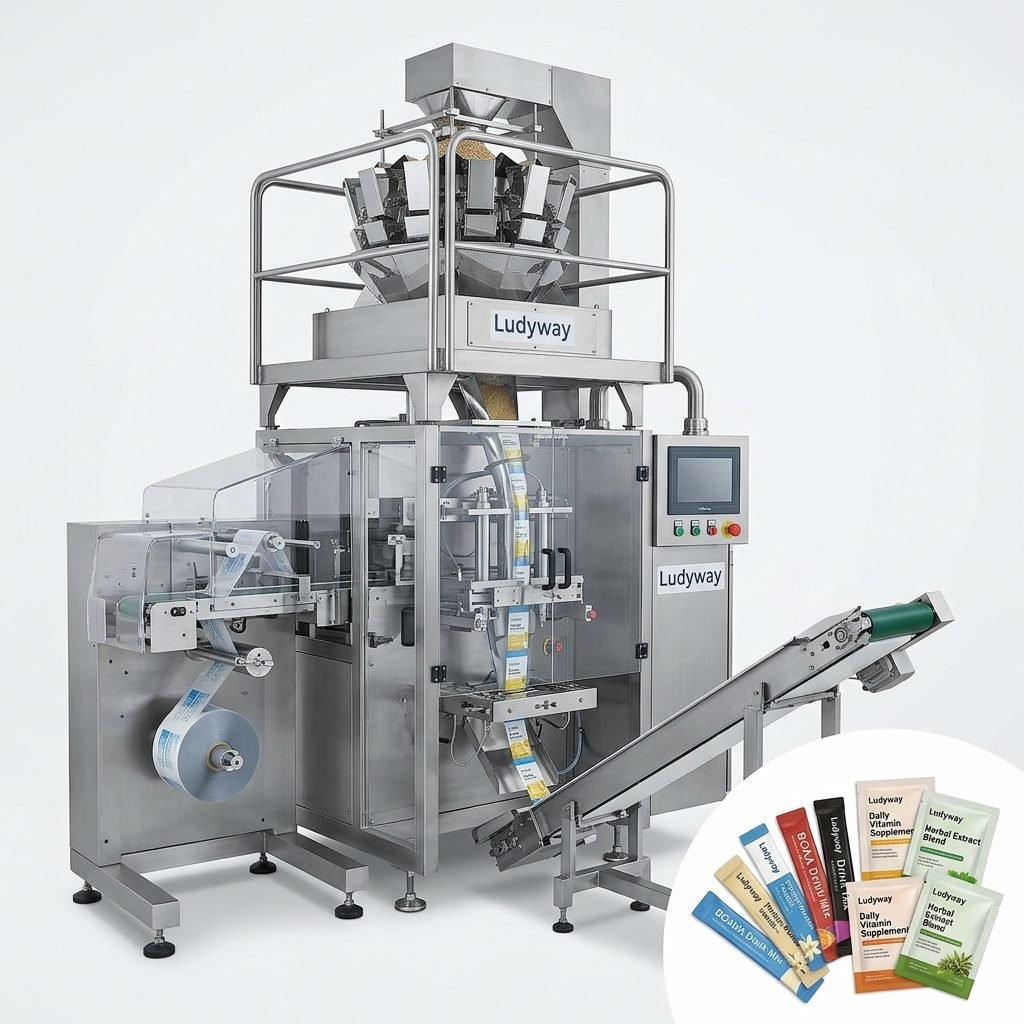
These machines are specialized for creating long, narrow packets ideal for powders, granules, or liquids. They are ubiquitous for products like instant coffee, drink mixes, pharmaceuticals, and condiments. Stick packs offer excellent barrier properties and a modern, convenient consumer presentation.
2. Sachet (Pouch) Packaging Machines
Sachet machines produce small, flat pouches and are incredibly versatile. They can be configured for three-side seal or four-side seal pouches and are used for a vast array of products including sauces, shampoo samples, spices, and tea bags. They are known for their material efficiency and flexibility in size.
3. Granule & Powder Packaging Machines
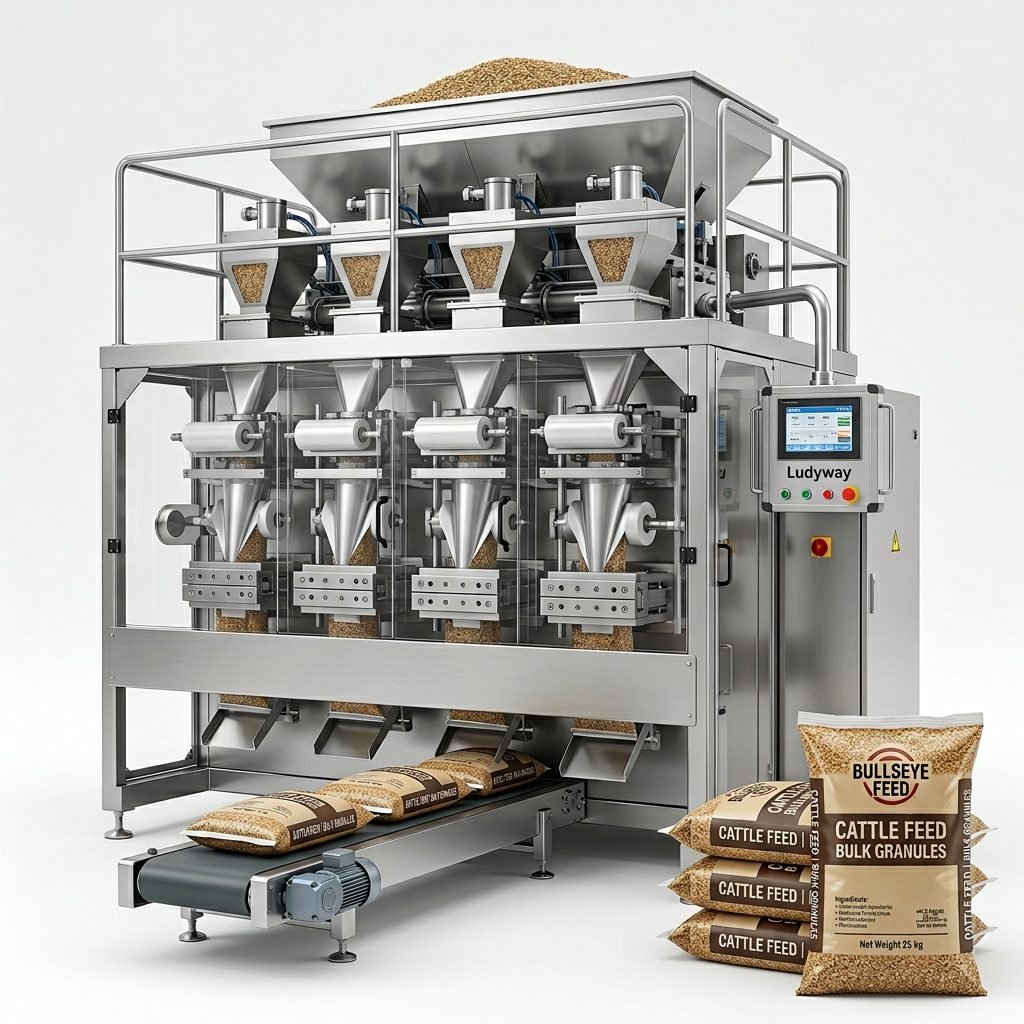
Specifically engineered for free-flowing dry products, these systems feature precision auger or cup fillers to ensure accurate dosing. They are critical in industries where exact weight control is necessary, such as food seasoning and pharmaceutical powders.
4. Liquid & Paste Packaging Machines
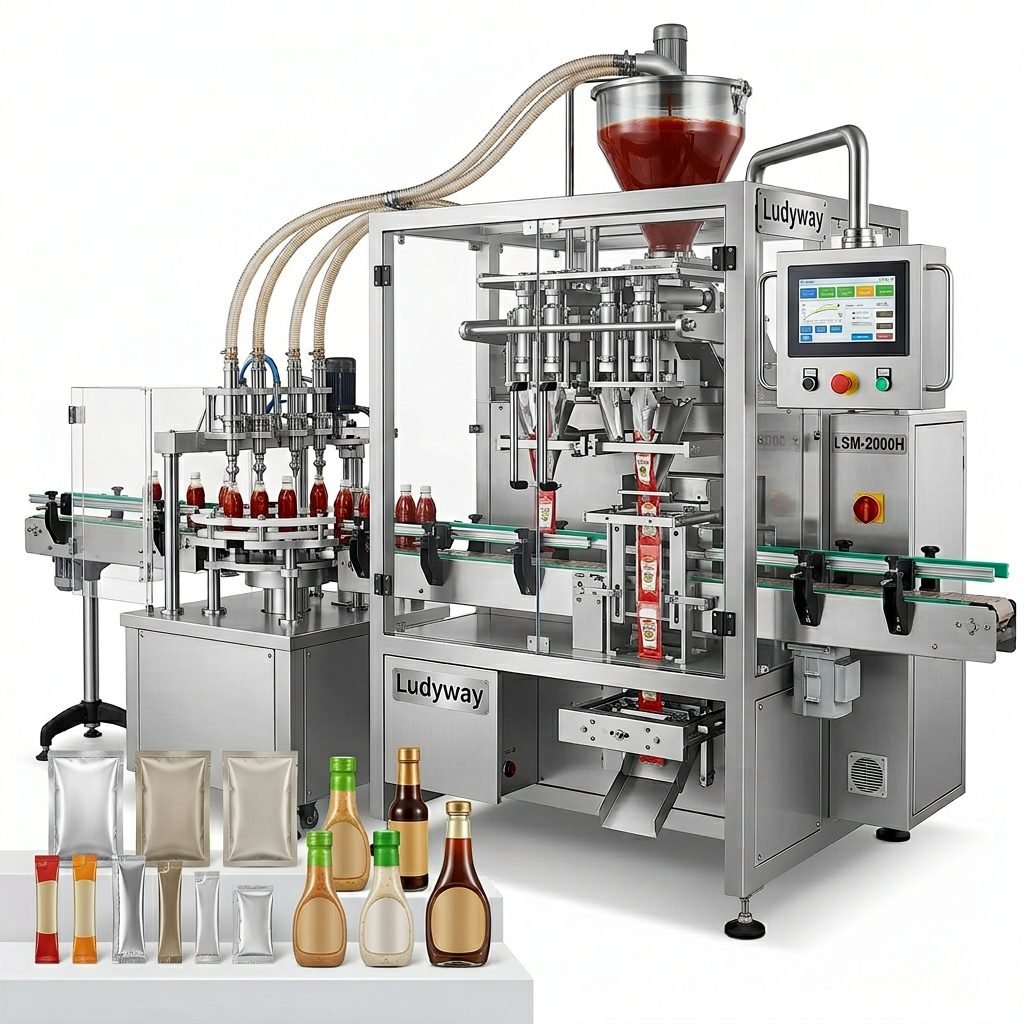
Designed to handle viscous products, these machines use piston pump or volumetric filling systems. They are essential for packaging products like honey, sauces, ointments, and cosmetics, preventing leaks and ensuring clean seals.
Core Working Principles
While specific mechanisms vary by type, most SMI packaging systems follow a similar automated sequence, often described as a Form-Fill-Seal (FFS) process:
1. Film Unwinding & Forming: A roll of packaging film (laminate) is fed into the machine. It passes through a forming collar where it is shaped into a tube (for stick packs) or guided to create the pouch shape.
2. Vertical Sealing: The longitudinal seam of the film tube is sealed continuously to create a back seal.
3. Product Filling: At the precisely timed moment, the measured product is injected or dropped into the formed tube or pouch. This is the heart of the machine’s accuracy.
4. Horizontal Sealing & Cutting: Heated jaws close to create the top seal of the current pack and the bottom seal of the next pack simultaneously. A cutting mechanism then separates the individual packs.
The entire process is controlled by a Programmable Logic Controller (PLC) and human-machine interface (HMI), allowing for precise adjustment of parameters like temperature, speed, and fill volume.
How to Choose the Right SMI Packaging System
Selecting the optimal equipment is crucial for operational efficiency and ROI. Consider these key factors:
A. Product Characteristics
This is the foremost consideration. Define your product’s physical state (powder, granule, liquid, paste), flowability, hygroscopicity, and any special requirements (e.g., nitrogen flushing for coffee). The machine’s filling system must be compatible.
B. Production Requirements
Evaluate your required output speed (packs per minute), the range of package sizes you need to produce, and the desired level of automation (manual feeding vs. fully integrated line).
C. Packaging Material
The machine must be capable of handling your chosen laminate structure (e.g., PET/AL/PE). Consider the sealing method (heat seal, ultrasonic) and ensure the machine’s sealing jaws and temperature control are suited for it.
D. Hygiene & Compliance
For food, pharmaceutical, or medical products, the machine’s design must facilitate easy cleaning (CIP/SIP capabilities) and be constructed from compliant materials (e.g., stainless steel contact parts). GMP standards may apply.
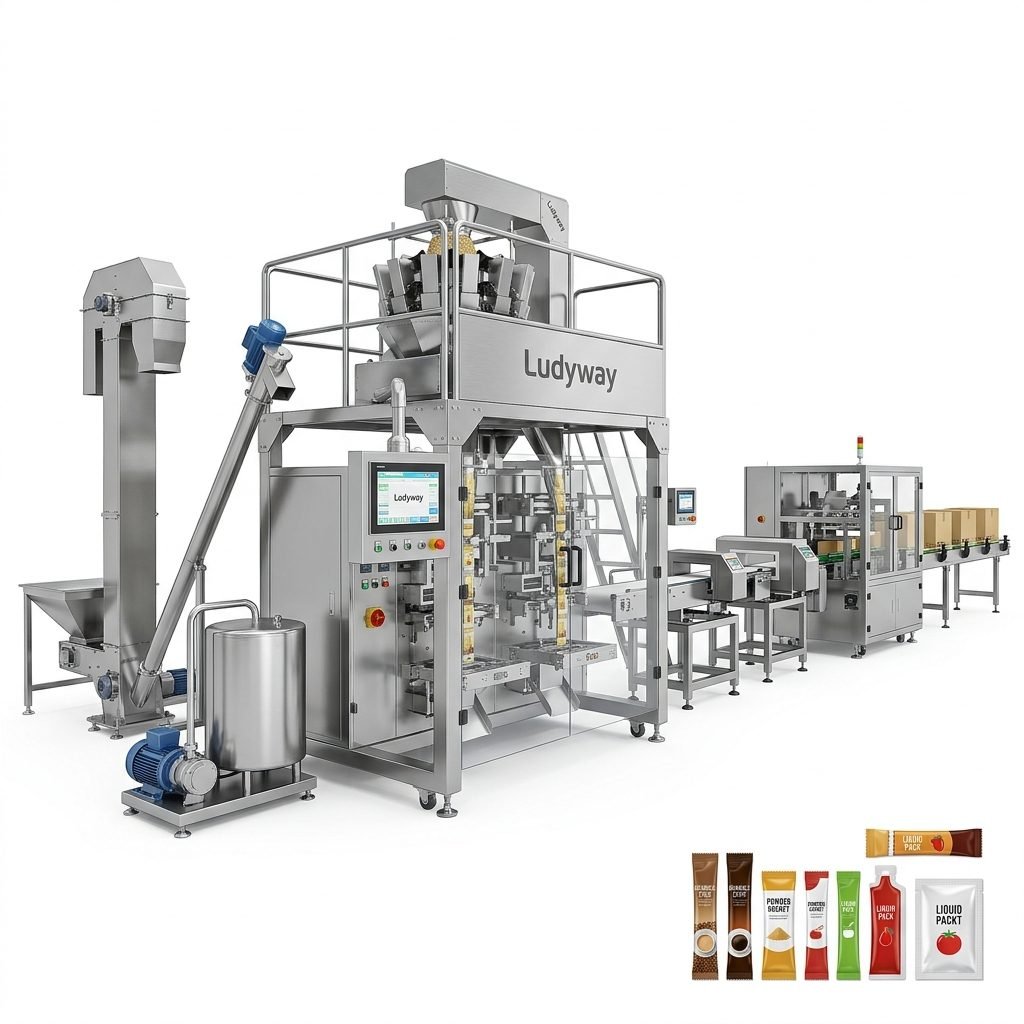
Beyond these, also assess the footprint and utility needs (power, air supply), the reputation and support of the manufacturer, and the total cost of ownership, including maintenance and spare parts availability. Partnering with an experienced provider like Ludyway Packing Machine can provide access to tailored solutions and reliable technical support.
The Role of Expert Manufacturers
The complexity of SMI equipment underscores the importance of choosing a knowledgeable manufacturer. A provider with deep industry experience brings invaluable expertise in machine configuration, line integration, and post-sales service. They understand the nuances of different markets and can offer customized production solutions that go beyond a standard machine sale.
For instance, a manufacturer with over 30 years in the field will have a proven track record of solving unique packaging challenges, ensuring that the equipment not only works but optimizes your overall production workflow for long-term reliability and efficiency.
Conclusion
SMI packaging equipment is a dynamic and essential technology for modern product manufacturing. From convenient stick packs to versatile sachets, these systems enable brands to meet consumer demands with precision and efficiency. Understanding the different types, how they work, and the critical factors in selecting the right system—from product fit to manufacturer support—empowers businesses to make informed investments that enhance their packaging operations and drive growth.
Frequently Asked Questions (FAQs)
What industries most commonly use SMI packaging equipment?
The primary industries are food & beverage (for spices, drink mixes, sauces), pharmaceuticals (powdered medicines, sachets), cosmetics & personal care (sample sachets, creams), and the chemical industry (detergents, additives).
Can one SMI machine handle different types of products?
Many machines are designed for flexibility, but significant product changes (e.g., from powder to liquid) typically require changing the filling system and potentially other components. It’s best to discuss multi-product applications with your supplier.
How important is after-sales service when purchasing this equipment?
Extremely important. Reliable technical support, availability of spare parts, and access to maintenance training are critical for minimizing downtime and ensuring the long-term productivity of your investment.
What is the typical lead time for a new SMI packaging system?
Lead times vary based on complexity and customization, ranging from a few weeks for standard models to several months for fully customized turnkey lines. Planning ahead with your supplier is essential.
Are these machines suitable for small-scale or startup operations?
Yes, there are semi-automatic and smaller-scale automatic models available that are cost-effective for lower-volume production, allowing businesses to scale up as they grow.